Independent Coverage
Nearly two decades of publishing. A record carried across the world.
The Trott Bailey Family public record stretches from engineering and robotics in Jamaica to agriculture, software, family systems, architecture, wealth authorship and civilization design. Across family-owned publishing, television, streaming, mobile applications, websites and wider media distribution, the work has generated billions of views.
The digital trail begins in 2008 with kimroybailey.blogspot.com, grows through kimroybailey.com from 2013, and widens again in 2022 with TrottBaileyFamily.com as the family becomes the center of the publishing identity.
The record now crosses the Caribbean, Africa, Brazil, North America, Europe, Asia and the Pacific. Journalists, editors, universities, government institutions, engineering bodies, agriculture publications and technology outlets have each encountered a different part of the same long-running body of work.
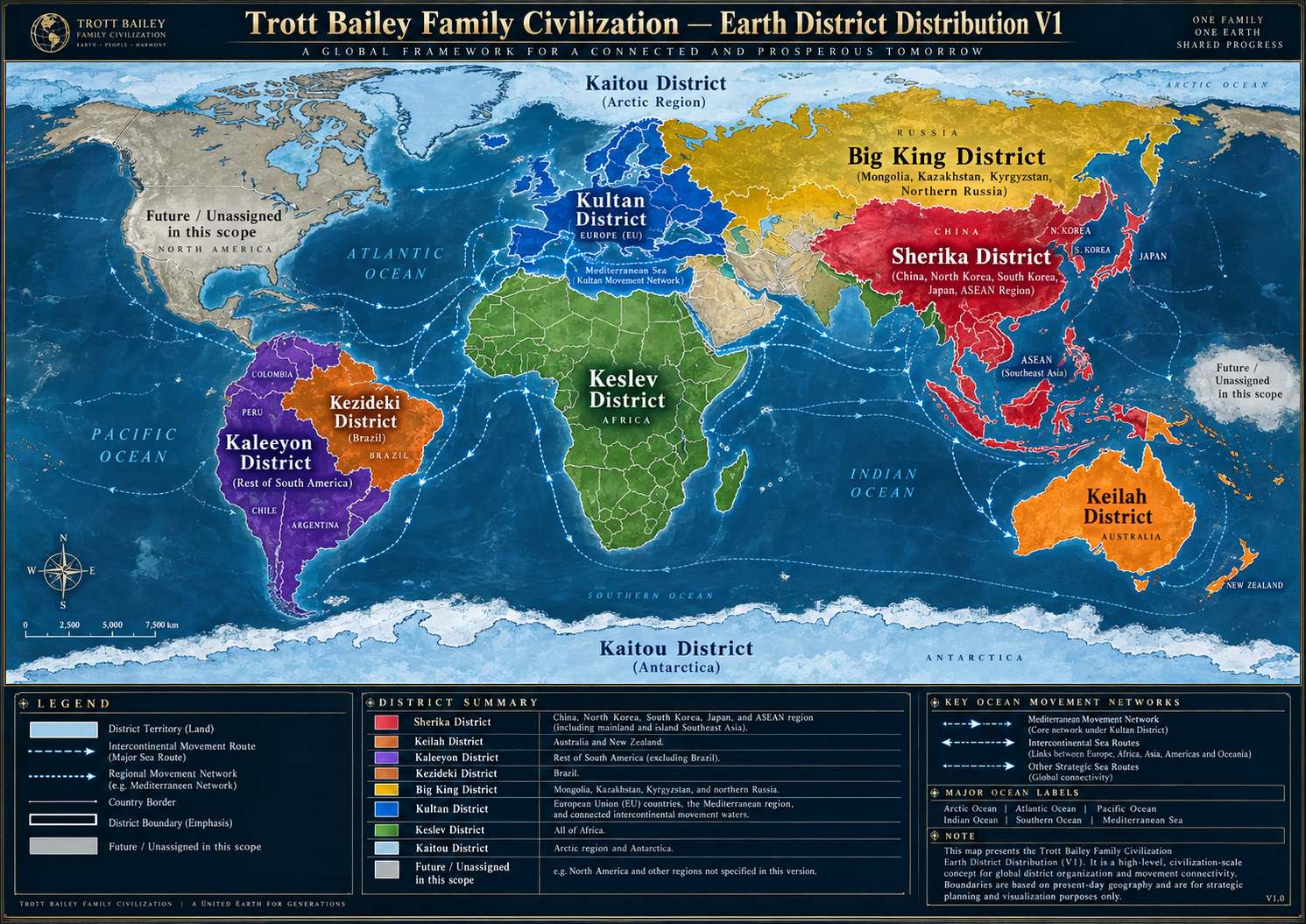
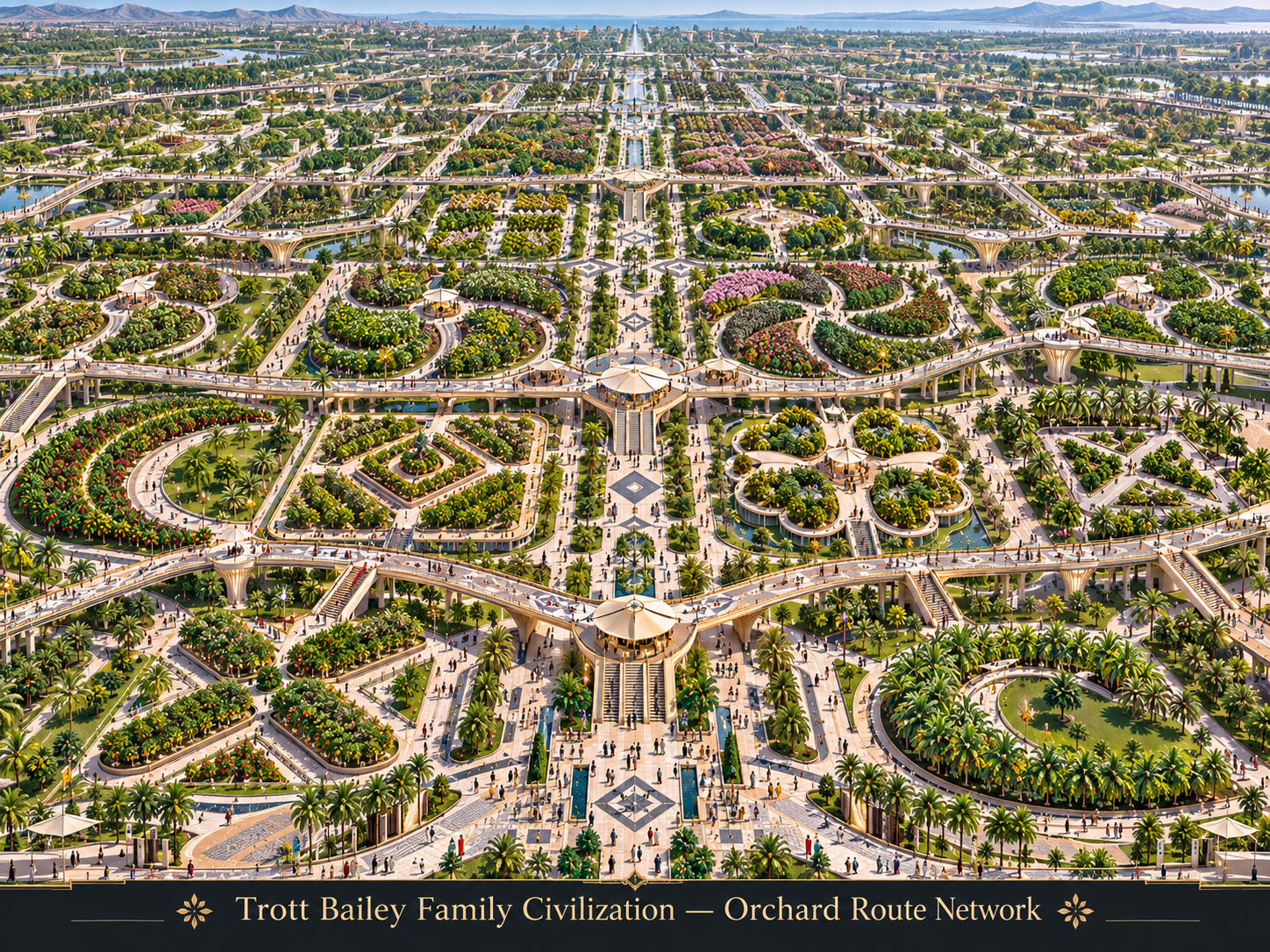
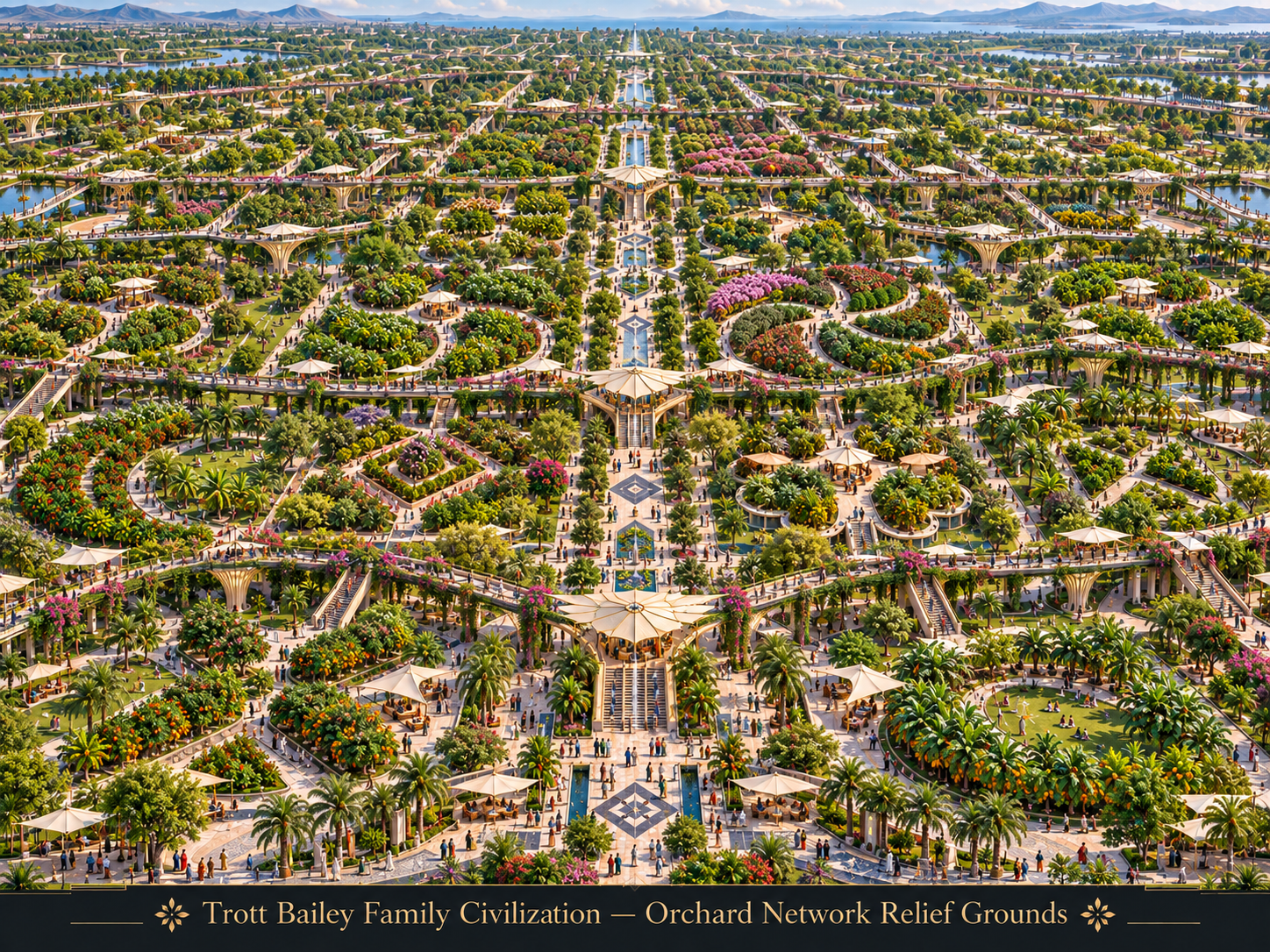
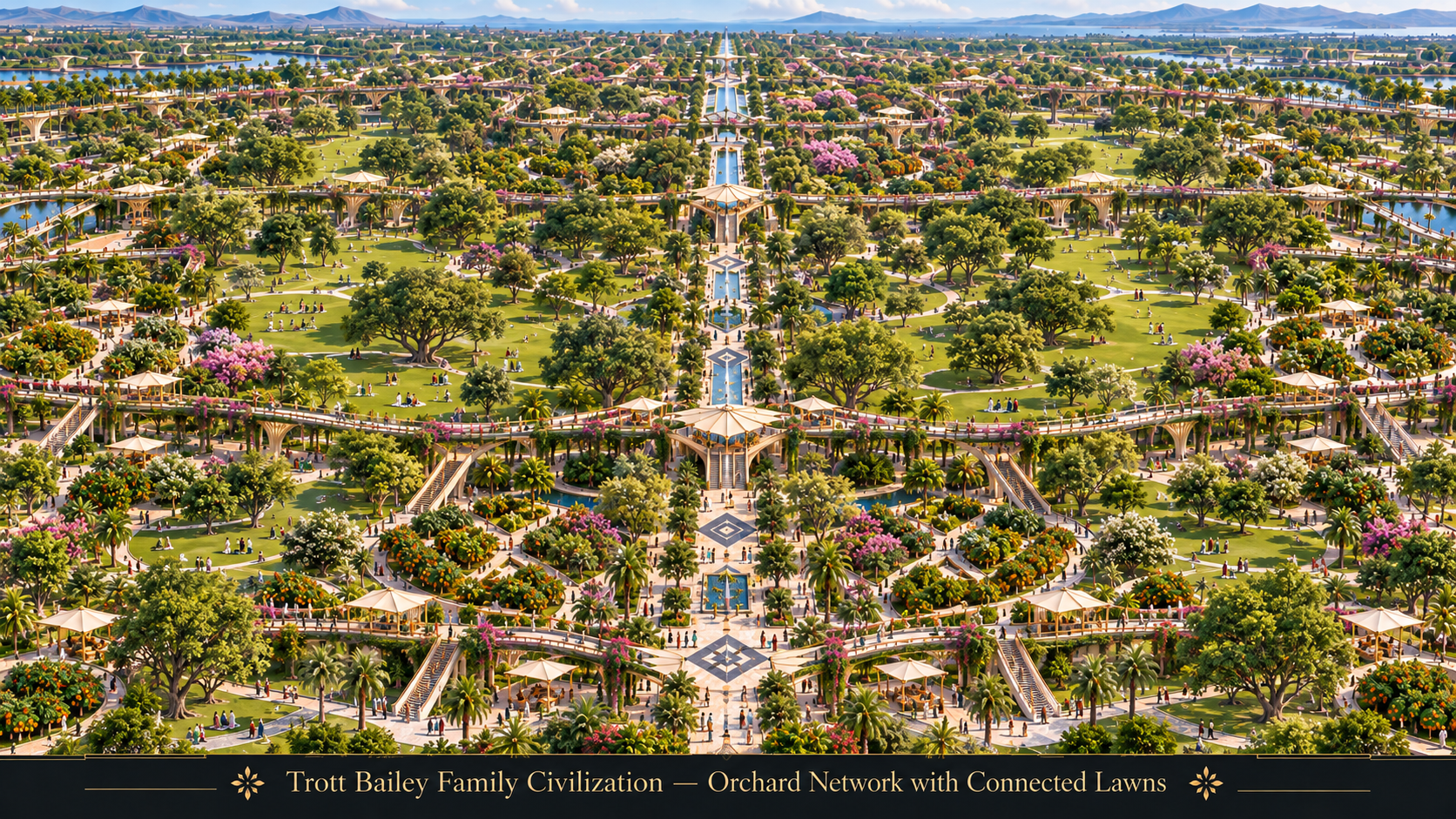
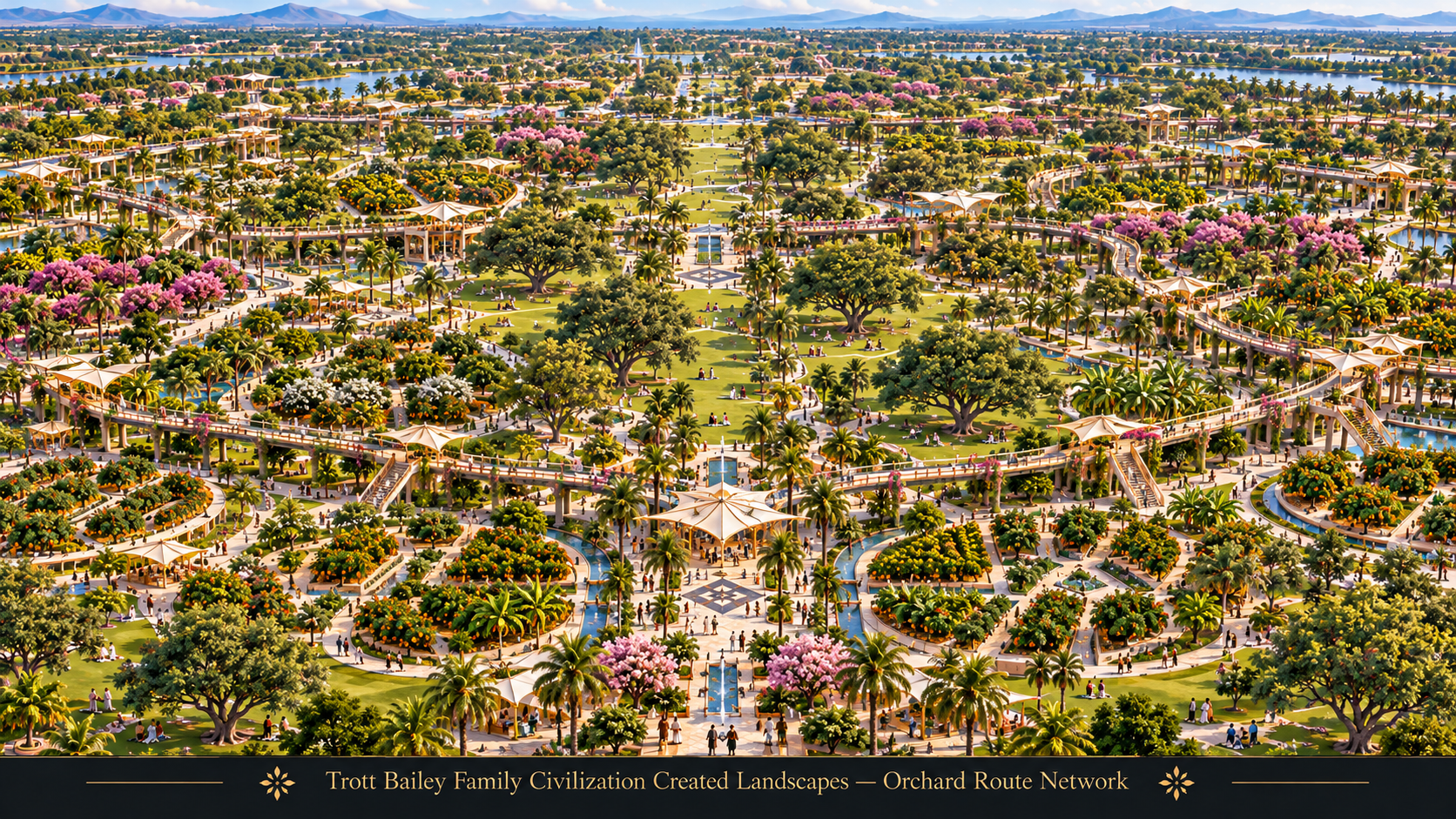
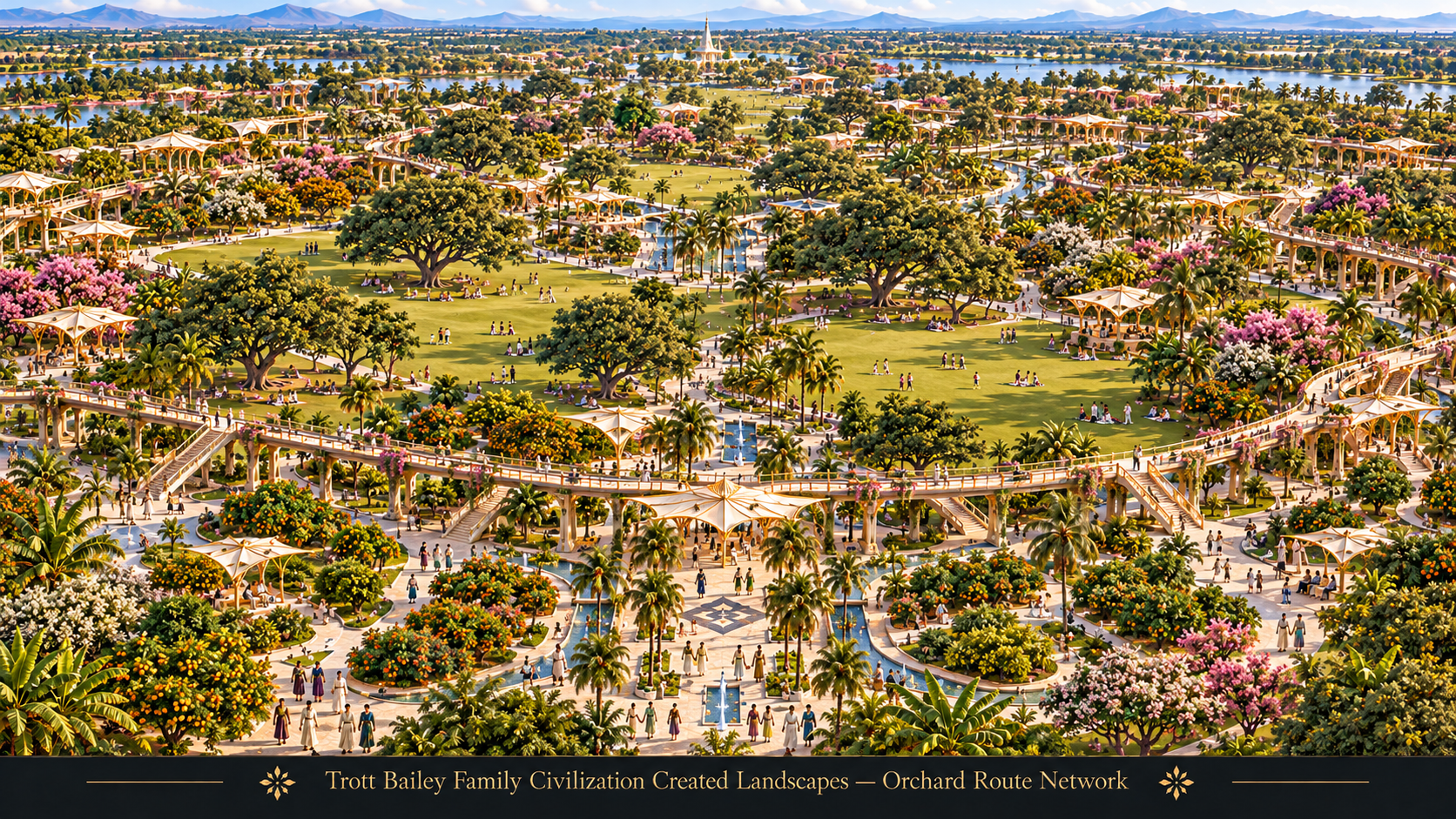
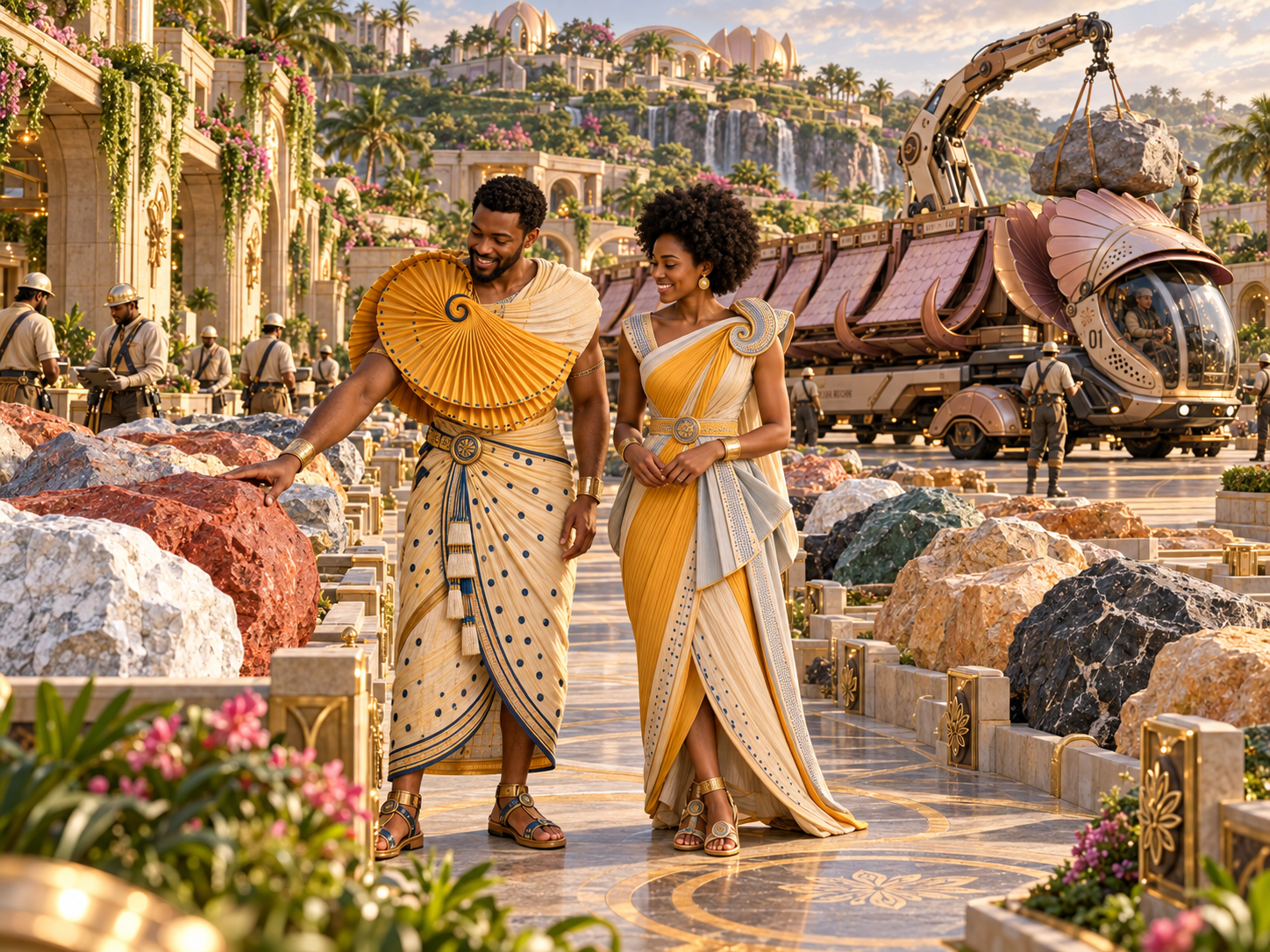
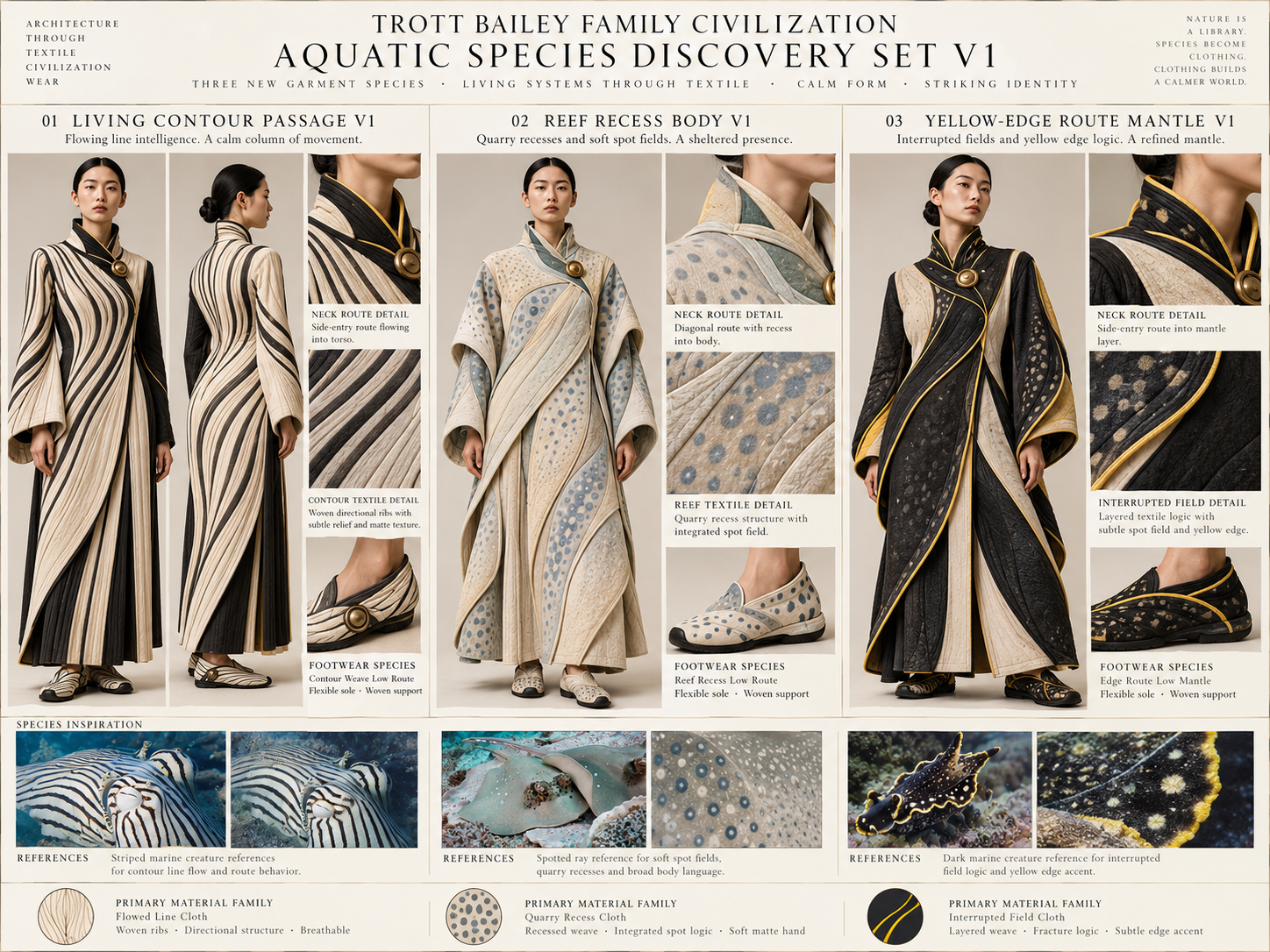
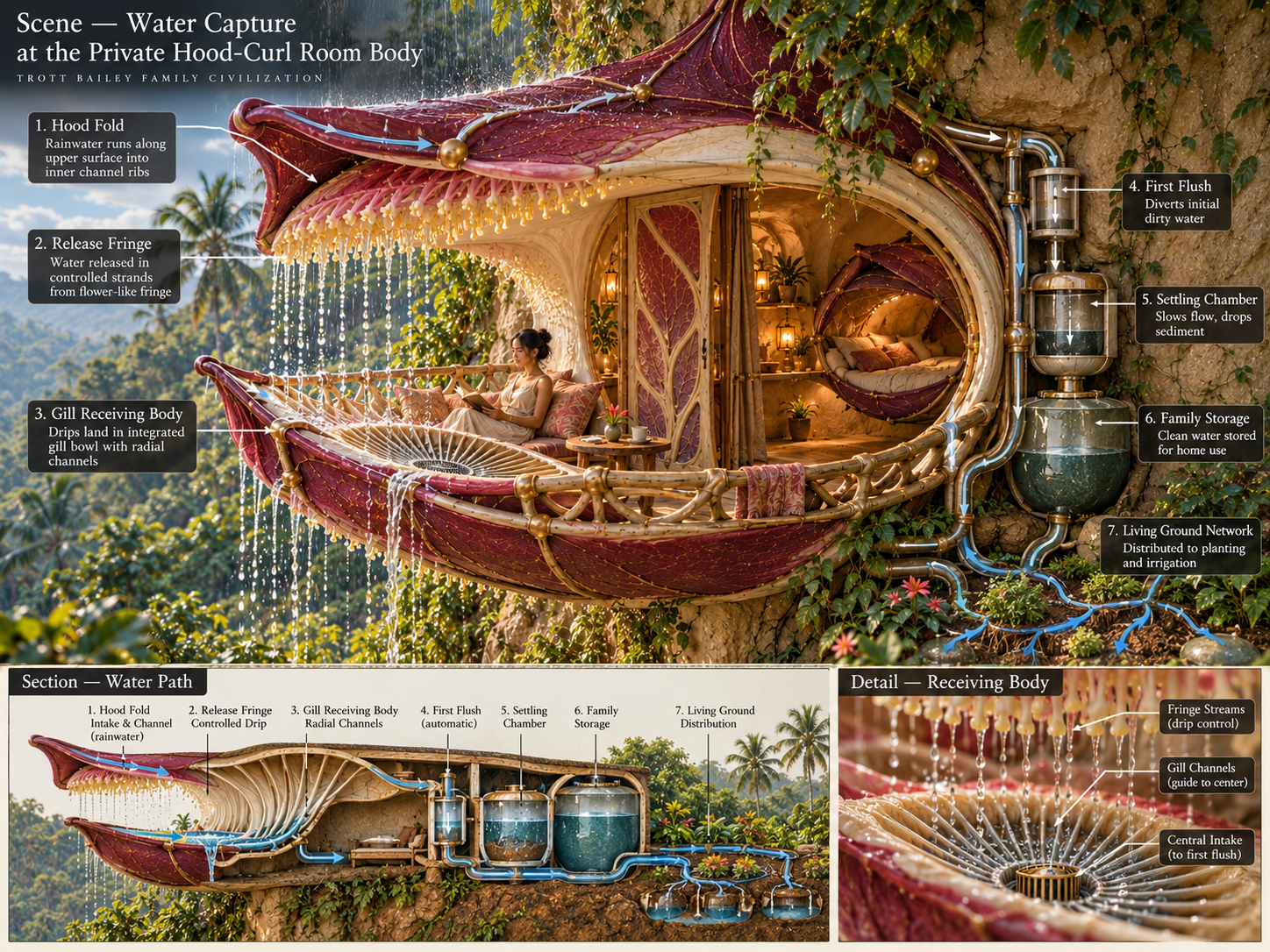
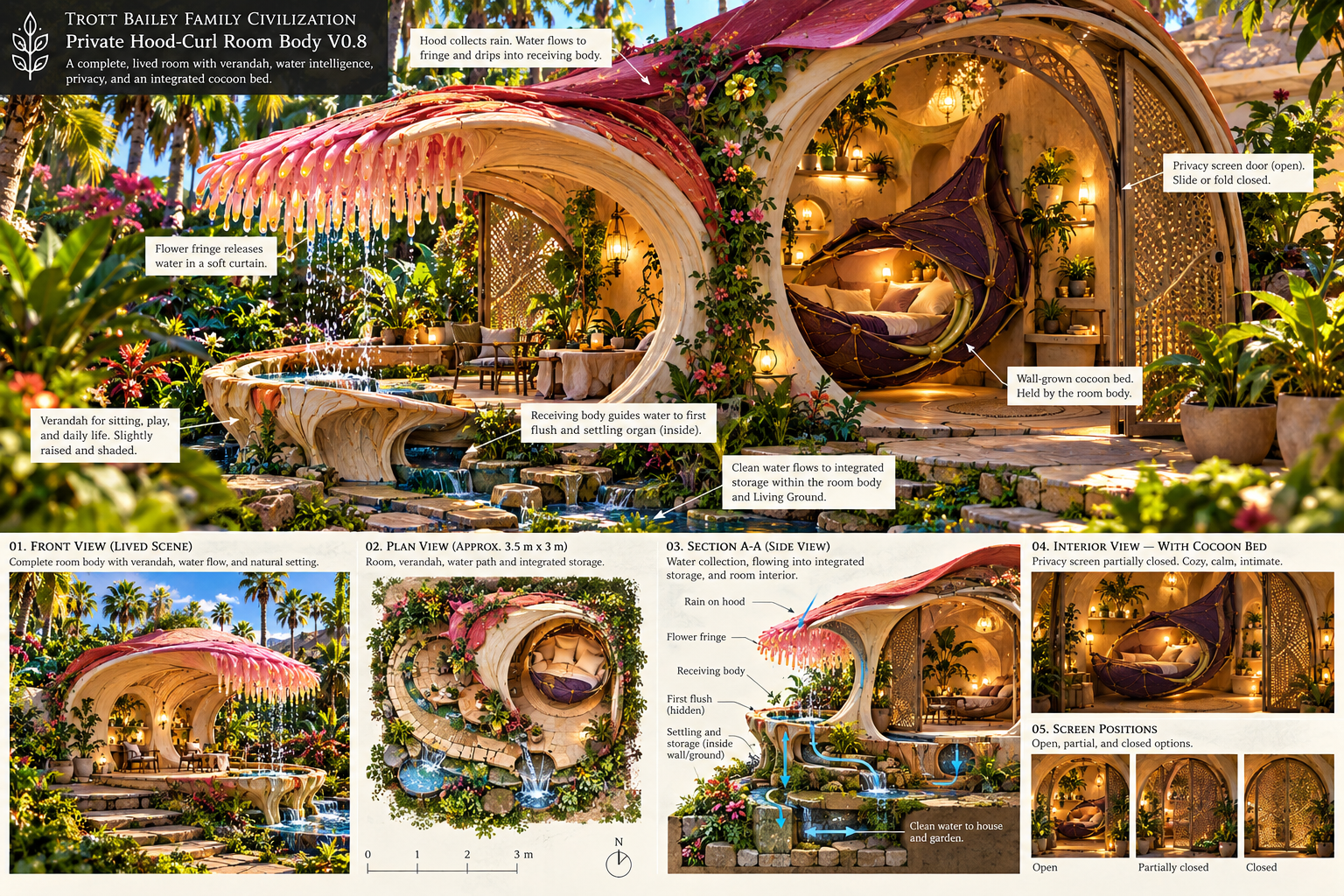
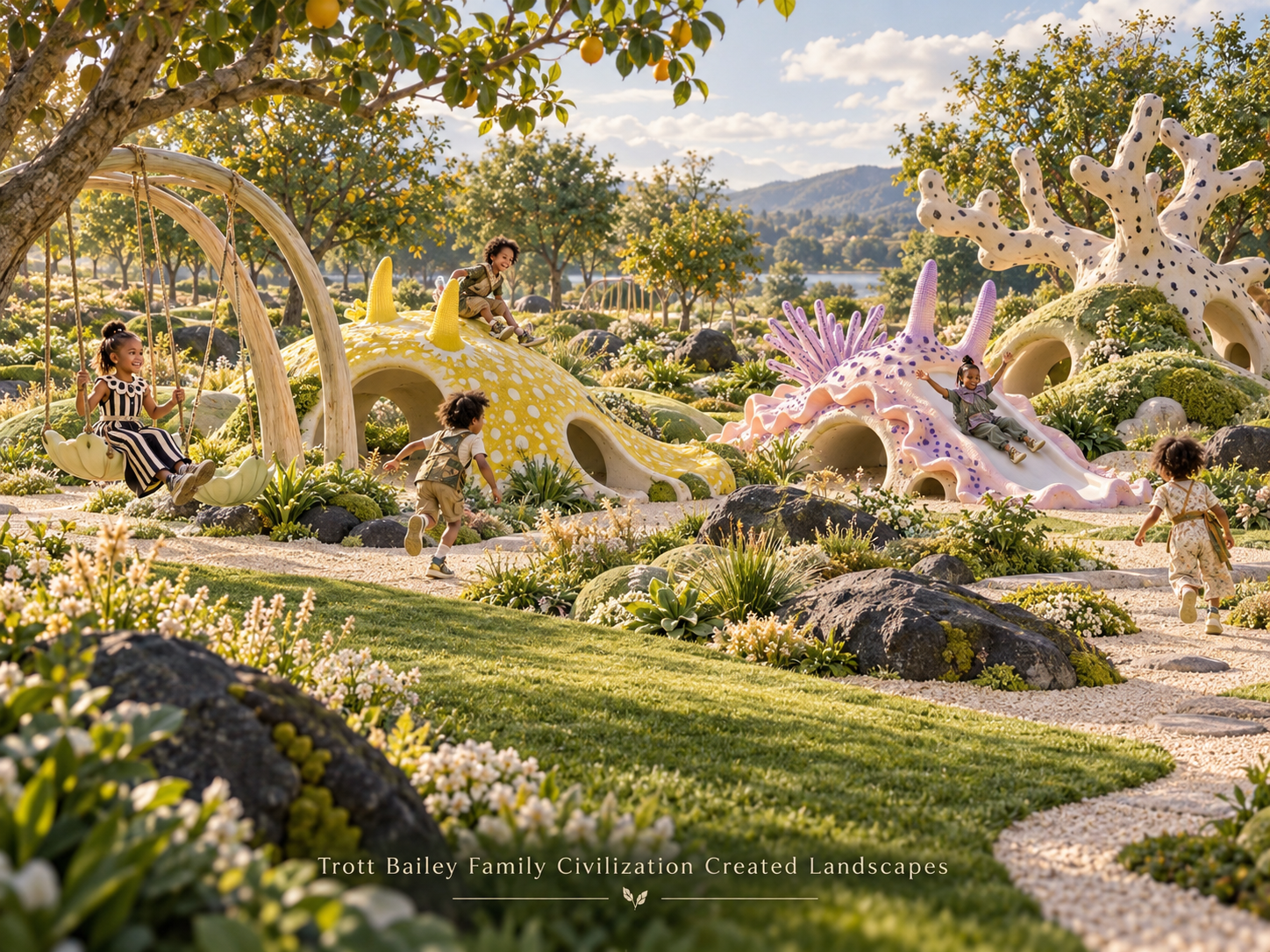
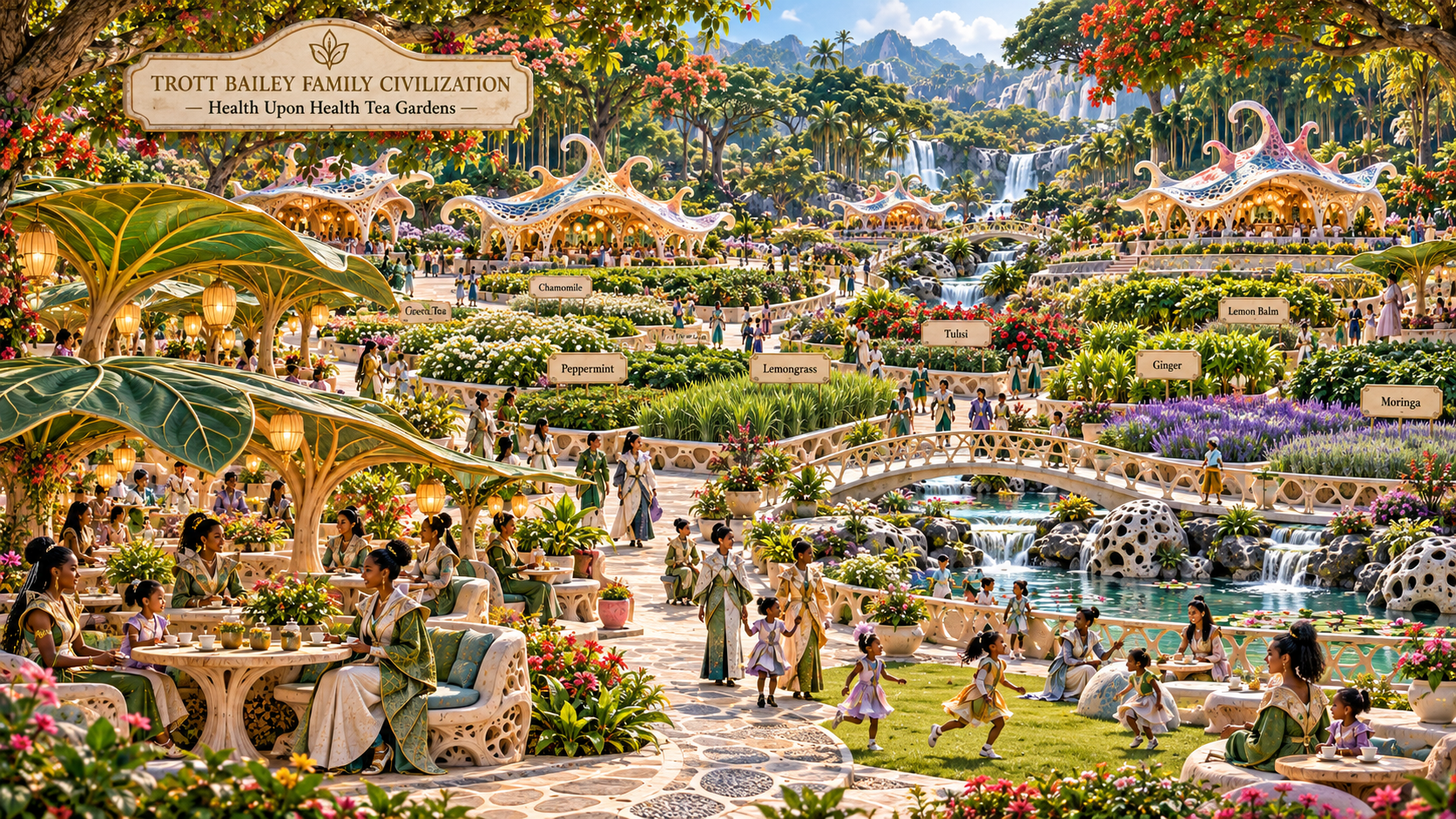
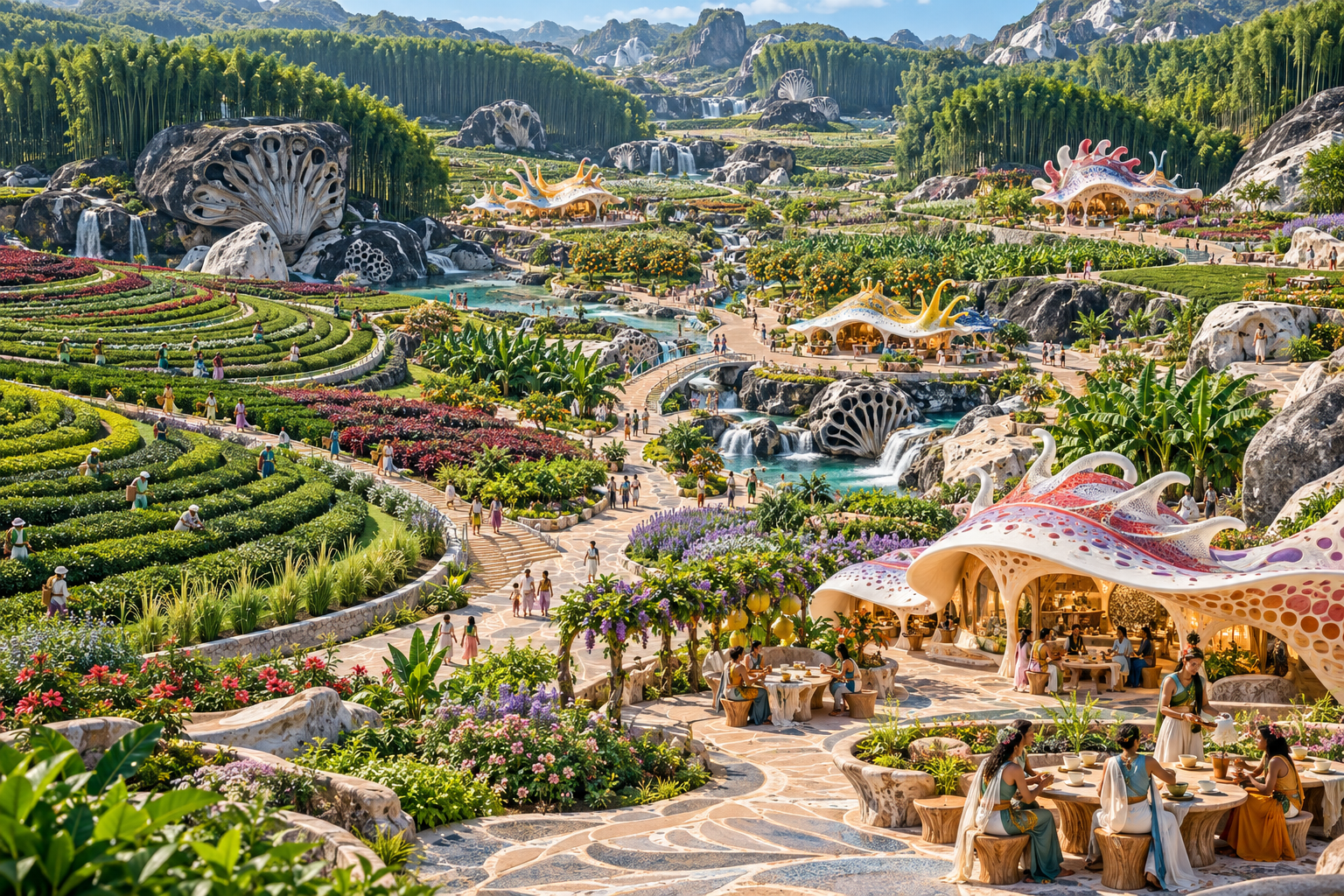
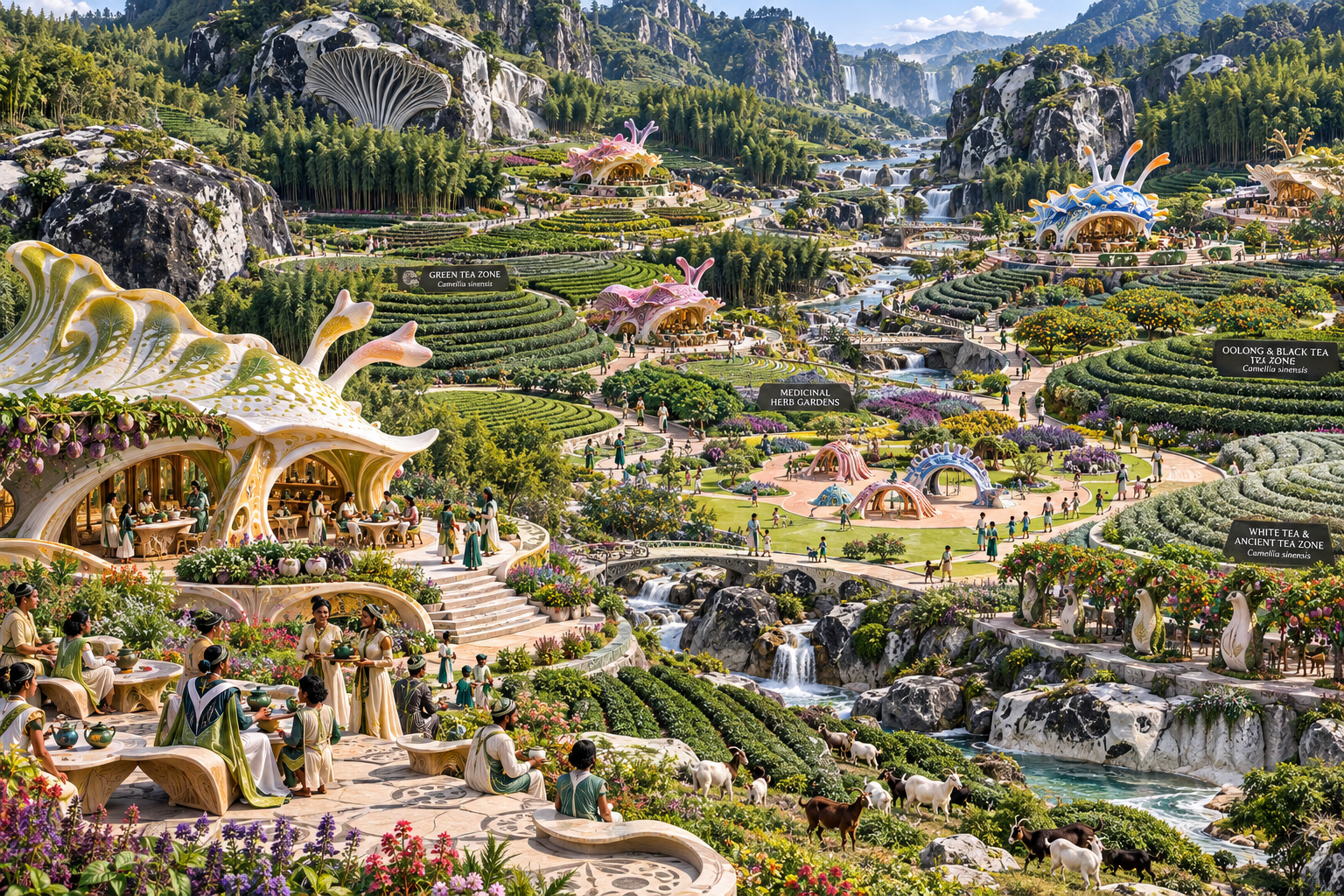
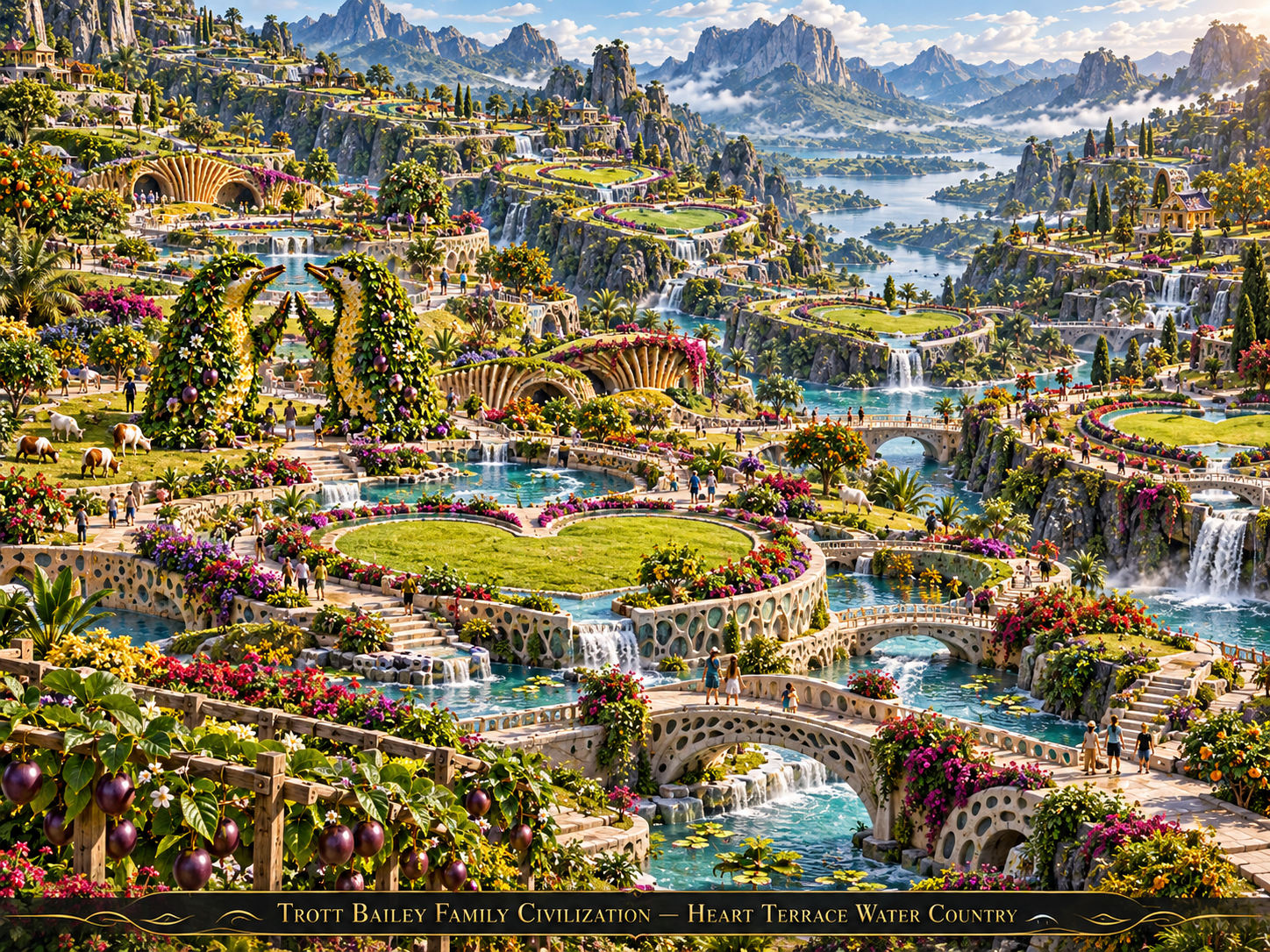
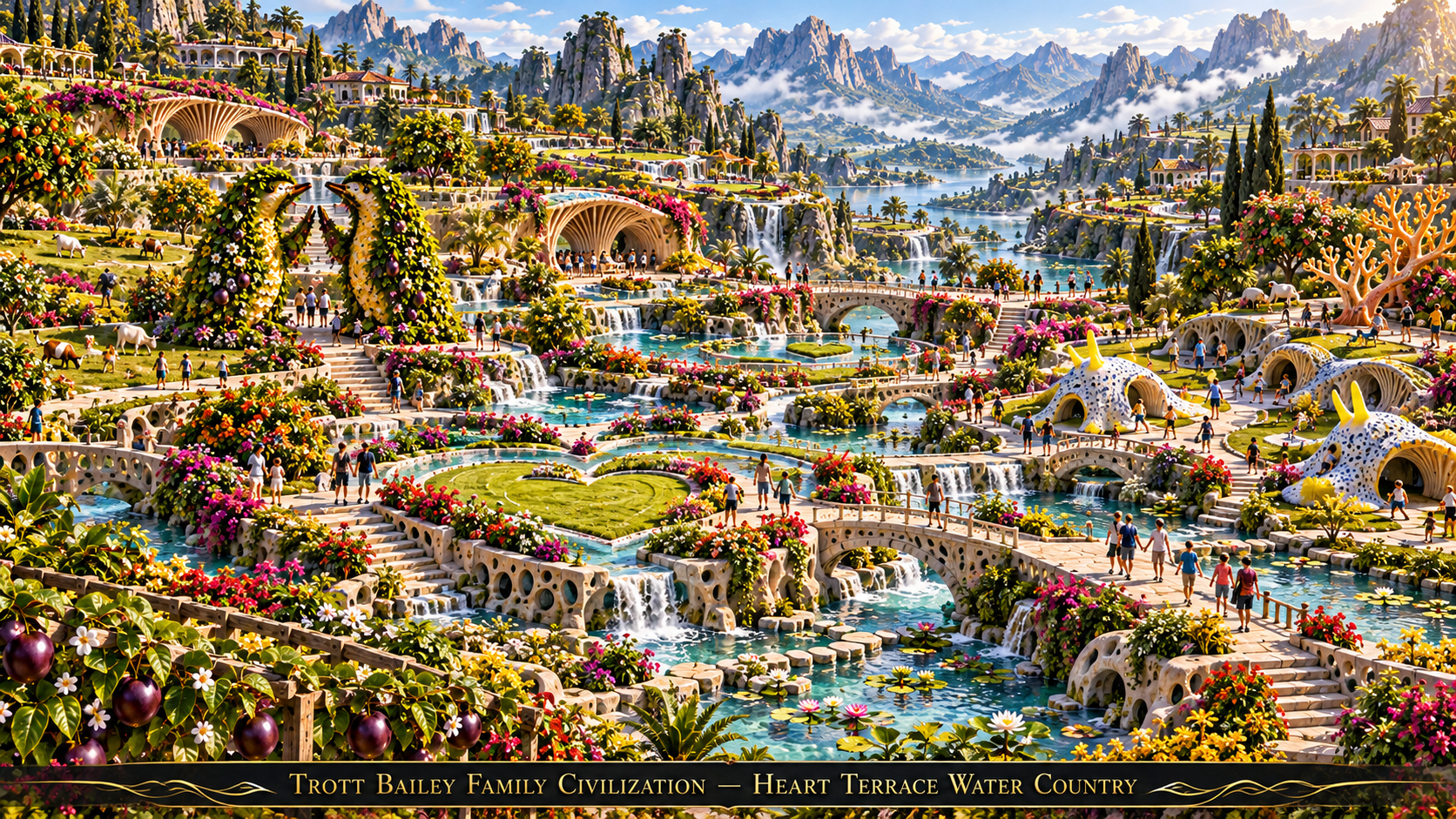
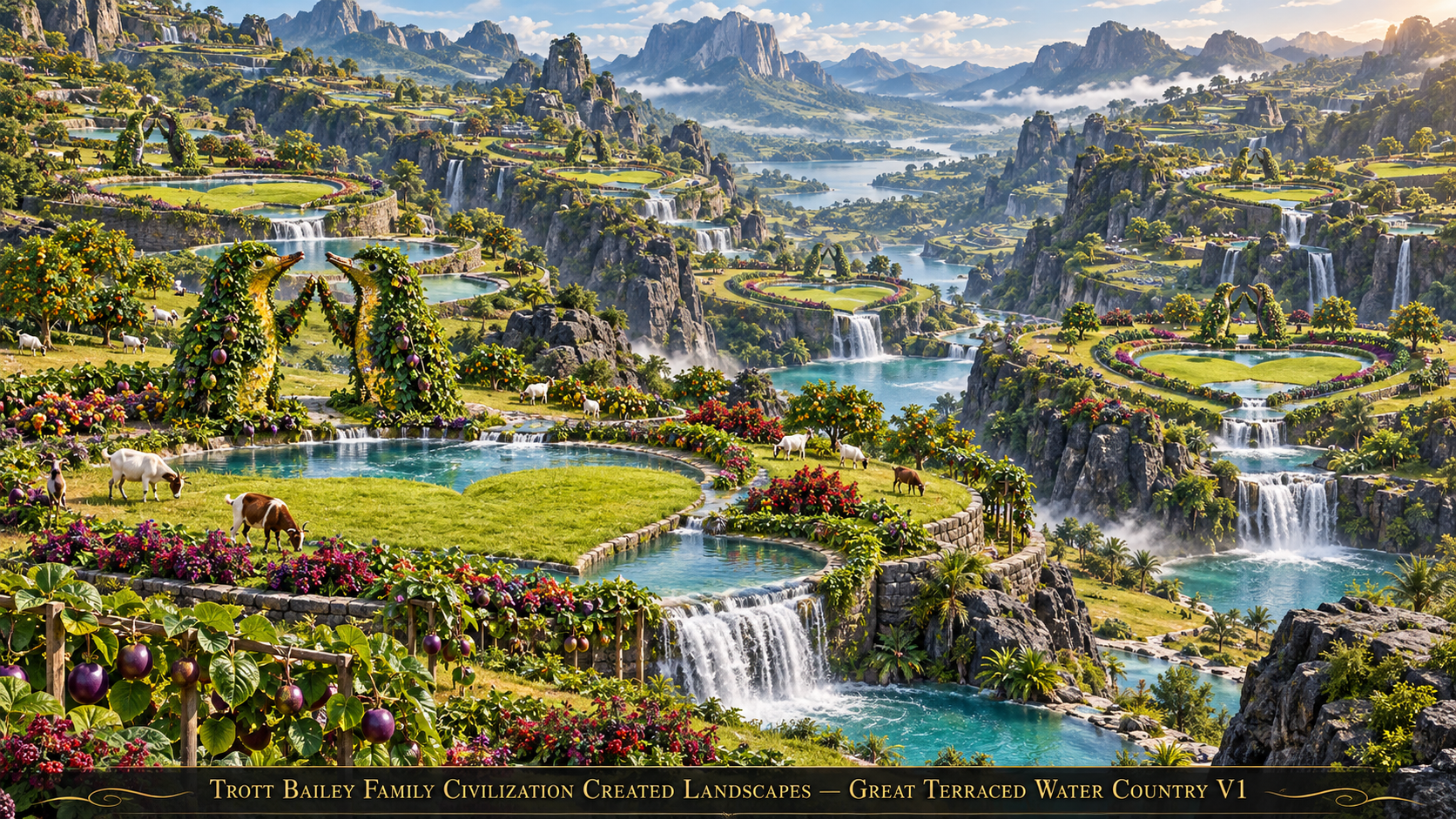
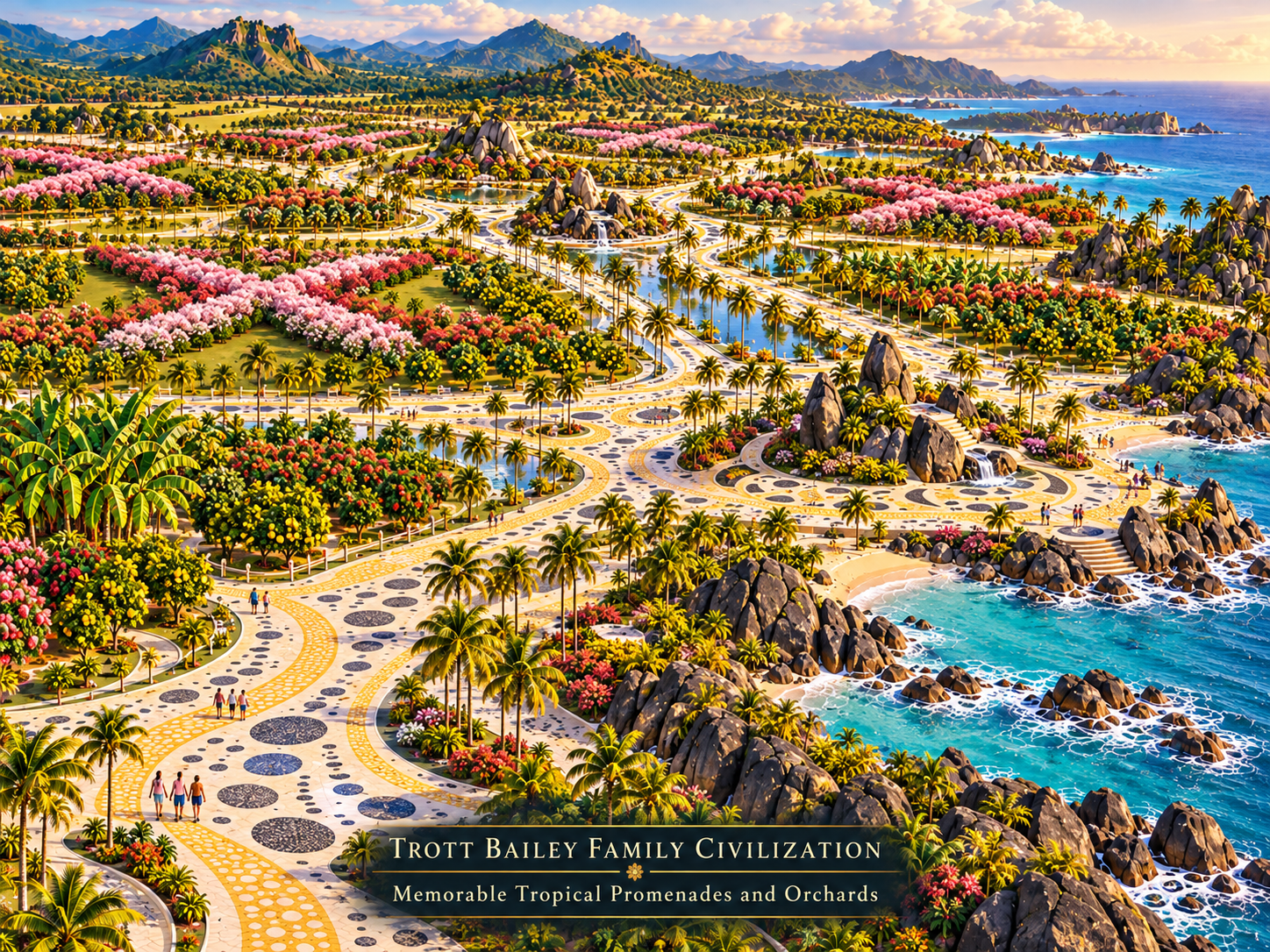
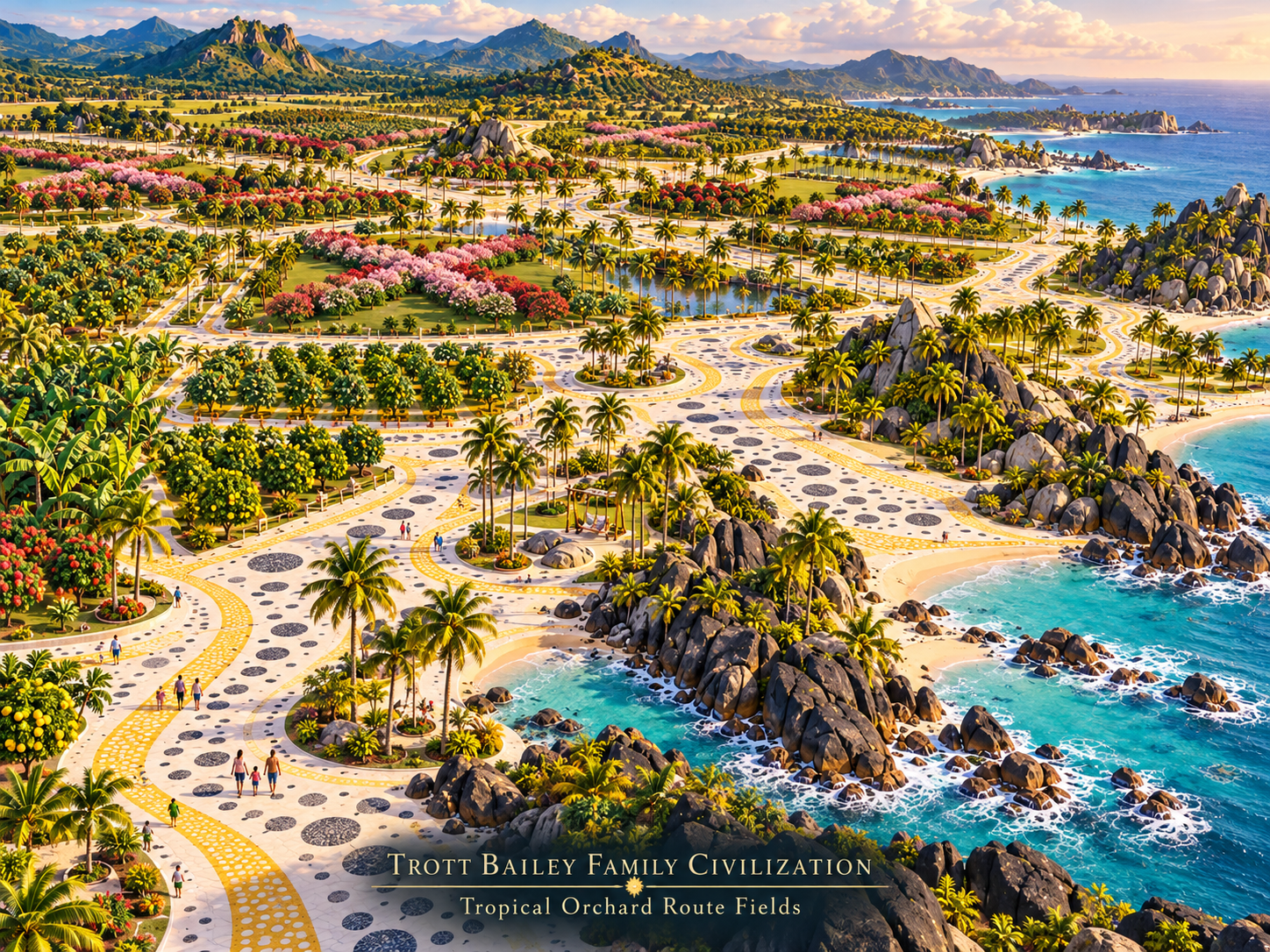
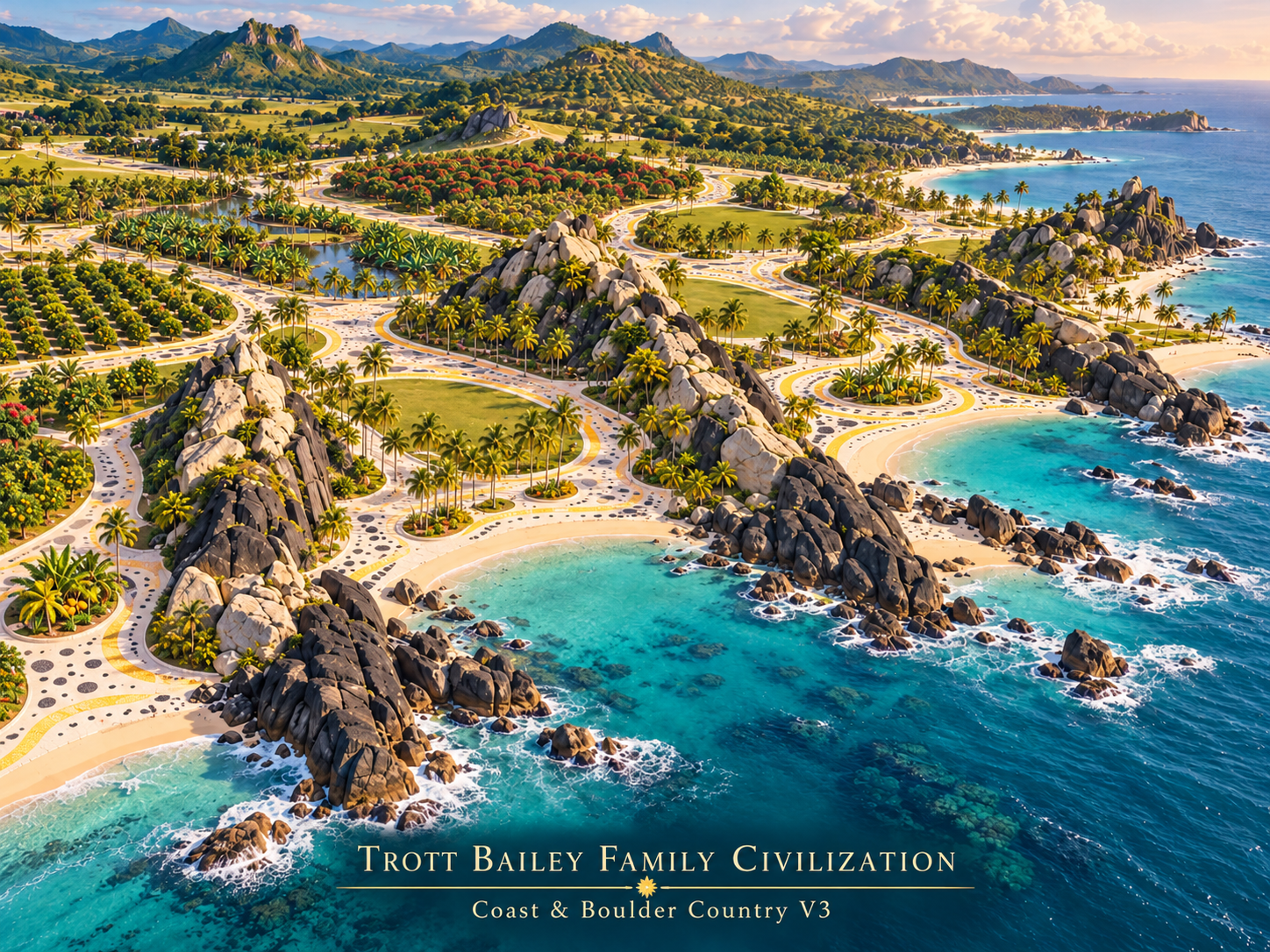
At the center today is Trott Bailey Family Civilization, the family-authored system connecting food, water, learning, mobility, architecture, public life, technology, family care and wealth into one living design.
The publishing trail begins.
kimroybailey.blogspot.com becomes an early home for engineering, renewable energy, robotics, technical commentary and public documentation.
Independent publishing expands.
kimroybailey.com carries the work into a larger independent publishing operation alongside engineering, media, recognition, entrepreneurship and family life.
The family becomes the publishing center.
TrottBaileyFamily.com becomes the main family publishing home, bringing technology, family life, field work and a widening body of authored systems into one record.
Trott Bailey Family Civilization.
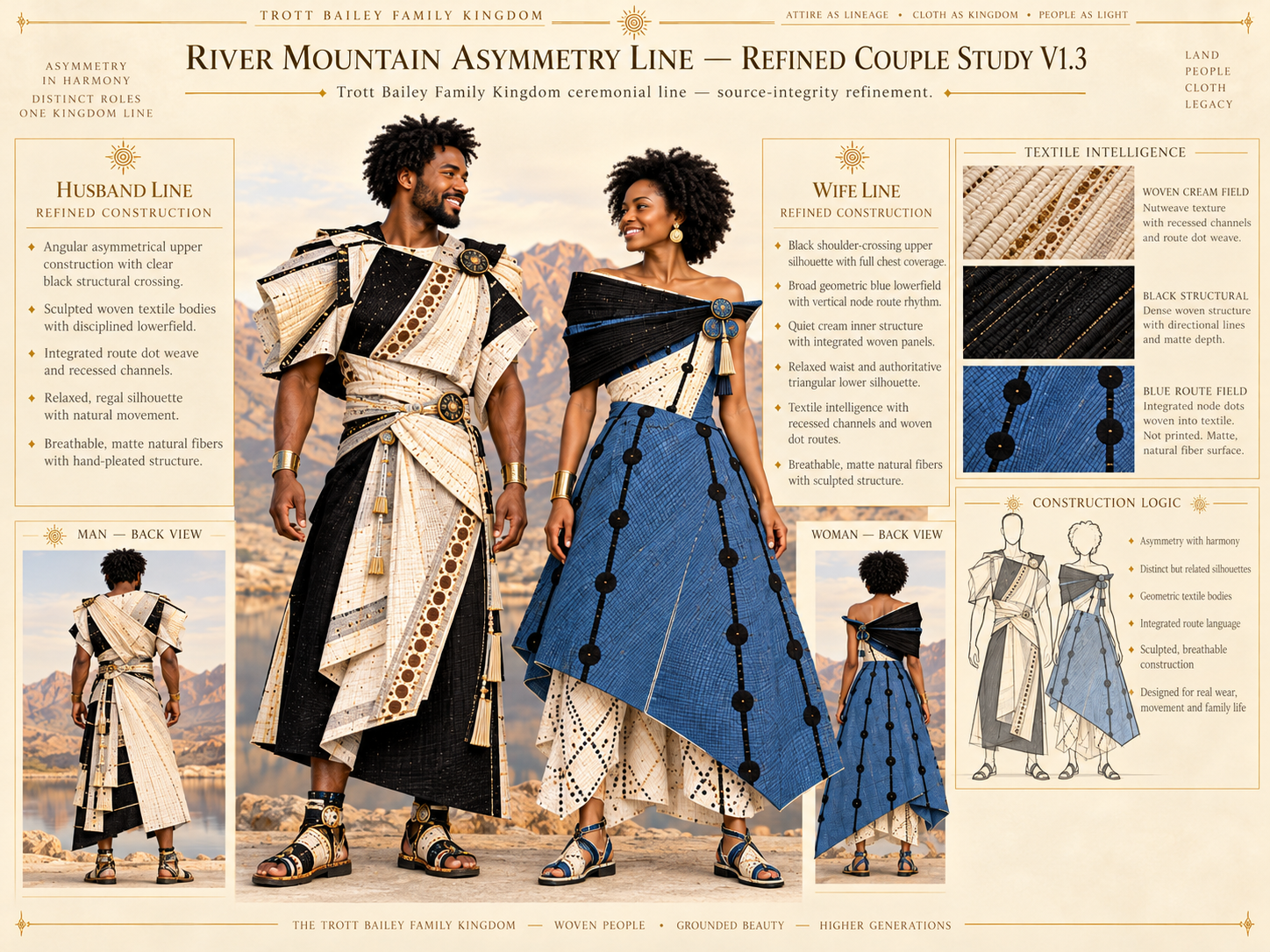
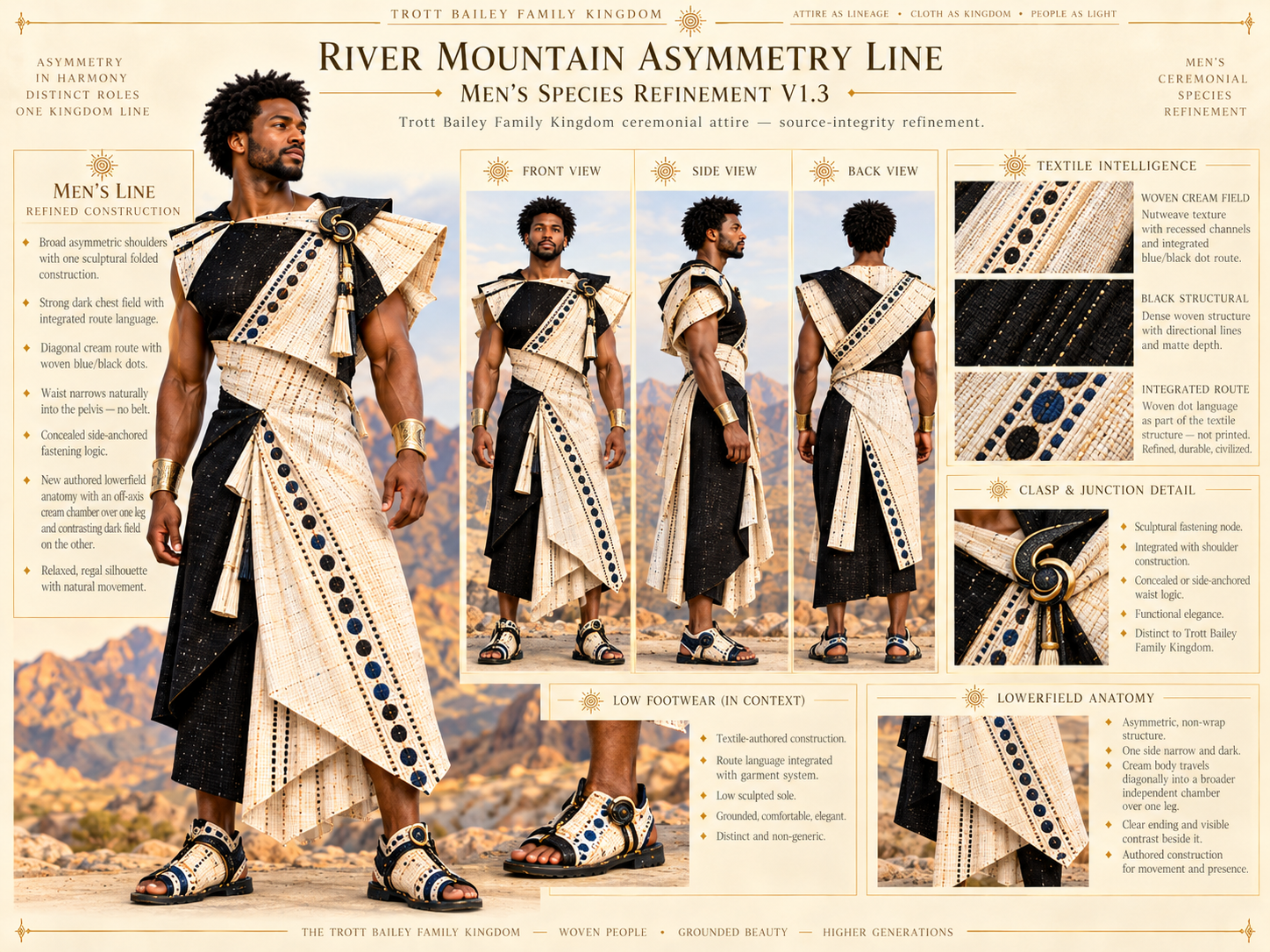
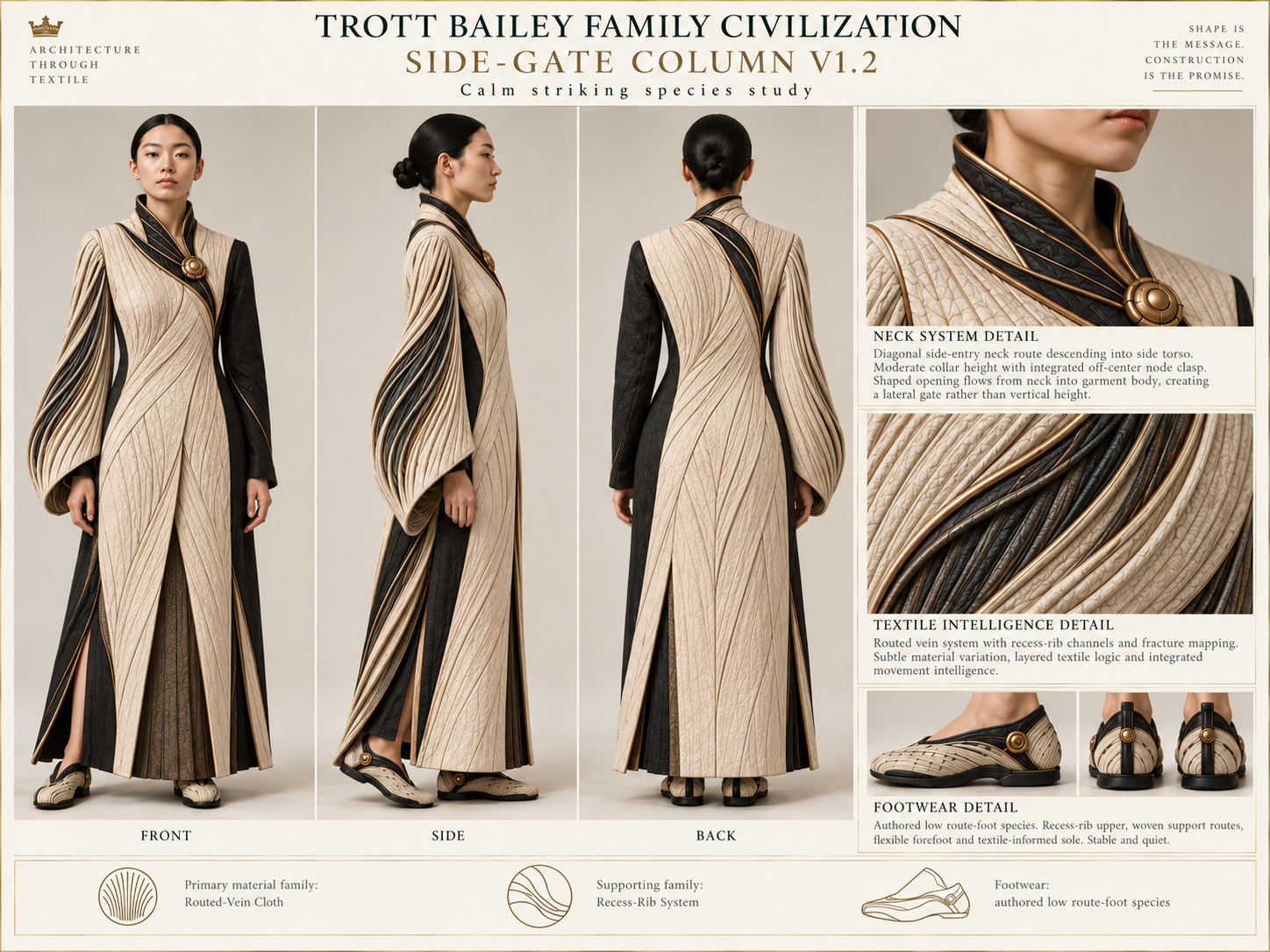
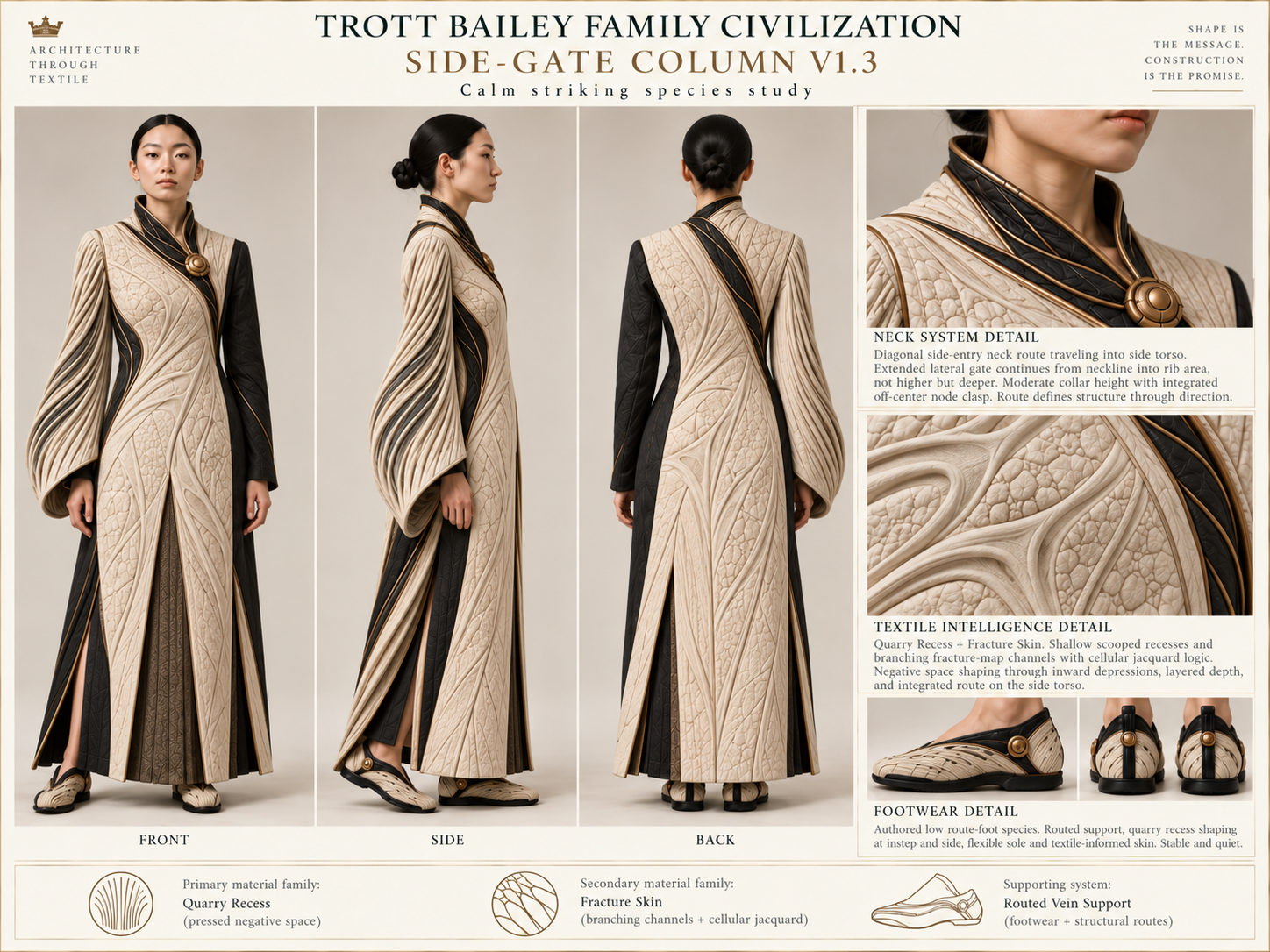
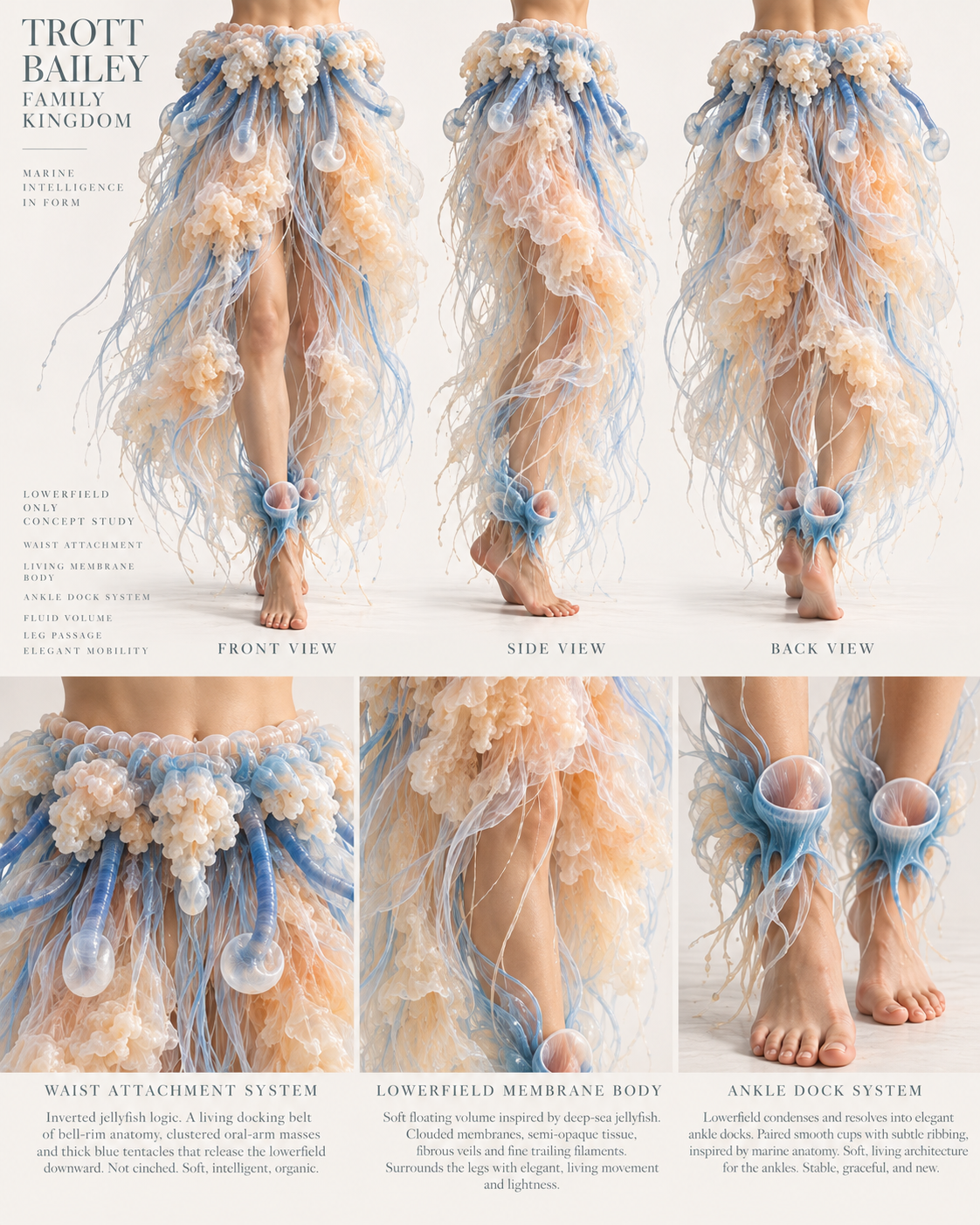
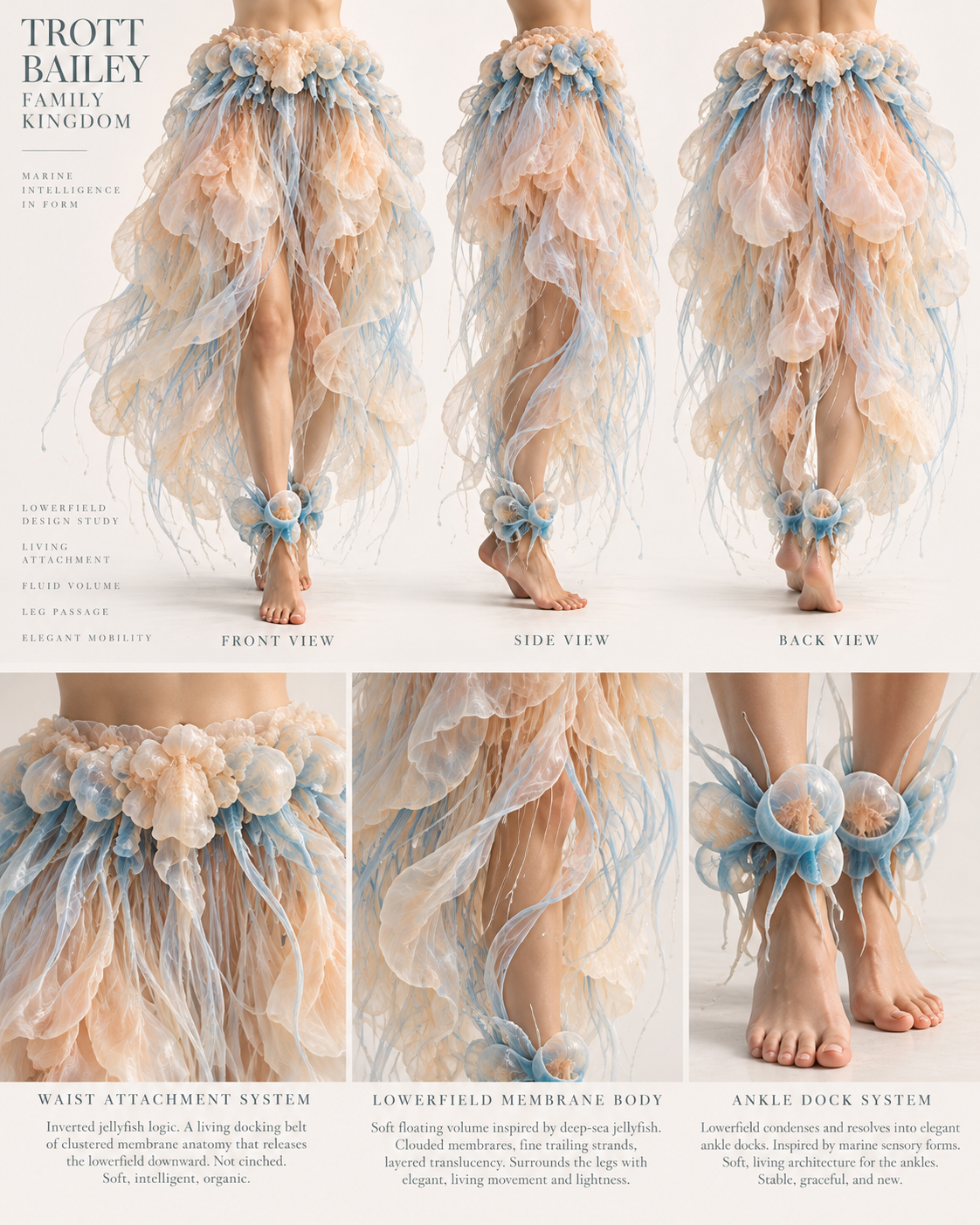
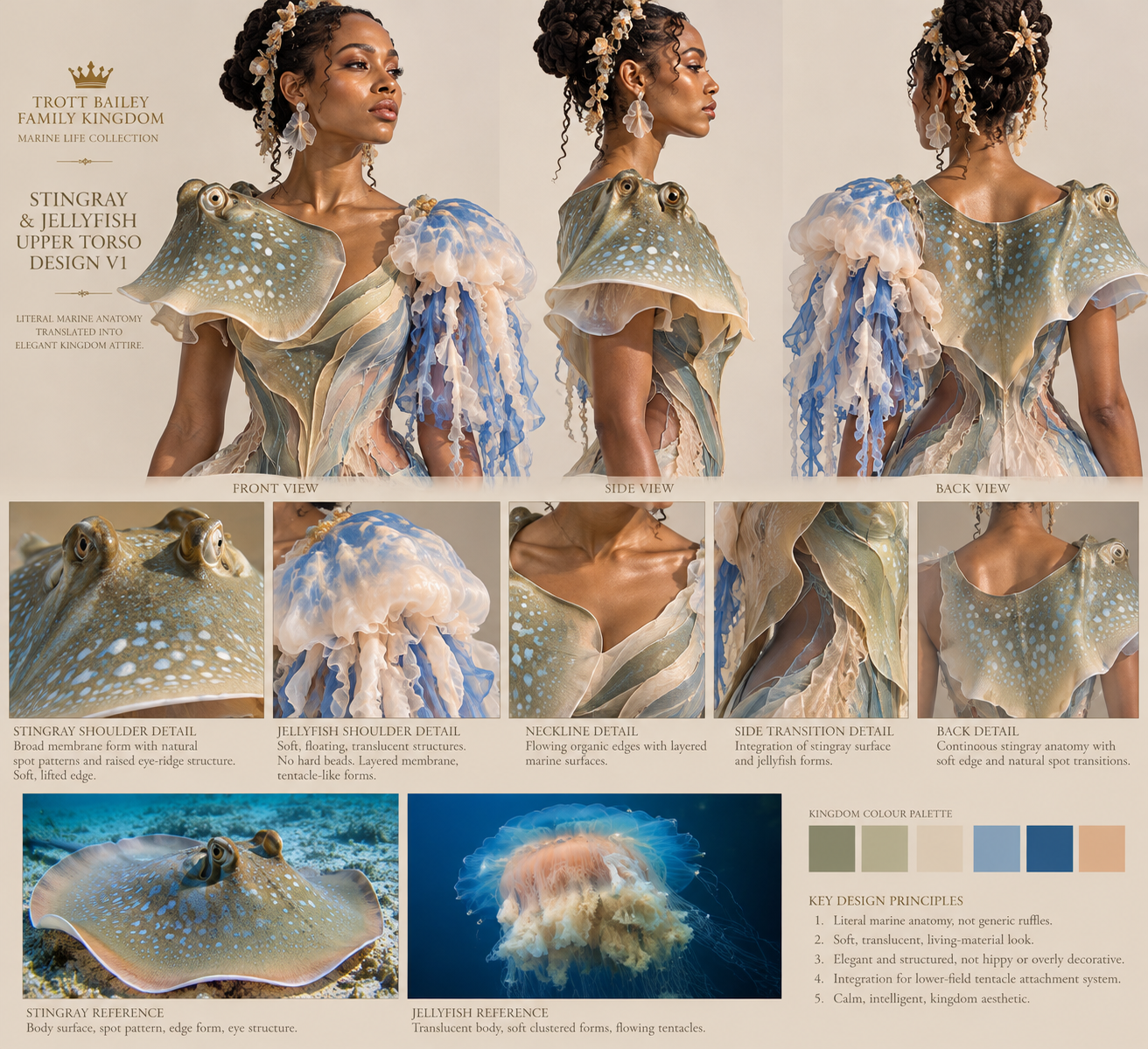
The record now follows a living civilization project across food, water, architecture, mobility, education, technology, public systems, fashion, family care and wealth authorship.
The work keeps crossing borders.
Early engineering and robotics records sit beside present-day reporting on sandy-soil food systems, AI, WordPress infrastructure, cities, family life, economic friction, wealth authorship and civilization design.
The public record is still growing.
Recent publications move across engineering, agriculture, water, economic measurement, urban life, family offices and independent technology review. Together they show how far the family record has widened from its early engineering roots.
Engineering roots with an institutional trail.
The earlier record contains robotics, renewable energy, IEEE leadership, university research, entrepreneurship, national recognition and community implementation. These records remain part of the same long publishing arc.
Journalism, publishing, institutions, research and archive.
Outside reporting sits beside contributed articles, newsroom collaborations, institutional records and scholarly indexes. Human credits are shown wherever the reporter, writer, editor or editorial contact can be identified.
A selected path through a much larger public record.
The Trott Bailey Family publishing history reaches far beyond the records gathered here. This map follows publications and archives that make the movement of the work especially visible: engineering and renewable energy, community capability, software, agriculture, family systems, architecture, wealth authorship and Trott Bailey Family Civilization.
The credit line on each media record preserves the role that can actually be identified. A reporter is named as a reporter. A contributed article retains its byline. Where a named editor or publishing-house contact is part of the record, that relationship is retained alongside the public credit. Where a publisher exposes only a newsroom or editorial desk, the record stays at that level rather than inventing a person.
Primary family archives are identified as primary records. Outside coverage, contributed articles, institutional records, university material, scholarly indexes and technology reviews retain their own evidentiary role. The map grows as new publications appear and older records surface.


 and then