The Stagnant Canal Was Not Nature. It Was Poor Planning.
What Prado revealed about mosquitoes, garbage, water, and the need for Trott Bailey Family Civilization.
Prado did not show a simple mosquito problem.
Prado showed a planning problem.
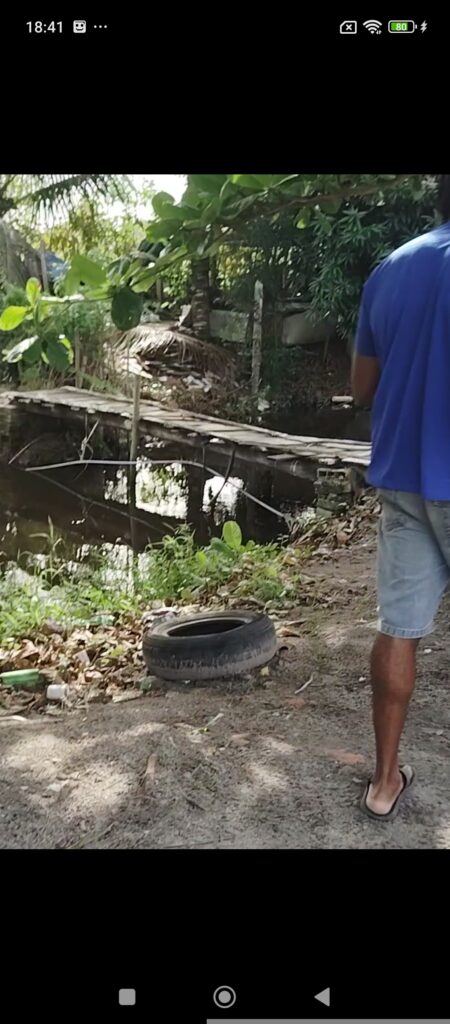
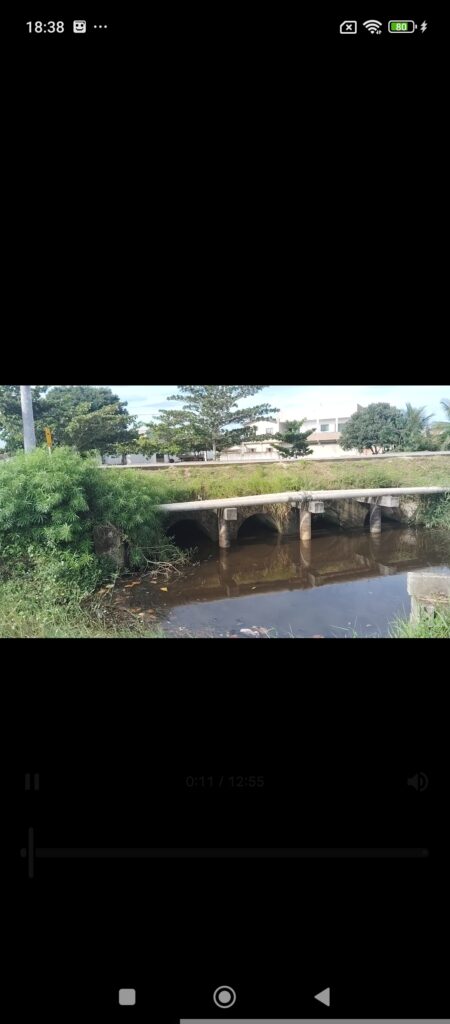
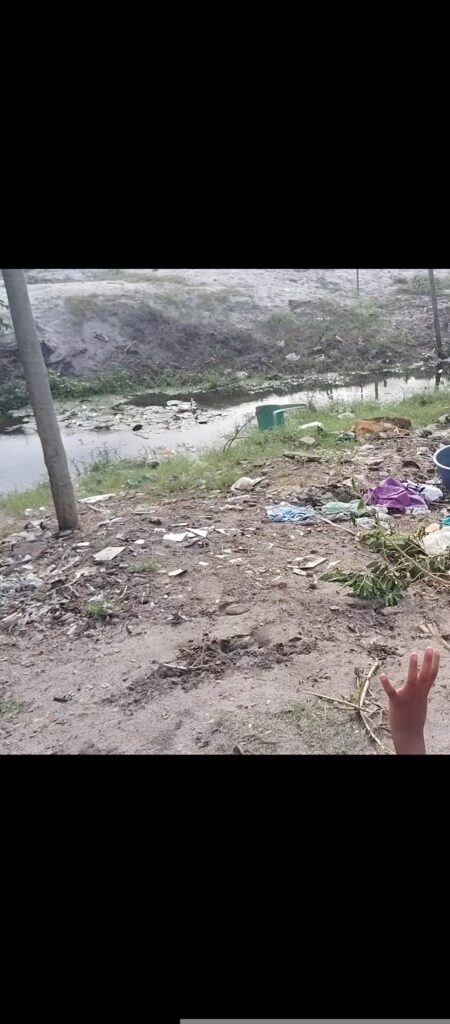
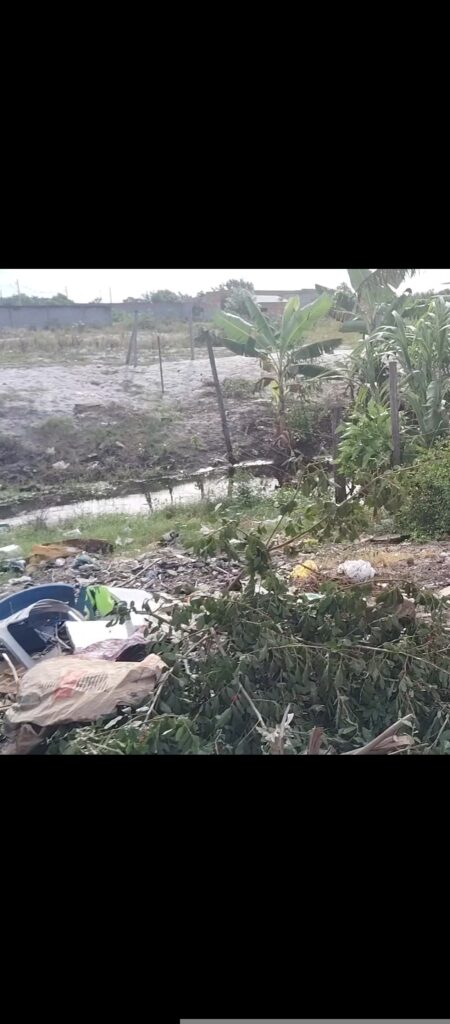
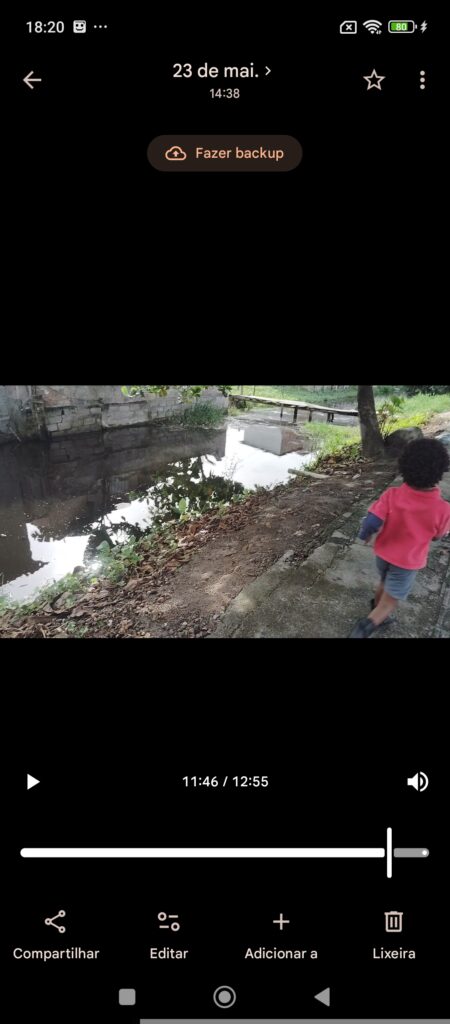
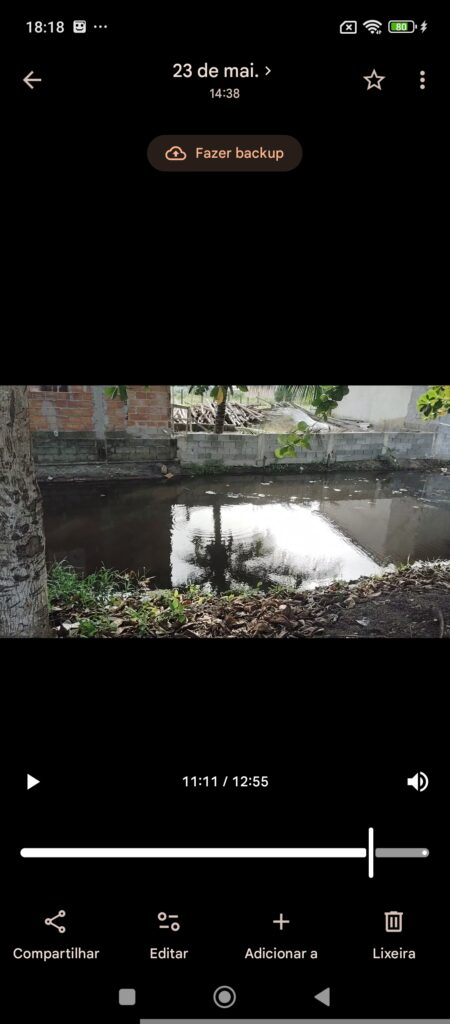
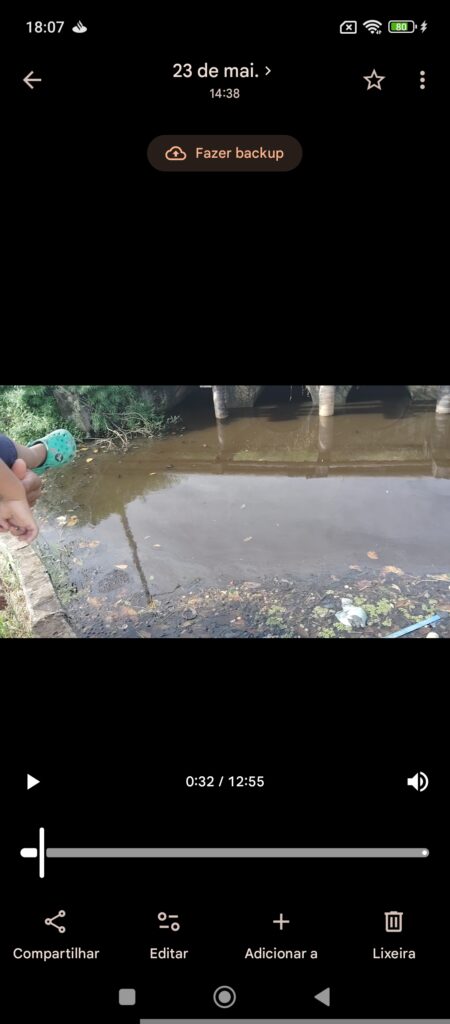
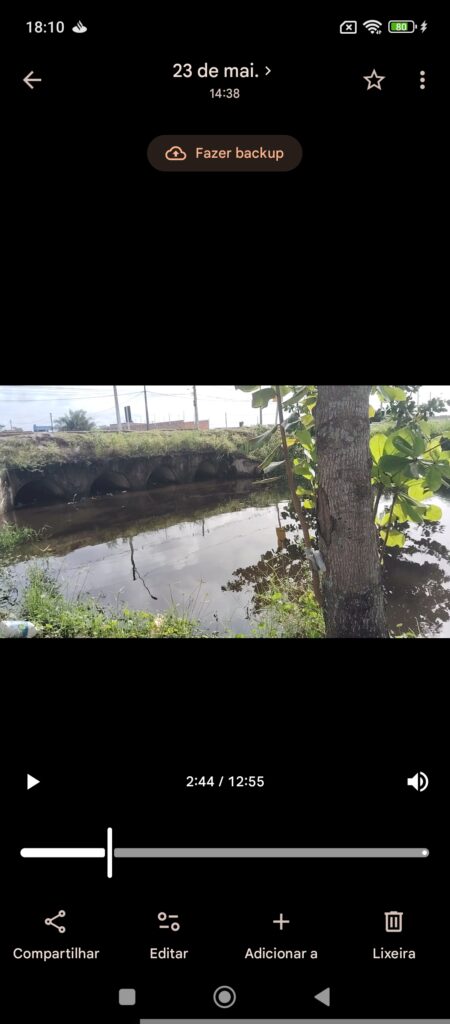
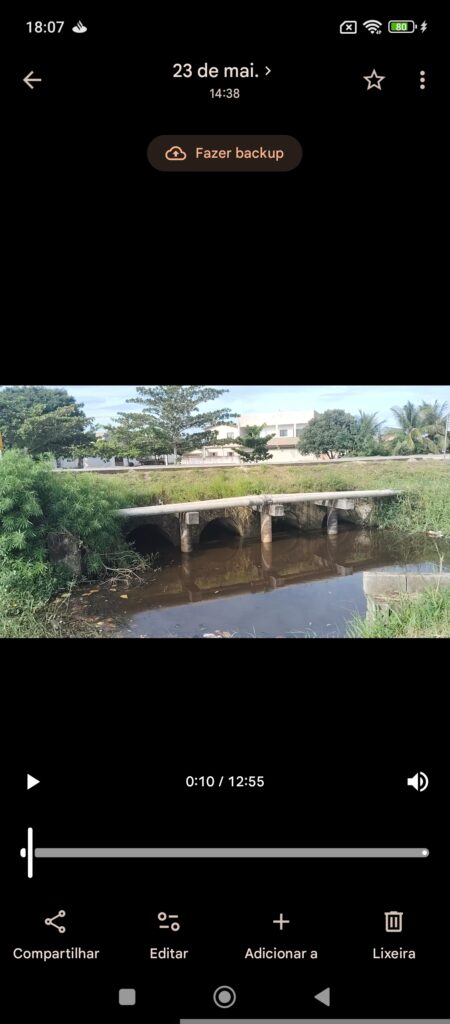
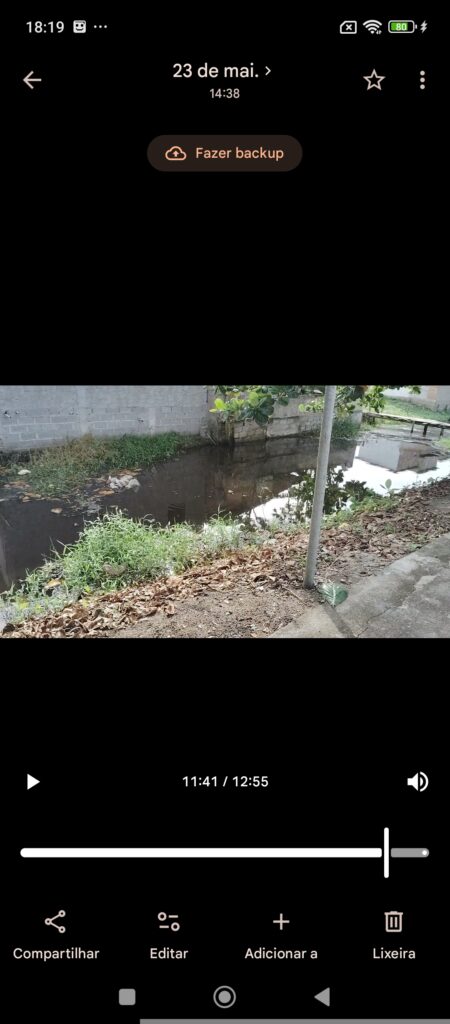
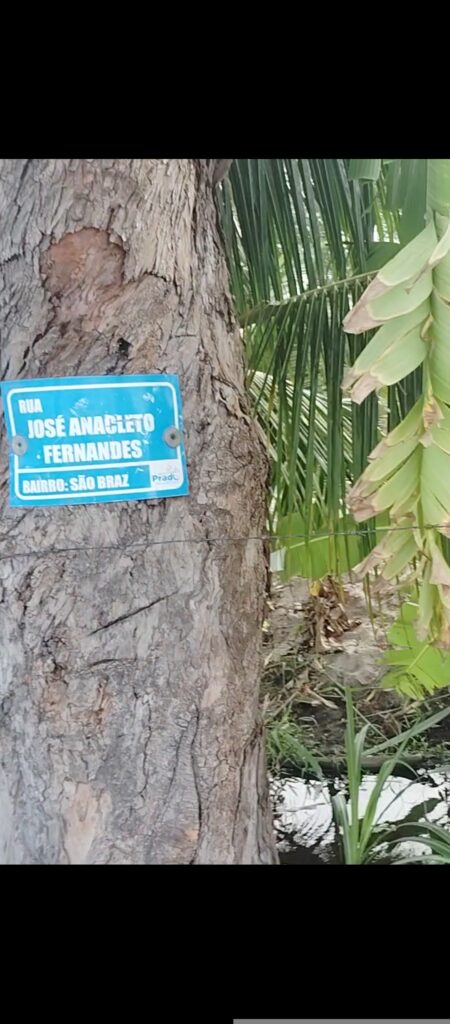
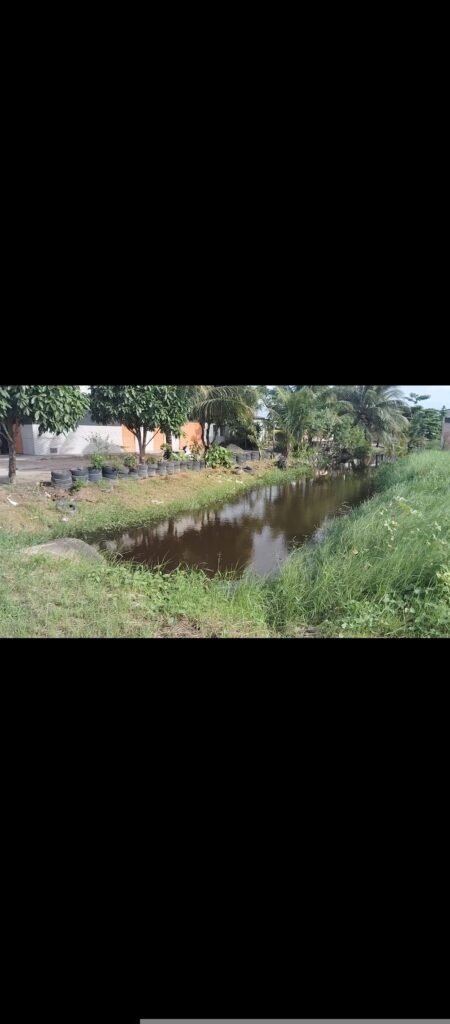
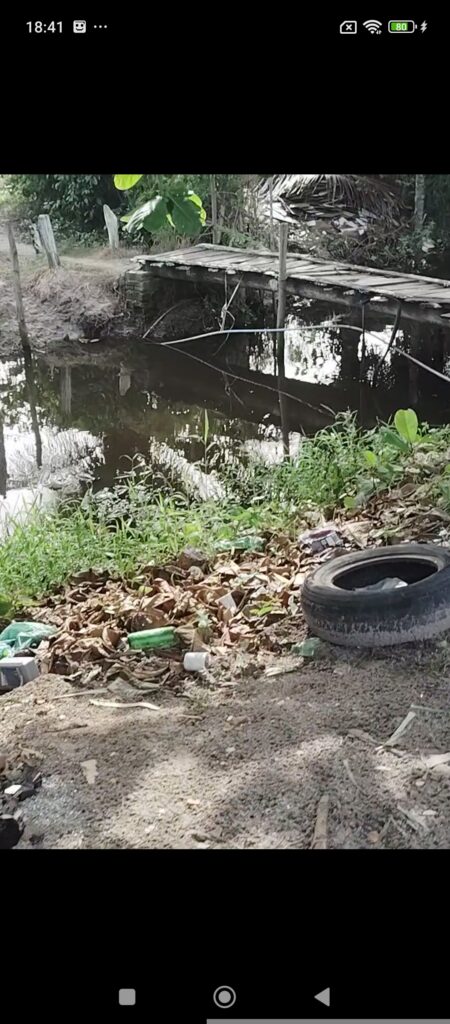
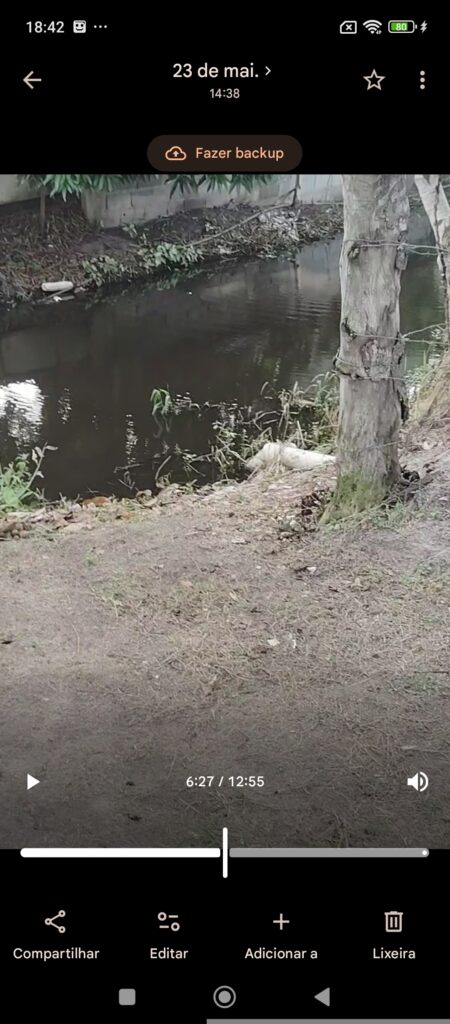
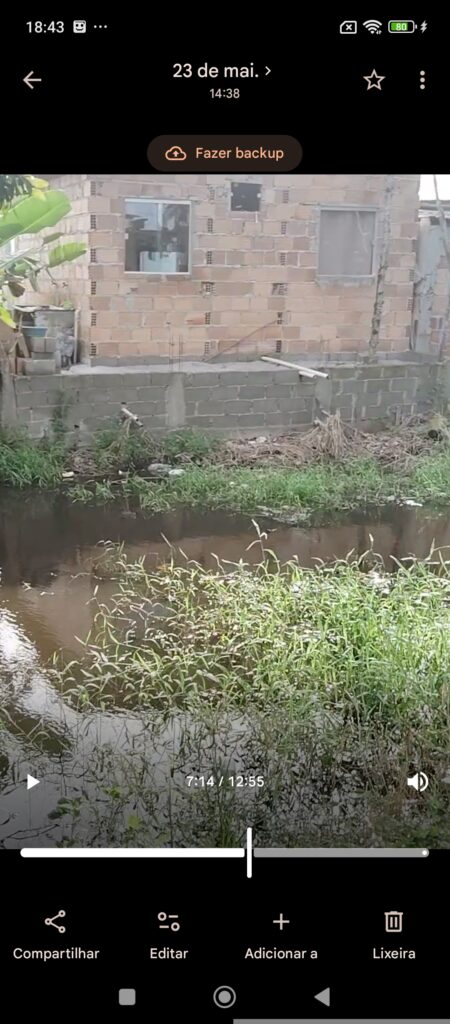
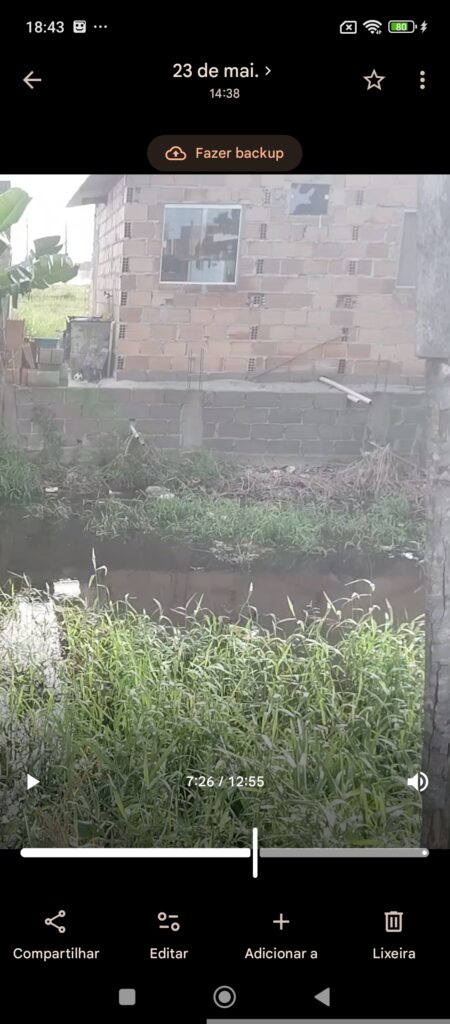
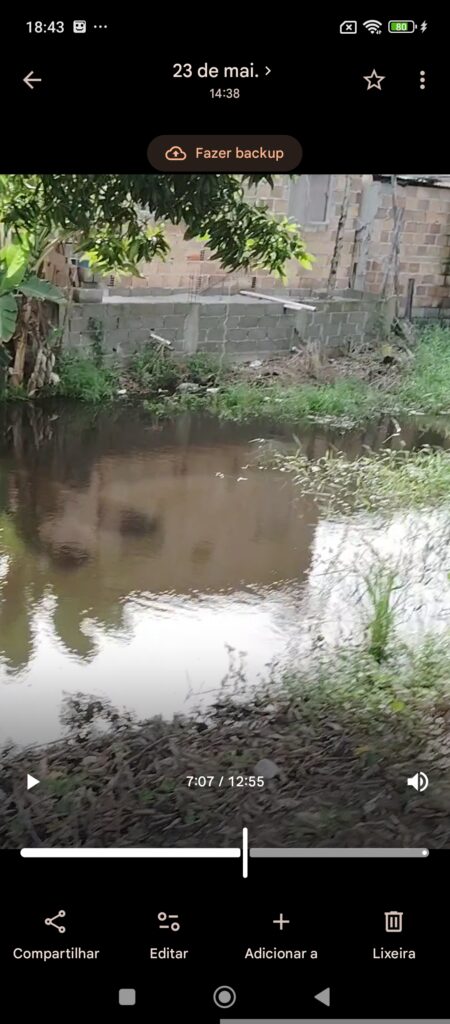
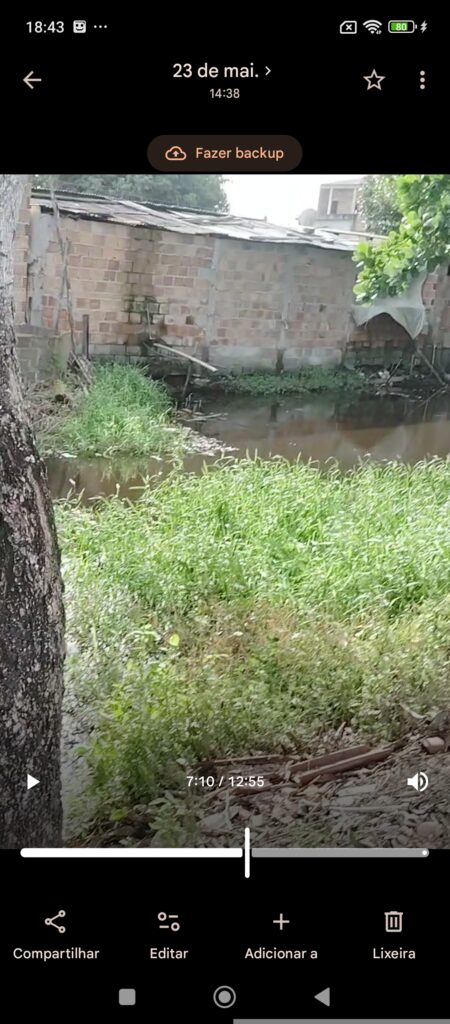
The stagnant canal, the dark unmoving water, the trash along the banks, the blocked drain openings, the loose debris, the weak walking edges, the informal crossings, and the child walking near the water all tell the same story:
By the time mosquitoes are biting families at night, the failure has already happened during the day.
The mosquito is not the beginning of the problem. The mosquito is the visible result.
1. The canal was holding neglect
The water in the Prado images does not feel like a healthy river, a cared-for canal, or a clean drainage path.
It appears dark, slow, and trapped.
That matters.
Water should never be treated as background. Water is either moving, filtering, drying, returning, or being intentionally held. When it is left still, dirty, and unmanaged beside homes and walking paths, it becomes a danger.
In Prado, the canal looks like a place where responsibility has been dropped. The water is present, but the system of care around the water is missing.
- No strong clean-flow logic.
- No visible maintenance rhythm.
- No protected public edge.
- No beautiful access system.
- No clear separation between waste, water, and family movement.
That is how a water corridor becomes a breeding ground.
2. Garbage and water were allowed to meet
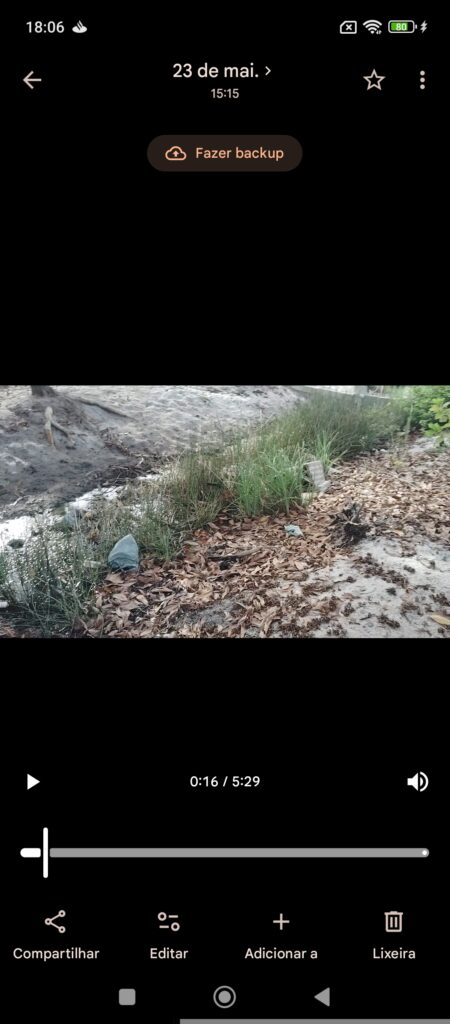
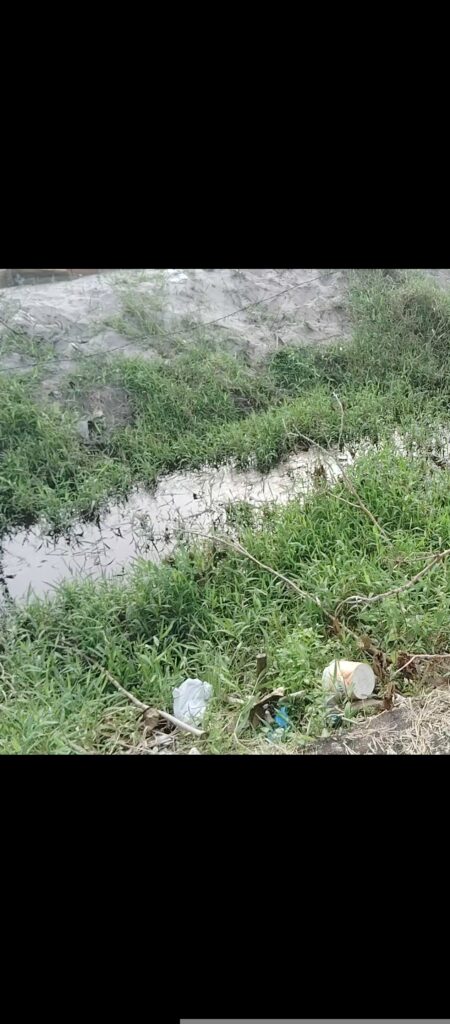
The images show trash and debris near the water edge. Plastic, household waste, branches, loose objects, and discarded materials are scattered along the canal and surrounding ground.
This is a serious planning failure.
Garbage should have a route before it becomes danger. It should be collected, sorted, returned, removed, processed, or escalated. It should not drift toward water. It should not sit near drainage. It should not become part of the landscape.
When garbage and stagnant water meet, the environment begins to produce problems.
- Trash blocks flow.
- Trash traps water.
- Trash rots.
- Trash attracts pests.
- Trash creates smell.
- Trash makes service work harder.
- Trash turns the public edge into a public-health risk.
3. The clogged drain proves the system is not being maintained
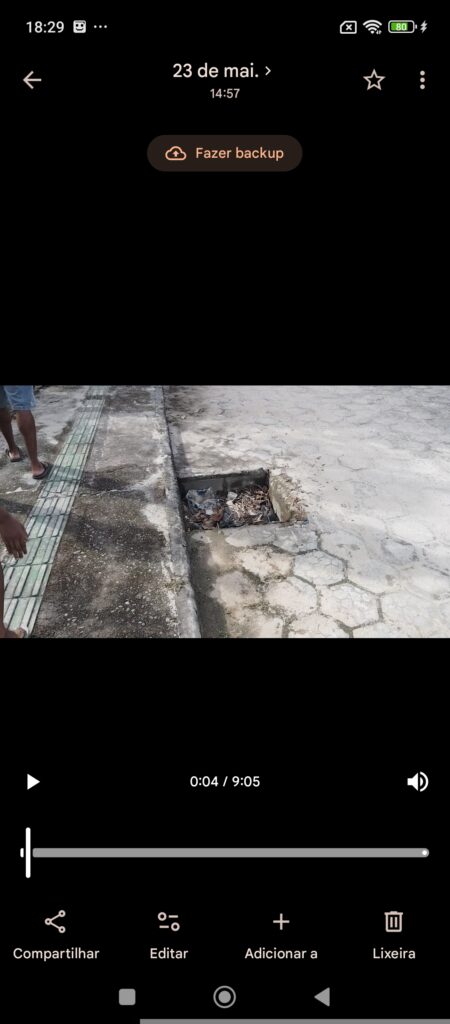
One of the strongest images is the drain opening filled with leaves, trash, and debris.
That image says something important:
A drain that cannot stay clear is not real infrastructure. It is only the appearance of infrastructure.
It may have been built. It may have concrete around it. It may look official. But if it clogs, traps debris, holds water, and waits for someone to eventually notice it, then it is not truly serving the families around it.
Trott Bailey Family Civilization has a different rule:
This is why the Beautiful Access Assembly Standard V1 matters.
Access covers, drain openings, culvert entries, cleaning points, inspection ports, and service edges are not leftover utility clutter. They are part of civilization architecture.
- They must be reachable.
- They must be safe.
- They must be cleanable.
- They must be monitored.
- They must be beautiful enough to belong to the kingdom.
- They must protect the worker who has to maintain them.
Prado shows what happens when access is not respected. The drain becomes a trap. The canal becomes dirty. The mosquitoes arrive. The family pays.
4. Children were close to the hazard
One of the most serious parts of the images is the presence of a child near the canal edge.
This changes the conversation.
This is not just an ugly drainage issue. This is not just a mosquito issue. This is a family-protection issue.
Children should not have to walk beside dark stagnant water, garbage, weak edges, and unclear public boundaries. Families should not have to normalize unsafe surroundings just because the old world calls it ordinary.
A child near a dirty canal means the planning failure has entered family life.
It affects where children walk, where they play, what parents worry about, what smells enter the home, what insects come at night, what sickness risks the family has to think about, and what kind of world a child believes is normal.
Trott Bailey Family Civilization rejects that.
The kingdom does not design public space where children are forced to move beside unmanaged danger.
- Water edges must be protected.
- Routes must be dignified.
- Crossings must be safe.
- Drainage must be clean.
- Waste must be removed.
- Mosquito conditions must be prevented before families suffer.
5. Informal crossings reveal survival planning
The wooden crossing in the images is also important.
It shows that people still need to move through the area. Life continues even when the planning is poor. People improvise. They step over, cross around, balance across, and make their own paths.
That is not real civic design.
That is survival movement.
A bridge or crossing should not feel like an afterthought over dirty stagnant water. It should be part of a safe, beautiful, maintained public route.
In Trott Bailey Family Civilization, a water crossing would not be treated as a desperate plank across neglect. It would become part of the route system, with safe edges, clear footing, service access, water-flow protection, lighting where needed, and child-aware design.
The route would not fight the water system.
The route and the water system would be planned together.
6. Prado’s mosquito problem was built by a chain of failures
The images show a full failure chain:
That is the central point.
Mosquitoes are often treated like a private annoyance. Buy repellent. Close the windows. Sleep under a net. Spray the room. Check your buckets. Suffer quietly.
But this case shows something deeper:
The family is blamed last, but the system failed first.
Where Trott Bailey Family Civilization begins
Prado shows the failure.
Trott Bailey Family Civilization gives the counter-system.
The answer is not only to spray mosquitoes after they arrive. The answer is to design water, waste, tools, homes, public edges, workers, and monitoring systems so that mosquito conditions are not invited in the first place.

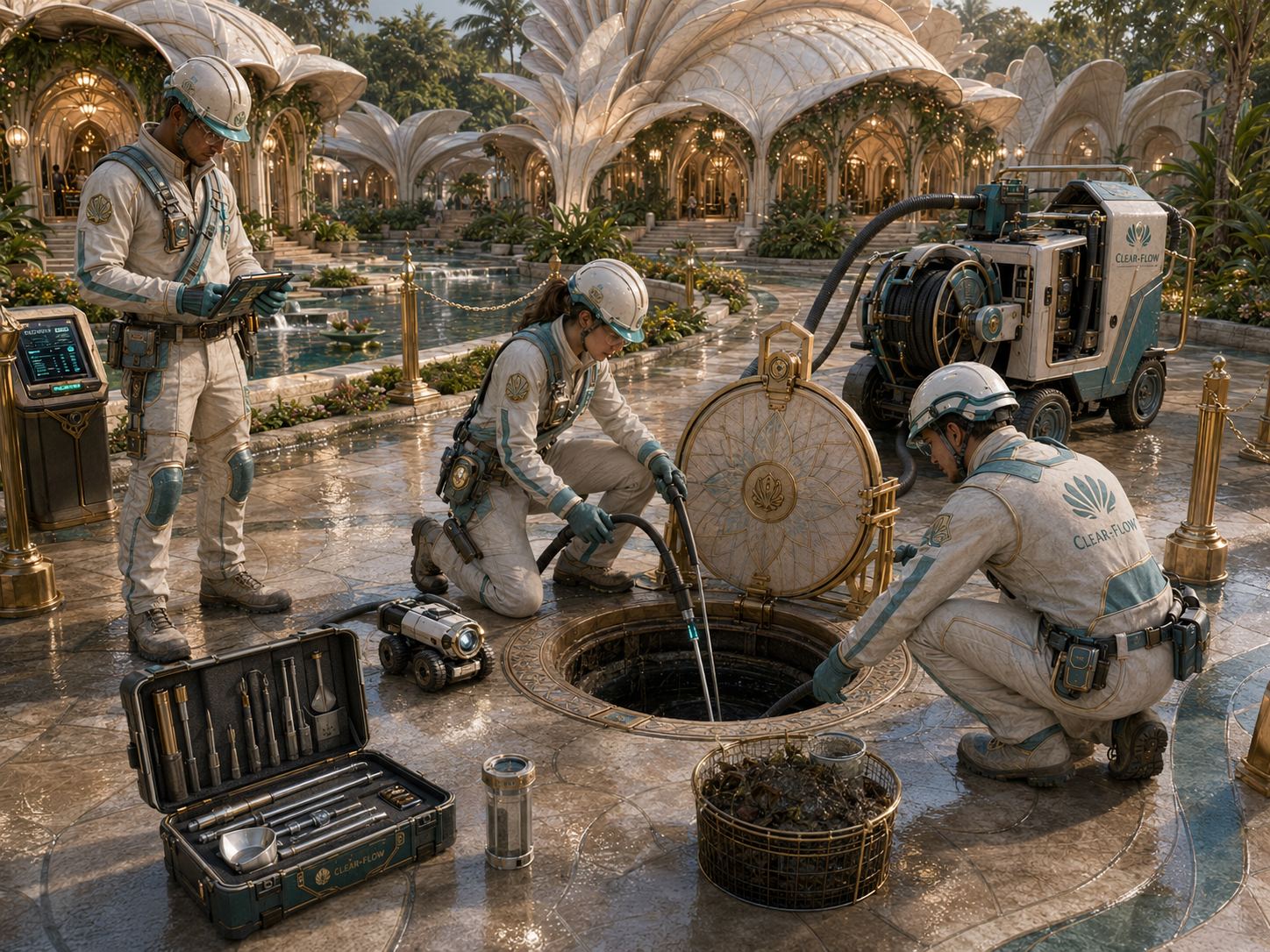
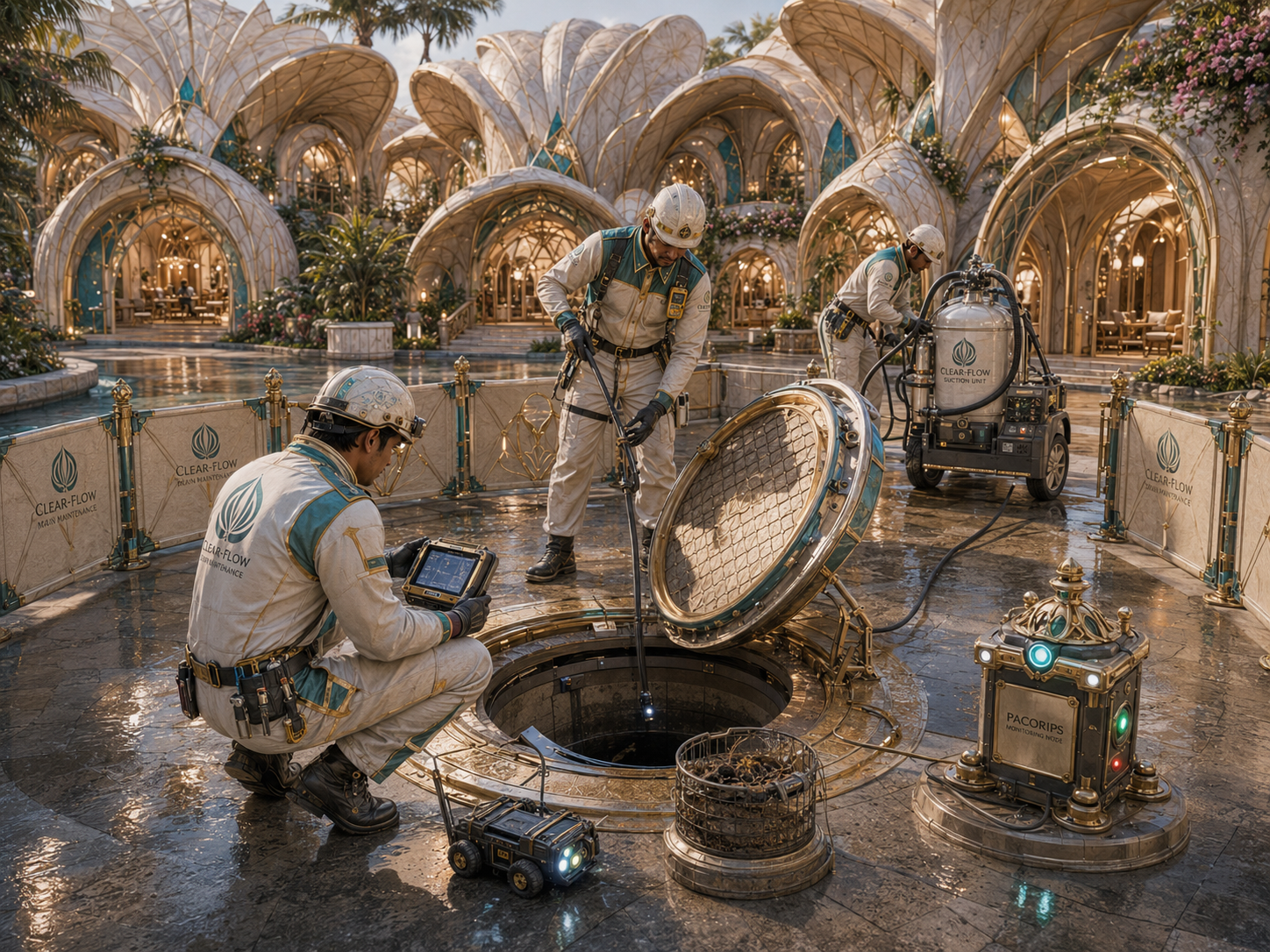
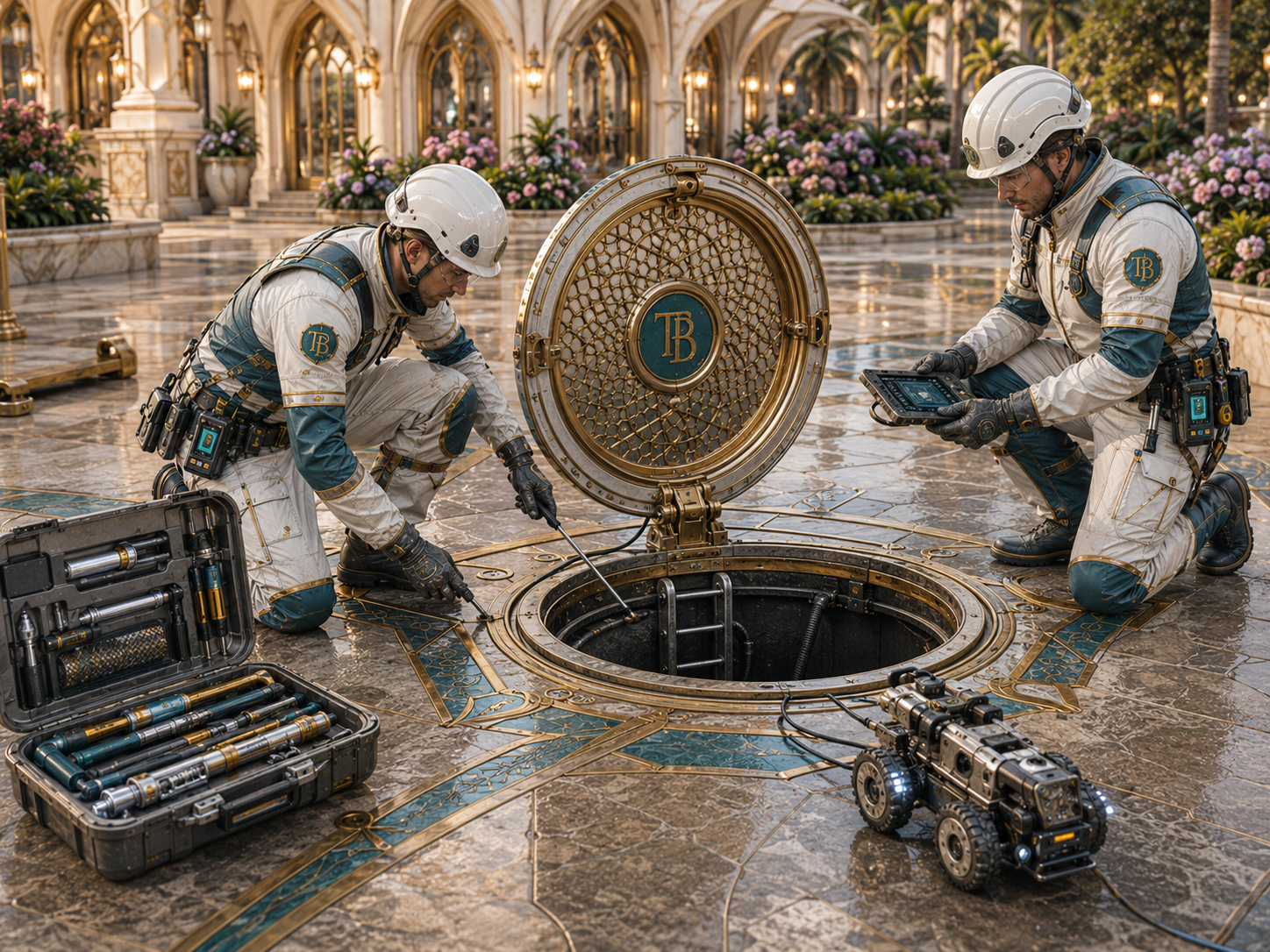


Trott Bailey Family Civilization Answers Before the Mosquito Arrives
The goal is not to kill mosquitoes after families suffer. The goal is to stop inviting them.
7. Trott Bailey Family Civilization answers before the mosquito arrives
Trott Bailey Family Civilization does not wait until mosquitoes are everywhere and then tell families to defend themselves.
The kingdom designs the breeding conditions out of the environment.
That means water, waste, homes, service work, tools, drying systems, and public edges all have to work together.
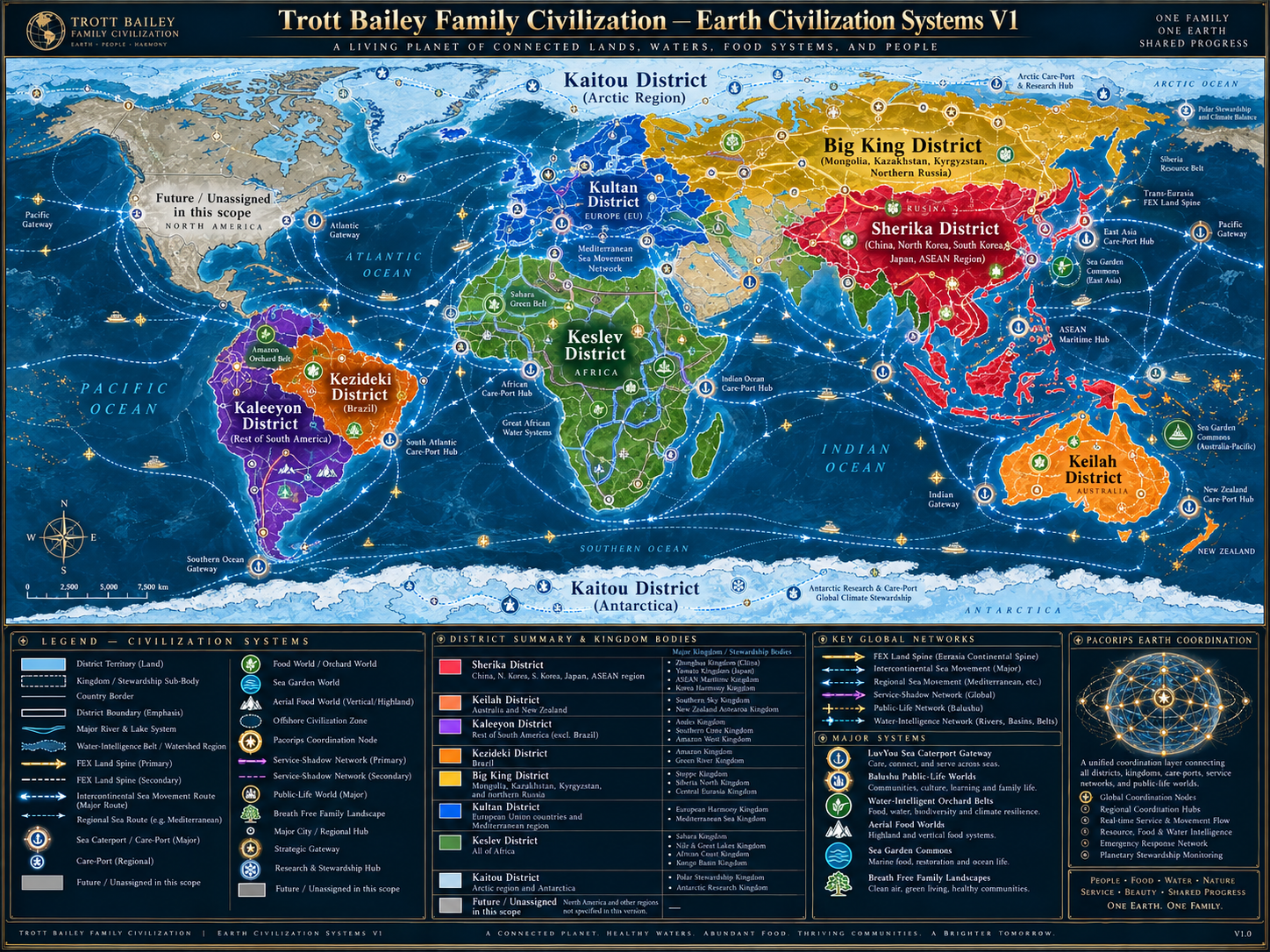
8. Kultan Clear-Flow: water must have a proper destiny
The first answer is Kultan Clear-Flow.
Kultan Clear-Flow Law
Water must move, filter, dry, return, or be intentionally held.
Water cannot sit forgotten beside homes. Water cannot become dark and dirty because nobody owns its care. Water cannot collect garbage and turn into a mosquito invitation.
In Trott Bailey Family Civilization, a canal like the one in Prado would become a designed Clear-Flow corridor.
Clean Movement
Water is shaped to flow, drain, filter, or return instead of sitting dark and trapped.
Serviceable Edges
Workers can reach the system safely without crawling through dangerous, ugly conditions.
Debris Capture
Leaves, trash, and sediment are intercepted before they clog the corridor.
Child-Safe Routes
Family movement is protected from dirty water edges and unclear hazard zones.
The water would not be ignored.
It would be held inside a system of care.
9. Krubaro and FLIB: waste must never reach the water
The second answer is the Krubaro + FLIB waste hierarchy.
Prado shows garbage reaching the water edge. Trott Bailey would treat that as a failure before it becomes normal.
Compound Krubaro
Handles household and local compound waste before it spills into public life.
Public Krubaro
Handles public-zone waste through clean, safe, beautiful return systems.
FLIB
Handles overflow, bulky waste, special waste, and district-level removal.
This is the difference between cleanup and civilization.
Cleanup reacts after the mess exists.
Civilization prevents the mess from becoming a public-health threat.
10. Service Shadow protects the place and the worker
A dirty canal does not clean itself. A clogged drain does not clear itself. A blocked culvert does not magically become safe.
Someone has to do the work.
In the old world, that worker is often treated badly. They are sent toward dirty, risky systems with poor tools, poor protection, poor dignity, and poor recovery.
Trott Bailey Family Civilization refuses that.
The Service Shadow Water/Waste Thread exists so the people who protect the kingdom are also protected by the kingdom.
- Smart protective rolewear.
- Gas detection.
- Inspection tools.
- Suction and jet-vac support.
- Sediment capture carts.
- Robotic cleaning arms.
- Camera probes.
- Safe barriers.
- Beautiful access covers.
- Wash and degearing rooms.
- Tool-cleaning systems.
- Body recovery.
- Pacorips monitoring support.
Clear-Flow Worker Law
The worker should know before opening, see before entering, and automate before risking the body.
This is why Trott Bailey Clear-Flow work must not look like dirty municipal maintenance. It must look like a maintained kingdom system.
Beautiful does not mean delicate.
Robust does not mean ugly.
11. No-entry automation changes the dignity of dangerous work
The Prado images show the kind of place where dangerous drain and canal work could easily become unsafe for workers.
Trott Bailey answers with Clear-Flow No-Entry Robotic Cleaning.
The goal is not to send a person into danger first.
The goal is to inspect first, detect first, clear remotely where possible, and only risk the human body when absolutely necessary and properly protected.
Inspection Crawlers
Small robotic systems inspect pipes, drains, and culverts before human exposure.
Camera Probes
Workers see the blockage, depth, danger, and condition before opening the system.
Robotic Cleaning Arms
High-risk chambers can be cleared without sending a worker into the hazard first.
Suction + Jet-Vac Carts
Trash, sludge, sediment, and water are removed with controlled force and capture.
Automation does not replace human judgment.
It protects human judgment.
12. Pacorips watches conditions, not families
In Trott Bailey Family Civilization, Pacorips would not wait for residents to complain about mosquitoes.
Pacorips would watch the conditions that create mosquitoes.
- Standing water duration.
- Blocked drains.
- Culvert flow.
- Trash accumulation.
- Organic waste buildup.
- Vegetation overgrowth.
- Rainfall stress.
- Repeat dumping points.
- Drying failures.
- Public vessel wetness.
- Household wet-object risks.
- Service Shadow response needs.
Pacorips would not blame families. It would not act like a surveillance system watching people with suspicion.
Its purpose is care.
The old world often waits until suffering becomes visible.
Trott Bailey monitors the conditions before the suffering begins.
13. Dry-Return Spine: mosquito prevention enters the home
The canal is the large public failure.
But mosquitoes are also invited by smaller wet failures.
- A bucket left upright.
- A cup holding water.
- A wet toy.
- A damp cloth.
- A puddle in a service porch.
- A blocked kitchen drain.
- A wet boot.
- A stroller wash area that does not dry.
- A public vessel returned wet and stacked badly.
Trott Bailey Family Civilization does not treat these as random household chores.
It designs drying into the home.
Dry-Return Law
A home is not complete until every wet object has a designed route back to dryness.
The Dry-Return Spine V1 and Household Quick-Dry Wall V1 are not ordinary dish-drying ideas. They are domestic pest-prevention infrastructure.
Kitchen Objects
Vertical plate slots, inverted cup pegs, bowl shelves, lid grooves, and utensil combs.
Service Porch Objects
Bucket inversion hooks, footwear drying positions, rain-object rails, and tool dry niches.
Baby + Child Objects
Tenderness drying niches for bottles, toys, small bowls, cloths, and child-safe objects.
Water Return
Removable drip trays, concealed greywater routing, dry-status pearls, and airflow logic.
Trott Bailey does not only drain land.
Trott Bailey dries objects.
14. Different homes, one intelligence
The Quick-Dry Wall does not mean every Trott Bailey home looks the same.
This is important.
Trott Bailey Family Civilization has many home styles: refined pavilion homes, rugged rustic hearth homes, Big King command homes, softer family homes, stronger service homes, and other future branches.
The decor may change. The materials may change. The family clothing may change. The architecture may change. The mood may change.
But the dry-return intelligence remains.
Luminous Petale Pavilion Home
Shell-cream casing, pearl dry-status nodes, elegant plate slots, and softer family routine.
Rugged Rustic Hearth Home
Thicker hooks, heavier wood, ashcoal stone, aged bronze, and stronger bucket/tool drying.
Big King Hearth / Command Home
Sturdier furniture-body influence, protective hearth presence, and stronger family support.
- No flat wet stacking.
- No upright wet bucket storage.
- No hidden water traps.
- No damp objects forgotten in corners.
Every wet object has a route back to dryness.
15. Trott Bailey does not separate beauty from maintenance
One of the biggest old-world failures is that maintenance is treated as ugly.
The front of the city may be decorated, but the drains are disgusting. The public building may be painted, but the garbage edge is shameful. The tourist area may look acceptable, but the water system nearby is dark and stagnant.
Trott Bailey Family Civilization rejects that split.
- Access covers belong to architecture.
- FLIB tools must be robust and beautiful.
- Service Shadow workers must be dressed with dignity.
- Drying walls must belong to the home.
- Water corridors must be cared for as civic systems.
- Waste routes must be designed before trash becomes danger.
Beauty is not decoration added after function.
Beauty is proof that the system is loved, maintained, and meant to last.
16. What Prado teaches Trott Bailey
Prado is not useful because it is ugly.
Prado is useful because it reveals what must never be repeated.
A stagnant canal
teaches the need for Clear-Flow.
Trash near water
teaches the need for Krubaro and FLIB.
A clogged drain
teaches the need for Beautiful Access Assemblies.
Dangerous water edges
teach the need for child-safe public routes.
Informal crossings
teach the need for dignified movement planning.
Mosquitoes
teach the need for pest ecology prevention.
Dirty service work
teaches the need for worker protection.
Wet household objects
teach the need for Dry-Return infrastructure.
17. The main difference
Prado reacts after the conditions become dangerous.
Trott Bailey designs the conditions out before they become danger.
Prado lets stagnant water, garbage, and children meet in the same place.
Trott Bailey separates those systems by design.
Prado leaves families to buy repellent, close windows, watch buckets, worry about dengue, and sleep badly.
Trott Bailey
Trott Bailey makes the land, walls, drains, waste systems, service teams, Pacorips monitoring, and household drying infrastructure carry that burden with the family.
Trott Bailey Water, Pest, Tools + Dry-Return Infrastructure System V1
Mosquitoes are not only insects. They are evidence.
They reveal whether water is moving, whether waste is routed, whether drains are maintained, whether workers are protected, whether children are safe, whether homes dry properly, and whether public systems act before families suffer.
The Prado images prove that mosquito breeding is created by a chain of neglected systems: stagnant canal water, clogged drains, exposed garbage, weak public edges, unsafe crossings, and children forced near contaminated water.
Trott Bailey Family Civilization answers with Kultan Clear-Flow, Beautiful Access Assemblies, no-entry robotic cleaning, Service Shadow worker protection, Krubaro/FLIB waste routing, Pacorips environmental monitoring, and Dry-Return household infrastructure.