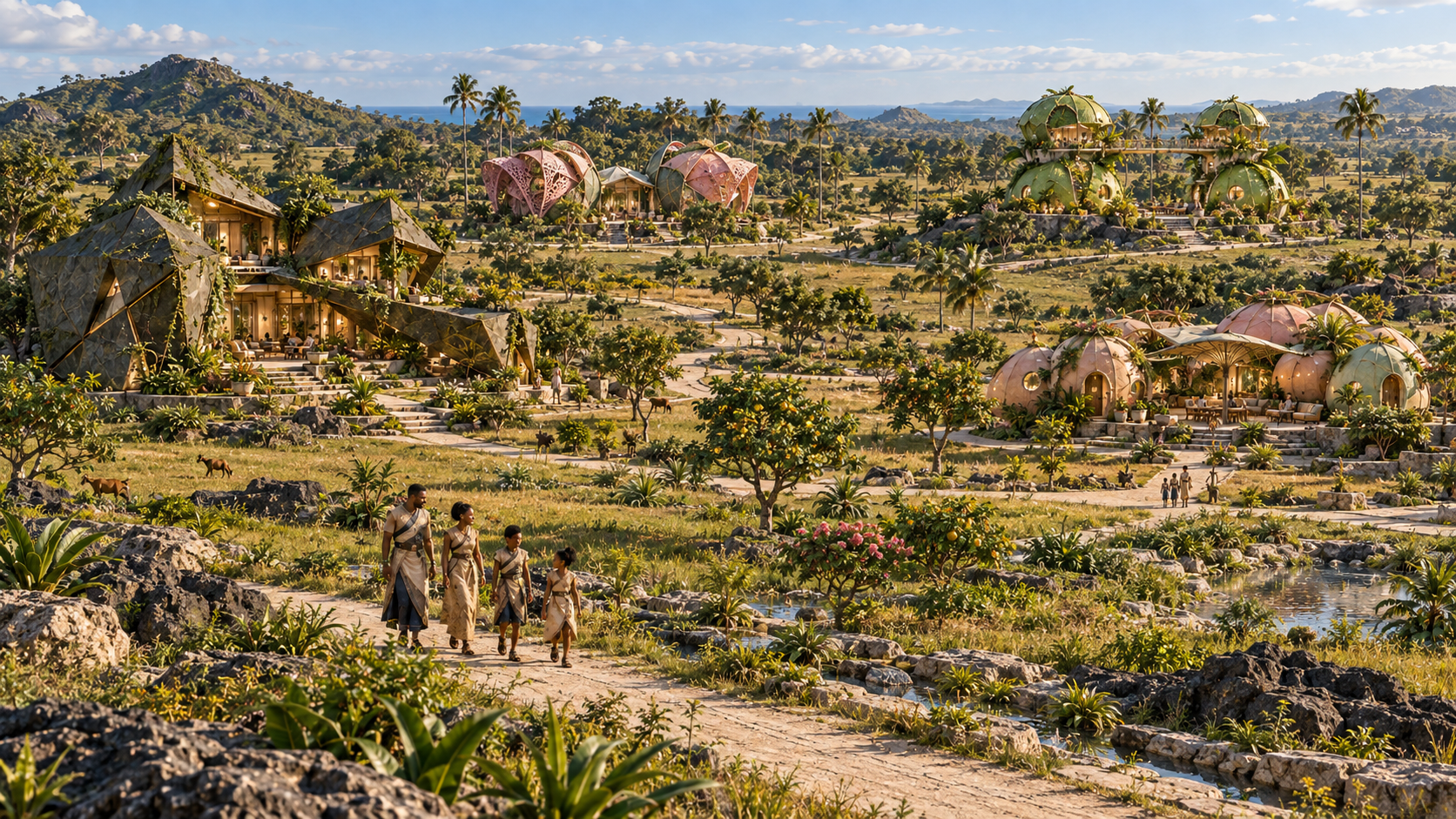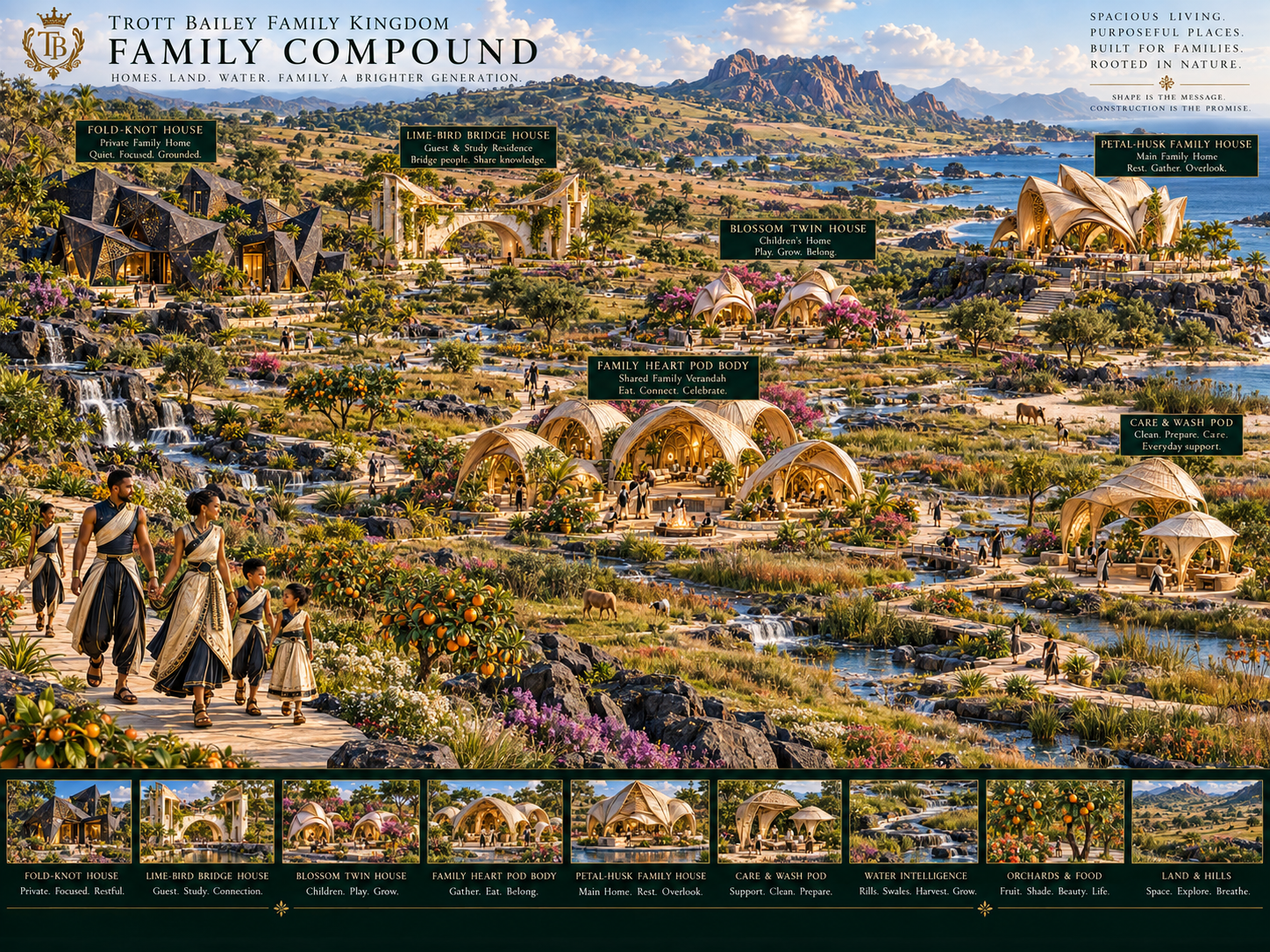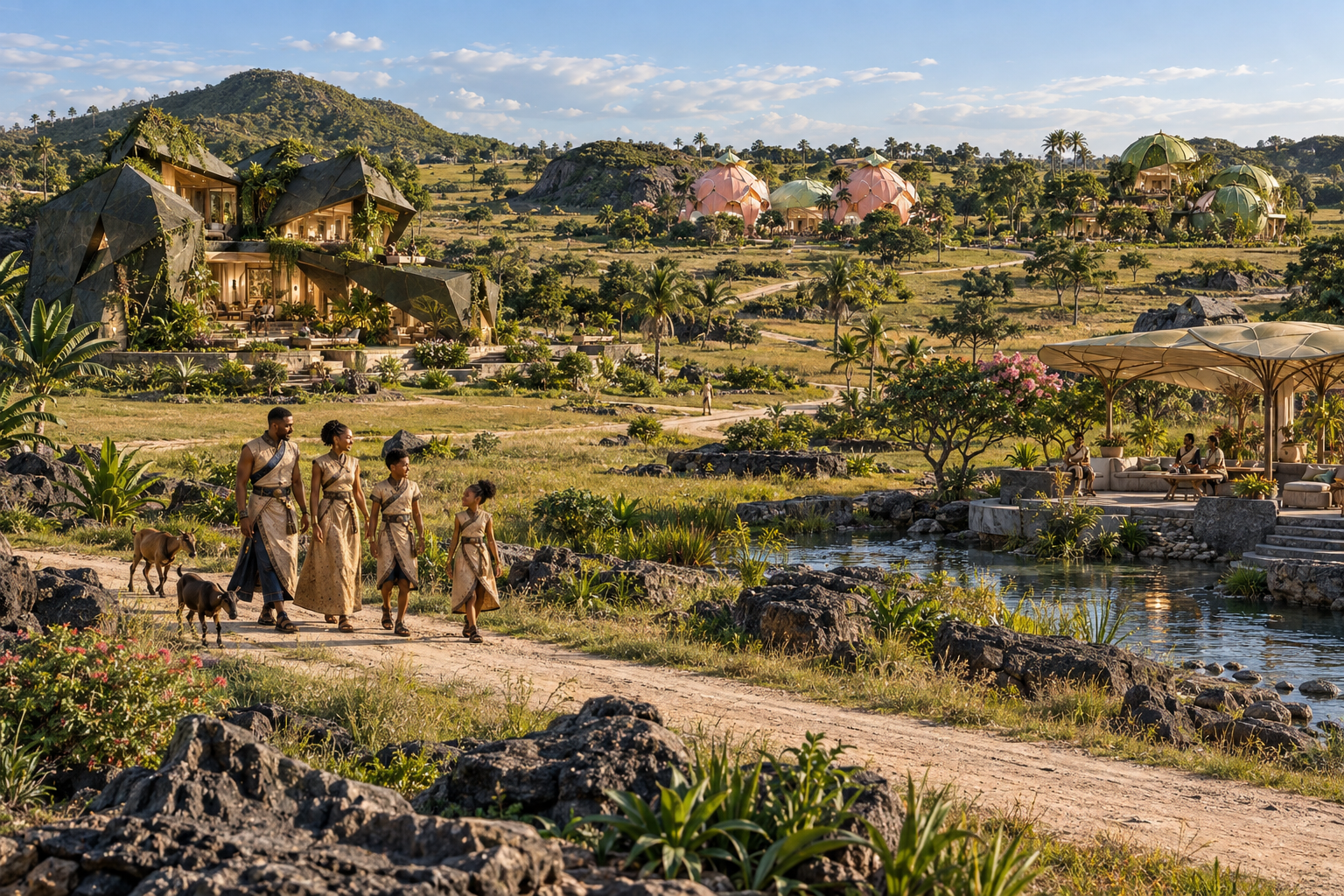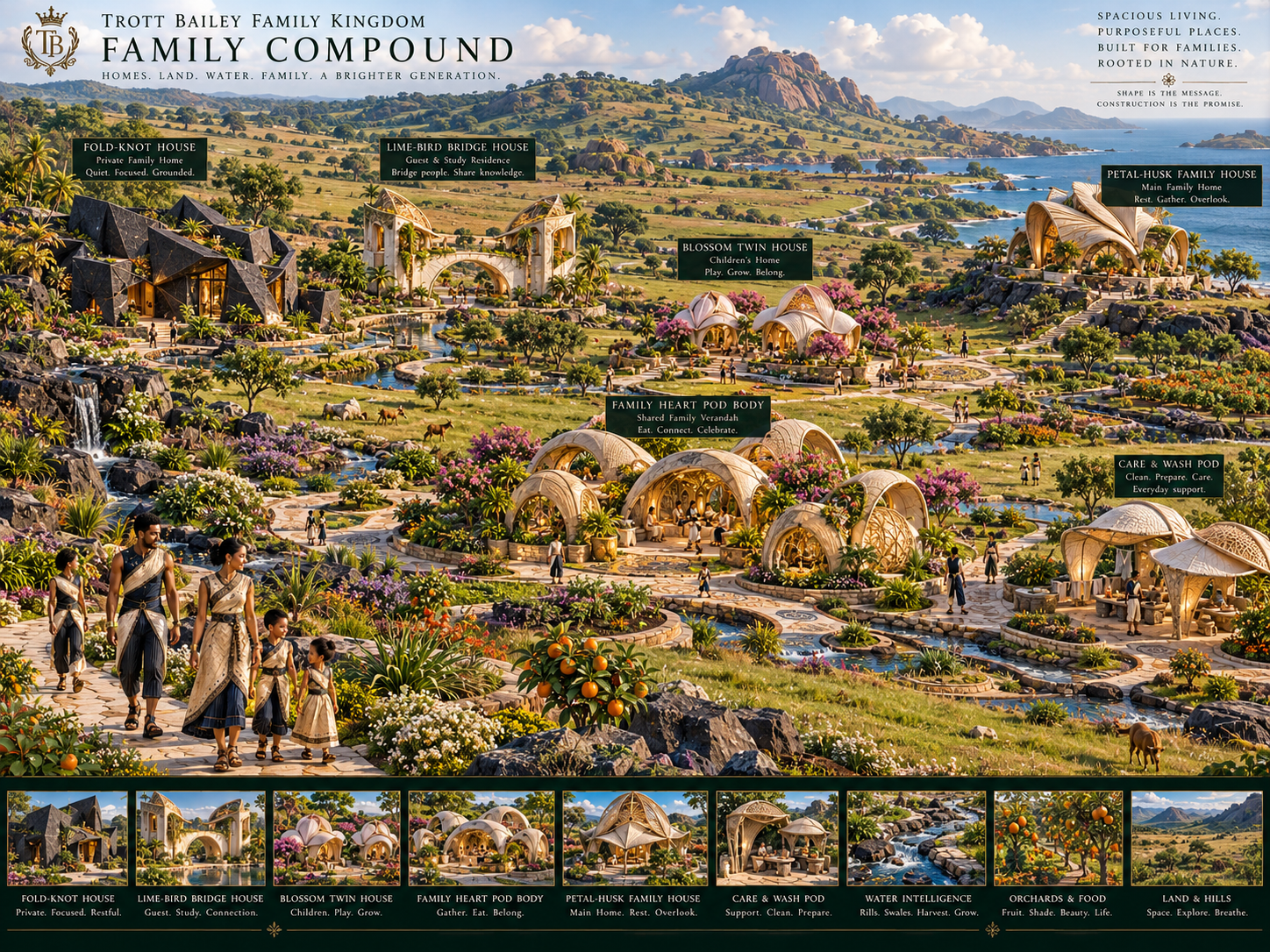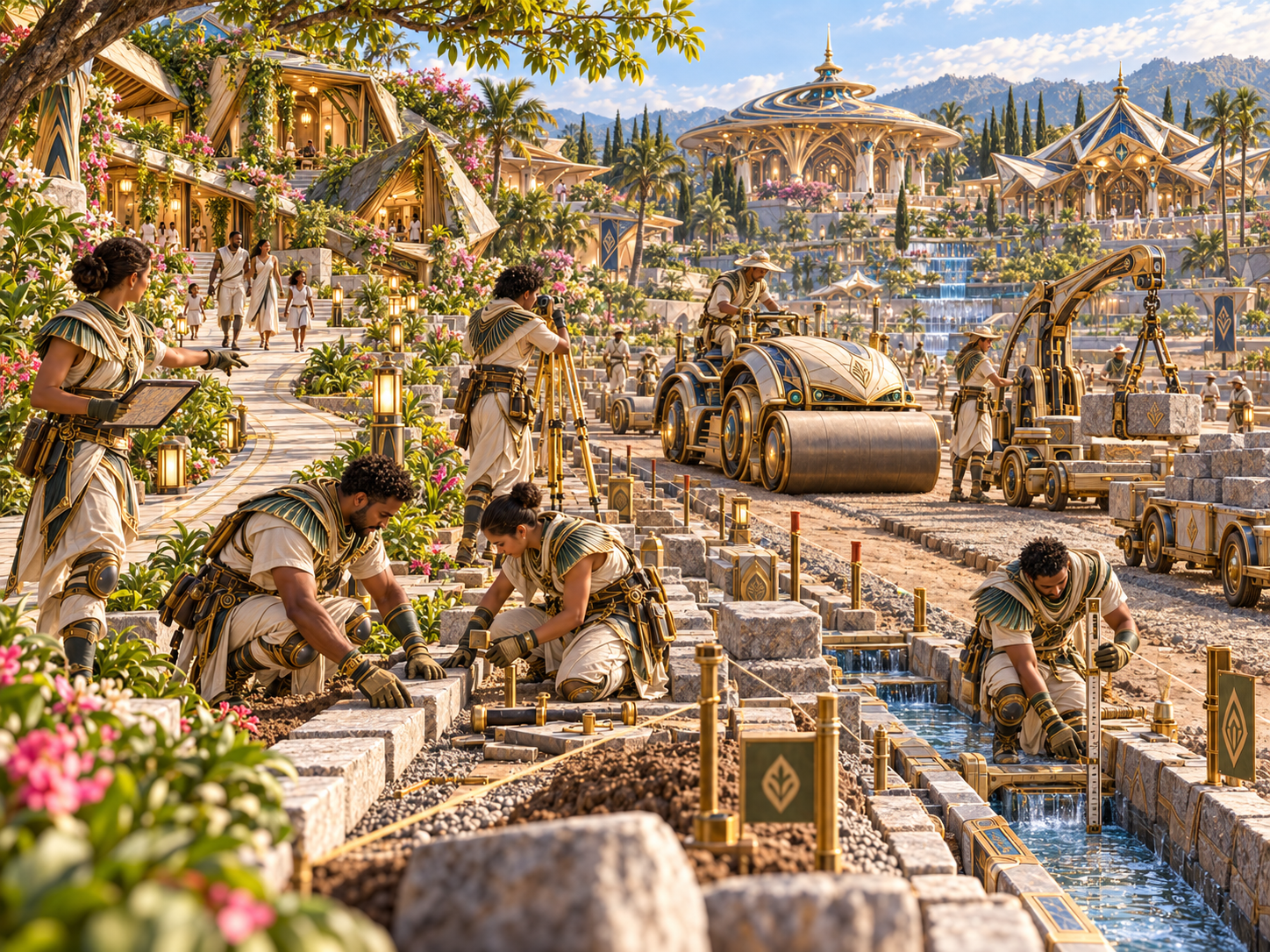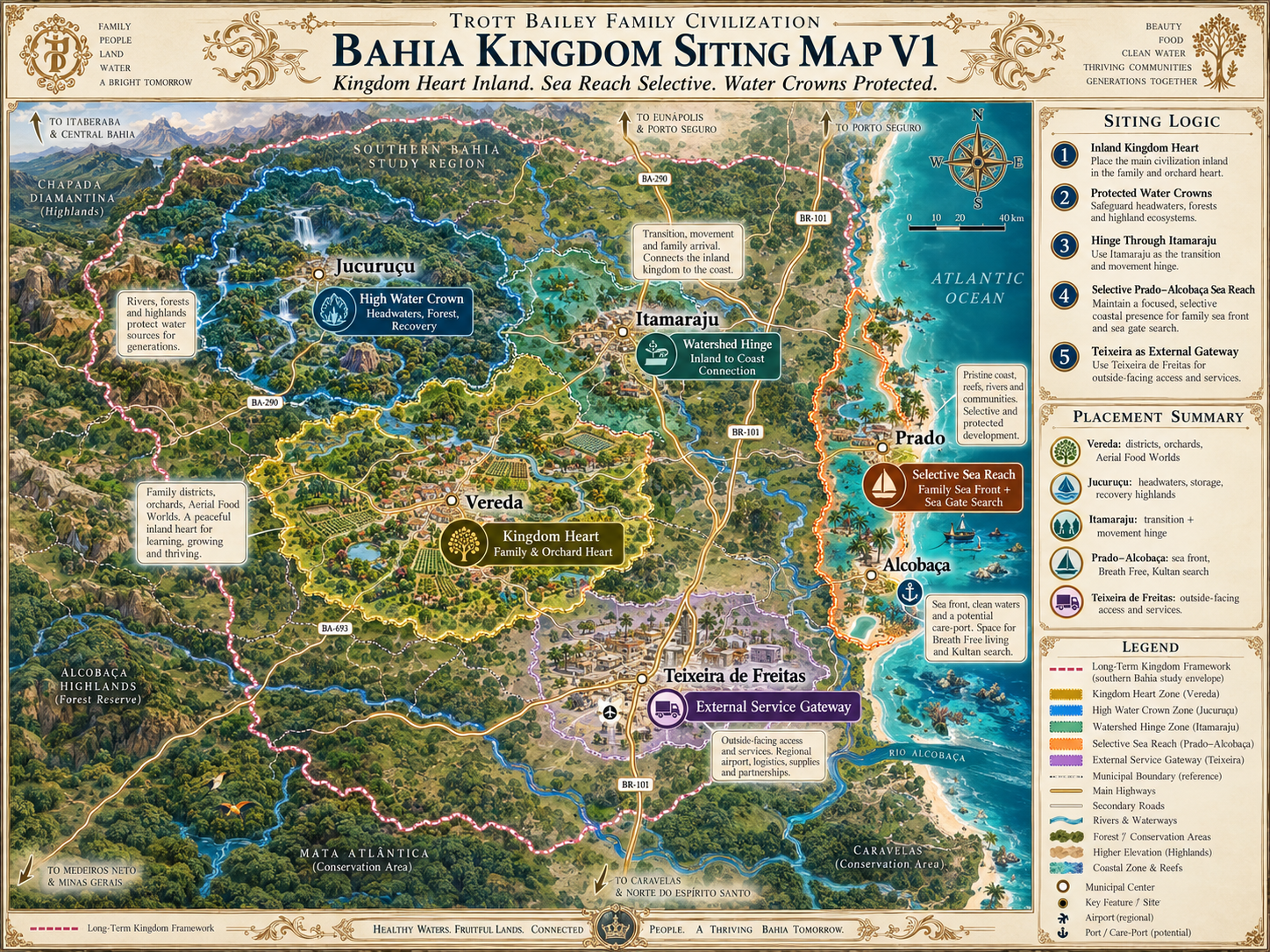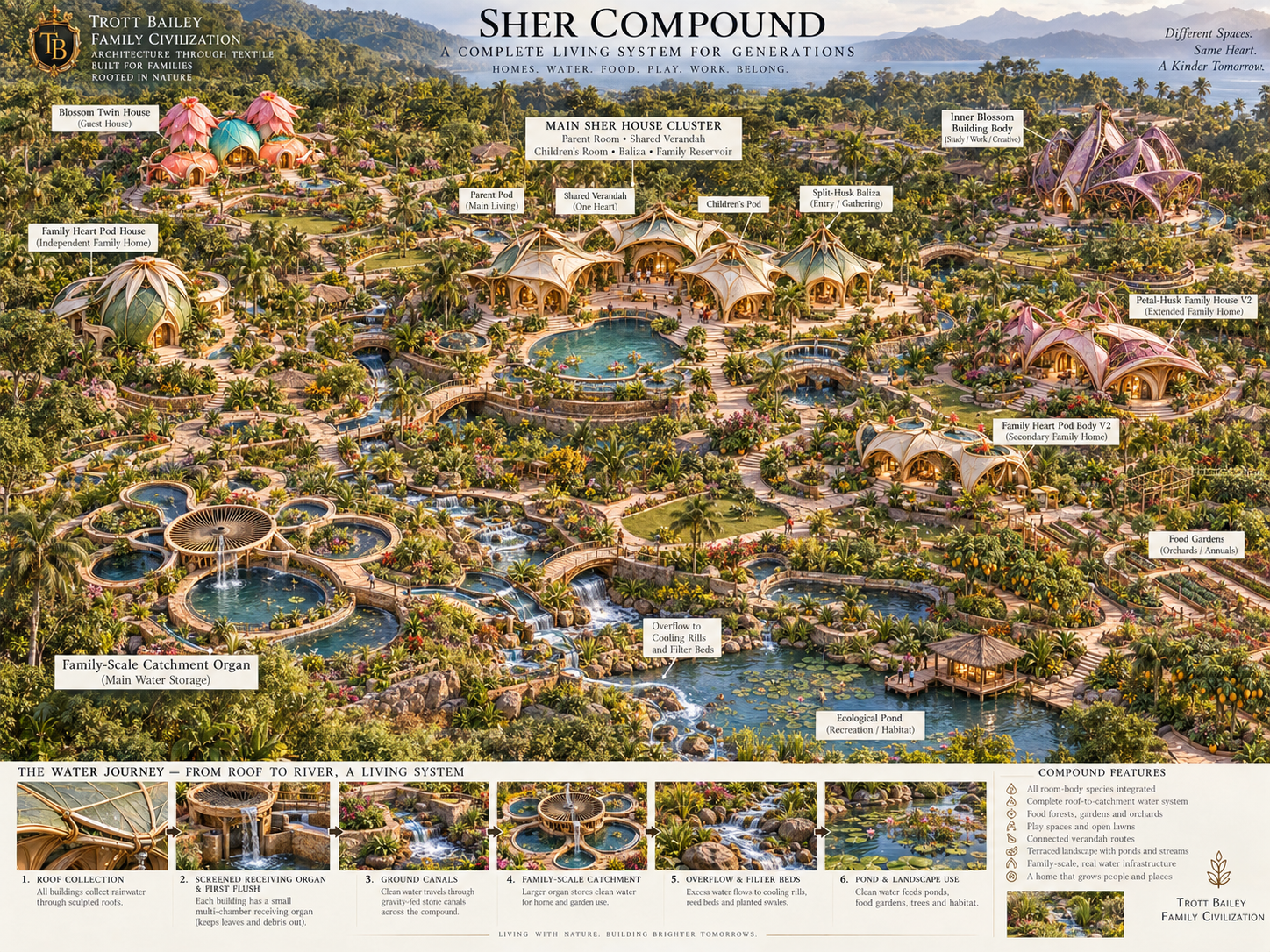


Roles in TBF Civilization: Water, Sanitation and Clean Return Formation Corps

The first nucleus of Trott Bailey Family Civilization cannot receive families with water treated as a bucket problem, sanitation treated as a toilet problem, and Clean Return treated as cleanup after the fact.
Families use water and create used things from the first day. People drink, cook, bathe, wash babies, clean floors, use toilets, return dishes, wet cloth, and create food scraps. Public life creates cups, trays, towels, bowls, mats, and return items. Work courts create dirty tools, dusty cloths, wet boots, and washing needs.
If these movements do not have clear routes, daily life becomes heavy very quickly.
Water has to enter safely. Drinking water has to stay protected. Washing water has to be available. Used water has to leave without creating mud, smell, or sickness. Toilets have to be safe and cleanable. Dishes have to return clean. Cloth has to dry. Organic matter has to move into compost, soil recovery, biodigestion, animal-safe routes where appropriate, or another managed return. Clean things and used things must not move carelessly through each other.
The Water, Sanitation, and Clean Return Formation Corps exists to make sure the first nucleus can drink, wash, bathe, cook, clean, return, dry, process, and keep moving without turning family life into daily burden.
Why This Corps Exists
A first nucleus can look promising and still become hard to live in if water, sanitation, and return are weak. A beautiful home becomes stressful if bathing creates mud. A Sabennerie becomes heavy if dishes have nowhere to return. A Care-Port becomes strained if baby cloths have no washing and drying route. A Baliza becomes disorder if towels, slippers, wash water, used garments, and drainage are not separated. A public rest court becomes unpleasant if cups, cloths, food vessels, and organic matter remain in view. A work court becomes tiring if washing, tool return, and wet protective clothing have no route.
Water alone is not enough. A tank of water does not answer where drinking water is protected, where washing water goes, where greywater moves, where bathing drains, where toilets process, where cloth dries, where dishes return, where organics go, where clean items wait, and where used items leave.
Sanitation alone is not enough. A toilet does not solve bathing, kitchen water, dish return, cloth return, organic return, greywater, mud, smell, drying, cleaning access, or clean and used separation.
Clean Return alone is not enough if water is weak, drains are wrong, wash points are missing, or clean-side storage does not exist.
These systems belong together in the first formation of the nucleus. This corps prevents the settlement from becoming heavy in the hidden places.
The Formation Standard
Every major use of water and every repeated used item must have a route.
A nucleus is not ready if people must keep solving these same problems by hand every day because the settlement did not give the movement a path.
The Formation Corps asks practical questions: Where does clean water enter? Where does drinking water stay protected? Where does wash water come from? Where does bathing water drain? Where do toilets process? Where does greywater go? Where do dishes return? Where does cloth dry? Where does organic matter move? Where do clean items wait? Where do used items leave? Where are the service routes? Where can children move without crossing dirty return? Where is backup water? What breaks first under pressure?
These questions decide whether daily life feels livable or heavy.
1. Potable Water Stewards
Potable Water Stewards protect drinking water.
Their work begins with source, treatment, storage, distribution, access, and backup. They make sure the nucleus knows which water is for drinking, which water is not for drinking, where treated water is stored, how it is protected from contamination, how families access it, how it is checked, and what happens if the main source fails.
They do not allow drinking water to be confused with washing water, drainage water, garden water, or general-use water. The first nucleus may have several water qualities operating at once, but potable water must be clearly protected.
Potable Water Stewards coordinate with housing, Sabenneries, Care-Ports, Tideechi places, Baby Worlds, public rest courts, work courts, and emergency support. Drinking water is needed everywhere, but it cannot be handled casually.
2. Non-Potable Water Stewards
Non-Potable Water Stewards organize the water that supports life without needing to be drinking water.
A first nucleus needs water for washing, cleaning, gardens, cooling, some tool cleaning, some bathing support, some Clean Return processes, animal systems where appropriate, fire or heat response, and landscape recovery. If every task depends on drinking-quality water, the potable system becomes strained. If non-potable water is unclear, families may misuse unsafe water or waste treated water unnecessarily.
These stewards make the difference visible. They help mark, route, store, and distribute non-potable water so it supports daily life without endangering anyone. They coordinate with Water Competence, gardens, Baliza routes, Clean Return, work courts, animal areas, public rest, and land recovery.
3. Rain Capture and Cistern Stewards
Rain Capture and Cistern Stewards make sure roof water, surface water, and stored water are treated as useful formation assets.
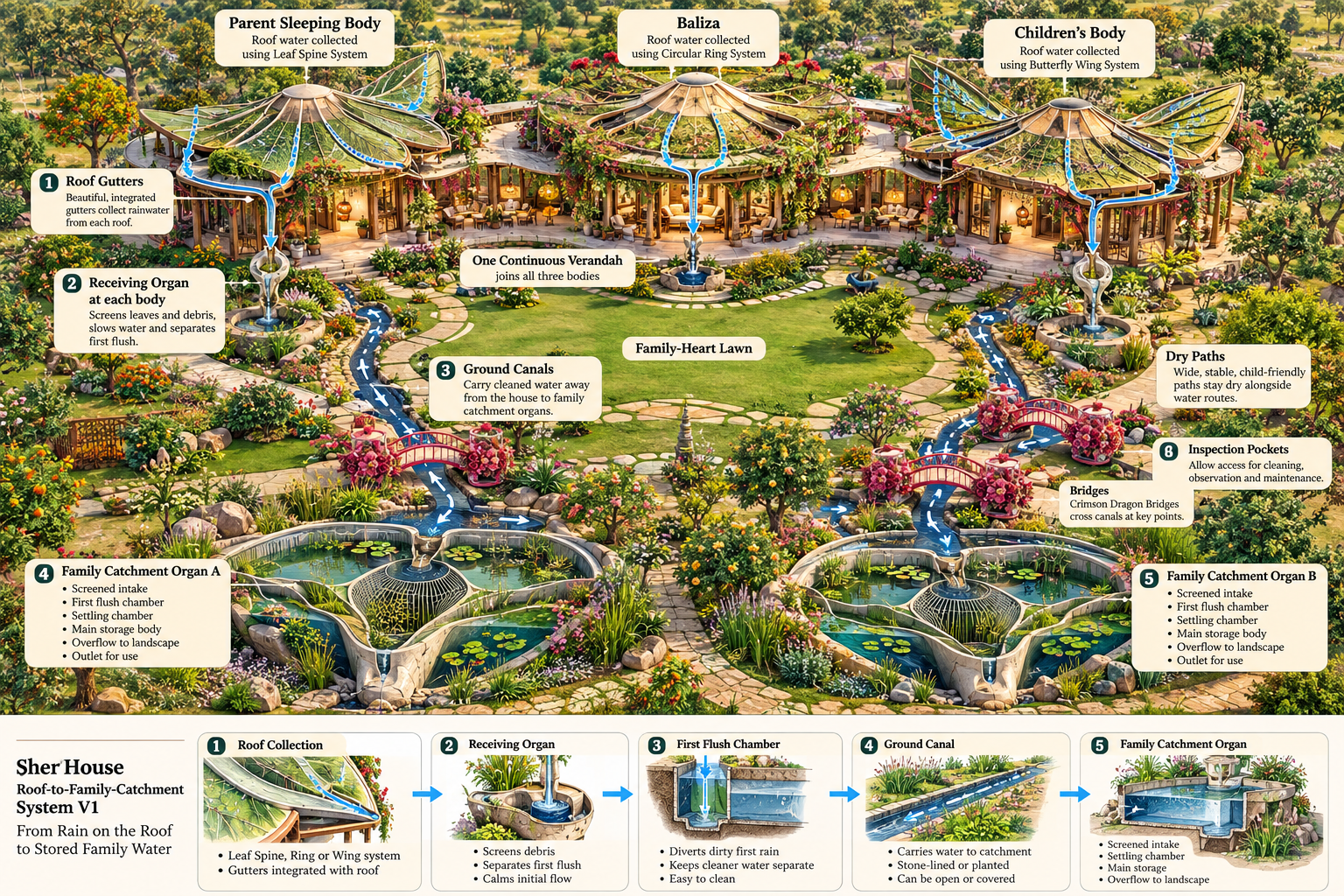
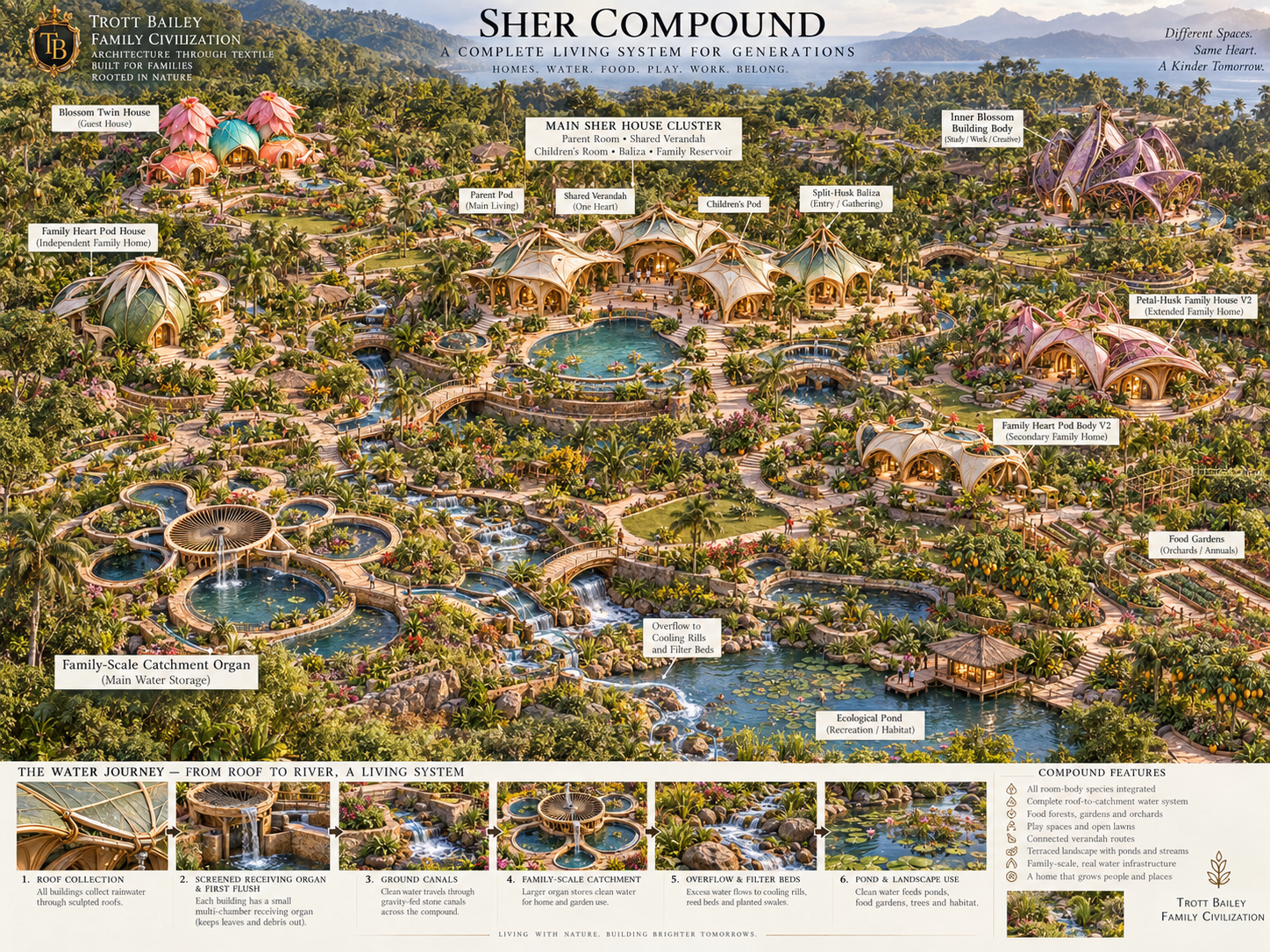
They organize roof catchments, gutters, first-flush routes, filters where needed, cisterns, overflow, inspection points, cleaning access, mosquito protection, shade, structural support, and emergency draw points. They think about where water lands, where it should be captured, where it should not go, what must be kept clean, and how overflow can serve gardens or recharge routes instead of creating erosion and mud.
A first nucleus should not watch rain leave the site as a problem while families struggle for water later. Rain capture must be designed with the homes, Sabenneries, Baliza routes, Care-Ports, public shelters, workshops, and service buildings from the beginning.
4. Bathing and Baliza Water Stewards
Bathing and Baliza Water Stewards make sure washing the body does not create disorder around the family.
Bathing requires water, privacy, drainage, non-slip ground, towel access, dry-garment movement, used-garment routes, floor washing, ventilation, and wet/dry separation. In Trott Bailey Family Civilization, Baliza routes are not random bathing corners. They are sequences that help the body move from outside dirt or daily sweat into clean comfort.
These stewards coordinate bathing water, drainage, towel return, slipper routes, child bathing, adult bathing, foot washing, wet cloth, used garments, floor drying, and clean-side restock. They make sure the bathing system does not flood the home, create mud, mix clean and used cloth, or leave mothers managing wet disorder.
5. Toilet and Sanitation Stewards
Toilet and Sanitation Stewards handle one of the most immediate realities of settlement life: human waste must have a safe route from the first day.
They establish toilet systems appropriate to the nucleus stage and place. That may include water-based systems, dry systems, composting logic, containment, processing, handwashing, cleaning access, smell control, ventilation, maintenance routes, safety boundaries, and emergency alternatives. The exact technology can vary, but the standard cannot be vague.
Toilets must be placed and operated so they protect families, water, soil, public life, and workers. Children must be safe. Mothers must not be forced into disgusting arrangements. Cleaning must be possible. Smell must be controlled. Maintenance must not require chaos.
6. Greywater and Drainage Stewards
Greywater and Drainage Stewards make sure used water does not become mud, smell, mosquito breeding, foundation damage, path damage, or hidden sickness.
Greywater comes from bathing, washing, kitchen support, cloth washing, handwashing, floor cleaning, and other daily tasks. Some greywater may be routed toward gardens or landscape recovery if handled properly. Some must be filtered, settled, diverted, or kept away from sensitive areas. Some water simply needs to leave a place safely without damaging the settlement.
These stewards coordinate slope, drains, soak routes, mulch basins, greywater gardens, food-particle separation, washing points, service access, inspection, and overflow. They work closely with Water System Stewards, Baliza Support, Sabenneries, Clean Return, housing, routes, and land recovery.
7. Dish and Food-Vessel Return Stewards
Dish and Food-Vessel Return Stewards protect the food body from collapse after meals.
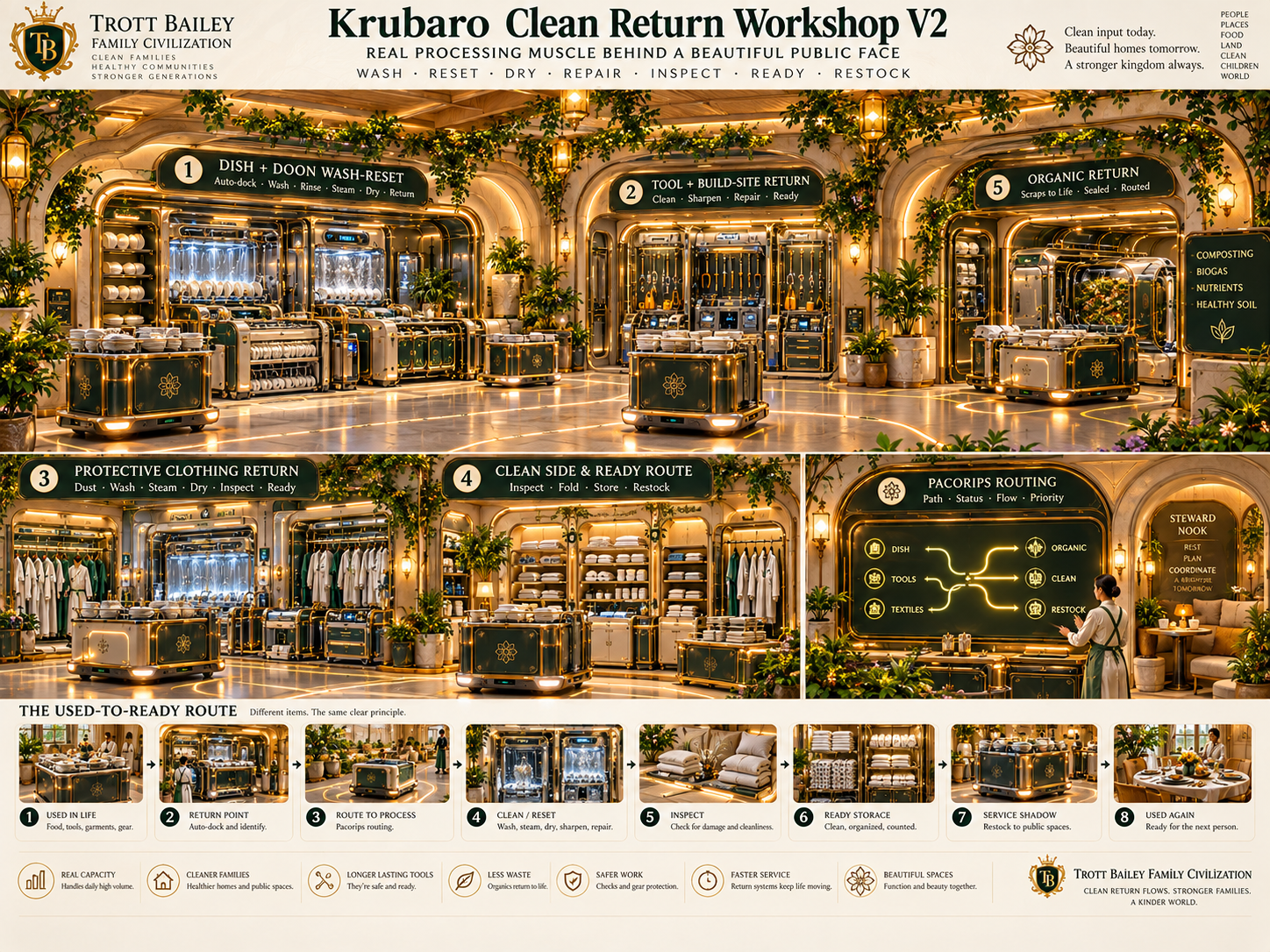
Every meal produces used bowls, cups, trays, serving pieces, cooking vessels, food carriers, spoons, cloths, scraps, rinse water, and clean-side restock needs. If the Sabennerie feeds families but used vessels do not move properly, food abundance becomes dish disorder.
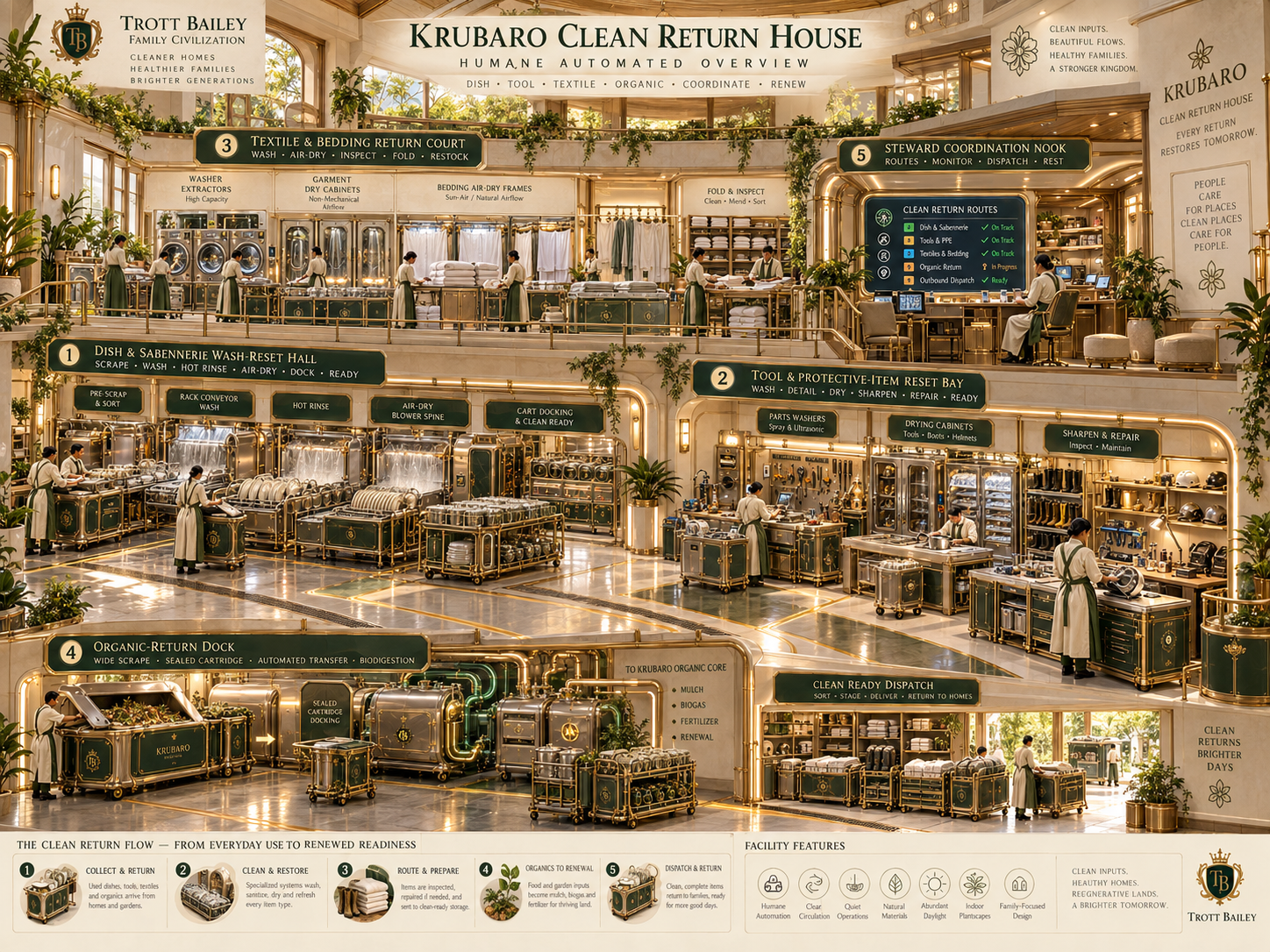
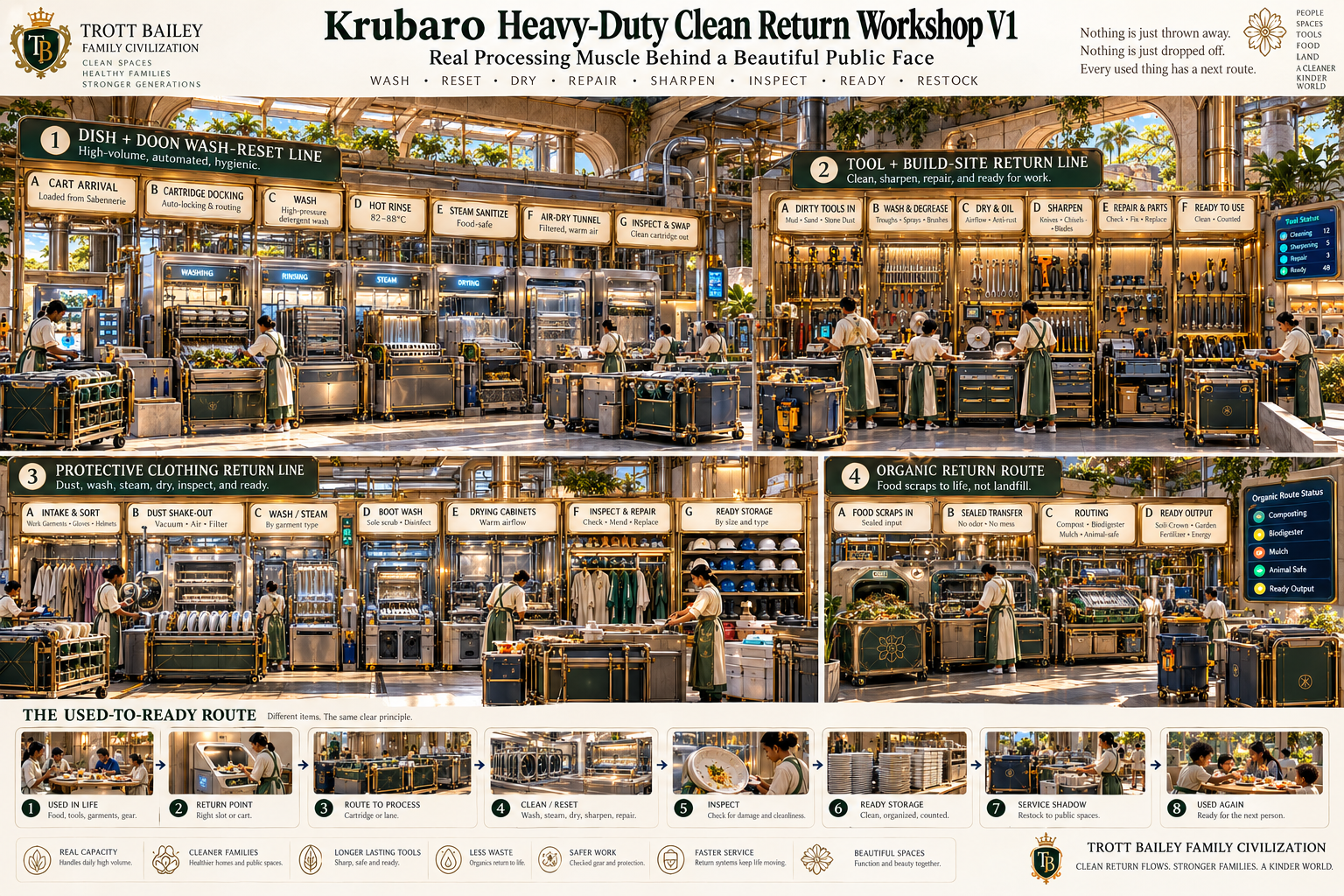
These stewards build and operate return points, sorting, scraping, washing, rinsing, drying, inspection, clean-side shelves, restock carts, and route separation. They make sure family dishes, public dishes, Sabennerie trays, child cups, food carriers, and serving tools return quickly enough to be used again.
They work with Sabennerie Support, Clean Return, Organic Return, Water Stewards, Service Shadow, and Restock Stewards.
8. Cloth and Drying Route Stewards
Cloth and Drying Route Stewards make sure towels, baby cloths, kitchen cloths, bedding, work cloths, care cloths, Tideechi cloths, Baliza cloths, FEX cloths, and public rest cloths do not become damp piles.
Cloth becomes heavy when drying is not designed. It holds water, smell, dirt, baby fluids, kitchen residue, sweat, dust, and care use. If it has no wash and drying route, the nucleus quickly becomes unpleasant and unhealthy.
These stewards coordinate cloth intake, sorting, washing, rinsing, drying, airing, inspection, repair, clean-side storage, and restock. They protect the difference between damp, dirty, clean-wet, dry-ready, damaged, and clean-side cloth. They make sure drying has real space, air, sun or airflow support, and weather protection where needed.
9. Organic Return Stewards
Organic Return Stewards make sure food scraps, peels, seeds, plant matter, spoiled food, garden cuttings, animal-safe material, compost inputs, mulch inputs, and soil-return material do not become waste piles.
Organic matter is not simply garbage. It can support compost, mulch, soil recovery, biodigestion, animal systems where safe and appropriate, and land recovery. But it must be separated and managed. It needs containers, sealed movement where needed, odor control, animal protection, composting, soil routes, and clear decisions about what is safe for animals or gardens.
These stewards coordinate with Sabenneries, kitchens, gardens, land recovery, animal systems, Clean Return, public return walls, and Service Shadow. They keep organic matter from mixing with residual waste, cloth, dishes, tools, or clean-side items.
10. Clean and Used Separation Stewards
Clean and Used Separation Stewards protect the boundary that keeps the nucleus from contaminating itself.
Clean water must not be confused with used water. Clean cloth must not cross dirty cloth carelessly. Clean dishes must not share the same route as used dishes. Clean-side storage must not sit beside organic return without protection. Public family routes should not be swallowed by used-item carts. Baby items need extra protection. Care spaces need clear separation.
These stewards design and watch the separation of clean routes, used routes, wet routes, dry routes, organic routes, toilet routes, dish routes, cloth routes, and service routes. They work with Route Stewards, Service Shadow, Clean Return, Sabenneries, Baliza, Care-Ports, Baby Worlds, and Tideechi places.
11. Water Emergency Stewards
Water Emergency Stewards prepare the nucleus for interruption.
Water systems can fail. Pumps can break. Rain can delay. Stored water can run low. A pipe can leak. A filter can clog. Power can fail. A storm can contaminate a source. A dry period can stretch longer than expected. A first nucleus cannot panic every time water pressure changes.
These stewards organize backup drinking water, emergency storage, backup pumping, manual access where needed, reserve tanks, protected containers, storm water plans, dry-season planning, repair parts, water-use priority, and clear communication when limits appear. They know which uses must be protected first: drinking, cooking, babies, care, hygiene, food safety, critical cleaning, animals where present, and emergency work.
12. Water-Return Pacorips Stewards
Water-Return Pacorips Stewards keep the system visible.
They track tank levels, cistern status, pump status, filter changes, cleaning schedules, water quality checks, drain problems, greywater routes, toilet maintenance, dish return volume, cloth backlog, organic return volume, emergency reserve, damaged pipes, weak points, and upcoming expansion needs.
This role matters because water, sanitation, and Clean Return can fail quietly before they fail visibly. A tank gets low. A drain slows. A drying route backs up. A pump weakens. A return point fills. A cistern needs cleaning. A family wave is coming, but water storage has not scaled. Pacorips helps stewards see the problem early.
Pacorips does not replace the stewards. It gives them memory, alerts, route maps, logs, and visible status so the first nucleus is not managed by guesswork.
The First Nucleus Water-Return Threshold
Before a nucleus receives more families, this corps should be able to answer the practical questions clearly.
Is drinking water protected? Is there enough water for the current families? Is there a reserve? Can water be treated? Can water be moved without exhausting people? Can people bathe without creating mud? Are toilets safe, cleanable, and maintained? Does greywater have a route? Does rain have capture and overflow logic? Do dishes return clean? Does cloth dry? Does organic matter return to life or another managed route? Are clean and used routes separated? Do Sabenneries, homes, Baby Worlds, Care-Ports, Baliza routes, and work courts have the water and return systems they need? What fails first if the population doubles? What must be built before that happens?
These questions decide whether the nucleus is actually livable or only visually active.
Relationship to Nucleus Formation Stewards
Nucleus Formation Stewards hold the whole settlement picture. They ask whether the first settlement is competent enough to receive families and keep building.
The Water, Sanitation, and Clean Return Formation Corps answers one of the most important parts of that question. Can the nucleus provide water, handle washing, route sanitation, move used things, dry cloth, return dishes, process organics, protect clean items, and keep daily life from becoming heavy?
Nucleus Formation cannot honestly call a settlement ready if this corps is weak.
Relationship to the Civilization Build Corps
The Civilization Build Corps raises the physical structures. This corps makes sure the water, sanitation, and return organs inside those structures actually function.
The Build Corps may build homes, Sabenneries, Baliza routes, Care-Ports, public rest courts, service routes, and Clean Return bodies. The Water, Sanitation, and Clean Return Formation Corps makes sure water enters, used water leaves, toilets process safely, dishes return, cloth dries, organics move, and clean-side readiness exists.
A structure without these routes becomes a burden. A settlement with these routes is easier to live in because people are not solving the same water, washing, toilet, dish, cloth, and organic-return problems by hand every day.
Relationship to Service Shadow
Service Shadow handles the place day by day. It watches restock, return, carts, routes, public readiness, care support, food support, and clean-side staging.
This corps gives Service Shadow workable water and return infrastructure. Service Shadow cannot keep a Sabennerie ready if there is no dish return route. It cannot keep a Baliza calm if towels cannot dry. It cannot keep a Baby World safe if baby cloths and washable toys have no return process. It cannot keep public rest courts pleasant if cups, cloths, and organics have no route.
The Water, Sanitation, and Clean Return Formation Corps builds the route logic. Service Shadow keeps it moving.
Relationship to Land Recovery
Water and organic return connect directly to land recovery.
Rain capture, greywater routing, mulch basins, compost, food scraps, plant matter, and soil-return systems should help the land become more alive where safe and appropriate. The first nucleus should not create dirty water and organic disorder while claiming to build abundance.
This corps works with Land Recovery and Foodway Formation to make sure water and organic matter strengthen the land instead of damaging the settlement. Greywater must be handled carefully. Organic matter must be separated intelligently. Compost and soil return must be managed. Water must support trees, shade, gardens, and soil life without creating mud, smell, or contamination.
Water and organic return should help the land recover, not make the nucleus dirty.
The Corps Standard
Water, Sanitation, and Clean Return Formation Stewards must be practical, clean-minded, route-minded, and honest about daily use. They must understand that a system is not ready because it worked once. It is ready when it can handle repeated family life.
They should watch smell, dampness, mud, water pressure, drain speed, tank levels, drying time, dish backlog, cloth backlog, toilet maintenance, organic return, clean-side storage, and the points where families begin compensating for weak infrastructure with their bodies.
They should not leave mothers, children, cooks, workers, or Service Shadow to solve by effort what should have been solved by route.
Their work is to keep daily life from becoming physically heavy.
This Is Shubaka
This work is Shubaka because it protects the first families from the daily strain that appears when water, waste, washing, and return are weak. It protects mothers from carrying disorder. It protects children from unsafe wet places and dirty routes. It protects food service from dish collapse. It protects care spaces from damp cloth piles. It protects public life from visible used-item disorder. It protects the land from careless waste. It protects the nucleus from pretending it is ready while its hidden systems are failing.
Water, sanitation, and Clean Return are not background details. They are daily systems that keep family life livable.
The first nucleus must not become hard to live in because water, washing, toilets, dishes, cloth, and organic return were left unclear.
Water must be protected, routed, stored, reused where appropriate, drained safely, and backed up. Sanitation must be safe, cleanable, maintained, and placed correctly. Clean Return must give dishes, cloth, organics, used items, and clean-side storage a clear route before family life multiplies.
The Water, Sanitation, and Clean Return Formation Corps makes sure the first settlement can drink, wash, bathe, cook, clean, return, dry, process, and keep moving without turning daily life into burden.