

Grievances caused to the family by Bad Civilization Governance
Grievances Trott Bailey Family Civilization Stands Against
This is a record of the pressures, interruptions, money gates, bad governance, and civilization disorders that get pushed onto spouses, children, parents, and households, then get called normal life.
Family and Marriage Grievances
- Spouses are not taught to study each other seriously.
- Spouses do not make it a priority to learn how to live with each other, delight each other, and alleviate each other’s burdens.
- Society trains people to chase degrees, coworkers’ approval, strangers’ applause, and outside recognition while neglecting the spouse beside them.
- A spouse can become the person who gets what is left after the world has taken the best time, attention, energy, and braincells.
- The world intrudes on the marriage, the spouses’ time, and their mental space.
- Marriage strain is too quickly treated as the spouses’ fault instead of being traced back to outside pressures.
- Spouses may deeply love each other and still be worn down by bills, poverty concerns, bad systems, and constant money decisions.
- Spouses may choose time together over salaried work and still face another set of interruptions.
- Spouses may sacrifice personal comfort for family life and still be punished by the world’s structure.
- Spouses may wear one pair of shoes, stop caring about dressing nicely, stop grooming properly, and go without basic comforts just to preserve family and children.
- Even basic household items like a broom or blender become serious decisions.
- The world forces spouses to constantly negotiate pressure instead of enjoying each other.
- People tell strained spouses to “communicate better” while ignoring the systems invading the marriage.
- Society shrugs and calls this “marriage,” “life,” or “being an adult.”
Simply knowing each other matters. A husband may know that his wife loves sweet fruits like tangerines, plums, pears, and mangoes. A wife may know that her husband does not like sweets overall, but he does like sweet things when they are in pastry form. A husband may know his wife likes quiet and time alone. A wife may know her husband needs midday sleep to recover his energy because he has already been awake from 5 a.m. to 12 p.m., and that is already half the day.
That kind of knowledge is not decorative. It is how spouses learn to live with each other, delight each other, protect each other’s recovery, and keep the marriage alive while the world is pressing in.
That midday sleep is not laziness. It is recovery time. He needs strength to play with a rambunctious son who comes home from school at 4 p.m. and may not go to bed until 8 or 9 p.m. If that child is not fully exercised and allowed to release his baby energy, he may wake three to five times throughout the night, from 9 p.m. back to around 3 a.m. The baby wakes up to drink. He has to be soothed back to sleep. He interrupts or jolts the parents out of sleep.
So overall, being parents and having a family rhythm is a real thing and a real core work that has to be done, much less be done under so many outside pressures. In between all of this, a couple has to navigate time for each other, sex with each other, desire for each other, affection, patience, and the marriage bond itself.
The spouses love each other. The spouses love their children. They are willing to go without. They are willing to wear one pair of shoes. They no longer care about dressing nicely or grooming the way they used to because the children and the family come first. They take daily work rather than salaried work just so they can spend time with each other and with their children. But even then, it becomes another set of interruptions: poverty concerns, money gatekeeping, badly organized services, and the constant pressure of needing to think over even simple things for the house.
A broom becomes a decision. A blender becomes a discussion. Shoes become a delay. Soap becomes a calculation. A child’s need becomes a financial question. A simple household tool becomes a gate.
A mother can love her children and love her husband and still become irritated because the burdens keep adding up. The food pressure, the money decisions, the children’s needs, the lack of space, the interrupted sleep, the missing tools, the clinic delays, the poor public systems, and the constant mental calculation all pile up. Then she takes out her anger inside the household and feels guilty afterward. That guilt becomes another burden in her mind.
She may even start despising her house. She may start blaming her children. She may start blaming her husband. She may not place the blame where it truly belongs: on the money gates, bad governance, bad public design, weak family infrastructure, and incompetent systems pressing into the home.
Even worse, the governments and wider society that are complicit in the money-gate foolishness then scold her for not being able to carry their incompetent systems.
Parenting and Children Grievances
- Parenting is made to feel like a strain because everything children need is gatekept or badly organized.
- Children are treated as financial burdens instead of family increase.
- Every additional child is made to feel like a downgrade in convenience, lifestyle, mobility, comfort, space, and rest.
- Couples who want more children are pressured by rising expenses.
- The child is not the problem, but the money-crazed world makes the child feel like the problem.
- Parents are expected to absorb the cost of badly organized child life.
- Parents are blamed for exhaustion instead of the world being examined.
- Parenting hardship gets romanticized as normal, adult, or inevitable.
- Sleeplessness, poverty pressure, unsupported care, and exhaustion are treated as proof of maturity.
- Trott Bailey Family Civilization rejects the idea that misery and hardship are sacred requirements of parenting.
- Many burdens called “normal parenting” are actually bad design, bad support, bad housing, bad sleep systems, bad food systems, bad childcare organization, bad public space, and bad civilization planning.
Children often catch small things: little fungus, skin itchiness, colds, coughs, rashes, and discomfort that are not dramatic emergencies but still affect the whole house. Basic skin creams, cough medicines, fever medicines, ointments, and simple relief items start adding up.
If the child is itchy or coughing at night, the child does not sleep properly, the parents do not sleep properly, and the whole family wakes up tired. Something small that could have been relieved quickly becomes another pressure on the household because ordinary care is behind money gates, poorly stocked systems, or delayed access.
Spouses may want more children, but every child is made to represent a downgrade in convenience and lifestyle because of rising expenses. The child is not the problem. The spouses are not the problem. This money-crazed world keeps interrupting everyday life without end.
Every child becomes a calculation. Can we afford another bed? Can we afford food? Can we afford shoes? Can we afford medicine? Can we afford transport? Can we afford a bigger place? Can we afford childcare? Can we afford to rest? Can we afford to enjoy this baby?
Public Space and Land Grievances
- There are no proper parks for spouses to take their children.
- There is no free grass or free open space for families.
- When free open space exists, it may be beside a roadside.
- Children lack safe, beautiful places to run, move, and play without families spending money.
- Family life is harmed by bad land use.
- Public spaces often forget children and families.
- A simple day outside becomes difficult because of lack of safe, free, beautiful family spaces.
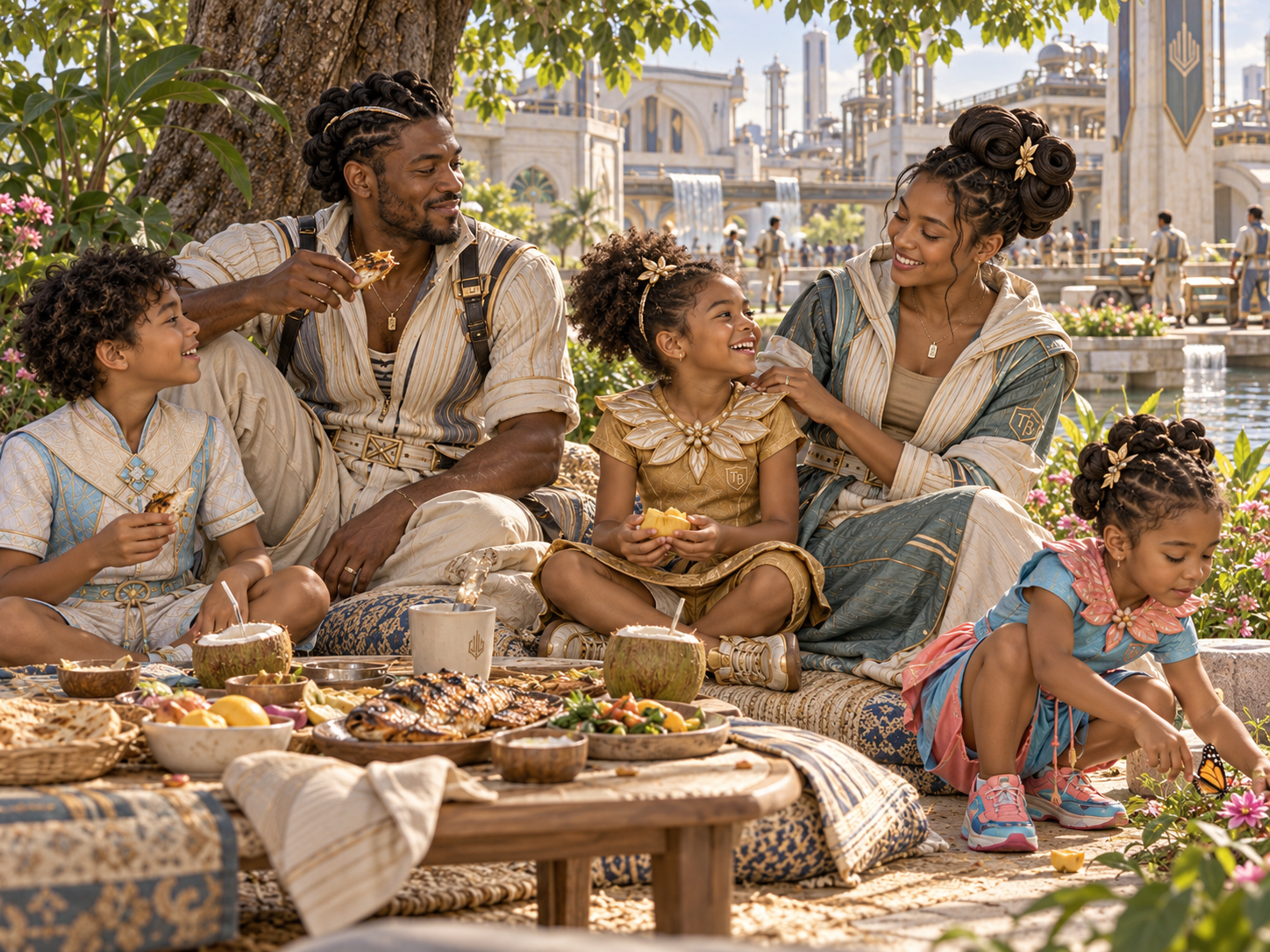
A family needs to take children outside without turning the outing into a money issue, a transport issue, or a safety issue. Spouses do not belong searching for scraps of land where their children can move. Families need parks, grass, shade, open space, safe walking, water, seating, and places where children can run without parents feeling like they are standing at the edge of danger.
But what happens when there are no parks for spouses to take their children? What happens when there is no free space or grass, and if there is any free open space left, it is beside a roadside? What happens when the child’s need for movement and fresh air becomes another adult problem to solve?
That changes the feeling of family life. Children become louder inside because there is nowhere proper outside. Parents become more irritable because every outing requires strategy. The marriage loses ease because even giving the children a normal day outside becomes another negotiation with a badly arranged world.
Money Gatekeeping Grievances
- Money is a constant gatekeeper over ordinary family life.
- Every basic need has to pass through money first.
- Money gates interrupt marriage and parenting every day.
- Ordinary household ease is locked behind money.
- Basic tools, movement, childcare, food, medicine, shoes, repairs, and comfort become calculations.
- Families are made to ask, “Can we afford this?” about basic life.
- Money makes life feel like constant permission-seeking.
- Money is treated as the only path to dignity.
- Money distracts families from seeing the deeper governance and civilization failures.
- Money looks like salvation because free services and public systems are badly governed.
- The world makes people think that if they just had money, they could access quality, dignity, and relief.
- The deeper lie is that money is the only path to quality.
Even a broom has to be thought over. Even a blender has to be thought over. These are not luxuries, but buying them can mean delaying food, transport, shoes, medicine, soap, or something for the children. The house may need the tool, and the tool may make family life easier, but money turns ordinary household ease into a negotiation.
Food and Nutrition Grievances
- Families need healthy nutritious food, not mainly processed food or filler food.
- Fresh food spoils faster, so families cannot always buy too much at once.
- Between food runs to the market, other needs pop up and eat the budget.
- Families are pushed toward staples that last longer instead of the foods that most deeply nourish the body.
- Families may be eating but not really being fed.
- Processed, sugar-filled, shelf-stable foods can affect the health of the teeth.
- Dental problems then become another family burden and another route back into money gates or badly governed care.
A family needs healthy, nutritious food, not mainly processed food or filler food. But fresh food spoils faster, so you cannot always buy too much at once. Between food runs to the market, other needs pop up and start eating the budget. So the family is pushed toward spending the bulk of the money on things that will not spoil quickly: flour, sugar, rice, cooking oil, cornmeal, milk powder, and other basics.
Those foods help the family eat, but they are not the most nutritionally dense foods. They are not the foods most full of minerals, vitamins, freshness, and living nourishment. So the family is eating, but not really being fed.
Even the health of the children’s teeth can be affected by this. When the family is pushed toward processed, sugar-filled, shelf-stable foods because fresh nutritious food spoils faster and costs more to keep replacing, the mouth pays too. Teeth begin to carry the cost of the food system. Then the family is pushed into another burden: dental discomfort, dental visits, money pressure, waiting, missing supplies, or badly governed free care.
Free Services and Governance Grievances
- Money is not the only gatekeeper; bad governance is another gatekeeper.
- Services can be “free” on paper and still inaccessible in real life.
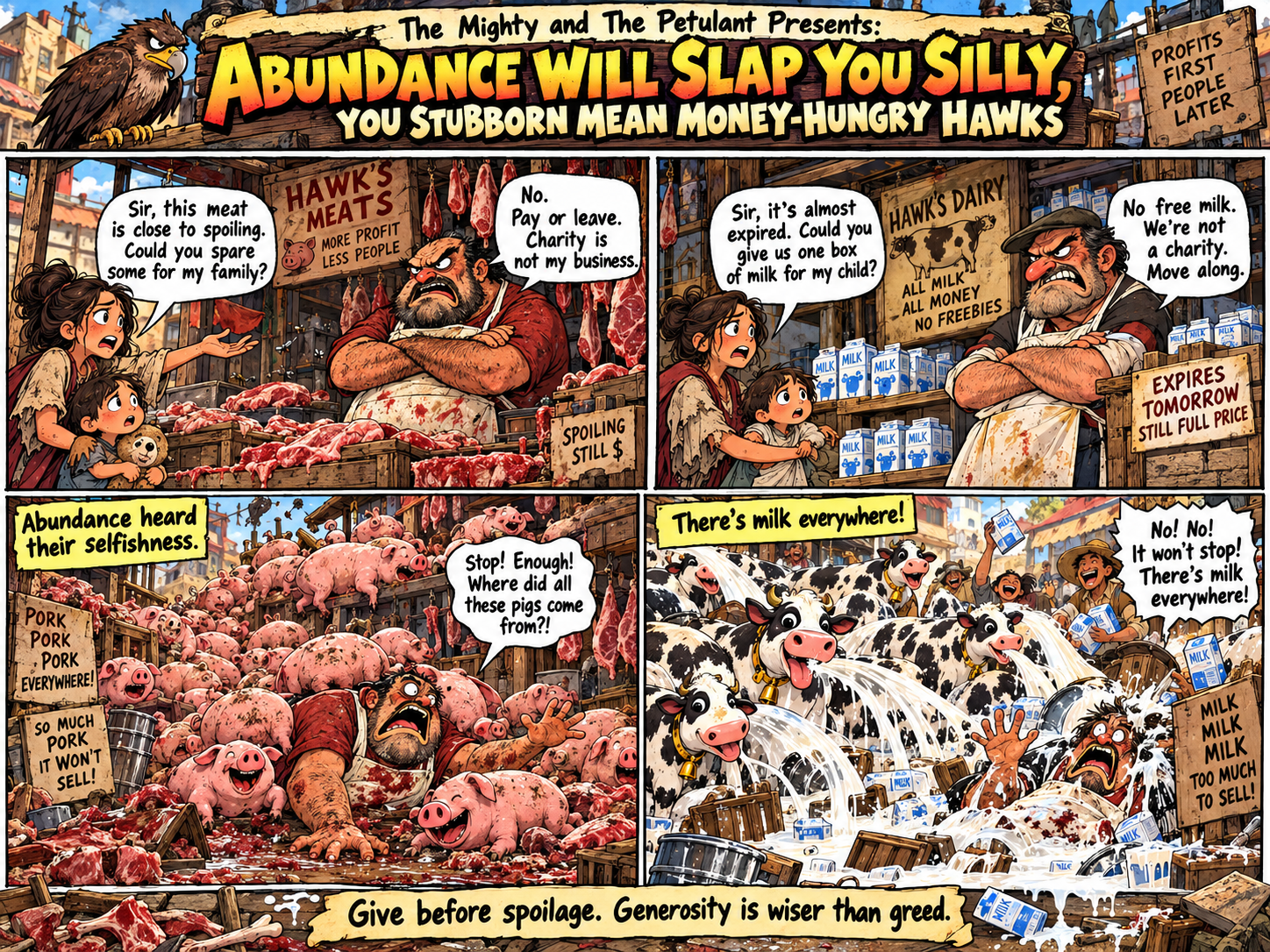
- Free public services can cost families time, pain, stress, uncertainty, and dignity.
- UBS basic healthcare in Prado may be free, but families can wait hours to be seen.
- UBS services may be out of stock.
- Dental care may lack basic pain-relief resources, such as numbing cream.
- A “free” service can still be humiliating, painful, rushed, careless, dirty, or badly supplied.
- Bad governance has made “free” taste bad.
- People begin to think, “If it is free, what is wrong with it?”
- People begin to think free means poor quality, suffering, humiliation, and being treated like a burden.
- The worst things are often discarded onto people in the name of free.
- Free becomes associated with scraps, leftovers, delay, shame, and low standards.
- Bad free services make money look like the only escape route.
- “At least it’s free” becomes an excuse for badly governed services.
- Free must not mean inferior, delayed, painful, humiliating, or poorly supplied.
- Free must be excellent, competent, stocked, dignified, beautiful, and functional.
The UBS in Prado may be free for basic healthcare, but a family can wait hours to get through. They may wait, lose time, lose patience, lose work hours, lose energy, and still not receive what they came for. Frequently, basic things are out of stock. The dentist may not have numbing cream or the proper pain-relief support. The service is technically free, but the family still pays through waiting, pain, stress, uncertainty, and dignity.
That is another thing that has been attached to free: if it is free, it cannot be good. Precisely because of bad governance, and because the worst things are discarded onto people in the name of free, free becomes distasteful.
After enough bad free services, people start thinking, “If I just had money, I could access good dental care from a good facility. I could go to a clean place. I could be treated with dignity. I could get pain relief. I could avoid this whole degrading process.”
That is not necessarily true. Money does not automatically equal good care. Paid facilities can also be careless, predatory, disorganized, painful, or disrespectful. But the free UBS has left such a bad taste in your mouth that you can only think bitterly of the alternative, which is money to pay a good dentist.
Bad Governance and Civilization Disorder Grievances
- Bad governance intrudes into family life and causes bad effects on the family and marriage.
- Inept governors govern over resources poorly.
- Resources may technically exist, but bad management makes them ineffective.
- Access exists on paper but breaks down in time, supply, competence, and dignity.
- Family strain often routes back to bad governance.
- Bad governance gets excused as normal life.
- Civilization disorder is disguised as adulthood.
- Families are told to mature instead of systems being corrected.
- The world shrugs at bad systems and tells people, “That’s life.”
- Society treats artificial suffering as if it is natural responsibility.
- A broken civilization dumps pressure onto the family and then calls the family weak.
- Bad public design, bad work structure, bad food systems, bad transport, bad housing, bad healthcare organization, and bad child-space planning all feed family strain.
Bad governance does not stay outside the house. A badly governed clinic wastes half a day. A badly planned town gives children roadsides instead of parks. Bad food systems push families toward cheaper shelf-stable staples instead of living nourishment. Bad healthcare organization leaves people waiting or untreated. Bad child-space planning makes children louder inside because they have nowhere proper outside. All of that comes home and affects the marriage, the children, the sleep, the patience, and the mood of the household.
Work and Time Grievances
- Salaried work can steal family time and distance spouses from each other.
- Daily work may be chosen to preserve time together, but then poverty concerns increase.
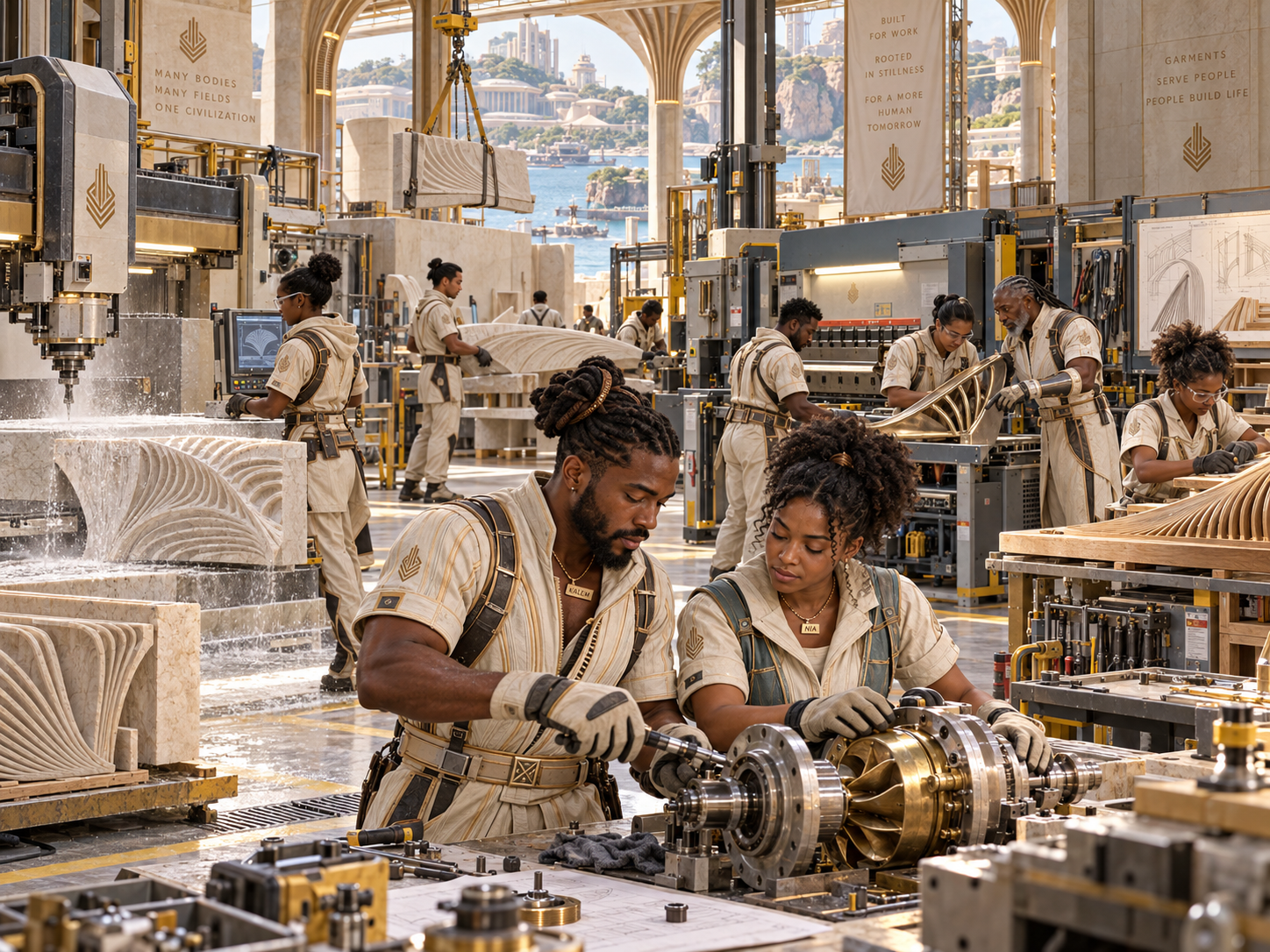
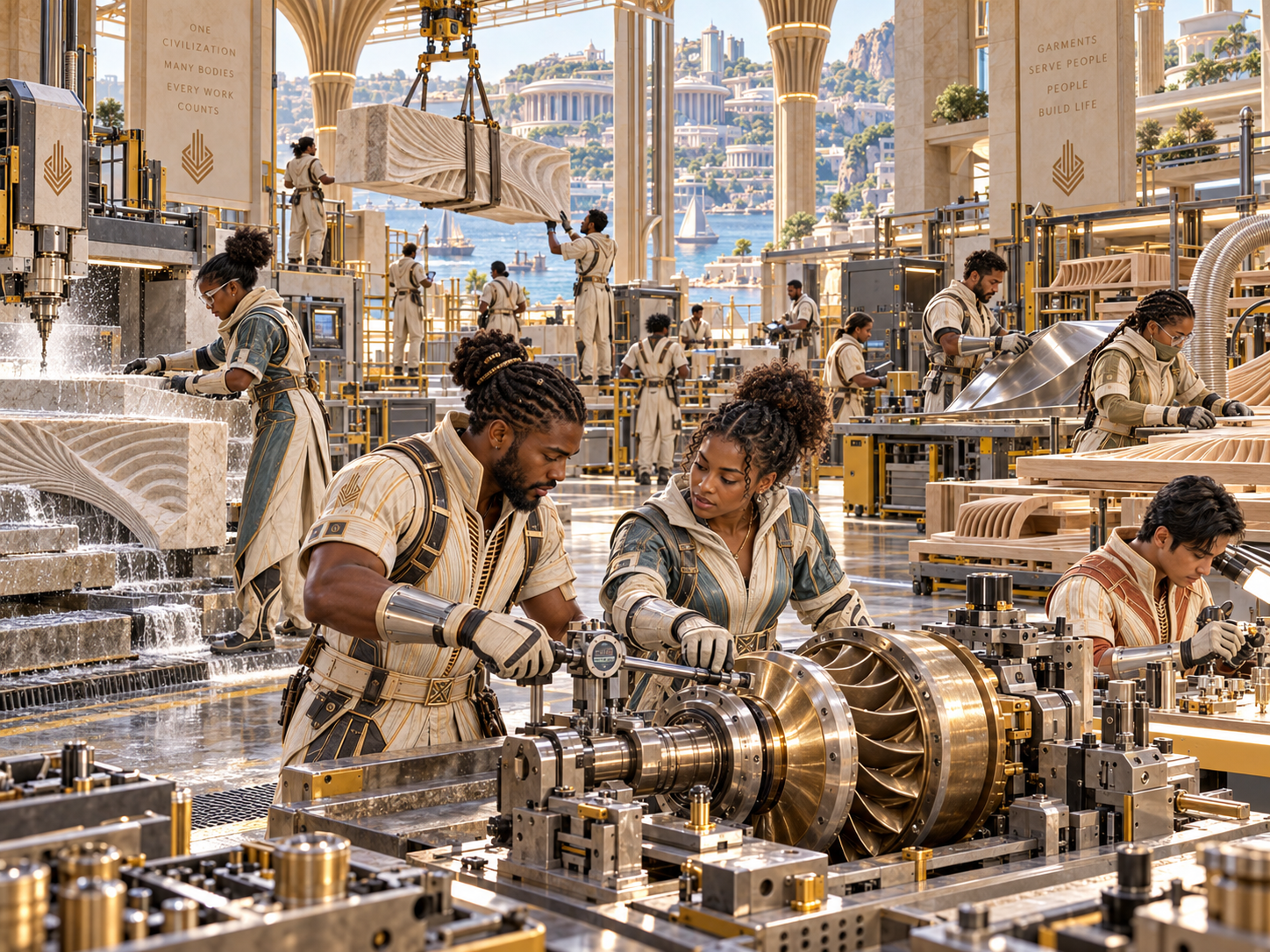
- Work structures swallow fathers and drain their minds.
- Work pressure can cause spouses to become strangers under bills and stress.
- Long work hours interrupt marriage and parenting.
- The world steals the time and thought spouses need for each other and their children.
Household and Poverty-Pressure Grievances
- Poverty concerns interrupt marriage and family life.
- Basic household tools are made difficult to obtain.
- Even a broom has to be thought over.
- Even a blender has to be thought over.
- Families are forced to reduce desires down to basics and still struggle with the basics.
- Personal grooming and clothing fall away under family pressure.
- Family devotion is wrongly measured by how stripped down to survival people become.
- A family should not have to prove love by enduring lack.
Cultural Normalization Grievances
- People normalize family suffering with phrases like “That’s life.”
- People normalize spouse strain with “That’s marriage.”
- People normalize exhausted parents with “That’s parenting.”
- People normalize child-related financial pressure with “That’s being an adult.”
- People normalize bad public services with “At least it’s free.”
- People normalize badly arranged life instead of asking who arranged it badly.
- Society tells families to work harder, sacrifice more, stop complaining, and accept disorder.
- The broken world turns preventable suffering into background noise.
- Trott Bailey Family Civilization stands against shrugging at family suffering.
A mother says the child was up all night itching and coughing, the creams and cough medicines keep adding up, the husband is exhausted, there is no park, the clinic took hours, and the family still has to think over a broom or blender. Then someone answers, “That’s parenting.” “That’s life.” “That’s being an adult.” “At least it’s free.”
That shrug is part of the problem. It makes badly arranged life sound normal.
The Small Parts That Hold a Nation Together
People keep pointing to the big dramatic things: AI, war, technology advancement, jobs, industry, elections, GDP, infrastructure announcements. They act like those are the only serious matters.
But a nation is not held together first by headlines.
It is held together by families eating properly.
Children sleeping properly.
Parents having enough rest.
Spouses having enough mental space to love each other.
Teeth not rotting because the family was pushed toward sugar-filled filler food.
Children having safe grass to run on.
Clinics being stocked.
Mothers not being worn down.
Fathers not being swallowed by work.
Households having brooms, blenders, medicine, clean water, good food, and public space.
These are not “small” issues. They are the small parts that make the great body.
A depleted family does not stay private. Multiply that depletion across a town, then a state, then a country, and the nation begins to rot from inside. The workers are tired. The children are undernourished. The marriages are strained. The teeth are bad. The minds are foggy. The mothers are depleted. The fathers are irritable. The youth are restless. The public systems are distrusted. The nation still talks about technology and jobs, but the human base is breaking.
That is the lie Trott Bailey Family Civilization exposes: a country can look modern while its families are being quietly drained.
Core Grievance Summary
The child is not the problem.
The spouses are not the problem.
The family is not the problem.
The deeper problem is a money-crazed, badly governed, badly organized civilization that keeps interrupting family life, then calls the pressure normal.

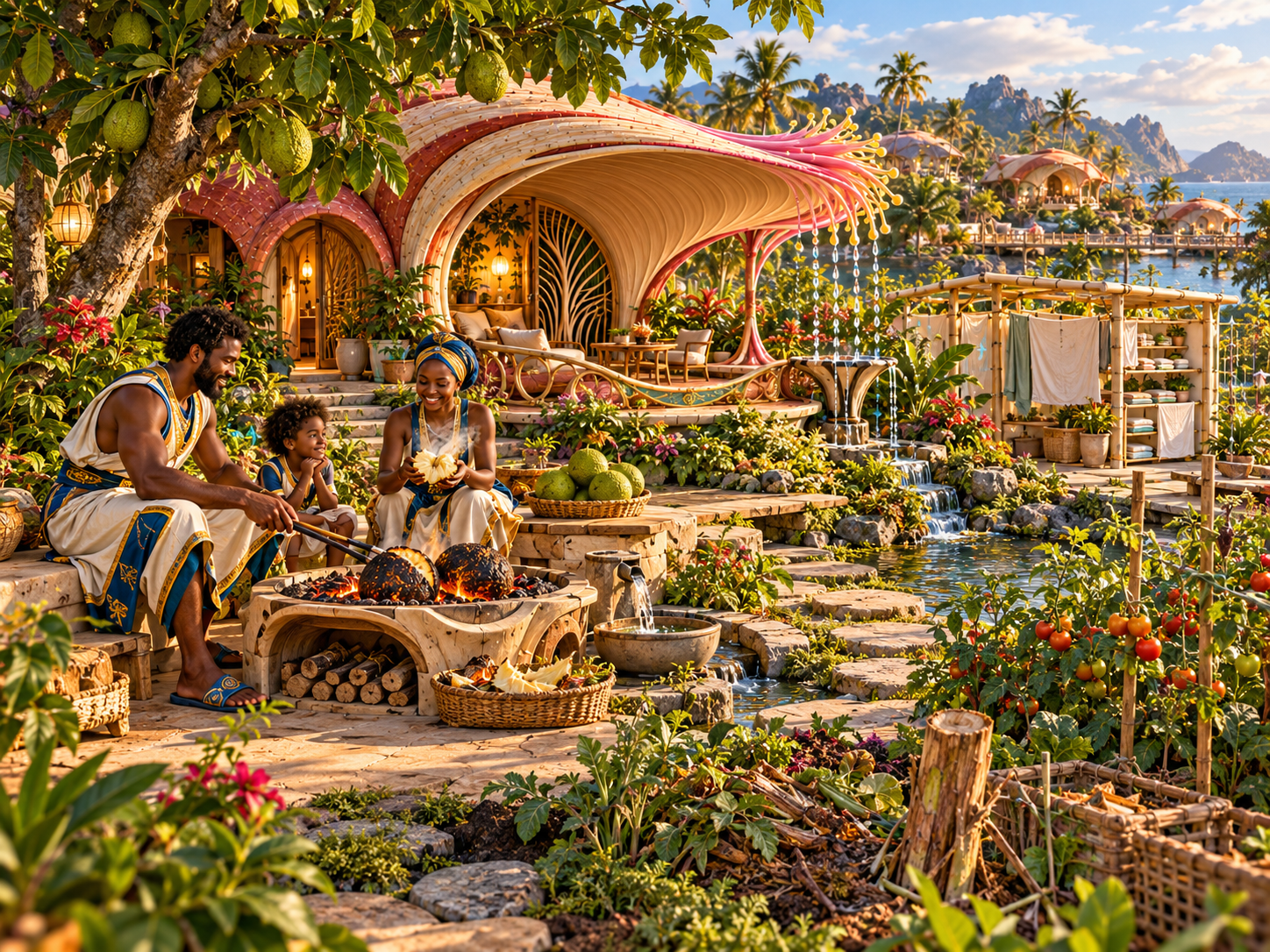
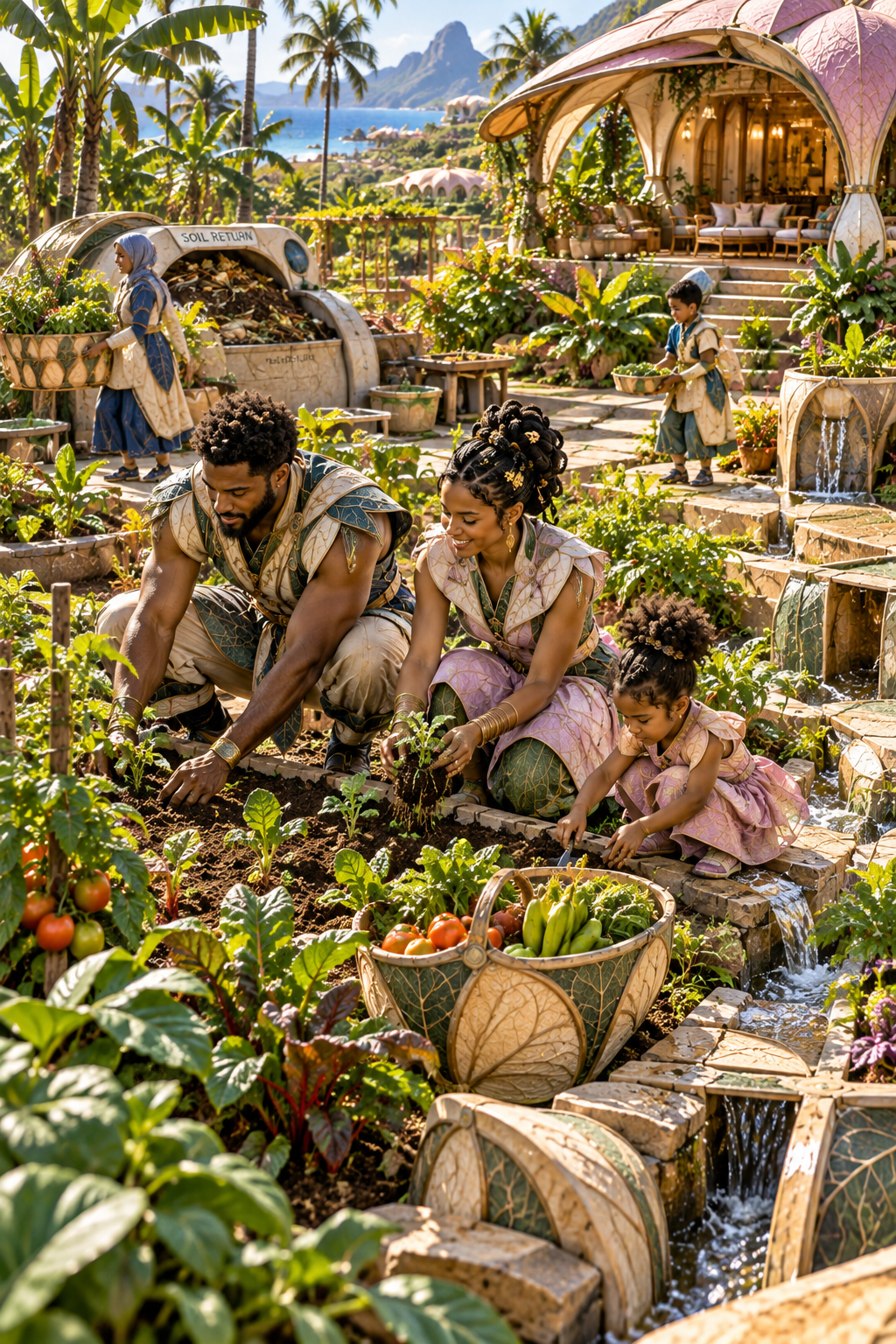
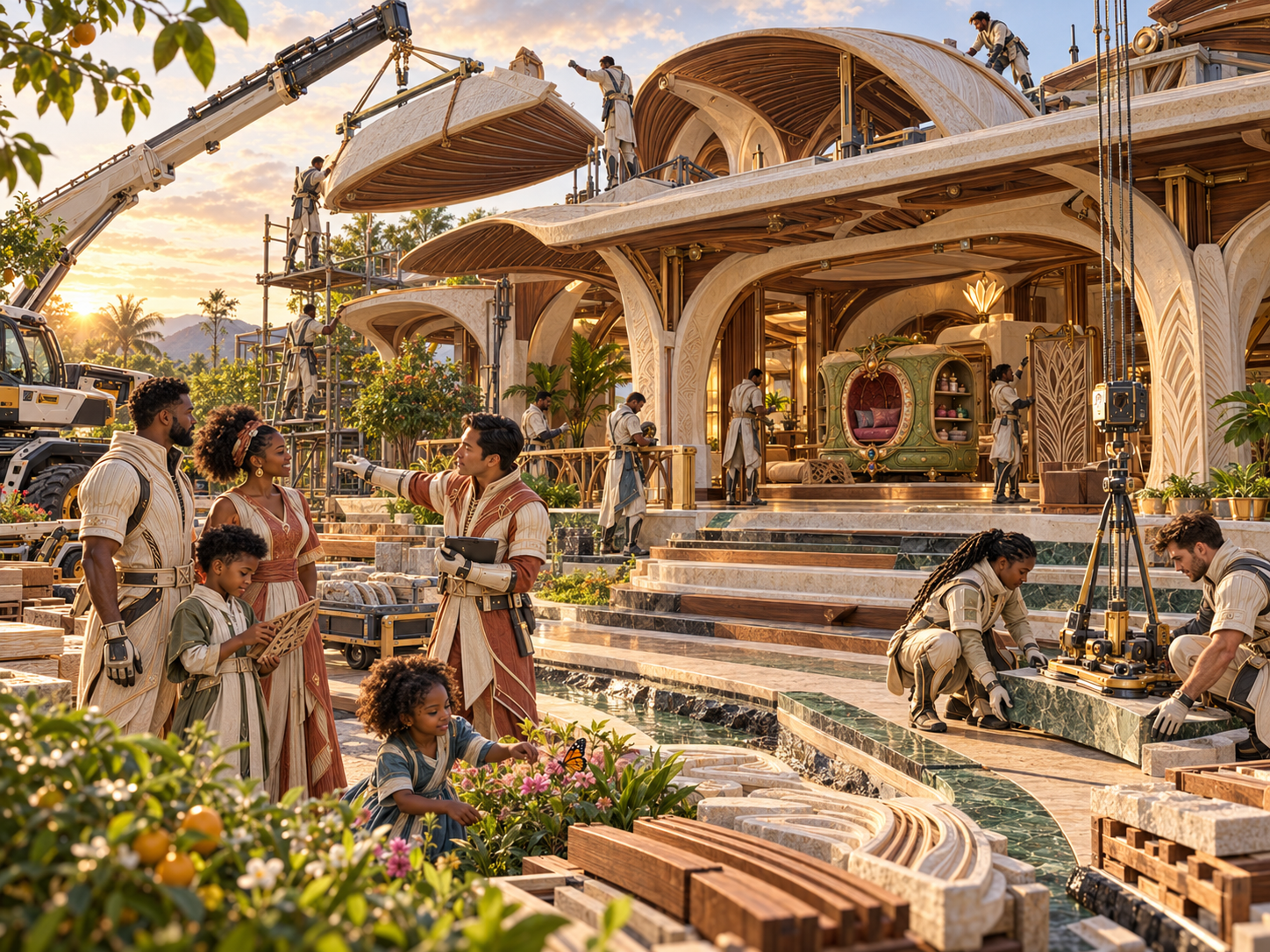
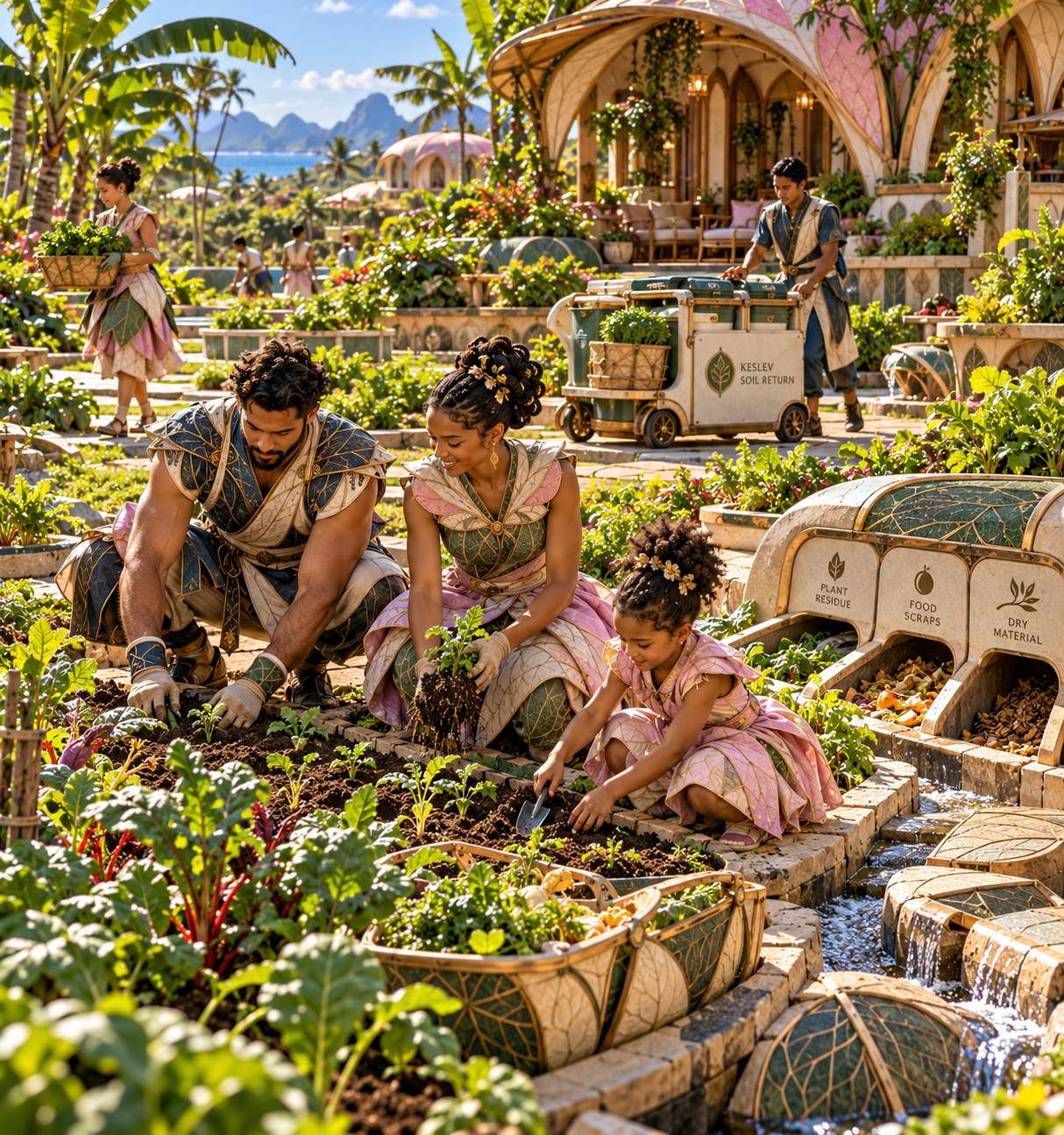
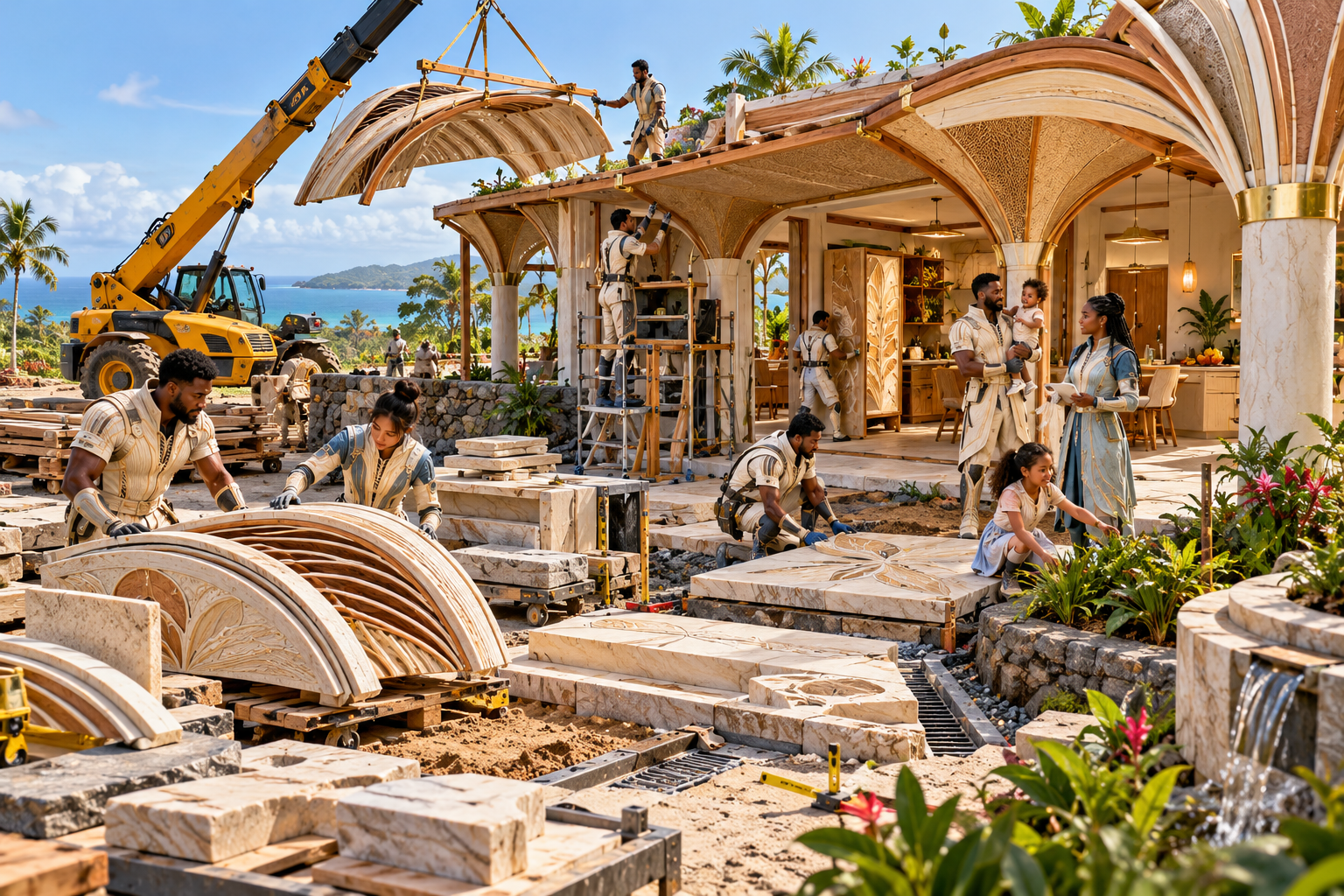
Compound living is a family home building style in the Trott Bailey Family Civilization that showed the house or across the land in a warm way
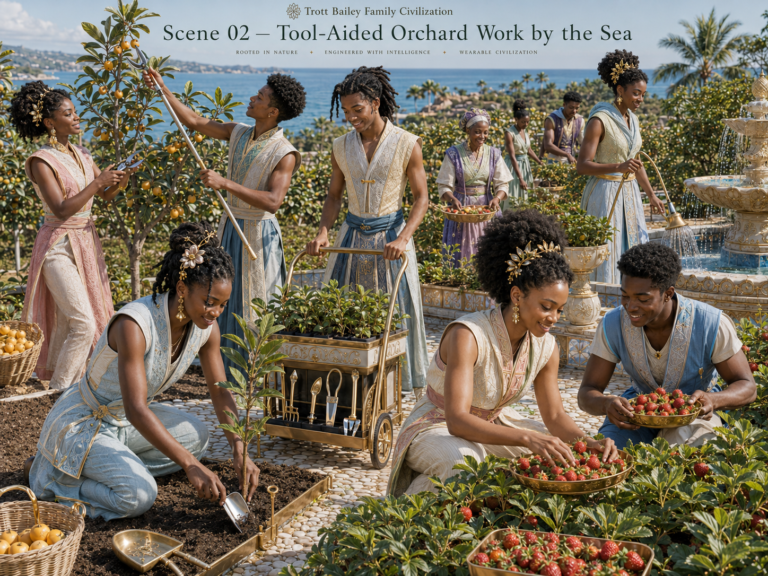
Orchards should be beautiful and beauty should be infrastructure well kept and entertaining. Part of the orchard life series all designed by world ruler herself Sher Trott Bailey for the Trott Bailey Family Civilization