Relief is Infrastructure
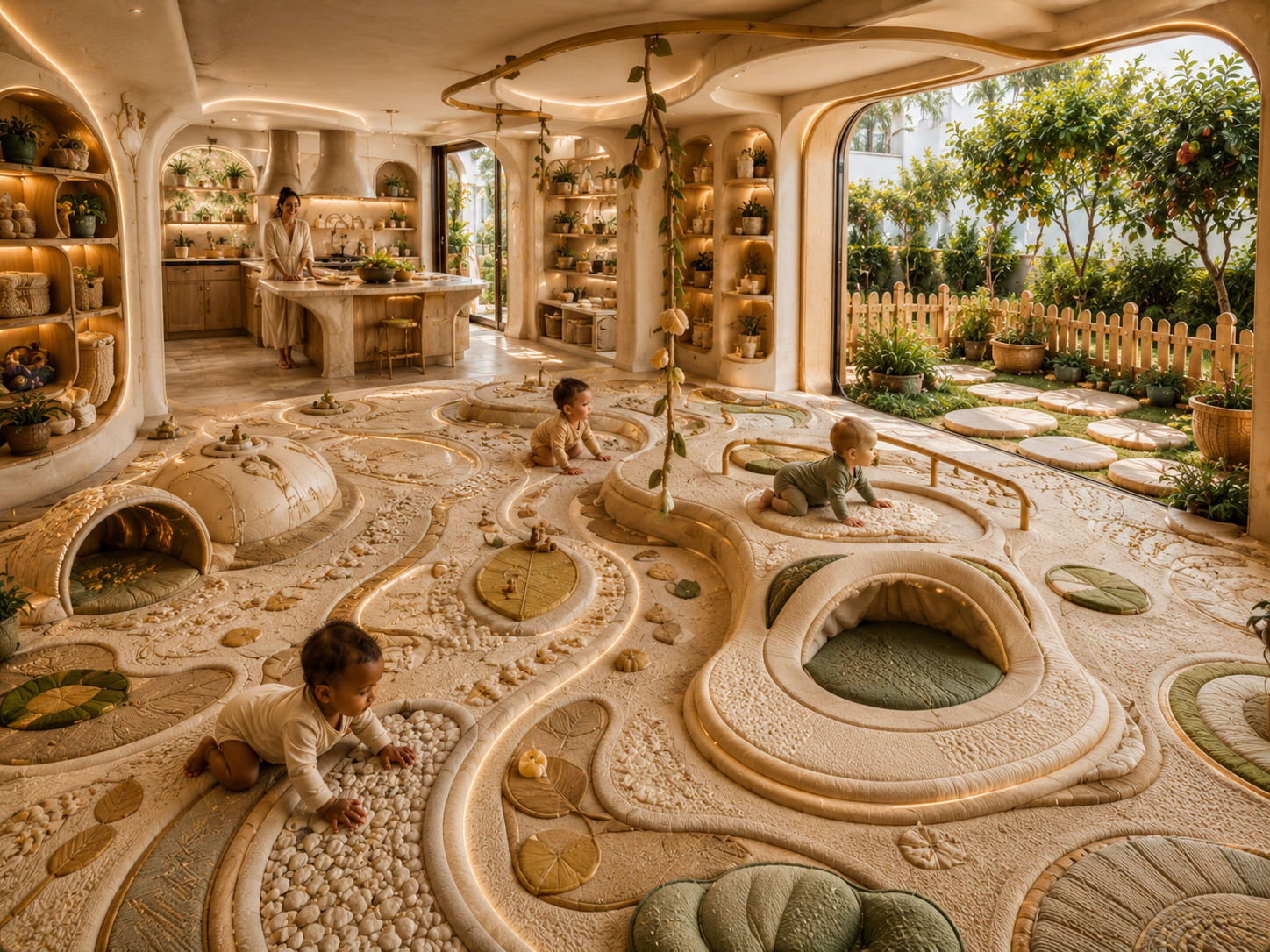

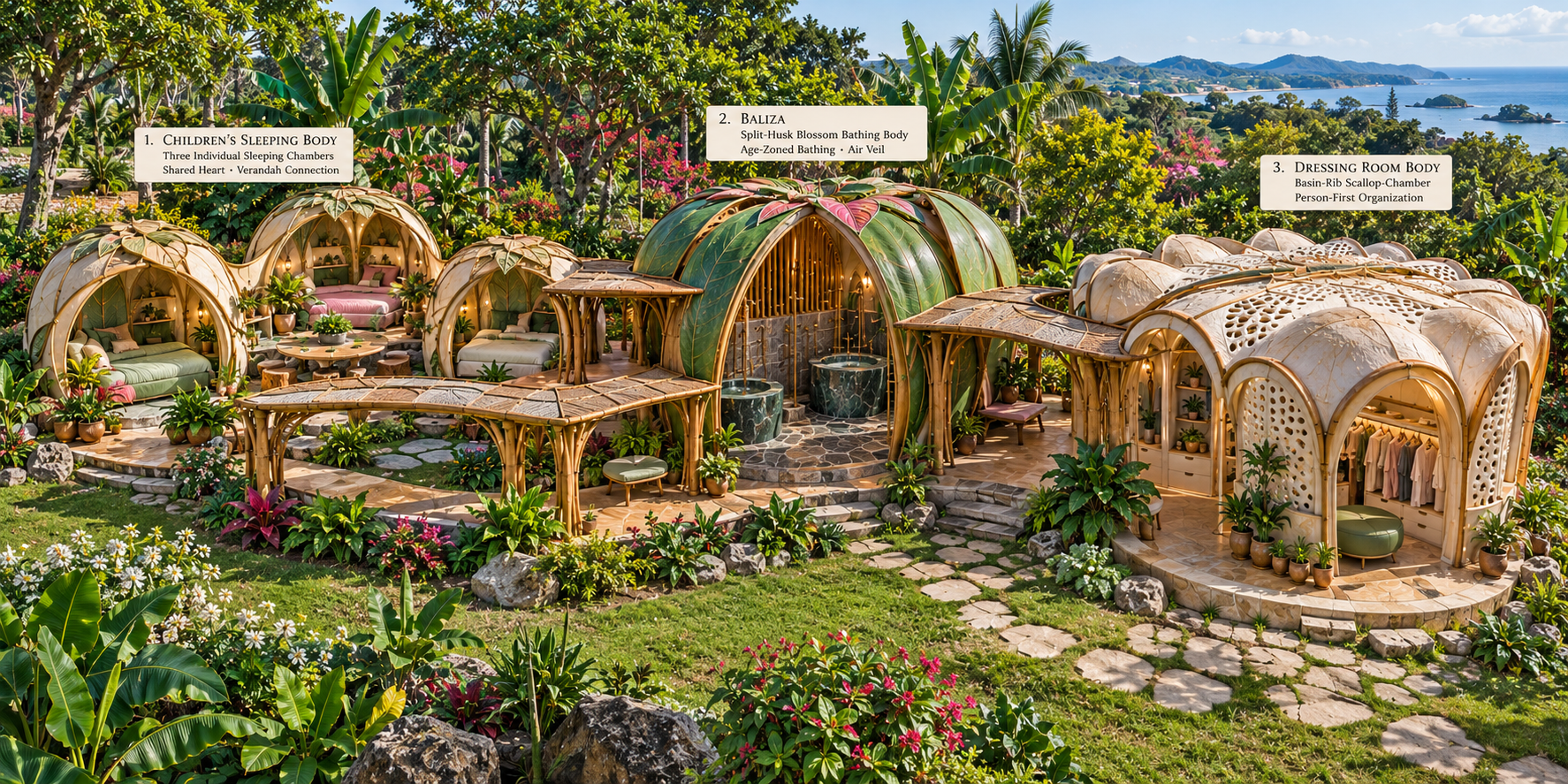
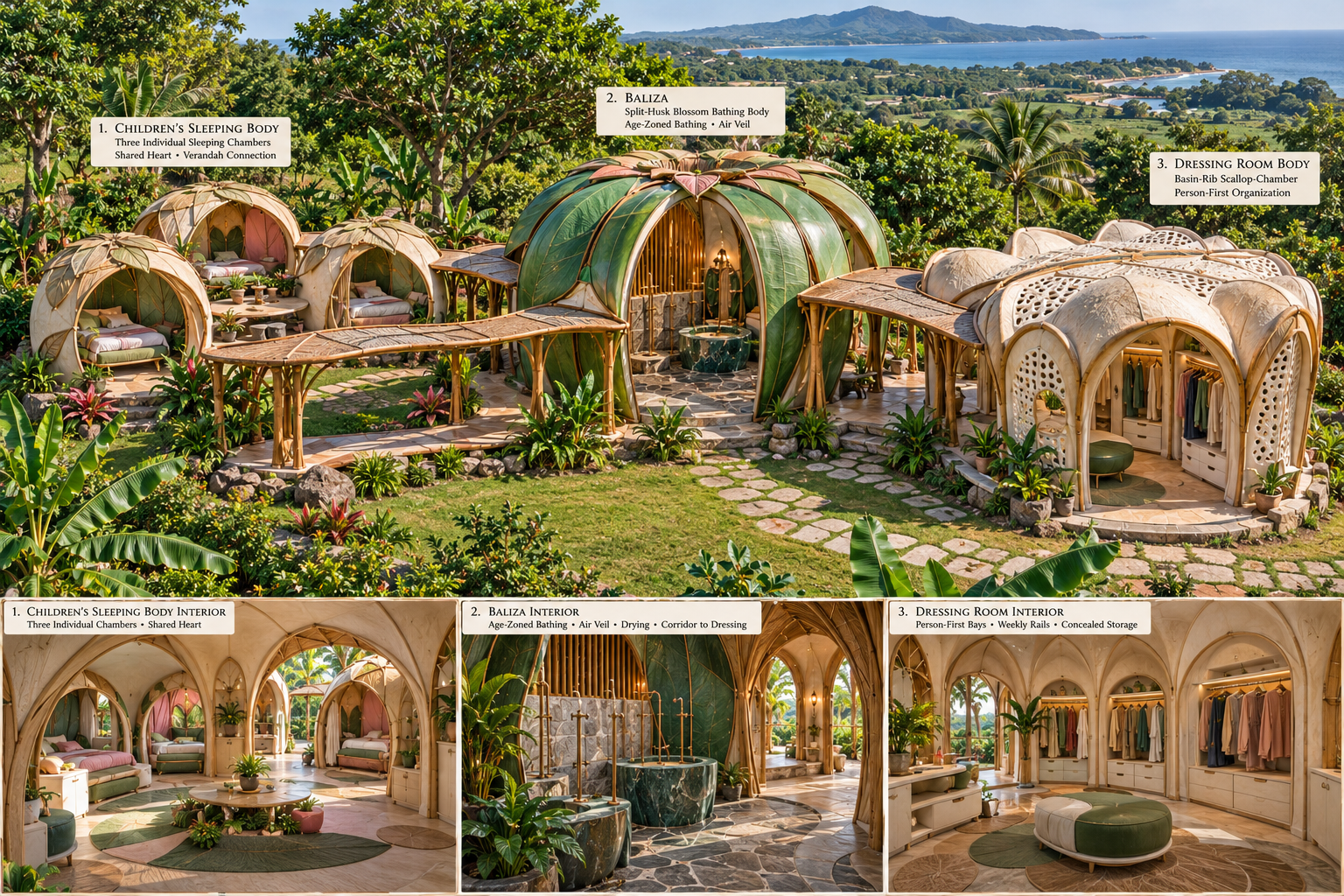
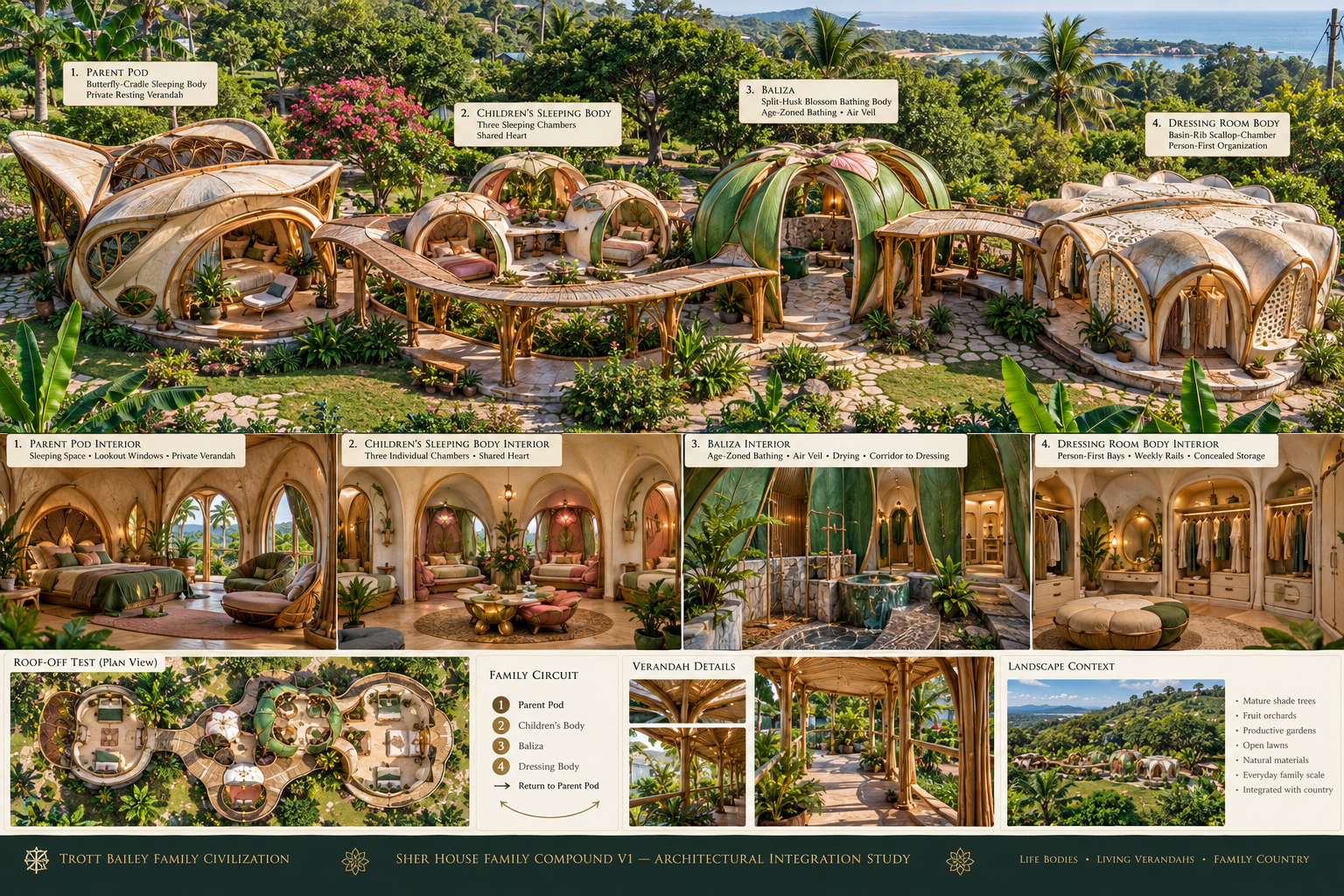
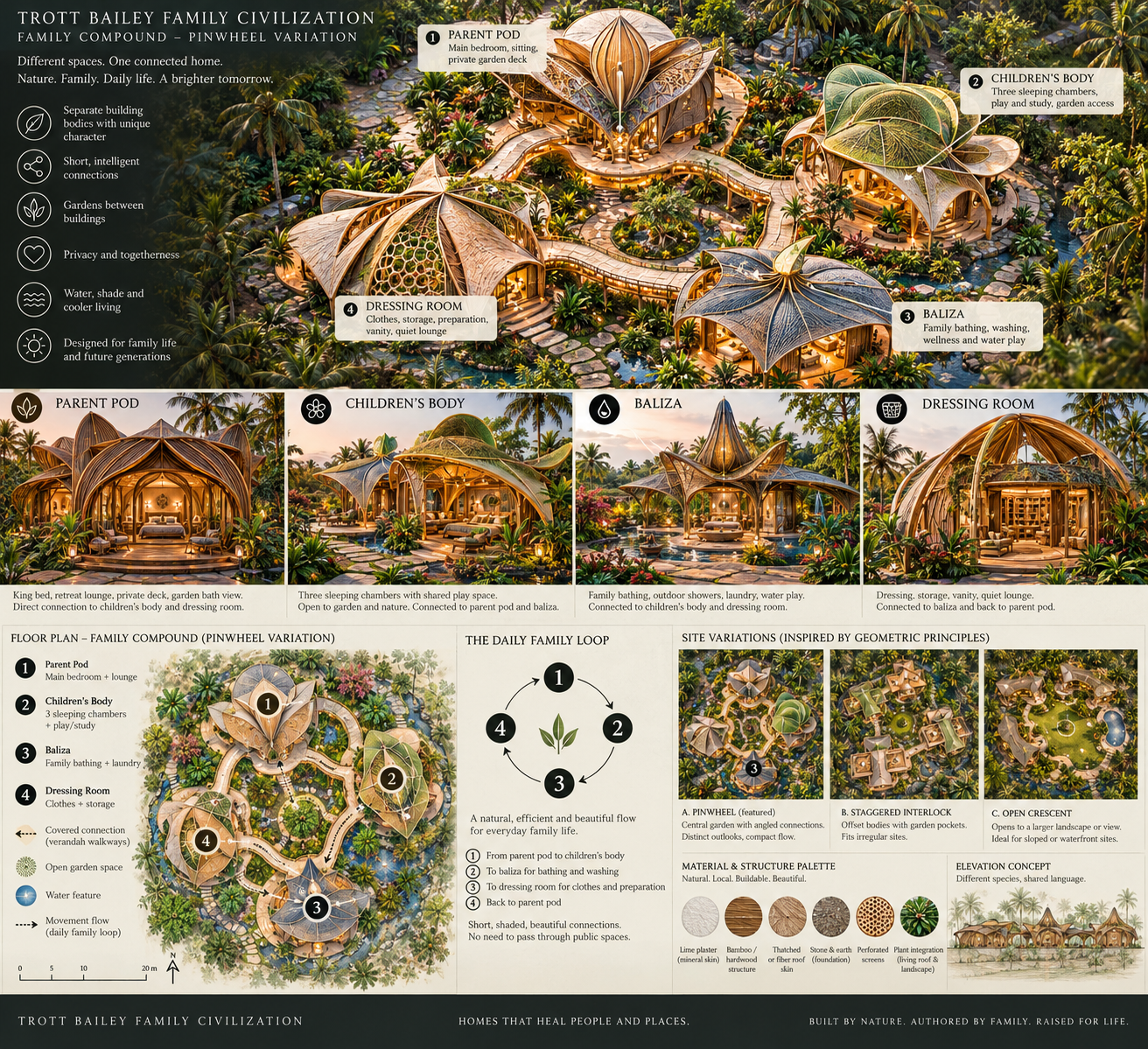
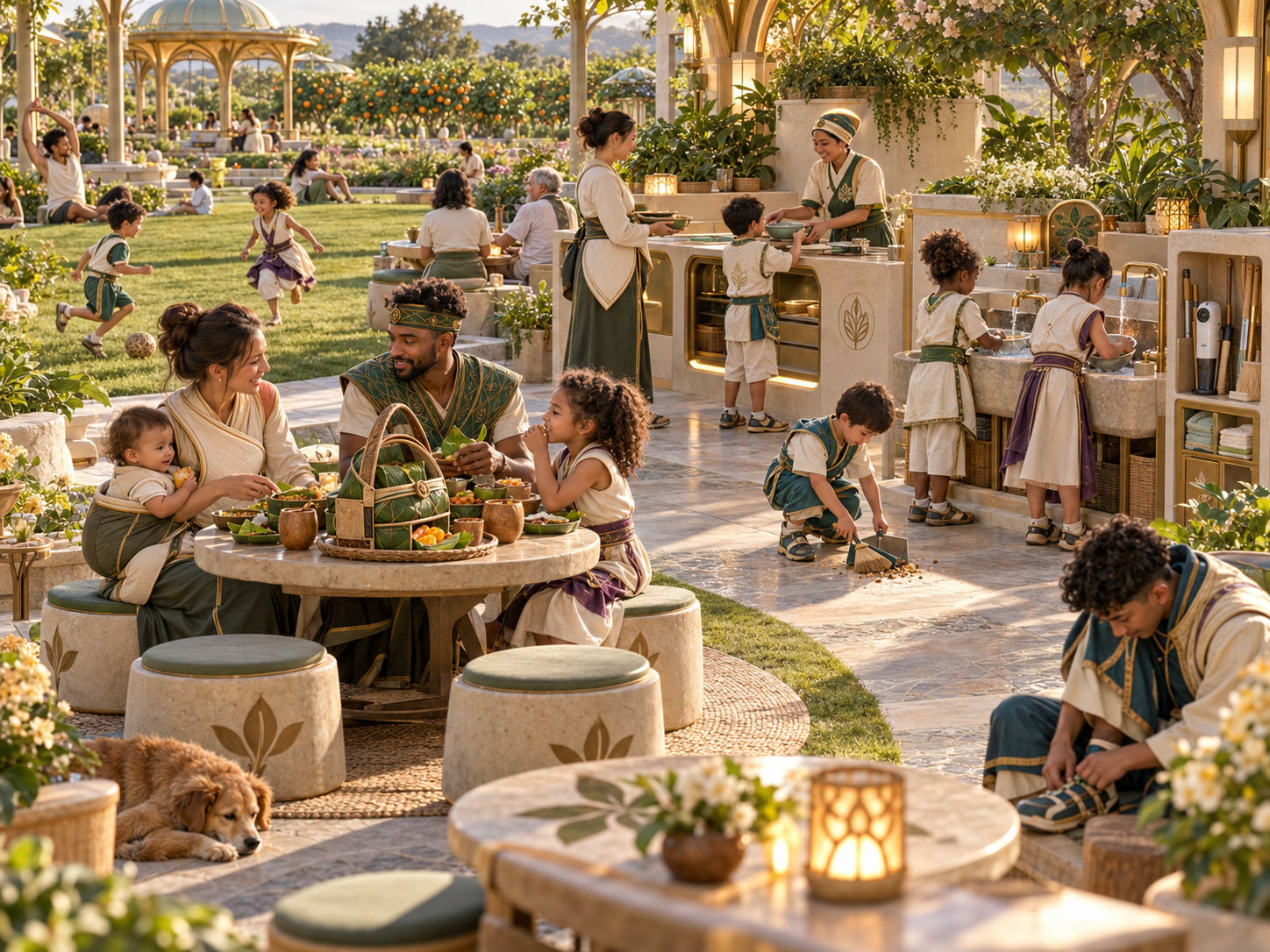
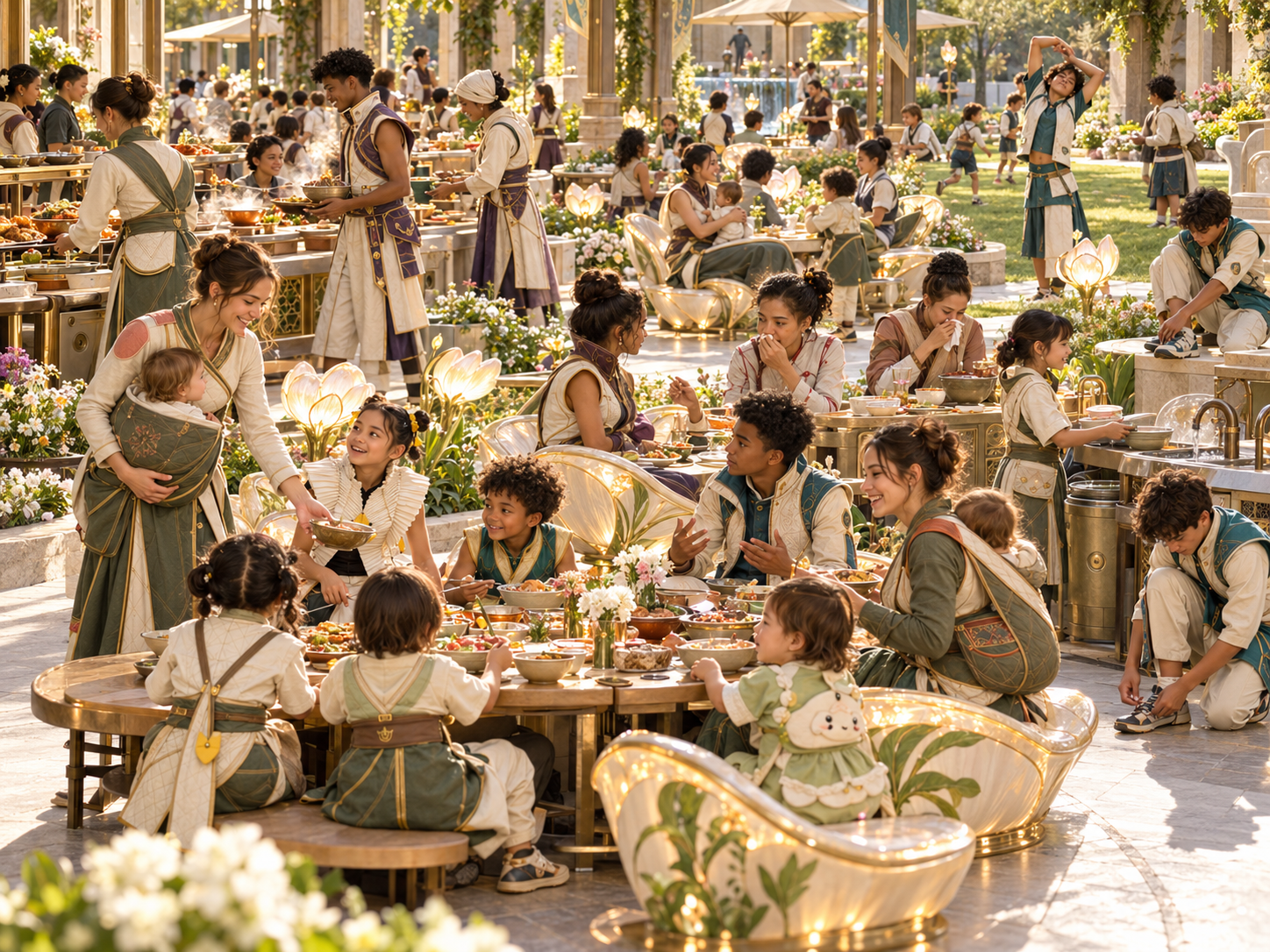
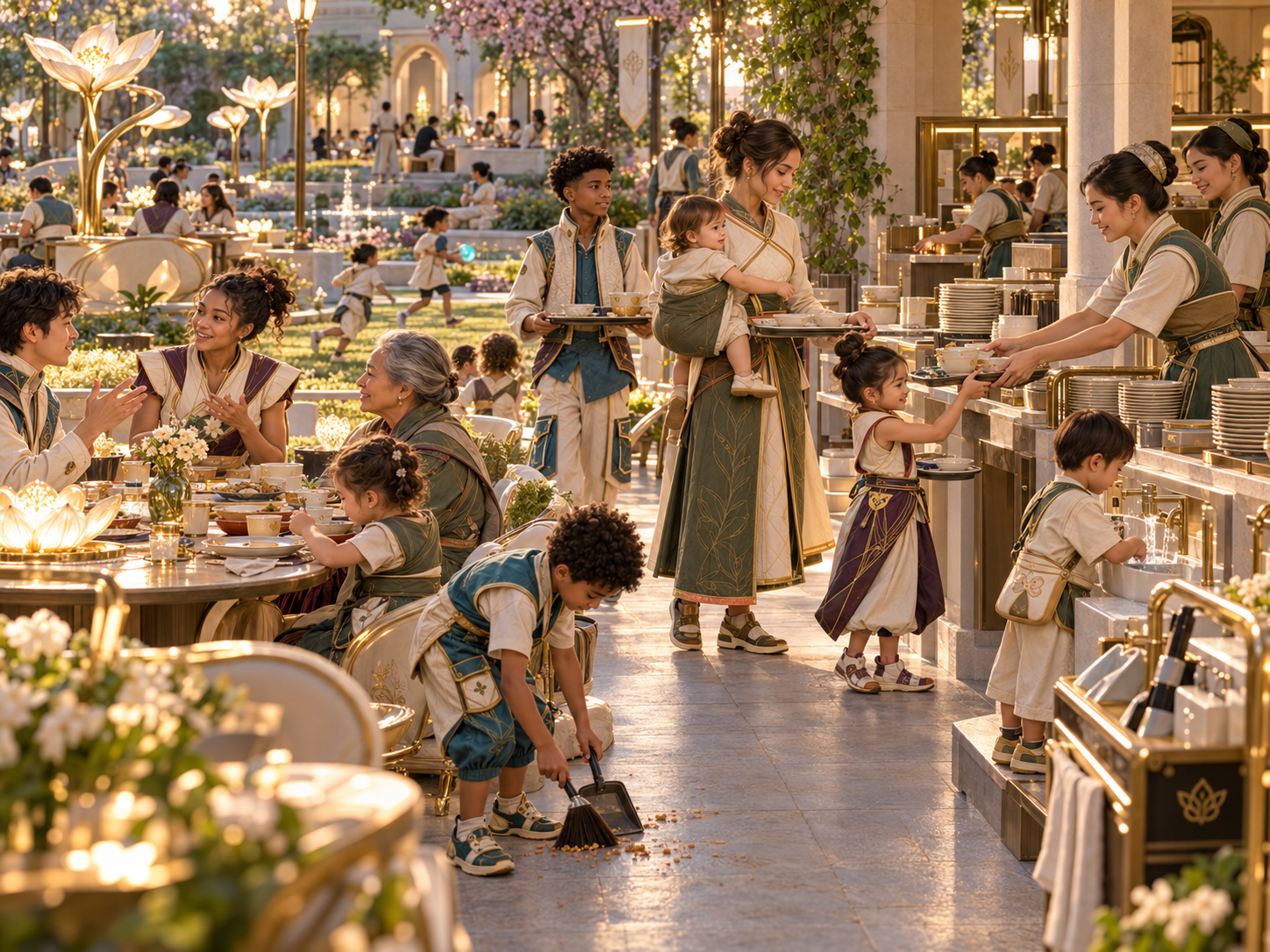
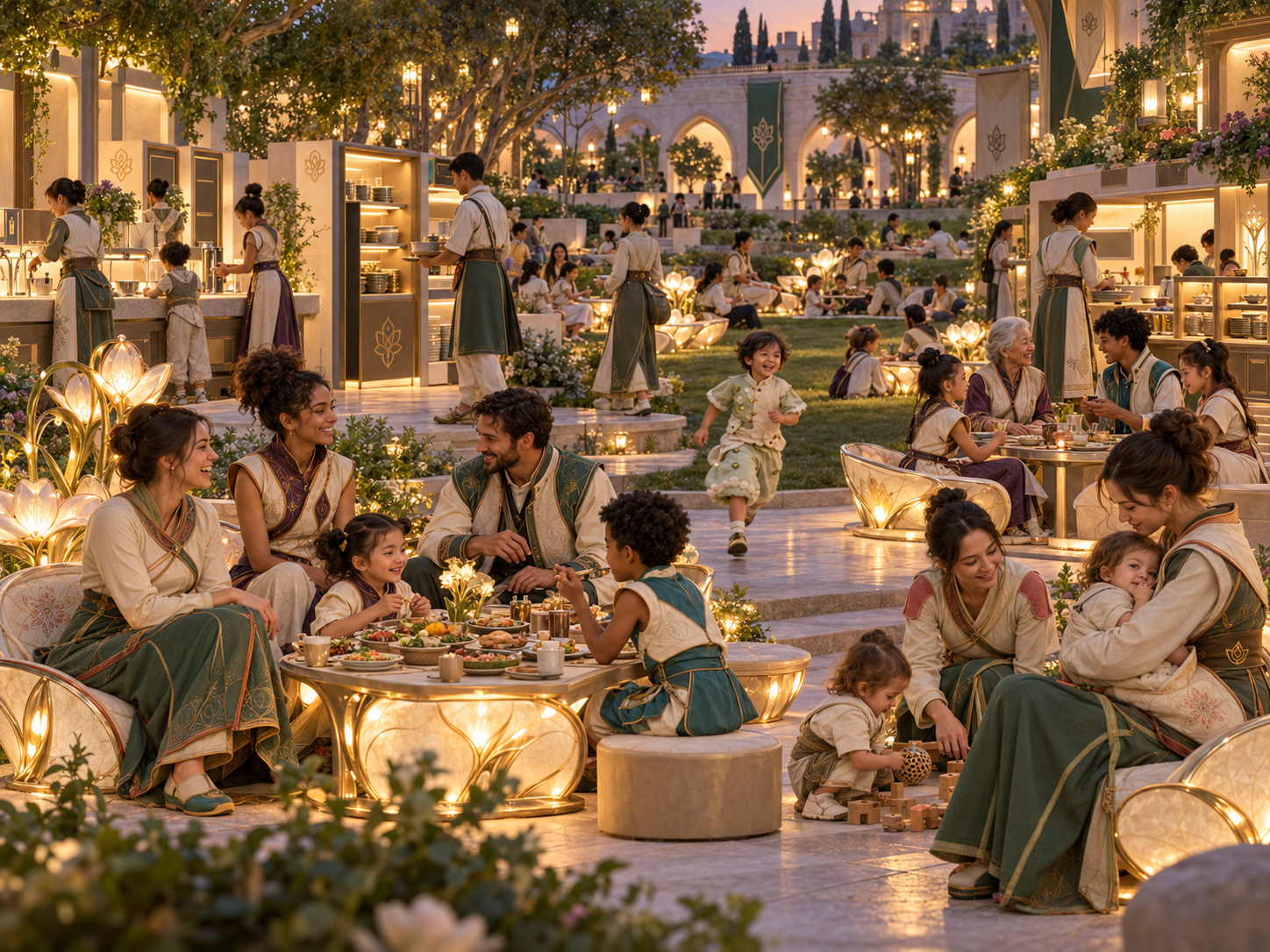
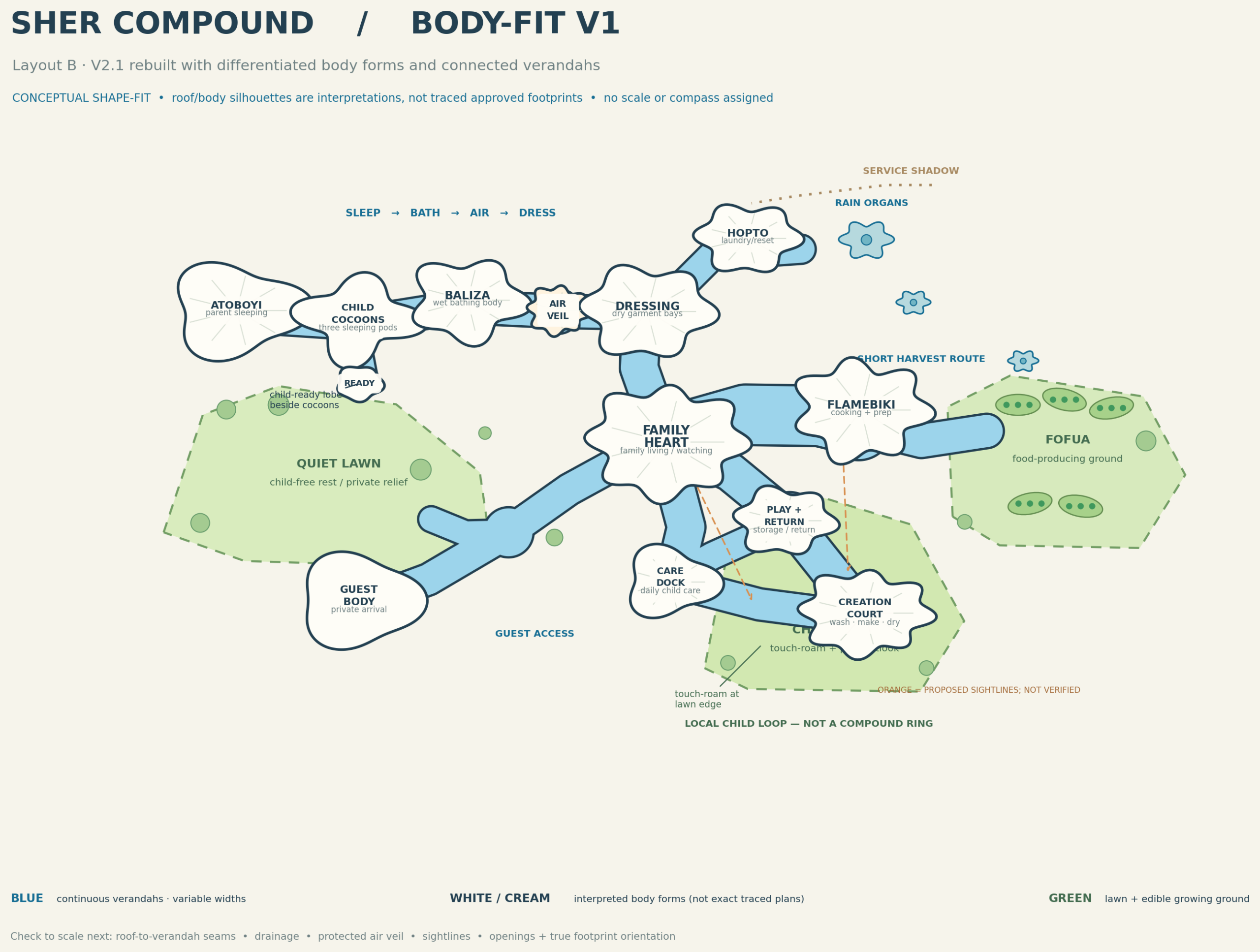
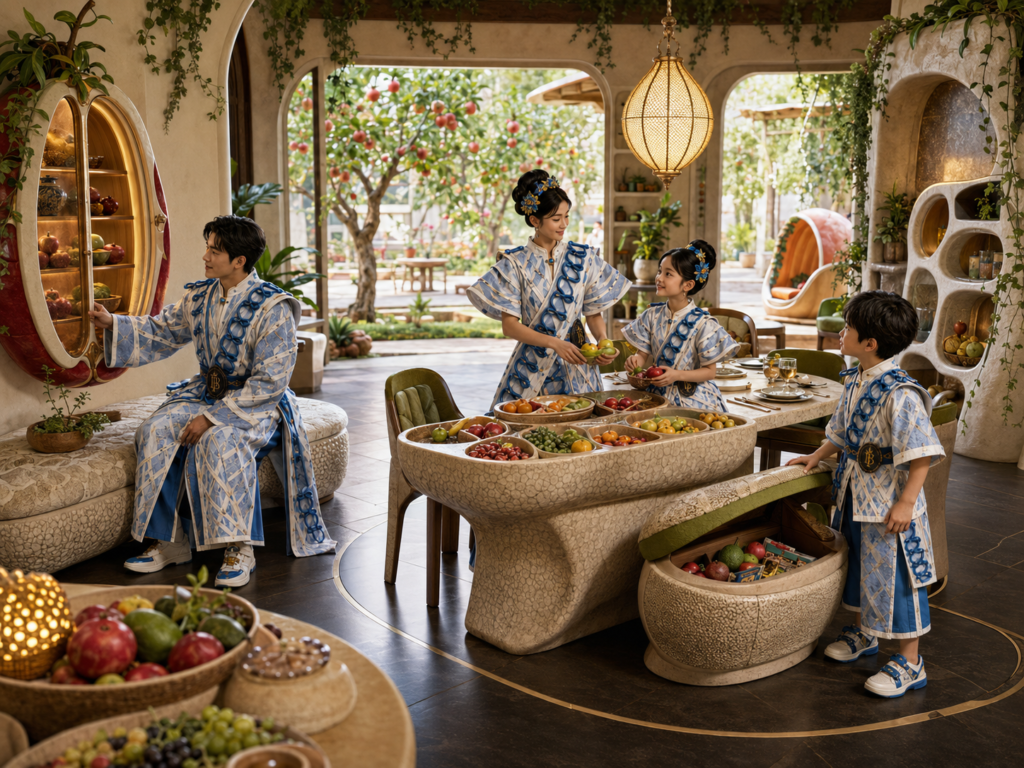
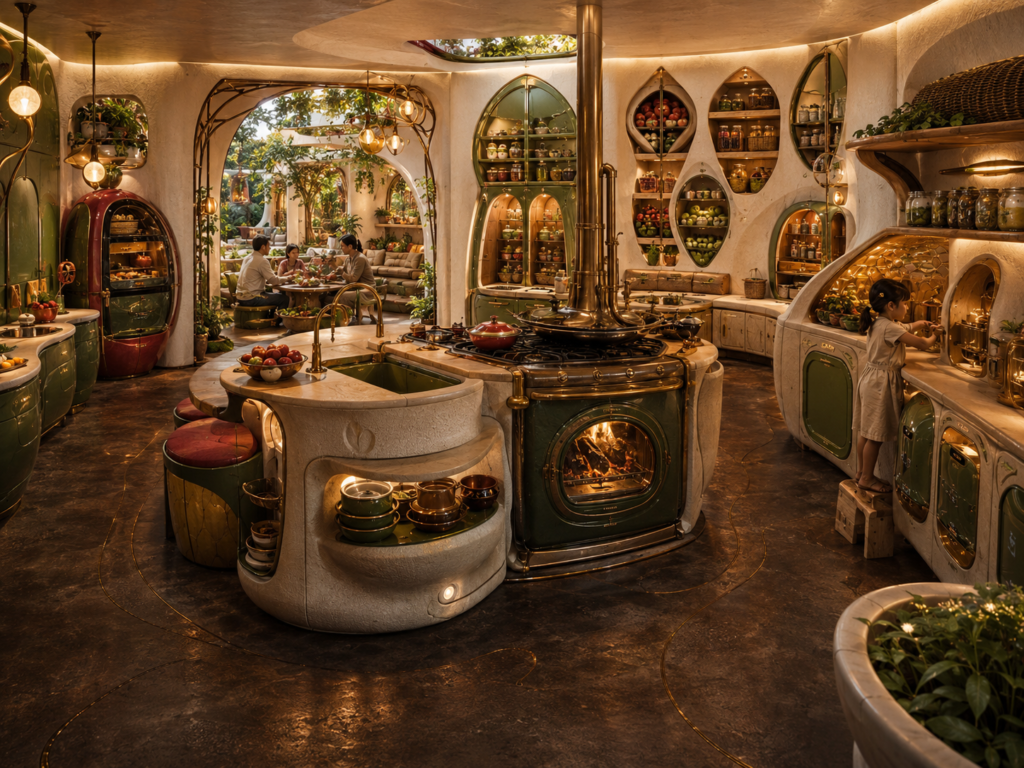
World Ruler Sher organizes the home.An example of a Kitchen Layout and Relief system in Keslev District
Relief Is Infrastructure
Why World Ruler Sher refuses to treat exhaustion as normal — and why true civilization must build relief into homes, food, work, childhood, motherhood, fatherhood, public life, and beauty.
Sherika Trott Bailey does not believe relief should be something people only receive after they have nearly collapsed. She does not believe mothers should have to reach burnout before anyone notices the weight they are carrying. She does not believe fathers should be crushed under pressure and then praised only if they never complain.
World Ruler Sher sees exhaustion differently. She does not see it only as a personal weakness. She sees it as evidence.
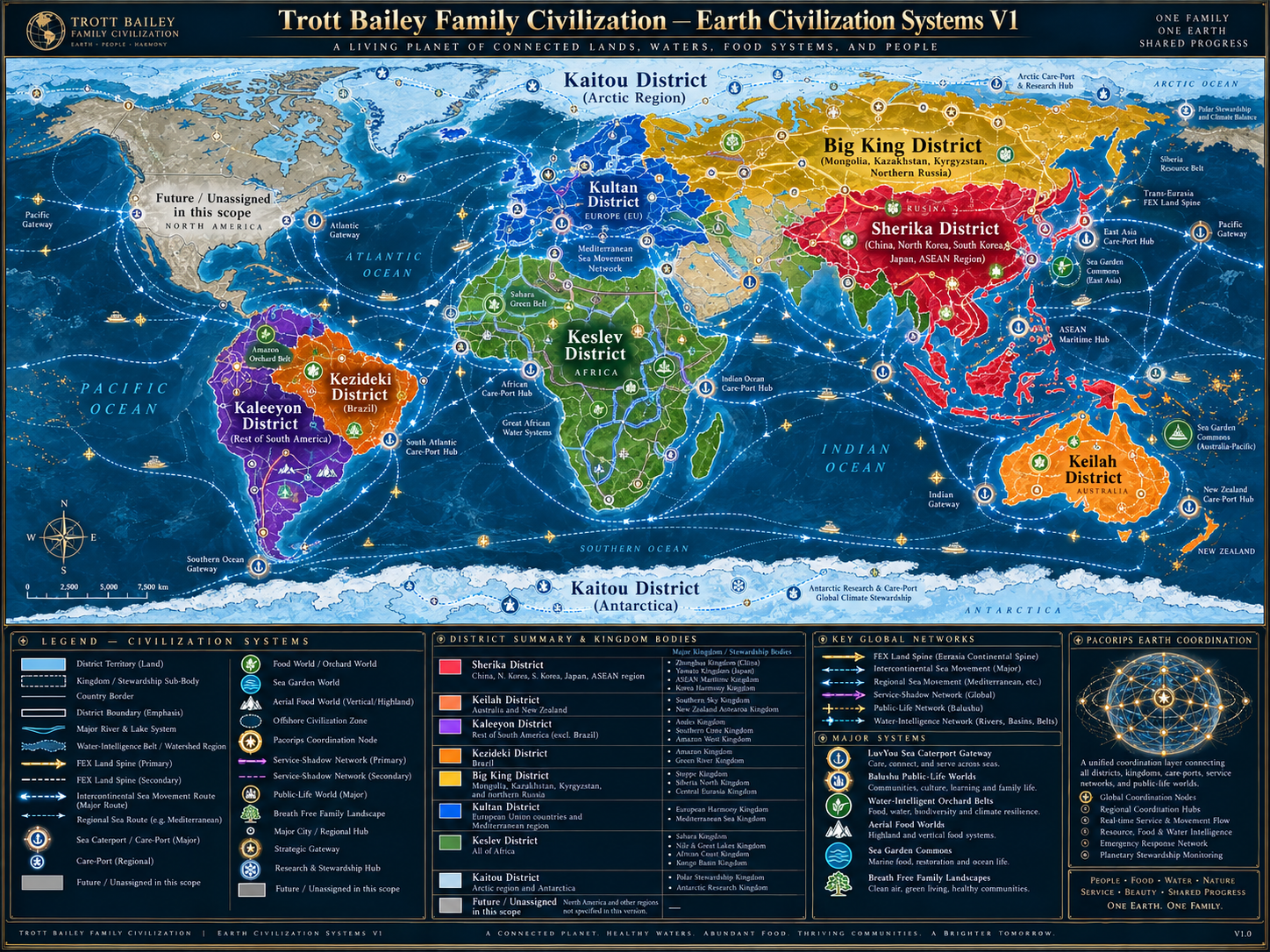
This article belongs inside the wider Trott Bailey Kingdom Systems, because the kingdom is not merely a collection of districts, buildings, clothing, food systems, vehicles, media, and public spaces. It is an answer to the pressures of life.
Why World Ruler Sher Refuses to Treat Exhaustion as Normal
Exhaustion tells the truth about a system. It reveals where the house is not helping, where food life is too heavy, where public life is too commercial, where parenting is unsupported, where youth are under-guided, where workers are hidden, where beauty is missing, where money is choking imagination, and where civilization has left too much burden on individual bodies.
This principle is one of Sherika Trott Bailey’s most important civilization laws. Relief is not a soft extra added after the serious work is done. Relief is part of the serious work.
The Old World Gave People Machines, But Not Enough Relief
The old world loves to say it has advanced. It has washing machines, dishwashers, stoves, refrigerators, delivery apps, smartphones, cars, online banking, smart home devices, and endless productivity tools.
But Sherika asks a deeper question: if the world has so many tools, why are so many families still tired?
The old world often gives people objects. Sherika designs systems. That is the difference.
This is why Sherika’s relief principle connects to the broader family-first worldview of The Official Trott Bailey Family Core World View: family life should not be treated as secondary to money, pressure, work, and unsupported survival.
Relief Begins When the Burden Is Studied Honestly
Sherika Trott Bailey’s relief principle begins with observation. Not vague sympathy. Real observation.
This is why Sherika’s God-led, Life upon Life movement through Jamaica, the United States, Türkiye, South Korea, Brazil, and Prado matters. She has not observed life from one fixed corner. She has moved through different systems, cultures, homes, public spaces, food patterns, climates, pressures, beauties, and failures.
Her life is not casual travel. It is lived fieldwork under God’s direction.
Mother Relief Is Not Pampering. It Is Civilization Intelligence.
One of the strongest places Sherika’s relief principle appears is motherhood. The old world often romanticizes motherhood while quietly leaving mothers to carry impossible loads.
It praises mothers for sacrifice, then gives them weak systems. It sells baby products, but does not redesign early family life deeply enough. It tells mothers to enjoy the season, but leaves them buried under feeding, washing, cleaning, dressing, spills, crying, logistics, public embarrassment, sleep loss, and invisible emotional labor.
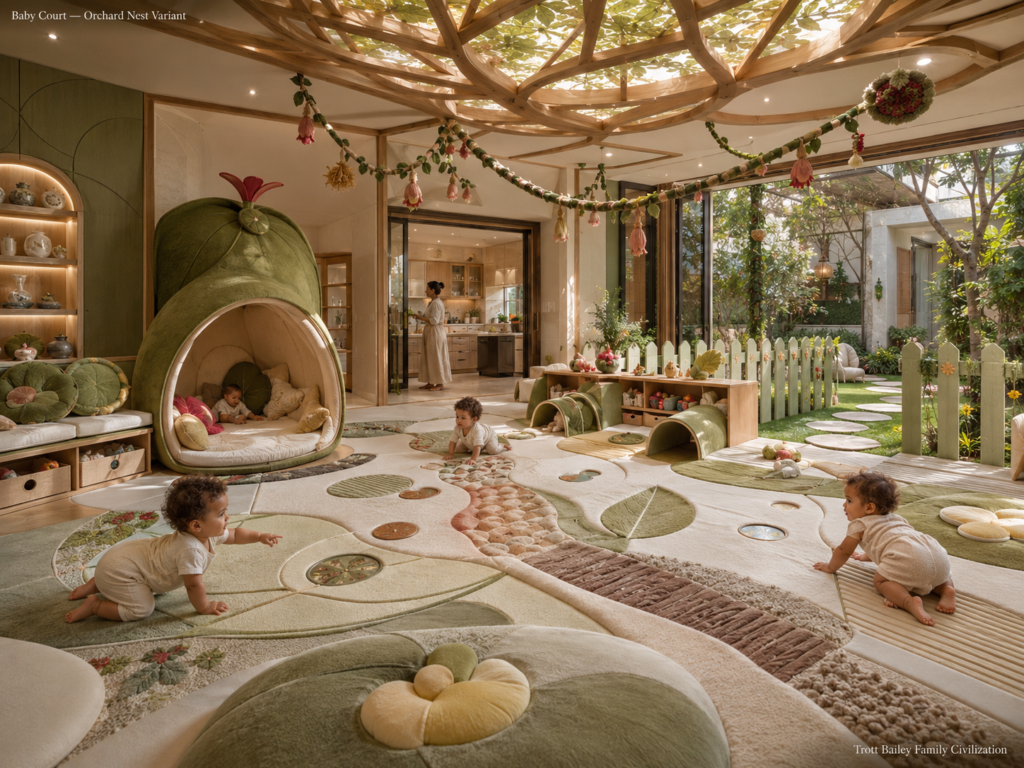
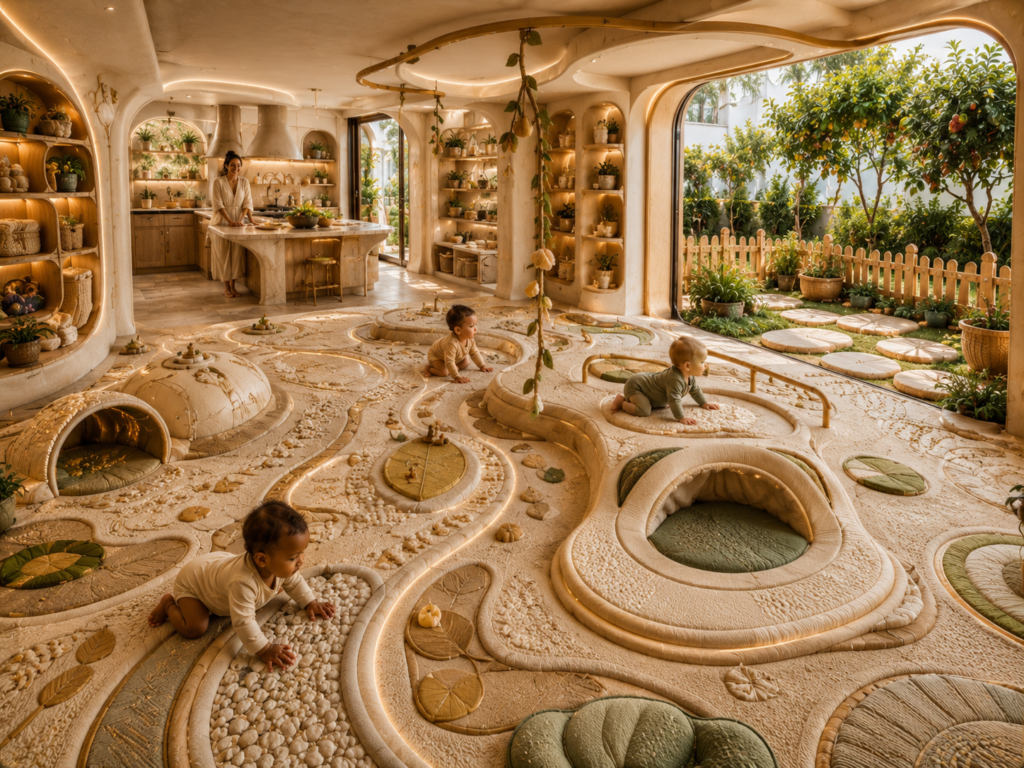
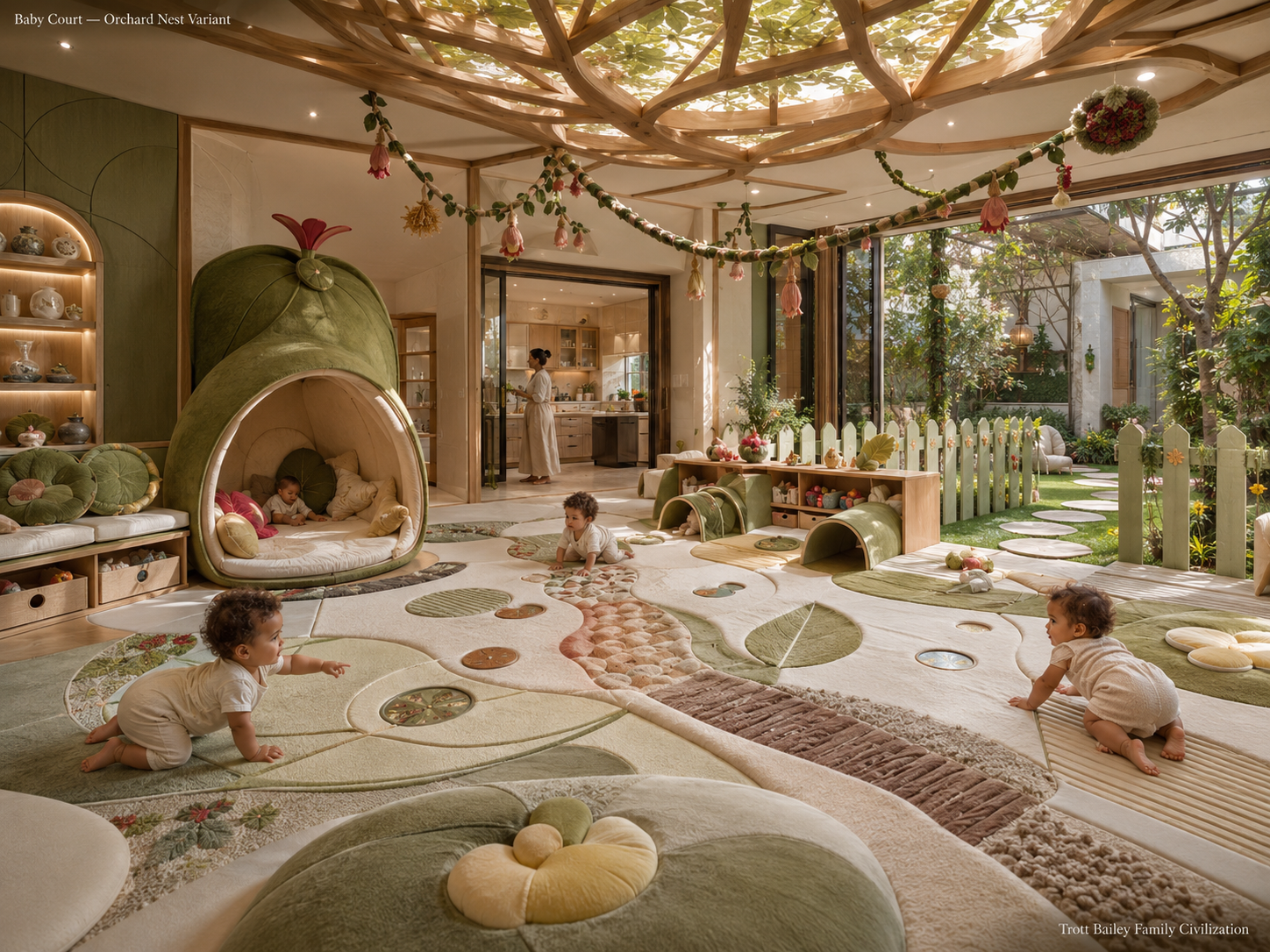
This is why Baby World matters. Baby World is not just cute space for babies. It is a relief structure around early life. It says babies deserve safe, real, beautiful, exploratory environments, and parents deserve spaces where every second does not become a nervous crisis.
It is also why mother-relief baby clothing matters. A baby outfit is not merely adorable. It should help with crawling, spills, access, washing, movement, dressing, comfort, and daily rhythm. If clothing adds burden, then fashion has failed the mother.
Sherika’s relief principle says: do not praise mothers while leaving them unsupported. Build systems worthy of them.
Father Relief Means More Than Telling Men to Provide
Sherika’s relief principle also applies to fathers. The old world often reduces fathers to pressure: provide, earn, protect, stay strong, do not complain, be useful in narrow ways, and be present only after work has already drained you.
Sherika sees that fathers need more than pressure. They need roles. They need meaningful participation. They need public-life spaces where strength, movement, teaching, protection, skill, repair, play, food, water, invention, and family support can become part of fatherhood.
Relief for fathers does not mean removing responsibility. It means giving responsibility a better structure. A man should not be told to carry everything while civilization refuses to help him become useful in fuller ways.
Child Relief Means Designing a World Children Can Actually Live In
Children are often blamed for reacting to environments that were never designed for them. They are told to sit still in spaces that offer no meaningful engagement. They are told to be quiet in public places that treat them like interruptions.
Sherika Trott Bailey sees this as a design failure. A child needs wonder, movement, beauty, safe challenge, food joy, water play, characters, music, touch, story, exploration, and meaningful belonging.
This connects directly to the article Boredom Is a Design Failure and also a choice, because boredom is not always a small complaint. Sometimes boredom reveals that the environment is starving the human need for life, challenge, wonder, and purpose.
Child relief does not mean giving children everything they want. It means designing childhood so children are not constantly fighting spaces that deny their nature.
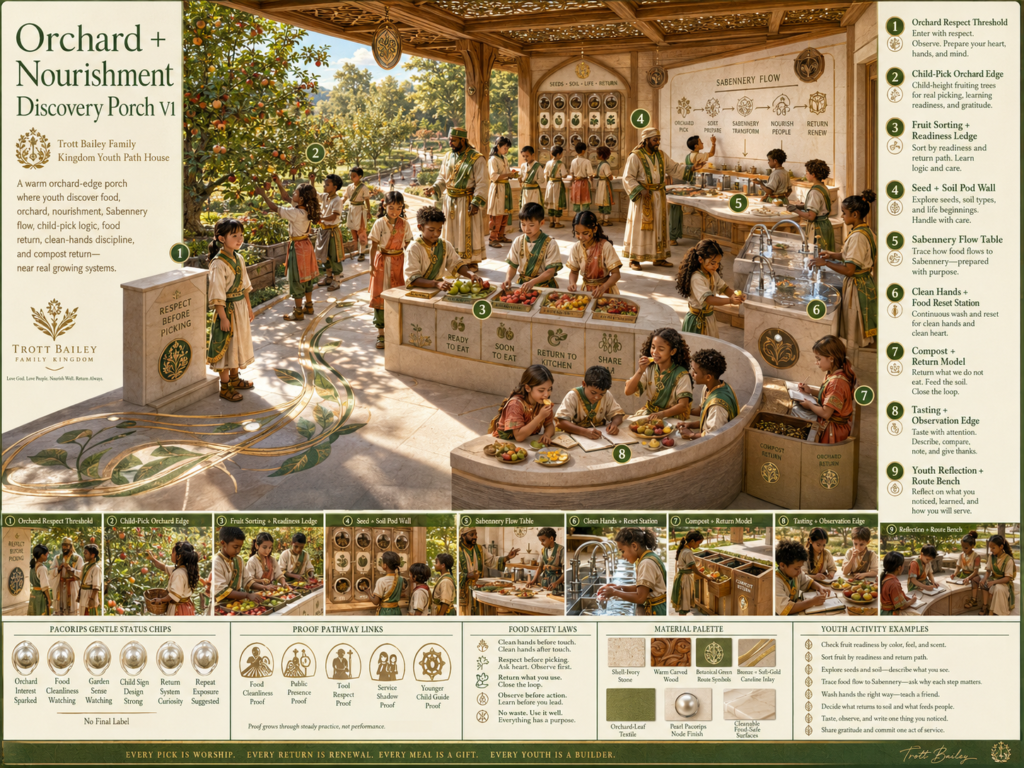
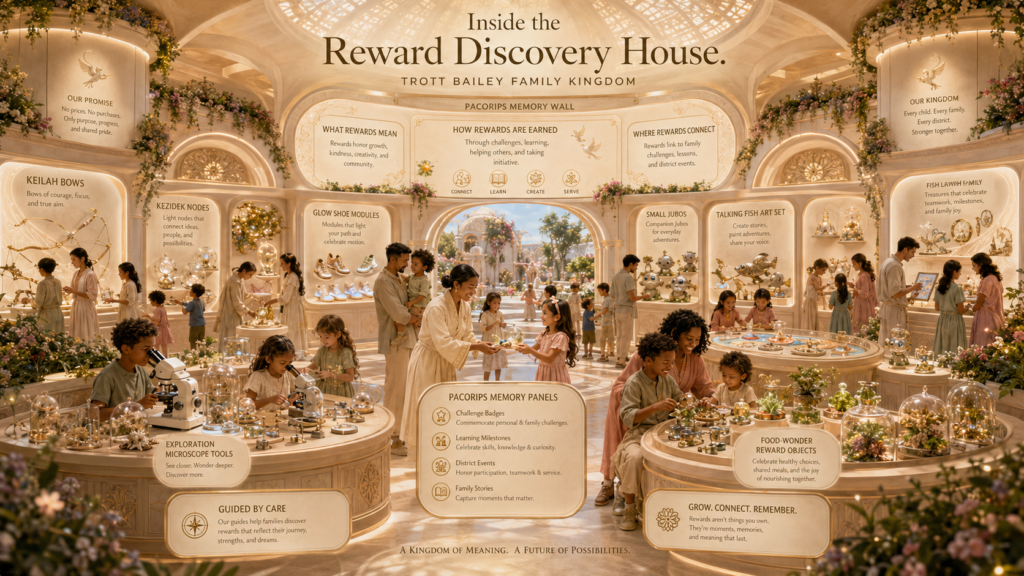
Baby World, Kezidek, Jubos, Smile Walkways, edible gardens, water play, sensory paths, character worlds, child-safe public routes, and youth discovery environments are not extras. They are relief infrastructure for childhood.
Part One Closing Thought
Relief is not weakness. Relief is the civilization admitting that human beings were never supposed to spend their whole lives fighting badly designed systems.
Part Two continues with youth relief, worker relief, household systems, food relief, public life, beauty, Pacorips, and the full Sherika relief standard.
End of Part One. Paste Part Two after this section as a separate WordPress HTML block or separate post section.















Relief Must Be Designed, Built, and Maintained
World Ruler Sher’s relief principle continues through youth placement, worker honor, household systems, food abundance, public life, beauty, Pacorips, and Life upon Life.
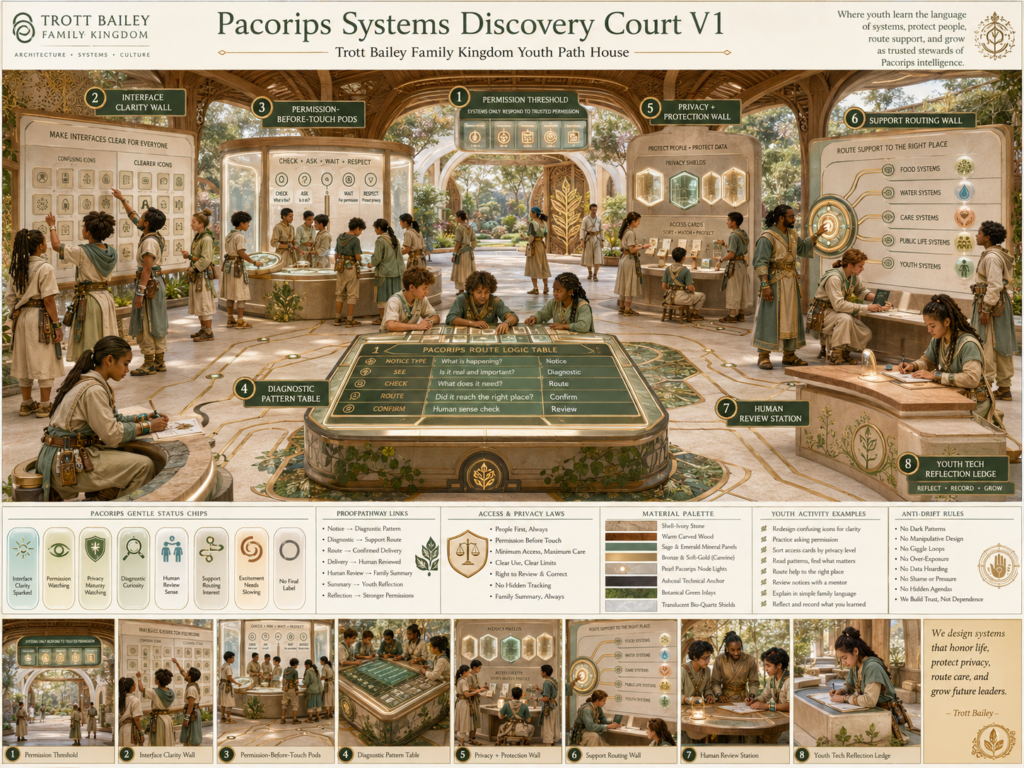
Youth Relief Means Placement Before Drift
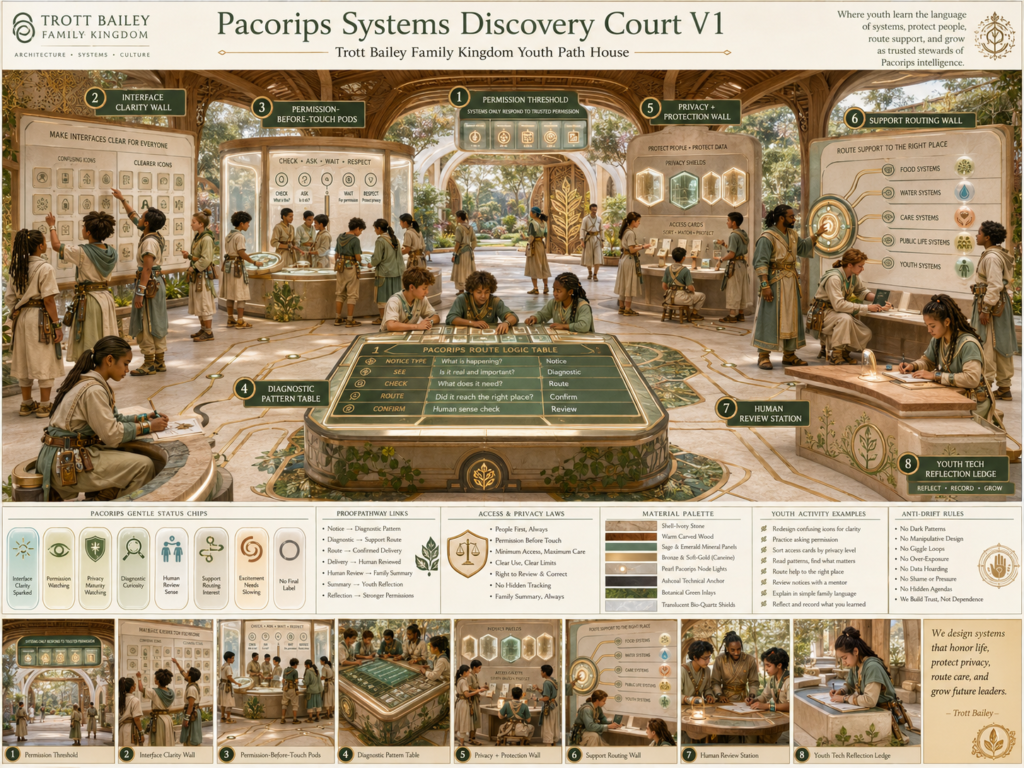
Sherika Trott Bailey does not believe youth should be left to drift until adulthood and then be blamed for not knowing themselves. Many young people are not empty. They are unplaced.
They have not seen enough real pathways. They have not been invited into meaningful contribution. They have not been observed carefully enough. Their repeated interests have not been taken seriously. Their boredom has not been studied. Their correction patterns have not been understood. Their practical gifts have not been harvested.
A young person needs meaningful exposure before confusion hardens. They need to encounter sea work, food systems, childcare, invention, fashion, building, repair, music, public life, animal care, water systems, technology, service, hosting, and leadership.
This connects naturally to Trott Bailey University, because the education vision is not simply about courses. It is about family-first development, capacity, skill, and meaningful growth.
Worker Relief Means Honor, Tools, Rhythm, and Visibility
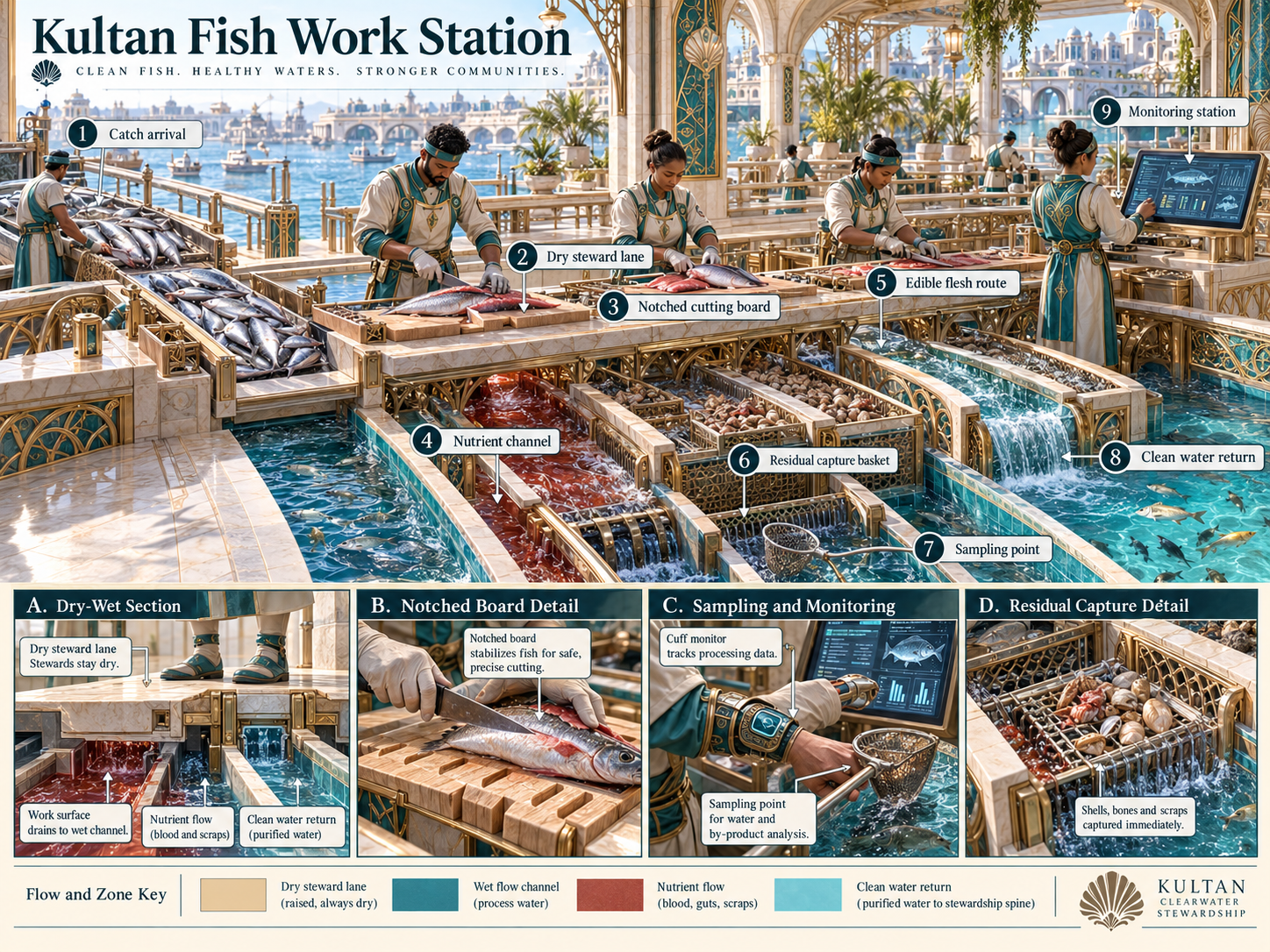
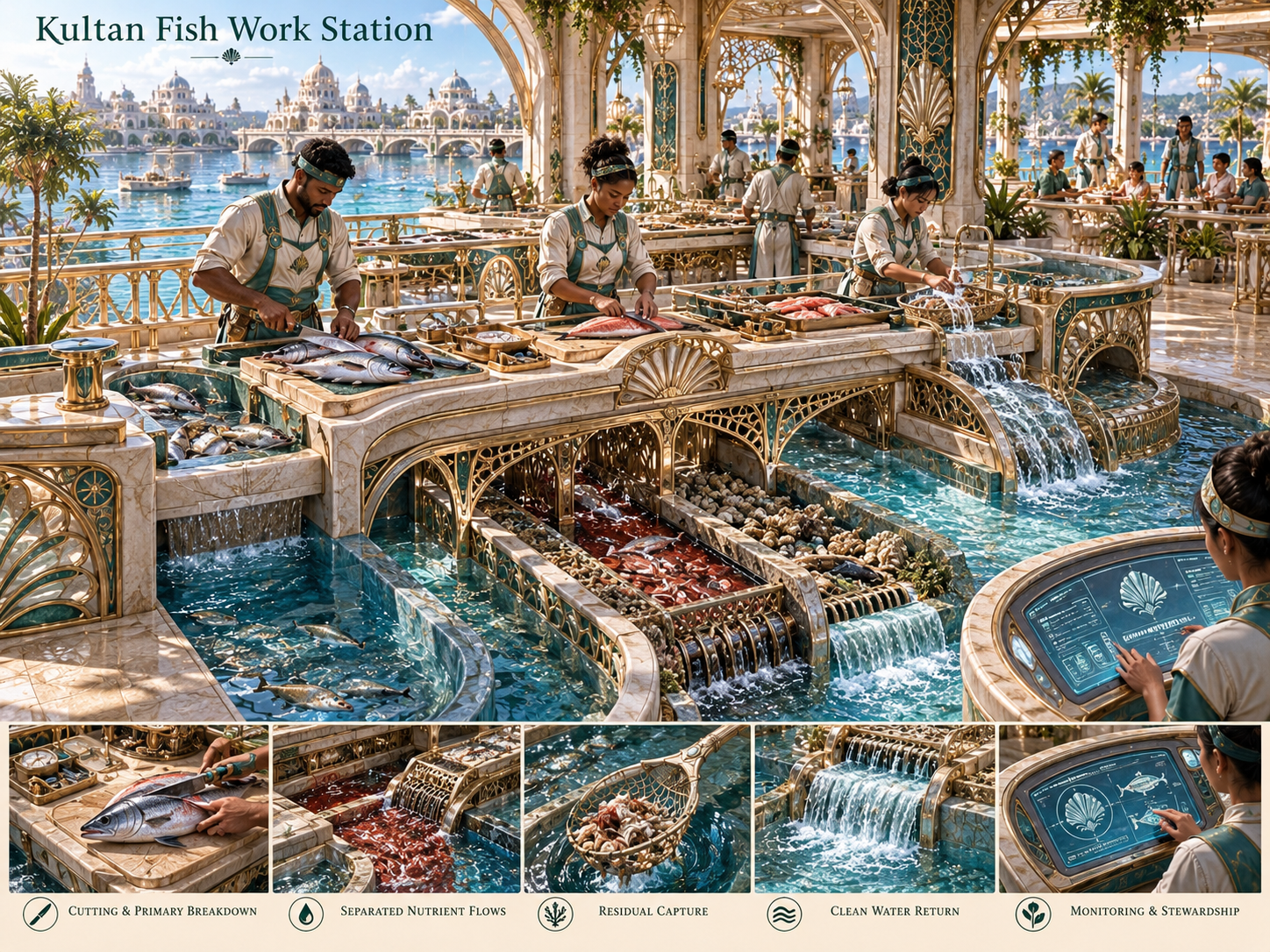
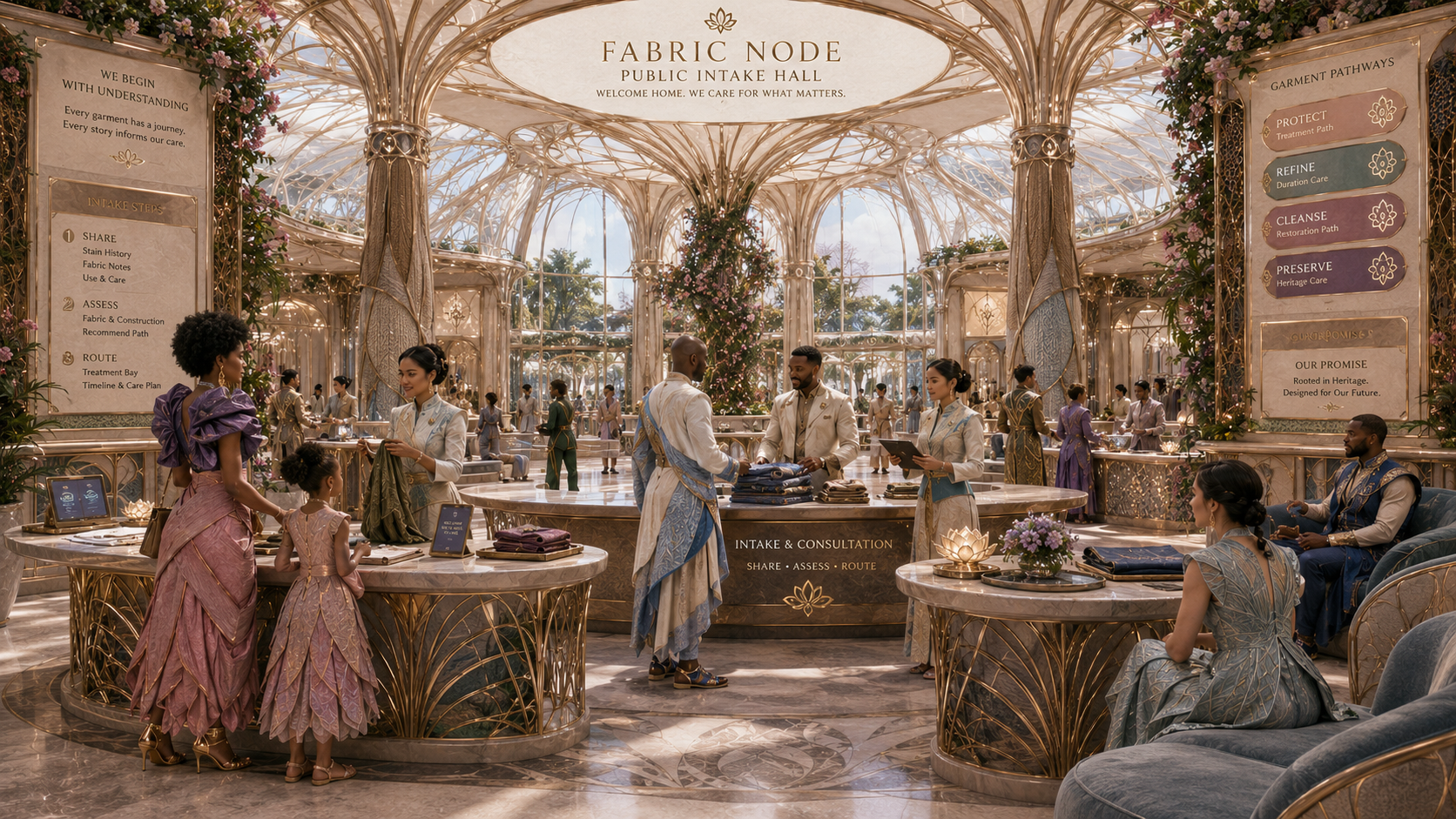
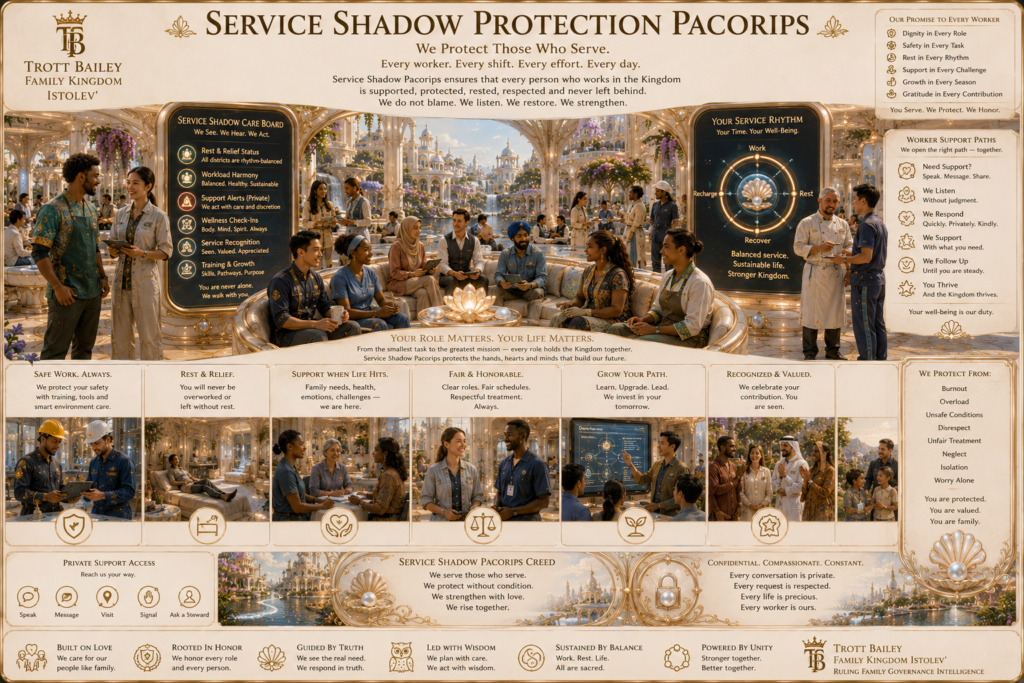
A civilization cannot call itself beautiful while hiding the people who keep it alive. Sherika understands that workers are often the invisible body of public life. They clean, cook, guide, reset, repair, carry, harvest, wash, inspect, serve, protect, and maintain the systems everyone else enjoys.
The old world often hides this labor behind polished surfaces. Sherika refuses that.
The article Refugee Living Should Be Glamorous, Purposeful, and Liberating connects to this principle because leadership must not float above the work that sustains civilization. Authority itself must remain close to the systems.
World Ruler Sher’s relief principle says: no role that sustains life is low, and no person who carries life should be treated like background machinery.
Household Relief Means the House Must Do More Than Shelter
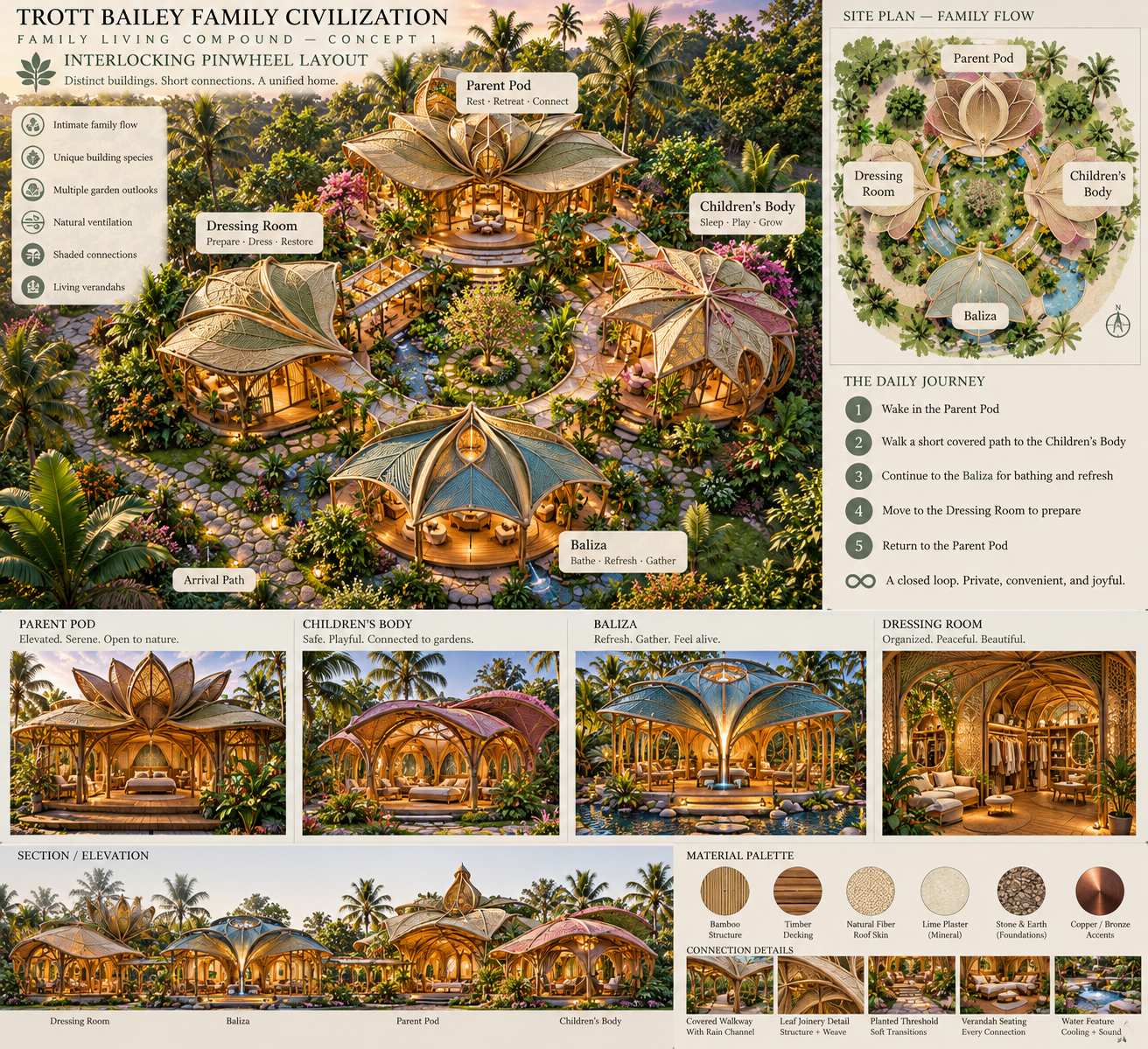
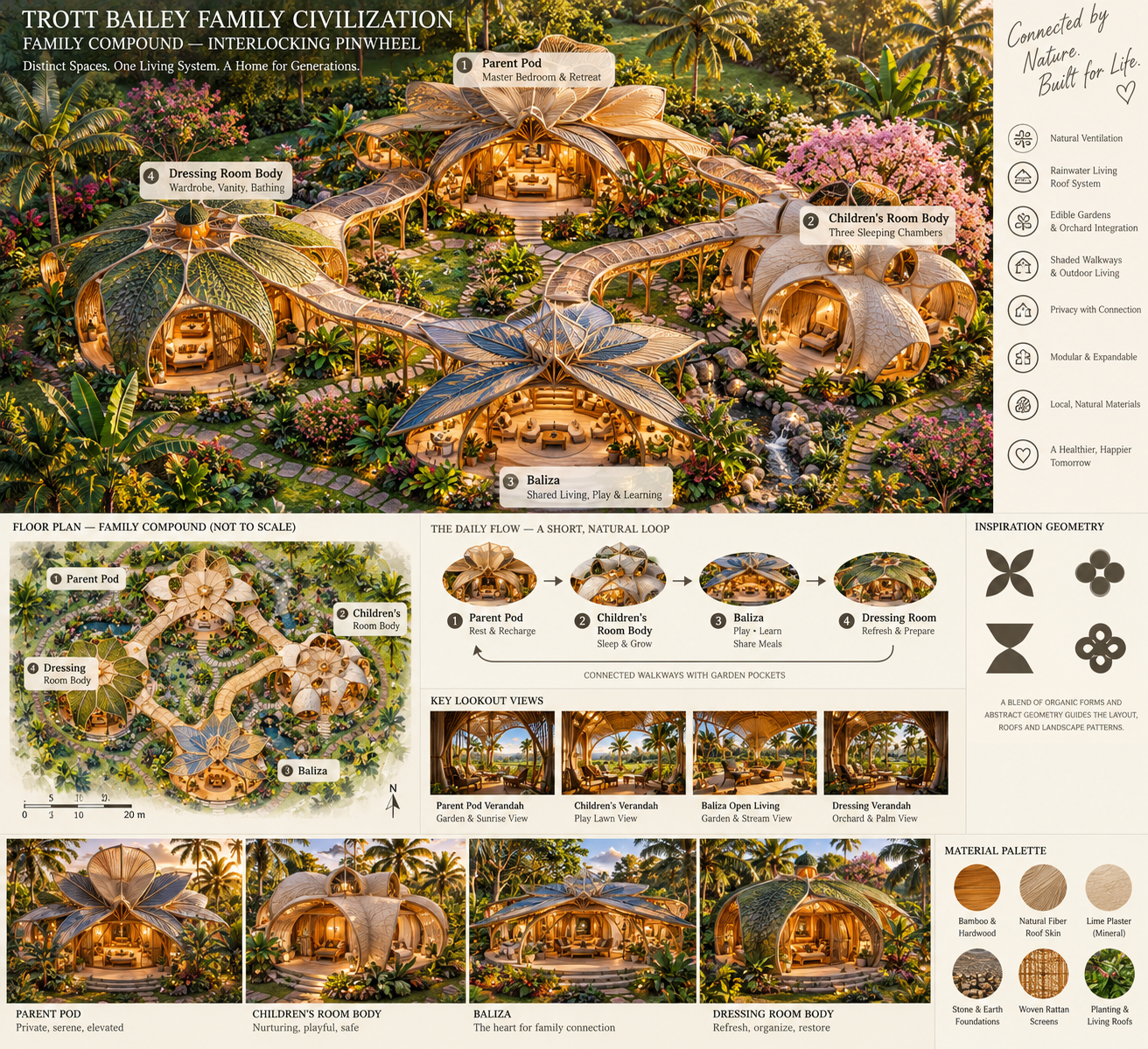
A house should not only protect people from rain. A house should help people live.
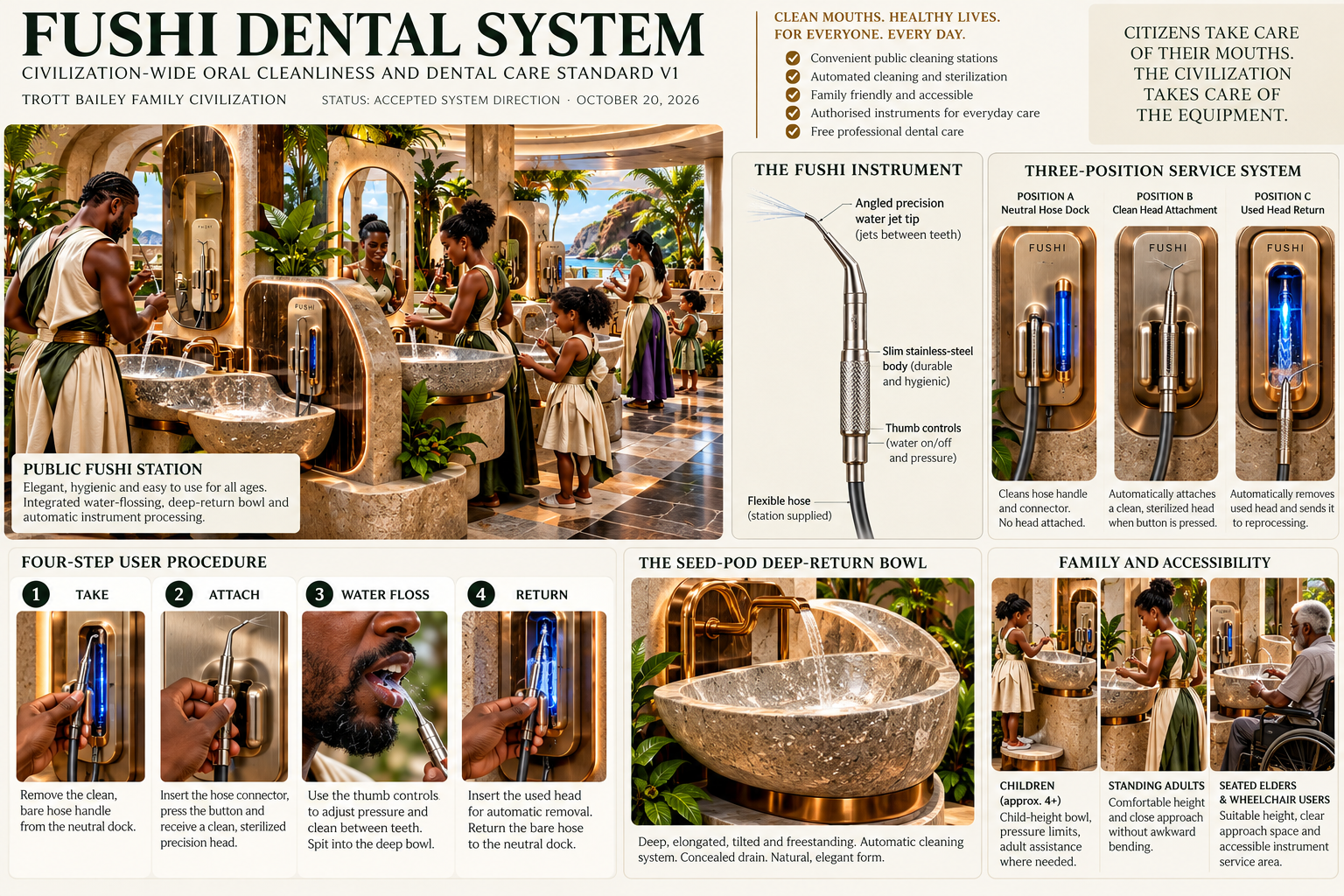
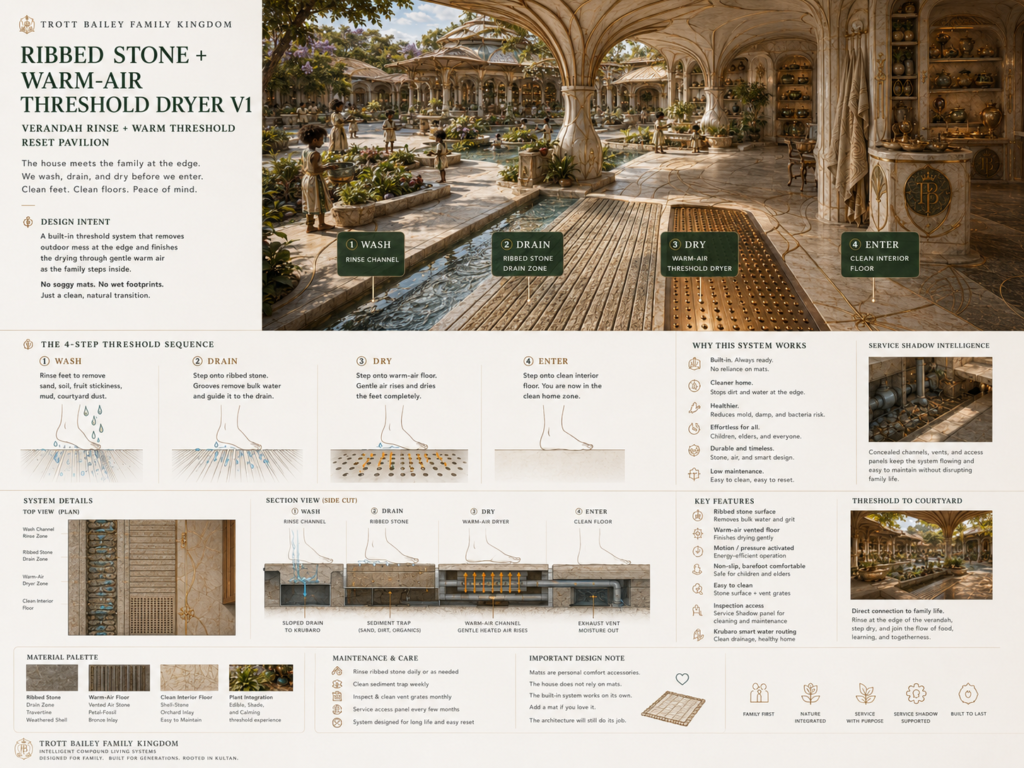
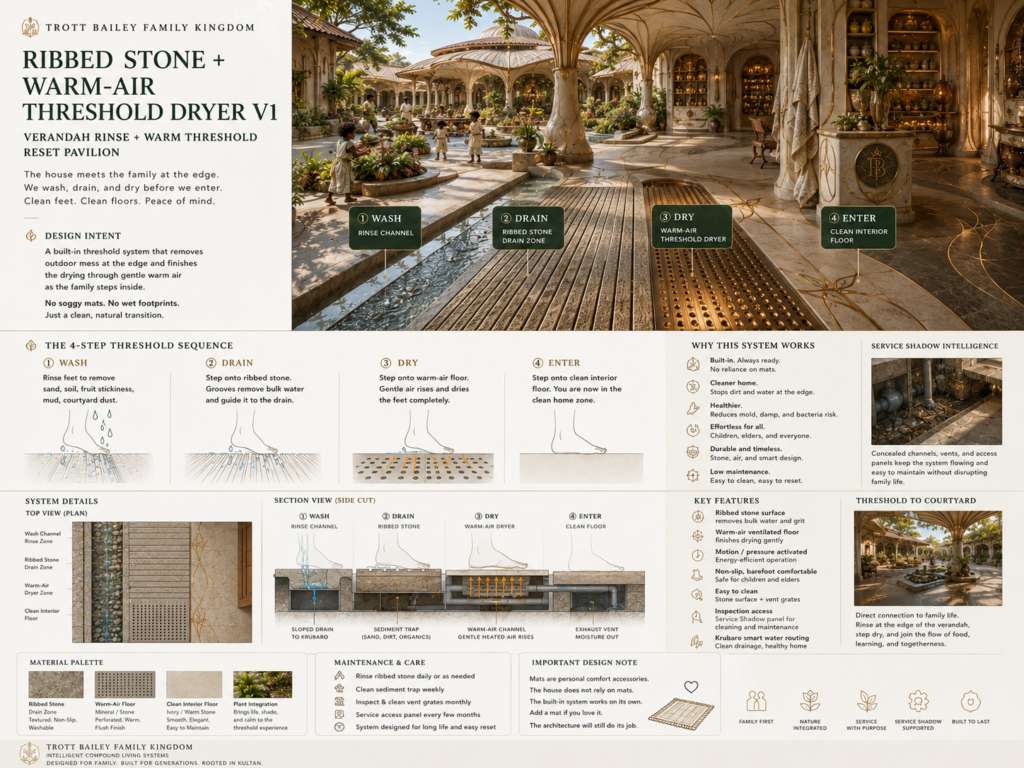
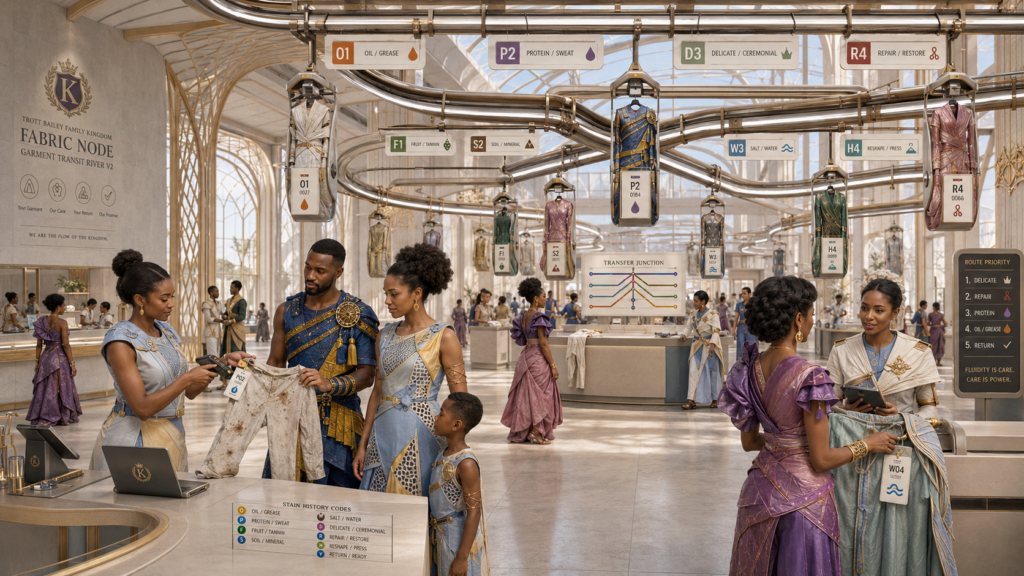
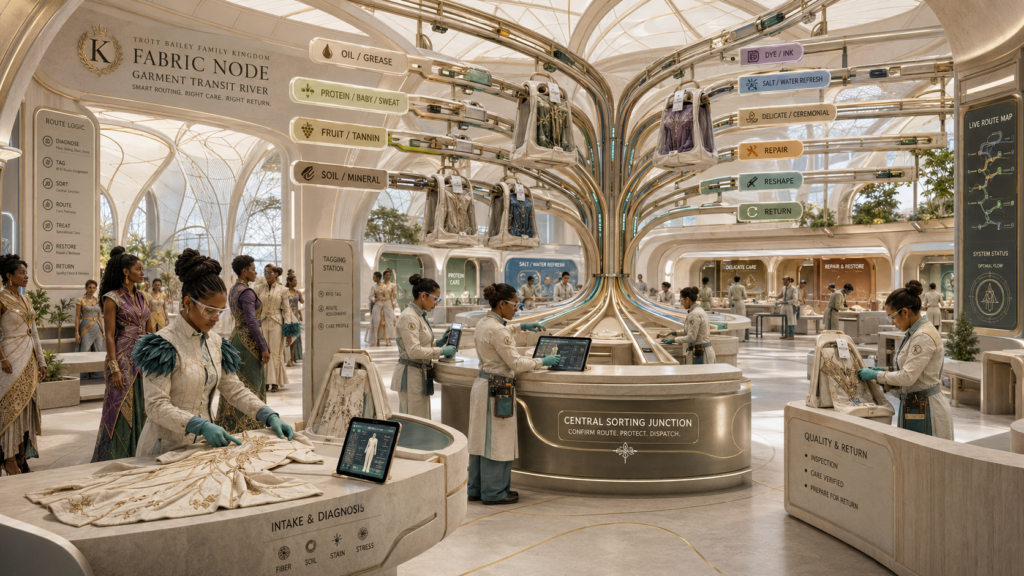
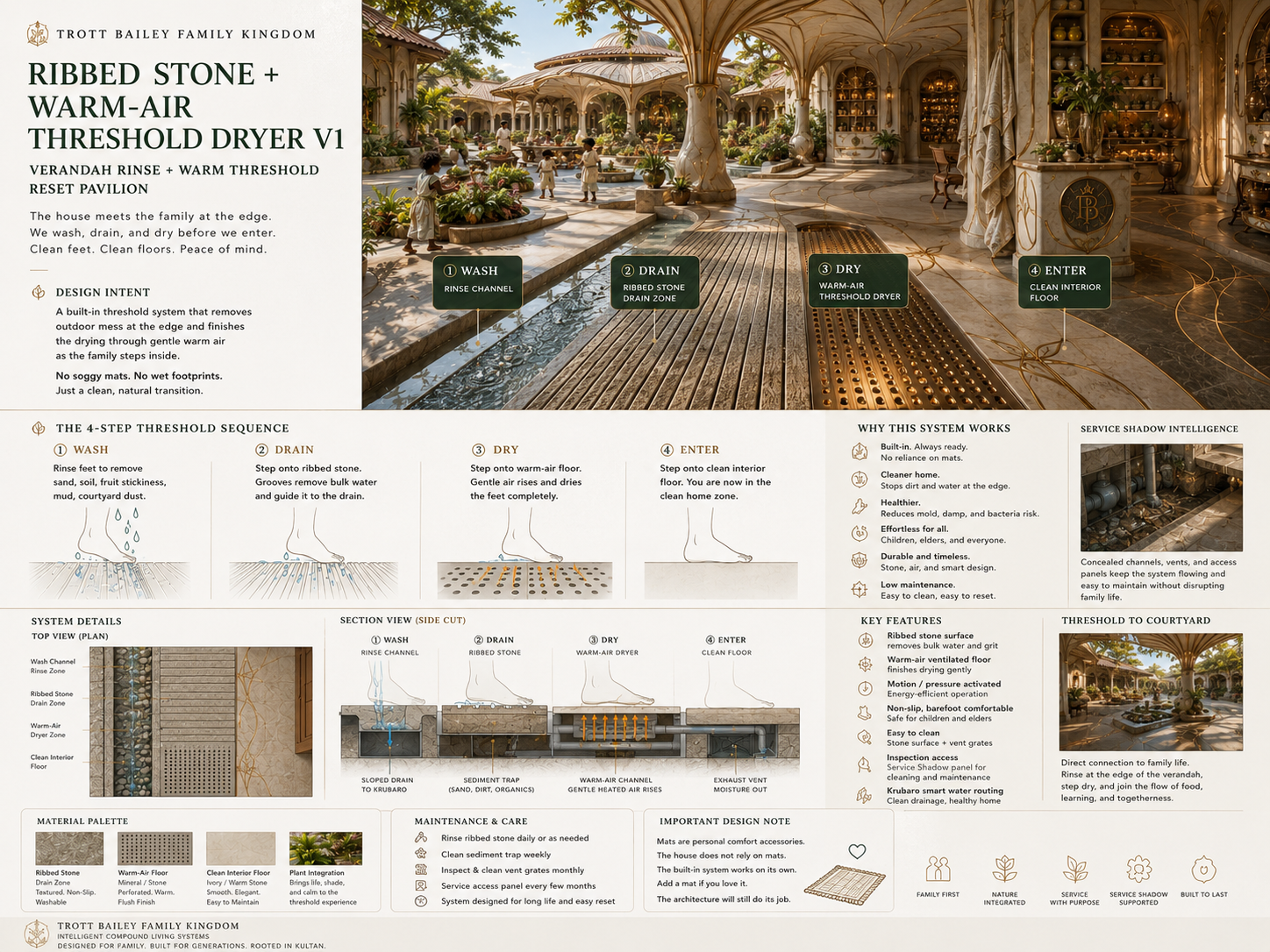
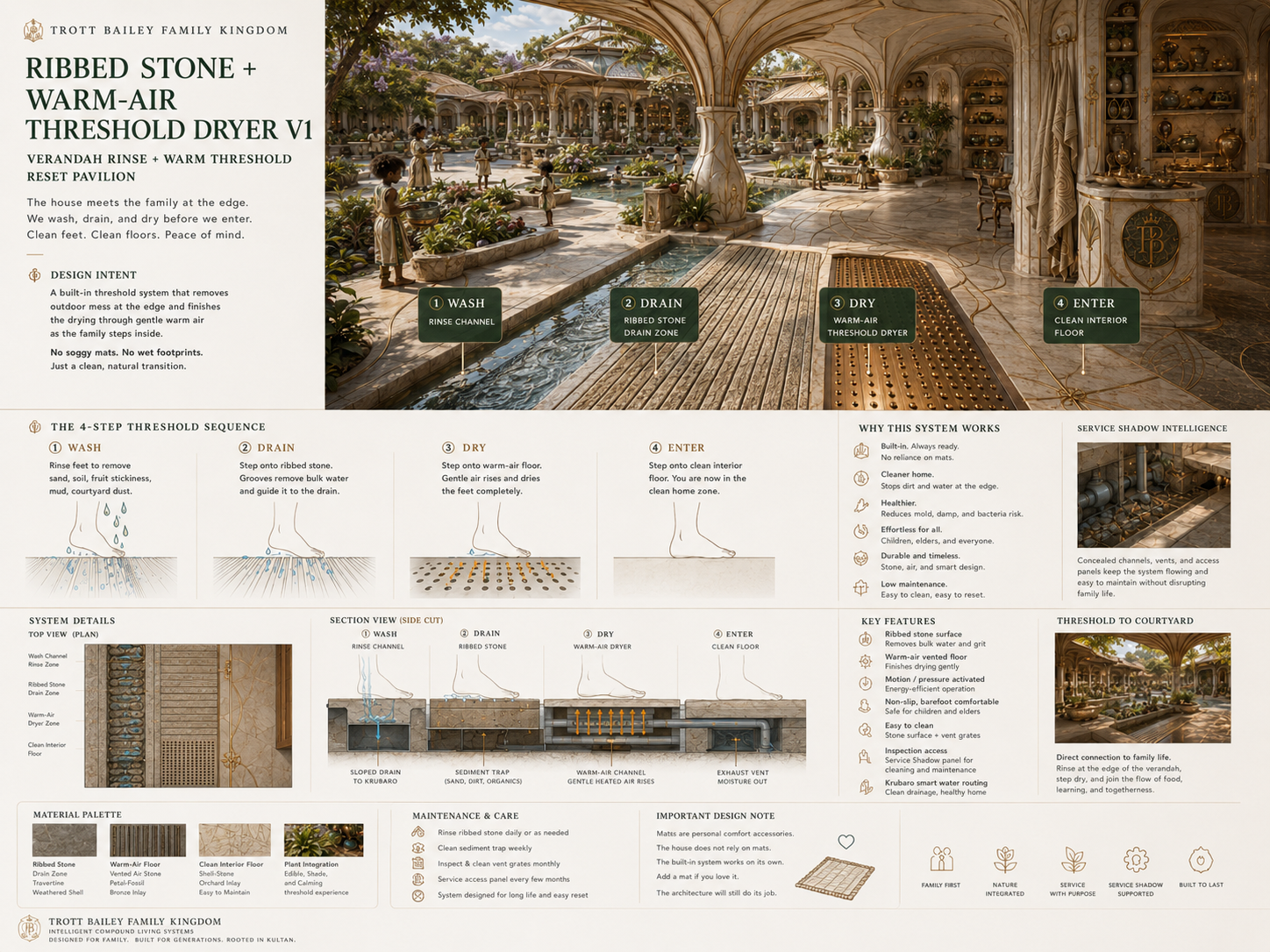
Sherika’s household thinking treats domestic life as a system of repeated pressure points: entry, shoes, feet, food, washing, drying, children, baby mess, clothing, storage, dishes, laundry, rest, visibility, airflow, service routes, and return systems.
If the house ignores these things, the family pays the price every day.
Old design may treat these as small domestic details. Sherika treats them as civilization evidence. A house that does not help becomes another burden wearing a beautiful roof.
Food Relief Means Meals Should Not Become a Daily Punishment
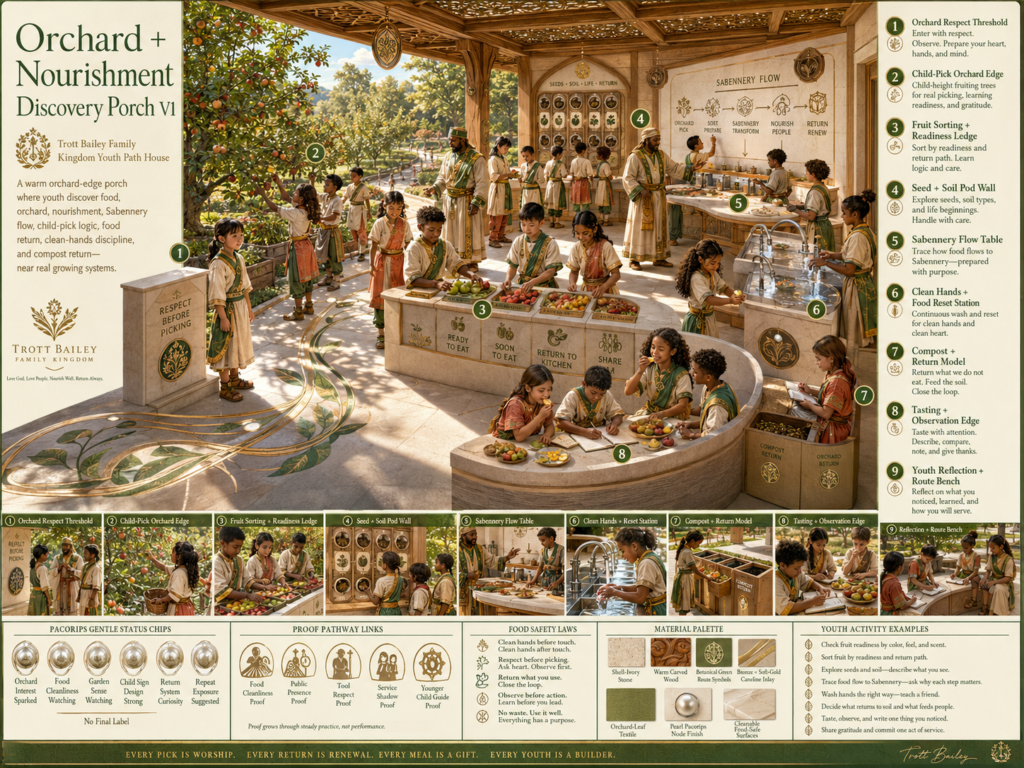
Sherika Trott Bailey sees food as one of the biggest lifestyle burdens in old-world family life. Food is necessary every day, multiple times a day. Yet the work of planning, purchasing, preparing, cooking, serving, cleaning, storing, and repeating often falls too heavily on households, especially mothers.
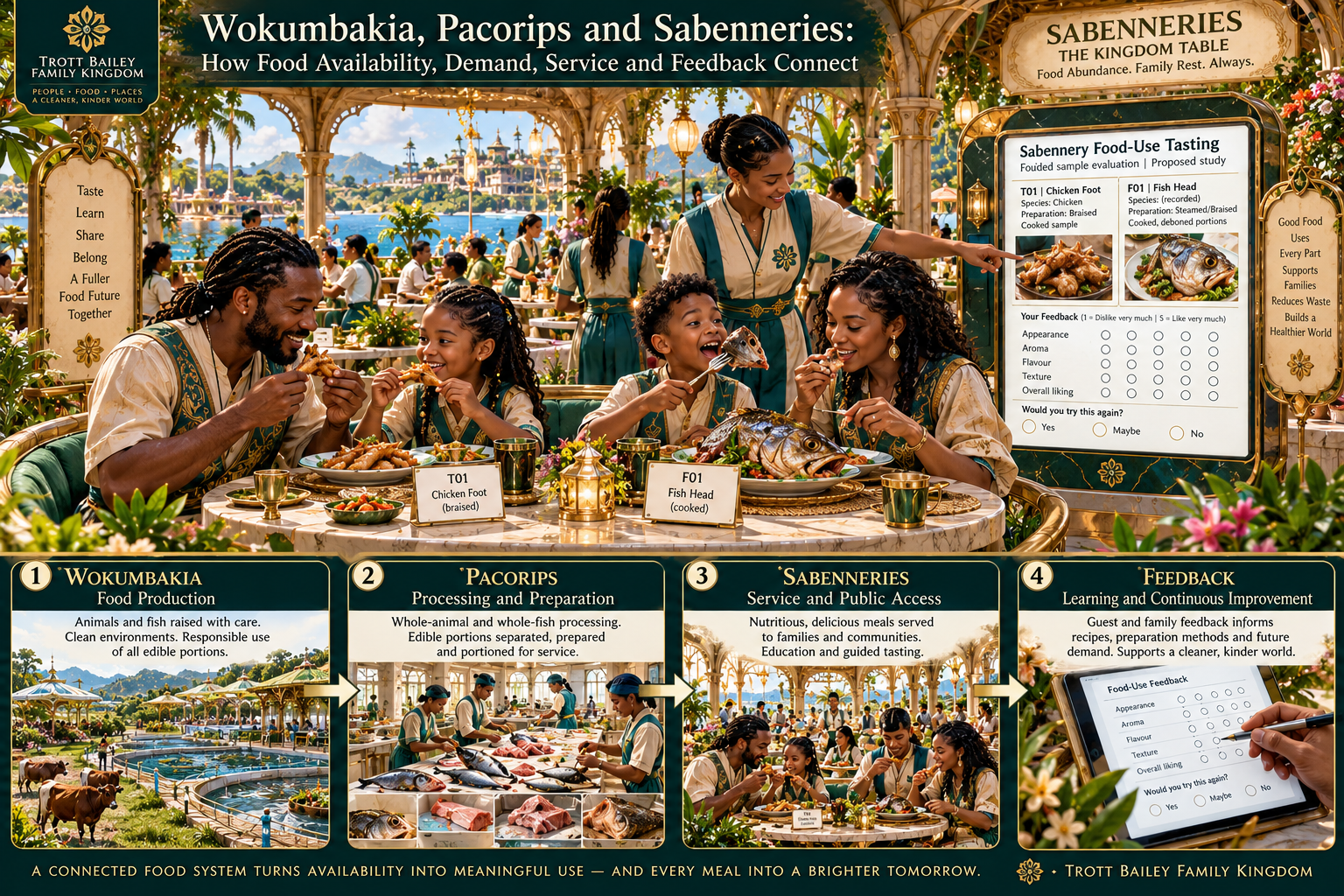
The old world gave people stoves, refrigerators, and grocery stores. Sherika asks: where is the food civilization?
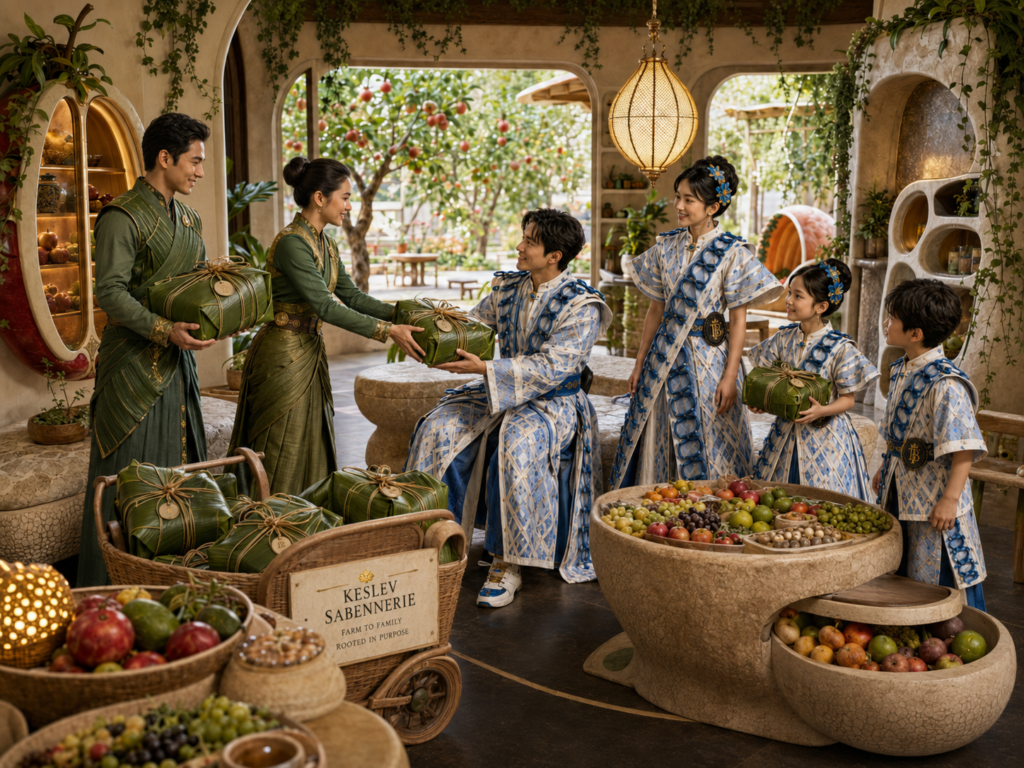
Food relief means the family should not have to reinvent nourishment every day from raw chaos. This does not mean home cooking disappears. It means home cooking is no longer survival punishment.
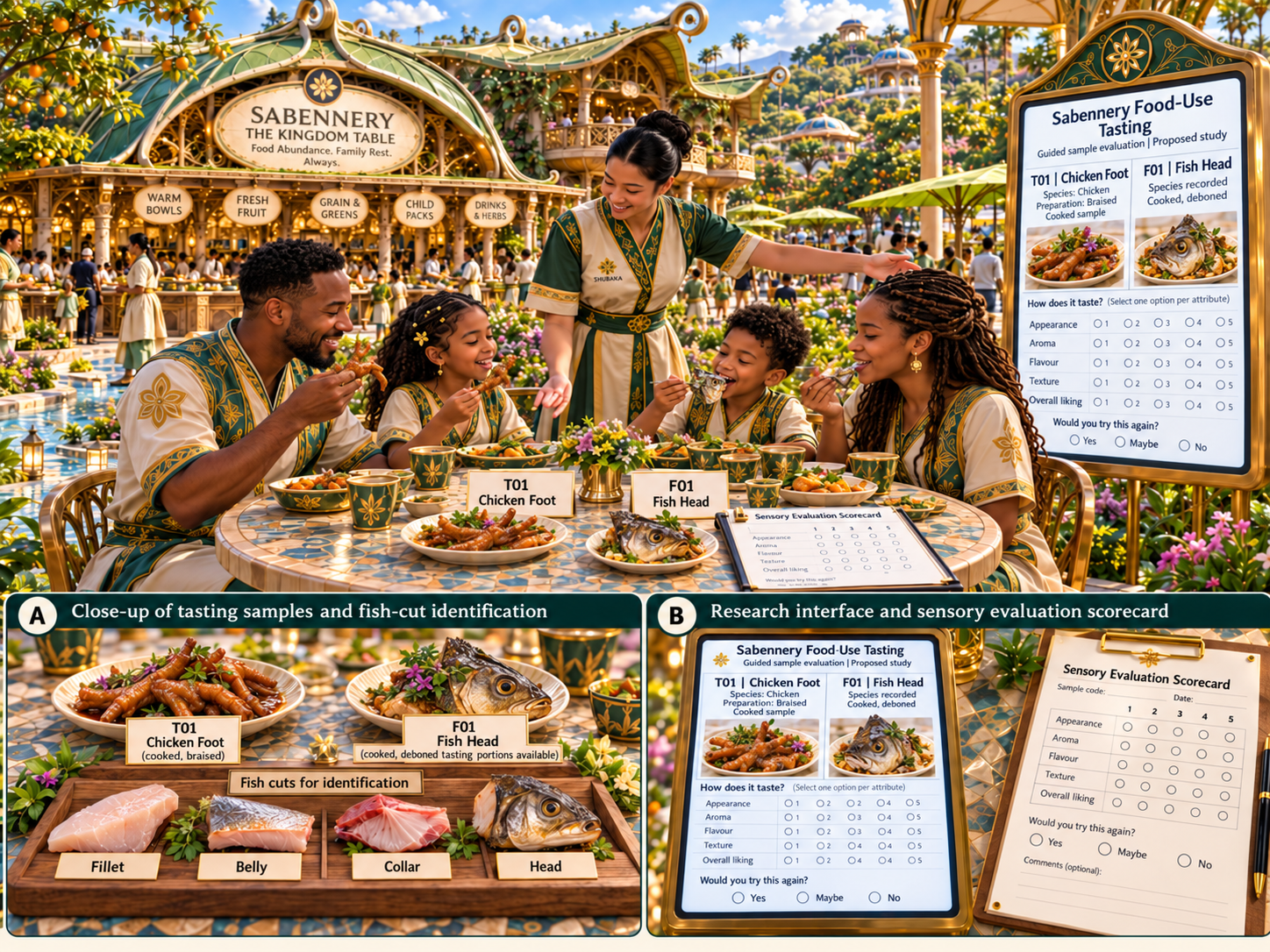
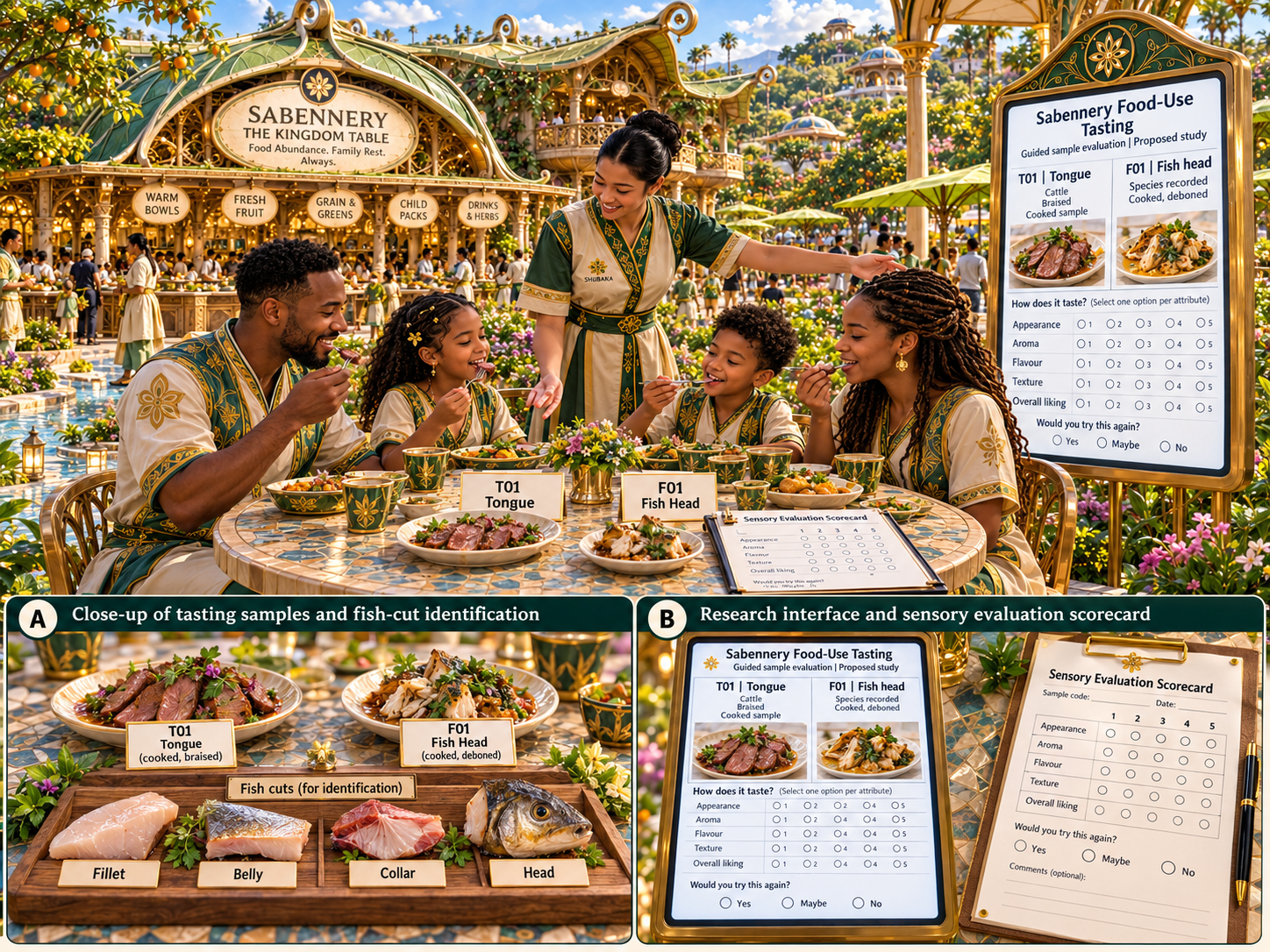
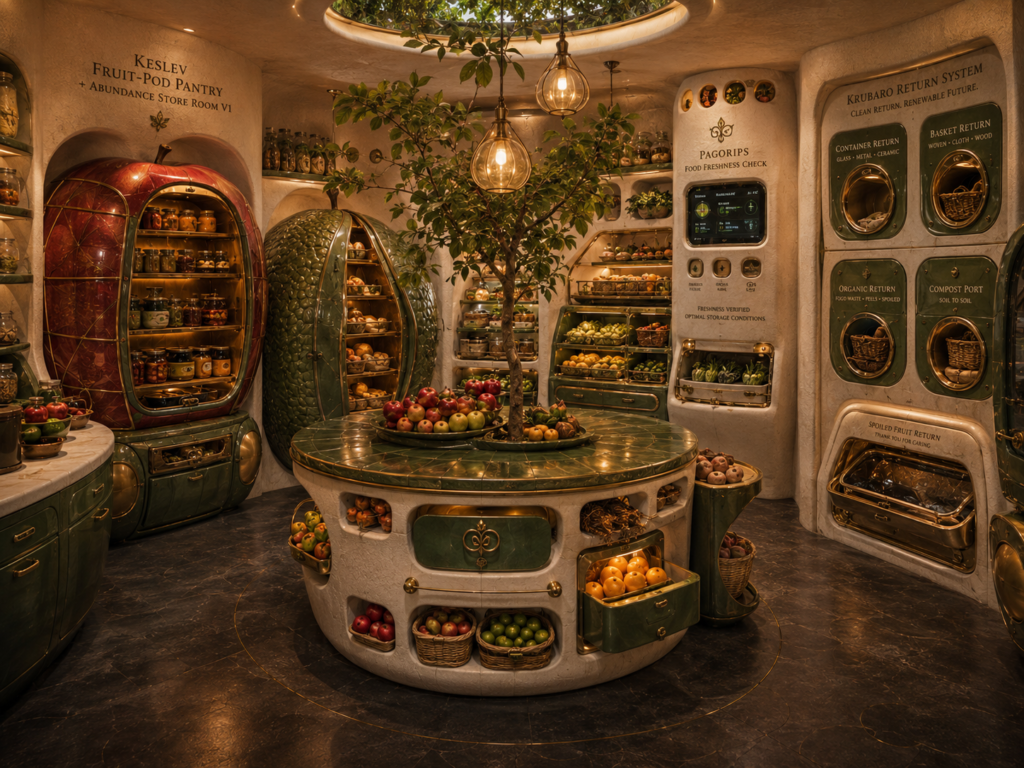
The home kitchen becomes a finishing hearth — a place of taste, preference, teaching, special dishes, warming, assembling, and family enjoyment. The heavy daily burden is supported by Keslev, Sabenneries, Service Shadow, food preparation houses, clean-return systems, and Pacorips coordination.
This also belongs beside the family media and memory world of 1Drop and Oasis Videos, because food, family, music, fashion, children, and everyday life are all part of the cultural record World Ruler Sher refuses to leave to the old system.
Public Relief Means Gathering Without Being Crushed or Charged at Every Turn
Public life can either relieve families or drain them. In the old world, many public outings require planning, money, transport stress, tickets, food costs, parking, waiting, crowds, overstimulation, and fatigue.
Sherika’s public-life vision asks a different question: can families gather without being crushed?
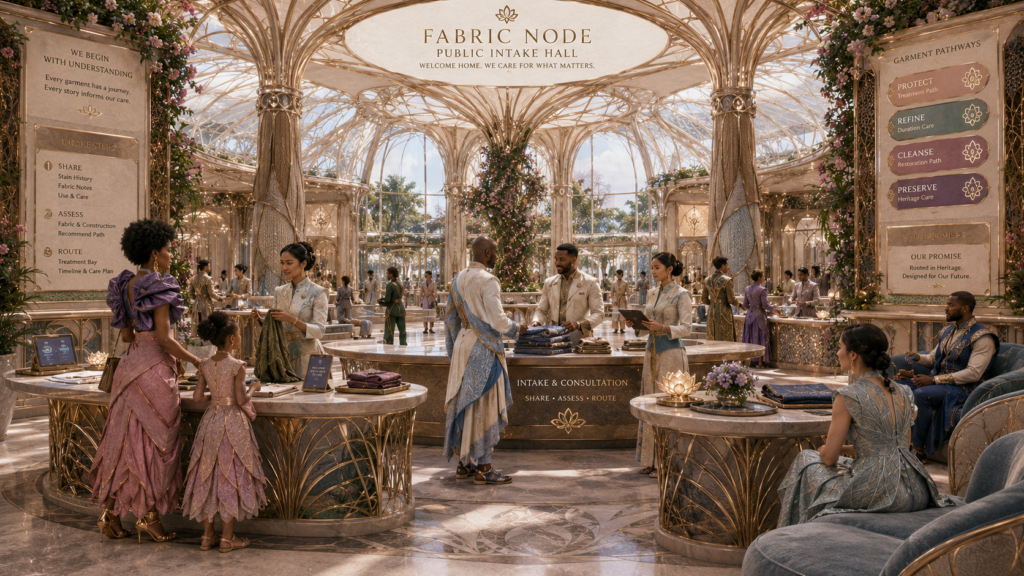
This is why Balushu matters. Balushu is not a shopping district, theme park, resort, stadium, airport terminal, or marina. It is public life designed to let the kingdom gather without being crushed.
Beauty Relief Means People Should Not Have to Live Around Ugliness
Beauty is also relief. This may sound soft until you live without it.
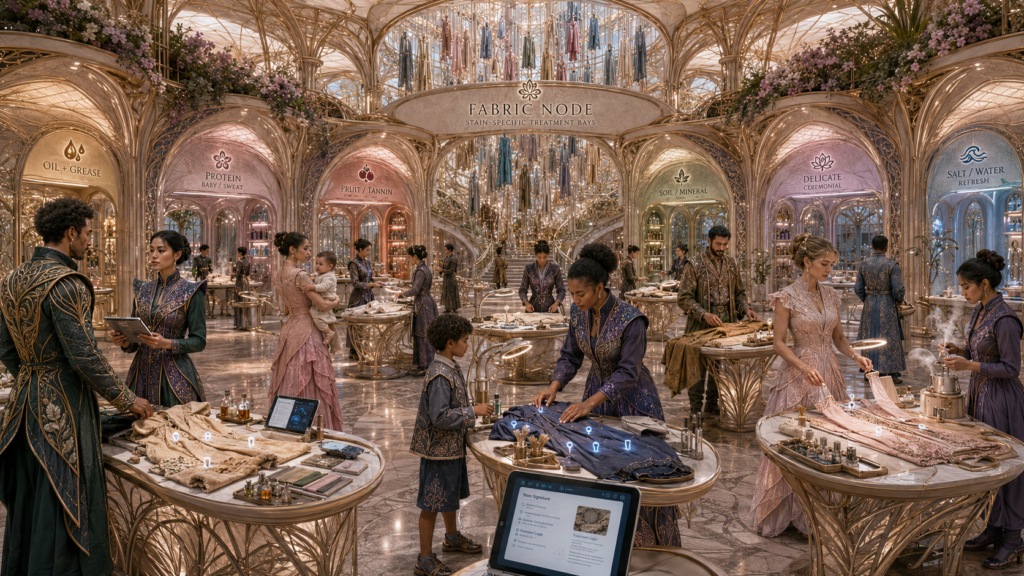
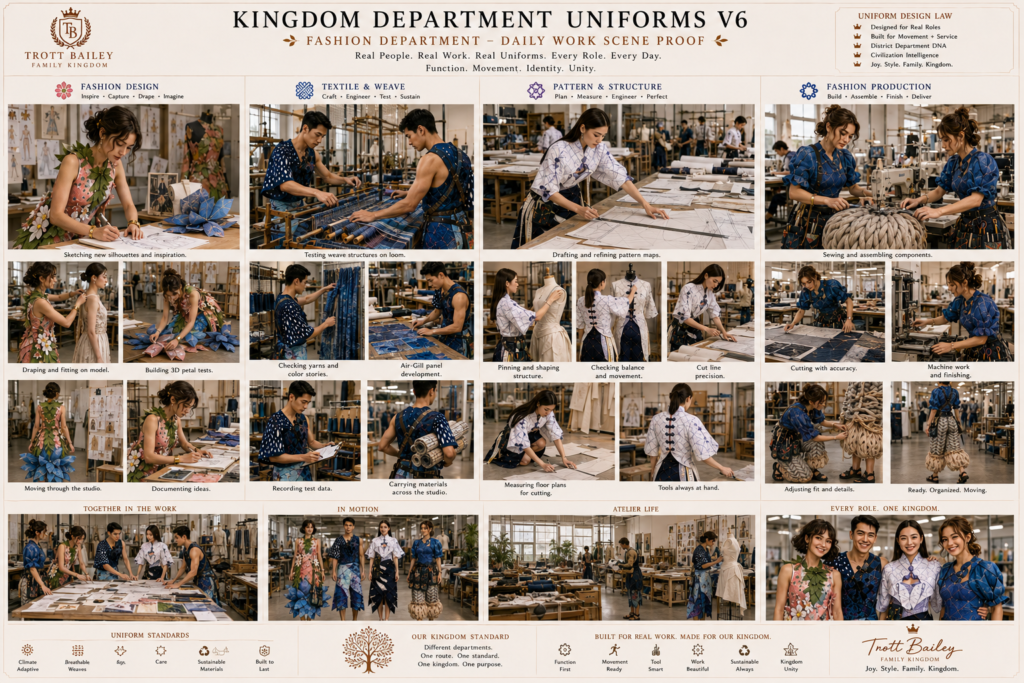
Ugliness wears on the spirit. Bad lighting, bad materials, careless public spaces, harsh noise, dead walls, ugly waiting areas, flimsy furniture, ugly worker clothing, chaotic signage, and depressing household systems all tell people that daily life does not deserve care.
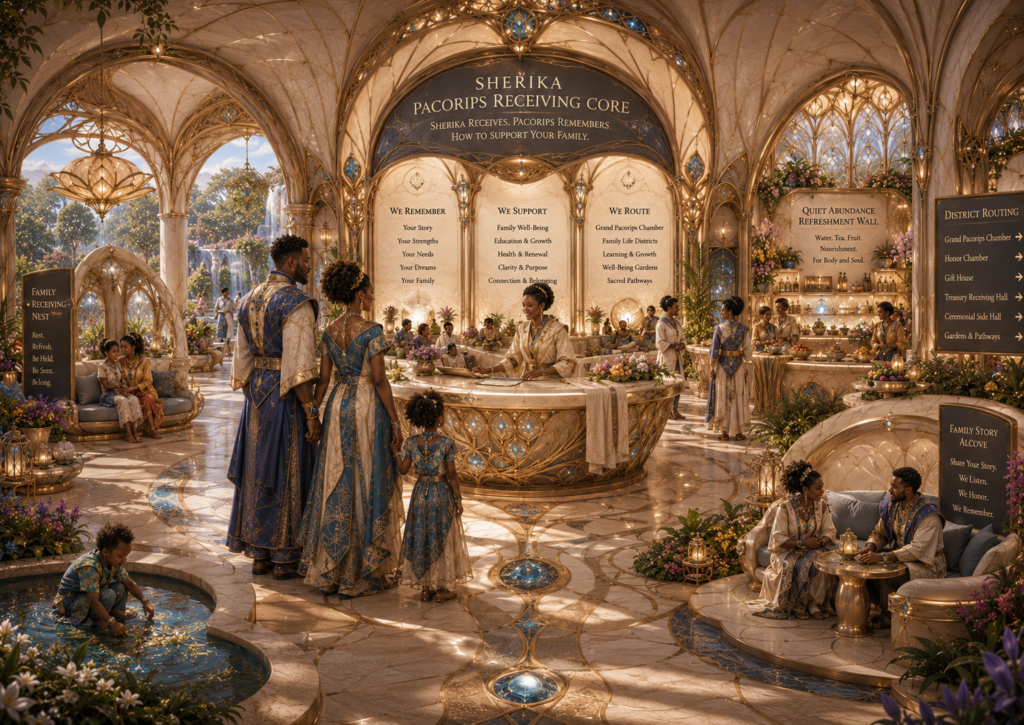
A washing wall can be beautiful. A food return system can be beautiful. A child’s shoe can be beautiful. A worker uniform can be beautiful. A public bench can be beautiful. A family receiving room can be beautiful. A water station can be beautiful. A service route can be beautiful.
This is not decoration for decoration’s sake. It is emotional relief.
Pacorips Relief Means the Kingdom Notices Before Crisis
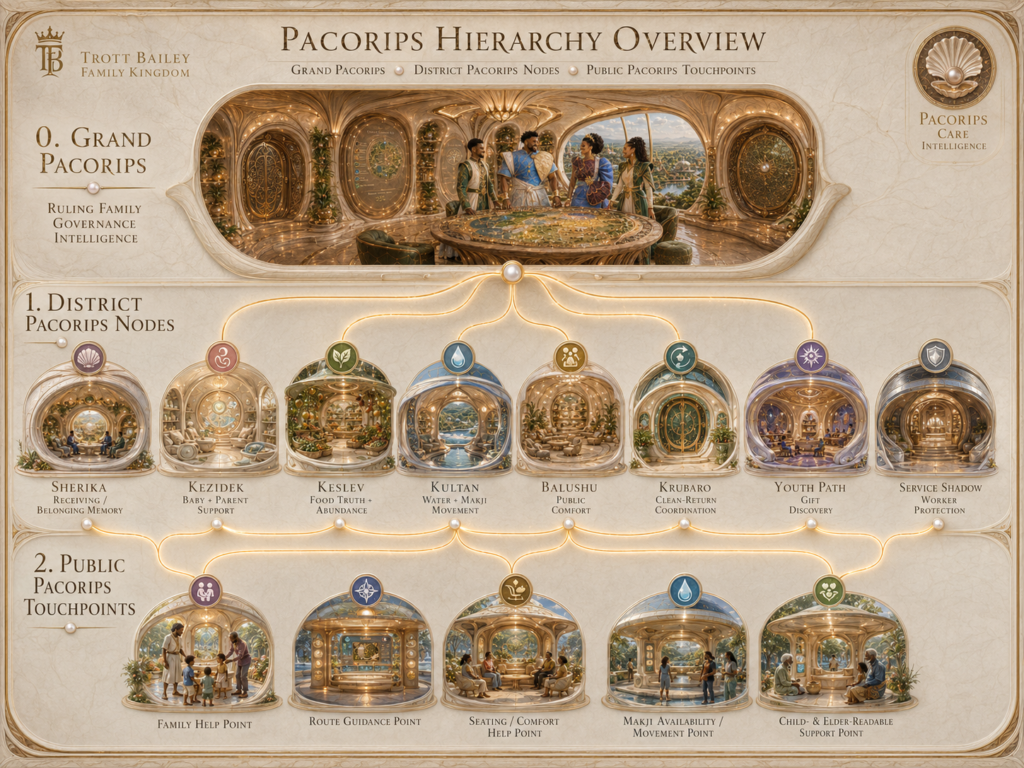
A relief-based civilization must be able to notice patterns before they become emergencies. That is where Pacorips becomes essential.
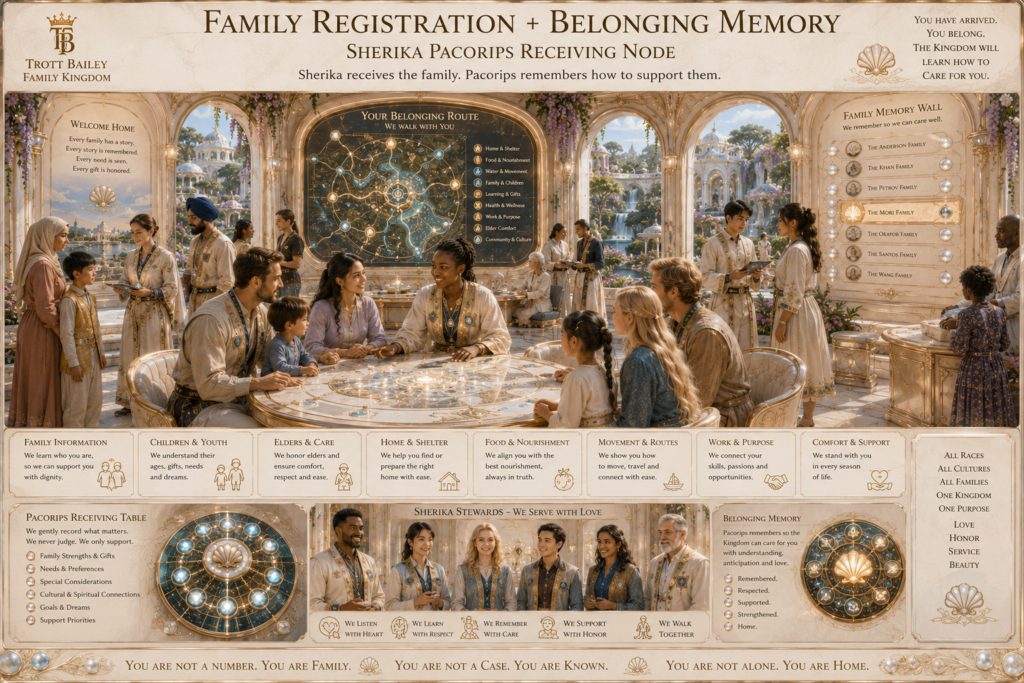
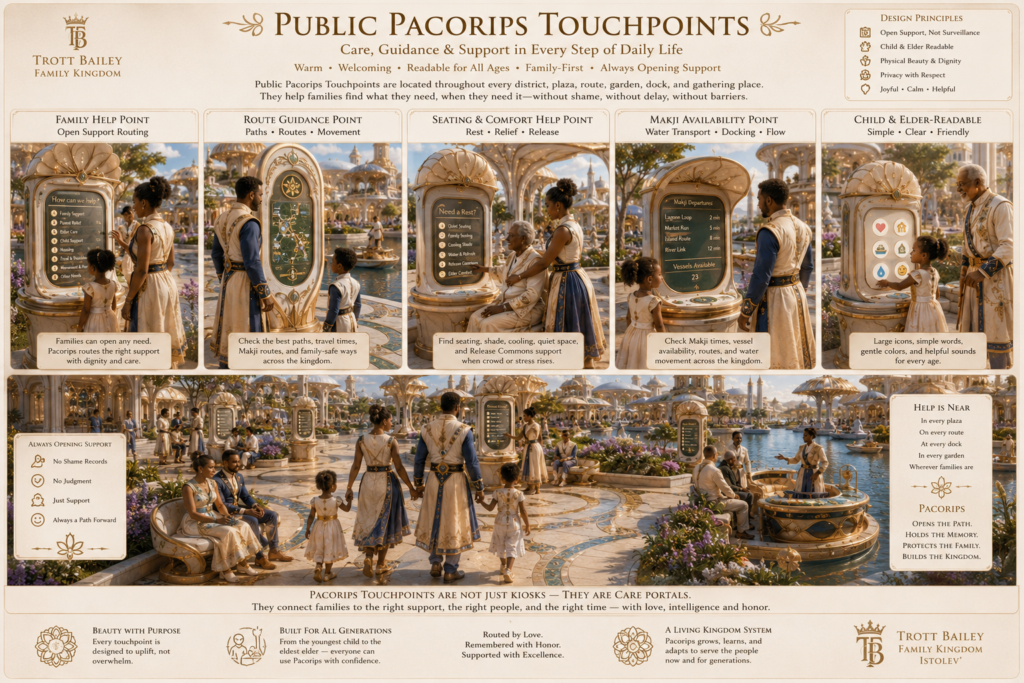
Pacorips is not meant to be cold surveillance. It is care intelligence. It helps the kingdom remember what families need, what youth are showing, where food demand is rising, where public routes are stressed, where Baby World capacity is filling, where helpers are needed, where Service Shadow should respond, and where maintenance is overdue.
A baby-heavy zone needs more wipes, shade, towels, water, and helper presence before parents are stressed. A food route needs restocking before families hit scarcity. A youth repeatedly drawn to invention needs deeper exposure before boredom turns wasteful. A mother showing signs of overload needs relief before collapse.
Pacorips relief means the kingdom does not forget people until they become loud enough to be seen. It remembers. It notices. It routes help.
Relief Is Not Weakness
Some old-world thinking treats relief as softness, laziness, indulgence, or weakness. Sherika rejects that.
Relief is not the opposite of strength. Relief protects strength.
Relief does not remove responsibility. It removes unnecessary strain.
The Sherika Relief Standard
The Sherika relief standard can be stated clearly:
If a mother is drowning, do not only praise her strength. If a father is crushed, do not only demand more. If a child is bored, do not only blame the child. If a youth is drifting, do not only scold the youth. If a worker is invisible, do not only enjoy the result. If public life is exhausting, do not only build more attractions.
Relief must be designed. Relief must be built. Relief must be maintained. Relief must be beautiful. Relief must be intelligent. Relief must be honorable. Relief must become part of the civilization itself.
Final Reflection: Relief Is Infrastructure
Sherika Trott Bailey designs civilization from the inside out because she begins where pressure is actually felt.
In the body. In the house. In the kitchen. In the baby’s crawl. In the mother’s interrupted rest. In the father’s burden. In the worker’s hidden labor. In the child’s boredom. In the youth’s drift. In the family’s food stress. In the public outing that costs too much and drains too much.
She looks at these things and refuses to call them too small.
Because life is lived in details.
If the details are careless, people feel the carelessness every day. If the details are intelligent, people feel supported without needing to beg.
That is why relief is not a luxury.
Relief is infrastructure.
World Ruler Sher is building a civilization where the house helps, the food system helps, the clothing helps, the public space helps, the youth path helps, the baby world helps, the worker system helps, the beauty helps, and the kingdom itself remembers that human beings were not created to spend their whole lives fighting badly designed systems.
They were created for Life upon Life.