
Refugee Living Should Be Glamorous, Purposeful, and Liberating.
Refugee Living Should Be Glamorous, Purposeful, and Liberating
Part 1: Why old-world refugee systems fail, and why Trott Bailey civilization begins from a different vision.
Refugee living should not be designed around pity.
It should not be designed around tents, waiting rooms, paperwork, hunger, boredom, humiliation, overcrowding, dependency, and silent human waste. It should not treat displaced families as a burden to be stored somewhere until another government, charity, or old institution decides what to do with them.
That is an old-world failure.
And it is a failure because the old world often lacks vision even for its own people, much less for additional refugees.
Many countries already do not know what to do with the children born inside their borders. They do not know how to use the intelligence of their young people, the strength of their fathers, the care of their mothers, the wisdom of their elders, the imagination of their artists, or the practical ability of their builders, cooks, farmers, caregivers, inventors, drivers, mechanics, teachers, and technicians.
Their own citizens are left underemployed, bored, trapped, misdirected, undertrained, underused, and spiritually exhausted. So when refugees arrive, the system does not suddenly become visionary. It simply extends the same confusion to more people.
That is why refugees are so often treated as a burden. Not because they are inherently burdensome, but because the receiving systems are already weak in imagination. They do not have enough meaningful roles, enough beautiful public work, enough family infrastructure, enough invention culture, enough food sovereignty, enough land vision, enough child-centered systems, enough artistic purpose, or enough civilizational ambition to absorb human talent properly.
A society without a purpose will always struggle to receive more people.
A society that already does not know what to do with its own population will naturally panic when more families arrive needing safety, food, direction, housing, movement, training, dignity, and hope.
The Trott Bailey Family Kingdom begins from the opposite condition.
Trott Bailey civilization has more than enough to do.
It is not a finished country trying to squeeze people into leftover jobs. It is a growing civilization whose very purpose is to build, invent, refine, expand, cultivate, beautify, protect, teach, feed, design, heal, raise children, steward land, organize movement, create public joy, and develop new territories into living systems.
In Trott Bailey civilization, building out civilization itself is the purpose.
Inventing is the purpose.
Expanding into new territories is the purpose.
Raising the standard of family life is the purpose.
Designing better food systems, waste systems, energy systems, transport systems, clothing systems, housing systems, baby systems, public-life systems, animal systems, agricultural systems, digital systems, and cultural systems is the purpose.
That means human talent is not an inconvenience.
Human talent is fuel.
The kingdom does not look at displaced families and ask, “Where can we hide them?”
It asks, “What do they carry?”
It asks, “What have they survived?”
It asks, “What can they build?”
It asks, “What kind of family life do they need to recover?”
It asks, “Which district, role, garden, workshop, Sabennery, Baby World, Makji route, orchard, invention house, public-life system, or cultural space might awaken their usefulness?”
The old world sees overflow.
Trott Bailey sees expansion capacity.
Refugees Are Not Human Leftovers
Displaced people are not leftovers from broken nations.
Many of them are talented, skilled, inventive, faithful, disciplined, family-centered, and full of potential. They are builders, teachers, cooks, artists, parents, engineers, farmers, musicians, caregivers, designers, protectors, organizers, technicians, storytellers, language carriers, and future contributors.
Some carry food knowledge.
Some carry farming knowledge.
Some carry repair knowledge.
Some know how to stretch resources.
Some know how to protect children under pressure.
Some know how to build community without much money.
Some know how to cook from scarcity and still create flavor.
Some know how to care for babies, elders, animals, gardens, clothes, homes, and neighborhoods.
Some know songs, stories, crafts, rituals, languages, and humor that the world has not properly valued.
Some are young and undeveloped, but brilliant.
Some are older and overlooked, but full of memory.
Some are mothers whose leadership has never been formally recognized.
Some are fathers who have carried families through danger, uncertainty, poverty, and movement.
Some are children who only need the right environment to become inventors, designers, farmers, doctors, artists, rulers, software builders, architects, musicians, engineers, or world-builders.
The old world often wastes these people by trapping them in survival mode.
Trott Bailey civilization should not.
The Trott Bailey Family Kingdom must begin from a higher principle: displaced people should not be reduced to their displacement. Their crisis is not their full identity. Their paperwork is not their worth. Their need for help does not erase their talent.
A refugee family may arrive tired, but they may not be empty.
A refugee child may arrive confused, but they may not be broken.
A refugee mother may arrive needing rest, but she may also carry wisdom.
A refugee father may arrive needing stability, but he may also carry strength, skill, and future leadership.
The kingdom must be intelligent enough to see this.
Refugee Living Should Be Glamorous
Refugee living should be glamorous.
That may sound shocking only because the old world has taught people to associate displacement with ugliness.
But why should a family that has suffered be placed into uglier conditions?
Why should a child who has already been uprooted be surrounded by dullness?
Why should a mother who has carried fear be received into harsh lighting, plastic chairs, long lines, weak meals, and temporary rooms?
Why should a father who has struggled to protect his family be made to feel powerless, dependent, and visually reduced?
Glamour, in this context, is not vanity.
It is restoration.
It is the opposite of humiliation.
It is beauty used as medicine against the insult of displacement.
A refugee arrival system should not communicate, “You are lucky to be tolerated here.”
It should communicate, “You are still worthy of beauty.”
The arrival path should be clean, welcoming, shaded, and full of life. Families should see gardens, water, food, seating, helpful signs, calm helpers, child-safe paths, beautiful structures, and clothing systems that restore dignity quickly. There should be warmth in the food, softness in the seating, order in the movement, intelligence in the registration, and delight for the children.
Sherika District, as the intake district of the Trott Bailey Family Kingdom, must not feel like an immigration office, camp, or bureaucratic holding zone.
It must feel like an arrival civilization.
Imagine entering through Sherika Gate and not being swallowed by suspicion, metal barriers, and exhausted lines, but guided through Arrival Hospitality Gardens. Imagine wide pavilions built not merely to process bodies, but to receive families. Imagine helpers who understand that arrival is emotional. Imagine children finding food, play, wash points, and soft places to sit. Imagine mothers being offered clothing, hygiene goods, rest, and orientation without shame. Imagine fathers being approached not as threats or burdens, but as family anchors whose skills are worth discovering.
Who would not want to arrive like that?
Who would refuse that kind of welcome?
Isn’t this miles apart from what now exists?
The old world often gives refugees a survival corridor.
Trott Bailey should give them a dignity corridor.
Purpose Must Begin Immediately
One of the greatest cruelties of old refugee systems is forced idleness.
People wait for papers.
They wait for interviews.
They wait for housing.
They wait for permission.
They wait for food assistance.
They wait for a phone call.
They wait for transportation.
They wait for someone else to decide when their life may begin again.
Waiting becomes a second displacement.
A person may have escaped danger, but they are still trapped in suspension. Their body has moved, but their purpose has not been restored.
Trott Bailey civilization should reject this.
Purpose should begin immediately.
Not forced labor.
Not exploitation.
Not low-status charity tasks.
Not making refugees “earn” basic dignity.
Purpose.
A newly arrived family can begin with orientation gardens, food tasting, family wellness checks, language support, skill discovery, district tours, cultural welcome, clothing restoration, child play integration, and contribution mapping.
What does the mother know?
What does the father enjoy?
What has the grandmother preserved?
What languages do the children speak?
What foods does the family miss?
What work have they done before?
What work would they love to learn?
What tools feel familiar?
What kind of environment makes them calm?
What district might suit their talents?
Purpose does not have to wait for perfect paperwork. Human recognition can begin immediately.
The first days can already tell a family: you are not being stored here. You are being understood.


Refugee Living Should Be Glamorous, Purposeful, and Liberating
Part 2: The performance of compassion, endless kingdom roles, and why Shubaka is not old-world work.
The Performance of Compassion
There is also a hypocrisy that must be called out directly.
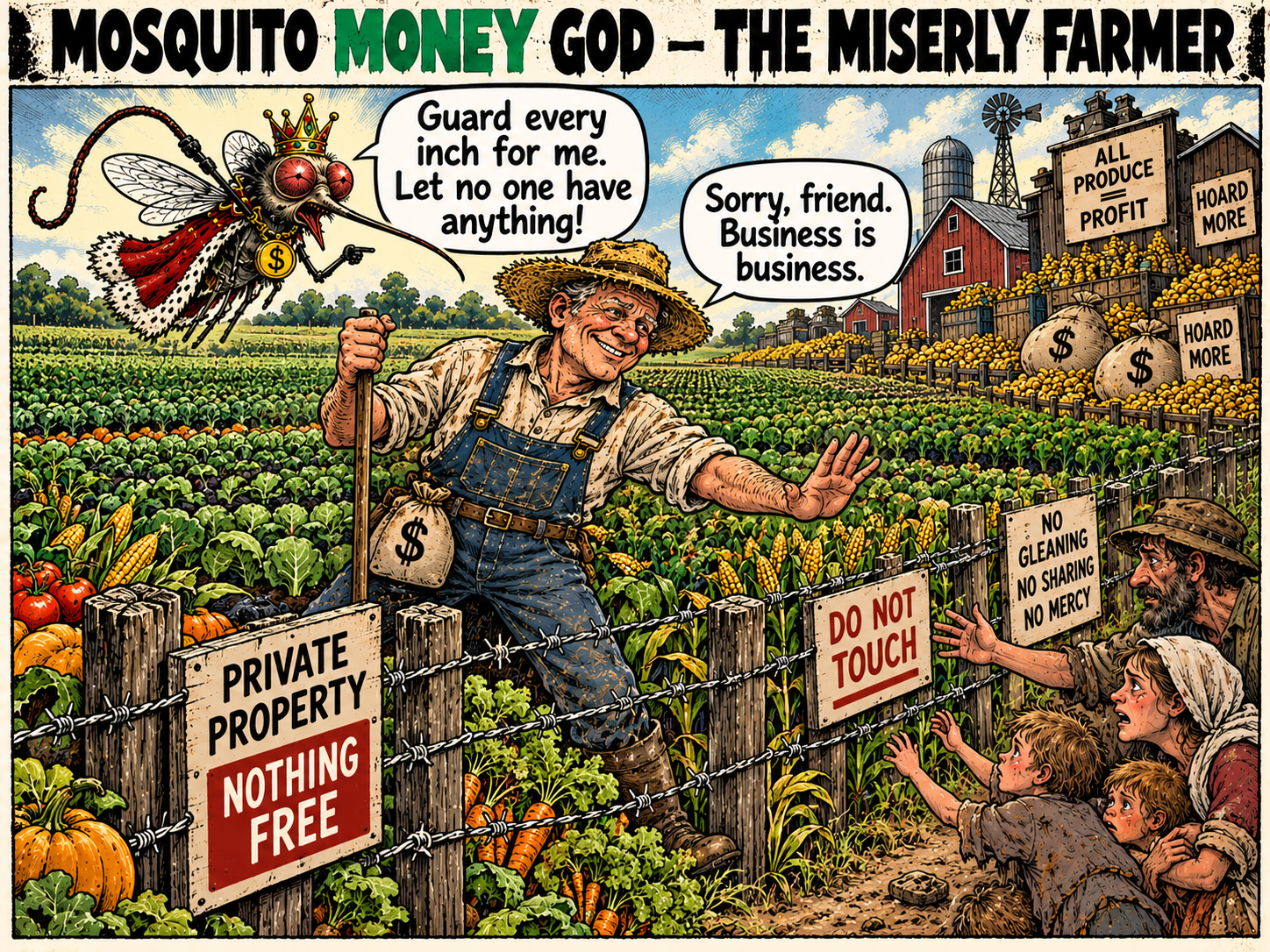
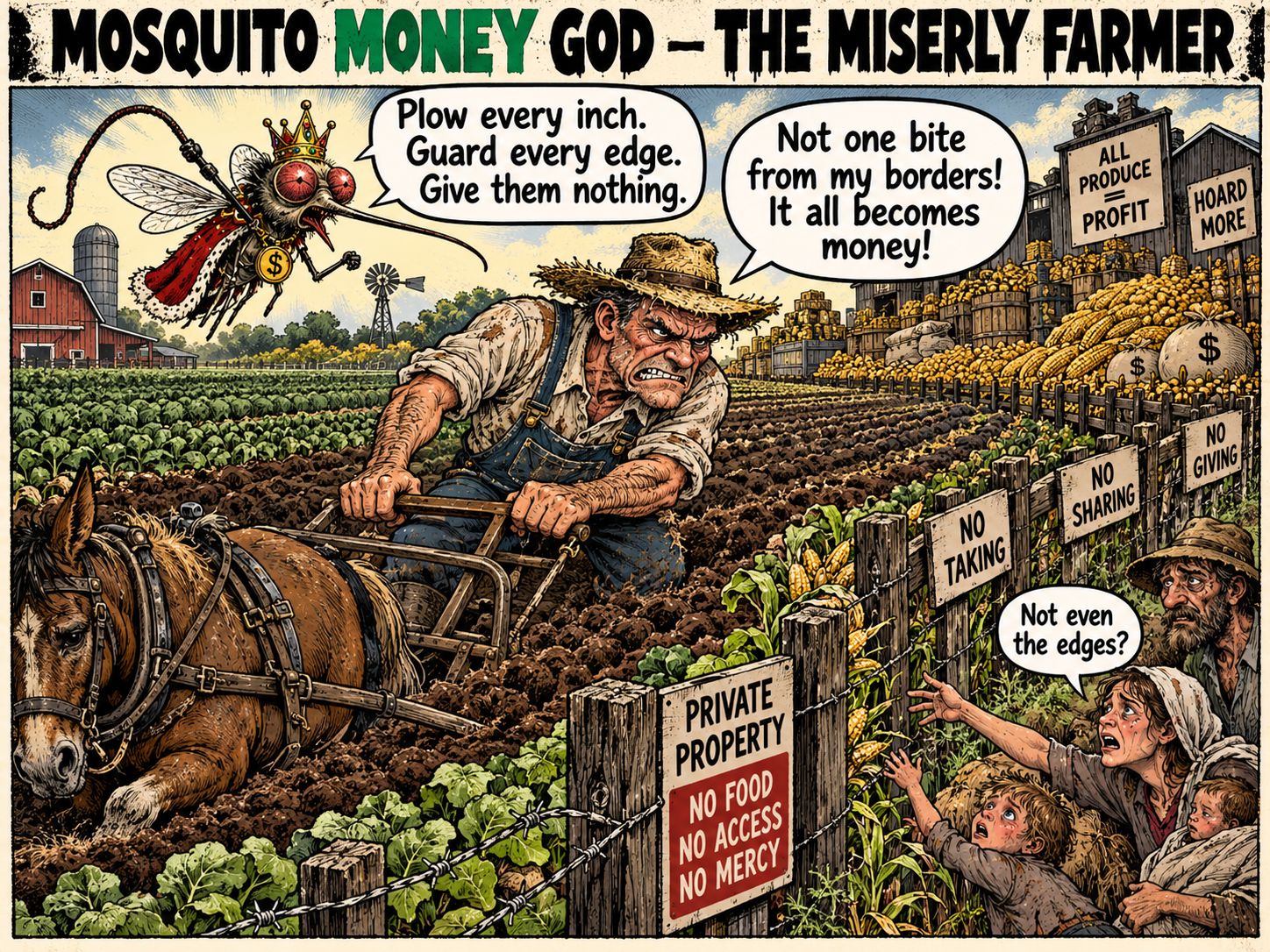
Many refugee organizations present themselves to the public as desperate, underfunded, and constantly in need of donations. They show suffering families. They ask ordinary people to give five dollars, ten dollars, whatever they can. They appeal to the conscience of mothers, fathers, churches, workers, students, and struggling families who may not have much themselves.
But at the same time, some humanitarian systems are connected to expensive advertising campaigns, polished media departments, international conferences, celebrity partnerships, major sponsorships, glossy branding, and institutional lifestyles that look nothing like the scarcity they present to the public.
That contradiction matters.
Because if there is enough money for global visibility, prestige partnerships, major advertising, executive infrastructure, and brand expansion, then the public has a right to ask why the help on the ground so often feels surface-level, temporary, weak, and short-lived.
Why do families still experience refugee support as a small bag of food, a short appointment, a temporary shelter, a little paperwork help, a few photos, and then abandonment back into uncertainty?
Why is the branding long-term, but the help short-term?
Why is the public campaign glamorous, but the refugee’s actual life remains ugly?
Why is there money to make the organization visible, but not enough vision to make the refugee’s life beautiful, stable, purposeful, and powerful?
This is not compassion at civilization scale.
It is the performance of compassion.
The old-world humanitarian model often turns suffering into a fundraising image while failing to build a world where the suffering person can rise. It can be very skilled at showing refugees to the public, but far less skilled at creating deep, beautiful, permanent systems for refugees to live, work, recover, travel, contribute, and belong.
The problem is not only that refugees are underfunded.
The problem is that the systems around them often lack imagination.
They know how to ask for donations.
They know how to run campaigns.
They know how to produce sympathy.
But they do not know how to design a glamorous, purposeful, liberating life for displaced families.
Trott Bailey civilization must reject that model completely.
It cannot treat refugees as fundraising material.
It cannot use their suffering as emotional marketing.
It cannot give them a temporary surface-level touch and call that help.
A refugee family does not need to be photographed as proof that someone cared.
They need a civilization strong enough to receive them.
A Civilization With Endless Things to Do
The old world fears refugees because it lacks vision for people.
Trott Bailey does not fear people because Trott Bailey has work worthy of people.
Not miserable work.
Not dead-end work.
Not meaningless work.
Not “jobs” in the narrow old-world sense.
Shubaka.
Kingdom contribution.
Work woven into beauty, family life, land stewardship, food abundance, child delight, invention, public joy, animal dignity, cultural growth, technology, architecture, and expansion.
This is one of the deepest differences between a weak society and a growing civilization.
A weak society asks, “Where will we put these people?”
A growing civilization asks, “Which part of the civilization are they meant to help grow?”
Trott Bailey Family Kingdom has more than enough to do because every part of life is taken seriously.
There are homes to build, but not dead boxes. There are family compounds, bath houses, kitchens, sleeping quarters, shaded corridors, courtyards, orchards, children’s gardens, elder paths, washing points, food areas, and beautiful thresholds.
There are landscapes to cultivate, but not decorative parks. There are edible meanderways, orchard rings, fruit-route gardens, child-height planting, citrus rooms, sculpted fruit hedge systems, sand pockets, stroller-safe paths, water-vein channels, standpipe wash areas, and family rest courts.
There are food systems to operate, but not fast food chains. There are Sabenneries, porridge houses, tasting pavilions, warm food centers, fruit abundance tables, family buffet spaces, baby food systems, roasted food routes, banana-leaf wrap stations, washable vessel returns, and Sabennery picnic gardens.
There are transport systems to coordinate, but not chaotic traffic. There are Makji lagoon systems, decorated trams, family carts, donkey carts, baby tour vehicles, route guides, scenic movement corridors, service curbs, water transport, arrival rings, and public-life distribution networks.
There are children to delight, but not through generic playgrounds. There are Baby Worlds, AgriGames, Pamber & Pipper learning courts, Qutee Flyers, Jubo reward systems, edible wonder rings, child invention routes, story streets, talking fish art sets, animal-bag rewards, and district-specific play systems.
There is technology to develop, but not cold technology for its own sake. There is Pacorips coordination, Big King Media, Solar Moon Panel skins, high-capacity food processing intelligence, Service Shadow routing, Cuddles Village intake systems, district data verification, family ID systems, transport dispatch, energy aggregation, and invention reward systems.
There is fashion to create, but not ordinary clothing. There are Shubaka uniforms, role-specific garments, family matching systems, Spiral Route collars, Shell Flare necklines, Route Tails, fabric nodes, baby-safe textiles, food-safe uniforms, water-safe clothing, field-safe clothing, Service Shadow attire, and civilization-level garment care.
There is public life to host, but not entertainment chaos. There is Balushu: Release Commons, Staggered Bloom Viewing systems, Presence Boulevards, sea promenades, animal engagement meadows, Sabenneries, festival Jubos, public learning routes, music, performances, night-glow landscapes, family rest zones, and food paths.
There is waste to transform, but not garbage as ugliness. There are Krubaro systems, compost loops, biodigesters, mulchers, ash extraction systems, return walls, washable vessel stations, mosquito-prevention routes, child education loops, and soil-building infrastructure.
There are animals to steward, but not as cramped attractions. There are spacious animal realms, calm overlooks, orchard-meadow transitions, water systems, shade zones, refuge areas, feeding routes, veterinary support, and respectful family viewing systems where animals come close by comfort, not confinement.
There are arts to expand, but not as side decoration. There is Keilah District, music, storytelling, public art, child invention, cultural translation, festival design, performance, craft, writing, media, fashion boards, sign systems, learning games, and world-making.
This is not a society struggling to invent tasks.
This is a civilization overflowing with purpose.
Who would not want to live inside a world where there are so many meaningful things to do?
Who would not want their talent to matter like that?
Who would not want their children to grow up seeing adults contribute to beauty instead of disappearing into dead work?
Shubaka Is Not Old-World Work
The word “work” carries too much old-world pain.
For many people, work means exhaustion, boredom, low pay, hierarchy, disrespect, repetition, family separation, ugly environments, and the feeling that life is being spent rather than grown.
Trott Bailey Shubaka must mean something different.
Shubaka is kingdom contribution inside a beautiful living system.
It should be useful, but also enjoyable.
It should be structured, but not oppressive.
It should require excellence, but not exploitation.
It should involve responsibility, but also rhythm, rest, food, family presence, and dignity.
It should use talent, not crush it.
It should develop people, not merely consume them.
The joy of Shubaka comes from the fact that the work is visibly connected to something meaningful.
The person serving food in a Sabennery is not just “working food service.” They are helping families eat well, move comfortably through public life, enjoy gardens, reduce stress, return vessels cleanly, and experience abundance without money pressure.
The person maintaining a Krubaro system is not just “handling trash.” They are protecting beauty, reducing mosquitoes, converting waste into soil, teaching children loops of responsibility, and keeping the kingdom clean.
The person guiding a family through Sherika District is not just “doing intake.” They are helping displaced people enter dignity, recover orientation, find food, receive identification, reach Cuddles Villages, and begin the path toward belonging.
The person working in Baby World is not just “babysitting.” They are participating in early-life civilization design. They are helping babies encounter food, water, gardens, safety, play, rest, language, music, and delight as their first experience of the world.
The person working in Keslev is not just “farming.” They are protecting food sovereignty. They are helping make sure the entire kingdom eats.
The person working in Kultan is not just “doing maintenance.” They are keeping water movement, Makji service, provisioning, lagoon travel, and family mobility alive.
The person working in Balushu is not just “event staff.” They are helping public joy happen without chaos.
That is enjoyable work because it is not empty.
It has visible meaning.
Refugee Living Should Be Glamorous, Purposeful, and Liberating
Part 3: Shared contribution, ruling-family Shubaka, liberating travel, and the final principle.
The Role Variety Is Civilization-Scale
Trott Bailey has an entire ecology of roles.
Sherika District alone creates meaningful Shubaka for arrival hosts, family guides, language helpers, intake stewards, Cuddles Village coordinators, child welcome workers, rainy-day arrival assistants, family unity passport helpers, orientation garden guides, food route hosts, transport dispatchers, cultural translators, talent-mapping interviewers, district-placement advisors, elder companions, baby-care arrival helpers, and Pacorips intake coordinators.
Keslev District creates roles for orchard keepers, grain-house stewards, seed verifiers, field route guides, harvest balcony attendants, child tasting helpers, irrigation monitors, aquaponics workers, food safety verifiers, drying-house operators, optical sorting supervisors, grain-lift tower technicians, processing hall coordinators, quality lab assistants, dispatch court workers, Sabennery supply planners, fruit route harvesters, porridge specialists, bean workers, rice workers, wheat workers, baby food preparers, tasting pavilion hosts, herbal garden keepers, spice garden stewards, and food-return system workers.
Kezidek creates roles for Baby World stewards, parent-relief helpers, nursing garden attendants, child wash point helpers, edible wonder ring guides, baby-safe plant verifiers, toddler food introduction helpers, stroller dock attendants, infant rest environment stewards, child delight designers, family calm-room helpers, early language play guides, baby-safe textile workers, baby tour vehicle operators, and Baby World landscape attendants.
Balushu creates roles for Release Commons coordinators, stage support teams, Staggered Bloom Viewing guides, family seating hosts, night-light stewards, Presence Boulevard hosts, public learning anchors, Jubo refill teams, Sabennery picnic garden attendants, child sand-pocket helpers, sea promenade cleaners, food route coordinators, animal meadow guides, calm overlook stewards, crowd decompression guides, lost-child helpers, elder seating attendants, stroller-lane protectors, family rest court stewards, and Service Shadow crews.
Kultan creates roles for Makji operators, service curb technicians, water channel cleaners, greywater flow monitors, dry waste ash extraction workers, thermal exchange assistants, compressed air system workers, lagoon route guides, dock rest grove hosts, bridge stewards, water-edge food providers, sea promenade helpers, family disembarkation guides, provisioning teams, whale node attendants, stingray column maintenance teams, aquatic safety verifiers, and water transport dispatchers.
Big King District creates roles for software inventors, database architects, media system builders, Pacorips route coordinators, district data analysts, family intake system designers, transport dispatch programmers, food-flow intelligence developers, energy aggregation monitors, benchmark testers, AI alt-text reviewers, media indexers, frontend upload system workers, Photofall curators, child-safe interface designers, automation verifiers, system security workers, and device repair teams.
Keilah District creates roles for artists, musicians, storytellers, AgriGames designers, toy inventors, Jubo character makers, child reward designers, public riddle writers, Pamber & Pipper script writers, festival costume designers, cultural translators, craft teachers, performance workers, sound designers, drawing teachers, children’s book makers, mural workers, ornament makers, public sign designers, language game makers, and invention workshop guides.
The fashion system creates roles for textile weavers, garment cutters, fitting specialists, Shubaka role-wear designers, washable uniform developers, baby-safe material testers, food-safe clothing verifiers, footwear makers, route-tail engineers, neckline developers, collar sculptors, fabric node workers, dye specialists, repair teams, laundry care stewards, garment refresh workers, presentation board makers, hair and adornment designers, and district style coordinators.
The architecture and landscape systems create roles for compound builders, courtyard designers, bath-house builders, kitchen pavilion makers, threshold carvers, railing makers, column sculptors, roof installers, Solar Moon Panel skin workers, floor inlay specialists, mineral paving teams, orchard path builders, standpipe designers, water-rill makers, edible hedge sculptors, topiary fruit form makers, Blossom Lights seating builders, public bathroom pavilion workers, Family Relief Pavilion builders, furniture makers, interior textile teams, ventilation specialists, and maintenance crews.
How could a civilization like this run out of meaningful work?
How could refugees with talent, discipline, family seriousness, craft knowledge, cooking knowledge, field knowledge, child knowledge, machine knowledge, language knowledge, or artistic knowledge be considered useless?
The problem is not that people have no value.
The problem is that the old world often has no structure large enough to receive their value.
Everyone Contributes, Everyone Is Relieved
Trott Bailey Shubaka cannot become a system where one class of people works while another class enjoys.
That would only recreate the old world under a prettier surface.
The kingdom must be built on a different rhythm: everyone contributes, and everyone is relieved.
A person works their protected shift, then steps away to enjoy the kingdom. Another person fills in, completes their own protected contribution, and then they also step away to live, rest, explore, create, study, play with their children, visit Balushu, walk the orchards, eat at Sabenneries, join festivals, invent, train, travel, or pursue their own interests.
This prevents snobbery.
No one gets to float above the work of civilization as if beauty maintains itself. No one is permanently trapped beneath the work either. The people who help sustain the kingdom also get to enjoy the kingdom. The people who enjoy the kingdom also take their turn sustaining it.
That is the dignity of shared contribution.
This is one of the most important kingdom policies: contribution must be rhythmic, protected, and shared.
A person does not work endlessly.
A person does not disappear into labor.
A person does not become a servant class.
A person contributes, then enjoys.
Another contributes, then enjoys.
Everyone relieves someone else.
Everyone benefits from being relieved.
Imagine how different this is from the old world.
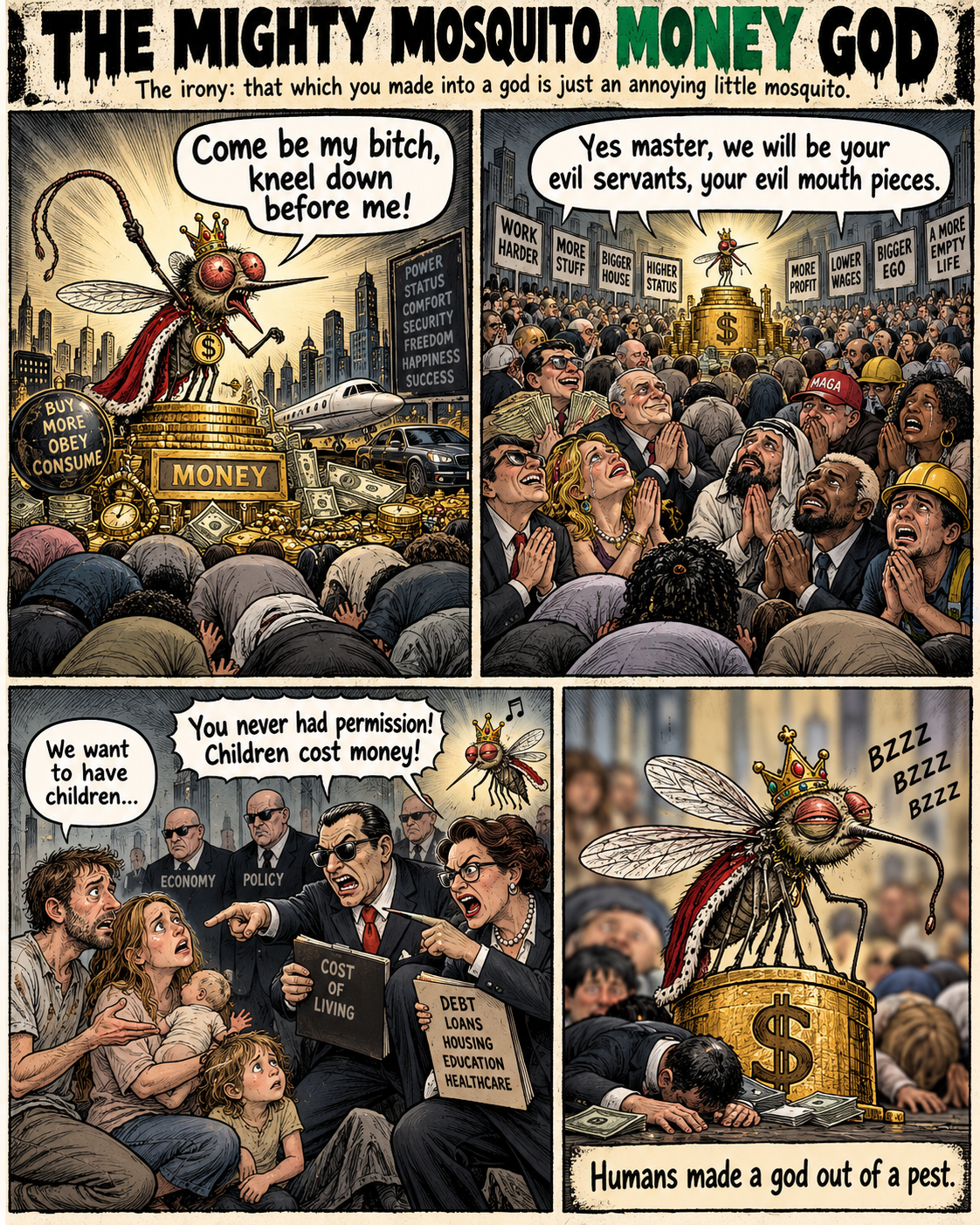
In the old world, many people work most of the week just to survive, then spend their small free time recovering from the work that drained them. Their children see them tired. Their spouses see them stressed. Their bodies ache. Their minds dull. Their creativity fades. Their work does not feel like contribution. It feels like extraction.
In Trott Bailey, the contribution rhythm should create the opposite effect.
A person works a protected shift, gives real value, then gets time back.
Time for family. Time for invention. Time for food. Time for walking. Time for gardens. Time for learning. Time for rest. Time for love. Time for music. Time for children. Time for one’s own calling.
Who would refuse a lifestyle where contribution does not steal the whole life?
Who would not want to enjoy the very civilization they helped sustain?
Husband-and-Wife Shubaka Pairing
Trott Bailey Shubaka is also family-aware.
Old-world work often fractures family life. One parent disappears into long hours. Another parent carries children alone. Couples become tired strangers. Children experience work as the thing that takes their parents away.
Trott Bailey Shubaka should not do that.
Many Shubaka roles can be organized through husband-and-wife pairs or compatible family-aware pairings. A husband and wife may serve together in a Sabennery, guide families through Sherika arrival systems, help with Baby World operations, support Balushu public-life flow, steward orchard routes, assist with Service Shadow coordination, operate a Makji route, manage a food return point, support a tasting pavilion, or help run a family rest court.
Then their shift ends, and they return together to family life.
This matters.
A kingdom that claims to be family-first cannot design work systems that separate families unnecessarily. If a husband and wife want to contribute together, the system should make room for that. If parents need child-aware timing, the system should respect that. If elders are part of the family rhythm, scheduling should understand that too.
Work should not be the enemy of family.
Shubaka should be one of the ways families grow in capability together.
A husband may learn what his wife is gifted at.
A wife may see her husband in a new kind of service.
Children may see their parents contributing with dignity.
A family may feel proud not because one member is chasing money, but because together they help sustain a living civilization.
Isn’t that a better vision of work?
Isn’t that miles apart from the old model where work consumes the best hours and leaves the family with what is left?
Technology Handles the Repetition
One reason Shubaka can be enjoyable is that Trott Bailey civilization should not force humans to perform endless repetitive tasks that technology can handle.
Repetitive, exhausting, mechanical, dirty, and high-burden tasks should be handled by machines wherever possible.
Robotics, routing software, automated cleaning systems, food-flow equipment, sorting machines, transport systems, Pacorips coordination, vessel-return systems, diagnostic systems, energy monitors, and intelligent dispatch tools should remove the most draining parts of labor.
Human beings should not spend their lives doing what intelligent systems can do better.
This does not mean humans become useless.
It means humans become more human.
People supervise. People guide. People host. People verify. People design. People comfort. People teach. People repair. People taste. People coordinate. People invent. People steward. People welcome. People beautify. People improve.
People bring judgment, humor, softness, courage, cultural memory, family feeling, and moral responsibility.
A machine can carry a bin. A person can notice that a mother is overwhelmed.
A machine can sort vessels. A person can teach a child why the vessel returns matter.
A machine can monitor a water level. A person can understand whether the water area feels safe, beautiful, and calming.
A machine can route food. A person can tell whether the food experience feels generous.
A machine can help with cleaning. A person can preserve the dignity of the public space.
This is why Shubaka can be enjoyable. The human is not reduced to repetition. The human is elevated into meaningful contribution.
Extra Work Is Chosen
Assigned contribution must be protected.
Extra contribution should be chosen.
This is another important policy.
If someone loves Baby World and wants to spend more time helping with children, they can.
If someone loves food and wants to develop Sabennery dishes, they can.
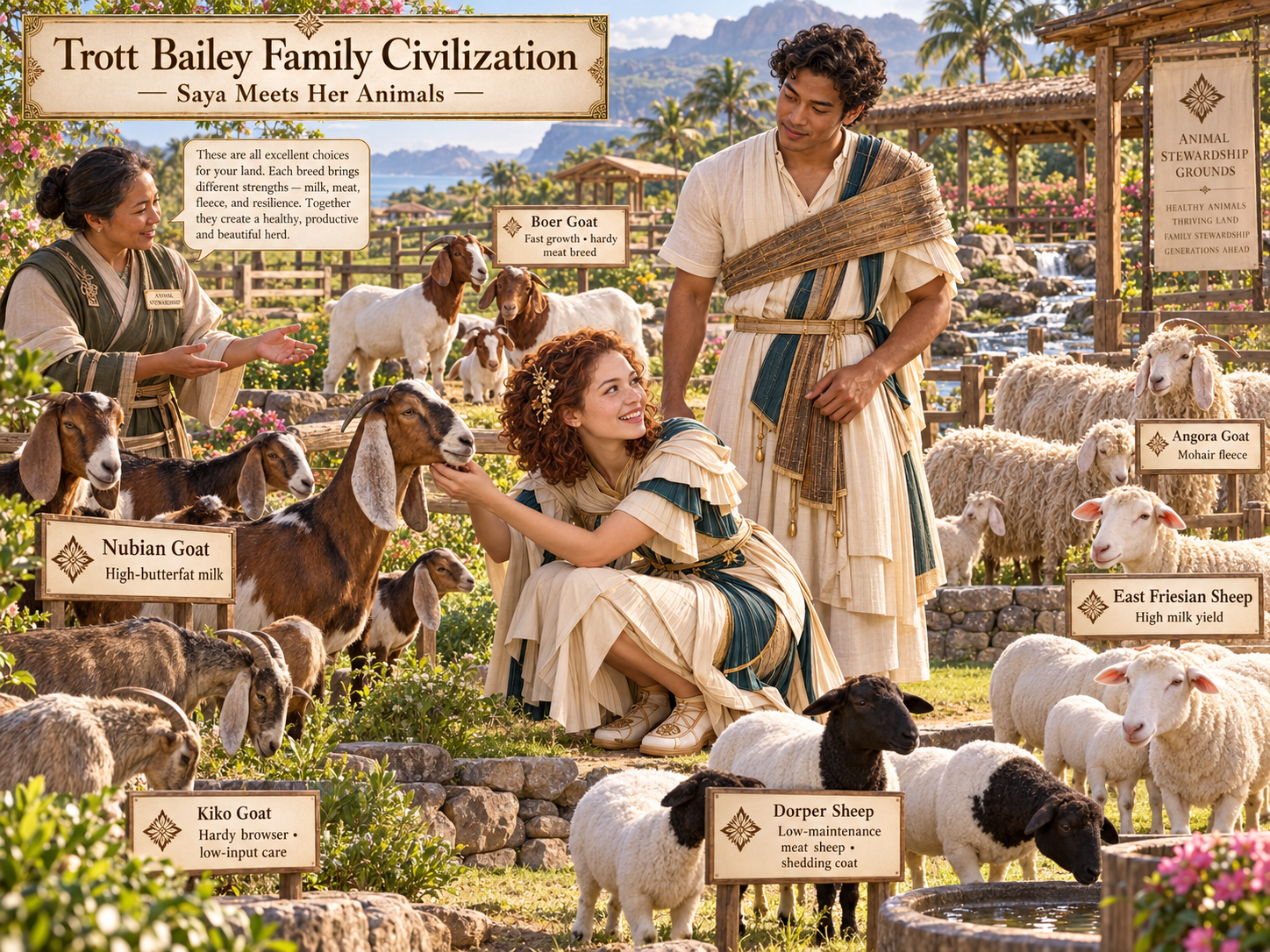
If someone loves animals and wants to join meadow stewardship more often, they can.
If someone loves invention and wants to spend free hours in Big King District, they can.
If someone loves performance and wants to help with Balushu festivals, they can.
If someone loves gardens and wants to join landscape refinement teams, they can.
If someone loves fashion and wants to build new Shubaka uniforms, they can.
If someone loves public hosting and wants to help with arrivals in Sherika, they can.
But extra work should not come through pressure, guilt, status competition, or hidden exploitation.
It should come through choice, willingness, interest, and calling.
This is how the kingdom protects freedom.
People contribute because everyone contributes.
But people expand their contribution because they love something.
That is a beautiful difference.
It allows the kingdom to benefit from passion without turning passion into coercion.
The Ruling Family Also Does Shubaka
This philosophy must be upheld from the top.
In Trott Bailey civilization, the ruling Trott Bailey Family members also do their weekly Shubaka. They are not exempt from the contribution rhythm. They do not sit above the kingdom as a decorative royal class while everyone else maintains the beauty, food, cleanliness, movement, care, and public life beneath them.
That would corrupt the whole system.
The ruling family must model the principle: everyone contributes, everyone relieves someone else, everyone honors the work that keeps the civilization alive.
World Ruler Sher, Big King Kimroy, the children of the ruling family, and the wider Trott Bailey Family should all have visible, appropriate, meaningful Shubaka rhythms. Not performative photo-op labor. Real contribution. Real weekly participation. Real involvement in the systems they expect others to respect.
This is how snobbery is prevented from entering the kingdom.
If the ruling family can serve in food systems, inspect Baby World care, join orchard stewardship, participate in public-life hosting, support arrival families, test transport systems, help with cultural events, review inventions, assist in garment systems, or take part in Service Shadow coordination, then no one else can claim necessary work is beneath them.
Their example teaches the whole civilization: no role that sustains life is low, no work that protects families is shameful, and no contribution that keeps children fed, public spaces clean, arrivals welcomed, animals cared for, clothes dignified, water systems working, and gardens beautiful is beneath anyone.
The ruling family’s Shubaka also protects power from becoming detached. They stay close to the systems. They see what works and what fails. They hear from workers, families, children, elders, refugees, and district stewards. They experience the rhythm of the kingdom directly instead of ruling from distance.
That makes their leadership more intelligent.
A ruler who never serves can become blind.
A ruling family that participates in Shubaka remains accountable to the lived reality of the civilization.
The Trott Bailey Family Loves to Shubaka
The ruling Trott Bailey Family does not treat Shubaka as a burden.
They love to Shubaka.
For them, contribution is not humiliation, performance, or symbolic obligation. It is one of the ways they stay sharp. It keeps them capable. It keeps them close to the real systems of the kingdom. It helps them understand what families experience, what workers need, what children enjoy, what systems are failing, what inventions are needed, and what improvements should come next.
A ruling family that never works inside its own civilization becomes soft, distant, decorative, and blind.
The Trott Bailey Family rejects that.
They live to Shubaka inside their own kingdom.
They may serve in food systems, arrival systems, Baby World, Balushu, Keslev, Kultan, Big King District, Keilah, Service Shadow, fashion systems, transport systems, animal systems, Krubaro systems, public hosting, invention testing, garment care, orchard stewardship, or district expansion.
Not because they have to prove something for cameras, but because direct contribution builds leadership intelligence.
When they Shubaka, they learn. They learn how long a task takes. They learn where families struggle. They learn which tools are awkward. They learn which uniforms need refinement. They learn which children’s systems create delight. They learn which cleaning flows are too slow. They learn which food routes need better rhythm. They learn which arrivals feel confusing. They learn which technologies truly help and which only look impressive. They learn how the kingdom feels from inside the work.
That is how they lead better.
Trott Bailey leadership is not meant to hover above the civilization. It is meant to stay embedded in it. The ruling family’s Shubaka is one of the ways the kingdom protects itself from detached power, lazy royalty, elite snobbery, and decorative leadership.
They contribute because contribution makes them more capable.
They serve because service gives them knowledge.
They work because the kingdom is alive, and a living kingdom must be understood through participation.
In Trott Bailey civilization, Shubaka is not beneath the ruling family.
Shubaka is one of the reasons the ruling family is worthy to lead.
Disguised Shubaka and the Refusal of Special Treatment
Trott Bailey Family Shubaka may also include the ability for ruling family members to disguise themselves, change their looks, and blend into ordinary kingdom life.
This is not deception for entertainment.
It is leadership discipline.
If everyone knows a ruling family member is present, people may behave differently. Workers may overperform. Helpers may hide problems. Families may become nervous. District stewards may give special treatment. Systems may look smoother than they really are. The ruling family may receive a false picture of the kingdom.
Disguised Shubaka protects against that.
By changing their appearance and entering Shubaka roles without obvious recognition, Trott Bailey Family members can experience the kingdom more honestly. They can see how arrivals are really treated. They can feel whether work tools are comfortable. They can notice if Service Shadow rhythms are too hard. They can observe whether parents are actually being supported. They can test whether food routes are efficient, whether child systems are joyful, whether transport is confusing, whether uniforms function properly, and whether any hidden snobbery or laziness has entered the culture.
Most importantly, they receive no special treatment.
They stand in the same flow. They use the same tools. They wear the same role systems. They follow the same shift rhythm. They experience the same handoffs. They eat with others. They rest where others rest. They listen without everyone performing for them.<





 and then