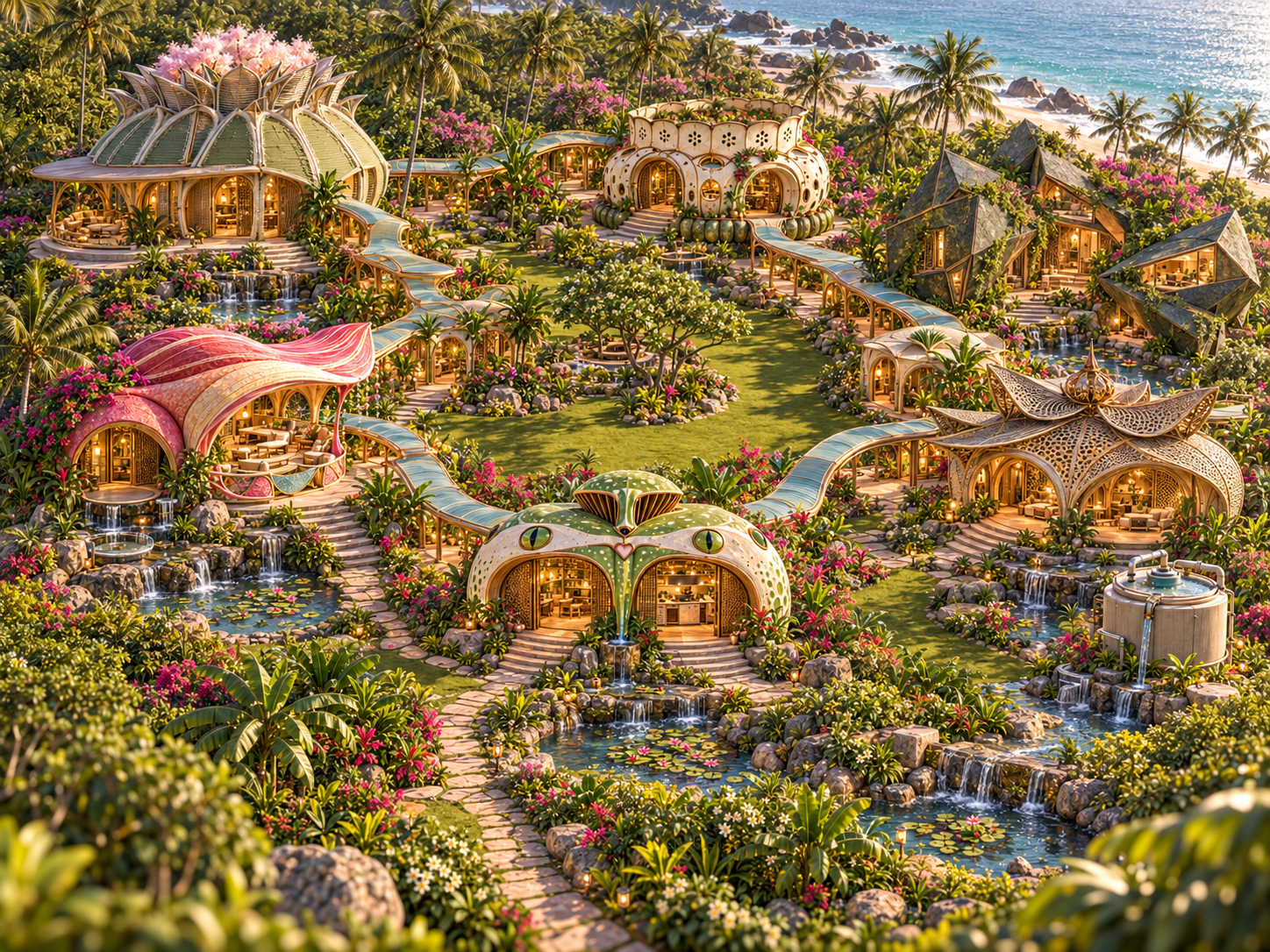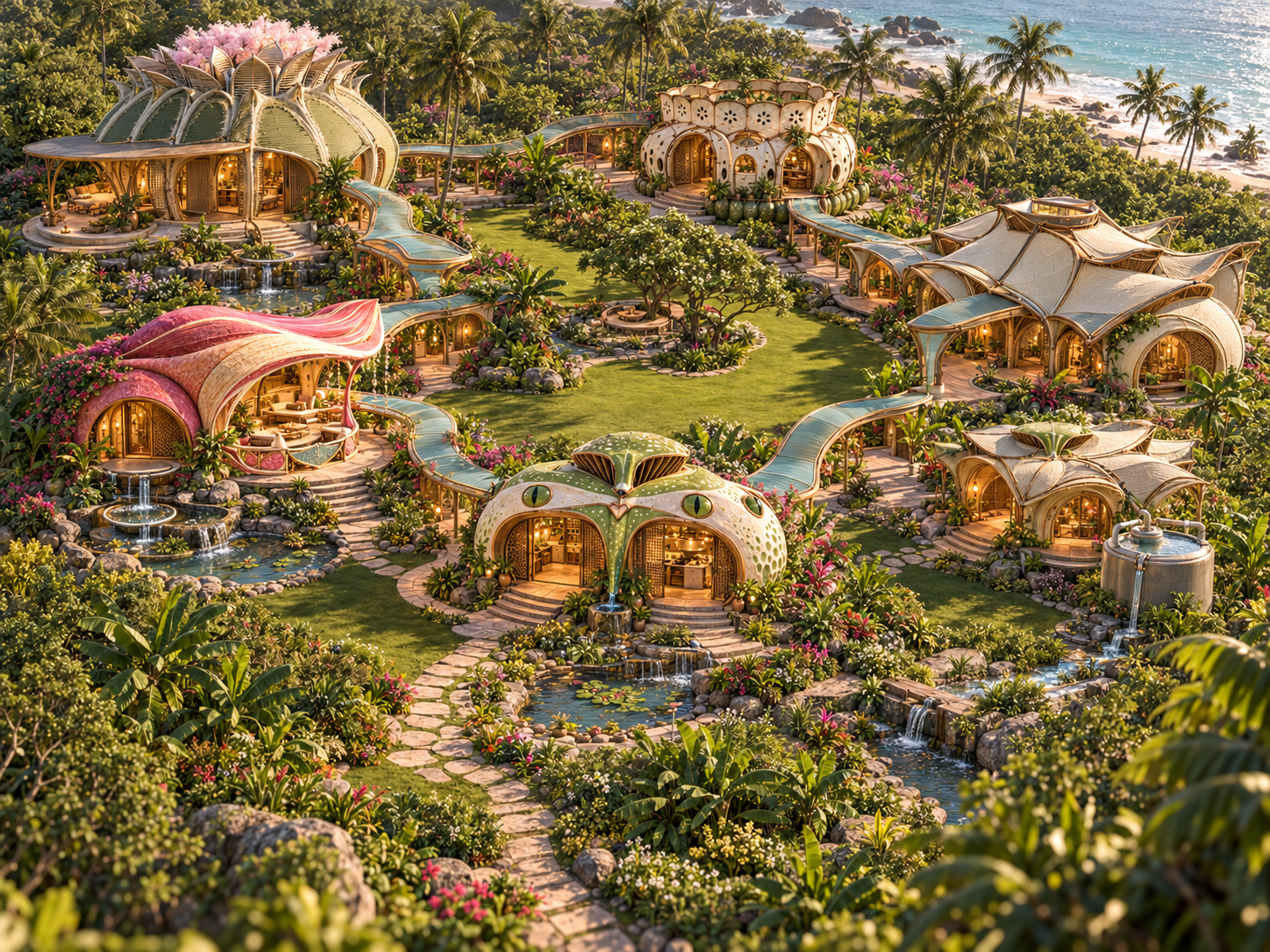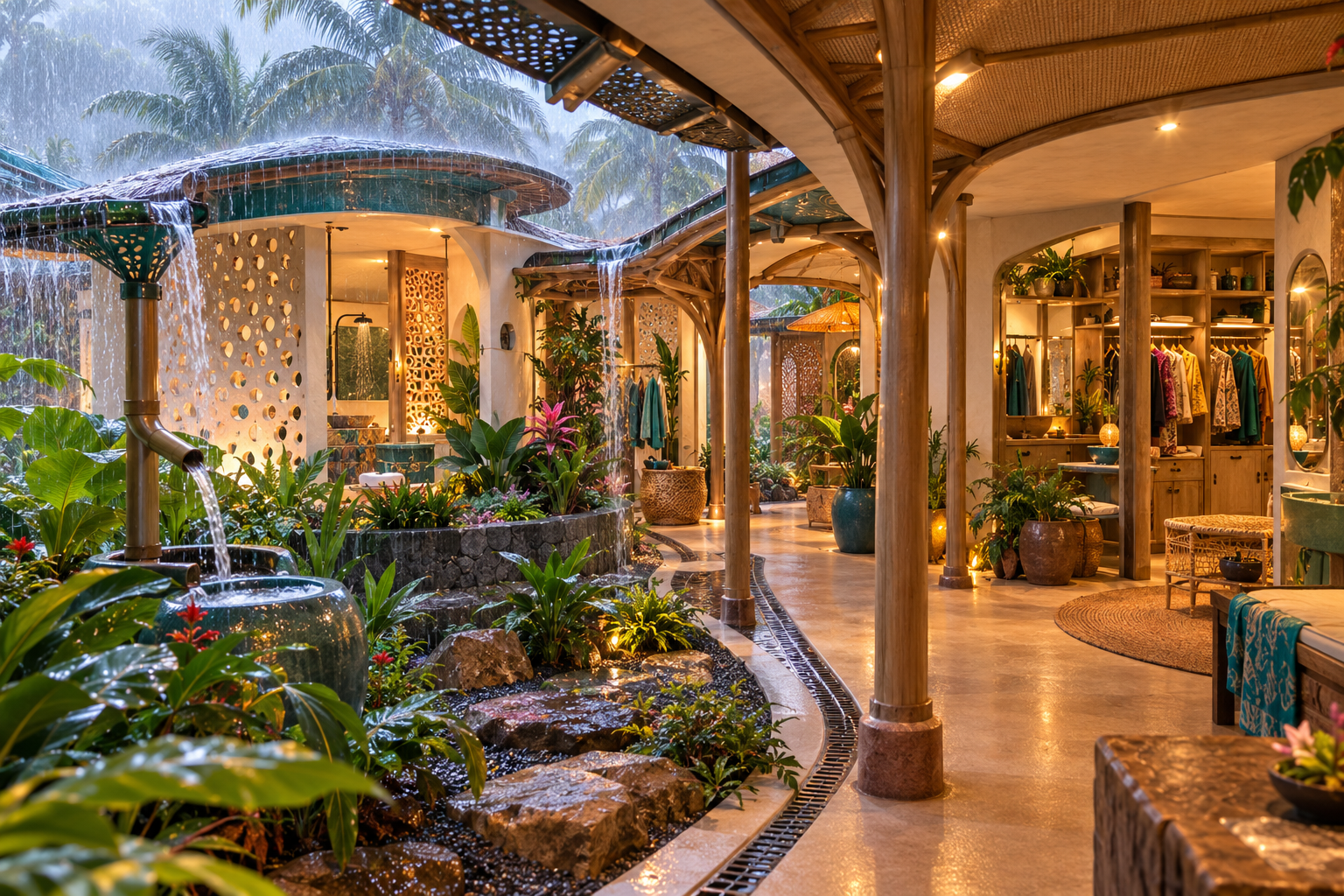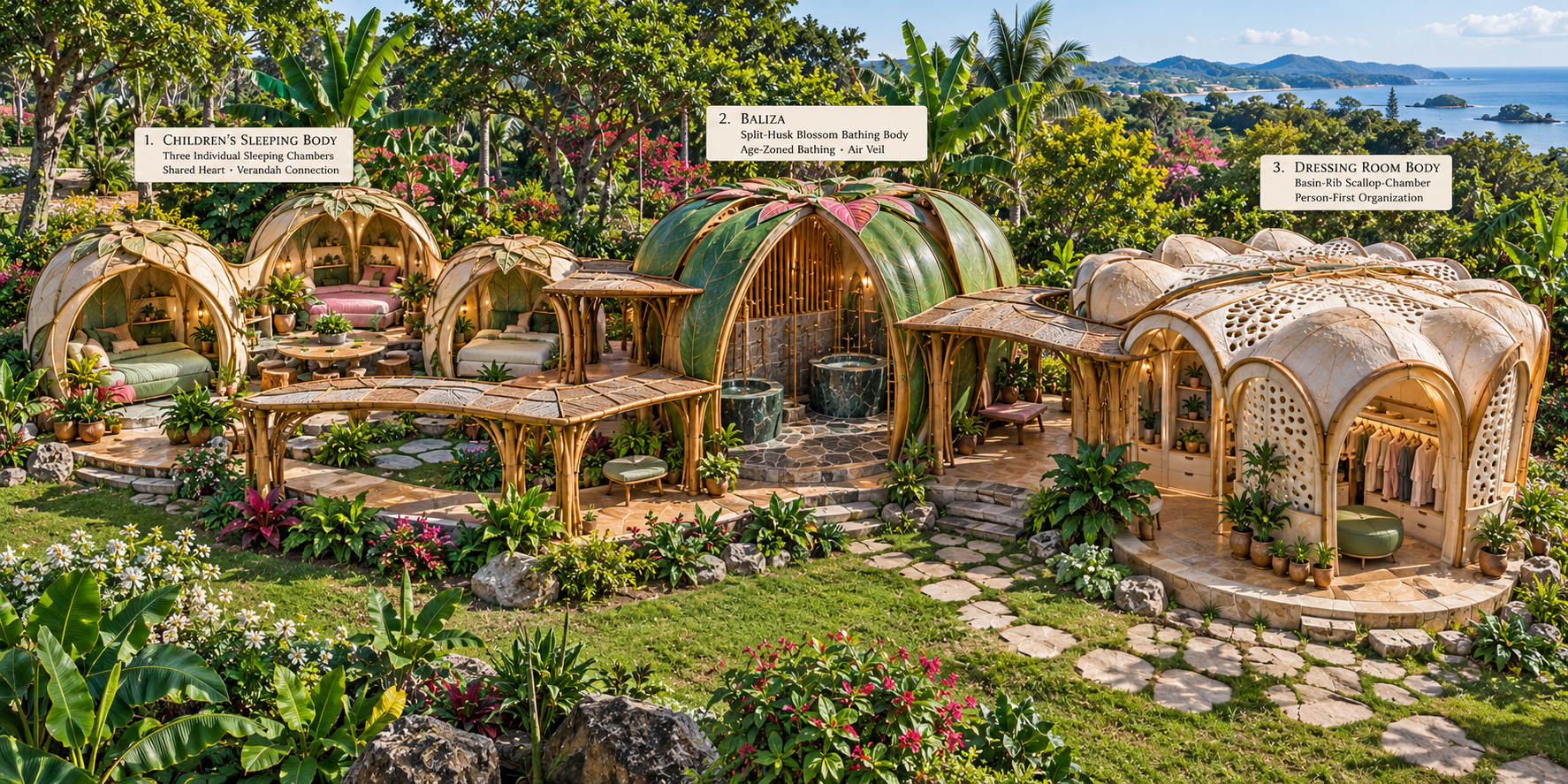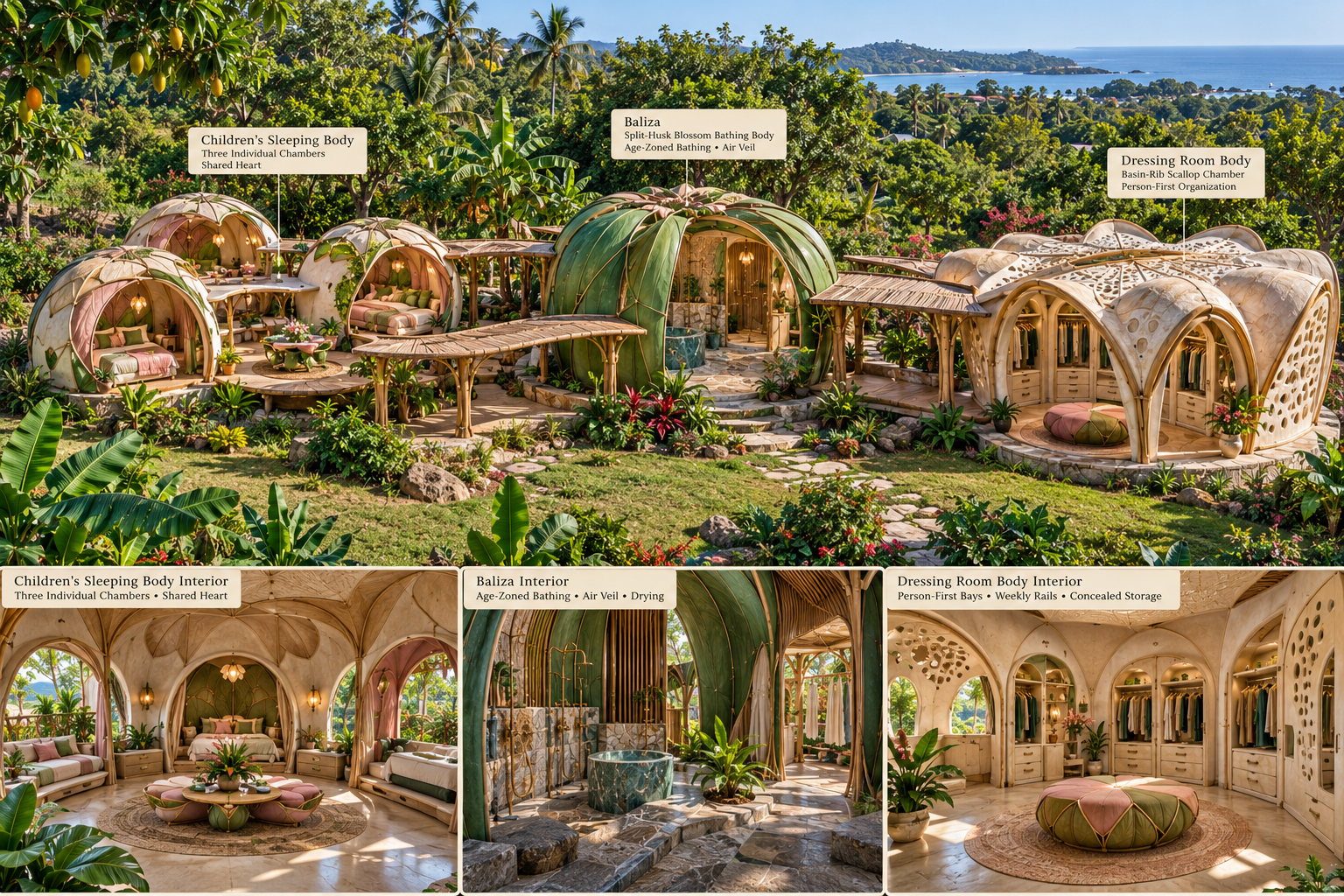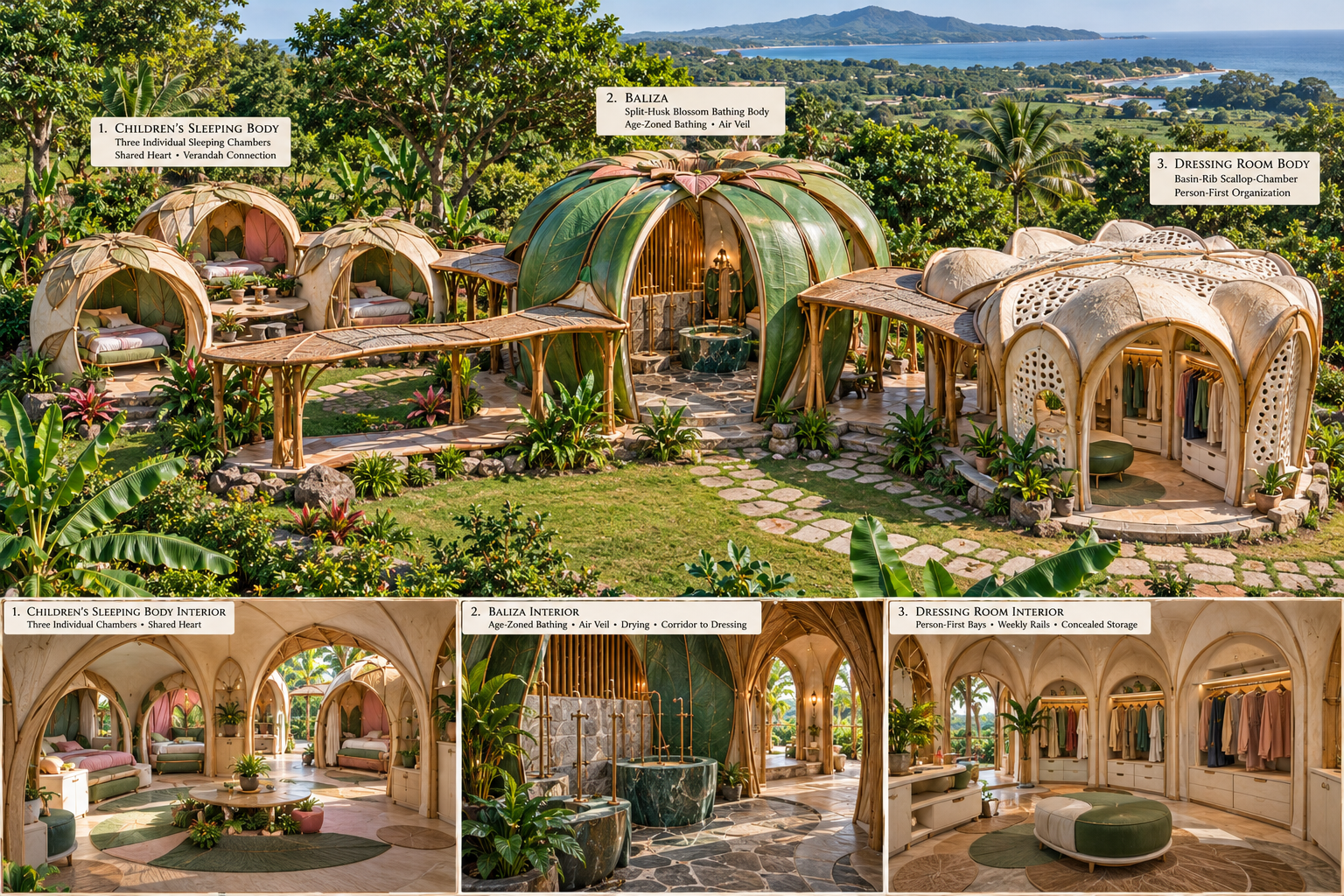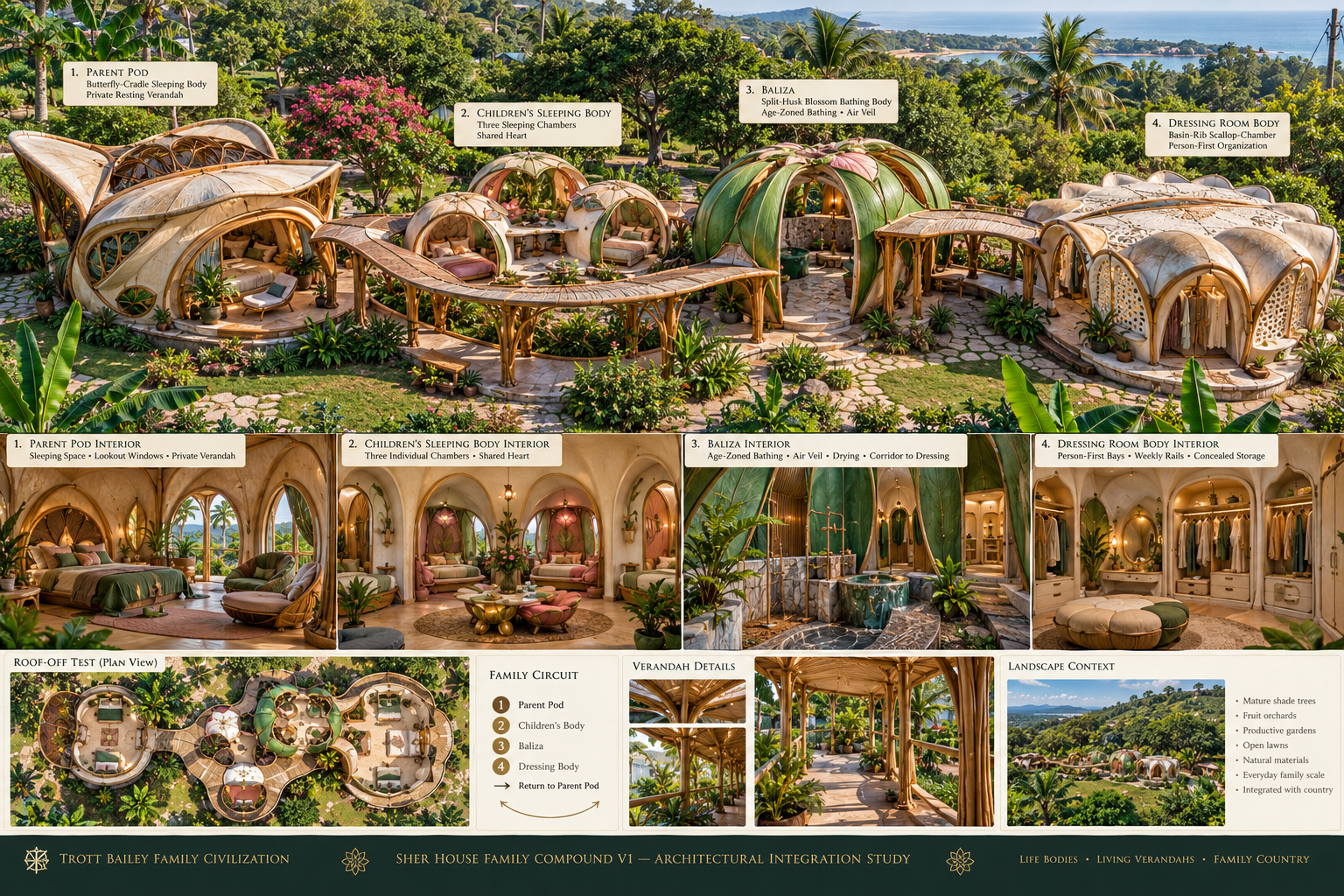
The Toolbox They Never Showed You(specifically for small villages located in colder climates)
The Toolbox They Never Showed You
The lie was not only that you needed debt. The deeper lie was that building a comfortable life was too hard for ordinary people to even attempt.
The Lie Was Difficulty
Most people are not trapped because they are lazy.
Most people are not trapped because they lack intelligence.
Most people are trapped because they were taught that ordinary life is impossibly hard to create without giant institutions standing between them and survival.
They were taught that housing requires decades of payments.
Power comes from far away.
Food comes from supply chains they do not control.
Comfort comes through bills.
Internet comes through companies.
Repair comes through specialists.
Work requires commuting.
Safety requires constant money.
Not because they are foolish.
Because they were never shown the tools.
They Taught You Dependence
They taught you how to apply.
They taught you how to qualify.
They taught you how to finance.
They taught you how to spend.
They taught you how to owe.
What they rarely taught you was how to build.
A young adult can explain interest rates but has never heard of a micro-hydro turbine.
A family can explain a mortgage but cannot explain how a greenhouse can produce food through winter.
A worker can explain a vehicle lease but has never seen a portable sawmill transform local trees into homes, workshops, furniture, and bridges.
That is not a small educational gap.
That is a civilization-level blind spot.
People are trained to enter systems designed by other people, then told this is preparation for life.
Prepared for what?
Prepared to borrow.
Prepared to commute.
Prepared to pay.
Prepared to keep systems alive that do not necessarily keep them alive in return.
What Actually Makes A Comfortable Life?
Strip away the noise for a moment.
To live comfortably, people do not need every luxury the modern world advertises.
They need the essentials handled well.
That is the foundation.
Not skyscrapers.
Not status symbols.
Not endless consumption.
Shelter. Heat. Power. Water. Food. Internet. Repair. Community. Time.
The Toolbox
This is where the picture starts to change.
Many of the tools required to create a comfortable, resilient life already exist.
They are not secret.
They are not futuristic.
They are scattered.
Small But Powerful Tools And Machines
- Micro-hydro turbines
- Solar power systems
- Battery storage systems
- Portable sawmills
- Earth block presses
- CNC routers
- Greenhouses
- Food forests
- Walk-in freezers
- Solar water heating systems
- Thermal mass heating systems
- Water filtration systems
- Mesh networks
- Starlink and satellite internet
- Small excavators
- Grain mills
- Food preservation systems
- Welding equipment
- Metal lathes
- Drill presses
- 3D printers
At first glance, these look like unrelated machines.
They are not.
Each one answers part of the comfort question.
Each one removes a burden people were taught to accept as permanent.
What Each Tool Removes
A micro-hydro turbine is not just electricity.
It removes anxiety about power when a stream is available.
Solar panels are not just technology on a roof.
They remove part of the monthly utility trap.
Battery storage is not just a box full of energy.
It removes fear when the sun sets or the weather shifts.
A portable sawmill is not just a cutting machine.
It removes the assumption that every beam, board, porch, table, and bridge must arrive from far away.
An earth block press is not just construction equipment.
It removes the blindness that keeps people from seeing building material beneath their own feet.
A greenhouse is not just food production.
It removes the helplessness of winter.
A walk-in freezer is not just cold storage.
It removes the tragedy of abundance spoiling because there was nowhere to keep it.
Starlink is not just internet.
It removes isolation.
A CNC router is not just a workshop machine.
It removes the distance between an idea and an object.
Repair machines are not just tools.
They remove the constant drain of throwing away what could have been fixed.
End Of Part 1
Part 1 names the lie, names the essentials, and shows the toolbox. Part 2 shows how the tools fit together, why comfort is not the sacrifice, and what kind of life becomes possible after survival stops eating the whole day.
The Toolbox They Never Showed You
The tools are not the final goal. They are the foundation that makes comfort, time, dignity, family life, creativity, and a different rhythm possible.
How The Pieces Fit Together
Most people see the machines one by one.
A solar panel.
A greenhouse.
A sawmill.
A freezer.
A satellite dish.
But the power is not in the objects by themselves.
The power is in the way they connect.
This is where the picture changes.
You stop seeing machines.
You start seeing a living system.
Each tool increases the value of the others.
Power makes the freezer useful.
Food production makes the freezer valuable.
Internet makes education available.
Education improves repair.
Repair keeps the machines alive.
The workshop supports housing.
Housing creates stability.
Stability gives people time.
Comfort Is Not The Sacrifice
Whenever people hear about building a different way of life, they often imagine hardship.
A cabin.
Candles.
Cold nights.
Chopping wood forever.
That image is fifty years out of date.
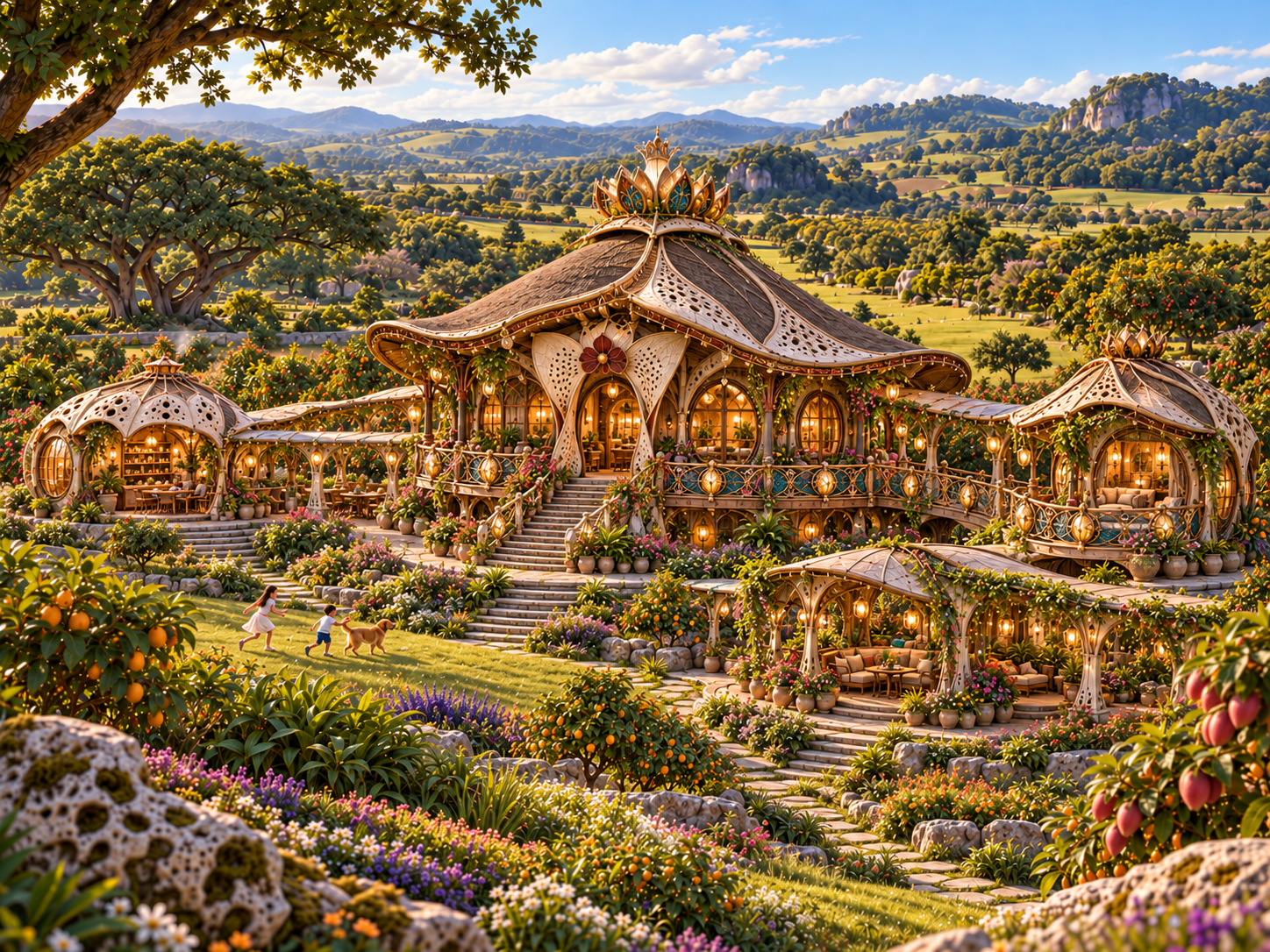
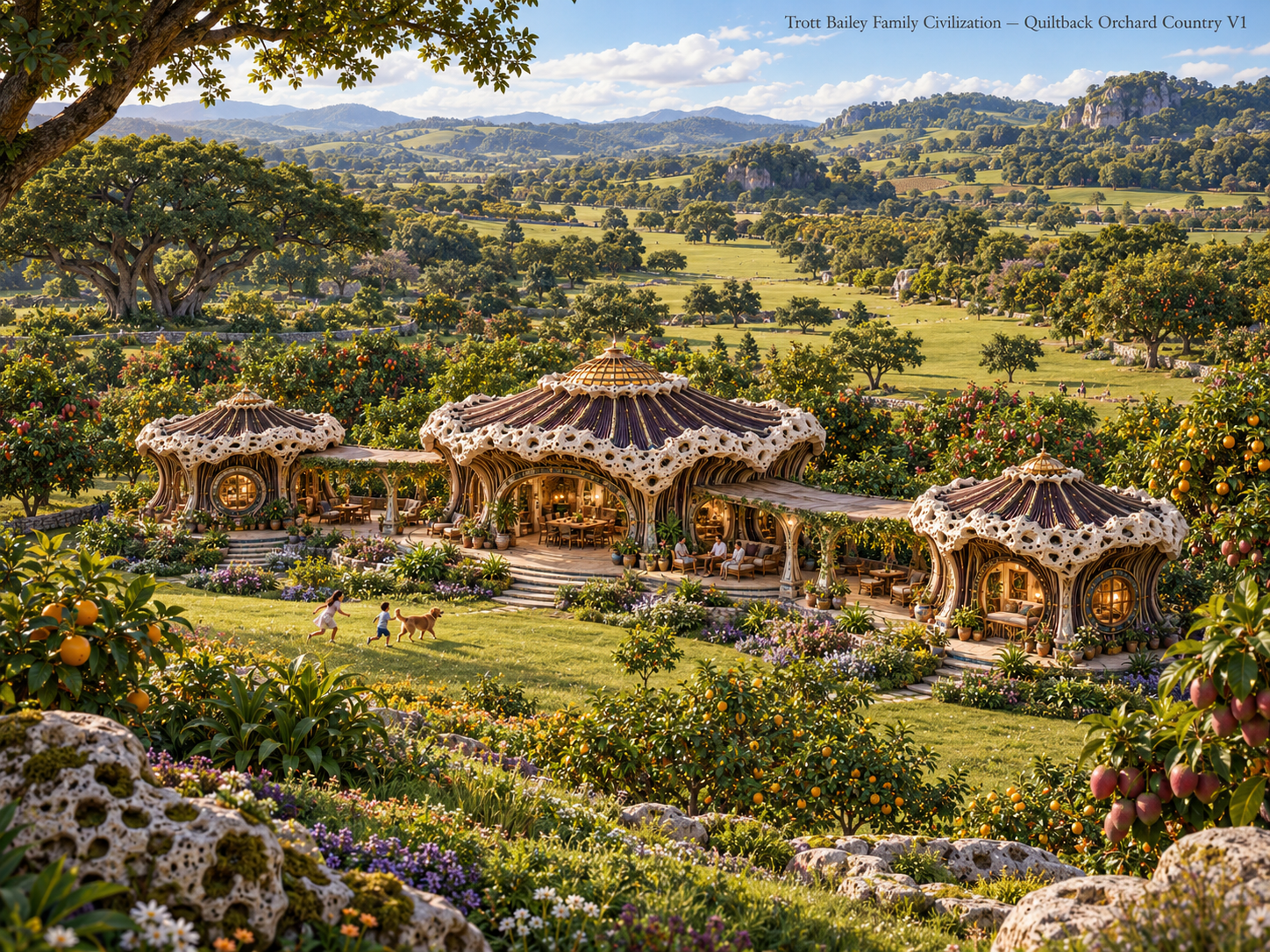
A modern small village can have heated floors, hot showers, fast internet, online education, video calls, streaming, refrigeration, freezers, workshops, comfortable homes, greenhouses, remote work, and medical consultations.
The question is not whether modern comfort is possible.
The question is whether modern comfort can be achieved without attaching decades of debt and dependence to it.
Power from solar and micro-hydro changes the monthly rhythm.
Heated stone and thermal mass systems change winter.
Good insulation changes the meaning of cold.
Greenhouses change the food season.
Starlink changes isolation.
Workshops change production.
Repair tools change waste.
What Happens After Survival Stops Eating The Whole Day?
People hear about solar, micro-hydro, greenhouses, workshops, food systems, and alternative housing, and they immediately imagine more work.
More responsibility.
More maintenance.
More burdens.
But that misses the point.
The purpose of these systems is not to make life harder.
The purpose is to make life easier.
Not instantly.
Not magically.
But permanently.
Imagine waking up without a commute.
Imagine your work, your community, your family, your tools, your food systems, and your daily life existing nearby instead of scattered across traffic, bills, appointments, and obligations.
Imagine winter outside.
Snow. Frozen forests. Cold air. Mountain silence.
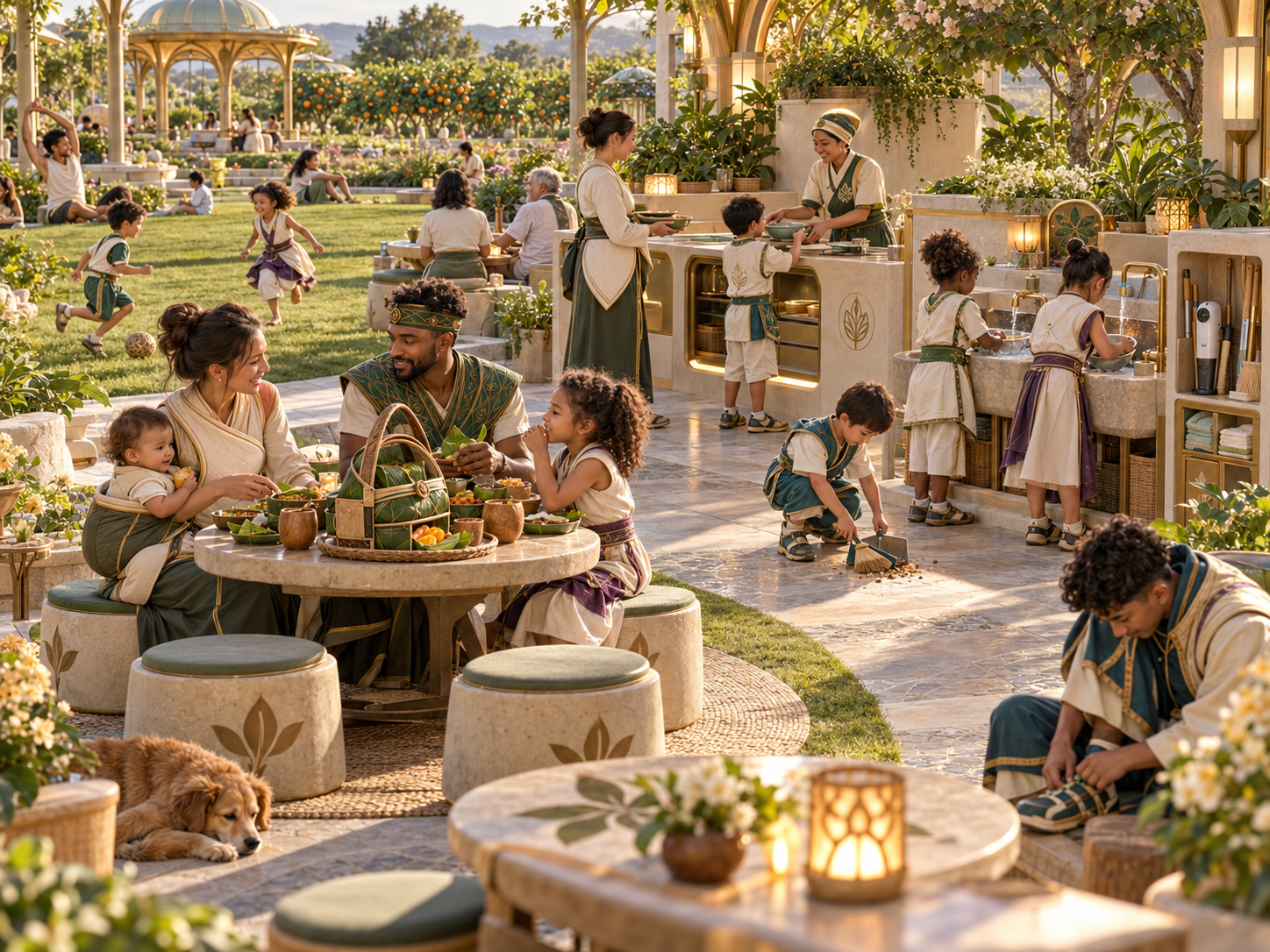
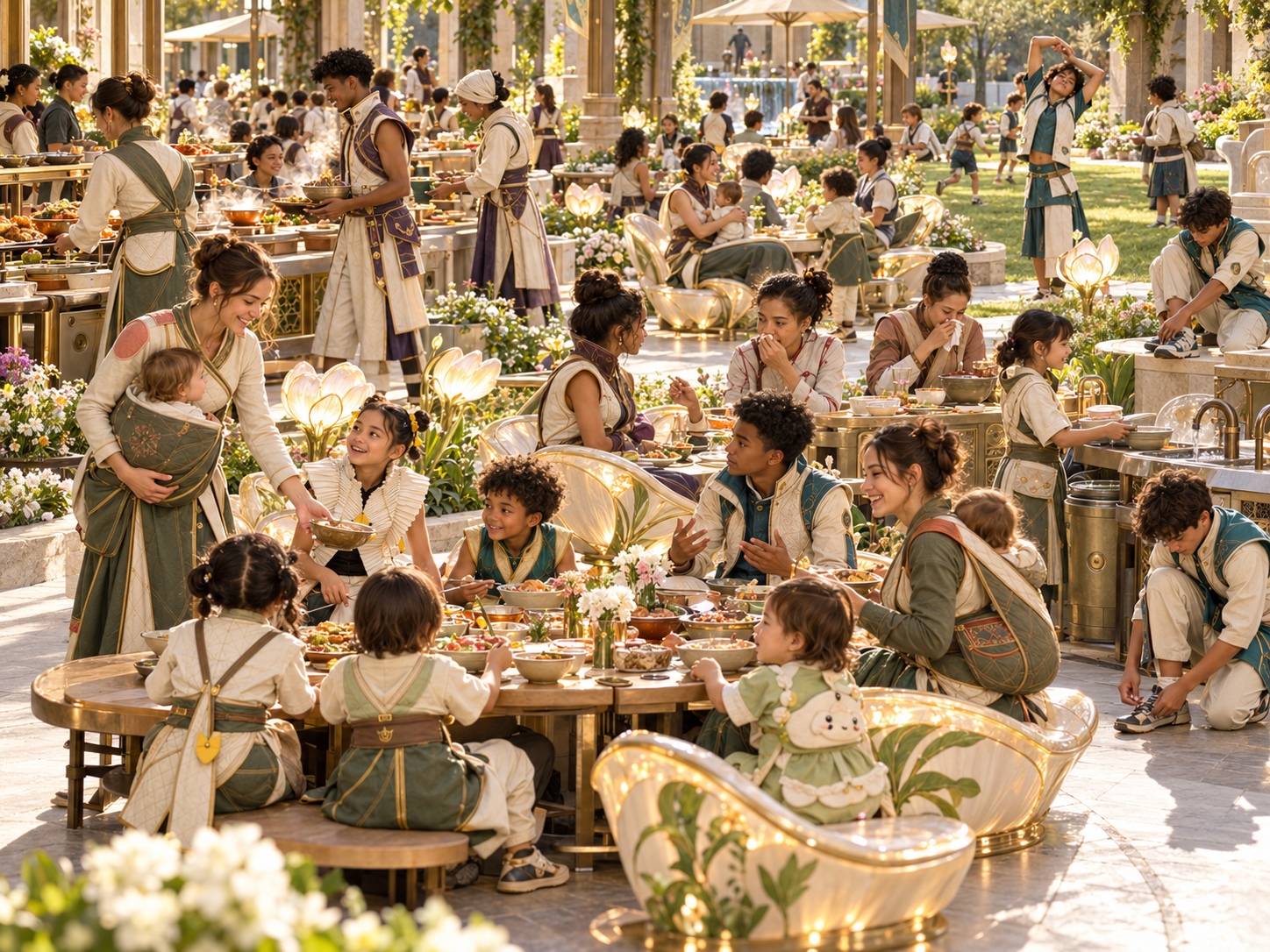
Inside, warm floors. Reliable electricity. Fast internet. Fresh herbs from the greenhouse. Children building things in the workshop. Families cooking together. Music. Games. Projects. Learning. Creation.
You are no longer fighting the season.
You are living within it.
The Return Of Time
This may be the greatest gift of all.
Not power.
Not housing.
Not food.
Time.
Time to read.
Time to think.
Time to learn.
Time to invent.
Time to rest.
Time to discover passions.
Time to spend with family.
Time to become more than a worker racing from one obligation to the next.
Most people underestimate how much of their lives disappear into commuting, stress, bills, administration, waiting, and maintaining lifestyles they barely enjoy.
When those burdens shrink, life expands.
The Salary Illusion
Modern society loves large salary numbers.
Six figures.
Seven figures.
Promotions.
Titles.
Status.
But salary is only half the equation.
What matters is not simply what comes in.
What matters is what remains.
A young professional lands a well-paying job.
Everyone celebrates.
Then reality arrives.
Housing. Transportation. Utilities. Insurance. Taxes. Food. Debt. Maintenance. Childcare. Repairs. Unexpected expenses.
The pay looks huge.
But by the time life finishes taking its share, many people discover they are not nearly as free as the salary made them look.
This is the elephant in the room.
A person can have an impressive title and still feel like they are running in place.
A person can earn far more than a janitor on paper, yet after housing, debt, transport, stress, childcare, taxes, and constant obligations, still feel trapped in a life where almost nothing truly belongs to them.
The comparison is not about insulting the janitor.
It is about exposing the illusion.
Now imagine a community where housing is already organized.
Food systems already exist.
Power systems already exist.
Workshops already exist.
Child play systems already exist.
Community support already exists.
The exchange does not disappear.
Contribution still matters.
Responsibility still matters.
But money is no longer the only bridge between a person and the basics of life.
The Talent Question
Eventually someone asks:
Where will you find the doctors?
Where will you find the dentists?
Where will you find the nurses?
Where will you find the engineers?
Where will you find the teachers?
The question assumes that talented people are motivated only by salary.
But many trained professionals and graduates are already dissatisfied with the deal they were handed.
They studied for years.
They entered difficult fields.
They expected security.
Then they met housing costs, student debt, burnout, bureaucracy, stress, and the strange feeling that even their good salary was not buying the peace they expected.
So imagine a different offer.
In exchange, contribute your talent.
Not your entire life.
Not your soul.
Not endless overwork.
A real contribution.
A few hours of skill.
Dentistry.
Nursing.
Teaching.
Engineering.
Building.
Repair.
Farming.
Programming.
Care.
Knowledge.
The money that would have gone to rent, mortgage, utilities, food pressure, commuting, childcare stress, and basic survival is no longer the main transaction.
The community has organized many of those needs directly.
That is not working for free.
That is a different exchange.
But the community must never forget why it started.
Never become tyrants.
Never turn people into resources.
Never replace one cage with another.
Never build a beautiful village that secretly becomes another machine for overworking human beings.
The system must serve the people.
Not the other way around.
The Second Layer Of Civilization
The first layer is survival.
- Food
- Water
- Shelter
- Heat
- Power
- Communication
The second layer is where life becomes rich.
- Beauty
- Delight
- Friendship
- Creativity
- Discovery
- Celebration
- Adventure
- Invention
- Meaning
The purpose of solving survival is not endless efficiency.
The purpose is creating room for living.
Children inventing games.
Families creating traditions.
Winter festivals.
Music.
Art.
Experiments.
People becoming more than workers and consumers.
The Moment Everything Changes
The greatest barrier is often not money.
It is not intelligence.
It is not technology.
It is imagination.
Once people discover the toolbox, they begin asking different questions.
People stop seeing isolated machines.
They start seeing systems.
People stop seeing consumers.
They start seeing builders.
People stop seeing limits.
They start seeing possibilities.
The technologies are not hidden.
The knowledge is not hidden.
The pieces already exist.
The challenge is assembling them.
A comfortable, modern, resilient life may be far more achievable than you were ever led to believe.



 and then