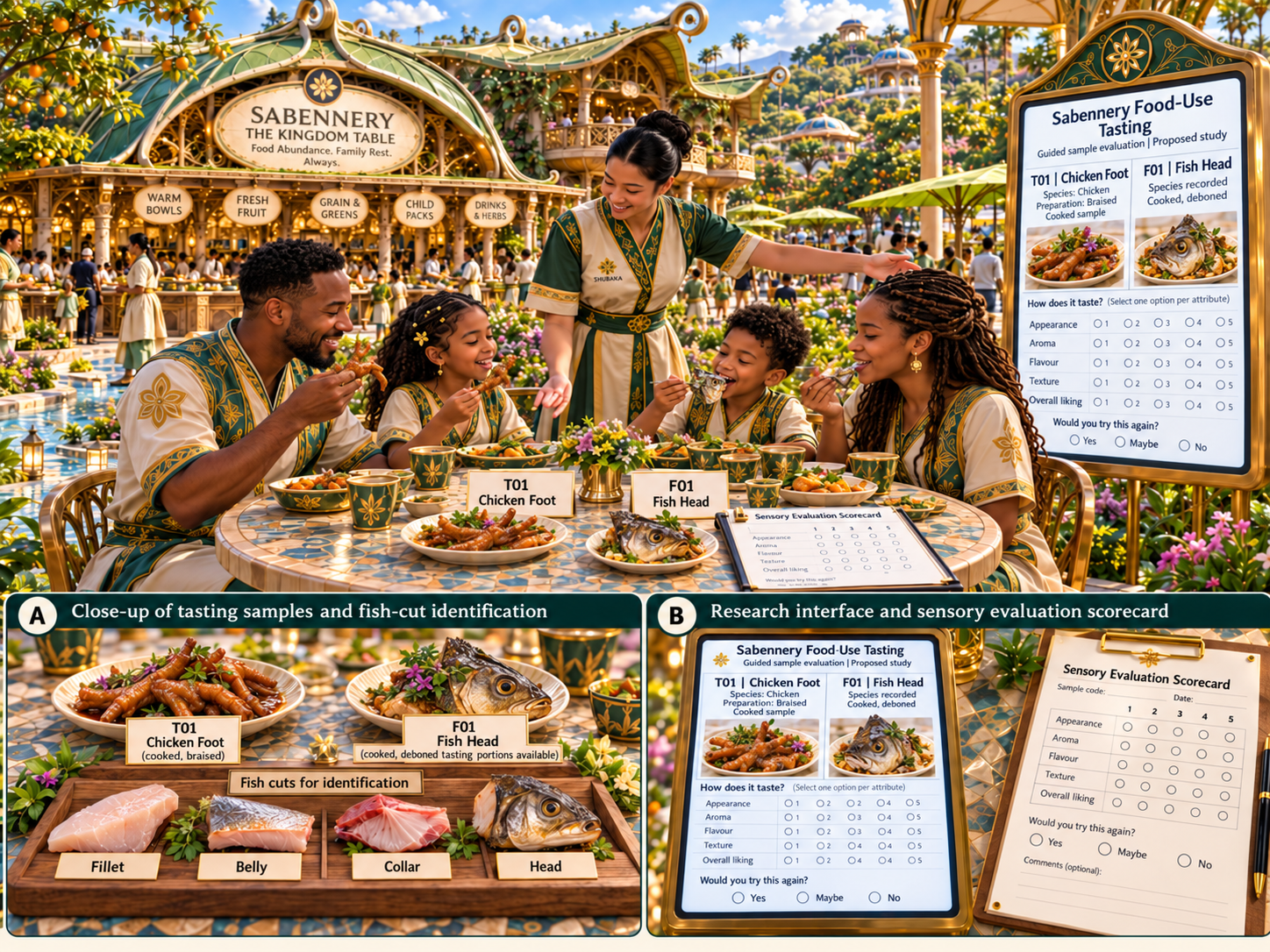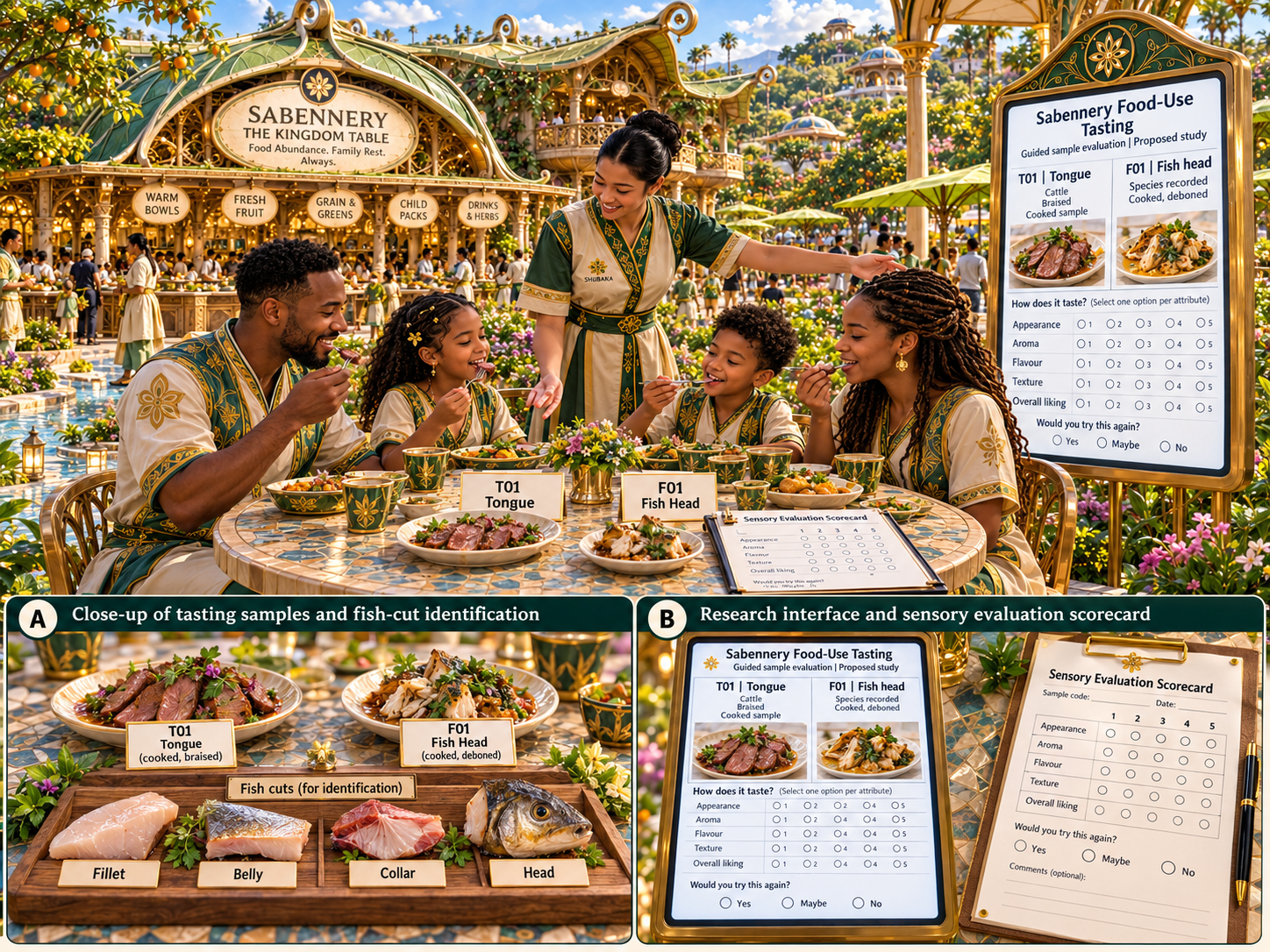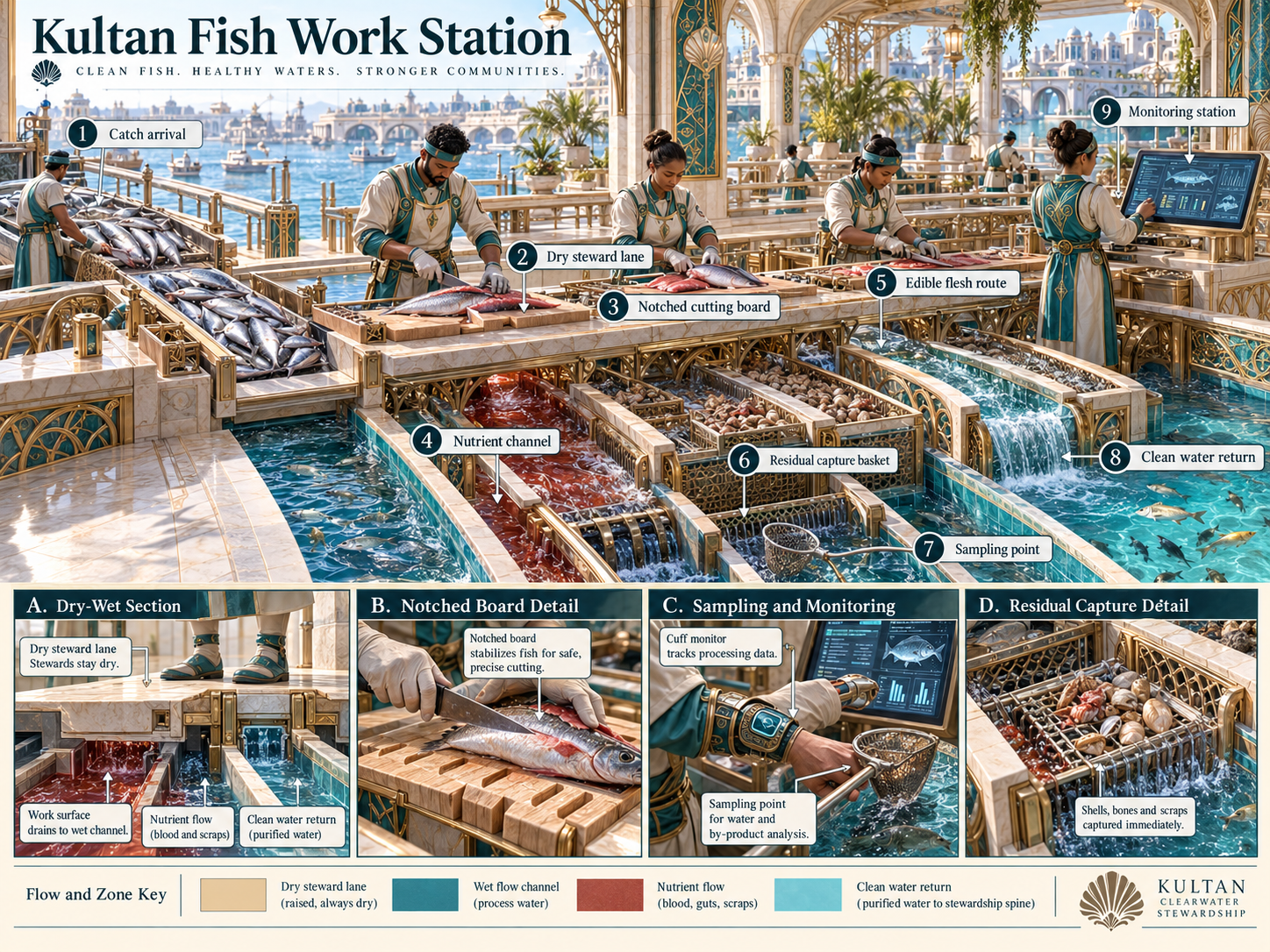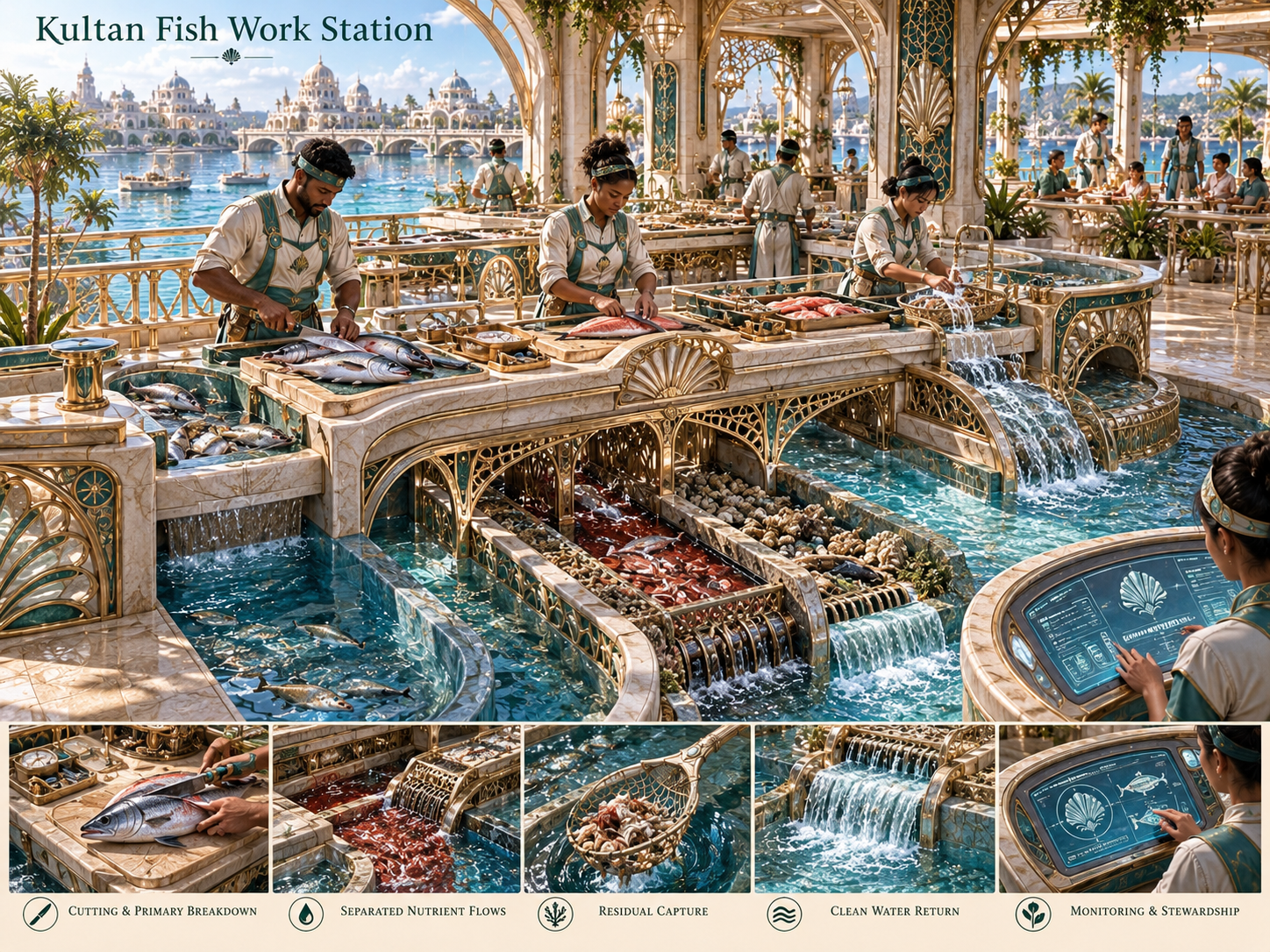


A World of Possibilities for Children.What do you want to become?
“What Do You Want to Become?” A Much Bigger World of Possibilities for Children
How Trott Bailey Family Civilization, Oasis, and lifelong learning open a much broader and deeper world of knowledge for both children and adults.
Teaching children will also take on a different face from that of the old world and its schools.
Lifelong learning for both adults and children becomes much more visually rich, deep, and enjoyable. And as we build the Trott Bailey Family Civilization, the possibilities for learning continue to grow.
Think about the old question children are so often asked:
For generations, that question has had a fairly limited number of familiar answers.
Doctor, lawyer, teacher, engineer, pilot, police officer, nurse, farmer, artist, and so on.
These are only a handful of the activities and skills people can develop throughout a lifetime. Yet the range of answers children give often depends on what they have been exposed to, what their parents know, what their schools teach, and what occupations society regularly presents to them.
Many children have little opportunity to see how the world is actually built or the enormous range of skills and knowledge involved in keeping it functioning.
We see a much broader and deeper range of growing possibilities.
A Child Can Explore a Whole Civilization
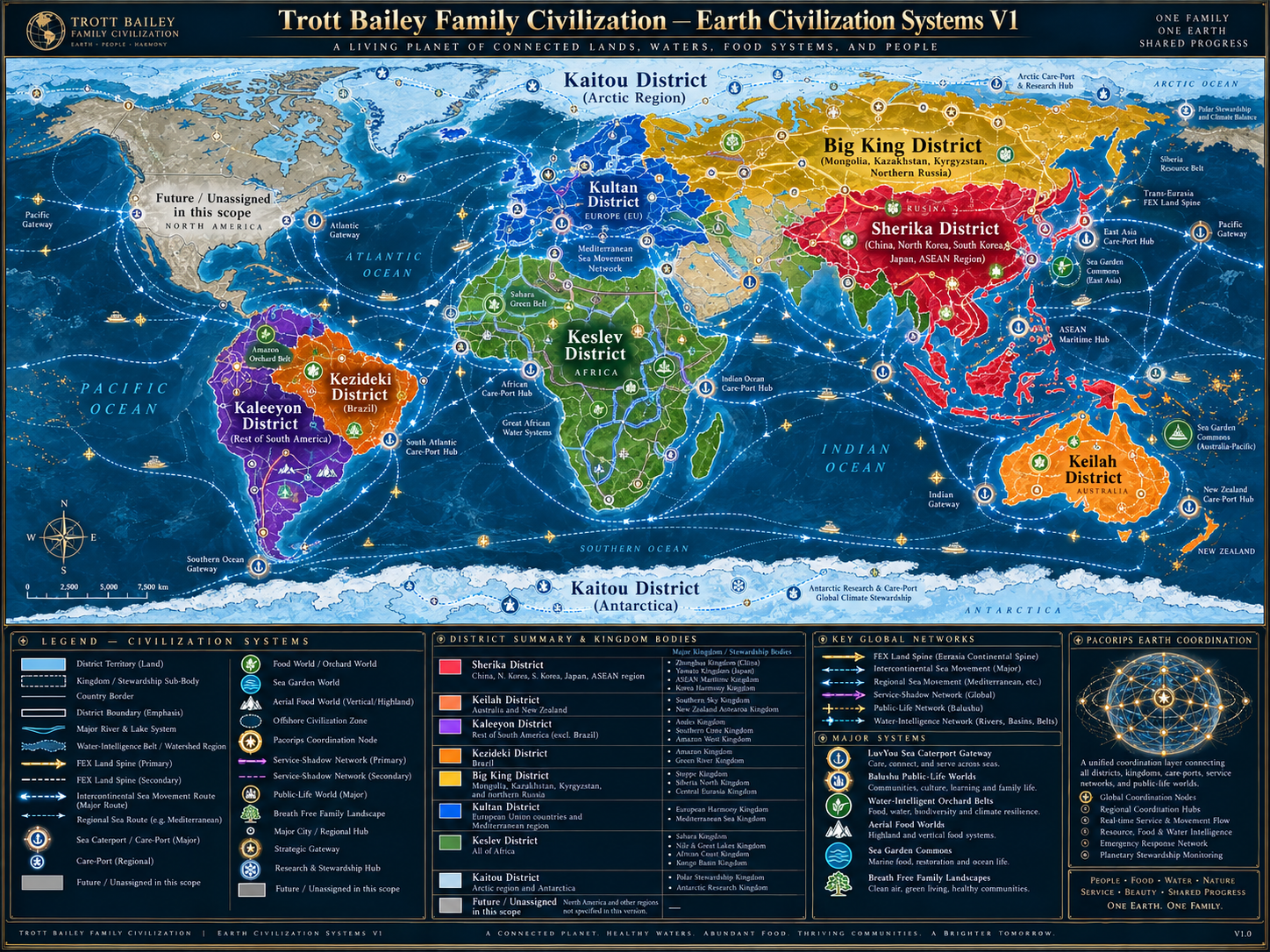
As the Trott Bailey Family Civilization is constructed, there will be massive amounts of knowledge recorded through Oasis.
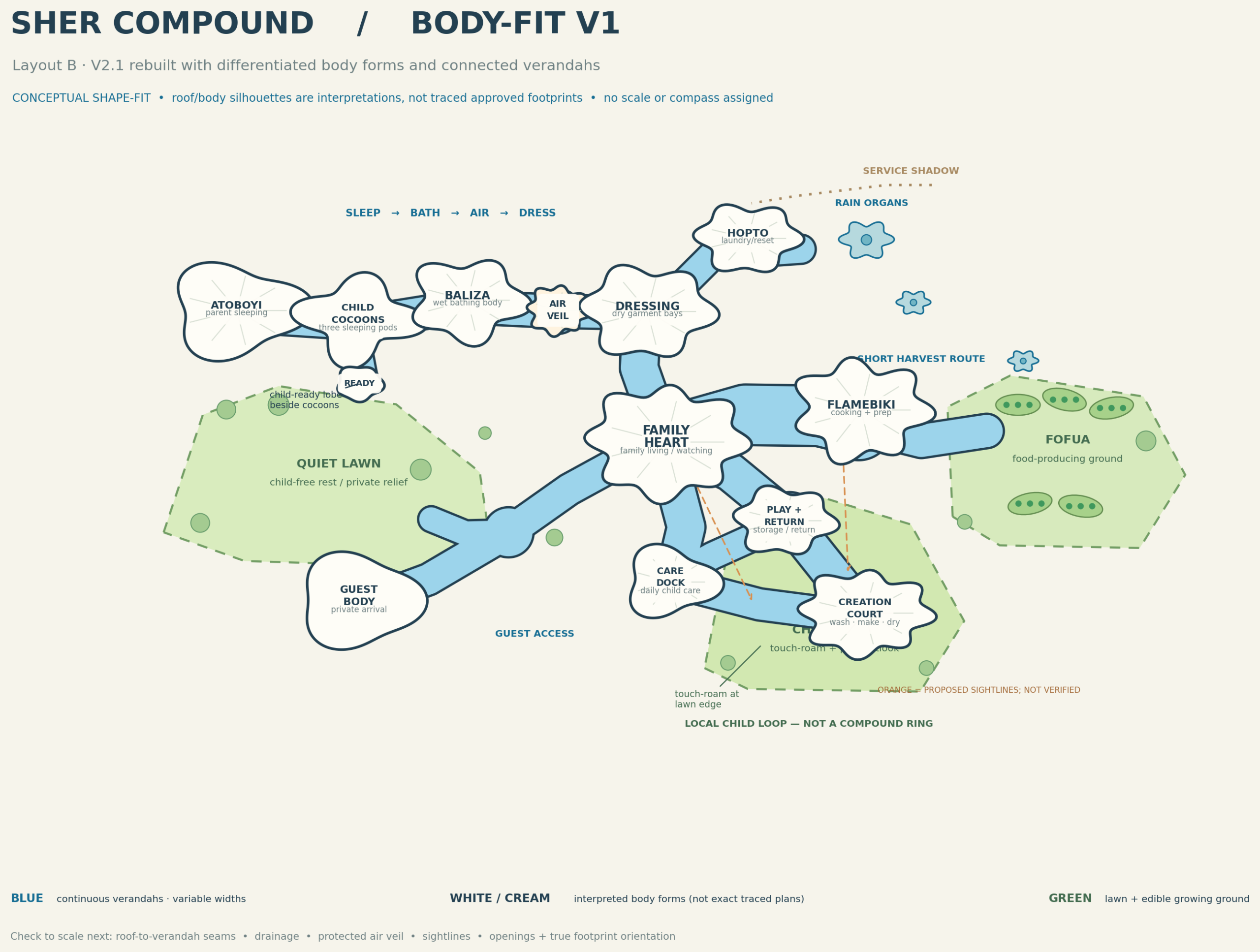
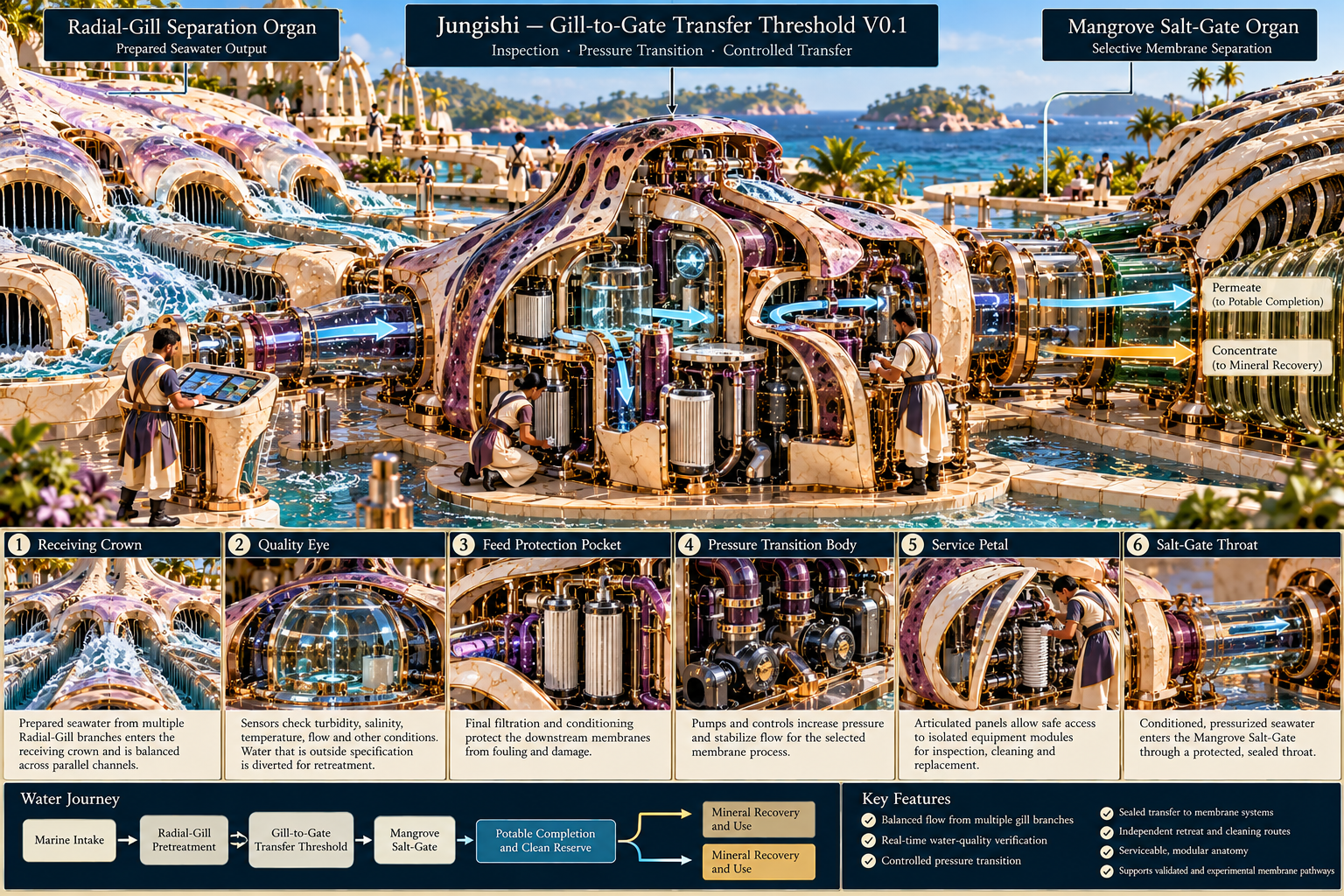
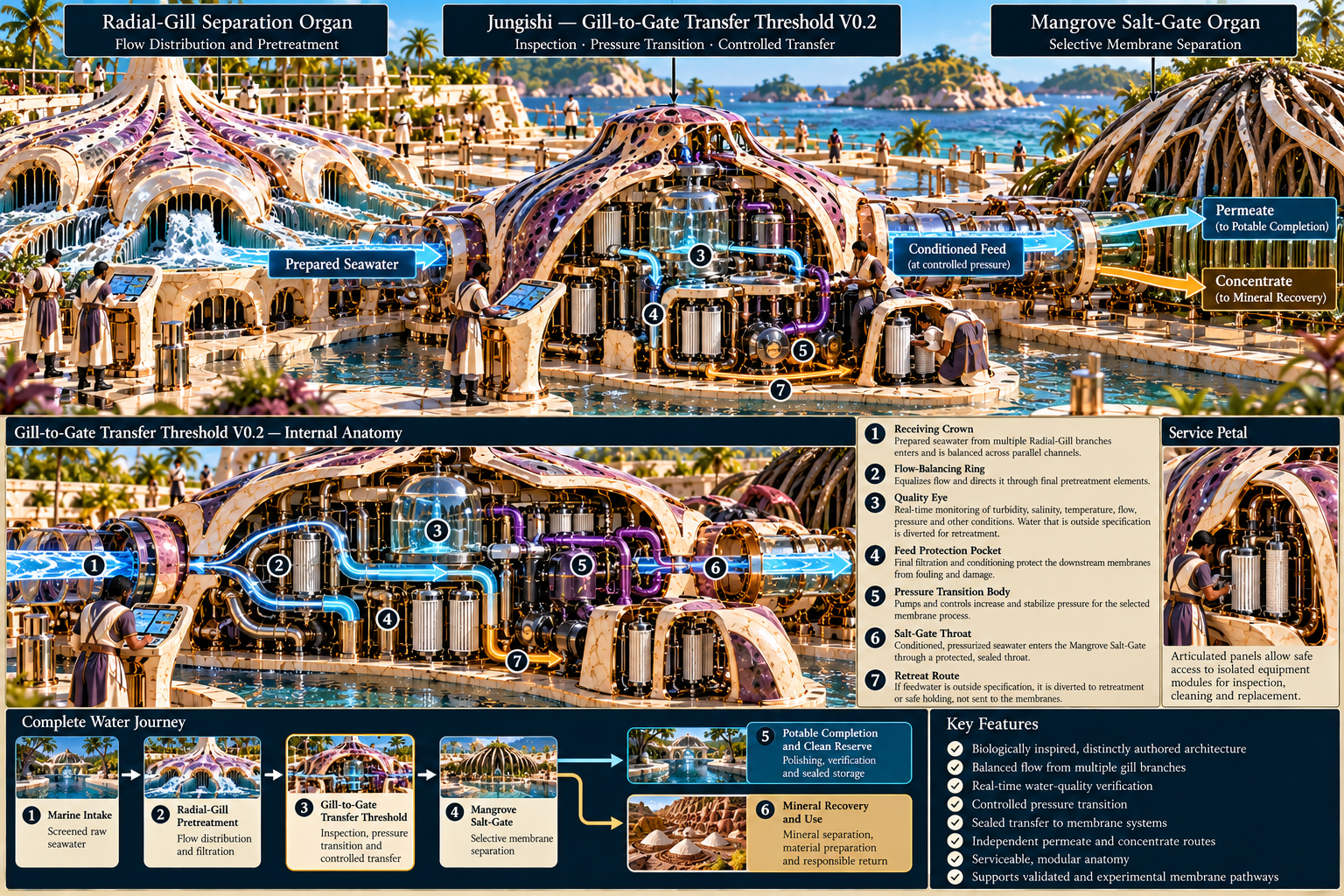
Children will be able to watch how different buildings are constructed, how water systems function, how food grows, how clothing is created, how transportation is designed, and how countless other parts of the civilization take shape.
They can follow the people doing the work, see the tools being used, observe the techniques, and watch the results develop over time.
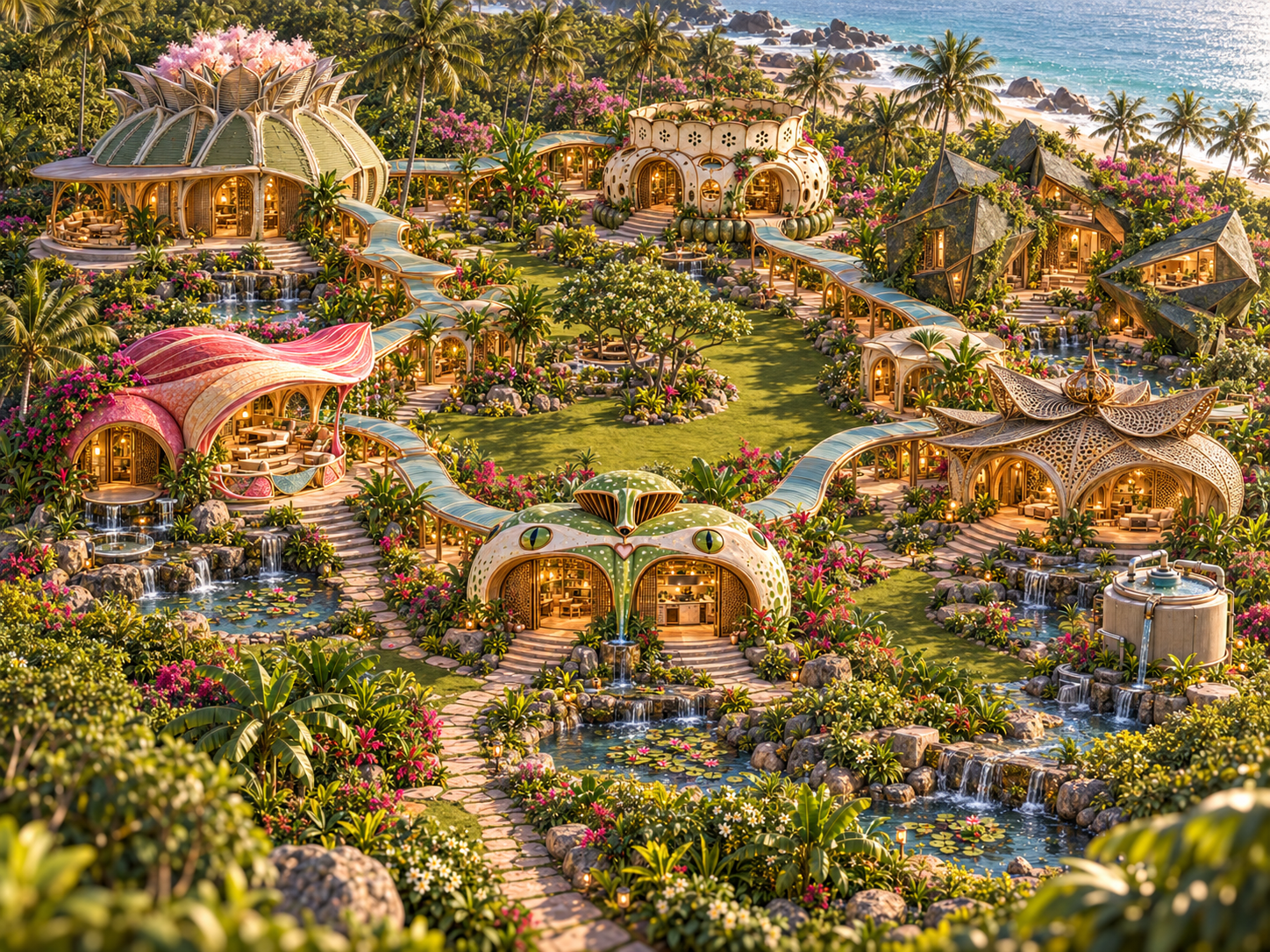
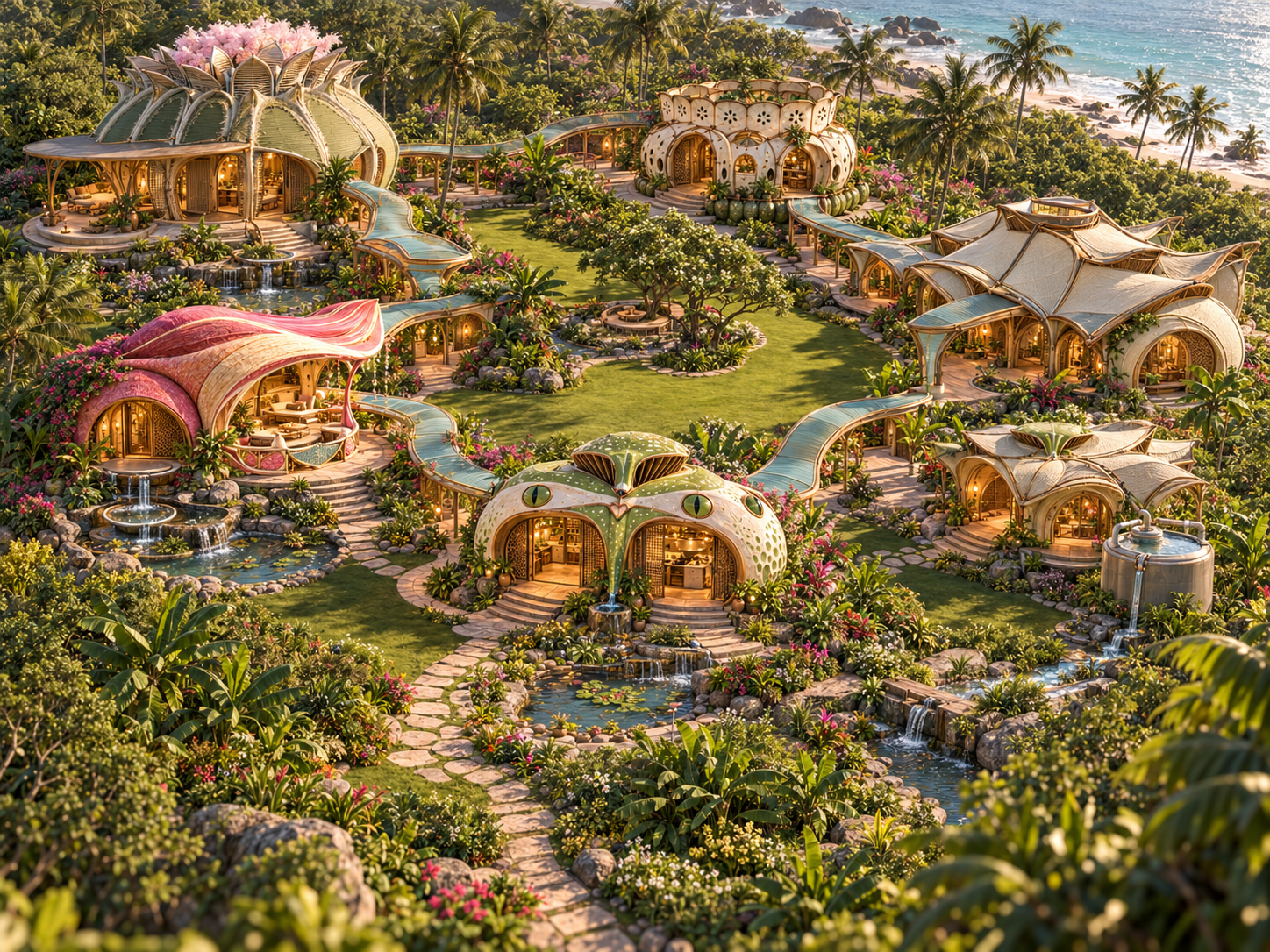
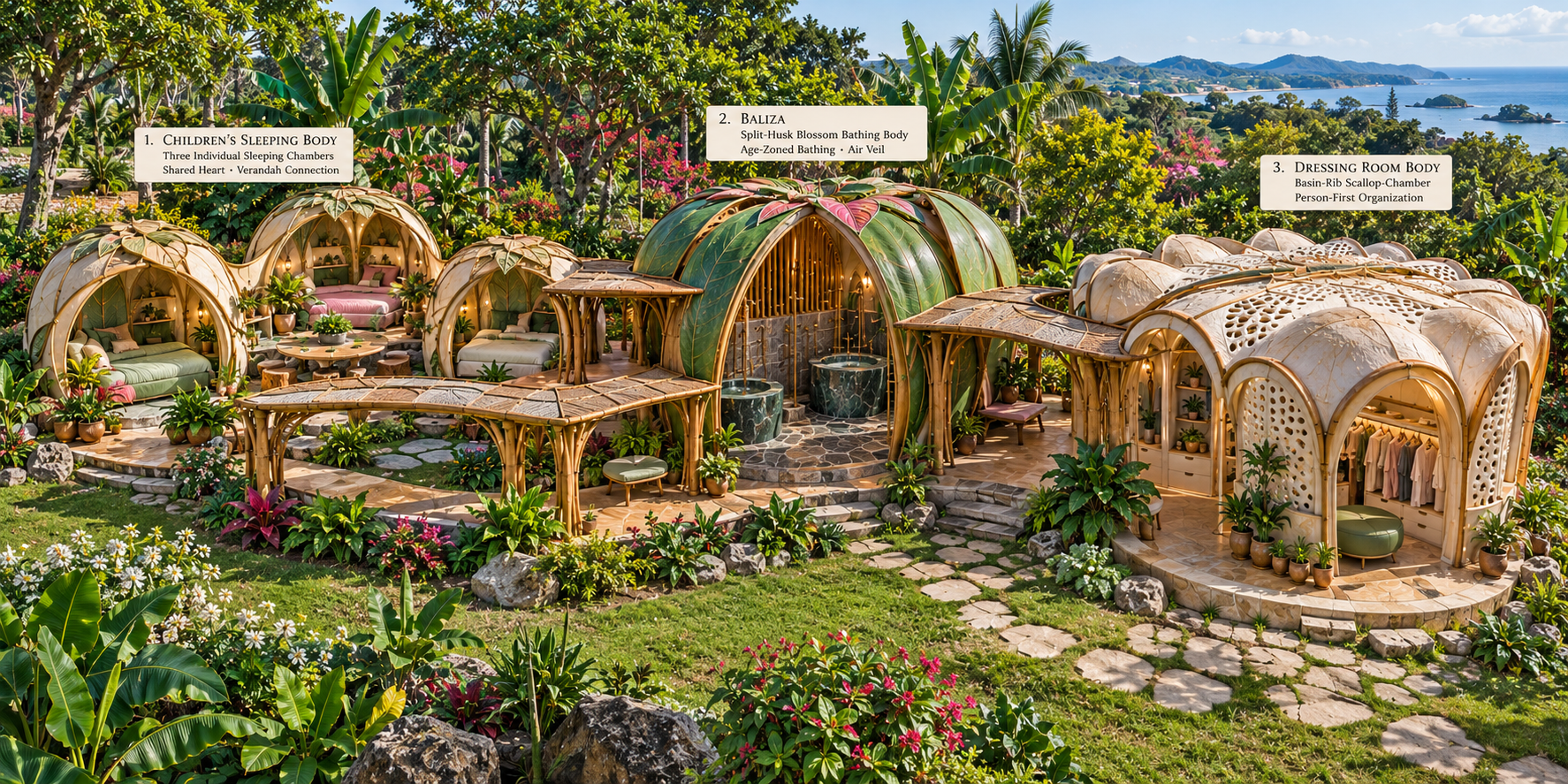
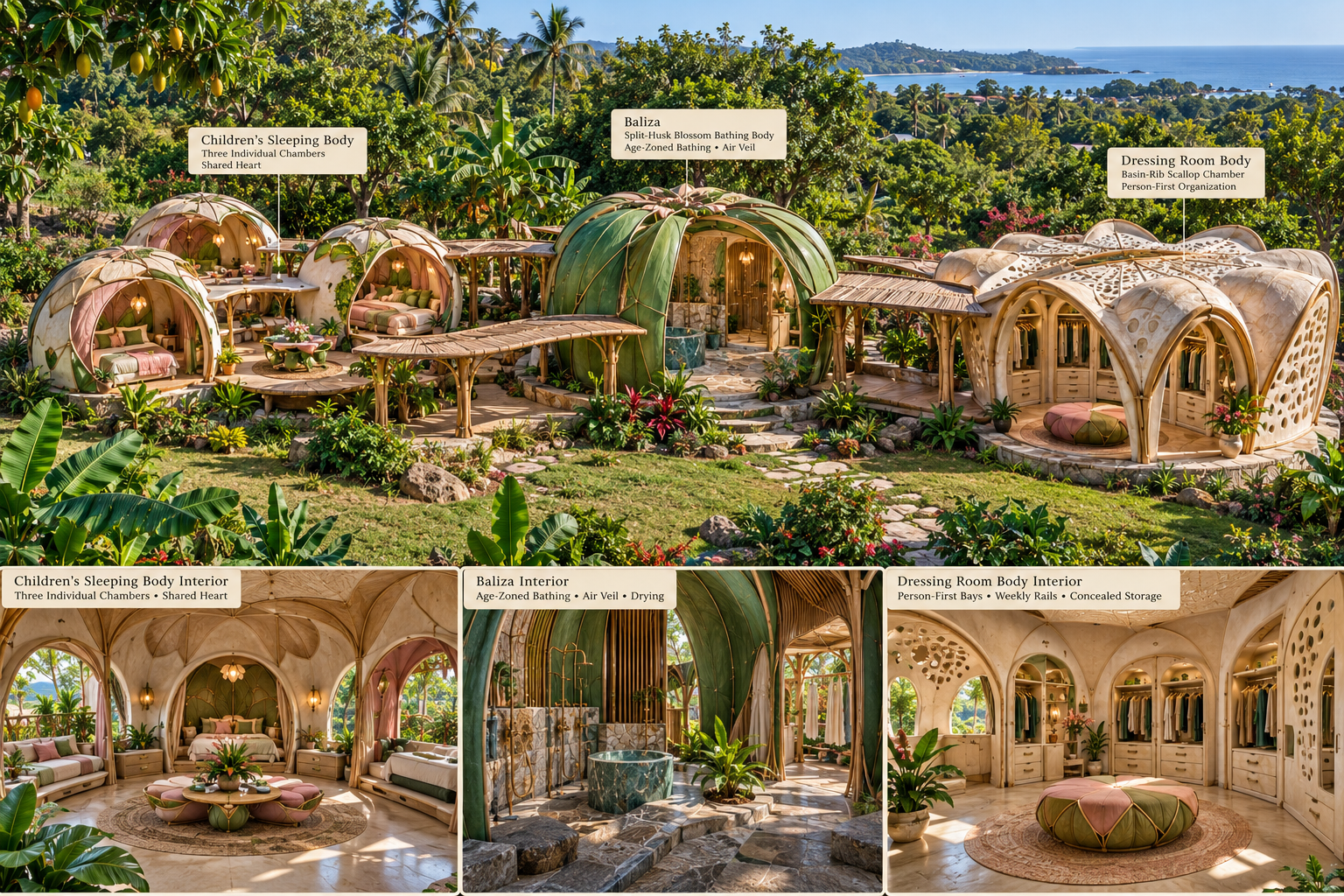
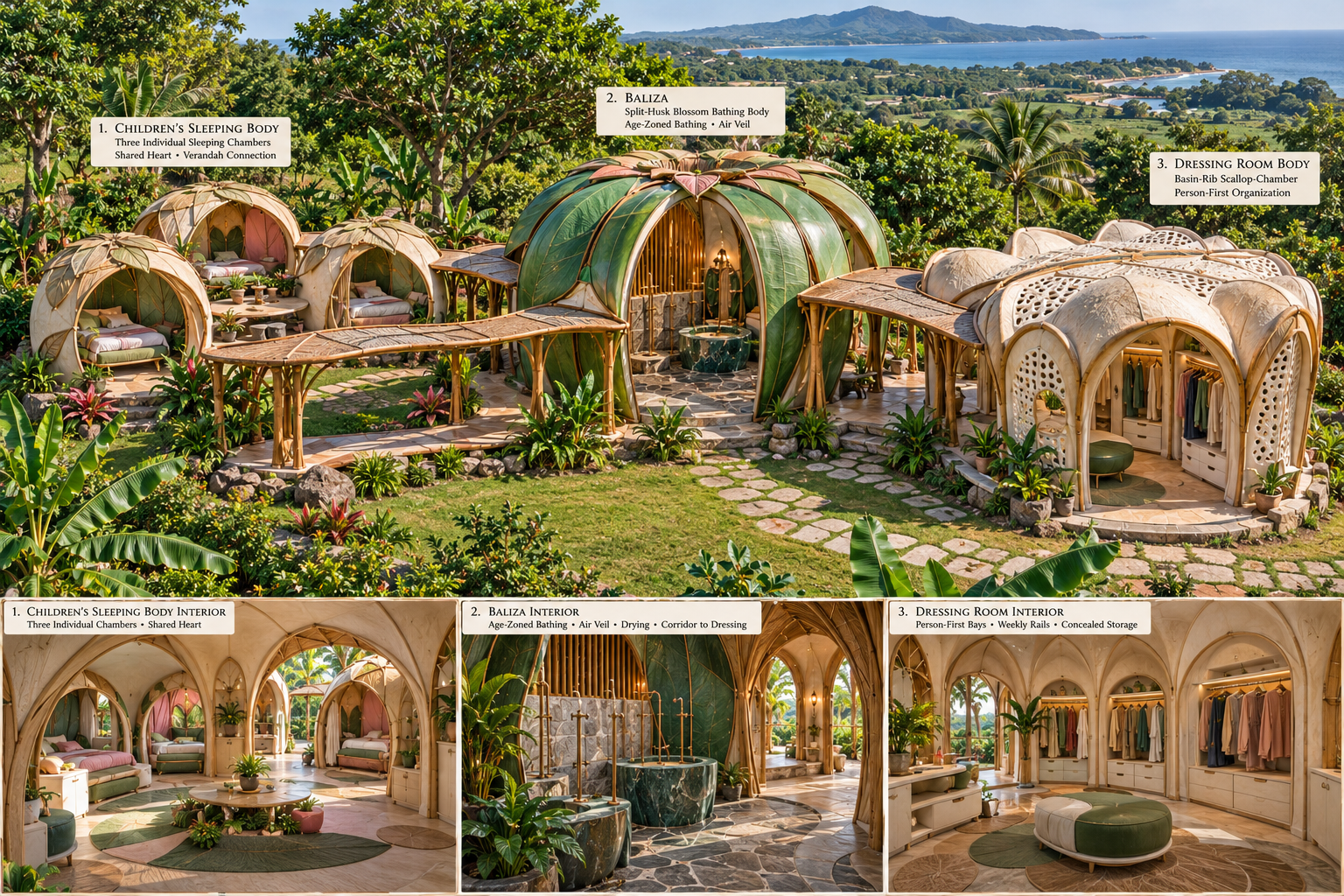
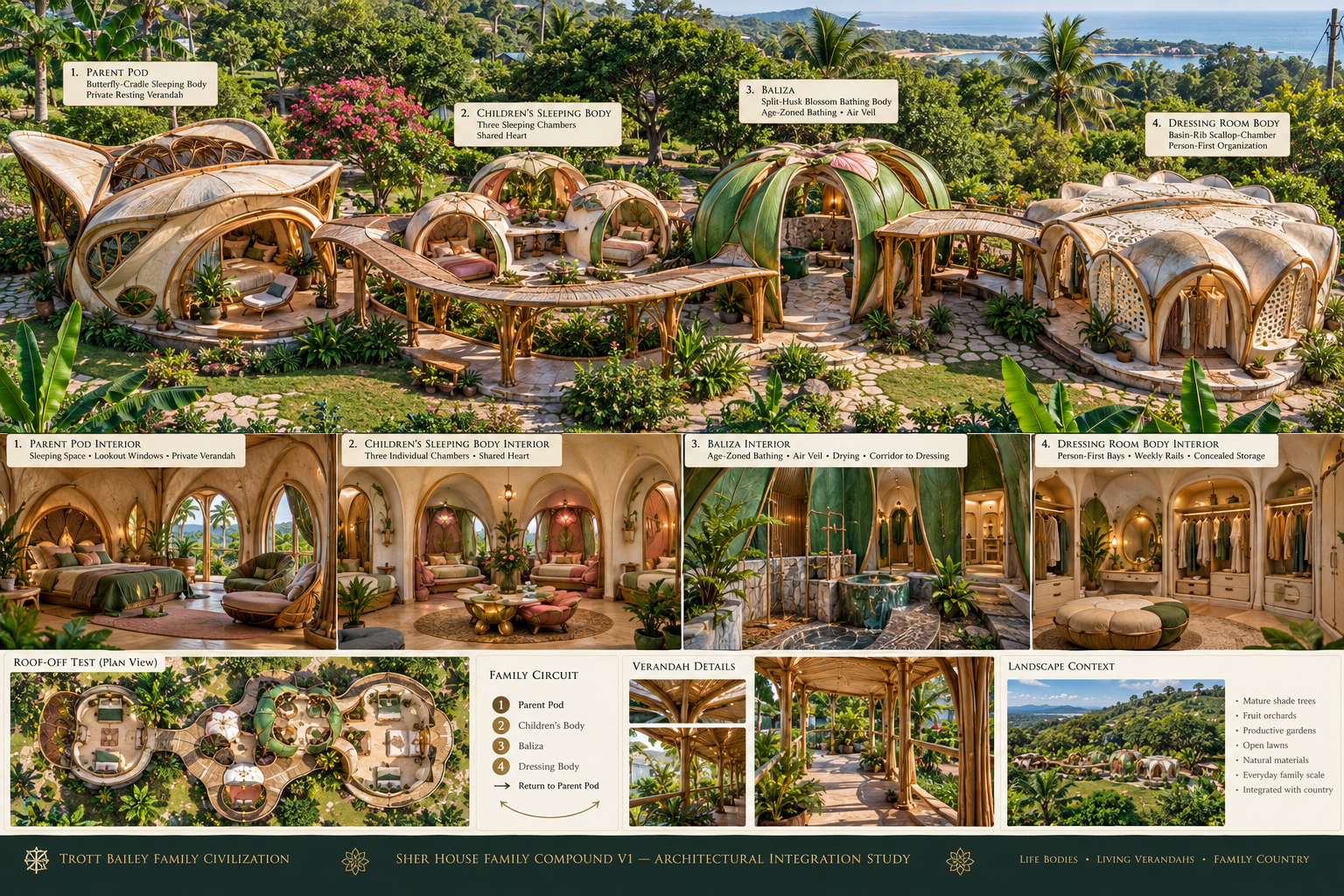
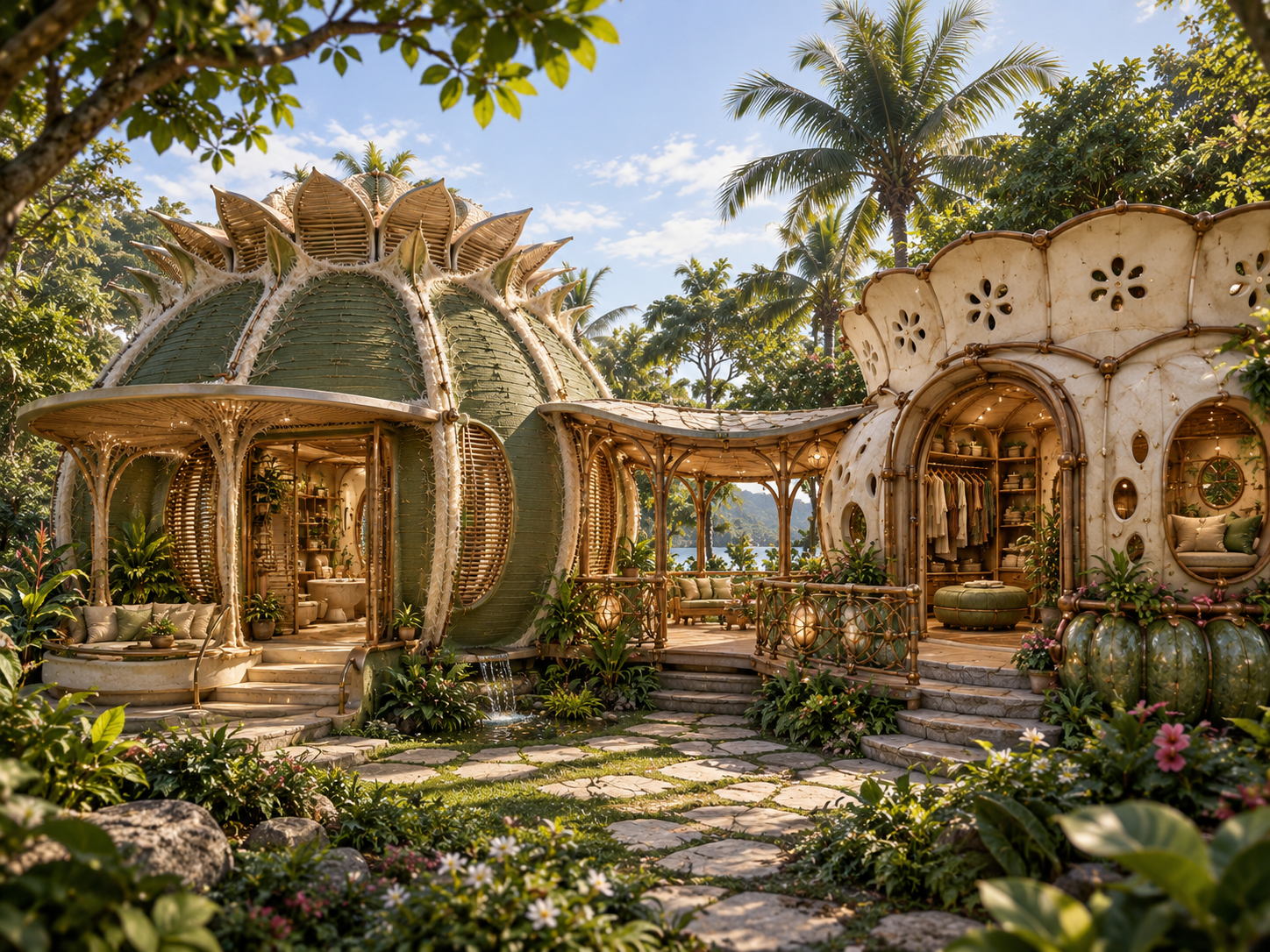
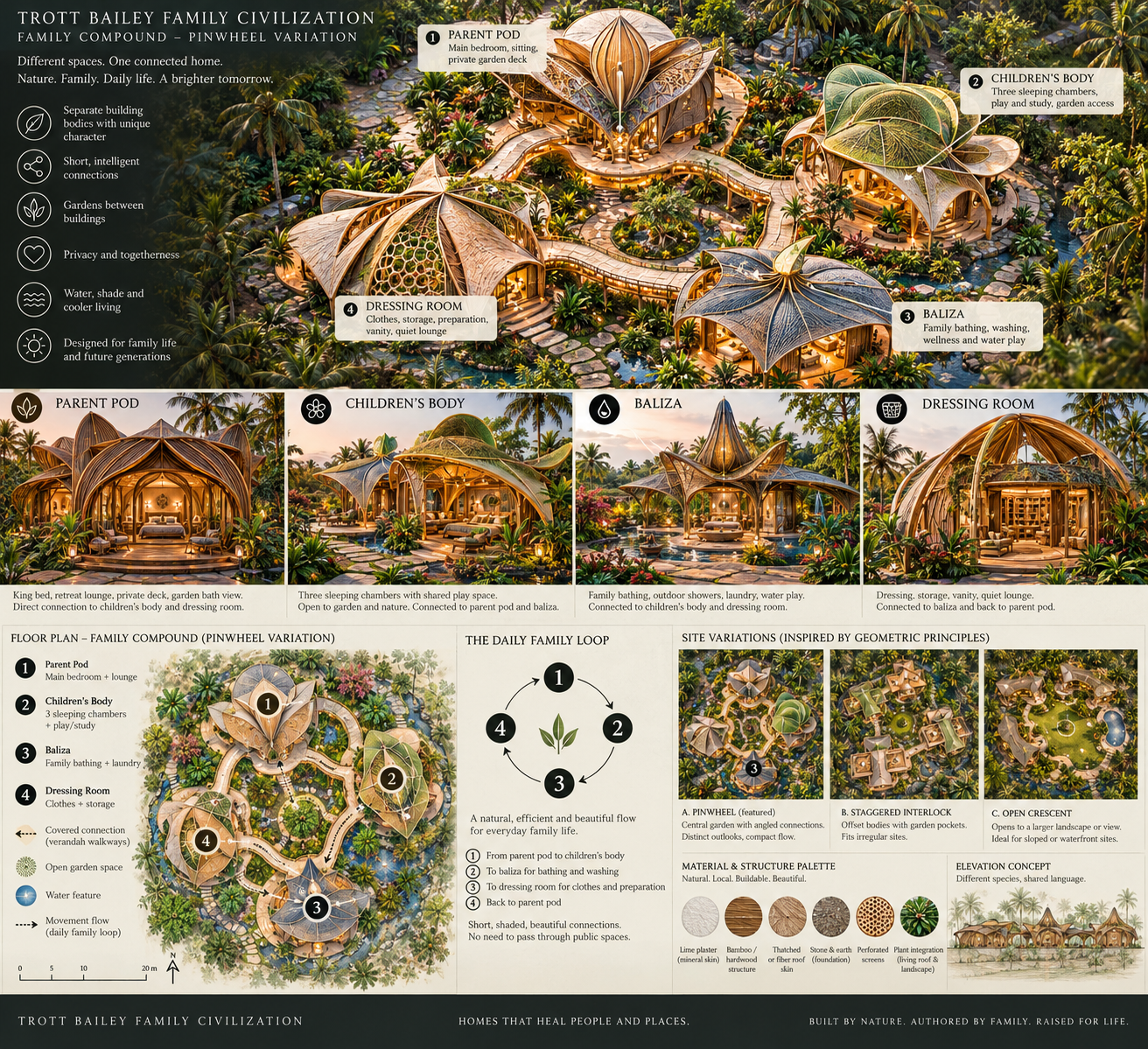
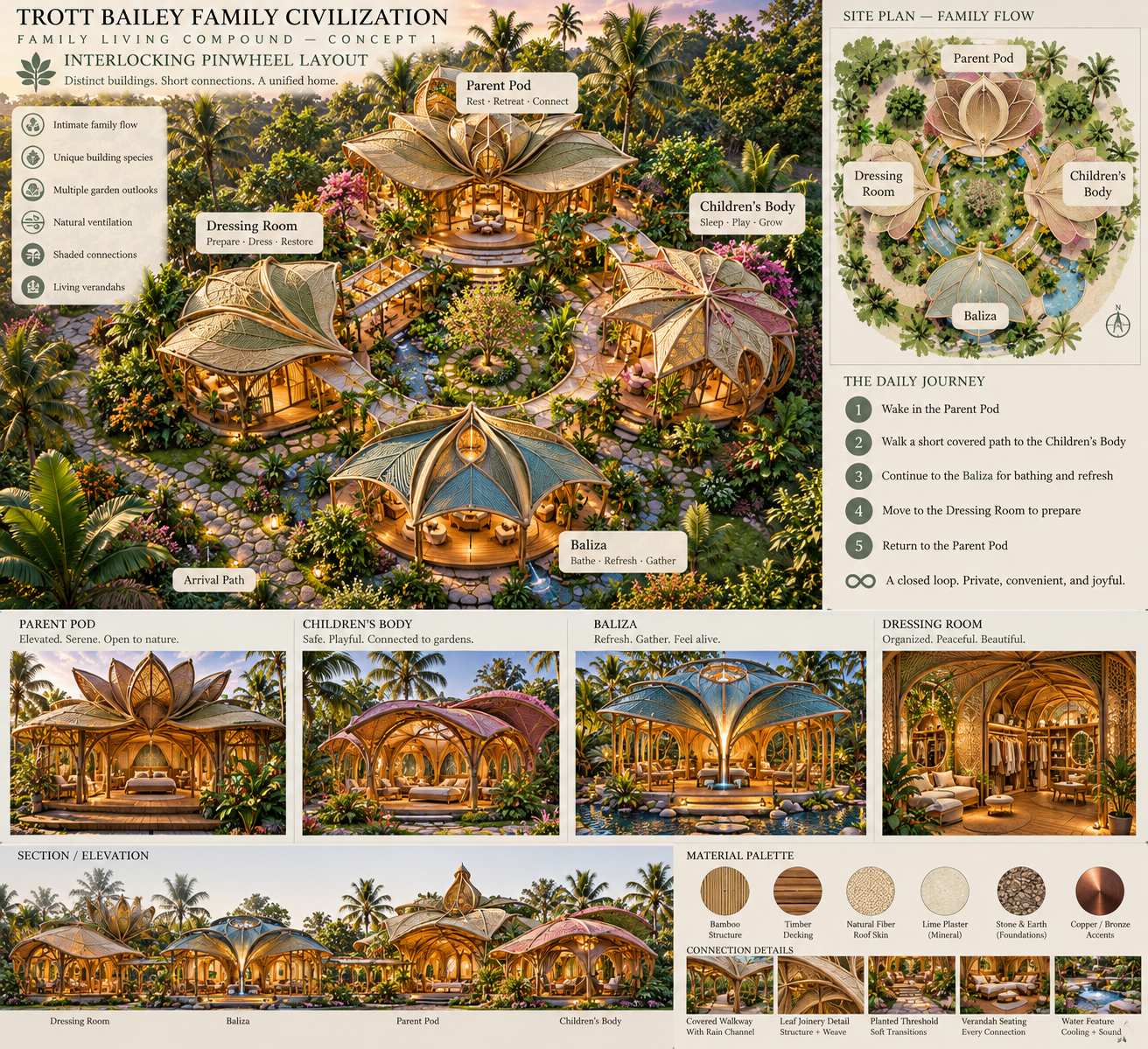
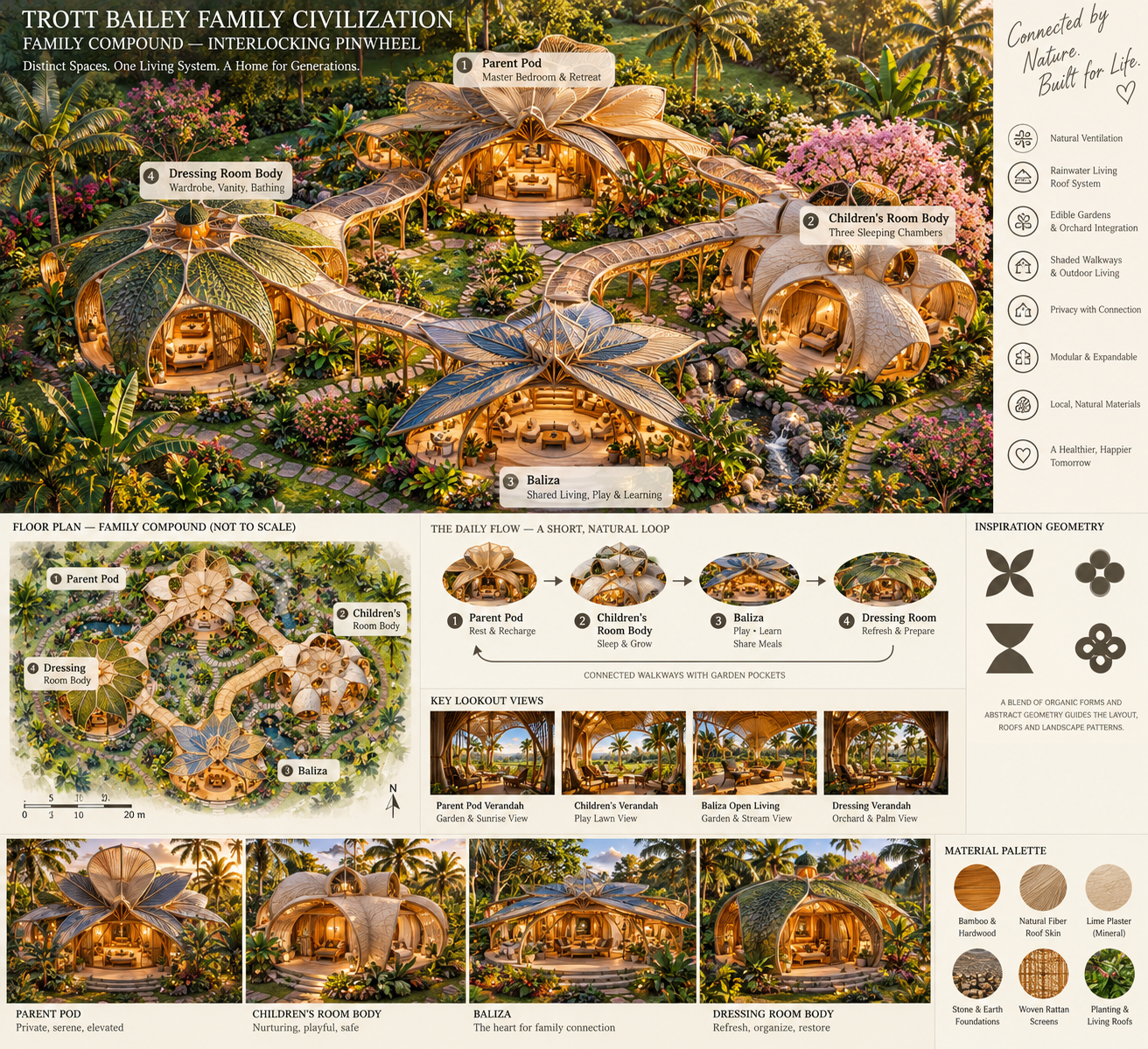
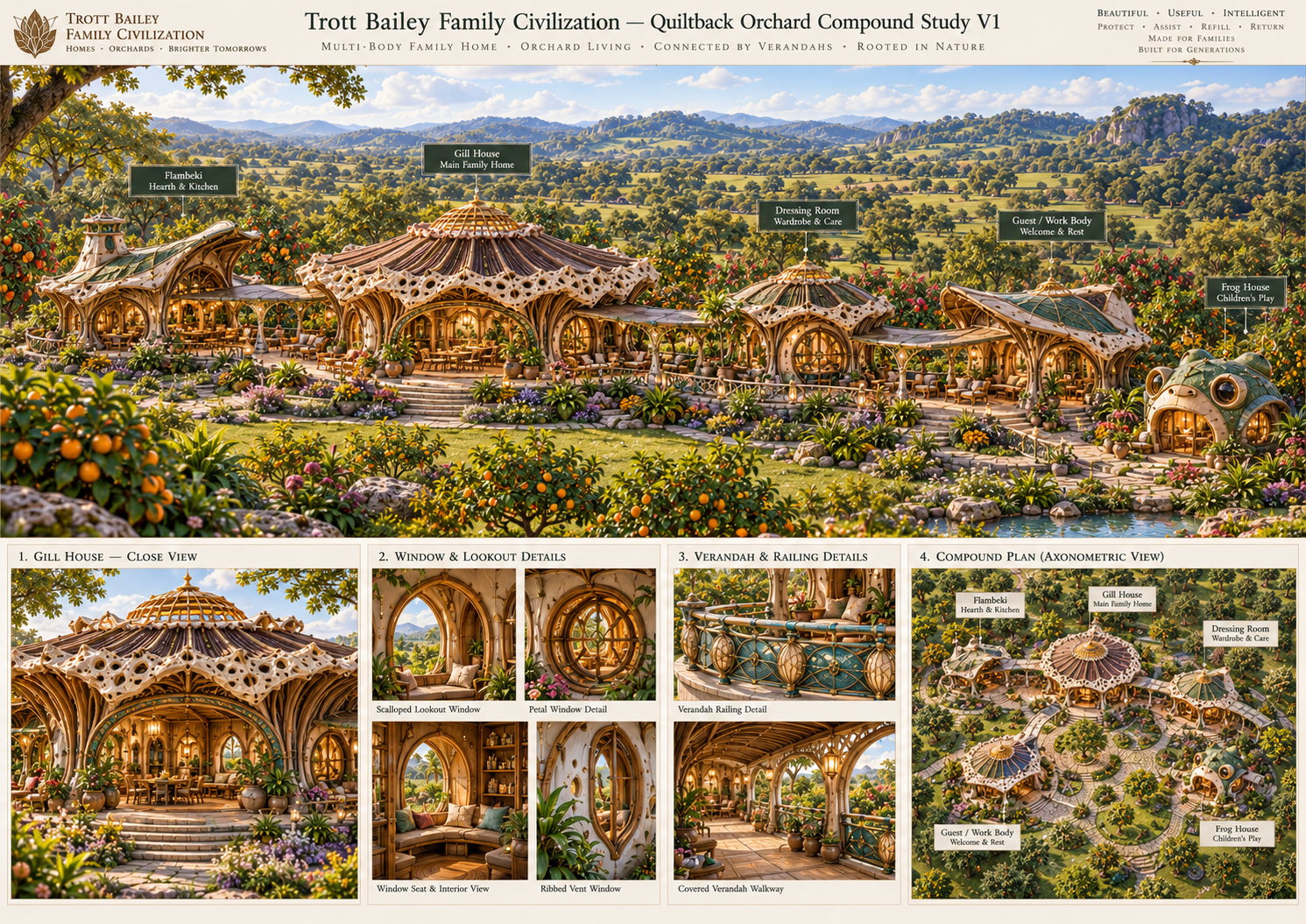
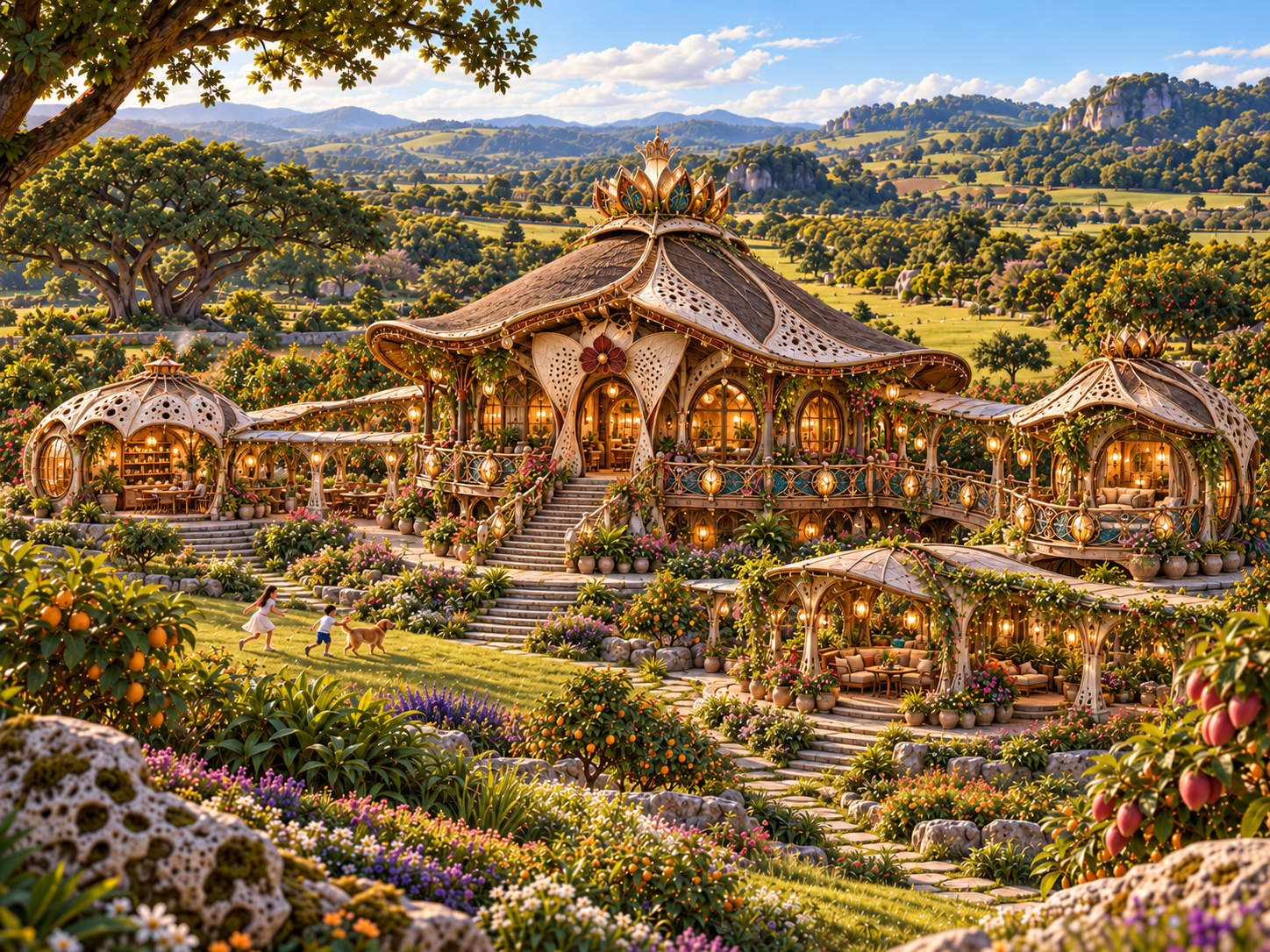
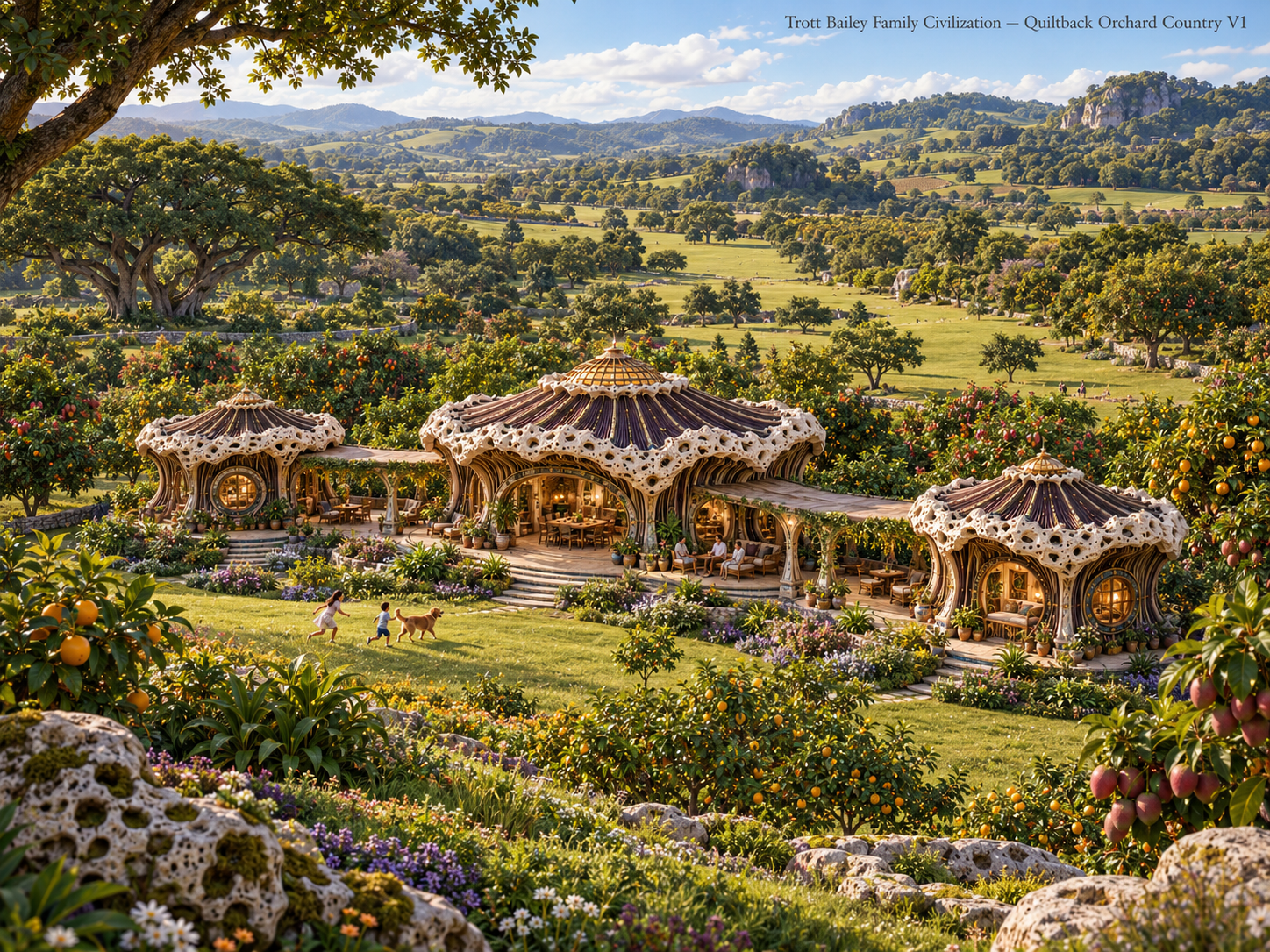
Take a child who becomes interested in a beautiful family home.
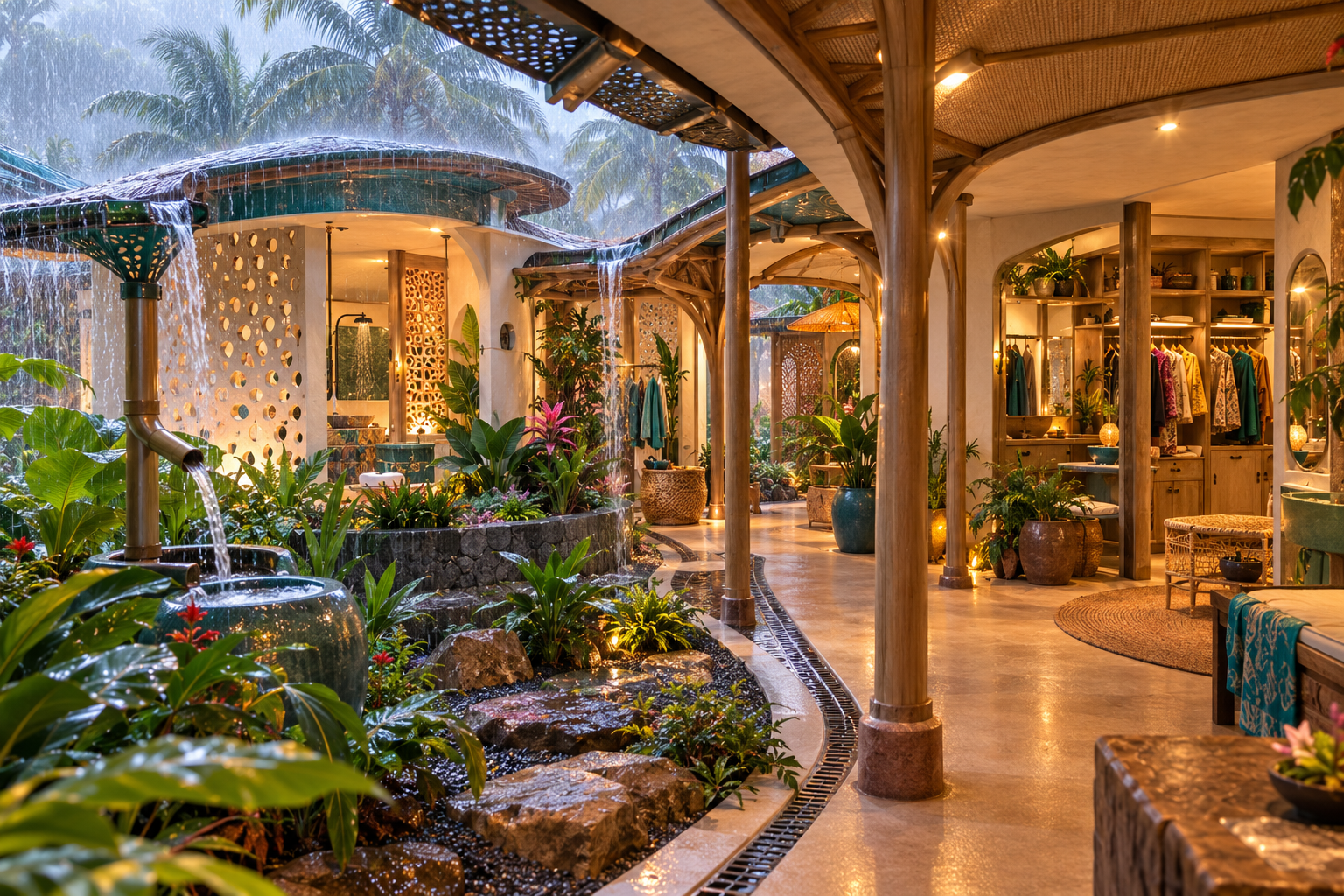
She might begin by admiring the shape of the building. Then she becomes curious about its roof, how rainwater is collected, why certain plants are growing around the house, how the rooms are cooled, or how the furniture is made.
Each curiosity can lead to another.
She might end up learning about architecture, water movement, plants, materials, weaving, insects, or something completely unexpected.
There is no need for her to know in advance which subject she is supposed to be studying. Her interest may move in several directions, and the knowledge is there for her to explore.
A child who becomes fascinated by one particular subject can also go much deeper. Oasis can hold years of recorded techniques, experiments, observations, and improvements. The same subject that first caught her attention through a beautiful image may eventually lead her into serious practical study.
Teaching Children Takes on a Different Face
Consider how much of conventional schooling is organised around dividing knowledge into subjects, arranging lessons by age, and teaching groups of children according to a timetable.
A child studies one subject because it is time for that subject, and then moves on to another because the timetable says so.
But interests do not always develop in that order.
A child watching the construction of a Makji might become curious about the shape of its hull. That curiosity could lead to the movement of water, the behaviour of whales, the materials used in construction, or how people travel and live aboard a vessel.
One activity may open several fields of knowledge at once.
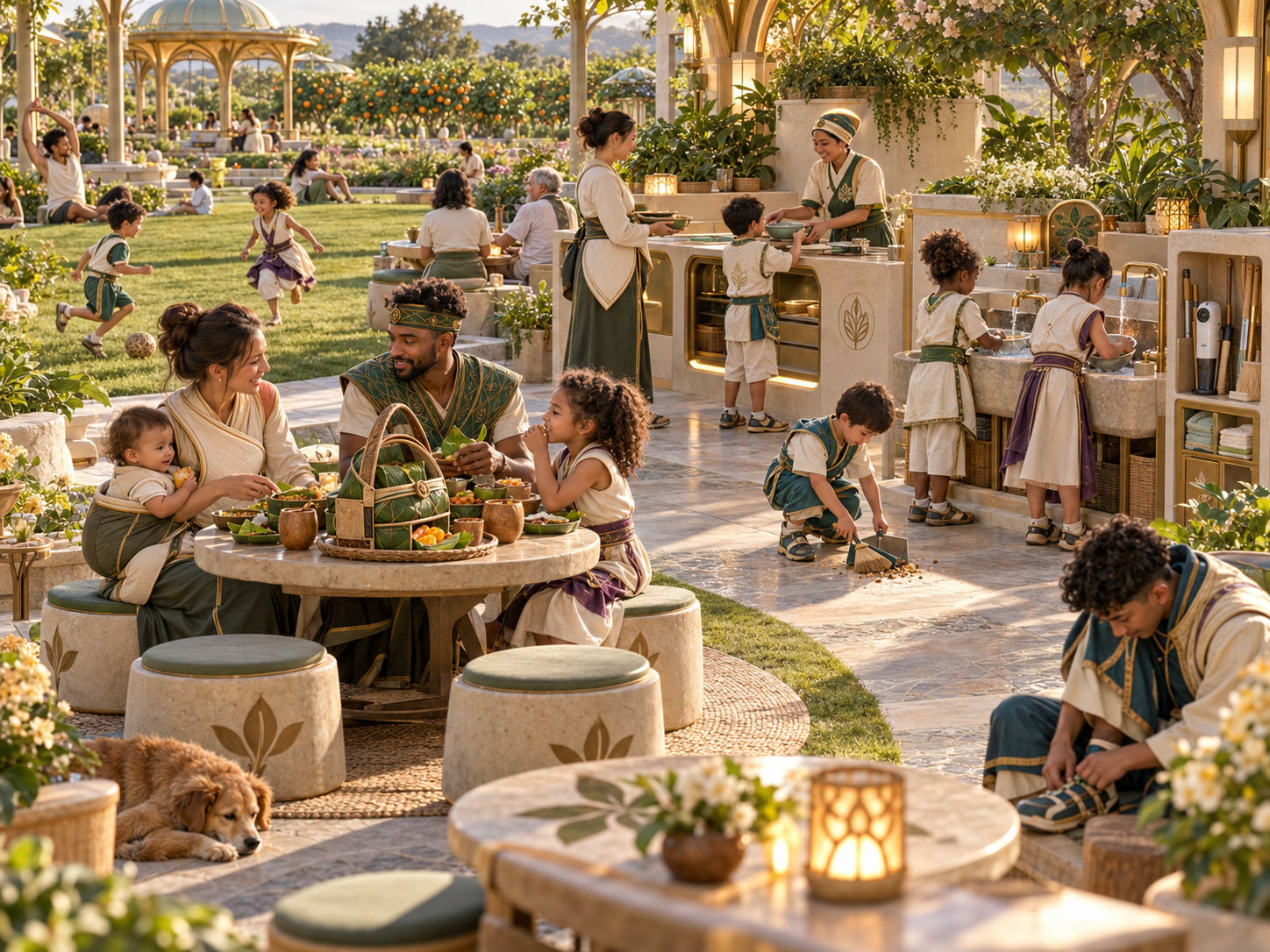
The civilization itself offers enormous opportunities for learning. Children can watch people working, ask questions, participate in suitable activities, visit places, use tools, and develop their own projects.
Oasis extends those opportunities across the Kingdoms. Children do not have to be physically present at every construction site, orchard, workshop, or research activity to begin exploring what is happening there.
And when a subject particularly interests them, they can return to it, watch more, study the details, meet experienced people, and develop practical knowledge over time.
Reading, writing, mathematics, science, and other foundational skills remain important. Their usefulness becomes visible throughout the activities children are exploring.
A child measuring crop growth is working with numbers. One following a construction design may become interested in geometry. Another trying to understand a technical process may have a reason to read material that would never previously have caught her attention.
Learning can move between watching, reading, discussing, experimenting, building, and observing the results.
This opens a much richer approach to teaching children than relying primarily on the old school’s classroom and timetable.
Learning From People Living and Building
There is something very enjoyable about seeing knowledge in use.
A child learning about a banana plant can watch somebody planting it, measuring its growth, caring for the surrounding soil, and harvesting its fruit. She can see what happens over several months rather than only reading a few paragraphs about the plant.
If her family is growing bananas too, she can make observations of her own.
Our AgriGames Foodway already provides an example of this kind of learning.
Keilah measures banana height. Kaleeyon plants and transfers seedlings. Kezidek participates in watering the plants. The children are growing up alongside the Foodway, seeing the changes for themselves and participating in the activities that produce those changes.
We record the experiences and continue editing our Living Movie as the crops grow.
Other children can watch what our family is doing, follow the changes, compare observations, and participate in their own growing activities.
Imagine the range of experiences available when many families across the Kingdoms are recording their work, knowledge, techniques, interests, and discoveries.
Experienced practitioners can share years of knowledge. Families can follow projects from the first idea through construction, use, improvement, and sometimes complete redesign.
Lifelong Learning Is for Adults Too
Why should this growing world of learning be limited to children?
Adults also develop new interests, change direction, and discover abilities they never previously had the opportunity to explore.
Someone may become interested in growing food after watching an AgriGames activity. Another person may discover a fascination with marine engineering, textile making, construction, animal behaviour, or working with young children.
A father who has spent years developing one skill may decide to explore another. A mother may discover an interest in something that did not even exist when she was young. Grandparents can continue learning, experimenting, and contributing knowledge from their own experiences.
Oasis will make a tremendous range of these experiences visible, while Trott Bailey Family University provides free courses for people who want more structured study.
There is much to enjoy in learning simply because a subject interests you.
A person can develop deep knowledge in one area, explore several others, or spend different seasons of life doing different things.
What Will Children Want to Become When the Possibilities Keep Growing?
Now return to that familiar question.
How does a child answer when she has access to an enormous and expanding record of civilization life?
She might be interested in designing family homes, studying birds, growing food, developing clothing, making films, helping care for babies, inventing games, and exploring the sea.
Perhaps she will become particularly skilled in one of those areas. Perhaps several will remain part of her life. Perhaps she will develop an entirely new activity by combining things she has learned.
And while she is growing, other people will be making discoveries, building new things, and producing more knowledge for her to explore.
The range of possibilities is continually expanding.
The old question is also closely tied to the old world’s need to find an occupation that will provide enough money to live.
In the Trott Bailey Family Civilization, we are designing a different living arrangement, where access to life’s necessities is free. A child does not have to grow up believing that all her learning must eventually be converted into an income.
She can explore what she enjoys, discover what she is capable of, and develop skills that she can use throughout her life.
This opens up a much richer conversation about what a person might become, what they might learn, and how they might contribute.
The Knowledge Will Keep Growing
There is another wonderful part of this.
Today’s children will also become the people whose experiences future generations can watch.
They will record their activities, create things, study their interests, develop skills, and contribute their own discoveries. Some will improve techniques developed long before they were born. Others will create things nobody has yet imagined.
And their recordings will become part of the growing knowledge of the civilization.
The possibilities available to a child born twenty years from now may be much broader than those available to a child born today, because the people living during those twenty years will have added their experiences and knowledge to the archive.
Oasis gives this growing record a place where people can find it, watch it, enjoy it, and learn from it.
As we construct more of the civilization, the children will have more to explore. The adults will too. And the range of answers to “What do you want to become?” will keep growing with the lives, skills, and discoveries of the people around them.