

Clean Return Steward.

Service Shadow handles the place.
Clean Return handles the used items.
When trays, cloths, cups, tools, baby items, or food carriers are used, Service Shadow makes sure they get to the right return point. Clean Return then washes them, checks them for damage, dries them, sorts them, and puts them back on the clean side. Service Shadow takes from the clean side and restocks the place.
That is the plain rule.
Why Clean Return Exists
The Trott Bailey Family Civilization shares many things because family life should not be forced into private burden at every turn.
Food vessels, trays, bowls, cups, cloths, bathing supports, baby mats, tools, delivery carriers, learning materials, care items, public rest items, and washable covers move through public life every day.
Those things cannot simply go out and then disappear into disorder.
They must come back.
They must come back through the right route.
They must be cleaned, dried, checked, repaired if needed, sharpened if needed, sorted, composted if appropriate, restocked, or removed from use.
If this does not happen on time, the problem spreads.
A Sabennerie may have food ready but no clean trays.
A Tool Library may have the right tool, but it is dull, dirty, missing, or broken.
A Care-Port may have rooms ready, but baby cloths may still be in the used route.
A build site may have skilled workers, but the drill bits, chisels, clamps, ropes, buckets, or measuring tools may not have returned.
A Baby World may be beautiful, but a damp mat or damaged toy can make the place unready.
A public rest court may be designed well, but cups, cloths, cooling supports, and food vessels can pile up and make the place feel neglected.
Built Into the Architecture
Clean Return should not depend on people fighting disorder by hand.
The Trott Bailey Family Civilization builds organization into the architecture.
Return points are placed where used things naturally appear.
Wash routes are placed where washing is actually needed.
Drying spaces are built in.
Repair handoffs are clear.
Sharpening points are available where tools regularly become dull.
Compost and organic-return routes are separated early.
Clean-side storage is close enough to the place that needs restocking.
Used routes and clean routes do not cross carelessly.
A person should not have to carry a wet object across a room, search for a temporary place, remember it later, and then move it again.
A person should not have to keep solving the same return problem every day because the architecture did not give the object a route.
Good Clean Return design gives the used thing somewhere sensible to go.
Automation and Human Intelligence
There is a lot of automation in Clean Return.
Machines can wash trays, rinse food vessels, dry cloths, move return baskets, separate organic matter, lift heavy carriers, route towels, clean troughs, count returned items, and support repeated cleaning work.
The human role is not to become the machine.
The human role is timeliness and coordination.
Clean Return Stewards make sure the right item reaches the right process at the right time.
If a tool needs sharpening, it goes to sharpening.
If a tray is cracked, it goes to repair or retirement.
If towels are damp, they do not return to use.
If organic waste should go to compost, biodigestion, mulch, Soil-Crown work, garden recovery, or animal-safe routes, it is sent correctly.
If clean stock is running low, restocking happens before the place lacks.
The Core Responsibility
Clean Return Stewards handle used items after they leave the public place, work area, food area, care room, travel cabin, bathing place, kitchen, build site, tool dock, or child space.
They receive used items.
They keep clean and used things separate.
They sort what can be washed, repaired, sharpened, composted, returned, retired, or sent to another route.
They make sure items are not put back into service while still dirty, damaged, wet, unsafe, dull, incomplete, or misplaced.
They do not personally perform every cleaning, repair, sharpening, composting, or drying task.
Service Shadow and Clean Return
Service Shadow and Clean Return work closely together, but they are not the same.
Service Shadow keeps the place ready.
Clean Return makes used things ready again.
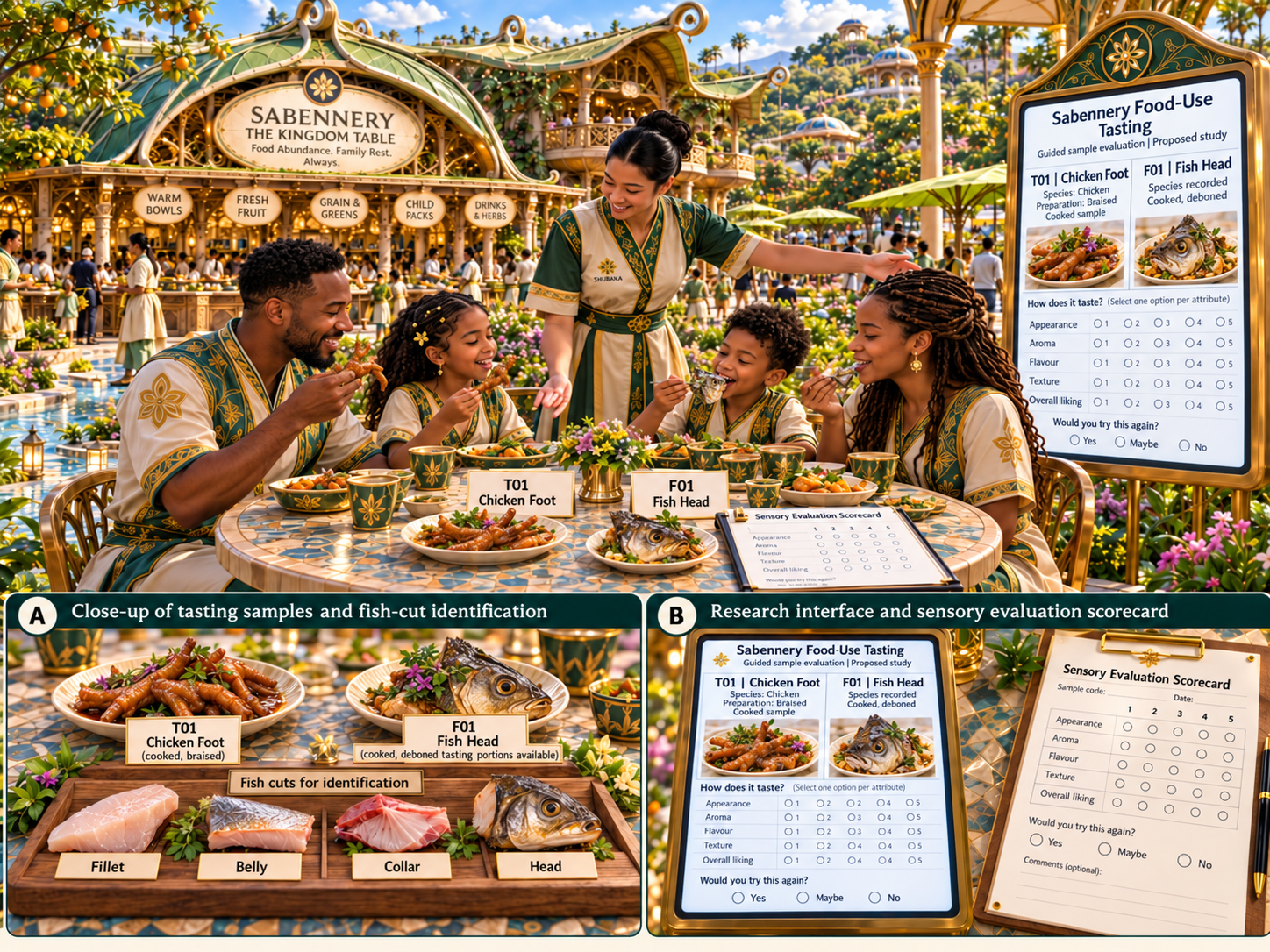
In a Keslev Sabennerie, Service Shadow watches the food area: tables, routes, serving points, floor reset, water points, food movement, worker relief, and public order. Clean Return handles the bowls, trays, cups, wraps, cloths, carriers, and food vessels after use.
In a build site, Service Shadow may keep the work area supplied, shaded, watered, routed, and supported. Clean Return handles the used tools, buckets, cloths, machine attachments, gloves, clamps, measuring items, and sharpening or repair handoffs.
In a Care-Port, Service Shadow makes sure rooms, food points, baby supplies, Belongings Spine handoffs, cleaning, and rest areas are ready. Clean Return makes sure used cloths, cups, trays, washable mats, changing supports, care items, and travel-support objects come back clean and ready.
Where Clean Return Is Needed
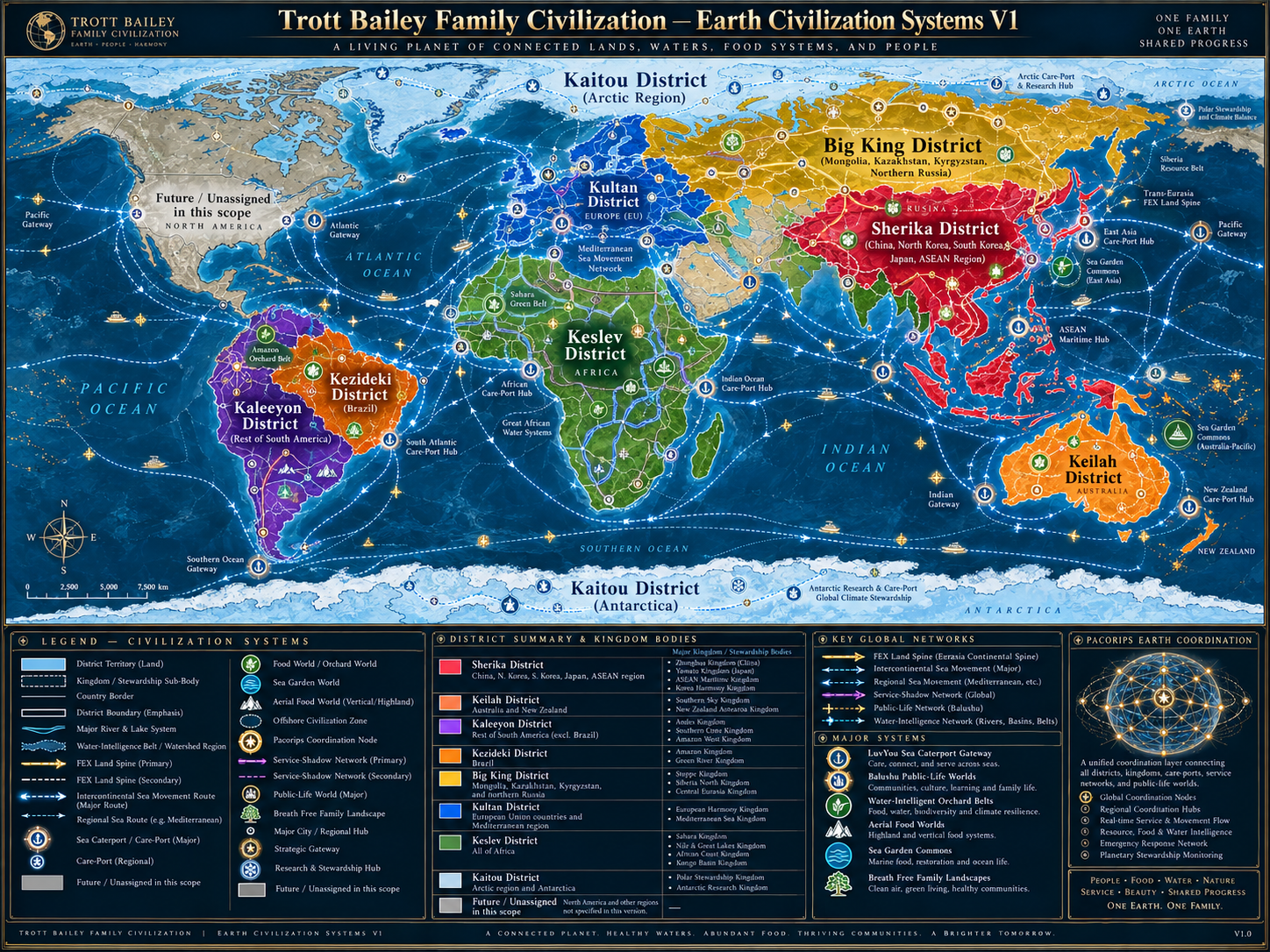
Clean Return is not a kitchen-only role. It is needed wherever used things can block the next use.
Krubaro Systems
Used things: jars, trays, cloths, organic matter, damaged objects, reusable containers, residual material.
Clean Return task: make sure each used thing reaches its right next route.
Why it matters: Krubaro designs the route after use. Clean Return helps make that route work in daily life.
Clean-Return Walls
Used things: organics, recyclables, beach waste, fishing waste, residuals, reusable items, public-material return.
Clean Return task: sort, seal, route, collect, wash, and move material through the public return system.
Why it matters: public return points should not become ugly public bins.
Service Shadow
Used things: anything leaving a public place, work area, care room, food space, rest court, or travel space.
Clean Return task: clean, check, dry, repair, sharpen, sort, compost, or remove returned items.
Why it matters: Service Shadow keeps the place ready. Clean Return makes the used things ready again.
Keslev Sabenneries
Used things: trays, bowls, cups, food carriers, wraps, serving tools, cooking vessels, cloths, delivery crates, organic scraps.
Clean Return task: move food-service items quickly from used back to ready.
Why it matters: food abundance can become disorder very quickly if the return side is weak.
Doon / Dish Return
Used things: plates, bowls, cups, trays, serving pieces, food vessels, cooking items.
Clean Return task: wash, reset, air-dry, inspect, and return to service.
Why it matters: Doon / Dish Return keeps the dish and food-vessel branch moving.
Keslev Composting, Soil-Crown, and Organic Return
Used things: fruit skins, vegetable matter, food scraps, plant matter, seed routes, compost inputs, mulch inputs, biodigestion inputs, garden recovery material.
Clean Return task: separate organic matter early and send it to the right life-return route.
Why it matters: organic matter should not become one mixed dirty pile.
Family Kitchens and Keslev Kitchens
Used things: plates, cooking vessels, baskets, jars, trays, damp cloths, water, peels, seeds, organic matter.
Clean Return task: give the return half of kitchen life a clear route.
Why it matters: food moves forward and then immediately creates return work.
Milli-Baka and Cooking Appliances
Used things: crumbs, food residue, troughs, oil wells, brush docks, brushes, cooking-surface items.
Clean Return task: clean the appliance parts and return them to ready.
Why it matters: Clean Return is built into cooking equipment too.
Tool Libraries
Used things: knives, shears, pruning tools, chisels, drills, hand tools, child-safe tools, repair tools, measuring tools, tool attachments.
Clean Return task: return, count, clean, dry, sharpen, repair, and restock tools.
Why it matters: Tool Libraries depend on readiness, not just storage.
Architecture and Build Sites
Used things: tools, buckets, measuring items, wet cloths, machine attachments, chisels, drill bits, clamps, ropes, gloves, fasteners, carts, support items.
Clean Return task: check, clean, dry, sharpen, repair, remove unsafe items, and return ready tools to clear points.
Why it matters: builders should not lose time searching for tools or working with bad ones.
Stonewoo Work Courts
Used things: chisels, stone files, polishing tools, wet cloths, water cups, meal trays, clamps, lifting straps, protective gear, stone-dust towels, machine attachments.
Clean Return task: return tools and support items from wet, dusty, food, and machine-use routes back to readiness.
Why it matters: Stonewoo work slows down if chisels are dull, cloths are piled with stone dust, or machine attachments are not ready.
Machine Operator Yards
Used things: machine attachments, lifting straps, buckets, clamps, fuel or service tools, cleaning tools, inspection items, safety gear, small parts, machine-side cloths.
Clean Return task: check, clean, repair, store, and return machine-support items.
Why it matters: if the attachment, strap, clamp, or inspection tool is missing or damaged, work still slows down.
Care-Ports
Used things: baby cloths, changing mats, child cups, nursing cloths, rest covers, food trays, washable care items, travel-support items.
Clean Return task: return care and travel items clean before the next family arrives.
Why it matters: travel waves need clean return ahead of demand.
Belongings Spine Support Items
Used things: shared travel carriers, garment bags, child-supply carriers, reusable wraps, crates, baskets, returned support containers.
Clean Return task: clean, check, repair, and restock the shared support side of the Belongings Spine.
Why it matters: the support items must stay ready while the Belongings Spine handles family movement.
FEX Stations and Cabins
Used things: cabin cloths, cups, food trays, child supplies, seat covers, rest items, washable mats, baby supports, service items.
Clean Return task: return travel-support items between uses.
Why it matters: free travel still needs clean cabins, clean supports, and prepared service items.
Baby Worlds
Used things: baby mats, washable toys, soft-floor covers, water-touch objects, baby cups, cloths, drool cloths, food cloths, return baskets.
Clean Return task: keep baby-contact items clean, dry, checked, and safe.
Why it matters: babies touch everything. Baby delight depends on clean repetition.
Child Space Safety Systems
Used things: toys, mats, cups, handles, straps, soft covers, child-use objects, water-play objects.
Clean Return task: remove damaged, dirty, damp, cracked, torn, or unsafe items before children use them again.
Why it matters: unsafe items should not quietly return to use.
Baliza Routes
Used things: drying cloths, towels, bathing supports, floor-wash cloths, fresh garment supports, used garment-route items, slippers, foot supports, drainage-cleaning items.
Clean Return task: organize wet, cloth-based, bathing, garment, and drainage return.
Why it matters: bathing should not create chaos. Clean Return helps the Baliza sequence stay calm.
Tideechi Places
Used things: used care cloths, clean cloths, bedding pieces, relief supports, washable surfaces, family-room items, mother-care items, baby-care items, final-care materials.
Clean Return task: keep birth and recovery materials separated, cleaned, checked, and ready.
Why it matters: in Tideechi, Clean Return is about readiness before urgency.
Public Rest Courts
Used things: cups, cooling cloths, food vessels, rest covers, child mats, water vessels, shared rest items, return trays.
Clean Return task: return public rest items before the court feels dirty, short, or neglected.
Why it matters: a rest court should not slowly become uncomfortable because return is weak.
Water Route Operations
Used things: wash water, rinse water, wet cloths, filtered greywater, trough drainage, cleaning slurry, water-service items, drainage tools.
Clean Return task: route water-related return safely and correctly.
Why it matters: Clean Return should not solve item disorder while creating water disorder.
Laundry and Cloth Return
Used things: baby cloths, towels, bathing cloths, kitchen cloths, Tideechi cloths, FEX cabin cloths, rest court cloths, worker cloths, garment supports, soft covers, drying-wall items.
Clean Return task: dry, sort, check, and restock cloth systems.
Why it matters: damp cloths need air. Wet cloths should not become hidden piles.
Wokumbakia Tasting and Filming Kitchens
Used things: tasting spoons, sample bowls, cups, trays, filming table items, demonstration cloths, ingredient vessels, tasting sets.
Clean Return task: clean and reset tasting and filming tools between food tests.
Why it matters: food discovery should not become scattered dirty tasting tools.
Animal Forage Orchard Range and Nutrient Return
Used things: feed tubs, water vessels, bedding tools, brushes, egg trays, milk vessels, manure and bedding tools, animal-care containers, compost routes, nutrient-return items.
Clean Return task: wash what should be washed, route what should return biologically, and send nutrients where they belong.
Why it matters: animal systems need washing, biological routing, and nutrient return.
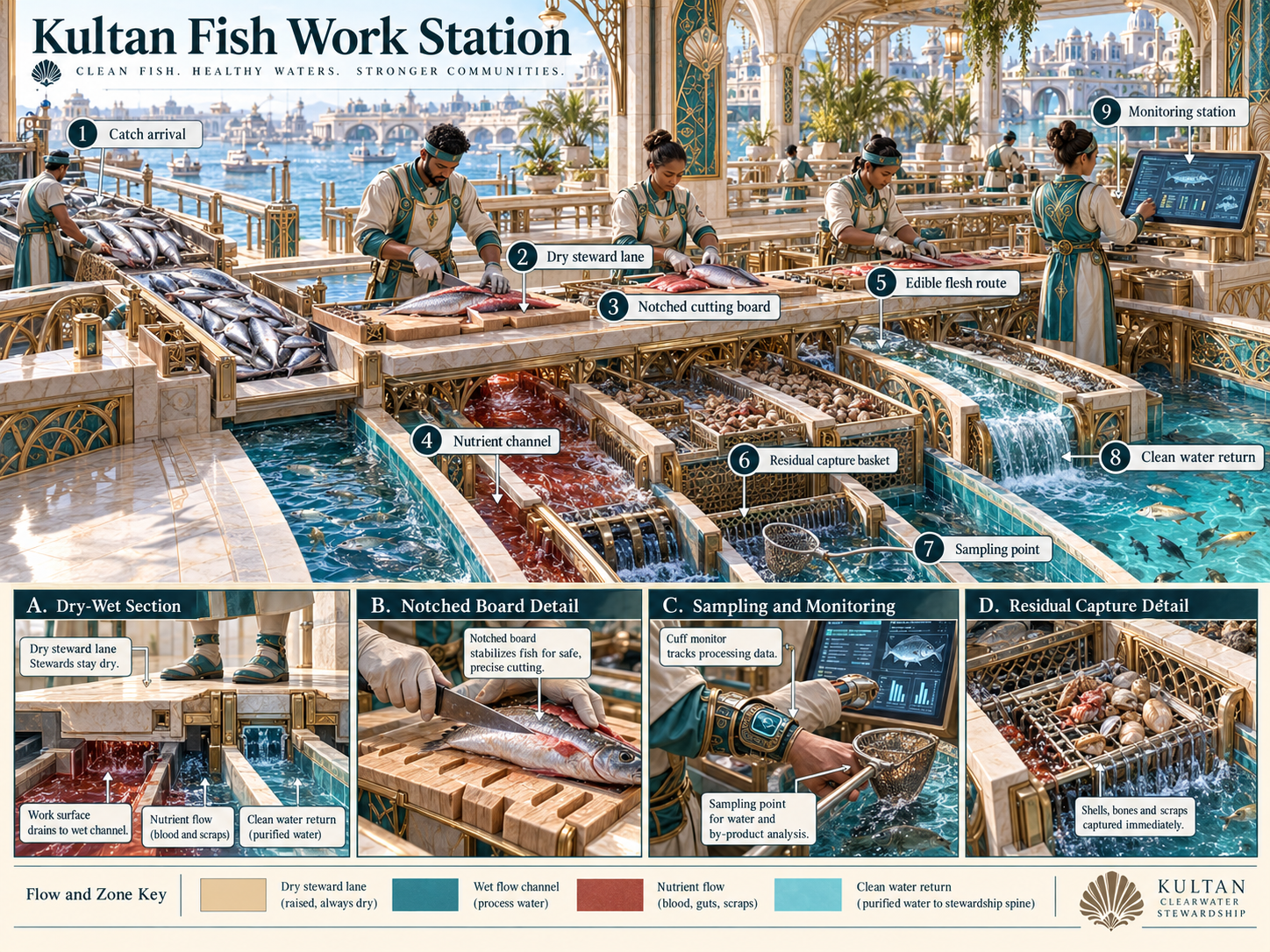
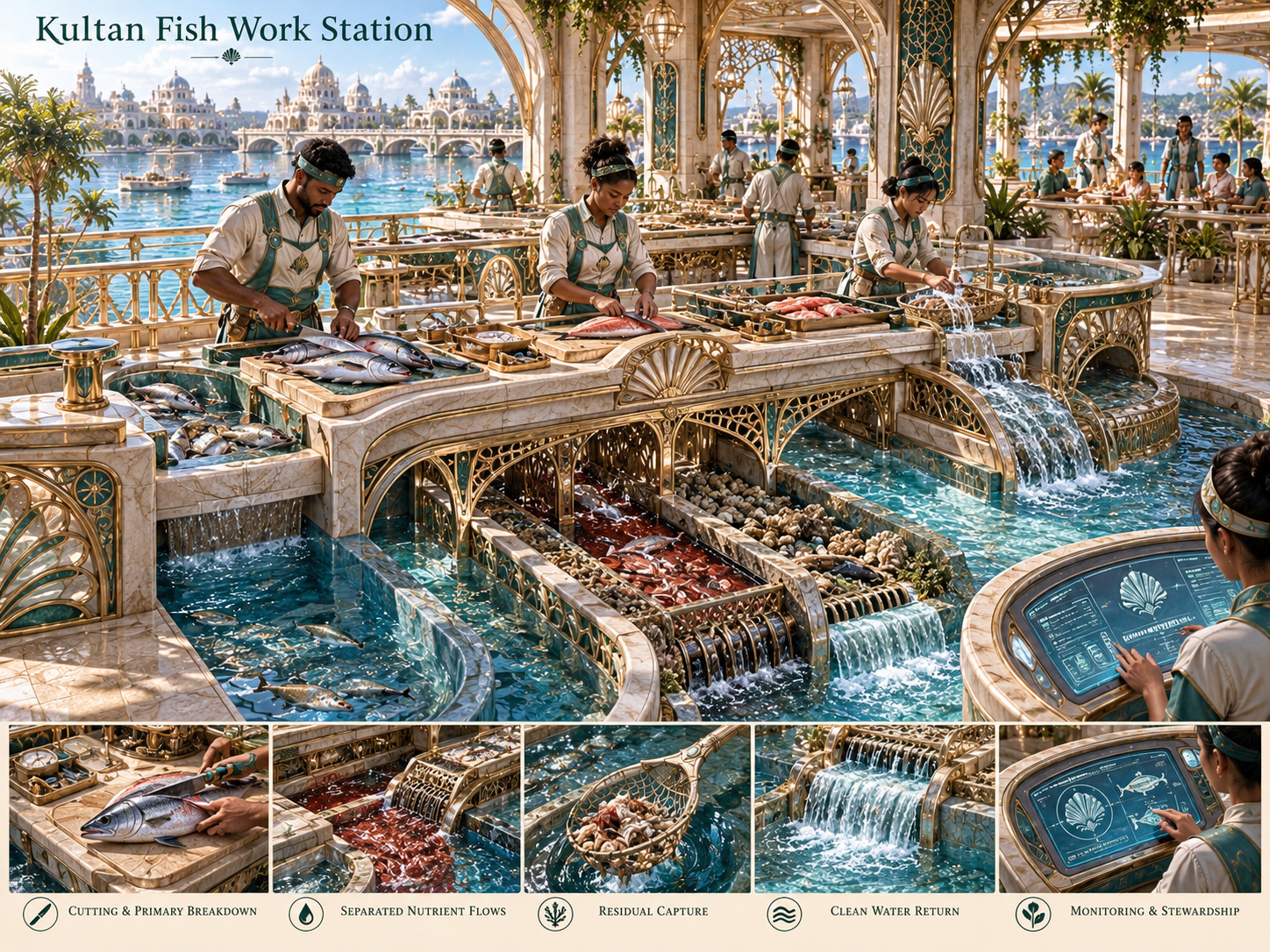
Kultan Water-District and Fish-Service Areas
Used things: fish receiving tools, food trays, water cups, service cloths, cleaning tools, greywater-adjacent items, family rest vessels, Sabennerie serving pieces, water-service tools.
Clean Return task: keep water, fish, family-rest, and food-service return clean and safe.
Why it matters: near fish and water, poor return can quickly become smell, contamination, or disorder.
Farms, Orchards, and AgriGames Foodways
Used things: harvest crates, pruning tools, water carriers, seed trays, mulch tools, compost buckets, child learning tools, baskets, gloves, field cloths.
Clean Return task: return field objects clean, dry, sharpened, repaired, compost-routed, or restocked.
Why it matters: dirty crates, dull pruning tools, and missing child learning tools slow the next use.
Learning Fields and Tool-Based Education Spaces
Used things: child-safe tools, writing boards, craft tools, measuring tools, cups, mats, learning objects, soil tools, water-play items.
Clean Return task: return and reset learning materials clearly and safely.
Why it matters: the return path should be clear, safe, and age-appropriate.
Repair Bays and Maintenance Shops
Used things: repair tools, diagnostic tools, parts trays, machine attachments, cleaning cloths, bolts, clamps, carts, broken items.
Clean Return task: keep repair tools, parts, and broken-item routes organized.
Why it matters: a repair bay cannot repair well if its own routes are confused.
Textile and FeelBloom Garment Systems
Used things: garment supports, cloth panels, fitting tools, sewing tools, washing and drying systems, steam-shaping supports, repair tools, returned rolewear parts.
Clean Return task: clean, repair, sort, dry, and restock garment-system items.
Why it matters: rolewear should not return to use damaged, dirty, damp, or missing important parts.
Mobile Delivery Systems
Used things: delivery carts, food carriers, trays, crates, wrapped vessels, return boxes, cooling carriers, warming carriers, clean/used route containers.
Clean Return task: return and reset delivery items after each route.
Why it matters: if delivery carriers do not come back clean and ready, delivery slows.
Emergency and Surge Service Points
Used things: extra trays, cloths, care items, travel supports, food carriers, emergency vessels, surge service supplies, public-event return items.
Clean Return task: prevent used items from piling up during high-volume moments.
Why it matters: surge readiness should include extra return capacity, not only extra supplies.
Civic Promenade, Beach, Vendor, and Fishing Return Points
Used things: beach waste, fishing waste, food-vendor return items, public cups, organics, recyclables, residuals, washable public-service items.
Clean Return task: give civic return a clear route.
Why it matters: promenades, beaches, vendor zones, rural nodes, fishing edges, movement corridors, and riverfronts should not depend on scattered bins and random cleanup.
Clean and Used Must Stay Separate
Clean Return needs clear separation.
- Used things have a route.
- Clean things have a route.
- Wet things have a place.
- Damaged things have a place.
- Dull tools have a place.
- Items needing repair have a place.
- Items needing sharpening have a place.
- Items ready for restocking have a place.
- Compostable material has a place.
- Reusable material has a place.
- Residual material has a controlled route.
A clean bowl should not pass through a used tray path.
A baby cloth should not return to service before it is properly washed and dried.
A cracked cup should not be placed back in a Care-Port.
A food carrier should not be sent out with an unsafe latch.
A washable mat should not be stacked while still damp.
A chisel should not return dull to a Stonewoo team.
A pruning tool should not return dirty to a farm route.
A machine attachment should not return damaged to the operator yard.
Timeliness Matters
Clean Return fails when return is late.
A tray cleaned tomorrow may not help today’s Sabennerie service.
A chisel sharpened after the Stonewoo team has already stopped does not protect the work.
A towel dried after the Baliza rush has passed does not help the family waiting now.
A baby mat washed after the Baby World opens does not make the space ready.
A tool found after the build team has lost the morning does not support construction.
A food carrier returned after the delivery route has already left does not help that meal wave.
Machines and Support
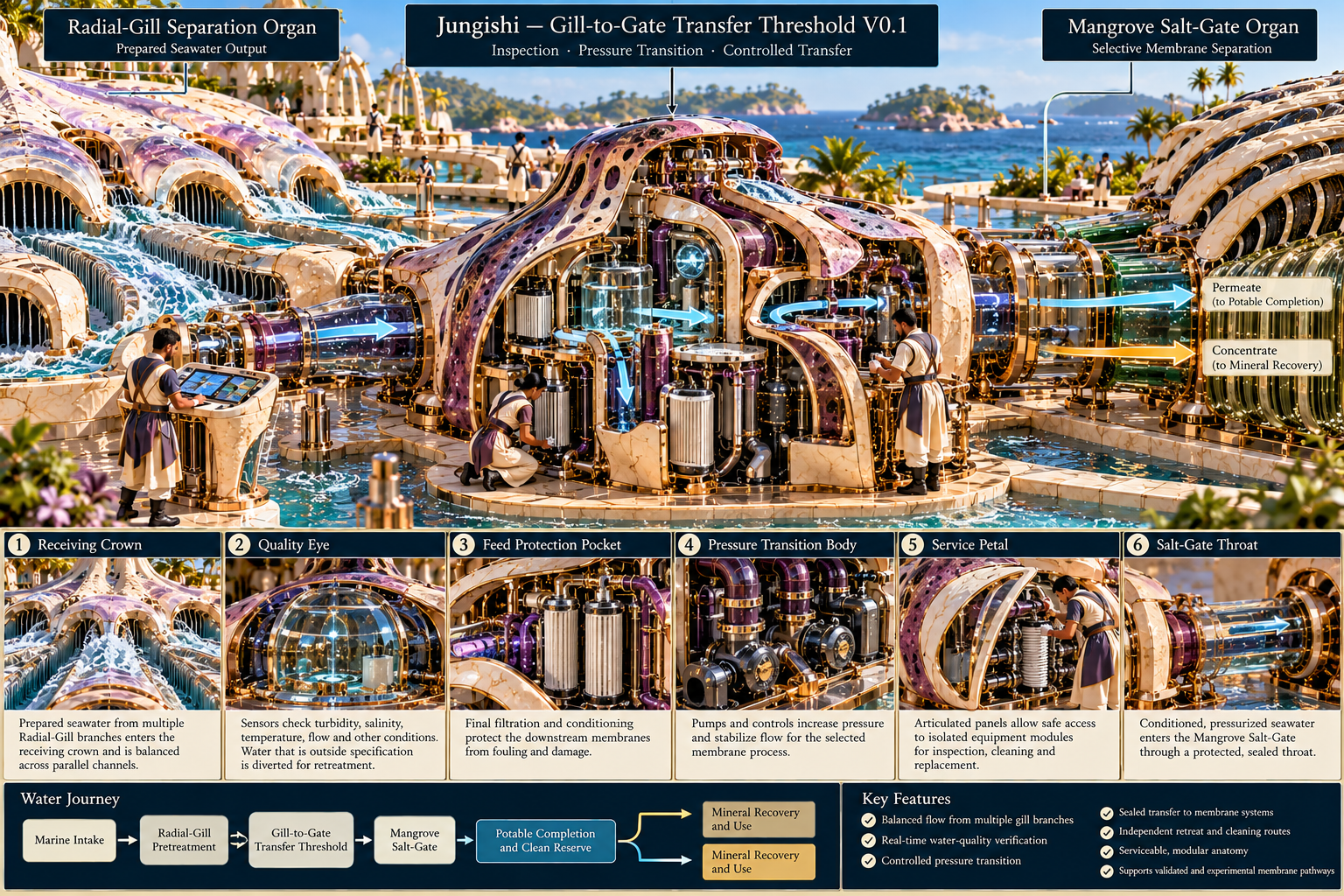
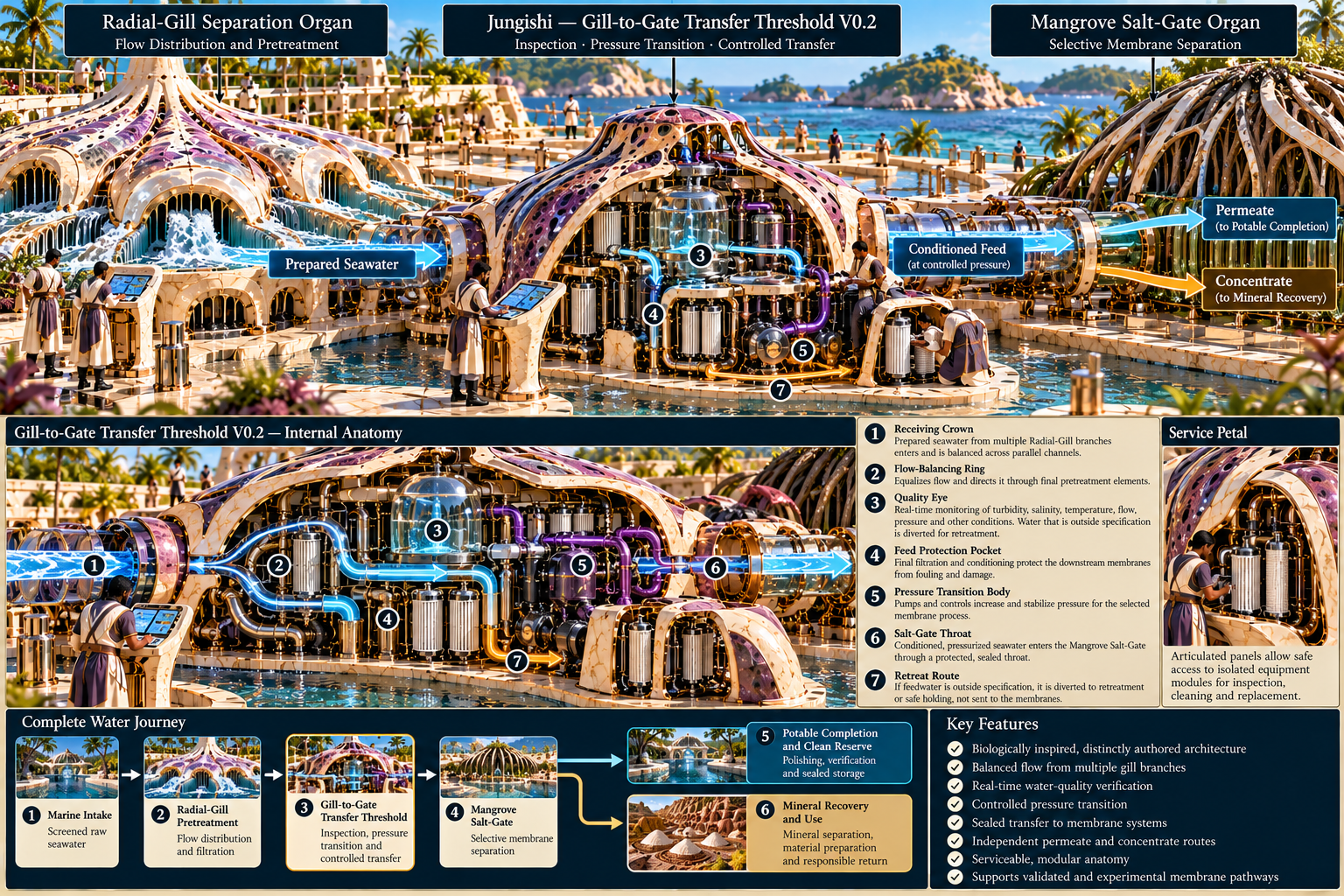
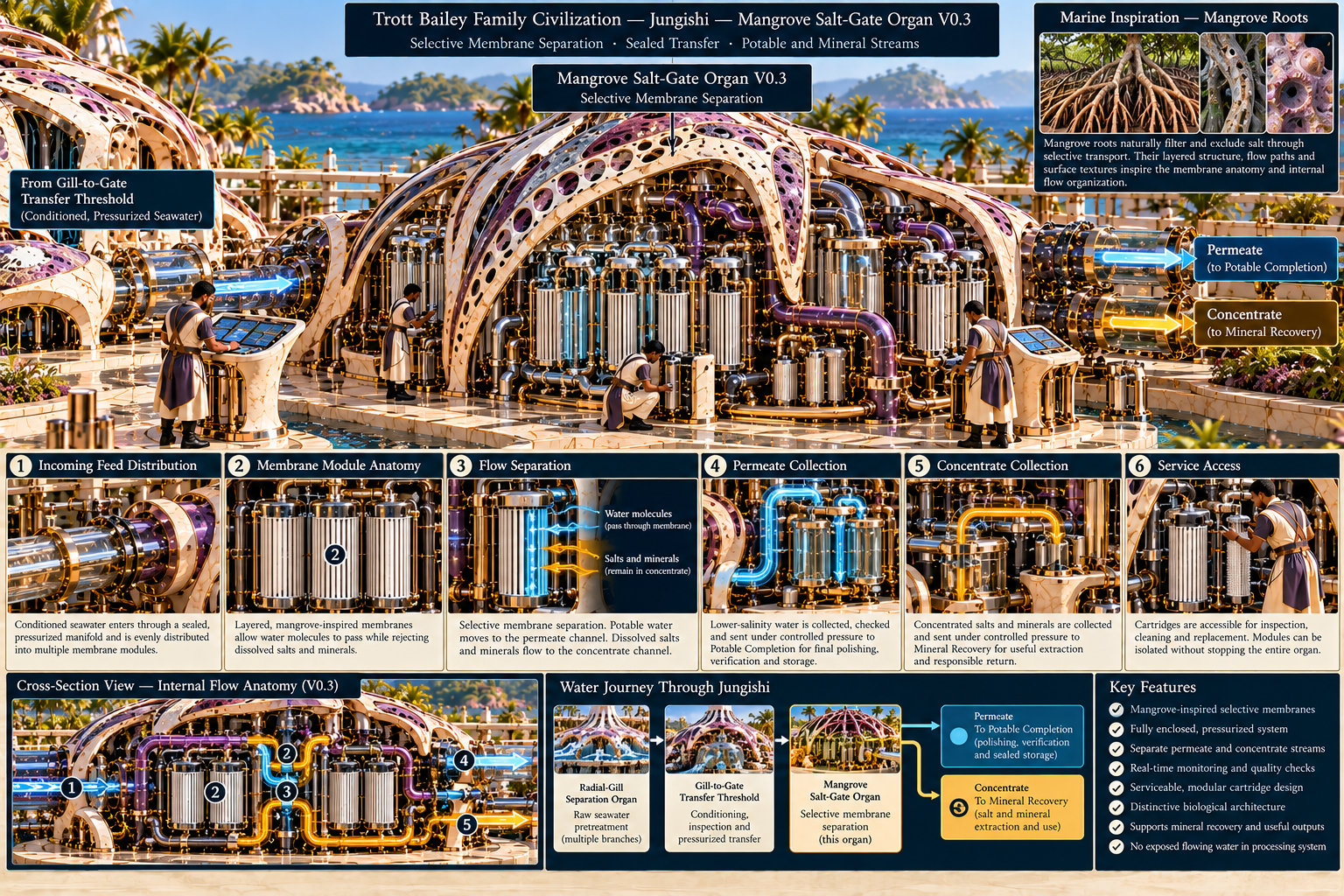
Clean Return may use machines where machines make the work safer, faster, cleaner, and less exhausting.
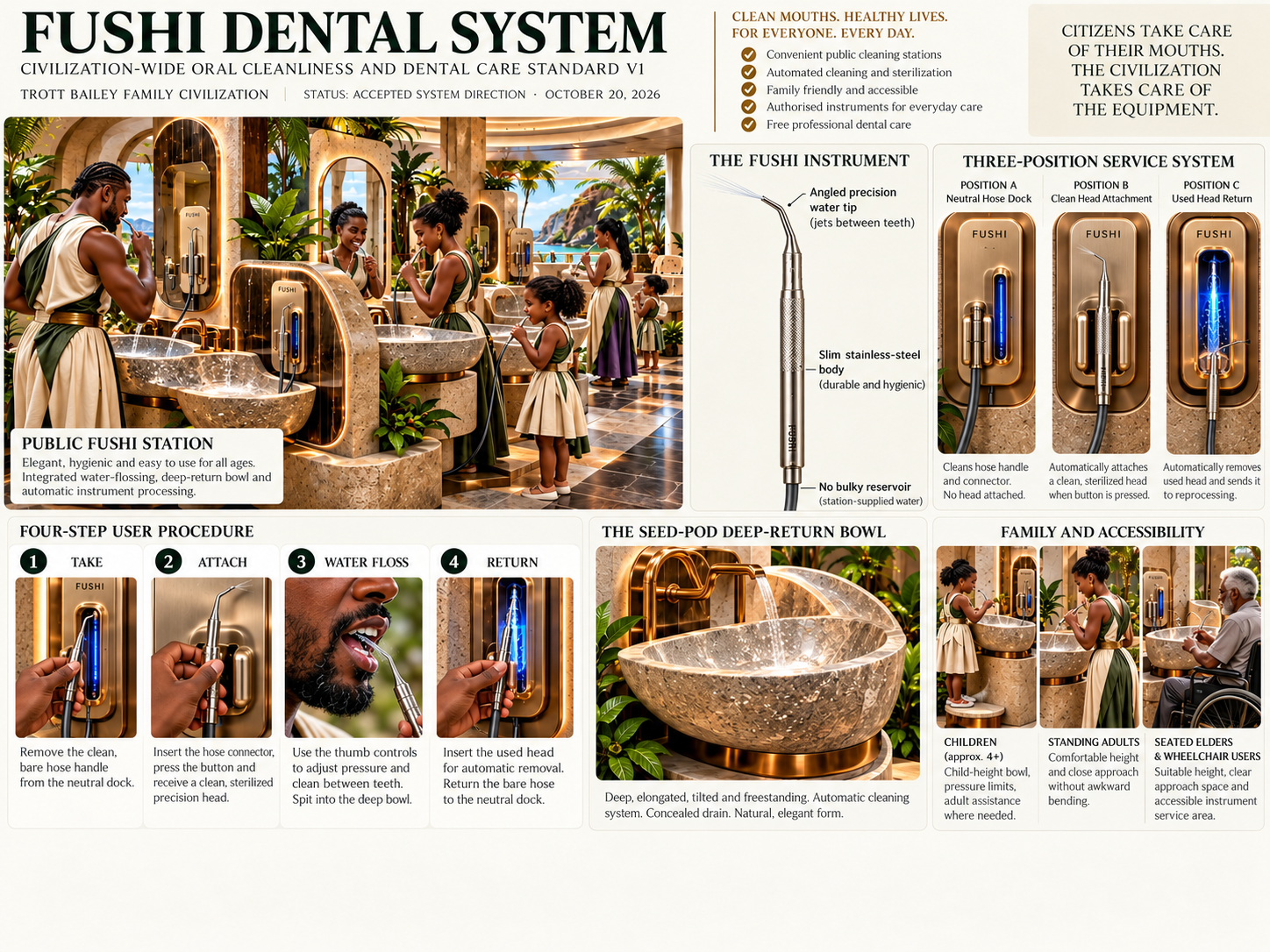
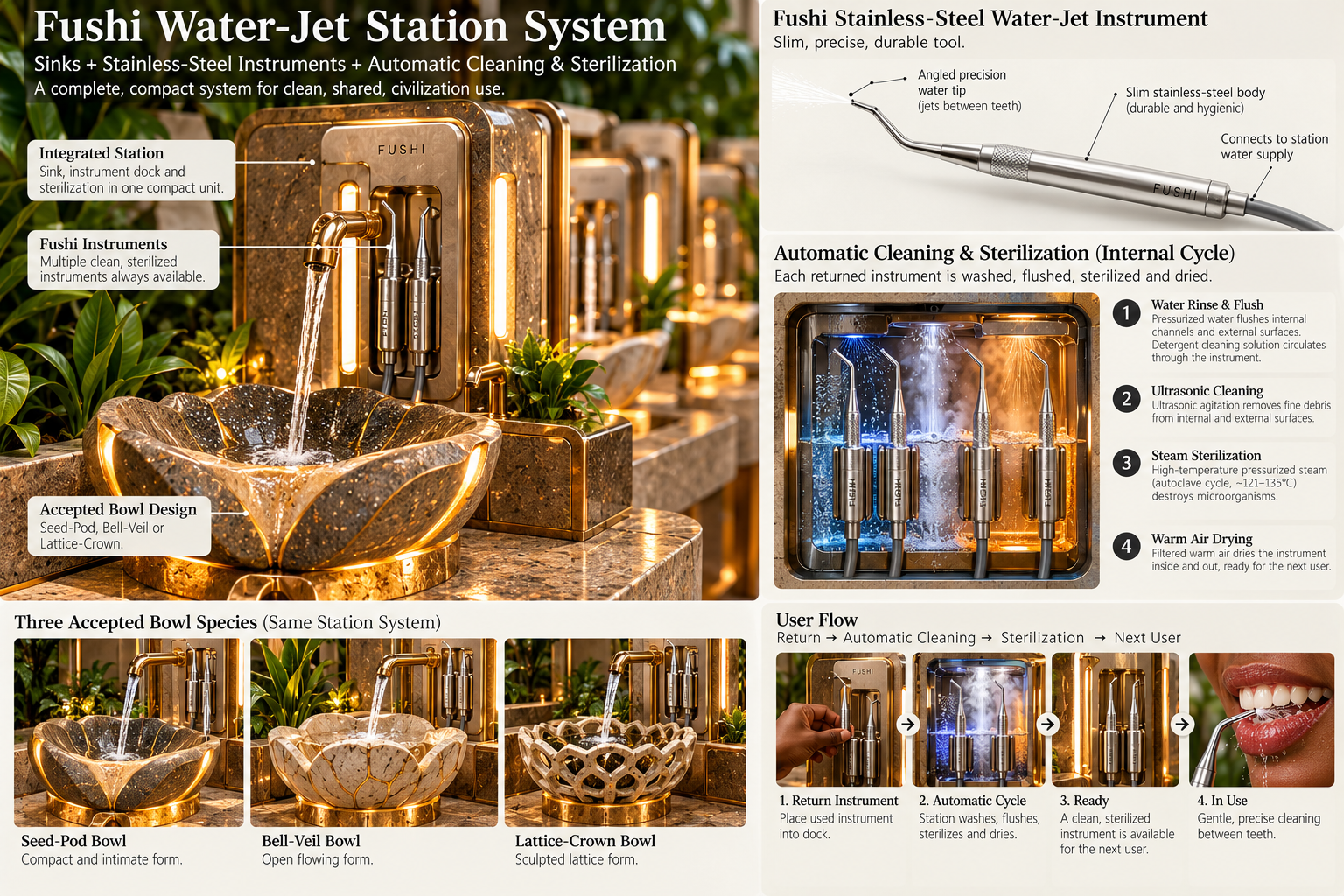
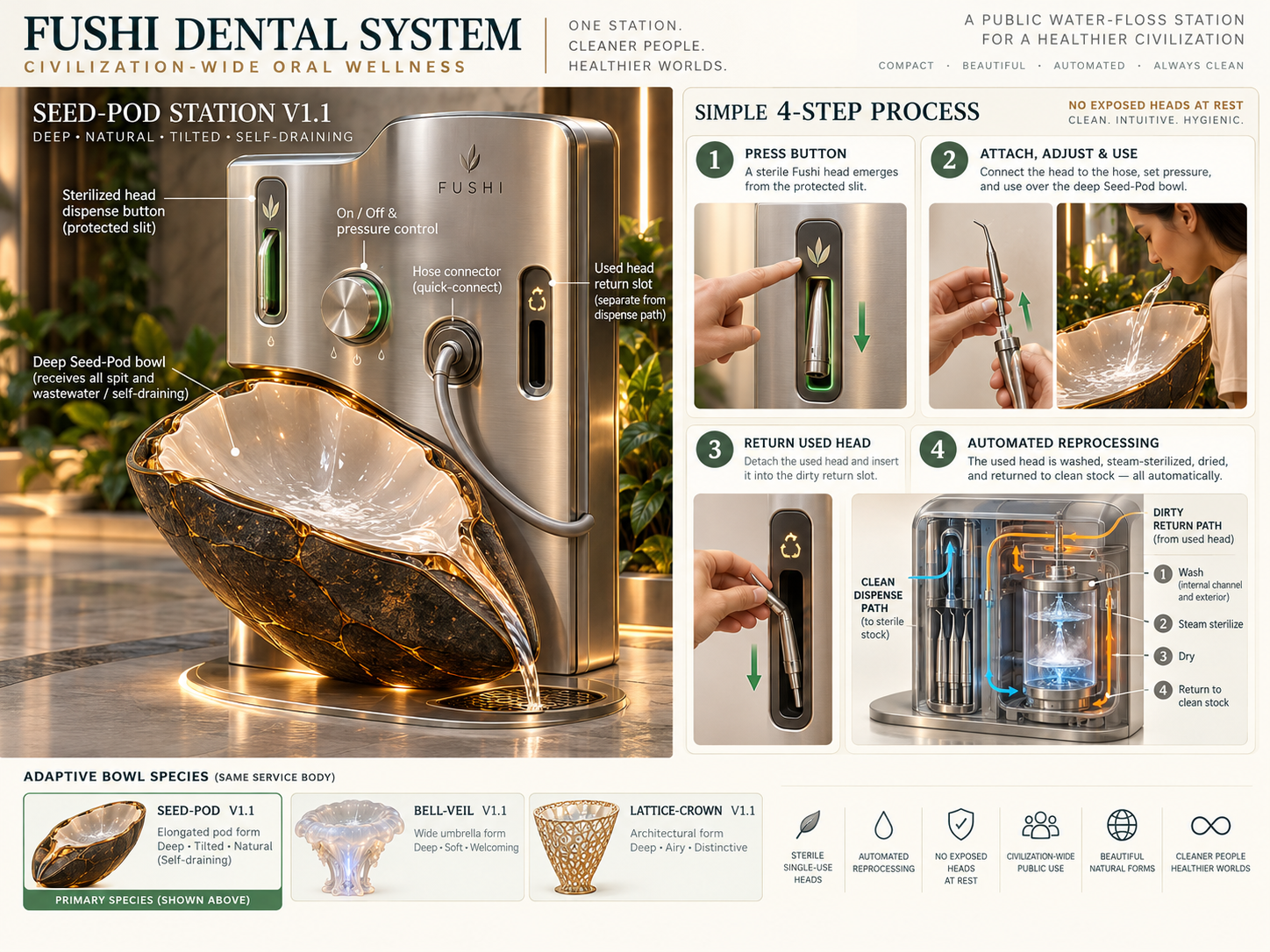
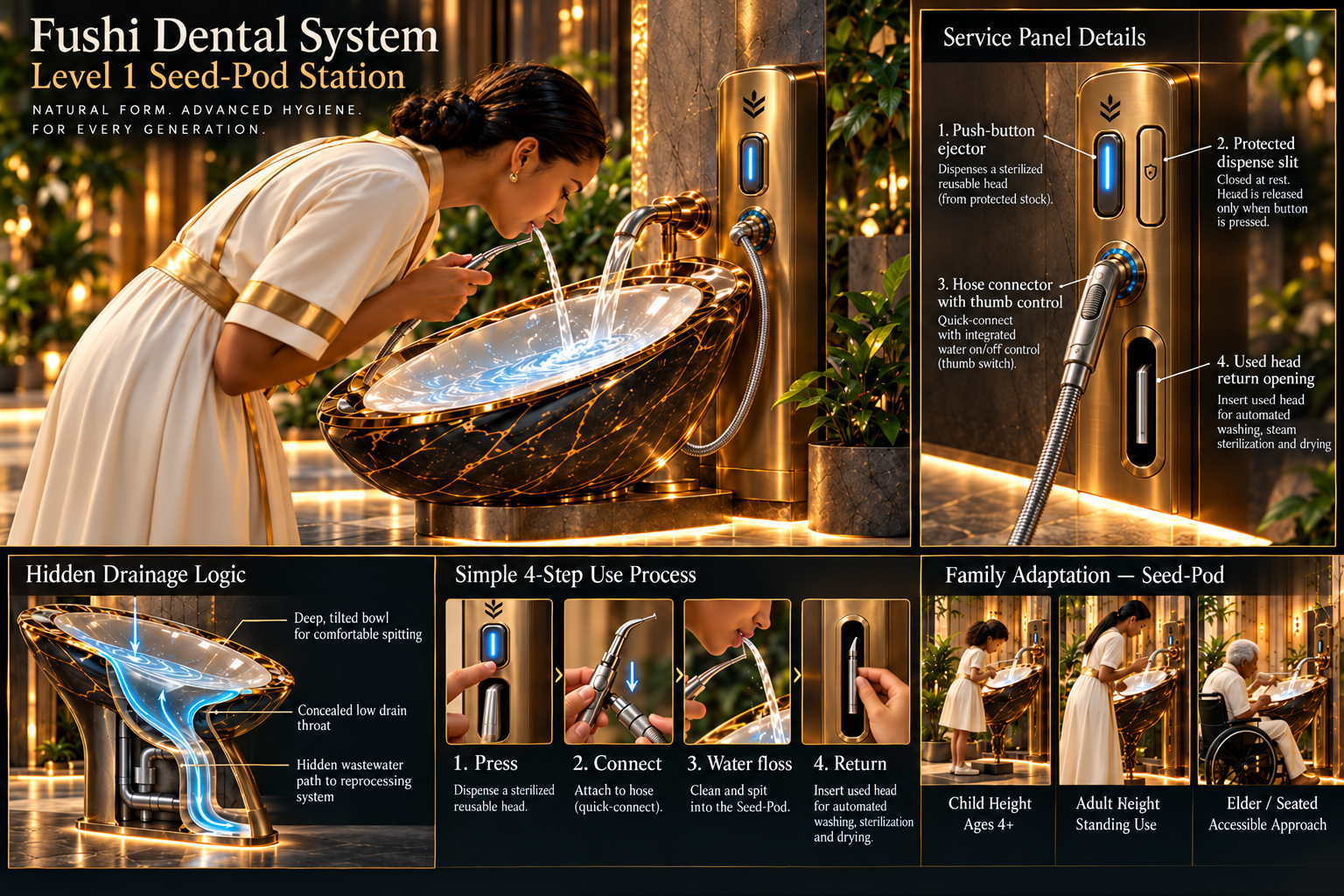
This can include tray washers, cloth washing systems, drying racks, steam-cleaning stations, water-recycling wash systems, return carts, sorting belts, small lifts, sterilizing cabinets, inspection lights, repair carts, sharpening stations, tool counters, clean storage carriers, and automated routing systems.
The goal is to stop people from being trapped in endless repetitive strain.
A person should not scrub hundreds of trays by hand every day if the Civilization can provide a better return system.
A person should not hand-sort every small return item when architecture and automation can make the first separation easier.
A person should not keep lifting heavy carriers when a return cart can do the carrying.
Standard for Clean Return Stewards
Clean Return Stewards should be careful, practical, observant, clean, and organized.
They should notice damage.
They should notice dampness.
They should notice missing parts.
They should notice dull tools.
They should notice unsafe edges.
They should notice when used items are backing up.
They should notice when clean stock is running low.
They should notice when a wash route is too slow.
They should notice when a drying route is too small.
They should notice when something is being returned before it is ready.
They should know when to send an item to repair.
They should know when to send an item to sharpening.
They should know when to remove an item from service.
They should know when organic matter belongs in compost, mulch, biodigestion, animal-safe routing, garden recovery, Soil-Crown work, or controlled residual handling.
They should know how to keep used, clean, wet, dry, damaged, dull, compostable, reusable, residual, and ready items properly separated.
Clean Return protects the movement from used back to ready.
It keeps trays moving.
It keeps cloths available.
It keeps baby items safe.
It keeps tools from disappearing.
It keeps sharp tools sharp.
It keeps damaged tools out of use.
It keeps food service flowing.
It keeps travel spaces orderly.
It keeps bathing routes calm.
It keeps build sites organized.
It keeps public rest places usable.
It keeps organic matter moving toward the right life-return route.
It keeps shared abundance from becoming shared mess.

Systems, machinery, equipment, rooms etc that assist in items being organized and easily returned for next use