

Money Is a Weak Civilization Engine

Money Is a Weak Civilization Engine
Money can price a house, a daycare slot, a grocery basket, a doctor visit, and a tank of gas. But money cannot carry the moral weight of family.
The Old World Made Money the Gatekeeper
The old world made money the gatekeeper of almost everything a family needs to continue.
Food sits behind money.
Shelter sits behind money.
Childcare sits behind money.
Healthcare sits behind money.
Dental care sits behind money.
Transportation sits behind money.
School supplies sit behind money.
Clothing sits behind money.
Rest often sits behind money.
Beauty often sits behind money.
Even time together as a family becomes affected by money, because when the household has to chase money constantly, the family loses hours, attention, patience, and bodily strength.
That is too much power for such a weak engine.
Money can count. But money cannot care.
Money can price. But money cannot judge what a child is worth.
Money can approve or deny a mortgage. But money cannot tell whether a family is loving, stable, wise, patient, or worthy of a place to live.
Money can determine whether Freda and Henry can afford daycare. But money cannot see the child’s face. It cannot hear the child crying. It cannot see Freda trying to work, mother, cook, think, clean, and stay soft. It cannot see Henry trying to provide, protect, love, repair, drive, discipline, and not be milked by relatives who suddenly remember “family” when they need him.
Money Does Not Know What It Is Pricing
This is the deep weakness of money.
It prices things without understanding what they are.
It prices a home as an asset. But to a family, the home is not only an asset.
It is where a baby learns to walk.
It is where a husband and wife recover from the outside world.
It is where children are corrected without being crushed.
It is where food is cooked, tears are wiped, clothes are folded, songs are sung, bodies rest, and future thoughts begin.
Money prices food as a product. But to a family, food is not only a product.
Food becomes teeth, blood, mood, attention, sleep, growth, comfort, memory, and family rhythm.
Money prices childcare as a service. But to a family, childcare is not only a service.
Childcare is who holds the child when the parents are away. It is who watches the child’s body, mood, safety, bathroom needs, tears, play, speech, and early learning.
Money prices transportation as a car payment and fuel cost. But to a family, transportation is how the parents get to work, how children reach school, how groceries come home, how doctor visits happen, how grandparents are visited, how emergencies are answered.
The Numbers Already Show the Failure
In the previous article, the household math was laid out plainly. A two-parent working family in three of America’s highest median-income states can still go negative when ordinary costs are stacked.
These were not low-income-state examples. These were Massachusetts, New Jersey, and Maryland — the three highest median-household-income states in the 2024 Census data.
| State | Median household income | Estimated take-home | Listed monthly essentials | Leftover |
|---|---|---|---|---|
| Massachusetts | $104,828/year | ~$7,150/month | ~$10,474/month | –$3,324 |
| New Jersey | $104,294/year | ~$7,157/month | ~$10,057/month | –$2,900 |
| Maryland | $102,905/year | ~$6,933/month | ~$8,676/month | –$1,743 |
That table already included housing, food, two used-car payments, fuel, daycare, and basic school costs.
It did not include utilities.
It did not include health insurance.
It did not include doctor visits.
It did not include dental care.
It did not include diapers.
It did not include clothes.
It did not include phone bills.
It did not include internet.
It did not include car insurance.
It did not include home repairs.
It did not include debt.
It did not include savings.
It did not include emergencies.
It did not include helping relatives.
It did not include rest.
It did not include joy.
It did not include vision.
The Old World Calls This Responsibility
The old world calls it responsibility.
But what it often means is:
- Carry the mortgage.
- Carry the rent.
- Carry the grocery bill.
- Carry the fuel cost.
- Carry the daycare cost.
- Carry the school cost.
- Carry the health cost.
- Carry the dental cost.
- Carry the car payment.
- Carry the insurance.
- Carry the repairs.
- Carry the relatives who did not plan well.
- Carry the gossip.
- Carry the pressure.
- Carry the children’s tears.
- Carry the marriage.
- Carry the body until it starts breaking.
Then the same world says: “Why are people not having more children?”
Because they can see the mountain.
Because they watched their parents climb it.
Because they watched marriages get swallowed by it.
Because they watched mothers become tired.
Because they watched fathers become hard, absent, ashamed, or overused.
Because they watched children become expensive before they were even celebrated.
Because they watched family life become a moral speech sitting on top of a financial trap.
Money Makes Family Compete Against Its Own Needs
Money makes the family compete against itself.
Pay the mortgage or buy better food.
Pay daycare or reduce work.
Repair the car or delay dental care.
Buy school supplies or put money toward debt.
Take a child to an activity or save fuel.
Rest or work more hours.
Cook well or collapse into convenience food.
Spend time with the children or chase the overtime that pays for the children.
Spend money on the marriage or spend money on the house.
Help relatives or protect the household.
Then people call the family selfish, weak, lazy, immature, or ungrateful when the family begins to crack.
No.
The family is not weak because it cannot carry infinite contradiction.
The engine is weak because it makes the family choose between things that should never have been enemies.
Freda and Henry Were Not Trying to Be Rich. They Were Trying to Be Whole.
Freda and Henry did not begin marriage asking for extravagance.
They wanted love.
They wanted a home.
They wanted children.
They wanted honest work.
They wanted to build.
They wanted to enjoy each other.
They wanted to have dinner without suspicion being planted into the room.
They wanted to answer the phone without wondering which relative had brought another burden.
They wanted to think about the future without first calculating which bill had permission to threaten the household this month.
That is not greed.
That is family life.
But under money-rule, even basic family life becomes a series of payments, applications, approvals, denials, penalties, interest rates, fees, late charges, insurance rules, employment conditions, credit scores, and emergency calculations.
Public Context Sources Used in This Part
Household-income figures reference U.S. Census 2024 ACS reporting. Childcare-cost context references the Federal Reserve’s household well-being reporting. The monthly family-cost table is an illustrative estimate carried forward from the previous article in this series. Actual costs vary by city, family size, taxes, insurance, debt, childcare type, commute, home price, and age of children.
Money Is a Weak Civilization Engine
A civilization engine should protect life. Money often waits until life is already desperate, then asks whether the desperate person can pay.
Money Cannot Protect Children From Falling Through the Floor
If money were a strong civilization engine, family homelessness would not be tolerated as a normal data category.
But the United States records families with children experiencing homelessness. In January 2024, HUD counted 259,473 people in families with children experiencing homelessness. Family homelessness increased 39 percent from 2023 to 2024. Fifty-six percent of people in homeless families were children.
Sit with that.
Children were counted inside homelessness.
Children who needed sleep.
Children who needed stability.
Children who needed bathrooms, food, clean clothes, school readiness, protection, calm adults, and a place to return to at the end of the day.
Money did not prevent the fall.
Money did not say, “This is a child; shelter must not be interrupted.”
Money did not say, “This family is under pressure; support must arrive before collapse.”
Money did what money does. It asked whether the family could pay.
Money Waits Too Late
Money-rule often waits until the family is already in trouble.
It waits until the rent is late.
It waits until the car breaks.
It waits until the tooth hurts.
It waits until the child needs childcare and the parent cannot afford the slot.
It waits until the couple has fought about money ten times.
It waits until the parents are exhausted.
It waits until the body is sick.
It waits until the family is humiliated enough to ask for help.
Then the old world starts measuring eligibility.
Forms.
Proof.
Income limits.
Waiting lists.
Interviews.
Denials.
Partial help.
Help that arrives after the damage has already entered the house.
Childcare Shows the Weakness Clearly
Childcare exposes money-rule because it forces parents to pay so they can work, and work so they can pay.
The Federal Reserve reported that parents using paid childcare paid a median of $240 per week, or about $960 per month. Parents using paid childcare for 20 or more hours each week paid a median of $1,400 per month. Just over half of parents using paid childcare spent at least 50 percent as much on childcare as they spent on housing.
That is not a small add-on.
That is a second pressure body inside the household.
And the cruelty is circular:
- The parent needs work to afford childcare.
- The parent needs childcare to keep working.
- The work consumes the parent’s best hours.
- The childcare consumes the parent’s money.
- The child consumes neither as a luxury; the child simply needs care.
- Then the household is told to be grateful, responsible, and emotionally stable.
This is not civilization intelligence.
This is a wheel.
Parents run inside it.
Children grow beside it.
Marriages strain underneath it.
Money Cannot Tell the Difference Between a Child and a Cost Center
Under money-rule, a child becomes expensive before the child is even known.
The pregnancy becomes medical cost.
The birth becomes medical cost.
The crib becomes cost.
The diapers become cost.
The formula or extra food becomes cost.
The childcare becomes cost.
The bigger apartment or house becomes cost.
The car seat becomes cost.
The stroller becomes cost.
The doctor visit becomes cost.
The dental visit becomes cost.
The school supplies become cost.
The child’s talent becomes cost.
Piano lessons. Swimming lessons. art supplies. sports fees. books. transportation. safe shoes. healthy food. time.
Then the old world says children are blessings.
But it prices the blessing until the blessing looks like danger.
The Fertility Data Belongs in the Same Room
No single number explains why people have children, delay children, avoid children, or have fewer children. Human choices are complex. Marriage stability matters. Health matters. faith matters. fear matters. culture matters. housing matters. work matters. family history matters. hope matters.
But the fertility data belongs in the same room as the household math.
CDC/NCHS reported that the U.S. general fertility rate declined from 54.5 births per 1,000 women ages 15–44 in 2023 to 53.8 in 2024.
That does not prove that one bill caused the decline.
But when the old world makes housing expensive, childcare expensive, food expensive, transportation expensive, healthcare expensive, and family support weak, it has no right to act shocked when people become cautious about family.
The old world keeps turning children into a financial risk conversation.
Then it asks why the future feels smaller.
Money Also Makes Responsible People Easier to Exploit
Money-rule does not only pressure parents through bills. It also gives destructive relatives more ways to exploit the responsible person.
Henry’s family looked at him and saw proof of stability.
They did not say, “You worked since sixteen. You were kicked out at eighteen. You built yourself through scholarships, odd jobs, pool cleaning, and a dorm-room printing business. You deserve protection now.”
They saw a man with income, education, respectability, and a marriage.
So they wanted his speeches.
His references.
His moral repair work.
His father-figure labor.
His adoption capacity.
His reputation to elevate his mother in church and community groups.
In a money-centered world, a responsible person becomes a resource pile.
People who did not help build him want to spend him.
Trott Bailey Family Civilization Does Not Worship Poverty or Wealth
Trott Bailey Family Civilization does not say poverty is holy.
Poverty is not holy.
Children going without is not holy.
Parents being exhausted is not holy.
A father being humiliated because he cannot pay is not holy.
A mother stretching bad food because good food costs too much is not holy.
A marriage breaking under bills is not holy.
But Trott Bailey Family Civilization also does not worship wealth as the final answer.
Wealth can be useful.
Wealth can build.
Wealth can open doors.
Wealth can fund relief.
But wealth still becomes weak if the civilization underneath it is money-centered, status-centered, profit-centered, and family-blind.
Abundance-Rule Is Different From Money-Rule
Trott Bailey Family Civilization answers money-rule with abundance-rule.
Abundance-rule does not mean people become lazy.
Abundance-rule does not mean responsibility disappears.
Abundance-rule does not mean people float around without purpose, discipline, correction, contribution, or order.
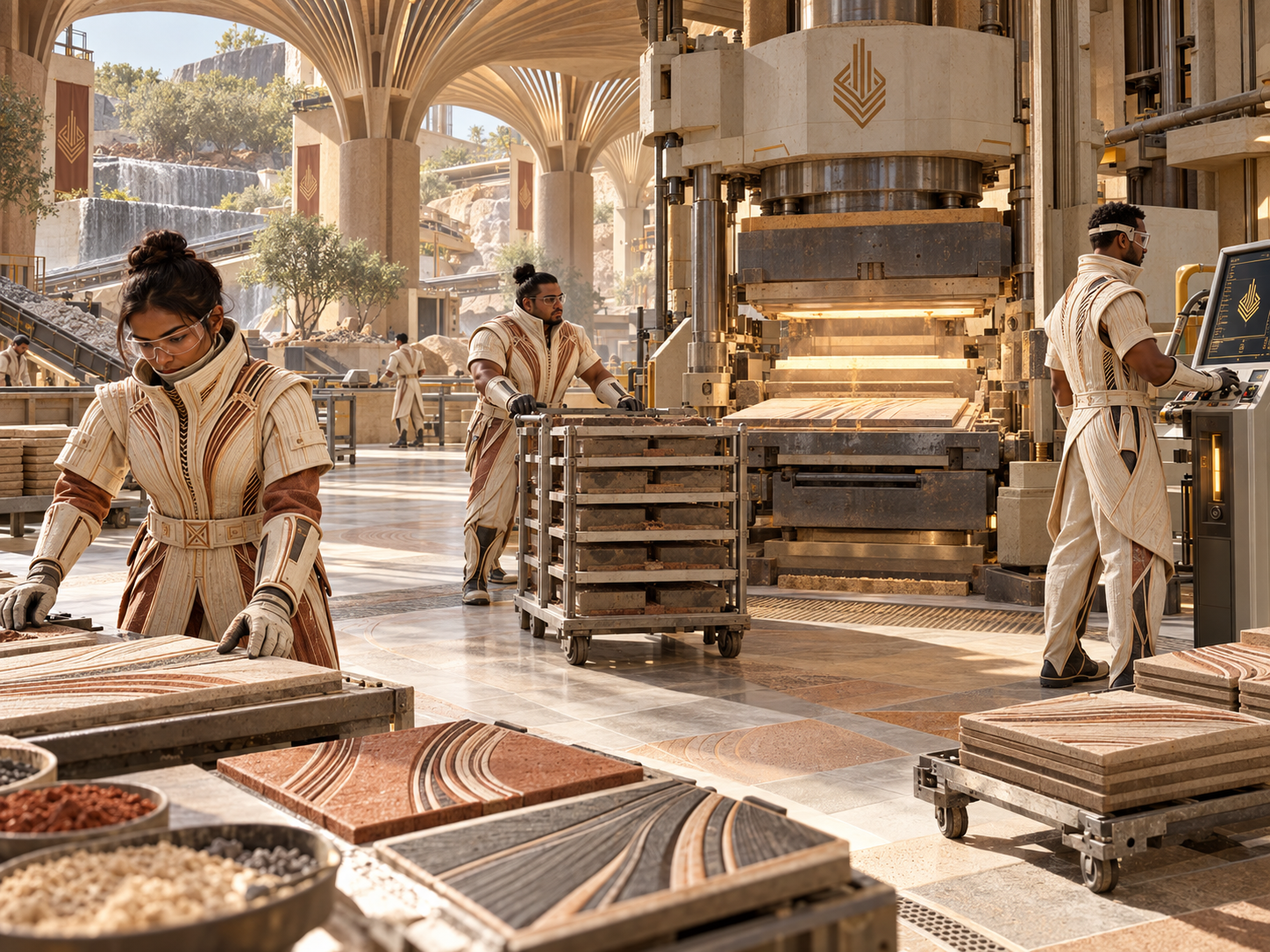
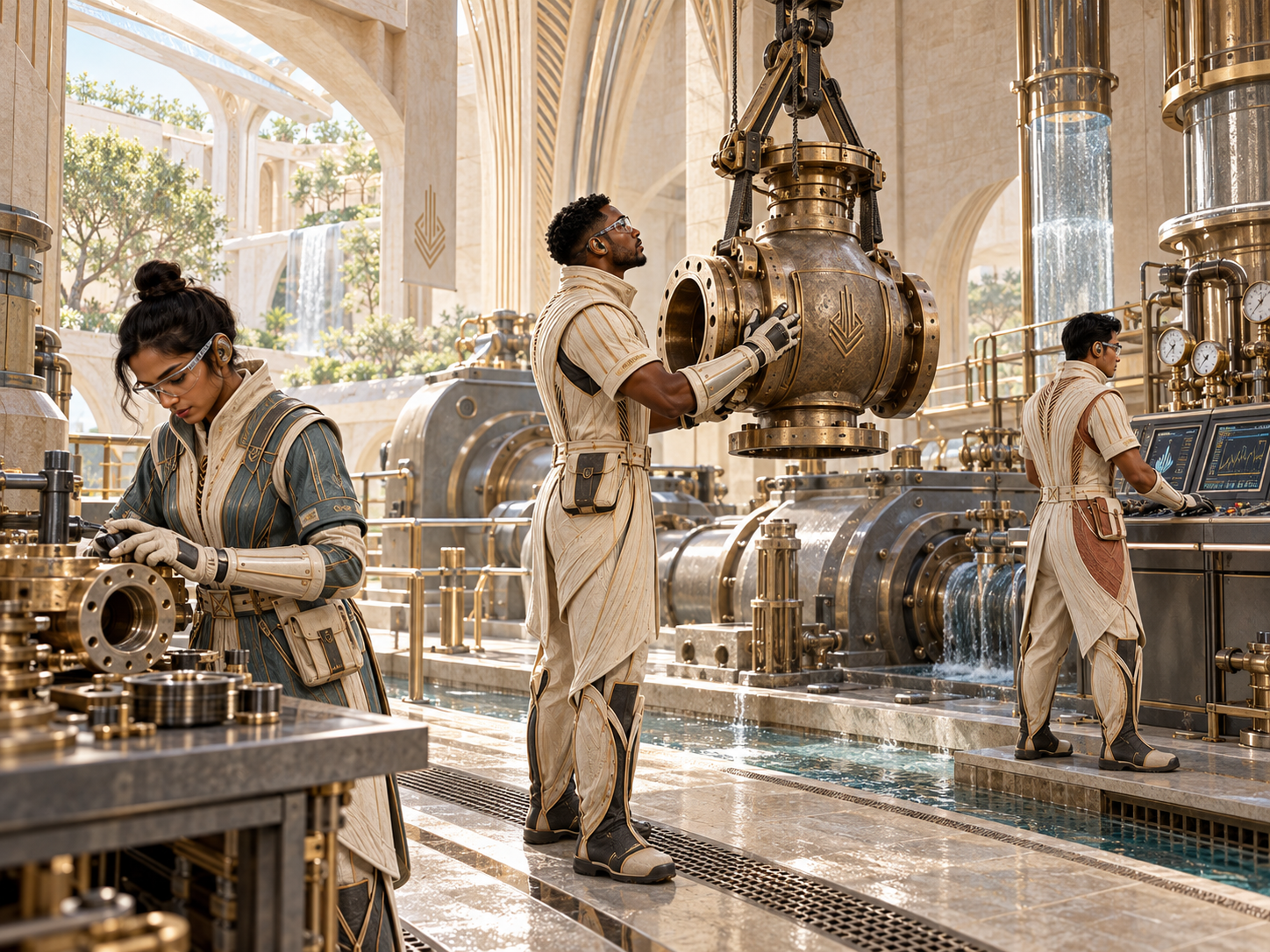
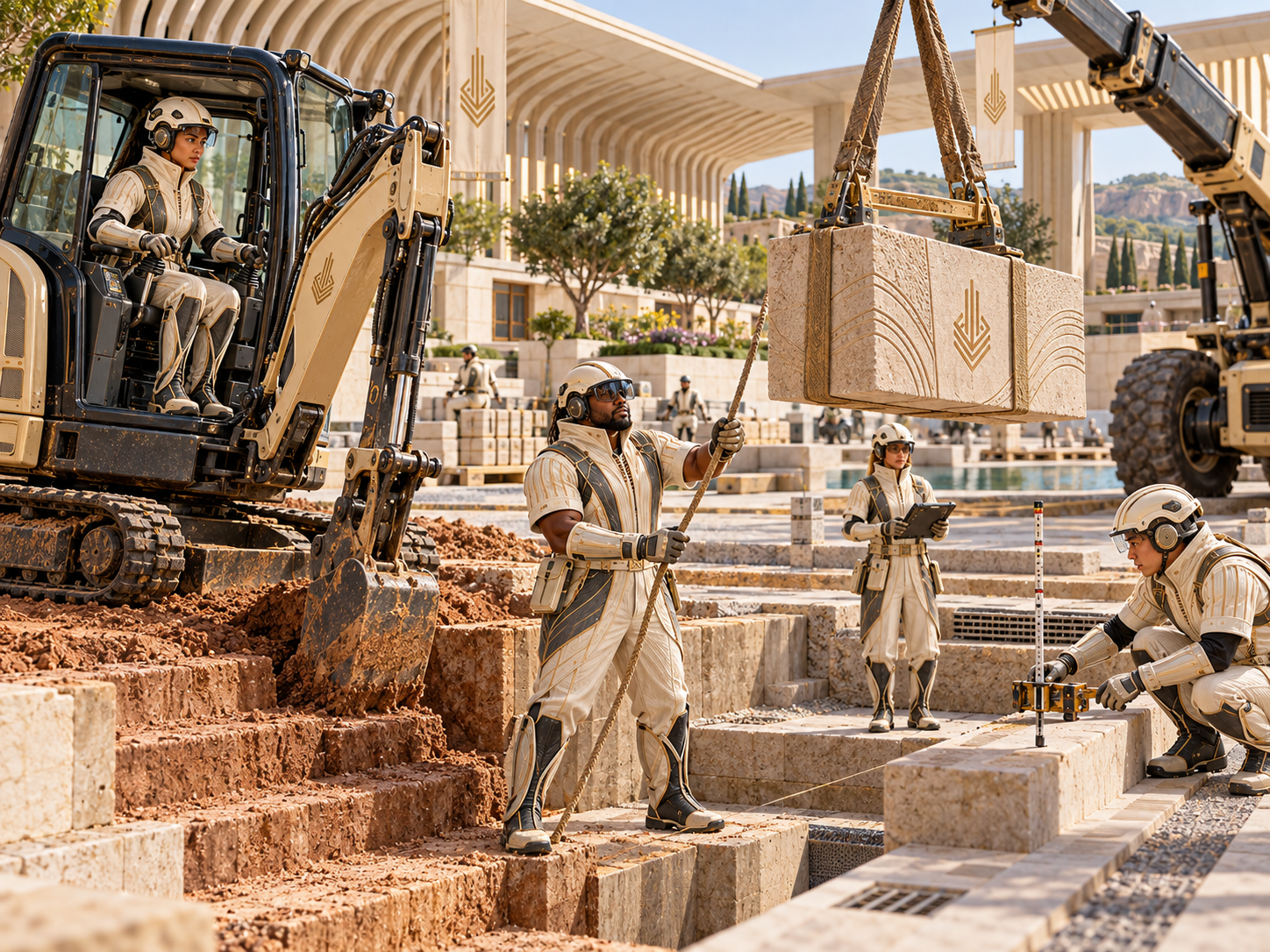
Abundance-rule means the essentials of family life are not left behind a payment wall.
- Food is provided because the family needs to be fed.
- Shelter is provided because the family needs a place to live.
- Clothing is provided because bodies need covering, dignity, identity, and beauty.
- Education is provided because children and adults need development.
- Healthcare and care systems are protected because bodies should not be left to collapse.
- Childcare and child spaces are designed because children are not side problems.
- Family rest is planned because exhausted parents cannot pour forever.
- Public beauty is provided because delight should not belong only to people with disposable income.
- Contribution is organized through talent, service, learning, rotation, and responsibility rather than panic survival.
In money-rule, the question is: “Can you pay?”
In abundance-rule, the question is: “What does family life need in order to grow well, and how should the civilization provide, maintain, renew, and protect it?”
That Is Why Money Is Weak
Money is weak because it cannot love.
Money is weak because it cannot notice.
Money is weak because it cannot protect privacy.
Money is weak because it cannot replenish a mother’s body.
Money is weak because it cannot honor a father without exploiting him.
Money is weak because it cannot tell a daughter she is beautiful.
Money is weak because it cannot teach a son self-control.
Money is weak because it cannot make over-processed food stop damaging children’s bodies.
Money is weak because it cannot turn a house into a family-relief system.
Money is weak because it cannot stop relatives from gossiping.
Money is weak because it cannot know when a young marriage should be protected from outside burdens.
Money is weak because it lets necessary things become optional for people who cannot pay.
Money is weak because it can measure cost while missing value.
Freda and Henry Needed More Than Income
Freda and Henry needed more than paychecks.
They needed privacy protection.
They needed family boundaries.
They needed food systems that did not punish time and health.
They needed childcare that did not threaten the household budget.
They needed a home that was not a financial cliff.
They needed relatives who did not turn responsibility into extraction.
They needed a world that did not make children look like a bill before they looked like joy.
They needed a civilization engine stronger than money.
That is why Trott Bailey Family Civilization does not treat money as the highest organizing power.
Money may count objects.
But family is not an object.
Childhood is not an object.
Marriage is not an object.
Food is not merely an object.
Shelter is not merely an object.
Rest is not merely an object.
Beauty is not merely an object.
Vision is not merely an object.
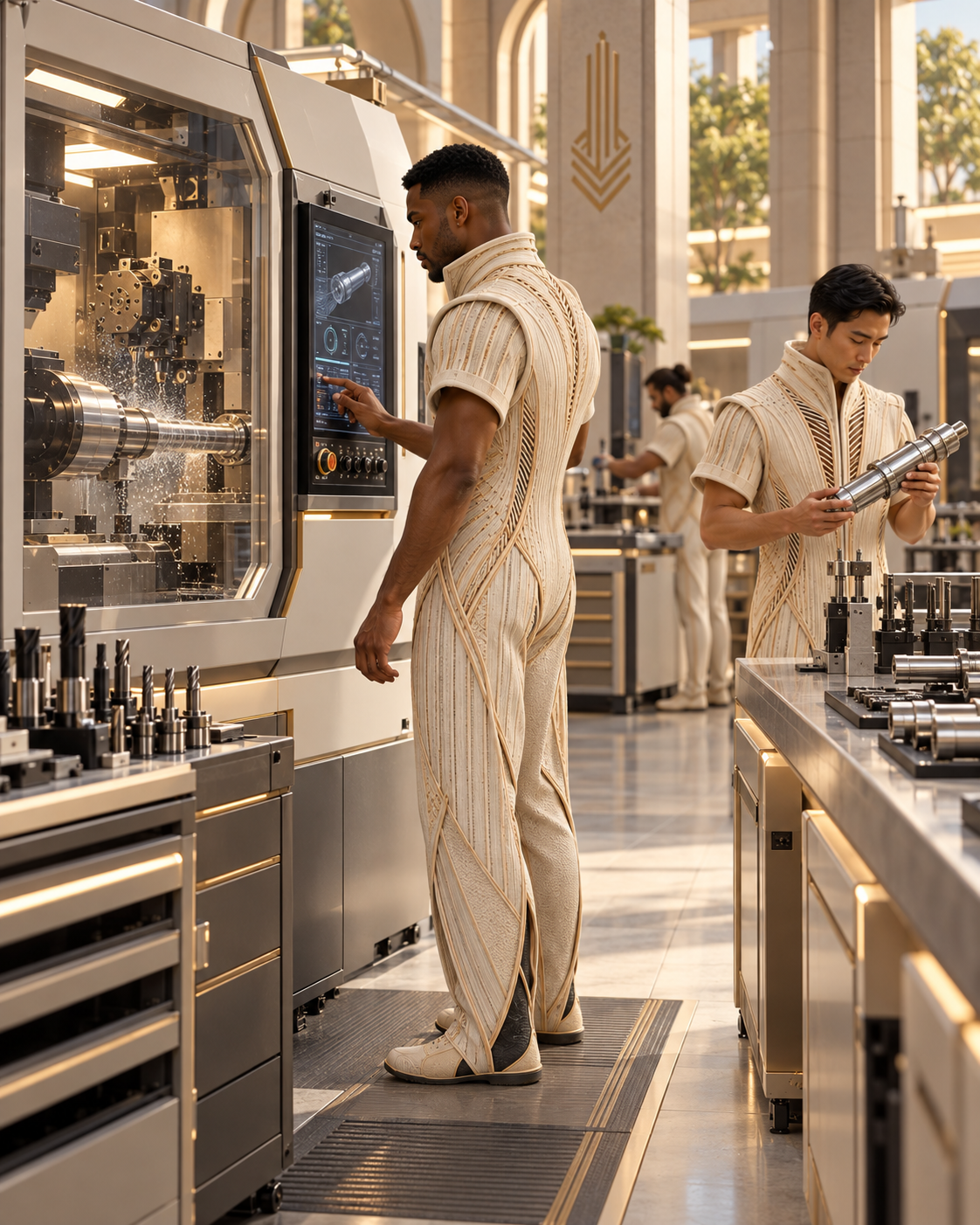
The Trott Bailey Answer
Remove money as the gatekeeper of food.
Remove money as the gatekeeper of shelter.
Remove money as the gatekeeper of child development.
Remove money as the gatekeeper of basic clothing and dignity.
Remove money as the gatekeeper of public beauty.
Remove money as the gatekeep
The Trott Bailey Answer
Remove money as the gatekeeper of food.
Remove money as the gatekeeper of shelter.
Remove money as the gatekeeper of child development.
Remove money as the gatekeeper of basic clothing and dignity.
Remove money as the gatekeeper of public beauty.
Remove money as the gatekeeper of family rest.
Remove money as the gatekeeper of whether parents can think beyond survival.
Then organize contribution through usefulness, talent, service, learning, invention, agriculture, architecture, caregiving, food systems, clean-return systems, family challenges, Abundance Points, and civilization roles.
That is not laziness.
That is better engineering.
Money-rule says: “Pay first, then live.”
Trott Bailey Family Civilization says: “Life must be protected first, then contribution must be organized with honor.”
Public Context Sources Used in This Part
Family homelessness context references HUD’s 2024 Annual Homelessness Assessment Report. Childcare-cost context references Federal Reserve household well-being reporting. Fertility context references CDC/NCHS birth and fertility data.
Public source links: HUD 2024 AHAR, Federal Reserve childcare-cost reporting, and CDC/NCHS Births in the United States, 2024.
Freda and Henry were never only fighting bills.
They were fighting an engine that made bills stronger than family.
And once that is understood, the next question becomes unavoidable:
Not because family stopped being beautiful.
Because the old world kept making family feel dangerous, expensive, unsupported, invaded, mocked, and exhausting.