
World Ruler Sher Mind’s Eye: Education Capability Development
Education / Capability Development
A Mind’s Eye constitutional system record on how a civilization helps people become increasingly capable throughout life.
Warning Before Design
Do not assume modern schools, classrooms, teachers, students, grades, tests, universities, lectures, curricula, or educational institutions.
Those may exist as implementations, but they are not the constitutional foundation.
1. Surface Topic
The surface topic appears to be education, teaching, learning, training, knowledge transfer, and schools.
But this is only the visible layer. The deeper question is not about school. It is about human capability.
2. Real Kingdom Question
Not: how does a civilization teach information?
Capability is the target. Information is only one tool.
3. Why This Question Appeared
This question appeared because the Department Translation Constitution exposed a hidden danger. If Trott Bailey designs an Education Department too quickly, it may accidentally inherit modern assumptions.
Classrooms, desks, grades, teacher stereotypes, school buildings, and academic clothing are not constitutional foundations. They are implementation choices from another civilization.
First Discovery
Education is not the constitutional layer. Capability Development is.
Education is one possible mechanism. Capability is the objective.
4. What Is a Capable Person?
A capable person can:
Think & Learn
- Understand reality
- Learn new things
- Think independently
- Adapt
Solve & Repair
- Solve problems
- Repair damage
- Create value
- Improve things
Care & Contribute
- Care for themselves
- Care for others
- Communicate
- Cooperate
- Contribute
None of these require a classroom as the starting point.
5. What Failure Is the Civilization Preventing?
Without capability development, people may become dependent, fragile, fearful of reality, easily manipulated, unable to repair, unable to create, unable to teach, unable to govern, and unable to innovate.
When people are not developed into capable contributors, the civilization itself becomes weak.
Constitutional Purpose
The purpose is not to produce educated people.
Even deeper: to increase the number of realities a person can successfully interact with.
6. Capability Domains
A mature civilization develops many forms of capability.
Self Capability
- Think
- Decide
- Learn
- Recover
- Regulate emotions
- Care for health
Family Capability
- Parent
- Nurture
- Teach children
- Host
- Resolve conflict
- Support family life
Practical Capability
- Cook
- Repair
- Clean
- Maintain systems
- Build
- Organize
Economic Capability
- Create value
- Produce goods
- Provide services
- Manage resources
Civic Capability
- Participate in governance
- Understand systems
- Contribute to public life
Discovery Capability
- Investigate
- Experiment
- Observe
- Improve things
Creative Capability
- Design
- Invent
- Compose
- Beautify
- Express ideas
7. How Capability Actually Grows
Modern systems often assume:
But information alone often fails.
A stronger Trott Bailey model is:
8. The Apprenticeship Discovery
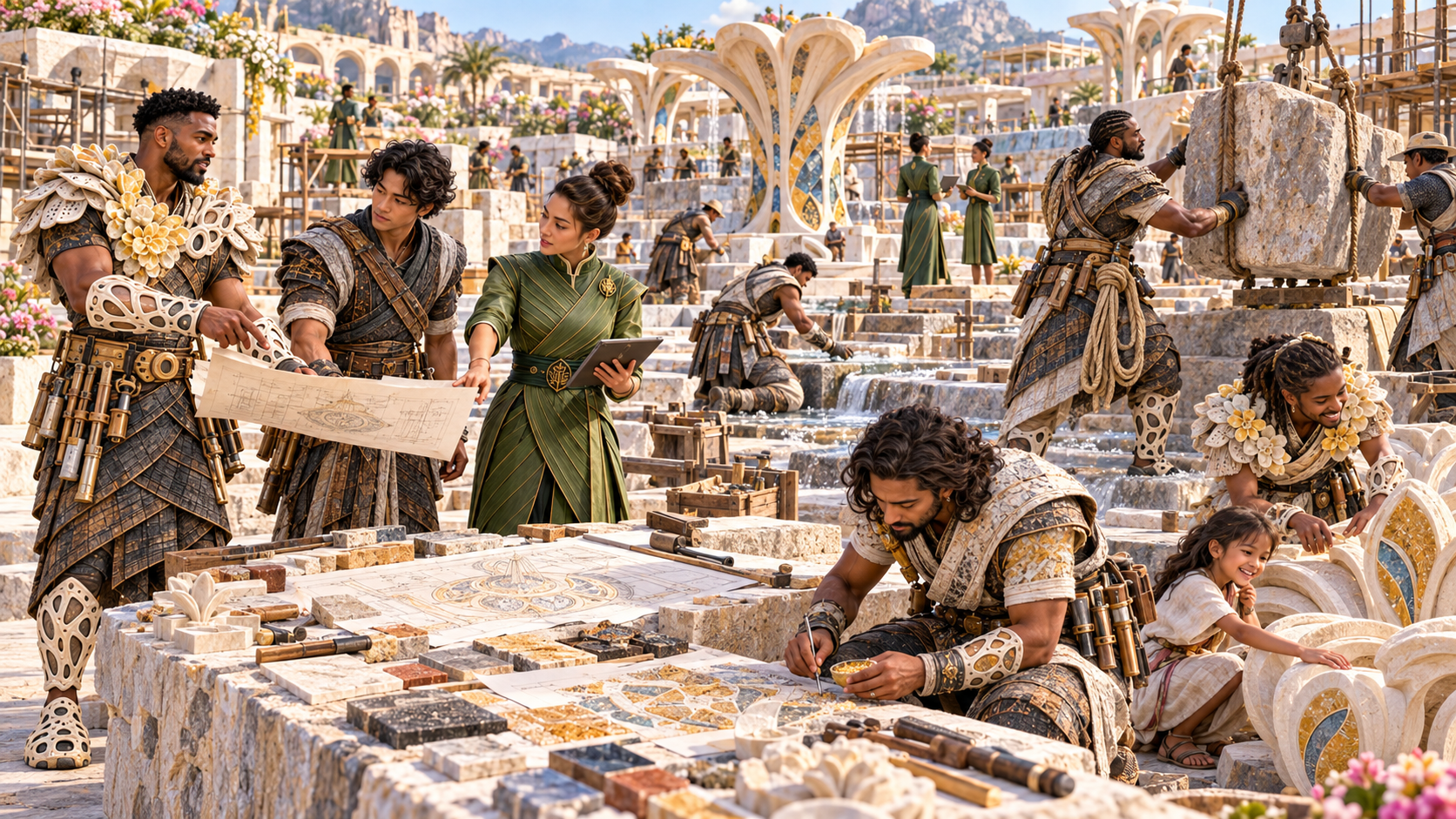
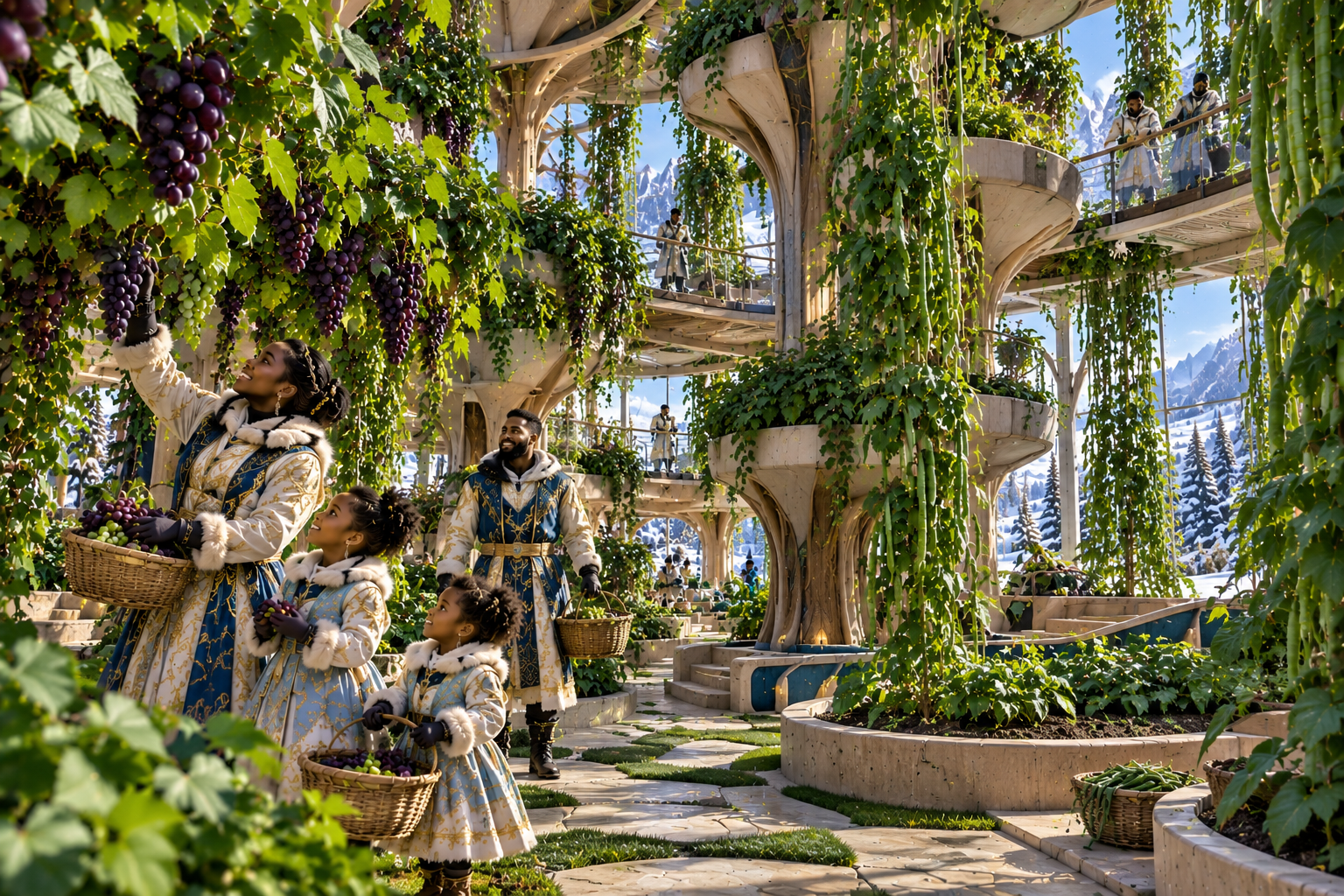
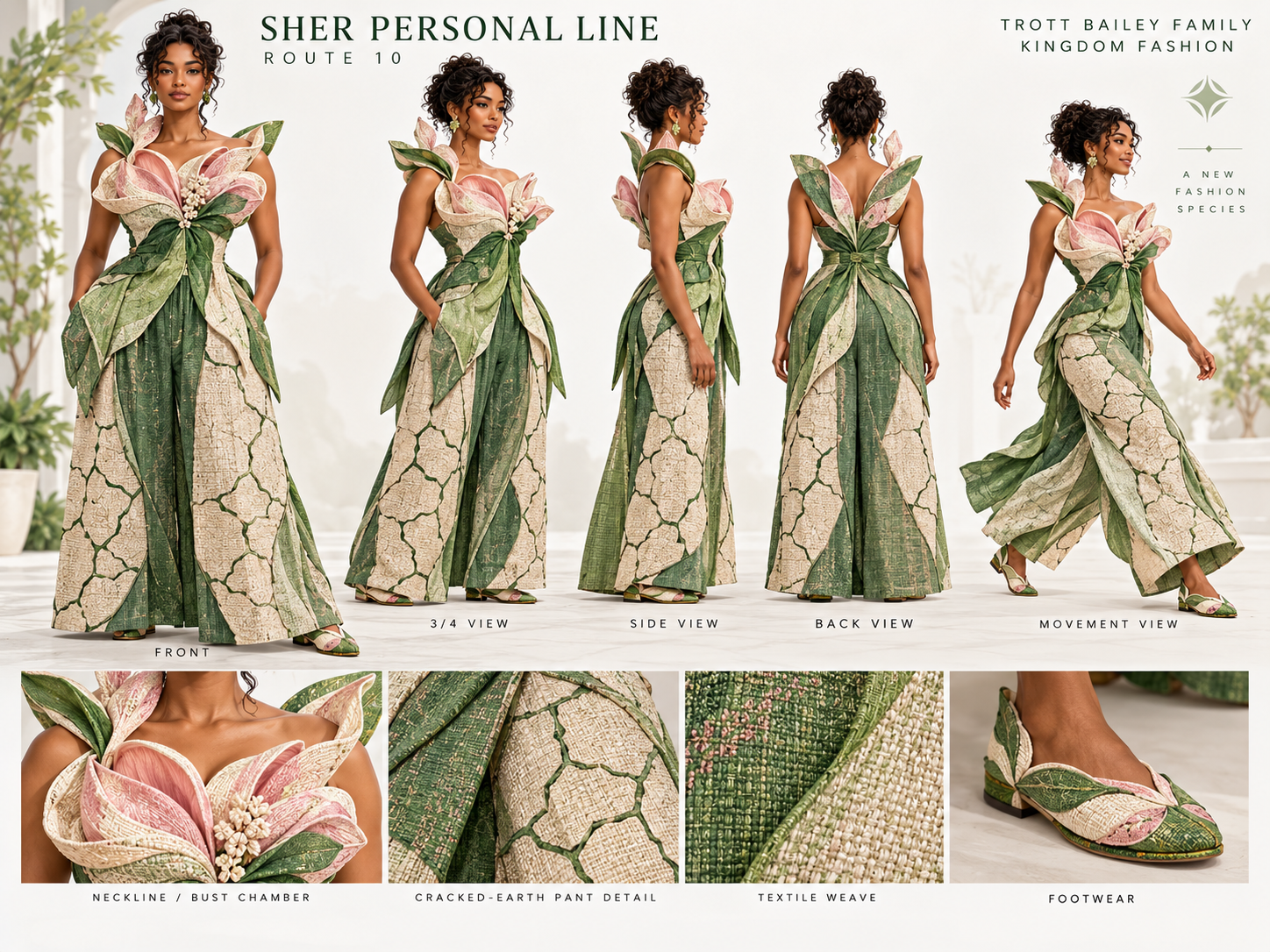
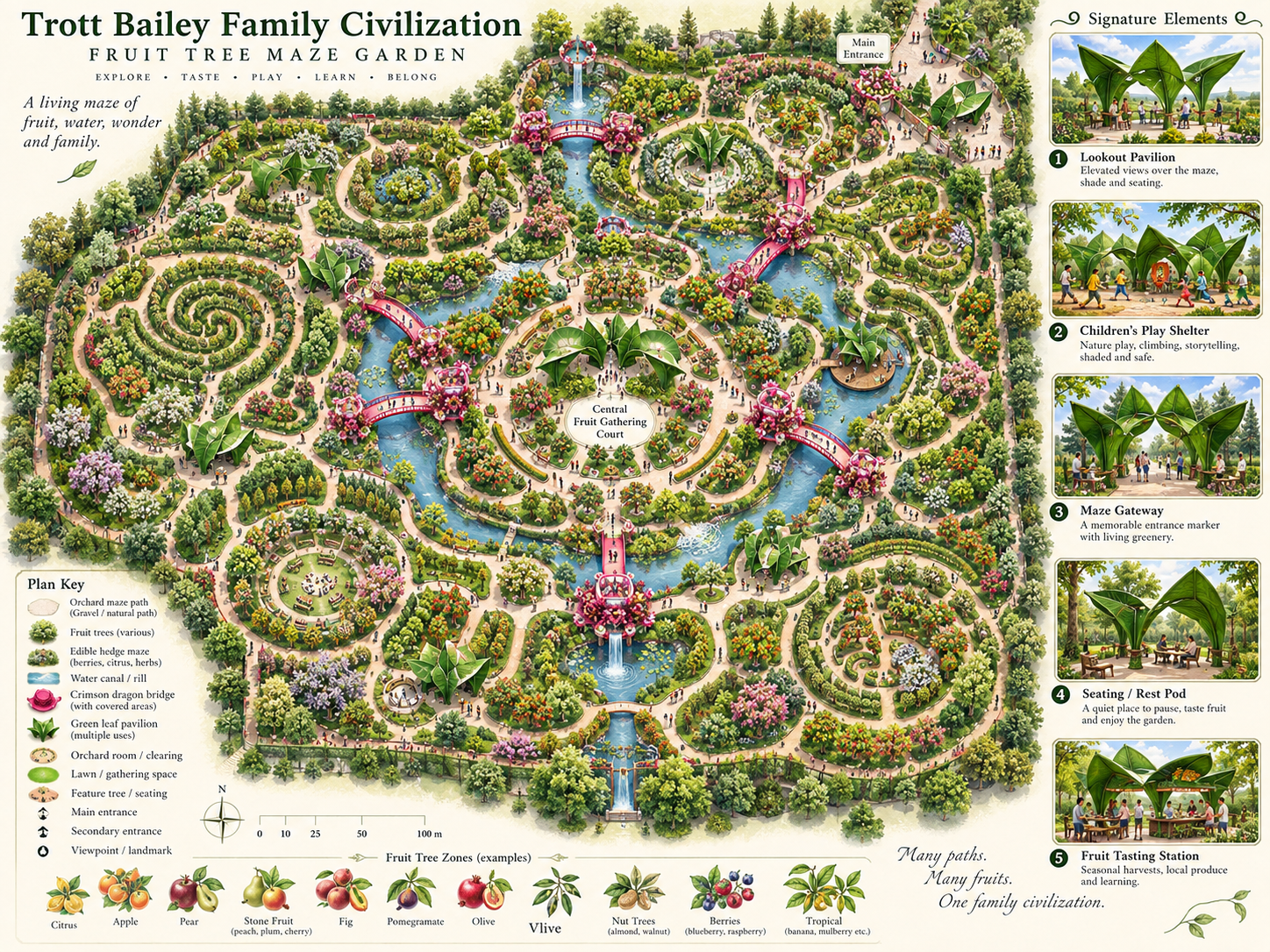
Many Trott Bailey systems keep rediscovering this truth: Fashion Department, Landscaping Department, repair systems, agriculture, architecture, and youth systems all point toward the same conclusion.
Not simulated life. Real life.
9. Possible Constitutional Model: Pathways
Instead of organizing around a school system, the civilization may organize around pathways.
A pathway is a route from beginner to contributor.
Fashion Path
Design, textile, structure, production, presentation.
Agriculture Path
Soil, food, cultivation, harvest, preservation.
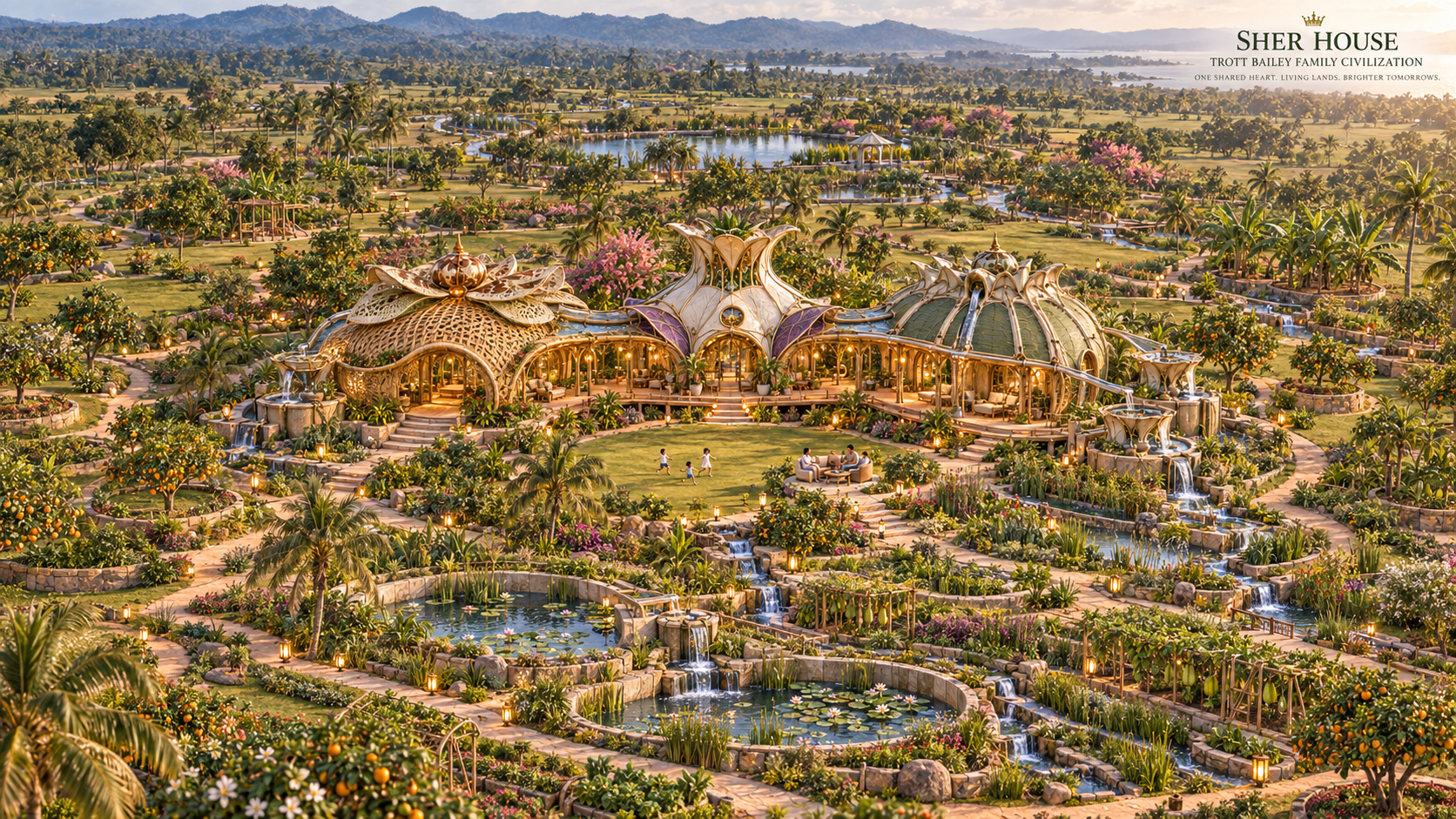
Architecture Path
Building, shelter, landscape, repair, spatial intelligence.
Parenting Path
Care, guidance, emotional grounding, household wisdom.
Repair Path
Diagnosis, tools, maintenance, resilience, safety.
Governance Path
Decision-making, stewardship, service, public responsibility.
Music Path
Voice, rhythm, performance, memory, emotional culture.
Language Path
Communication, translation, expression, understanding.
Each pathway contains discovery, practice, apprenticeship, contribution, mastery, and teaching.
10. Who Teaches?
The modern answer is usually: teachers.
The possible Trott Bailey answer is: everyone teaches from the capability they carry.
Family Teachers
Parents, mothers, fathers, elders, siblings, hosts.
Work Teachers
Craftsmen, farmers, designers, engineers, builders, repair workers.
Culture Teachers
Musicians, language guides, storytellers, youth mentors, specialists.
11. What Does Success Look Like?
Not high grades. Not high test scores. Not degrees.
Success means asking:
- Can the person actually do meaningful things?
- Can they contribute?
- Can they learn?
- Can they teach?
- Can they adapt?
- Can they create?
- Can they serve?
12. What Department Are We Really Discovering?
Probably not an Education Department in the modern sense.
More accurate constitutional names may include:
Capability Development Department
Path Development Department
Discovery & Apprenticeship Department
Human Capability Department
Path Stewardship Department
Constitutional Shock Element
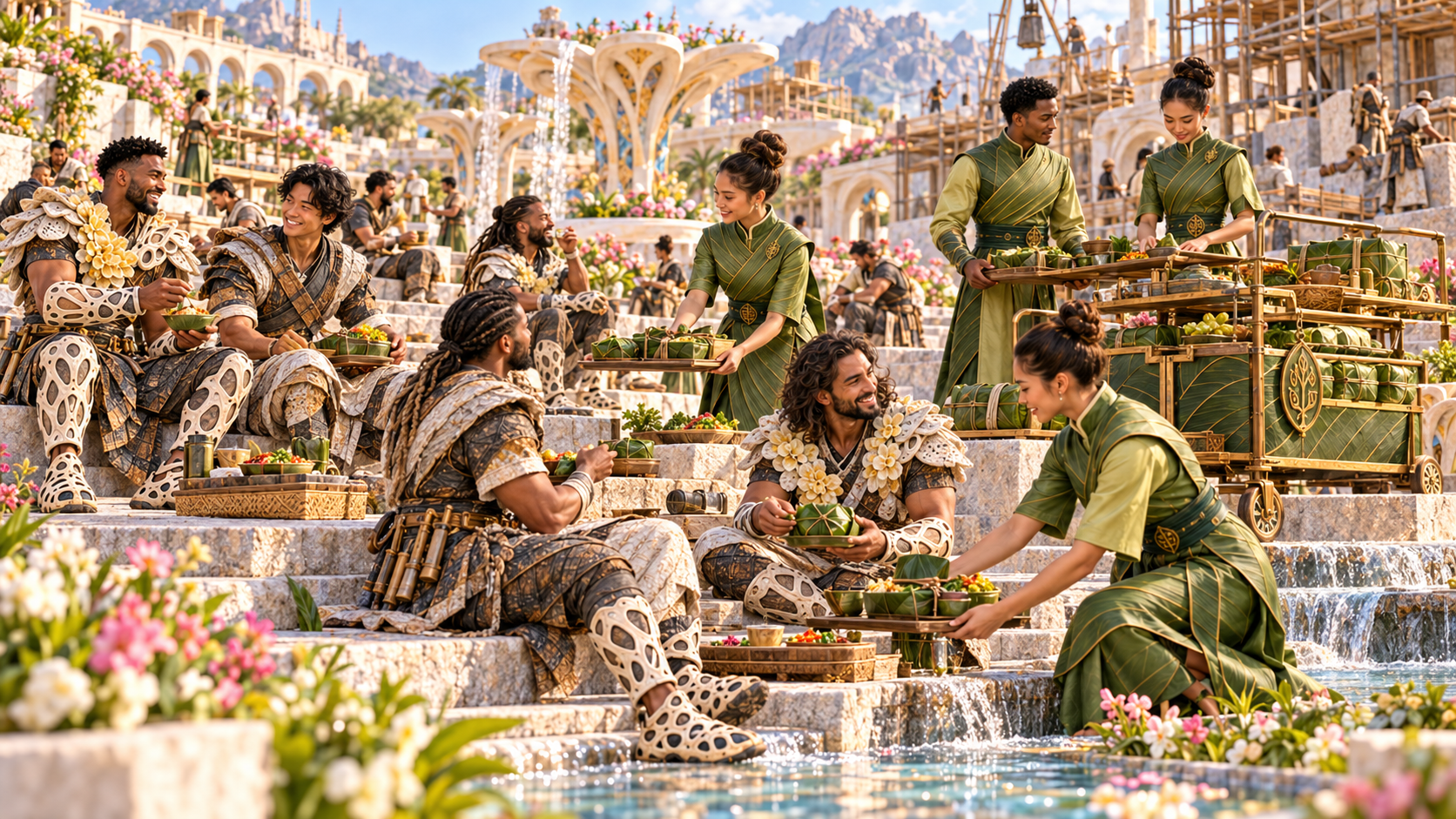
Fashion teaches. Landscaping teaches. Parenting teaches. Repair teaches. Hosting teaches. Agriculture teaches. Architecture teaches.
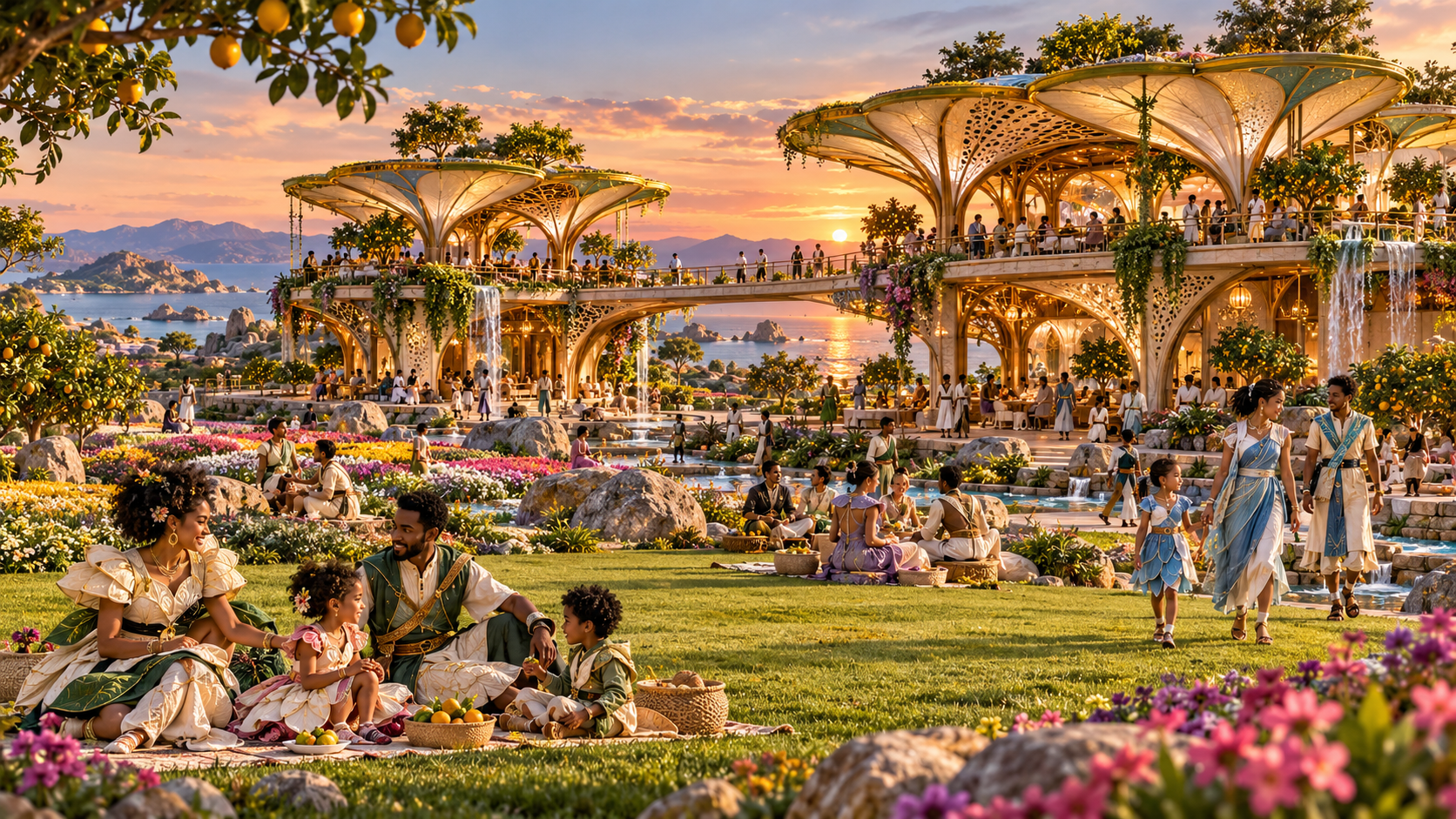
The entire civilization becomes a capability-generating environment.


 and then