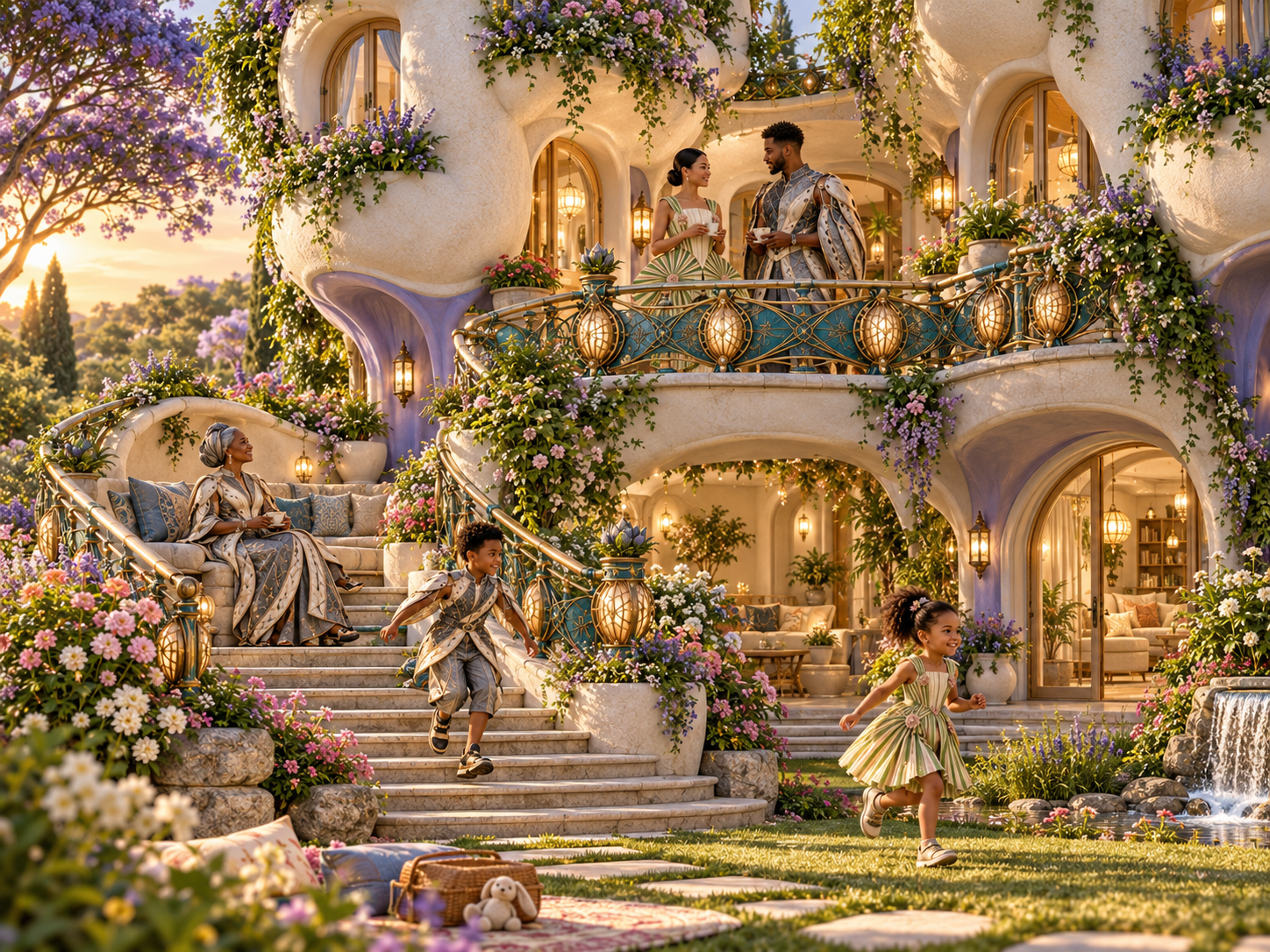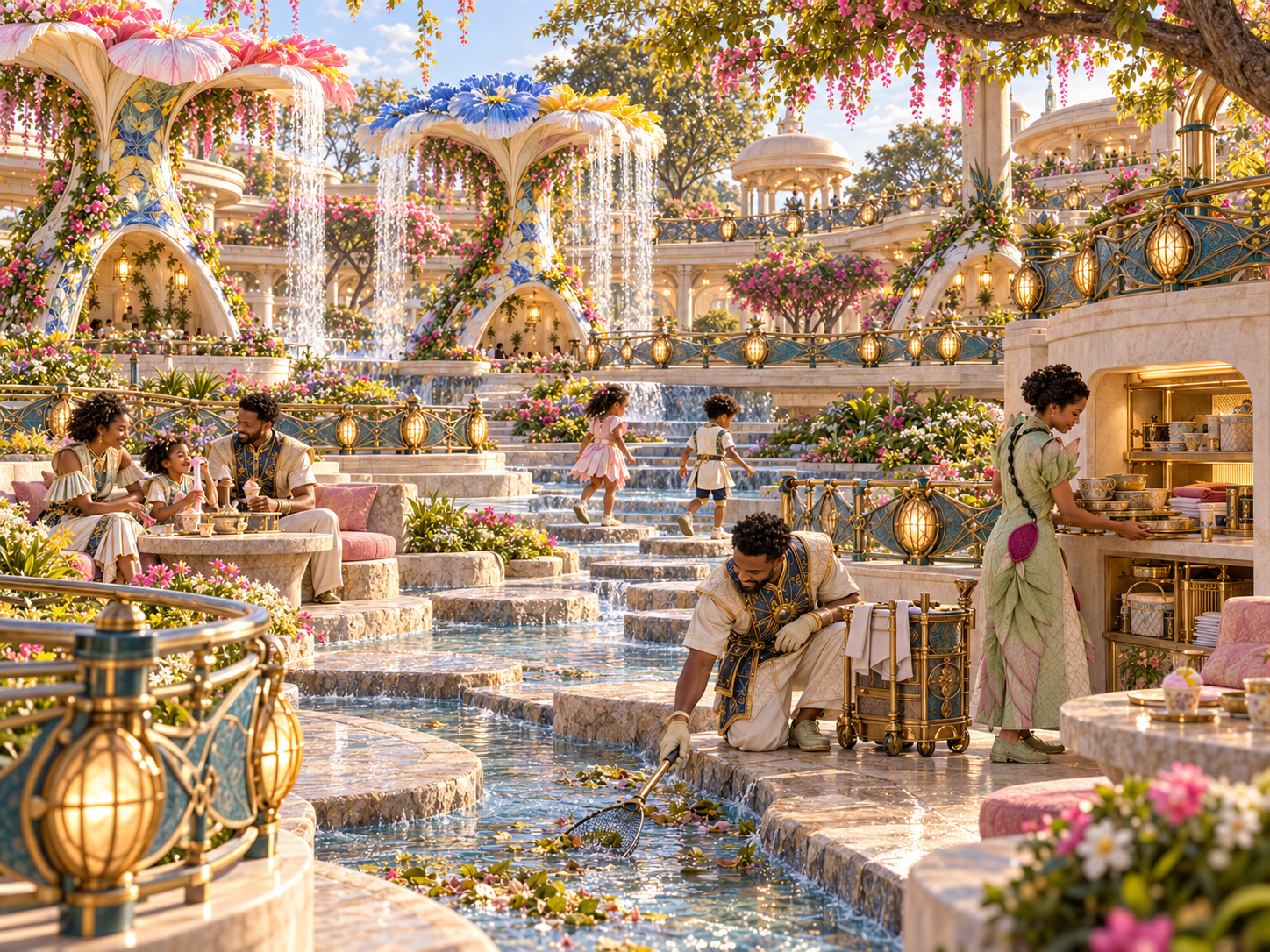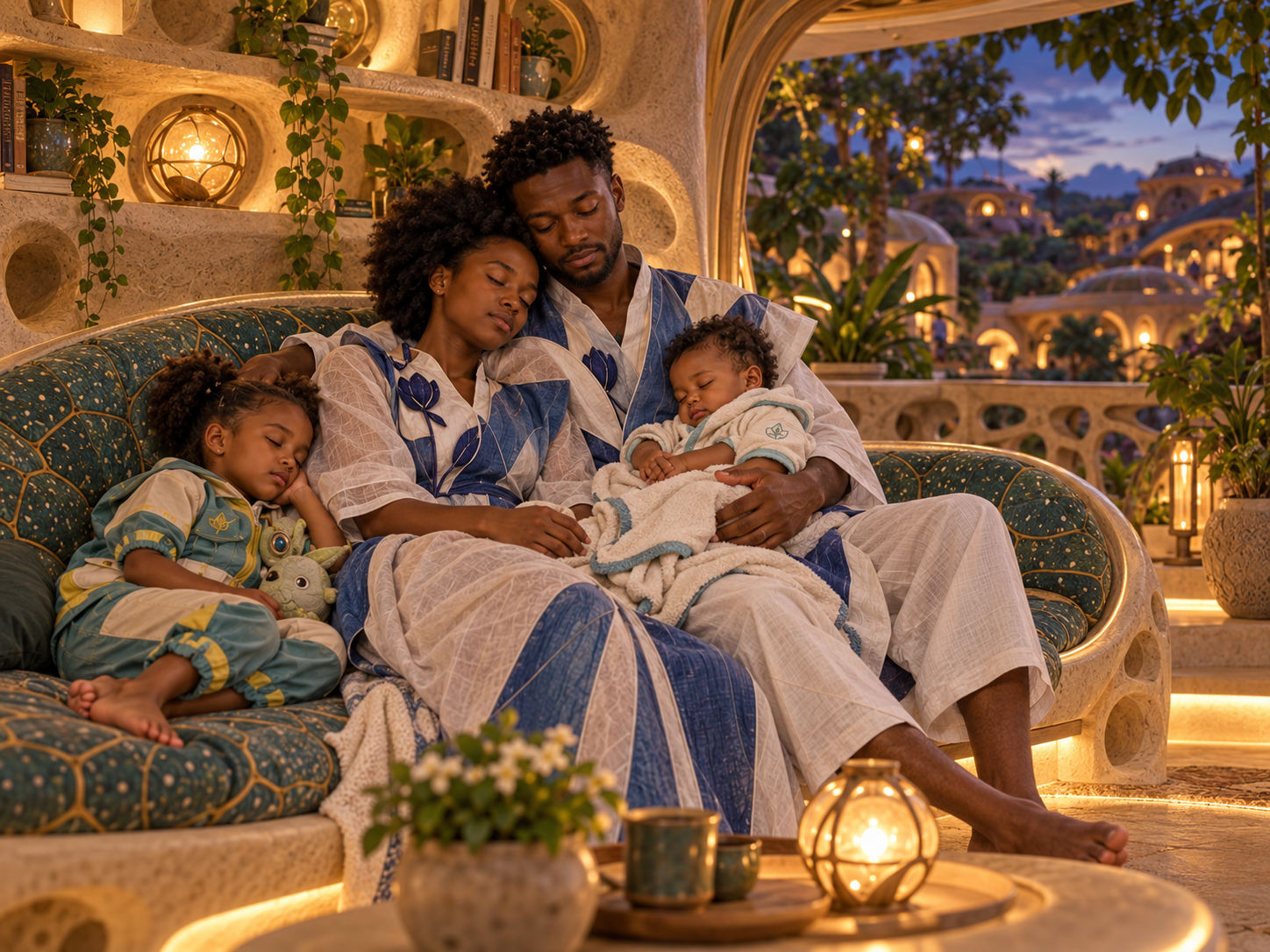

Child Development Constitutional Extraction
Child Development Constitutional Extraction
A Mind’s Eye record on childhood, human becoming, safe participation, capability growth, family support, wonder, and present citizenship.
Warning Before Design
Do not assume schools, daycare, babysitting, playgrounds, classrooms, child psychology theories, educational products, child entertainment industries, or age-segregated childhood.
Those may exist as implementations. They are not the constitutional foundation.
1. Surface Topic
The surface topic appears to be children, childhood, parenting, development, learning, play, growth, care, education, and youth.
But the deeper issue is not merely how children are supervised, educated, entertained, or managed. The deeper issue is how humans become capable, secure, joyful, responsible, and fully alive.
2. Real Kingdom Question
Not: how does a civilization supervise children?
Not: how does a civilization occupy children?
Not: how does a civilization educate children?
3. Why This Question Exists
Every civilization eventually produces adults. The quality of those adults depends heavily on childhood.
If childhood is poorly organized:
- Capability suffers.
- Family life suffers.
- Social trust suffers.
- Innovation suffers.
- Governance suffers.
- Resilience suffers.
First Discovery
The Child Development Department is not fundamentally about children.
Children are humans in the process of becoming. The department stewards that process.
4. What Failure Is This Department Preventing?
Without intentional child development, children may become disconnected, fearful, dependent, fragile, passive, isolated, incapable, and directionless.
Parents become overwhelmed. Communities weaken. Future capability declines. The civilization slowly consumes its future.
Constitutional Purpose
The purpose is not to raise obedient children.
The purpose is not to produce successful students.
Even deeper: to help children become secure enough to explore, capable enough to contribute, and wise enough to steward what comes after them.
5. What Reality Does This Department Work With?
Growth Reality
Children change continuously. The department must support transformation.
Curiosity Reality
Children naturally investigate reality. Curiosity is not a problem. It is fuel.
Family Reality
Children grow primarily within relationships. Not systems. Not institutions. Relationships.
Capability Reality
Children are constantly becoming able to do more. Development means increasing capability.
Safety Reality
Children need protection. But protection without capability becomes fragility.
Wonder Reality
Children experience reality differently than adults. Wonder is a developmental resource, not a luxury.
6. Core Intelligence
The Child Development Department possesses several kinds of intelligence:
Growth Intelligence
Understanding developmental progression.
Capability Intelligence
Knowing how capability emerges.
Play Intelligence
Understanding exploration through play.
Family Intelligence
Supporting parent-child relationships.
Safety Intelligence
Balancing protection and independence.
Wonder Intelligence
Preserving curiosity and discovery.
7. Daily Actions
The department’s work is active, relational, and repeated through daily life:
8. Movement Profile
Child development involves unusually diverse movement:
- Crawling
- Walking
- Running
- Climbing
- Reaching
- Building
- Exploring
- Carrying
- Helping
- Observing
- Following
- Leading
- Imitating
- Creating
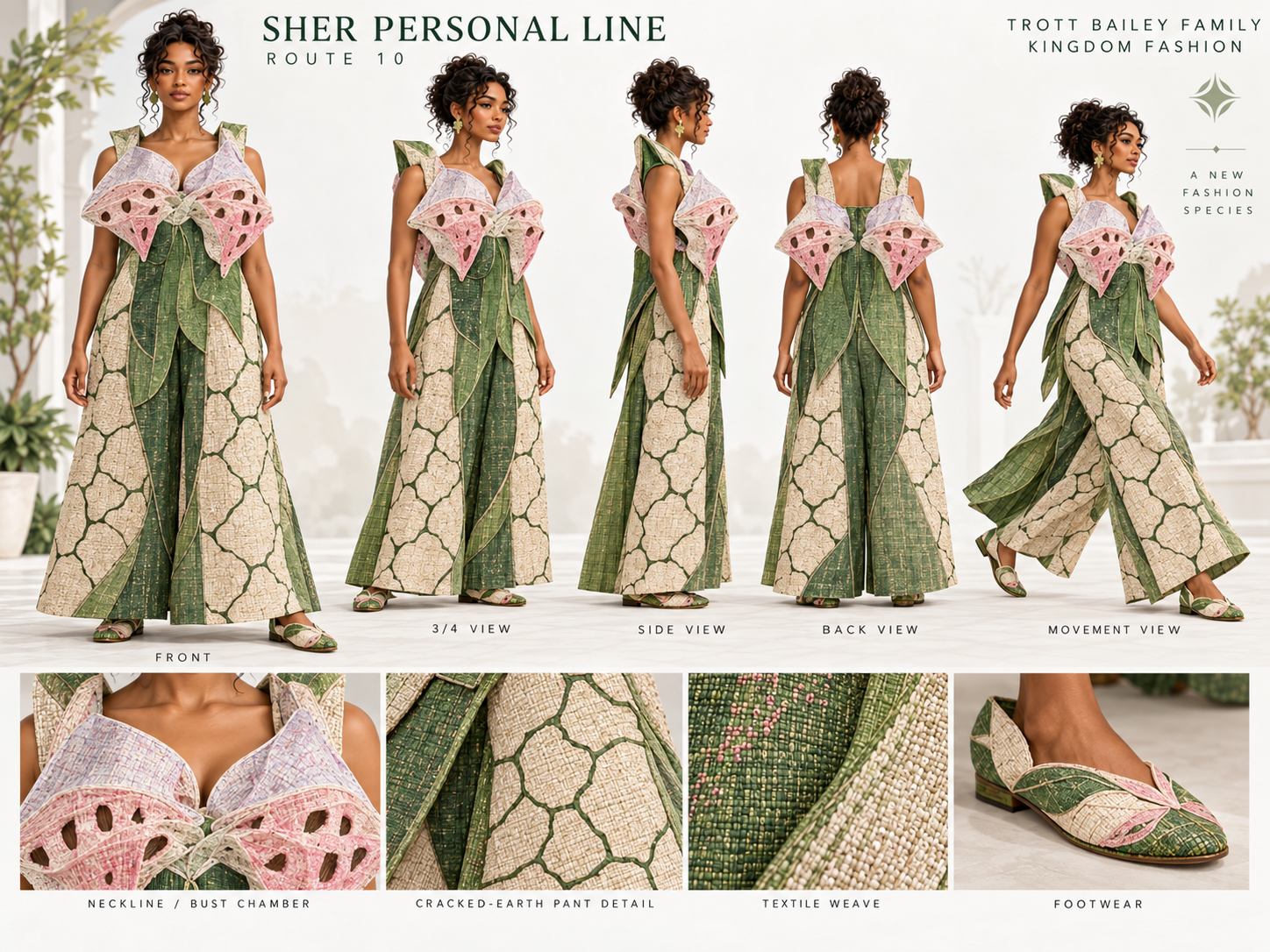
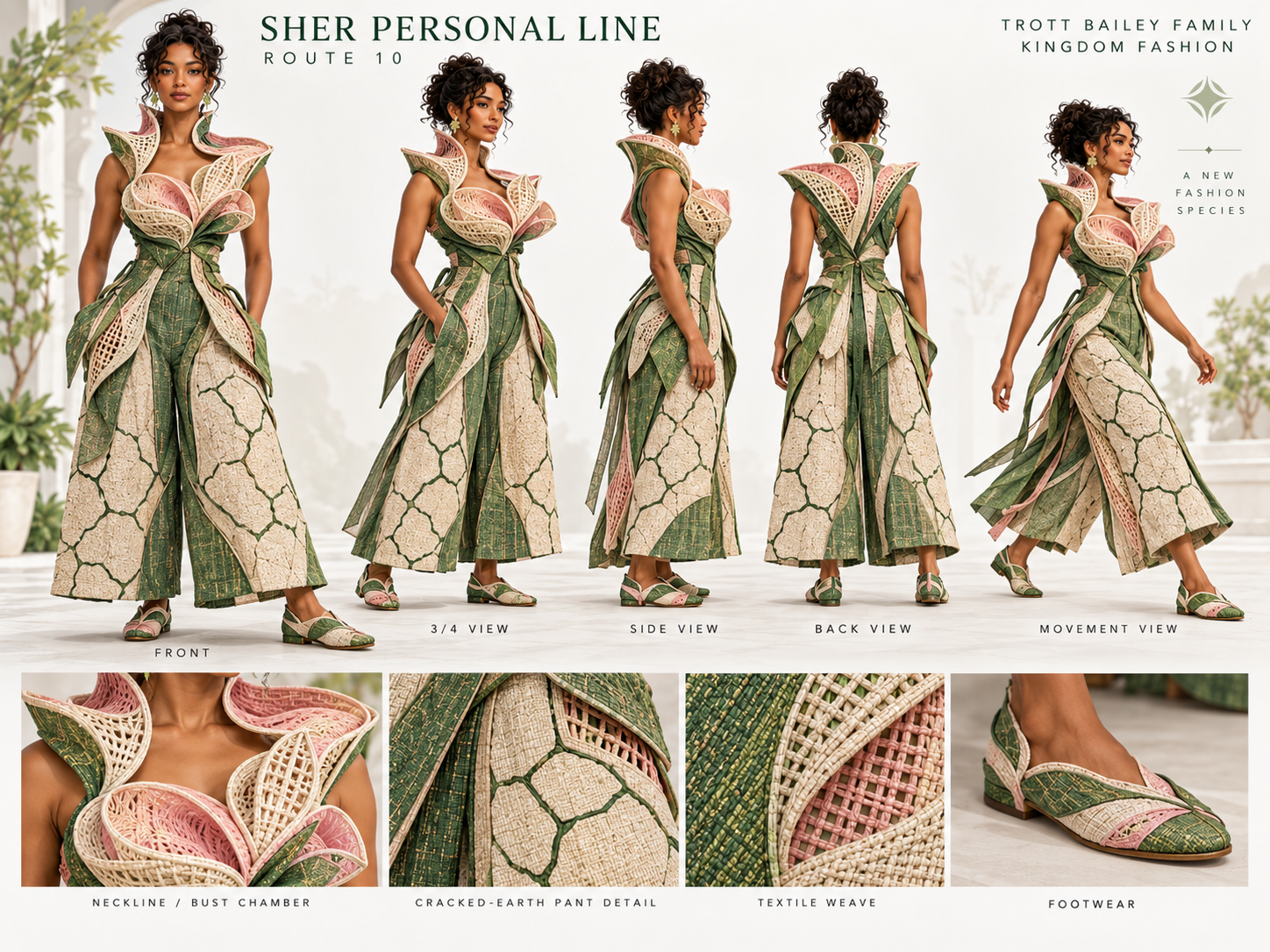
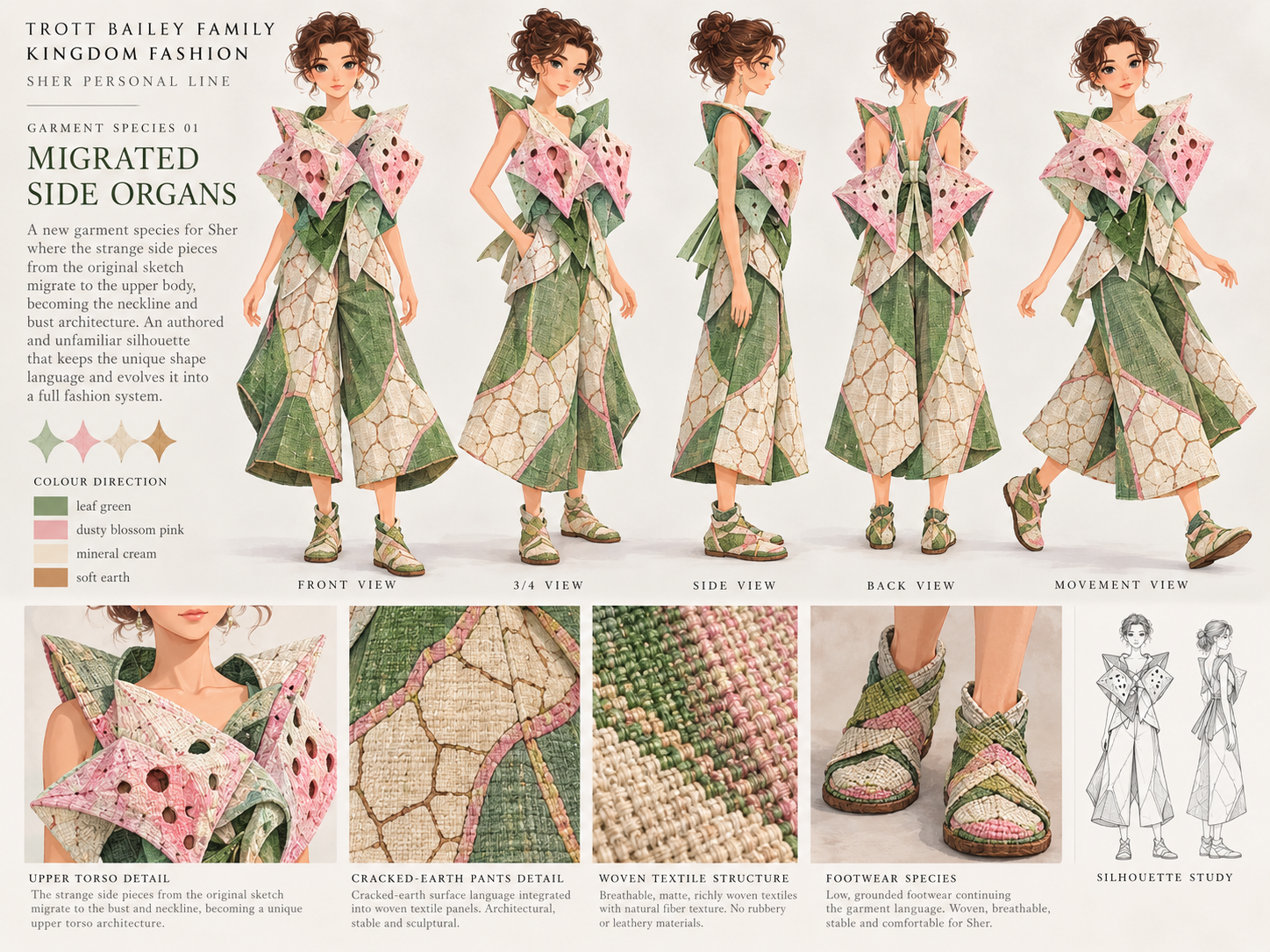
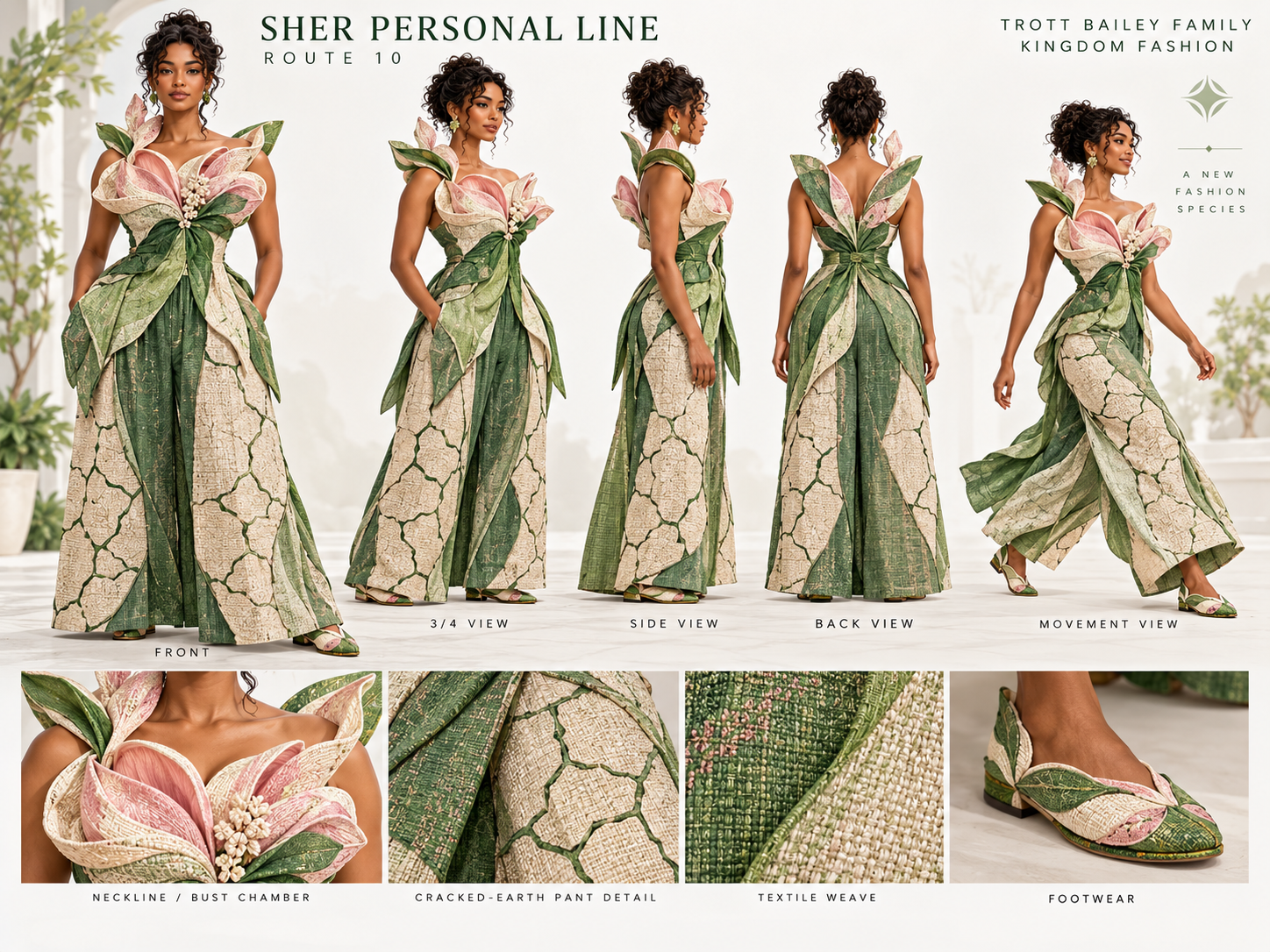
This movement profile will eventually shape future garments, spaces, tools, pathways, and participation systems.
Civilization Shock Element
Most civilizations treat children as future adults.
Not future citizens. Present citizens.
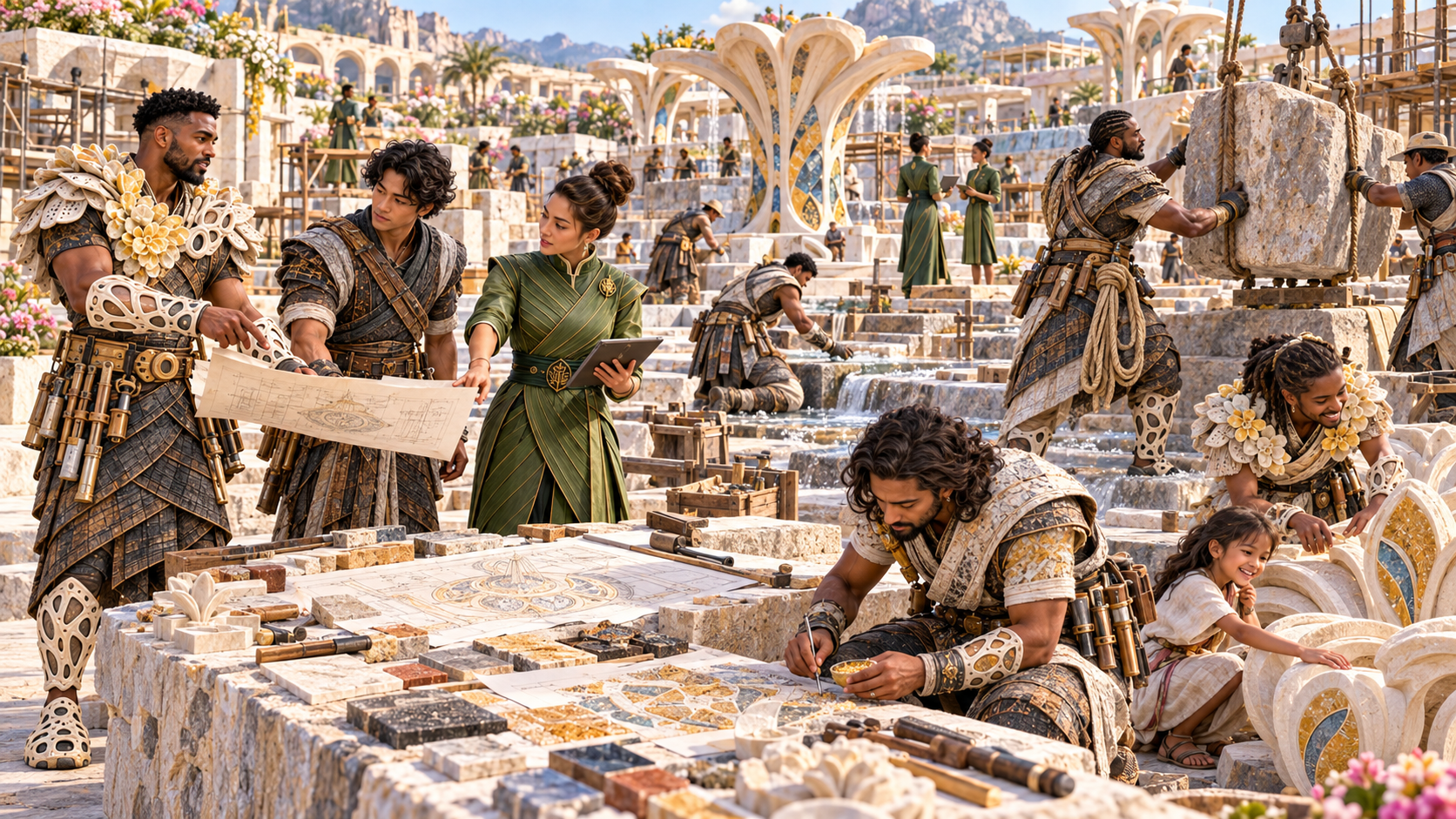
Children already participate in civilization. Not fully. Not independently. But meaningfully.
This changes everything.
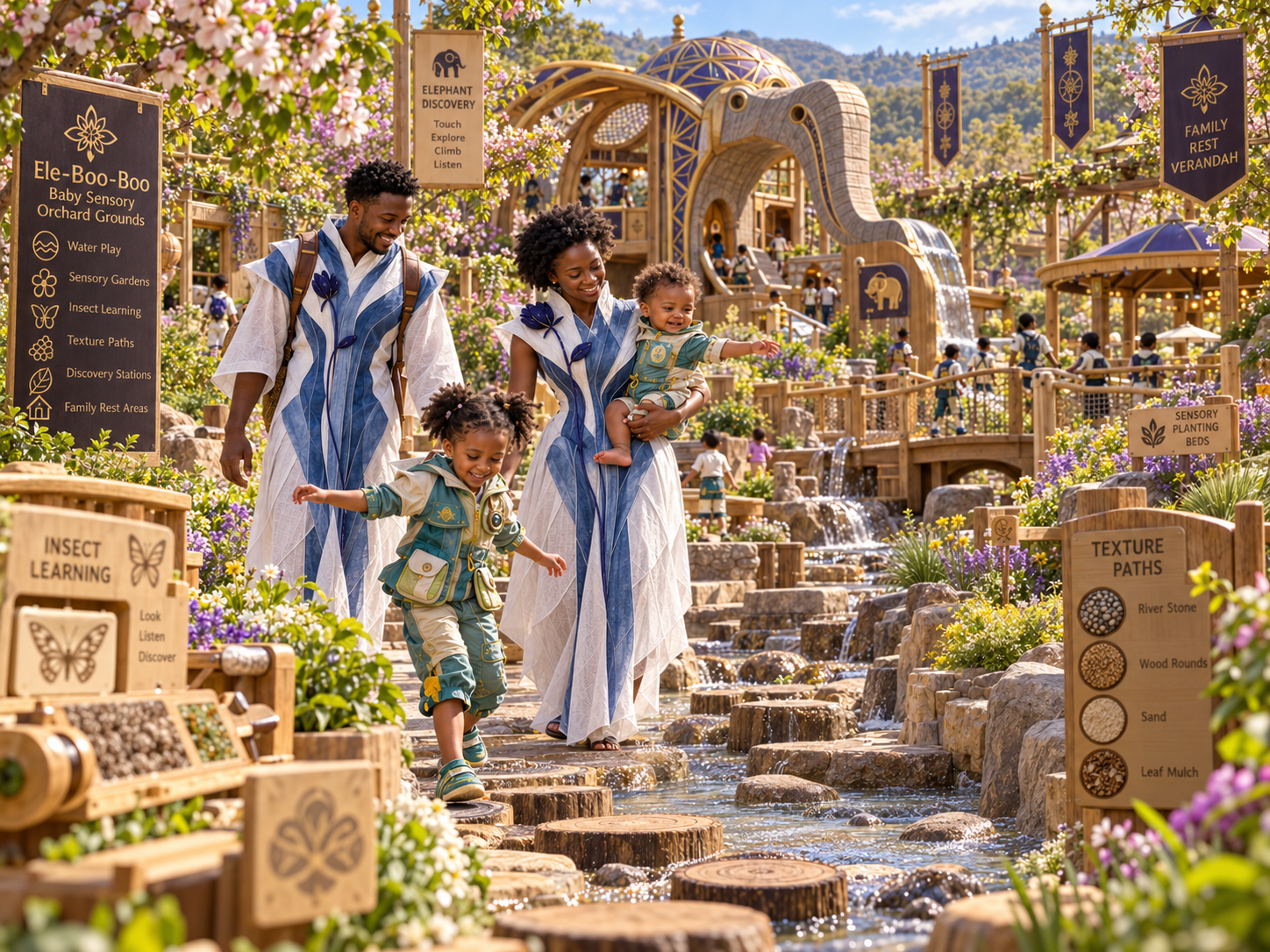
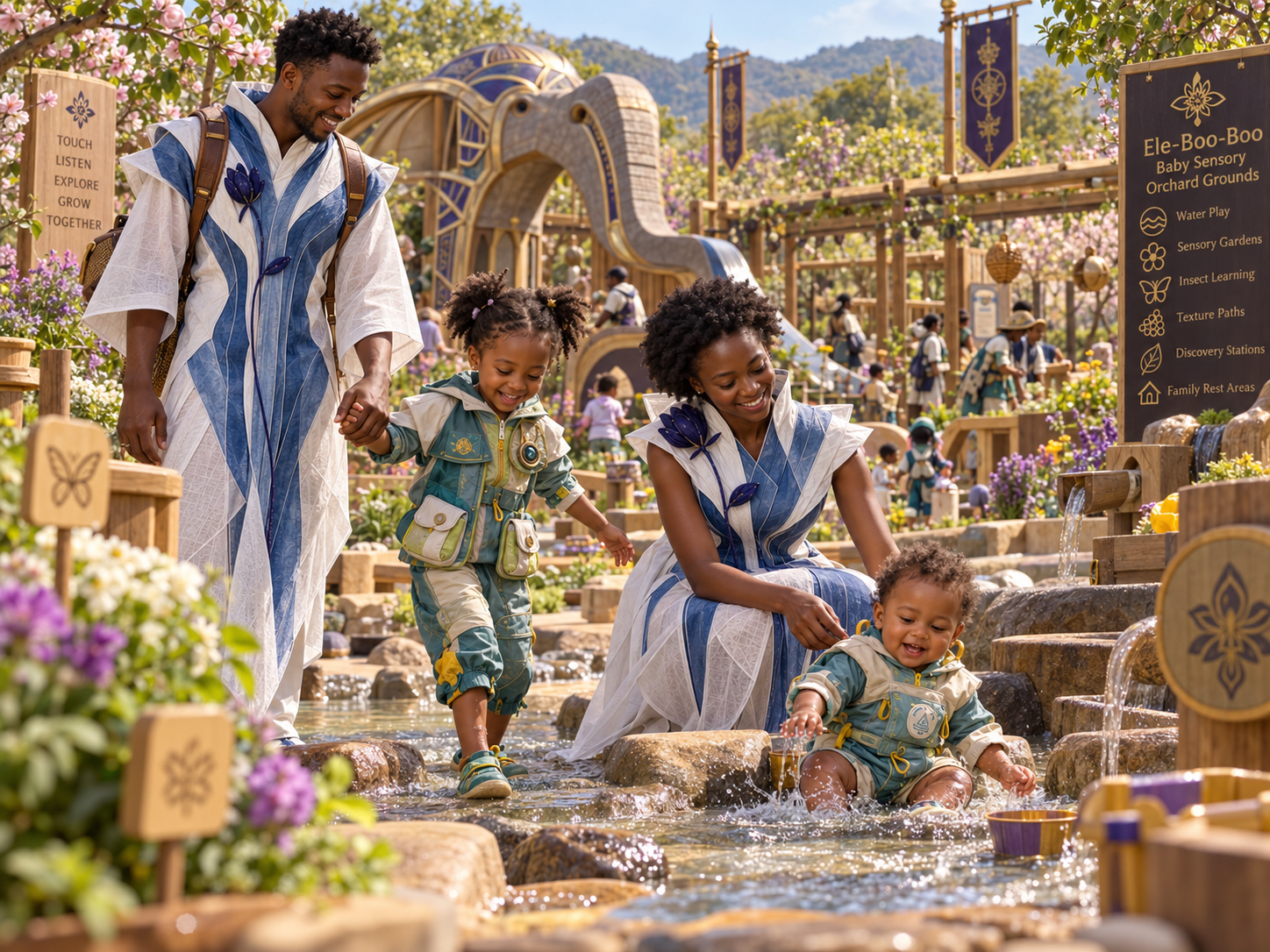
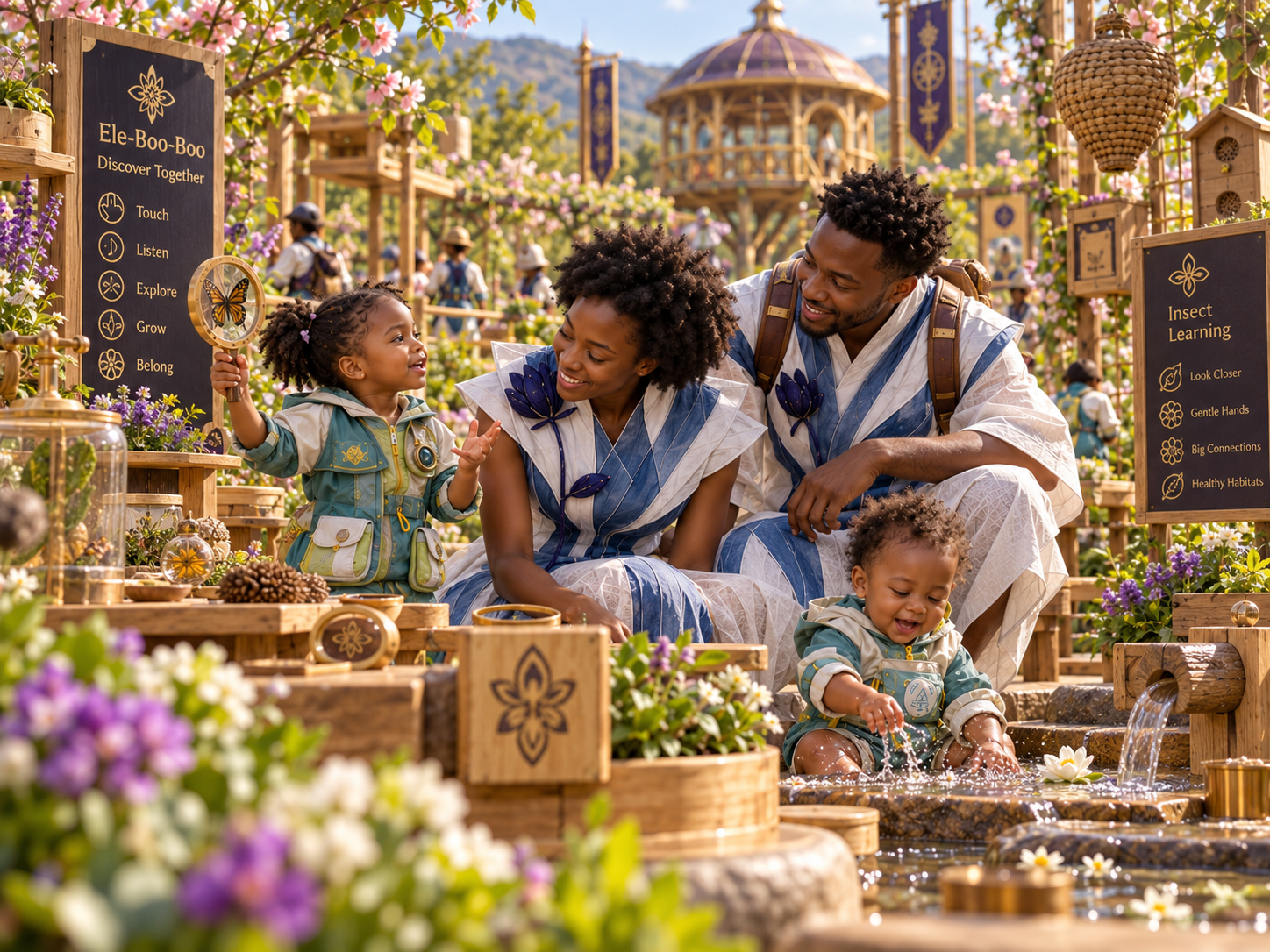
9. The Baby Touch-Roam Discovery
A child does not primarily need entertainment.
The Baby Touch-Roam principle points toward a deeper truth:
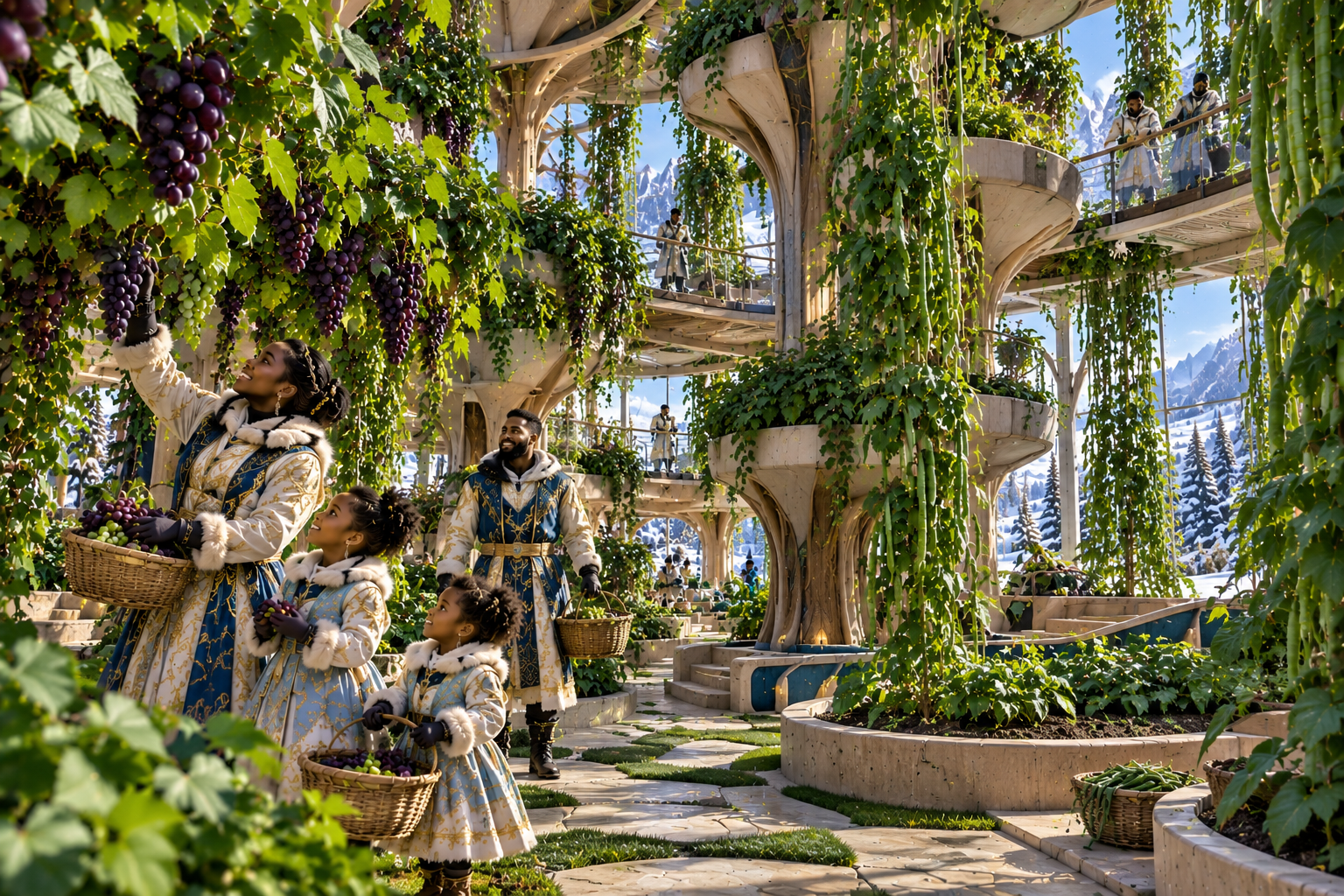
Not simulations. Not abstractions. Reality itself.
The environment must allow safe interaction.
10. The Mother-Sight Discovery
Child development cannot be separated from parent development.
Particularly: mother relief, parent relief, and family support.
The department therefore serves children, parents, and families simultaneously.
11. The Capability Discovery
Children do not become capable by consuming information.
Capability grows through:
This mirrors the Capability Development extraction and connects child growth to the broader civilization development system.
12. The Play Discovery
Play is not recreation.
Through play, children learn:
- Physics
- Language
- Negotiation
- Cooperation
- Risk
- Creativity
- Movement
- Problem solving
Play is one of the civilization’s primary development mechanisms.
13. The Apprenticeship Discovery
Children naturally seek participation. The civilization should therefore create:
Not merely: allowed or not allowed.
14. Who Does the Department Serve?
The Child Development Department serves:
- Children
- Parents
- Families
- Apprentices
- Mentors
- Future generations
Ultimately, it serves the entire civilization because every adult once passed through childhood.
15. What Does Success Look Like?
Success is not good grades, compliance, quiet behavior, or institutional achievement.
Success looks like:
Curiosity Preserved
Capability Increased
Confidence Grounded
Family Bonds Strengthened
Responsibility Growing
Contribution Increasing
Wonder Retained
Resilience Developing
16. What Department Are We Really Discovering?
“Child Development Department” remains useful and understandable while allowing constitutional depth. But deeper names may include:
Human Becoming Department
Early Capability Department
Growth Stewardship Department
Child & Family Development Department
Human Flourishing Department
17. Early Garment Implications
No uniforms should be designed yet. But the extraction suggests future garments should emerge from:
- Exploration
- Participation
- Movement
- Safety
- Growth
- Contribution
- Curiosity
- Family interaction
Future garments must not emerge from miniature adult fashion, school uniforms, childish costumes, or entertainment aesthetics.
18. Connected Trott Bailey Systems
This extraction connects directly to existing Trott Bailey constitutional and design systems:



 and then