The True Constitutional Layer of Water
The True Constitutional Layer of Water
A Mind’s Eye record on the deeper discovery beneath water systems, water infrastructure, water access, and water stewardship.
1. The Surface Layer
At first, the Water Department appears to be about water systems.
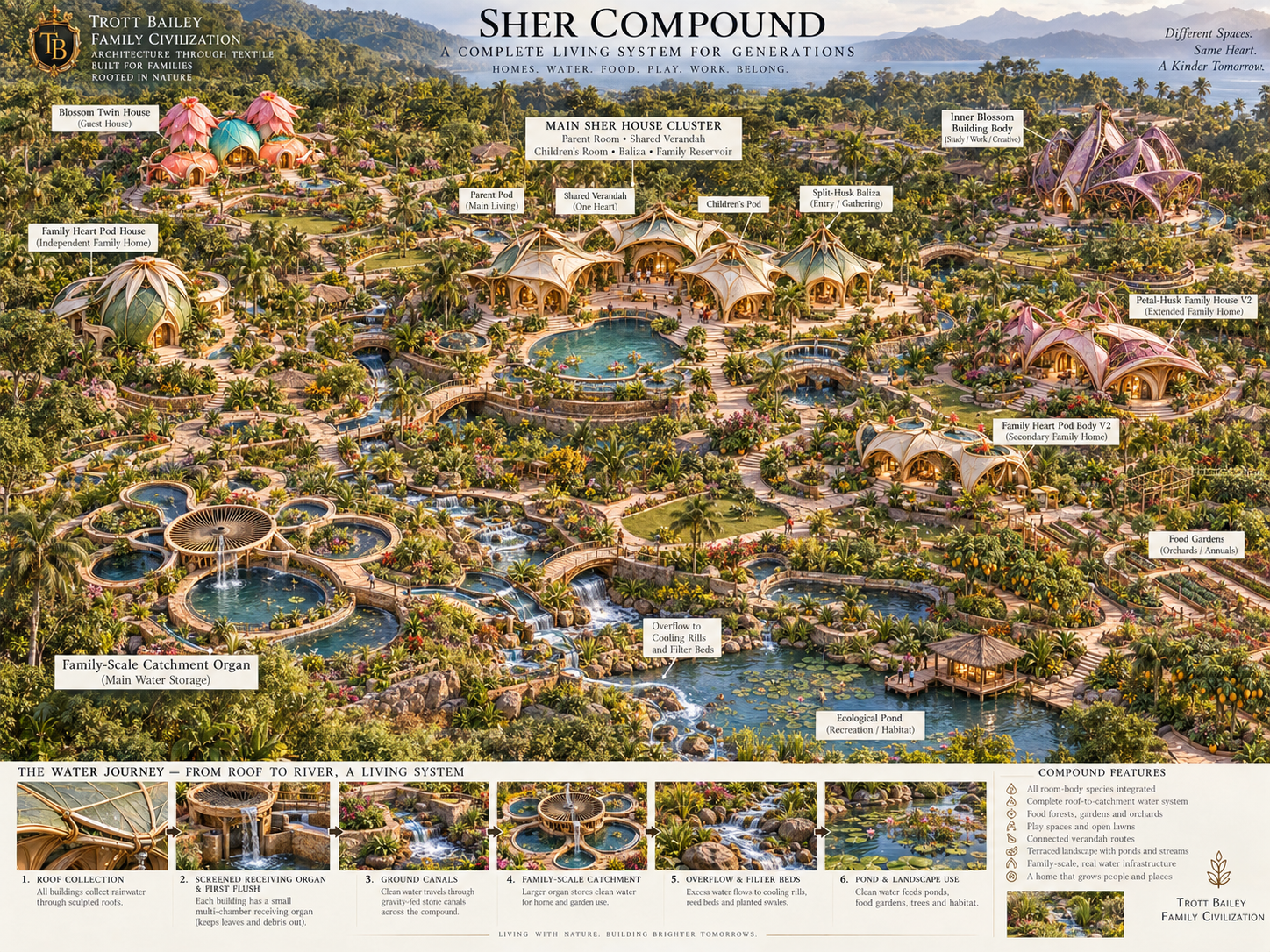
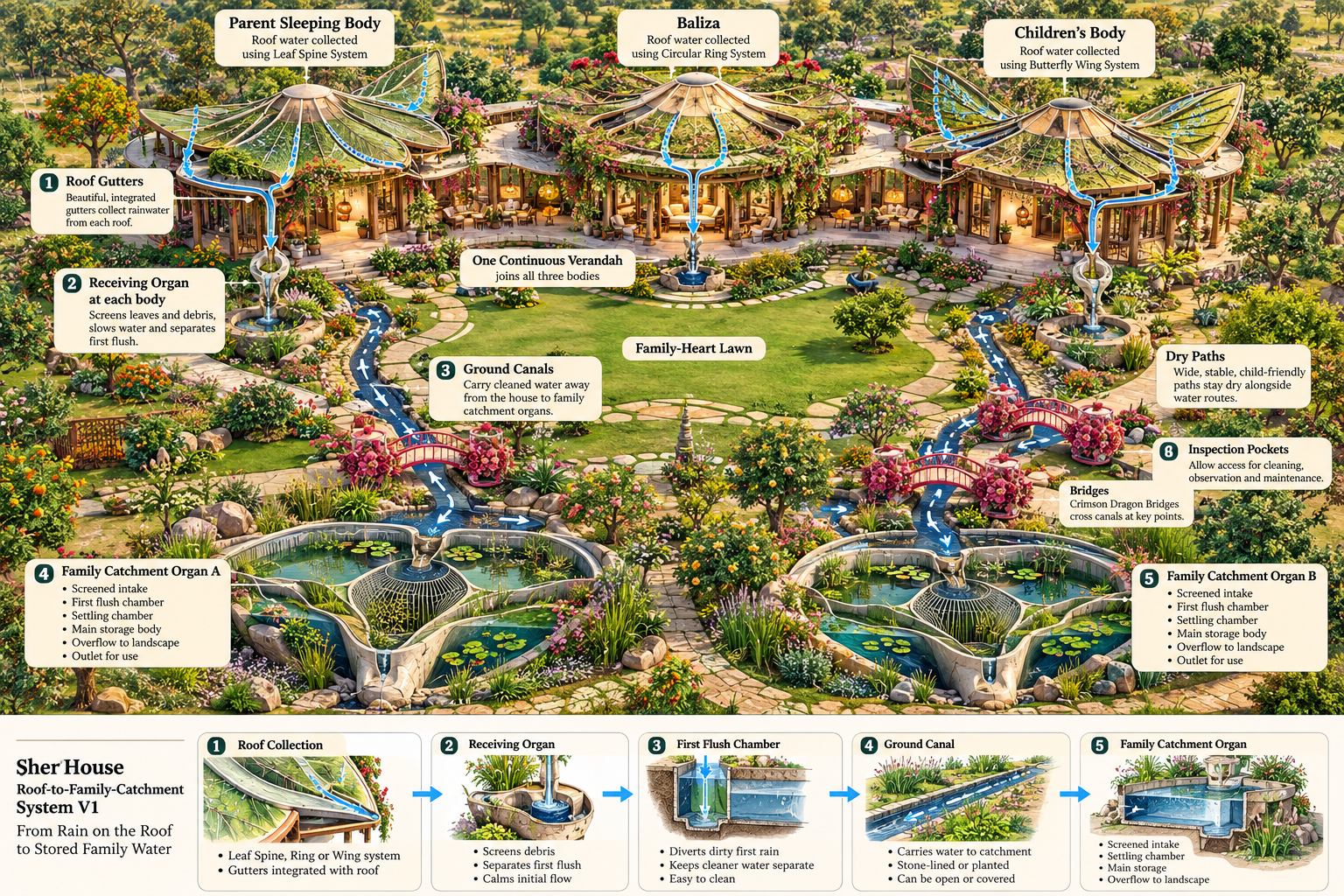
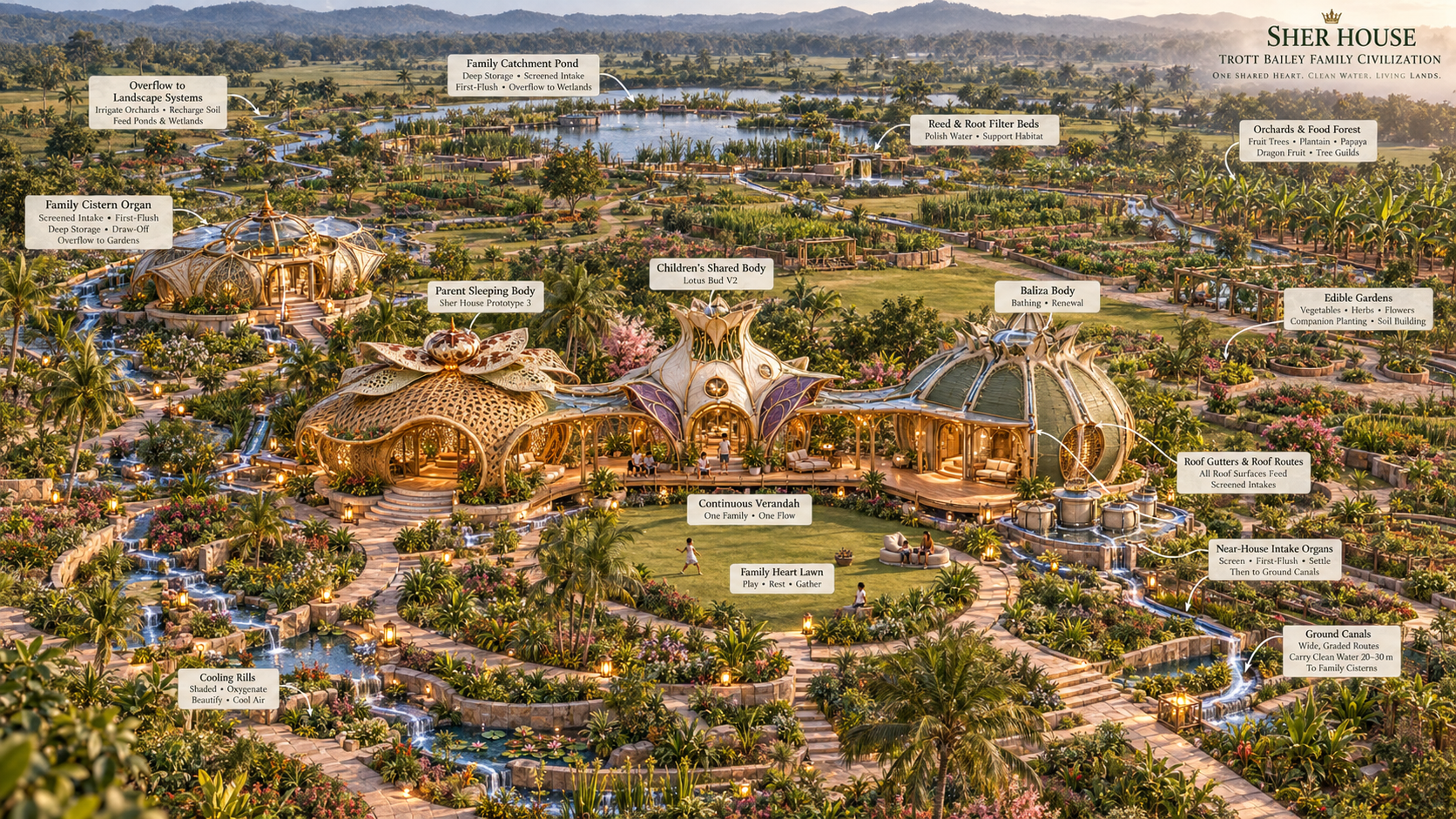
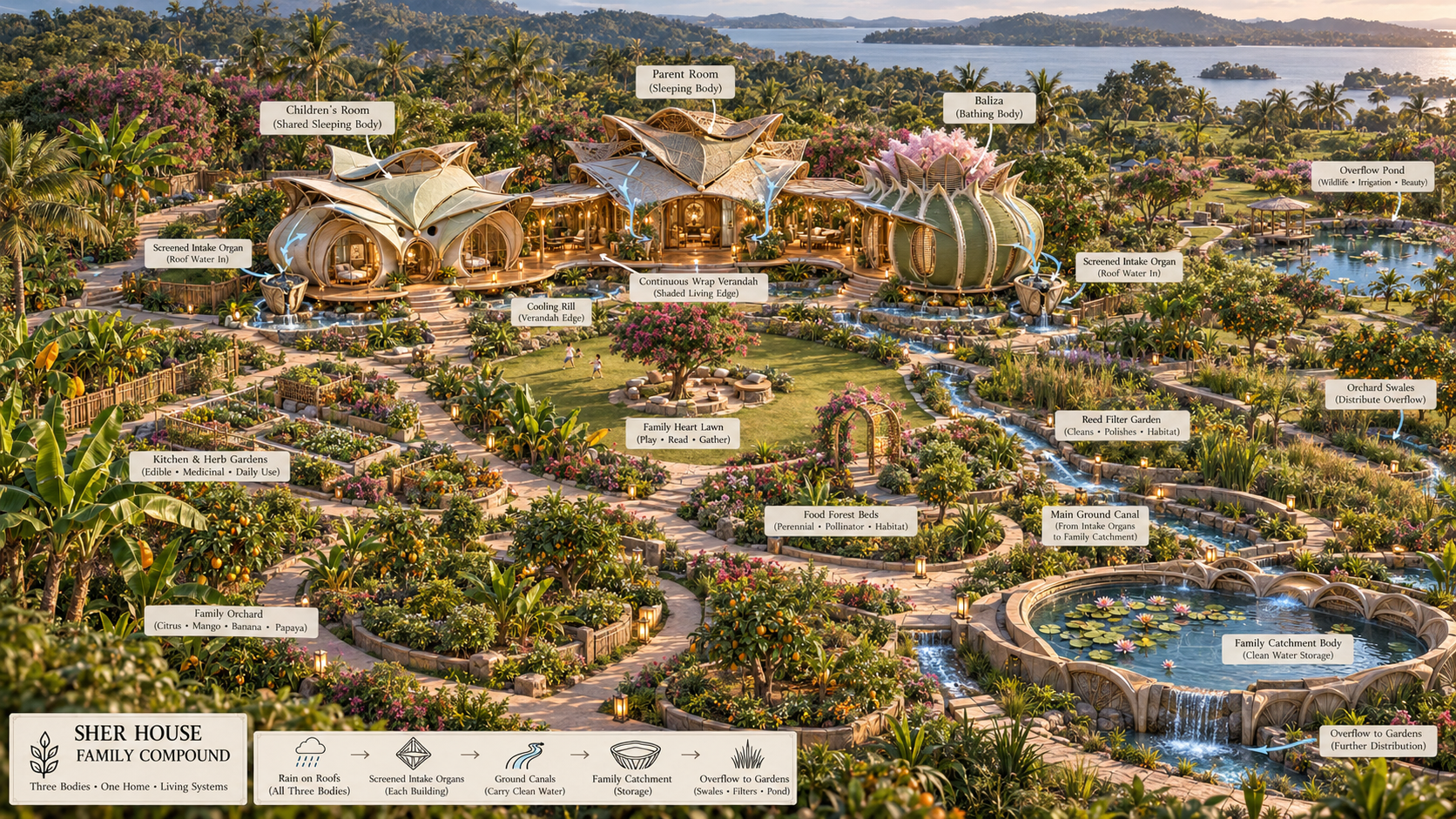
Pipes. Tanks. Rain collection. Storage. Filtering. Distribution. Treatment. Drainage. Irrigation. Plumbing.
Those things matter, but they are not the deepest constitutional layer. They are implementations.
2. The Deeper Question
The deeper question is not simply:
The deeper question is:
The True Constitutional Discovery
The Water Department is not only responsible for infrastructure.
It is responsible for helping the civilization maintain a healthy relationship with water.
That means water must be understood, protected, stored, used carefully, taught to children, planned for during shortages, routed during excess, and respected without creating fear.
3. Why This Matters
A civilization can have water infrastructure and still have a weak relationship with water.
Entitlement
People assume water should always appear without understanding the systems, labor, maintenance, storage, and stewardship behind it.
Detachment
People only know faucets, sinks, showers, and bills. They do not understand rainfall, storage, contamination, reserves, drought, drainage, or repair.
Fear
Every disruption becomes panic because the civilization lacks reserves, household capability, water literacy, and preparedness.
Waste
People use water carelessly because they do not understand effort, limits, future need, or shared responsibility.
4. The Department’s Real Responsibility
The Water Department does not merely provide water.
It helps reduce water vulnerability across the civilization.
Contamination Vulnerability
Preventing unsafe water from damaging health, food preparation, and sanitation.
Drought Vulnerability
Preparing storage, reserves, conservation habits, and alternative access before dry periods arrive.
Flood Vulnerability
Helping water slow down, soak in, drain safely, route properly, or be stored instead of becoming destructive.
Dependency Vulnerability
Preventing families and districts from becoming helpless when outside systems fail.
Ignorance Vulnerability
Teaching enough water literacy so people do not consume water without understanding consequences.
Labor Vulnerability
Reducing the unnecessary burden that falls on families, especially parents, when water systems fail.
5. The Layered Responsibility Discovery
Water cannot be successfully stewarded by one department alone.
The Water Department may be the lead steward, but it cannot be the only steward.
Households
Need basic water literacy, careful use, emergency awareness, and some reserve capability.
Buildings
Must collect, route, drain, protect, store, and prevent water damage.
Agriculture
Must use water in ways that support food production without damaging future supply.
Health Systems
Depend on clean water for hygiene, disease prevention, food safety, and care.
Children
Should grow up understanding where water comes from, why cleanliness matters, and why waste matters.
Water Department
Coordinates quality, access, storage, reserves, preparedness, monitoring, education, and stewardship.
6. The Cultural Layer
The deepest layer is not a pipe, tank, reservoir, Rain Organ, filter, or drainage channel.
Those systems matter. They are necessary. But their success depends on the people who use them, maintain them, repair them, plan around them, and teach the next generation how to understand them.
This means water stewardship is partly technical and partly cultural. The civilization must produce people who are not careless, detached, fearful, wasteful, or helpless in relation to water.
Final Constitutional Layer
The Water Department exists to help the civilization maintain reliable access to safe, usable water while also cultivating the knowledge, habits, shared responsibility, preparedness, and respect needed for water stewardship to survive across generations.
The department does not only manage water systems.
It helps shape the civilization’s relationship with water.



 and then