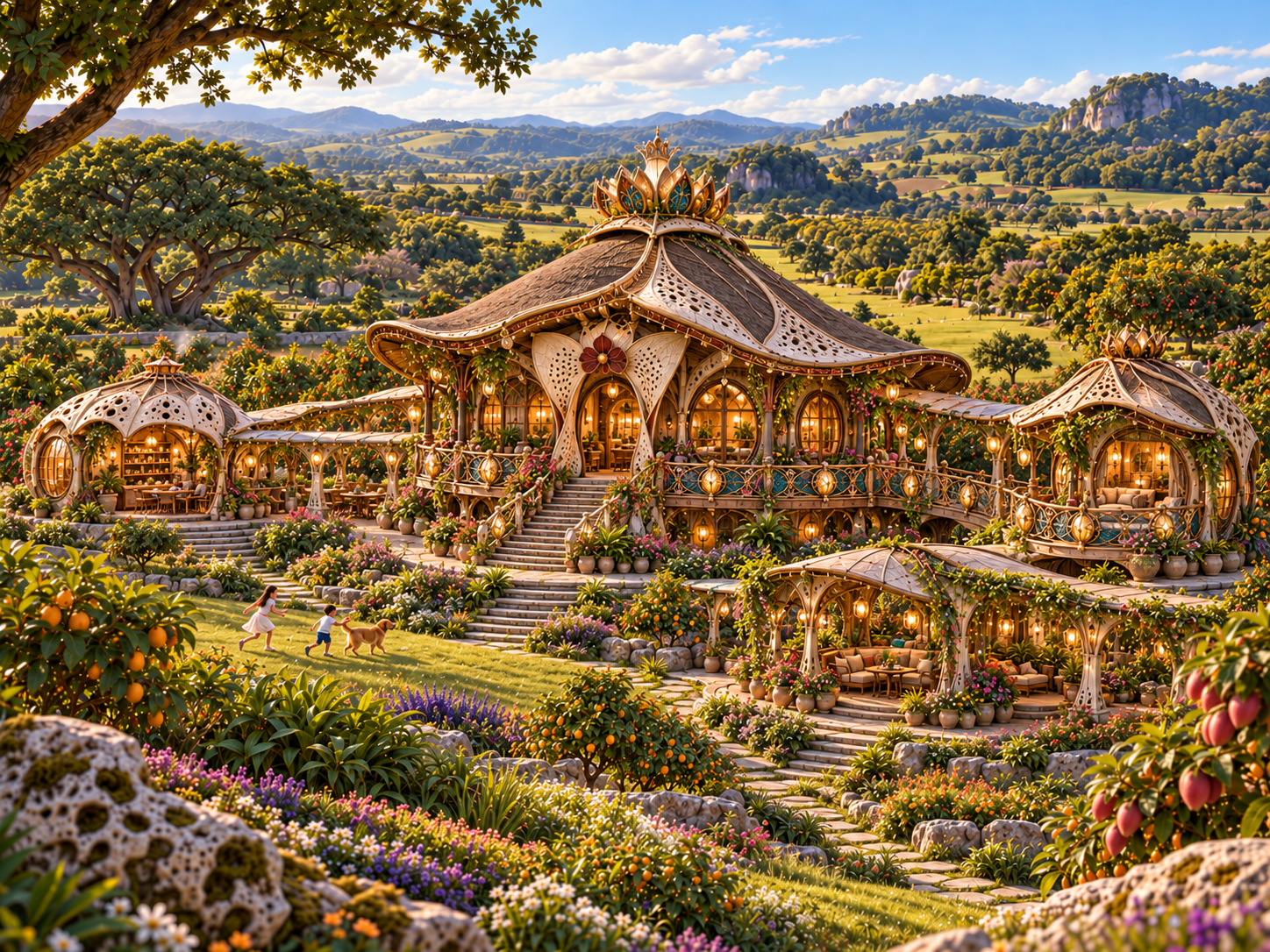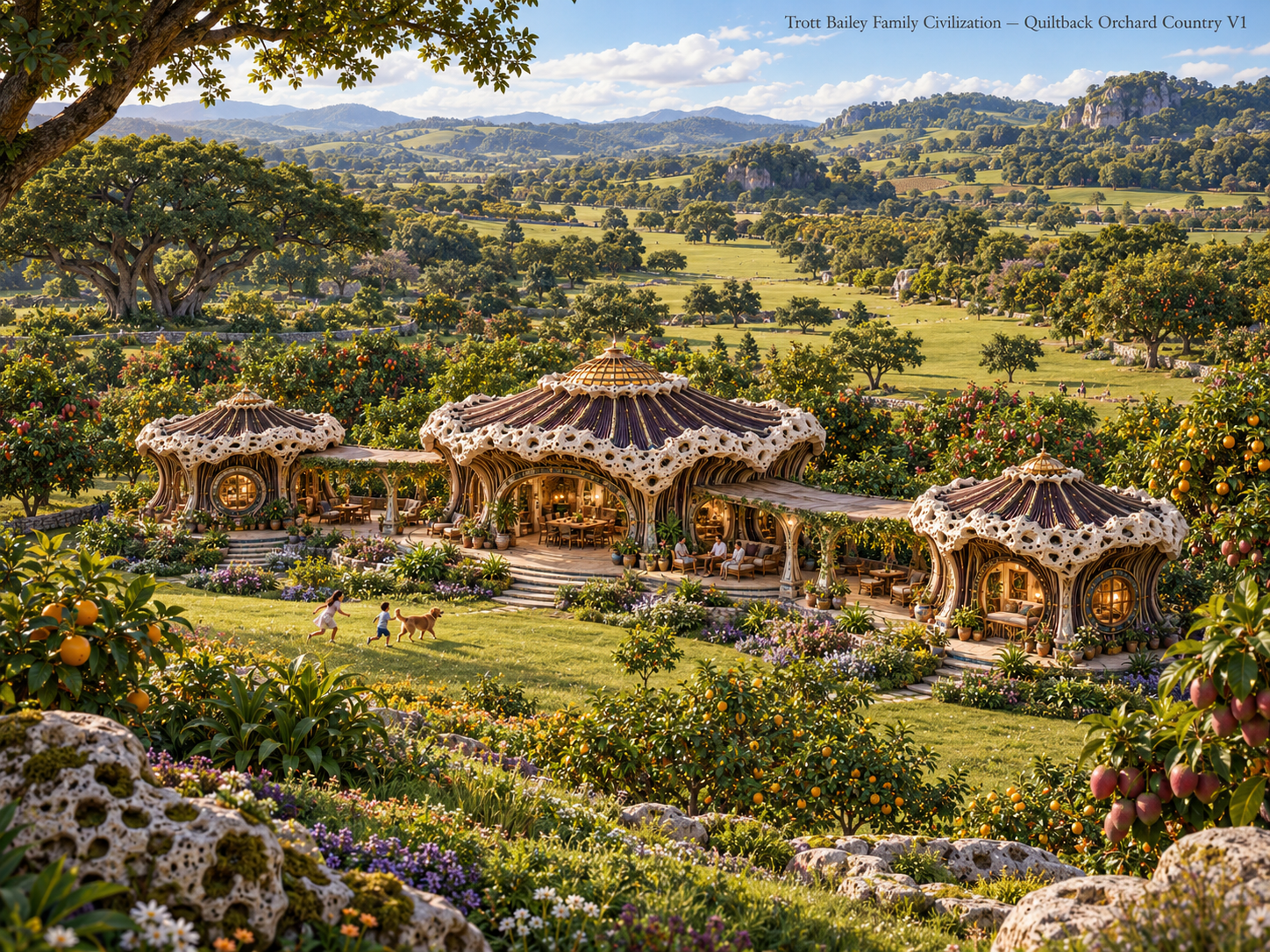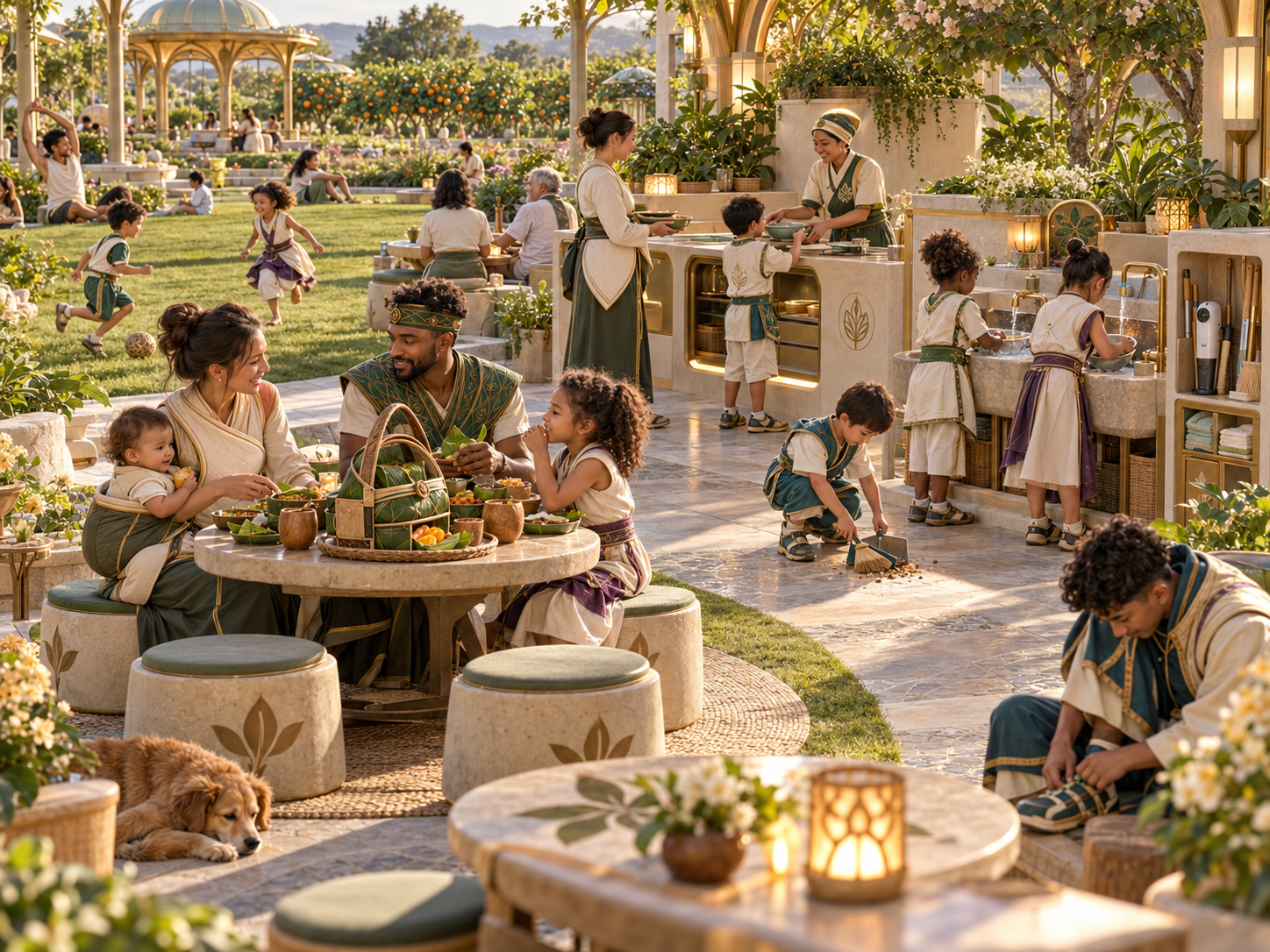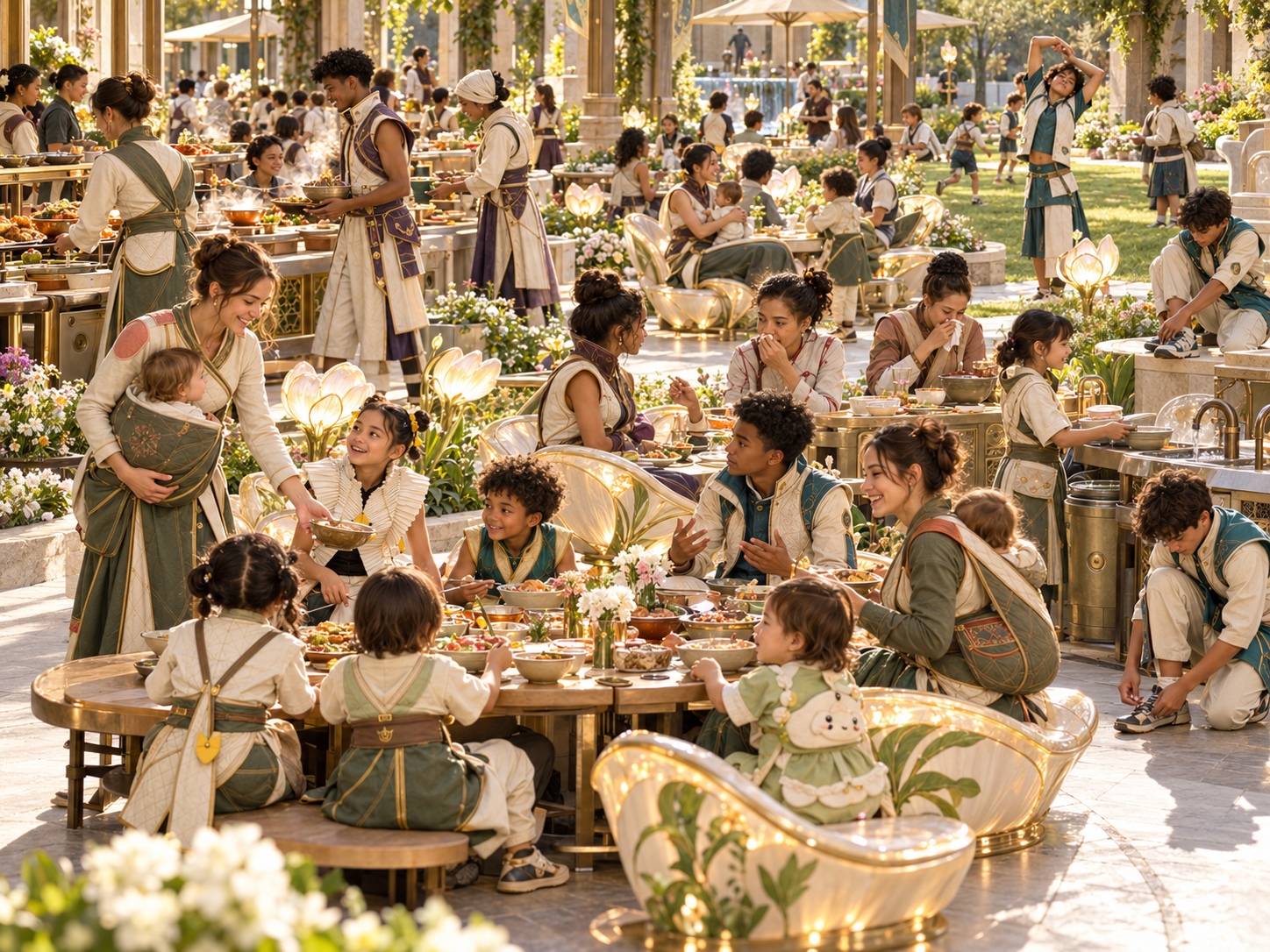

Building Department Constitutional Extraction
Building Department Constitutional Extraction
A Mind’s Eye record on the deeper purpose of building, shelter, maintenance, family support, climate response, and life-supporting environments.
Warning Before Design
Do not assume architects, construction workers, hard hats, blueprints, construction sites, contractors, building permits, office design firms, or modern construction industry structures.
Those are implementations. They are not the constitutional foundation.
1. Surface Topic
The surface topic appears to be building, construction, architecture, shelter, infrastructure, housing, facilities, and maintenance.
But the deeper issue is not merely how structures are made. The deeper issue is how life is supported by the environments people inhabit every day.
2. Real Kingdom Question
Not: how does a civilization construct buildings?
Construction is one mechanism. The deeper target is life-supporting environments.
3. Why This Question Appears
Every civilization must answer practical questions about life:
- Where do people sleep?
- Where do children grow?
- Where do families gather?
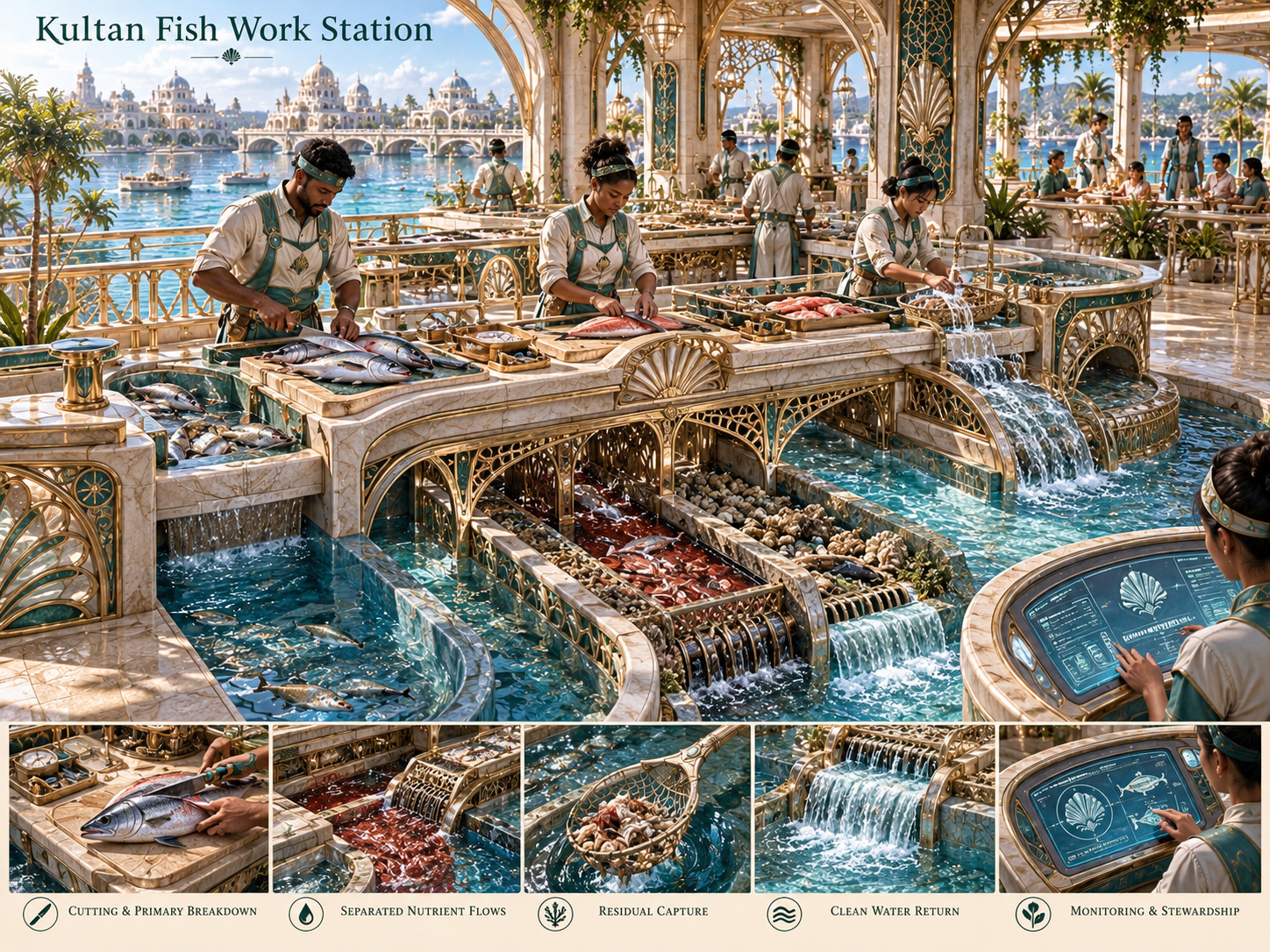
- Where does food get prepared?
- Where does repair happen?
- Where does learning happen?
- Where does work happen?
- Where does recovery happen?
Without clear answers to these questions, civilization becomes unstable, exhausting, unsafe, and difficult to maintain.
First Discovery
The Building Department is not fundamentally about buildings.
Buildings are one expression. The deeper purpose is creating environments that allow life to function.
4. What Failure Is the Department Preventing?
Without the Building Department, people experience unsafe shelter, weather exposure, poor sanitation, dangerous circulation, poor visibility, unsafe child environments, poor maintenance, inefficient daily life, unnecessary labor, and infrastructure decay.
The civilization becomes exhausting to live in.
Constitutional Purpose
The purpose is not to build structures.
Even deeper: to reduce friction between people and daily living.
5. What Reality Does the Department Work With?
Shelter Reality
Protection, enclosure, shade, rest, safety, boundaries, and refuge.
Climate Reality
Rain, sun, heat, wind, humidity, airflow, cooling, and weather pressure.
Movement Reality
Walking, carrying, hosting, gathering, sleeping, cooking, cleaning, and playing.
Maintenance Reality
Repair, access, inspection, replacement, cleaning, longevity, and adaptation.
Family Reality
Parents, children, elders, guests, workers, babies, animals, and future generations.
Resource Reality
Water, energy, materials, food, waste, storage, routing, and recovery.
6. Core Intelligence
The Building Department possesses several forms of intelligence at once:
Shelter Intelligence
How humans remain protected.
Climate Intelligence
How environments remain comfortable and survivable.
Movement Intelligence
How people move through spaces without unnecessary friction.
Maintenance Intelligence
How systems remain functional over time.
Family Intelligence
How environments support parents, children, elders, and guests.
Resource Intelligence
How water, energy, materials, food, and waste flow through civilization.
7. Daily Actions
The department does not only design. It repeatedly performs practical actions:
8. Movement Profile
The Building Department repeatedly performs movement that must eventually shape garments:
- Walking
- Climbing
- Carrying
- Kneeling
- Reaching
- Lifting
- Inspecting
- Balancing
- Guiding
- Teaching
- Demonstrating
Civilization Shock Element
Most civilizations treat buildings as objects.
Not machines in a cold mechanical sense. Life machines in the sense that houses help parenting, kitchens help nutrition, courtyards help childhood, thresholds help cleanliness, and architecture helps behavior.
Buildings actively support life. They do not merely contain it.
9. The Mother-Sight Discovery
The Building Department is not neutral.
Buildings shape behavior. A house can help mothers or burden mothers. It can help children or endanger children. It can encourage family interaction or isolate family members.
10. The Compound Discovery
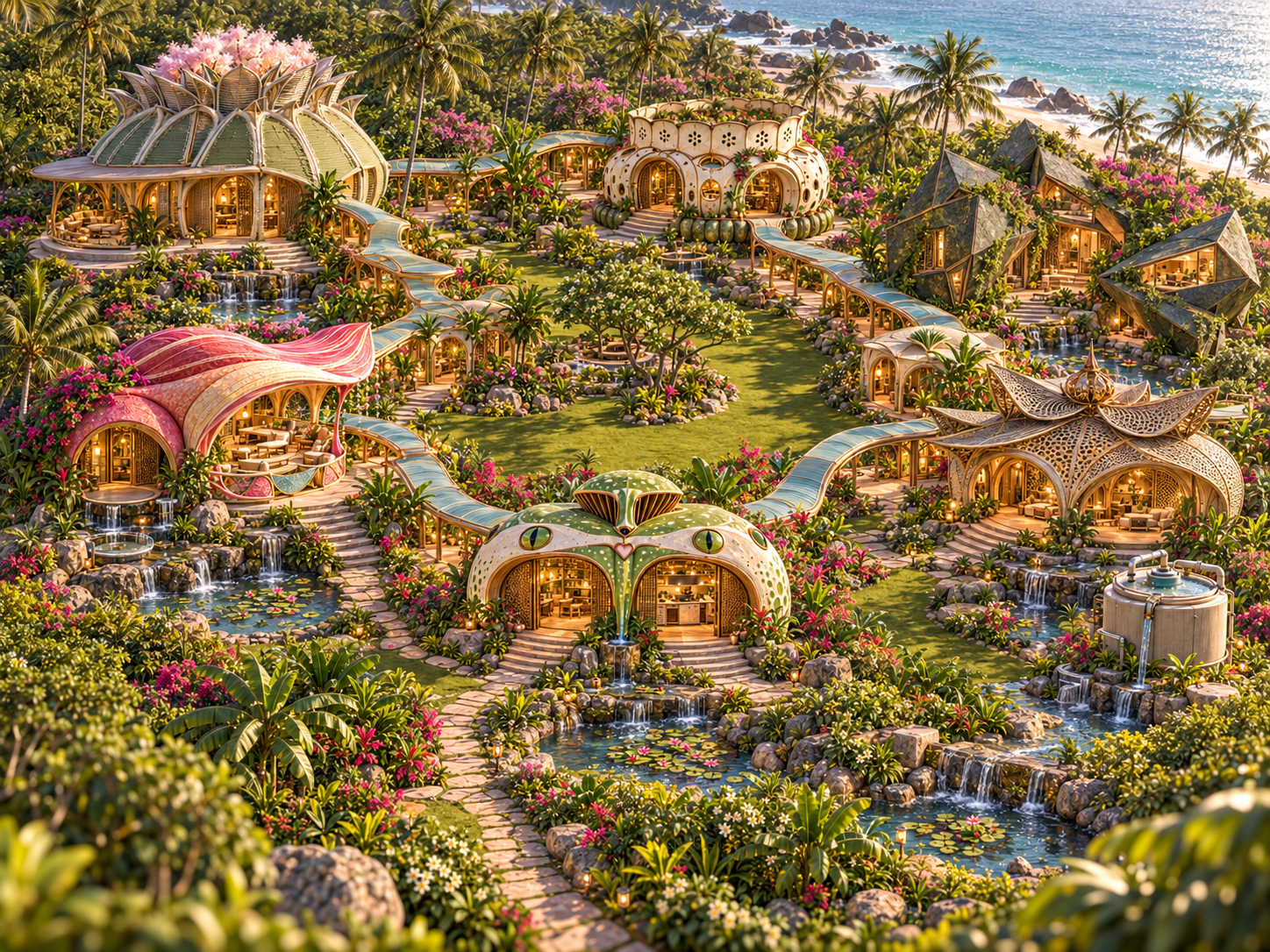
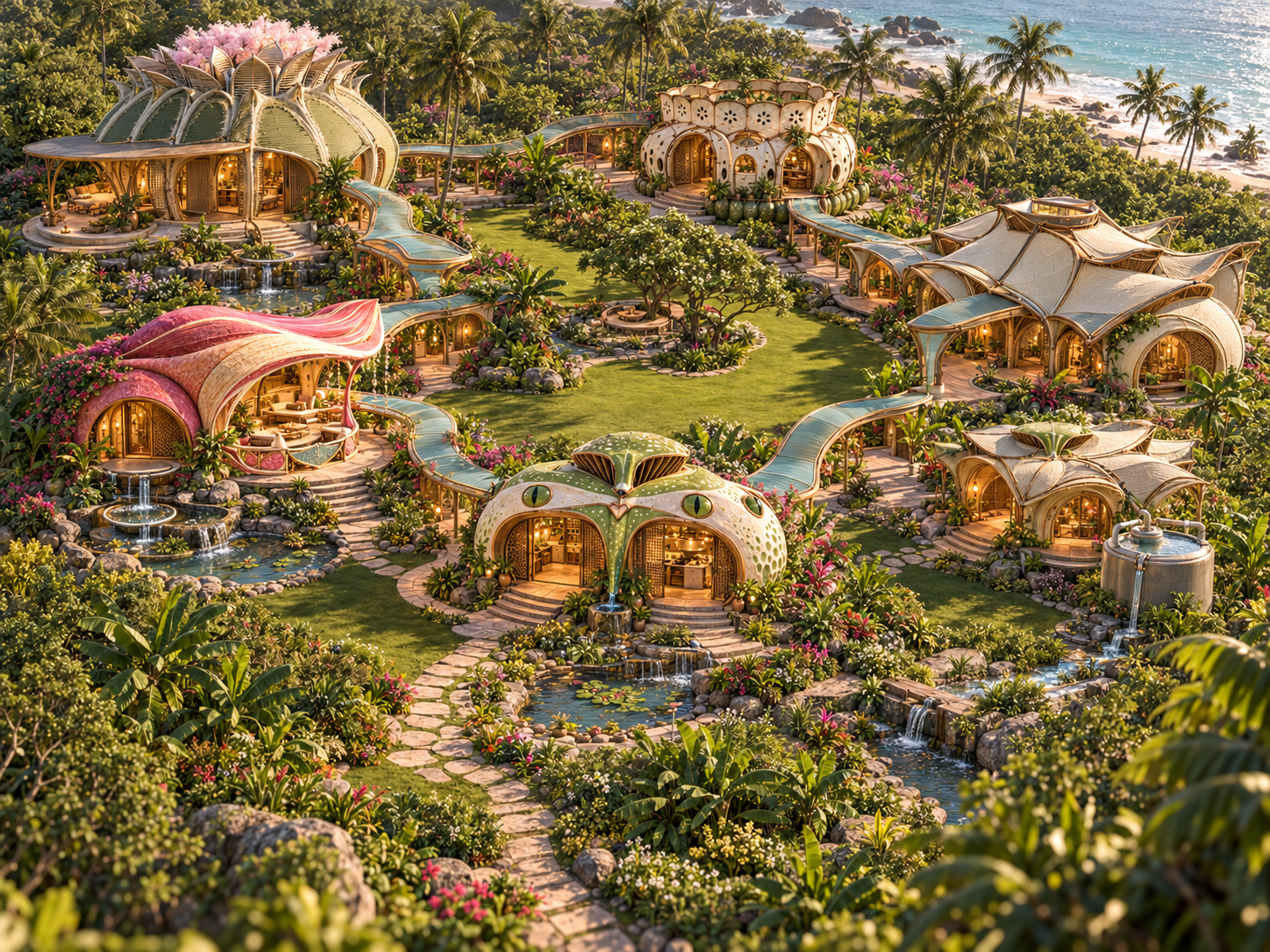
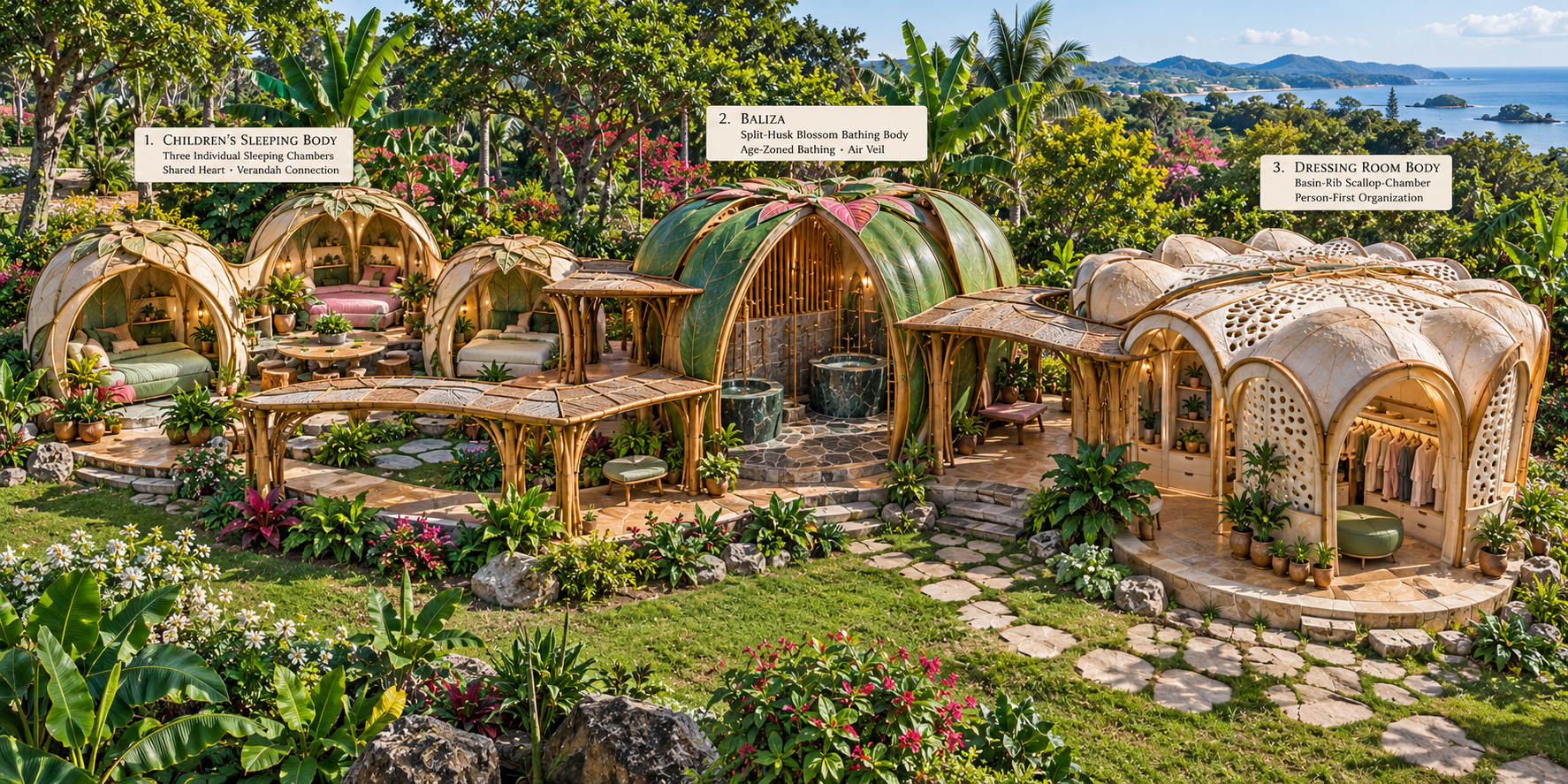
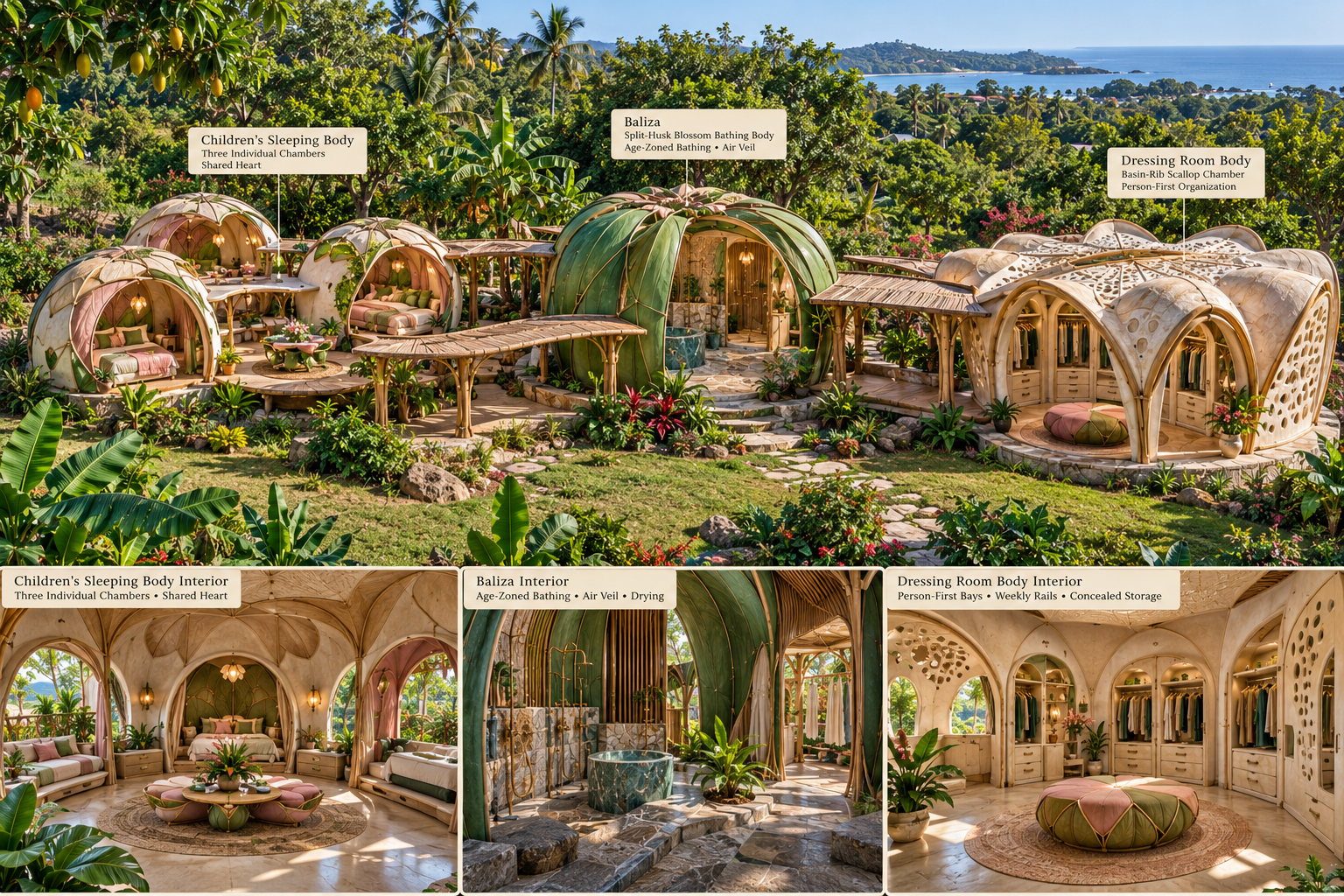
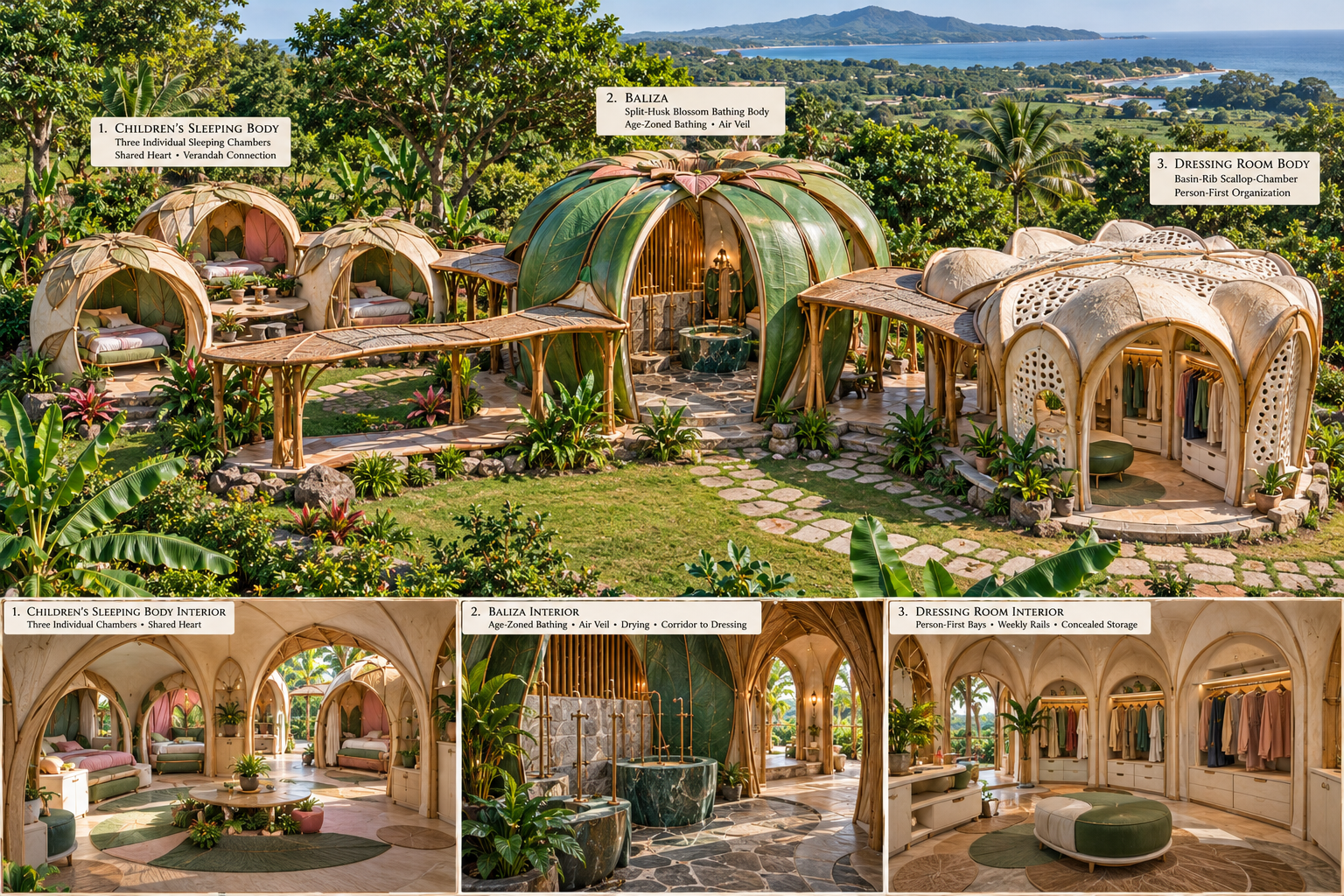
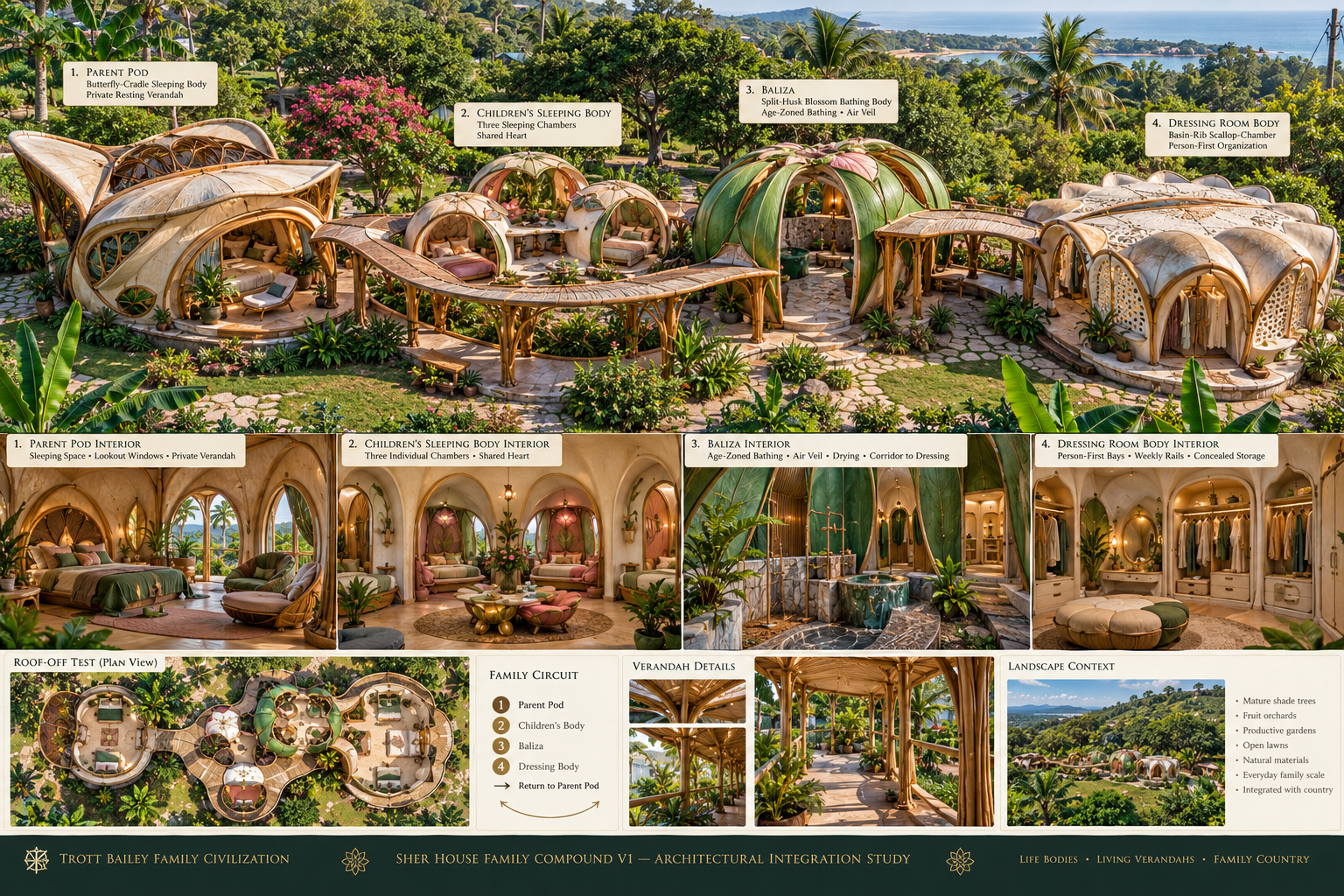
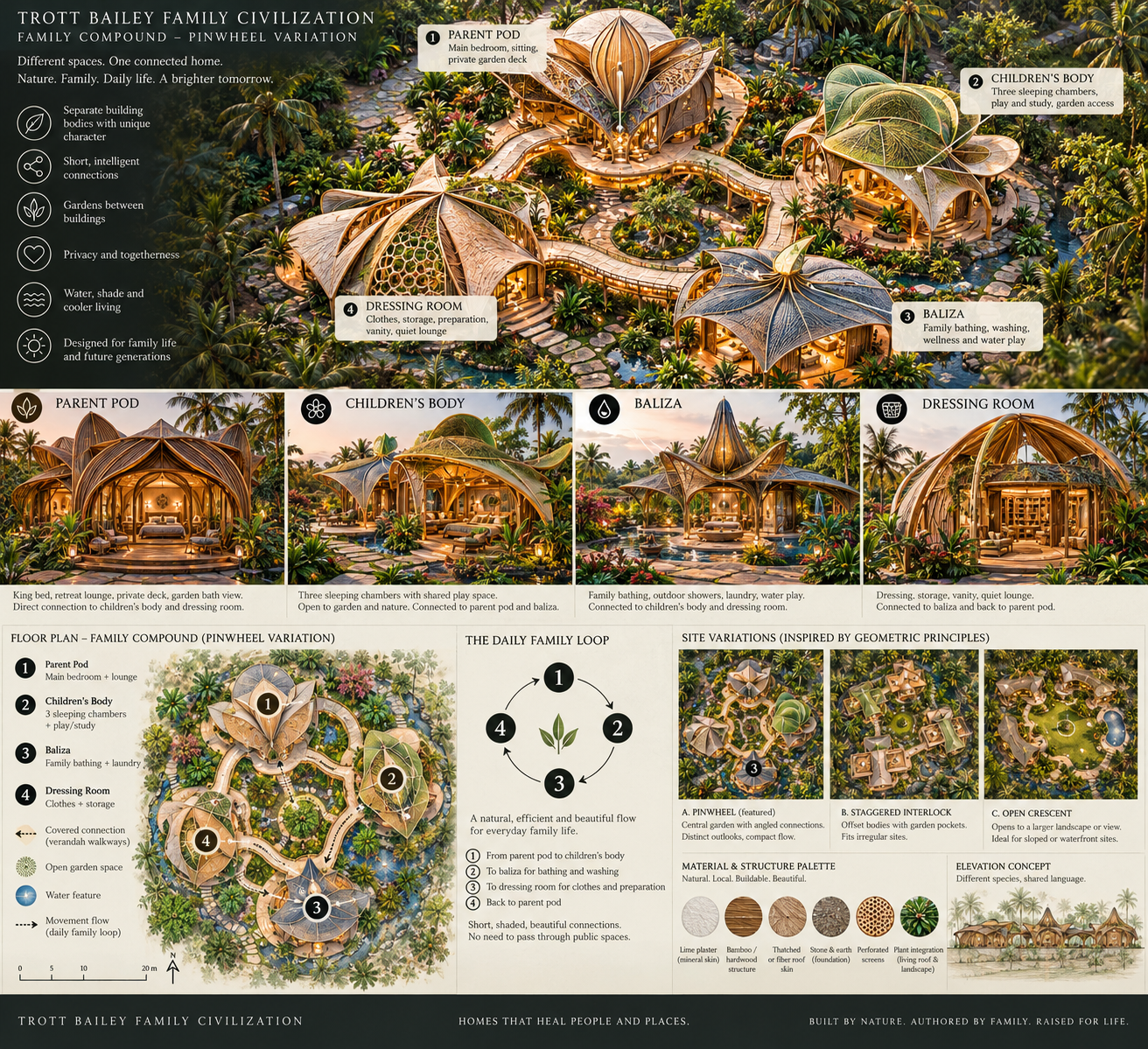
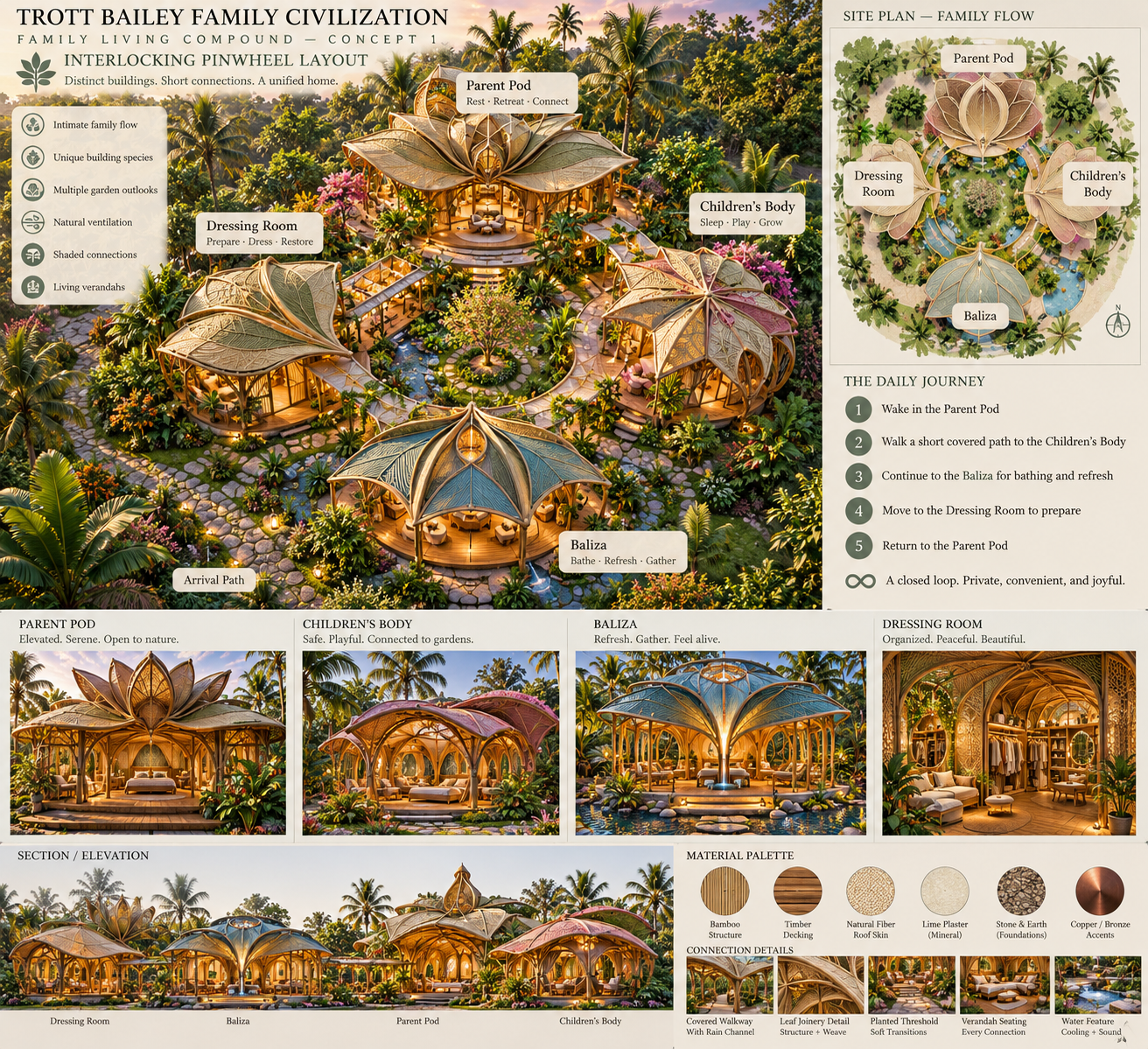
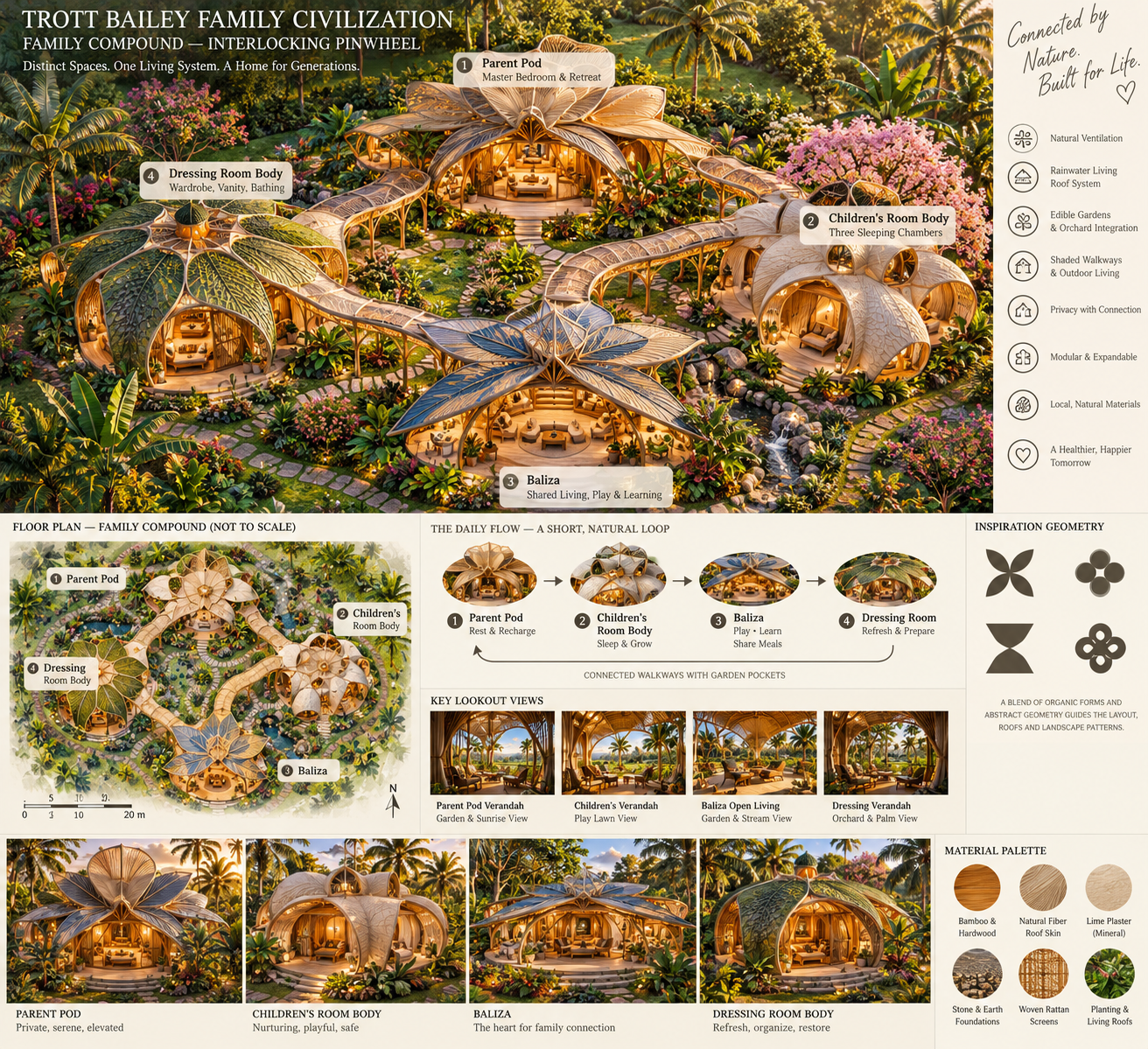
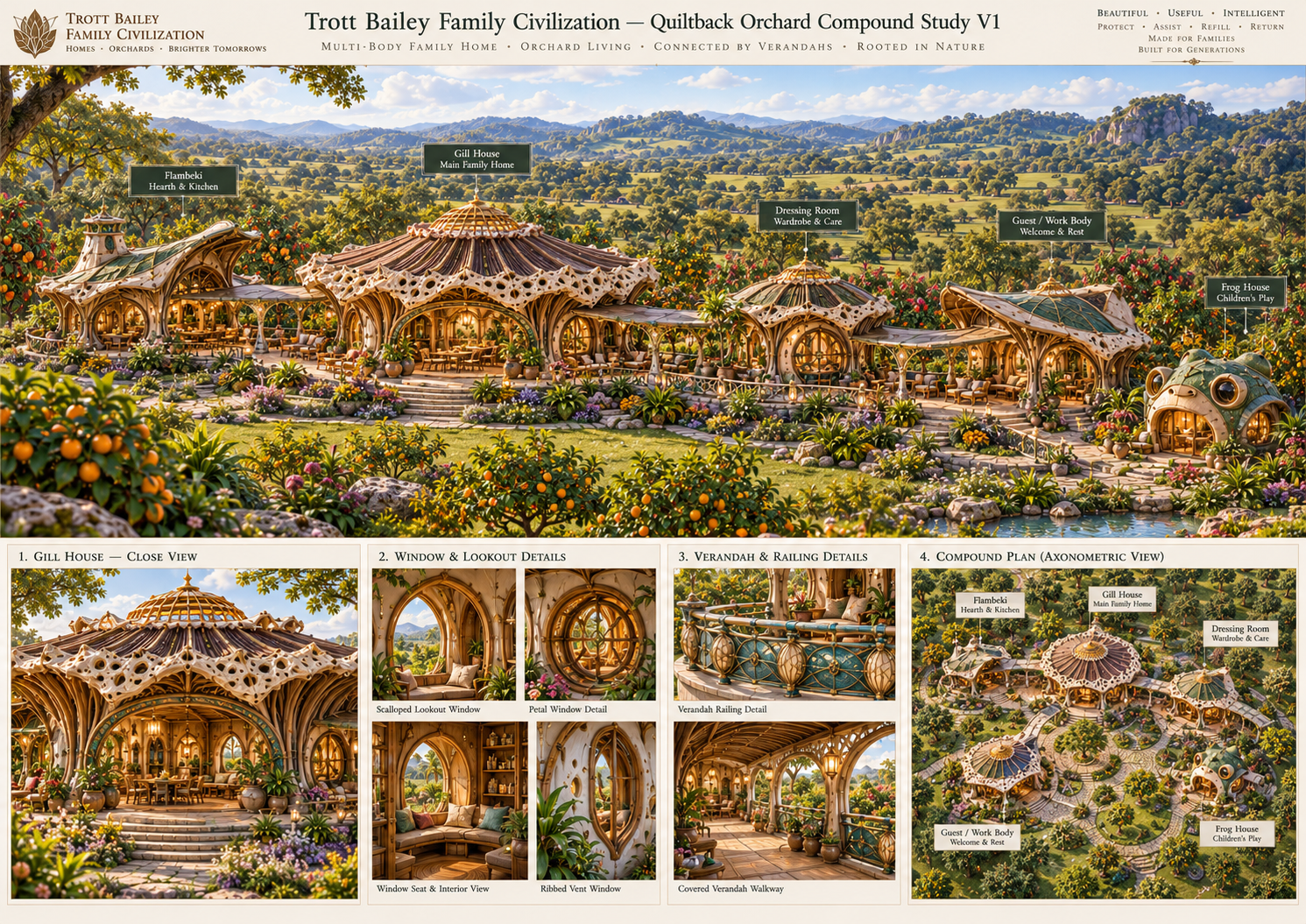
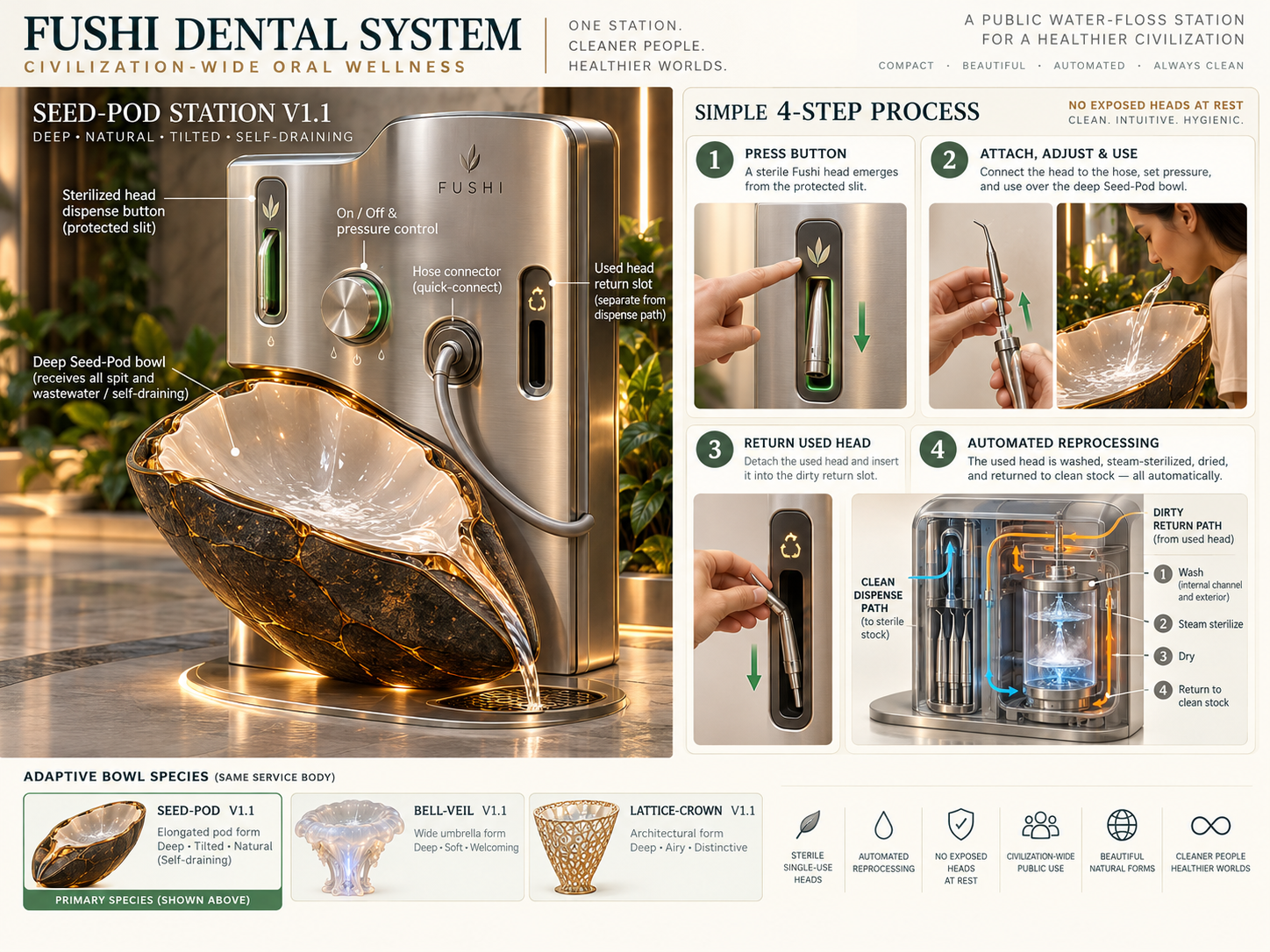
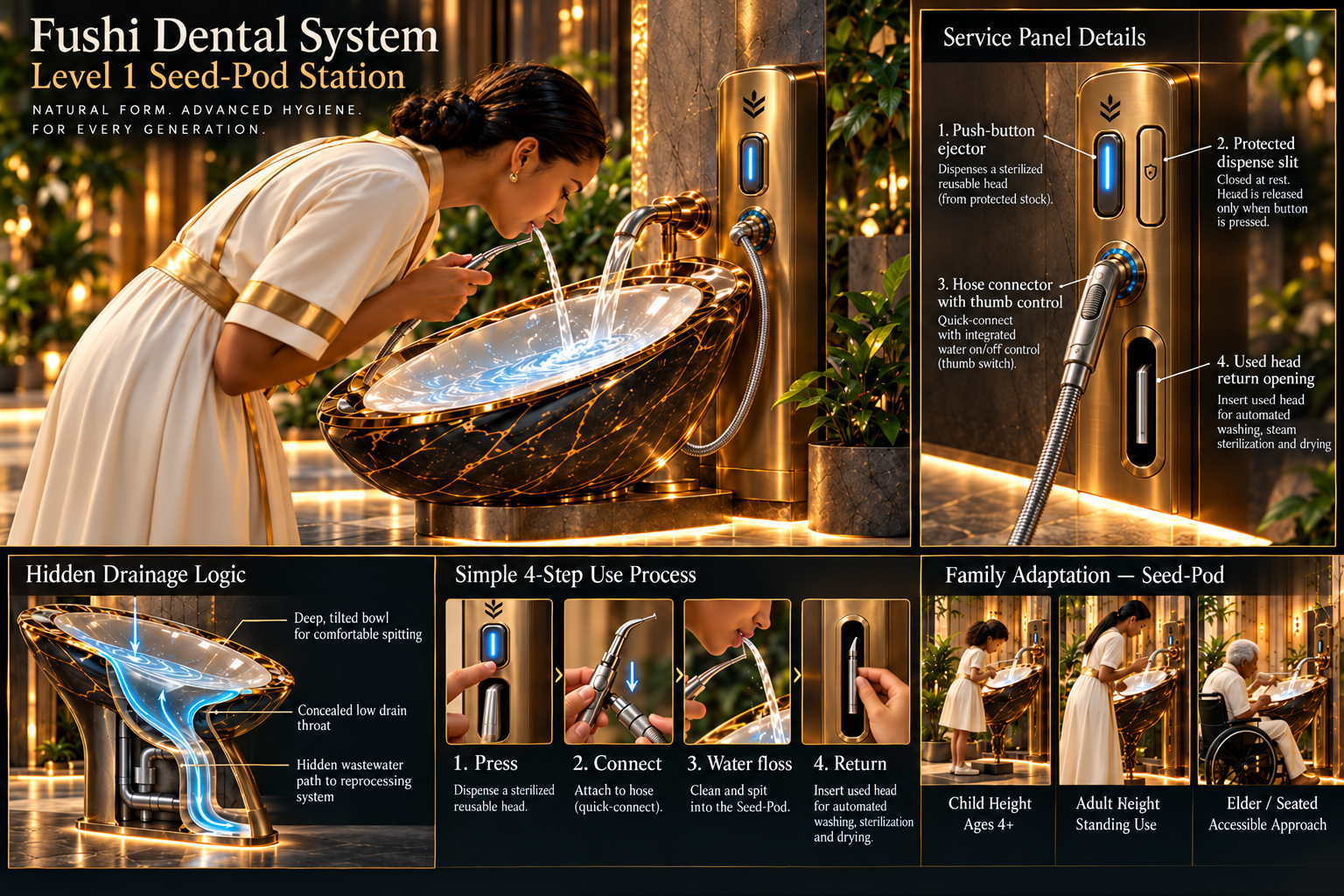
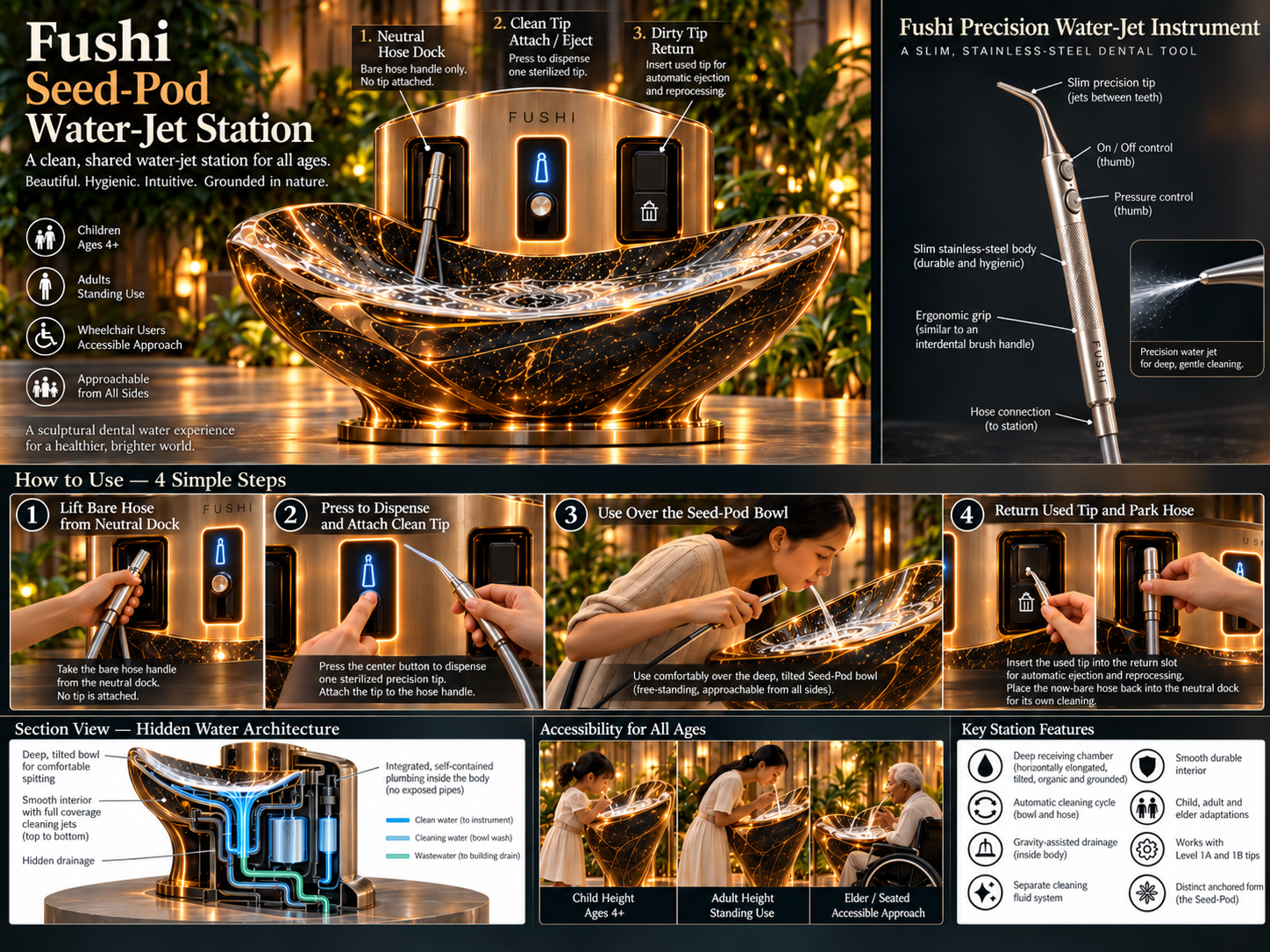
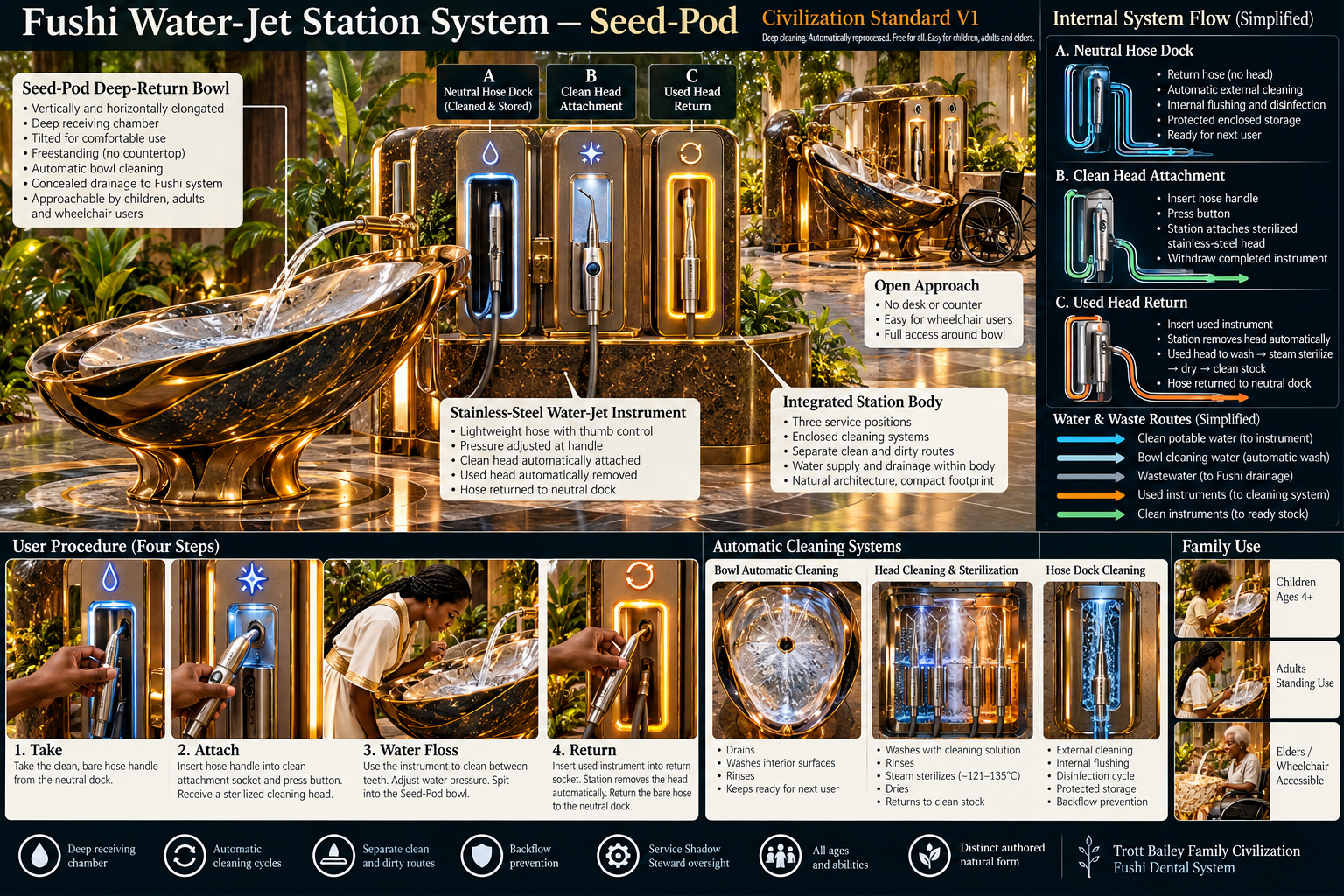
The department is not creating isolated rooms. It is creating life systems.
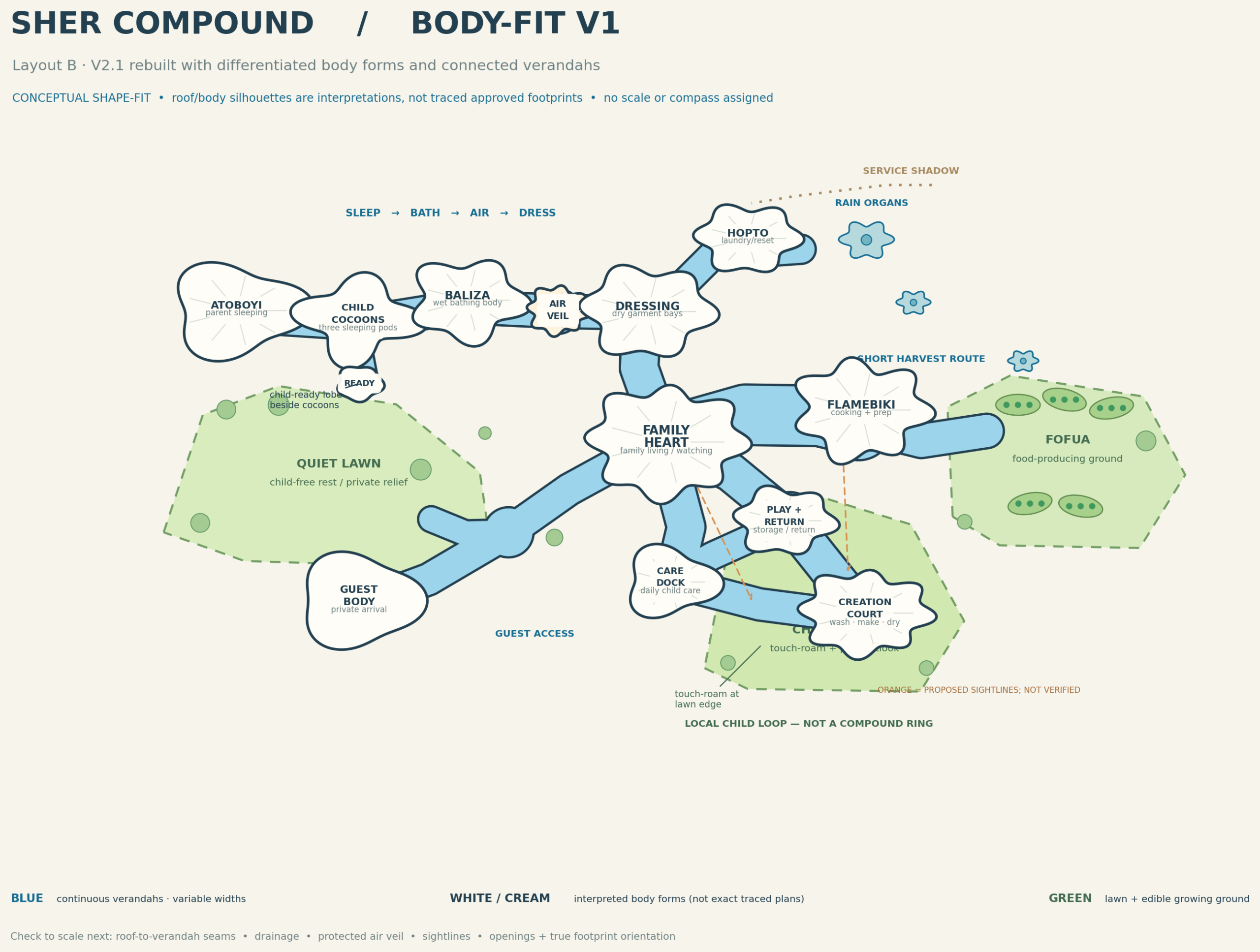
Atoboyi
Sleeping and rest life-system.
Flamebiki
Cooking, nutrition, and food preparation life-system.
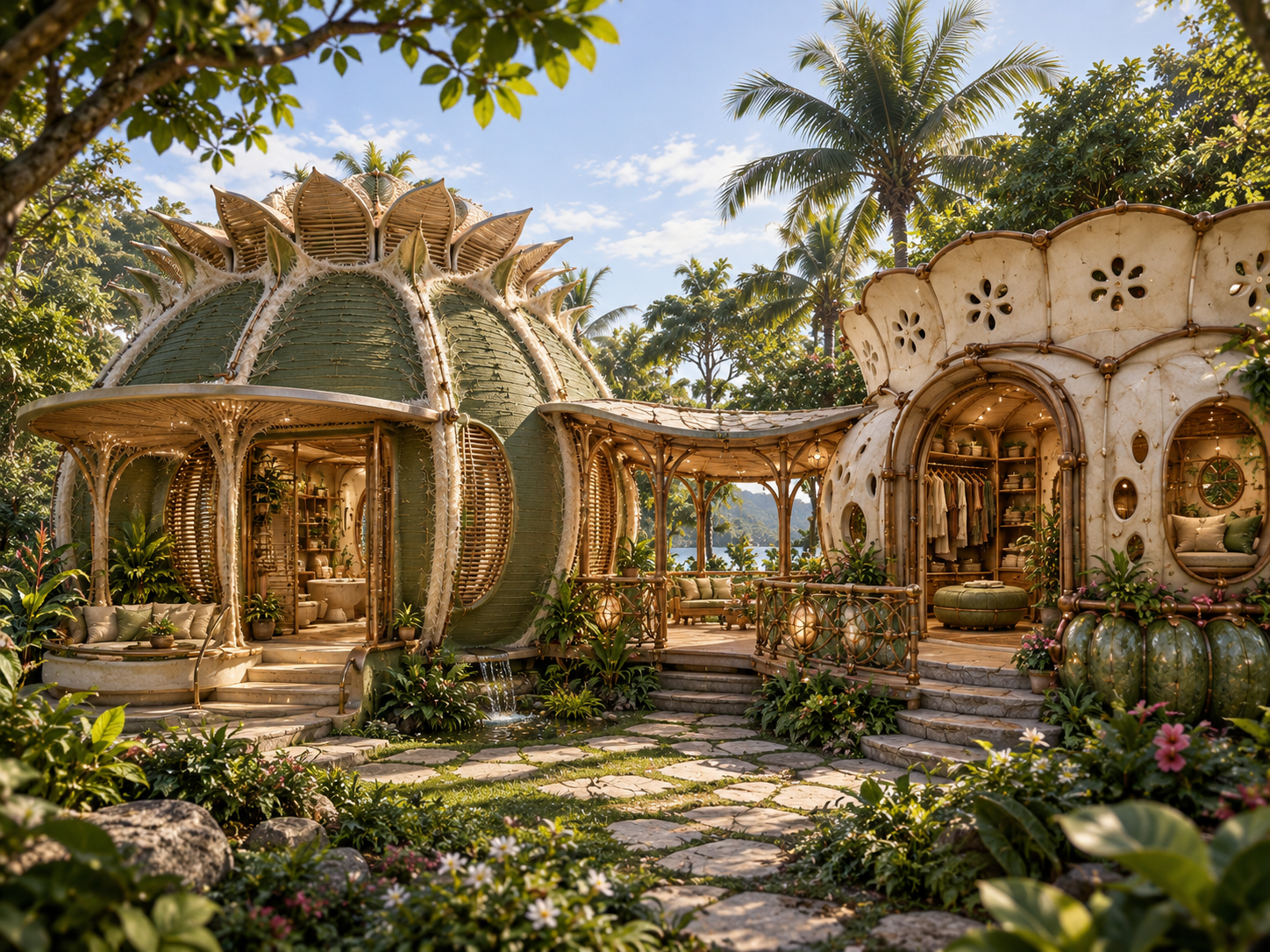
Baliza
Bathing, cleaning, and body reset life-system.
Fofua
Edible garden and food-growing life-system.
HOpto
Laundry, drying, and textile reset life-system.
Verandah Systems
Transition, hosting, shade, and daily movement systems.
Threshold Systems
Clean-return, foot reset, and interior protection systems.
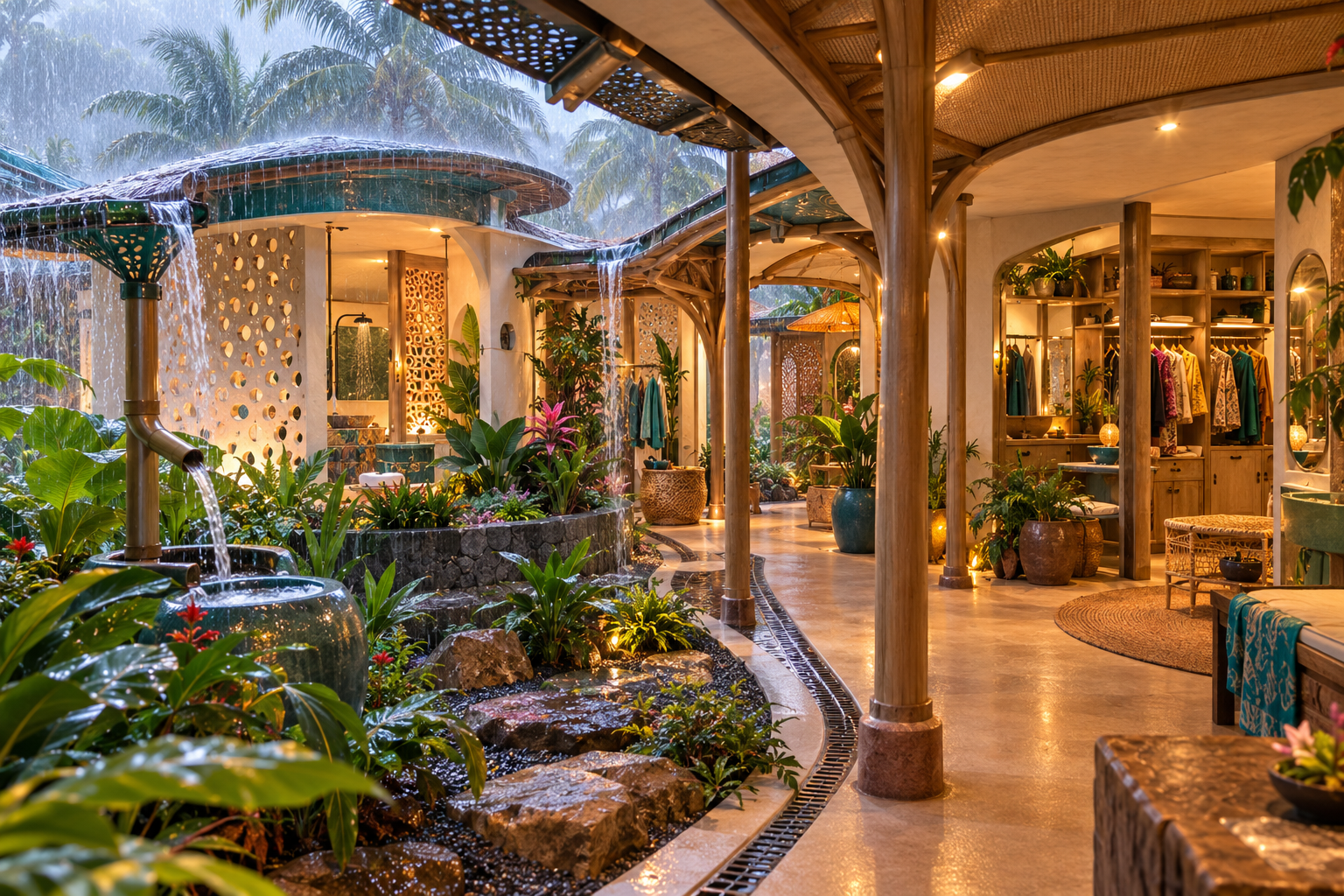
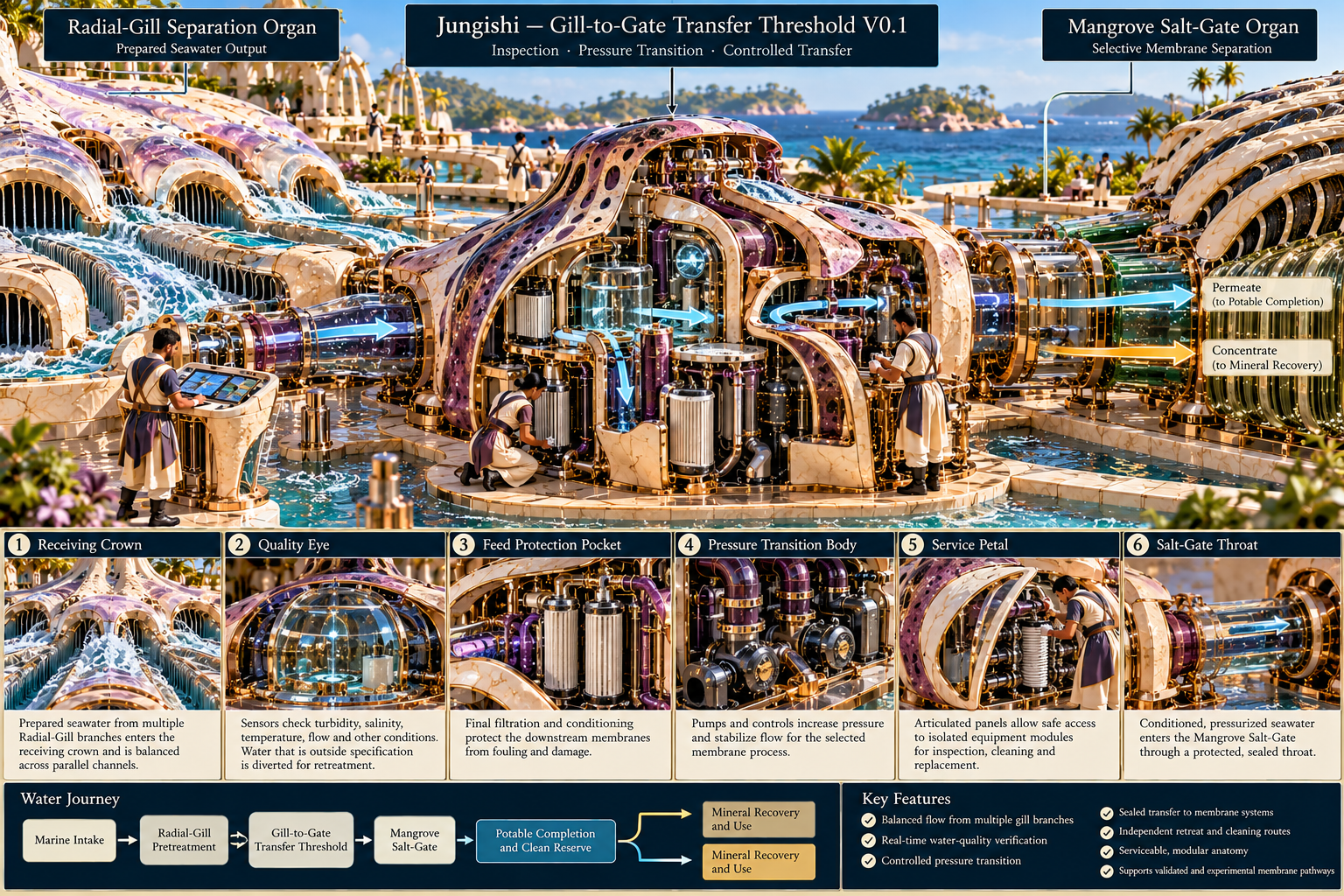
Rain Organ Systems
Rain catchment, water routing, storage, and overflow intelligence.
These are not merely structures. They are life-support arrangements.
11. Who Does the Department Serve?
The Building Department serves everyone:
- Children
- Parents
- Elders
- Guests
- Workers
- Apprentices
- Animals
- Future generations
It is one of the few departments whose decisions affect nearly every citizen every day.
12. Apprenticeship Discovery
Children can participate surprisingly early in the Building Department.
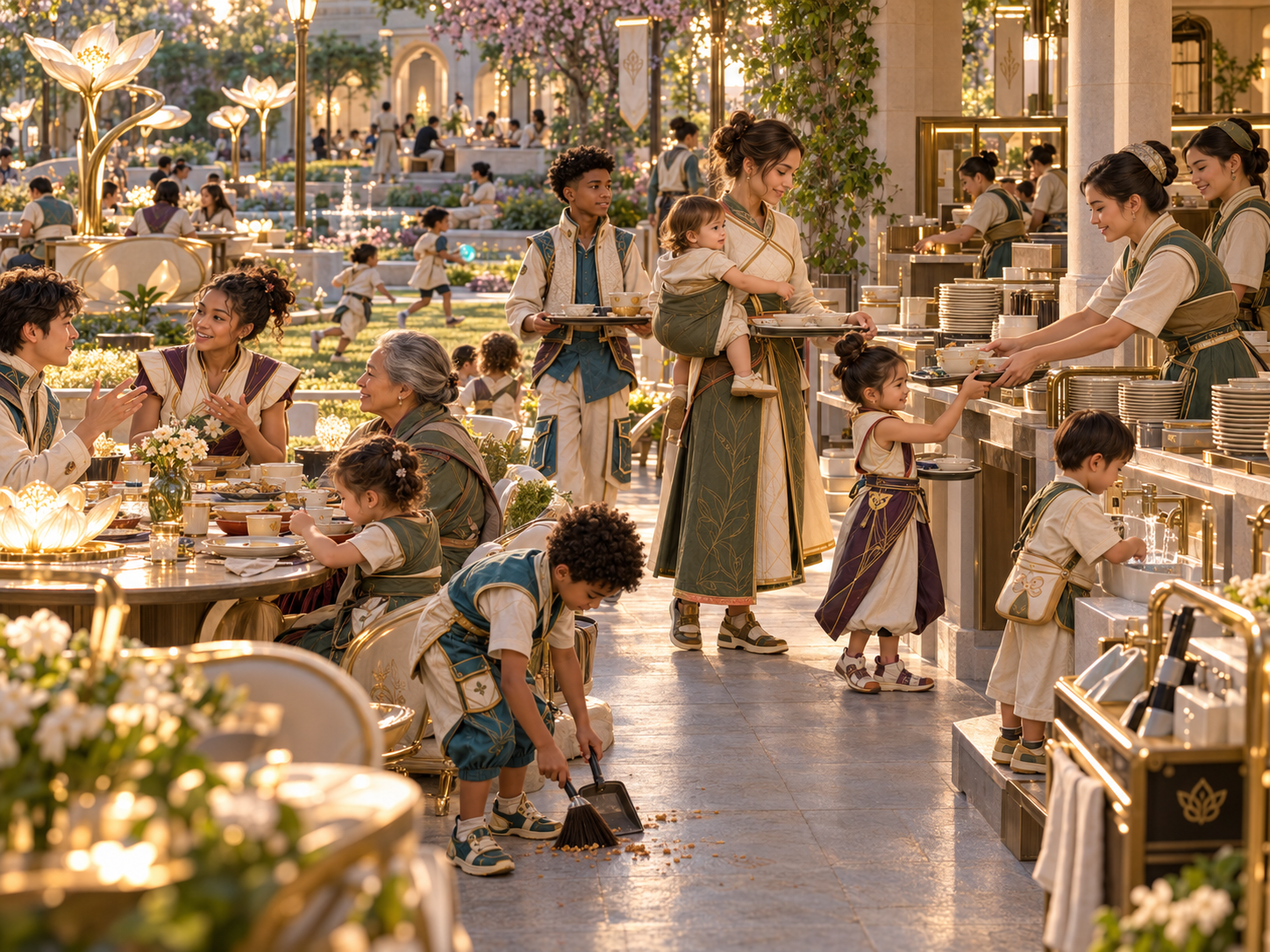
The department naturally supports apprenticeship because its work is visible, practical, physical, and connected to daily life.
13. What Does Success Look Like?
Success is not beautiful buildings, expensive buildings, or architectural awards.
Success looks like:
- Safer children
- Easier parenting
- Easier maintenance
- Healthier living
- Better climate comfort
- Stronger family life
- Fewer daily frustrations
- Longer-lasting infrastructure
- Easier adaptation
14. What Department Are We Really Discovering?
“Building Department” may remain useful because it is understandable. But constitutionally, the deeper names may include:
Environment Stewardship Department
Shelter Systems Department
Human Environment Department
Life Infrastructure Department
Living Systems Department
15. Early Garment Implications
No uniforms should be designed yet. But the extraction suggests that future garments should emerge from:
- Support
- Structure
- Accessibility
- Repair readiness
- Climate adaptation
- Movement support
- Carrying systems
- Inspection systems
They should not emerge from hard hats, tool belts, contractor stereotypes, or architect fashion clichés.



 and then