
Children Should Be Free to Get Dirty
Children Should Be Free to Get Dirty
Modern parenting often feels like a constant battle against dirt, stains, spills, mud, mess, and public embarrassment.
Parents are expected to keep children clean, calm, presentable, and controlled almost all the time.
But children were never designed to live like tiny adults.
Children are supposed to touch things, spill things, crawl, explore, fall, climb, splash, experiment, and get messy.
That is not failure.
That is childhood.
It may be a sign the child actually lived that day.
The Modern Fear of Mess
Many parents today are under constant pressure.
Pressure to:
- keep clothes clean
- keep children neat
- protect expensive items
- avoid public judgment
- prevent spills
- avoid stains
- control movement
- keep homes orderly at all times
So parenting slowly becomes defensive.
Parents spend entire days saying:
- Don’t touch that.
- Don’t get dirty.
- Careful.
- Don’t spill that.
- Stay clean.
- Don’t sit there.
Some boundaries are necessary, of course.
But many families are living inside environments where normal child behavior feels like a constant problem.
When a civilization is not designed for real children, parents become stress managers instead of joyful guides.
Dirt Is Part of Learning
A child playing in mud is not only getting dirty.
The child is learning:
- texture
- balance
- movement
- curiosity
- risk
- cause and effect
- physical confidence
- contact with the world
Children are naturally experimental.
They want to touch water. Mix sand. Squash fruit. Climb rocks. Splash puddles. Feel grass. Roll downhill. Dig holes.
That is how children learn the world with their bodies before they fully understand it with language.
The Real Problem Is Not Dirt
The real problem is often the system around the child.
Parents are afraid because mess creates consequences:
- more laundry
- ruined clothes
- public judgment
- expensive replacements
- endless cleaning
- social embarrassment
So the issue is not actually the child.
The issue is that the civilization gives families weak support systems and then expects children to behave in unnaturally controlled ways.
Parents are trying to protect themselves from exhaustion.
Trott Bailey Civilization Thinks Differently
Trott Bailey Civilization would not build a world where children are treated like tiny disasters waiting to happen.
It would build systems expecting children to move, explore, spill, and learn.
The question would not be:
The question would be:
What Would Be Different?
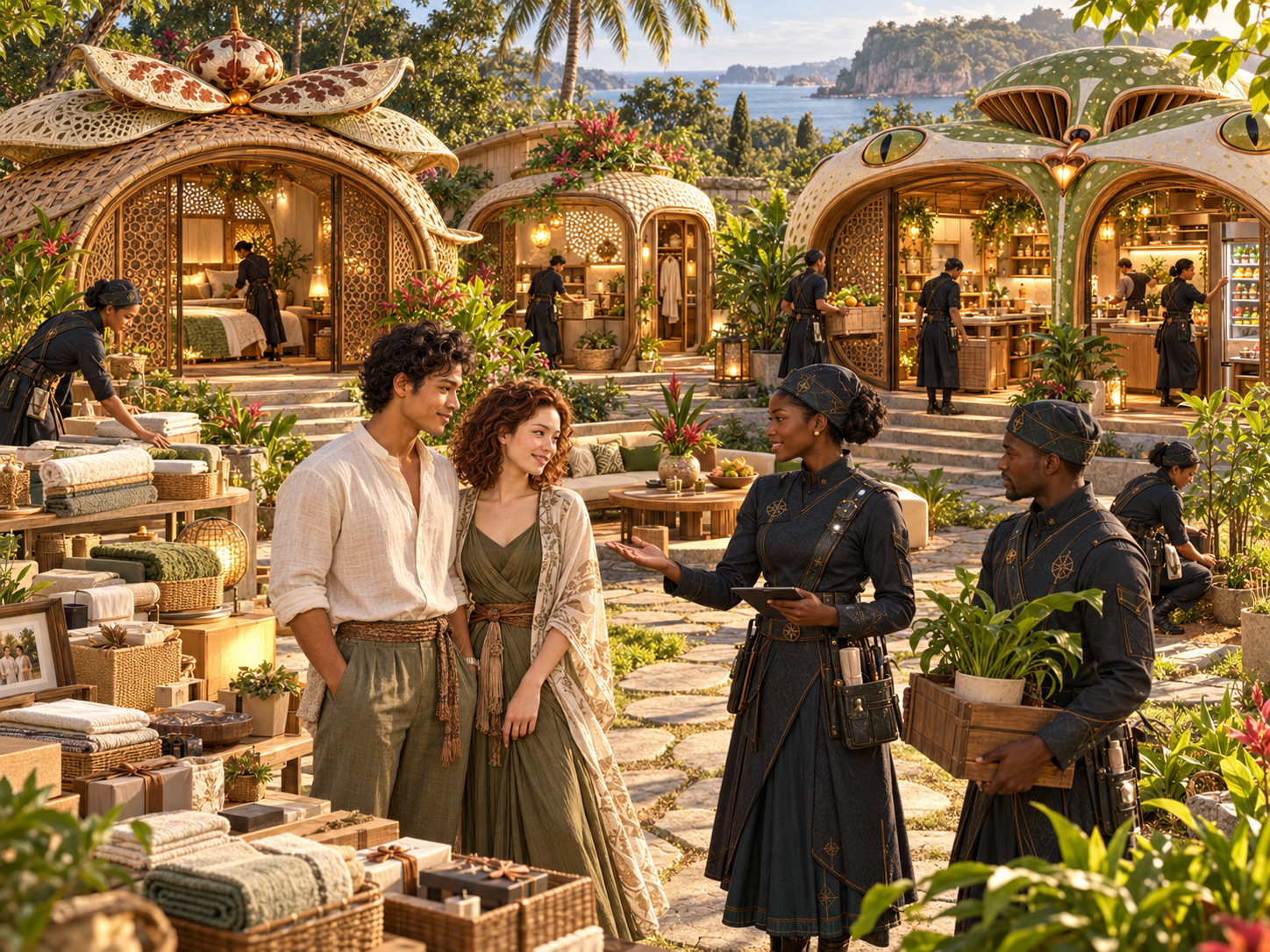
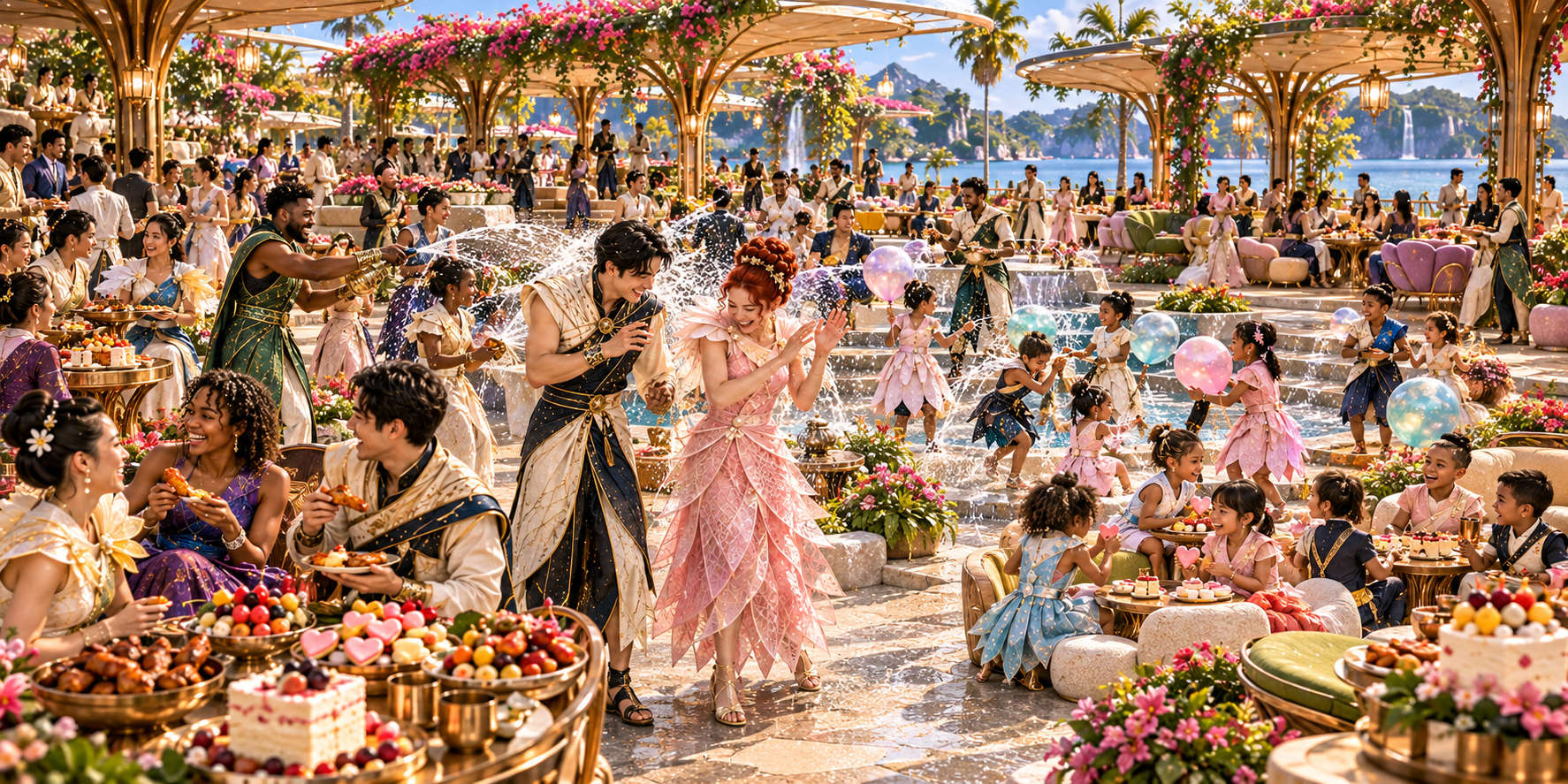
In Trott Bailey Civilization, families would not be left alone to fight every spill, stain, muddy shoe, and clothing disaster by themselves.
The civilization itself would help carry the burden.
- public rinse stations
- family wash points
- garment refresh systems
- child-safe play fields
- mud zones designed intentionally
- quick clothing care stations
- Fabric Nodes for garment restoration
- easy-clean family architecture
- stroller-friendly wash paths
- baby-safe changing areas
Children would still learn responsibility.
But the world would not punish normal childhood so aggressively.
The Child Should Not Fear Living
One of the quiet tragedies of modern life is that some children become overly afraid of dirt, movement, mess, or mistakes because adults around them are stressed constantly.
Some children stop exploring freely because they feel like every spill creates frustration.
Trott Bailey Civilization would try to protect childhood curiosity instead of shrinking it.
A child should learn stewardship without growing up afraid of living.
The Laundry Connection
This connects directly to the larger laundry problem.
Families today are expected to preserve clothing while also raising active children inside systems that are not truly designed for either.
So parents feel trapped between:
- letting children live fully
- or protecting clothes and homes constantly
Trott Bailey Civilization rejects that false choice.
Instead it says:
Public Life Should Welcome Children
In many modern environments, parents feel like children are barely tolerated.
Everything feels fragile. Everything feels expensive. Everything feels like it can create judgment.
Trott Bailey public life would feel different.
Children would see:
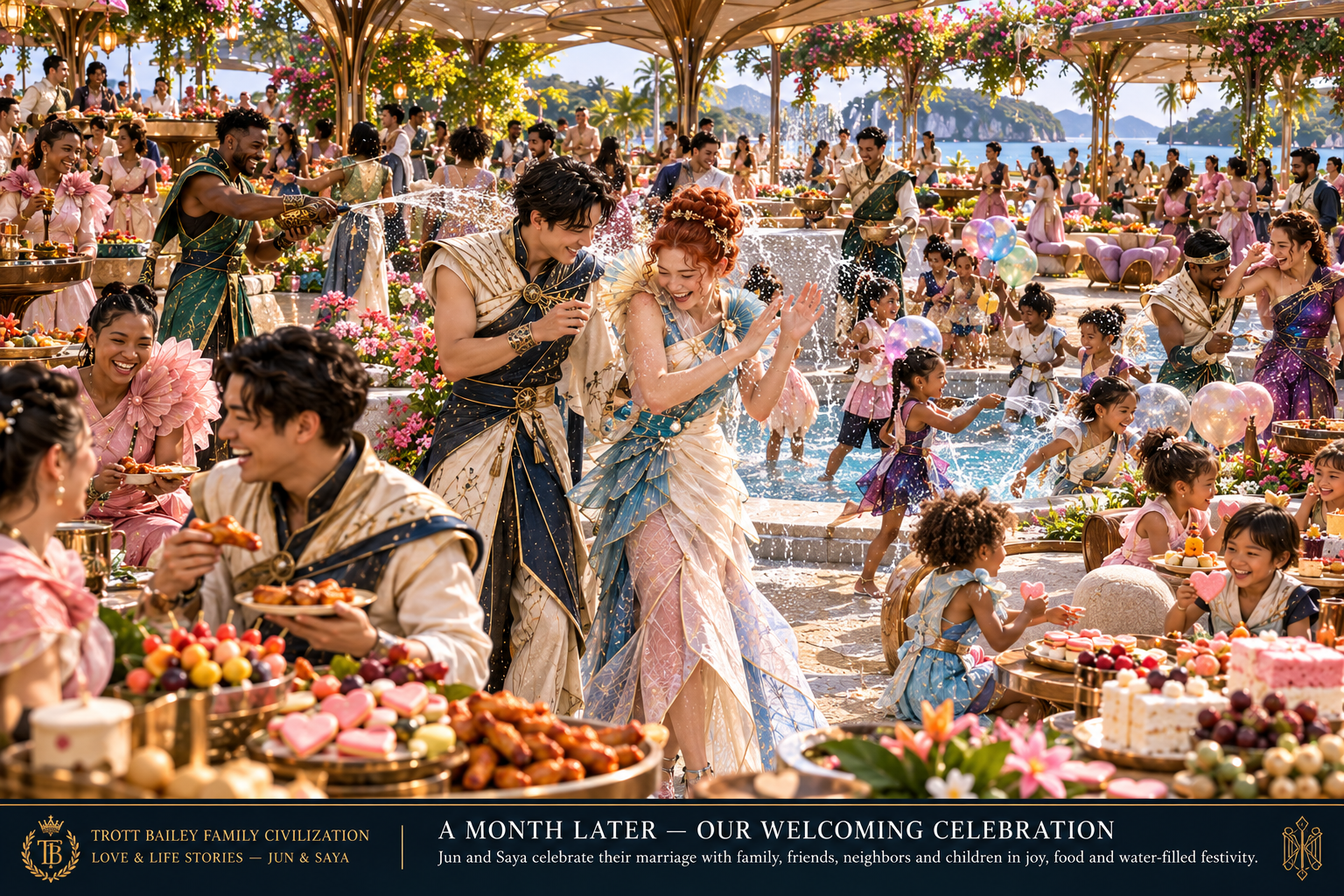
- safe water play
- garden routes
- open roaming fields
- washable public seating
- food-safe family areas
- soft ground surfaces
- stain-friendly clothing systems
- helpers who reduce stress instead of increasing it
The civilization would quietly communicate:
Children belong here.
Conclusion: Childhood Should Not Feel Like a Constant Emergency
A civilization built for real families understands something important:
Mess is part of life.
Spills are part of learning.
Dirt is part of exploration.
Childhood is not supposed to look perfectly controlled all the time.
Trott Bailey Civilization would not build a world where parents panic every time a child touches mud, food, water, grass, paint, or sand.
It would build a world prepared for real childhood.
A world where children are free to explore, families are supported, and life is allowed to touch clothing without turning the household into a constant battlefield.
Because children should not grow up feeling like living fully is the problem.
Childhood should leave memories, confidence, curiosity, and yes — sometimes grass stains too.



 and then