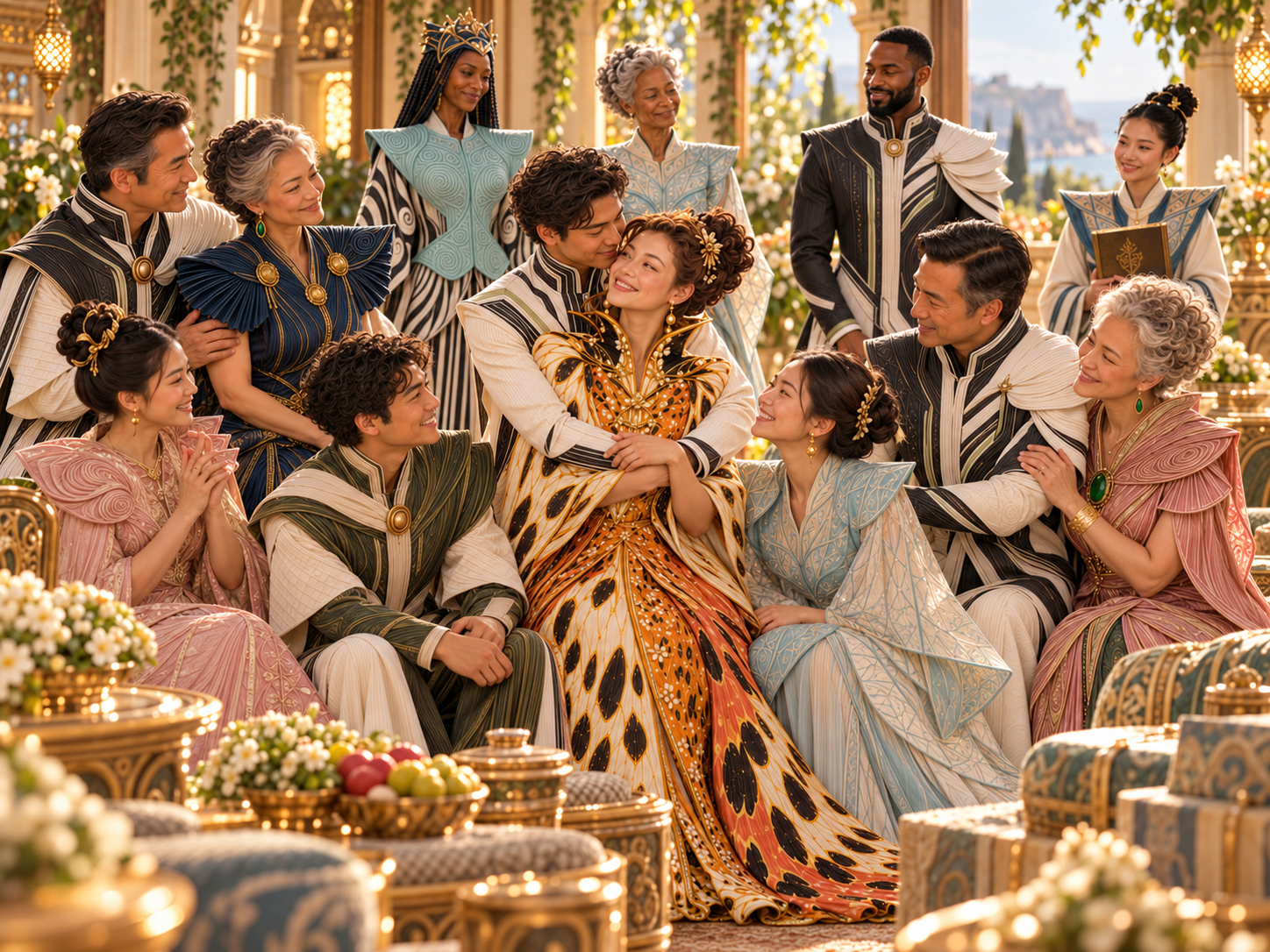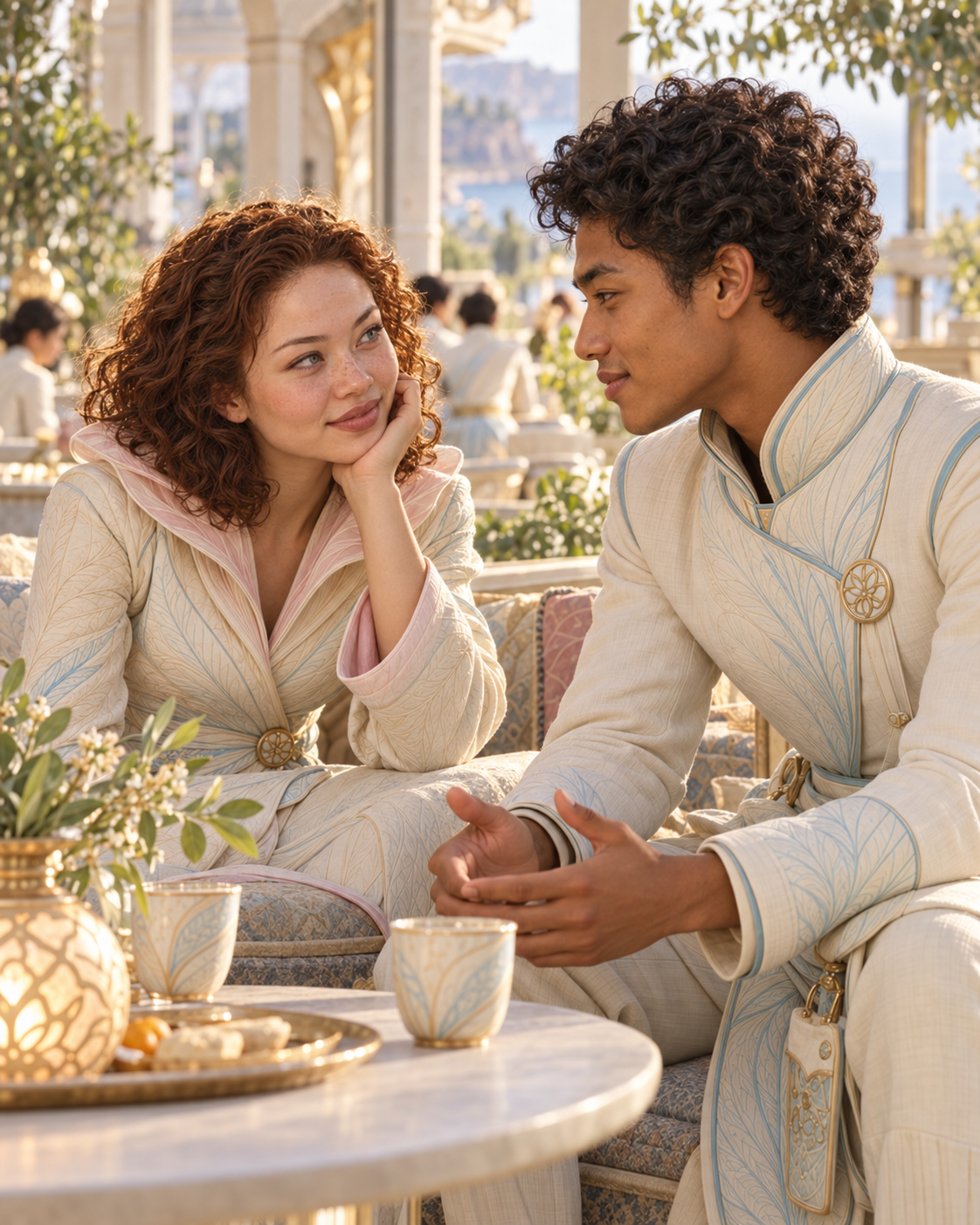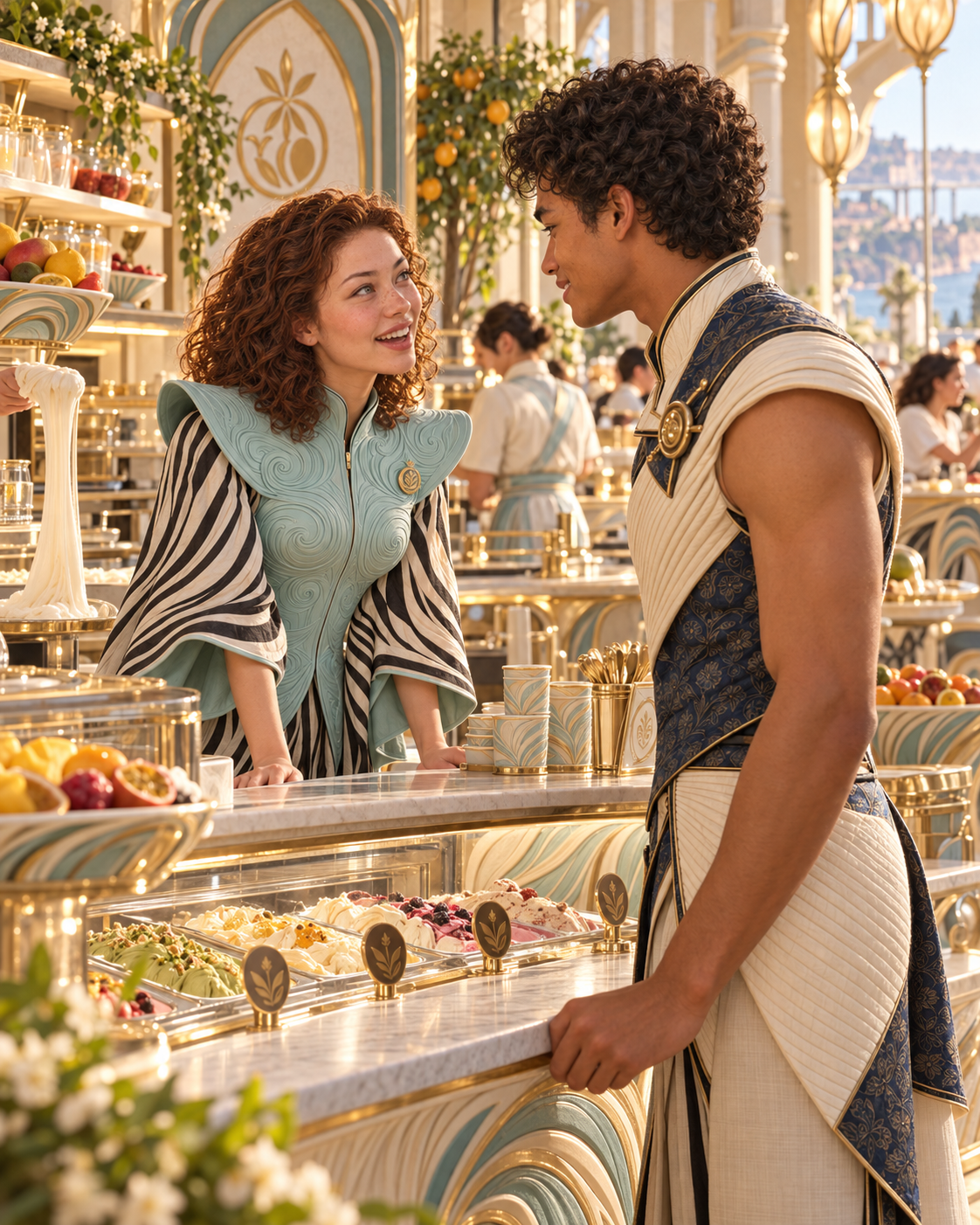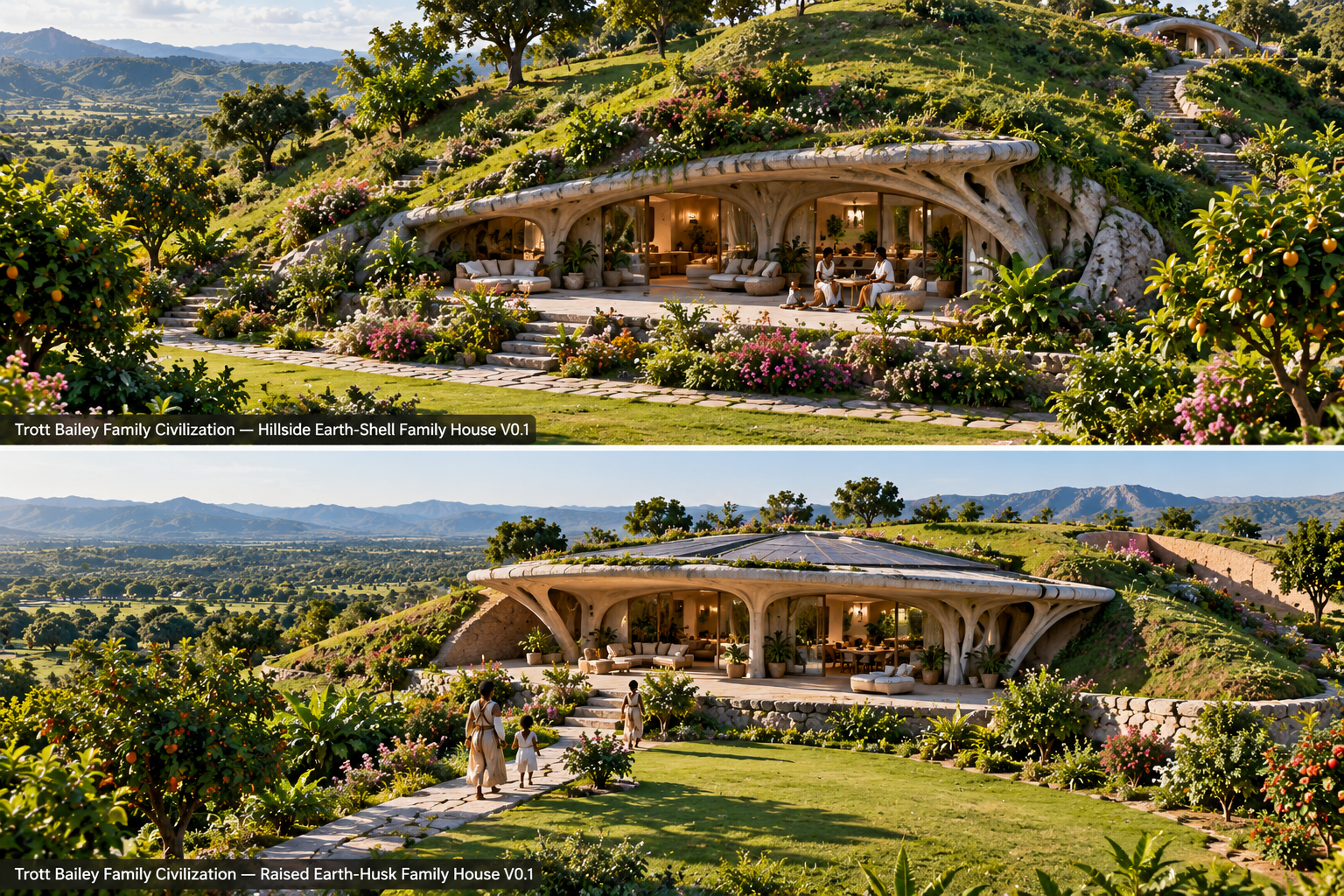

Family Challenges: How Families Build Unity, Memory and Achievement Together
Trott Bailey Family Civilization
Family Challenges: How Families Build Unity, Memory and Achievement Together
A voluntary, family-chosen milestone where a household completes something meaningful together and decides how it wants the achievement remembered.
A Family Challenge is a voluntary, family-chosen milestone where a household completes something meaningful together and decides how it wants the achievement remembered.
There is a kind of joy only a family can understand.
“We did this together.”
Not one person carrying everyone. Not one person being praised while the rest disappear into the background. Not public performance. Not competition.
Just the honest pride of a household choosing something meaningful, working toward it, completing it together, and deciding the moment deserves to be remembered.
That is the heart of Family Challenges in Trott Bailey Family Civilization.
The family decides what it wants to challenge itself on. The family decides why it matters. The family decides who participates. The family decides when the milestone has been reached. The family decides whether the achievement should be recorded, celebrated, rewarded, marked privately, shared publicly, or simply remembered at home.
Trott Bailey Family Civilization does not force Family Challenges. It does not stand over a household with a clipboard. It does not rank families. It does not say one family is better than another because it completed a challenge.
Family Challenges exist because family life should not become only routine, reset, food, sleep, pressure, and repeat.
Family life should also have adventure, progress, memory, pride, shared effort, laughter, skill, celebration, and moments where the family can say:
“This is ours. We chose it. We completed it. We remember it.”
What a Family Challenge Is
A Family Challenge can be simple.
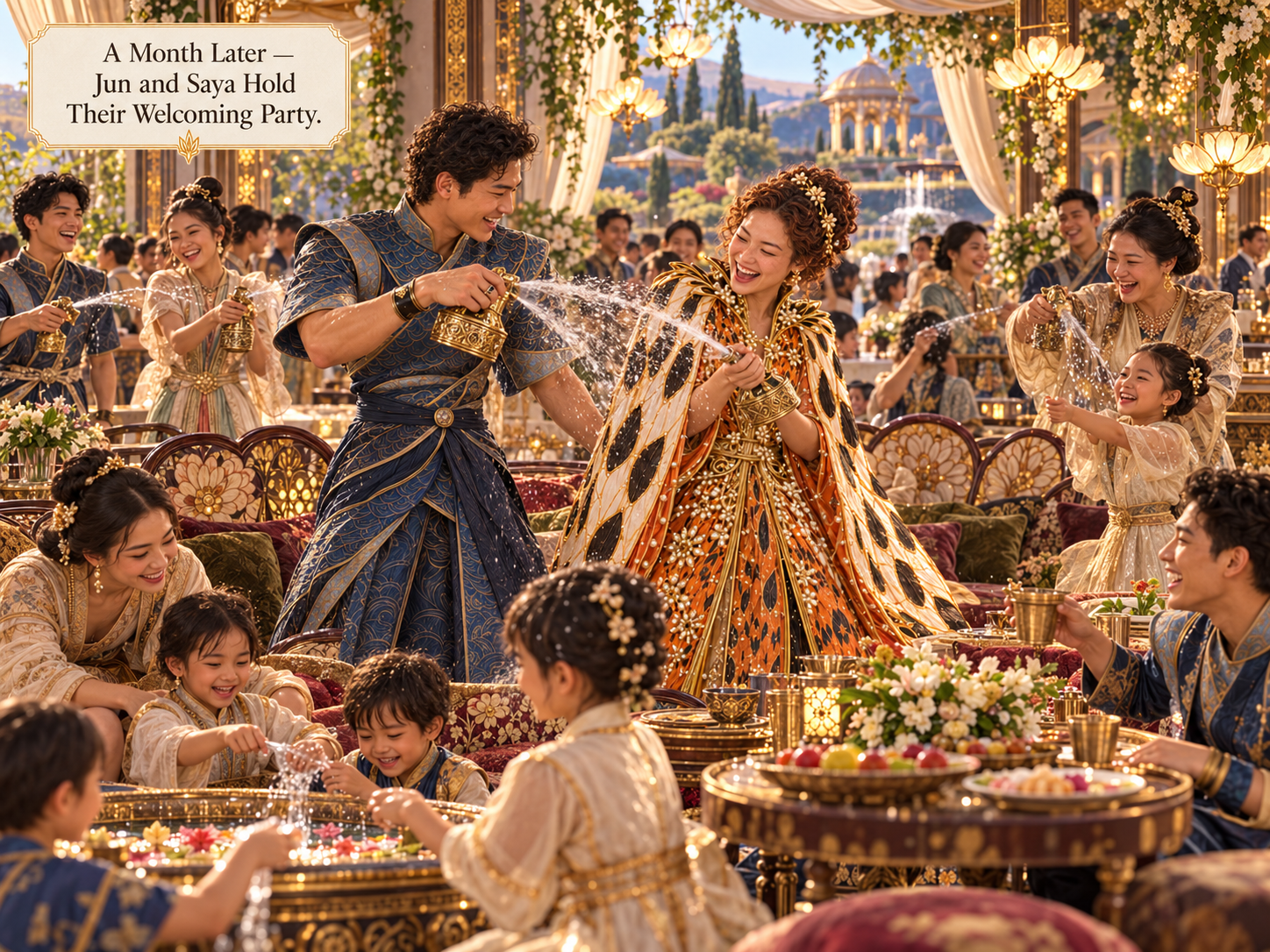
A family may prepare a beautiful meal together, plant a garden bed, restore a room, complete a seven-day morning rhythm, build an outdoor seating space, learn a song, host relatives, walk a special route, finish a family photo wall, study the plants around its home, or help another household prepare for a celebration.
Another family may build something, repair something, clean something, grow something, record something, learn something, organize something, or celebrate something.
The activity can vary.
The deeper point is that the family chose to do it as a family.
A Family Challenge is not just a task.
It is a shared undertaking.
The family is not only asking, “Can this thing be done?”
“Can we do this together?”
Why Families Need Challenges
Many families share houses but do not always share projects.
They eat near one another. They sleep near one another. They move through routines. They talk, argue, laugh, clean, cook, travel, care for children, care for elders, make plans, and face ordinary life.
But the family may not always have deliberate moments where everyone knows:
“We are doing this together.”
Family Challenges create those moments.
They give the household a reason to gather around one goal. They allow children to see their parents working with joy. They allow parents to see their children contribute with pride. They give elders a place to pass on memory. They let brothers and sisters cooperate instead of only competing.
They make ordinary family life feel authored.
A family that completes a challenge does not become superior to other families.
It simply gains a memory. It gains a story. It gains a marker in its own life.
That matters.
Families need shared stories.
“Remember when we built that?”
“Remember when we finished the garden?”
“Remember when we cooked for everyone?”
“Remember when we learned that song?”
“Remember when we walked all the way there?”
“Remember when we surprised Grandma?”
“Remember when we cleaned the whole room and made it beautiful?”
These memories become part of the family’s inner wealth.
The Family Chooses
The first rule of Family Challenges is simple:
The family chooses.
No outside system should decide that a household must complete a certain challenge to prove its worth.
That would destroy the spirit of the thing.
A Family Challenge should begin with desire.
The family wants to do something. It wants to test itself. It wants to make a memory. It wants to laugh. It wants to improve a rhythm. It wants to finish a project. It wants to surprise someone. It wants to mark a season. It wants to earn a reward. It wants to add a milestone to its record.
This is what makes it alive.
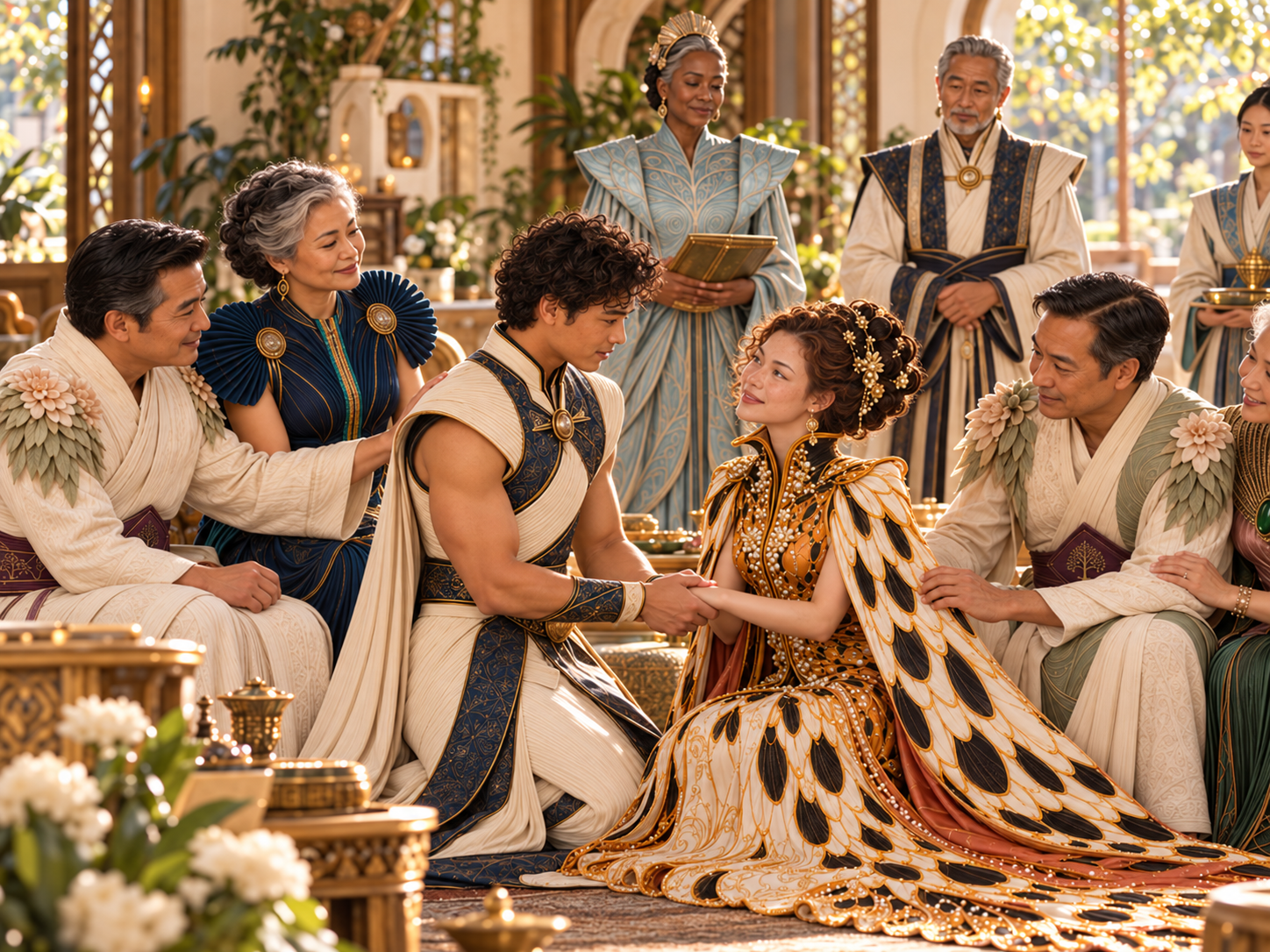
A challenge can be suggested by a child. A father can say, “Let us build this.” A mother can say, “Let us make this beautiful.” Grandparents can say, “Let us teach you how this was done.” Siblings can invent a challenge. A whole household can choose one together.
The civilization can offer challenge categories, examples, reward paths, record templates, Abundance Points, ceremonies, garment branches, household markers, and celebration spaces.
But the family remains the author.
Small Challenges and Big Milestones
Not every Family Challenge needs to be grand.
Some should be small and sweet: one shared breakfast preparation, one room reset, one garden bed, one family walk, one story night, one hospitality meal, one song learned together, one family photo day, one repair project, one child-led discovery walk, one planting day, or one family service visit.
Small challenges are powerful because they are easy to repeat.
They give families the habit of shared effort without turning life into a burden.
Other challenges may become bigger milestones: a month-long food garden, a public celebration, a home feature, a family archive, a learning journey, a travel preparation, a hospitality tradition, a recipe branch, a workshop rhythm, or a contribution that helps other families.
These larger milestones may deserve stronger recognition.
A family may want the moment recorded in Mind’s Eye. It may want a household marker, Abundance Points, a ceremony, a reward, a garment branch, a family photograph, or nothing public at all.
All of those choices can be valid.
Abundance Points and Rewards
Family Challenges connect naturally to Abundance Points.
Abundance Points are not money. They are not survival currency. They are not a way to make families compete for necessities.
They are a way of recognizing contribution, effort, delight, growth, completion, and shared achievement inside an abundant civilization.
A family may complete a challenge and receive Abundance Points as part of the celebration.
Children may see that effort has meaning. Parents may see that shared work is remembered. The household may unlock a Reward Discovery House visit, a family outing, a beautiful object, a learning opportunity, a tool, a garment detail, a garden piece, a food celebration, or another joyful reward.
The point is not payment.
The point is recognition.
“You did something beautiful together.”
Family Challenges and Mind’s Eye
Some Family Challenges should be remembered beyond the day they happened.
That is where Mind’s Eye matters.
Mind’s Eye is not only a place for storing facts.
It preserves why something mattered.
A Family Challenge record may ask
What did the family choose? Why did they choose it? Who was there? What happened? What was funny? What was difficult?
It may also ask
What did the children say? What did the family discover? What did they complete? How did they celebrate? What should future children know about this moment?
This turns a simple challenge into family history.
A garden bed becomes the day the youngest child insisted on watering the same plant three times.
A meal becomes the day everyone laughed because the children had more opinions about the seasoning than the cook.
A family walk becomes the day the children saw the river at sunset and named the place for themselves.
This is how civilization becomes warm.
It remembers the human things.
Household Markers and Garment Branches
Some families may want a visible marker of a completed milestone.
That marker could be a carved family plaque, garden sign, table object, wall record, family banner, memory shelf, woven cloth, cooking vessel, tree, family book, photo frame, or small ceremonial object.
In some cases, a family may choose a garment branch or clothing detail to remember the milestone.
This does not mean the family is better than other families.
“This family completed this particular thing together.”
That is all.
A garment marker should never become a caste symbol. It should never mean superiority. It should simply carry history.
The same way a wedding ring does not mean unmarried people are worthless, a family milestone garment does not mean unmarked families are worthless.
It means a particular event happened and the family chose to remember it visibly.
That is a beautiful thing when kept in its proper place.
What Family Challenges Are Not
- Family Challenges are not forced.
- They are not punishment.
- They are not school assignments.
- They are not social credit.
- They are not public ranking.
- They are not proof that one family is better than another.
- They are not inspection of private family life.
- They are not a way to shame households.
- They are not a way to turn children into performers.
- They are not a competition for who has the most impressive family.
A Family Challenge is supposed to feel alive.
A little bold. A little exciting. Sometimes funny. Sometimes difficult. Sometimes ceremonial. Sometimes ordinary but meaningful.
The family should feel ownership.
Not pressure.
Example Family Challenges
The Family Meal Challenge
The family chooses one meal and prepares it together. One person may season. One may wash produce. One may set the table. One may arrange fruit. One may serve. One may clean. The challenge is complete when the meal is shared and the eating space is reset.
The Garden Bed Challenge
The family chooses one planting area, prepares it, plants it, waters it, and records what was planted. Children may name the bed. The family may mark the bed with a small sign.
The Seven Morning Rhythm Challenge
The family chooses one morning rhythm to practise for seven days. It may include waking, bathing, dressing, breakfast, prayer, song, stretching, learning, or outdoor air. The challenge is complete when the family has practised the rhythm long enough to feel its shape.
The Hospitality Challenge
The family prepares to welcome another family, relative, neighbour, elder, or guest. The challenge may include cleaning, food, seating, greeting, music, children’s participation, and farewell.
The Family Discovery Challenge
The family chooses something to study together: a plant, food, animal, map, tool, recipe, language, building method, river, material, or family story. The challenge is complete when the family creates a shared record of what it discovered.
The Room Transformation Challenge
The family chooses one room or space and makes it better: cleaner, more beautiful, more useful, more restful, more organized, or more joyful.
The Service Challenge
The family chooses an act of service for another household or public place. It may be preparing food, helping set up an event, planting, cleaning, repairing, carrying, teaching, or making something beautiful.
The Family Memory Challenge
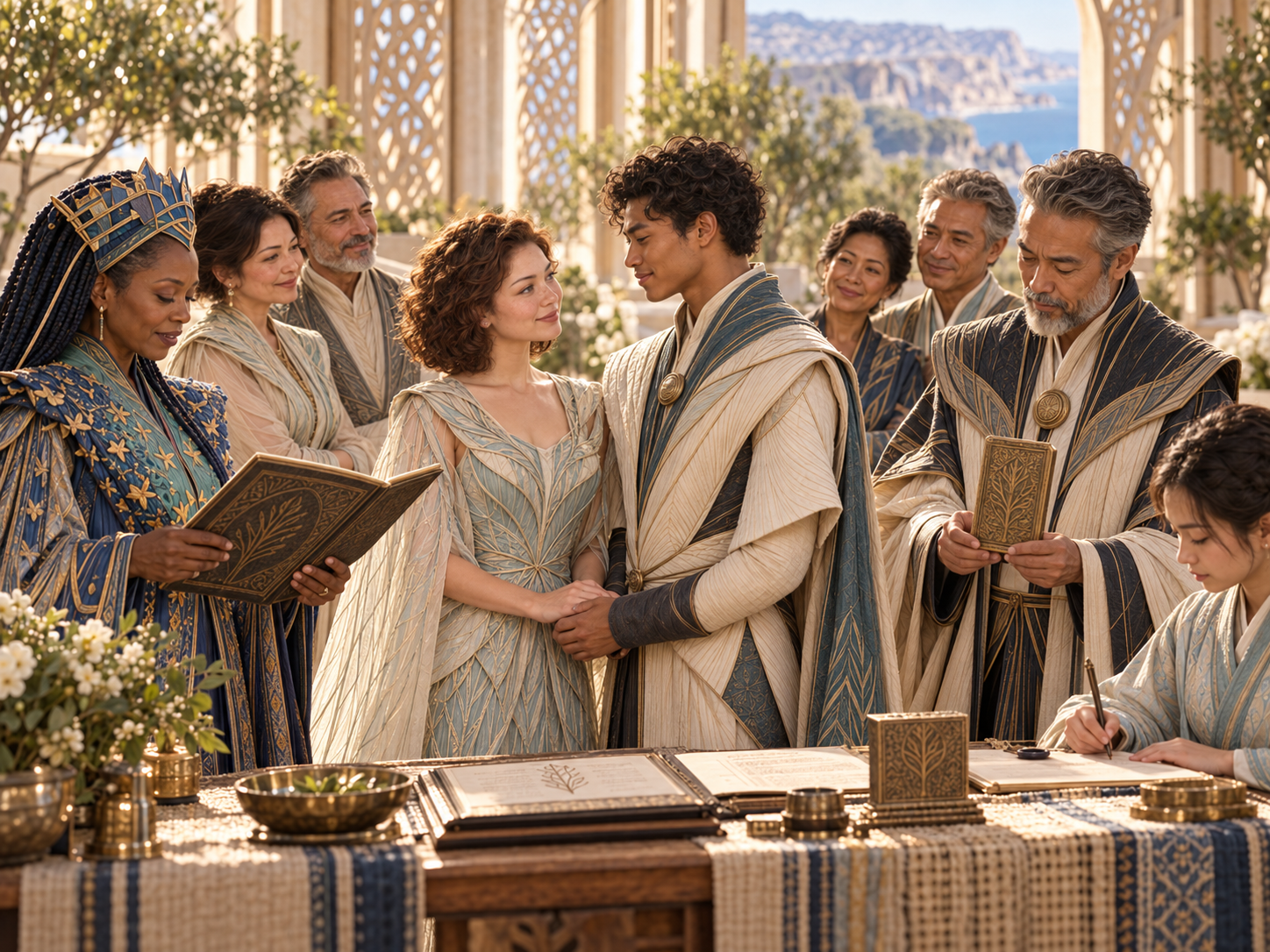
The family preserves a story, recipe, song, photograph, migration memory, birth memory, elder account, or important household moment. The challenge is complete when the memory is recorded in a form the family wants to keep.
Why This Strengthens Civilization
Civilization is not only roads, buildings, machines, farms, systems, schools, ports, tools, garments, and food networks.
Civilization is also the strength of households.
A civilization becomes deeper when families are not merely moving through life inside it, but growing, laughing, building, learning, serving, remembering, and celebrating together.
Family Challenges give families a playful and meaningful way to practise that.
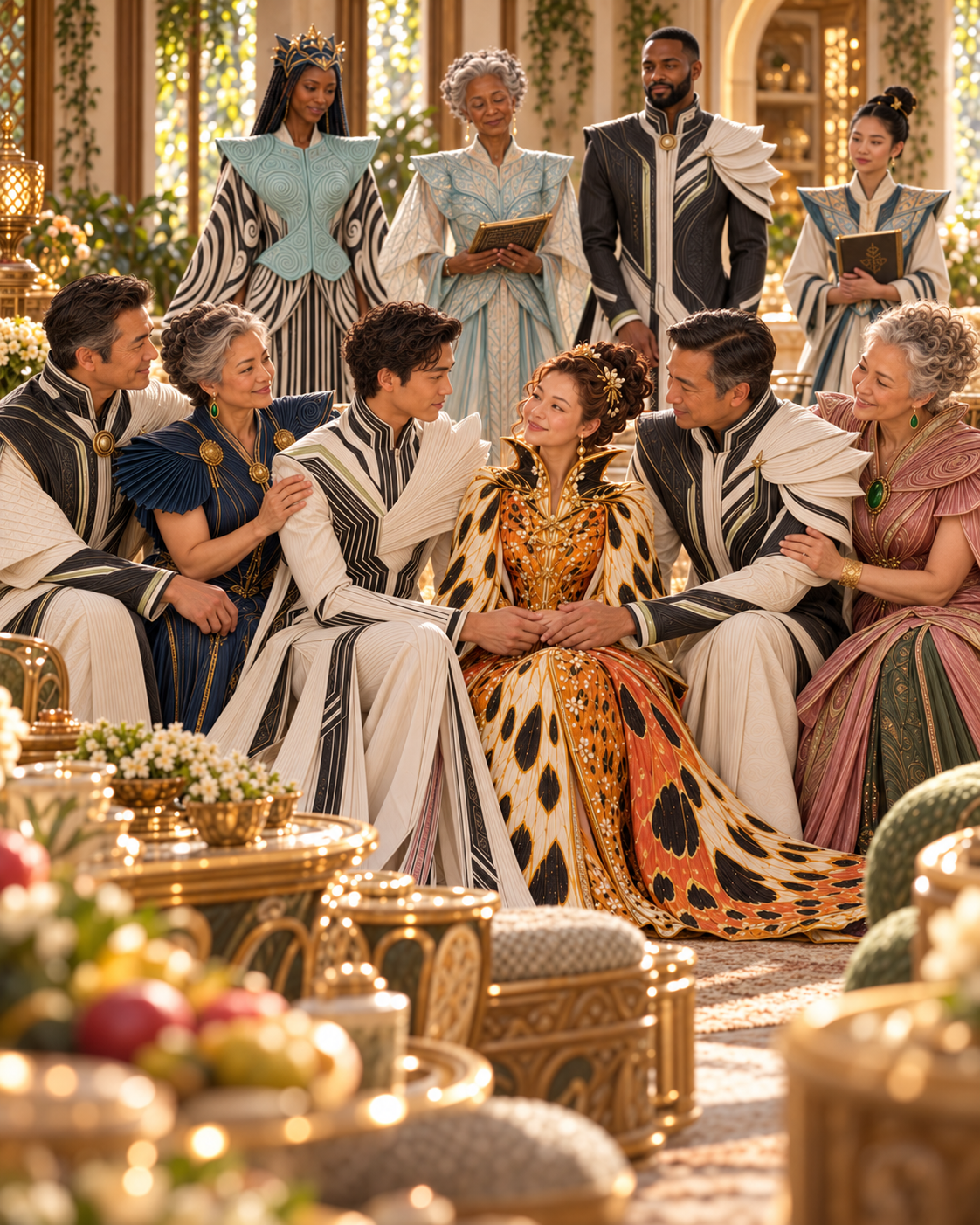
They make unity active. They turn ordinary effort into memory. They give children a way to contribute. They give parents a way to lead without carrying everything alone. They give elders a way to pass on knowledge. They give households a reason to celebrate progress.
They create family pride without family arrogance. They create recognition without ranking. They create records without surveillance. They create achievement without money.
In Trott Bailey Family Civilization, the family is not treated as a private little unit left alone to carry pressure.
The family is one of the great living centers of civilization.
So the civilization should help families say:
“We are not just getting through life.”
“We are building something.”
“We are growing together.”
“We are making memories.”
“We are completing milestones.”
“We are becoming stronger as a household.”
That is what Family Challenges are for.
- Not bureaucracy.
- Not performance.
- Not force.
- Joy.
- Unity.
- Pride.
- Memory.
- Shared effort.
A family choosing something meaningful and completing it together.
And when the family says, “We did it,” the civilization should be able to answer:
“We see it. We honor it. Let this moment be remembered.”



 and then