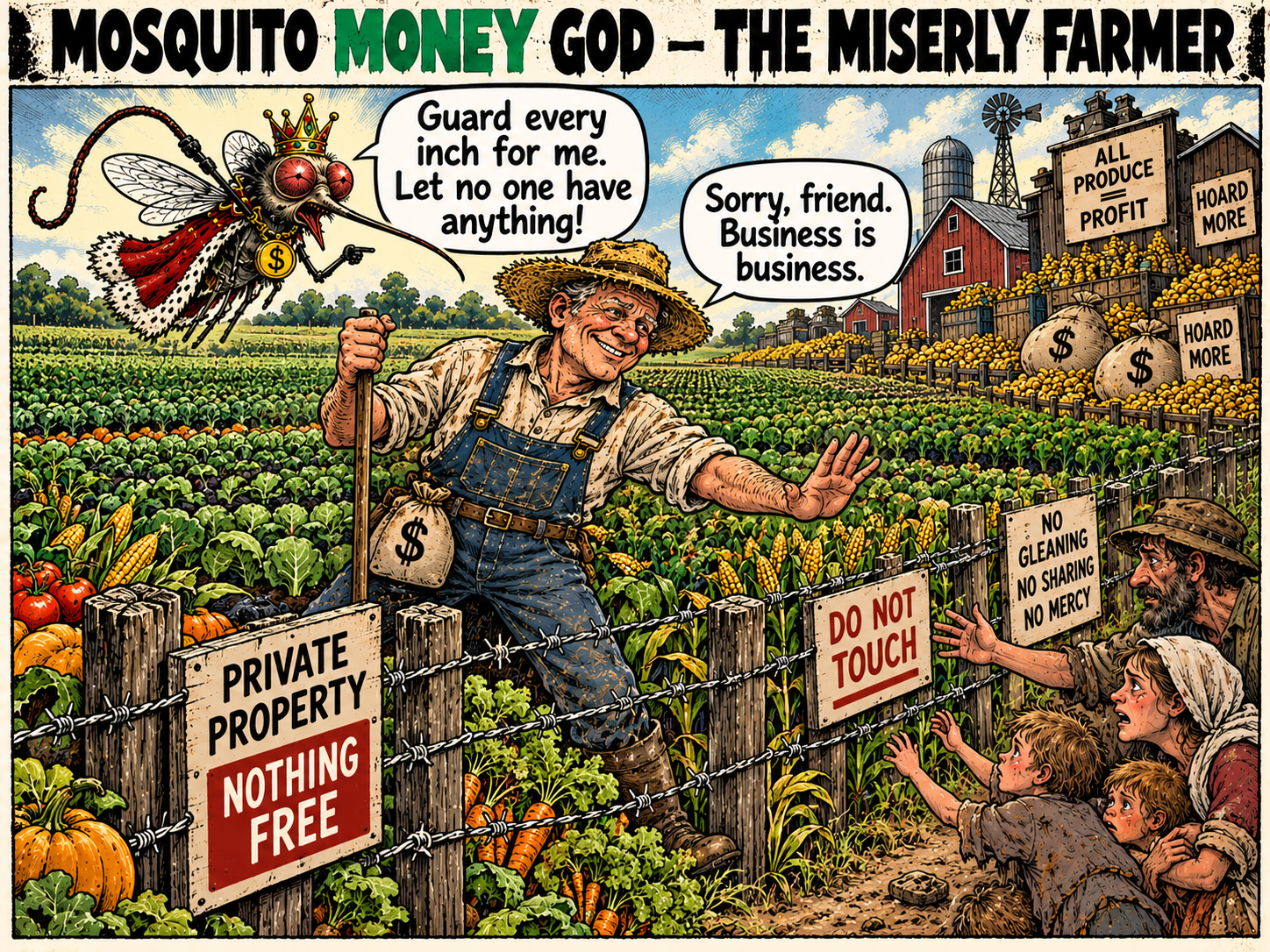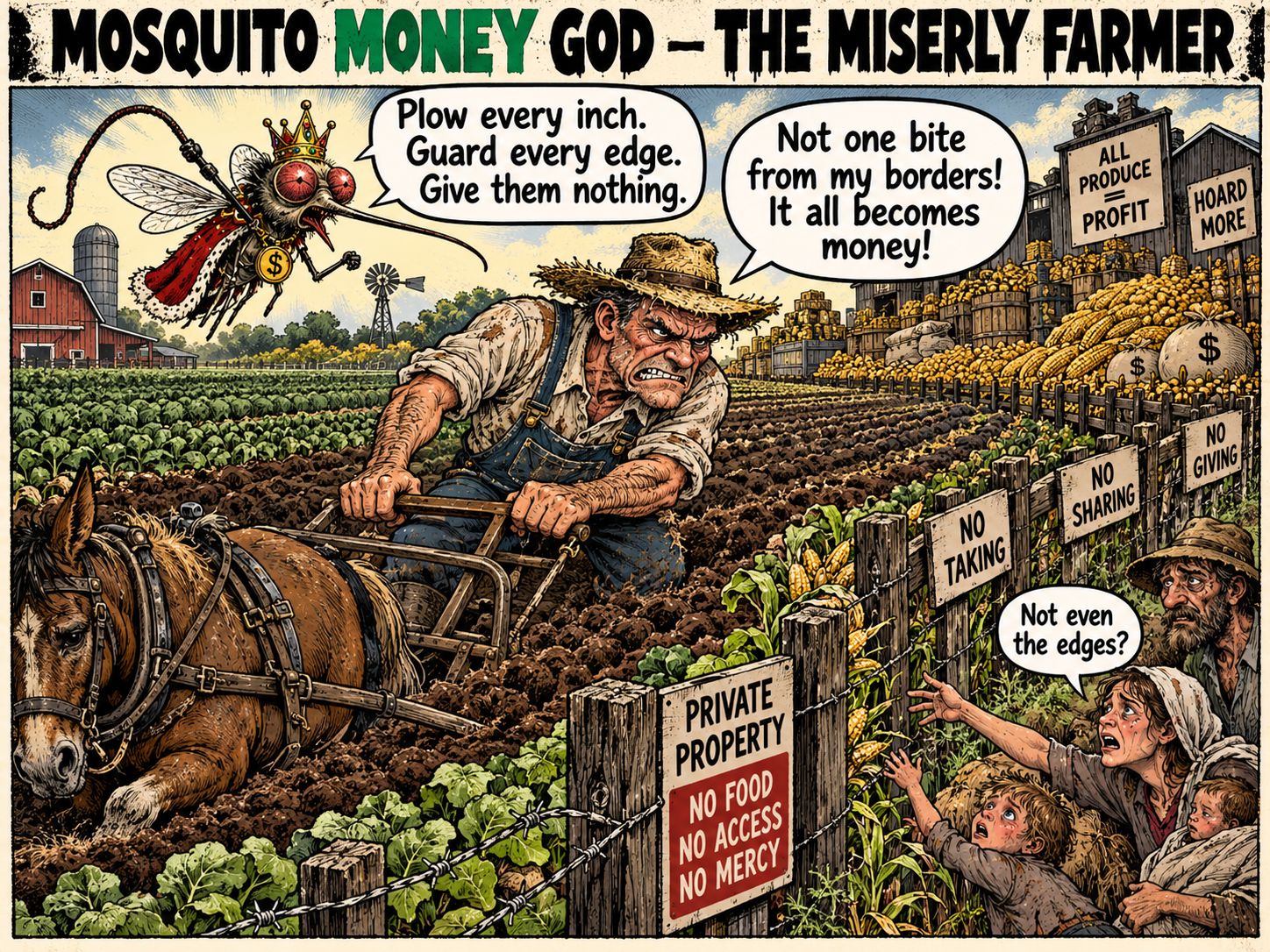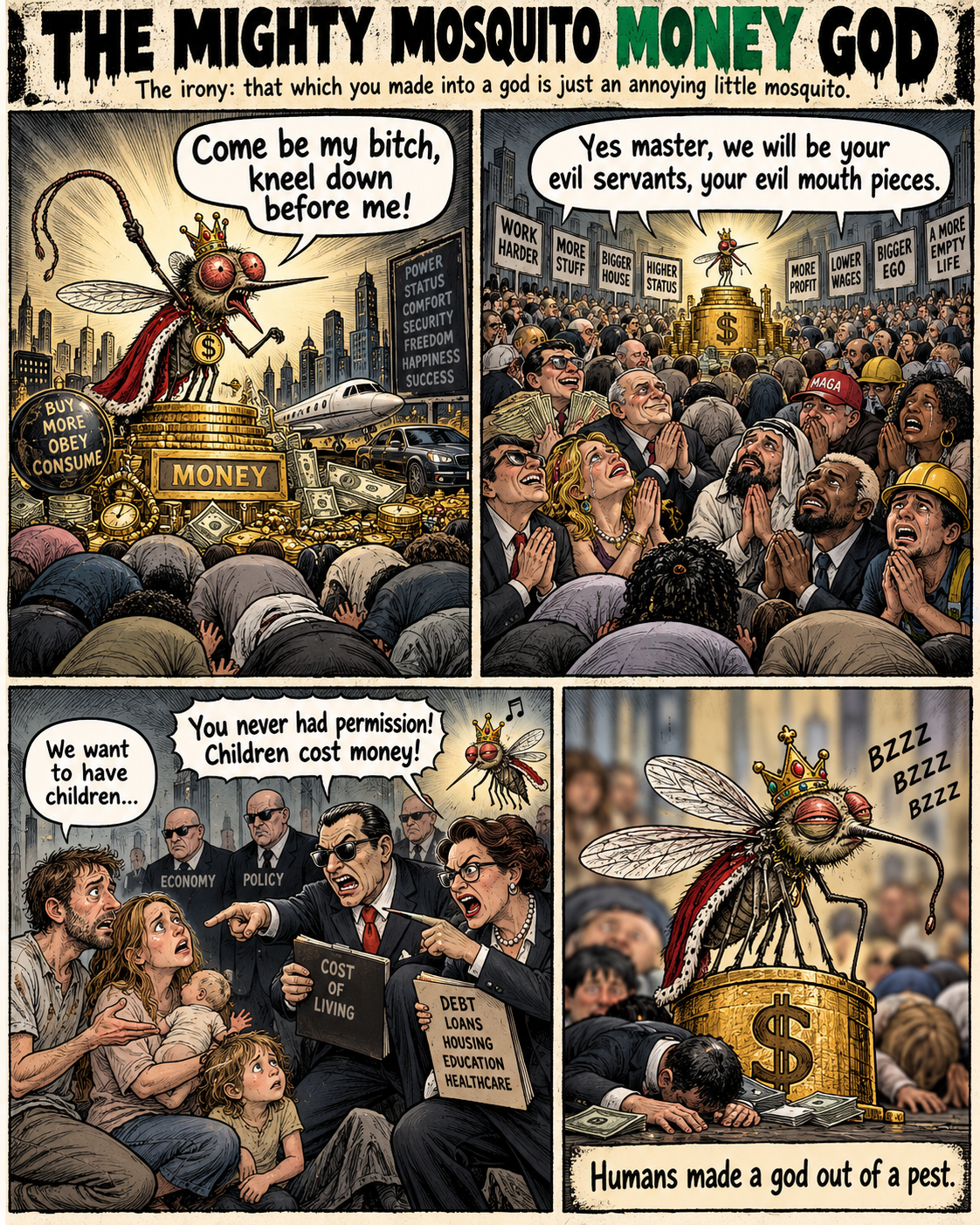

Lies, Chains, Hidden Minefields waiting for the family. Things they don’t tell you about modern family life that lead to misery.
This is not for halfhearted wives and mothers.
This is not for fake fathers.
Do not lump us all together.
Do not act like every woman who gives birth is the same kind of mother.
Do not act like every man who helped make a child is the same kind of father.
Do not act like everybody loves family just because they use family words.
Some people talk family and do not build it.
Some people wear the title of mother but do not think deeply about the good of their children.
Some people wear the title of father but do not protect, guide, show up, or fight for the life of the household.
Some people want the respect of family without carrying the weight of family.
Some people want the image of family without the sacrifice, honesty, discipline, and action it takes to keep a family alive.
We are not talking about all of them as if they are equal.
They are not equal.
Trott Bailey Family is not standing with lazy love, shallow love, fake love, borrowed love, or talk-only love.
We are speaking to people who are willing to act.
People who are willing to tell the truth.
People who are willing to change patterns.
People who are willing to protect their home.
People who are willing to fight for closeness, peace, vision, structure, and real family life.
If you are halfhearted, this is not for you.
If you love excuses more than action, this is not for you.
If you want to hide behind titles while your family starves for truth, attention, warmth, and leadership, this is not for you.
If you want to look like family people without doing the real work of family, this is not for you.
Do not lump us all together.
There is a difference between people who truly love their family and people who only like the sound of it.
There is a difference between mothers who pour thought, prayer, energy, correction, warmth, and vision into the home and women who simply occupy the role.
There is a difference between fathers who truly lead, protect, listen, sacrifice, and stay present and men who only want credit for existing.
There is a difference between a living family and a family-shaped arrangement.
We are speaking to the real ones.
The ones willing to cut away from evil.
The ones willing to step away from the crowd.
The ones willing to stop pretending.
The ones willing to build.
The ones willing to act.
The Family Has Been Hurt in Many Ways, and Most People Were Taught to Call It Normal
There is a lot that families have been enduring without even fully knowing what was happening to them.
Many people feel the strain in their homes, in their marriages, in their parenting, in their childhood memories, in their tiredness, in their disappointments, and in their longing for something warmer and more whole. But because the damage has been made to feel normal, many people do not have words for it.
They only know something feels off.
They know the family does not feel as close as it should. They know people in the house can love each other and still feel far apart. They know a father can be doing his best and still feel distant. They know a mother can love deeply and still feel worn down, unseen, and stretched too thin. They know children can be surrounded by family and still feel overlooked. They know a home can be functioning on the outside and still be quietly hurting on the inside.
This is not just about a few individual problems here and there.
It is not only that some mothers are undervalued. It is not only that some fathers are emotionally absent. It is not only that some children are neglected. It is not only that some marriages are strained.
It is that the family itself has been placed under pressures that many people were trained to accept as ordinary life.
That is why this is so serious.
The damage does not always come in loud ways. It does not always come with a clear warning sign. It often comes through routines, expectations, schedules, money pressure, work pressure, school pressure, cultural pressure, housing pressure, and the constant shaping of life around things that keep the family tired, rushed, separated, and emotionally thin.
That is why so many people have felt the pain without always understanding the pattern.
They thought this was just adulthood.
They thought this was just marriage.
They thought this was just parenting.
They thought this was just how life works.
But a lot of what families have been enduring is not small. It is not harmless. It is not just the natural cost of growing up. Much of it has been normalized damage.
The family has been quietly pushed into a shape that does not always help it stay close, healthy, or whole.
And then when the closeness weakens, when the warmth weakens, when the patience runs low, when resentment grows, when people feel unknown in their own house, the family is often made to feel like it has failed all by itself.
That is one of the cruelest parts.
The structure hurts the family, and then the family is blamed for limping.
Many people have been living in pain they could not name because the pain was wrapped in approved life patterns. It looked respectable. It looked responsible. It looked mature. It looked normal.
But normal is not always healthy.
Common is not always good.
Widespread is not always wise.
And a family can be hurting badly even while doing what the world told it to do.
That is why this has to be spoken plainly.
Families have been enduring more than they realize.
They have been carrying strains that were brushed aside.
They have been living under patterns that slowly weaken love.
They have been walking through traps that do not look like traps at first.
And many people have been suffering those traps while calling it life.
This needs to be brought into the light.
Because people cannot fight what they have been trained not to see.
The Father Has Been Pressured in a Way That Can Pull Him Away From the Family While Telling Him He Is Serving It
Many fathers have been taught that their main proof of love is earning.
If they work hard, leave the house, stay out long hours, come back tired, pay bills, buy food, carry outside pressures, and keep the family afloat financially, then they are told that this is what it means to be a good man.
And yes, provision matters. Money matters. Bills matter. Food matters. Shelter matters. External burdens are real.
But what has happened in many places is that material provision has been treated like the highest and clearest form of family love, even when that arrangement slowly takes the father away from the daily life of the family itself.
So a man can be sincere and still be trapped.
He may truly love his family. He may truly be trying. He may truly feel the weight on his shoulders. He may truly believe he is doing what a husband and father is supposed to do.
But if the system keeps taking his best hours, his strongest energy, his sharpest mind, and his daily presence away from the people at home, then something important is being lost even while he is doing what he was told was right.
This is part of the tragedy.
He may feel that because he is working hard, the deeper questions should not be asked too much. He may feel, “I am already giving everything I have.” He may feel, “I am doing all this for my family.” He may feel, “What more do people want from me?”
And those feelings may be real.
But another truth may also be real at the same time.
His children may not really know him deeply.
His wife may feel left alone inside the daily life of the home.
The house may be receiving his money more than it is receiving his life.
He may be carrying the family financially while becoming less present to it relationally.
And because this pattern is so common, many people no longer stop to ask whether something is deeply wrong with this setup.
The father is praised for holding the outside line, but often nobody is asking what the family is losing while he is gone.
What conversations is he missing?
What moments of growth is he missing?
What ordinary daily tenderness is being lost?
What burdens are falling on the mother because he is not there?
What quiet emotional needs in the children go unmet because they mostly get his leftovers?
What kind of father-child bond can form when tiredness becomes the main daily atmosphere?
This is not to attack fathers.
It is to tell the truth about how many fathers have been caught inside a system that teaches them to confuse distance with duty.
A man can be praised for sacrifice while still being pushed into absence.
He can be called responsible while slowly becoming a visitor in the emotional life of his own home.
He can be honored for carrying the outside load while the inside life of the family grows thinner and thinner.
And if he ever does feel the loss, he may not know how to name it. He may only know he feels tired, pressured, unappreciated, and far away from something he cannot quite get back.
That is part of what many fathers have been enduring too.
They have not only been working.
They have often been extracted.
And the extraction has been praised so much that many do not realize what it has cost them and the people they love.
The Mother Has Been Carrying More Than People Admit, and Much of It Has Been Treated Like It Is Small Because It Does Not Come With a Paycheck
One of the greatest lies told about mothers is that their value is easy to summarize.
People reduce her to visible duties.
Have the children.
Clean the house.
Cook the food.
Be available.
Keep things running.
And if she does all that well, she is praised as a good mother.
But this is a shallow reading of what a mother really carries.
A mother is often doing many layers of labor at the same time.
She is not only feeding children. She is reading moods. She is tracking needs. She is remembering small details. She is staying alert to danger. She is calming conflicts. She is setting tone. She is answering questions. She is teaching language, behavior, rhythm, and emotional control. She is watching what each child responds to and what each child struggles with. She is often the first atmosphere-maker in the home.
She is also carrying the labor of staying tender under pressure.
That is a real labor.
It takes energy to train children.
It takes energy to encourage them.
It takes energy to remind them of the same things again and again.
It takes energy to understand them.
It takes energy not to become harsh.
It takes energy to keep a good attitude when you are interrupted all day, touched all day, needed all day, and not allowed to clock out from your role.
That work is not small because it is daily.
It is not low-value because it is close to home.
And it is not lesser because it is hard to count.
In many homes, the mother is carrying the inner life of the family.
She may not be called a manager, but she is managing.
She may not be called a trainer, but she is training.
She may not be called a coach, but she is coaching.
She may not be called a shield, but she is absorbing stress.
She may not be called an analyst, but she is interpreting people all day long.
She may not be called a governor, but she is often carrying the emotional weather of the home.
And because so much of this labor does not show up on a salary line, people act like it is easy to overlook.
But unpaid is not the same as unimportant.
Invisible is not the same as light.
Hard to measure is not the same as low in value.
Then there is the pressure placed on her by the wider world.
She is often told to endure quietly.
Do everything.
Stay grateful.
Do not sound bitter.
Do not complain too much.
Do not expose the strain.
If you are breaking, hide it behind sacrifice.
So instead of being truly helped, many mothers are trained into martyrdom.
Instead of redesigning life around what families actually need, the world often gives mothers praise language and leaves them with the same crushing setup.
She is told how noble she is, while still being overburdened.
She is told how special motherhood is, while being left under-supported.
She is told children are a blessing, while carrying the day-to-day load in conditions that make that blessing harder than it needs to be.
And if she struggles, people may act like she is spiritually weak, emotionally immature, or personally ungrateful instead of asking whether the arrangement itself is unreasonable.
This is why so many mothers feel things they struggle to say out loud.
They may love their children deeply and still feel tired in their bones.
They may love their husbands and still feel resentment growing because so much of family life falls on them.
They may be doing meaningful work and still feel invisible because the world gives more honor to outside earnings than to inner family formation.
They may be trying to preserve warmth in the house while quietly feeling alone inside the work of doing it.
And yes, even breastfeeding shows how badly the world measures mothers.
People speak of breastfeeding as if it is one simple act, but it comes with real cost and real giving. The mother’s body is giving nutrients, closeness, comfort, regulation, antibodies, warmth, and repeated access to the baby. At the same time, she may be dealing with soreness, exhaustion, body strain, interrupted sleep, hunger, emotional pressure, isolation, and the feeling that her body is not fully her own for a season.
A truthful society would not romanticize that cheaply and would not dismiss it casually.
It would honor both the beauty and the toll.
It would ask what this costs the mother.
It would ask what support she needs.
It would ask how to value what she is actually giving.
The mother is not just doing household chores.
She is often carrying the inner government of the family.
And if she collapses, much more than one person collapses.
Children Do Not Only Need the Family. They Are Also Often Being Pulled Away From It
Children are not always told out loud that their real life is outside the home.
But many of them learn it by structure.
Their strongest stimulation is outside.
Their social world is outside.
Their education is outside.
Their excitement is outside.
Their sense of belonging often gets tied more and more to friends, schools, screens, institutions, trends, and outside culture.
So even while they live at home, their emotional center can slowly shift away from home.
This does not happen all at once. It happens gradually.
The child starts to feel that the house is where you sleep, eat, get cleaned up, recharge, and move through daily obligations. But the stronger feelings of life, identity, fun, status, social meaning, and emotional energy begin to gather more and more outside.
That is a major change in the life of a family.
The house stops feeling like the strongest center of belonging.
It becomes more like a base station.
A charging station.
A place of logistics.
Not always a living center.
And when this happens, children can end up emotionally underfed even in homes where both parents care for them.
They may be clothed, fed, housed, and provided for, but still feel unseen.
They may have parents who truly love them, but those parents may be too tired, too rushed, too burdened, too strained, or too distracted to really meet them deeply.
So the child adapts.
The child turns outward.
The child starts building identity, belonging, stimulation, and emotional life elsewhere.
And because this is common now, many people stop seeing the danger in it.
But it matters a lot where a child is being fed emotionally.
It matters where a child feels most alive.
It matters whether the child feels known at home or only managed at home.
It matters whether the child sees the family as a place of real life or just a place of rules, correction, and tired adults.
Children also feel the mood of the home more than many people admit.
They know when parents are on edge.
They know when the house feels heavy.
They know when both parents are too stressed to really see them.
They know when they are being handled more than enjoyed.
They know when family life feels rushed, tense, tired, and thin.
Even if they cannot explain it, they feel it.
And when this becomes normal, the child may stop expecting something richer.
The child may begin to think that emotional distance is just part of family life. The child may become more peer-shaped than family-shaped. The child may seek comfort, understanding, and excitement away from the home because the home no longer feels like the strongest place of those things.
This is one of the sad parts of the modern family struggle.
Many children are not rejecting the family because they hate it.
They are adjusting to a home life that has been thinned out by pressure.
And sometimes the parents are not failing because they do not care. They are trying to care while depleted.
That is why the whole thing becomes painful.
The child may feel unseen.
The mother may feel drowned.
The father may feel unappreciated.
And all of it can be happening inside the same house at the same time.
Children were not meant to grow up mainly fed by the outside while the home becomes emotionally weak.
And yet that is what many families have quietly been living through.
Many Families Have Been Living in Managed Fragmentation
One of the hardest truths to say plainly is this: many families are not only struggling. They are living in a setup that keeps pulling them into separate lives.
The father has his world.
The mother has her world.
The child has a growing outside world.
Everybody is carrying different burdens, different schedules, different stresses, different loyalties, and different emotional rhythms.
And then at the end of the day, they are expected to come together naturally and feel deeply united.
But often they are too depleted for that.
That is why many families start living side by side instead of as one living organism.
They still share a house.
They still do the duties.
They still may love one another.
But the shared life gets thinner.
Patience gets thinner.
Conversation gets thinner.
Warmth gets thinner.
Joy gets thinner.
Attention gets thinner.
People become more functional with each other than alive with each other.
This is what managed fragmentation looks like.
Everything may still appear to be running.
The bills are being paid.
The school routines are being followed.
The meals are being made.
The work is being done.
The house is occupied.
But inside that setup, closeness may be weakening.
Unknownness may be growing.
Resentment may be taking root.
Each person may be silently feeling that his or her burden is the one nobody else fully understands.
The father may feel that nobody respects the pressure he carries.
The mother may feel that nobody sees what it costs her to keep things going.
The child may feel that neither parent really has enough room left to notice what is happening inside the child.
And all three may be right in part.
This is why the strain can feel so confusing. There is often truth on every side.
The father says, “I am doing all this for you.”
The mother says, “You are absent while I am drowning.”
The child says, “Neither of you really sees me when you are stressed.”
And all three can be telling the truth at once.
That is what makes it tragic.
It is not always a simple story of one selfish person causing the pain. Many times it is sincere people trying to love one another while living inside arrangements that keep draining love, time, energy, and presence out of the home.
That arrangement breeds misunderstanding because everybody is too tired to interpret one another generously.
It breeds resentment because sacrifice starts feeling invisible.
It breeds defensiveness because each person feels accused while already carrying a lot.
It breeds loneliness because being near each other is not the same as being known.
It breeds performance because people begin to act out expected roles while the real inner life of the family weakens.
And once that happens, every member starts reaching outward for what the house is no longer giving strongly enough.
The father may look more and more to work for identity, relief, and measurable success.
The mother may turn toward martyrdom, emotional shutdown, private fantasy, or silent bitterness just to cope with feeling overrun.
The child may turn more and more to friends, schools, screens, trends, and outside culture for emotional anchoring.
Now the family still exists physically, but its center has weakened.
This is the danger many people have been living with without fully naming it.
A family does not only break when someone leaves.
It can weaken while everyone is still there.
It can weaken while all the duties are still being done.
It can weaken while the outside world calls it successful.
This is why so many people feel grief even inside homes that look functional.
Something living has been thinning out.
The Most Dangerous Family Traps Are the Ones That Have Been Made to Feel Normal
A minefield is dangerous not because it looks dramatic, but because it can look ordinary.
You walk where other people walk.
You follow the usual path.
You do what everybody else is doing.
And still damage happens.
That is what has happened to many families.
They have been walking through traps that did not announce themselves as traps.
They came dressed as adulthood.
They came dressed as responsibility.
They came dressed as success.
They came dressed as modern life.
They came dressed as opportunity.
They came dressed as good parenting.
They came dressed as keeping up.
They came dressed as paying bills and doing what is necessary.
So people stepped into these patterns without realizing how much quiet damage they could do over time.
The father thought he was doing what a good man does.
The mother thought she was doing what a good mother does.
The child thought this was just what life feels like.
And because the damage came through approved patterns, many people blamed themselves instead of questioning the pattern.
They thought:
Maybe I am weak.
Maybe I expect too much.
Maybe this is just marriage.
Maybe this is just motherhood.
Maybe this is just fatherhood.
Maybe this is just family life.
But a lot of what has been accepted as normal has not been harmless.
That is why this has to be said clearly.
Just because something is common does not mean it is healthy.
Just because something is familiar does not mean it is right.
Just because something is socially approved does not mean it is good for the family.
Just because everybody is tired does not mean tiredness should rule the home.
Just because separation is widespread does not mean separation is the right shape of life.
Just because the outside world is getting the strongest hours of the day does not mean that arrangement is wise.
Just because children are being pushed to grow their emotional world outside the family does not mean that is safe.
Just because mothers have been carrying crushing invisible labor for generations does not mean that labor was ever small.
Just because fathers have been praised for external provision does not mean the family could live well on provision alone.
The danger has not only been in the pressure itself.
The danger has been in the fact that so much of the pressure has been socially blessed.
That is why families have been enduring a lot without fully knowing what they were enduring.
The harm was wrapped in acceptable routines.
The injury was wrapped in respectable life patterns.
The losses came through things that looked ordinary.
And because the traps felt normal, people often kept walking through them.
That is why many homes feel worn down in ways people struggle to explain.
They have been taking hits from hidden pressures for years.
And often the hardest part is not just the hit itself. The hardest part is that the family was told this was simply what life looks like.
Children Do Not Only Drain the Mother. They Also Enrich Her
Another truth that often gets missed is that children do not only take from a mother. They also act on her.
Yes, children require a lot.
Yes, they interrupt.
Yes, they exhaust.
Yes, they increase the load.
But that is not the whole story.
Children also keep parts of the mother alive.
They keep her mind moving.
They keep her imagination in contact with fresh life.
They keep her close to surprise, curiosity, humor, and the strange ways new minds work.
A child asks questions that adults do not ask.
A child notices odd connections.
A child says things in surprising ways.
A child can misname something and accidentally make a person see it freshly.
A child can challenge stale routine.
A child can pull a mother back into play, into explanation, into translation, into observing the world again through new eyes.
So motherhood is not only giving out.
It is also living close to life as it is emerging.
A deeply engaged mother is not only shaping children. In many ways, the children are also stretching her, sharpening her, widening her, and keeping parts of her awake.
She has to interpret behavior.
She has to answer unusual questions.
She has to explain things simply.
She has to solve small daily puzzles.
She has to adjust for different personalities.
She has to deal with minds that do not yet think in stiff adult patterns.
That keeps the brain ticking.
That keeps perception alive.
That keeps her in contact with living newness.
Children can make a mother more observant.
They can make her more creative.
They can make her more flexible.
They can make her more emotionally intelligent.
They can reopen wonder.
They can expose false seriousness.
They can bring humor into pressure.
They can make her think again, feel again, and look again.
This does not erase the cost of motherhood.
It does not erase the exhaustion.
It does not erase the sacrifice.
It does not erase the strain.
It simply tells a fuller truth.
Motherhood is not only burden.
It is also enlargement.
The children do not only draw from the mother. In many real ways, they also develop her.
That is another part of her value that people often fail to see.
The Value of a Woman Has Been Measured Badly
The world often gives more value to what is loud, visible, paid, and easily counted.
That is one reason women are so often measured badly.
If a man goes out, earns money, and does work that can be counted on paper, people quickly call that real provision and real value.
But if a woman is holding together the inner life of the family, shaping children, preserving peace, managing needs, keeping warmth alive, noticing what is going wrong before others see it, and carrying the emotional life of the home, many people act as if that work is too ordinary to honor properly.
This is a deep blindness.
A family does not live on money alone.
A family also lives on atmosphere, understanding, stability, tenderness, formation, patience, wisdom, and the daily shaping of human beings.
These things do not come out of nowhere.
Often a woman is carrying much of that.
A woman’s value is not only in visible strain.
It is often in what she can perceive, preserve, cultivate, draw out, and bring into the family.
Many people know the image of brute strength.
But strength is not only loud.
Sometimes the higher value is in discernment.
Sometimes the greater contribution is in seeing what others miss.
Sometimes the one who quietly finds what is precious is carrying more real worth than the many who make more noise.
A woman may see the gold in a child.
She may see the gold in a husband.
She may see the gold in timing.
She may see the gold in the spirit of a home.
She may recognize what is worth protecting, what is worth developing, what is worth correcting, and what is worth building.
This is not lesser work.
This is high work.
And it is often work the whole family ends up living on.
That is why it is so wrong to treat the woman as if she is just there to serve, endure, clean, cook, give sex, have children, and keep quiet.
She is not an appliance.
She is not background labor.
She is not a side role in the story of human life.
She is a life-bearer and a meaning-bearer.
She helps make people human.
She helps turn shelter into home.
She helps turn routine into family culture.
She helps turn children into grounded people.
She often carries forms of strength the world does not know how to measure honestly.
And because the world measures so badly, women have often been made to feel lower in value than they really are.
That has to be corrected.
Not with flattery.
With truth.
What Many Families Have Been Feeling Is Not Just Personal Failure
One reason this subject matters so much is because so many people have blamed themselves for pain that is larger than themselves.
If the marriage feels strained, they think they are simply failing.
If the mother feels resentful, she thinks she is just becoming a bad person.
If the father feels distant, he thinks maybe he is just not emotional enough.
If the child feels overlooked, anxious, or more attached to outside life than to home, that gets treated as a private issue too.
Of course personal responsibility matters. People do make choices. People do sin against one another. People do need to grow, repent, speak honestly, forgive, and change.
But many of the family’s wounds are not only personal. They are structural too.
The family has often been placed inside systems that do not really center family life, and then the family has been blamed for showing the damage of that setup.
That means many people have been carrying shame they could not fully understand.
They felt the distance in the home.
They felt the fatigue.
They felt the resentment.
They felt the pressure.
They felt the emotional thinness.
And because these things were so common, they started thinking this was just their failure, their weakness, their marriage problem, their parenting problem, their household problem.
But many of these wounds have been shaped by larger patterns.
The family has been pulled around by work life, school life, money pressure, housing pressure, outside culture, social expectations, and systems that keep home life from becoming thick, warm, rested, and deeply shared.
So when the family limps, it is not always because the family never tried.
Sometimes it is because the family has been trying to live under pressure that wears love down over time.
This truth matters because people need relief from false guilt.
They need to see that some of what they are feeling is not imaginary.
They need to understand that some of the pain in the home did not come from nowhere.
They need language for why they feel so tired and far from the life they actually wanted.
And once they can name the problem more clearly, they can also start asking better questions.
What kind of life are we building?
What is taking the best of us away from each other?
What pressures have we accepted without questioning?
What has been called normal that is actually hurting us?
What would it look like to protect the family more seriously?
What would it look like to build life around family flourishing instead of leaving the family to survive on leftovers?
These are the kinds of questions families need again.
Not just, “How do we get through another week?”
But, “What is harming us? What is hollowing us out? What have we accepted that should not have been accepted?”
That is how clarity starts.
Trott Bailey Family Civilization Comes in as an Answer to This Damage
This is where Trott Bailey Family Civilization comes in as an answer.
Not as decoration.
Not as fantasy.
Not as a polished idea for people who like beautiful language.
It comes in as an answer to what has been hurting families for a long time.
It comes in to say that a lot of the pressure families are living under is real, and it is not small.
It comes in to say that a lot of damage has been made to feel normal.
It comes in to say that the family has been taking hits in ways many people were never taught to name.
Fathers have been pulled away and pacified by the idea that earning should be enough.
Mothers have been overburdened and told to endure without exposing the full strain.
Children have been pushed to build more and more of their emotional and social life outside the home.
The house has been weakened as a center of shared life.
And then all of this has been treated like normal society, normal adulthood, normal parenting, normal success.
Trott Bailey Family Civilization says no.
It says family life should not be built on quiet family damage.
It says the home should not be left with whatever scraps of time and energy survive after outside systems are fed.
It says the family should not be treated like a weak afterthought in human life.
It says the family should be protected, strengthened, and built around with care.
It says mothers should be understood truthfully, not romantically and not dismissively.
It says fathers should not be praised into distance.
It says children should not have to grow up mostly fed by outside systems while home becomes thin and tired.
It says the house should become a real center of life again, not just a place people pass through while the outside world gets the best of them.
That is why this civilization thinks so deeply about family life, home life, child life, district life, transport, support systems, daily rhythms, beauty, abundance, and the shape of human living.
It is not trying to decorate the same broken arrangement.
It is trying to answer it.
It is trying to build life in a way that does not quietly injure the family and then tell the family to blame itself.
It is trying to bring into the light what has been harming people and then build something better on purpose.
That is why this matters.
Not because people need another idea.
But because mankind needs help.
People need language for what has been hurting them.
Families need truth about what they have been enduring.
Homes need protection.
Mothers need honest value.
Fathers need honest rethinking.
Children need family life that is truly alive.
And the family itself needs to stop being bent around systems that do not love it.
Trott Bailey Family Civilization comes in as an answer to that.
It comes in to expose what has been normalized.
It comes in to protect what has been neglected.
It comes in to strengthen what has been weakened.
It comes in to help the family become a living center again.
That is not a small thing.
That is part of setting people free.
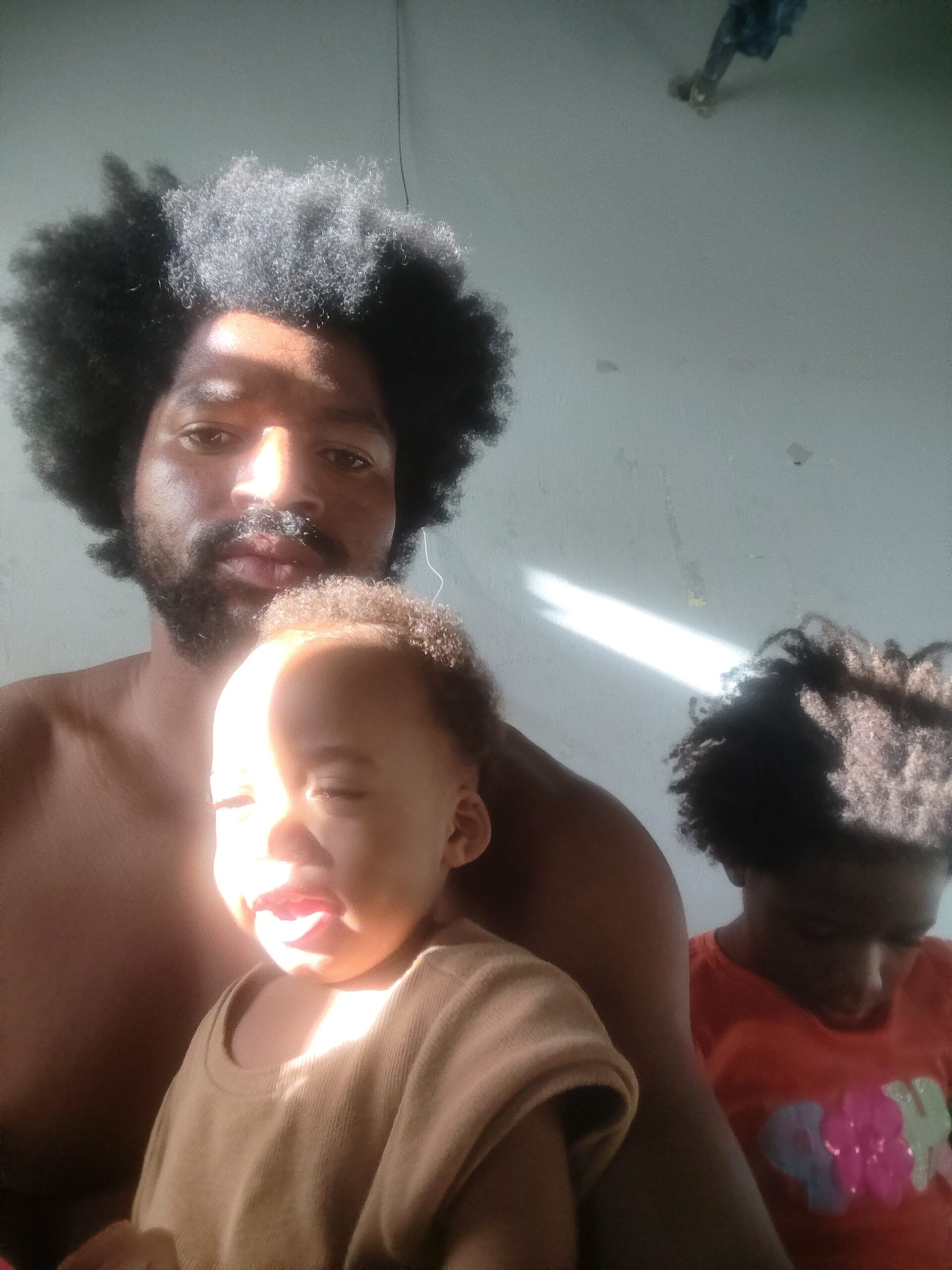
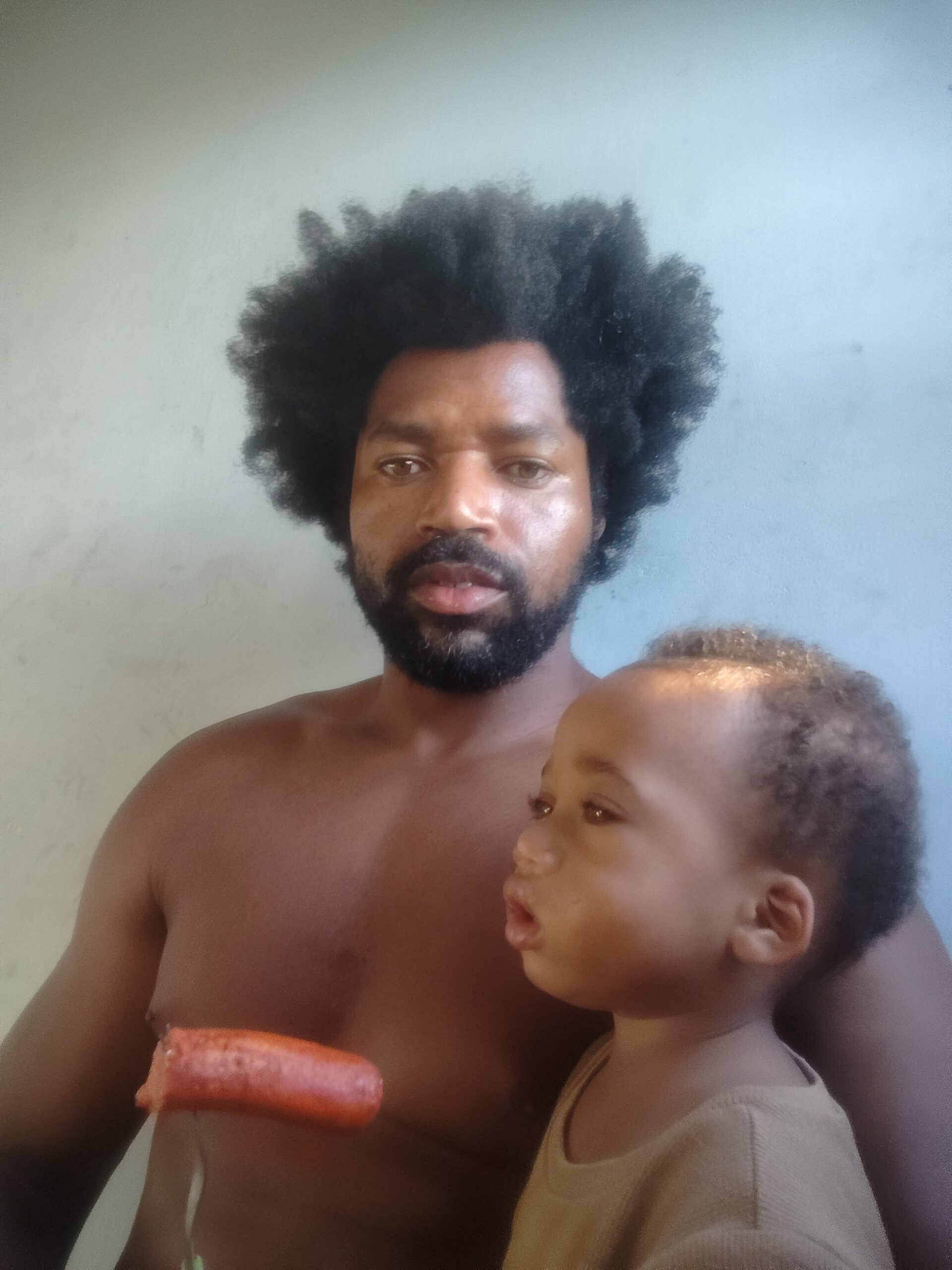
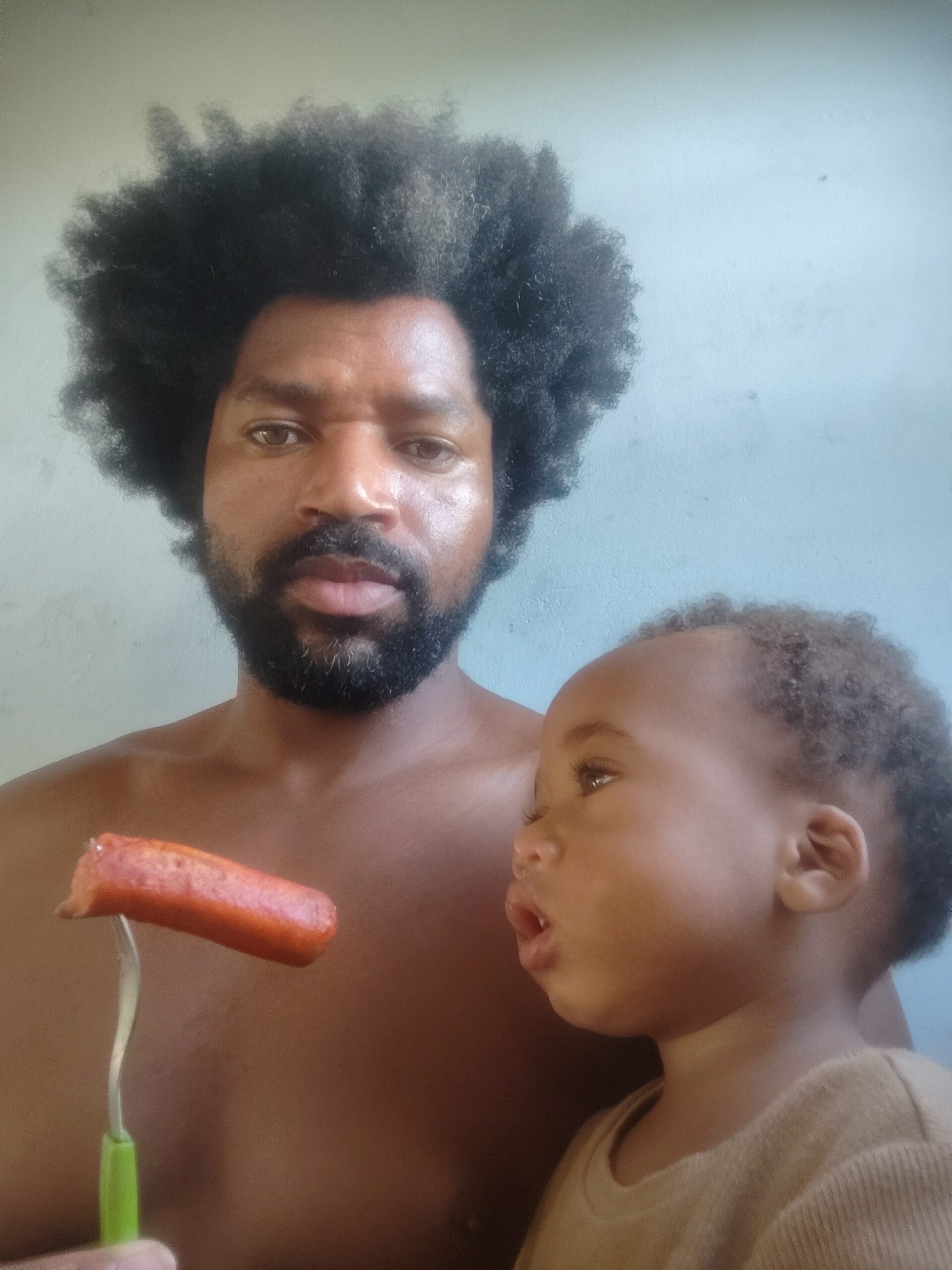
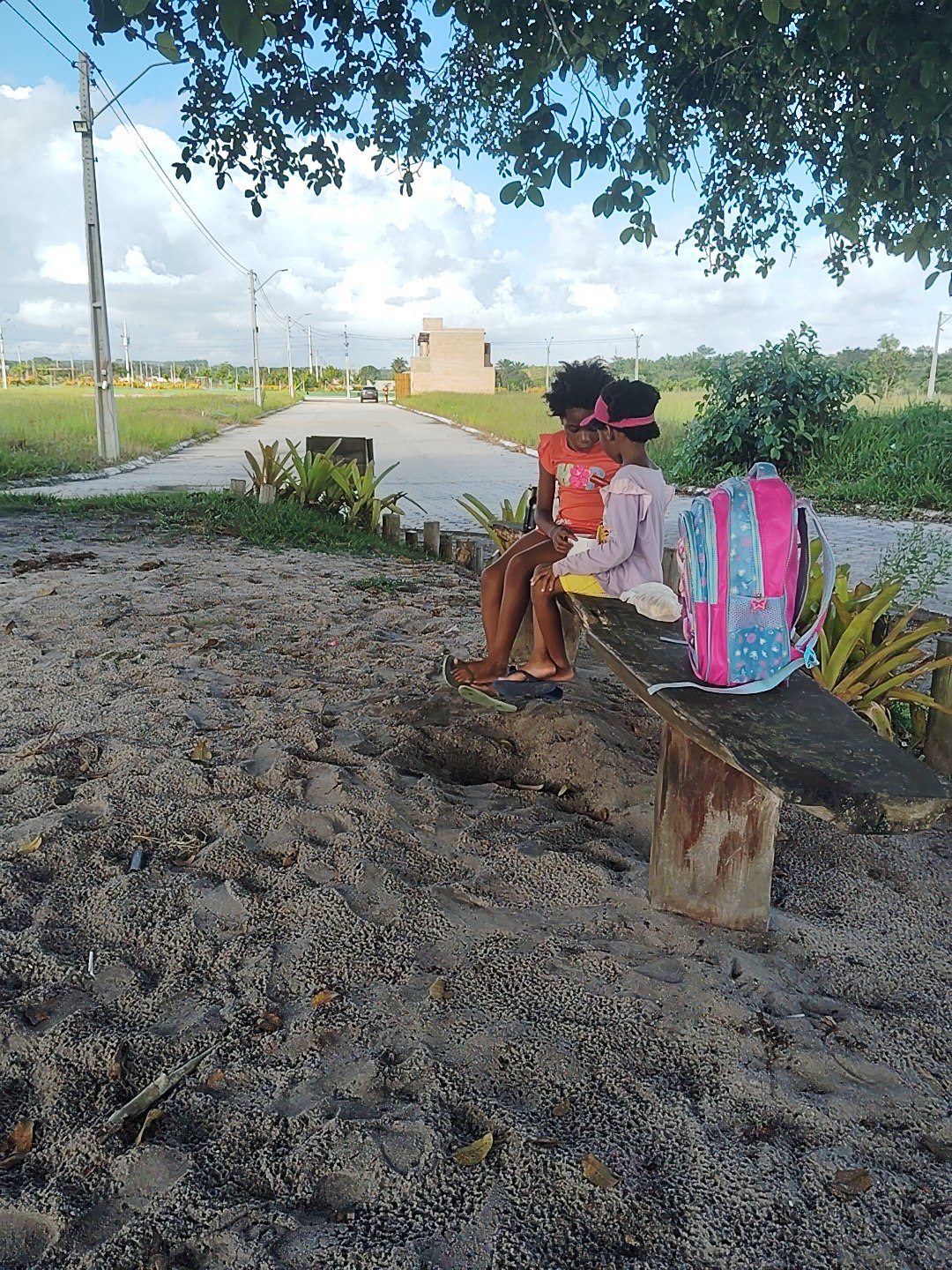
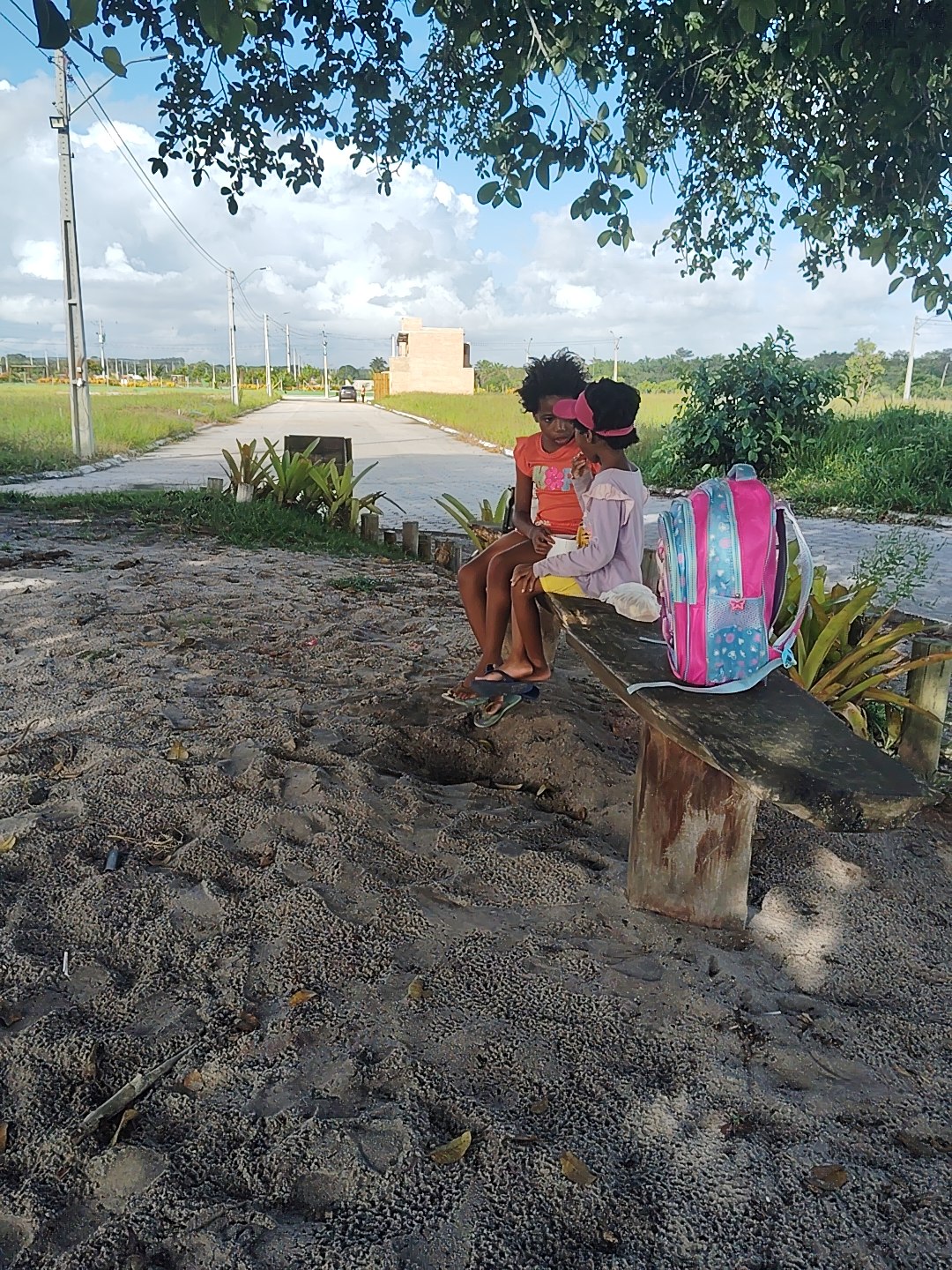
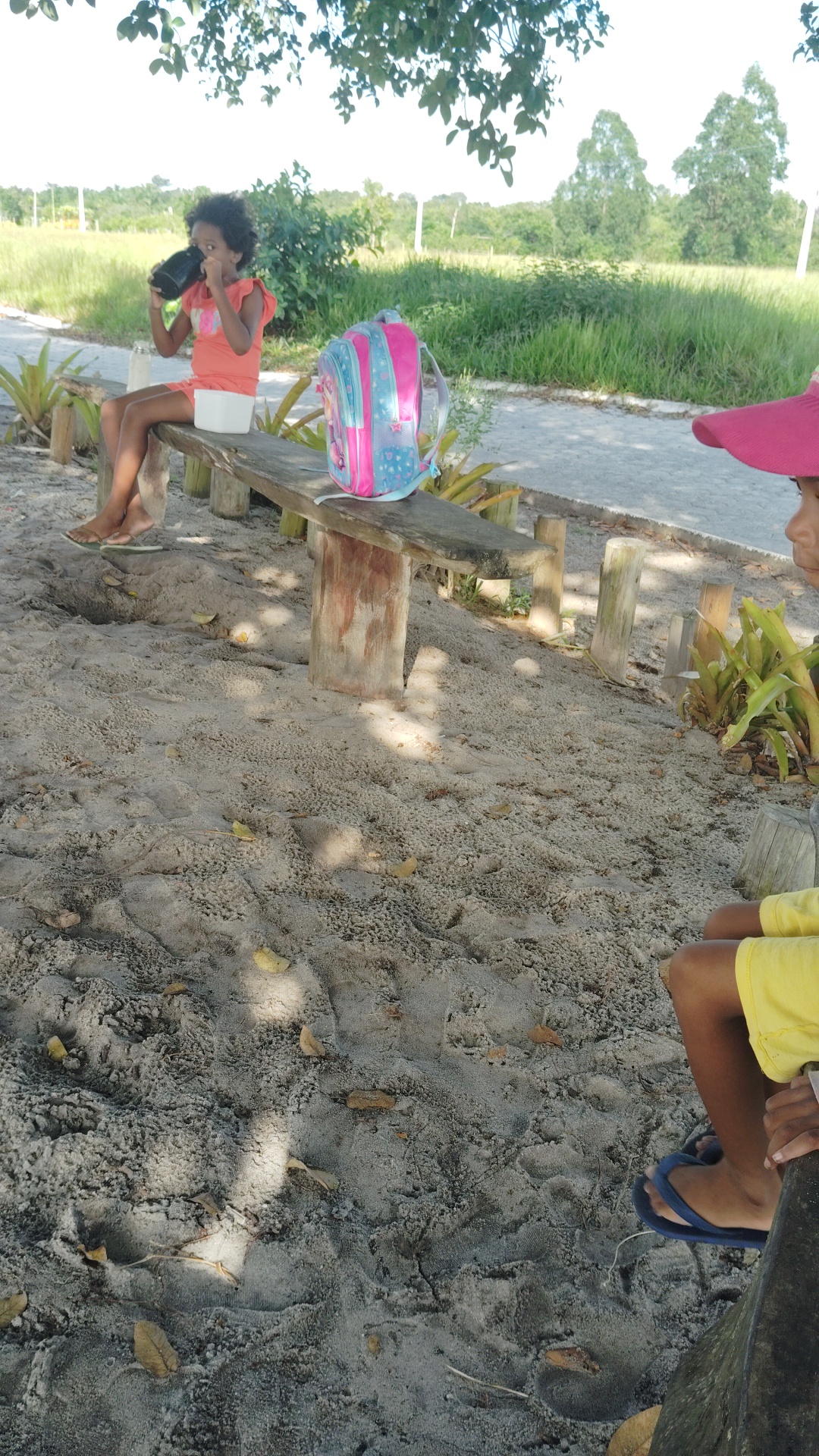

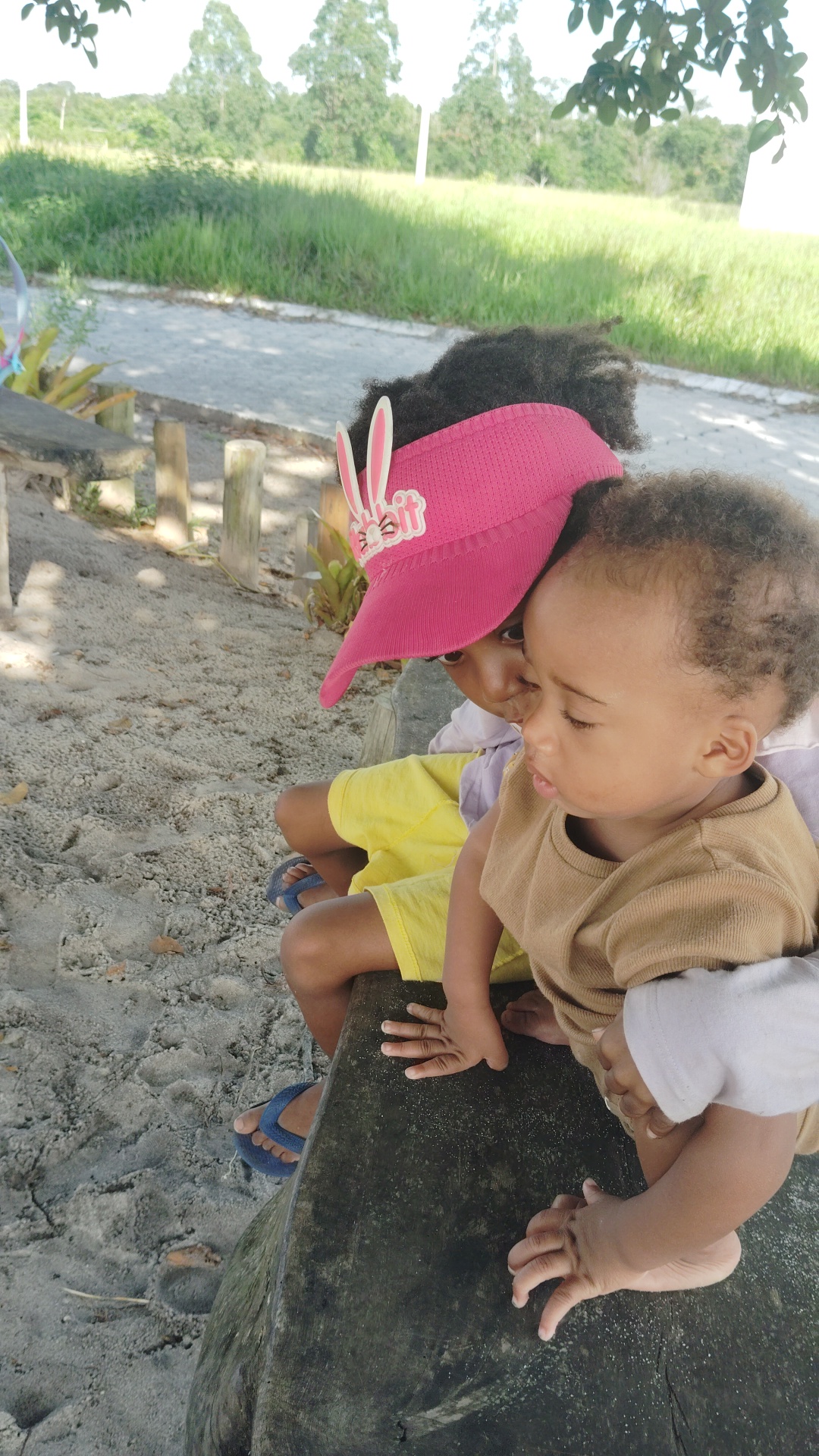
In the Midst of All This, Trott Bailey Family Decided Not to Be Sacrificed
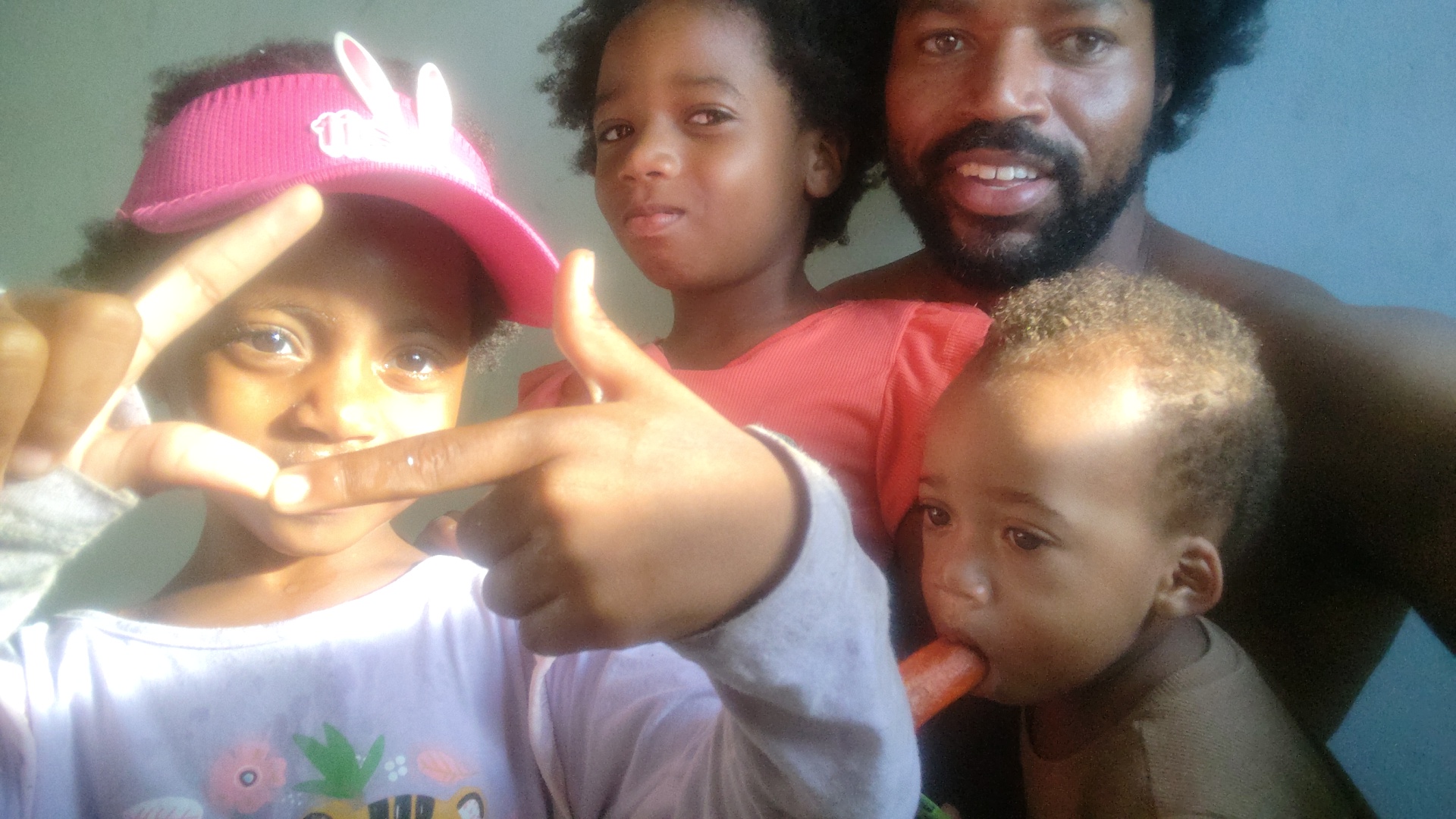
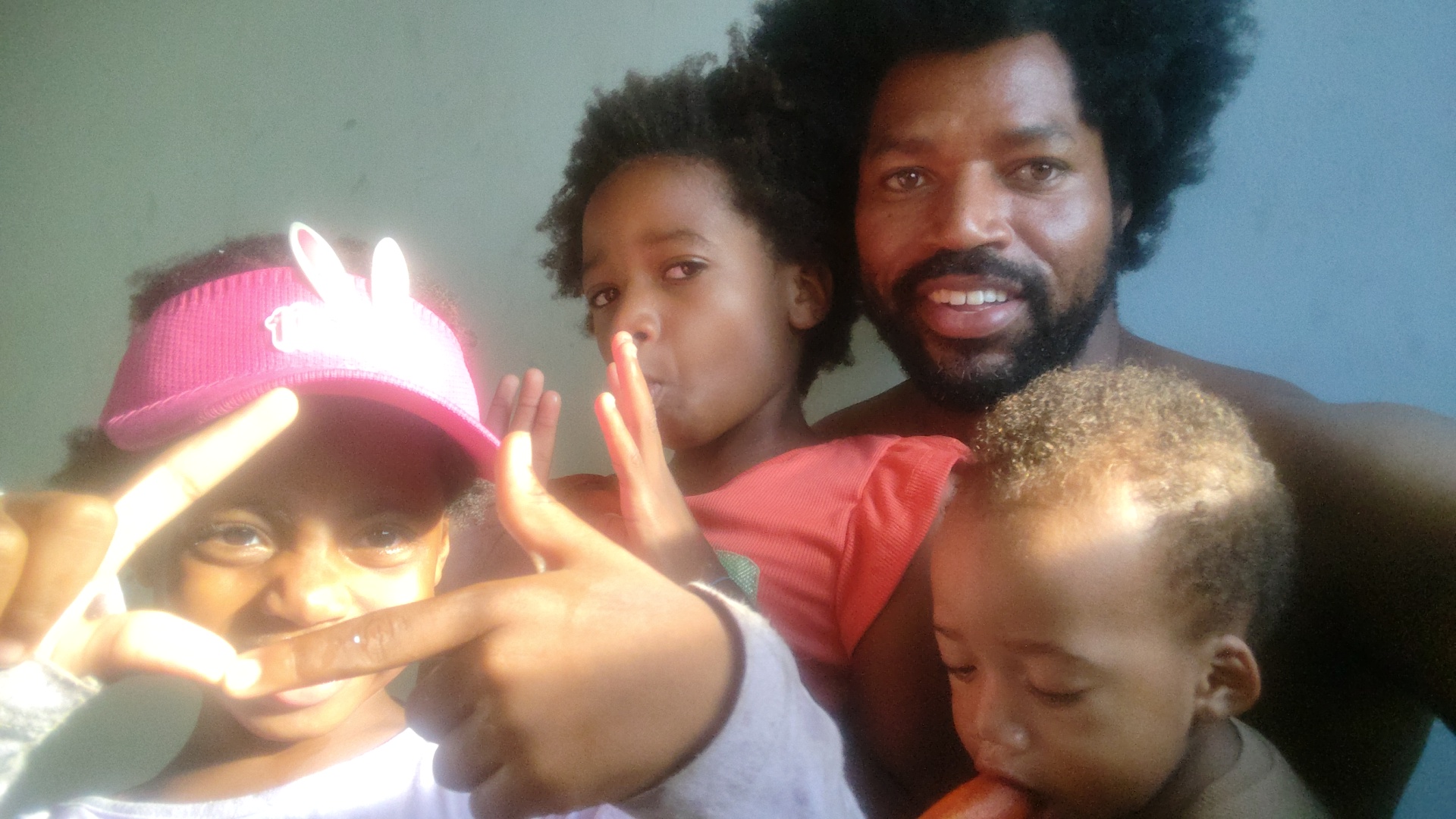
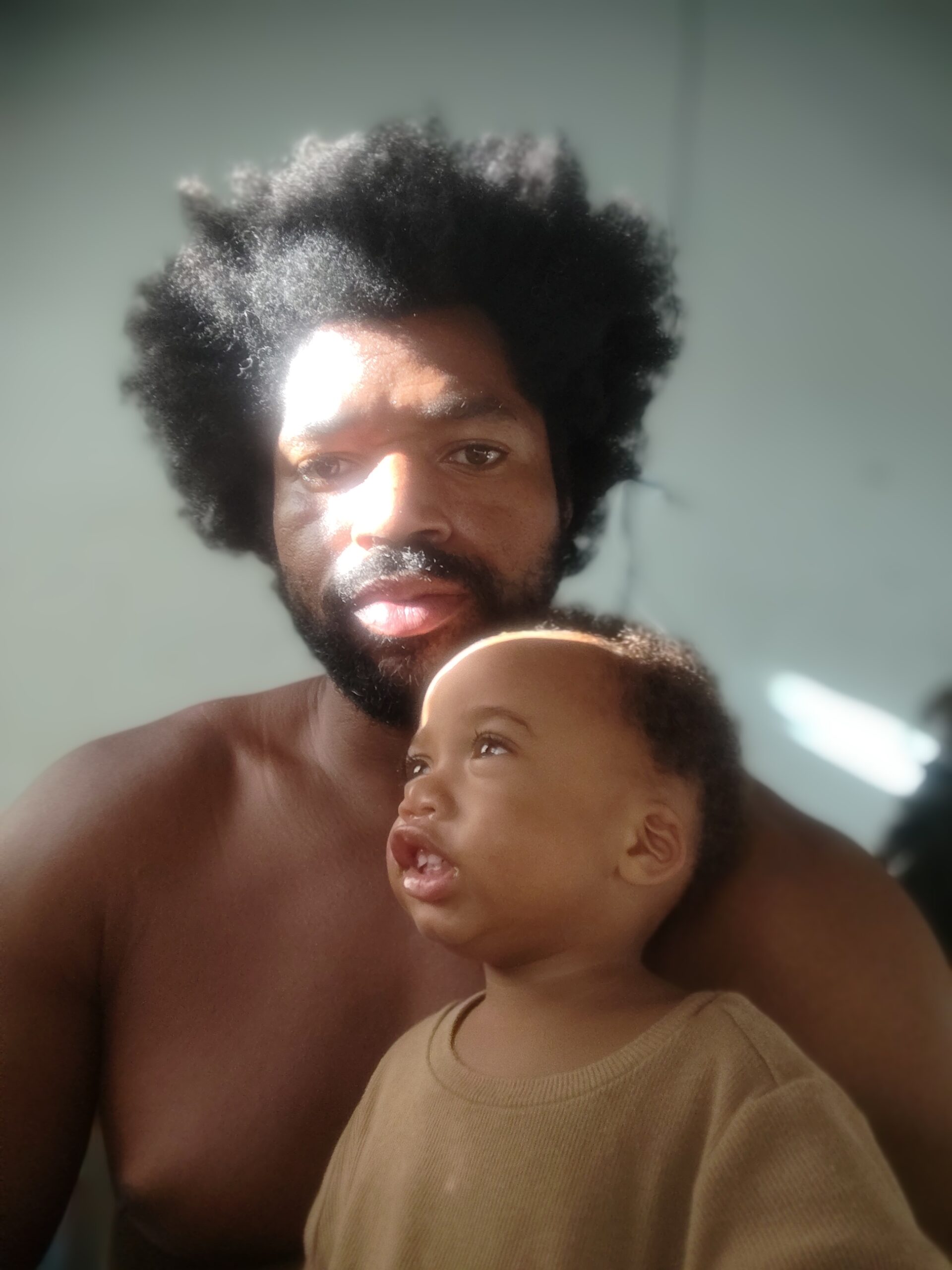
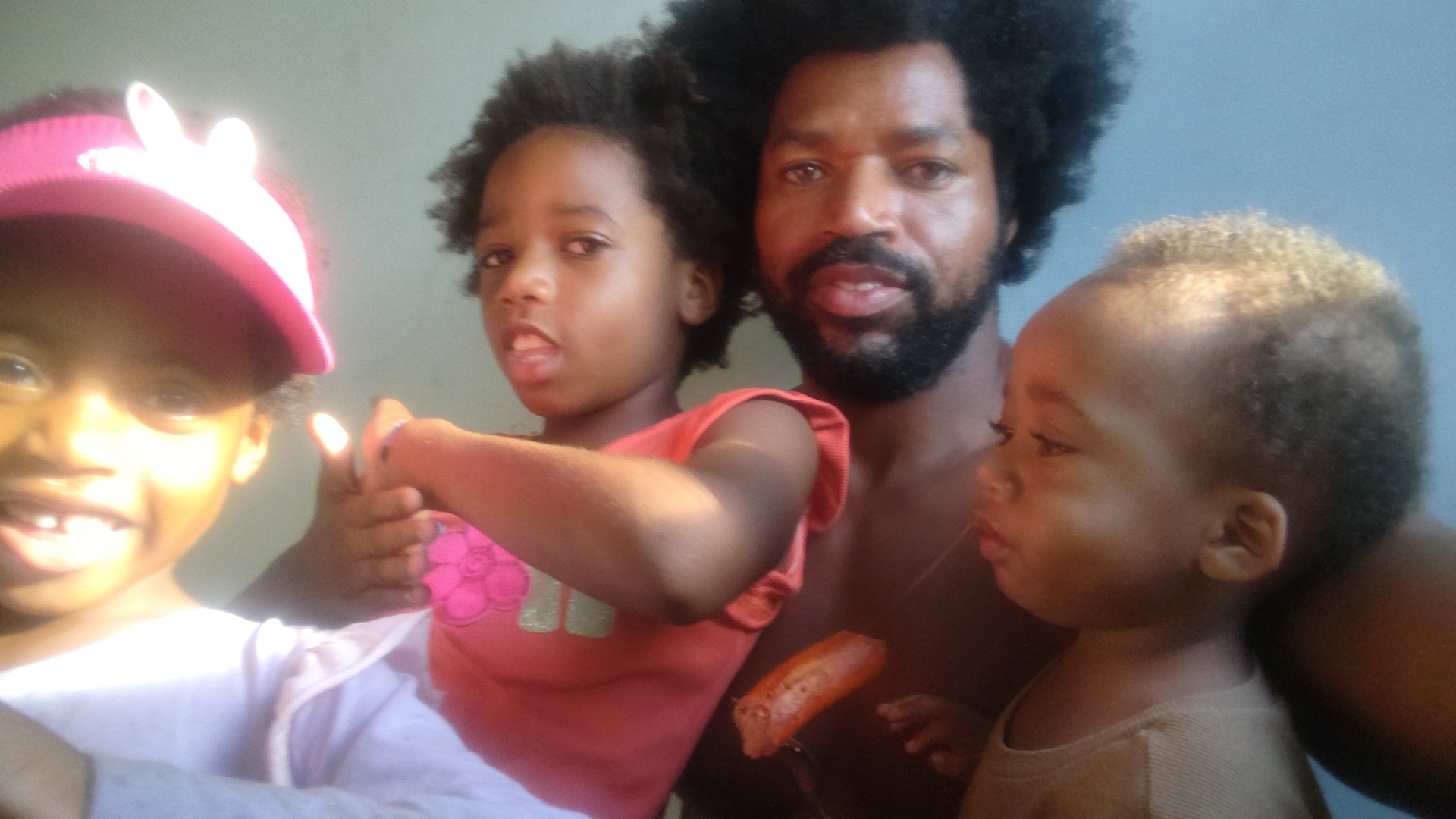
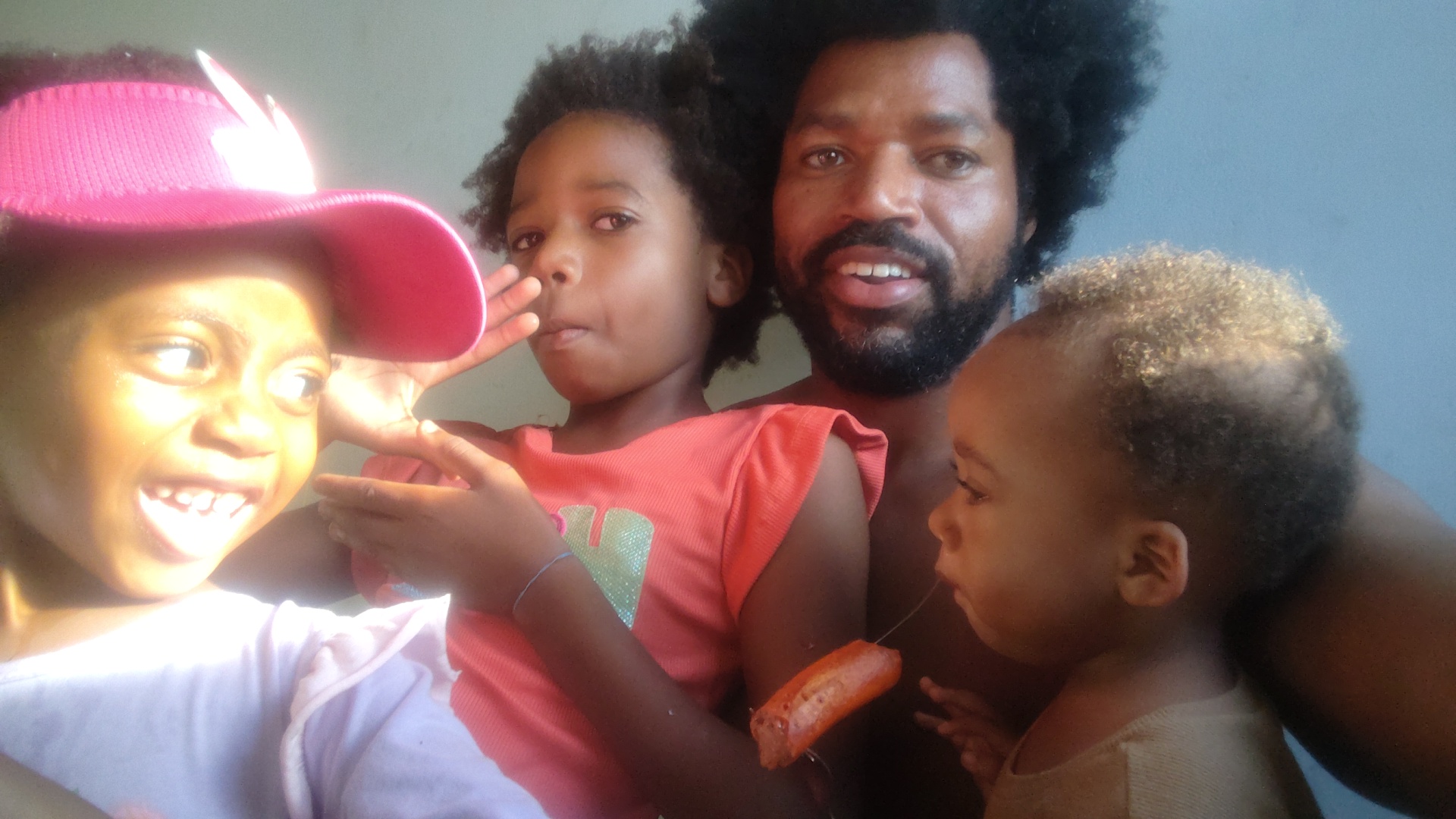
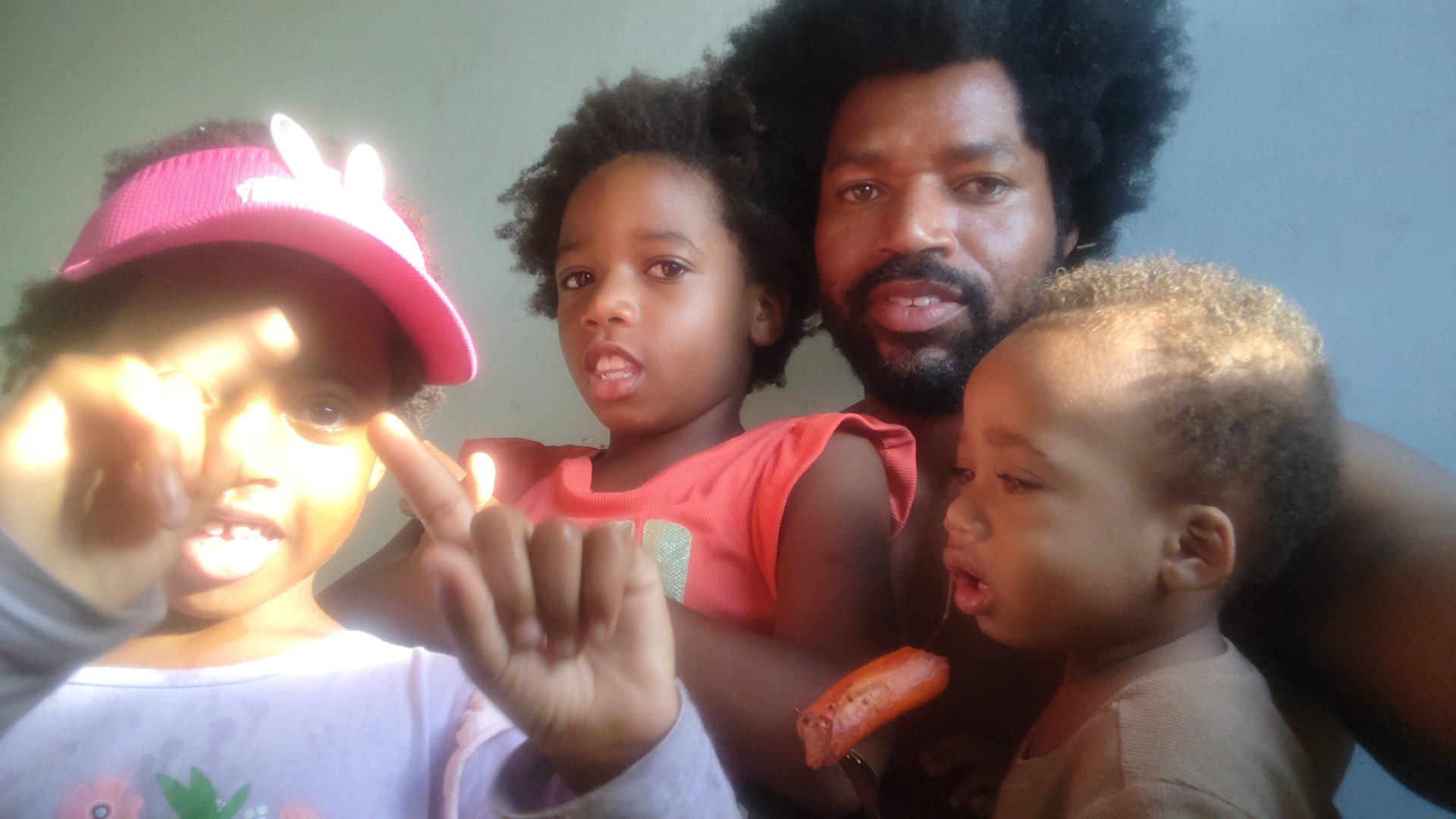
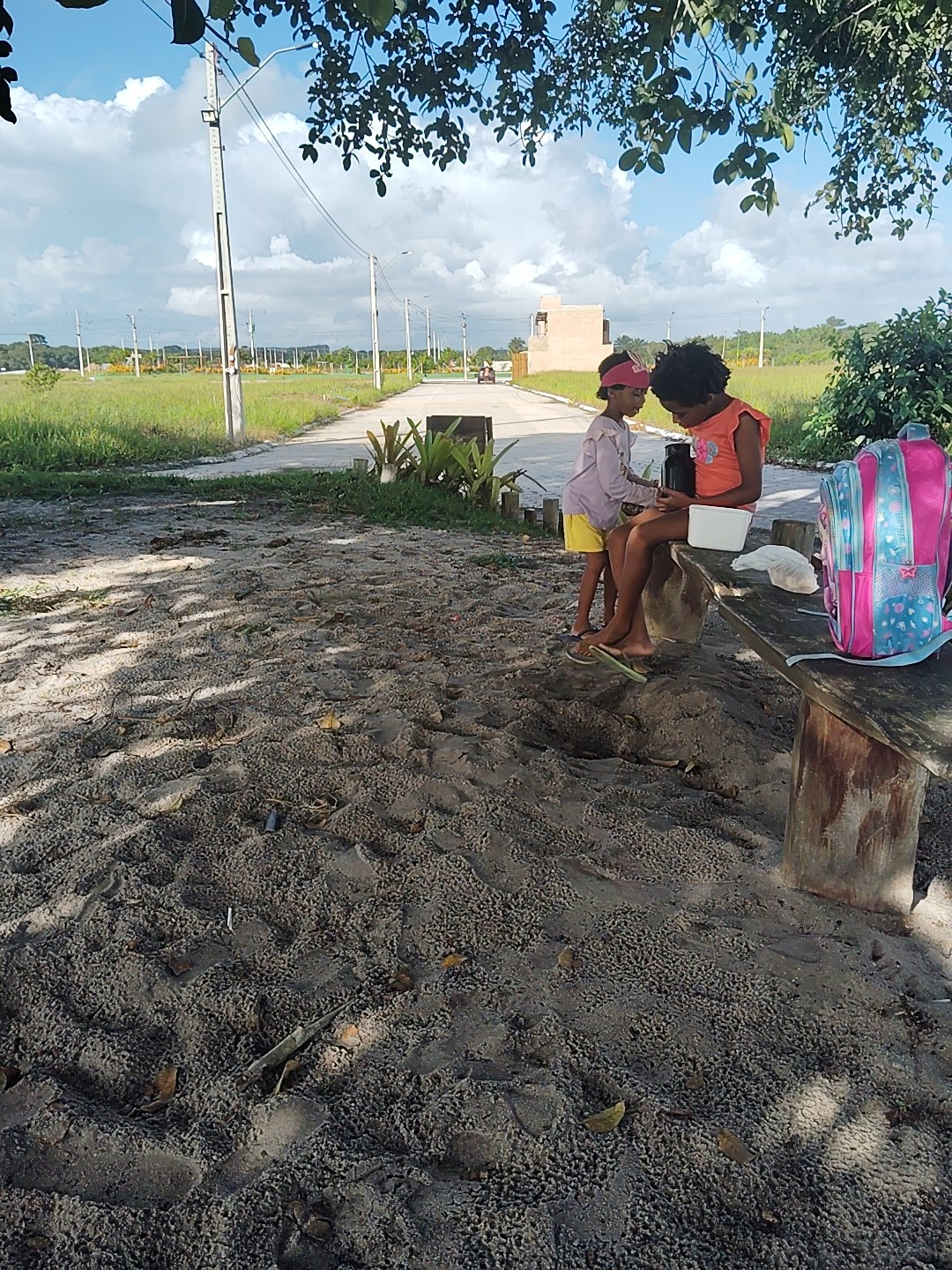
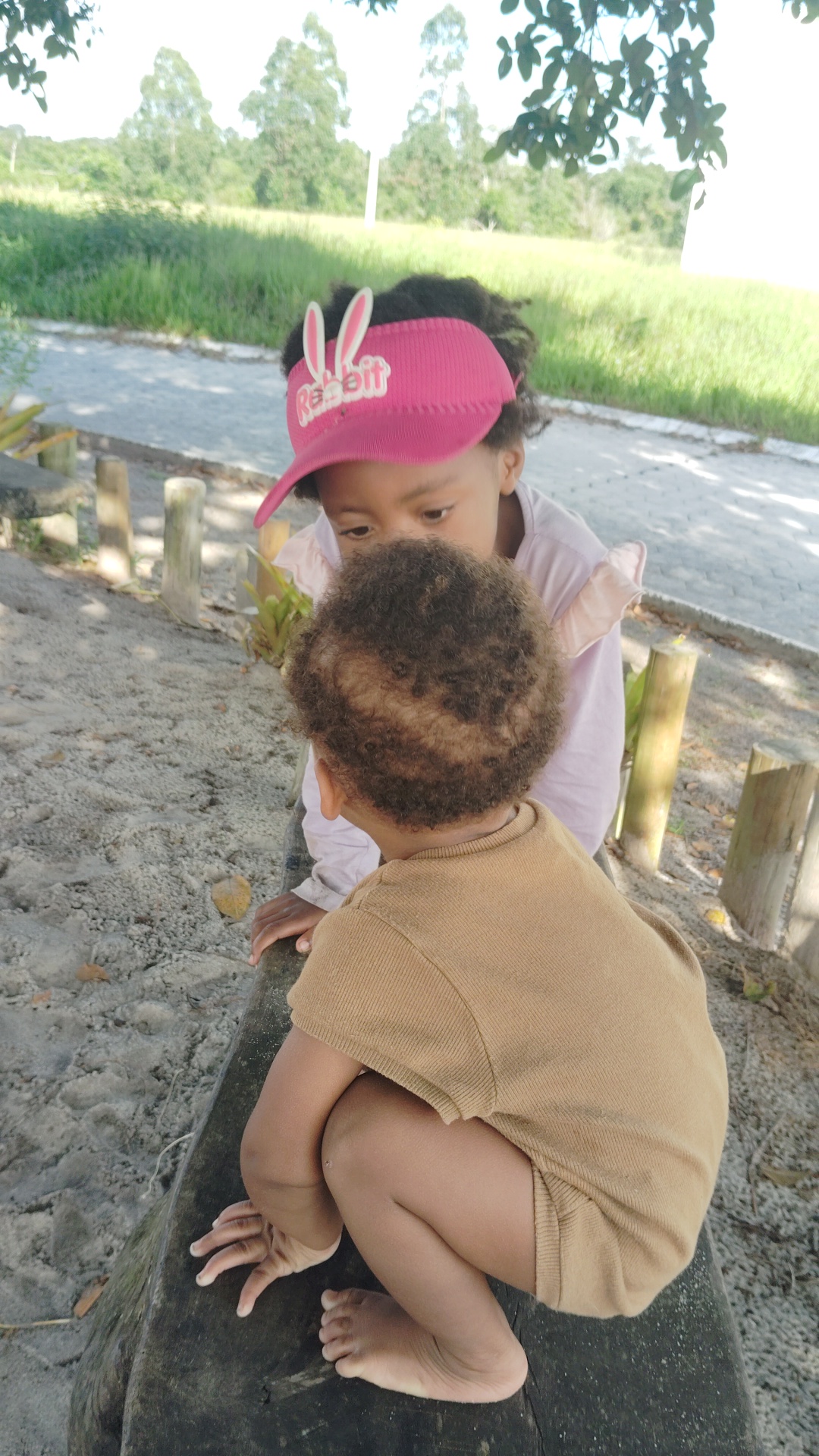
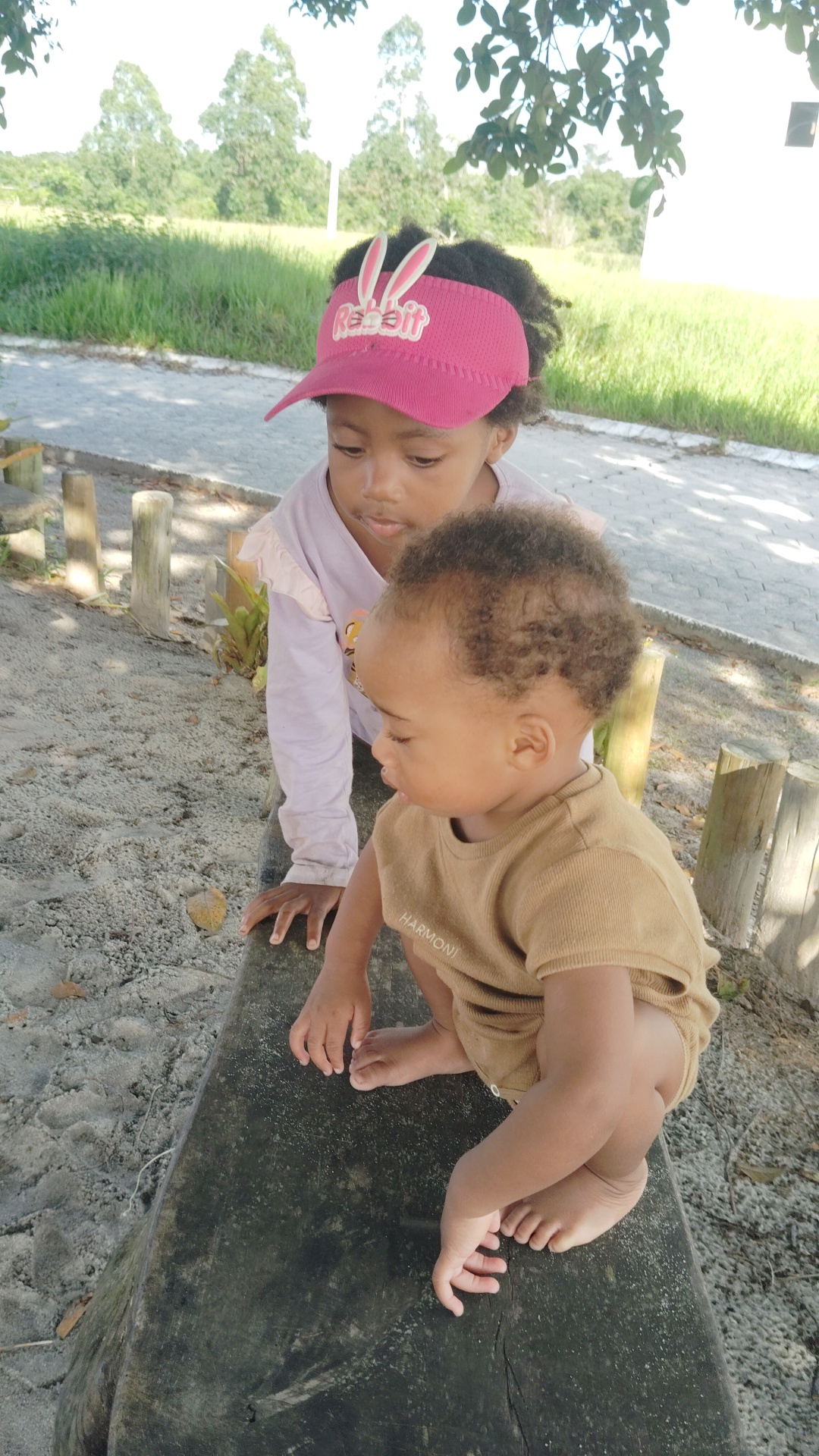
In the middle of all these pressures, all these hidden traps, all these ways the family gets worn down and pulled apart, Trott Bailey Family made a decision.
We decided not to be sacrificed.
We decided not to hand our family over to a system that keeps taking and taking and then tells people to call that normal life.
We decided not to just drift with the crowd and hope love would somehow survive on leftovers.
We decided to face what was happening honestly.
We talked as husband and wife.
We talked with our children.
We made hard decisions.
We made decisions that did not always look impressive to the outside world, but they protected something far more important than appearances.
We showed our children our real emotions.
We let them know that we get tired too.
We let them know that parents are not machines.
We let them know that love is real, but so is effort, so is pressure, so is pain, so is the need to fight for family life on purpose.
We did not want to raise children who thought adults feel nothing, who thought mothers never get overwhelmed, who thought fathers never get stretched, who thought family closeness happens by accident.
We chose truth.
We chose openness.
We chose to let our children know that family is something living, something precious, something that must be guarded, strengthened, and built.
We also understood something many people do not want to say plainly: not all families are equal.
Not every family is thinking deeply about what is happening to them.
Not every household is willing to stop and question what the system is doing to their closeness, their peace, their children, their marriage, their health, and their joy.
Some people are content to drift.
Some people are content to copy what everybody else is doing.
Some people accept family pain so fully that they stop imagining anything better.
We did not want that.
So we kept spending time with our children even when our bones were aching.
We kept making room for one another even when it was hard.
We chose family time even when the body was tired.
We chose presence even when the easier thing would have been to collapse into distance.
We chose the harder love.
And yes, we made decisions that cost us something.
We decided not to build our life around a normal 9-to-5 pattern.
That did not mean luxury.
That did not mean ease.
That did not mean endless extra money.
It meant less of some things.
Yes, maybe less ice cream in the house.
Yes, maybe less of certain comforts.
Yes, maybe less of what the world counts quickly.
But there was more of something far greater.
More love between us.
More life between us.
More knowing one another.
More shared memory.
More conversations.
More truth.
More family.
And that raises a question many people need to ask themselves honestly:
For your salary, what did you sell in your family?
What did it cost?
What hours did it take?
What tenderness did it eat up?
What peace did it thin out?
What closeness did it replace?
What parts of your child’s life did you miss?
What part of your marriage did it wear down?
What kind of tiredness did it plant in the house?
What did the paycheck cover, and what did it quietly take?
These are not easy questions, but they are necessary questions.
Because many people know what they earn, but they have not honestly counted what was lost while earning it.
This is not a call to self-pity.
This is not a pity party.
This is not us asking people to sit around and cry together about how hard life is.
And this is not an invitation for people to jump on our boat, wear our language, copy our tone, and then keep living the same way.
We are not trying to gather bandwagon people.
Trott Bailey Family does not need bandwagonists.
We do not need people who love the sound of family truth but will not move their feet.
We do not need people who enjoy the words but do not change their patterns.
We do not need people who want to be emotionally stirred for a moment and then go back to surrendering their home to the same pressures.
We require action.
If you truly love your family, then you will talk.
You will sit down and tell the truth.
You will speak honestly as husband and wife.
You will speak honestly with your children.
You will ask what is hurting the family.
You will ask what has been normalized that should not have been normalized.
You will ask what has been stealing your peace.
You will ask what is pulling everyone into separate worlds.
You will ask what is exhausting the mother.
You will ask what is pacifying the father.
You will ask what is thinning out the child’s attachment to home.
Then you will set a vision.
You will not just complain about the damage. You will decide what kind of family life you are trying to build.
You will decide what matters most.
You will decide what you are no longer willing to sacrifice.
You will decide what the family must be protected from.
You will decide what needs to grow stronger in the home.
And then you will chip away at the goals.
Step by step.
Choice by choice.
Conversation by conversation.
Habit by habit.
Cut by cut.
Correction by correction.
You will not wait for perfect conditions.
You will start where you are.
You will make the changes you can make.
You will keep going.
You will also pay attention to results.
You will highlight the evidence of victory.
You will notice when the home is getting warmer.
You will notice when the child is opening up more.
You will notice when the marriage is becoming more honest.
You will notice when there is more peace in the house.
You will notice when there is more time together, more laughter, more patience, more family memory, more truth, more life.
Those things matter.
Those are not small wins.
Those are signs that the family is breathing again.
And yes, this path will require cutting away from evil.
It will require cutting away from evil family patterns.
It will require cutting away from people who keep dragging the home toward confusion, bitterness, passivity, disorder, and pain.
It will require cutting away from systemized oppression.
It will require stepping back from arrangements that eat the life out of the household.
It will require refusing patterns that keep everybody busy, tired, separated, and emotionally starved.
It will require stepping away from the crowd.
Because the crowd is not always wise.
The crowd is often already trapped.
The crowd often calls destruction normal.
The crowd often blesses what is hurting the family.
The crowd often celebrates the very patterns that are making homes colder, thinner, more divided, and less alive.
If you follow the crowd without thinking, you may end up with what the crowd has: a damaged family life and no language for why it hurts.
That is why this takes courage.
It takes courage to tell the truth.
It takes courage to live differently.
It takes courage to let go of certain comforts in order to protect deeper love.
It takes courage to question what everybody else calls normal success.
It takes courage to build family life on purpose.
That is what Trott Bailey Family chose.
Not perfection.
Not image.
Not performance.
Action.
Truth.
Vision.
Protection.
Real family life.
And that is what we are calling for in others too.
Not noise.
Not bandwagon.
Not shallow agreement.
Action.






















 and then