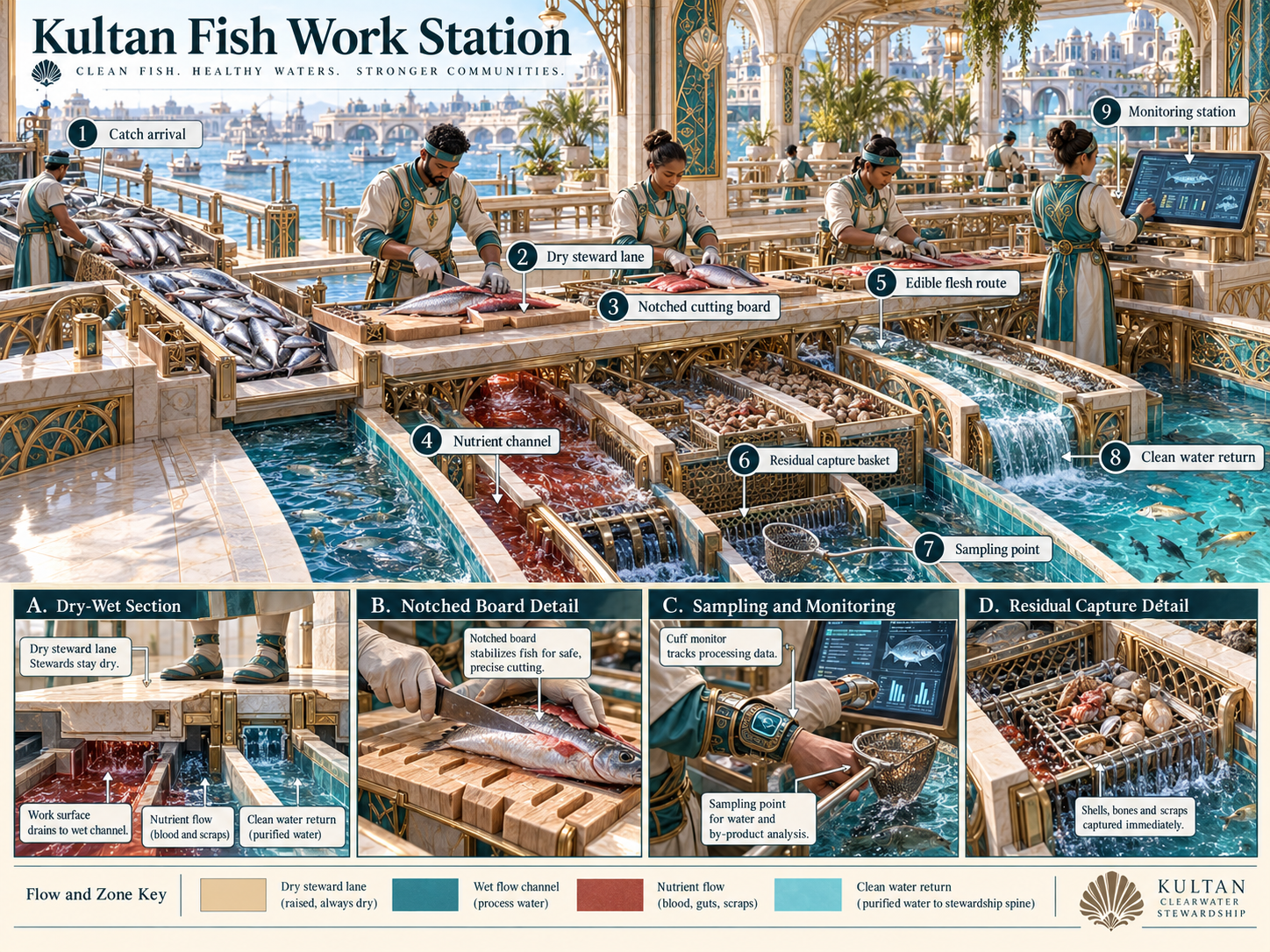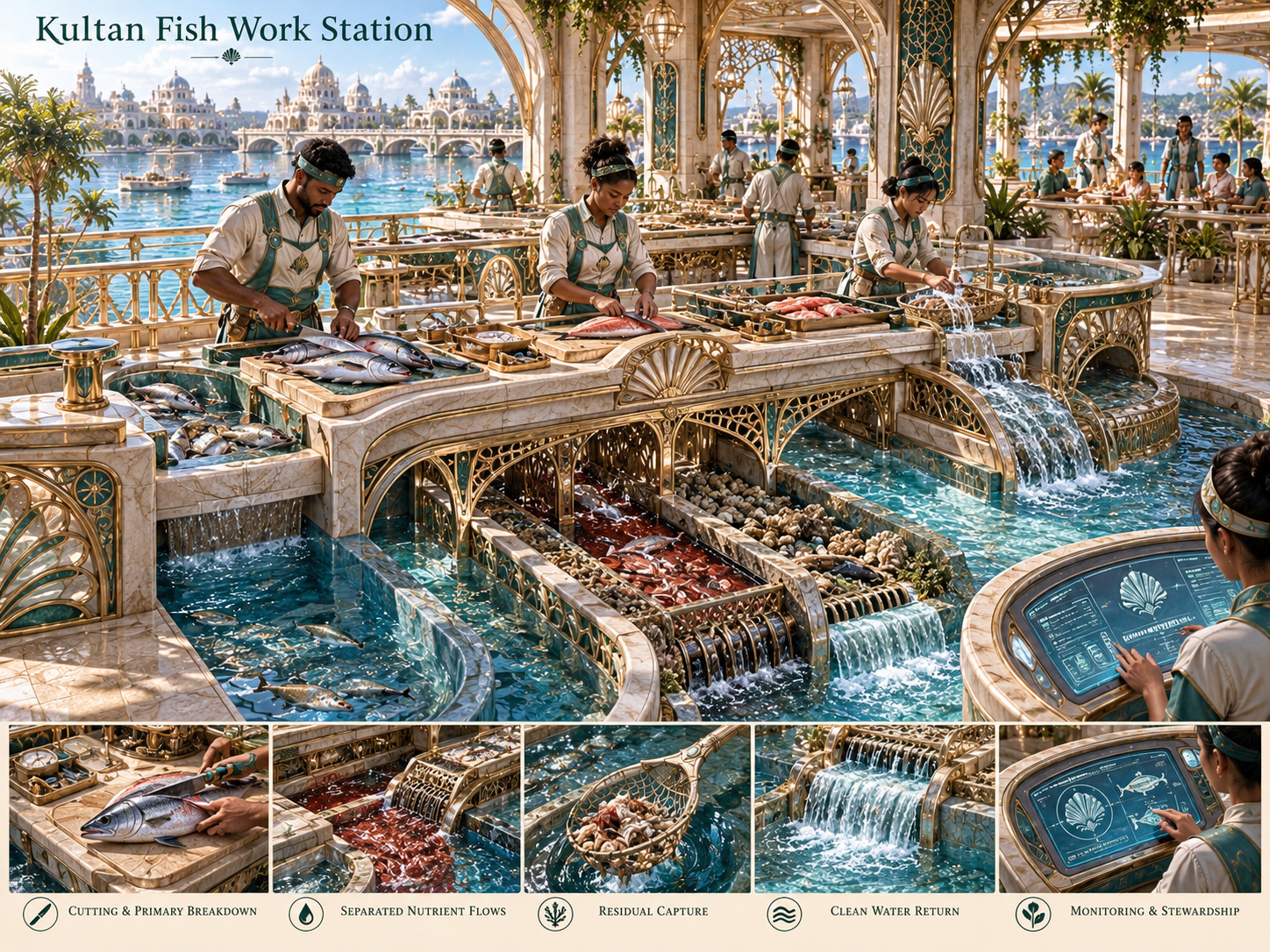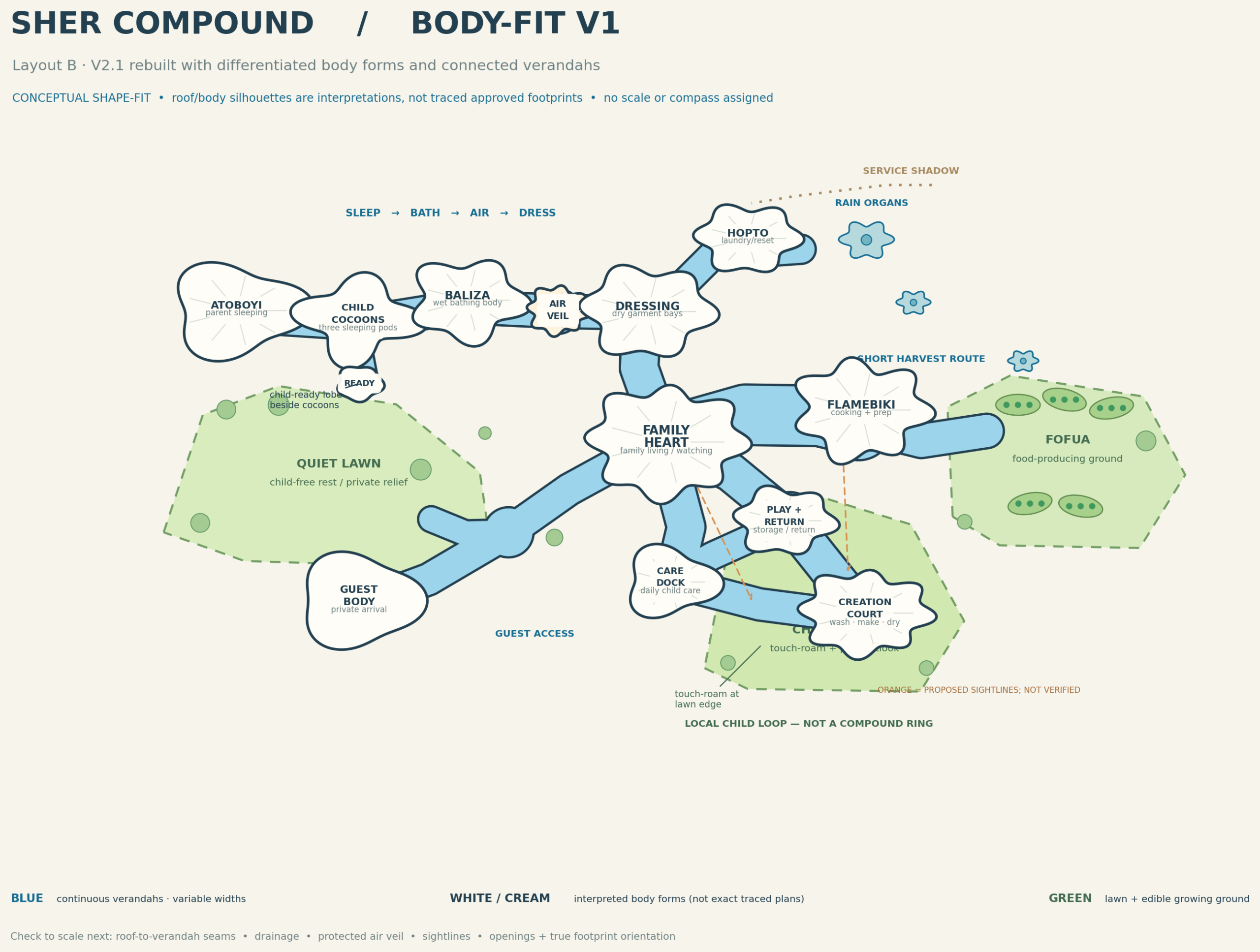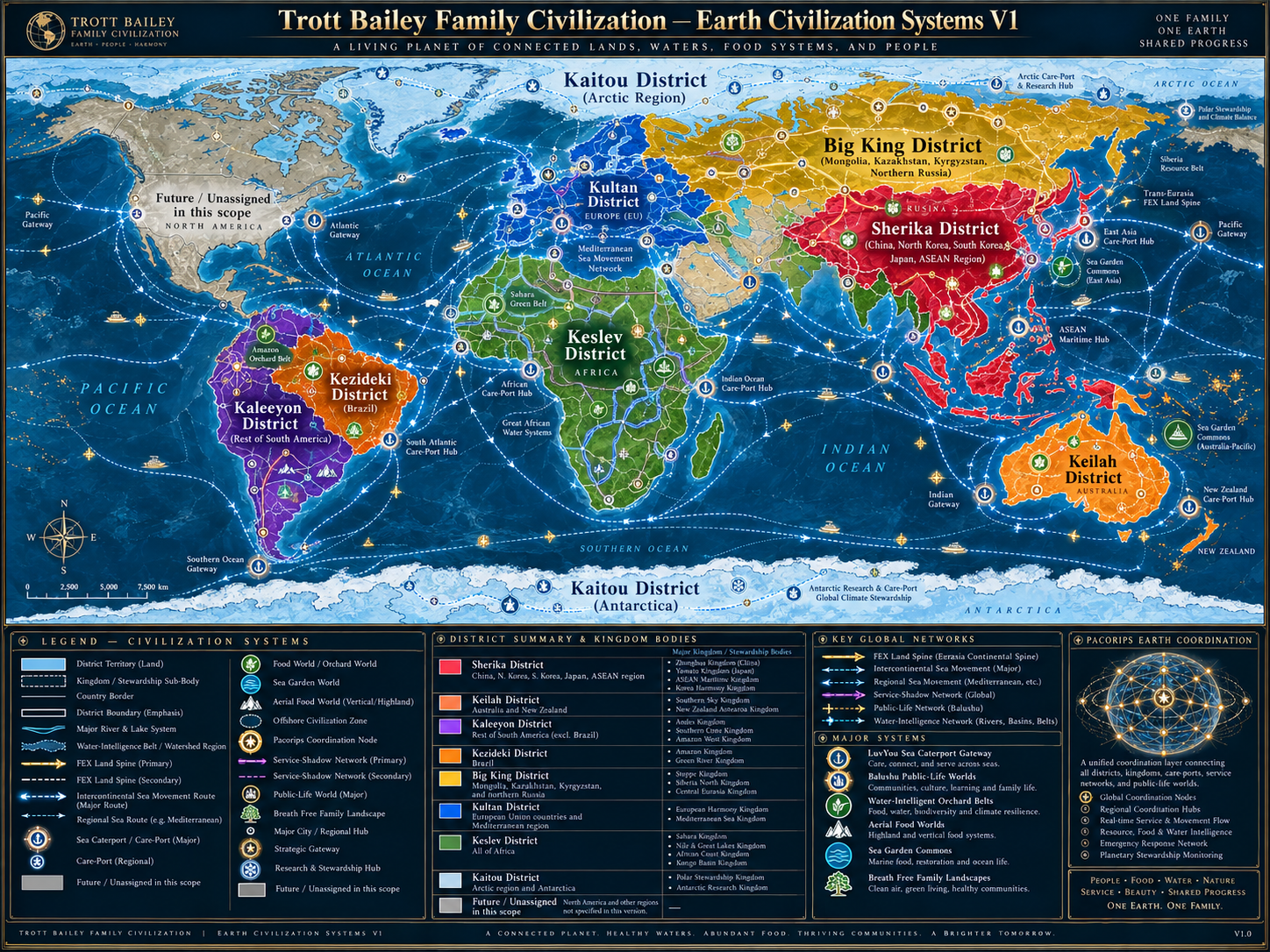

NoDumbDumbs Physical Infrastructure Minimum Standard Checklist
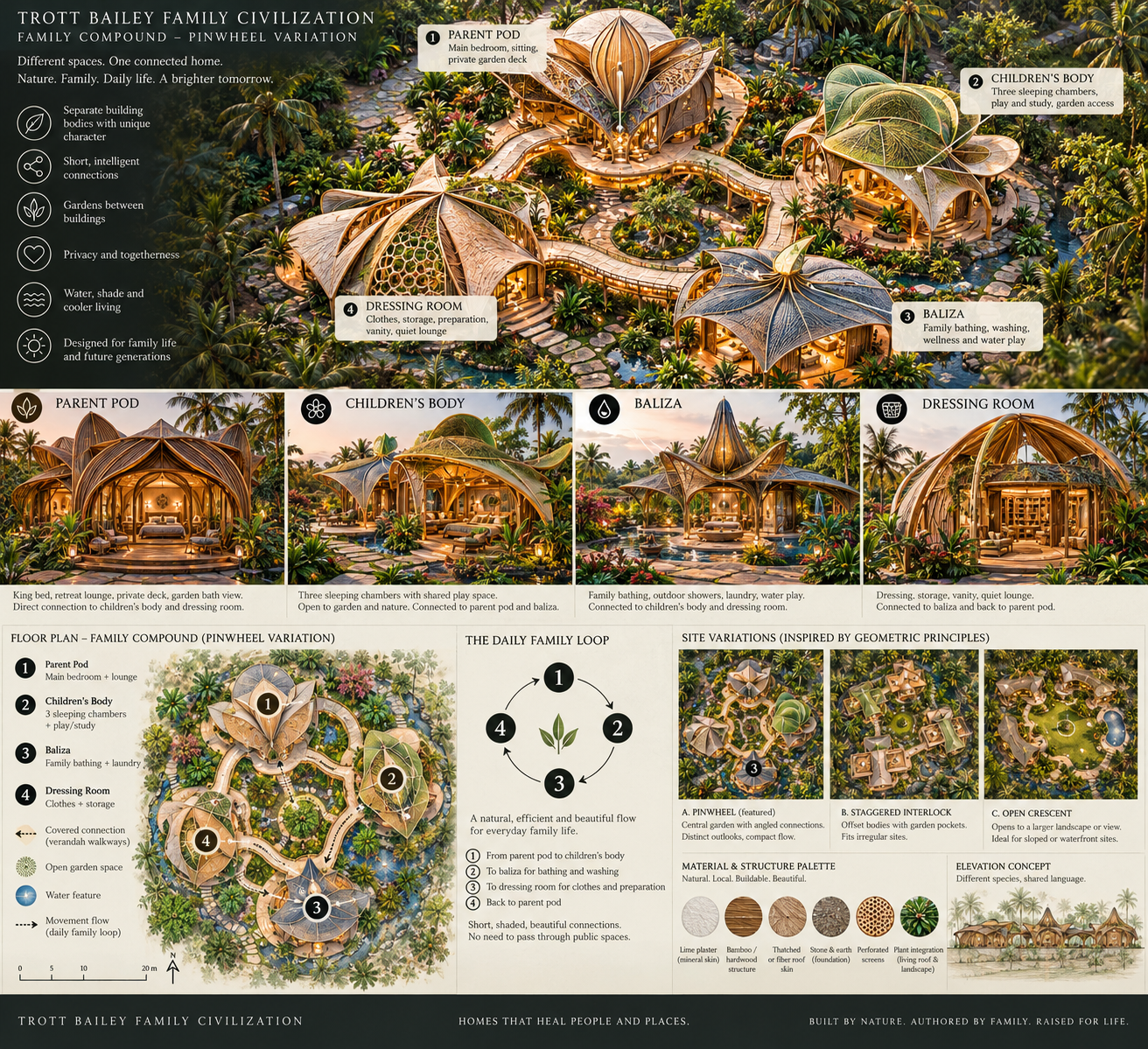
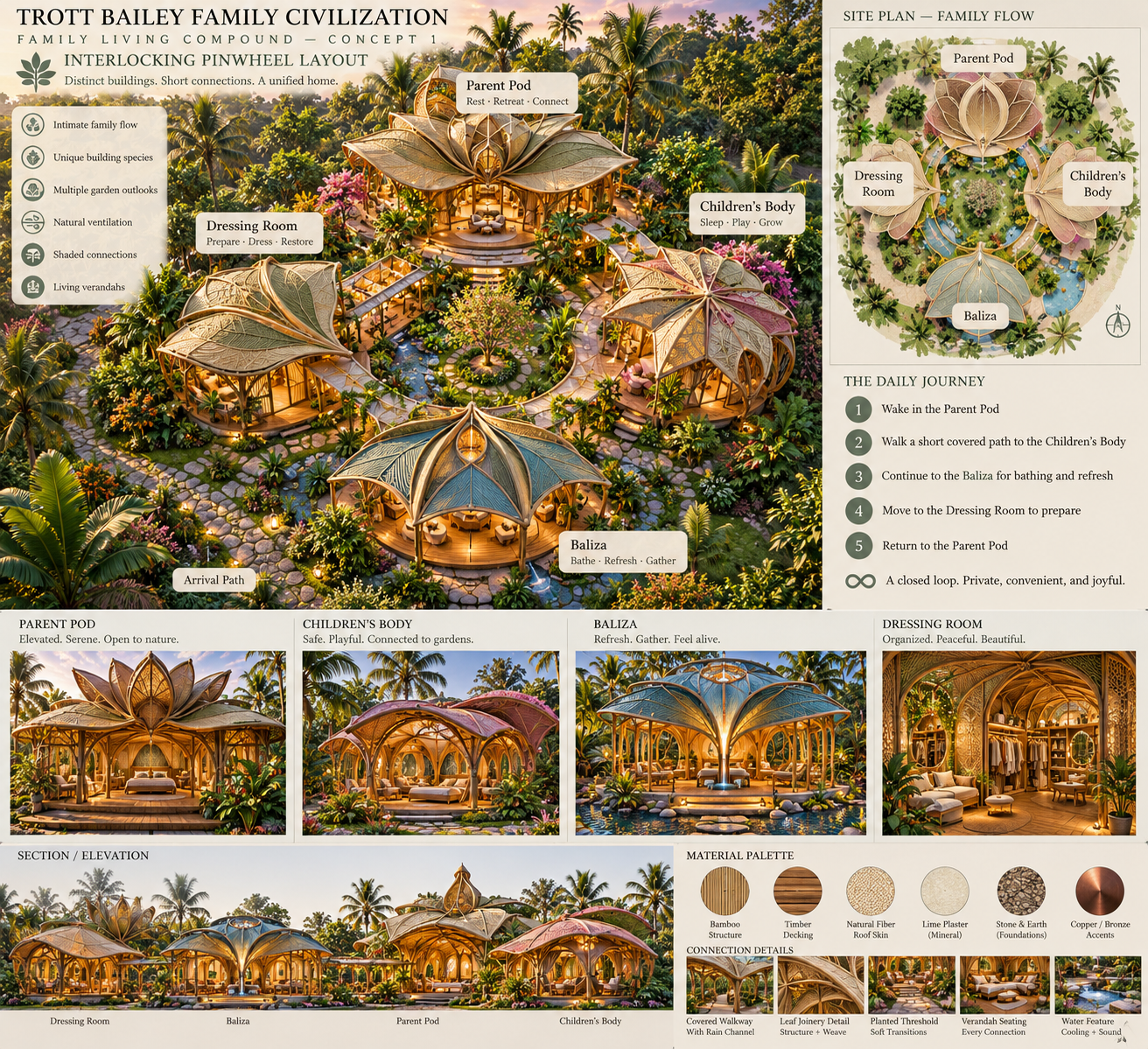
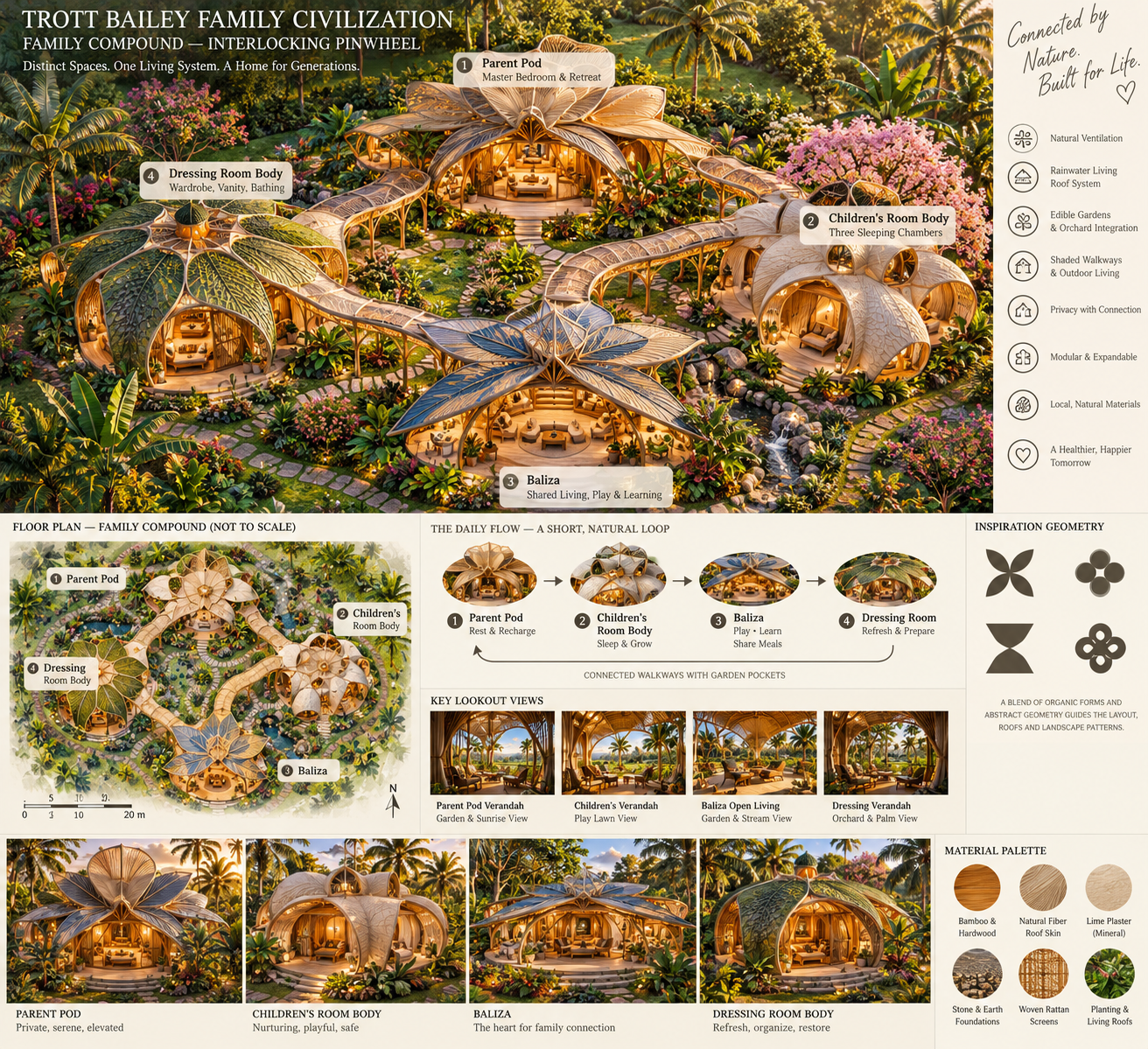
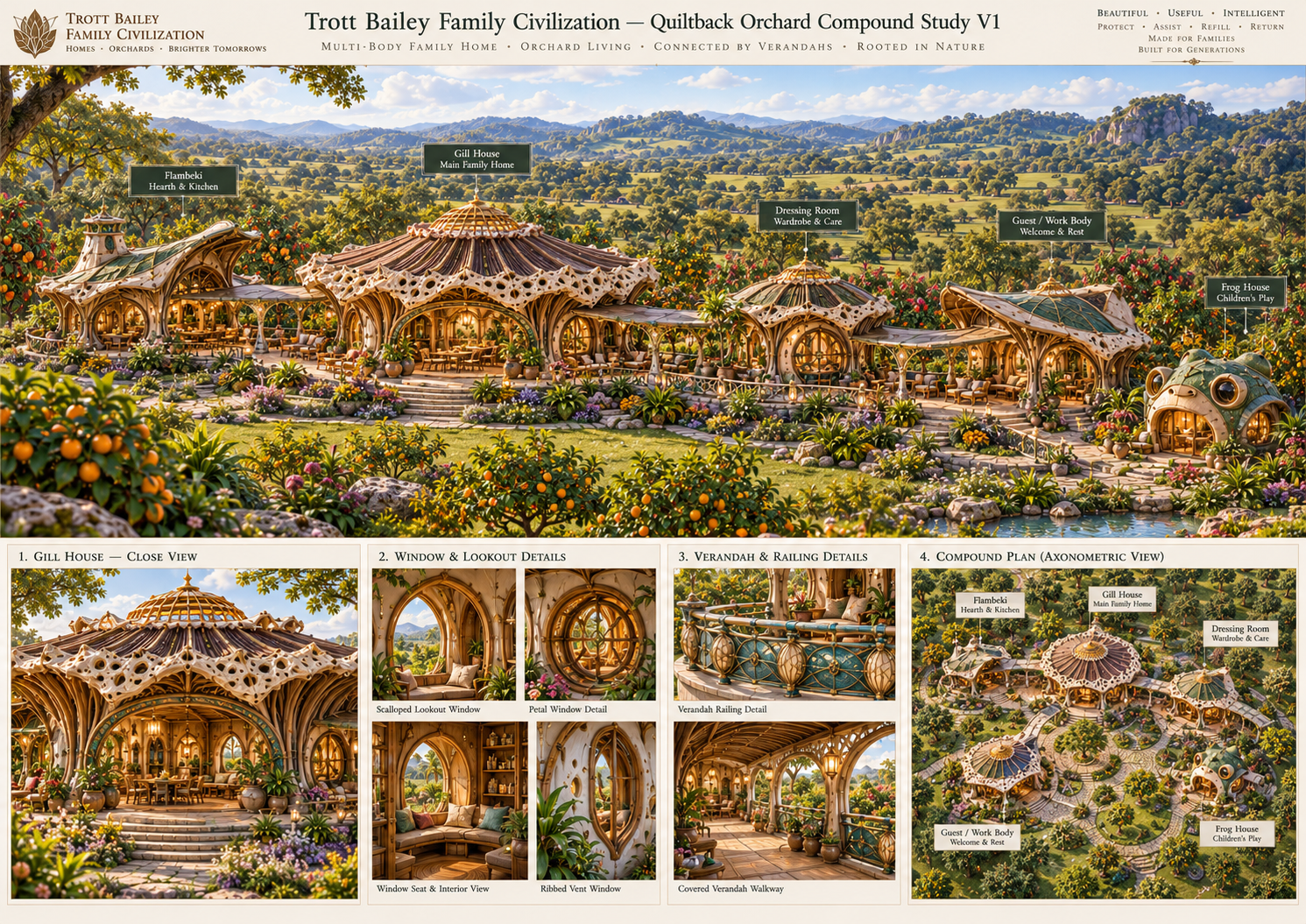
Trott Bailey Family Civilization Standard
NoDumbDumbs Physical Infrastructure Minimum Standard Checklist
The minimum physical, academic, practical, social, environmental, and civilization-design systems required for a place to operate and visibly read as a genuine NoDumbDumbs learning environment.
Document Status
Minimum Standard, Not Final Master Plan
This checklist establishes the minimum physical systems required for a place to operate and visually read as a genuine NoDumbDumbs learning environment.
It is not a complete master plan. Different districts, compounds, climates, age groups, population sizes, and available land may produce different layouts and building species. The physical expression may evolve, but the underlying functions must remain present.
A NoDumbDumbs site does not pass merely because it is beautiful, child-friendly, outdoors, unconventional, or filled with activities.
- Secure academic foundations
- Practical capability
- Investigation and discovery
- Movement joined to order
- Friendship and social formation
- Visible restoration systems
- Family participation
- Climate intelligence
- Child delight
- Unmistakable Trott Bailey beauty
Controlling Physical Law
NoDumbDumbs does not control children by shrinking their world. It enlarges their world while teaching them how to move through it responsibly.
Controlling Physical Law
The physical environment must join freedom, participation, movement, order, responsibility, and gradually expanding capability.
The environment must provide meaningful access to:
- Landscape and living systems
- Age-appropriate freedom of movement
- Meaningful materials
- Real tools
- Shared work
- Discovery and investigation
- Conversation and friendship
- Practical responsibility
The environment must also make it clear:
- Where belongings go
- Where materials belong
- How learners move between territories
- Where groups gather for instruction
- When adult permission is required
- How tools are collected and returned
- How spaces are restored
- How freedom expands through responsibility
Civilization Identity Standard
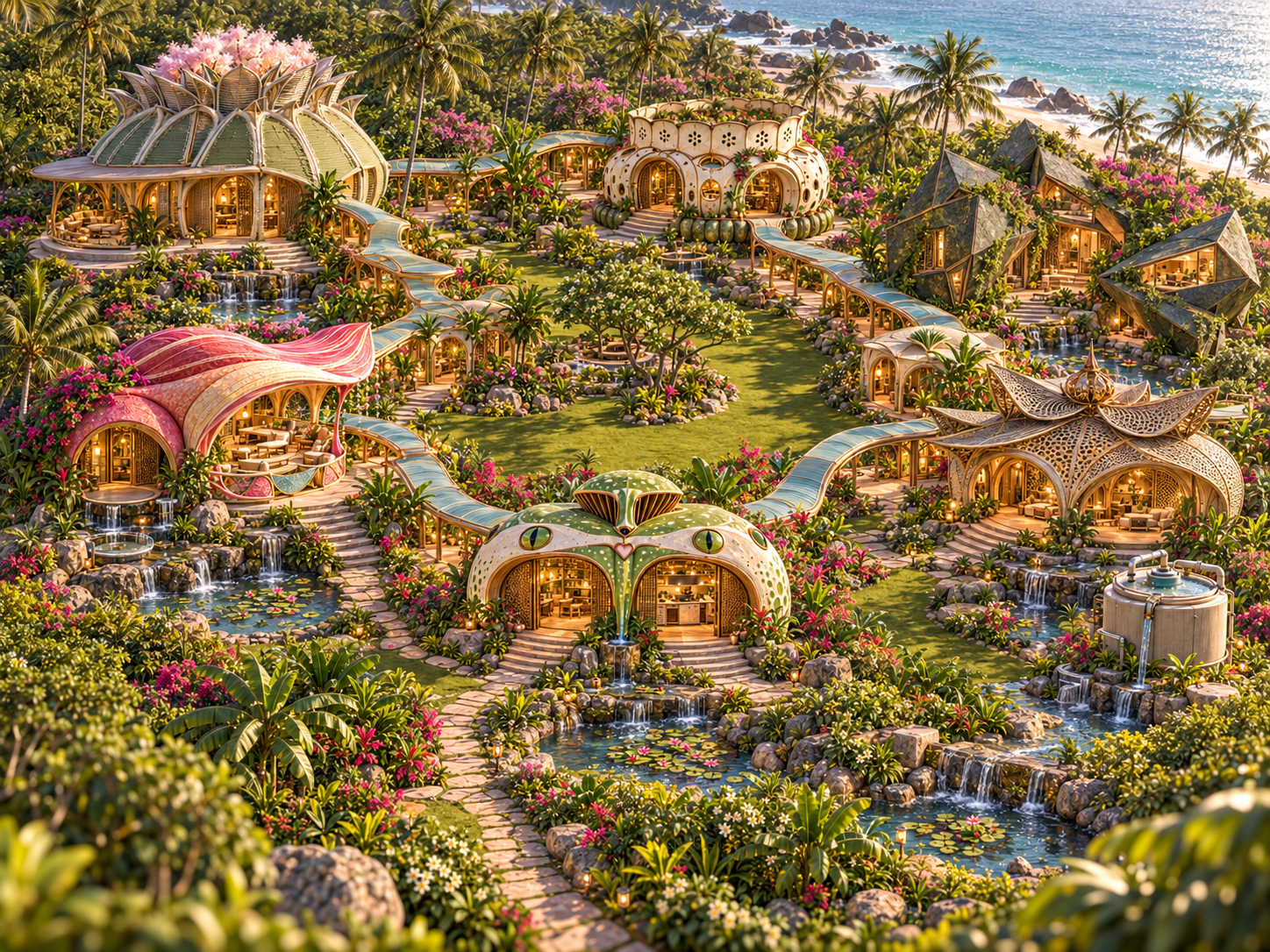
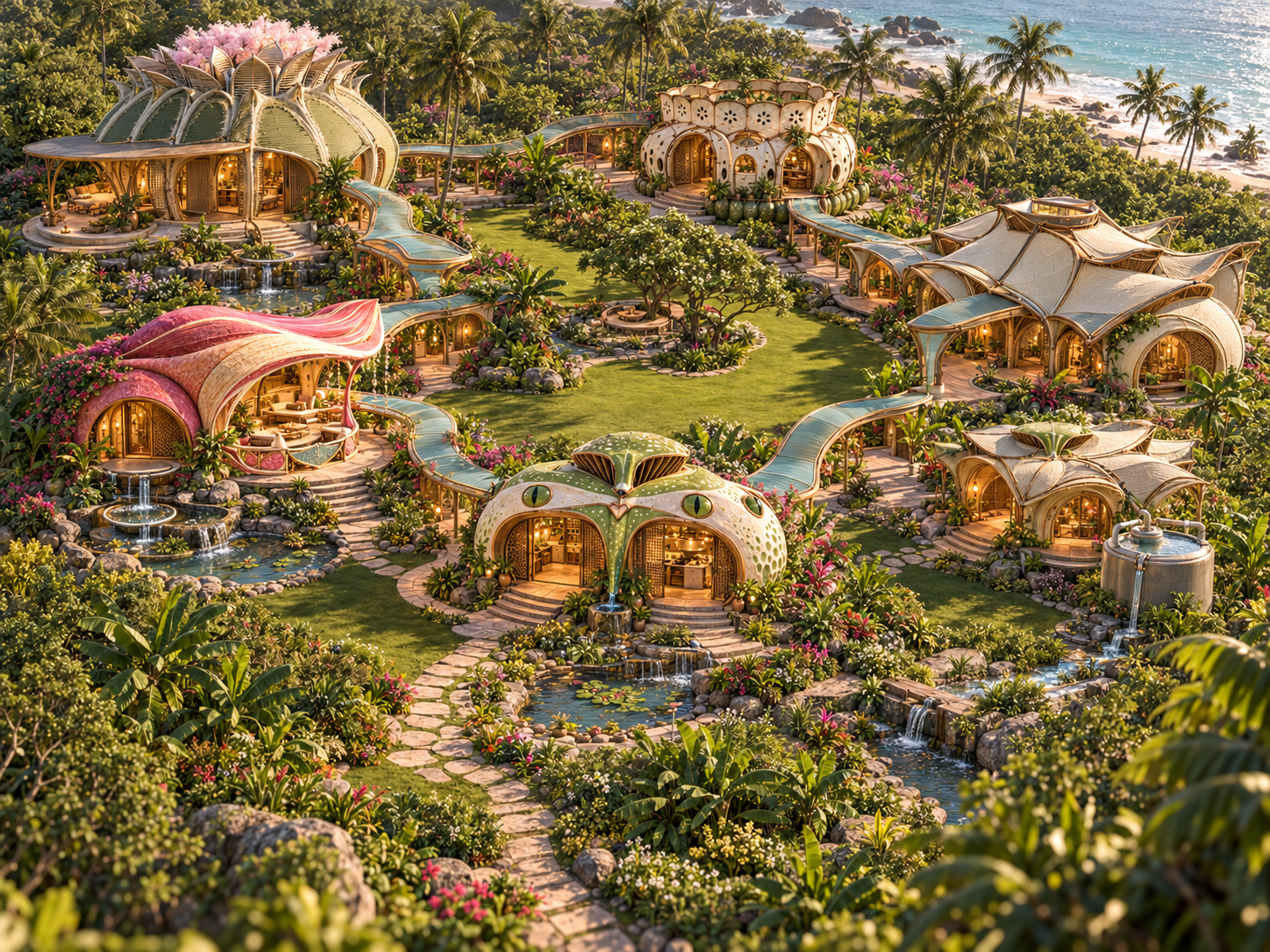
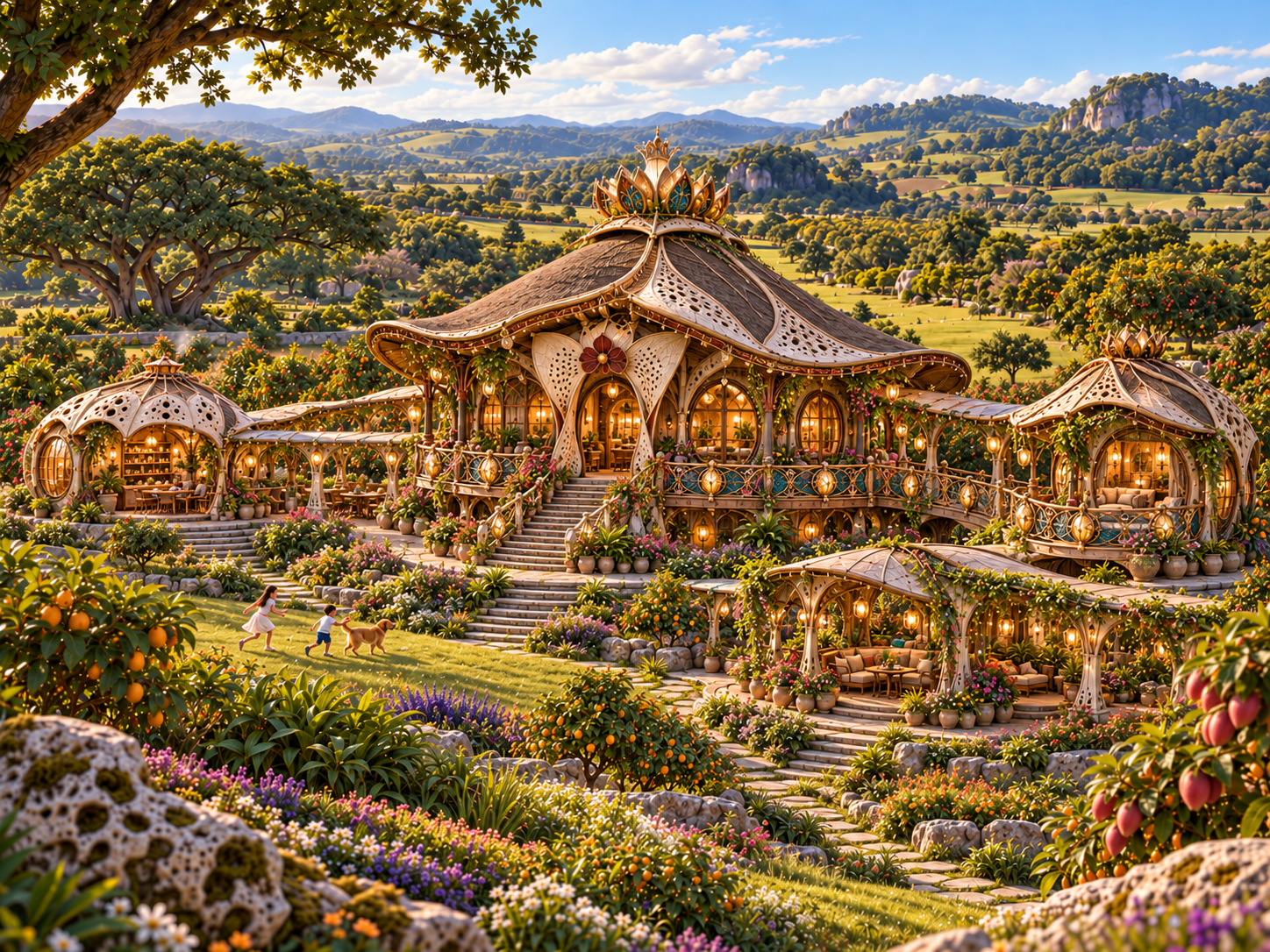
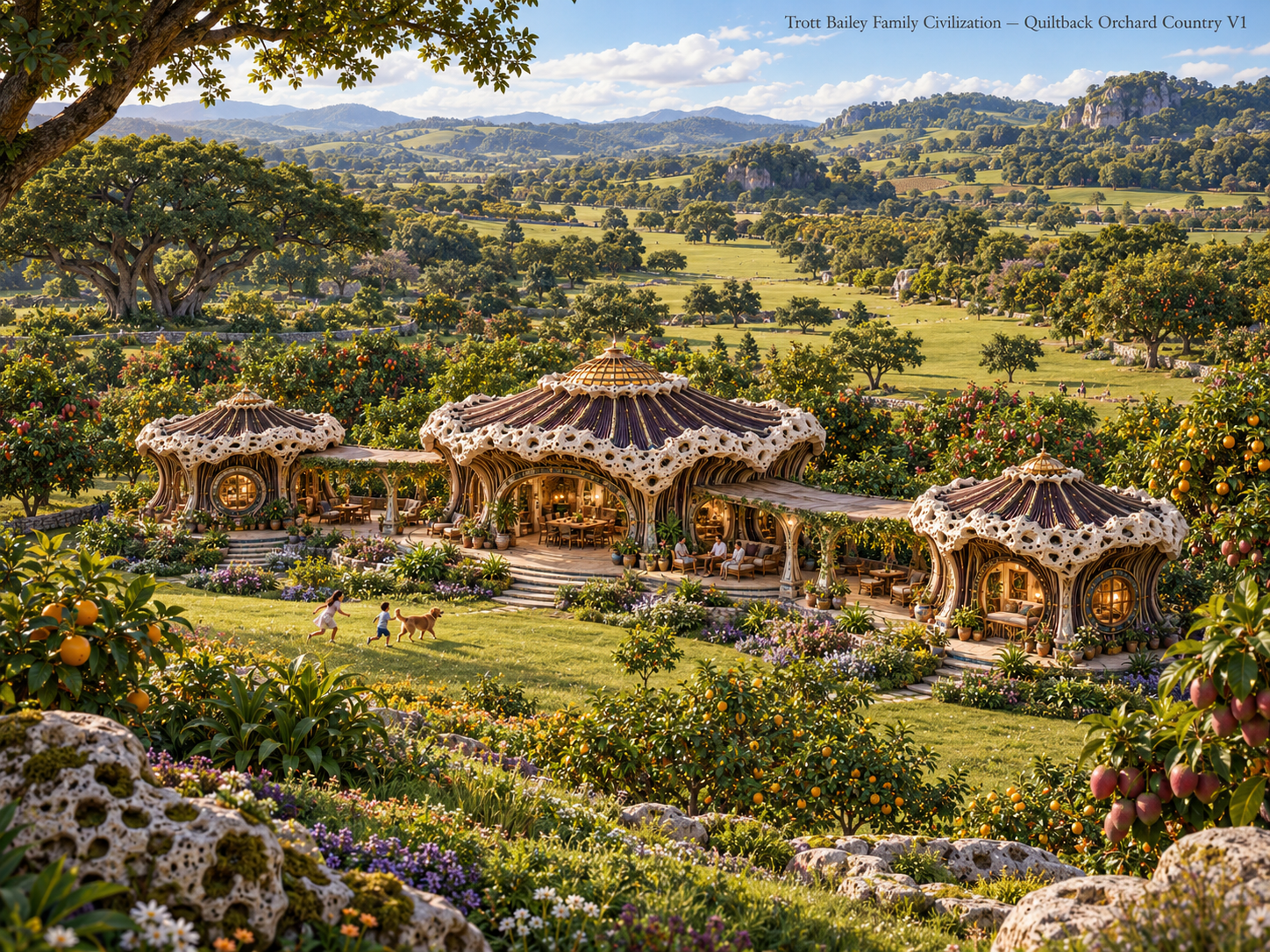
NoDumbDumbs must look like Trott Bailey Family Civilization teaching its people—not like a school project placed inside the civilization.
The environment must not resemble:
- An ordinary school campus
- A preschool with decorative gardens
- A university quad
- A corporate learning center
- A sports complex
- An adventure park
- A theme park
- A Montessori imitation
- A futuristic technology academy
- Conventional classrooms covered in bright paint
The infrastructure must actively inherit:
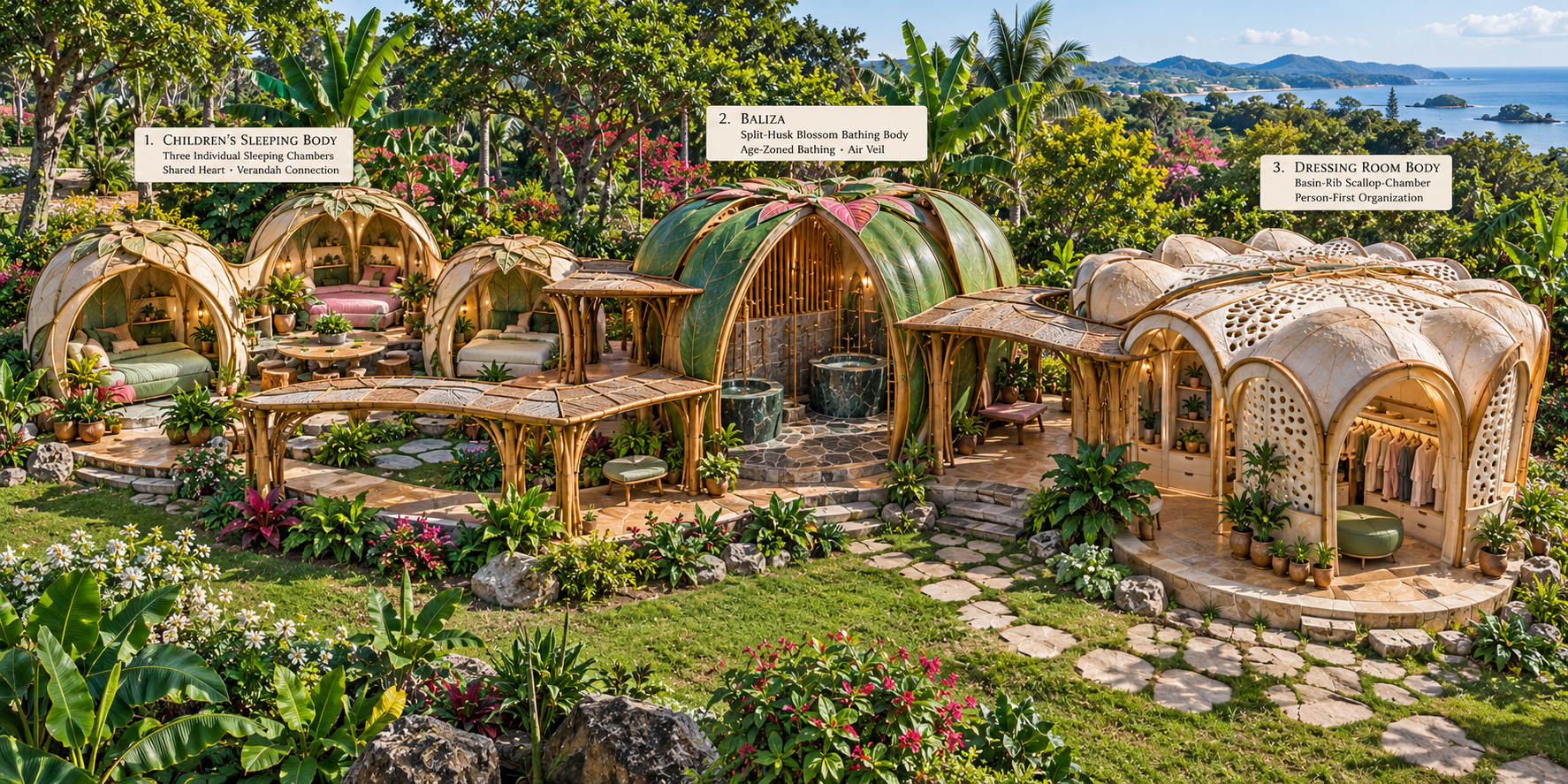
- Civilization-authored building bodies
- Expressive, climate-responsive roof forms
- Deep functional porches
- Child-scaled thresholds
- Indoor–outdoor continuity
- Curved and patterned circulation
- Integrated storage
- Authored windows and doors
- Useful strangeness
- Luminous material richness
- Family behavior mapping
- Repairable daily practicality
The landscape must appropriately express:
- Orchards
- Edible gardens
- Lawns
- White-sand territories
- Patterned and curved paths
- Flower shade
- Water-learning systems
- Animal pockets
- Seating pockets
- Quiet retreats
- Child discovery edges
- Shaded family gathering places
Joyful Arrival and Orientation
Every major site must provide a clear, warm, beautiful, and child-readable beginning to the learning day.
- A joyful arrival building or receiving structure
- A warm, shaded, climate-protected entrance
- An obvious receiving point
- A personal greeting territory
- Child-readable orientation
- Named or symbol-marked belonging hollows
- Bag storage
- Drinking-vessel docks
- Weather-item storage
- Personal learning-board collection points
- Personal learning-board return points
- Family arrival and dismissal space
- A brief social warm-up territory
- Clear views toward the first learning environment
- Readable routes toward the first activity
- Orderly reunion with belongings at dismissal
Foundation Learning Houses
NoDumbDumbs must contain protected places for serious instruction, practice, correction, and independent evidence.
- Indoor–outdoor Foundation Learning Houses
- A sheltered whole-group teaching area
- Shaded writing courts
- Quiet reading shelters
- Small-group instruction pockets
- Individual practice areas
- Personal writing-board stations
- Teacher demonstration surfaces
- Handwriting demonstration areas
- Letter and sound instruction materials
- Number and quantity instruction materials
- Places for patient correction
- Places for independent demonstration
- Protection from heat, rain, glare, noise, and distraction
Living Literacy Infrastructure
Learners must meet language through reality, direct instruction, repeated practice, conversation, and independent use.
- Fruit Alphabet Gardens or equivalent living alphabet systems
- Outdoor letter-search routes
- Real-object and word matching areas
- Story Groves
- Reading gardens
- Listening shelters
- Storytelling territories
- Retelling territories
- Handwriting practice areas
- Letter-forming surfaces
- Personal reading stations
- Personal writing stations
- Partner literacy territories
- Independent recognition and recall areas
The same learning target should be capable of moving through several modes without being replaced by unrelated activity:
- Outdoor discovery
- Real objects
- Teacher instruction
- Handwriting
- Story
- Song
- Rhythm
- Body movement
- Partner activity
- Independent recall
Living Mathematics Infrastructure
Mathematics must be encountered through quantity, measurement, pattern, comparison, calculation, and real civilization activity.
- Living Mathematics Grounds
- Counting territories
- Quantity-comparison areas
- Sorting stations
- Measurement routes
- Shape environments
- Pattern environments
- Number-writing areas
- Simple calculation stations
- Distribution and sharing activities
- Real-object mathematics materials
- Practical estimation opportunities
- Individual proof-of-understanding spaces
The mathematics environment must help learners:
- Count accurately
- Compare quantities
- Estimate reasonably
- Measure
- Calculate
- Recognize patterns
- Distribute resources
- Judge whether numerical claims make sense
Search and Discovery Fields
Learners need real territories where they can investigate, distinguish, compare, observe, record, and report.
- Search and Discovery Fields
- Plant observation areas
- Insect and small-creature observation areas
- Soil investigation territories
- Stone and material investigation areas
- Weather-observation points
- Water-flow observation areas
- Sound-search routes
- Classification territories
- Clue and evidence trails
- Sketching and recording points
- Safe collection rules
- Observe-without-removing rules
- Field-guide gathering points
- Reporting and discussion shelters
Every Search and Discovery Field requires:
- A defined investigation purpose
- Visible adult stewardship
- Clear safety boundaries
- Readable routes
- Visible material homes
- Gathering points
- Recording systems
- Restoration procedures
Capability Learning Fields
Capability Learning Fields are real territories for developing useful competence, not decorative simulations of work.
- Growing and harvesting territories
- Food preparation areas
- Cooking environments
- Repair spaces
- Construction and assembly areas
- Textile-working spaces
- Material-working spaces
- Water-management learning areas
- Tool-use environments
- Making territories
- Invention territories
- Household capability areas
- Maintenance territories
- Animal-care environments where appropriate
- Carrying, loading, sorting, and distribution practice
- Clear progression toward independent capability
Food and Agriculture Infrastructure
Food learning must connect freshness, nutrition, agriculture, preparation, preservation, storage, and return to the soil.
- Orchards
- Edible gardens
- Seed-starting areas
- Growing beds
- Harvesting territories
- Produce-washing areas
- Food-transformation spaces
- Family cooking territories
- Preservation-learning areas
- Food-storage learning areas
- Compost systems
- Soil-return systems
- Handwashing points
- Tool and basket return points
Water-Learning Infrastructure
Water must be understood as a real civilization system rather than a decorative playground feature.
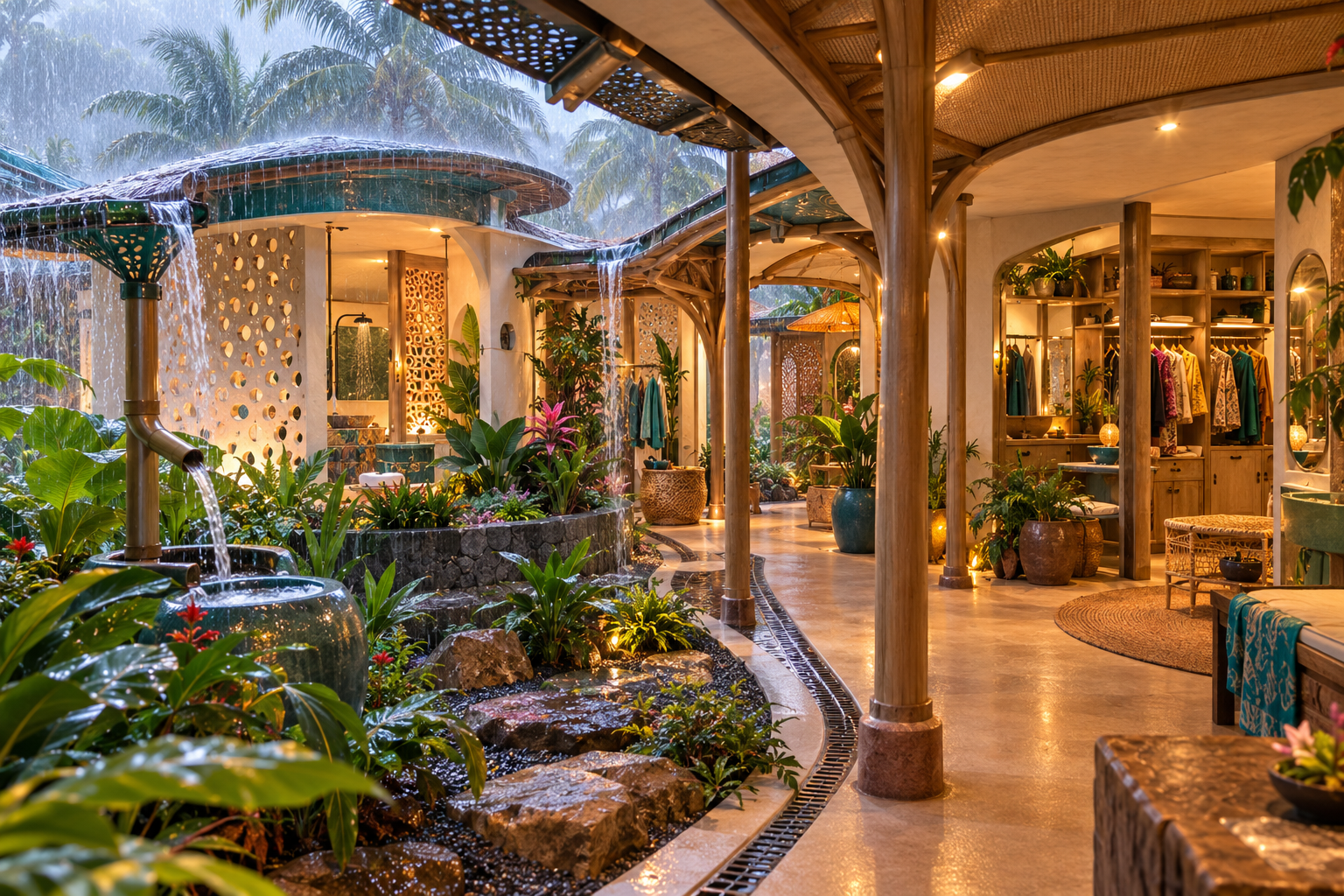
- Rain-catching systems
- Water-flow channels
- Safe shallow-water learning areas
- Irrigation-learning routes
- Drainage demonstrations
- Filtration demonstrations
- Water-measurement points
- Rainfall observation
- Weather observation
- Washing and water-care areas
- Clearly separated safe and restricted water zones
- Adult stewardship appropriate to risk
- Restoration and drying points
Repair, Making, and Small-Machinery Infrastructure
Learners must gain increasing access to repair, fabrication, maintenance, production, and safe machinery use.
- Repair Courts
- Hand-tool learning areas
- Small-Machinery Learning Areas
- Construction bays
- Material-sorting stations
- Maintenance workshops
- Fabrication spaces
- Invention areas
- Safe basic electricity-learning territories
- Tool inspection points
- Tool-return systems
- Protective-equipment homes
- Clear risk boundaries
- Age- and capability-based access
- Adult supervision appropriate to the equipment
Youth Path and Apprenticeship Infrastructure
The physical system must support lifelong learning, changing paths, combined fields, deepening capability, and contribution.
- Youth Path discovery spaces
- Apprenticeship workshops
- Mentor meeting territories
- Skill-demonstration areas
- Project bays
- Multi-field exploration spaces
- Path consultation areas
- Reflection and decision spaces
- Places to display work and contribution
- Infrastructure for combining learning paths
- Infrastructure for pausing or changing a path
- Infrastructure for deepening a chosen path
- Opportunities for older learners to teach younger learners
Social, Friendship, and Cooperation Infrastructure
Social formation requires real spaces, usable language, adult modeling, and repeated opportunities to practice living with others.
- Social warm-up territories
- Partner-learning areas
- Small-group working spaces
- Shared construction territories
- Cooperative game areas
- Supervised free-play spaces
- Friendship seating pockets
- Private conversation areas with a guide
- Conflict-repair spaces
- Quiet re-entry spaces
- Participation options for different confidence levels
- Pairing systems that avoid rigid social assignment
The infrastructure should help learners practice:
- Greeting
- Listening
- Turn-taking
- Asking before taking
- Sharing
- Helping without controlling
- Disagreeing respectfully
- Waiting
- Including others
- Negotiating
- Receiving help without humiliation
- Repairing conflict
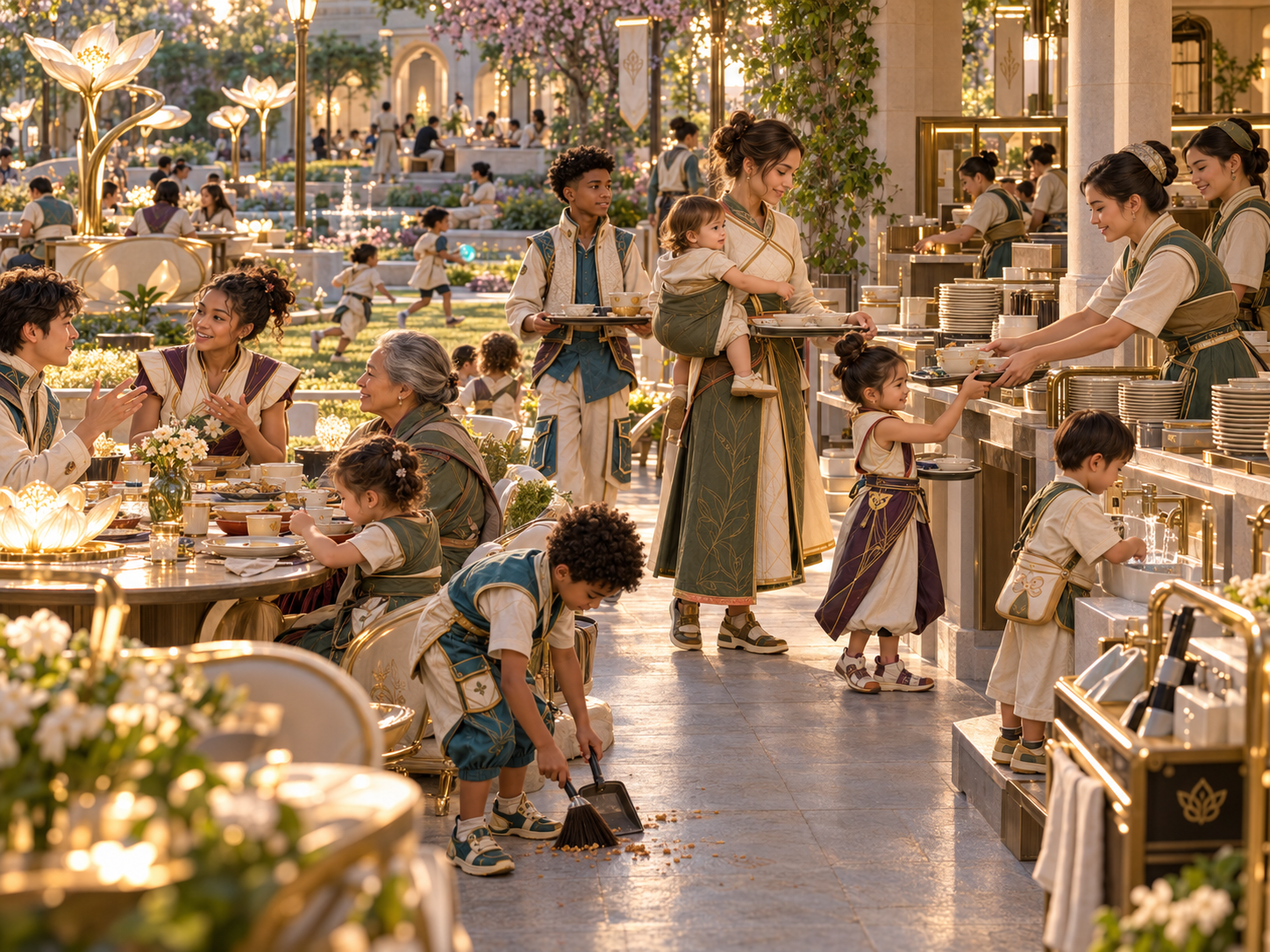
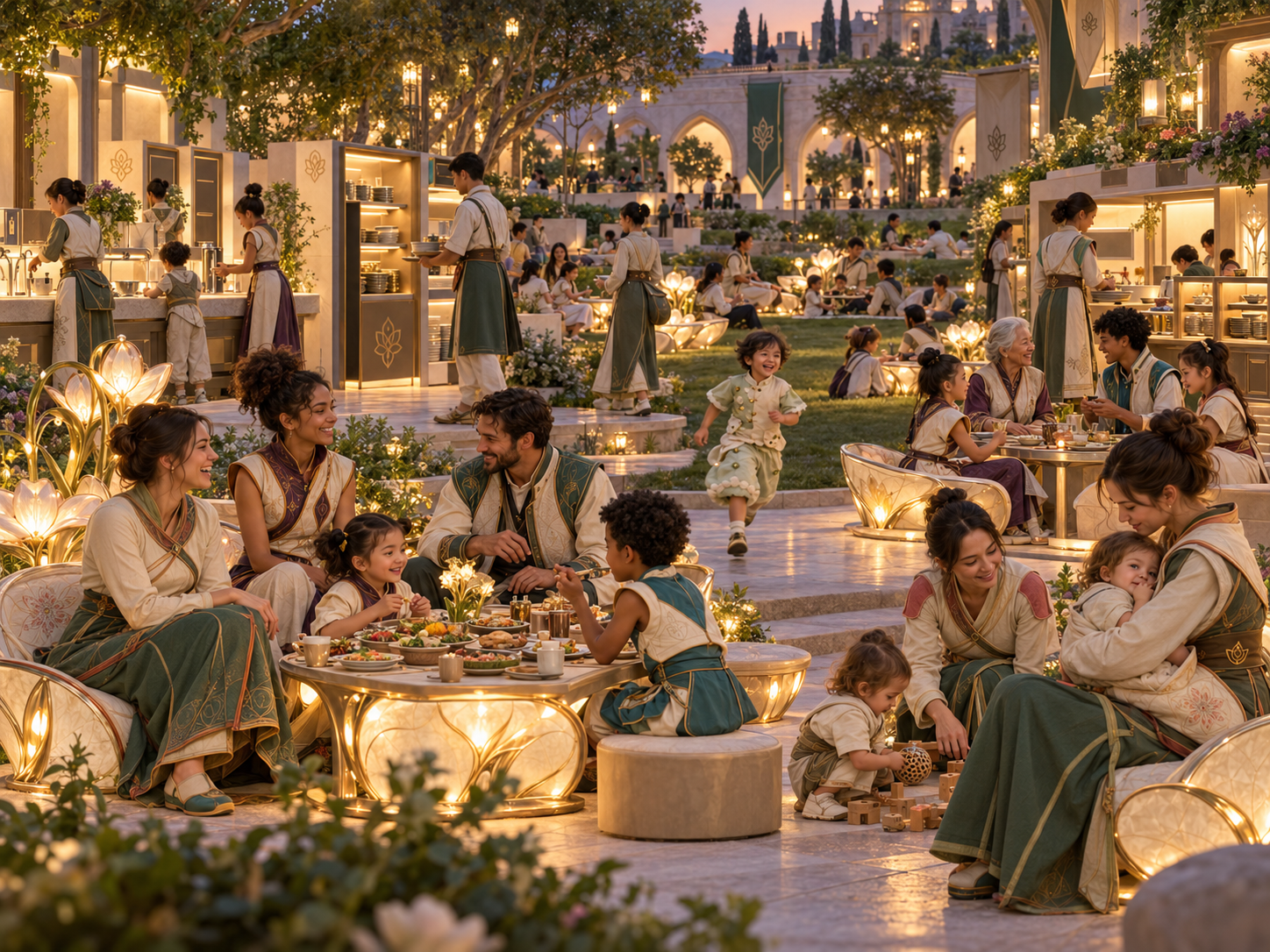
Mealtime and Daily-Living Formation
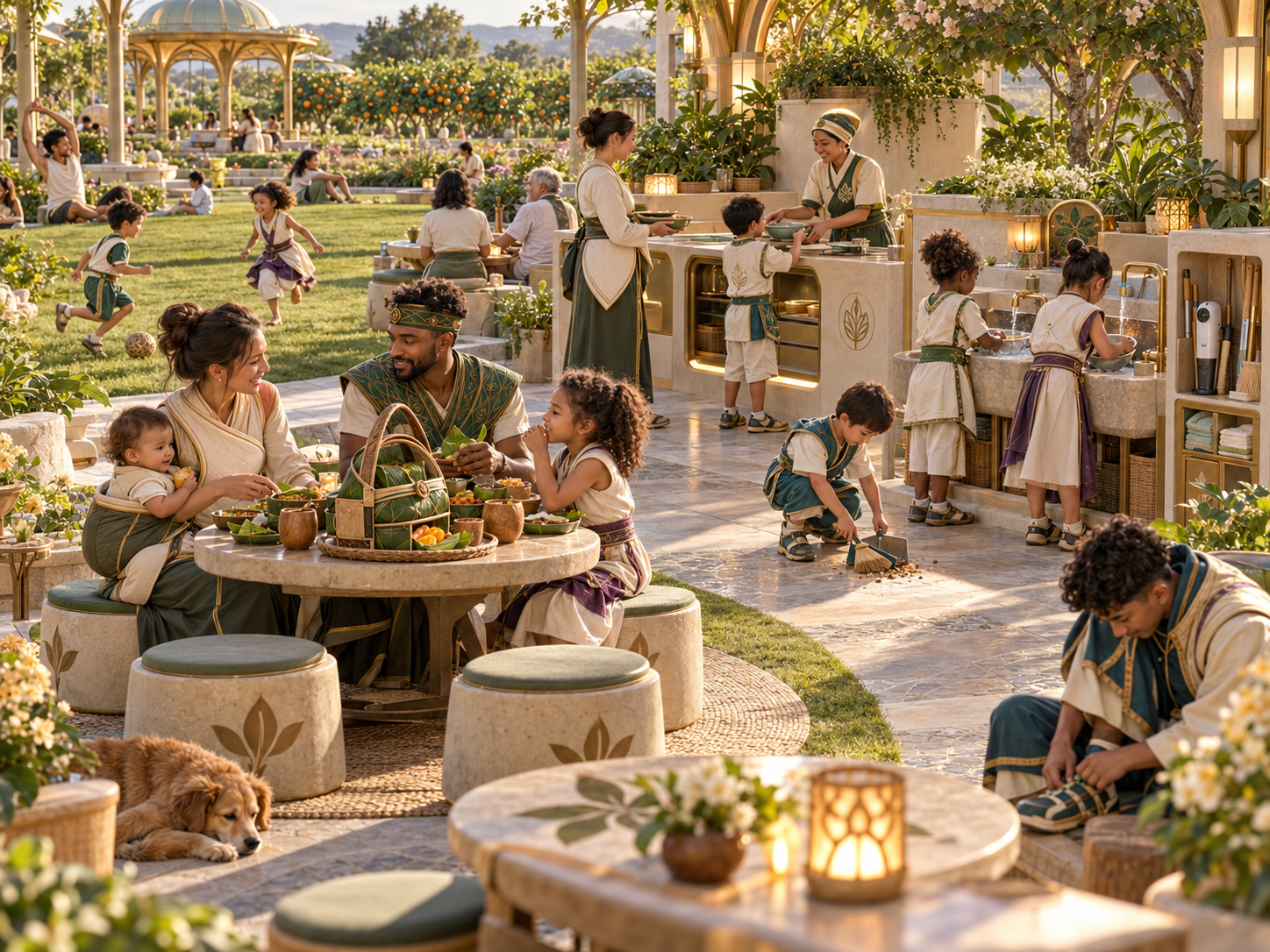
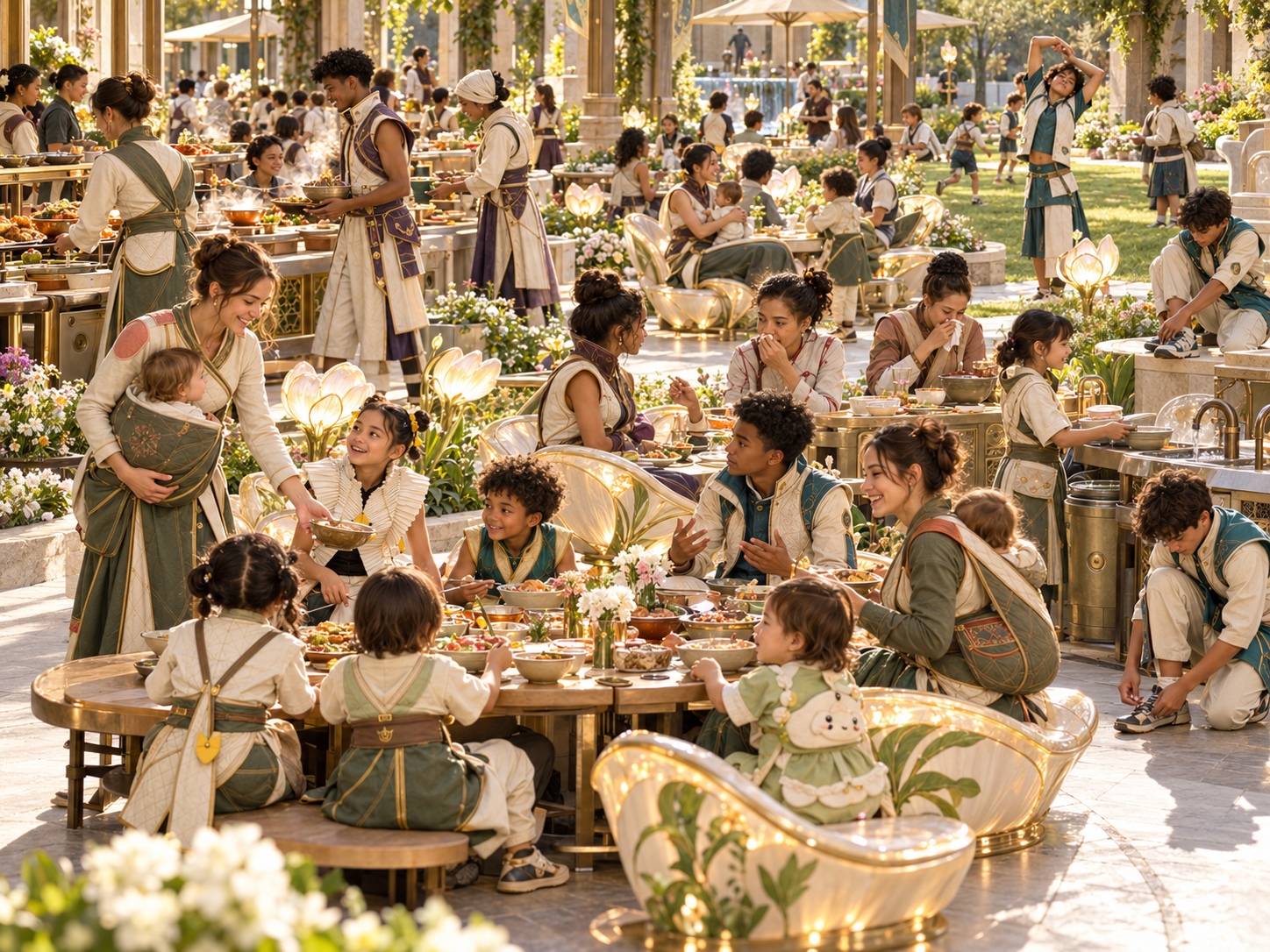
Eating areas must support manners, health, order, conversation, responsibility, and restoration.
- Handwashing stations
- Child-readable food-serving routes
- Shared eating territories
- Food-passing arrangements
- Drinking-water access
- Spill-cleaning points
- Dish and utensil return
- Food-return systems
- Compost systems
- Waste sorting
- Cleaning-material homes
- Shaded family meal areas
- Seating that supports conversation
- Acoustic control that prevents overwhelming noise
Restoration Infrastructure
Restoration must be visible, teachable, child-accessible, and physically built into every major territory.
- Clear homes for materials
- Board-return stations
- Basket docks
- Tool-return walls
- Cleaning-material stations
- Repair baskets
- Missing-item search points
- Compost separation
- Waste separation
- Wash separation
- Repair separation
- Return separation
- Child-accessible restoration tools
- End-of-activity inspection points
- End-of-day restoration routes
- Adult modeling without adult takeover
Every territory must answer:
- What is taken from here?
- Where is it used?
- Where is it returned?
- What happens if it is damaged?
- Who checks that the space is ready for the next person?
Gathering and Community Infrastructure
NoDumbDumbs is a whole-family and civilization learning system, not an isolated service provided only to children.
- Shaded Gathering Hearts
- Morning gathering areas
- Song and rhythm circles
- Storytelling spaces
- Family-learning territories
- Intergenerational teaching spaces
- Demonstration grounds
- Presentation spaces
- Celebration spaces
- Family consultation areas
- Dignified teacher-family-child discussion spaces
- Community contribution territories
Rest, Relief, and Regulation Infrastructure
Learning environments must support recovery, quiet, emotional regulation, observation, and re-entry.
- Rest Gardens
- Quiet retreat spaces
- Shaded nooks
- Low-stimulation territories
- Emotional recovery areas
- Parent and family relief spaces
- Consultation shelters
- Places for children to observe before joining
- Temporary withdrawal without punishment
- Re-entry routes that protect dignity
- Climate comfort
- Visual connection without public exposure
Landscape and Movement Infrastructure
A learning landscape may cover many acres, but it must remain readable, calm, safe, and purposeful.
- Curved and pand patterned movement paths
- Clear territorial differences
- Child-scaled route markers
- Small-group transition routes
- Sheltered gathering points
- Deep shade
- Rain-protected circulation
- Lawns
- White-sand territories where appropriate
- Flower-shade structures
- Seating pockets
- Garden views
- Orchards and edible planting
- Safe animal pockets
- Quiet routes
- Active routes
- Separation of low-risk and high-risk spaces
- Accessible circulation for different bodies
The landscape must feel:
- Expansive without being uncontrolled
- Rich without being cluttered
- Alive without becoming overstimulating
- Calm without becoming sterile
The landscape must not resemble:
- A festival ground
- A playground complex
- A resort
- A sports campus
- A jungle adventure park
Child-Delight Standard
Child delight is a serious design responsibility and must be present at the scale, height, movement, and curiosity of the child.
- Low windows framing meaningful views
- Child-height discoveries
- Tactile symbols
- Touchable materials
- Fruit, seed, shell, leaf, or water forms
- Filtered and patterned light
- Joyful shade
- Peek-through moments
- Safe crawl-through moments where appropriate
- Small hidden discoveries
- Touchable architecture
- Real plants
- Living systems
- Places for friendship
- Places for solitude
- Places for watching before participating
- Unusual structures with useful functions
- Beauty located at child height
Child delight must not become:
- Toy-like architecture
- Cartoon decoration
- Sensory overload
- Random color
- Giant novelty objects
- Theme-park spectacle
Climate and Material Standard
NoDumbDumbs must be physically comfortable, durable, maintainable, repairable, and intelligently adapted to its climate.
- Deep shade
- Cross-ventilation
- Heat-release roof systems
- Rain protection
- Low-glare daylight
- Protected indoor–outdoor thresholds
- Water-management systems
- Effective drainage
- Washable surfaces
- Repairable materials
- Forgiving daily-use finishes
- Safe floor traction
- Materials that age with dignity
- Integrated planting for comfort
- Drying areas for wet materials and clothing
Materials should feel:
- Tactile
- Breathable
- Durable
- Beautiful
- Repairable
- Appropriate to daily family life
Order, Authority, and Safety Standard
Every territory must clearly communicate its purpose, risk level, movement expectations, and adult responsibility.
- Clear adult responsibility
- Visible gathering points
- Age-appropriate boundaries
- Risk-based access
- Safety-instruction areas
- Stop-and-listen points
- Material and tool counts where necessary
- Clean transition routes
- First-response access
- Handwashing and cleaning systems
- Appropriate protective equipment
- Safe observation positions
- Clear emergency movement routes
- Explanations following urgent safety commands
Authority should be shown through:
- Knowledge
- Teaching
- Safety responsibility
- Correction
- Stewardship
Authority must not be shown through:
- Fear
- Humiliation
- Militarized lines
- Adult intimidation
- Blind obedience
Visual Calm Standard
NoDumbDumbs may be rich, active, and expansive, but its richness must never become visual or operational chaos.
- The major territories are readable
- Each territory has a clear purpose
- Materials are visibly housed
- Movement routes are understandable
- Adults are appropriately distributed
- Gathering points are visible
- Active and quiet zones are distinguishable
- High-risk and low-risk areas are distinguishable
- No activity visually overwhelms the entire environment
- The landscape is rich without resembling a festival
- The architecture is beautiful without becoming spectacle
- Child delight is present without sensory overload
Minimum Pass Standard
A NoDumbDumbs physical environment does not pass unless these systems are present or included in an explicit phased implementation plan.
- Joyful Arrival and Orientation
- Foundation Learning Houses
- Living Literacy Landscapes
- Living Mathematics Grounds
- Search and Discovery Fields
- Capability Learning Fields
- Food and Agriculture Territories
- Water-Learning Landscapes
- Repair and Making Areas
- Small-Machinery Learning Areas
- Youth Path and Apprenticeship Infrastructure
- Social and Friendship Territories
- Mealtime Formation Areas
- Restoration Systems
- Family and Community Gathering Spaces
- Rest, Relief, and Regulation Areas
- Readable Landscape and Movement Systems
- Climate-Responsive Infrastructure
- Child-Delight Systems
- Trott Bailey architectural and landscape identity
Final Review Questions
These questions must be answered before approving a NoDumbDumbs physical plan, visual brief, district layout, or major building.
- Where does the child arrive?
- How does the child know where she belongs?
- Where are reading, writing, and mathematics taught seriously?
- Where does direct instruction happen?
- Where does independent proof of understanding happen?
- Where can learners search, observe, compare, and investigate?
- Where do they build practical capability?
- Where are tools, food, water, repair, and making taught truthfully?
- How does freedom expand according to responsibility?
- How are high-risk territories separated and stewarded?
- Where do children practice friendship and cooperation?
- Where do they eat and practice manners?
- How is restoration built into every territory?
- Where can a child rest without shame?
- Where and how do families participate?
- How does the landscape remain readable across many acres?
- How does the architecture carry climate responsibility?
- What delights a child at her own height?
- What makes the place unmistakably Trott Bailey?
- Is beauty carrying order and learning, or merely decorating them?
- Does the environment enlarge the learner’s world?
- Does it teach the learner to carry that enlarged freedom responsibly?
Minimum Standard Declaration
A NoDumbDumbs learning environment must be academically serious, physically expansive, socially formative, practically capable, visibly ordered, climatically intelligent, restorative, child-delighting, family-centered, and unmistakably beautiful.
It must not look like education placed inside Trott Bailey Family Civilization. It must look like Trott Bailey Family Civilization teaching its children, youth, adults, and future generations.



 and then