Prado Is Walking Over Free Shade


What Prado Can Become.


Cleaning Up Prado Series
Prado Is Walking Over Free Shade
How canal cleanup, almond seedlings, youth action, and shoreline care can become a practical dignity plan for the municipality.
Prado is not poor in resources. Prado is often poor in organization.
Prado is a charming municipality.
It has coastline, trees, neighborhoods, family life, children walking, workers moving through the heat, mothers carrying babies, elderly people waiting, and ordinary residents passing through public spaces every day.
World Ruler Sher has found herself liking Prado. And because she has time on her hands, she began thinking about a basic renewal and dignity plan for Prado’s future.
Not a plan full of expensive dreams that people can excuse away.
Not a plan that only speaks about tourism.
Not a plan that turns every natural resource into something to sell.
A practical plan.
A visible plan.
A plan that asks a simple question:
What does Prado already have, and why is it being wasted?
One answer is lying on the ground.
Almonds.
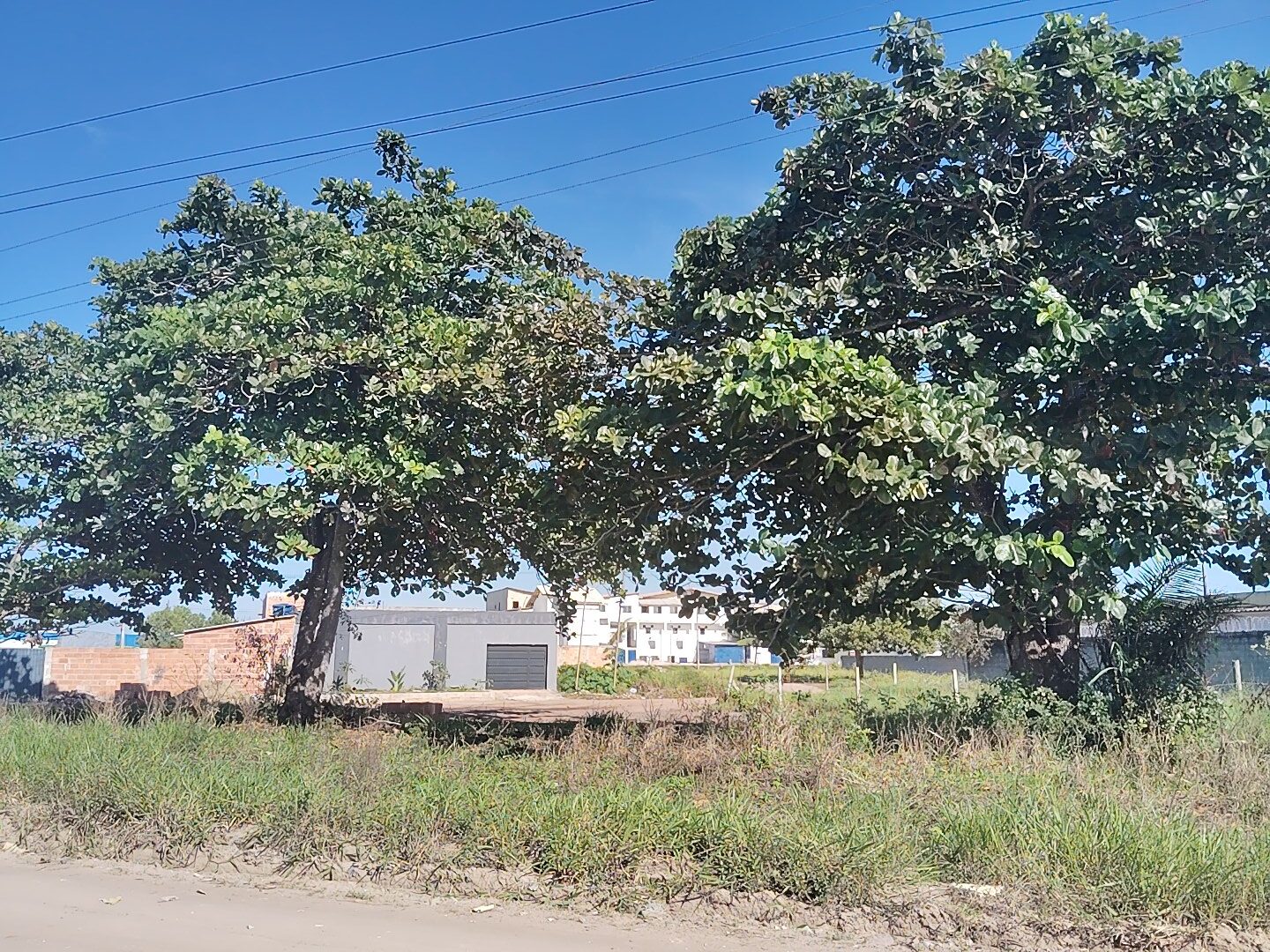
Prado has many almond trees. Almonds fall on the ground. Leaves fall. Seedlings appear. Shade is already being produced. New trees are already trying to grow.
But instead of seeing this as a resource, the town often treats it as mess.
That is the problem.
Prado is walking over free shade.
The Context Behind This Series
This article is part of the Cleaning Up Prado series, a practical renewal and dignity writing project for Prado, Bahia.
The purpose of this series is not to shame ordinary families or blame people living near neglected places. It is to show that many public-life problems are not mysterious or impossible to solve.
Dirty canals, blocked drains, unsafe water edges, wasted seedlings, hot walking routes, weak maintenance routines, and unhealthy public spaces are signs that basic city systems need attention.
Prado is beautiful, but beauty cannot only belong to the beach, the tourist areas, or the parts of town that visitors see.
A clean and dignified Prado must include the neighborhoods where families live, children walk, mothers raise babies, workers pass every day, and public infrastructure quietly affects health, safety, shade, comfort, and dignity.
This Is Not About Selling Seedlings
This must be said plainly.
The Prado Shade and Shoreline Renewal Plan is not about selling seedlings.
It is not about branding nature.
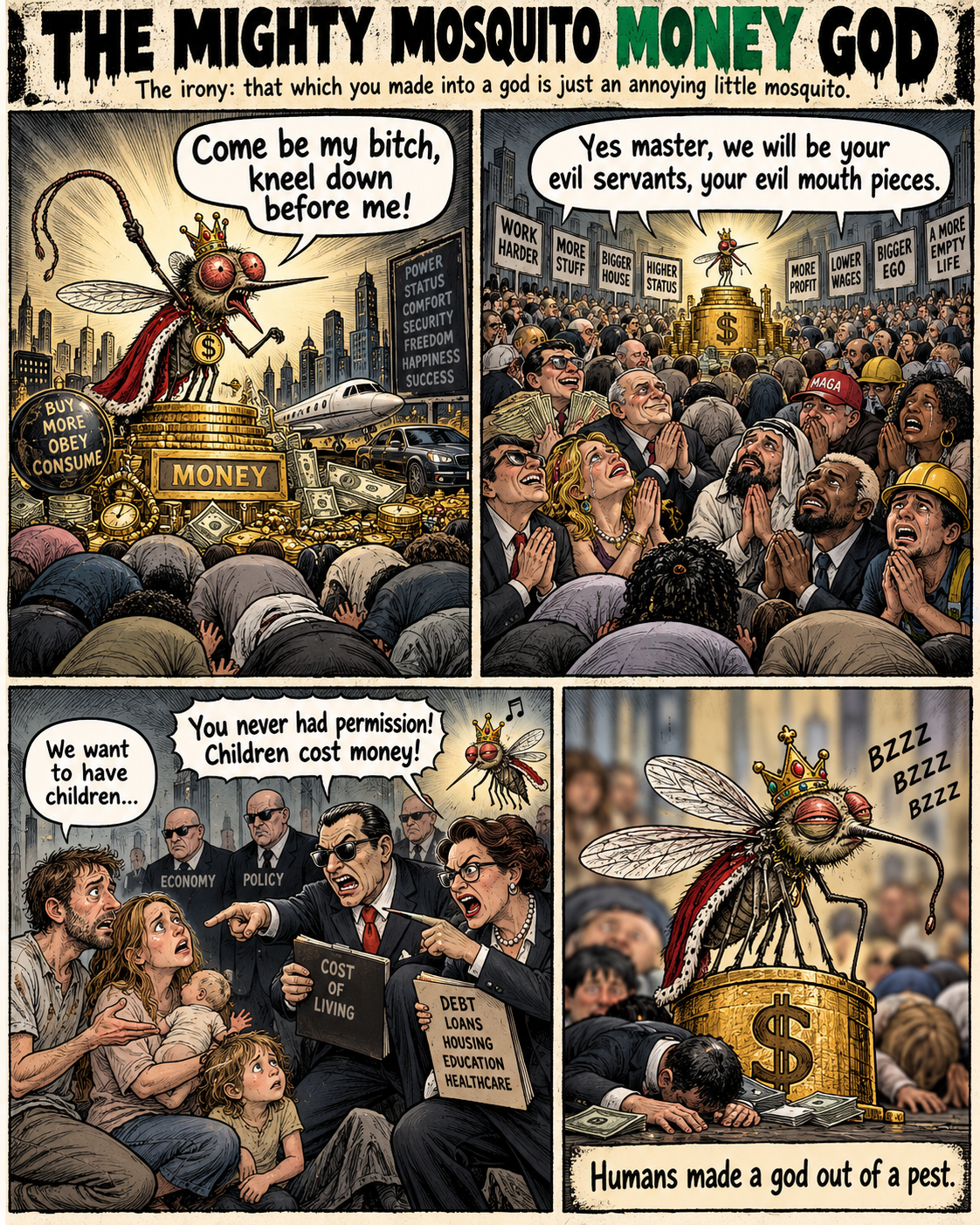
It is not about turning every living thing into a money-hungry opportunity.
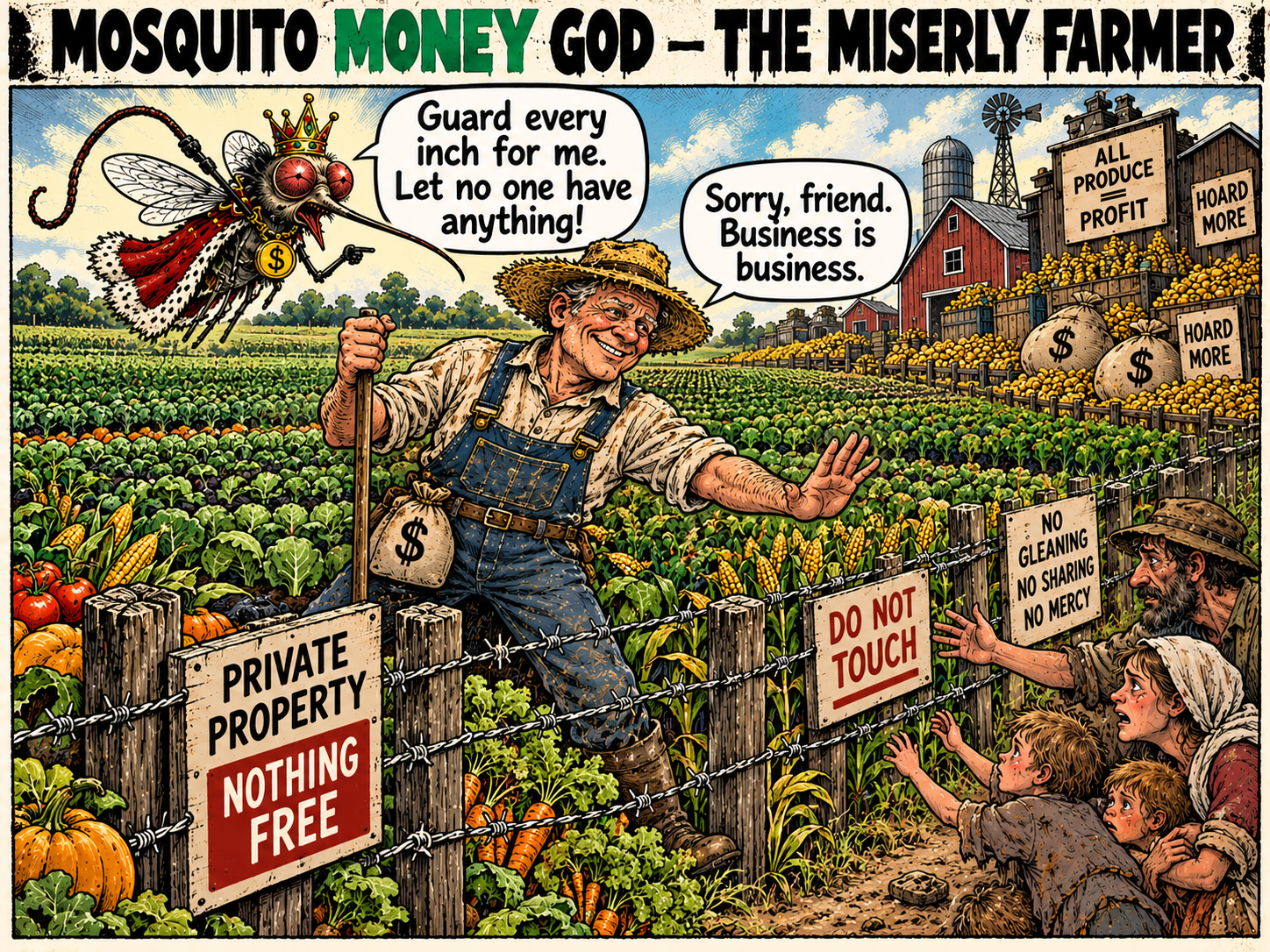
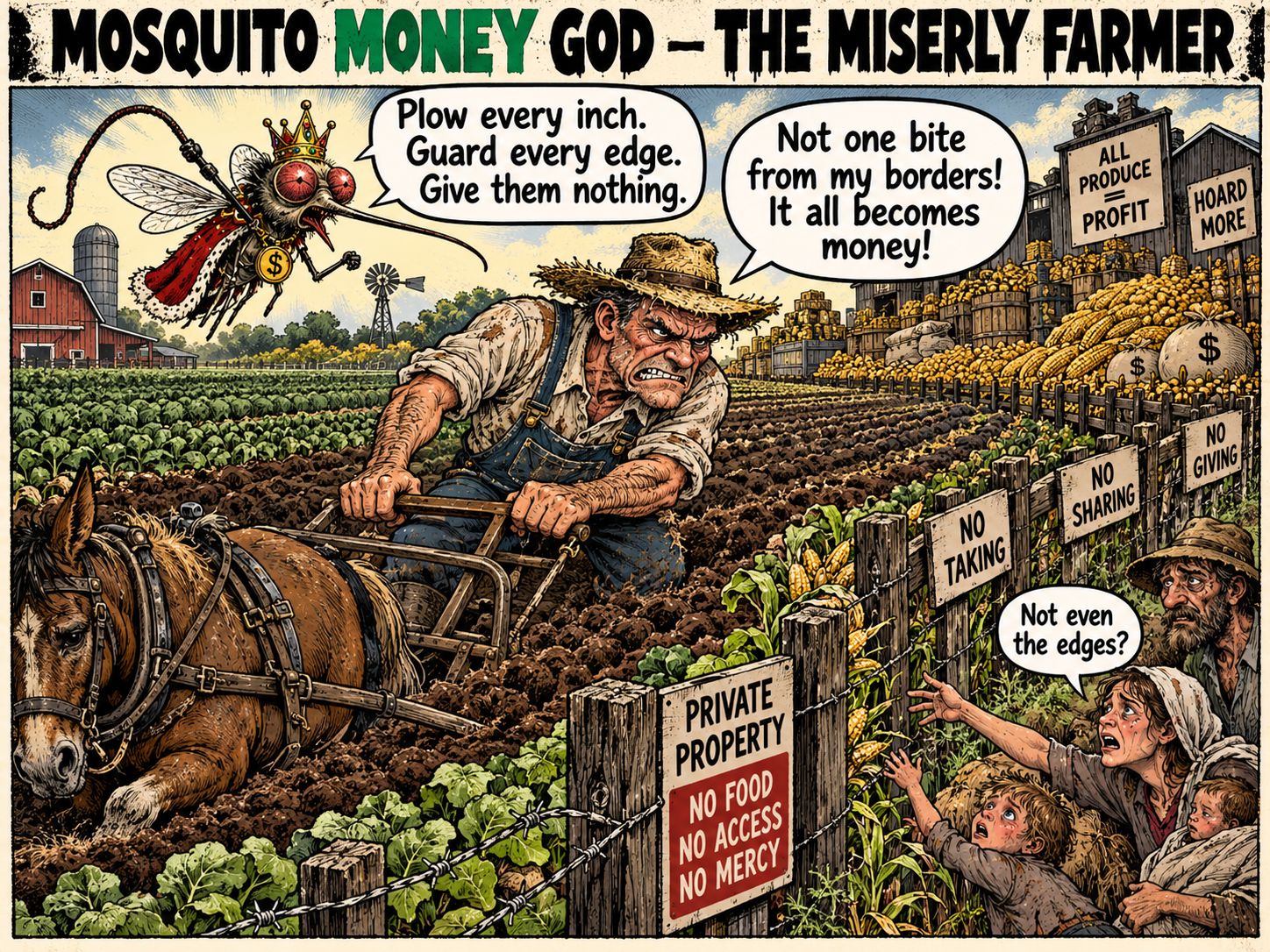
Prado should not look at fallen almonds and young seedlings only through the eyes of profit. That would cheapen the whole idea.
This plan is about gifting, teaching, recording, and building dignity.
The goal is not to own nature, sell nature, or use nature as a slogan.
The goal is to organize what is already growing, share what can help others, preserve knowledge, and make public life more beautiful, cooler, wiser, and more dignified.
The Canal Cleanup Can Double Up
One of the strongest parts of this idea is that it connects directly to the canal cleanup.
In the same places where the canal is full of stagnant water, weeds, mud, and trash, almond seedlings are also growing along the canal edge.
That means Prado does not have to treat the canal cleaning as only a waste-removal job.
While workers clear the canal, a second small team can identify healthy almond seedlings, carefully remove the ones growing in unsafe or unsuitable places, and transfer them into a simple municipal nursery.
Remove what harms. Rescue what helps.
Those seedlings should not be thrown away with the weeds and mud.
They can be saved, labeled, watered, studied, and later planted where shade is truly needed: hot walking routes, school edges, public waiting spots, canal paths after restoration, and selected inland public spaces.
Because Prado also faces beach erosion, the seedlings should not be planted randomly along the beach. They should become part of a guided shade and shoreline plan, where the canal is cleaned, the seedlings are rescued, the youth are involved, and the town learns to remove what harms while saving what can help.
A Simple Canal-Seedling Rescue Method
Before the heavy machine clears the edge, a small team can:
- Walk the canal edge with gloves, buckets, labels, and basic tools.
- Identify healthy almond seedlings worth saving.
- Mark seedlings before the excavator or clearing crew arrives.
- Lift seedlings carefully from unsafe or unsuitable places.
- Place them into containers with soil and water.
- Label where the seedlings came from.
- Move them to a simple nursery.
- Monitor, water, and strengthen them.
- Later plant them only in approved shade zones.
This turns one cleanup day into two public benefits.
The canal loses muck.
Prado gains future shade.
Prado Is Not Starting From Zero
This plan is not pretending Prado has done nothing.
There are already public signs that Prado has pieces of this system.
Prado has public records of drainage and ditch cleaning work. The Prefeitura’s Obras page has listed work to intensify the cleaning of drainage valas to prevent flooding and improve infrastructure. Prefeitura de Prado — Obras
Prado also has public records of seedling distribution for local producers, including cacao and açaí seedlings through the agriculture department. Prefeitura de Prado — Seedling distribution
There is also a nearby example of environmental planting with students. Embasa reported planting 200 native tree seedlings along the Rio Campinho in Prado to help protect river margins, restore vegetation, support water security, and reduce soil erosion. Embasa — Rio Campinho planting
Prado has fragments: drainage cleaning, seedling distribution, environmental planting, and student participation. The missing step is connection.
That is why the Prado Shade and Shoreline Renewal Plan matters.
It does not ask Prado to invent public care from nothing.
It asks Prado to connect what it already knows how to do.
Clean the canal.
Save the seedlings.
Create a nursery.
Teach the youth.
Map the heat.
Plant shade wisely.
Protect the shore.
Record the knowledge.
Why Saving Seedlings Makes Practical Sense
Prado should not claim exact savings without real budget numbers, but the practical logic is clear.
If healthy seedlings already exist beside the canal, the town does not need to start from zero for every shade tree.
Urban tree costs can include seedlings, labor, equipment, maintenance, administration, watering, and long-term care. So saving healthy local seedlings does not make the project free, but it can reduce waste and reduce the need to source every new tree from outside.
It can also save time because the canal crew is already working in the same area. The land is already being accessed. The edge is already being cleared. Public attention is already there.
The same cleanup day can become the first day of Prado’s shade plan.
That is the kind of practical step people cannot easily excuse away.
A Hot Town Needs Shade
Prado can get very hot.
In a hot town, shade is not decoration.
Shade is public comfort.
Shade helps children walk to school. Shade helps mothers move with babies. Shade helps elderly people rest. Shade helps workers wait. Shade helps families sit outside without being punished by the sun.
Shade makes a town more livable.
It changes how people move.
It changes how long people can stay outside.
It changes whether a public space feels harsh or welcoming.
So when Prado has almond seedlings growing freely, the question should be simple:
Why is a hot town wasting free shade?
Almond Trees Can Become Beautiful Civic Shade
The almond tree is not only useful. It can be beautiful.
With its broad tropical canopy, wide leaves, filtered shade, and strong coastal-town feeling, the almond tree can help create places where people want to sit, talk, wait, read, watch children play, and pass the day.
A beautiful public place does not have to be expensive.
Sometimes it begins with a rescued seedling, a bench, shade, a clean path, and a town deciding that ordinary families deserve comfort.
This is not luxury landscaping. This is civic beauty.
Civic beauty tells people: this town sees you.
It tells children: this place is also for you.
It tells mothers: you should not have to stand in harsh sun with a baby.
It tells elderly people: you deserve a place to rest.
It tells workers: your waiting time matters too.
That is why shade belongs inside the Cleaning Up Prado conversation.
Prado Shade and Shoreline Renewal Plan
From Fallen Almonds to Public Dignity
Clean the canal. Save the seedlings. Map the heat. Plant shade wisely. Protect the shore. Teach the youth. Record the knowledge.
The Prado Shade and Shoreline Renewal Plan
The Prado Shade and Shoreline Renewal Plan is a practical public dignity proposal.
It uses what Prado already has: fallen almonds, natural seedlings, shade trees, youth energy, local knowledge, public land, and the need for cooler, more beautiful places to sit and walk.
The plan is simple:
- rescue almond seedlings;
- create a small nursery;
- map hot walking routes;
- plant shade where people need it;
- protect the shoreline with wisdom;
- involve youth in real work;
- invite expertise;
- record knowledge;
- gift extra seedlings responsibly.
Do not waste shade. Do not damage the shore. Teach the youth to care for both.
Best Planting Zones
Prado should not plant almond trees randomly.
Because Prado has beach erosion and sensitive coastal areas, the city should use a careful three-zone strategy.
Zone 1: Inland Town Shade Routes
This is the safest first priority.
Plant almond shade trees along hot walking routes in the middle of town, near schools, public waiting areas, neighborhood paths, central civic spaces, and places where people already walk in the sun.
These areas can become shaded civic corridors.
- shaded school walking routes;
- shaded benches near public services;
- shaded family sitting areas;
- shaded walking paths through town;
- shaded rest points for workers and elderly people;
- youth-maintained tree routes.
Zone 2: Cleaned Canal-Edge Shade Pockets
After the canal is cleaned, selected sections of the canal edge can become shaded public-rest edges.
This must only happen where the banks are stable and where roots will not damage walls, pipes, drainage, or houses.
The idea is not to crowd the canal with trees. The idea is to create chosen shade pockets along restored canal areas.
- shaded benches near cleaned canal sections;
- small family rest nodes;
- youth education signs;
- compost-fed planting beds;
- safe walking edges where space allows;
- demonstration areas showing “before neglect, after care.”
The same canal that once held muck can later hold shade and dignity.
Zone 3: Set-Back Beach Access and Shoreline Rest Corridors
This is the most beautiful but also the most sensitive zone.
Prado should not plant almond trees carelessly on unstable beach sand, dunes, restinga, or active erosion areas.
Instead, almond trees can be used in suitable backshore areas, inland beach access roads, plazas near the beach, and public rest corridors leading toward the shore.
The actual erosion edge should be guided by coastal experts, native vegetation protection, dune care, restinga restoration, and environmental review.
- shaded beach access paths;
- shaded sitting areas set back from fragile sand;
- civic rest plazas near the beach, not on the erosion edge;
- family benches under trees;
- signs about shade, dunes, restinga, and coastal care;
- beautiful transition routes from town to beach.
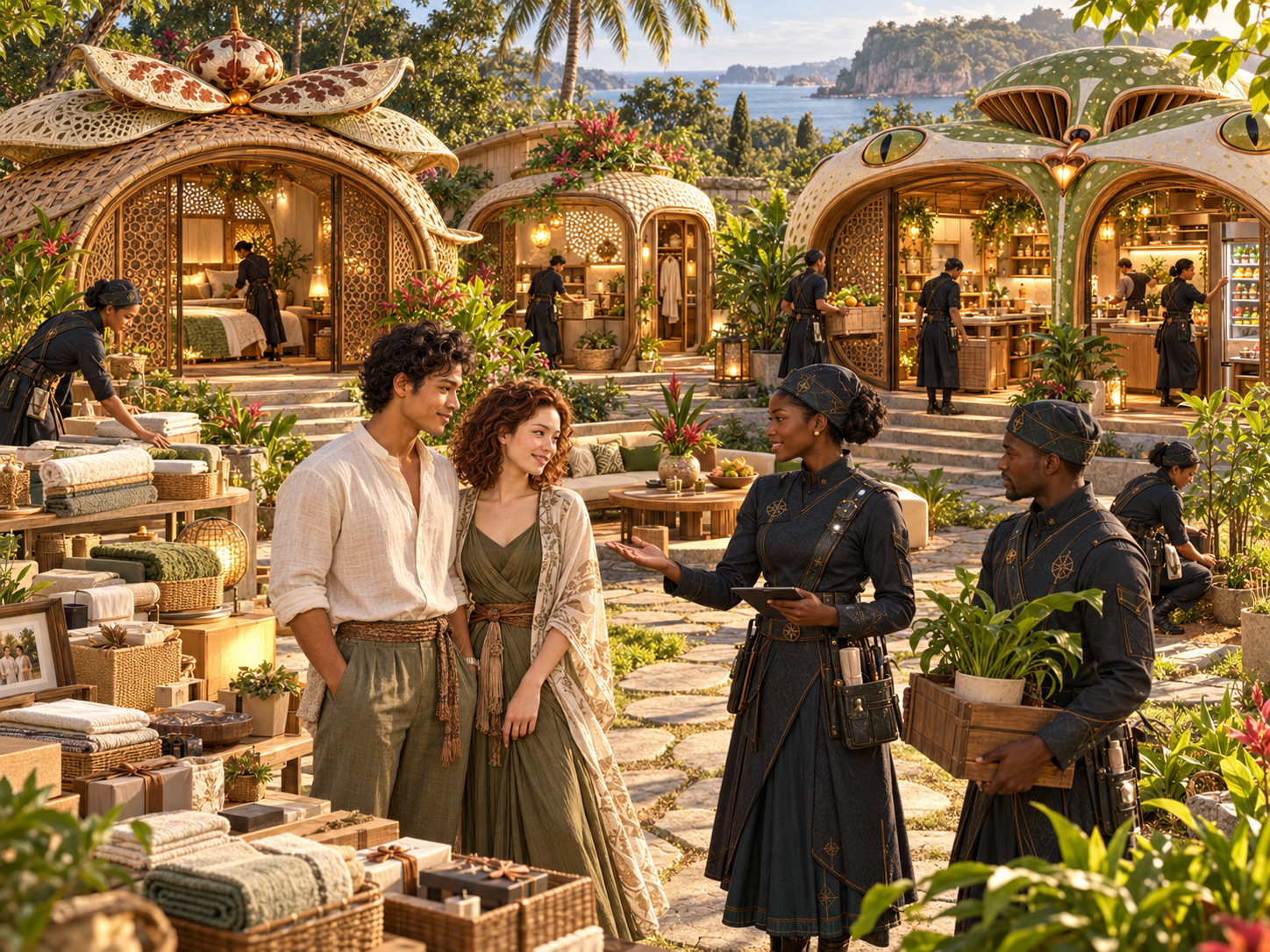
Civic Beauty Brief: What the Planting Place Could Become
The almond shade spaces should not look like random trees planted and forgotten.
They should feel like Prado decided to care.
The planting areas could include:
- almond trees planted with proper spacing for future canopy;
- curved walking paths;
- simple benches under shade;
- family sitting circles;
- low planted borders;
- compost-fed soil beds;
- youth-made educational signs;
- shaded reading corners;
- small children’s nature activity tables;
- elderly rest points;
- clean bins and leaf collection points;
- water access for young tree care;
- soft lighting where safe;
- clear maintenance responsibility.
The goal is not luxury. The goal is dignity. A family should be able to sit there and feel, “This place was made for us too.”
Activities Under the Almond Shade
A shaded almond grove or civic rest route can support free public life.
It can become a place for:
- family sitting and resting;
- children’s nature lessons;
- youth shade-mapping walks;
- tree-care days;
- community reading circles;
- elder storytelling under shade;
- compost demonstrations;
- seedling rescue workshops;
- small school ecology classes;
- drawing and nature journaling;
- beach and canal cleanup meeting points;
- quiet sitting for mothers with babies;
- public talks about heat, erosion, trees, and care.
Nothing about this needs to be money-hungry.
The value is public life.
Youth Must Have Real Roles
Youth should be part of this plan.
Not as decoration.
Not only for photos.
They should be trained and trusted with real tasks.
Youth can help:
- map hot places;
- identify shade needs;
- collect fallen almonds and leaves;
- rescue seedlings with adult guidance;
- care for the nursery;
- record videos of the process;
- interview elders and experts;
- make signs;
- document tree growth;
- help maintain planted areas.
Youth do not only need lectures. They need useful work, visible projects, and chances to help their own town become better.
Invite Expertise From Across Brazil
The plan should also welcome knowledge from around Brazil.
Prado can invite arborists, coastal-restoration workers, nursery specialists, environmental teachers, compost makers, urban planners, youth educators, local elders, gardeners, and public works people.
But they should not only give speeches and leave.
They should teach with their hands.
They should demonstrate the work.
They should answer questions.
They should help young people understand:
- how to rescue seedlings;
- how to prepare soil;
- how to water young trees;
- how to choose planting sites;
- how to avoid damaging dunes and restinga;
- how to compost fallen leaves;
- how to monitor tree health;
- how to maintain public shade areas;
- what mistakes to avoid.
Build a Video Archive for Future Generations
If Prado learns something useful, Prado should not let that knowledge disappear.
Every expert visit should be recorded.
Every workshop should be saved.
Every method should become part of a public learning library.
Prado can create a simple video archive for future generations.
Record:
- seedling rescue;
- nursery care;
- planting methods;
- soil preparation;
- pruning basics;
- watering routines;
- coastal protection guidance;
- composting;
- mistakes to avoid;
- maintenance routines;
- before-and-after progress.
Youth today can learn directly. Children tomorrow can still access the knowledge.
Gift Extra Seedlings Responsibly
If Prado has more healthy almond seedlings than it can responsibly plant, the town does not need to waste them or turn them into a business.
It can share them.
Neighboring municipalities and other hot regions could receive carefully prepared seedlings as free gifts of shade, comfort, and goodwill.
This would turn Prado’s local abundance into a small form of civic friendship: a living gift from one hot coastal town to other communities that also need shade, beauty, and public comfort.
But this must be done responsibly, with environmental guidance, proper plant health checks, and respect for where almond trees are suitable or unsuitable.
Grow shade. Gift shade. Teach shade. Record the knowledge.
What Prado Should Not Do
A good plan also needs rules.
Prado should not:
- sell the seedlings;
- turn nature into a brand;
- plant randomly;
- damage the shoreline;
- destroy healthy seedlings during canal cleaning;
- use youth only for photos;
- start without a maintenance plan;
- plant where roots can damage homes, drains, sidewalks, or pipes;
- ignore coastal expertise near erosion areas;
- waste what Prado already has.
From Muck to Shade
The canal cleanup article says:
Remove what is harming people.
The almond shade article says:
Rescue what can help people.
Together, they form a practical dignity plan.
Prado can clean the canal and save the seedlings.
Prado can remove muck and grow shade.
Prado can stop treating every neglected space as normal.
Prado can stop treating every natural resource as either mess or money.
There is another way.
Organize what is already here.
Teach the youth.
Record the knowledge.
Protect the shoreline.
Gift abundance responsibly.
Create beautiful places where families can sit under trees and pass the day with dignity.



 and then