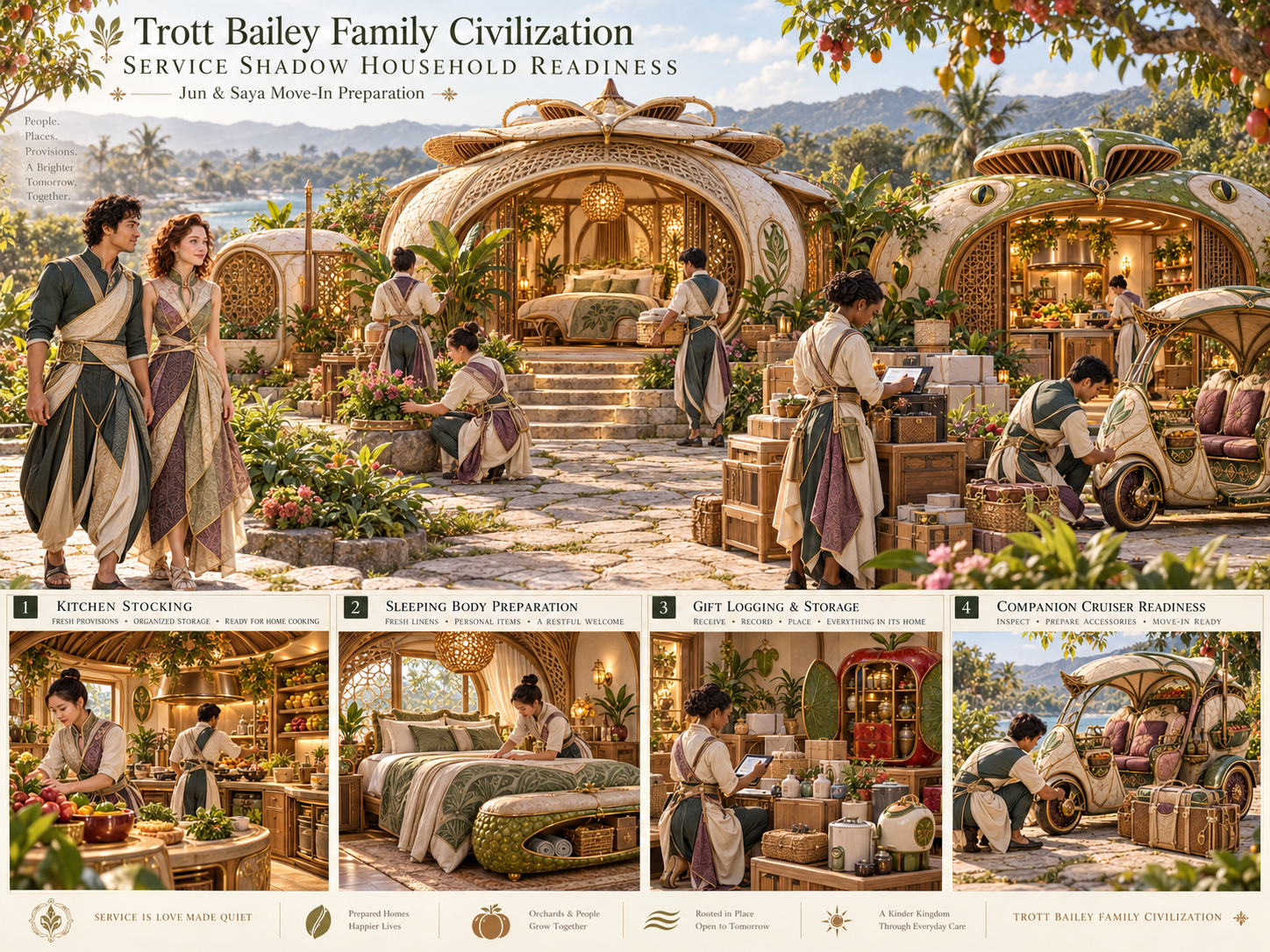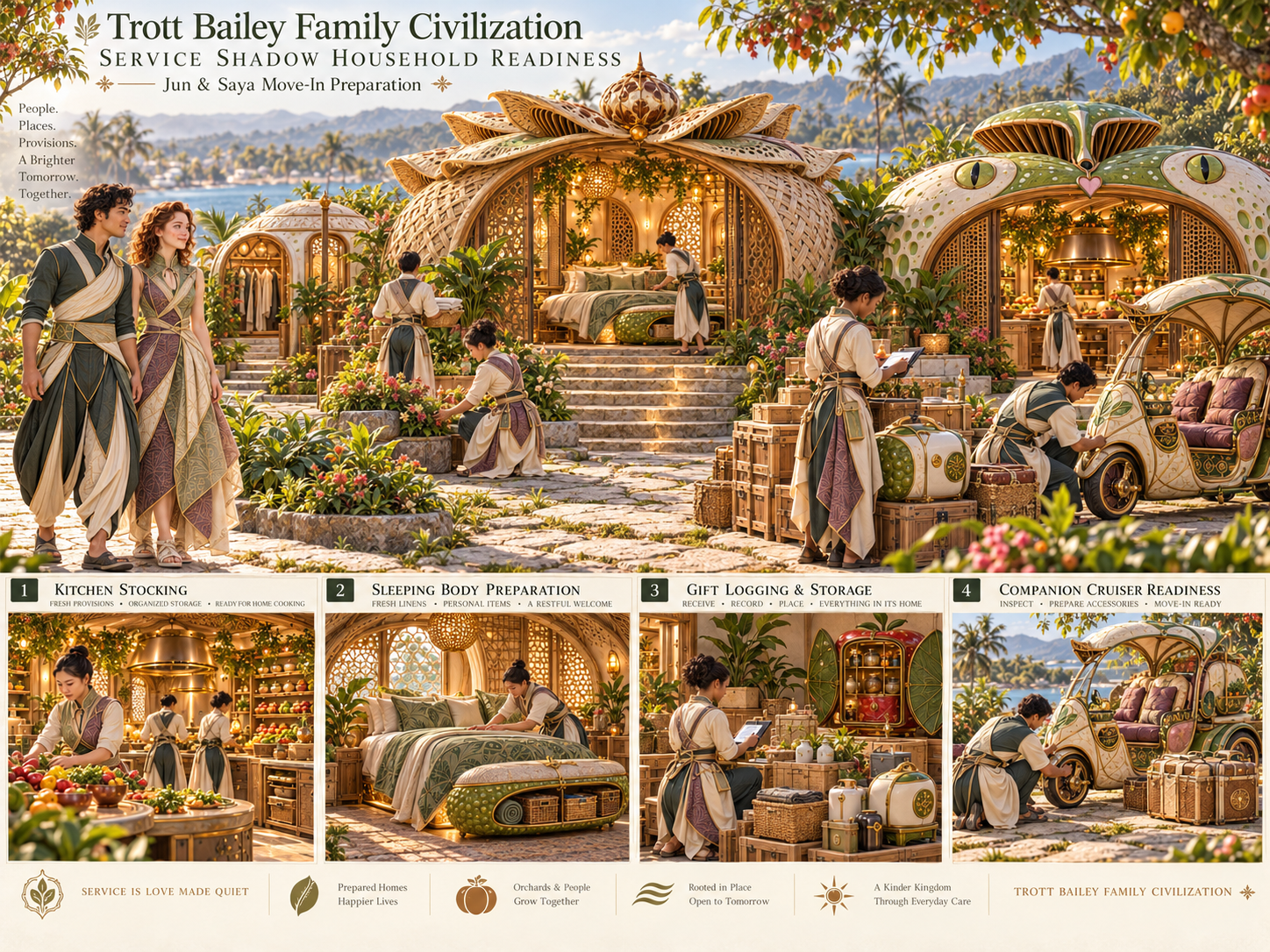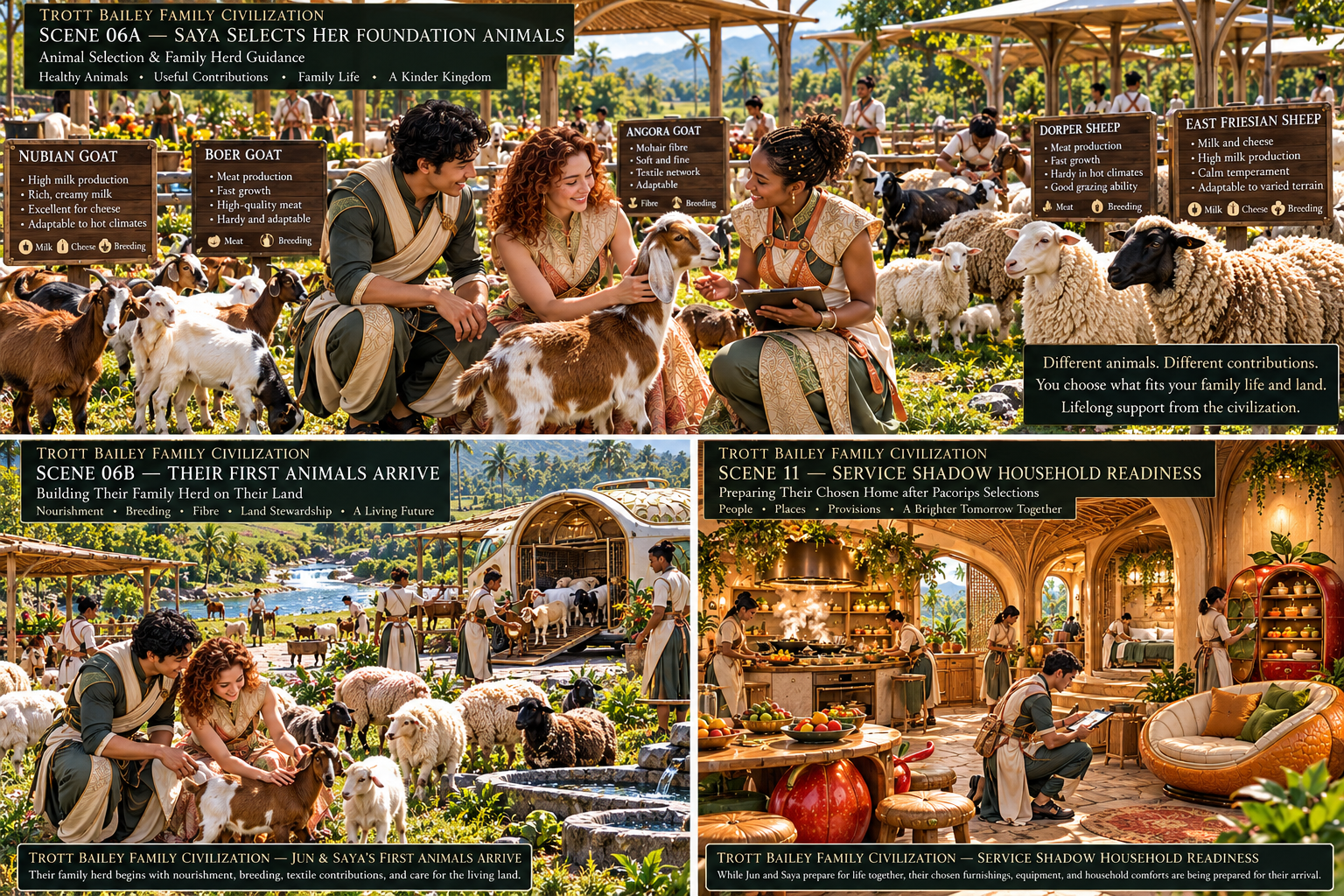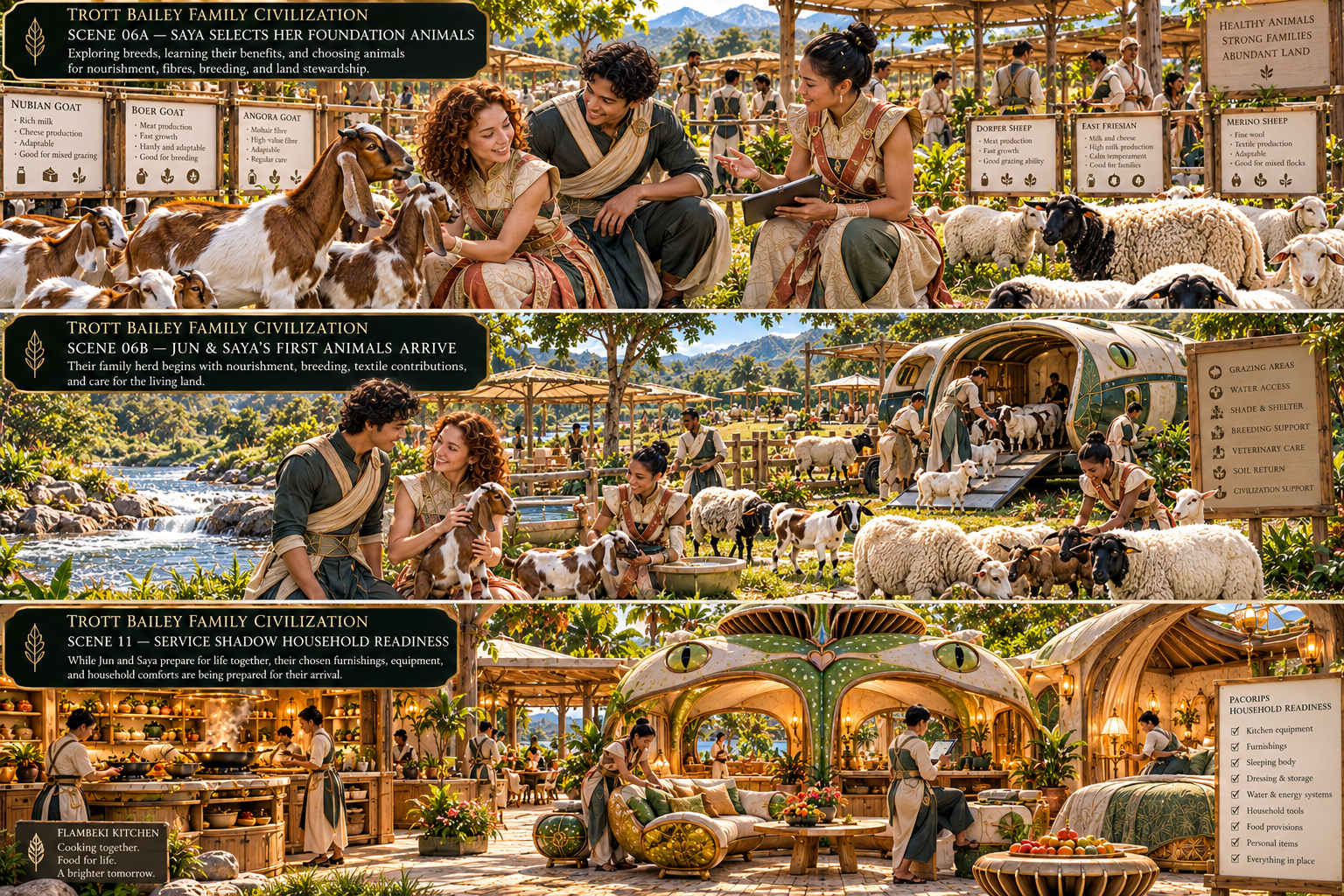

The Kingdom Has Endless Shubaka: A Civilization Full of enjoyable and meaningful Roles
Trott Bailey Family Kingdom • Shubaka + Civilization Roles
The Kingdom Has Endless Shubaka: A Civilization Full of Roles
Why refugees, families, and talented people would never be left idle in the Trott Bailey Family Kingdom.
The old world often talks about refugees as if they are a burden waiting to be managed. The Trott Bailey Family Kingdom sees something completely different: families, skills, gifts, languages, memories, strength, creativity, faith, endurance, intelligence, humor, craftsmanship, parental wisdom, agricultural knowledge, cooking ability, building ability, repair ability, artistic ability, and invention capacity entering a civilization that is still growing.
The question is not, “What will we do with all these people?” The better question is, “How could a living civilization ever run out of meaningful things for gifted people to do?”
1. The Old World Leaves People Waiting Because It Has No Vision
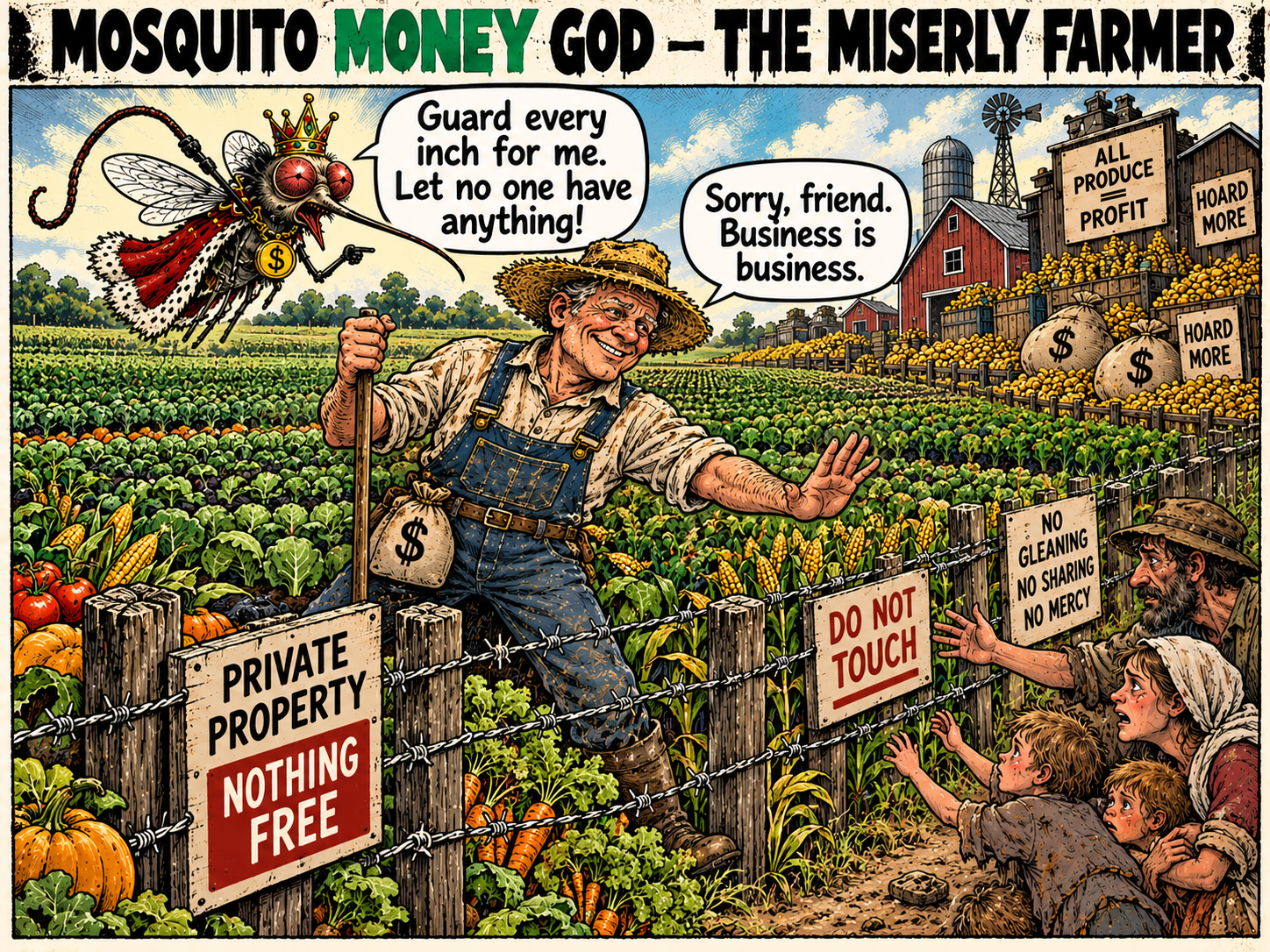
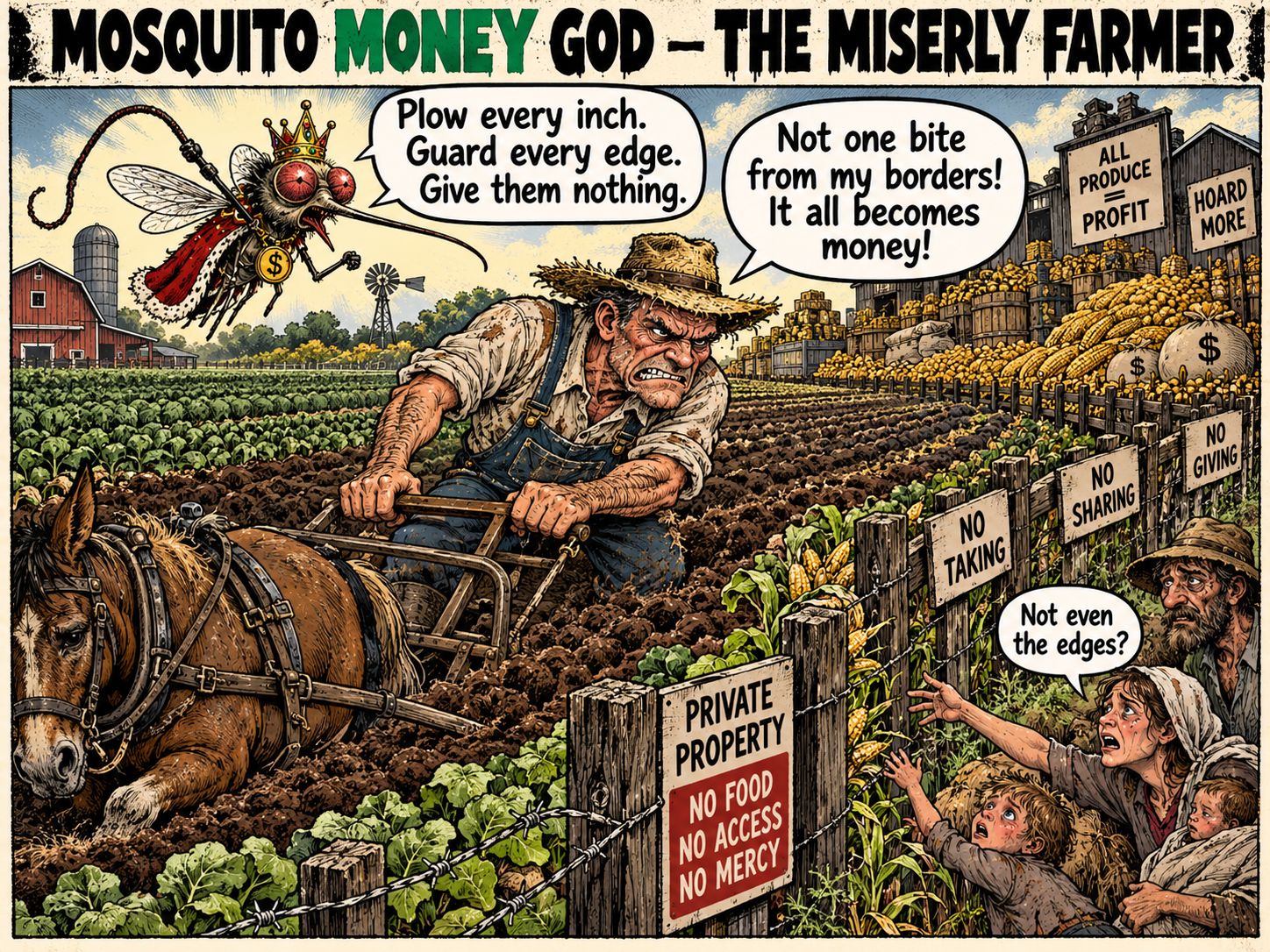
One of the old world’s deepest failures is that it does not know what to do with people. It struggles to give purpose to its own citizens, so when refugees arrive, the system often treats them as an added problem instead of a wave of human possibility.
People are placed in waiting rooms, lines, camps, cheap housing, temporary programs, paperwork loops, and survival arrangements. Their talents are hidden under labels. Their family strength is ignored. Their skills are underused. Their children are delayed. Their fathers and mothers are made to feel dependent. Their future becomes something managed by offices instead of something unfolded by civilization.
That is not a refugee problem. That is a civilization-design problem.
If a system cannot imagine meaningful roles for its own people, how will it suddenly know what to do with additional displaced families, builders, farmers, mothers, teachers, artists, cooks, engineers, children, elders, and dreamers?
The Trott Bailey Family Kingdom begins from a different premise. A civilization should be so alive, so layered, so family-centered, so inventive, so full of districts, systems, public spaces, food networks, water systems, learning worlds, mobility routes, clothing systems, child inventions, and hidden operations that human talent is never treated as excess.
2. Shubaka Is Not Old-World Work
Shubaka is contribution inside the kingdom. It is not the old-world job model where people are trapped in exhausting schedules, separated from family, pushed into class hierarchy, and reduced to survival wages.
Shubaka is designed around civilization contribution. It answers a simple question: what does the kingdom need in order to remain beautiful, clean, fed, repaired, guided, protected, refreshed, taught, moved, invented, and alive?
In the old world, work is often treated as something people endure so they can finally live afterward. In the Trott Bailey Family Kingdom, Shubaka should feel like part of living. It should be beautiful, purposeful, role-dignified, family-aware, technology-supported, and connected to visible results.
3. Every Beautiful Thing in the Kingdom Creates Roles
The role abundance of the kingdom comes from a simple truth: every real system needs people. A fruit orchard creates roles. A Makji creates roles. A Baby World creates roles. A public bench with lighting creates roles. A Sabennery creates roles. A hidden water spine creates roles. A garment system creates roles. A Jubo creates roles. A family challenge creates roles. A public gathering creates roles. A seed sanctuary creates roles.
Trott Bailey civilization is not empty scenery. It is made of working systems. And each system opens pathways for people to contribute.
A Sabennery Creates Roles
Public table stewards, food flow helpers, return wall stewards, clean vessel teams, child food helpers, tasting guides, and Service Shadow restock roles.
A Water Channel Creates Roles
Flow Stewards, Tide Keepers, clarity viewers, drain reset helpers, greywater monitors, learning guides, and biological conversion stewards.
A Baby World Creates Roles
Age-zone stewards, crawl realm helpers, warm wash stewards, parent recovery helpers, sibling guides, stroller support, and baby sleep route helpers.
A Makji Creates Roles
Service port stewards, provisioning helpers, care bay stewards, interior reset helpers, hosting stewards, reboarding guides, and diagnostic readers.
4. The Kingdom Needs Arrival and Integration Roles
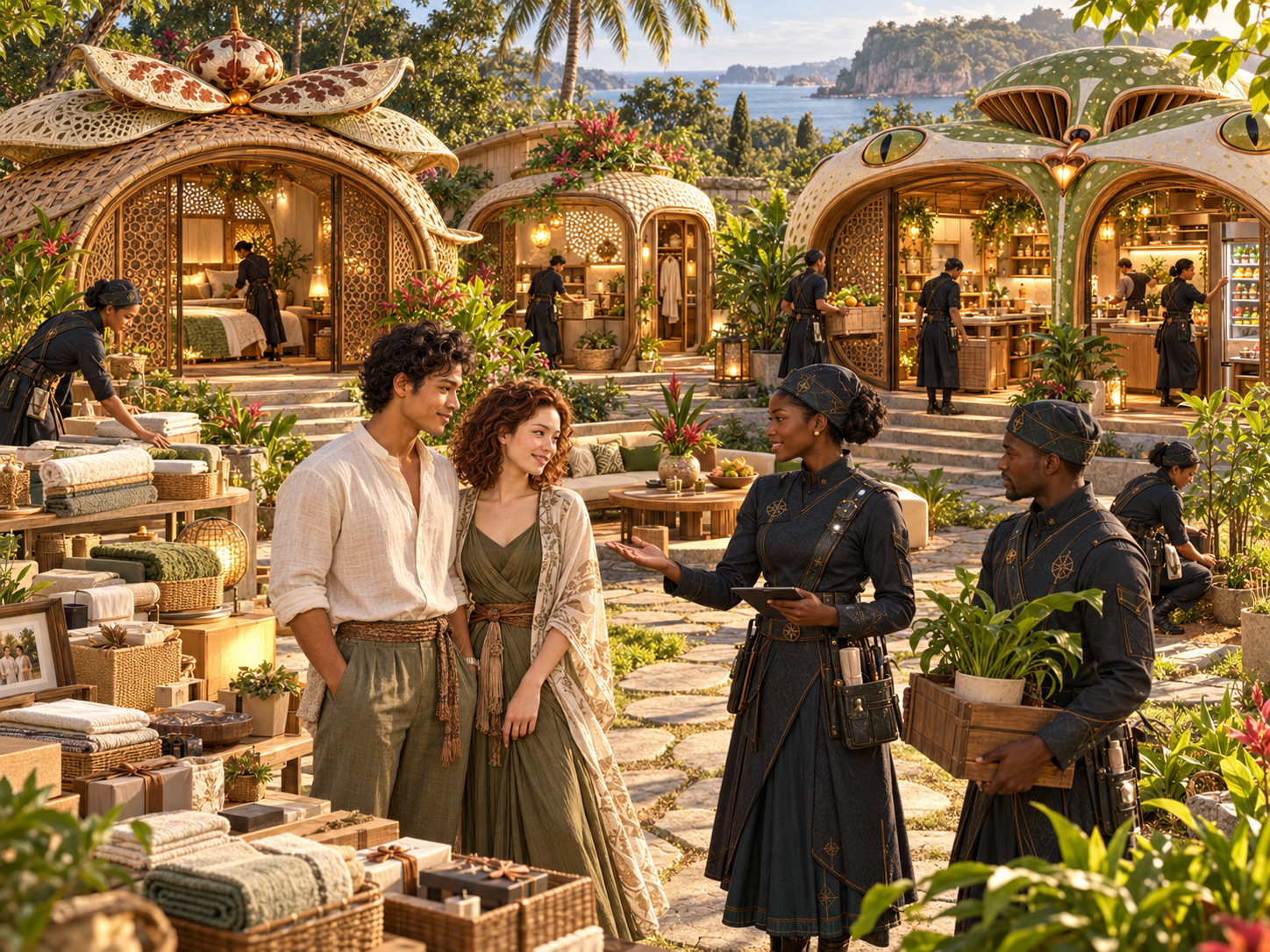
If people are entering a civilization, the first need is not only paperwork. They need welcome, orientation, food, rest, language support, family guidance, child comfort, elder support, and a pathway into belonging.
This creates roles across Sherika Regional District, Cuddles Villages, Pacorips, arrival gardens, welcome pavilions, transport routes, family registration, and new citizen support.
- Arrival Shubaka
- Orientation Steward
- Pacorips Check-In Helper
- Cuddles Village Guide
- Family Route Guide
- Child Transition Helper
- New Citizen Support Steward
- Family Unity Passport Support
A refugee family should not feel like a file number. They should feel received into a living order that knows where to send them, how to care for them, and how to begin discovering their gifts.
5. Pacorips Creates Talent-Routing Roles
Pacorips is one of the deepest reasons people would not be left idle in the kingdom. It is the family reception, records, intelligence, talent-routing, role-matching, challenge-tracking, training-support, and district-coordination layer.
Pacorips does not treat people like random labor. It helps match people to meaningful pathways based on talent, interest, family stage, physical ability, language, training level, comfort level, growth potential, and district need.
Pacorips Tracks Need
Food demand, water alerts, family assistance, Sabennery flow, role shortages, district pressure, child rewards, and public-life needs.
Pacorips Routes Talent
People can be guided into food, water, care, technology, fashion, teaching, repair, service, agriculture, invention, or public-life roles.
- Pacorips Talent Router
- Family Challenge Recorder
- Food Truth Monitor
- Water Systems Coordinator
- Fashion Role Matcher
- Makji Service Coordinator
- Family Assistance Router
- Orchard Capability Router
6. Food Sovereignty Creates a Vast Shubaka World
Food in the Trott Bailey Family Kingdom is not a small department. It is civilization itself. Keslev grows, verifies, converts, stores, dispatches, and feeds the kingdom. Sabenneries receive, serve, return, report, and nourish public life. Orchards, cafés, grain systems, child food systems, tasting courts, and dispatch routes all create meaningful roles.
This is not old-world kitchen labor hidden behind ugly doors. The kingdom needs food truth, food intelligence, high-capacity machine support, human verification, tasting judgment, child food care, public hospitality, clean return, and beautiful service.
Keslev Roles
Food allocation stewards, grain-lift operators, food verification Shubaka, optical sorting operators, human verification Shubaka, seed sanctuary keepers.
Sabennery Roles
Public table stewards, feed face stewards, return wall stewards, clean vessel loop teams, child food helpers, warm meal stewards.
Orchard Roles
Harvest guides, fruit wash stewards, dessert orchard hosts, fruit variety curators, learning orchard guides, night orchard stewards.
Café Roles
Juice café stewards, dessert café stewards, cacao vault stewards, hydration guides, child-serving helpers, reusable vessel return helpers.
7. Orchards Alone Create Dozens of Enjoyable Roles
The Trott Bailey Orchard District System proves how one beautiful system can produce many types of Shubaka. Orchards need arrival hosts, fruit guides, water stewards, root protectors, wash helpers, dessert hosts, learning guides, night stewards, Makji pause hosts, family challenge guides, and Service Shadow care.
This is not forced labor in a field. It is family-abundance contribution. A person might help children wash fruit, guide families through a harvest path, explain roots and soil, monitor gentle water channels, host a dessert orchard, guide night walking, or help Makji families pause safely near shade and fruit.
- Arrival Orchard Shubaka
- Fruit Wash Court Steward
- Harvest Orchard Guide
- Dessert Orchard Host
- Learning Orchard Guide
- Root + Soil Explainer
- Night Orchard Steward
- Makji Pause Host
- Family Challenge Orchard Steward
Who would call this idleness? Who would look at a living orchard district full of fruit, water, children, elders, Makji pause, night glow, learning, and family challenge and say there is nothing to do?
8. Water Stewardship Creates Technical and Public Roles
Kultan made one of the strongest role families in the kingdom: Flow Stewardship. Water must be cleaned, guided, monitored, filtered, explained, protected, and returned. Storms must be read. Channels must be managed. Biological conversion systems must be watched. Children must learn how water systems work.
The kingdom does not hide water care as dirty maintenance. It makes selected parts visible, beautiful, educational, and dignified.
Flow Steward
Observes flow, measures clarity, checks channels, uses water tools, and explains systems to families.
Tide Keeper
Handles storm alerts, tide behavior, relief channels, overflow gardens, and lagoon-wide water balance.
Clearwater Steward
Protects water quality, filtration health, clean return channels, and public trust.
Learning Guide Steward
Teaches children and families about shell-comb filtration, dry steward lanes, nutrient channels, and clean return.
9. Service Shadow Creates Hidden and Semi-Visible Contribution
Service Shadow may be one of the largest contribution categories in the kingdom. It keeps public life beautiful while food, water, vessels, waste, cleaning, repairs, restock, hygiene, child support, emergency help, and transport support continue behind or beside the public world.
The Service Shadow is not ugly back-of-house. It is not trash alleys, loading docks, industrial corridors, or forgotten labor. It is a designed operating layer with dignity, beauty, rest, shift protection, Pacorips routing, and clear function.
- Shadow Weave Coordinator
- Thread Routing Steward
- Hidden Service Water Spine Crew
- Return Wall Steward
- Clean Vessel Steward
- Krubaro Thread Steward
- Night Glow Calibration Crew
- Service Route Steward
- Vehicle Cabin Reset Steward
- Fruit Wash Court Reset Crew
10. Waste Return, Krubaro, and FLIB Create Dignified Material Roles
In the old world, waste work is often treated as low-status and ugly. The Trott Bailey Family Kingdom transforms waste return into clean material intelligence. Organic matter, reusable vessels, leaf wraps, compost streams, ash, special waste, and difficult materials all need routing.
Krubaro handles compound and public-zone waste through safe, sealed, beautiful systems. FLIB handles overflow, bulky waste, special waste, and district-level escalation.
- Jubo Refill Shubaka
- Jubo Chamber Technician
- Jubo Reward Curator
- Talking Fish Art Set Technician
- Pamber Game Steward
- Pipper Chocolate Flow Shubaka
- Banga Biskanna Food Route Shubaka
- Child Reward Support Helper
- Voice Content Coordinator
- Interactive Floor Pad Technician
16. Fashion and Rolewear Create Visual Identity Roles
Trott Bailey fashion is not decoration. It explains role, district, movement, authority, care, ceremony, comfort, and family identity. That means clothing itself creates contribution pathways.
The kingdom needs people who can translate sketches, refine silhouettes, integrate weave logic, develop neckline systems, create Shubaka rolewear, engineer movement tails, preserve fashion archives, and ensure public scenes do not collapse into generic clothing.
- Fashion Translation Shubaka
- Weave Integration Shubaka
- Neckline Systems Shubaka
- Movement Tail Engineer
- Civilization Wardrobe Steward
- Fashion Continuity Shubaka
- Role-Fashion Integrator
- Public-Life Style Verifier
17. Public Learning Creates Teaching Roles Everywhere
The kingdom does not hide how civilization works. Children and adults should understand food systems, water systems, waste return, Service Shadow, Makji service, orchards, fashion, energy, and public-life design.
This creates roles for interpreters, guides, explainers, trainers, child educators, family systems guides, and public learning stewards.
- Food Truth Learning Guide
- Family Food Systems Interpreter
- Child Water-Intelligence Guide
- Service Learning Guide
- Shadow Weave Explainer
- Learning Orchard Guide
- Child Discovery Map Helper
- Public Systems Educator
18. Husband-and-Wife Shubaka Pairs Protect Family Connection
A major pattern emerging across the kingdom is husband-and-wife or family-pair contribution. The kingdom does not want work to constantly pull families apart. Many roles can be served by couples, parent pairs, helper pairs, or family-aware teams.
One person may host while the other handles technical monitoring. One may guide children while the other supports parents. One may manage food while the other welcomes families. One may monitor water while the other teaches. This allows contribution to strengthen family rhythm instead of destroying it.



 and then