The Kingdom Machinery Index
The Kingdom Machinery Index
Why self-sufficiency begins with capability, not consumption.
Most Discussions About Development Start In The Wrong Place
When people talk about development, prosperity, or national progress, the conversation usually turns toward money.
How much money does a nation have? How much money does a community have? How much money does a family have?
Yet history repeatedly shows that money by itself does not create capability. A community can receive millions and still remain dependent. A family can earn a high income and still remain dependent. A nation can possess enormous wealth and still remain dependent.
Why?
Because money is not capability. Money is merely one method of accessing capability.
The Civilization Question
Every civilization eventually encounters the same challenge.
A storm arrives. A supply chain fails. Imports stop. Prices rise. Transportation is disrupted. Outside support becomes unreliable.
Then reality asks a simple question:
What can you still do?
Can you still eat? Can you still drink clean water? Can you still preserve food? Can you still repair equipment? Can you still communicate? Can you still build? Can you still educate your children? Can you still maintain public life?
The answers to those questions reveal the true strength of a civilization.
Resource Introspection Comes First
Before discussing machinery, a civilization must first understand itself.
What resources exist locally? What grows naturally? What minerals exist nearby? What skills already exist? What climate advantages exist? What waterways exist? What materials are abundant?
This process can be called resource introspection.
A civilization cannot intelligently build capability until it understands what capability can be built from.
The purpose of machinery is not to replace resources. The purpose of machinery is to unlock resources.
The Wrong Question
Most people ask:
“What machine should we buy?”
The better question is:
“What dependency are we trying to remove?”
This single shift changes everything. Machinery should not only be organized by industry. It should be organized by dependency.
What Is The Kingdom Machinery Index?
The Kingdom Machinery Index is a way of thinking.
Instead of sorting machines only by category, it sorts machines by the dependencies they remove.
The goal is simple:
Identify a dependency. Find the smallest practical machine that reduces it. Repeat.
Capability accumulates. Dependency shrinks.
The Main Dependency Categories
Water Dependency
Machines and systems that help a community collect, move, clean, test, desalinate, and store water.
- Rainwater systems
- Water pumps
- Filtration systems
- Storage tanks
- Desalination units
Food Dependency
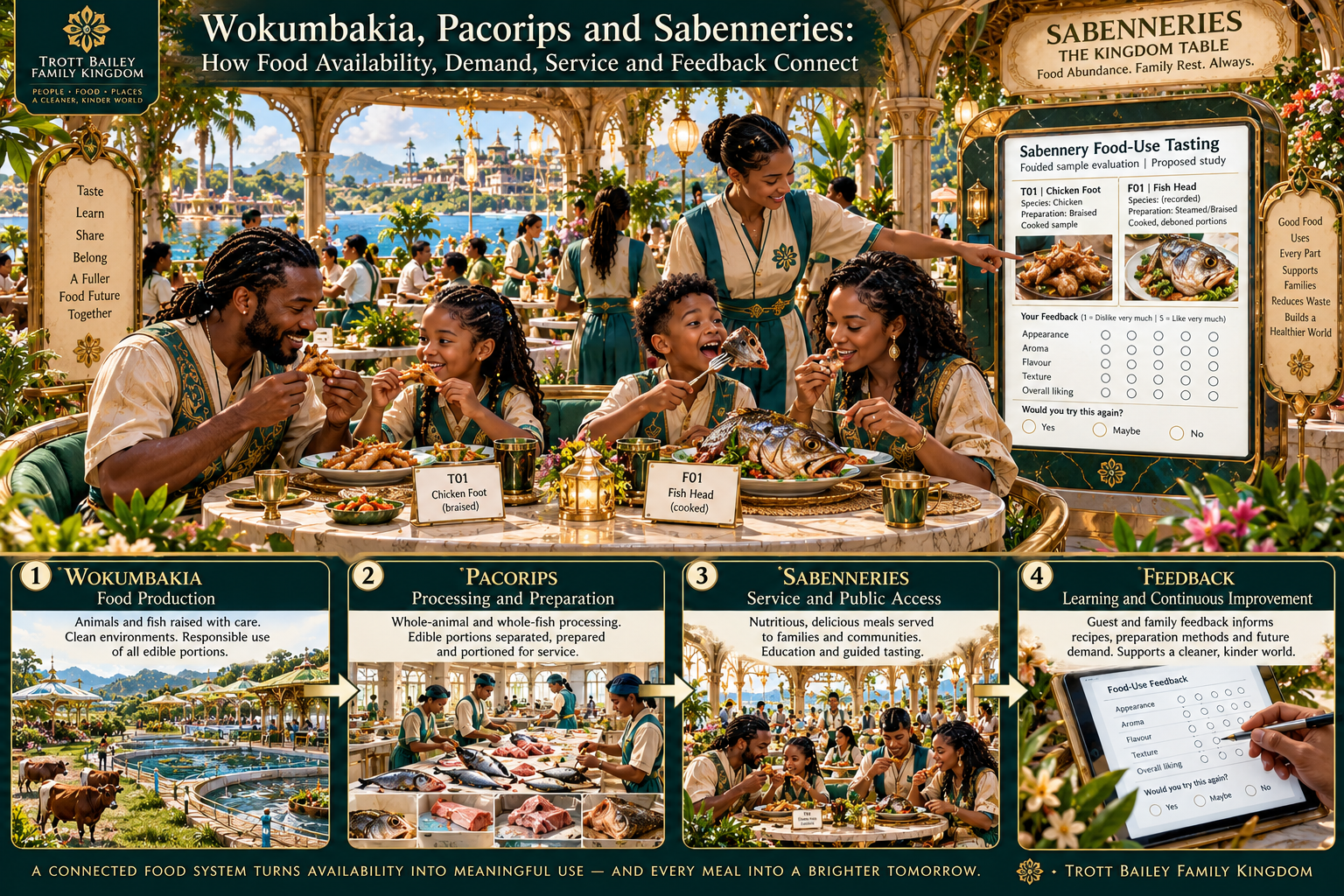
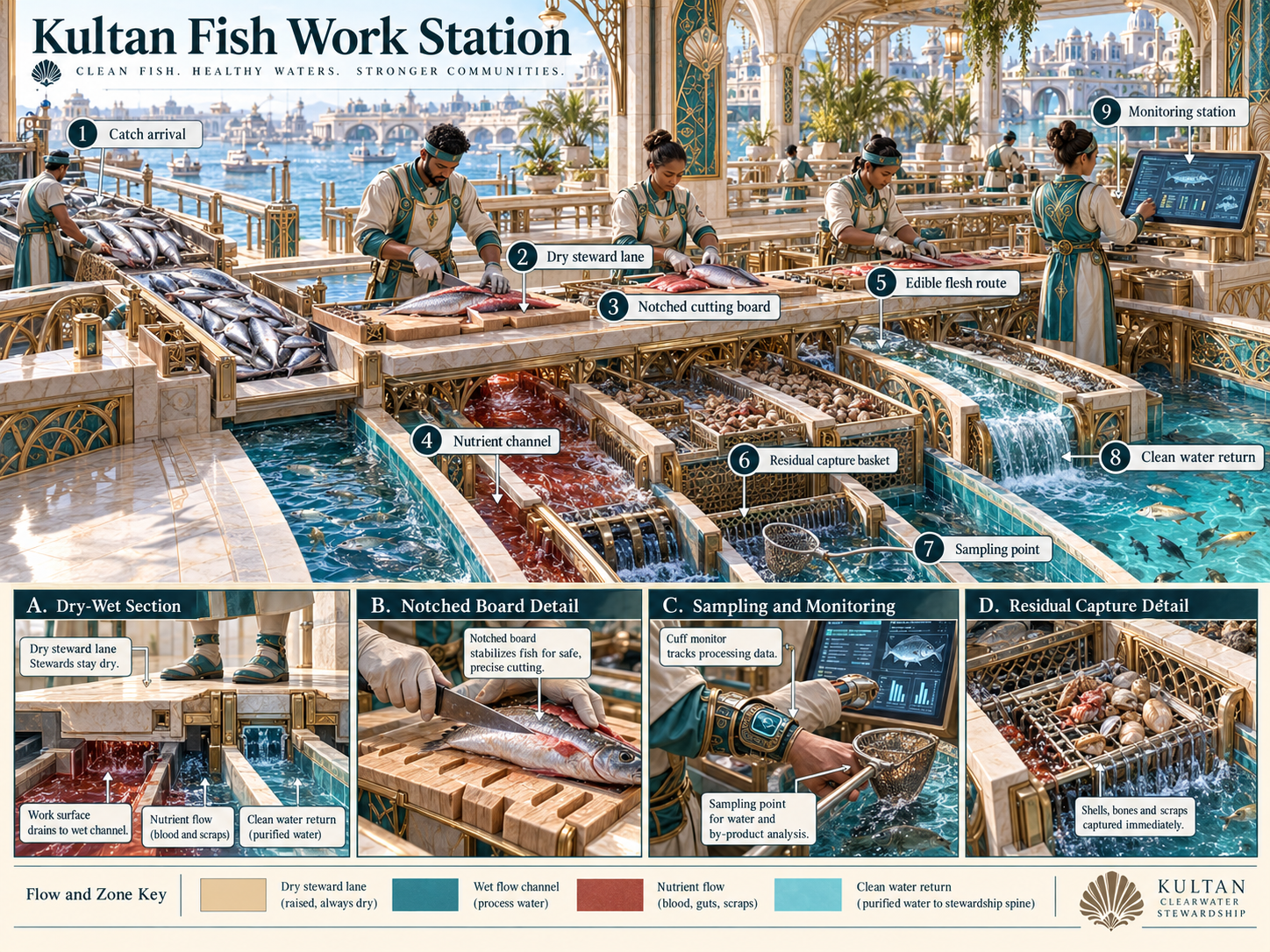
Food is not only grown. It must be processed, preserved, stored, and protected.
- Grain mills
- Oil presses
- Cold rooms
- Freeze dryers
- Solar dryers
Energy Dependency
Energy keeps water, food, communication, repair, and public life functioning.
- Solar systems
- Batteries
- Micro-hydro systems
- Biogas digesters
- Energy monitoring systems
Construction Dependency
Local materials become more powerful when local machinery can transform them.
- Portable sawmills
- Earth block presses
- Brick machines
- Tile machines
- CNC systems
Repair Dependency
A civilization that can repair extends the life of everything it owns.
- Welding equipment
- Lathes
- Drill presses
- Sharpening systems
- Diagnostic tools
Knowledge Dependency
Knowledge preserved today becomes capability available tomorrow.
- Local servers
- NAS storage
- Offline libraries
- Backup systems
- Document scanners
Communication Dependency
Communication is not luxury. Communication is coordination.
- Mesh networks
- Radio systems
- Satellite terminals
- Community information systems
Transportation Dependency
Movement connects food, tools, people, repairs, water, and public life.
- Utility vehicles
- Cargo tricycles
- Agricultural trailers
- Boats
- Workboats
Why Small Machines Matter
Many people imagine self-sufficiency requires massive infrastructure. Sometimes large infrastructure is useful. But often capability grows through accumulation.
One machine. Then another. Then another.
A grain mill. A solar pump. A cold room. A welding station. A sawmill. A CNC machine.
None of these solve every problem alone. Together, they create a network of capability.
The Goal Is Not Isolation
Self-sufficiency does not mean refusing cooperation. It does not mean rejecting trade. It does not mean rejecting outside expertise.
The goal is different.
The goal is ensuring that essential aspects of life do not collapse when outside support becomes unavailable.
Capability creates freedom. Dependency creates vulnerability.
A Different Definition Of Wealth
Many people define wealth by accumulation. A civilization should also consider another form of wealth: capability wealth.
Can we grow food? Can we preserve food? Can we produce water? Can we build? Can we repair? Can we communicate? Can we preserve knowledge? Can we educate our children?
These abilities are forms of wealth. They improve life regardless of market conditions.
The Kingdom Test
Every proposed machine should face one simple test:
What dependency does this remove?
If the answer is meaningful, the machine deserves serious consideration.
The purpose of machinery is not merely production. The purpose of machinery is capability.
And capability is one of the strongest foundations upon which a civilization can build its future.



 and then