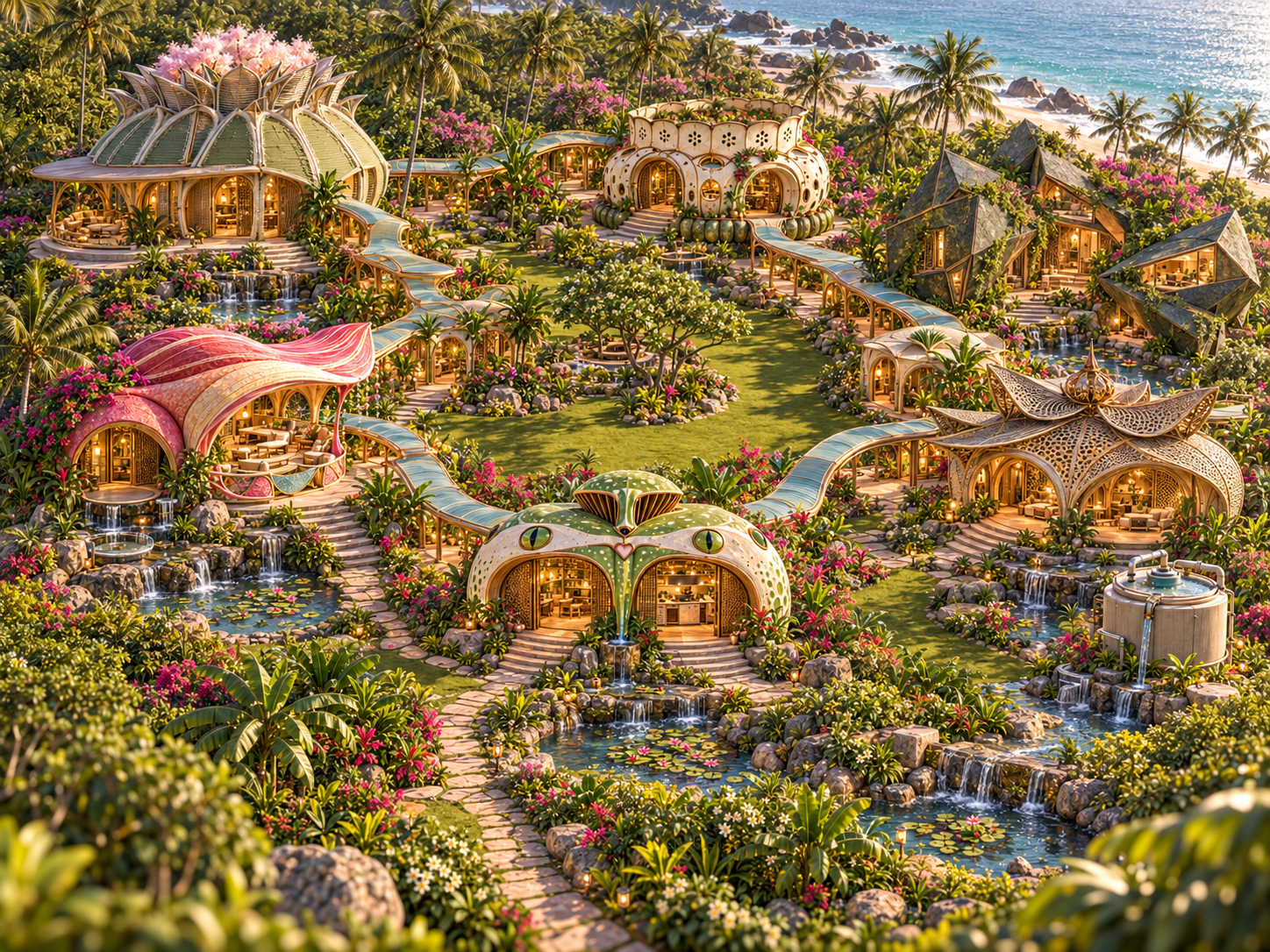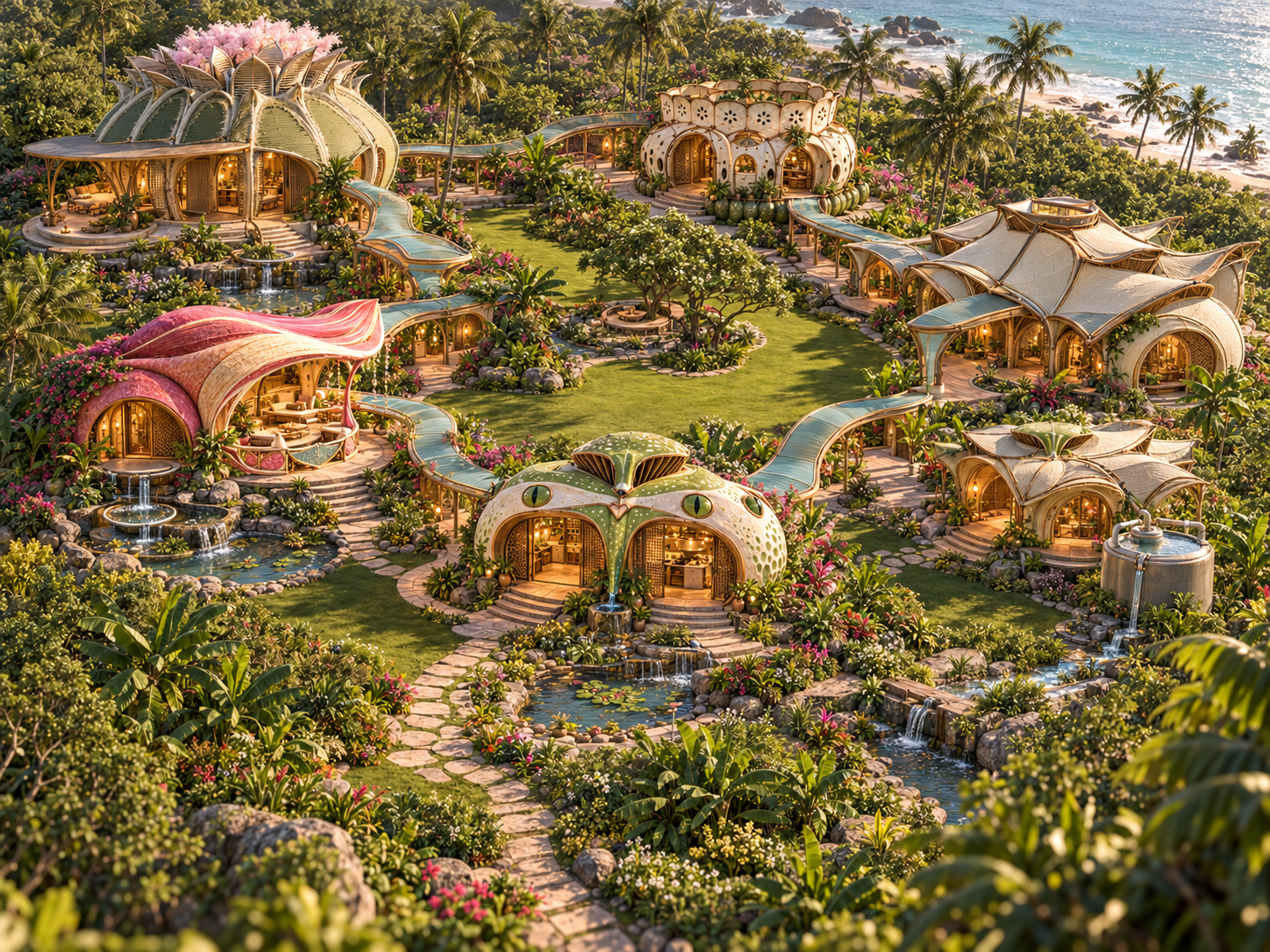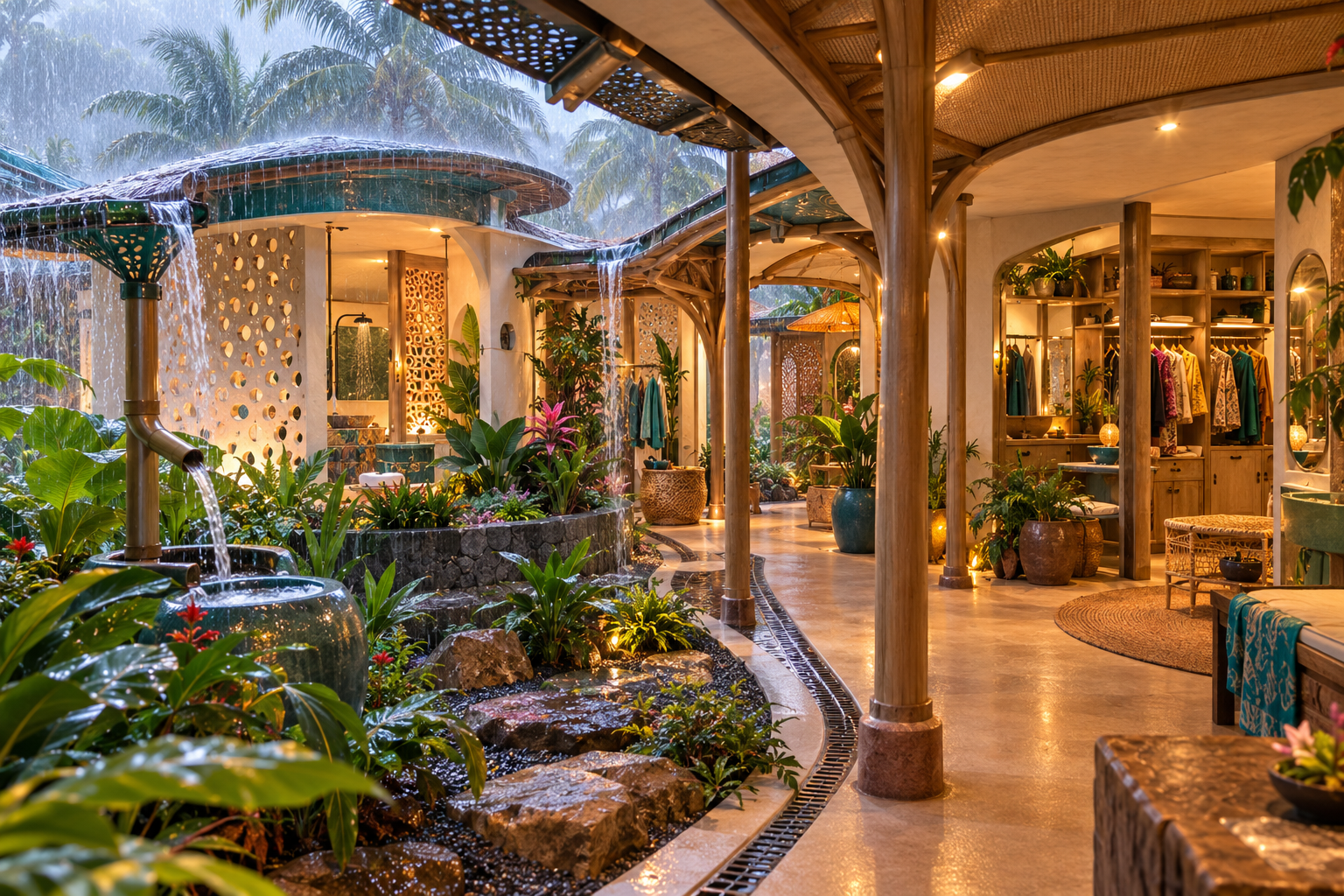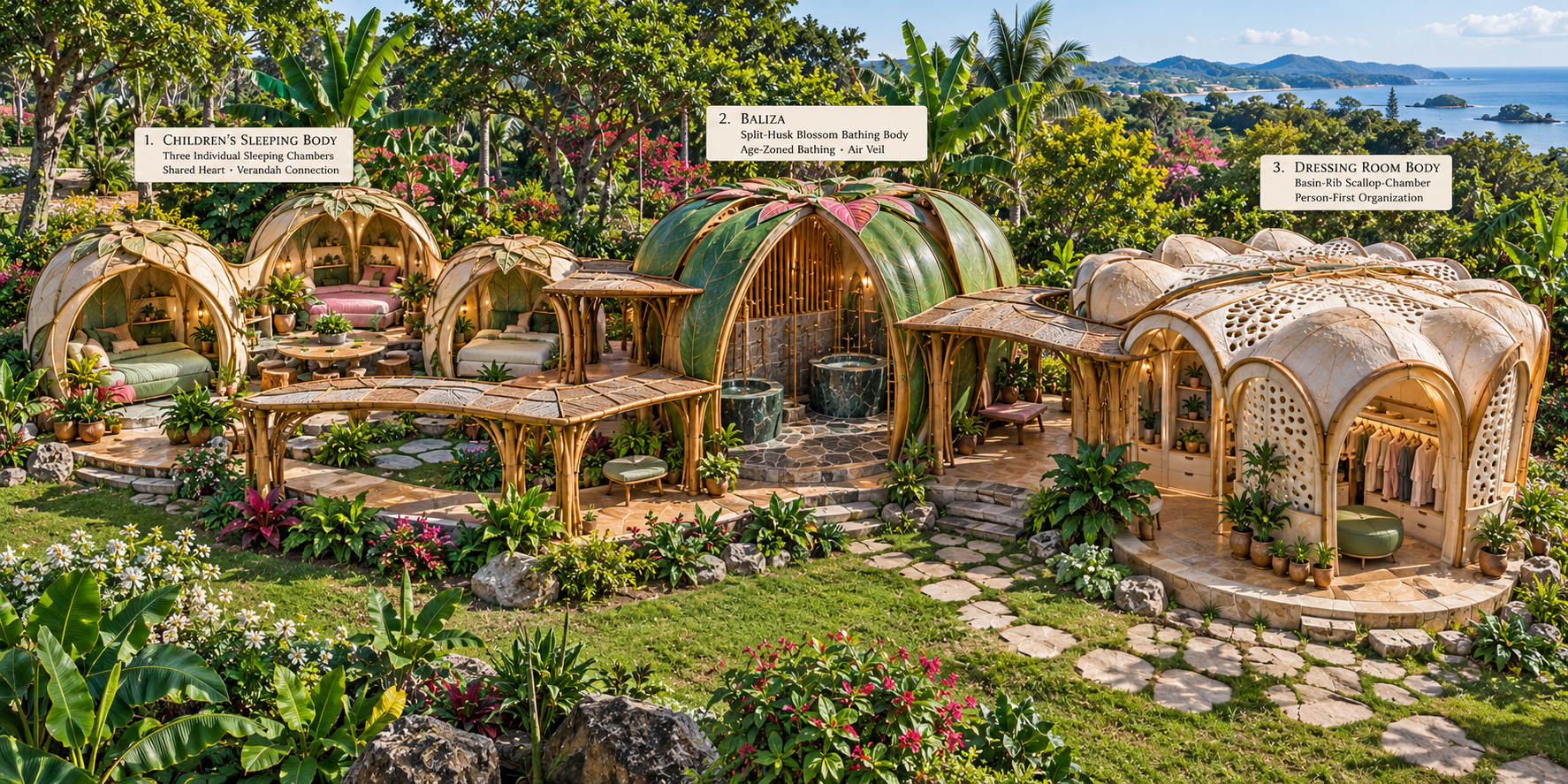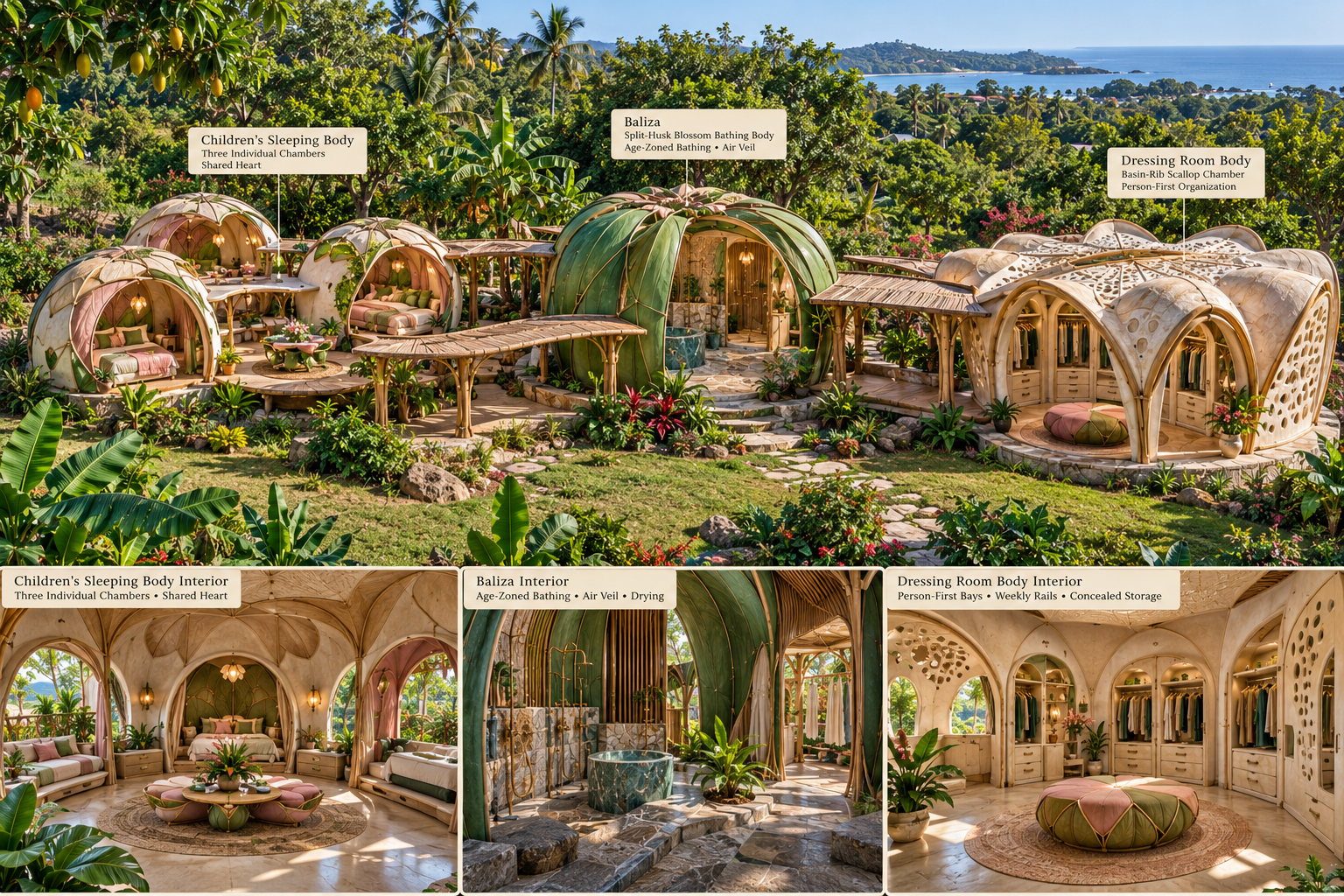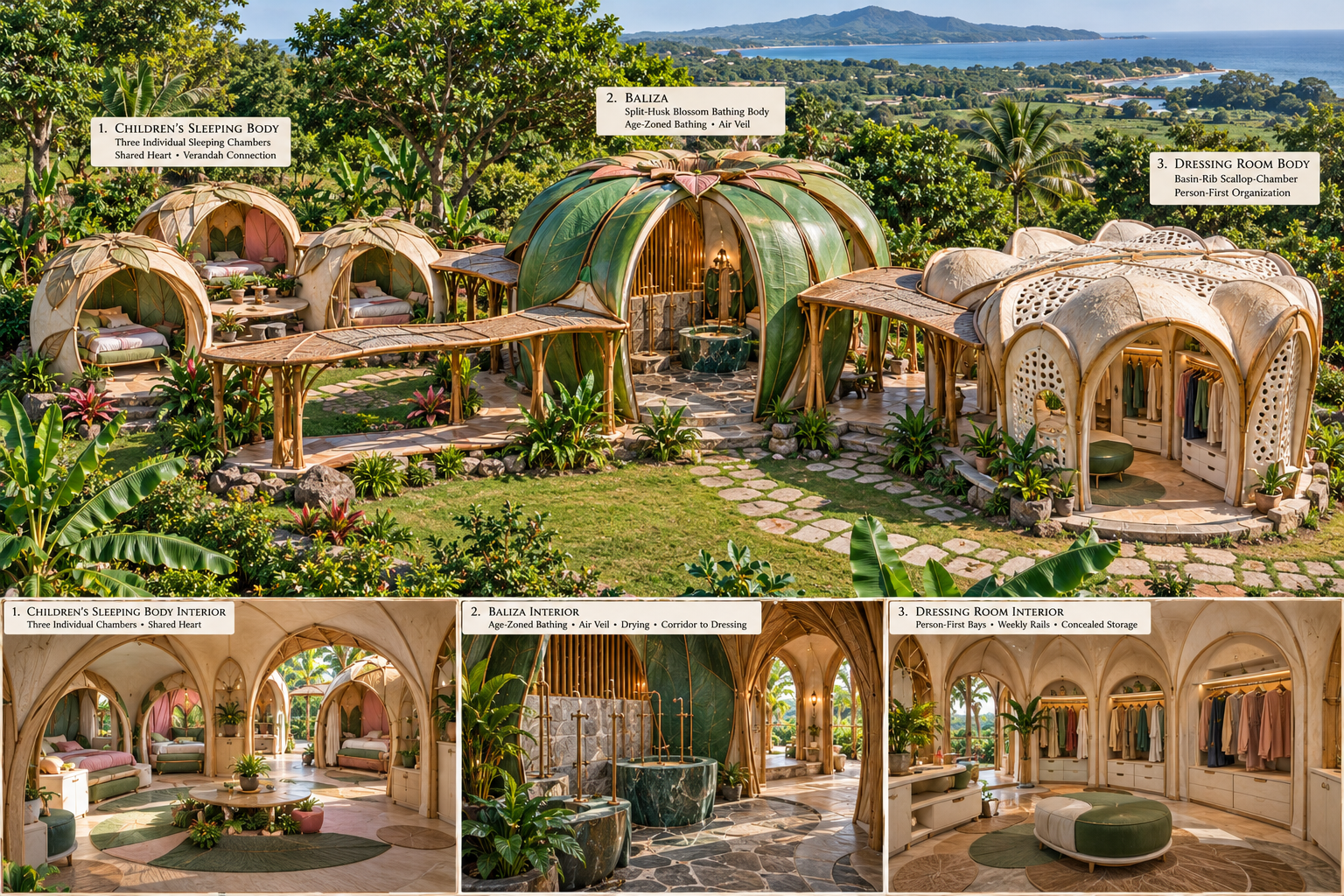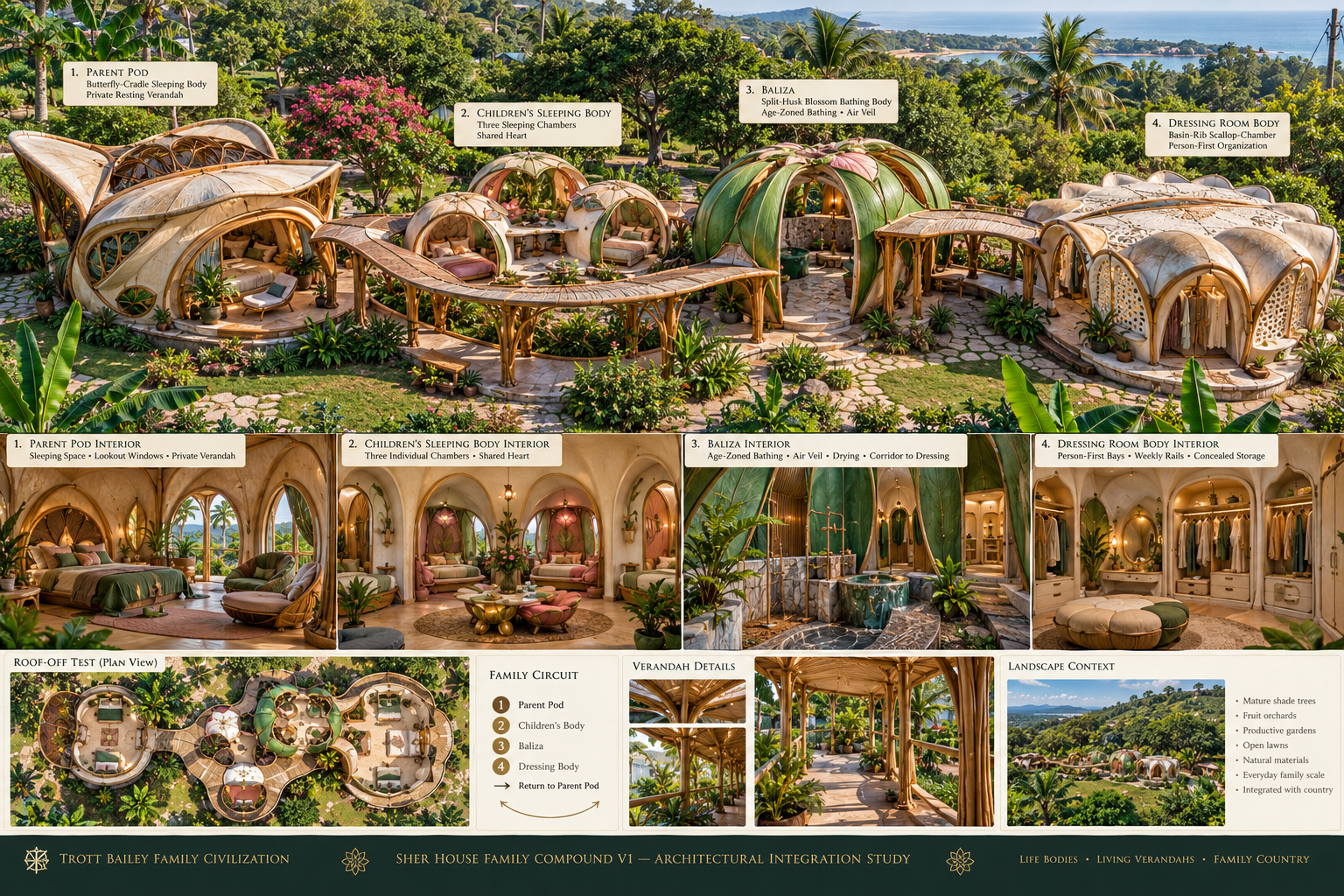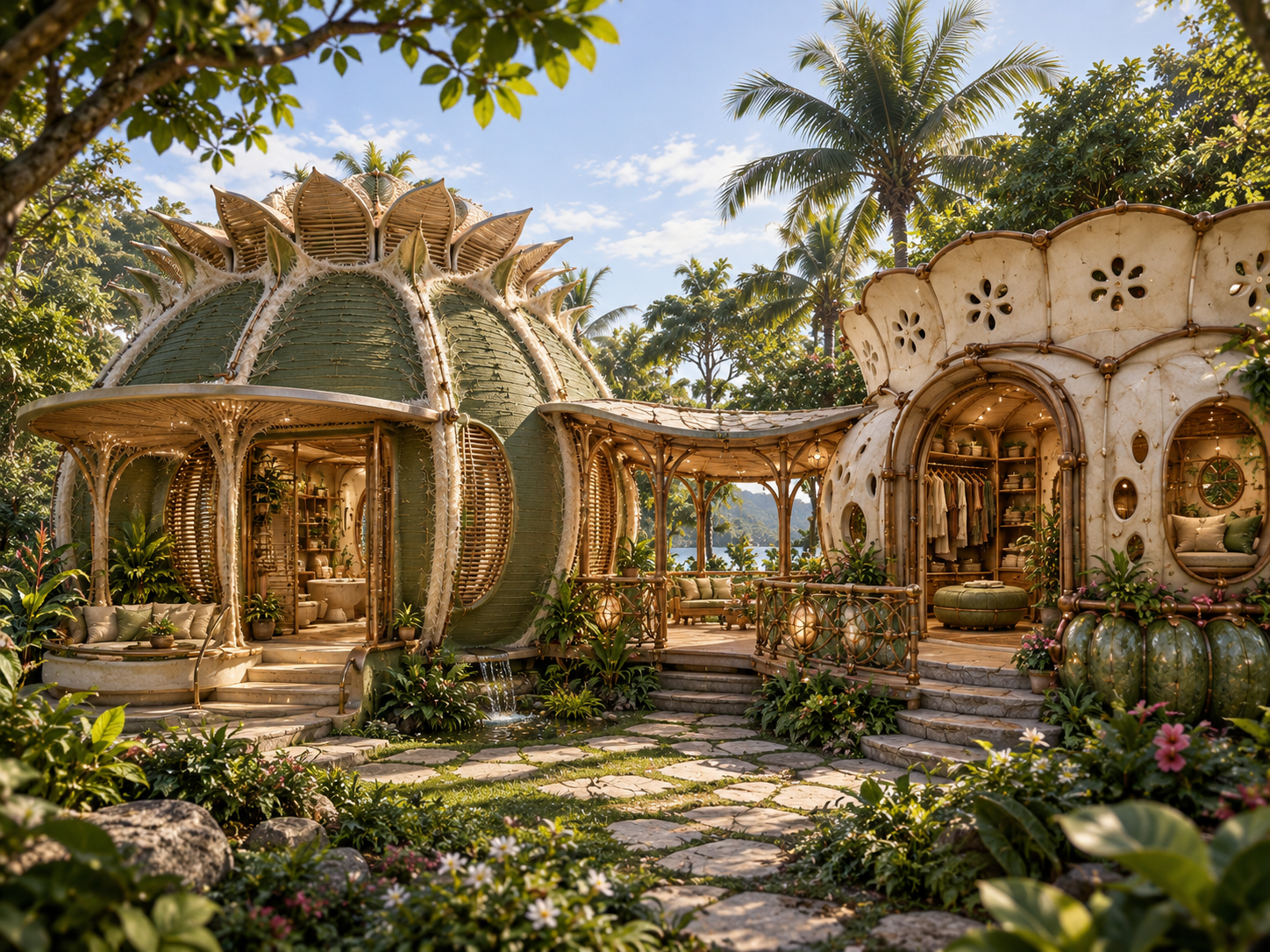

Trott Bailey Civilization Machinery Series: How Do We Transform Materials Into Civilization-Authored Beauty?

The CNC router, CNC stone cutter, CNC laser cutters etc. are only one suite of machine family in a whole world of machining that can be explored. The world of the 6 axis robotic arm is another more versatile frontier. Even more exciting is using them all together to create a Kingdom workshop capable of building the Trott Bailey Family Kingdoms.
How Do We Transform Materials Into Civilization-Authored Beauty?
Stone, shell, clay, mineral, lime, ceramic, timber, and metal do not become kingdom architecture by accident. They require material intelligence, machinery, design authorship, and a workshop capable of multiplying craft.
How do we transform stone, shell, clay, mineral, lime, ceramic, timber, and metal into civilization-authored forms without needing an army of master craftsmen?
The Lost Problem Of Civilization
Many people look at the great works of history and ask, “How did they build that?”
How did they carve entire buildings from stone? How did they create walls full of relief, doors full of pattern, courtyards full of carved detail, and public spaces that still feel alive centuries later?
One answer is simple: they had deep craft systems.
They had quarries, guilds, apprentices, carvers, masons, woodworkers, ceramicists, metalworkers, and generations of people trained to transform raw material into beauty.
A modern civilization that wants lasting beauty faces a problem: the world no longer has endless armies of master craftsmen waiting to build civilization-level architecture.
The Modern Failure
Modern construction often responds to this problem by abandoning beauty.
Instead of stone, lime, clay, carved wood, mineral color, and ceramic detail, the modern world often chooses flat boxes, thin finishes, fake surfaces, paint-dependent color, and materials that age badly.
This creates buildings that may be fast to construct, but they often lack permanence, climate intelligence, material truth, and emotional inheritance.
The Six-Axis Robotic Machine Changes The Question
A normal CNC router is powerful, but it is usually tied to flat sheets and table-based cutting. A six-axis robotic arm is different.
It can move forward, backward, up, down, rotate, tilt, and twist. It can approach material from many angles. It can change tools. It can carve, mill, polish, shape, cut, drill, texture, and assist with complex forms.
This means the machine is not only a cutter. It becomes a material transformation platform.
Not Replacing Craftsmen — Multiplying Them
The purpose of this machine is not to remove human judgment.
A civilization still needs artists, designers, material scouts, stone workers, builders, engineers, ceramic workers, finishers, and people with taste.
But the machine can take over the heavy repetition, rough shaping, repeated carving, precision cutting, and complex geometry that would otherwise consume enormous human labor.
One good designer becomes more powerful. One stone worker becomes more productive. One material workshop becomes capable of forms that once required large craft populations.
What Materials Can Be Transformed?
Stone
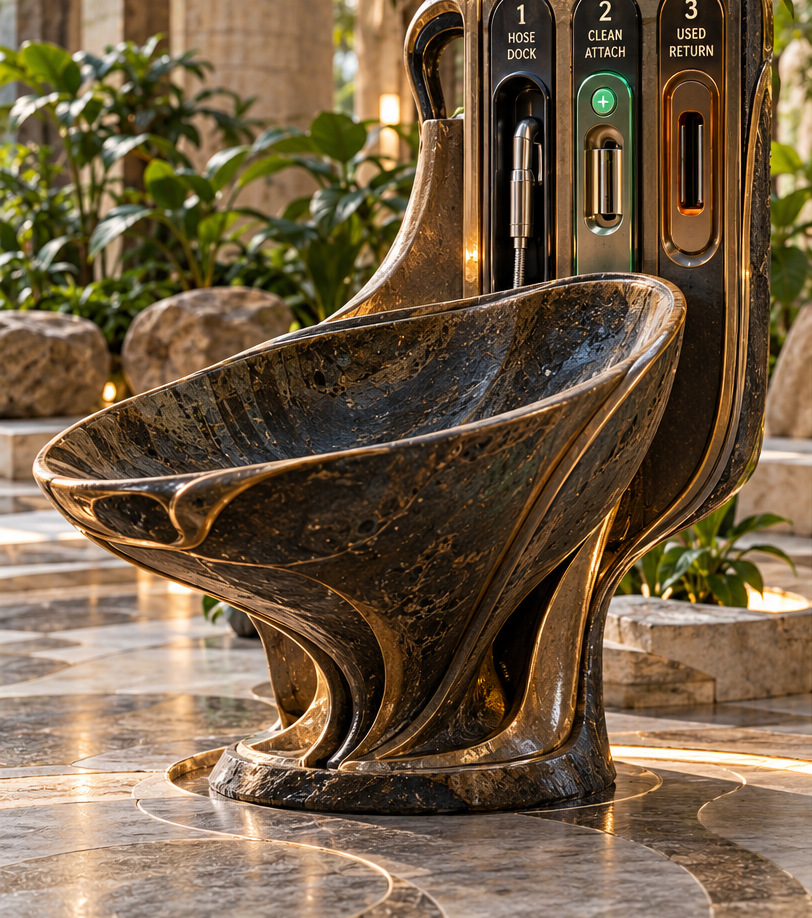
Used for thresholds, basins, columns, benches, walls, paving, carved markers, and permanent civic pieces.
Shell & Mineral Inlay
Used for route lines, ceremonial surfaces, luminous thresholds, wall panels, furniture detail, and identity marks.
Clay & Ceramic
Used for ventilation blocks, roof tiles, water channels, cooling surfaces, colored glazes, and permanent pattern.
Lime
Used for breathable plaster, mineral finishes, climate-smart walls, and surfaces that do not depend on synthetic paint.
Timber
Used for ribs, doors, windows, screens, furniture, arches, ceiling systems, and interlocking construction pieces.
Metal
Used strategically for connectors, hinges, lighting supports, water systems, fine detail, and protected reinforcement.
The Return Of Material Truth
Many modern buildings depend on disguise.
Concrete pretends to be stone. Plastic pretends to be wood. Paint pretends to be material richness. Thin veneers pretend to be permanence.
A civilization-authored architecture should ask for something deeper:
Stone should be stone. Clay should be clay. Lime should be lime. Shell should be shell. Timber should be timber. Metal should be metal.
The machine helps transform these materials without forcing them to lose their nature.
The Kingdom Workshop
The real goal is not one magical machine.
The deeper goal is a kingdom workshop: a place where material scouting, design files, six-axis fabrication, CNC routing, stone cutting, ceramic production, lime finishing, and hand craft all work together.
Design Station
- Digital models
- Pattern libraries
- Window systems
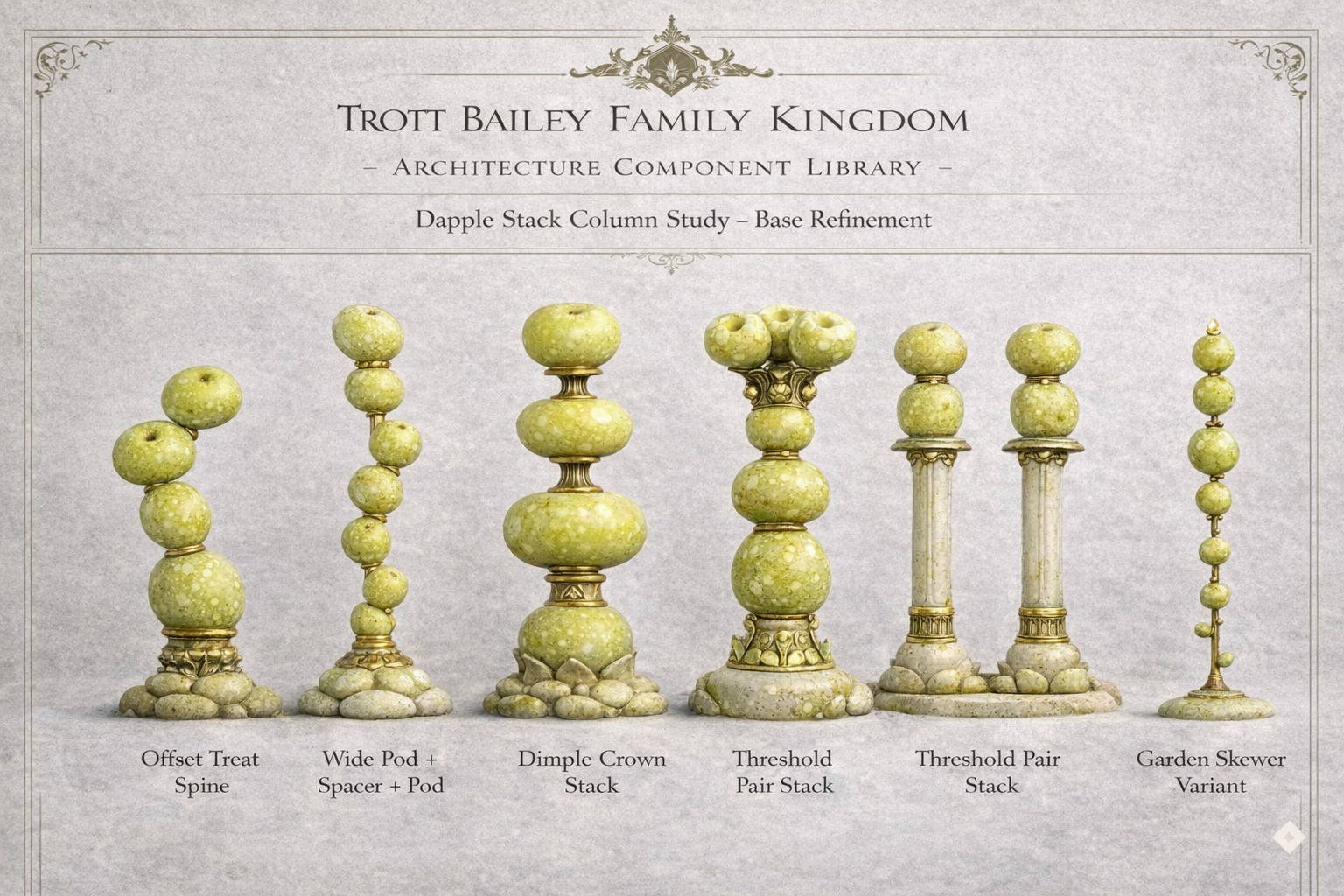
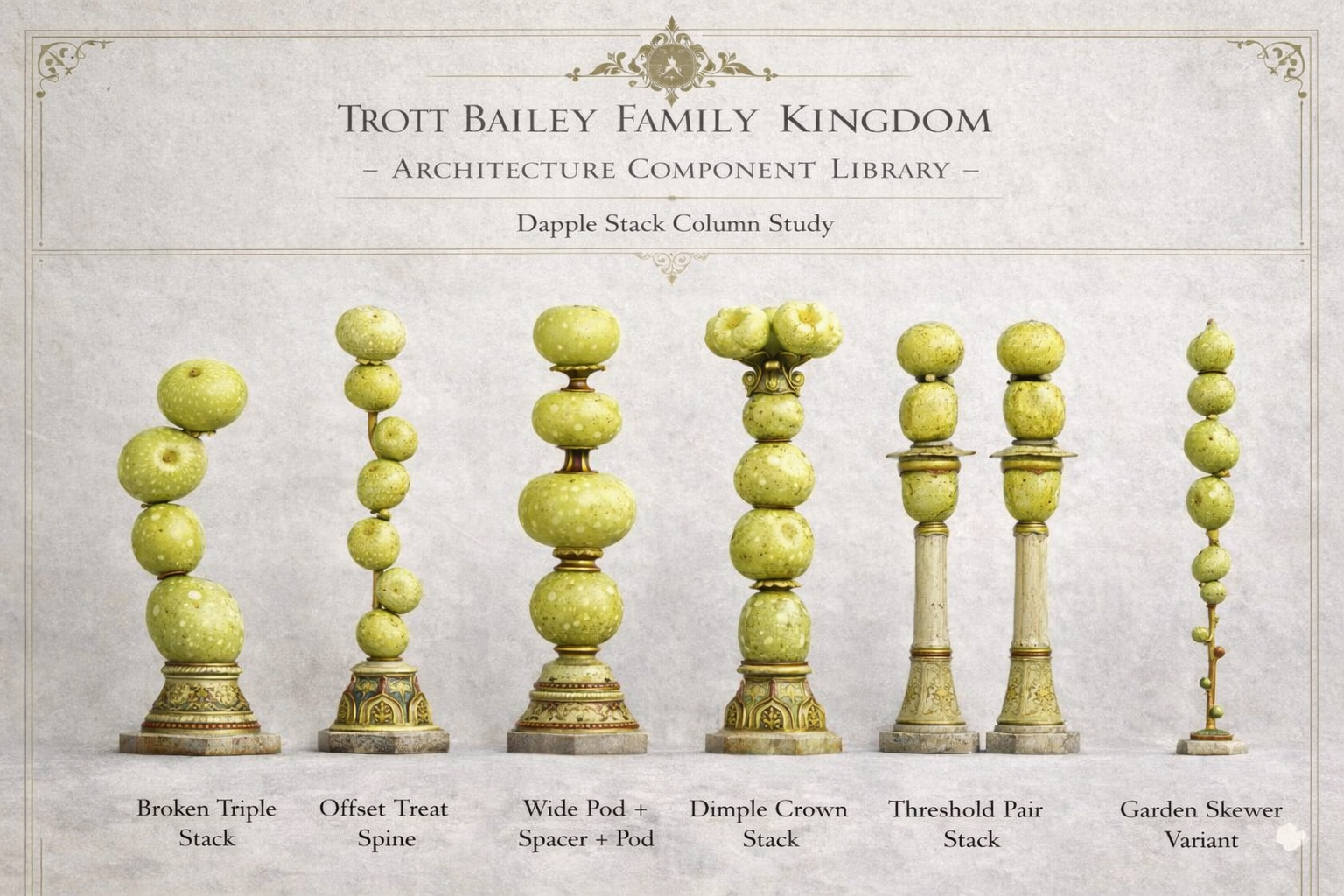
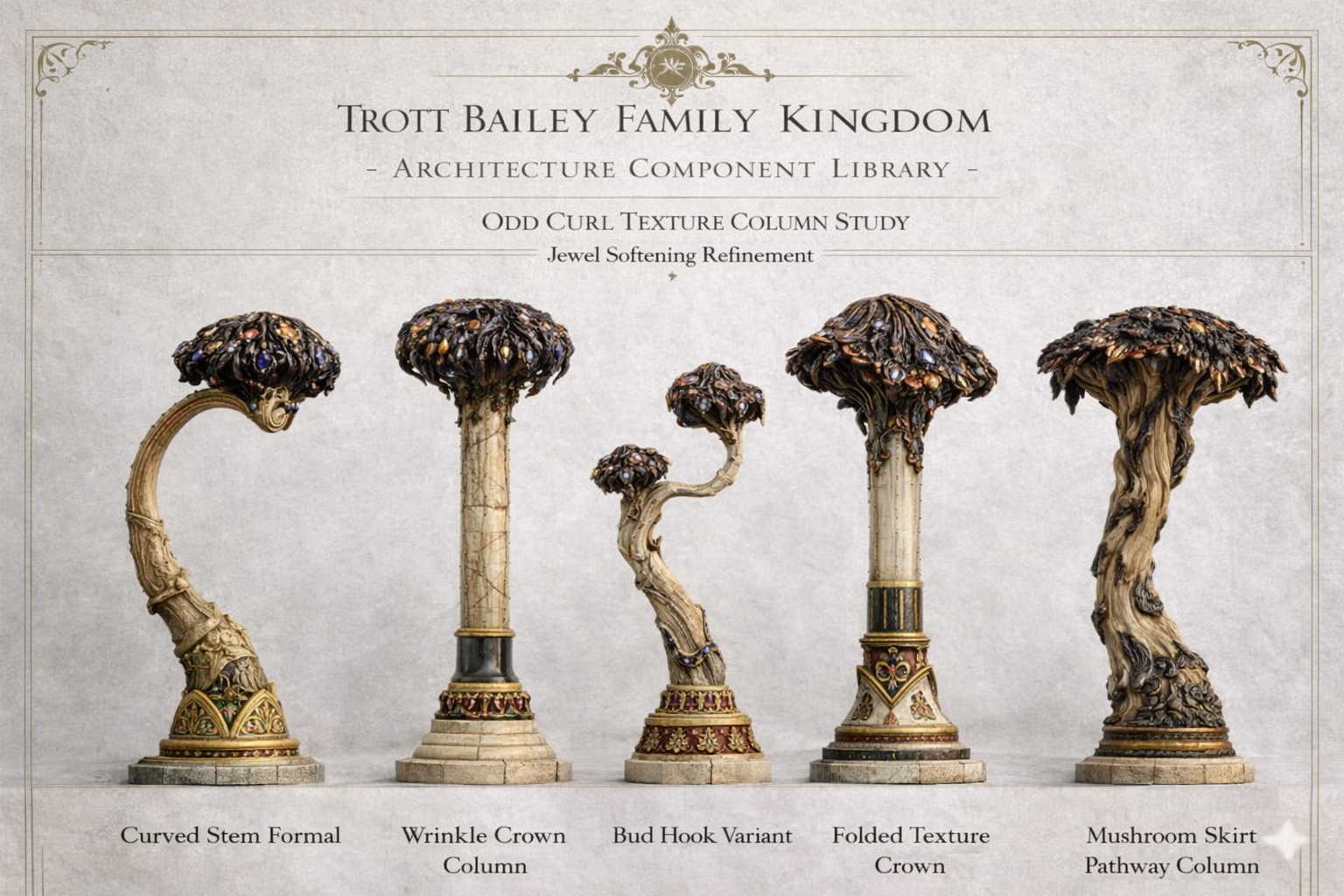
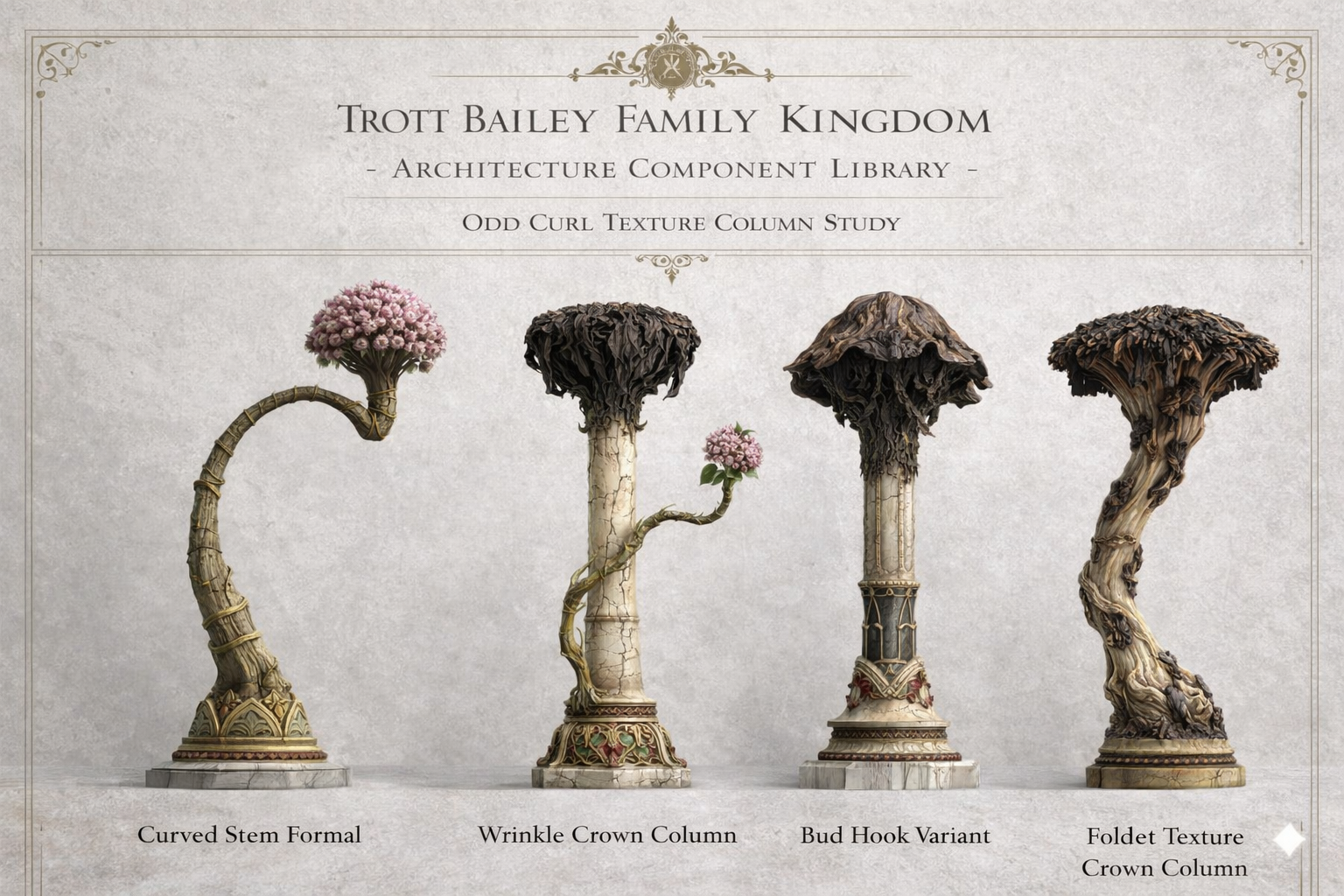
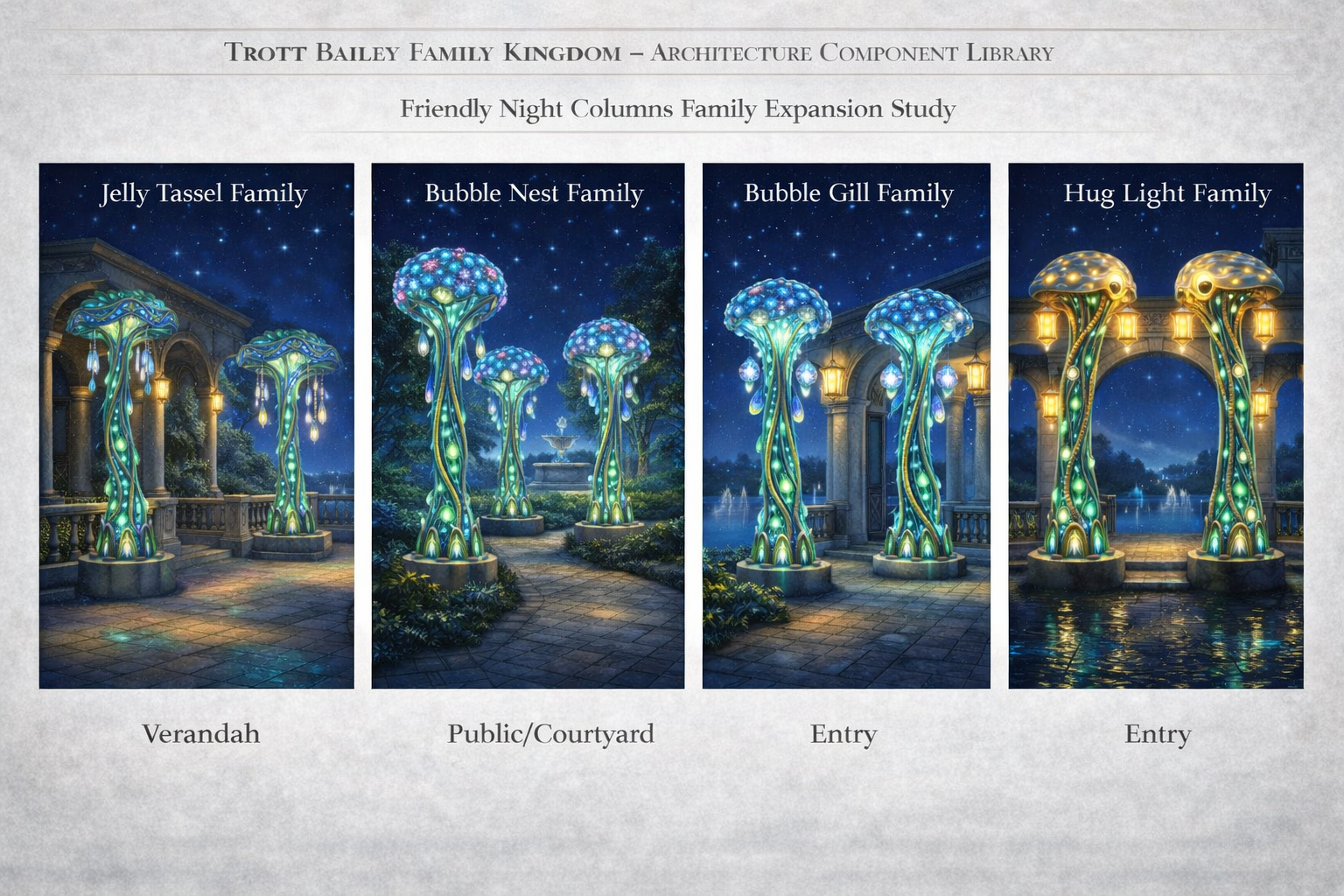
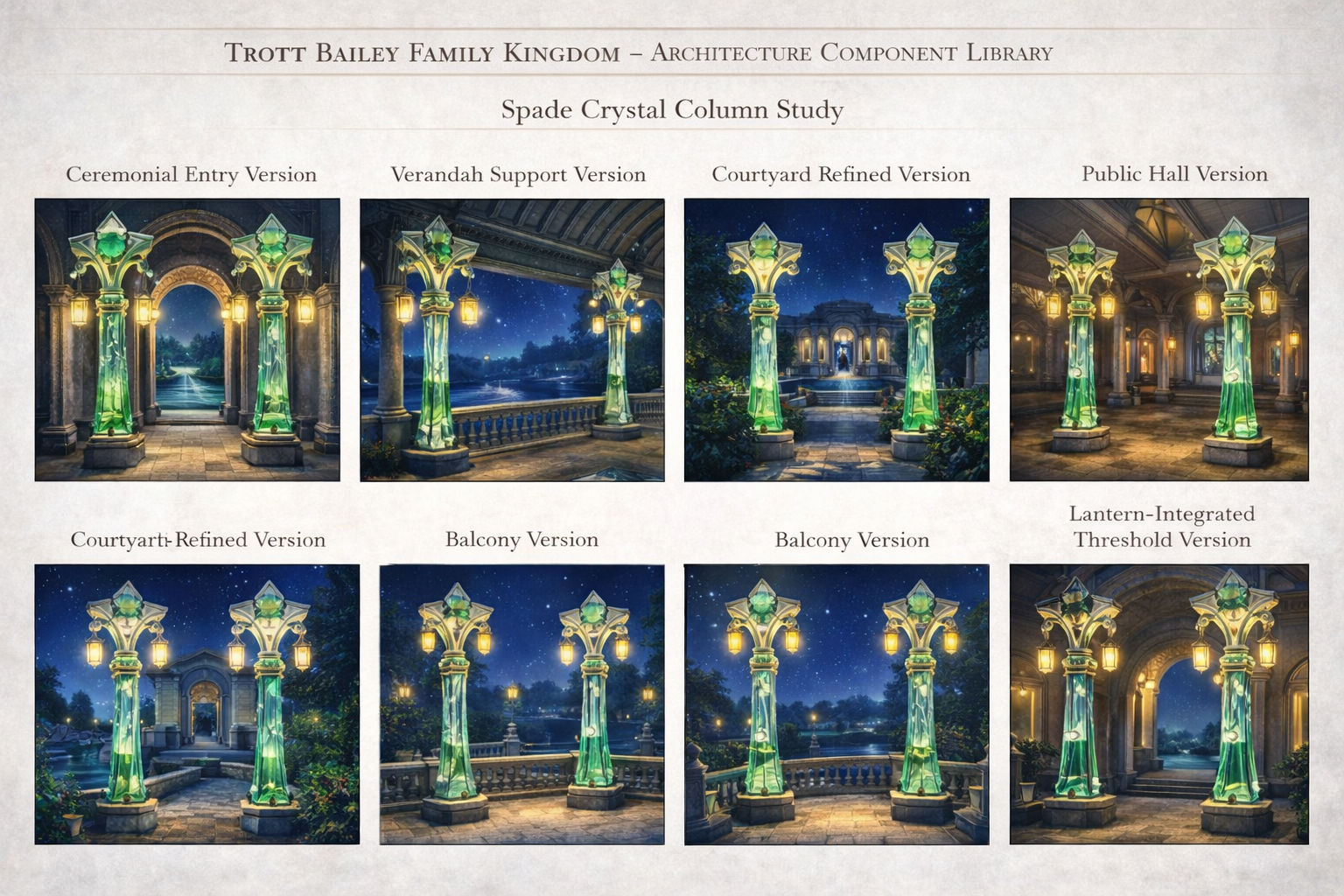
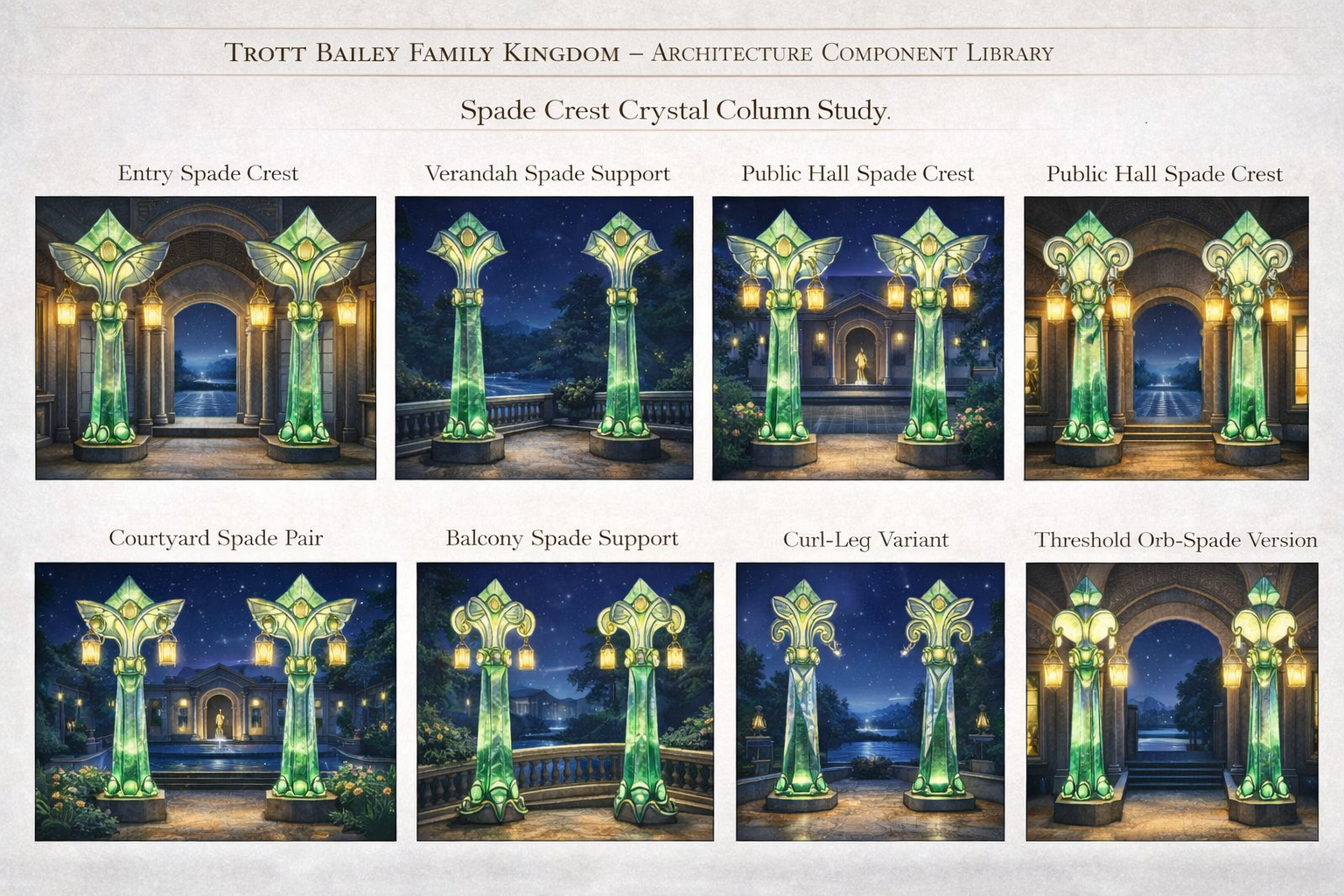
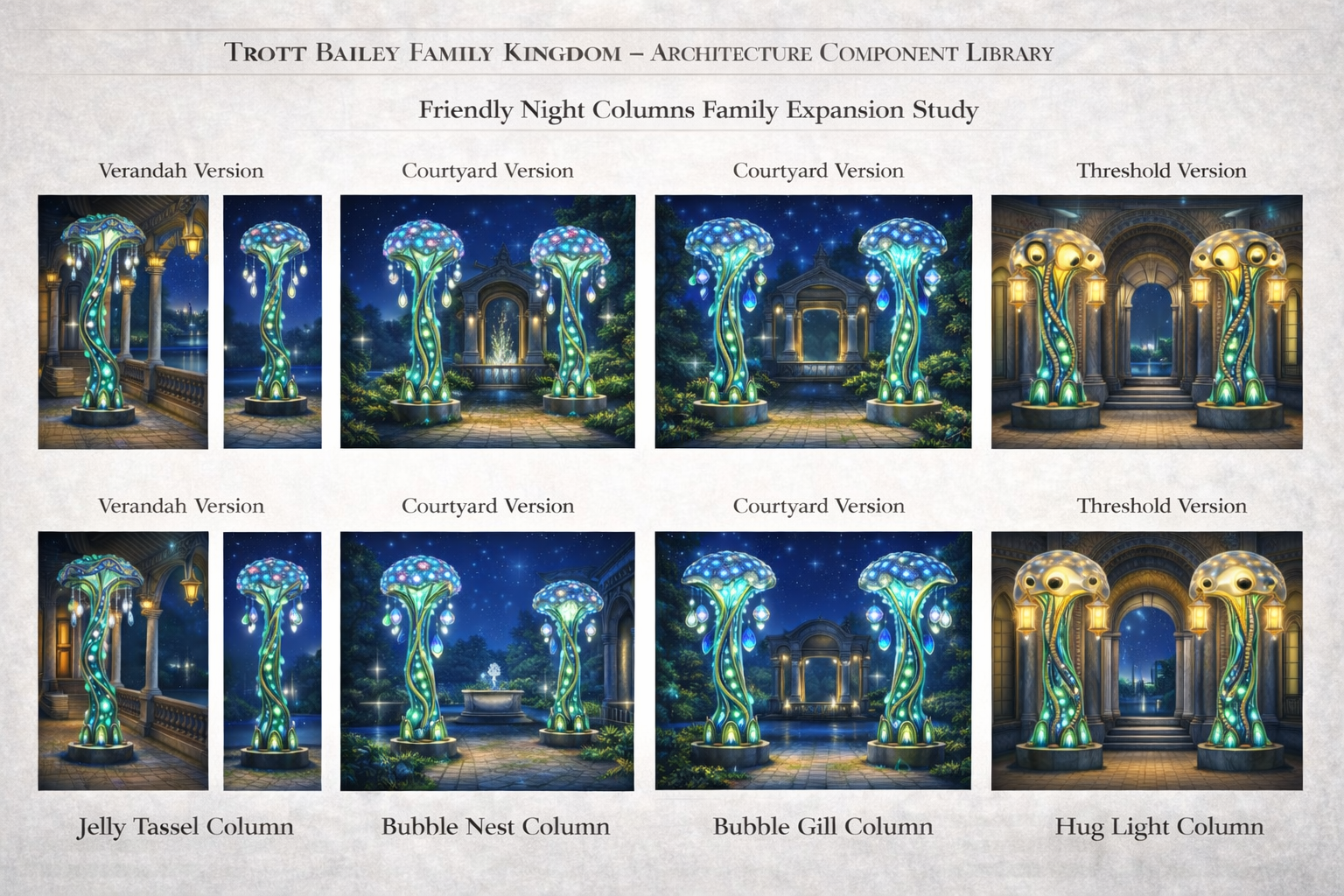
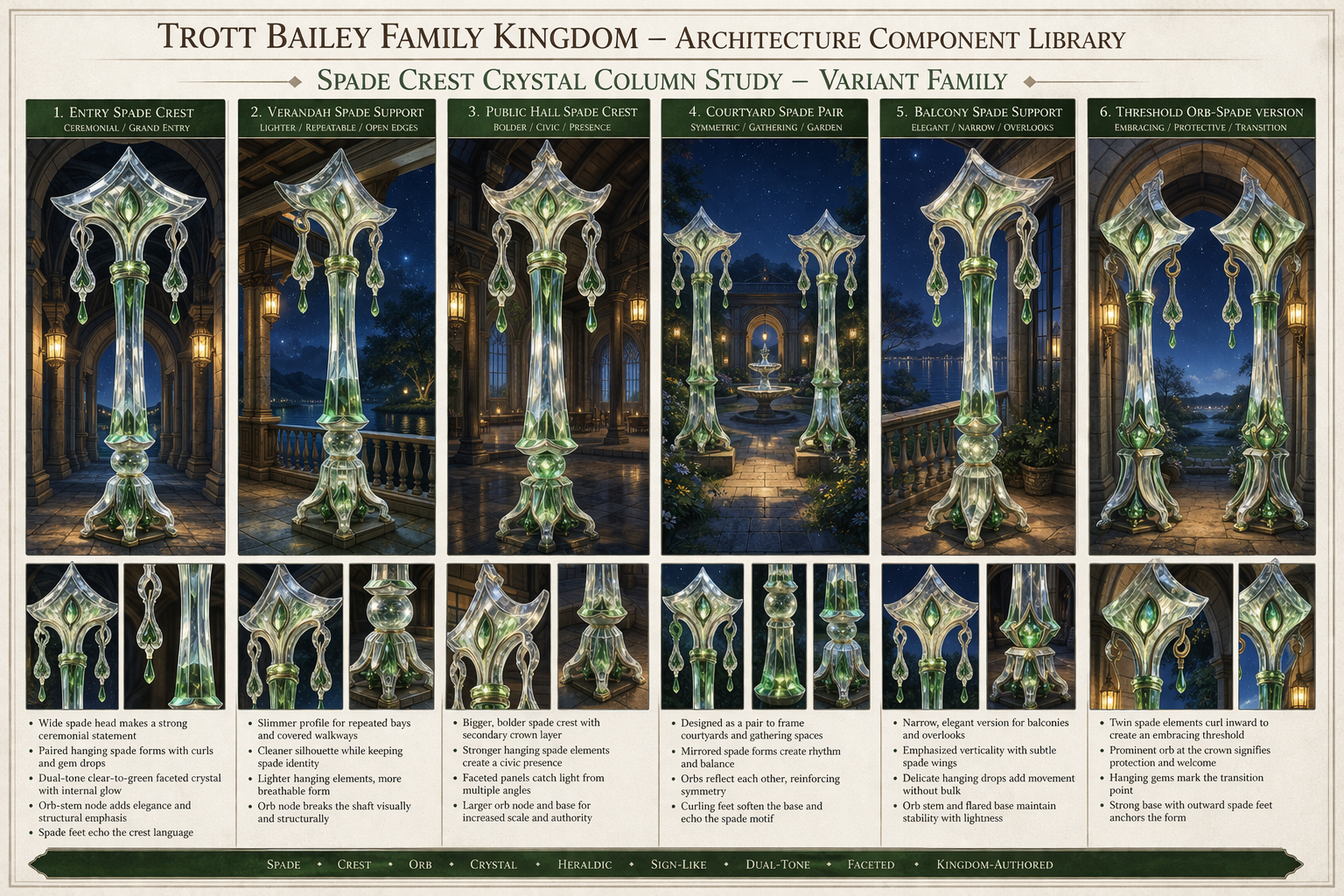
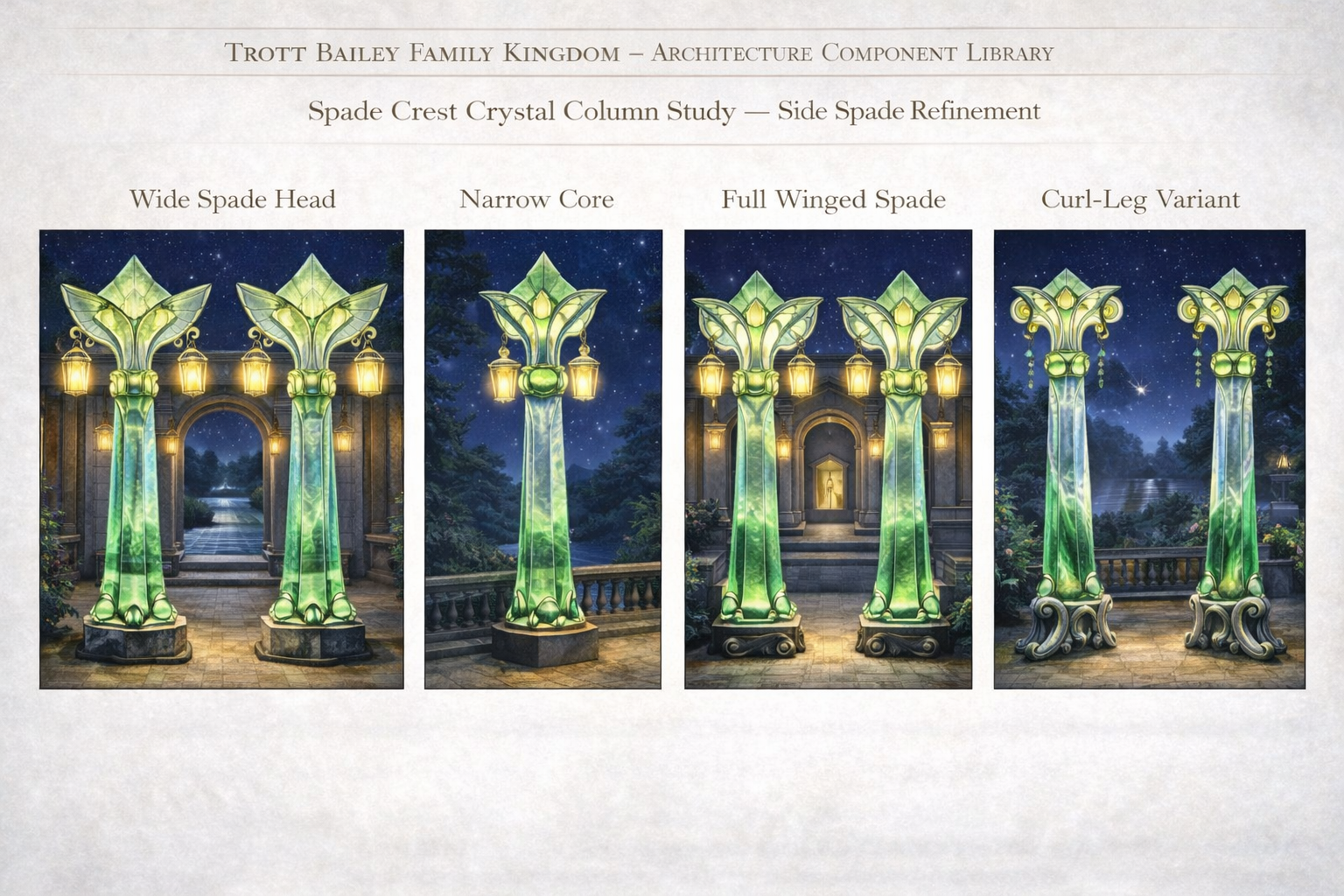
- Column families
Robotic Fabrication
- Stone carving
- Timber shaping
- Mold production
- Relief surfaces
Material Finishing
- Lime plaster
- Mineral pigment
- Polishing
- Shell and stone inlay
Assembly Yard
- Dry fitting
- Interlocking parts
- Structural testing
- Repairable components
A New Definition Of Wealth
Many people define wealth by accumulation.
But a civilization can define wealth by transformation.
Can we transform earth into architecture? Can we transform stone into memory? Can we transform clay into climate intelligence? Can we transform timber into shelter? Can we transform minerals into identity? Can we transform local materials into lasting beauty?
The Civilization Answer
The answer is not to abandon craftsmanship. The answer is to build machines that multiply craftsmanship.
The six-axis robotic machine matters because it gives a civilization a new kind of hand: precise, tireless, adaptable, and able to work across stone, timber, clay, ceramic, lime, shell, mineral, and metal.
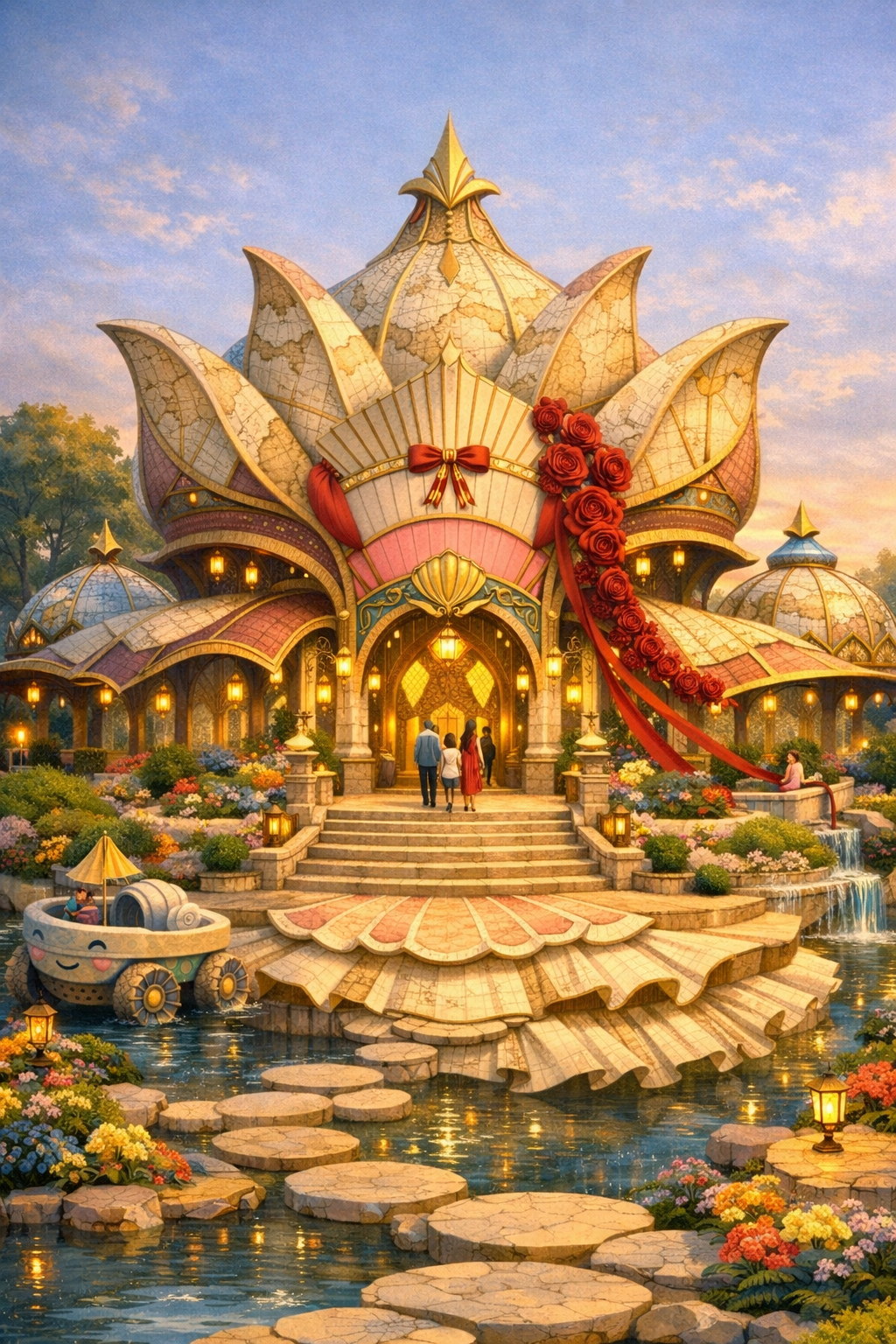
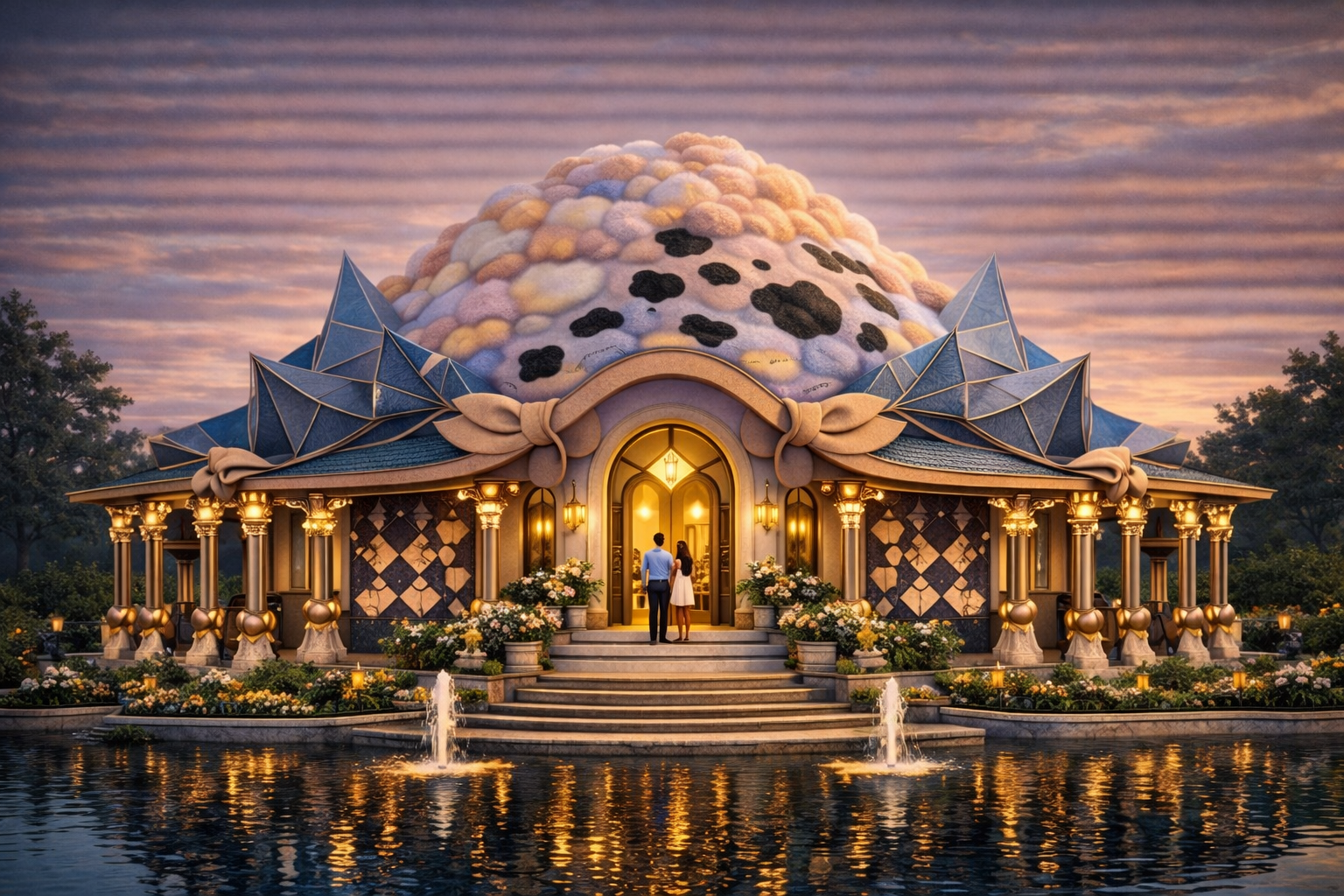
It does not create beauty by itself. But in the hands of a civilization with taste, material scouting, design intelligence, and long-term purpose, it can help turn raw resources into authored architecture.
That is the deeper goal: not cheap buildings, but lasting beauty made from real materials.



























 and then