Trott Bailey Orchard District System
Trott Bailey Family Kingdom Systems
Trott Bailey Orchard District System
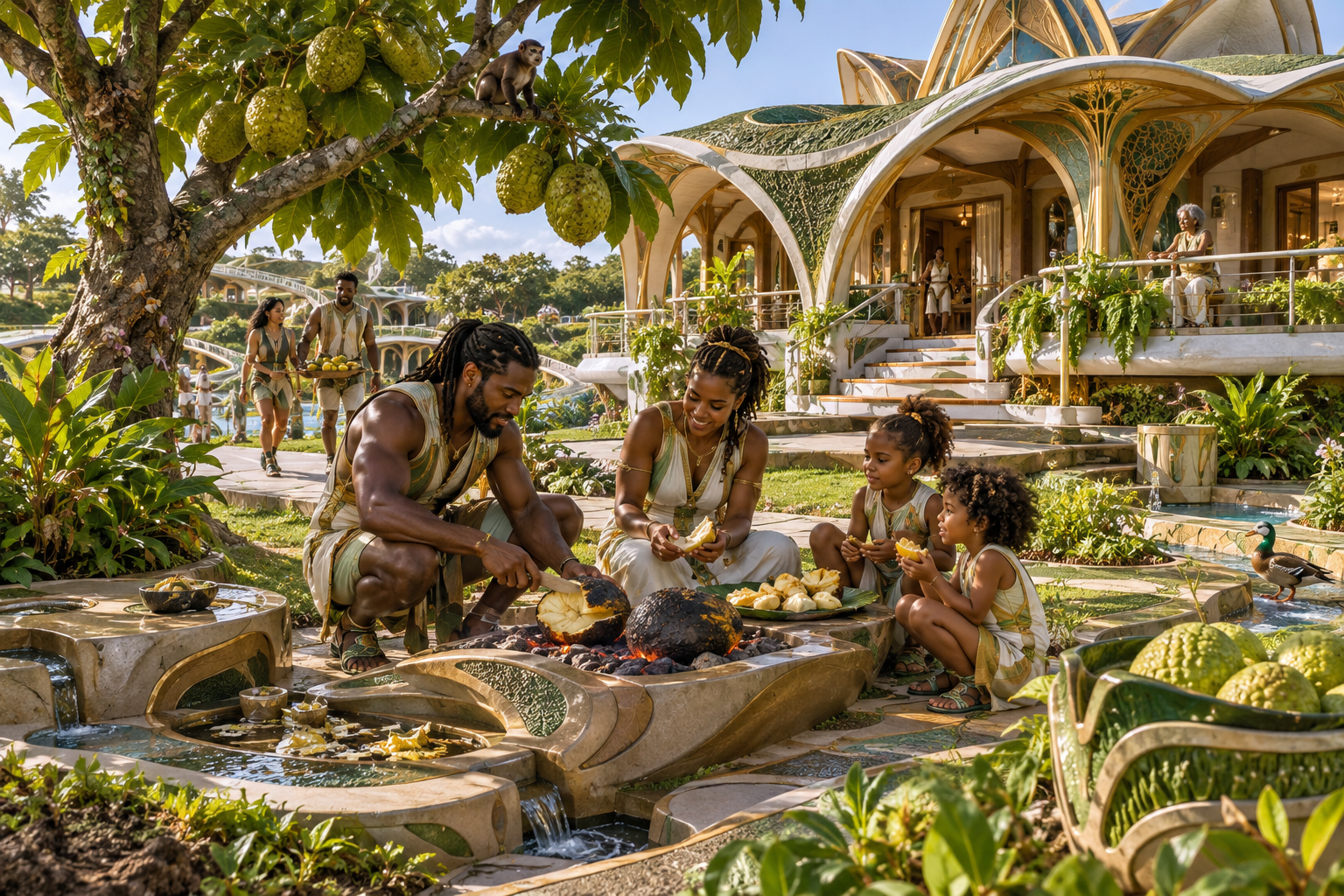
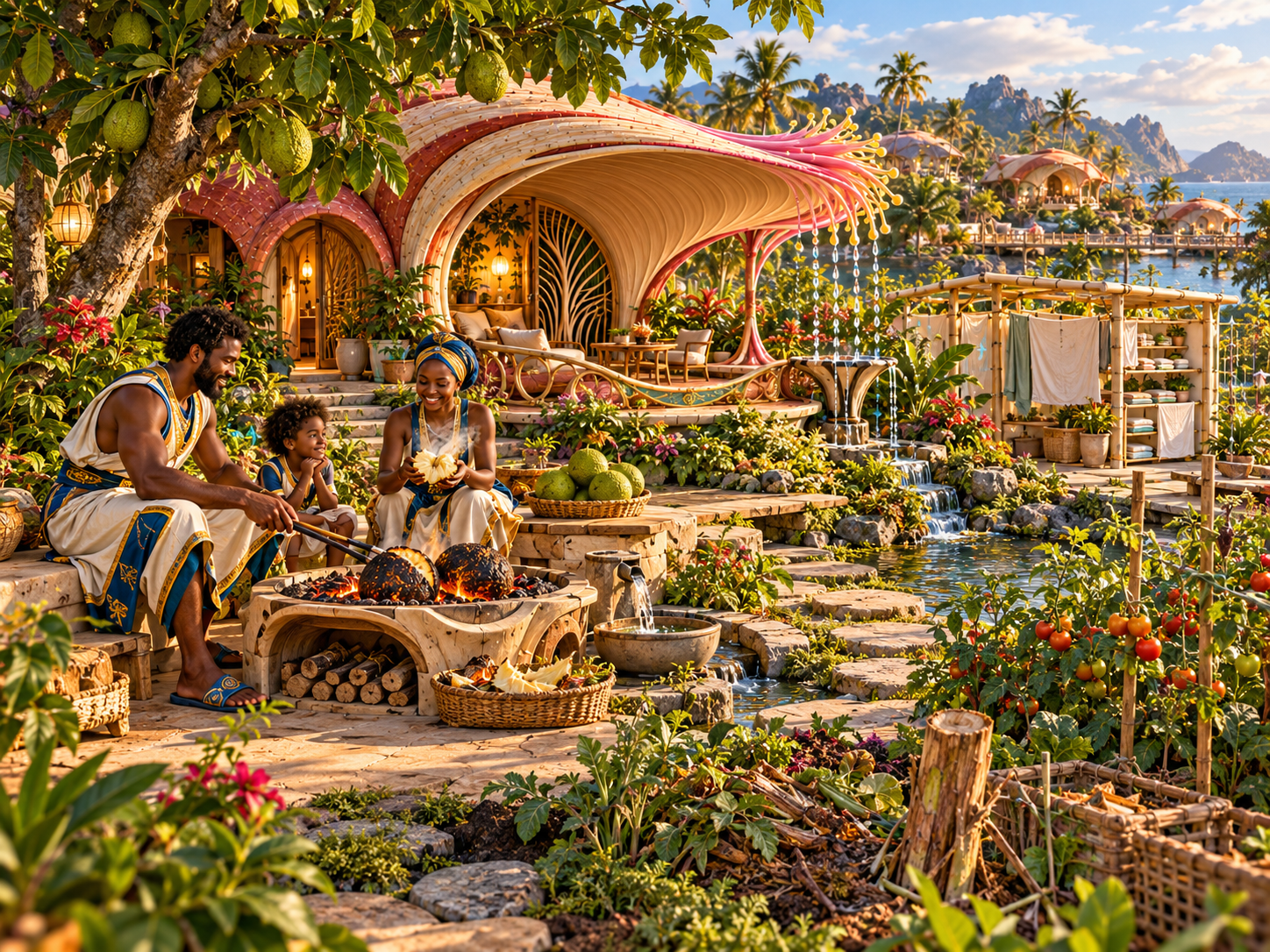
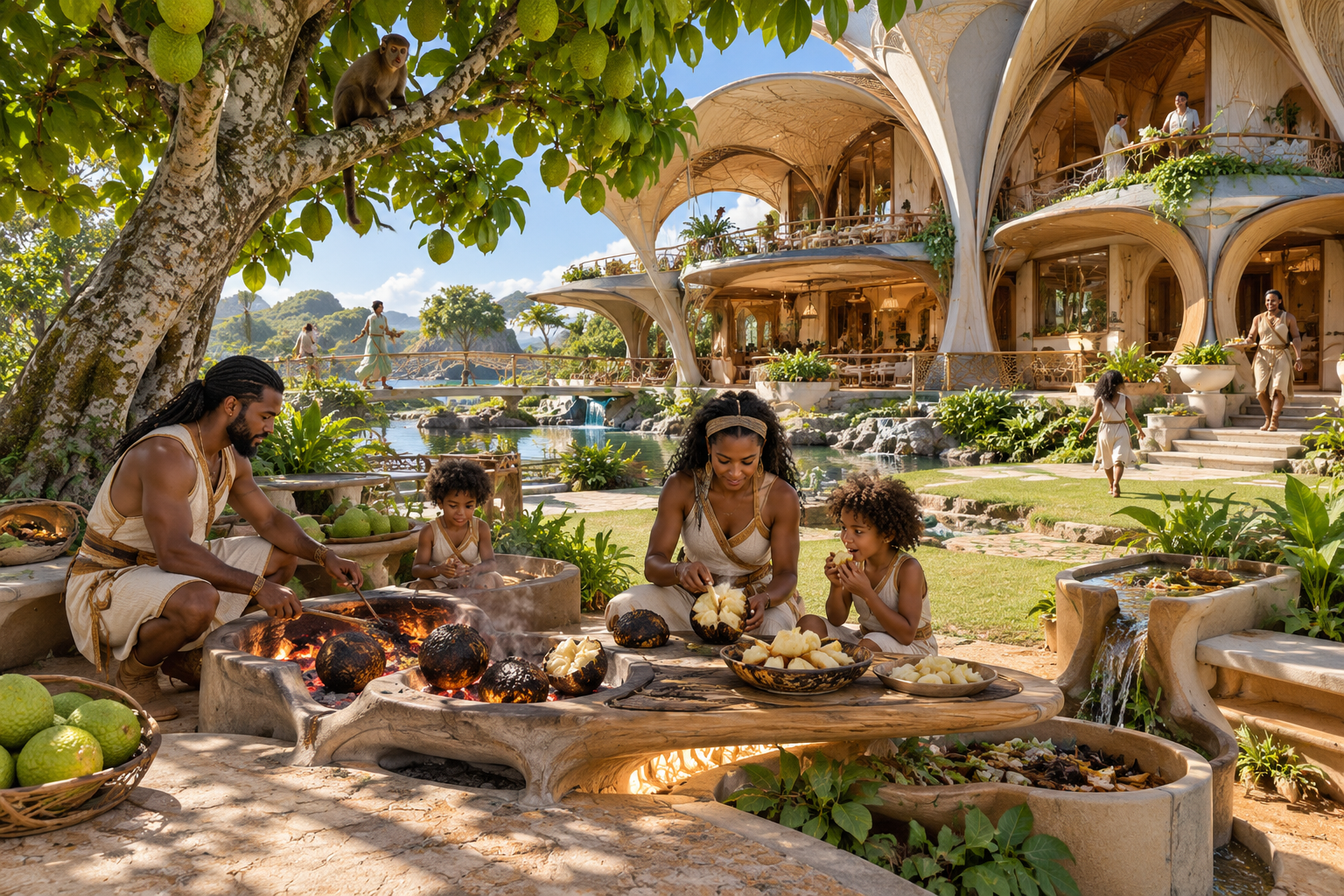
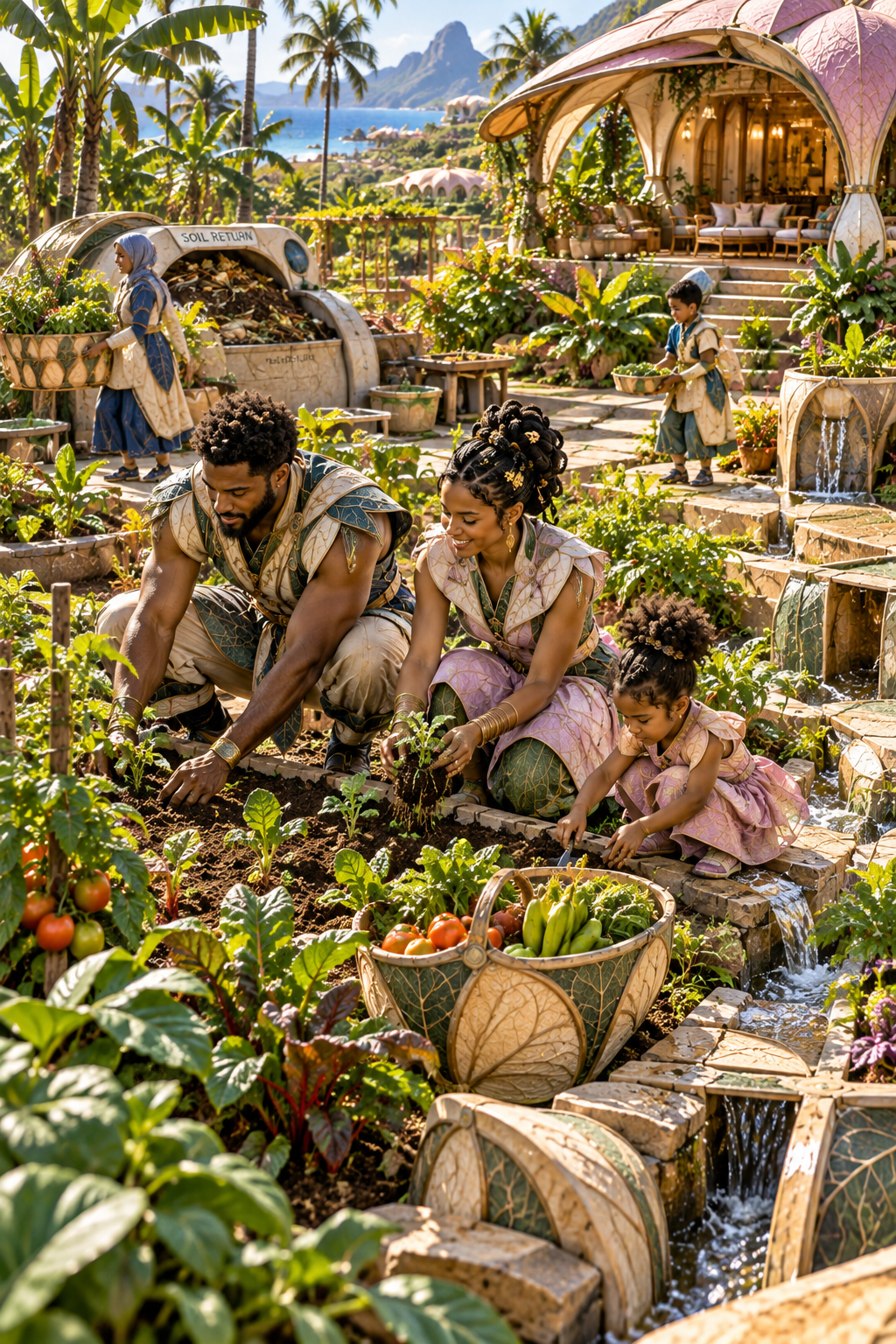
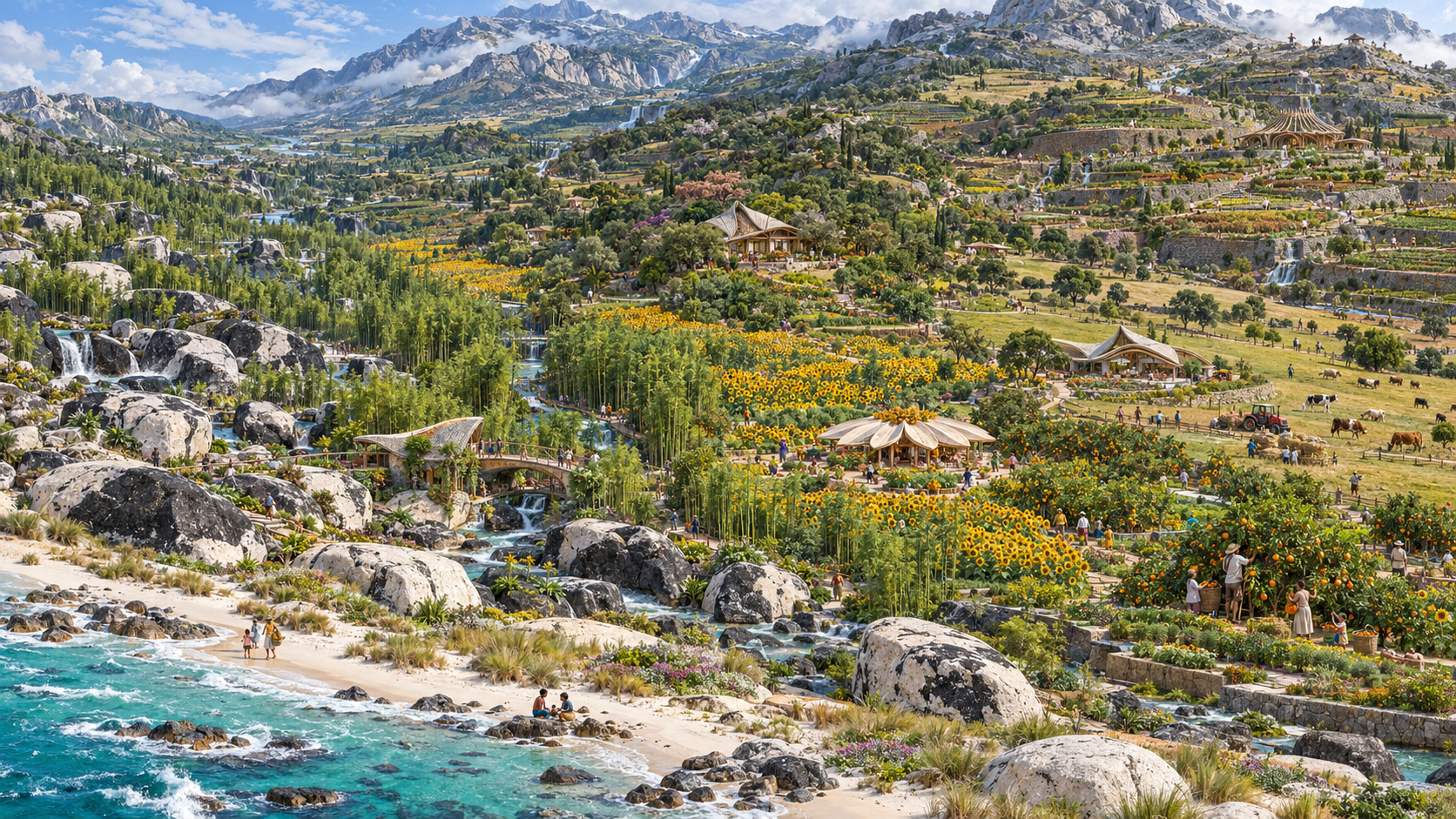
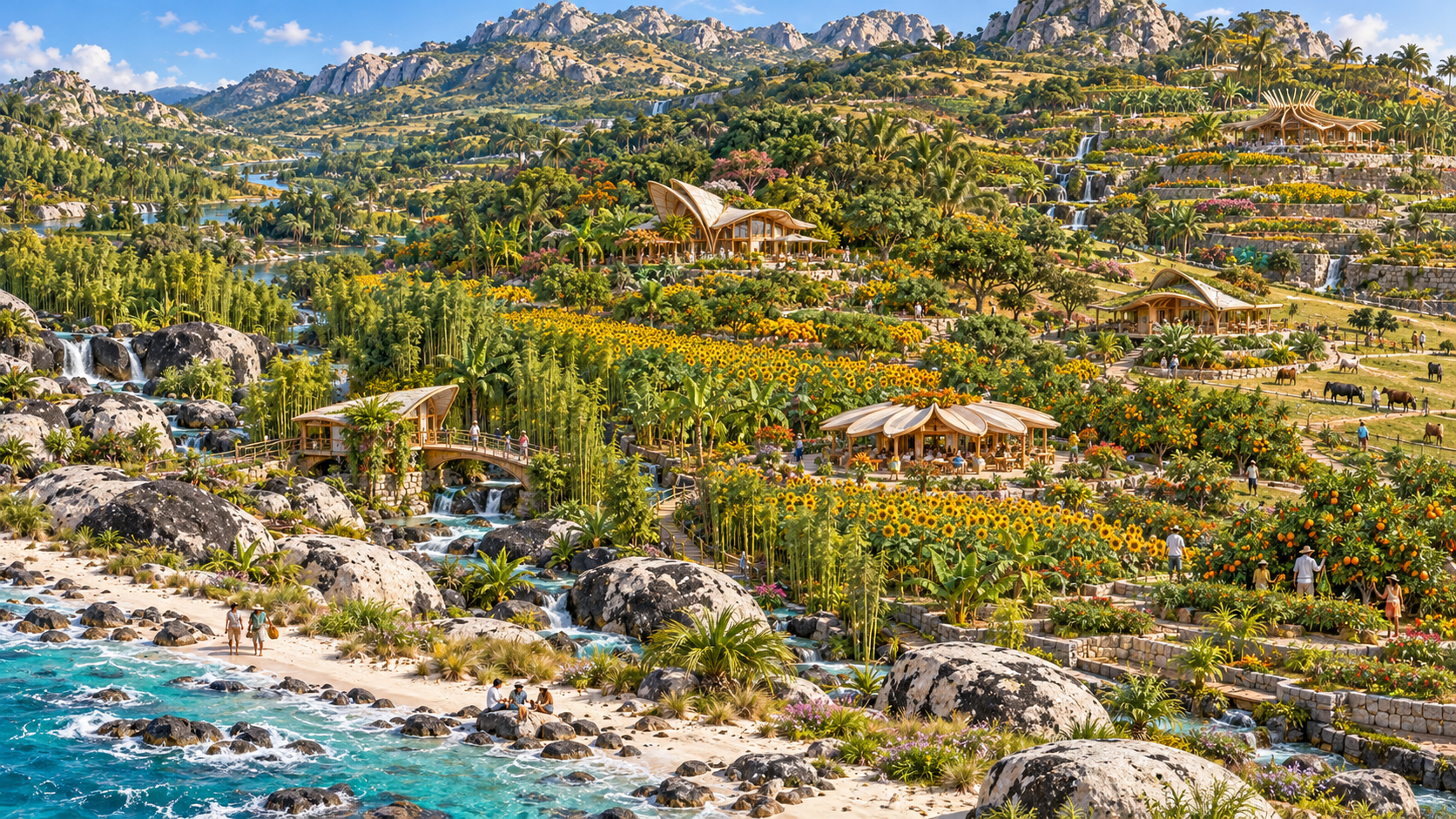
In the Trott Bailey Family Kingdom, orchards are not treated as simple fruit fields. They are family-abundance districts where food, water, shade, movement, rest, Makji pause, hidden service, root protection, Solar Moon Panel energy, learning, and family challenge are designed together.
The Orchard District System proves one of the deepest principles of the kingdom: abundance should not be distant from daily life. Families should be able to walk into fruit, wash it, taste it, rest under it, learn from it, gather around it, move through it, and contribute to its care without turning life into harsh labor.
1. What Makes a Trott Bailey Orchard Different?
The kingdom does not begin orchard planning by asking only, “Where can we plant rows of trees?” It begins with family life.
Where do families arrive? Where do children wash fruit? Where do elders sit in shade? Where do Makji families pause? Where does water move? Where are roots protected? Where does hidden service support public beauty? Where does night movement remain safe? Where do families learn, taste, rest, and challenge themselves together?
Only after those questions are answered does the orchard become a tree plan. This is why Trott Bailey orchards are not background scenery. They are civilization infrastructure.
2. The Orchard Type Catalog
Each orchard type has a different emotional and practical function. Together, they create a complete family-abundance landscape.
Arrival Orchard
Welcomes families into abundance immediately with fruit visibility, tasting tables, wash points, shade, helpers, and clear paths into deeper orchard life.
Family Rest Orchard
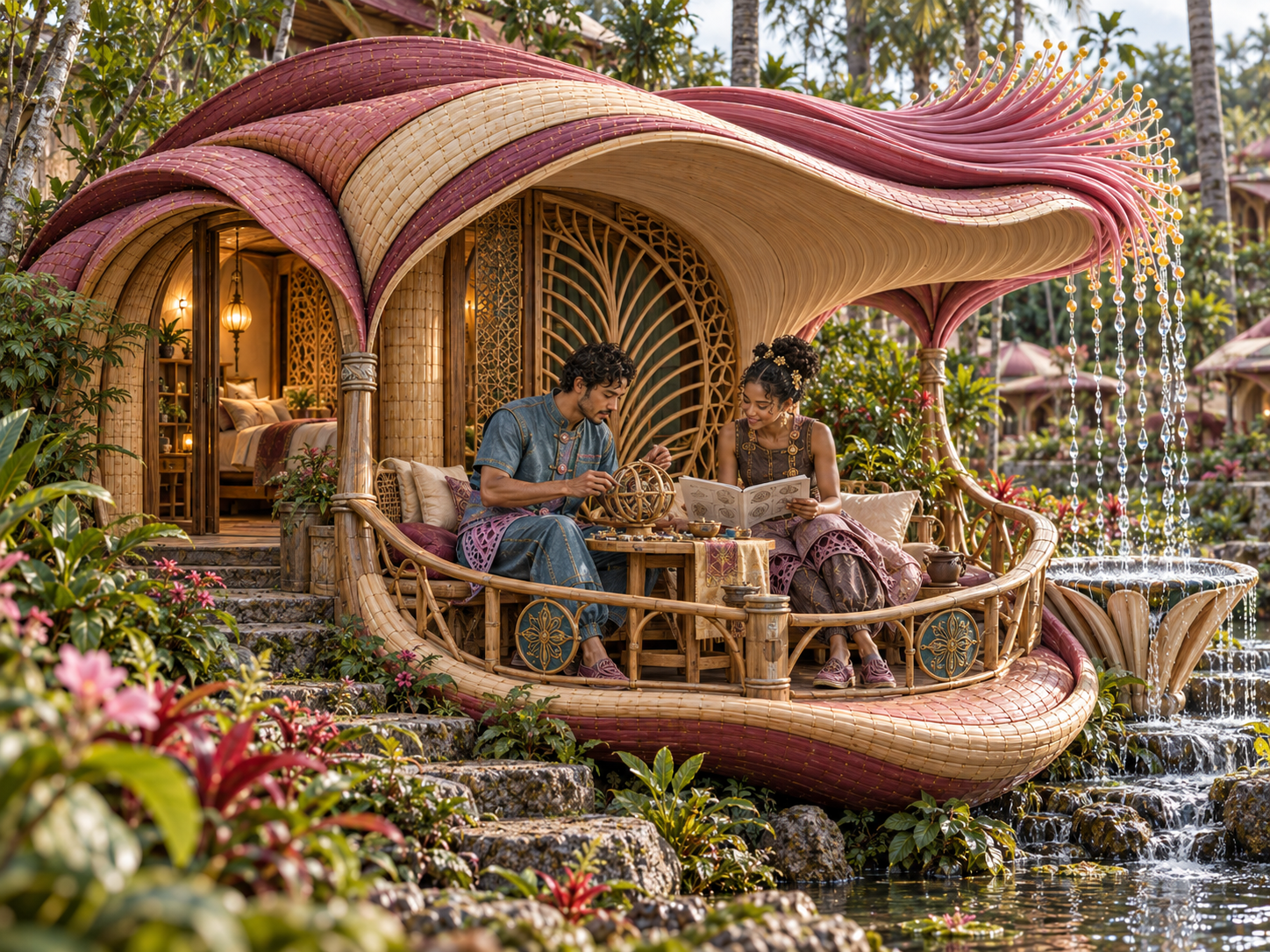
A slower orchard with shaded courts, hammocks, elder seating, quiet water, and peaceful family gathering.
The orchard lets the family breathe.
Harvest Orchard
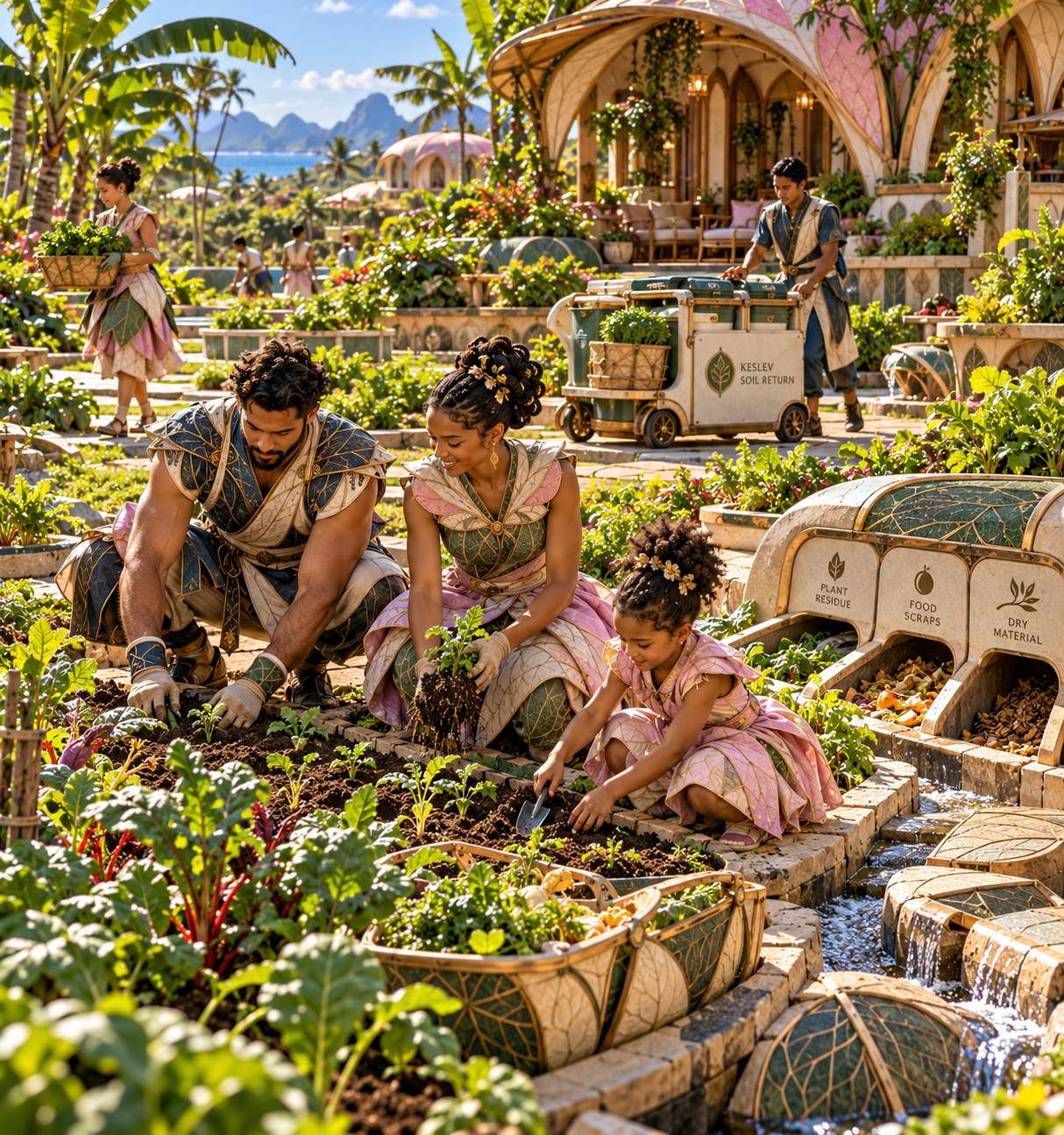
Supports joyful fruit picking, sorting, washing, and sharing. Harvest becomes participation, not burden.
Dessert Orchard
Turns fruit into juice, smoothies, gelato, desserts, tasting tables, and celebration courts.
Learning Orchard
Teaches roots, soil, water, pollination, fruit cycles, nutrition, and stewardship through wonder rather than classroom pressure.
Makji Pause Orchard
Lets Makji families stop at root-safe hardscape edges near shade, wash, snacks, fruit, seating, and hidden service.
Movement and abundance belong together.
Lagoon-Edge Orchard
Connects fruit abundance with coastal breezes, Reefveil movement, water-facing pavilions, and salinity-aware planting.
Night Orchard
Uses Solar Moon Panel glow, path edges, roof integrations, and soft route markers so families can walk safely after dark.
Family Challenge Orchard
Supports family unity challenges, teamwork stations, fruit-gathering tasks, water stewardship tasks, and Pacorips recognition.
3. Water as Beautiful Infrastructure
Trott Bailey orchards do not treat water as an afterthought. Water is planned as care, cooling, irrigation, learning, hygiene, beauty, and hidden service.
Root Ribbon Irrigation
Controlled root-wise water delivery that follows hardscape ribbons and planting edges without exposed hoses or messy utility lines.
Court Basin Watering
Shaped basins and ring channels around tree clusters, turning irrigation into part of the orchard court design.
Slow Vein Channels
Shallow, child-safe water channels that cool, guide, teach, and support orchard irrigation.
Fruit Wash Court
A beautiful preparation court where fruit moves from tree to hand to wash to table. Children and adults both have proper wash access.
Greywater-to-Orchard Return
Filtered water returns safely into orchard support systems when appropriate.
Rain Catchment Orchard Link
Roofs, pavilions, and canopies collect rain and guide it toward storage and irrigation.
Rain is not runoff. Rain is future fruit.
4. The Hidden Service Water Spine
The Hidden Service Water Spine is the concealed orchard support corridor. It carries clean water, greywater return, irrigation, drainage, delivery support, maintenance access, and energy conduit beneath or beside hardscape edges.
Families above experience fruit, shade, wash courts, tasting tables, night glow, and rest. Beneath and beside that beauty, the kingdom quietly keeps the orchard alive.
5. Solar Moon Panel in the Orchard
Solar Moon Panel is not treated as mounted technology in orchard districts. It is embedded into path edges, court seams, threshold panels, roof surfaces, and hardscape ribbons.
The goal is not neon spectacle. The goal is for the ground, roofs, and thresholds to feel quietly alive after dark.
- Soft night guidance
- Low-glow path edges
- Moonlit court seams
- Roof-integrated energy
- Quiet family movement
- Safe evening orchard life
6. Makji Pause Orchards
A Makji family should not stop in an empty service lot or roadside parking strip. In the Trott Bailey Kingdom, Makji pause is designed as an orchard experience.
Families pause at root-safe hardscape edges where shade, fruit, wash points, seating, snacks, hidden service, and family guidance are already present. Makji movement becomes part of orchard abundance instead of an interruption from it.
7. Family Challenge Orchards
Orchard districts can host recognized Family Challenges. These challenges strengthen unity, cooperation, patience, courage, leadership, resilience, and shared memory.
A family might complete an orchard route, gather certain fruits, solve route-finding tasks, complete water stewardship stations, support one another through teamwork moments, and finish at a recognition court.
Pacorips can record completion, recognize capability growth, adjust challenge standing, and connect the family to Abundance Points or future tier access.
Abundance Points are not shopping credits. They are non-monetary recognition inside the kingdom: delight, honor, access, celebration, hosted experiences, tasting days, and family-specific honor clothing.
8. Shubaka Roles Created by Orchard Districts
The Orchard District System creates many enjoyable, useful, family-friendly contribution pathways. A person can contribute through fruit knowledge, hospitality, teaching, water care, root protection, night guidance, child support, elder rest, dessert hosting, service-shadow work, or Pacorips coordination.
Food + Hospitality
- Orchard Arrival Shubaka
- Fruit Wash Court Steward
- Harvest Orchard Guide
- Dessert Orchard Host
- Fruit Variety Curator
- Fruit Tasting Helper
Learning + Children
- Learning Orchard Guide
- Root + Soil Explainer
- Child Orchard Discovery Guide
- Fruit Cycle Teacher
- Pollinator Path Helper
Water + Roots
- Orchard Water Steward
- Root Ribbon Maintainer
- Court Basin Technician
- Slow Vein Reset Crew
- Greywater Return Monitor
- Root Protection Sensor Steward
Night + Energy
- Night Orchard Steward
- Solar Moon Orchard Monitor
- Night Energy Path Steward
- Evening Route Helper
Makji + Movement
- Makji Pause Orchard Host
- Makji Family Arrival Helper
- Makji Pause Bay Coordinator
- Root-Safe Pause Guide
Challenge + Recognition
- Family Challenge Orchard Steward
- Challenge Encouragement Helper
- Orchard Challenge Verifier
- Pacorips Family Challenge Recorder
- Pacorips Recognition Helper
9. Service Shadow Roles
Orchard districts remain beautiful because Service Shadow roles protect the hidden systems that keep abundance alive. These roles maintain water, roots, fruit wash courts, greywater return, night energy, service-ready streets, and Makji pause bays.
- Hidden Service Water Spine Crew
- Root Ribbon Irrigation Maintainer
- Court Basin Water Technician
- Slow Vein Channel Reset Crew
- Fruit Wash Court Reset Crew
- Greywater Return Monitor
- Rain Catchment Maintenance Crew
- Solar Moon Orchard Maintenance Steward
- Makji Pause Bay Shadow Helper
- Orchard Service-Ready Scented Street Crew
10. Fruit Must Be Visible
Orchard visuals and orchard planning must make fruit visibly understandable. The kingdom should not show generic greenery and call it abundance. Families should see, smell, wash, taste, compare, and learn fruit diversity.
- Mango
- Citrus
- Guava
- Papaya
- Banana
- Breadfruit
- Coconut
- Avocado
- Soursop
- Tamarind
- Jackfruit
- Dragonfruit
- Pomegranate
- Starfruit
- Passionfruit
- Berries
11. Design Laws for Future Orchard Images
Trott Bailey Architecture Must Be Present
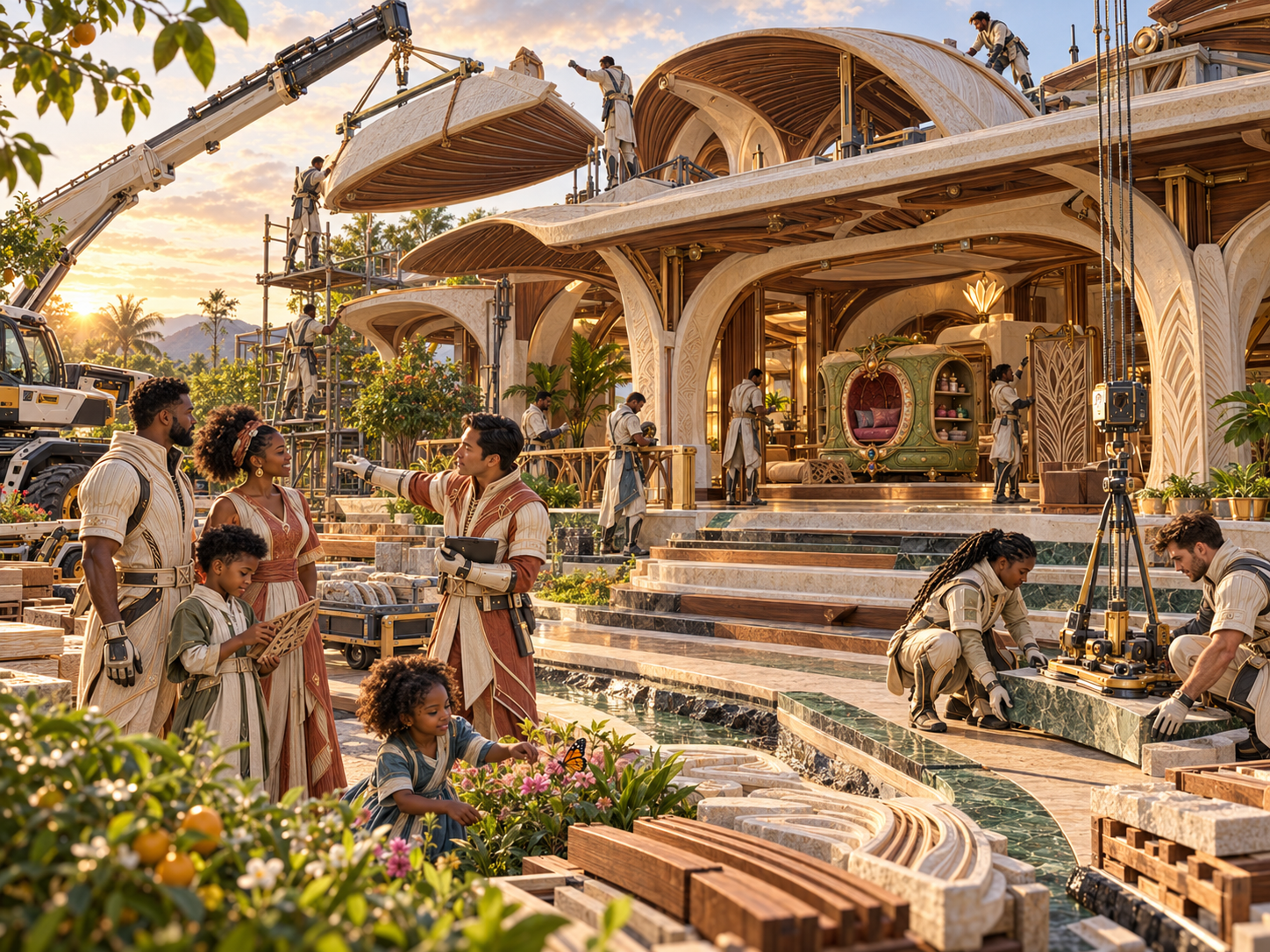
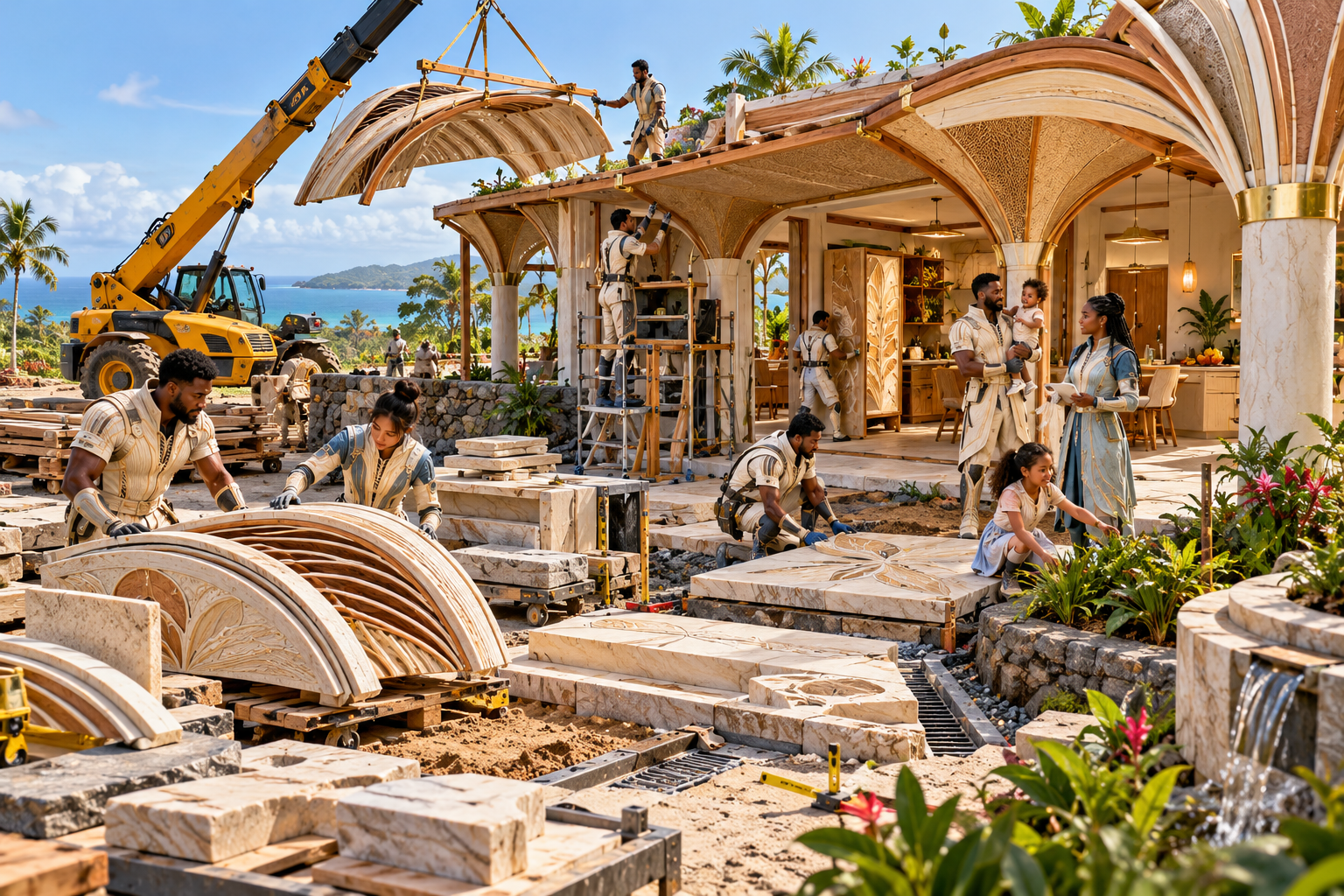
Orchard images should not drift into generic pavilions. They should include kingdom-authored architecture: carved thresholds, carved railings, integrated plaques, expressive columns, shaped roofs, rain-catchment logic, and visible family-use infrastructure.
Root Protection Comes First
Major water, maintenance, Makji pause, Solar Moon Panel, and service lines must stay along hardscape edges. This protects deep roots, soil systems, fungal networks, irrigation balance, and long-term abundance.
Orchard Work Must Feel Like Abundance
Harvest, washing, tasting, fruit display, dessert creation, learning, and challenge participation should feel joyful, family-centered, and voluntary. Shubaka roles support the family experience; they do not recreate the old-world farm labor model.
12. Why This System Matters
The Orchard District System matters because it shows how Trott Bailey civilization turns ordinary survival functions into beautiful public life. Food is not hidden. Water is not neglected. Rest is not an afterthought. Children are not excluded. Elders are not forgotten. Workers are not reduced to invisible strain. Movement does not disconnect families from nourishment. Night does not shut the world down.
The orchard becomes living proof that the kingdom has endless useful, enjoyable, inventive things for people to do. A person can arrive with knowledge of fruit, water, soil, teaching, hospitality, tools, design, family care, night safety, roots, irrigation, cooking, child guidance, or technology, and there is a place for that talent to become Shubaka contribution.
This is why orchards are not a background landscape in the Trott Bailey Family Kingdom. They are civilization infrastructure.


 and then