Why Your Clothes Are Designed to Die
Why Your Clothes Are Designed to Die
Most people think their clothes wear out because of use.
They don’t.
They wear out because they were designed to.
Not always maliciously. Not always consciously. But structurally, systematically, and repeatedly—the modern clothing industry produces garments that are meant to fail.
This is not an accident. It is the result of how fashion is built today.
The Quiet Logic of Disposability
Walk into any store or scroll through any online shop and you’ll see constant turnover:
- new drops every week
- seasonal collections replacing each other
- “must-have” items that disappear in months
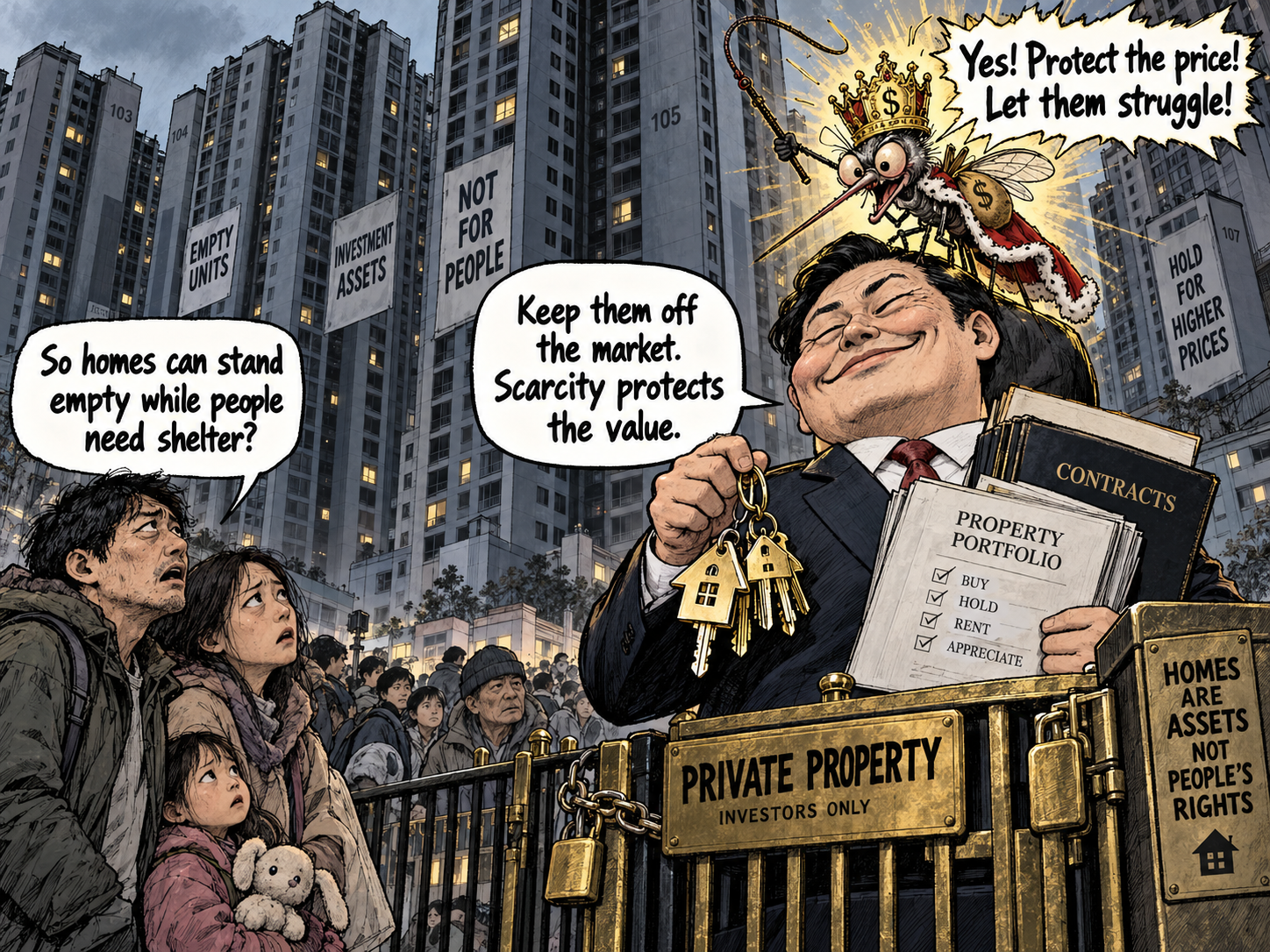
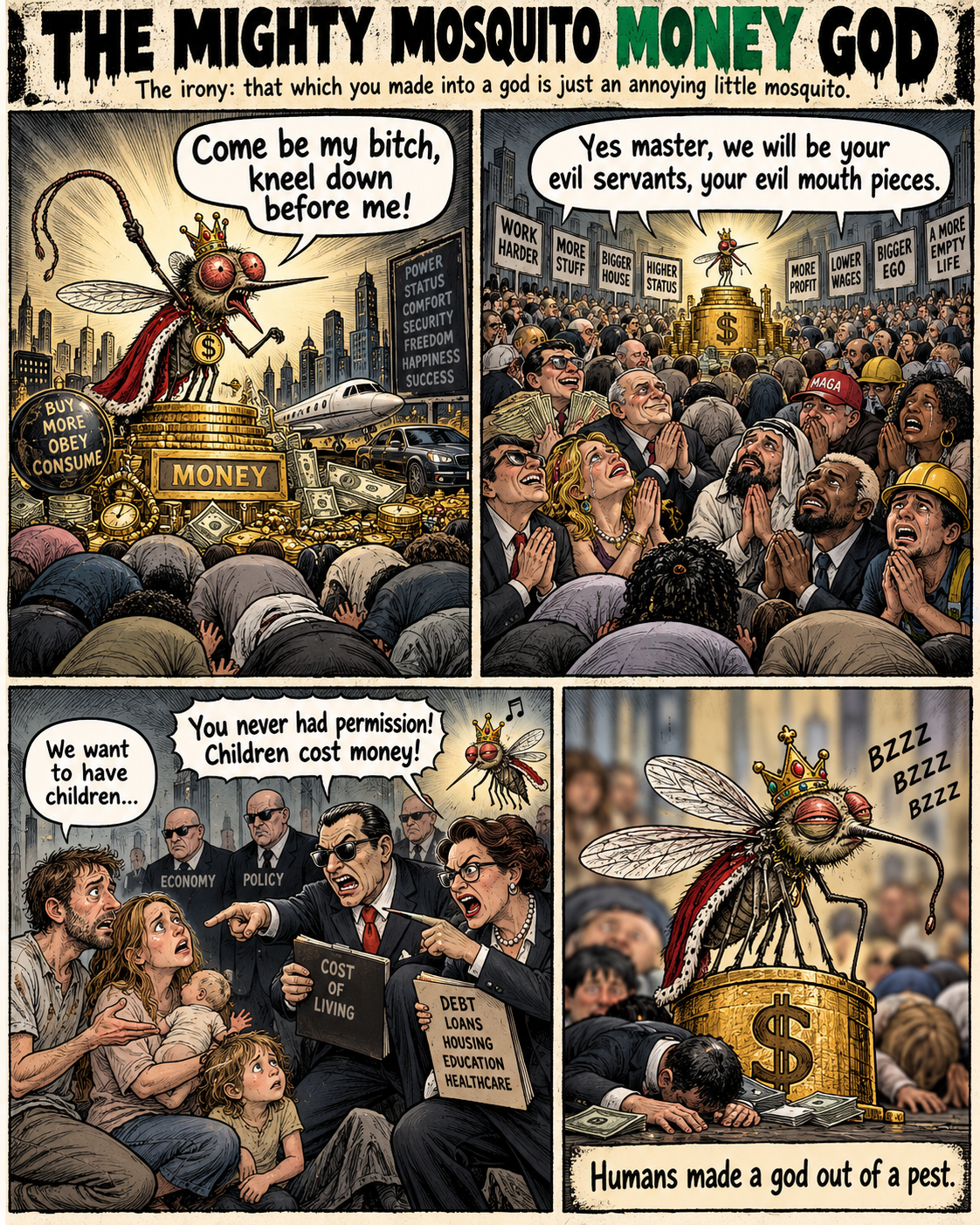
This system only works if clothing doesn’t last.
If garments remained structurally sound, emotionally relevant, and functionally useful for years, the cycle would slow down. Consumption would decrease. The entire model would be disrupted.
So instead, clothing is designed within a framework where short lifespan is expected.
Where Failure Is Built In
Clothing doesn’t fail randomly. It fails in predictable places.
1. Material Misuse
Many garments are made from materials chosen for:
- cost efficiency
- visual appeal
- trend alignment
Not for:
- durability
- structural strength
- long-term wear behavior
This leads to:
- fabrics that thin quickly
- surfaces that pill or fade
- materials that cannot handle repeated washing
The issue is not just cheap fabric. It’s misapplied material.
2. Weak Construction Logic
Even when materials are decent, construction often isn’t.
Look closely and you’ll find:
- seams placed in high-stress zones without reinforcement
- tension points with no structural support
- closures that degrade faster than the garment itself
Garments are assembled quickly, at scale, with minimal structural planning.
3. Trend-Based Obsolescence
Not all clothing dies physically. Some of it dies socially.
Trends are designed to expire.
What feels “current” today is made to feel outdated tomorrow.
This creates a different kind of failure:
not worn out, but worn past.
4. The Illusion of Variety
At first glance, fashion offers endless choice.
But beneath the surface:
- silhouettes repeat
- construction methods repeat
- material mistakes repeat
The industry produces variation without transformation.
5. Clothing Without Purpose
Most clothes are not designed to do anything.
- They don’t carry intelligently
- They don’t adapt to movement
- They don’t respond to environment
- They don’t support specific roles
When a garment has no function beyond appearance, it has no reason to endure.
The Cost You Don’t See
Cheap clothing feels affordable at the point of purchase.
But over time:
- you replace it more often
- you accumulate more pieces
- you spend more maintaining and discarding
What appears cheap becomes expensive.
What Durable Clothing Actually Requires
1. Material Intelligence
Materials must be chosen based on what they do.
2. Structural Design
Garments need reinforced stress zones and intentional construction.
3. Functional Purpose
A garment should serve a role—supporting movement, carrying, or protection.
4. System Thinking
Clothing should be part of a system, not isolated pieces.
Beyond Durability: Designing for Continuity
The goal is not just to make clothes that last longer.
It is to create garments that:
- remain useful
- remain meaningful
- remain integrated into life
This requires shifting from:
- consumption → continuity
- trend → system
- appearance → function + beauty
The Real Question
The problem is not that clothes wear out.
The problem is that they are not designed to live.
Final Thought
Your clothes are not simply wearing out.
They are following a script.
A script that assumes:
- short use
- quick replacement
- constant consumption
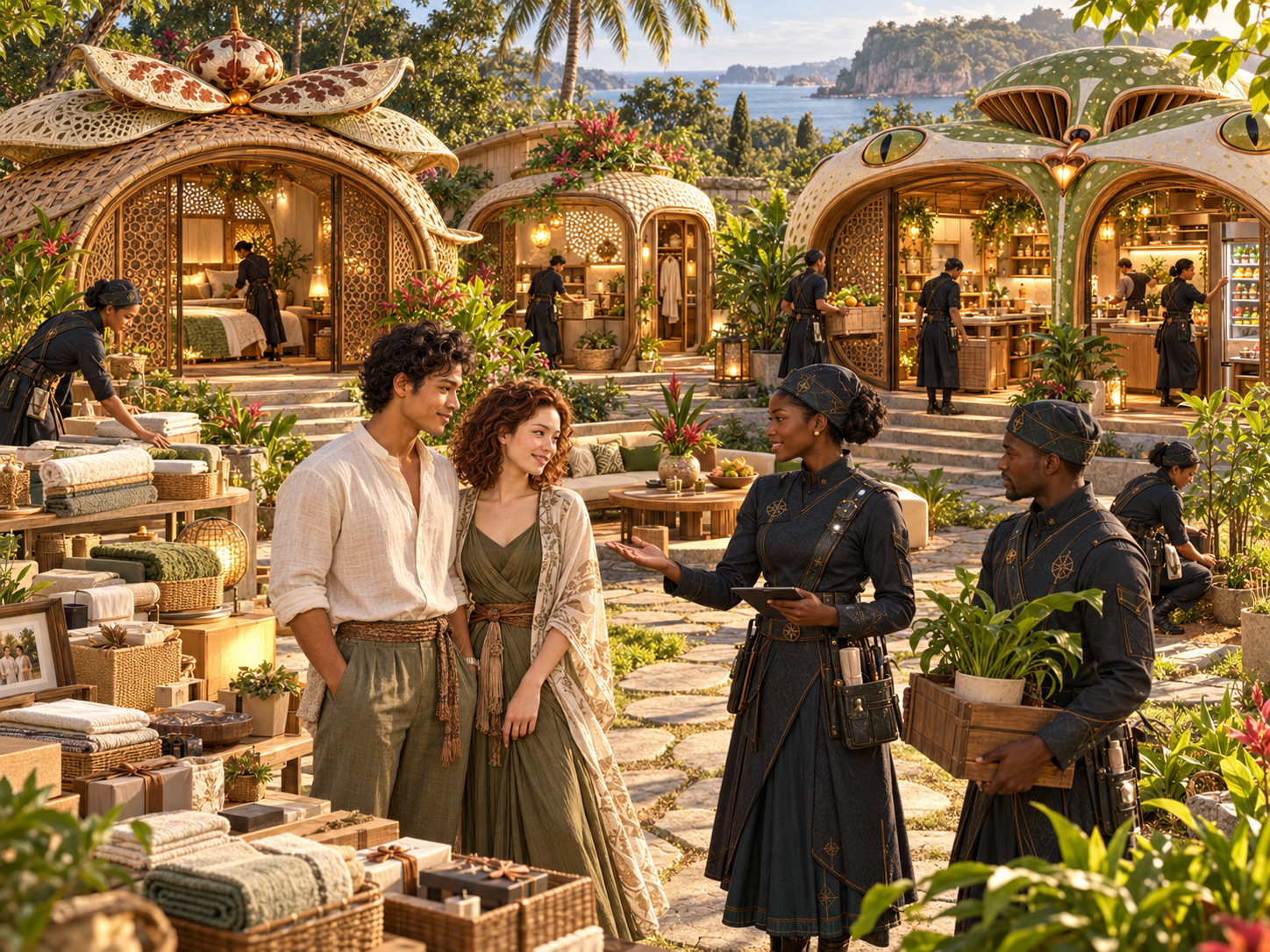
Breaking that script requires a new way of designing clothing—not as disposable products, but as parts of a system built to last.



 and then