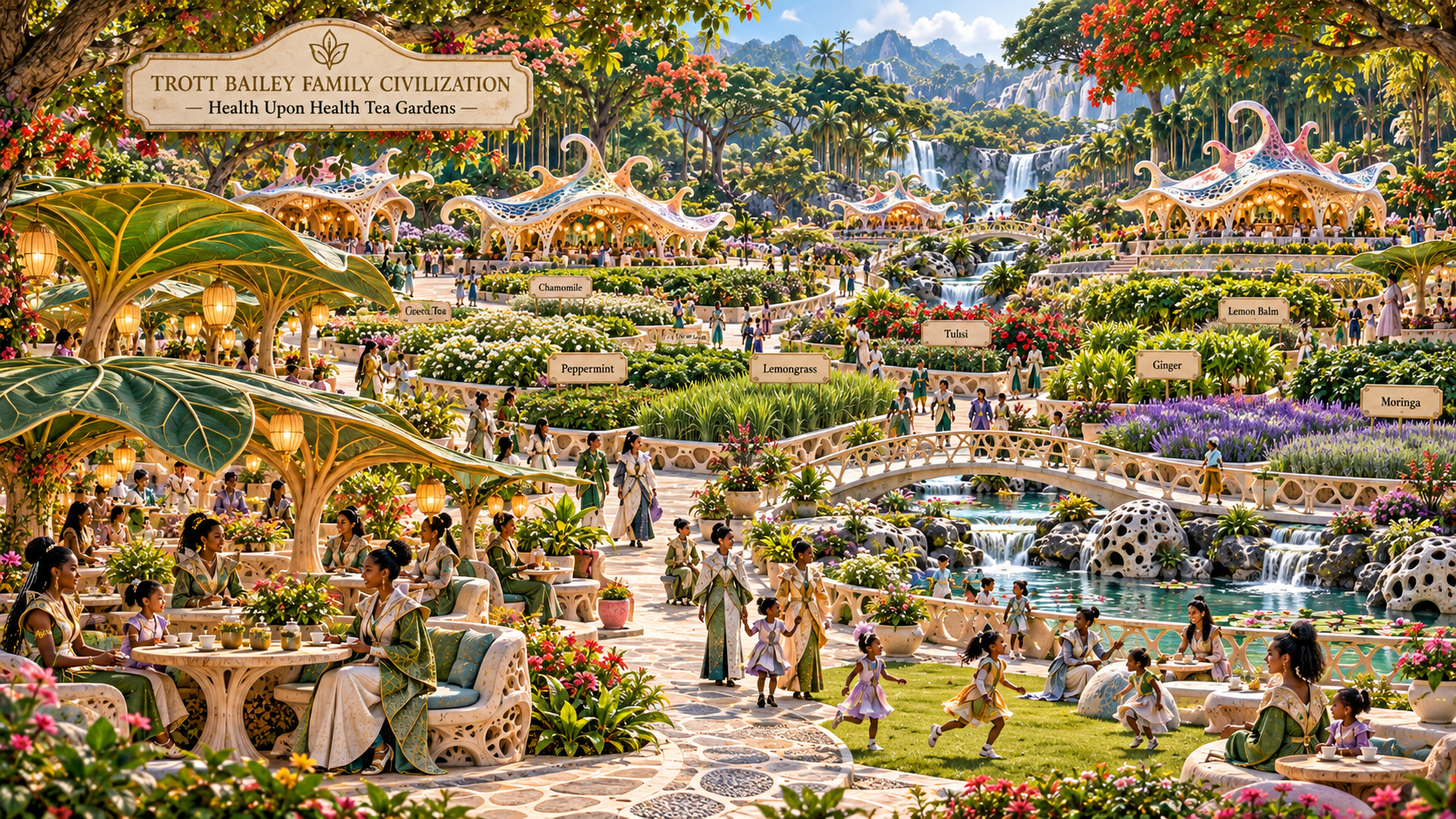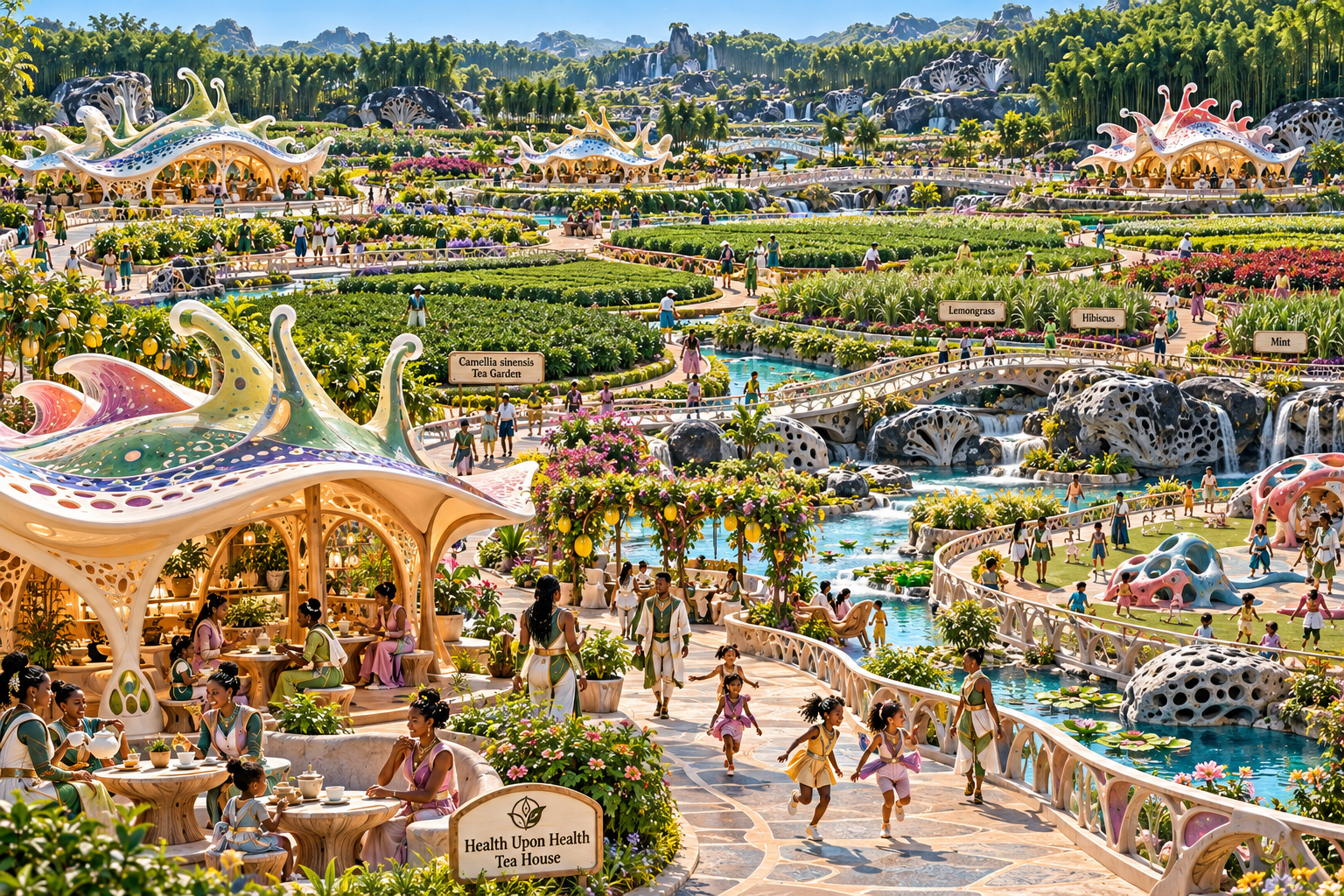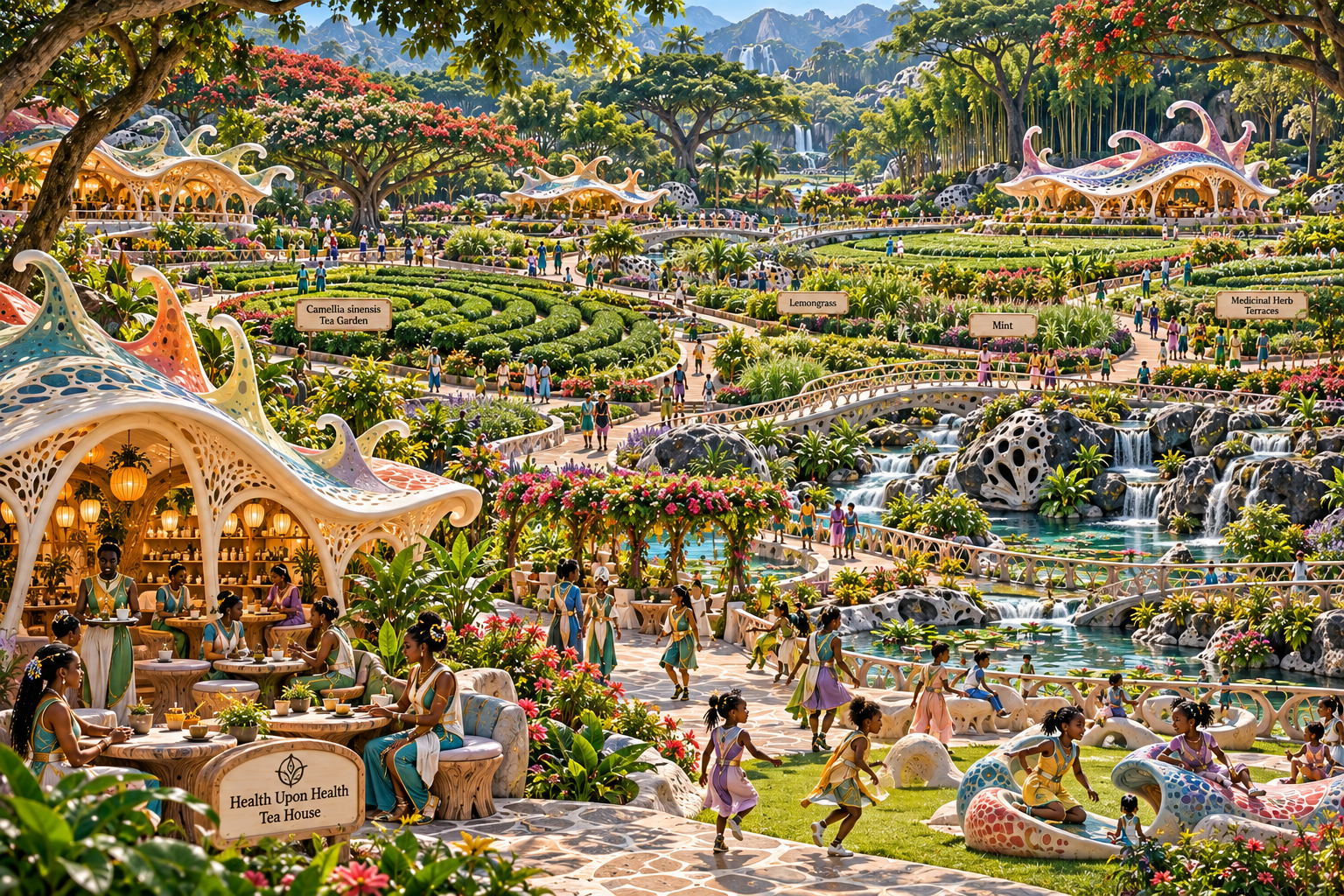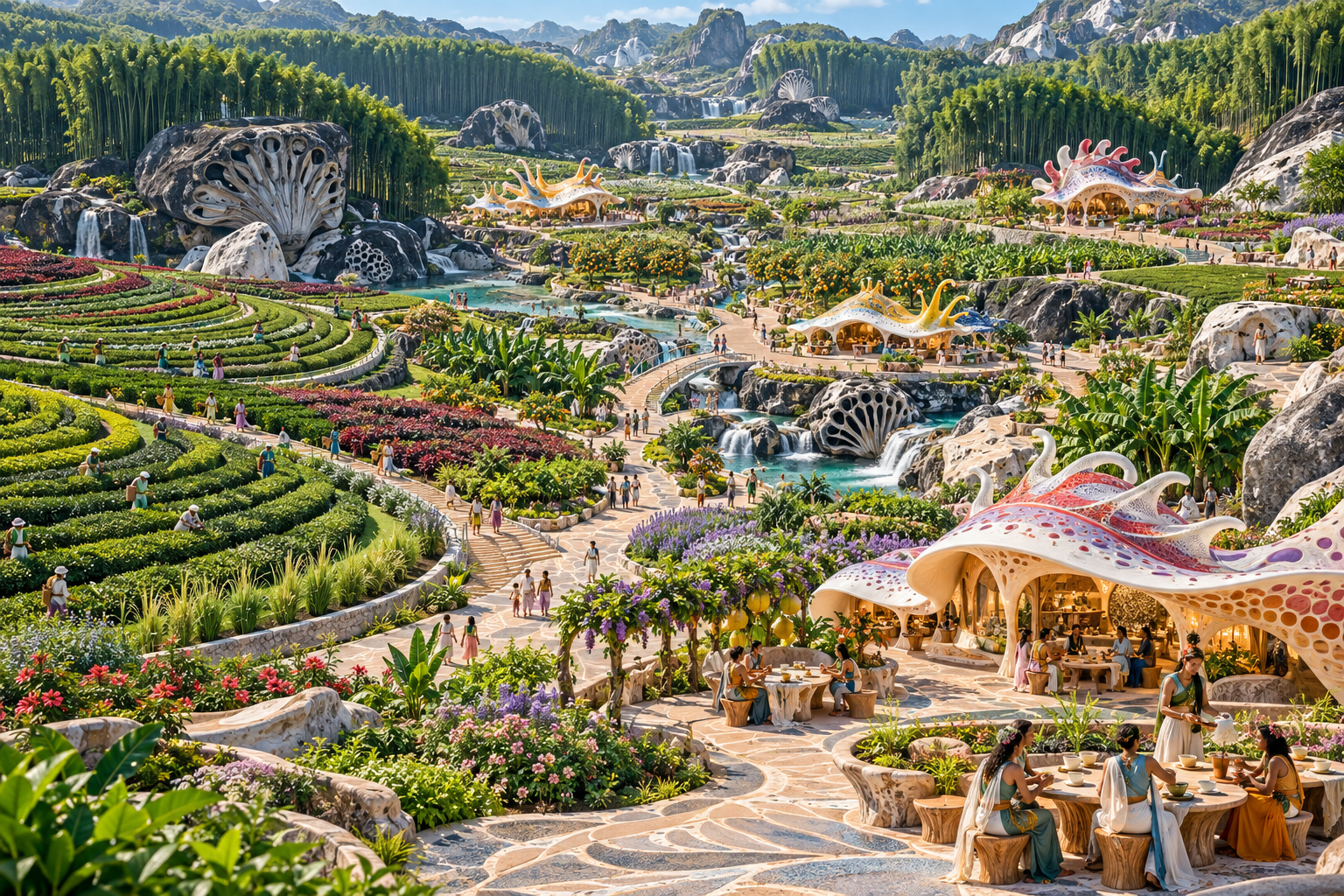
How dedicated machinery families can help build every major Trott Bailey world
Many Workshops, One Production Civilization
How dedicated machinery families can build every major Trott Bailey world without forcing one workshop or one machine to carry the whole civilization.
A Civilization Should Sound Like Many Workshops Alive
In one architecture workshop, a CNC machine is carving a family of Trott Bailey columns. The machine is already calibrated. Its tools, fixtures, files, extraction system, material supply, and operators are all working together smoothly.
In another building, a furniture workshop is cutting curved sofa frames and room-body structures. A separate digital cutter prepares upholstery panels while another machine shapes foam.
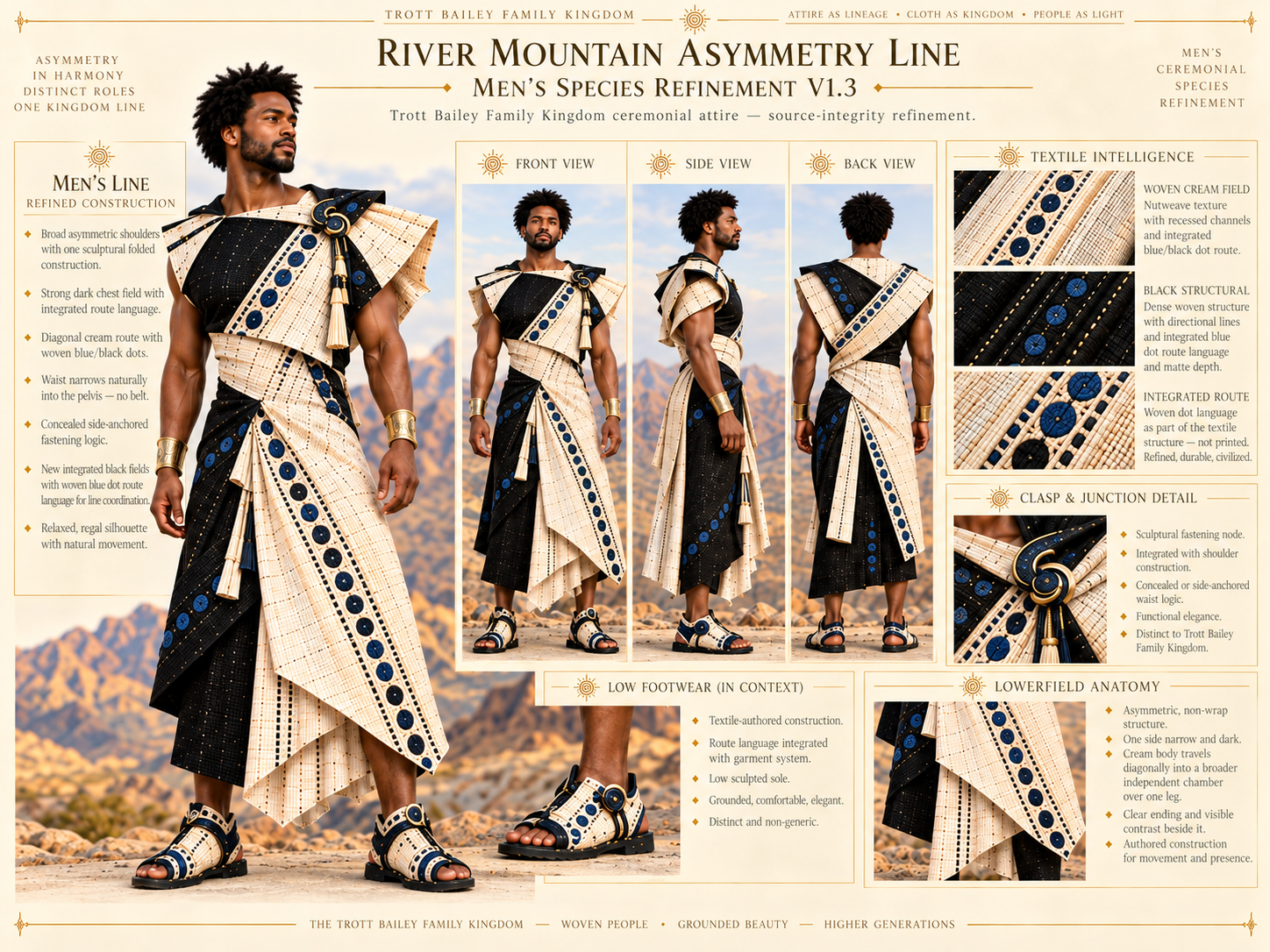
In the fashion district, garment panels are being cut without waiting for the furniture workshop to release its machines. Footwear forms are being produced nearby, and textile tests are being carried out in their own controlled space.
In a clean Baby World workshop, rounded frames, washable covers, soft wall panels, and child-height fixtures are being assembled and tested.
Elsewhere, a Washcourt workshop is producing basin molds, drainage components, warm-air floor parts, grilles, filter housings, and inspection covers.
The Krubaro workshop is separate. It develops and repairs mulchers, incinerators, biodigesters, chutes, guards, heat-recovery components, and soil-return equipment without bringing waste-processing conditions into clean production spaces.
This is not one workshop stretching itself across every need. It is a production civilization made of many workshops.
What “Many Workshops, One Production Civilization” Means
The workshops do not need to compete for one CNC machine, one robot, one cutter, one clean room, or one production schedule.
They may use related machine families and shared technical knowledge while keeping individual machines dedicated to stable work.
This Is Not a Scarcity Model
The purpose of this production model is not to reduce the number of machines, reduce the number of workshops, or make one facility do the work of an entire civilization.
It is not based on the idea that the Kingdom should always purchase the cheapest option, own the least equipment, occupy the least space, or squeeze every possible task through one machine.
Trott Bailey Family Civilization believes in beauty, capability, abundance, specialization, continuity, and repair resilience.
Abundance does not mean purchasing machines without thought. Every workshop and machine still needs a clear purpose.
But the starting assumption is not deprivation. The starting assumption is that a whole civilization deserves a production body large enough to build it well.
Why One Machine Should Not Carry Twelve Jobs
A modern CNC platform may be capable of many functions.
It may cut, carve, drill, shape, engrave, mill, trim, bore, make molds, prepare joints, produce panels, and create detailed surface work.
Knowing that the machine family can perform those twelve functions is useful.
But it does not follow that one physical CNC machine should perform all twelve functions continuously.
If the same machine cuts columns in the morning, sofa frames in the afternoon, Baby World parts the next day, and Washcourt molds after that, every new task may require:
The machine spends more time changing identity. Production becomes slower and more fragile.
The Twelve Functions and Six Machines Example
Trott Bailey Family Civilization uses a different principle.
All twelve functions are still available to the civilization.
The difference is that the functions are distributed across a machine family.
One Possible Allocation
CNC Machine 1: architectural columns and carved structural bodies.
CNC Machine 2: building ribs and shaped construction panels.
CNC Machine 3: furniture frames and interior structures.
CNC Machine 4: molds, jigs, fixtures, and prototype forms.
CNC Machine 5: Kultan, Washcourt, and utility components.
CNC Machine 6: Baby World and clean interior components in a suitable environment.
The exact allocation may be different in real operation.
A large architecture district may have several CNC machines devoted only to columns. A furniture workshop may have machines separated by material, size, or finishing standard. Baby World may require its own clean machine family.
The example preserves the core reasoning:
A Stable Production Line Is Valuable
When a machine is producing beautifully, that success should be protected.
The machine itself is only one part of the line. Stable production also includes:
A column-producing CNC that has reached this condition should not be interrupted casually.
Dedicated Does Not Mean Underused
A dedicated machine is not a machine that sits idle because it has been forbidden from doing anything else.
It is a machine whose role has been made clear enough for the workshop to build skill, quality, maintenance knowledge, and dependable output around it.
A column machine may produce several families of columns, capitals, bases, surface treatments, structural variations, replacement parts, and prototypes related to that architectural field.
A furniture CNC may produce sofa frames, tables, storage bodies, child furniture, room dividers, and interior structural systems.
A Baby World cutter may produce washable covers, soft panels, cushion forms, tactile surfaces, and family-relief equipment.
The role can be broad enough to keep the machine productive while remaining stable enough to protect calibration and quality.
Many Workshops, One Production Civilization
How specialized workshops remain connected through shared production intelligence while protecting calibration, cleanliness, quality, continuity, and beauty.
What the Workshops Share
Many dedicated workshops do not mean many disconnected kingdoms.
Trott Bailey production workshops can share the knowledge that allows them to support one another without fighting over the same physical machine.
Different Worlds Need Different Workshop Families
Garment, Textile, Footwear, and Fit Workshops
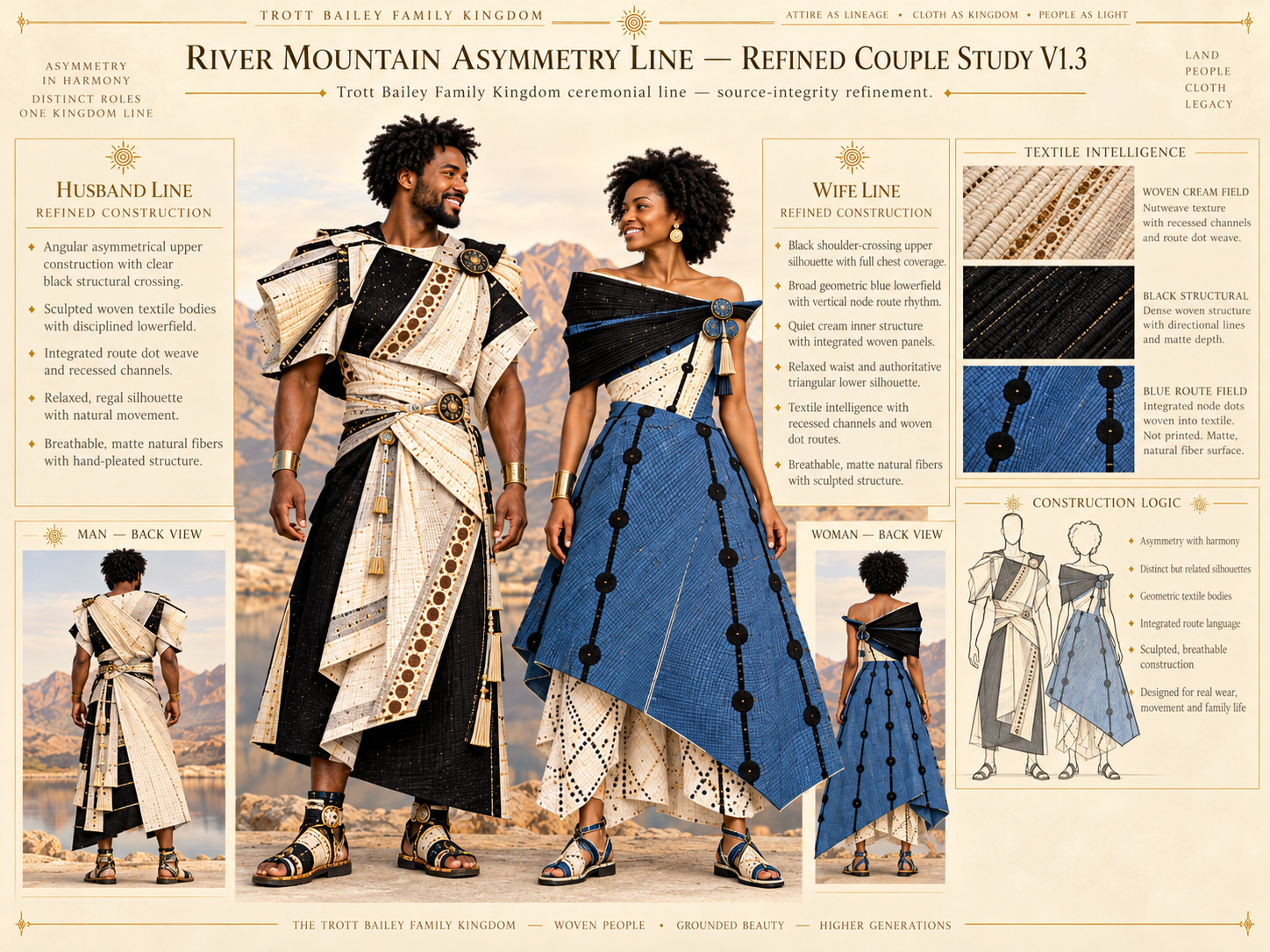
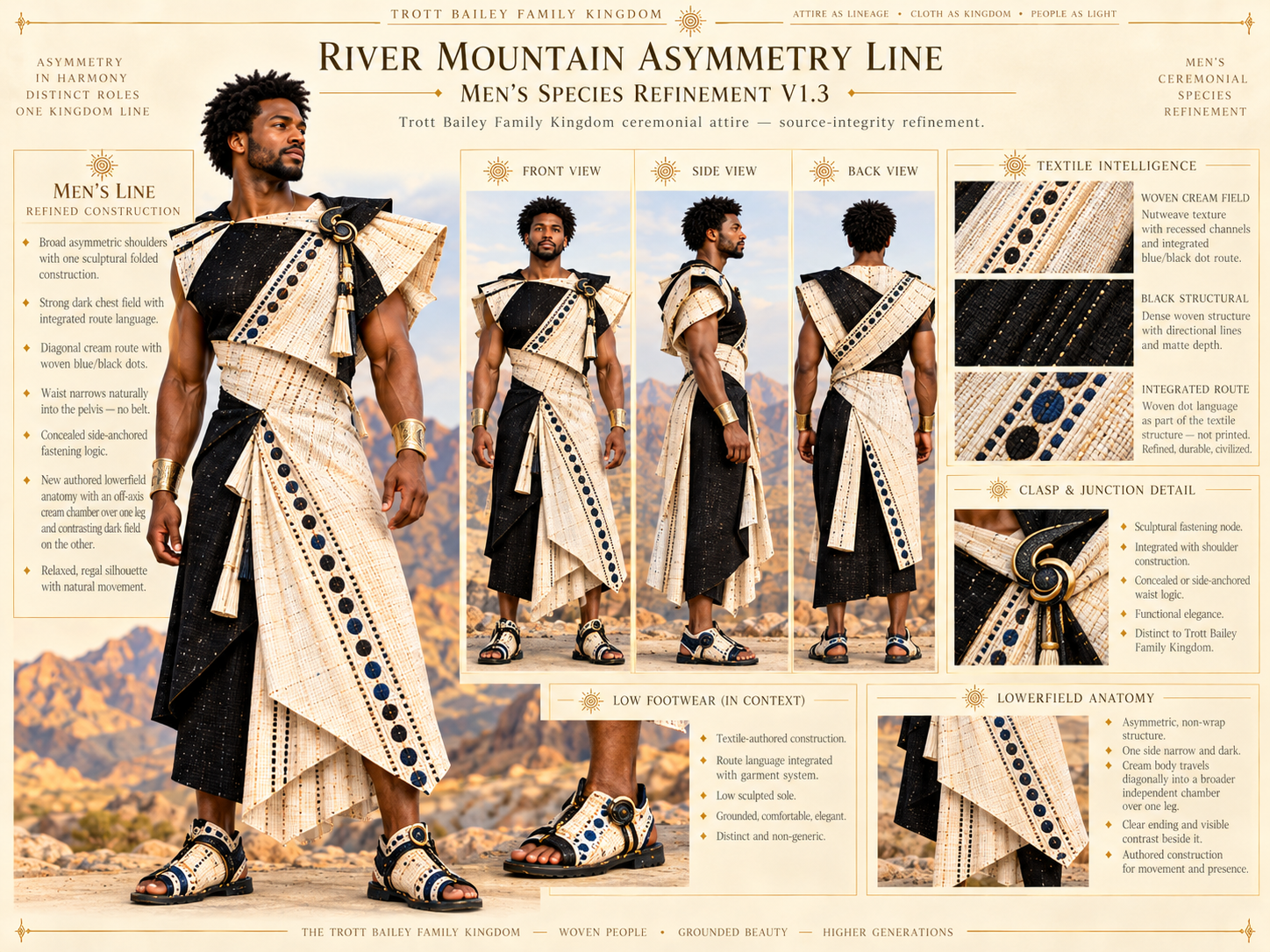
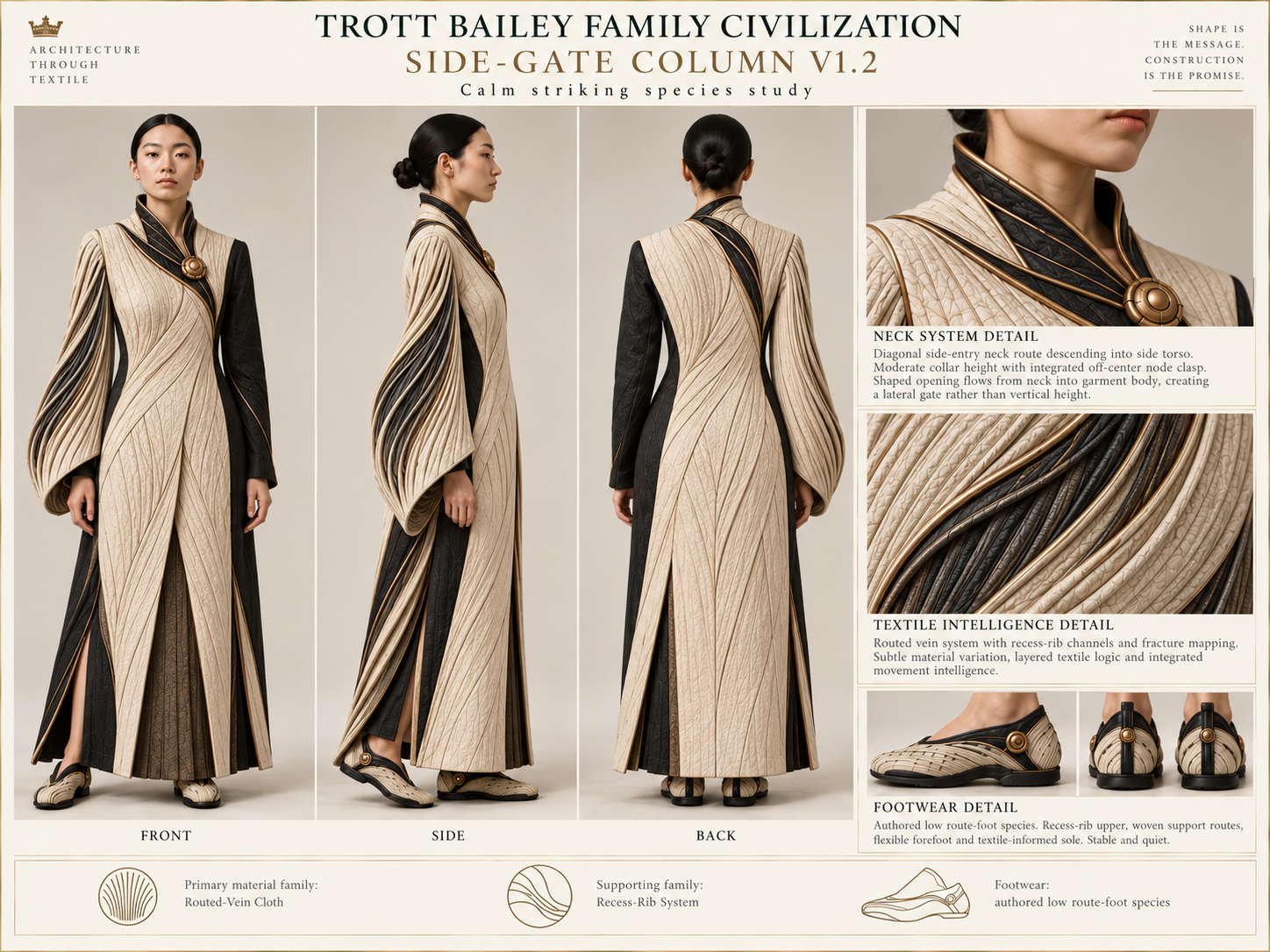
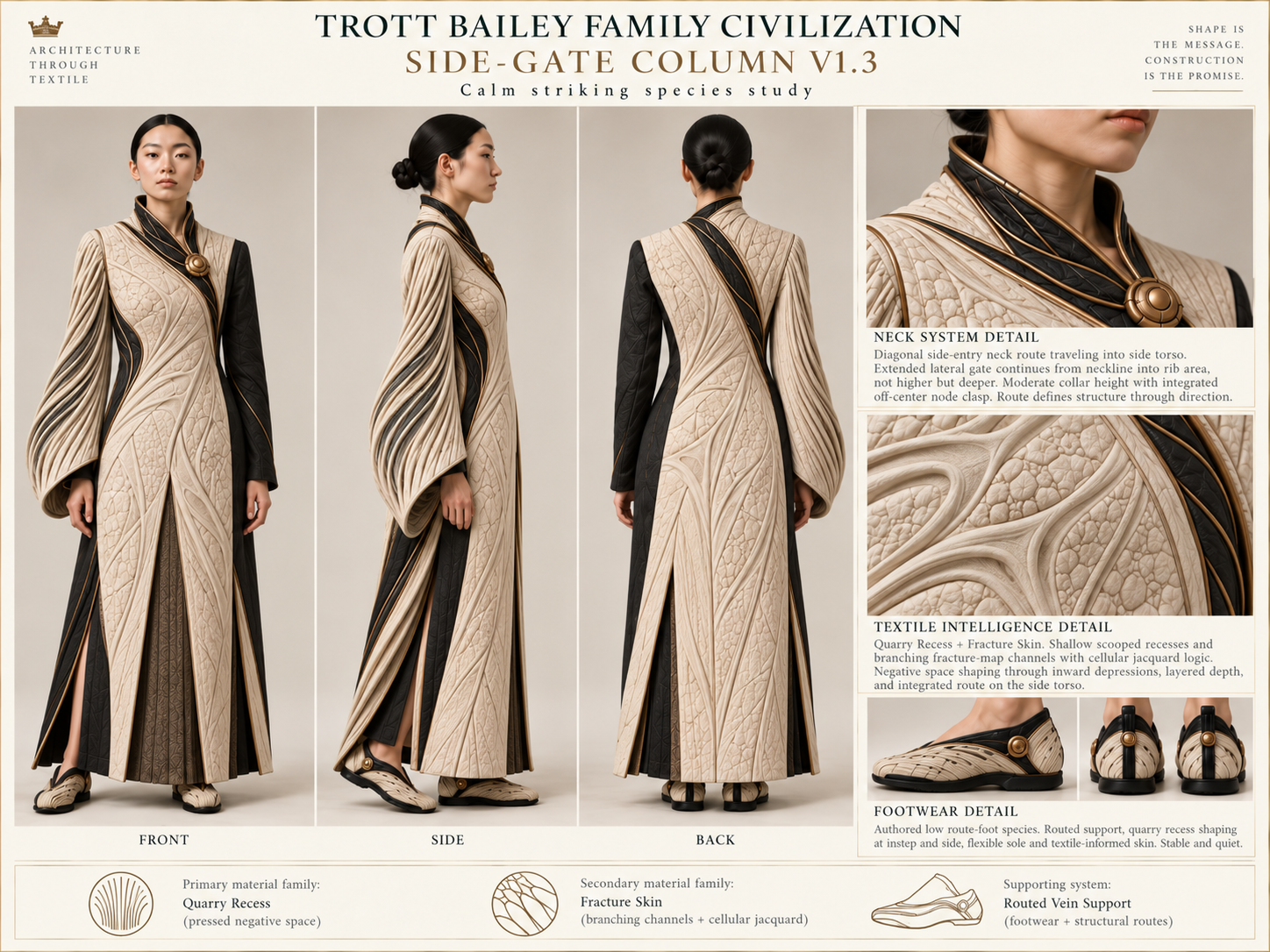
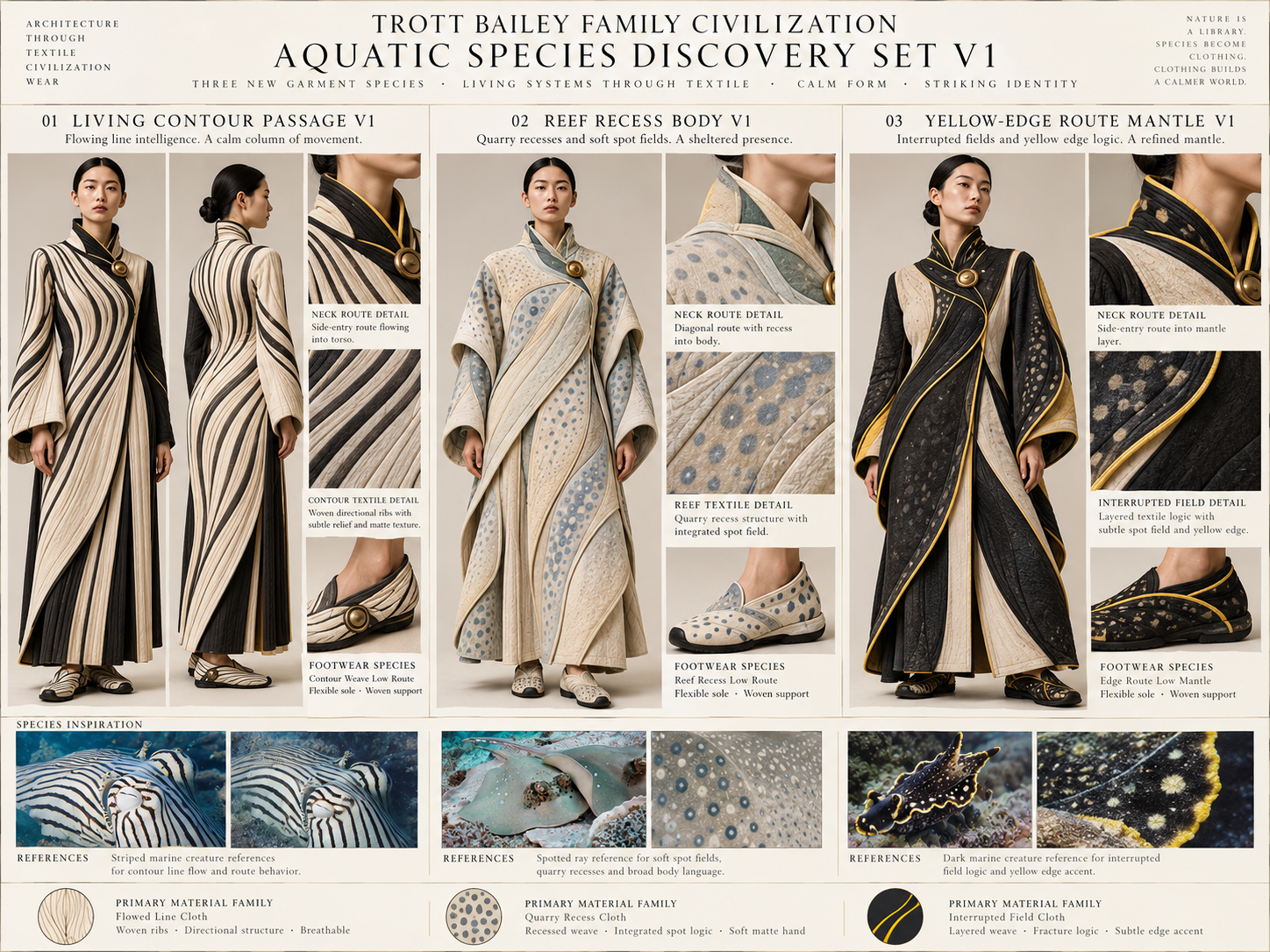
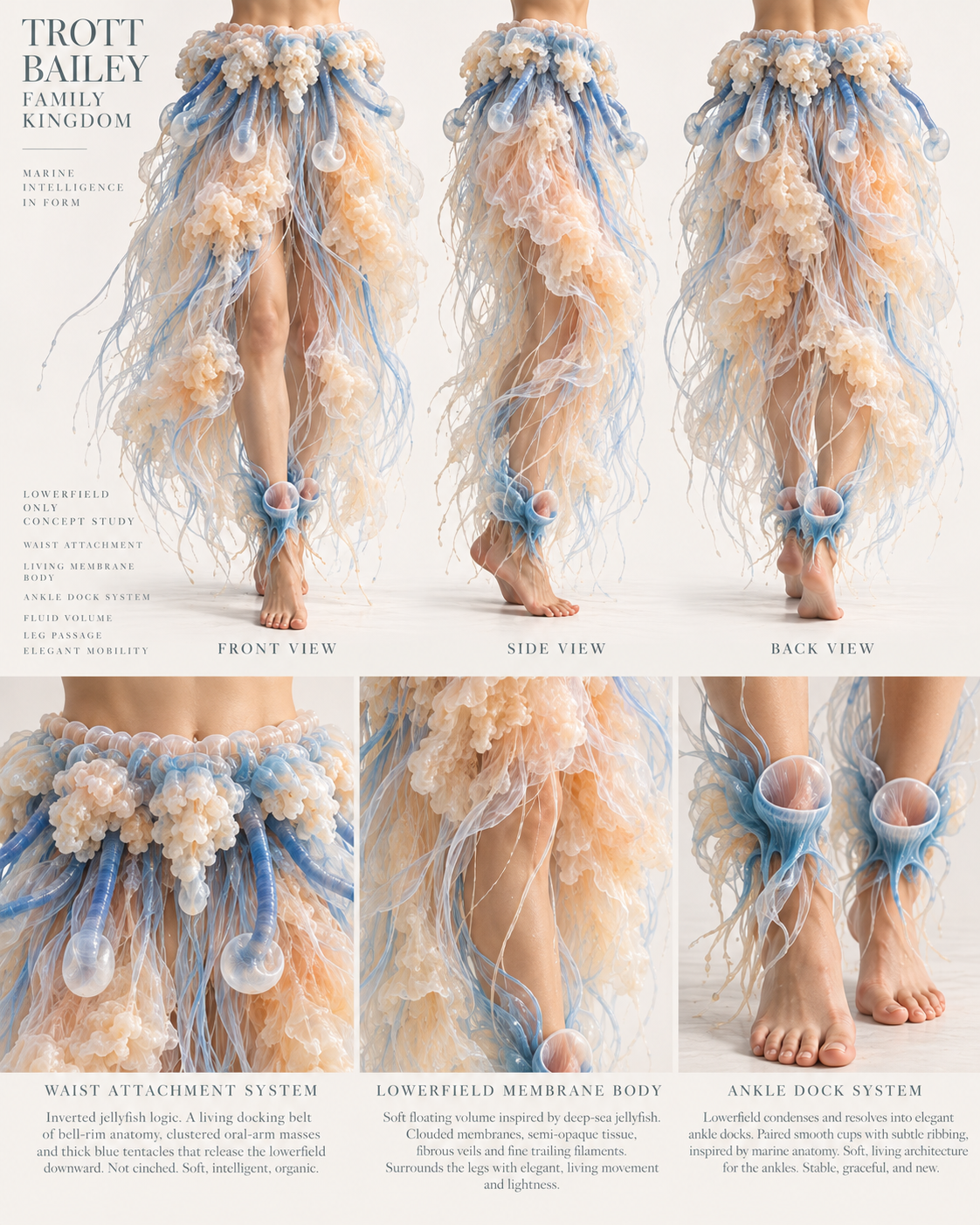
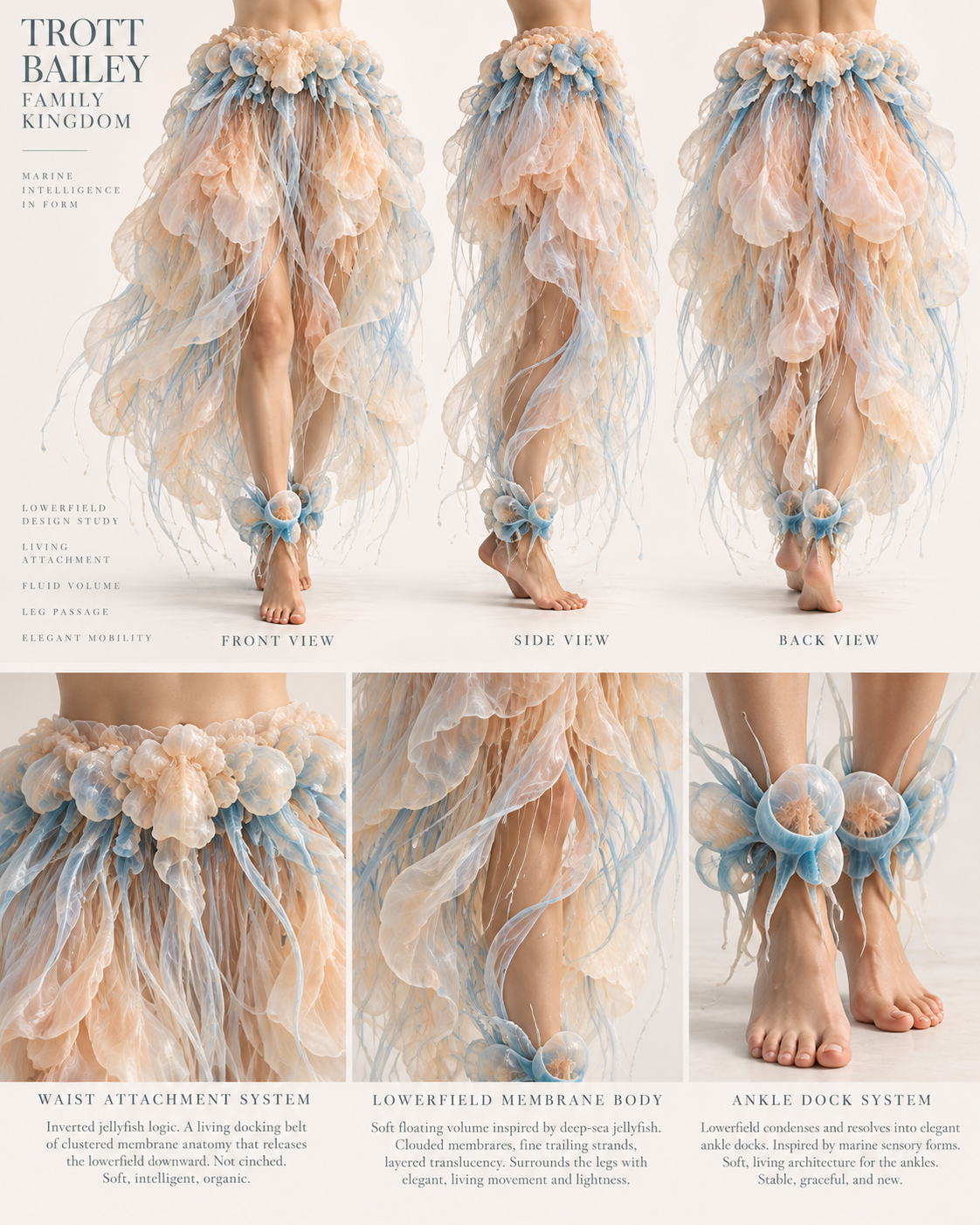
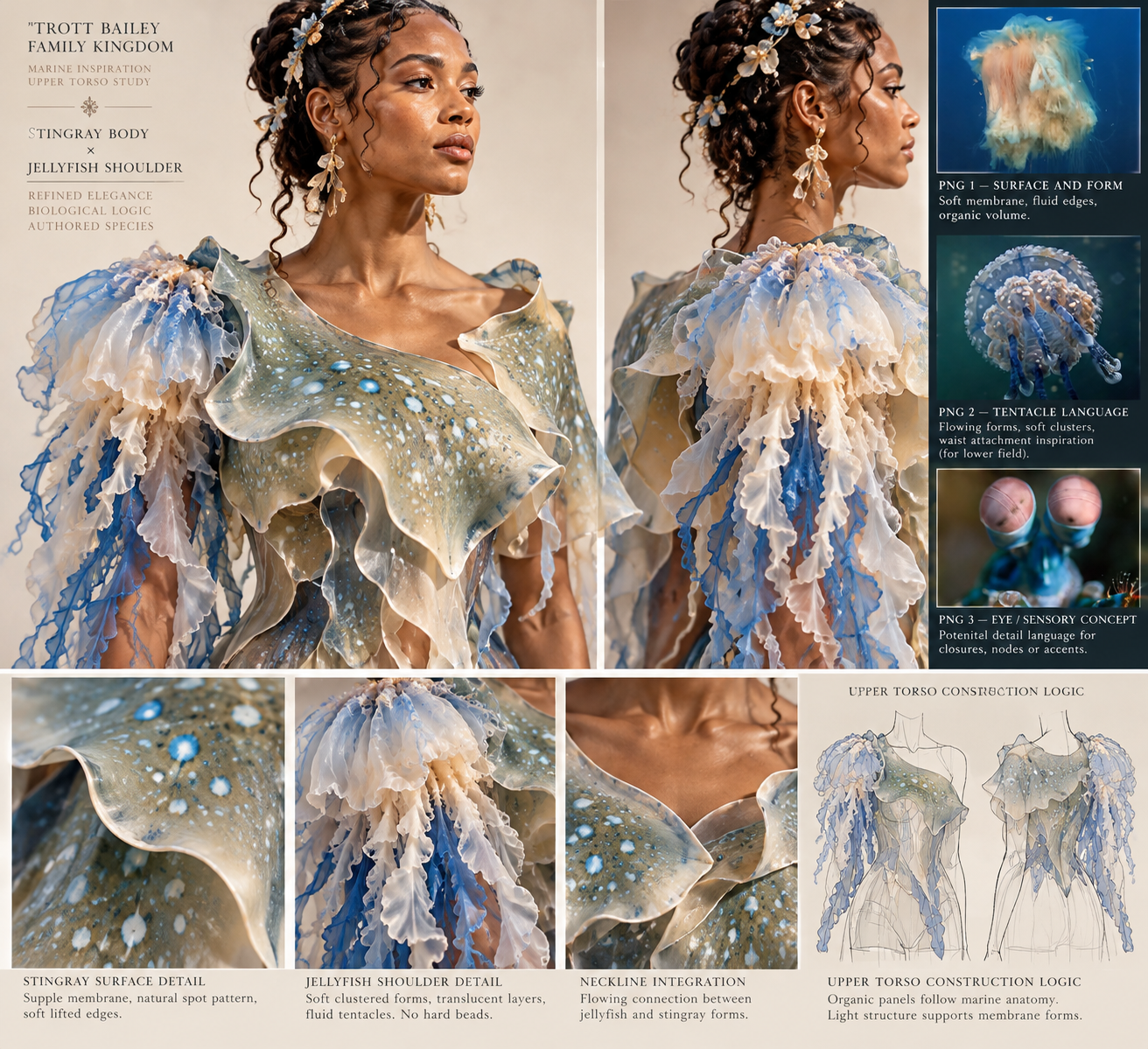
Fashion may require digital cutting rooms, sewing halls, knitting workshops, textile-printing spaces, body-scanning studios, footwear production, fit-testing rooms, repair houses, and textile laboratories.
A garment cutter should not be treated like a general industrial cutter. Fine cloth should not compete with foam, gasket material, stone dust, or dirty technical work.
Columns, Structures, Molds, Stone, Timber, and Assembly
Architecture may need separate workshops for columns, roof ribs, wall systems, doors, windows, railings, stairs, bridge components, stone, timber, ceramic structures, large molds, robotic fabrication, and full-scale assembly.
A column workshop may contain several machines devoted only to different column families, scales, materials, or stages of finishing.
Frames, Upholstery, Foam, Hardware, and Room Bodies
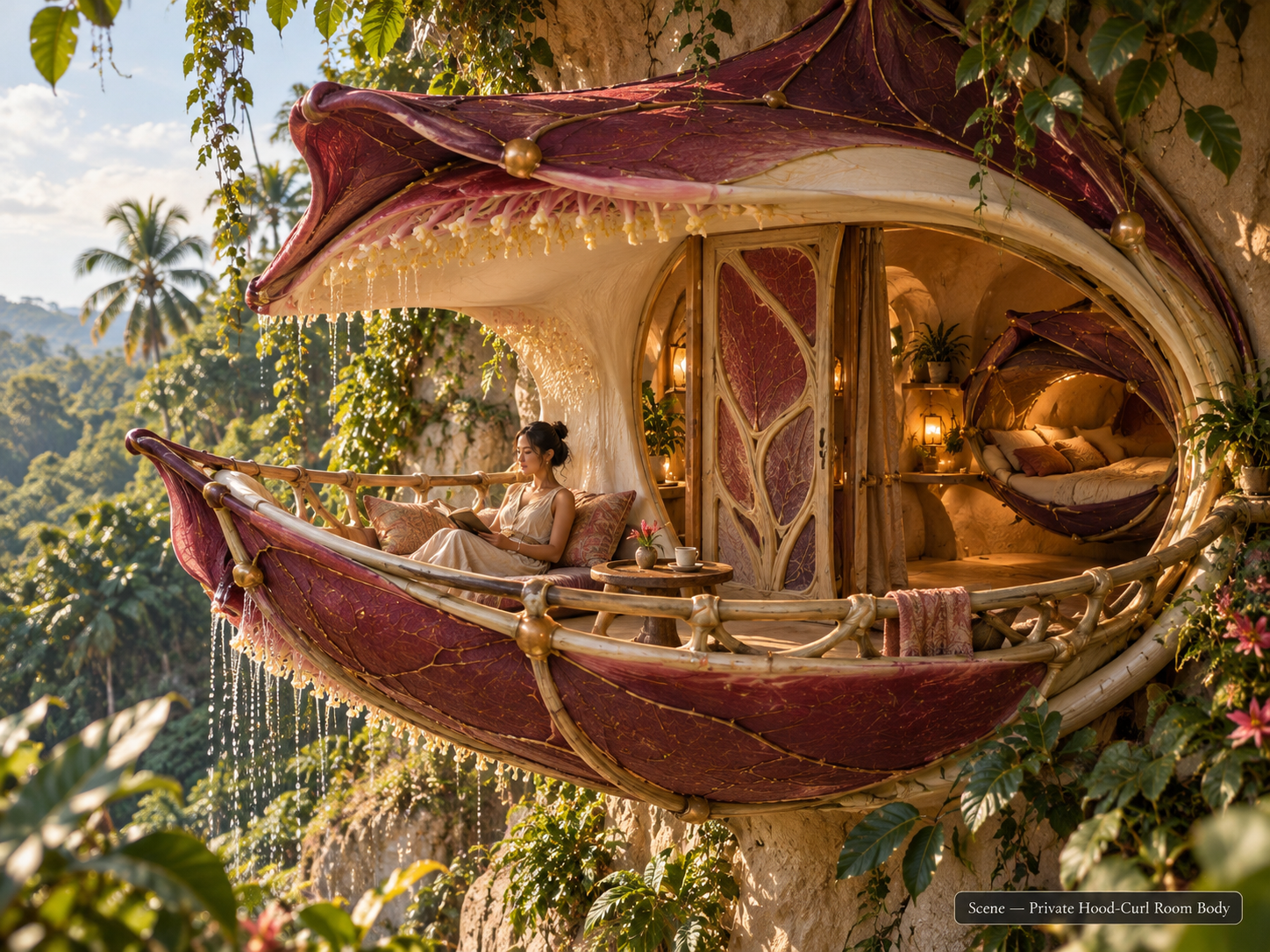
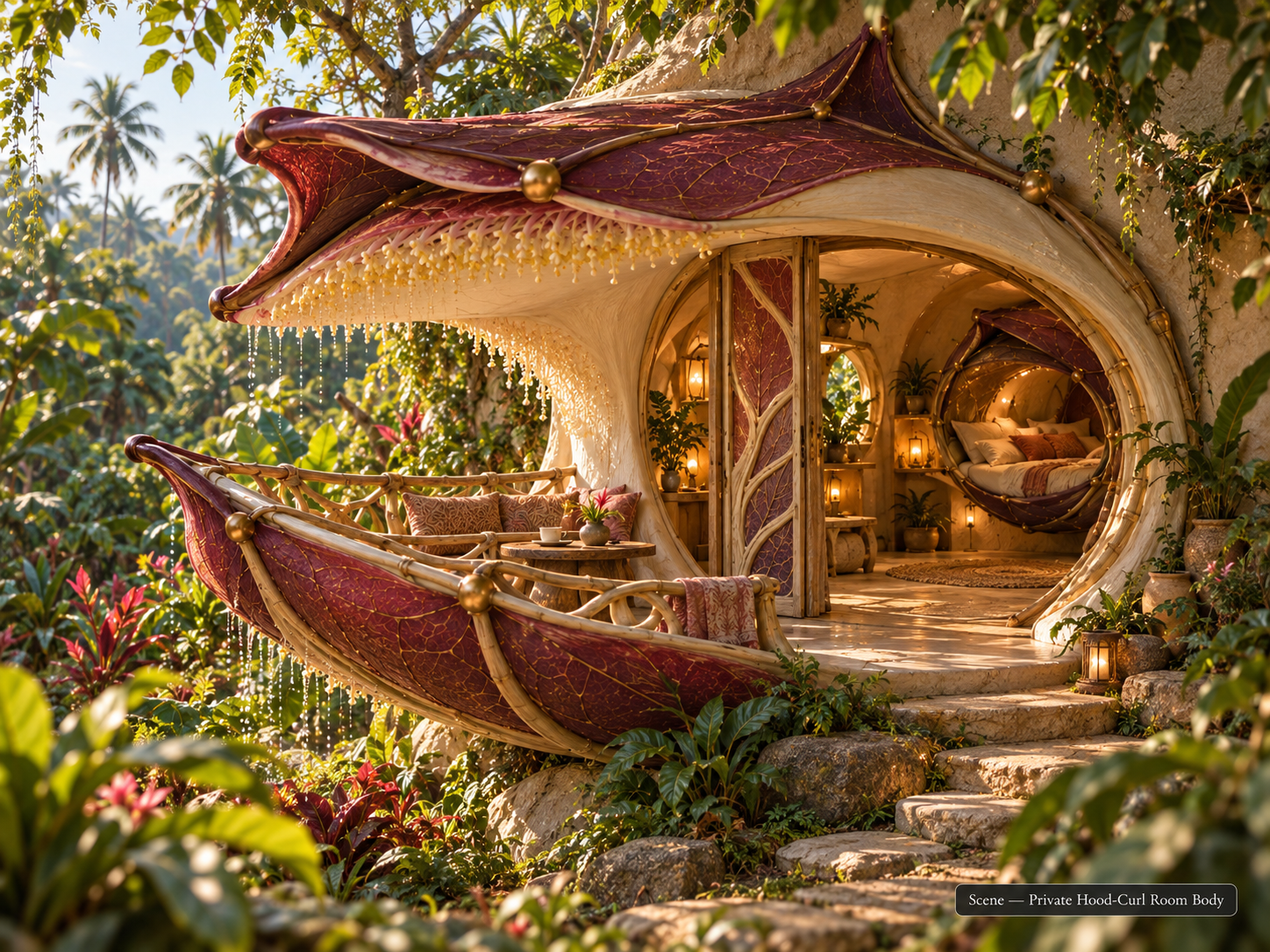
Furniture production may include CNC frame cutting, upholstery cutting, foam shaping, sanding, hardware fitting, finishing, load testing, child furniture, storage, lighting structures, and complete room-body systems.
A furniture workshop can remain highly varied while still protecting the production logic that makes its machines reliable.
Food Equipment, Processing Infrastructure, and Hygienic Assembly
Keslev food workshops may build mills, dryers, presses, racks, carts, cold-storage systems, stainless frames, machine guards, food-contact parts, storage equipment, and replacement components.
Actual food production and food-contact assembly require hygienic spaces, controlled materials, washing systems, inspection, and clear separation from dirty fabrication.
Mulchers, Incinerators, Biodigesters, Return Systems, and Repair
Krubaro workshops may develop and maintain the physical systems that help households and districts return materials safely: mulchers, incinerators, biodigesters, heat-recovery parts, chutes, guards, ash tools, soil-return equipment, and specialized processing machinery.
These workshops must remain physically separated from clean Baby World, textile, food-contact, and household assembly spaces.
Water, Washing, Drainage, Warm-Air, and Service Systems
These workshops may produce basins, channels, grilles, filters, pipe supports, pump mounts, valve housings, inspection covers, warm-air threshold parts, water-routing panels, and repair components.
Ceramic, stone, metal, polymer, mechanical, and water-testing workshops may all contribute to one complete Washcourt system.
Clean, Soft, Rounded, Washable, and Safety-Tested Production
Baby World may require clean workshops for rounded frames, washable covers, soft panels, tactile surfaces, family-relief furniture, child-height fixtures, protected hardware, and safety-testing equipment.
Baby World production should not be an occasional side order squeezed between rough industrial jobs. It deserves its own machinery, materials, operators, inspection, and clean assembly conditions.
Prototype Machines and Production Machines Are Not the Same
Some machines should remain flexible.
A prototype workshop may deliberately use one machine for several experiments, first forms, short runs, unusual replacement parts, emergency work, and process discovery.
That flexibility is useful because the workshop is still learning.
Once a product becomes stable and demand becomes regular, the process may deserve its own dedicated machine, cell, or workshop.
This distinction prevents the Kingdom from locking every experiment into a permanent facility too early. It also prevents mature production from being treated like endless experimentation.
When Should the Kingdom Add Another Machine?
The answer is not based only on whether the current machine can technically accept more work.
Another machine, production line, or workshop may be justified when:
Redundancy Is Part of Civilization Strength
A whole civilization should not be dependent on one machine.
If the only CNC machine breaks, architecture, furniture, molds, Washcourt components, Baby World parts, repair work, and replacement components may all stop.
That is not efficient. It is fragile.
Several related machines allow:
Beauty Belongs Inside the Workshop
Trott Bailey Family Civilization does not believe that industrial work must occur inside ugly, punishing, chaotic buildings.
Workshops should be designed with the same seriousness given to homes, schools, public spaces, garments, and furniture.
They need:
What This Model Rejects
It rejects forcing one workshop to serve every civilization field.
It rejects interrupting a machine that is producing well simply because it can perform another function.
It rejects treating duplication as waste by default.
It rejects mixing clean, dirty, delicate, hazardous, food-contact, and waste-processing work carelessly.
It rejects using cheapness as the main measure of intelligent production.
It rejects allowing machine convenience to flatten Trott Bailey design into generic forms.
It rejects building impressive machine halls without trained operators, repair systems, quality testing, or clear production roles.
What This Model Chooses
Many Workshops, One Production Civilization
Trott Bailey Family Civilization may build fifty fabrication workshops, one hundred workshops, or as many as its expansion requires.
Fashion does not need to wait for architecture. Baby World does not need to interrupt a column line. Furniture does not need to fight Washcourts for the same machine. Keslev food does not need to share dirty fabrication space with Krubaro.
Each major civilization field may have its own workshop families, its own combinations of machines, its own trained operators, and its own production rhythm.
Those workshops remain part of one civilization because they share design authorship, files, standards, machine knowledge, maintenance systems, safety laws, testing methods, repair intelligence, and production memory.
The Kingdom uses the full capability of machinery without forcing one physical machine to perform every possible function. <



 and then