

what Happens To Human Ambition when the Basics become Free? 🤯🪼🐜🍫🎇

What Happens to Human Ambition When the Basics Become Free?
By World Ruler Sher and Big King K.B
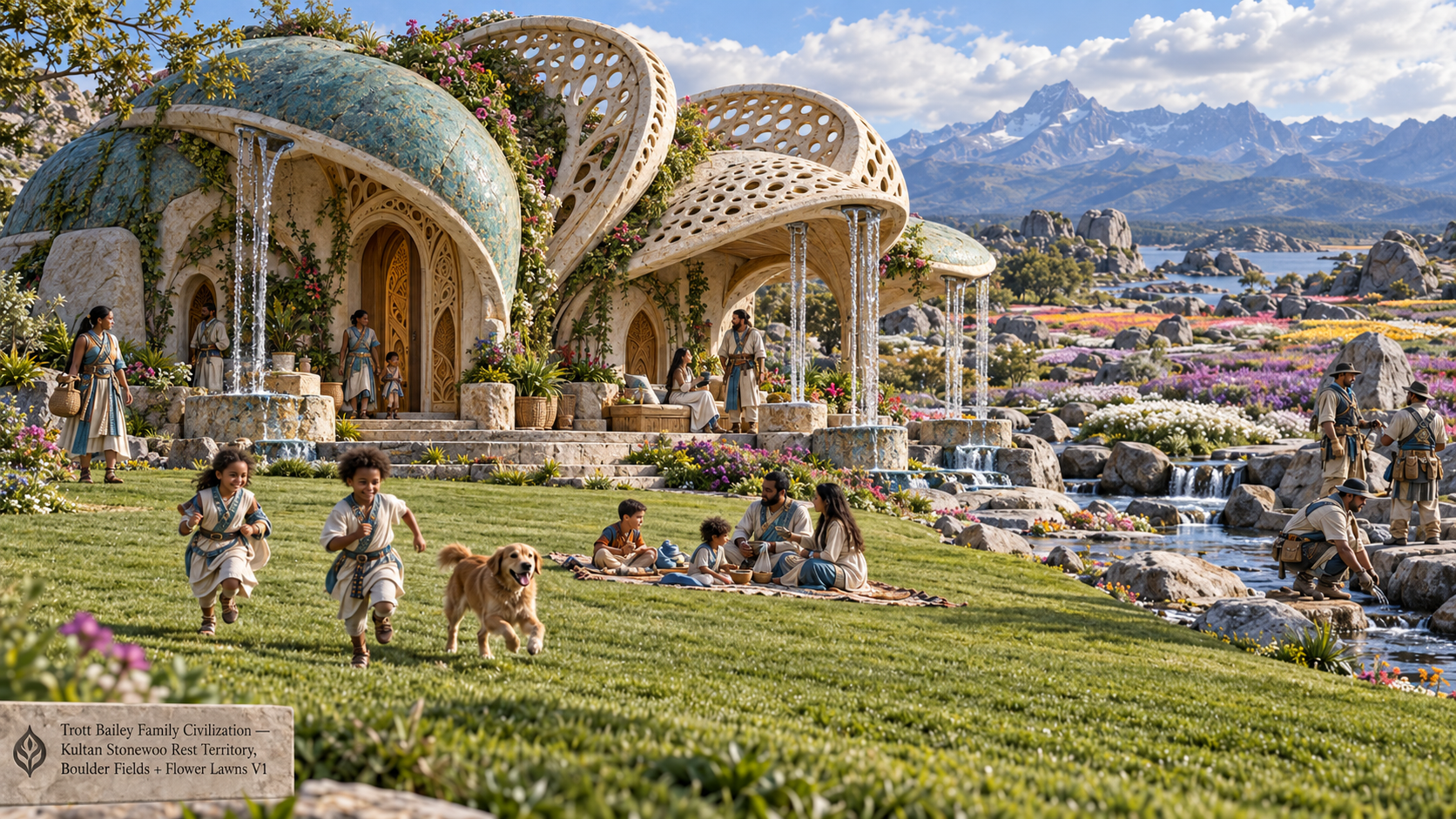
Trott Bailey Family Civilization
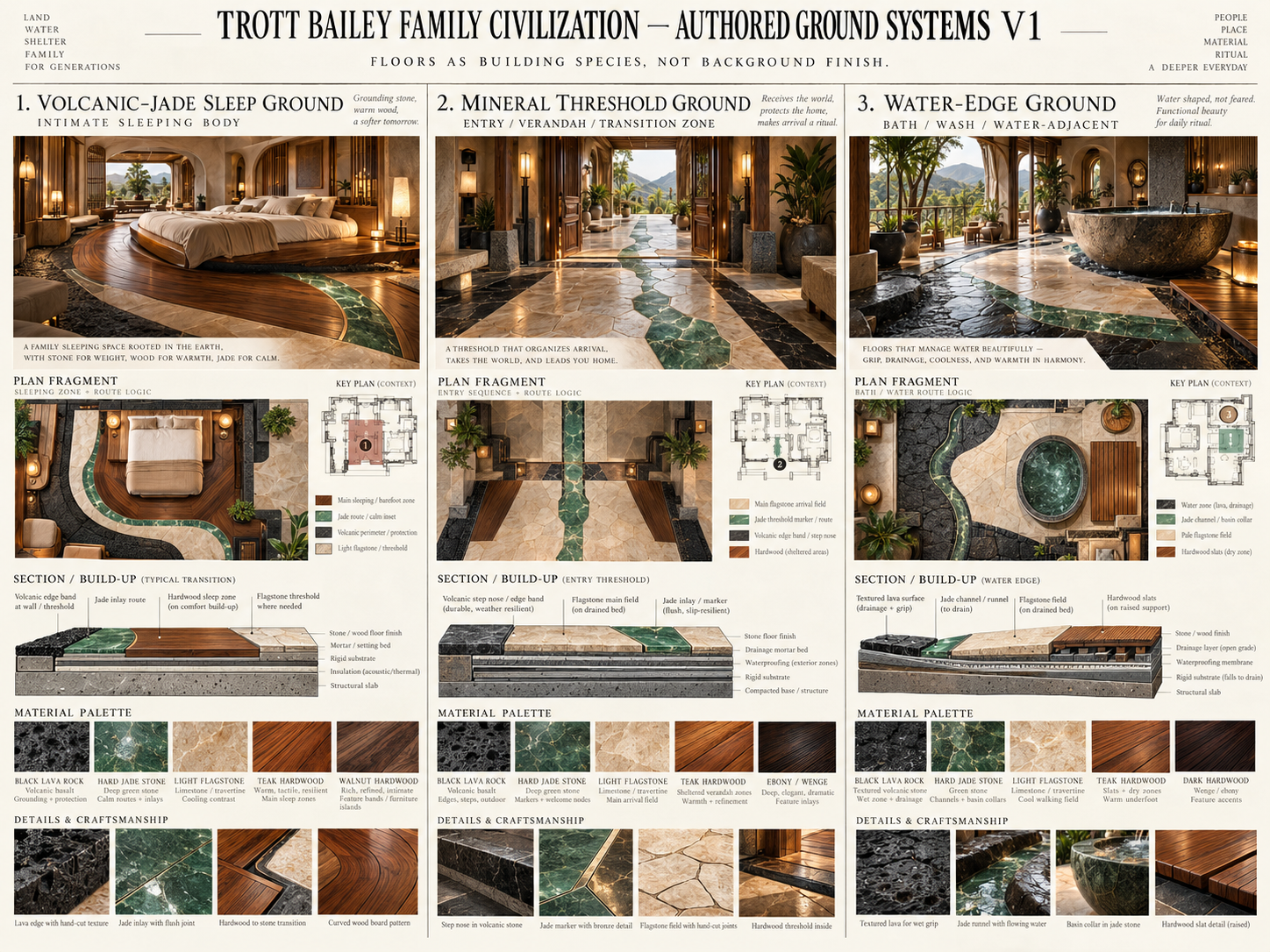
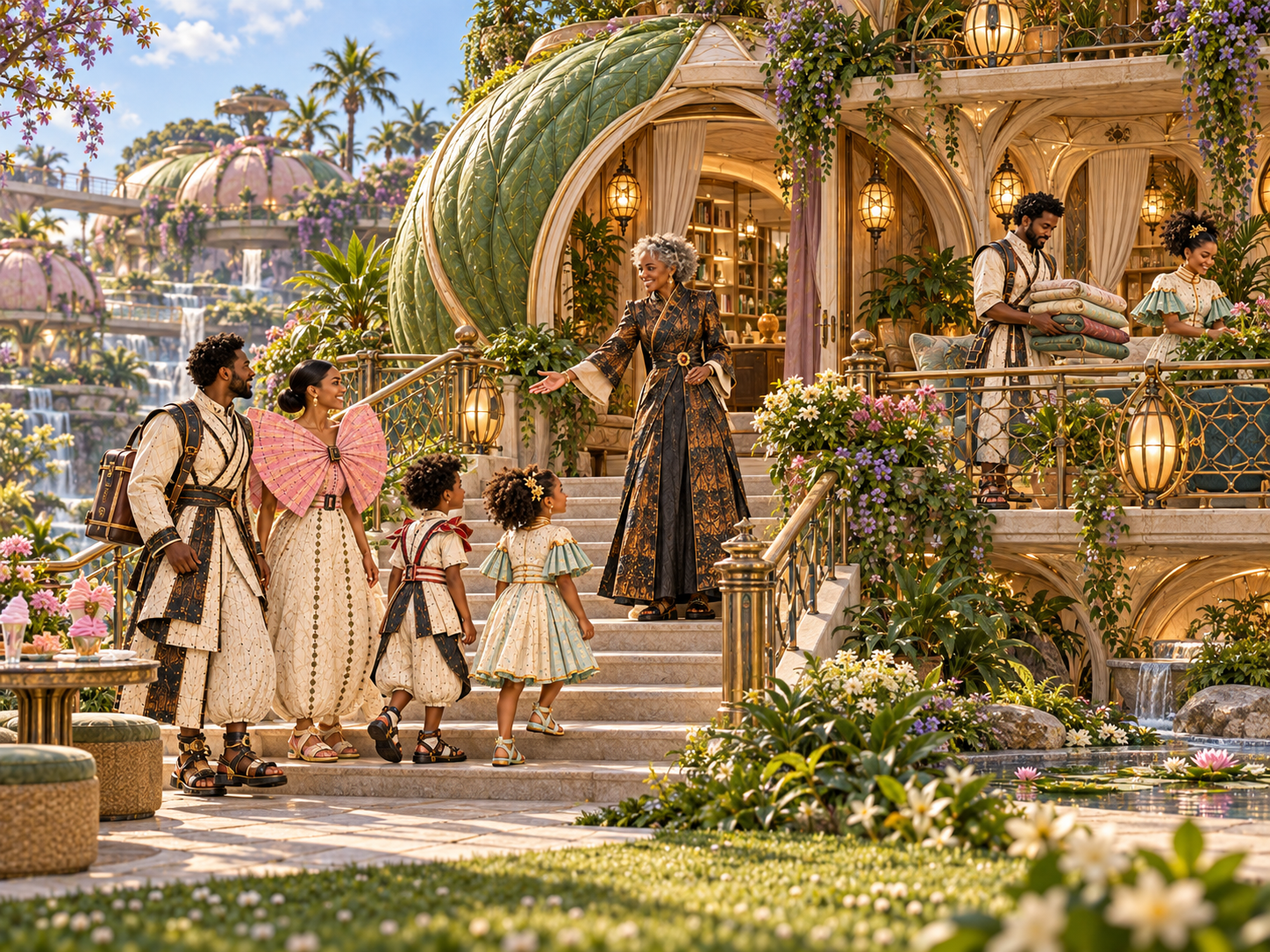
Imagine food, shelter, clothing, electricity, travel, healthcare, baby care, parental relief, husband-and-wife time, information, education, machinery, resources, good infrastructure and your own time becoming as easy to access as air. What happens to human ambition then?
Human ambition does not disappear. It changes direction.
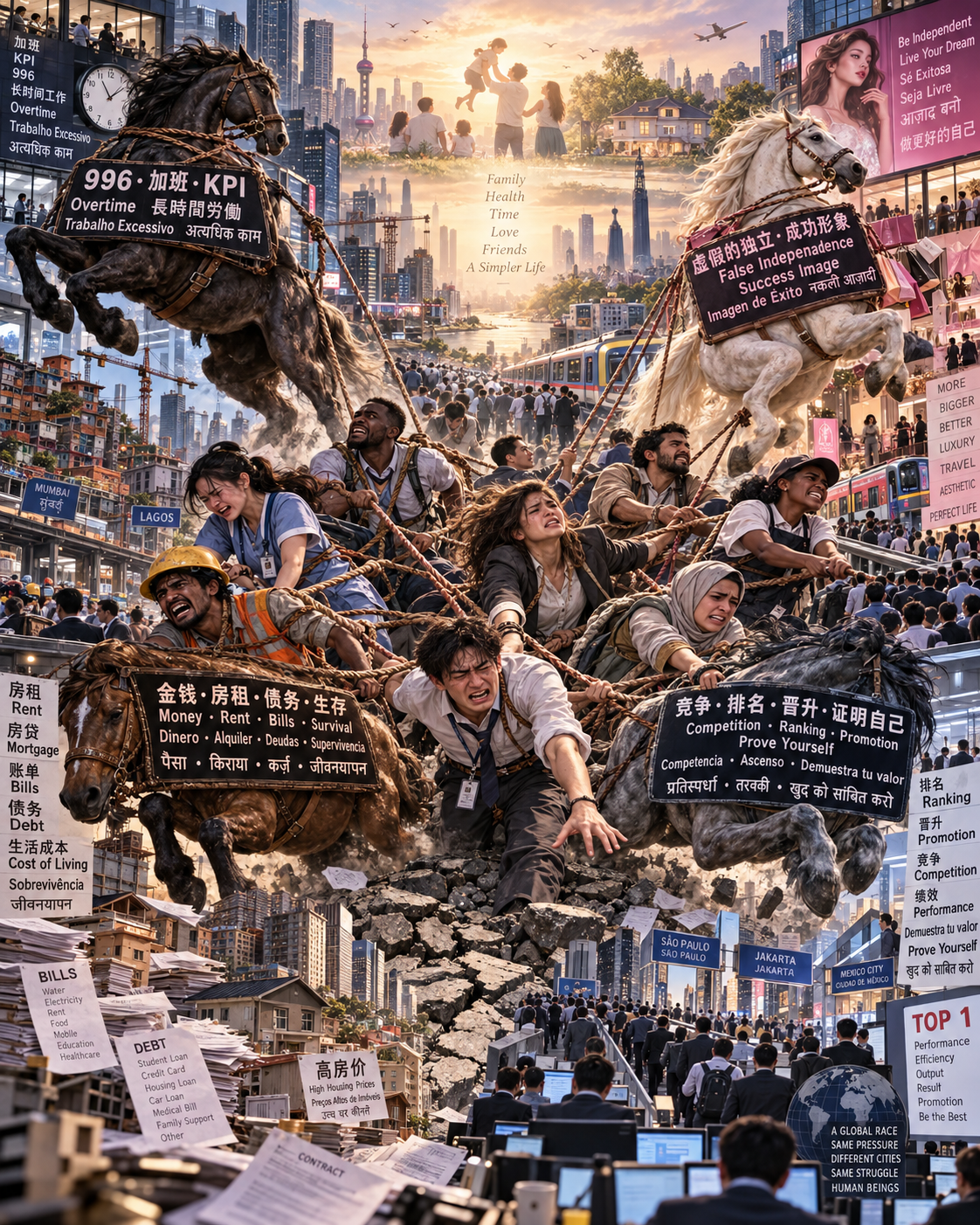
Right now, enormous amounts of human effort are trapped inside securing ordinary life. People work because they need food, shelter, electricity, healthcare and transport. Parents carry childcare pressure while trying to earn enough to keep everything going. Husbands and wives struggle to find uninterrupted time together. People want to learn, but education costs money or time they do not have. People have ideas, but machinery, materials, laboratories, land, tools and travel are difficult to access. Even your own time becomes something you have to fight to keep.
Now imagine that changes. Food is easy to access. Shelter is easy. Clothing is easy. Electricity works. Healthcare is there. Travel is available. Baby care exists. Parents can get relief. Husbands and wives get time together. Information and education are open. Machinery and useful resources are available. Infrastructure works properly. People regain large parts of their own time.
What does humanity start doing with itself then?
Does abundance make people lazy?
Having food does not erase curiosity. Having a house does not erase intelligence. A mother getting help with her baby does not erase her interests. A father having time with his wife does not erase his desire to build, learn or investigate. A child receiving education does not remove the desire to discover more.
People already pursue things simply because they are interested in them. They garden, repair things, research strange subjects, make music, design, cook, write, build, experiment and learn without somebody standing over them forcing them to do it.
Many people simply do not have enough time, support, tools or security to pursue those interests properly. Abundance does not have to end effort. It can release effort from desperation.
What changes when people no longer spend so much of their lives securing the basics?
Instead of organizing so much of life around how to earn enough money to survive, people can spend more time asking what they want to understand, build, discover, master, improve or make beautiful.
A person can notice something strange and actually follow the question. A family can develop an idea without first asking whether pursuing it will threaten the rent. A child can become deeply interested in something without immediately being asked what job it leads to. A scientist can investigate a question that does not promise quick profit. A craftsperson can spend time making something better instead of making it as cheaply and quickly as possible.
World Ruler Sher, what do you actually want to do once those things are secured?
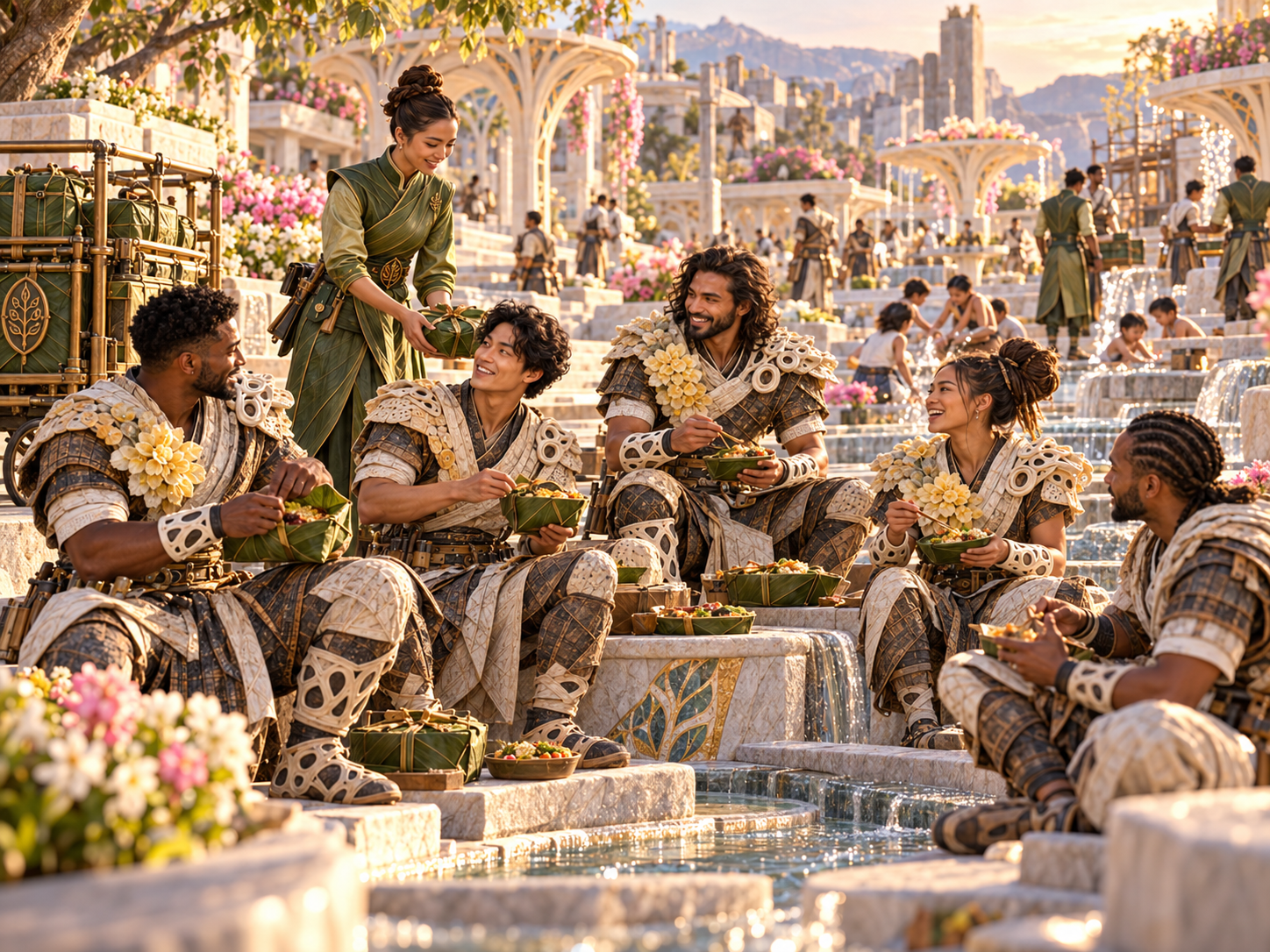
I want to investigate things because there are things inside Earth and living systems that fascinate me, and I want the freedom, capability, people and equipment to pursue them properly.
I am convinced there are still forms of useful power and energy in Earth that we have not properly discovered. I have already named one thing I want to find: Halonite.
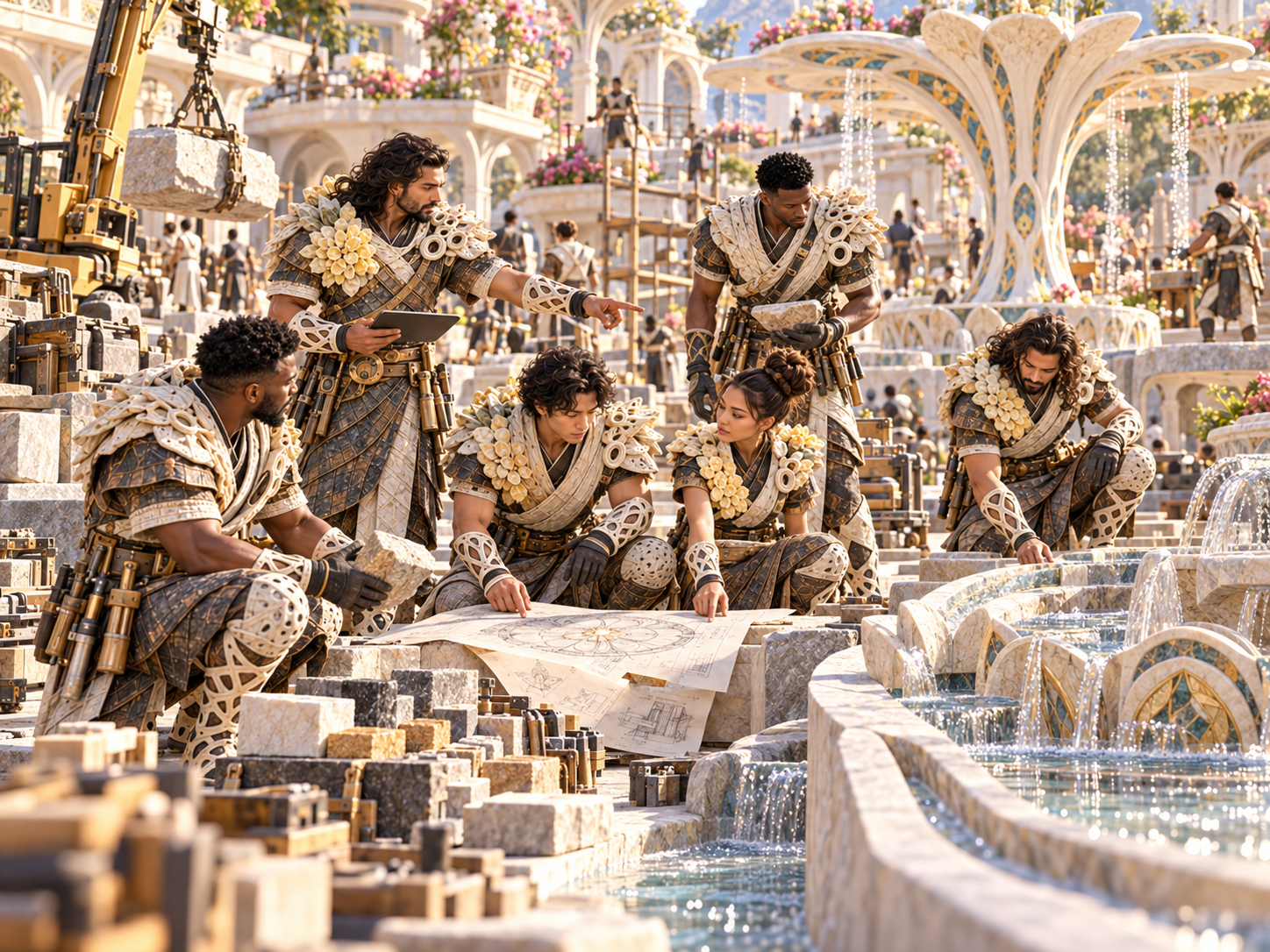
I want to know whether there is a stone, mineral, crystal system or combination of materials that can hold, release, move or help generate usable energy in ways we have not learned to use yet. I want to search for it, test stones, understand their properties and bring scientists, engineers and material specialists into that search.
I want to know what different materials do under heat, sunlight, pressure, water, vibration and other conditions. I do not want to assume that the energy technologies we currently know are the final possibilities Earth contains.
Why does searching for something like Halonite make sense to you?
Human beings have repeatedly discovered new ways to get useful power from the physical world.
For long periods, people depended heavily on wood and coal. Steam changed machinery. Oil changed transport and industry. Electricity changed almost everything.
Earth did not stop containing things because we discovered electricity.
There are stones, minerals, crystals and combinations of materials all over this planet. We still have questions worth asking about what they can store, release, conduct, transform or help generate.
Maybe Halonite turns out to be one particular material. Maybe it is a family of materials. Maybe it is something we eventually learn to construct from several substances. Maybe searching for it leads us to something completely different from what I first imagined.
The important thing is having enough human freedom and capability to seriously search.
What else do you want to investigate?
I am fascinated by plants that grow quickly and survive difficult conditions. Mamona is one of them.
When I see something growing that quickly, I want to know why. What is happening inside that plant? What allows it to grow so aggressively? How does it repair itself? How does it keep producing new growth? What allows it to tolerate conditions that damage other plants?
Then I want to know what understanding those mechanisms could teach us.
That does not mean a fast-growing plant automatically gives us a treatment for human hair, skin or healing. It means the plant gives us questions worth investigating.
Could studying rapid plant growth point researchers toward something useful in hair growth, tissue repair, healing, skin care, health or resilience? Could something we learn from one living system help us ask better questions about another?
The observation is the beginning of research.
Why do so many observations like that go nowhere now?
A person can notice something fascinating and still never get the chance to pursue it.
You can have the question and still have rent, food, children, transport, work, exhaustion and tomorrow morning waiting for you. You may have no laboratory, no equipment, no research team, no access to specialists and no free stretch of time long enough to investigate properly.
The idea can sit in your head for twenty years, not because the question was worthless, but because civilization never gave the person enough room to follow it.
What else fascinates you?
Bioluminescence fascinates me because I want to explore how living light can make night life beautiful.
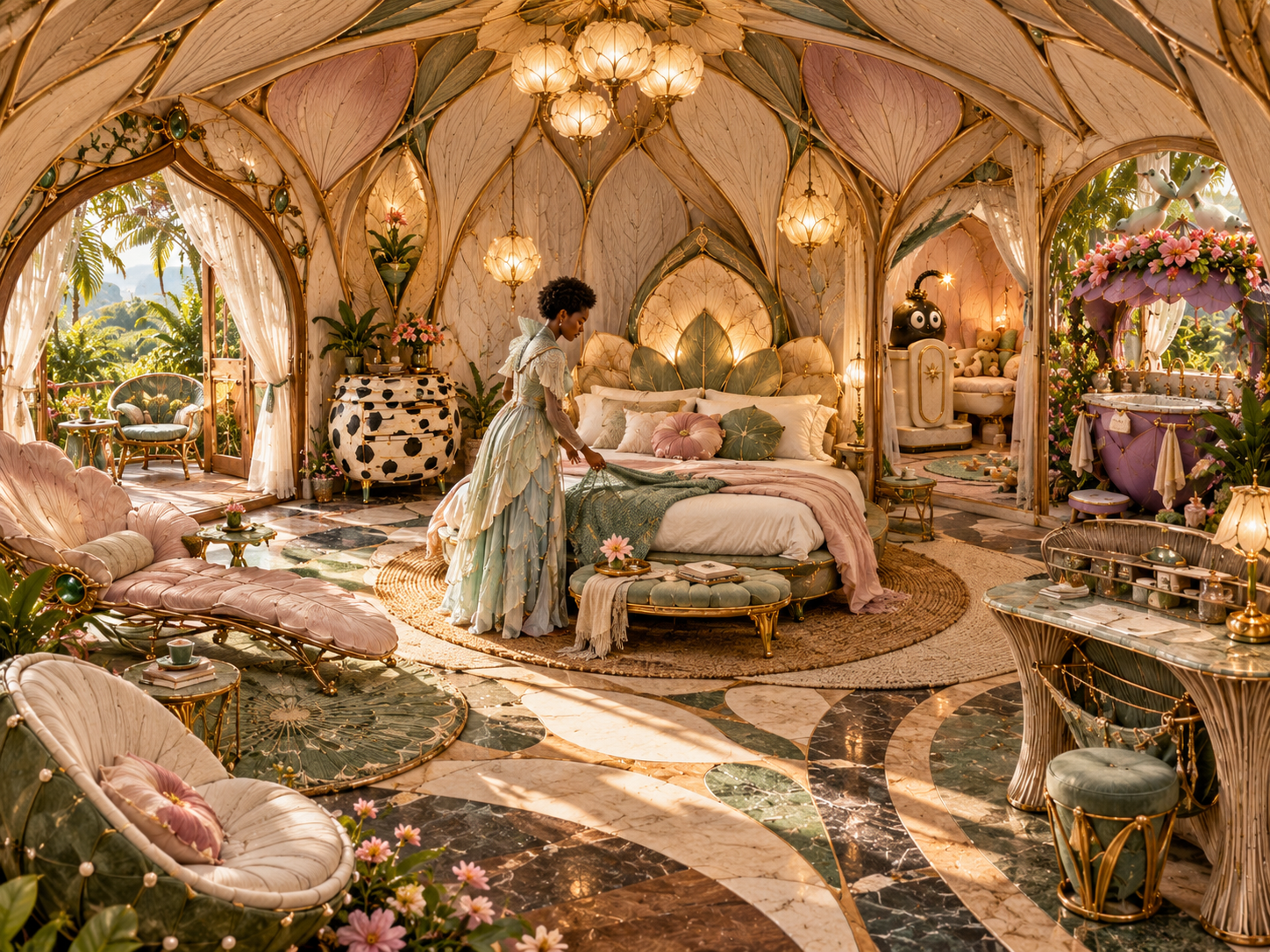
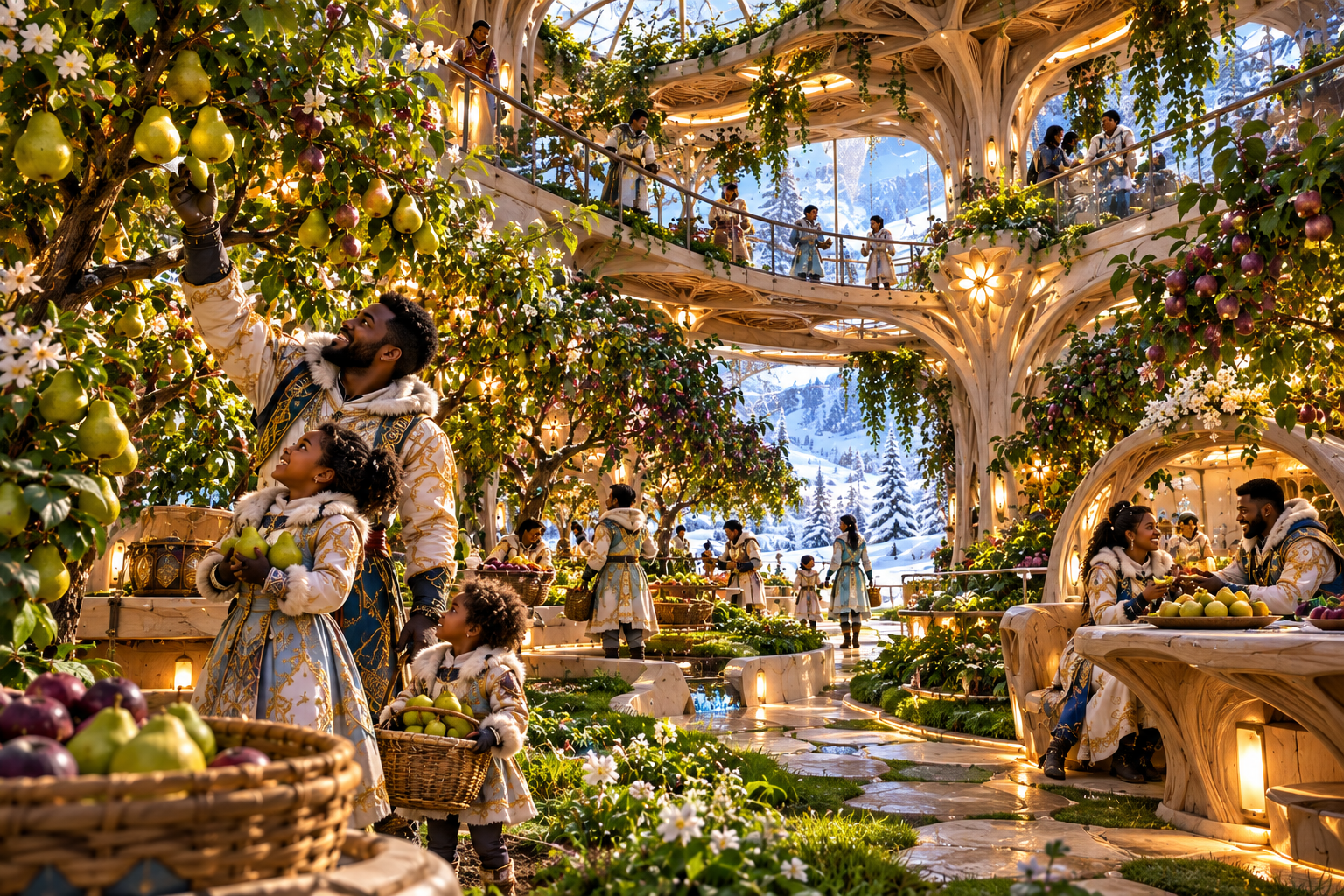
Night does not have to mean darkness broken only by harsh artificial lighting. I can imagine pathways with soft living light, glowing water edges, gardens carrying points of biological illumination, courtyards that feel alive after sunset and public places where families can walk, talk, eat and rest inside a completely different nighttime environment.
I am interested in the science, but I am also interested in the experience. I do not only want civilization to function. I want it to be beautiful.
Why should abundance make room for beauty?
Survival is not the highest possible human achievement.
If civilization becomes capable of feeding people, housing people, caring for health, moving people well and giving families time, it would be strange to stop at saying everybody survived.
Is ordinary life beautiful? Does night feel beautiful? Does travel feel good? Are homes pleasant to live in? Are public places worth spending time in? Does childhood contain joy? Does family life have room to breathe?
Abundance gives us room to care about how life feels, not only whether it continues.
What can families do when survival stops consuming so much of their time?
Families can start developing their own vision and desires.
A husband and wife can have time to ask what kind of family they want to become, what they want to build together, what they want their children to experience, what places they want to live in, what they want to learn and what abilities are beginning to appear inside their family. Family unity gets time too.
A family may discover that it is unusually good at growing things, teaching, building, caring, designing, travelling, researching, organizing or solving a certain kind of problem. Another family may discover a completely different combination of abilities.
Those things are easier to notice when everybody is not exhausted. The family can develop its own direction instead of simply following the schedule that survival handed it.
What happens to family love when so much outside friction disappears?
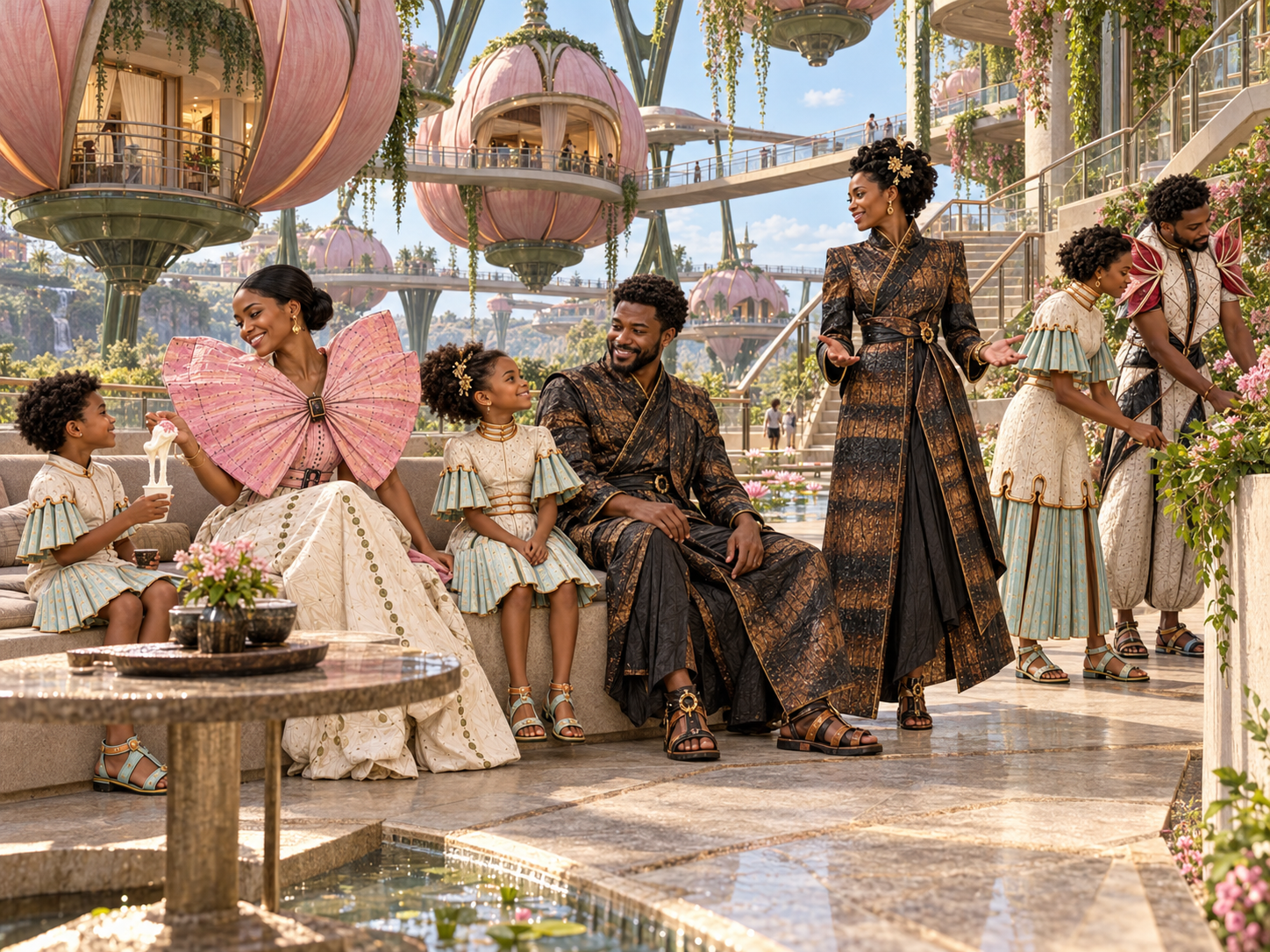
Families have more room to love each other better.
A husband and wife can deeply love each other and still spend years dealing with rent, bills, exhausting work schedules, childcare pressure, sleep loss, transport problems, inadequate housing, healthcare costs and almost no uninterrupted time together.
Those outside pressures enter the relationship.
An argument that looks like it is about dishes may really contain exhaustion. A disagreement about spending may really contain fear about money. A husband and wife who have barely spoken properly for days can find themselves arguing over something small because both are already carrying too much.
Children absorb that pressure too. Exhaustion shortens patience. Time pressure makes ordinary childhood needs feel like interruptions. A parent can snap over something that was never really about the child.
When much of that external friction is removed, families still have disagreements because they are still human, but fewer unnecessary pressures have to keep entering the relationship.
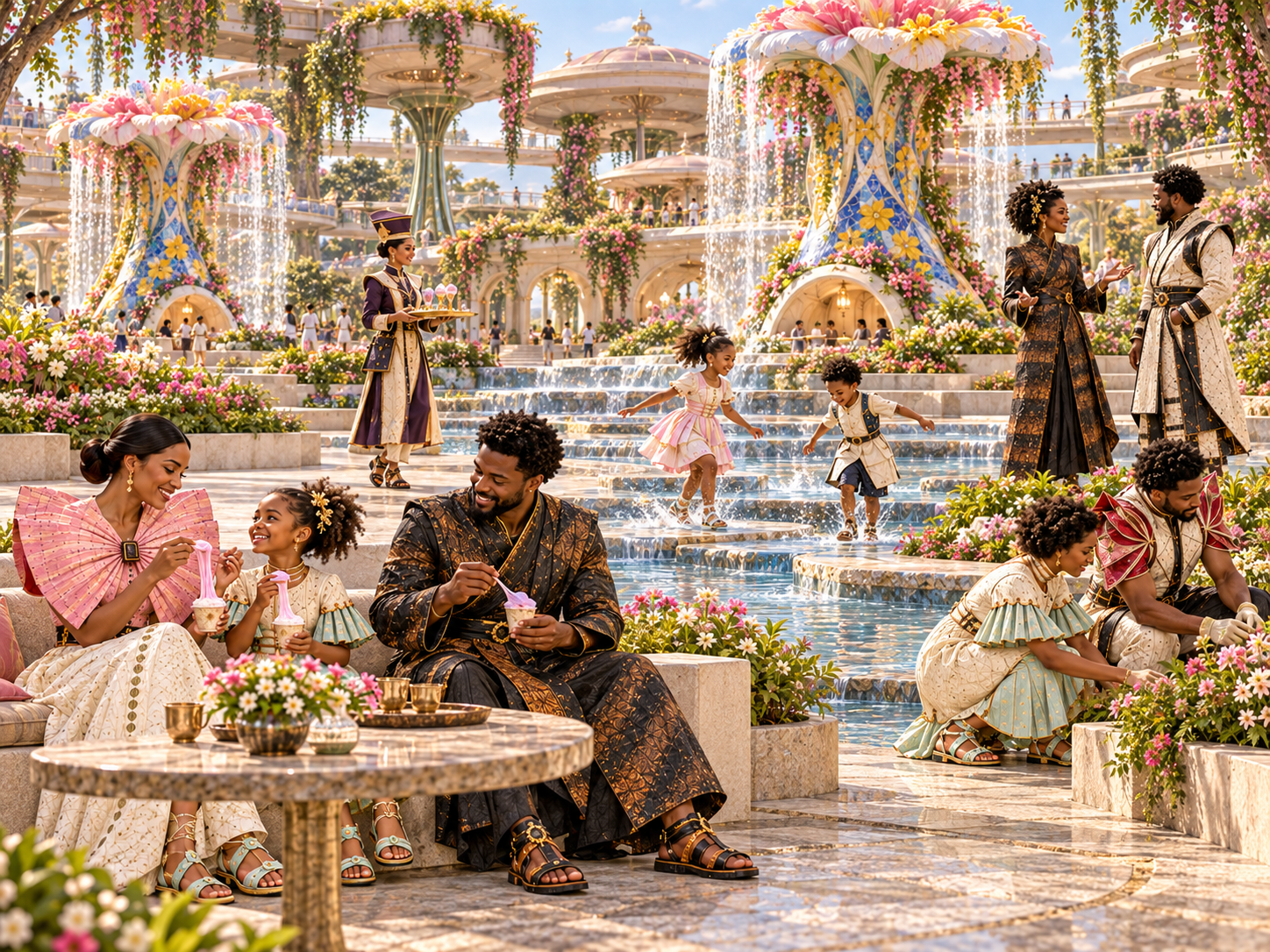
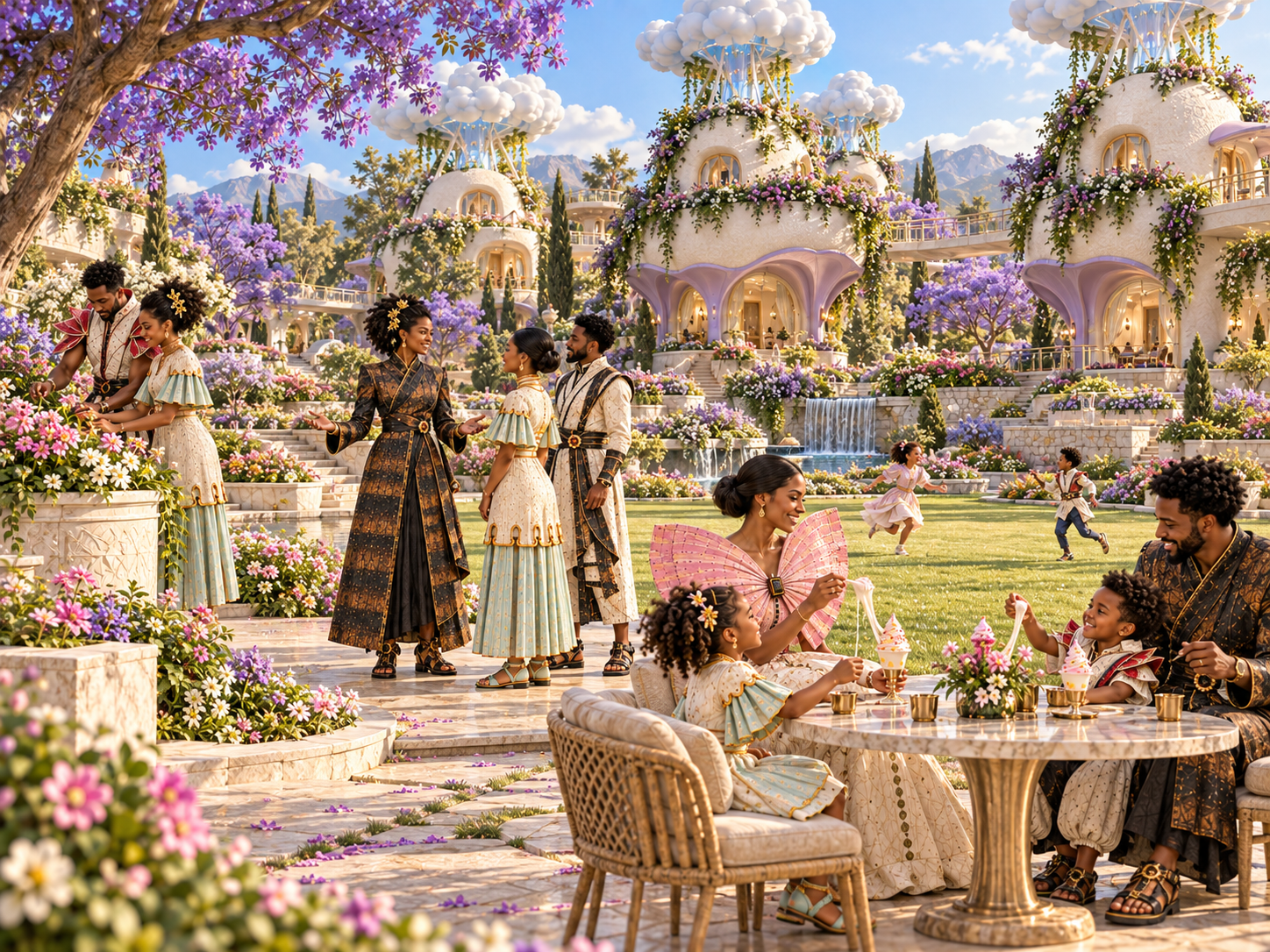
Husbands and wives can talk before everything becomes urgent. They can enjoy each other, laugh, travel, rest, be intimate, develop shared desires and work out where they want their family life to go. Parents have more room to enjoy their children instead of constantly managing them, and there can be fewer unnecessarily pained hearts inside the home.
What happens to childhood when adults are no longer constantly fighting the clock?
Childhood becomes more enjoyable.
A child does not have to spend so much of ordinary life hearing, “Hurry up,” “Not now,” “We have to go,” “Do it quickly,” or “Tell me later.”
The child taking ten minutes to put on a shoe is not automatically a problem because an adult has to leave for work in five minutes. A toddler can pour their own drink and take longer because nobody is desperately trying to complete breakfast and get out the door.
A child can stop to look at a beetle on the way somewhere, finish the long story they are telling, help make lunch even though helping takes longer, ask another question, or stay upset for a while and be comforted instead of having the feeling rushed because an appointment is waiting.
What does it mean for a child to stop feeling like a task?
Think about how easily family life becomes a sequence of operations.
Wake the child. Feed the child. Dress the child. Pack the child. Transport the child. Pick up the child. Feed the child again. Bathe the child. Get the child to sleep. Prepare everything to repeat it tomorrow.
Children need all of those things. The problem is when the pressure around them becomes so intense that the person disappears behind the task.
A child may want to explain something while the parent is trying to cook, clean, answer messages and prepare for tomorrow. A toddler may want to do something independently, but letting them try takes too long. A child may want the parent to sit beside them for no particular reason when the parent still has five things waiting.
More time changes those moments. The parent can look, listen, notice and stay. The child gets to experience more of childhood without constantly being hurried through it.
That can mean a more enjoyable childhood and fewer unnecessarily pained hearts for children and parents.
How does this change the way we think about children’s abilities?
Parents have more time to notice them.
A lot of capability probably becomes visible very early, but it is easy to miss when everybody is rushing.
One child keeps dismantling things. Another draws constantly. Another notices every animal. Another wants to count everything. Another remembers routes after seeing them once. Another asks unusually deep questions about people. Another wants to grow things.
Instead of treating these interests as small hobbies squeezed around the real business of school and work preparation, the family can follow them.
The question becomes less about forcing the child into a predetermined future and more about discovering what is actually developing inside the child.
What is wrong with the way childhood is often organized now?
Too often, children are deposited into school for most of the day while adults go to work, and school ends up functioning as a giant daycare and preparatory place for the relatively limited jobs children are expected to compete for later.
Children are moved through curricula that often leave little room for how differently they think, learn and develop. They are measured, tested, compared and sorted. Their curiosity gets interrupted by schedules. Their thinking can be reduced to what will appear on the test. Their unusual interests can become distractions from the curriculum.
Many schools are also under-resourced while being expected to carry enormous responsibility for children.
Childhood can end up feeling like an afterthought inside a civilization designed mainly around adult economic production. The child spends years being prepared to fit whatever economic positions exist later instead of civilization first asking what is actually inside that child.
What happens to education when children are no longer being prepared mainly for scarce jobs?
We have to rethink what education is for.
Children still need to read, write, calculate, reason and understand the world. Those foundations matter, but education does not need to stop there.
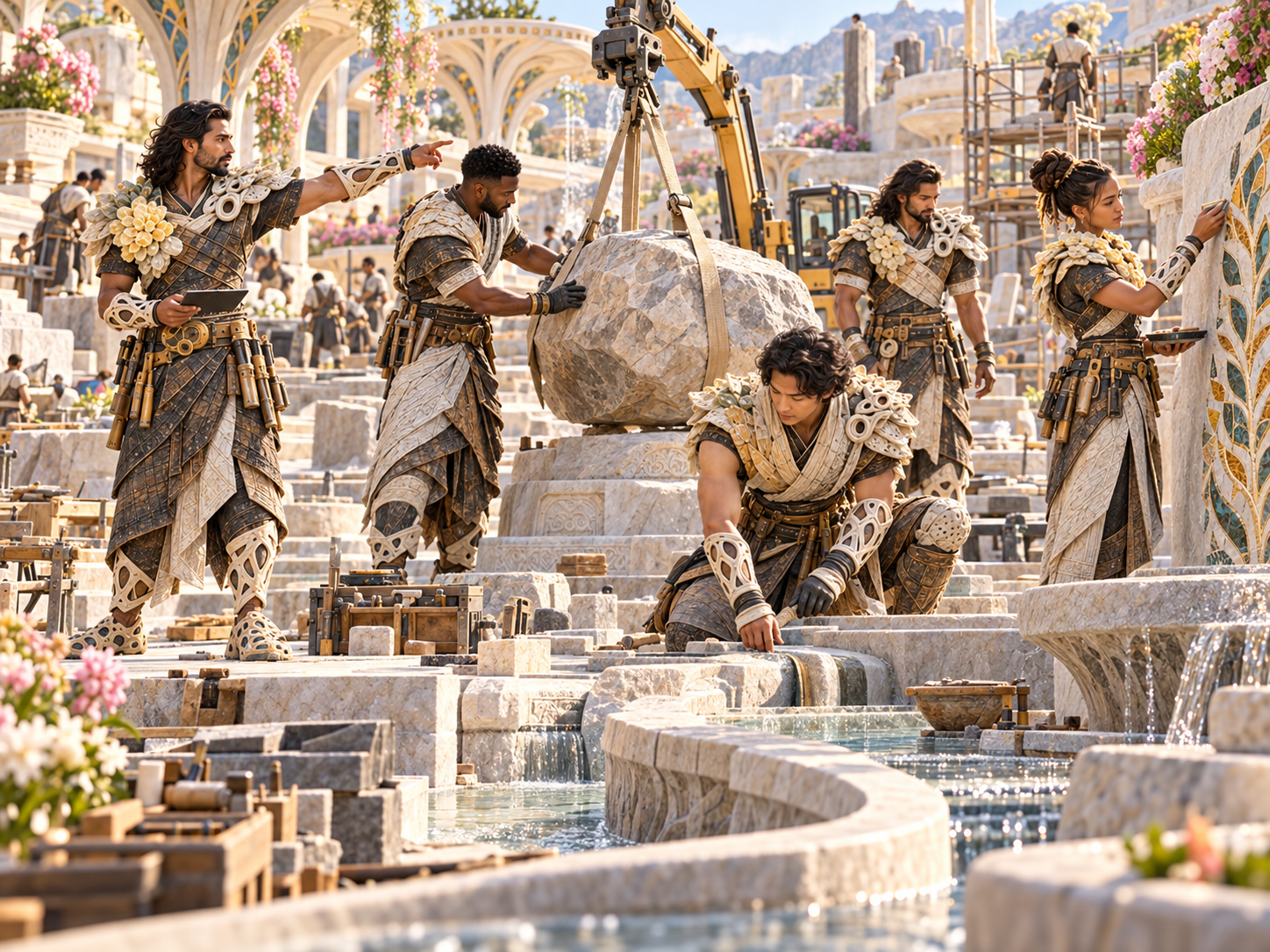
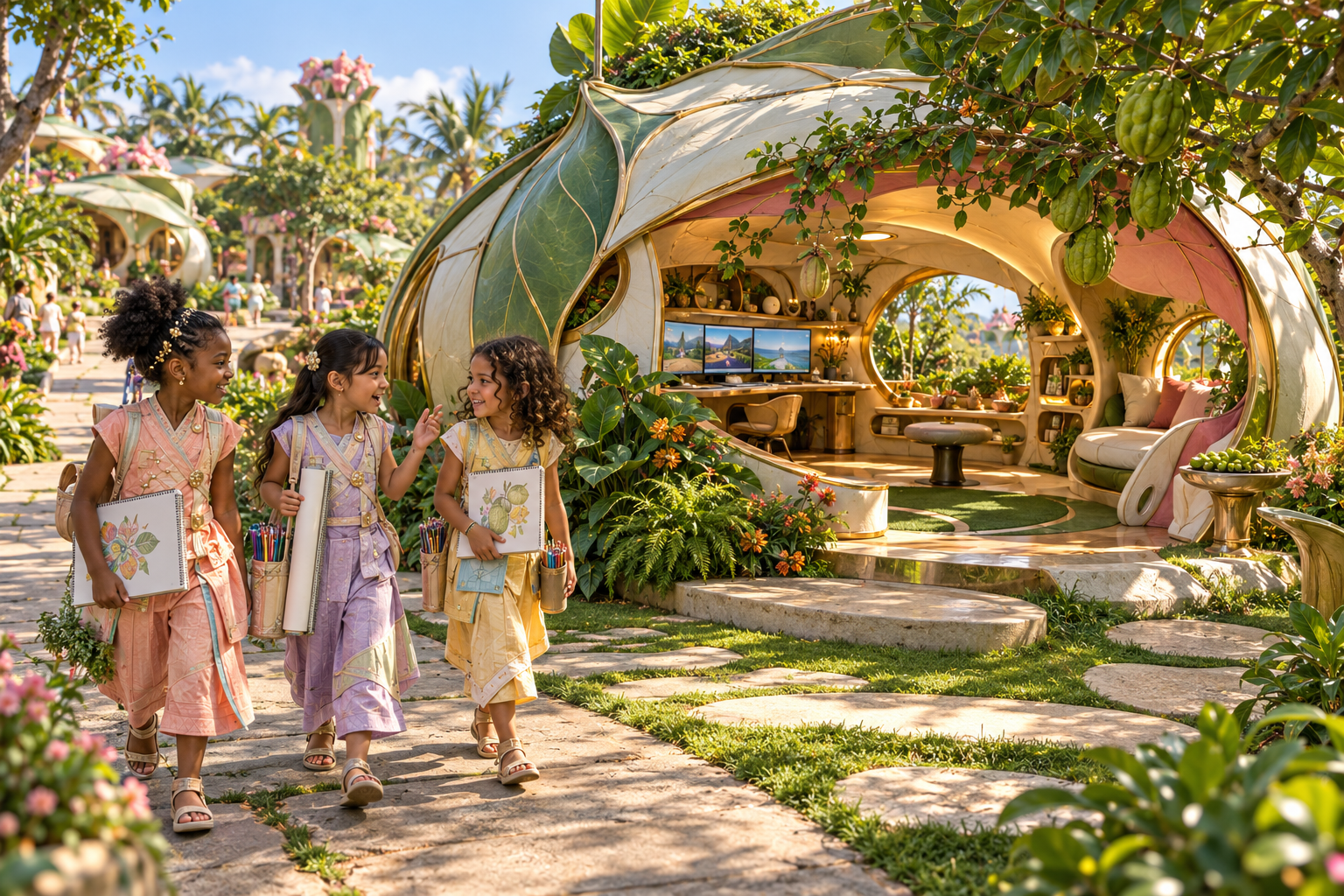
A child can spend serious time with real tools, real materials, real plants, real animals, real machines, real art, real land, real science and capable adults.
Children do not all have to move at exactly the same speed through exactly the same interests. Some things can be mastered quickly. Some can take longer. Some children can go much deeper into one area than others.
A child who is mechanically inclined can build. A child fascinated by animals can spend more time around animals. A child who loves reading can move quickly. A child who needs longer with mathematics can take longer without being treated as defective.
Education stops being only preparation for a limited number of future jobs and becomes part of discovering what human beings are capable of.
Is the child the only person who has to figure out what to do with returned time?
Older people have to rethink their lives too.
Many adults have spent decades having their days organized by work, money and survival. Their alarm rings because a job requires them somewhere. Their week has a shape because somebody else needs their labor at certain hours. Their holidays are limited. Their family time fits around the job. Even their identity can become tied to what they do for money.
Then imagine much of that pressure disappears. Some people will know immediately what they want to pursue. Others will have no idea, and that is fine.
What if people do not immediately know what to do with all that returned time?
People have spent generations being hurried, measured, scheduled, worried about money, separated from family, waking up for work they did not want to do, squeezing life into weekends and carrying stress home.
There is no reason to free people from that system and immediately hand them another assignment.
You have your time back. Now quickly identify your talent, develop it, become excellent, invent something and contribute.
That would be the old pressure wearing different clothes.
People can sleep, sit outside, travel slowly, spend ridiculous amounts of time with their husband or wife, play with their children, swim, visit people, cook because they feel like cooking, walk somewhere without a purpose, or do nothing for an afternoon without turning it into a self-improvement exercise.
The whole Earth may need years of mental detoxing and rejuvenation from the stress of the old world.
What happens to people who have spent so long surviving that they no longer know what they like?
They get time to find out. A person who has spent thirty years answering “What do you do?” with the name of their job may need a long while before they know how to answer a completely different question:
Something that fascinated them at sixteen may come back at sixty.
Someone may try gardening for six months and decide they hate it. Someone may spend a year travelling and suddenly become fascinated by stone. Someone may rest for two years before becoming interested in anything demanding. A husband and wife may spend a long time simply enjoying each other before a shared project develops.
Someone else may never want a grand project at all. They may want a peaceful family life, good food, travel, friends and long days outside. That is still life.
So does returned time belong to civilization?
Civilization should not free people from the old system only to stand over them asking what productive thing they are going to do now.
Contribution can grow from rested people. Curiosity can return. Ambition can return. A desire to master something can return, but none of it needs to be forced on the first day of freedom.
What might happen after people have actually had time to recover?
They may begin noticing things again.
Someone who spent months doing very little notices a strange plant and becomes curious about it. Another person starts watching the night sky. Someone begins making something because making it feels good. A husband and wife start developing ideas together because they finally have enough quiet to hear themselves think.
A sixty-year-old discovers an ability nobody, including themselves, knew was there. A child gets interested in a machine and keeps following the interest for years.
Curiosity can return naturally when every free hour is no longer already claimed.
What might millions of people eventually choose to pursue?
Things we cannot predict.
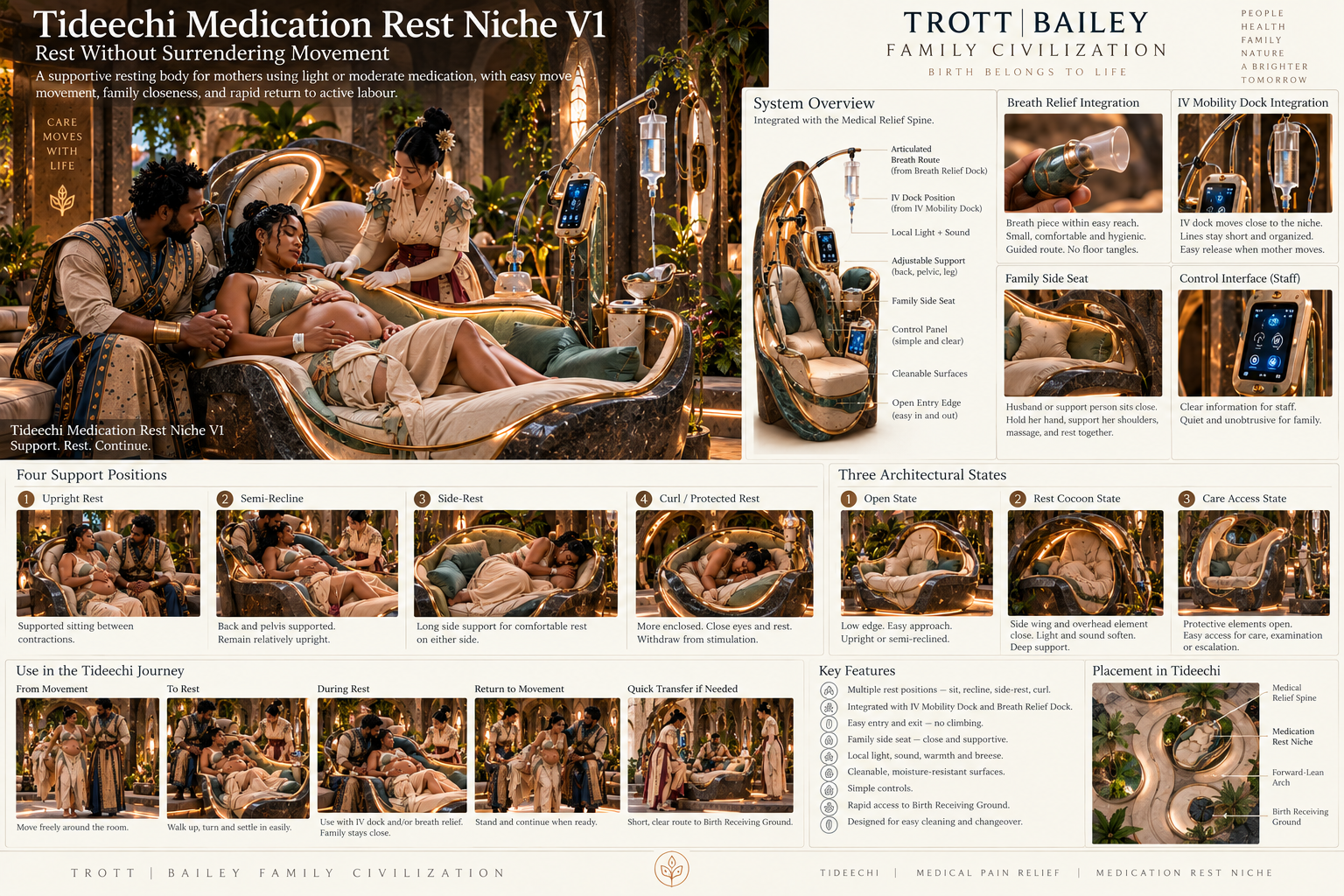
One person may become obsessed with making childbirth easier. Another may study why certain people heal faster than others. Someone may spend years understanding sleep. Someone else may investigate aging, soil, childhood learning, animal communication, ocean life, food preservation or buildings that cool themselves naturally.
Someone may develop a new kind of transport. Someone may become fascinated by a plant everybody else walks past. Someone may discover that a material nobody valued has a remarkable use. Someone may create music nobody has heard before. Someone may grow a fruit that does not exist yet.
Somebody somewhere may pursue a question that sounds ridiculous today and completely change civilization with it later.
How many discoveries have we already lost?
How many ideas died because somebody was too tired to pursue them? How many inventions never happened because the person who could have made them was working all day to pay rent? How many children with unusual abilities were never noticed? How many natural engineers never touched proper machinery? How many scientists never got the education or equipment? How many mothers noticed something important about children, health or family life but had no path for turning that observation into investigation?
How many people looked at a stone, plant, animal, body, machine or natural process and thought, “That is strange. I wonder why it does that,” and then had to go back to work?
We do not know what humanity has already lost because survival consumed the person who would have pursued the question.
Does ambition still need competition?
Today ambition is often measured by beating somebody else: earn more, own more, become more famous, get the higher position, build the bigger company, defeat the competitor, have what somebody else cannot afford.
Ambition can also mean asking how good you can become at something, how much you can understand, what you can discover, how much better you can make something, how beautiful you can make it, what your family can experience, what you can contribute that does not exist yet, and what humanity can do tomorrow that it cannot do today.
That is ambition too.
What happens when capability itself becomes abundant?
Then curiosity gets far more powerful.
World Ruler Sher does not have to personally become a mineral scientist to search for Halonite. She can ask the question and work with people capable of investigating it.
She does not have to become a plant biologist before wondering what mamona can teach us. She can bring the observation and researchers can test it.
She does not have to personally engineer bioluminescent public spaces before saying she wants night life made beautiful through living light. Capable people can investigate what is actually possible.
The same becomes true for everybody else.
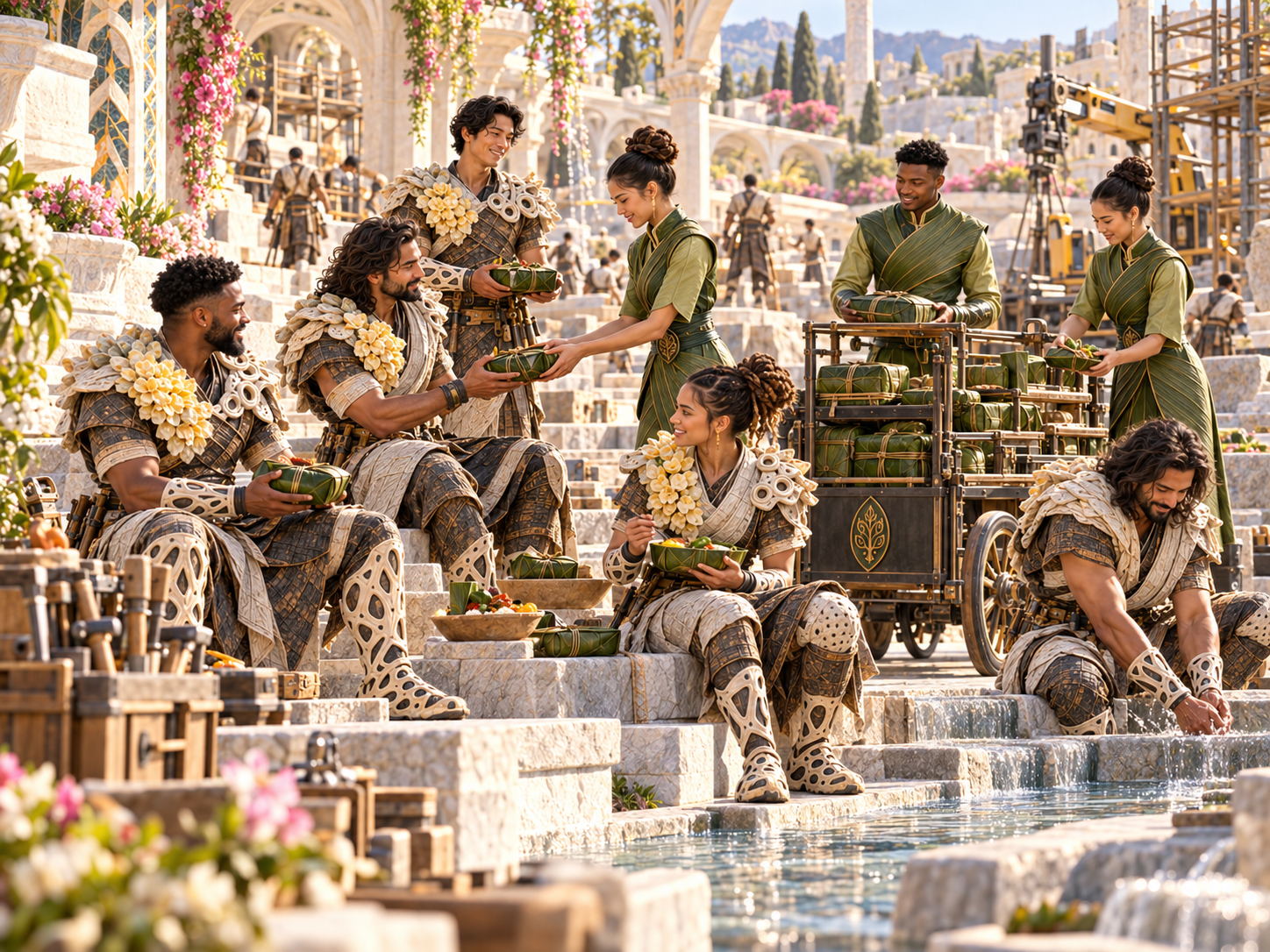
Someone brings an observation. Someone else has the skill to test it. Another person can build the equipment. Another understands the biology. Another sees the design problem. Another notices something all of them missed.
Abundant capability lets human curiosity travel further because people do not have to know everything themselves before a question can become real work.
What happens when people can pursue strange questions without first proving those questions will make money?
We discover more because more questions are actually allowed to be pursued.
Some questions will lead nowhere. Some experiments will fail. Some ideas will turn out to be physically impossible, and we learn that too.
But some strange question may open an entire field. A child may notice something an expert ignored. A family may discover a better way of handling an ordinary problem. A researcher may connect two things nobody thought belonged together.
You cannot know beforehand which curiosity will matter.
A civilization with room to investigate will discover things that a civilization interested only in immediate financial return will leave untouched.
So what does abundance actually give humanity?
It gives us more than things. It gives us back attention.
It gives parents more time with children. It gives husbands and wives more time with each other. It gives children more access to adults who are not permanently rushing. It gives families room to develop their own vision. It gives curious people time to investigate. It gives inventors tools, researchers equipment, builders materials and families more of Earth to experience.
It also gives people room to rest without immediately justifying the rest, because humanity does not need to escape one exhausting civilization only to rebuild another civilization obsessed with constant output.
What happens to human ambition when the basics become as easy to access as air?
Human ambition gets the chance to become something much larger than survival, but we do not need to rush there.
First, people can rest. Families can enjoy each other. Children can have a less hurried childhood. Husbands and wives can recover time together. Older people can figure out who they are when work and money are no longer organizing every day.
Then curiosity can begin pulling people toward things again.
Some will search for Halonite. Some will study plants. Some will investigate healing. Some will make night life beautiful with bioluminescence. Some will explore oceans, health, materials, music, transport, childhood, architecture or questions none of us have thought of yet.
Others will simply enjoy having a peaceful life with the people they love for a long while.