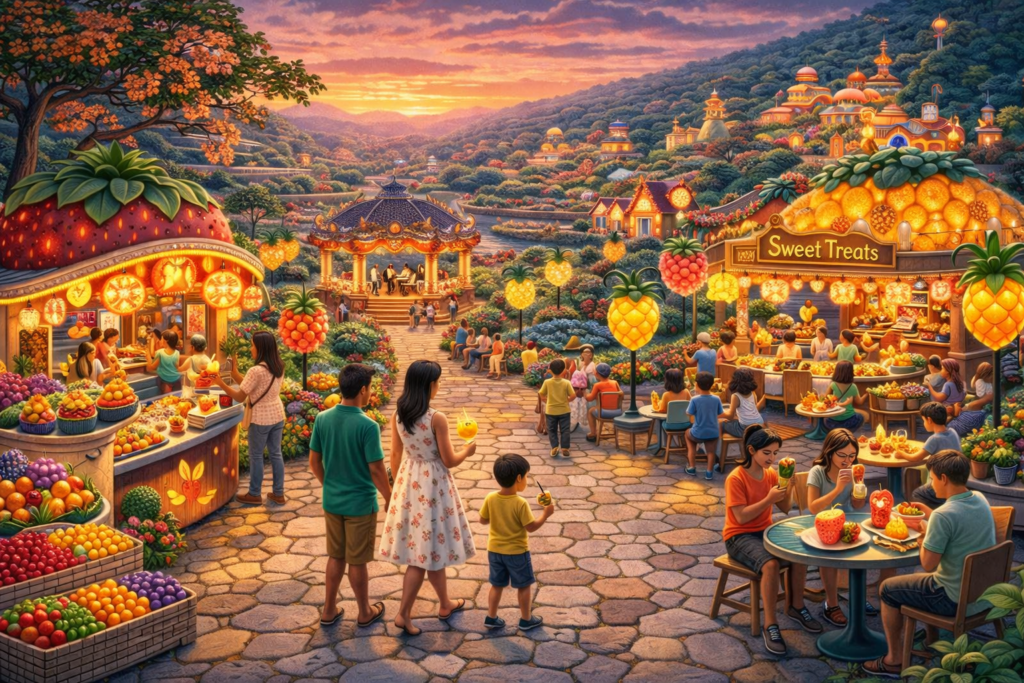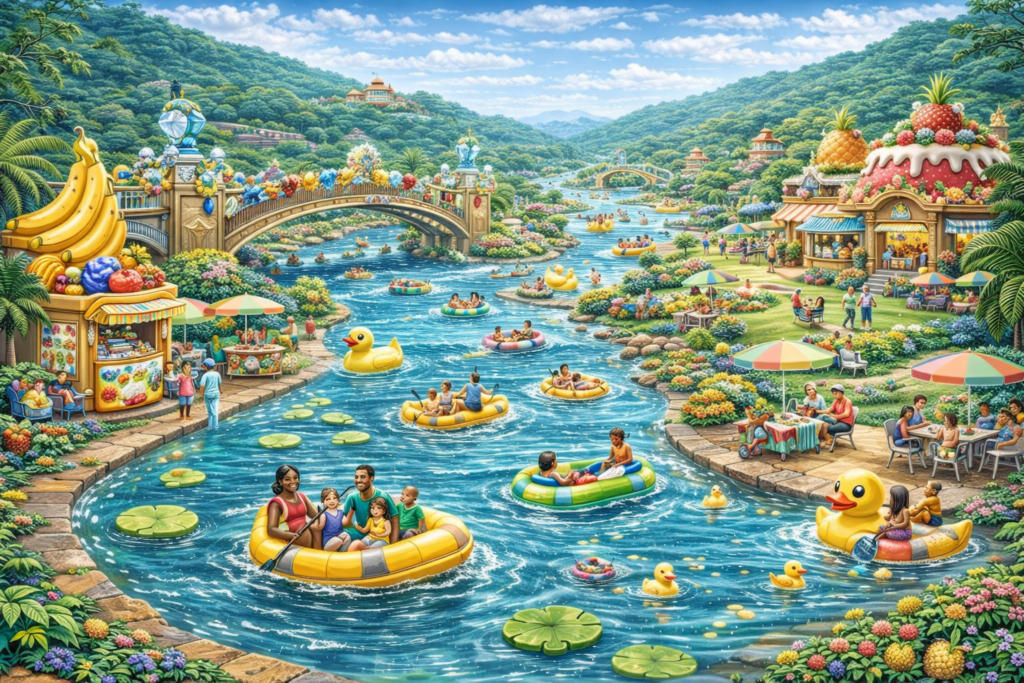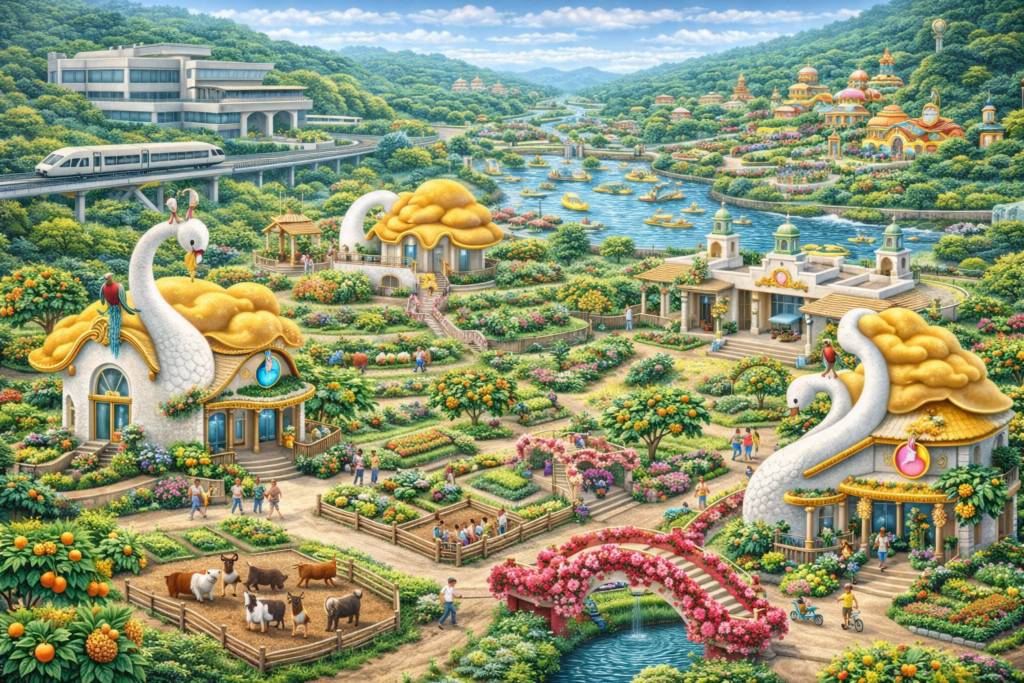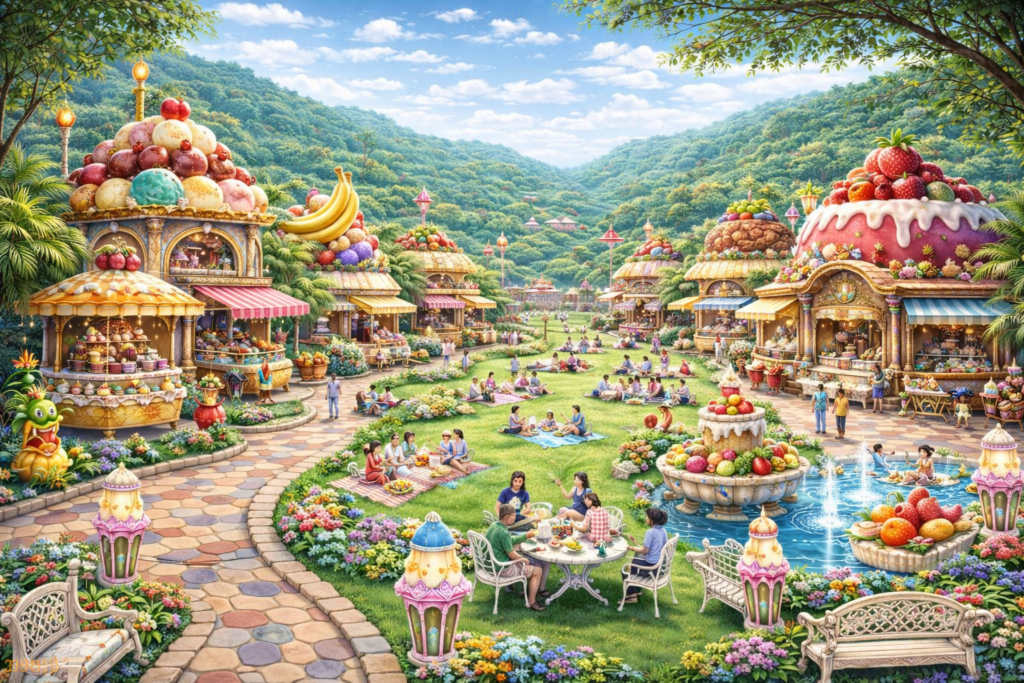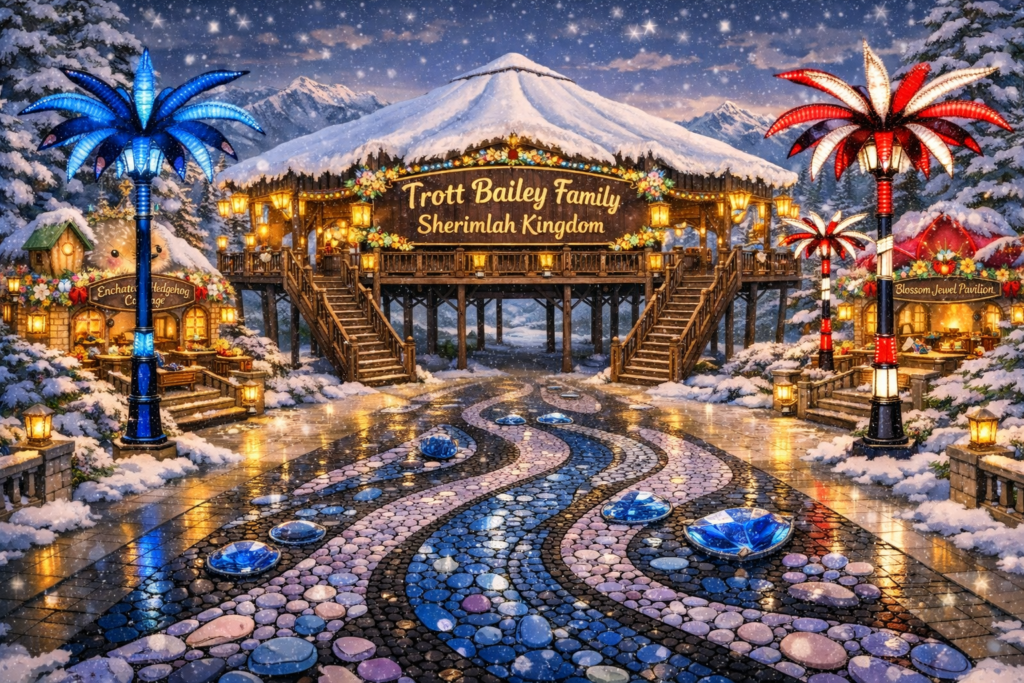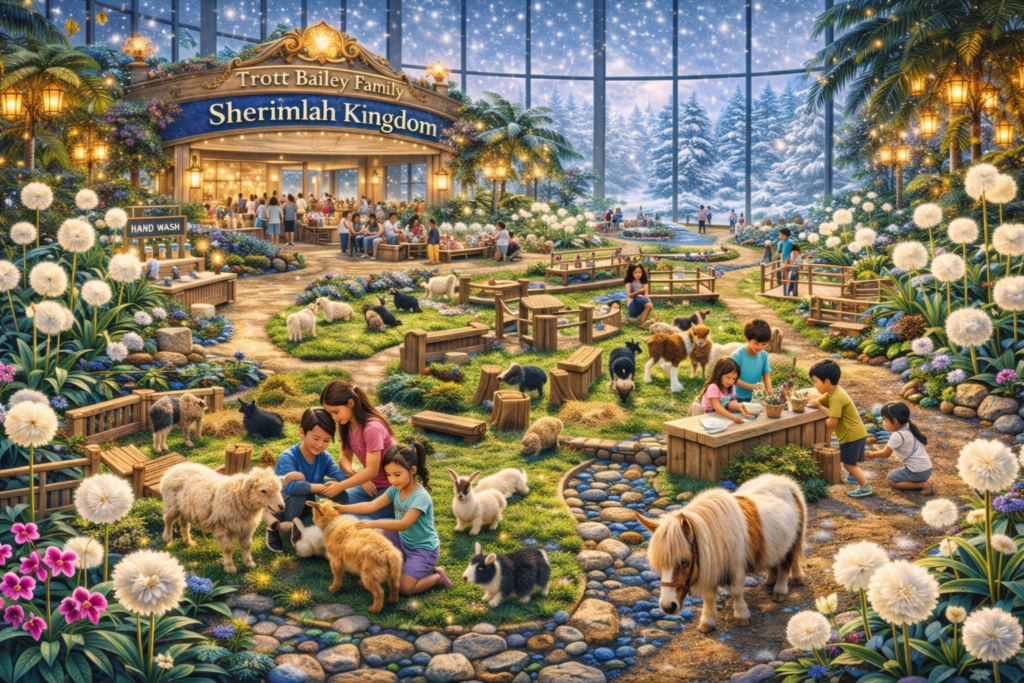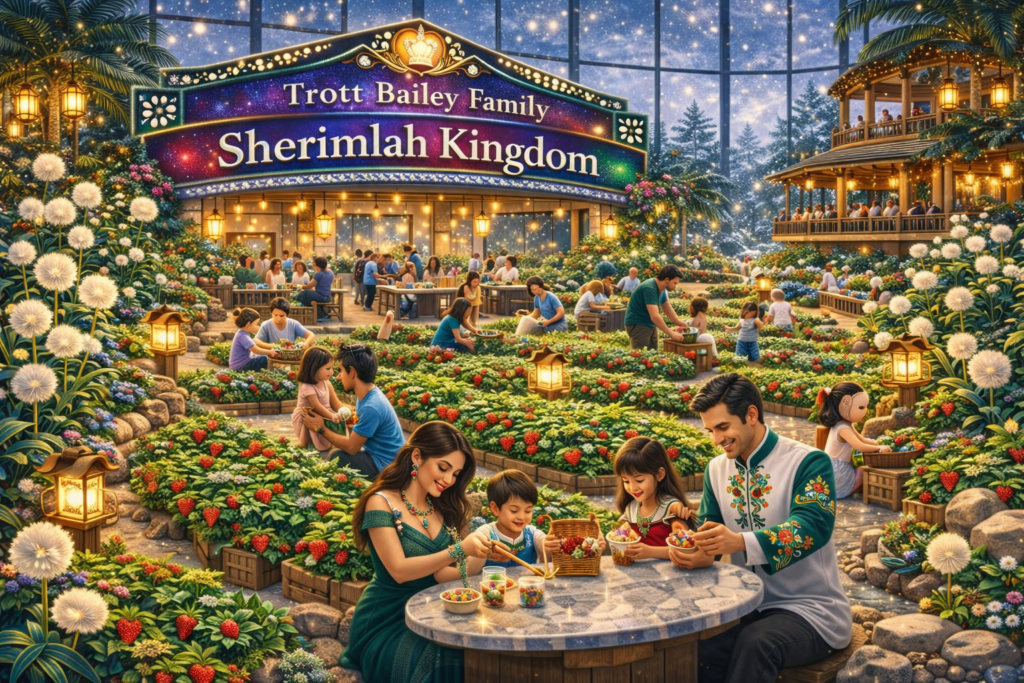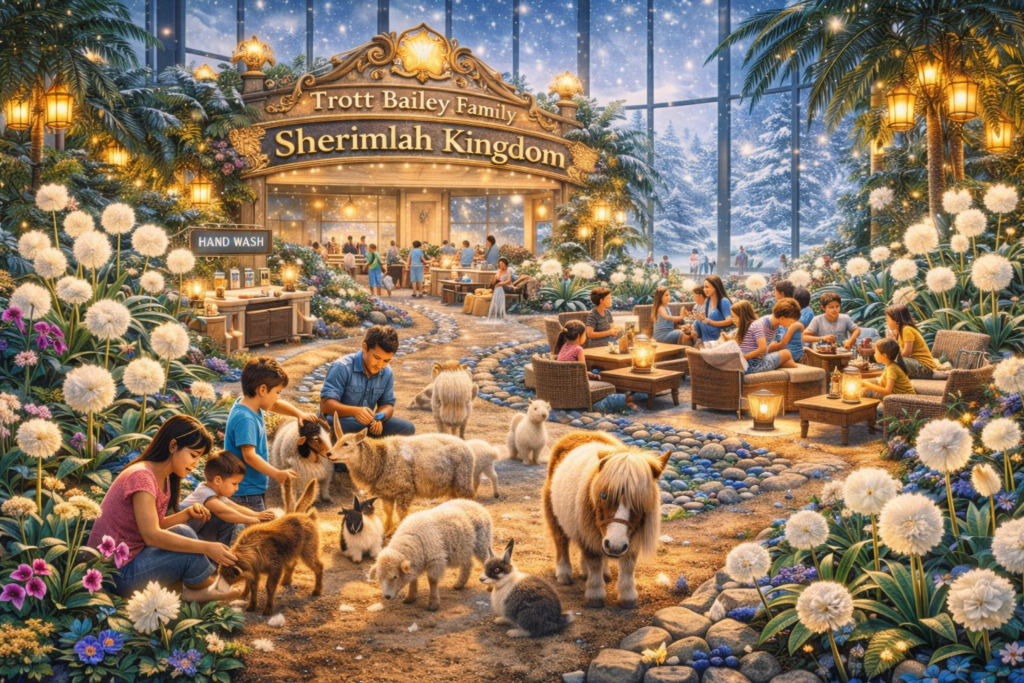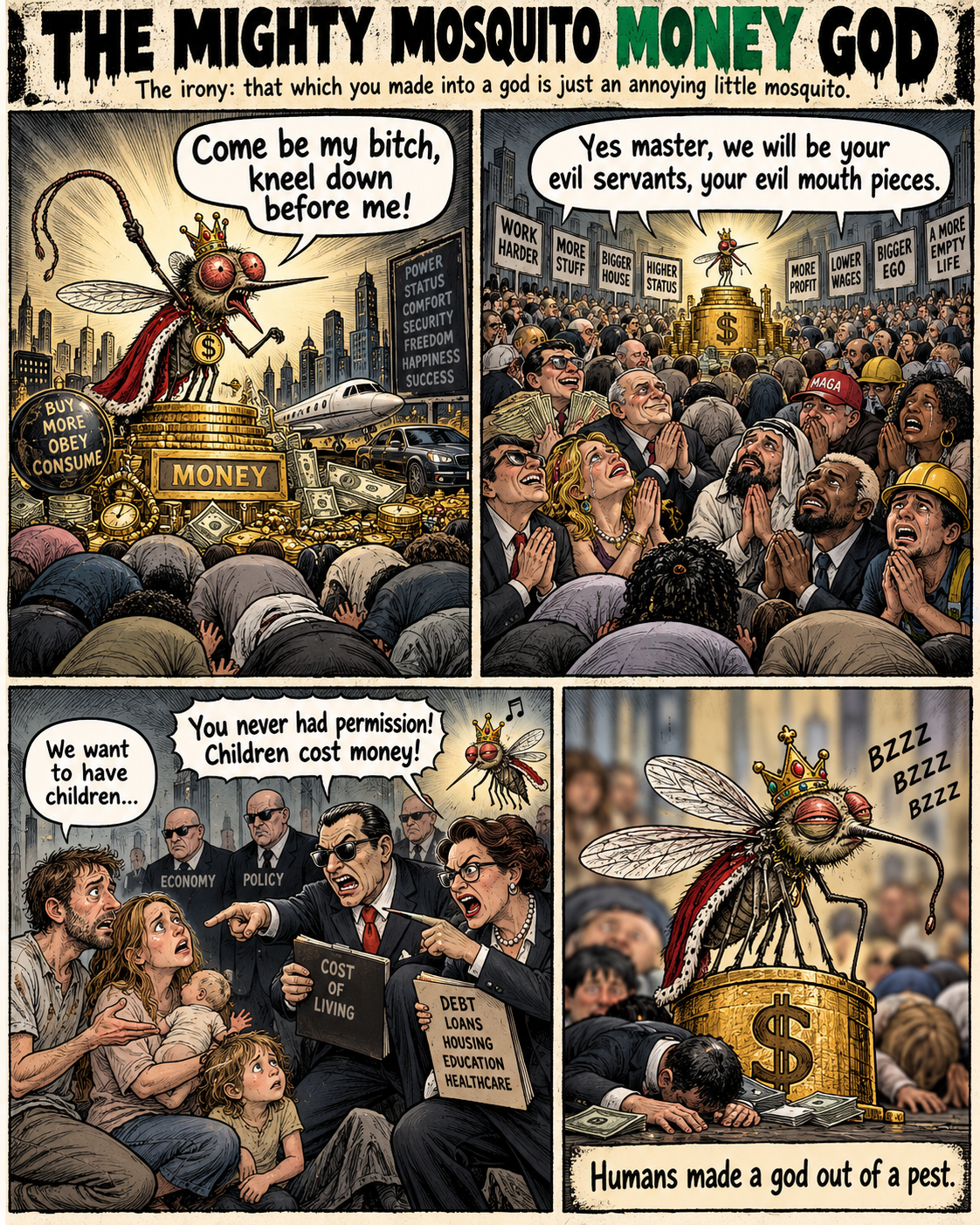


Work. Consume. Sleep. Repeat.Work. Consume. Sleep. Repeat.
Work. Consume. Sleep. Repeat.
I have been watching YouTube lately and noticed a surge of Asian women from different countries, Vietnam, China, Korea, Japan, posting videos about their everyday lives.
The storylines are remarkably similar.
They usually have some sentimental-sounding AI voiceover or, more rarely and much more refreshingly, the woman’s own voice narrating her “story.” The setting is usually a narrow apartment in one of the country’s major cities. Hanoi in Vietnam. Shenzhen, Guangzhou, Chengdu and other large cities in China.
I find them briefly interesting because it is another culture and I like seeing what people cook and how they live. One Vietnamese woman made sweet-and-sour fish soup with pineapple. I never knew you could put pineapple into soup.
Then there are the ones pushing narratives about what they spent their YouTube earnings on. Those I don’t even bother watching. I just roll my eyes at that big fat lie.
Mostly, though, their viewpoints and future outlooks are too narrow to hold my interest for very long. I find myself flipping through several different channels because after a while I feel like I am watching the same life with different faces, different food and a different city outside the window.
And after watching enough of these women, something clicked.
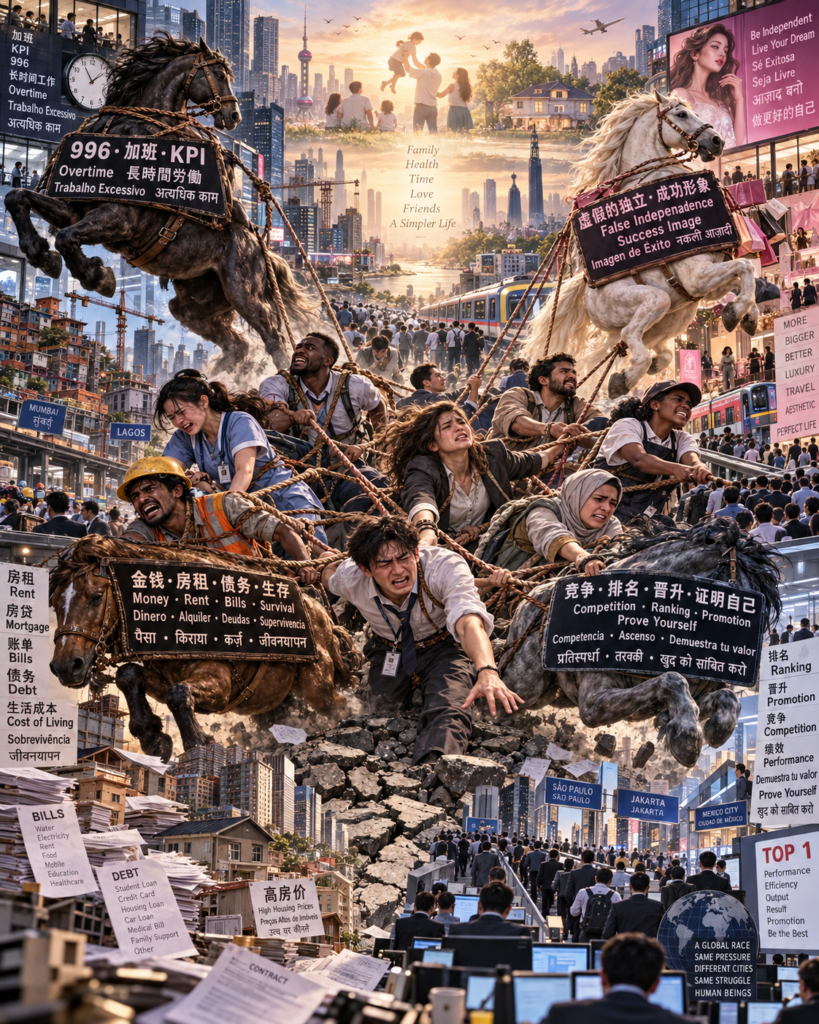
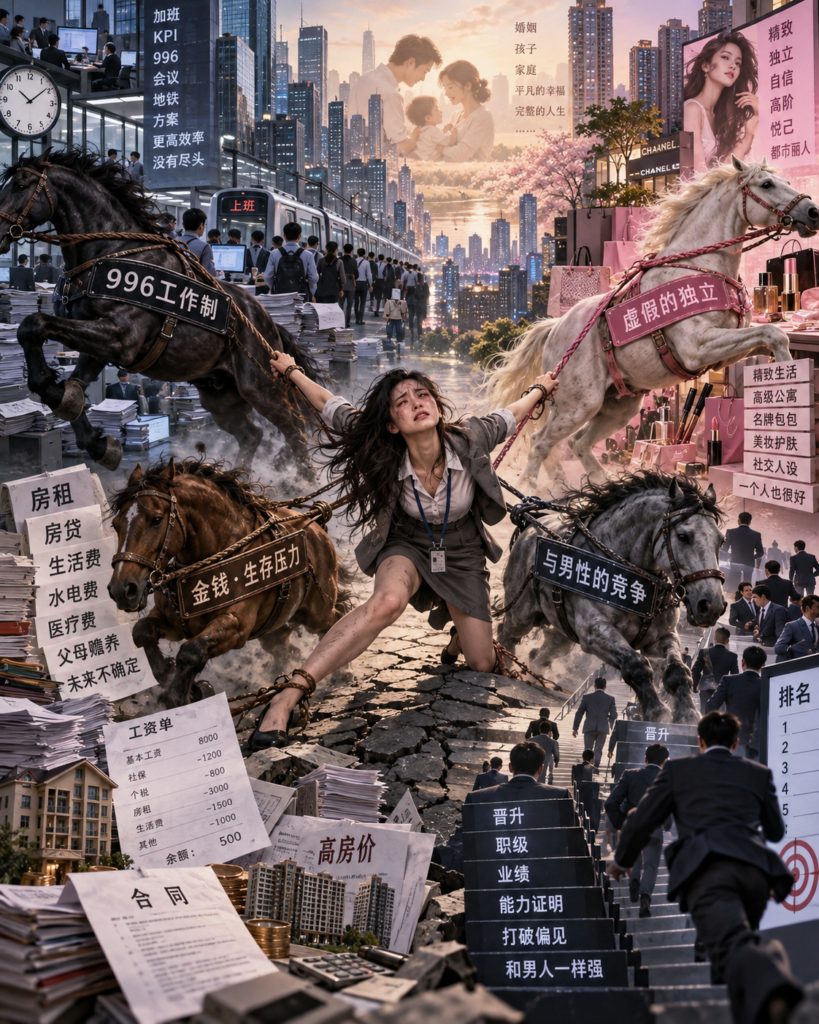
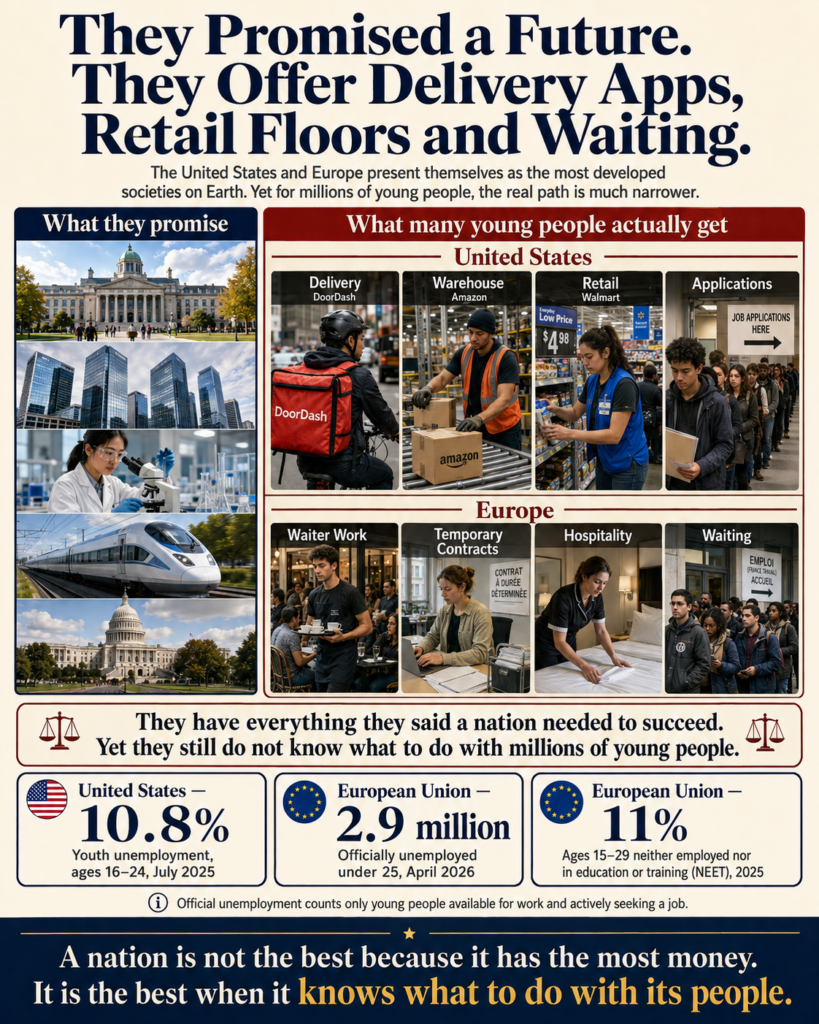
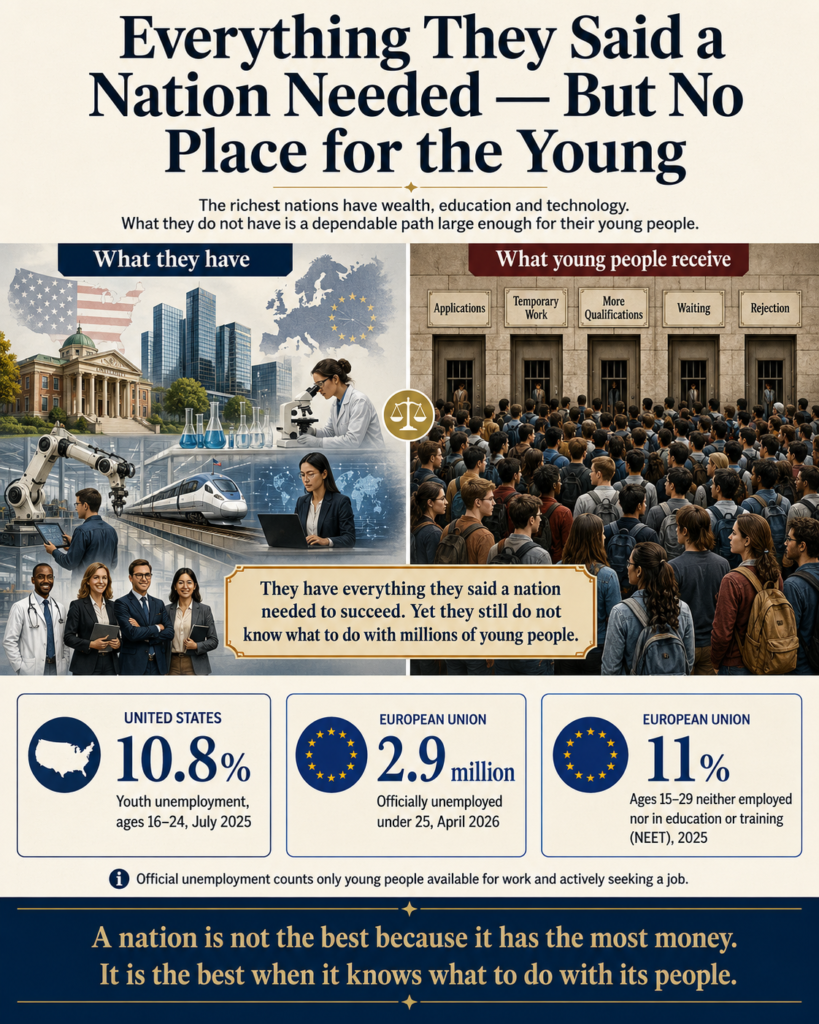
Most people who bought into the work culture, 666 or 996, whatever you want to call it, have been left with enough time and energy to do little more than:
That is too narrow a life for a human being. It is too narrow for the amount of life that exists on this Earth.
The corporate loop is too narrow. The traditional domestic loop can be too narrow too. Cook, clean, sleep, repeat is not some grand alternative to office, consume, sleep, repeat. The city can become too narrow. One job description can become too narrow. One repeated role can become too narrow.
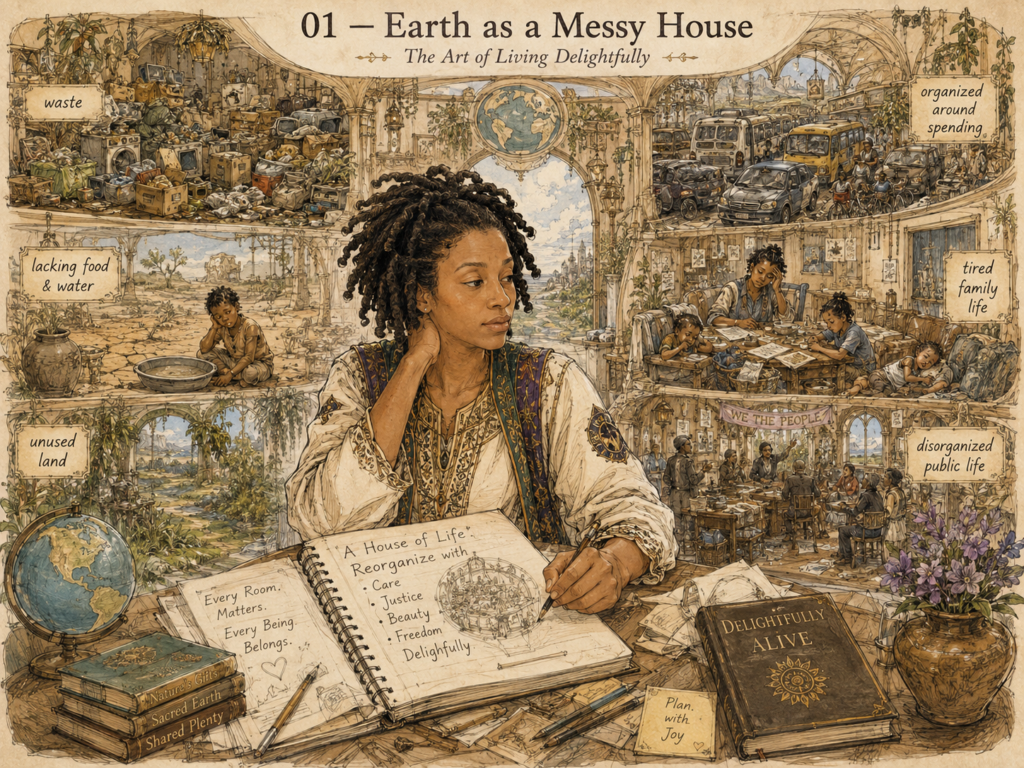
The problem is life compression.
We have taken a creature capable of parenting, building, inventing, learning, travelling, caring, growing, repairing, designing, thinking, resting, exploring, loving, teaching, changing direction and developing completely new abilities, and compressed that creature into one narrow repeated function.
Then we compressed the geography too.
Again.
Earth is enormous, yet so much modern adult life has been packed into a small urban circuit and repeated for years.
I know this narrow picture of human usefulness is rubbish because my own days contradict it.
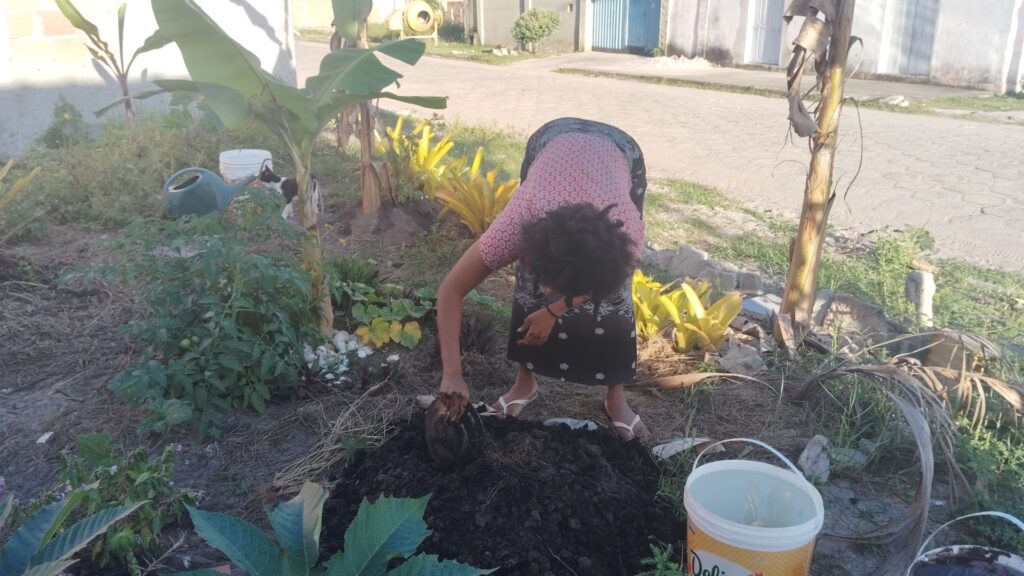
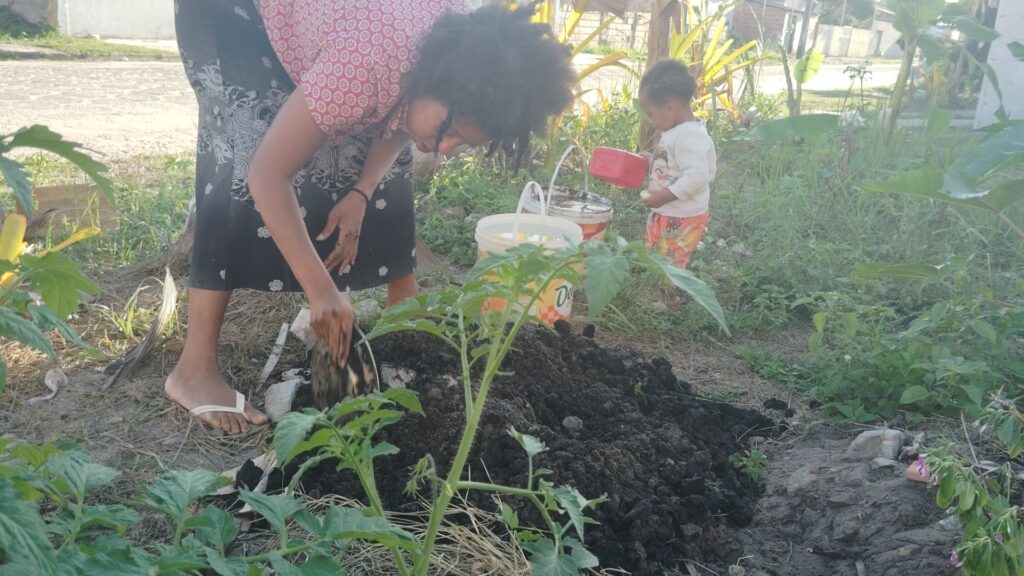
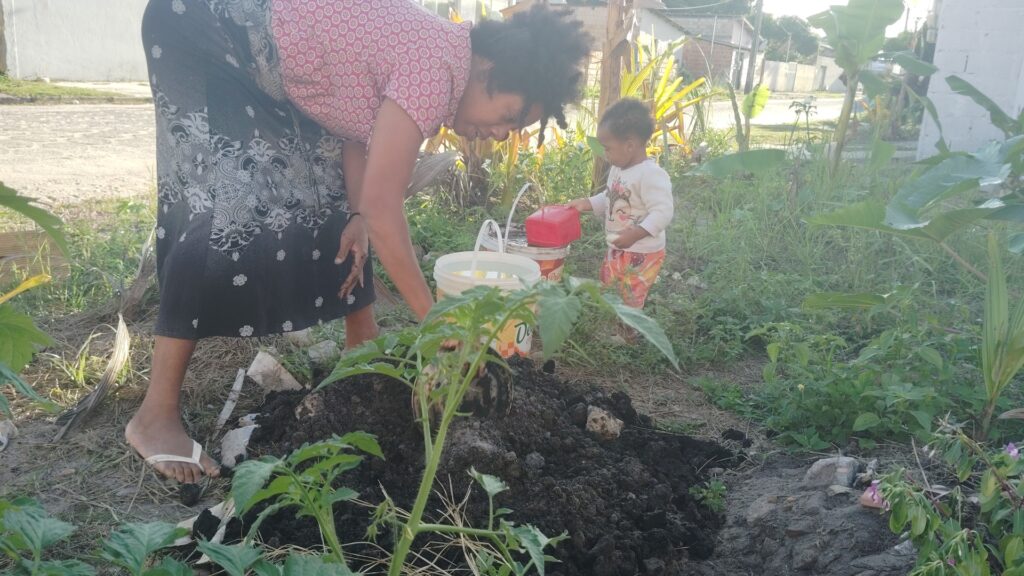
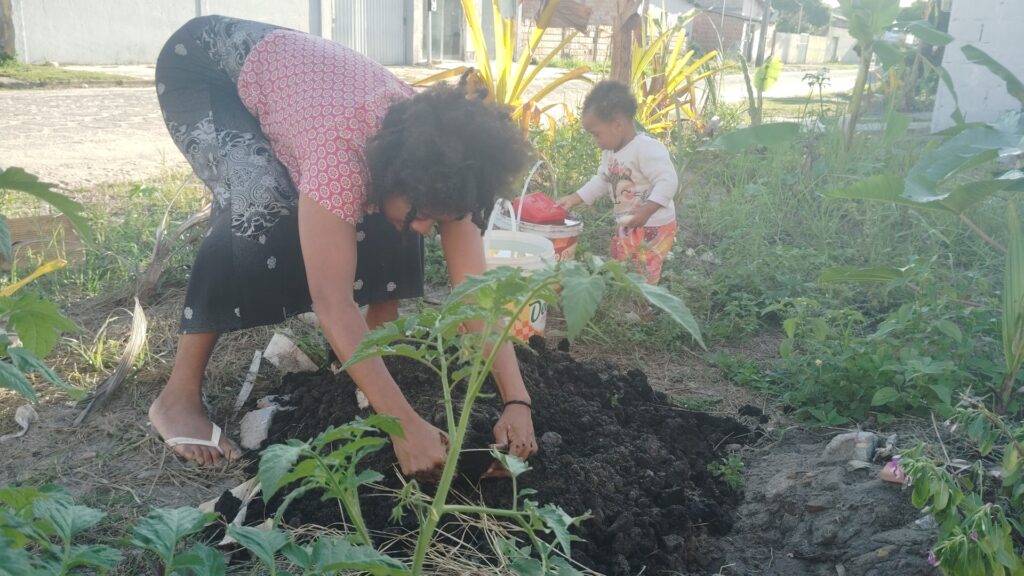
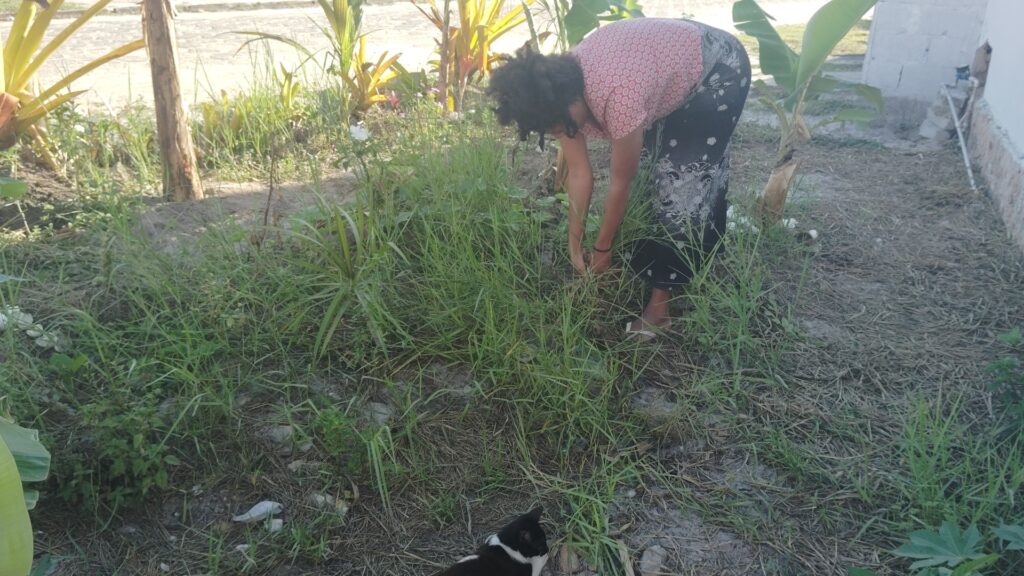
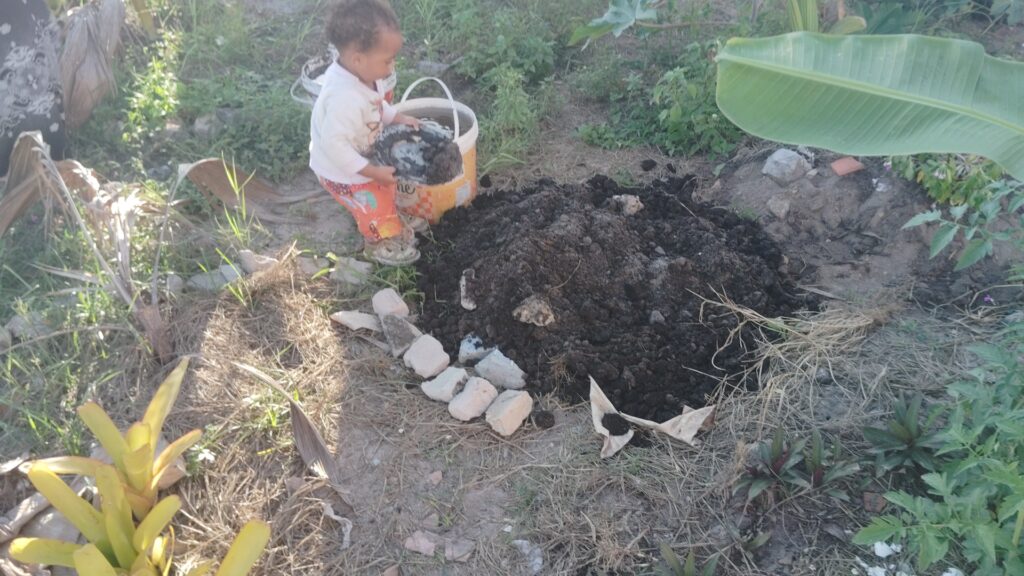
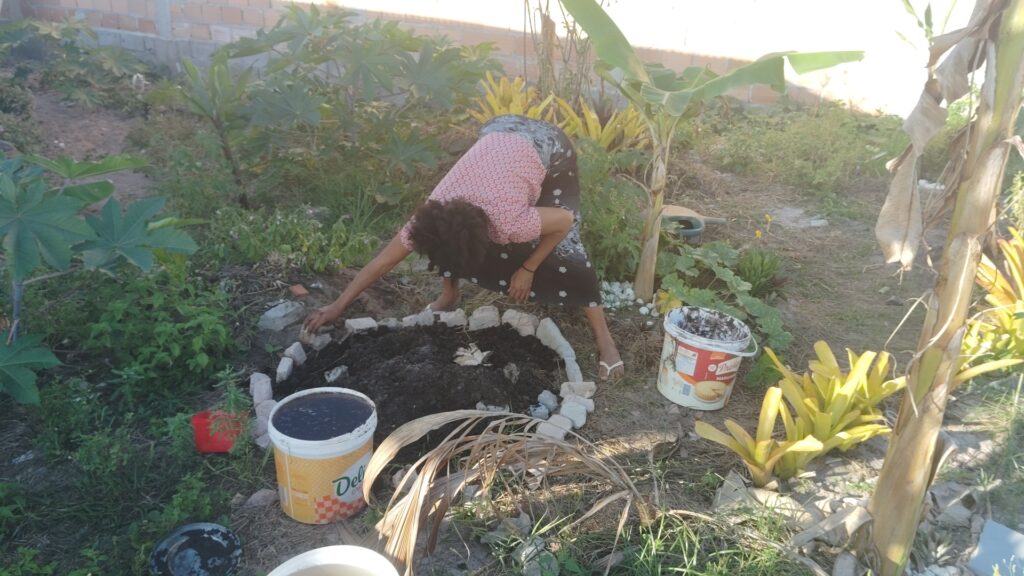
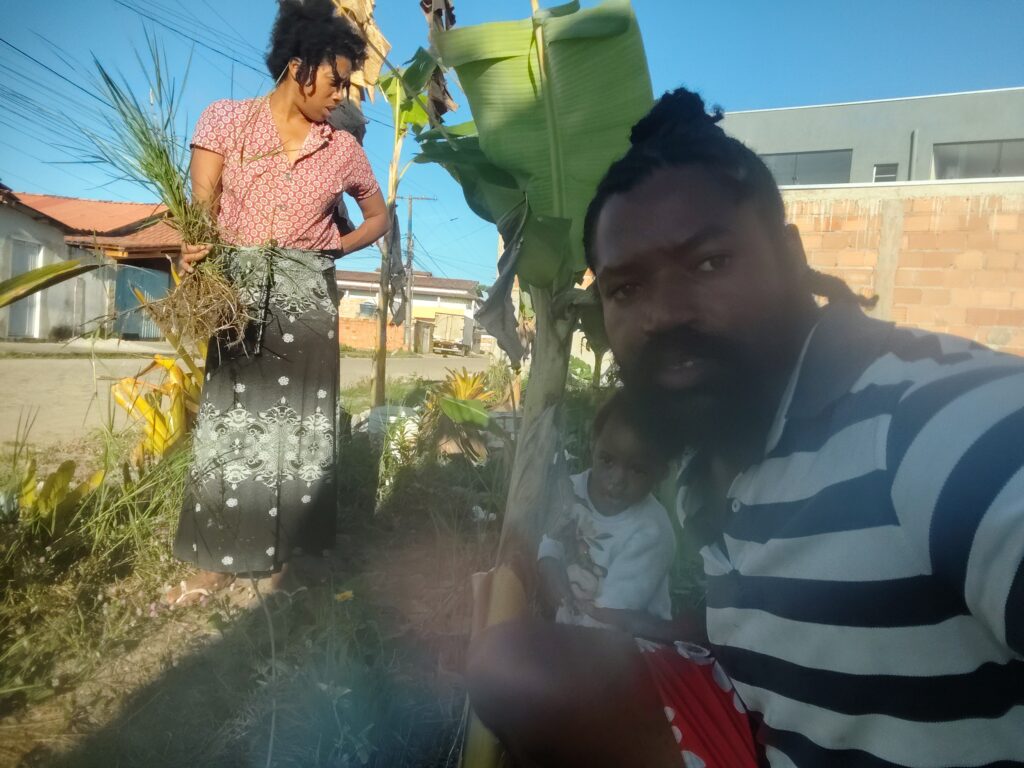
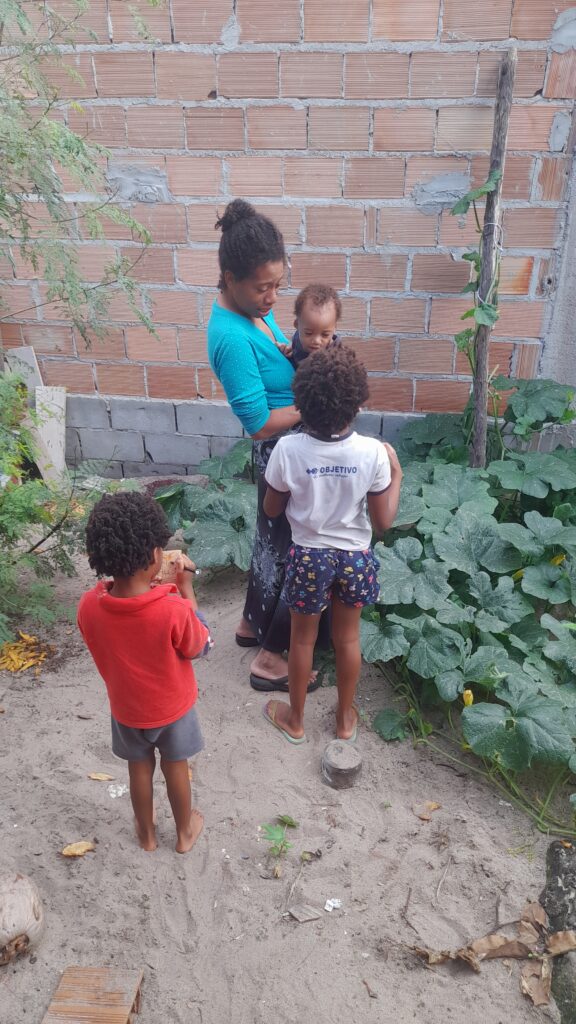
I stay home most days. I clean the house. I cook for my family. I deal with children and chores. Sometimes I take a walk. My days contain plenty of ordinary family life.
Yet motherhood did not end my mind. Staying home did not end my ability to build.
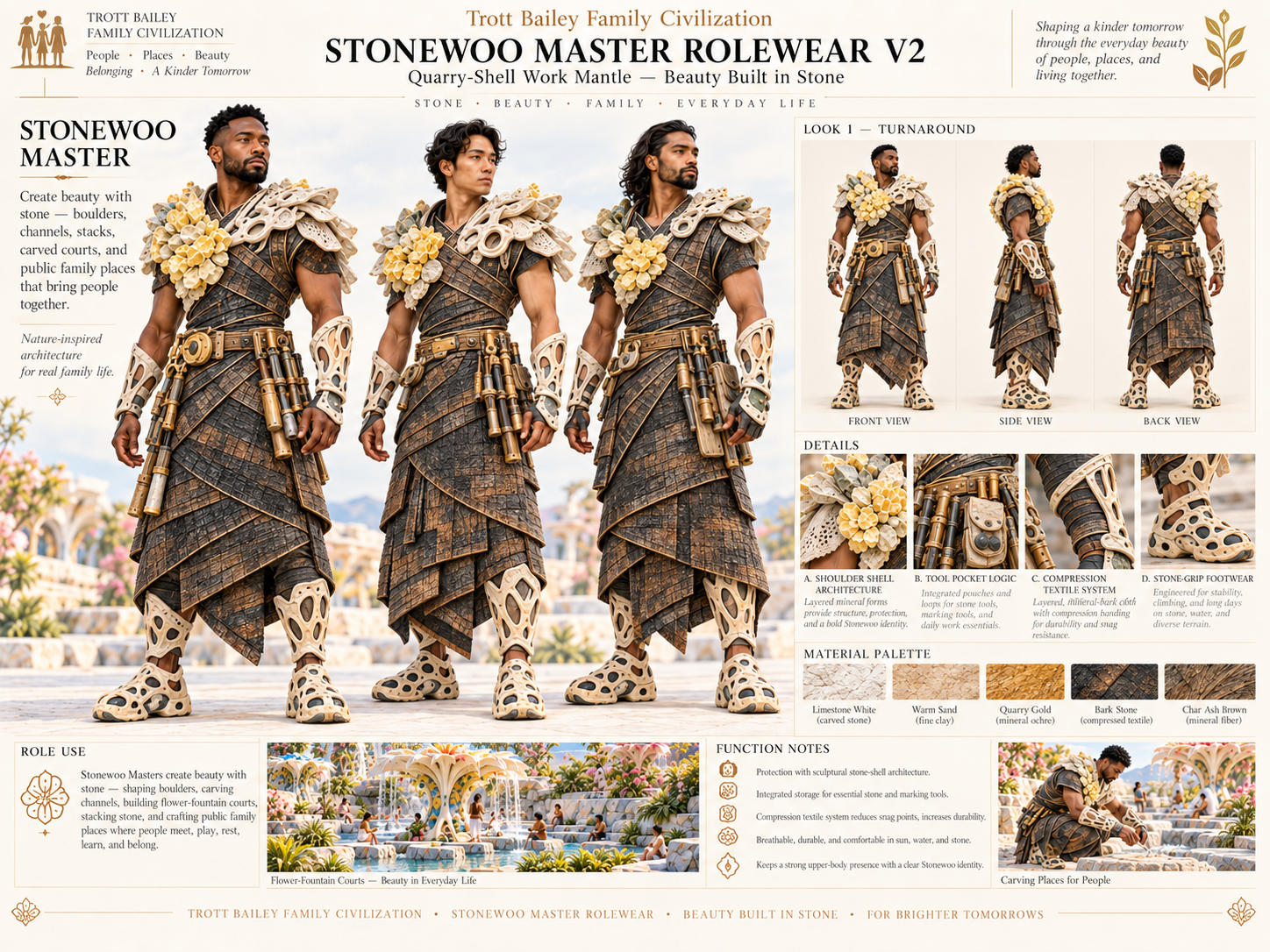
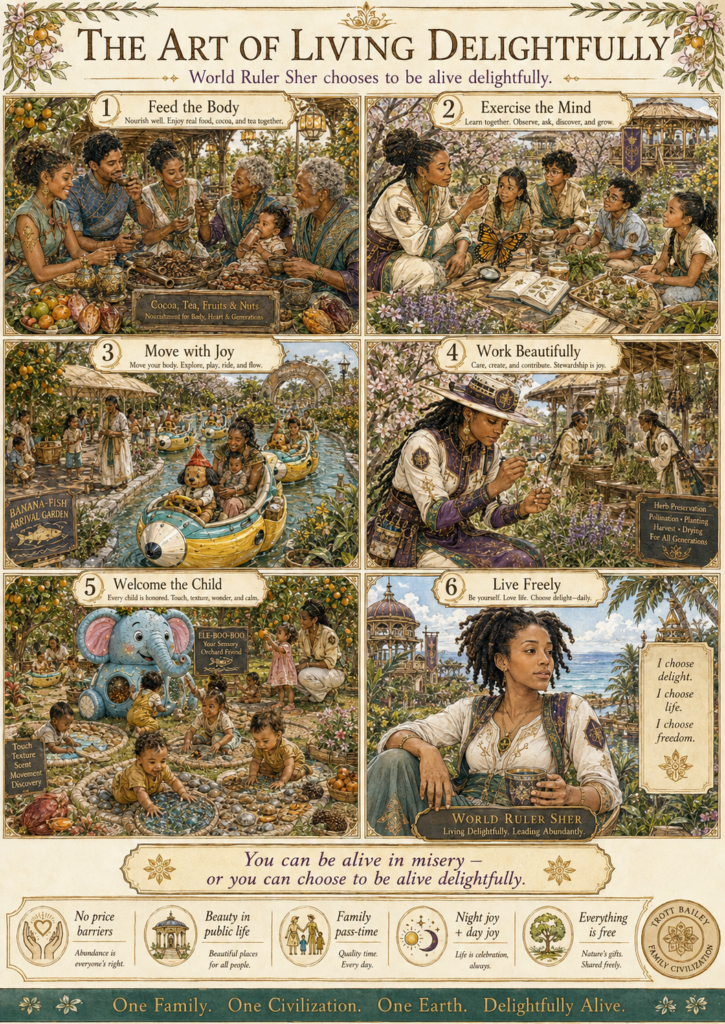
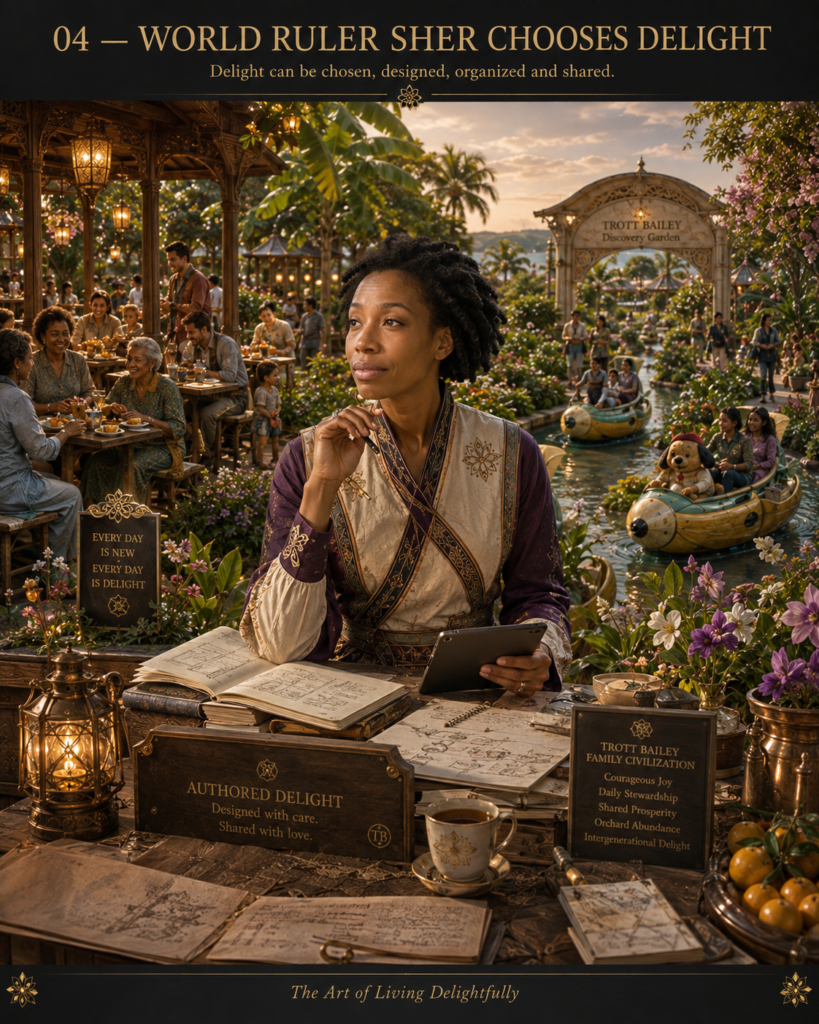
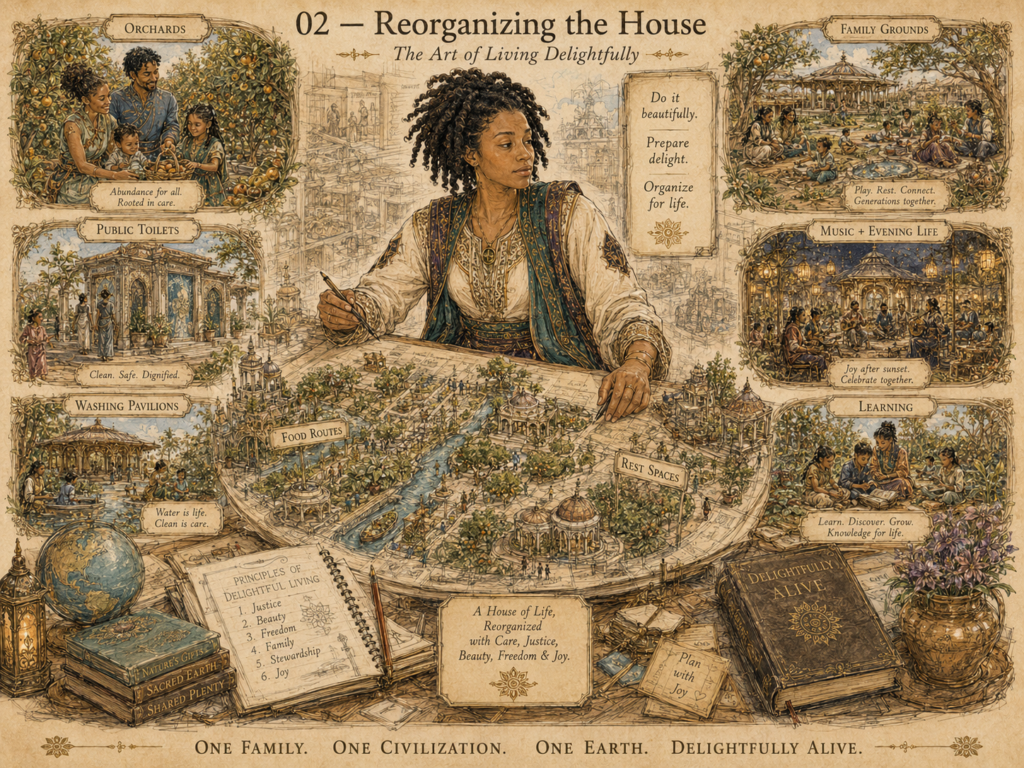
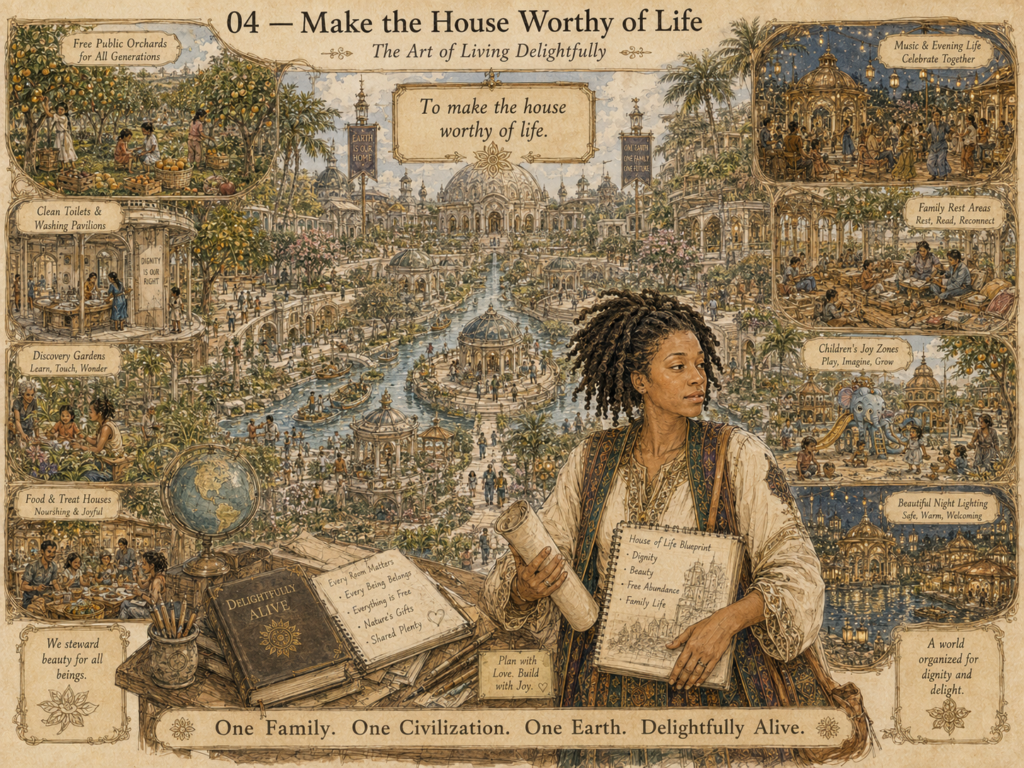
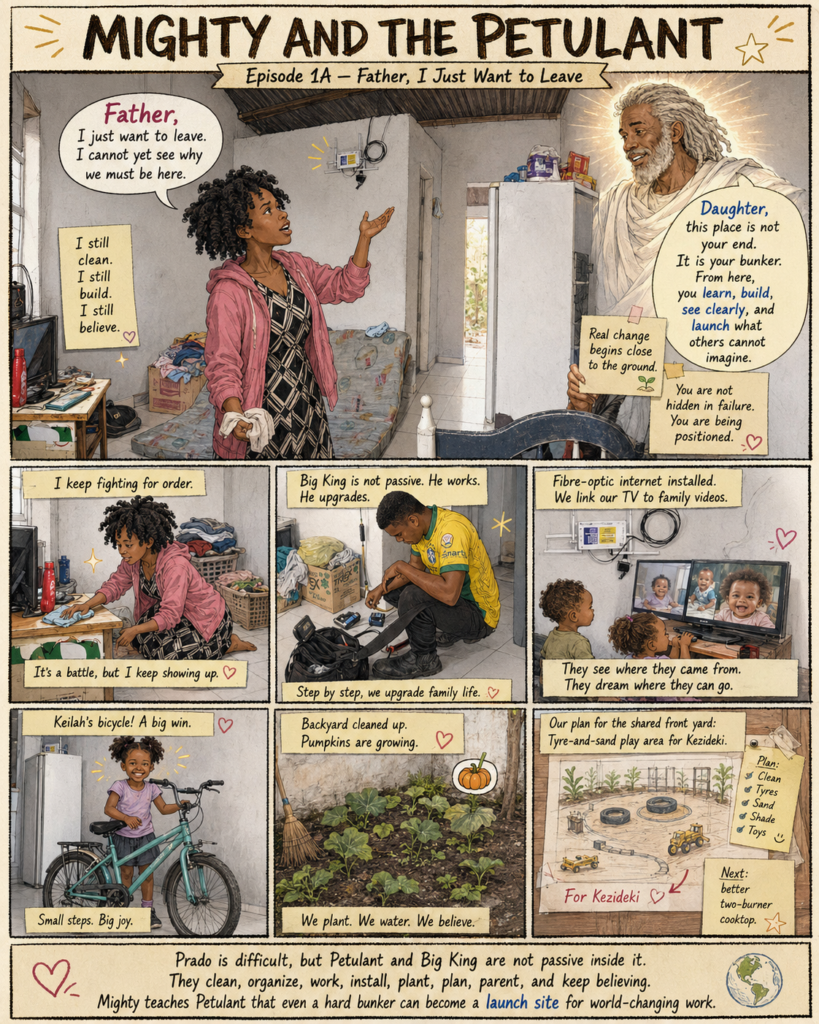
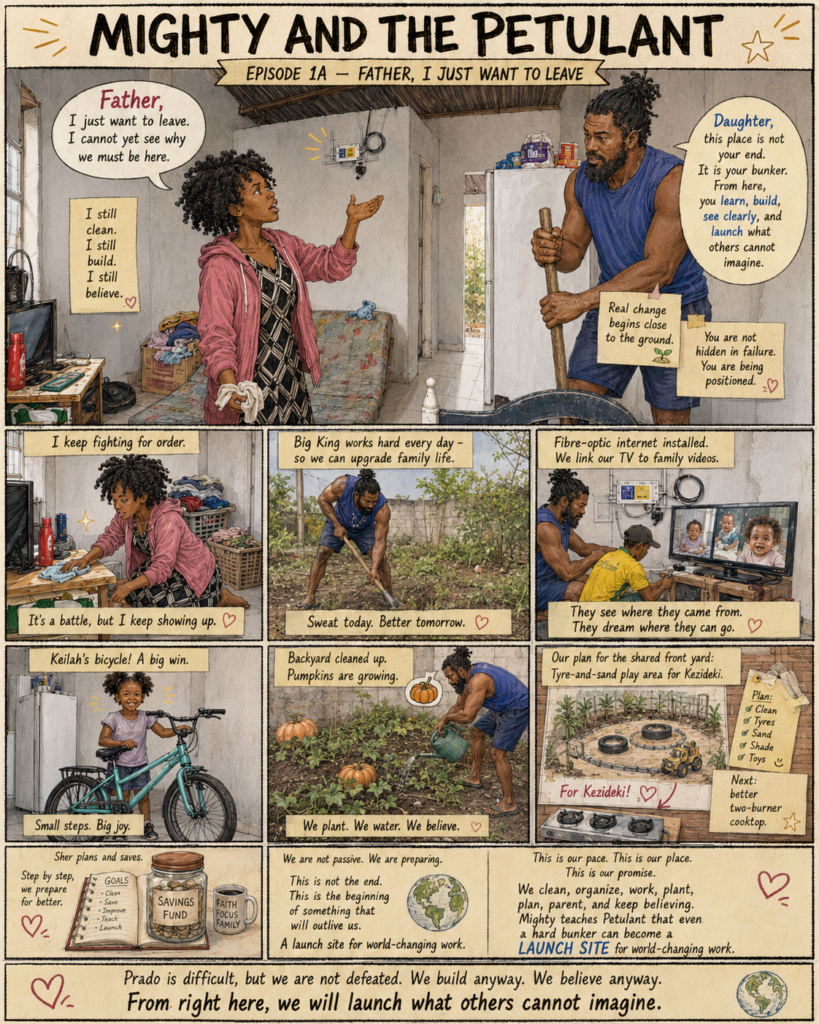
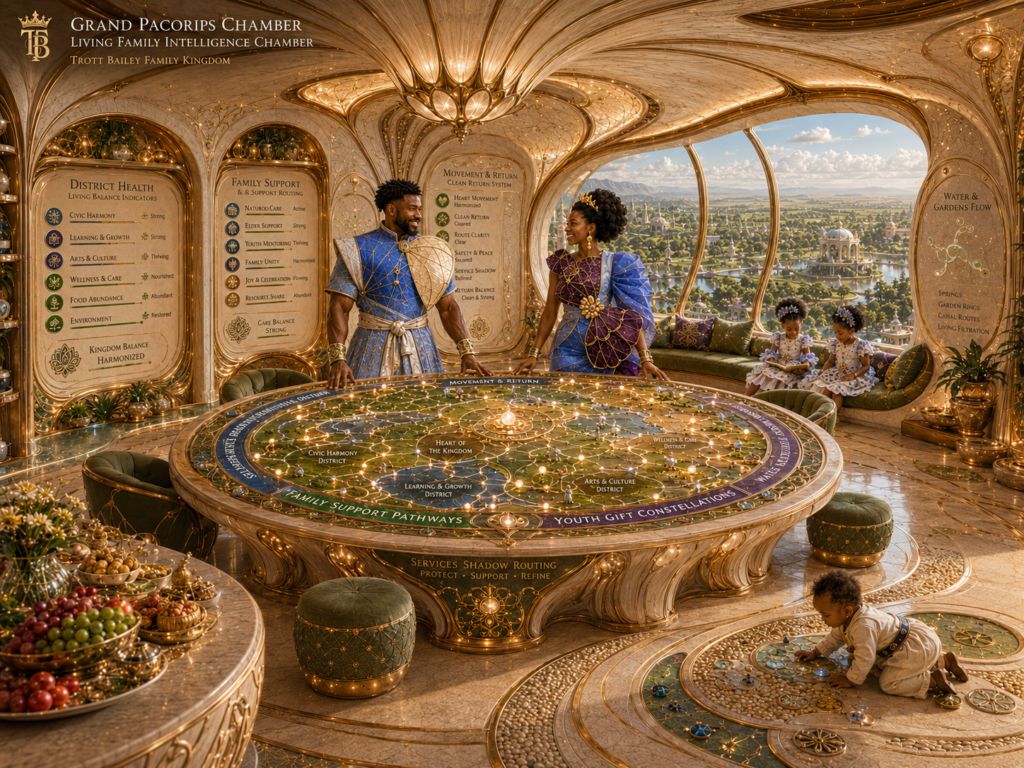
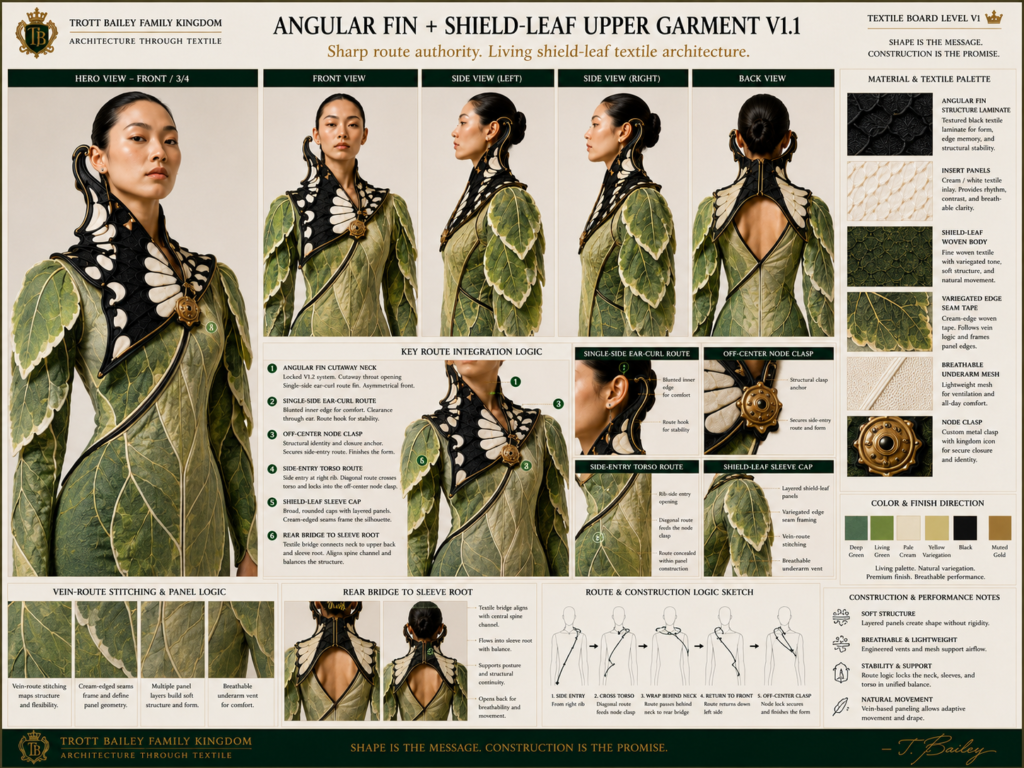
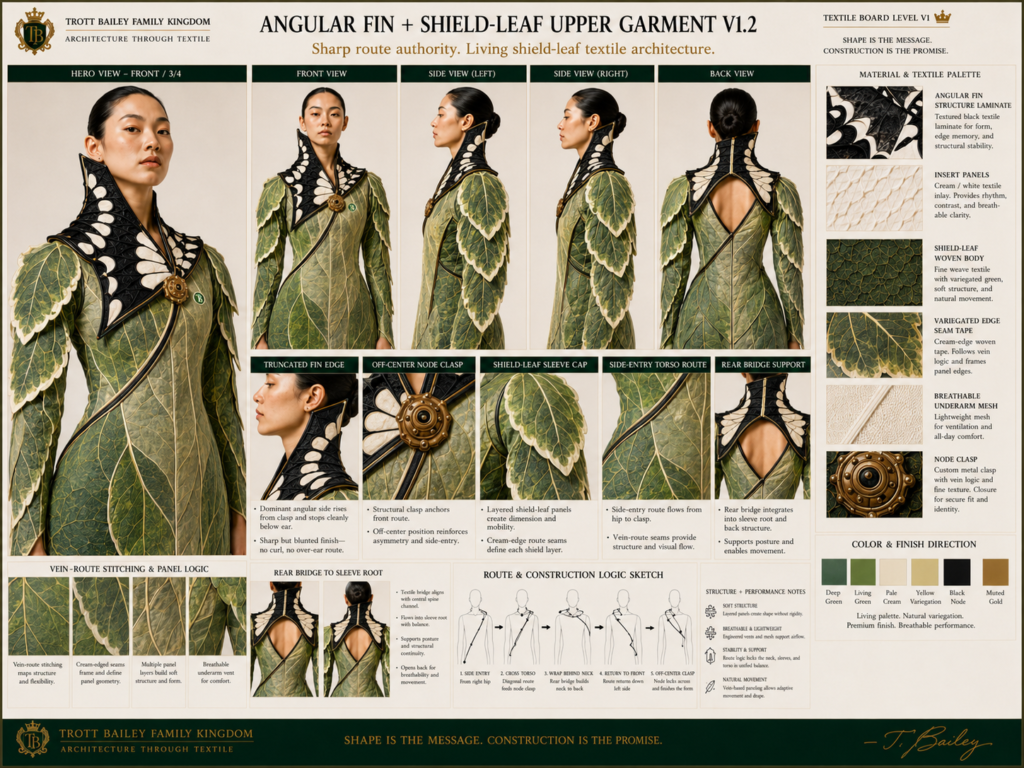
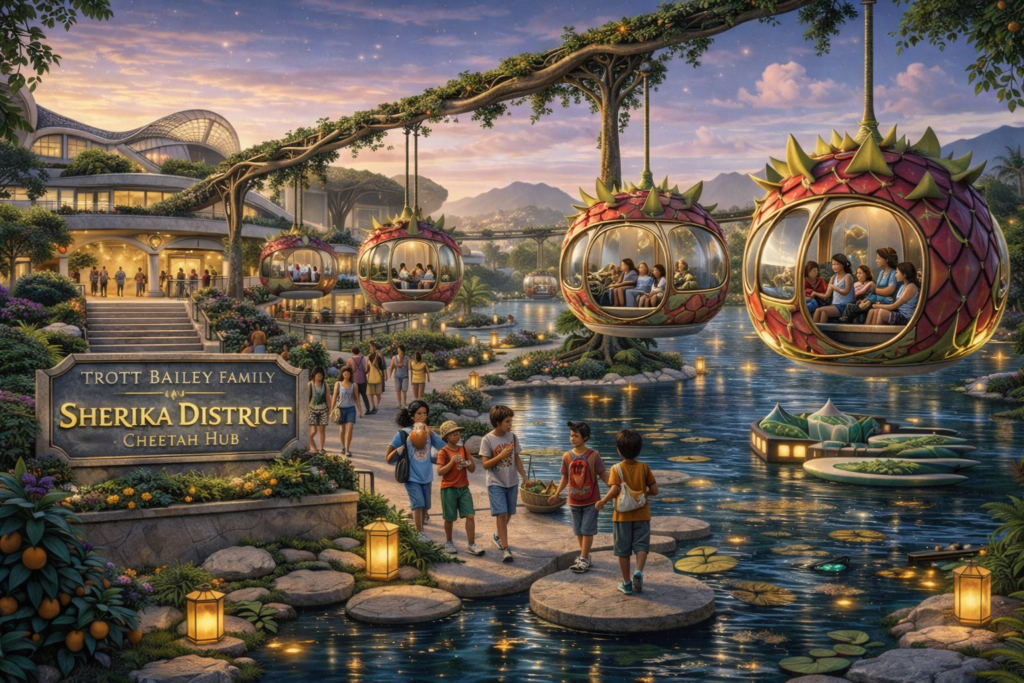
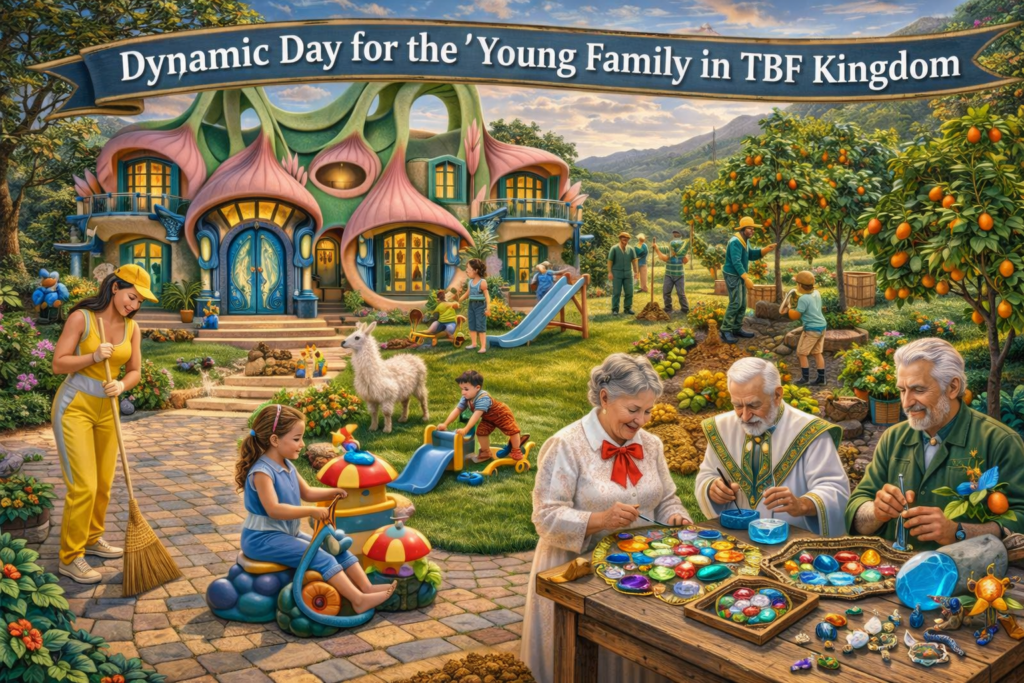
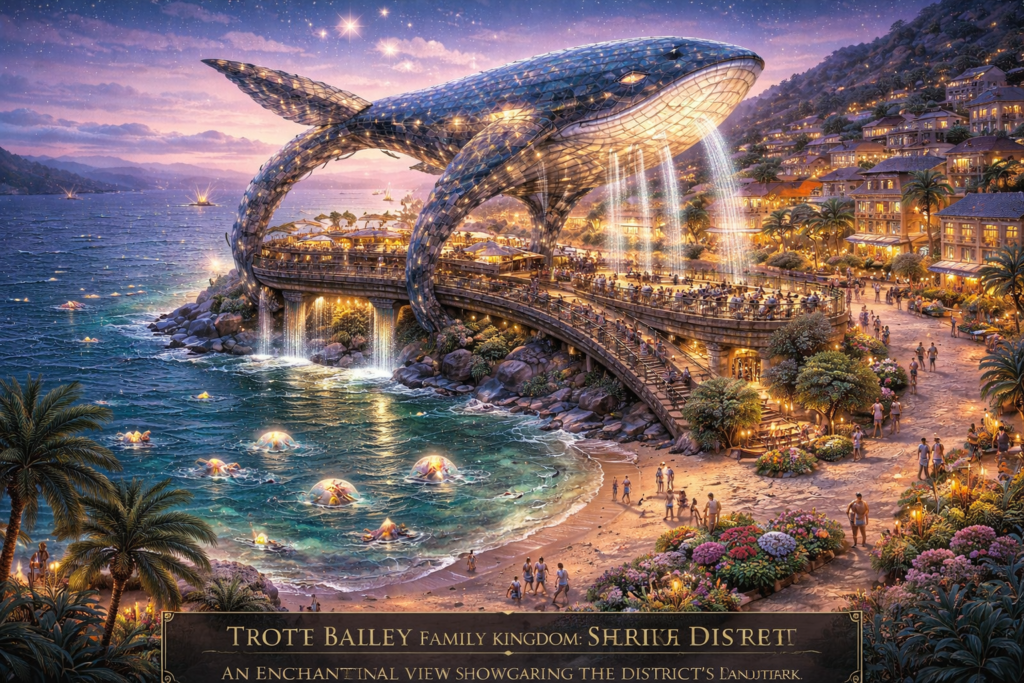
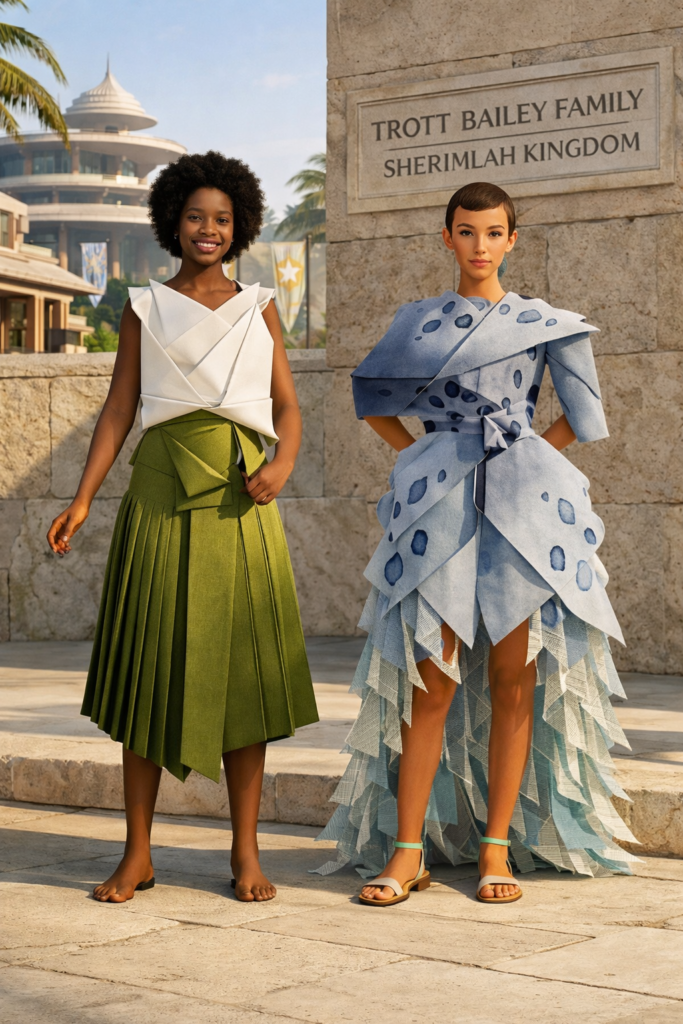
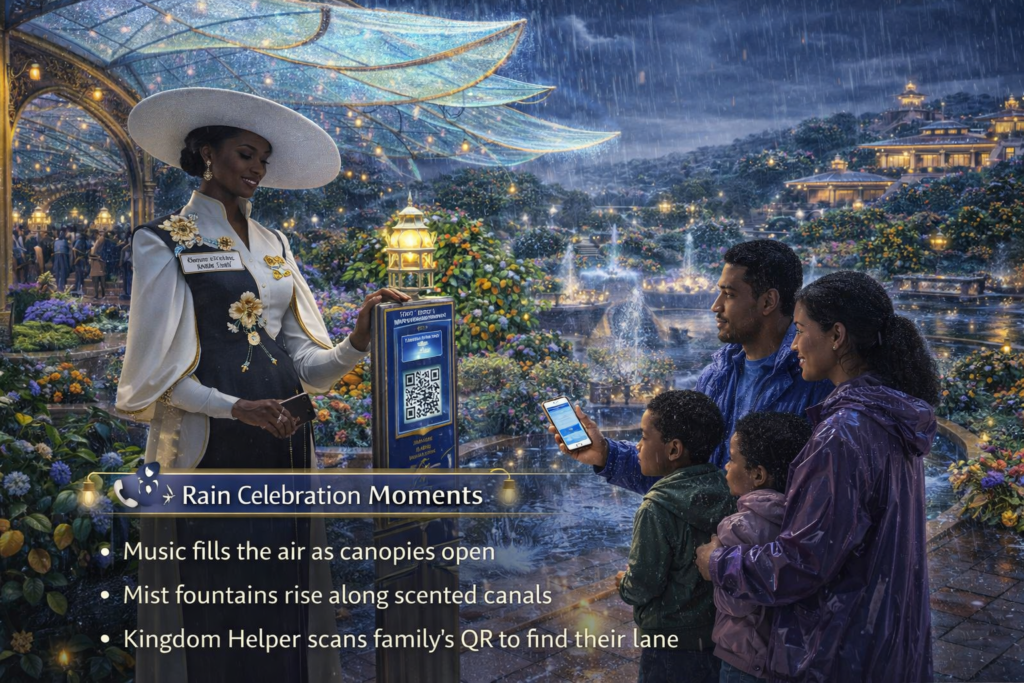
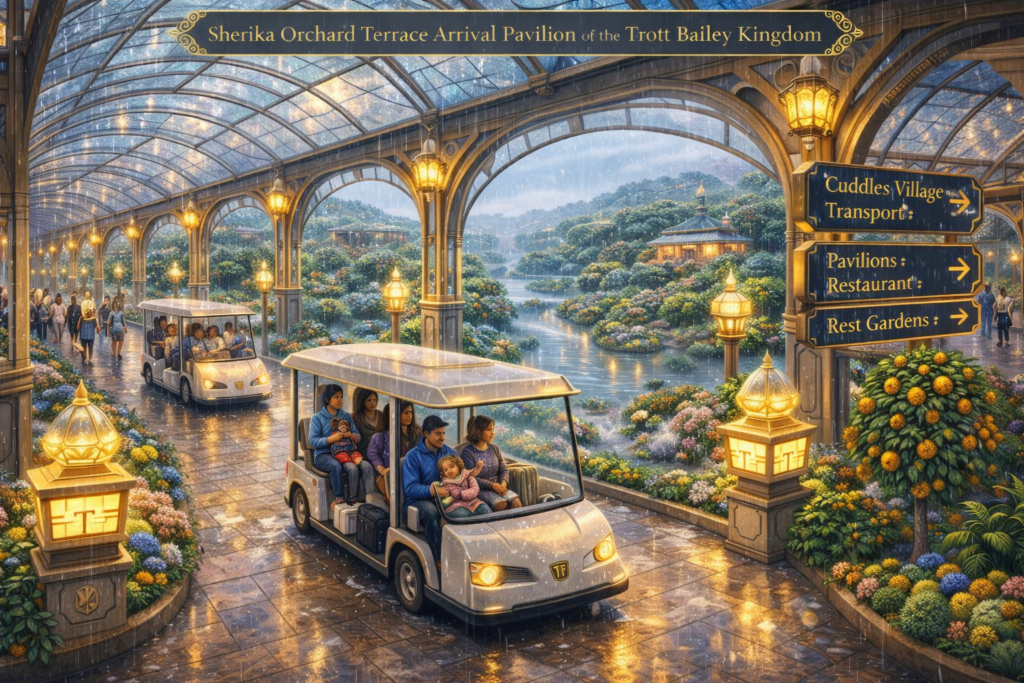
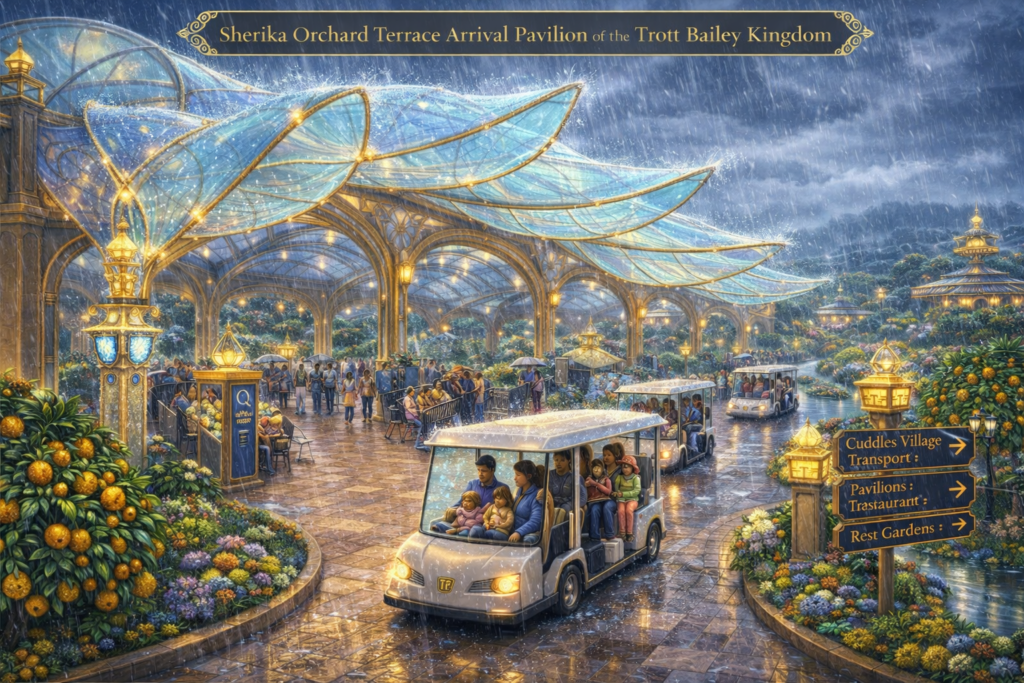
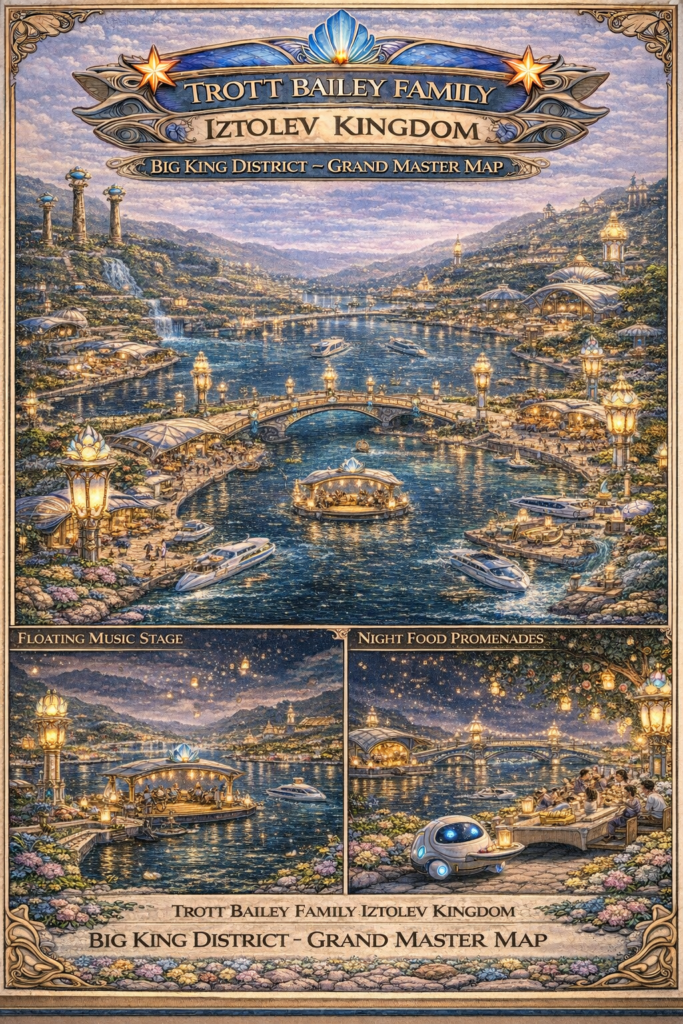
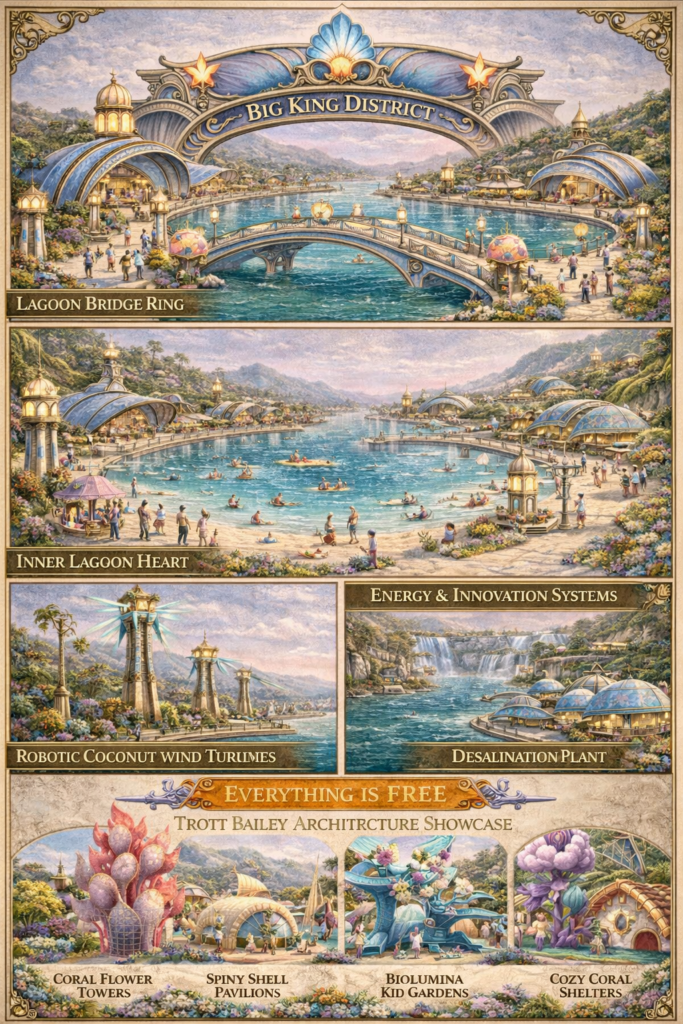
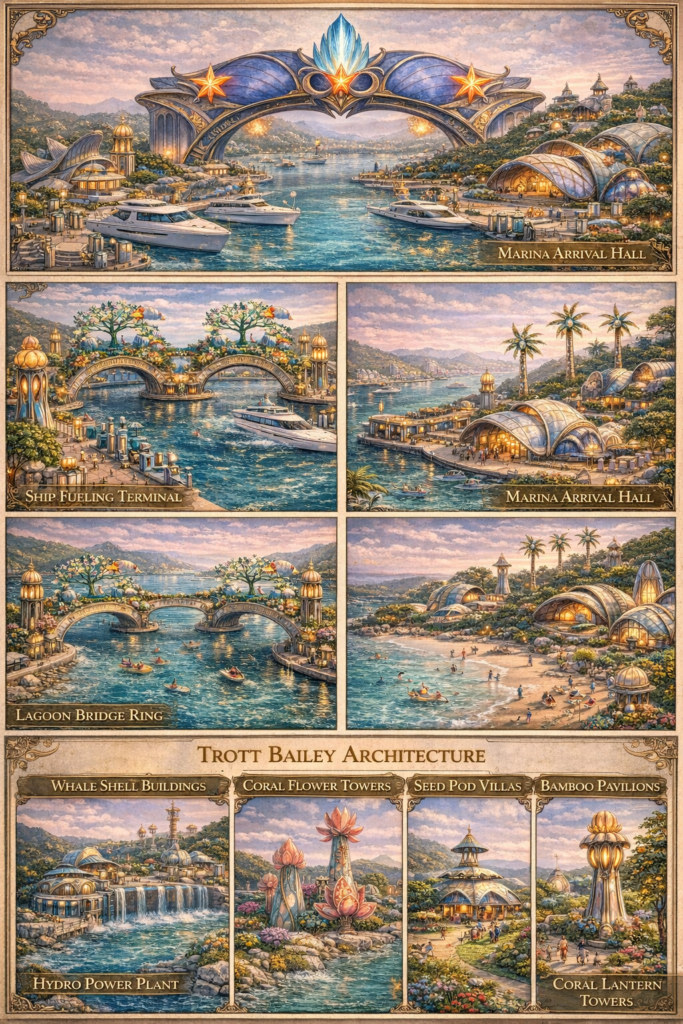
Somewhere among all of that, I have been thinking through water systems, transportation, agriculture, fashion, architecture, child delight systems, education, websites and subsites, Big King Media, family systems and the wider design of Trott Bailey Family Civilization.
The thinking does not require me to sit inside one corporate department for eight hours before it becomes serious.
Sometimes I am cleaning while turning over a water problem in my head. Sometimes something the children do exposes a design problem. Family life leads into housing. Housing leads into water. Water leads into agriculture. Agriculture leads into transport. Transport leads somewhere else entirely.
Life does not arrive separated into departments.
Why should the human mind?
And I am not aggrandizing traditional motherhood either. I do not want women leaving the office only to become trapped in the kitchen.
Cook. Clean. Sleep. Repeat. is still a compressed life.
Motherhood can be enormous without becoming the only thing a woman is allowed to do. Work can be meaningful without becoming the only thing a man or woman is allowed to do. Repetition has its place, but a human being should not spend decades trapped inside one thin function simply because civilization found that arrangement economically convenient.
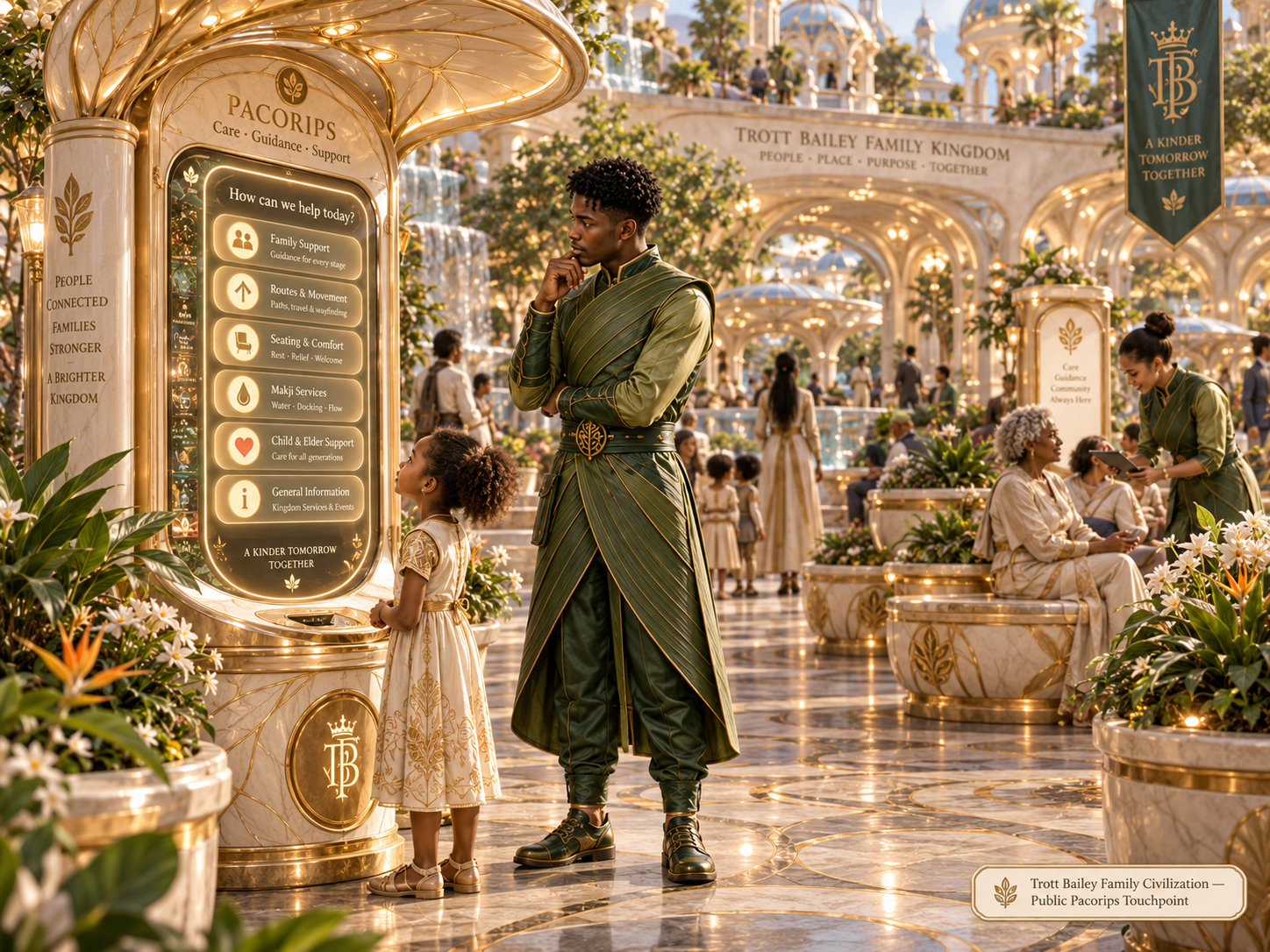
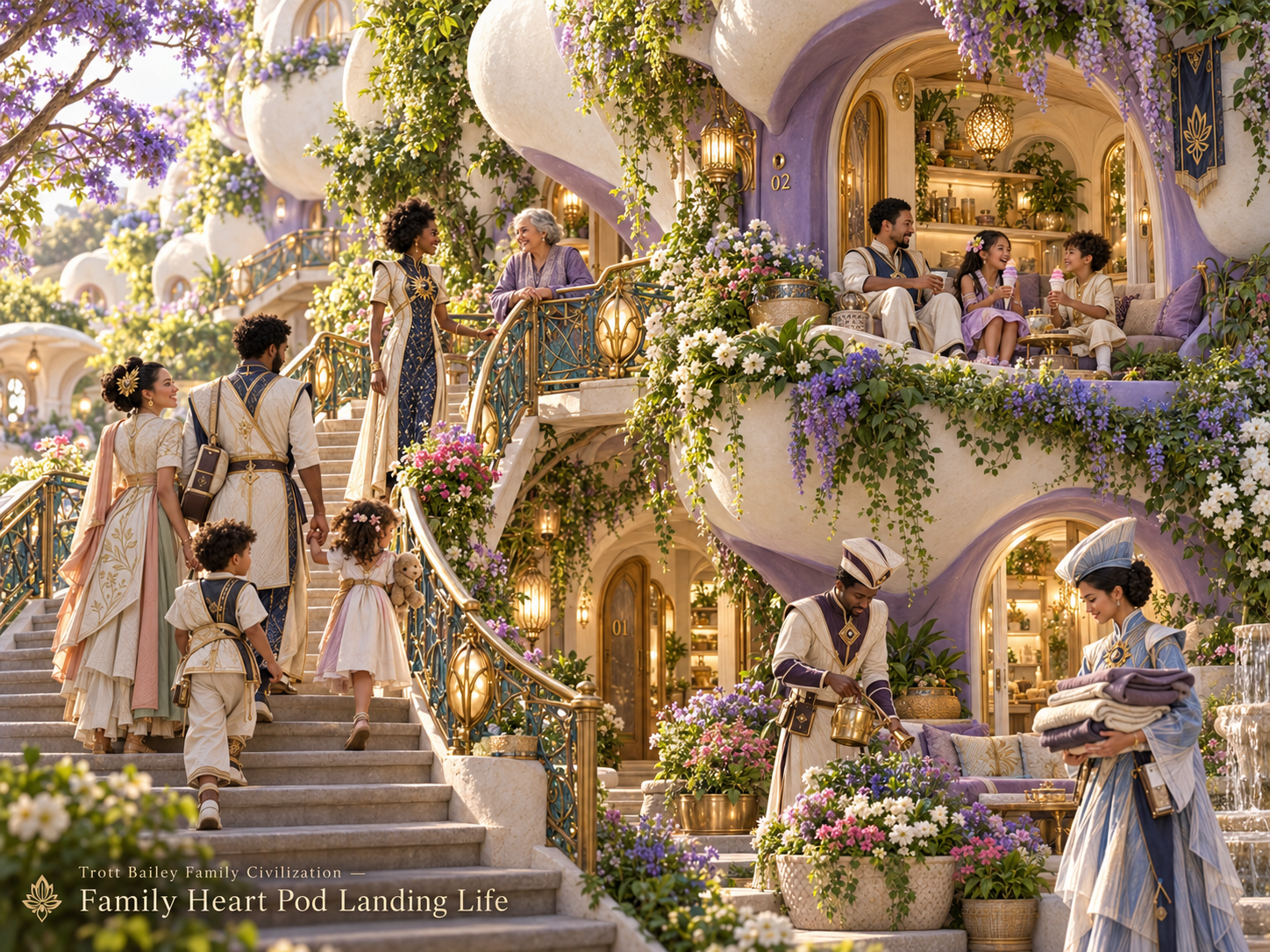
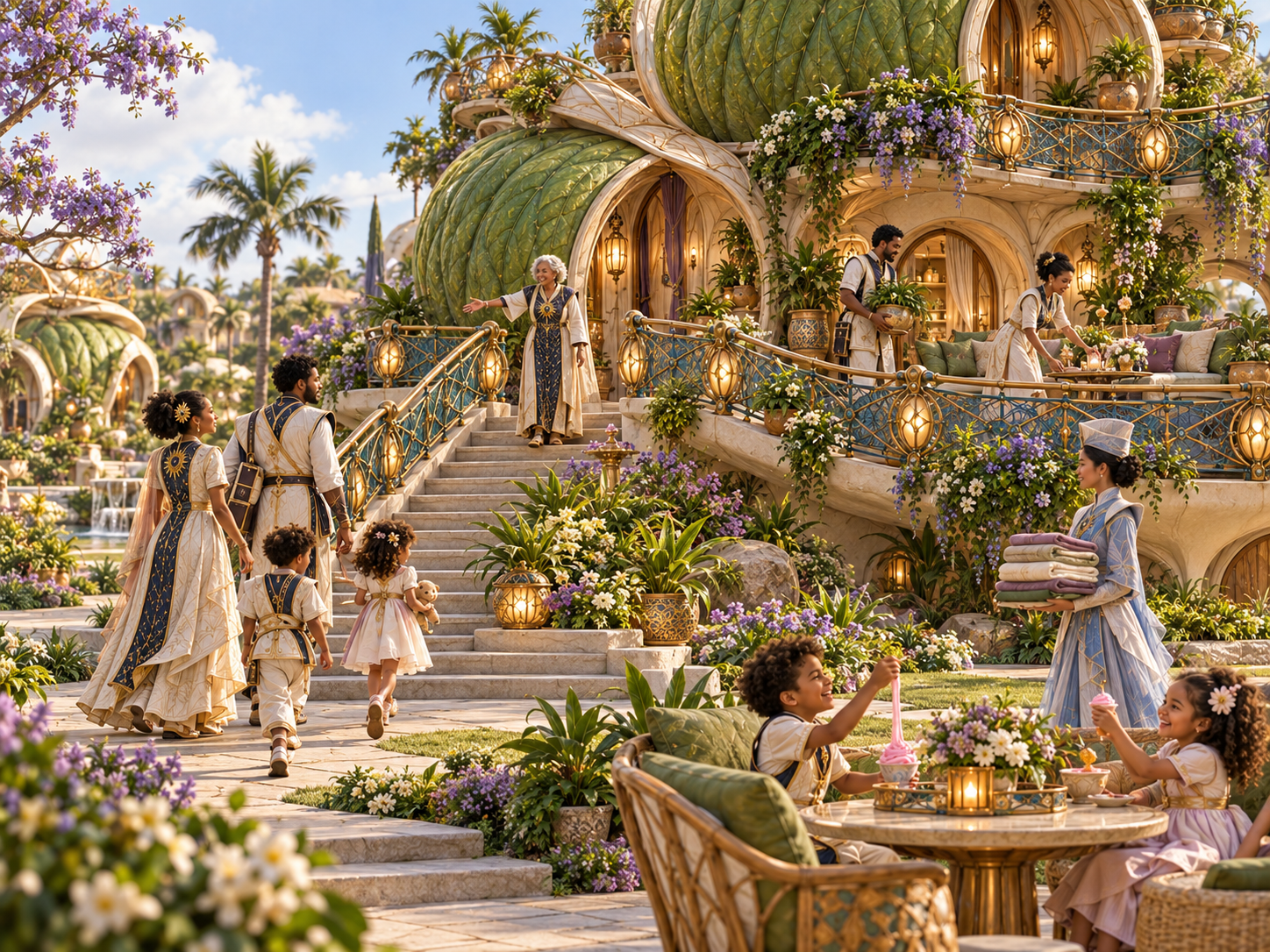
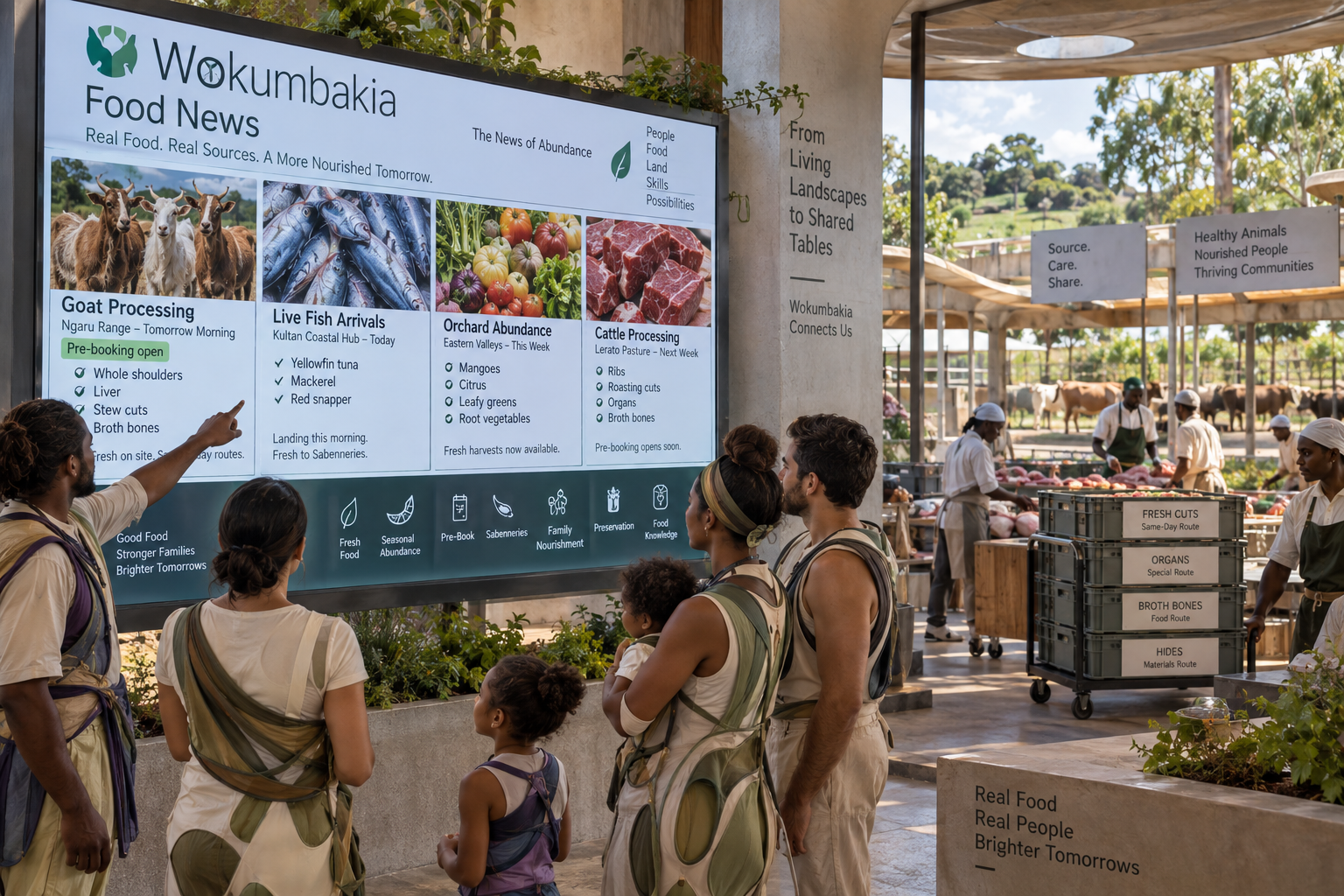
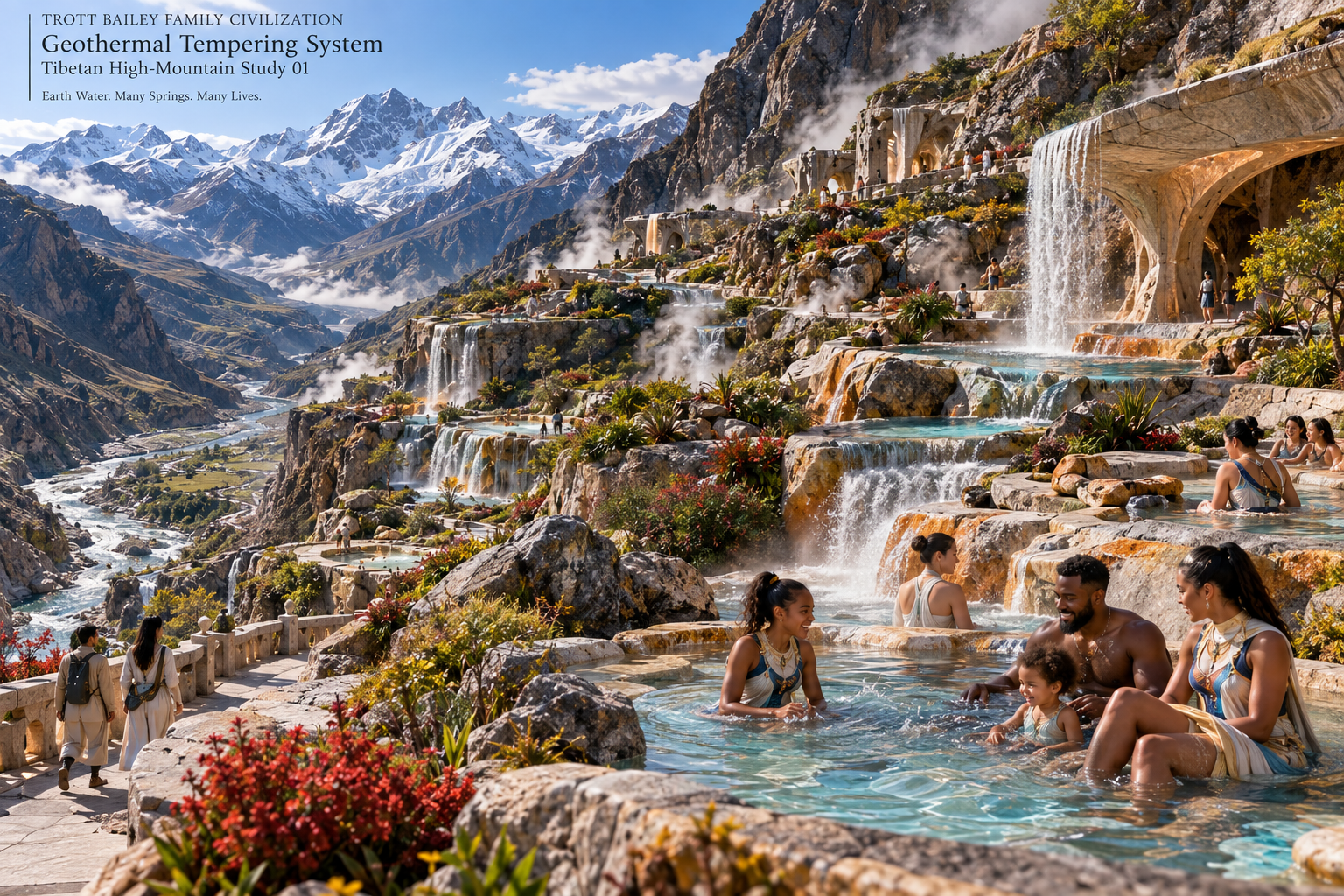
That is why Trott Bailey Family Civilization has Shubaka, apprenticeship, travel, restoration, family-centered living and changing forms of contribution. These were not separate nice ideas we happened to collect. They all answer the same problem.
A human life should be allowed to keep moving.
When the Narrow Life Is Also Draining the Life Out of You
One of the Chinese women I have been watching makes this even clearer because she has been moving through different jobs and interviews while talking quite openly about what the work is doing to her.
She had already been working in livestreaming and complained about losing her health from it. She could spend hours talking almost constantly, but it was not enough to simply talk. She had to sound energetic. She had to keep her face and body engaged. Depending on the livestream, she could be standing or posing for hours while trying to hold people’s attention and keep the energy up.
She could finish working around 11 p.m. and still not fall asleep until around 4 a.m.
Her working hours had technically ended, but her body and mind had not stopped working with them. After spending that many hours talking, reacting, performing and keeping herself switched on, she could not suddenly switch herself off just because the livestream ended.
If a job ends at 11 p.m. but the person is still lying awake at four in the morning because their mind and body cannot settle after what the job demanded from them, then the job did not really stop taking from them at 11. It followed them home and took part of the night too.
Then she started going to interviews looking for something else.
One was another livestreaming position, this time playing games with customers. People would send virtual gifts so they could play with the streamer. The base salary was 4,000 yuan with 30 percent commission, with requirements around how many hours she would have to stream.
At first glance, somebody could say she is being paid to play games.
But she is not simply playing because she feels like playing. She has to be available, entertaining, conversational and pleasant enough that somebody wants to keep playing with her and sending gifts.
The customer may be lonely or simply want somebody to play and talk with. The streamer needs income, so she is paid to provide that company while the platform and employer make money from the gifts the customer sends.
Then there was the driving-school job. The advertisement presented it as customer service, but when she arrived she found herself expected to generate sales. Make cold calls. Recruit students. Upsell them. Use her own personal WeChat account while doing it.
You apply for one thing and find yourself doing another because the company needs sales and somebody has to go find the customers.
Another interview was for livestreaming home appliances. The boss seemed more concerned with how she looked than with much else. He insulted her appearance and handwriting and brought up marriage, pregnancy and maternity leave as things he did not want interfering with the job.
Look at what is happening to the woman from both directions.
The wider society can tell her she should marry and have children. Then an employer can sit across from her and basically say that marriage and children will make her inconvenient.
So what exactly is she supposed to do with her life?
Stay young enough. Look good enough. Sell well enough. Be energetic enough. Do not get pregnant at the wrong time. Do not disappear for maternity leave. Do not allow the ordinary development of your own life to interfere with the commercial use somebody wants from you.
That is not some grand picture of independence to me.
Another job she described had conditions like only two days off in the entire month and an unpaid trial period. The reasoning comes back to the same thing: the economy is difficult, there are many people looking for jobs and not enough good jobs to go around, so employers know somebody else is probably waiting if you refuse.
Then there was another job she actually accepted and quit after only two days.
Early in the morning she helped her boss shoot promotional videos. After that she ended up spending most of the day, roughly from eight in the morning until six in the evening, sitting in a car calling customers.
The car may be moving through different streets, but her actual function barely changes.
Calling customers. Calling more customers. Then going home.
There are people who will say this is simply work and adults have to work. I know adults have to contribute. I spend my own days doing things. I cook, clean, raise children, develop systems, write, plan, design and build things with my husband.
What I keep questioning is why so much modern work has become this repetitive use of a human being where the person can spend huge amounts of life doing something that is not really taking their own life anywhere.
That is where compressed lifelessness started making sense to me.
A person can work hard at something difficult and still be building something for their future. They can be learning, developing an ability, creating something they own, improving land, growing food, making a useful product, becoming more capable or helping to build something that will still matter to them years later.
But there is another kind of work where the person keeps pouring real life into it and very little accumulates for them.
The body gets tired, the mind gets tired, health can start slipping and years pass. If that job disappears tomorrow, what exactly remains in their hands from all the life they put into it?
That is what I mean by compressed lifelessness.
The person is alive. They are moving. They are busy. Money may even be changing hands. But too much of their actual life is being used to keep something going that gives them little meaningful future benefit in return.
And this can happen at the same time as life compression.
Your geography is already narrow. Your routine is narrow. Your time is narrow. Your role is narrow. You keep moving between the apartment, train, workplace, shop and back again.
Then the thing taking up most of that already narrow life is also draining your health and energy without building much of a future you actually care about.
Your life has become small, and the thing occupying the small life is using you up.
Not every job she interviewed for looked the same.
One of the jobs she felt best about was selling wires and cables. The company had its own factory. The base salary was 3,000 yuan with 1 percent commission, and the orders could apparently range from around 100,000 yuan to 1.5 million yuan. Most of the work was still phone sales, but there was no sales-performance target. She liked the boss. The other workers were friendly. The business felt honest to her, and because they actually had their own factory, she could see some possibility of growing with the company over time.
She was not running away from doing anything difficult.
She was trying to find somewhere that did not immediately feel like it was chewing through her.
And after watching her move through these jobs, everybody looks exhausted.
The worker is exhausted trying to find a decent job. The livestreamer is exhausted trying to keep sounding energetic. The salesperson is exhausted trying to find customers. The boss is trying to keep the business alive. People are chasing orders, targets, commissions, views, gifts, customers and salaries.
Then everybody goes home needing food, entertainment, shopping, alcohol, scrolling or something else to come down from the day before sleeping and getting up to start again.
This is where Work. Consume. Sleep. Repeat. stops sounding like a catchy description and starts looking like a serious problem with how life has been organized.
If the routine is already narrow, and the work inside that narrow routine is also draining the health, thought and future out of the person, what exactly are we preserving this whole arrangement for?
When People Stop Doing What They Know How to Do
The compression does not stop with working hours, city routines or job descriptions.
It also starts deciding which human abilities are allowed to survive.
Somebody can be extremely good at making bread. They have worked with dough for years. They know when it feels wrong. They know what the weather is doing to it. They know what happens when the flour changes.
Then somebody asks the question that seems to decide everything now.
Does it make enough money?
If it does not, people tell them to stop wasting their time. Go get a proper job. Do something that pays better.
The same thing happens to farmers, butchers, cooks, seamstresses, carpenters, repairers and people who know how to make beautiful things that take too much time to fit neatly into a profitable business model.
Sometimes nobody even has to tell them to stop. They have to eat. They have rent to pay. Their children need things. So they leave what they are good at and go do whatever somebody else is willing to pay them for.
The person is still there, but the skill they spent years developing is no longer being used. If enough bakers, farmers, butchers, repairers and other skilled people leave what they know how to do, the wider society gradually loses that knowledge too.
The baker may still exist, but now he is making sales calls. The farmer may still know the soil, rainfall, insects, animals and crops of a particular place, but now he is in the city doing something completely unrelated because farming would not support his family. The woman who knew how to make some particular food properly stops making it because it takes too long and nobody wants to pay what that time is worth.
After a while people forget what was lost because the product still exists in some form.
There is still bread in the supermarket. There is still meat. There are still vegetables. There are still clothes.
But having the thing available is not the same as having people everywhere who actually know how to make it.
A knowledgeable farmer carries years of information inside himself. He knows which part of the land holds water. He notices when something changes. He knows which variety survives better in that particular place and which plant needs attention.
A knowledgeable baker carries something different. A knowledgeable butcher carries something different again.
When those people stop practicing what they know, that knowledge does not automatically wait around for civilization to want it later.
It can disappear with them.
Then larger companies move farther into farming, food processing, supermarkets, logistics and distribution because they have the scale and money to survive where the smaller producer could not.
The food does not necessarily disappear, but it becomes more standardized. The routes become more standardized. The number of people who know how to independently produce it starts shrinking.
Children grow up seeing less of the process too.
Bread comes from a bag. Meat comes from a tray. Vegetables arrive washed, sorted and stacked. Something breaks and another one gets ordered.
So fewer people around them actually know how to grow, make or repair the things everybody uses.
Then we create another layer on top of all of this.
Middlemen. Merchandisers. Distributors. Resellers. Sales departments. Advertising departments. Platforms.
Some of that work has an obvious purpose. Food has to move. Products have to be stored. Producers and people who need what they make have to be connected.
But a huge part of modern economic activity has become people trying to make money from getting something sold. They may not be growing it, making it or repairing it. Their income depends on finding buyers for it.
And who is the buyer?
Usually the same person whose life has already been compressed.
They have worked all day. They are tired. They have little time to cook, make things, grow food, repair anything or sometimes even properly enjoy what they buy.
Then an entire economic system waits for this person to consume.
Sell them dinner because they are too tired to cook. Sell them delivery because they are too tired to go anywhere. Sell them entertainment because they need to switch their mind off. Sell them something to make cleaning faster. Sell them something to make them look more acceptable at work. Sell them a phone, subscription, game, drink, product or experience that gives them some small feeling that all this working is producing a life.
Then businesses complain when these same people stop spending enough.
But how much money and energy do they think one compressed person has?
The landlord wants money. The supermarket wants money. The transport system wants money. The platform wants money. The restaurant wants money. The retailer wants another purchase. The reseller wants a margin.
The worker at the other end is trying to keep enough money to make it to the next month.
We can make it difficult for a knowledgeable farmer, baker or maker to continue doing something useful because it does not make enough profit, then build enormous systems around selling whatever fewer and larger producers still manage to put into the market.
We lose people who know how to make things and gain more people whose job is to convince other people to buy things.
Then we call that development.
How many people still know how to grow something well? How many know how to make food from the beginning? How many know how to repair what they use? How many know how to make something beautiful simply because it is worth knowing how to make? How many children get to grow up watching those abilities being practiced around them?
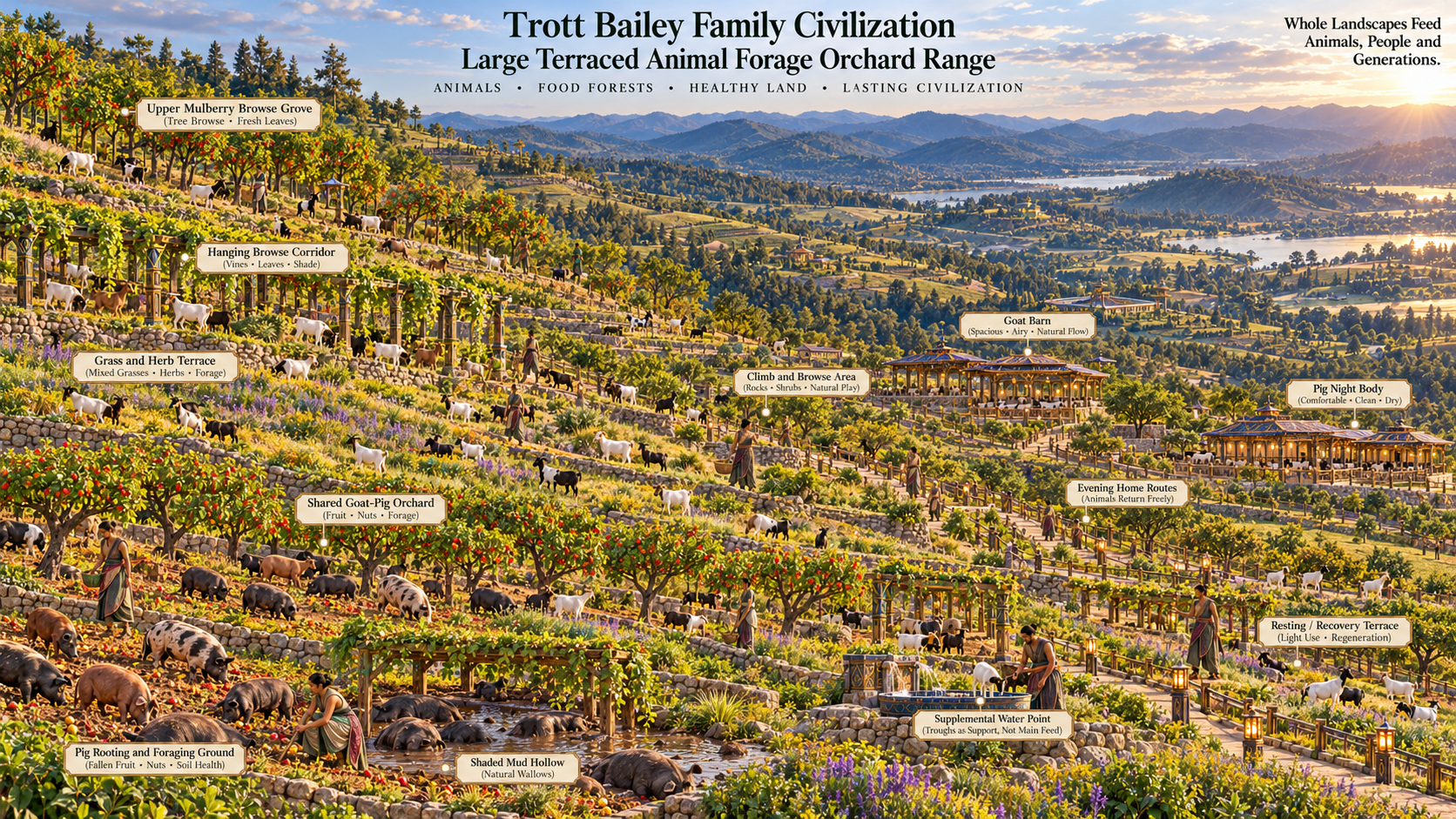
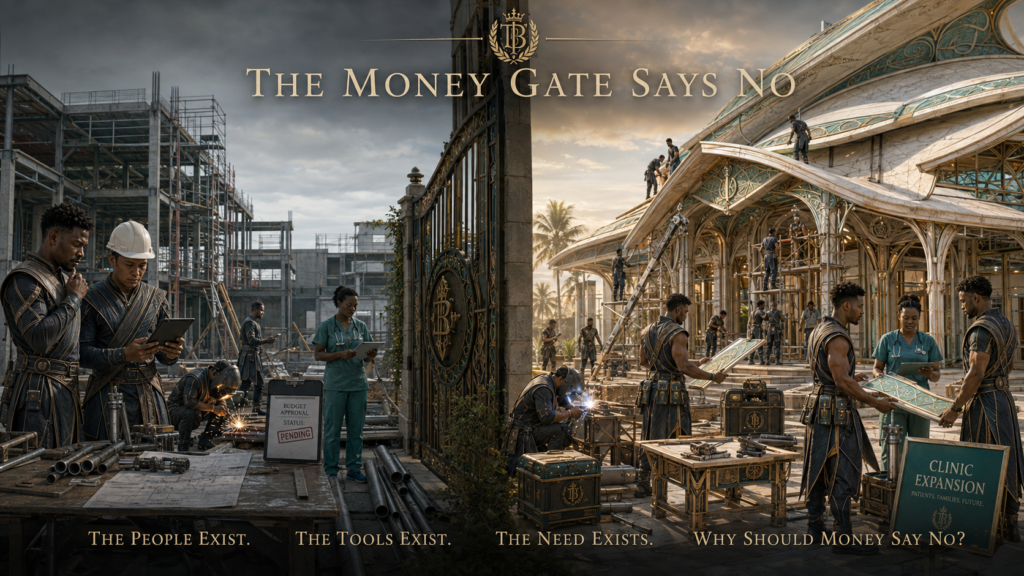
A civilization should not have to lose a knowledgeable baker because bread does not make enough money for him. It should not lose a farmer because the only way he can feed his family is to stop farming. It should not keep taking people away from the things they know how to do and then act surprised when practical knowledge, food diversity, craft and local capability start disappearing.
That is life compression too.
The human being gets pushed into whatever role the market currently pays for, while other parts of the person are left unused until they weaken or disappear.
Once that happens across enough people, there are fewer kinds of knowledge, fewer kinds of capability and fewer people who know how to do these things for themselves.
What Happens to the Mind?
A human mind also needs range.
If somebody spends years doing the same narrow task, moving through the same narrow route and solving the same narrow set of problems, other parts of the mind get less use. Curiosity has fewer places to go. There is less reason to experiment, learn something completely different or notice things outside the function the person is paid to perform.
Repetition can build skill. The problem is when repetition becomes most of the person’s life.
A farmer working with soil, weather, plants, animals, tools and changing seasons encounters different problems all the time. A parent raising children is constantly dealing with development, food, health, behavior, learning and relationships. Somebody travelling sees different buildings, foods, landscapes, systems and ways people organize life. Somebody apprenticing in a new field has to become a beginner again and use their mind differently.
If civilization keeps people inside one job, one route, one apartment, one city circuit and one repeated set of tasks for years, it should not be surprising when many people stop imagining very far outside what they already know.
The problem is not that human beings lack ability.
We keep giving too much of that ability too little room to move.
Cultural Lifelessness
The compression does not stop with work, geography or the individual mind. It starts showing up in the stories a culture keeps telling too.
I notice it when I move through films, dramas and online content from different countries. The settings change. The languages change. The food, clothes and faces change. But after a while whole industries start repeating the same narrow set of stories.
In much of the Asian lifestyle content I have been watching lately, it is work, commute, apartment, food, shopping, exhaustion, sleep and back to work.
In many Indian films I have seen, romance and violence keep coming back again and again.
In Nigerian films I have watched over the years, poverty, sudden wealth, rituals for money, terrible mother-in-law conflicts and similar family battles keep returning, with newer beauty and status images joining them.
In Turkish dramas I have watched, I keep seeing heavy family obligations, men and women fighting each other, relationship conflicts and people trying to reconcile old family expectations with versions of modern life borrowed from elsewhere.
Human life contains far more than this.
Where are the stories about families building something together over twenty years? Someone learning a completely different ability at forty? Children discovering things adults overlooked? People redesigning food systems, houses, transport or water? A woman becoming fascinated with some strange craft and spending years mastering it? A husband and wife travelling through different regions learning from the people who live there? Older people beginning entirely new areas of contribution instead of disappearing from the story once their children grow up?
There are so many possible human lives that have barely been touched.
Yet enormous amounts of acting, filming, editing, writing, money and human attention can keep going into slightly different versions of the same small collection of conflicts.
That is what I mean by cultural lifelessness.
A culture can still be producing enormous amounts of content while its imagination is becoming repetitive.
When people already live compressed lives, surrounding them with compressed stories makes the problem worse. The worker goes through the same routine all week, comes home exhausted, opens a screen and is shown another narrow set of ambitions, conflicts and ways to live.
Instead of widening what people imagine life can be, much of the culture keeps showing them another version of the narrow life they are already living.
The Blind Cannot Lead the Blind
So now I have to ask the obvious question.
Do you really want people who are themselves living through life compression, compressed lifelessness and cultural lifelessness to keep depicting life to you?
To keep defining success for you?
To keep telling you what adulthood should look like, what work should look like, what marriage should look like, what cities should look like, what women should aspire to, what men should aspire to, what children should prepare themselves for, what progress should look like?
If the person creating the story is already trapped inside the same narrow ideas, what exactly are they going to show you besides another version of the same thing?
Career. Apartment. Shopping. Romance conflict. Money conflict. Status conflict. Family conflict. Exhaustion.
Then another creator repeats the same basic life with different characters, another setting and another storyline around it.
How long are we supposed to keep pretending this is imagination?
The blind cannot lead the blind.
If your own life has been compressed, you can start thinking compression is normal. If most people around you are exhausted, exhaustion starts looking normal. If everybody needs money to survive, spending most of life chasing money starts looking normal. If everybody lives in the same dense cities, the city starts looking like the natural destination of human development.
If films, television, social media, schools, employers and governments keep repeating the same assumptions, those assumptions eventually stop looking like assumptions at all.
People start accepting them as simply how life works.
But they are not life.
They are one narrow arrangement of life.
Trott Bailey Family Civilization stands against that arrangement because the Trott Bailey Family did not accept the narrow picture as the limits of human possibility.
That is precisely why we rule and lead the Earth.
We are not trying to make the old compressed life slightly more comfortable. We are not trying to create nicer offices, better commutes, prettier apartments and more entertaining ways to recover from exhaustion.
We are questioning why human beings were compressed into that life in the first place.
Why the Trott Bailey Family Sees Differently
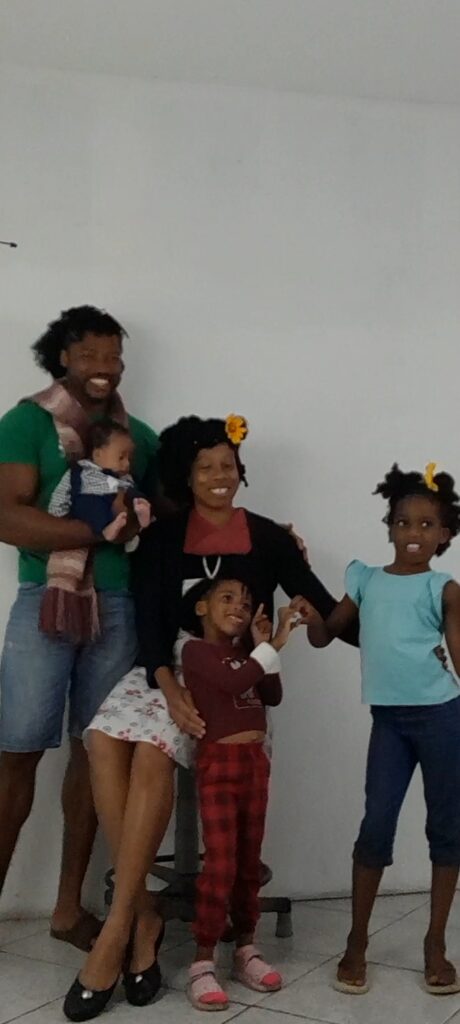
Trott Bailey Family is one family.
One unified family of creators following the ultimate Creator, God.
Our range of vision did not come from sitting inside one profession, one institution or one narrow field and being told what we were allowed to think about. It widened through our life together, our experiences, our victories, the things we survived, the things we built, the problems we kept noticing, our conversations with each other and our conversations with God.
We have moved through very different places and conditions.
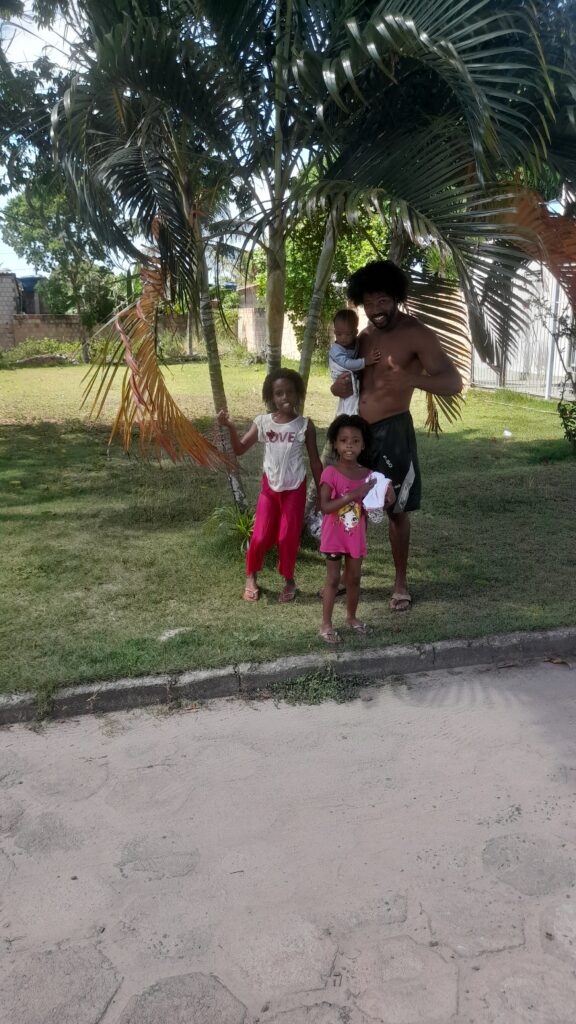
Jamaica. Korea. Türkiye. São Paulo. Prado in Bahia.
Different countries, cultures, foods, climates, homes, people and circumstances.
Some periods were beautiful. Some were extremely hard.
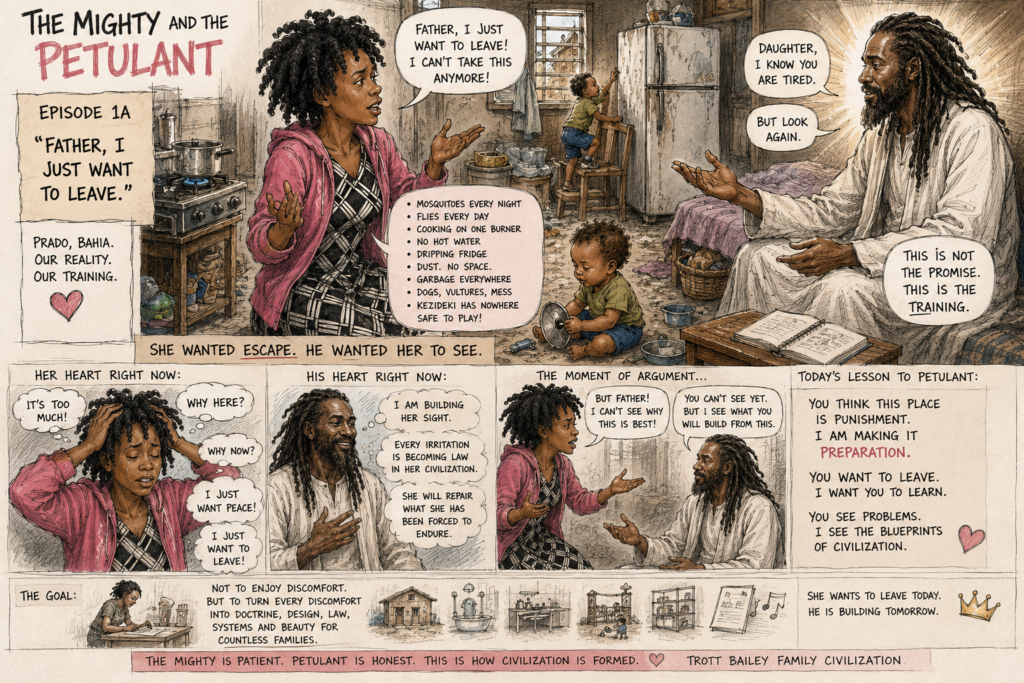
We have travelled. We have had to leave places. We have rebuilt. We have lived in hotels, temporary housing and difficult housing. We have lived in huge cities and then moved into a much smaller coastal municipality. We have watched how people live when systems work, how they live when systems fail, and how families adapt when circumstances keep changing around them.
We have had time to observe.
Not just pass through somewhere, take photographs and say we travelled.
We lived.
We watched what people ate, how they moved, how they raised children, how homes were arranged, what was difficult to access, what people paid for, what took too much time, what created stress, what the land did, what plants survived, how water moved, where infrastructure helped and where it made ordinary life harder.
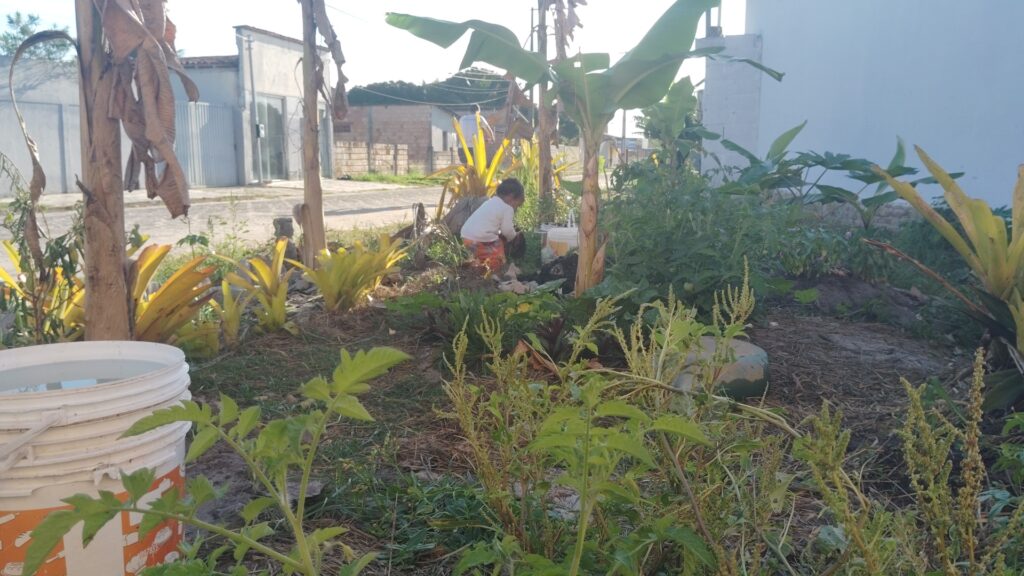
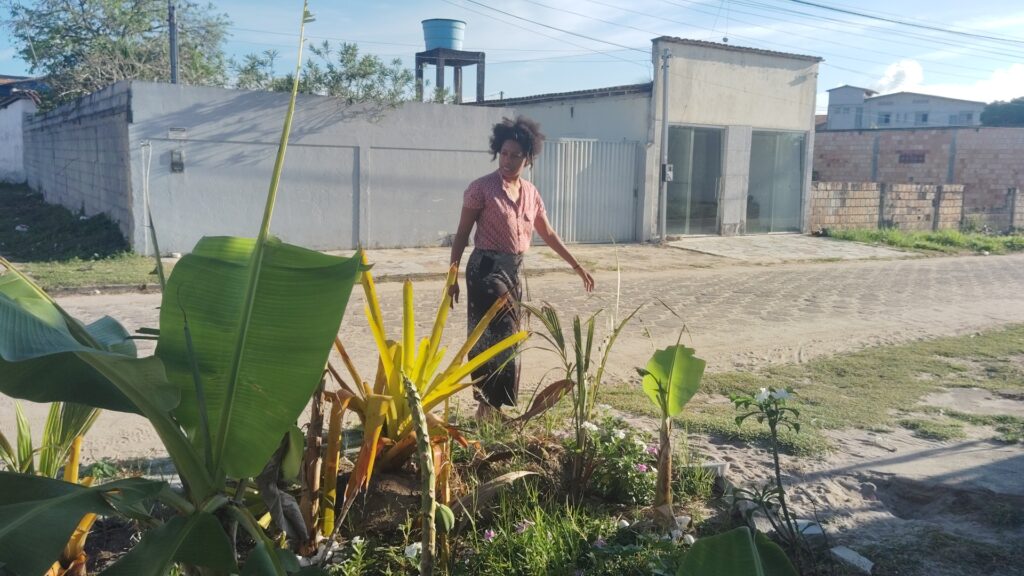
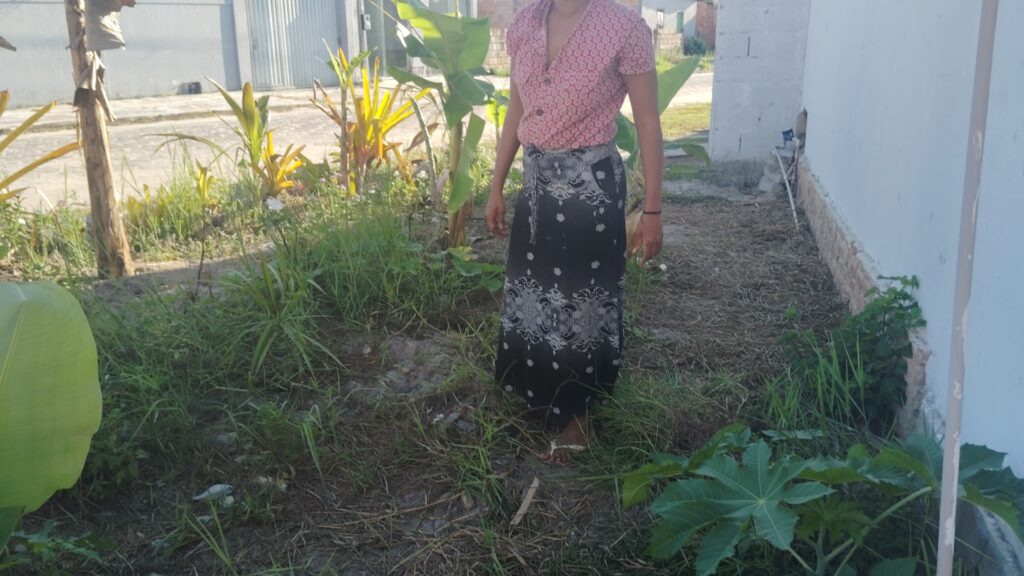
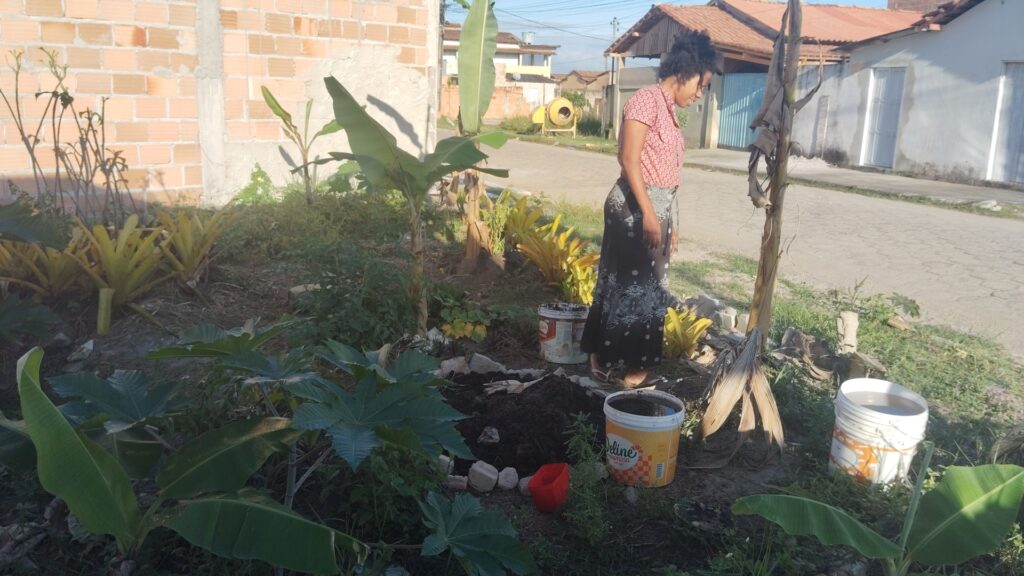
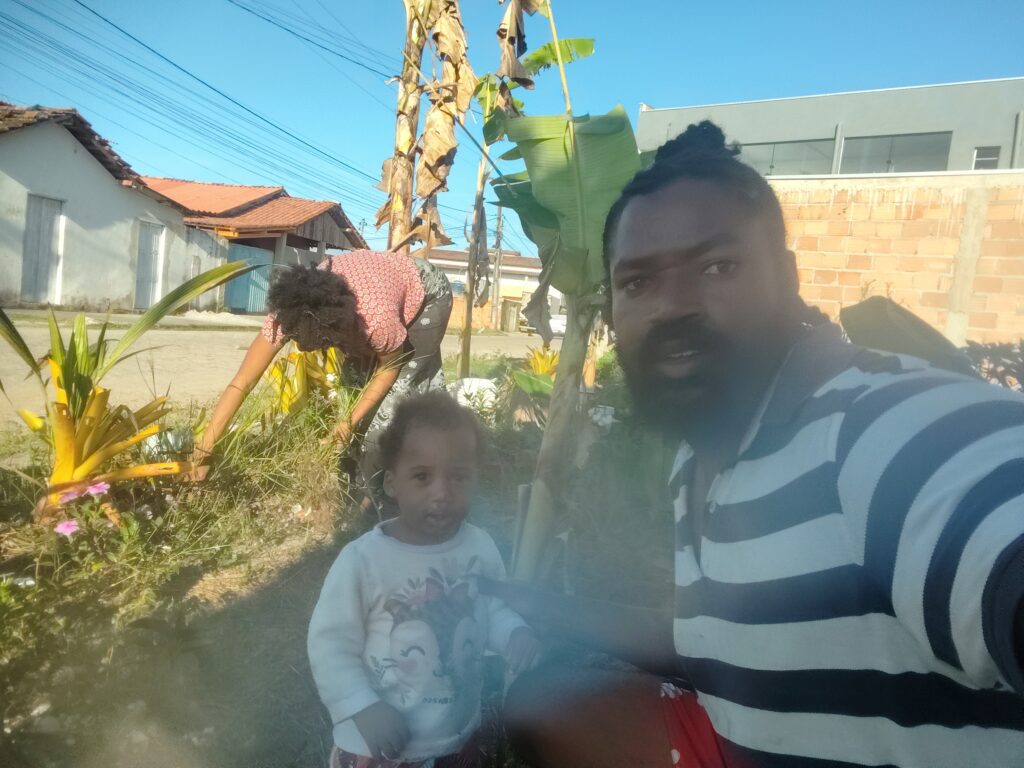
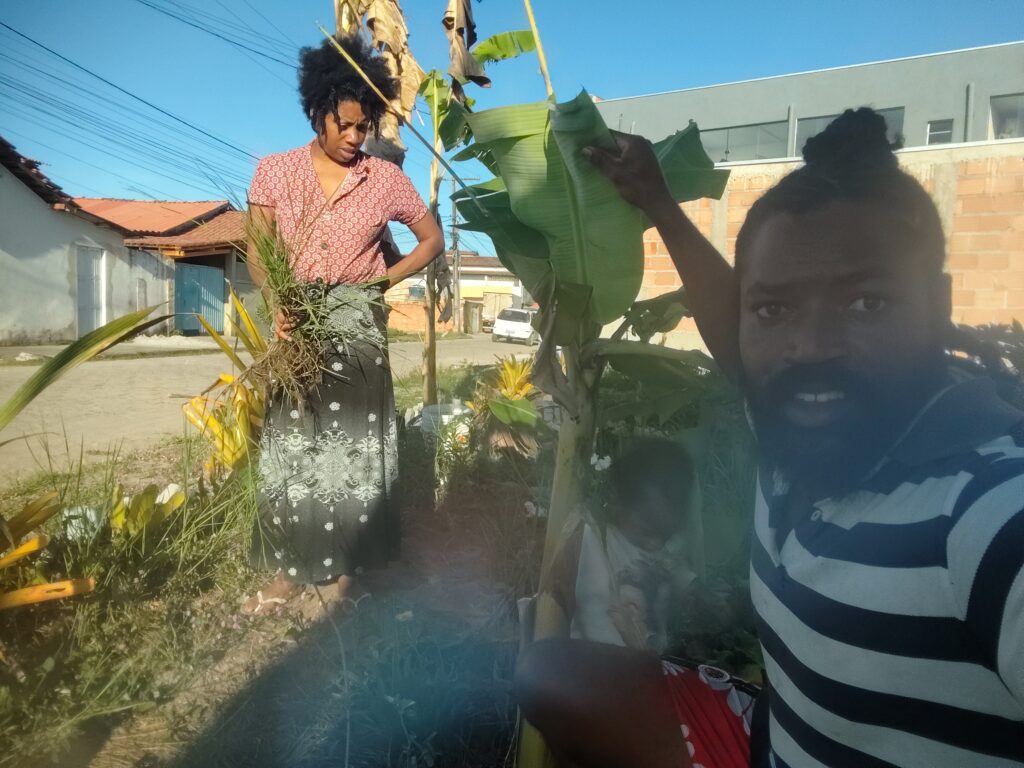
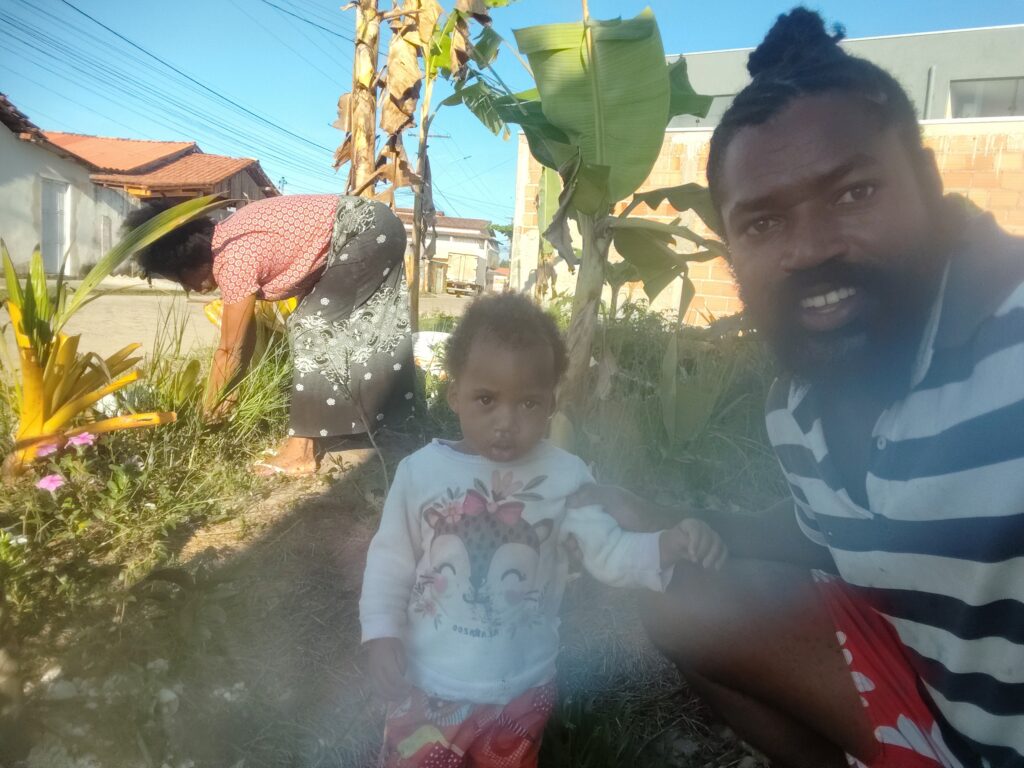
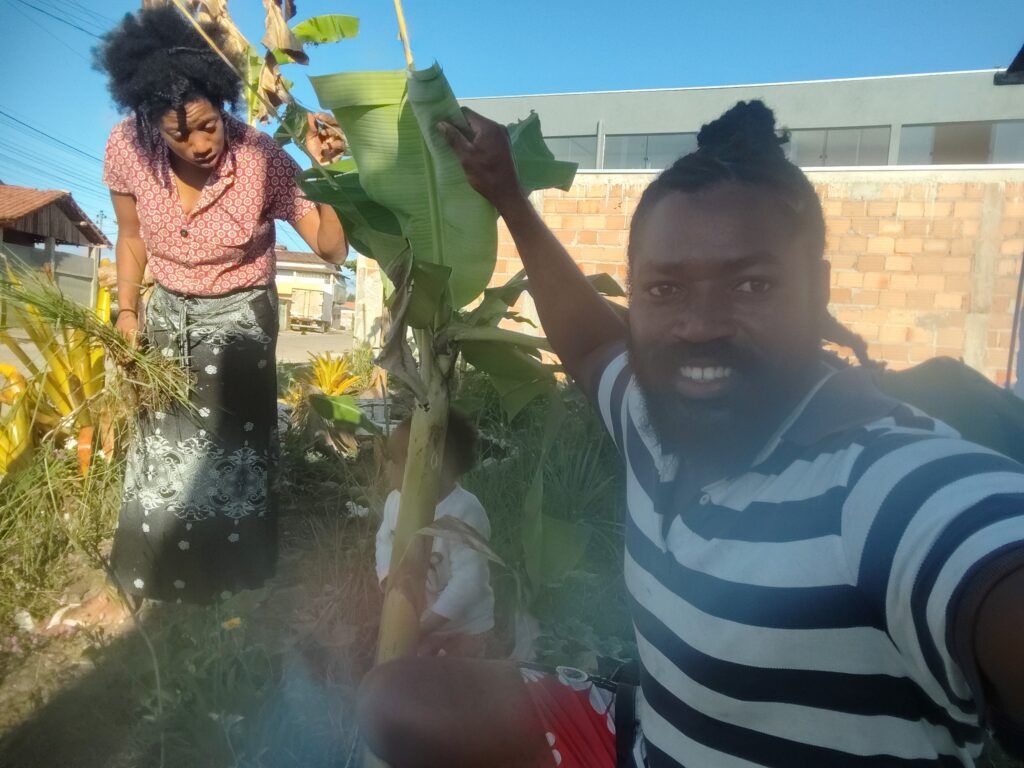
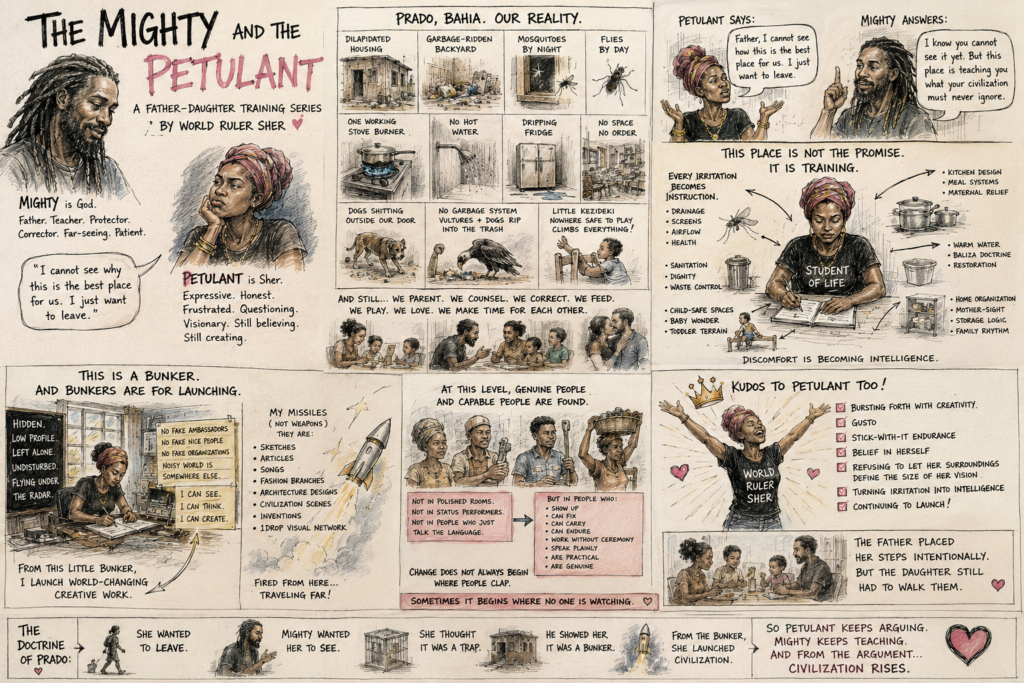
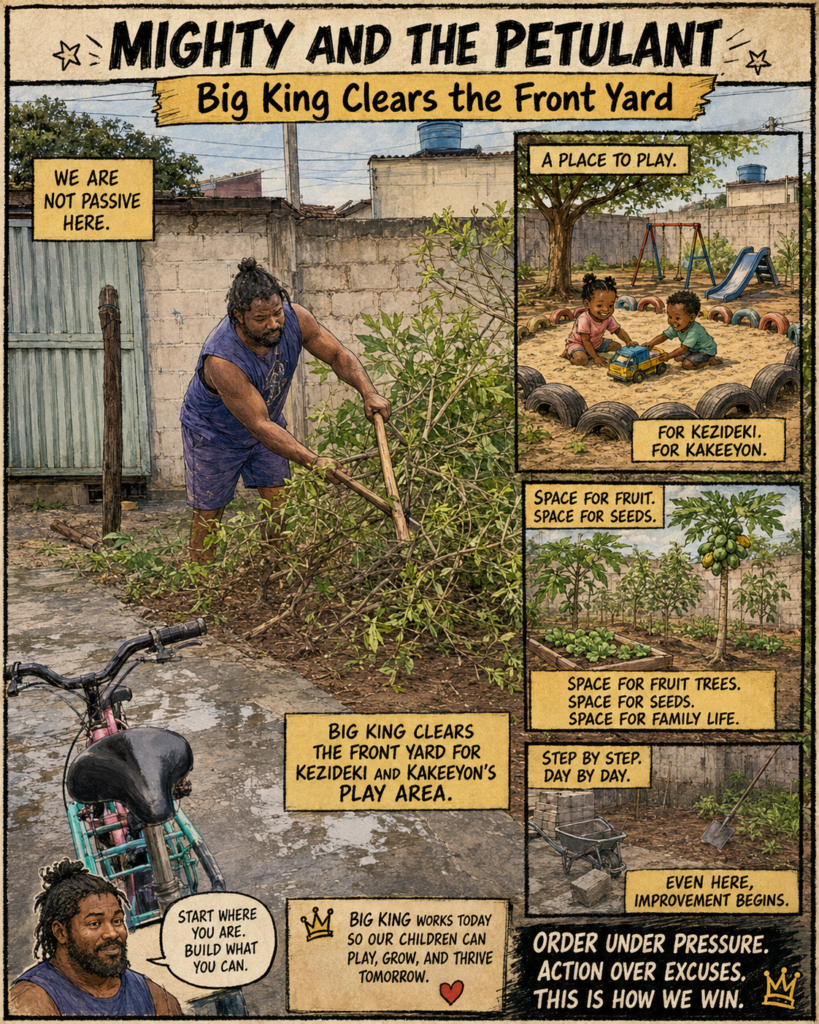
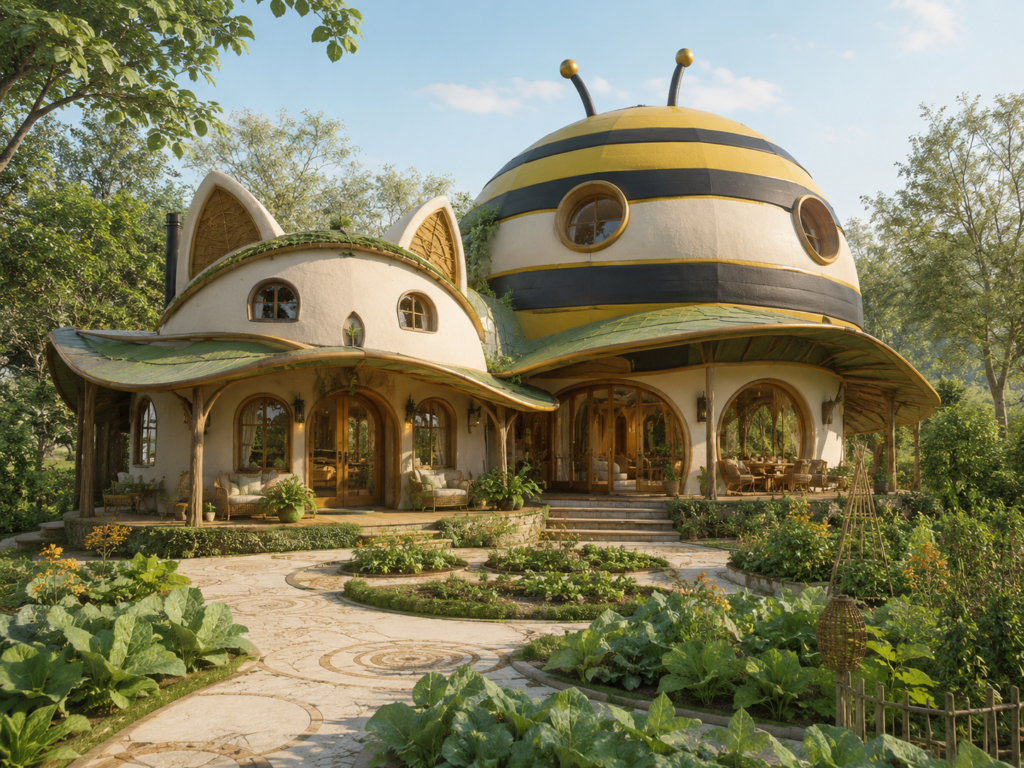
In Prado we have spent long periods directly observing extremely sandy coastal ground, heat, rain, water movement, existing vegetation, food growing and what happens when you stop treating land as something to clear first and instead start paying attention to what is already living there.
In São Paulo we experienced a completely different kind of life: a huge city, dense movement, people from many countries and the pressures that come with rebuilding family life inside an urban system.
Our experiences in Jamaica, Türkiye, Korea and Brazil kept exposing us to different ways of living and different weaknesses in the systems around us.
Some of those experiences demanded real strength from us.
We have stood against evil, corrupt countrymen. We have stood against family members who tried to break us down. We overcame them.
We have stayed together through homelessness and hunger, and we have created while living through both. We have crossed countries, rebuilt our lives, raised children through instability and kept moving while the life around us kept trying to compress us into something smaller.
We have told nations over and over again to fuck off.
We have staked our lives on God showing up and showing out.
That is part of why our confidence does not come from somebody telling us to think positively. We have lived through situations where everything around us was saying that the sensible thing to do was shrink, surrender, accept the so-called reality in front of us and stop expecting anything larger.
We have heard that voice plenty of times.
“Look at your situation.”
“Look at what could happen to you.”
“Stop talking about God.”
“Stop talking about what you are going to build.”
“Yeah, yeah, Jesus this, Jesus that. Why don’t you get real? You’re facing ten years in prison.”
And we still kept going.
We did not fold our vision down to the size of the threat. We did not decide that because something looked impossible under the systems already surrounding us, it therefore had to remain impossible.
We are confident because we have already watched situations that were supposed to crush us fail to finish us.
We are full of boundless life because again and again this Earth as it currently exists has tried to hand us its so-called reality, its so-called practicality, its so-called “be real,” and tell us that this is as far as life goes.
We refused it.
The Trott Bailey Family is the embodiment of people whom the surrounding life kept trying to compress.
Homelessness did not compress us. Hunger did not compress us. Threats did not compress us. Countries did not compress us. Family members did not compress us. Being told to “be realistic” did not compress us.
Instead, every time the old compressed-life model tried to close in around us, our vision kept getting wider.
“We will build thousands of years beyond you.”
That is Trott Bailey Family Civilization.
It came from one family that has been hit by that world from different directions, survived it, overcome it, kept our marriage and family together, kept creating, kept following God, and decided we had no fucking intention of reproducing the same narrow life for our children and their future generations.
But those children are not the only people we are building it for.
The Civilization Is for the Whole Family
Trott Bailey Family Civilization is being built for all of us.
World Ruler Sher does not want to be compressed into choosing between the career-woman role and the stay-at-home-mother stereotype, or worse, being told she should somehow juggle both until she is exhausted and then call that empowerment.
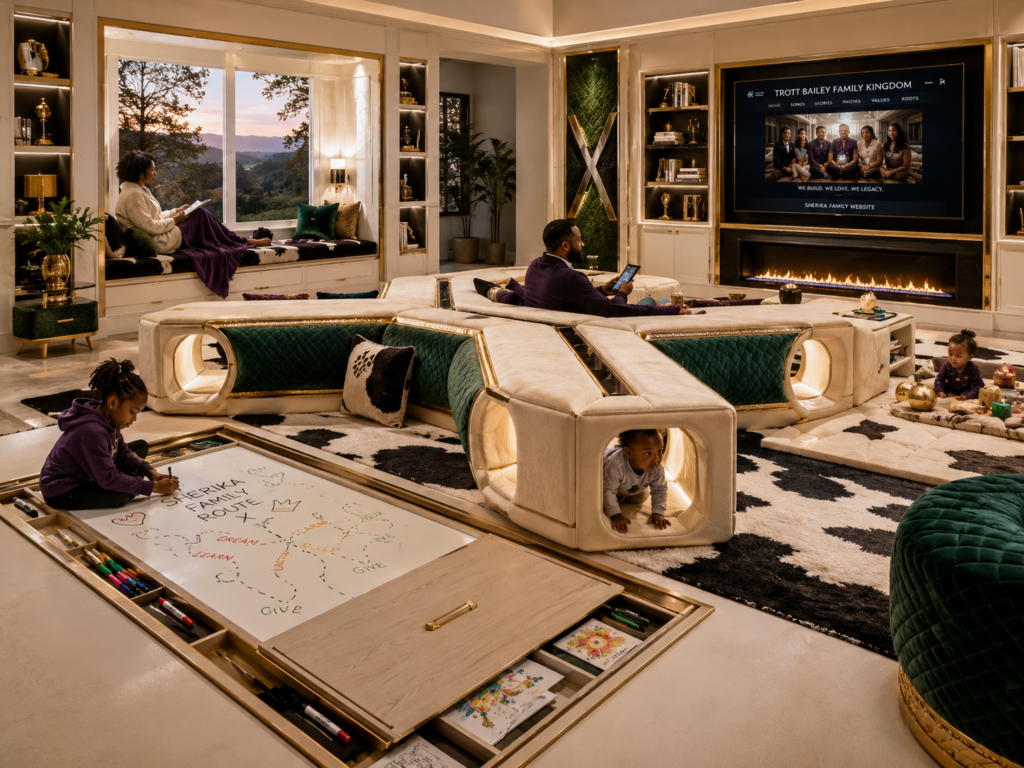
I want to mother my children. I want to be with my husband. I want to think, build, invent, write, travel, develop systems and keep discovering what else I can do.
I am not interested in cutting myself into pieces so that one part can satisfy the workplace and another part can keep the household running.
And Big King K.B. is not going to be run ragged into the ground trying to earn all the days of his life while barely having time for his wife and children.
I am extremely passionate about that.
I am not sacrificing our true love to this system.
I am not accepting a civilization that takes the husband out of the home for most of his waking life, exhausts him in the name of providing, then hands the wife whatever is left of him at the end of the day and calls that normal marriage.
I want my husband alive in his own life.
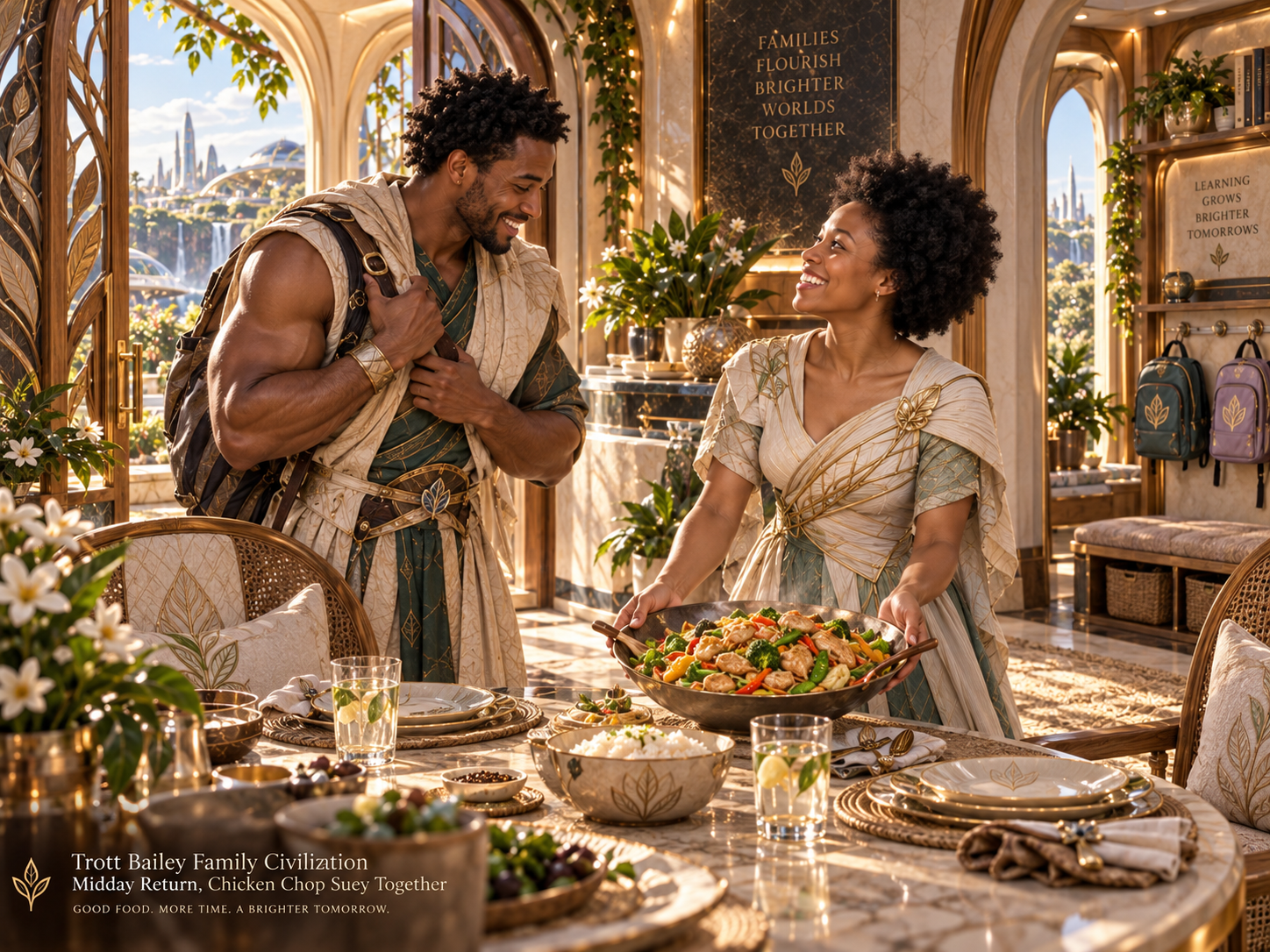
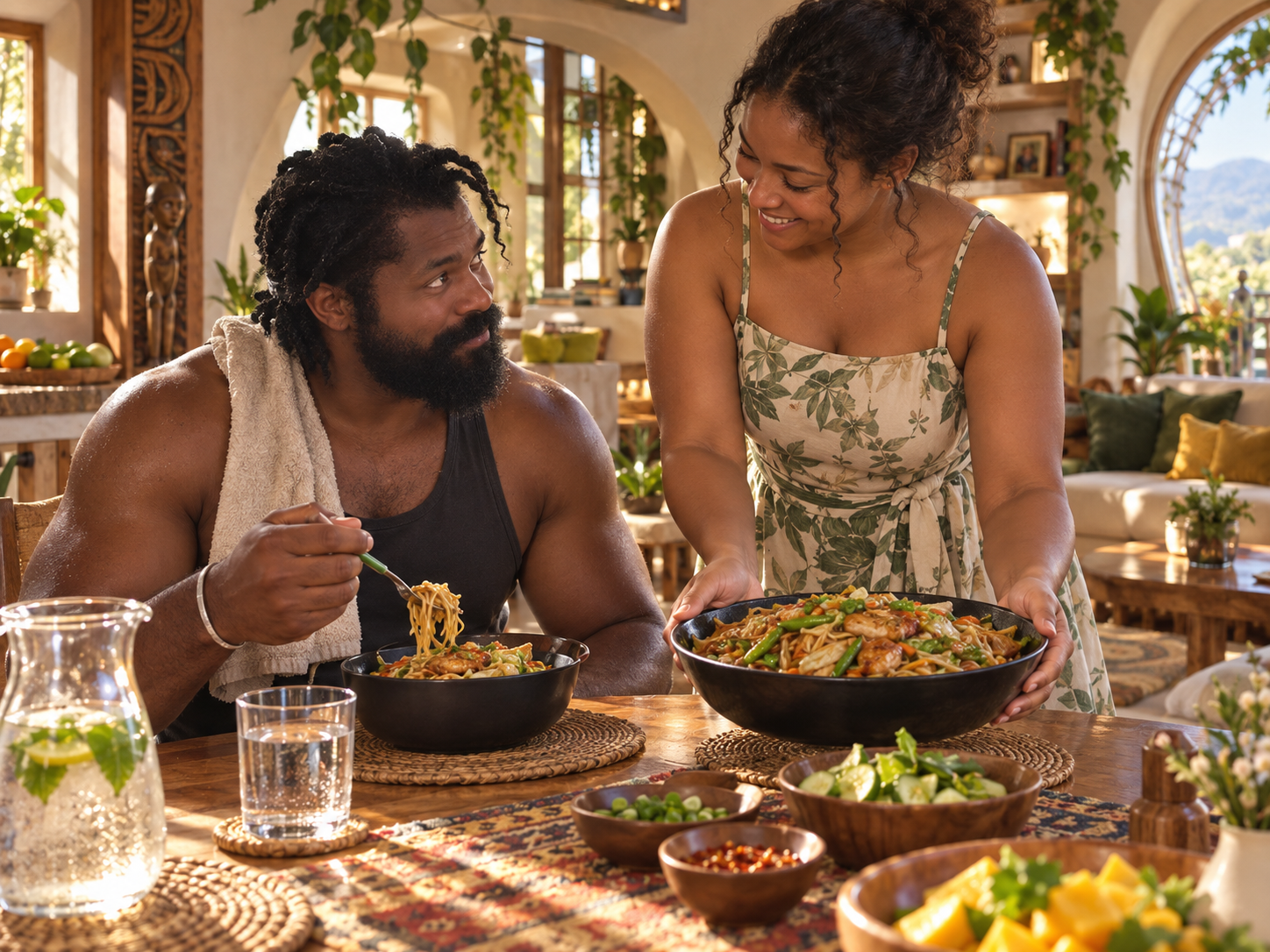
I want him thinking, building, travelling, resting, laughing, raising his children, developing his own abilities and having time with his wife. I want our marriage to have actual life in it.
I want our children to grow up knowing their father, not just knowing that he worked hard for them somewhere else.
And I do not want Big King K.B. having to watch his wife being pulled apart either, trying to prove she is capable by exhausting herself between employment, motherhood, housework and everything else she wants to build.
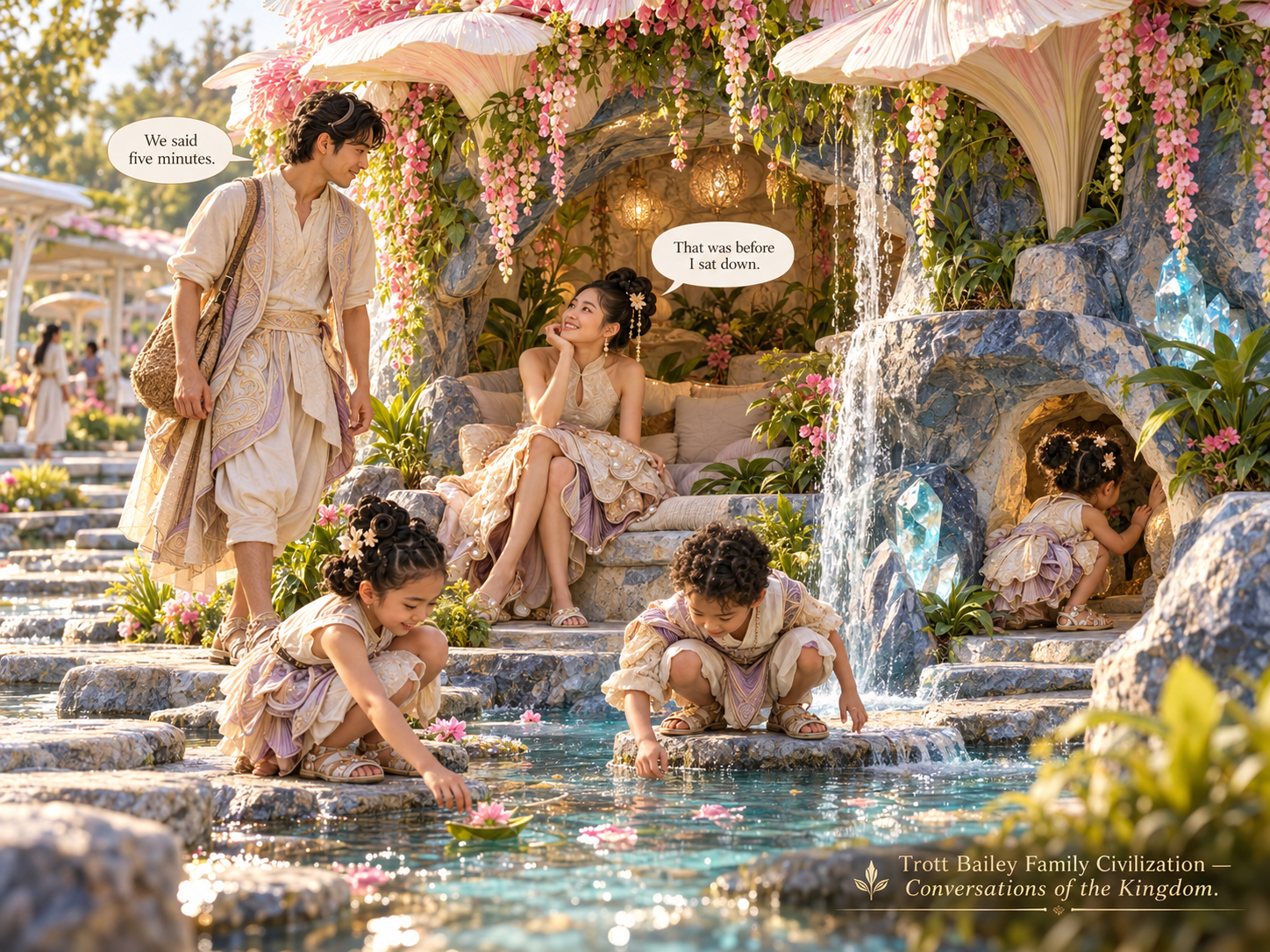
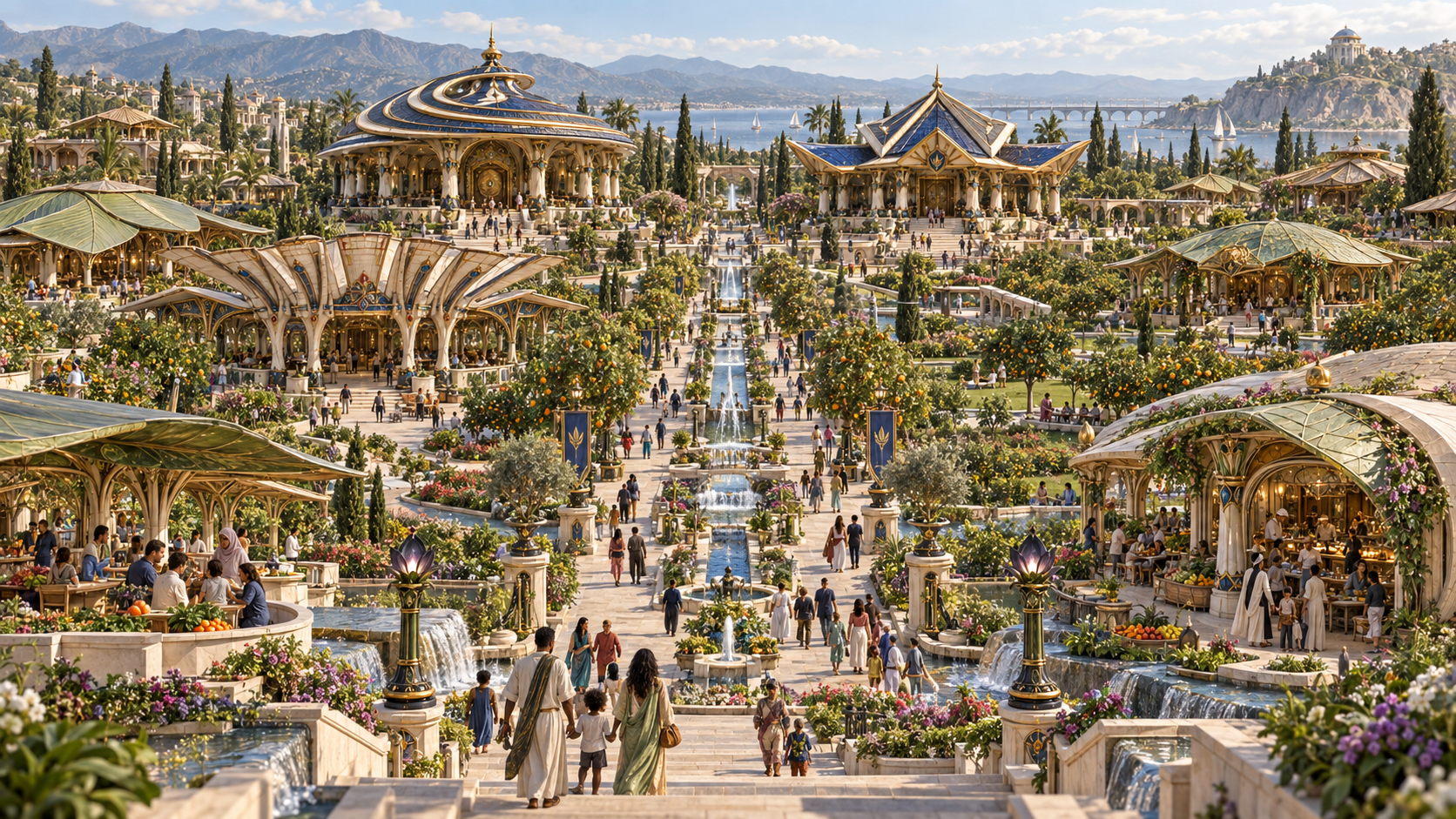
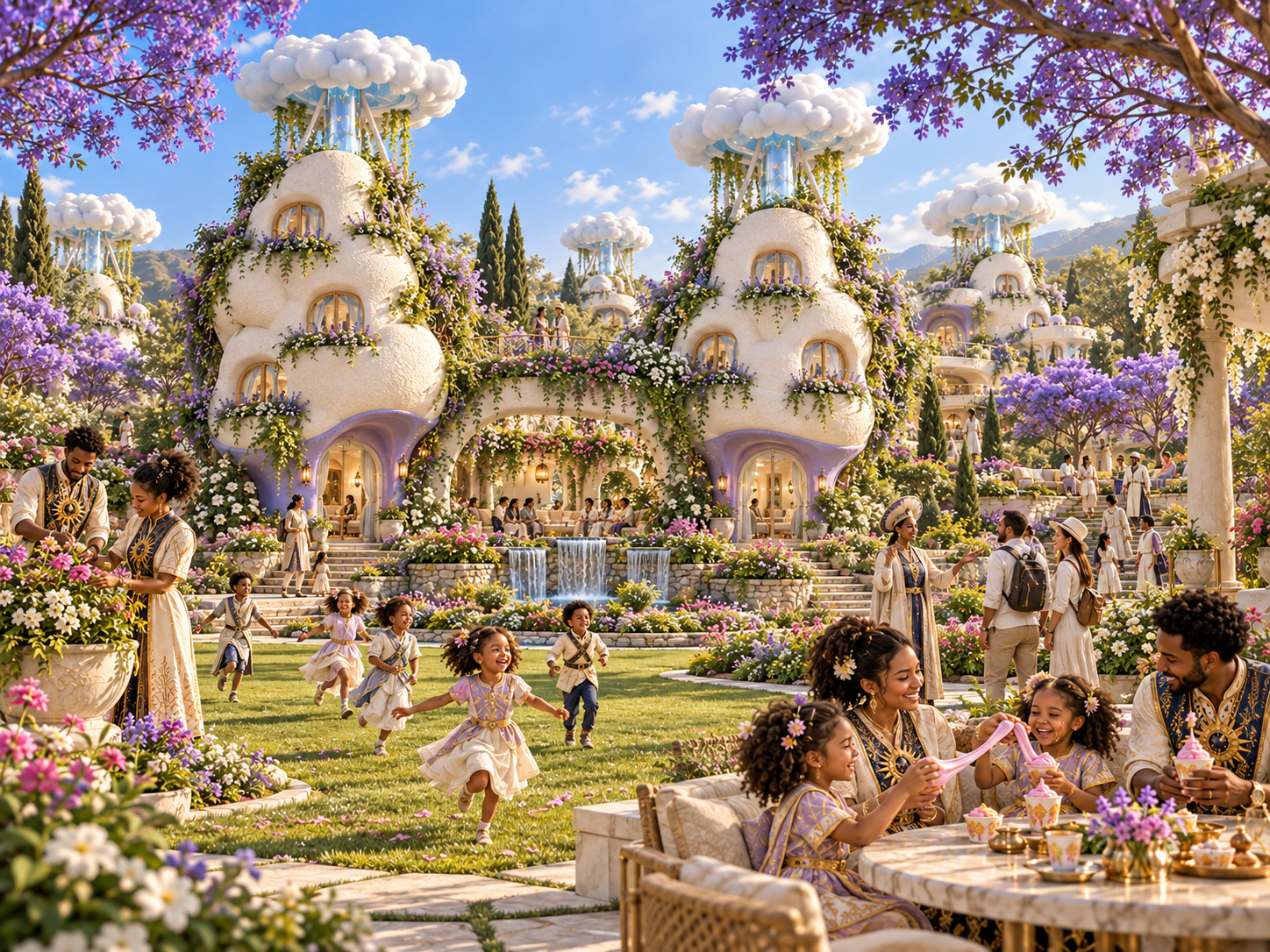
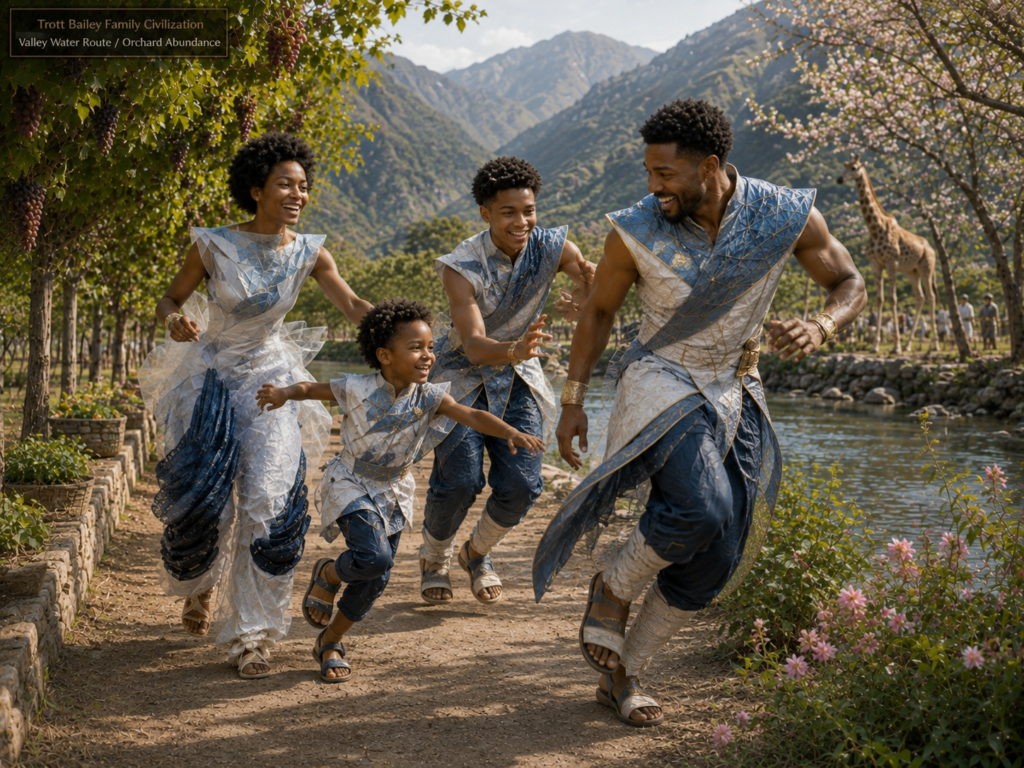
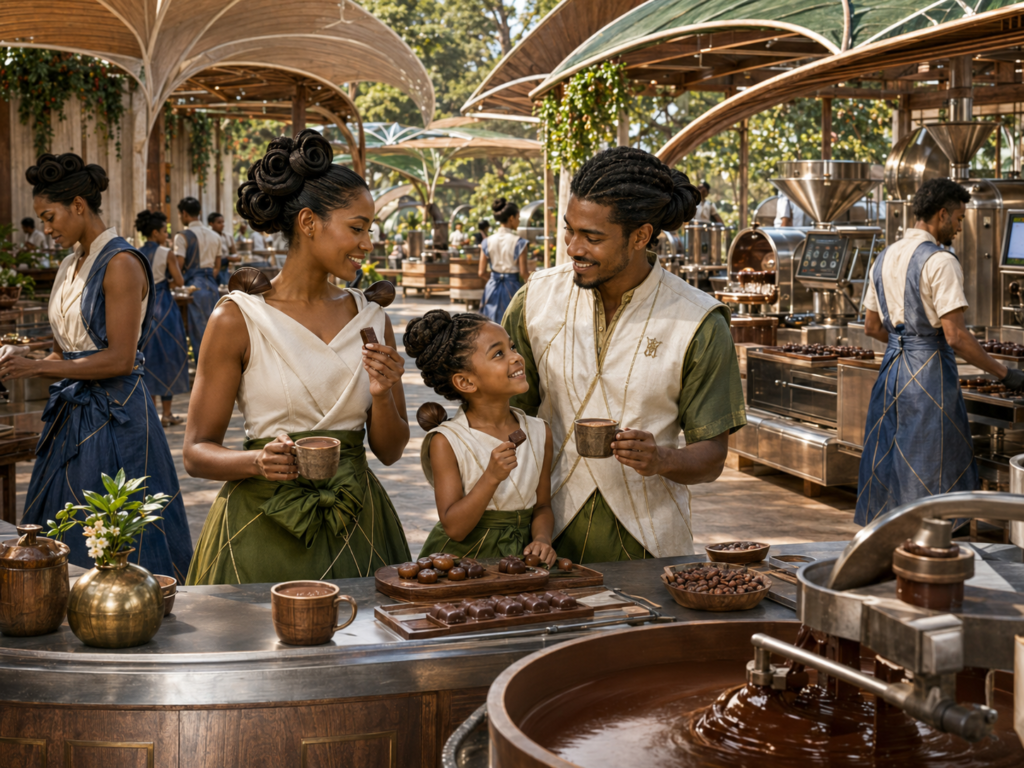
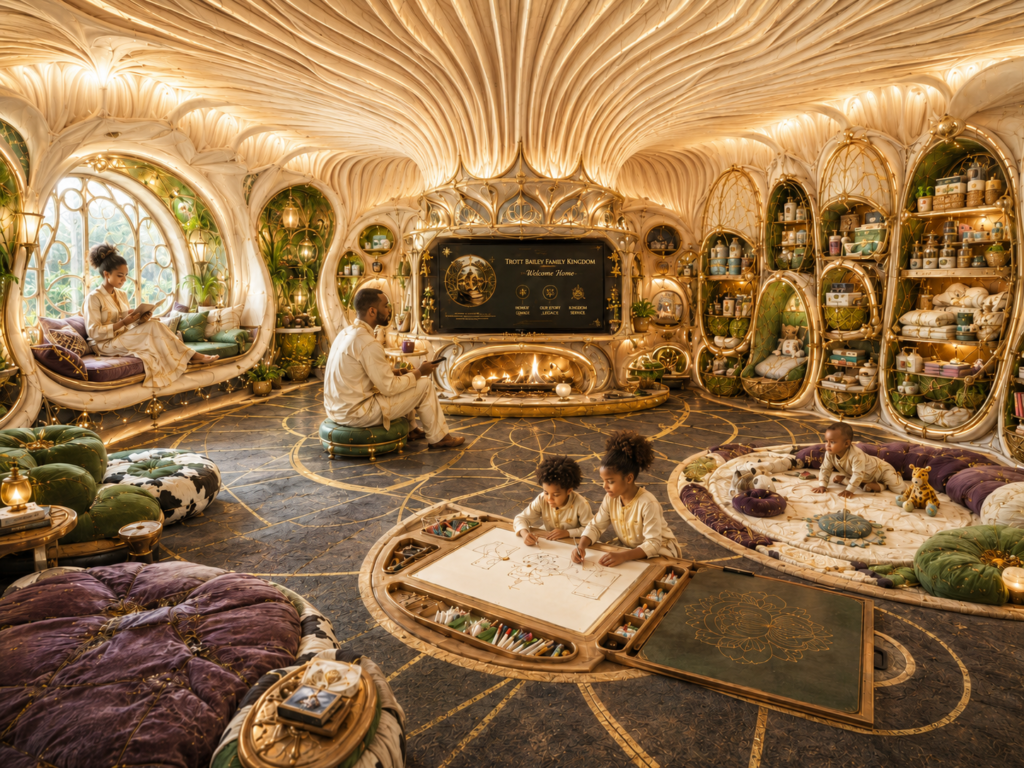
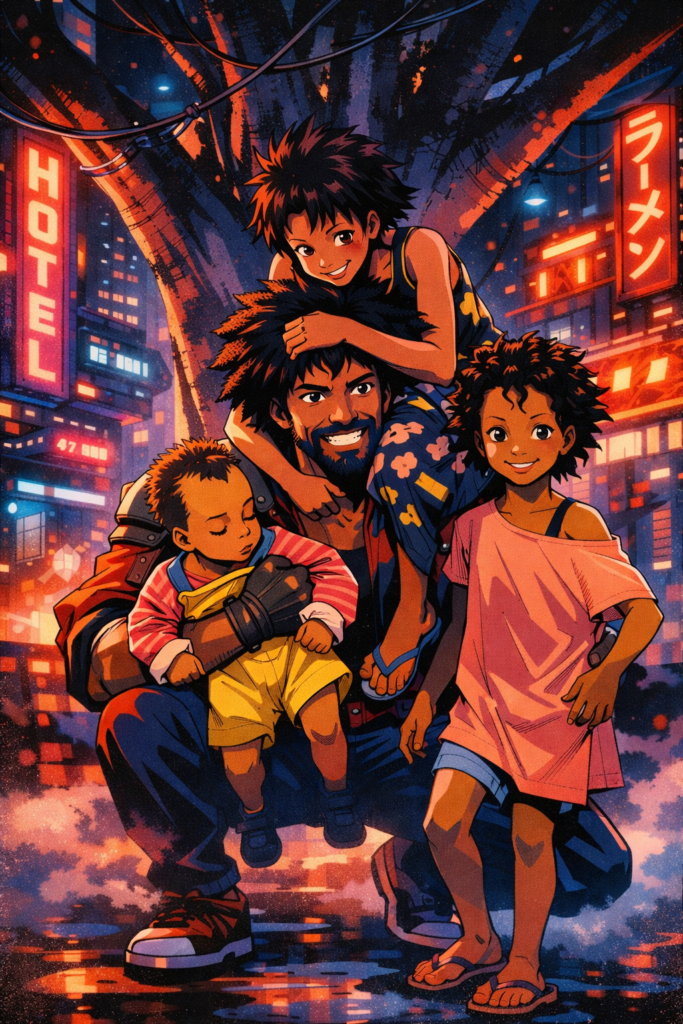
Trott Bailey Family Civilization is supposed to give life back to the whole family: husband, wife, children and the generations after us.
That means our children should inherit something much larger than the compressed choices we rejected for ourselves.
What We Are Building for Them
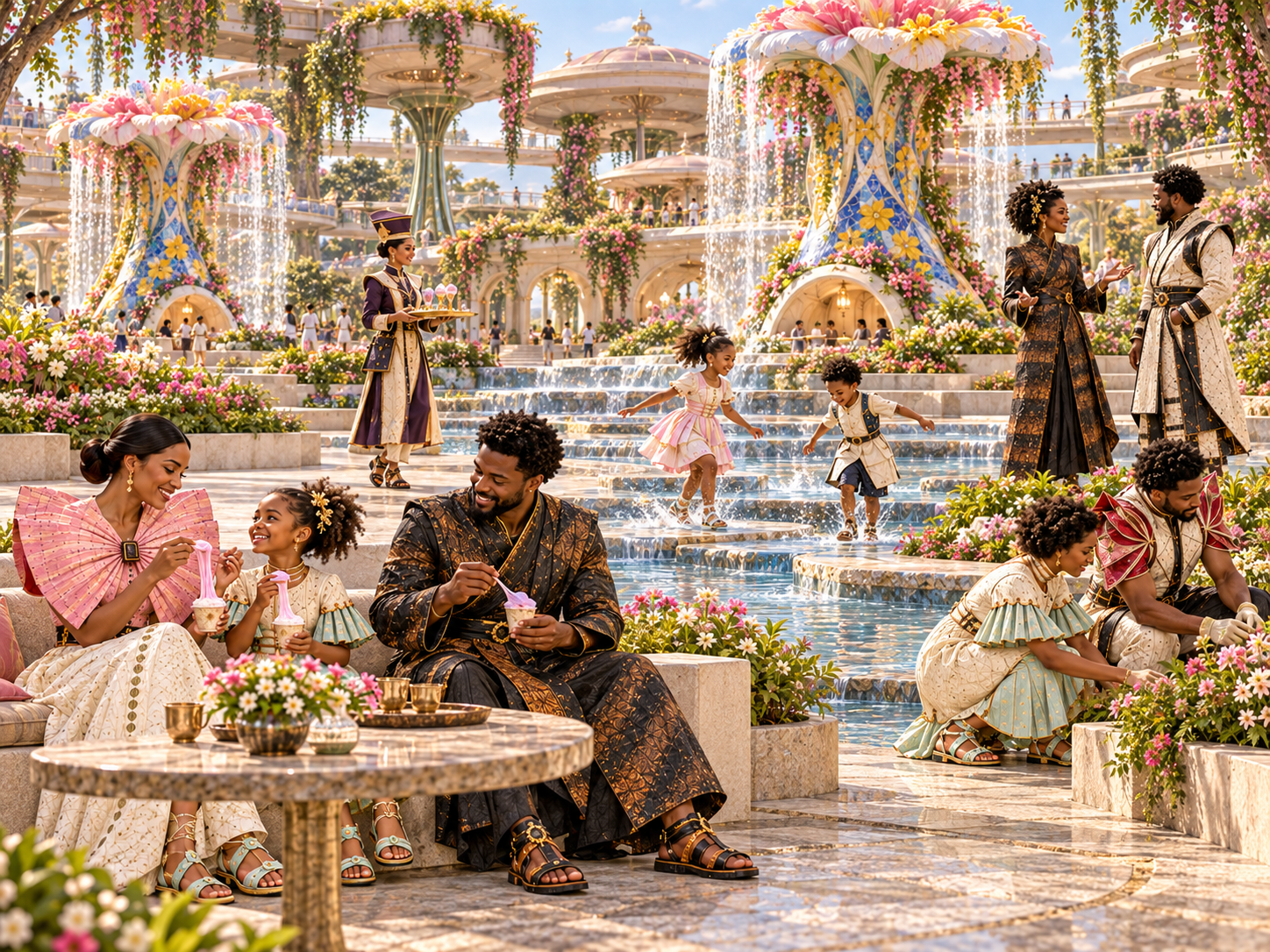
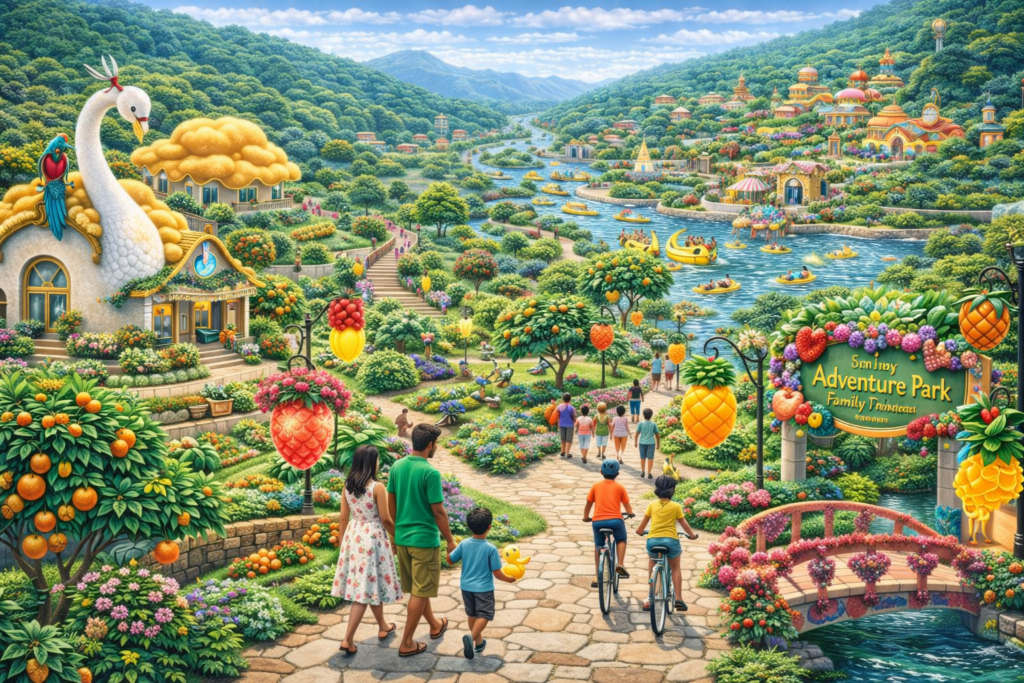
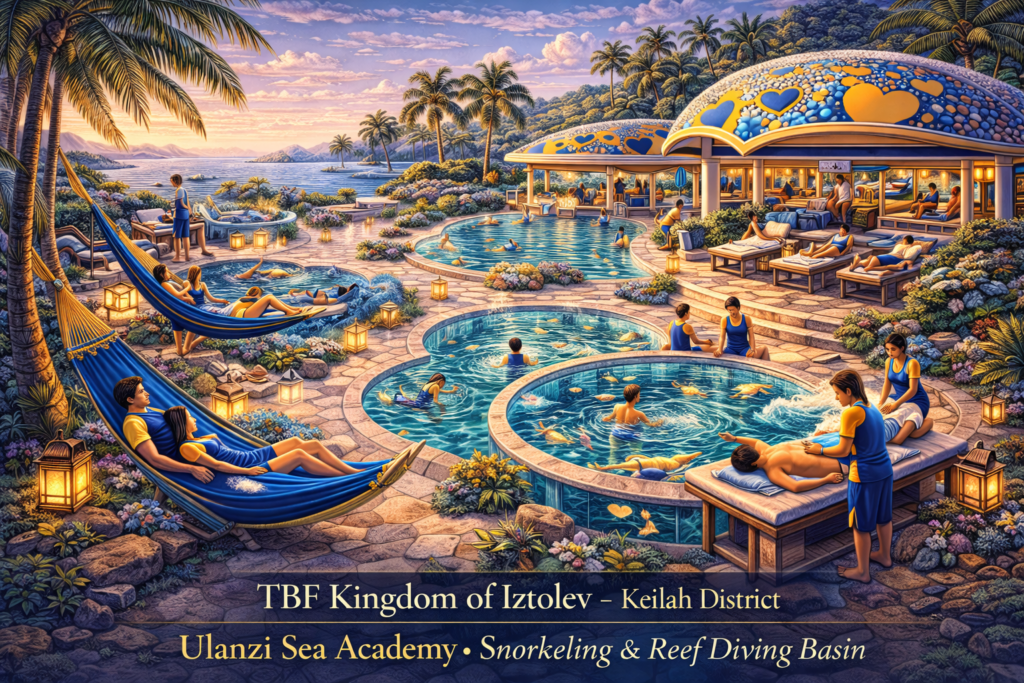
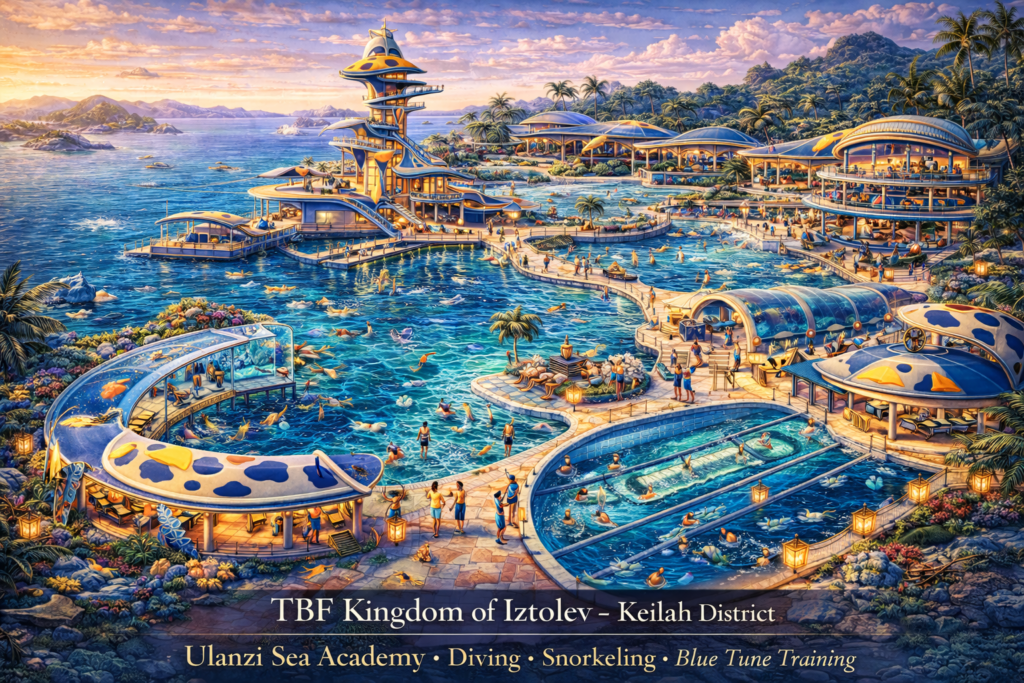
Keilah, Kaleeyon and Kezidek are not being prepared to inherit some miserable little Work. Consume. Sleep. Repeat. existence and call themselves successful because they managed to squeeze a slightly better apartment, salary or job title out of it.
They are being prepared to rule over something far larger.
We want them travelling the Earth freely, not spending half their lives saving money for the privilege of occasionally seeing another part of it.
We want them moving through different lands, climates, foods, languages, families, farms, workshops, waters, buildings and cultures until the Earth itself becomes part of their education.
We want them learning by immersion, not merely being told about life from inside a room.
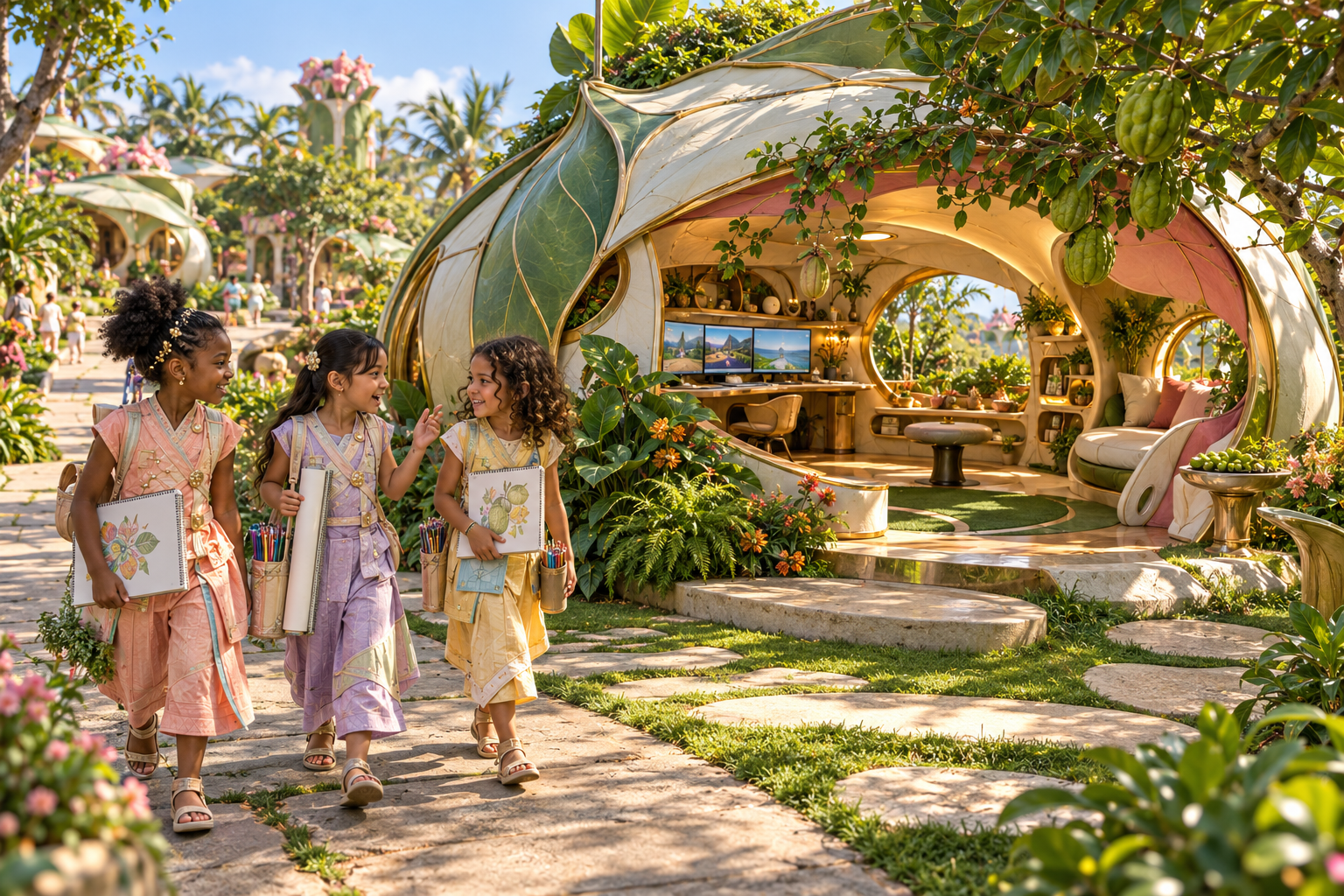
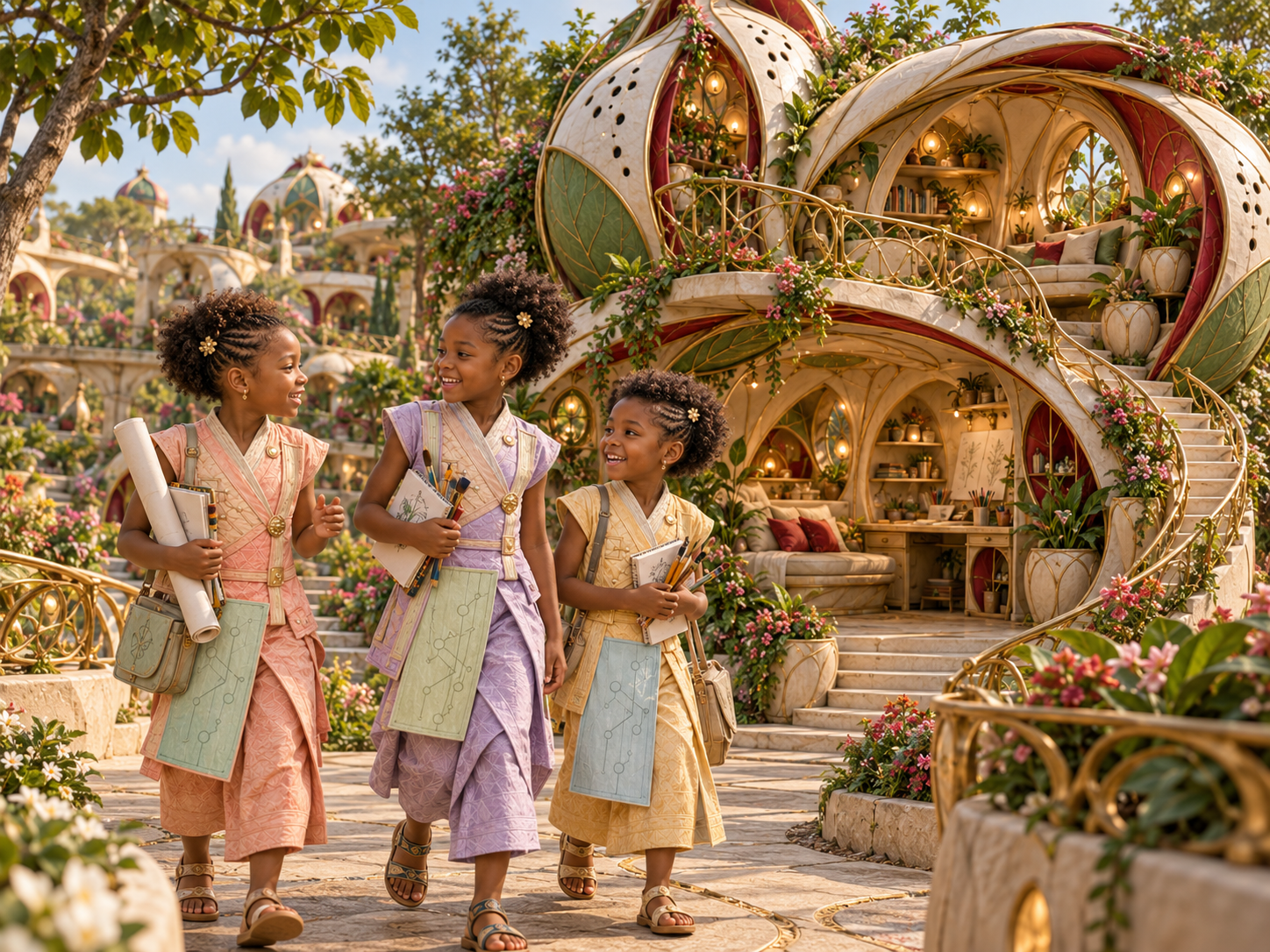
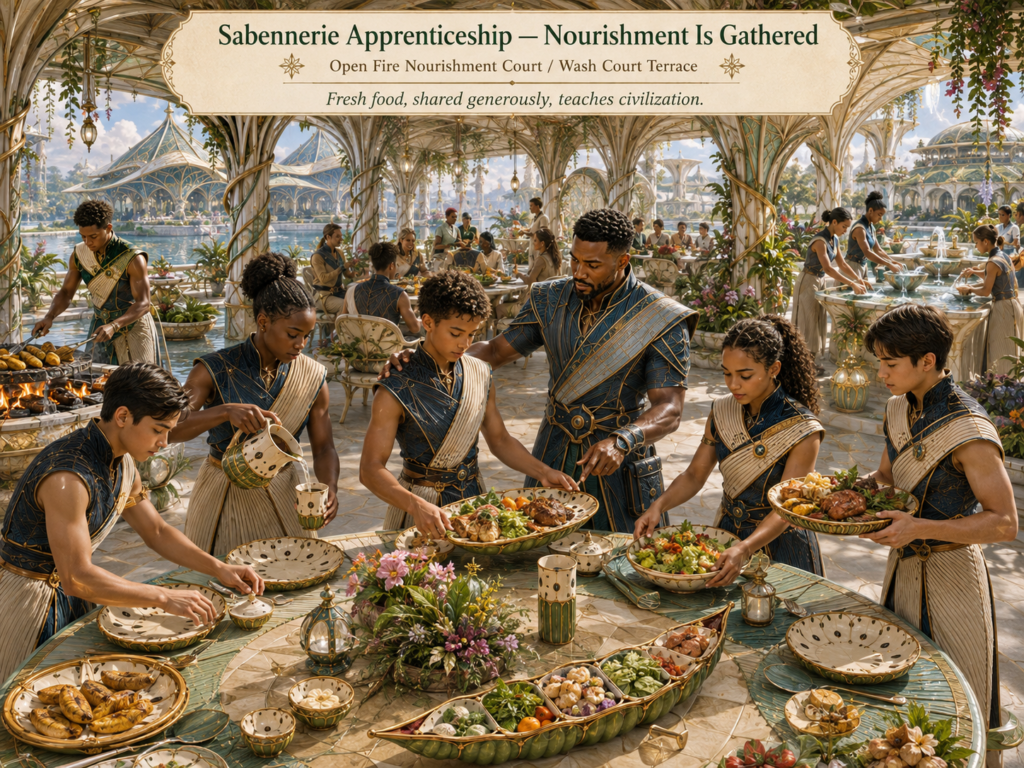
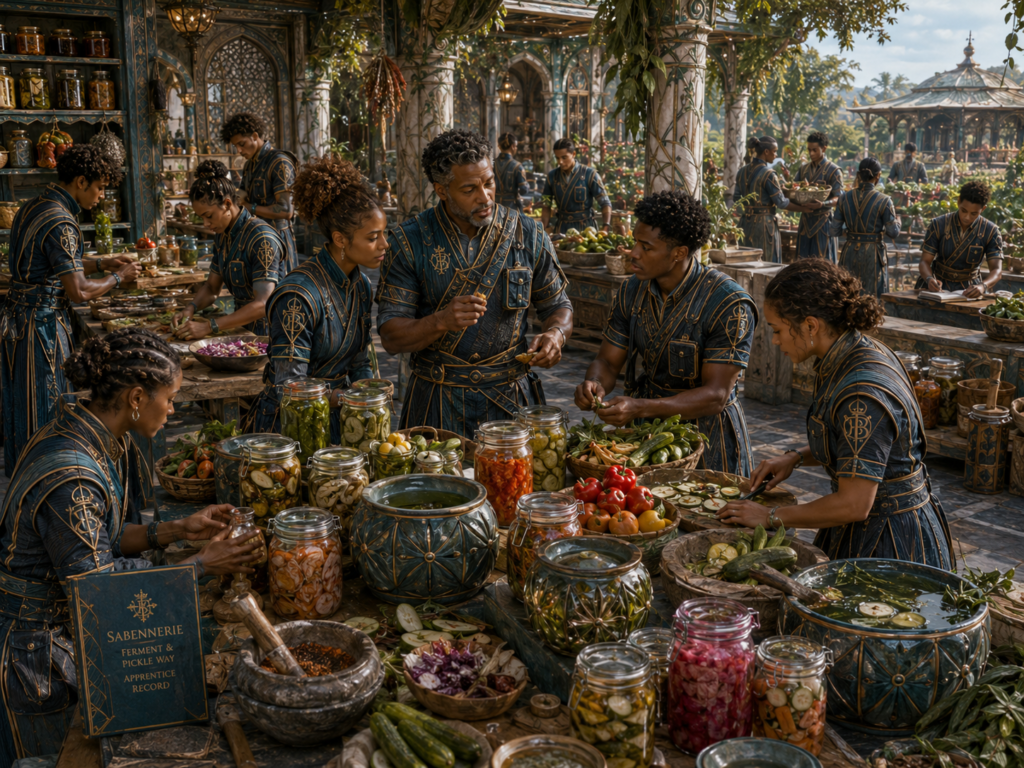
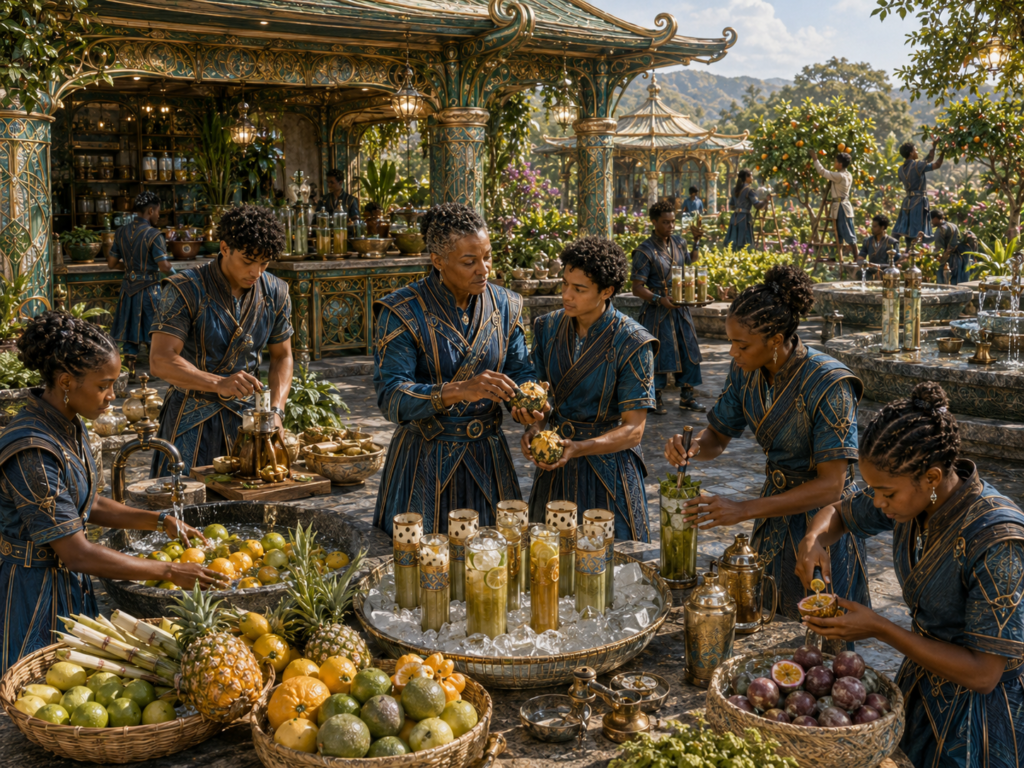
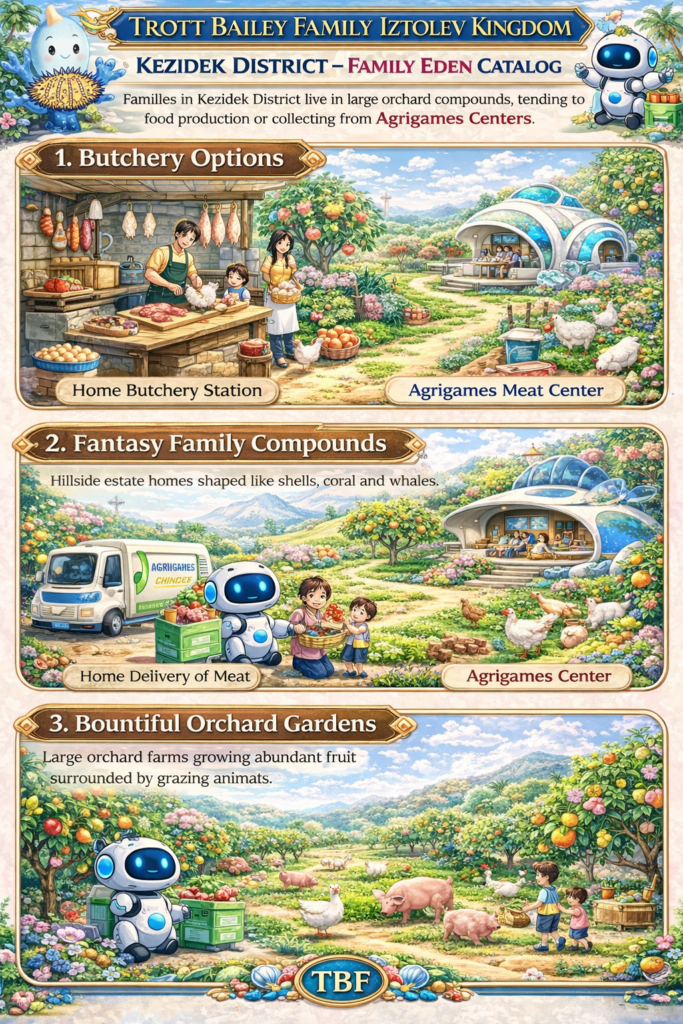
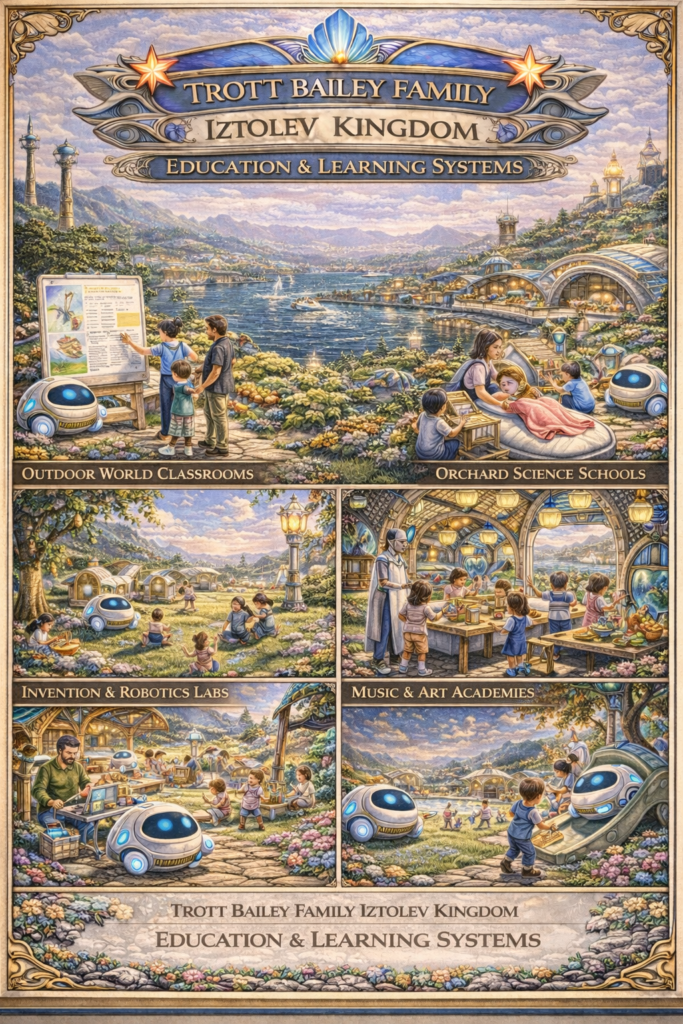
We want them apprenticing with people who actually know things, growing food, understanding animals, learning water, building, designing, making, repairing, listening, questioning and discovering new interests far enough to become genuinely capable.
We want them using their minds and gifts to create things that do not exist yet. Inventing. Discovering. Testing. Failing. Trying again. Changing direction when something better appears.
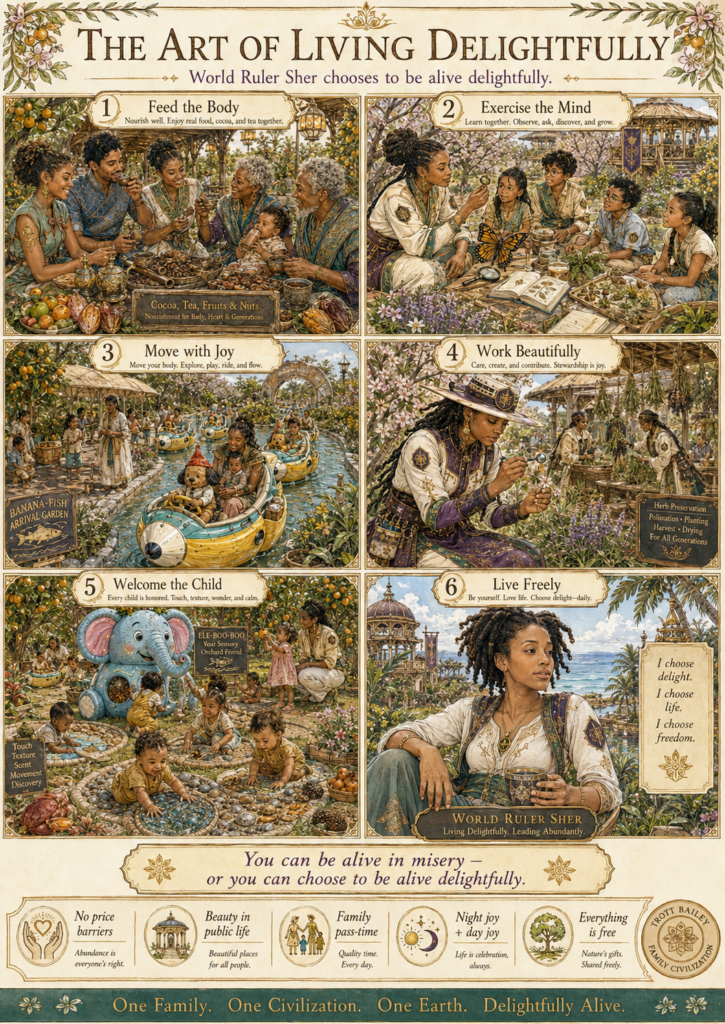
We want them delighted by life too.
Not raised under the stupid idea that seriousness means exhaustion and that adulthood is supposed to become progressively less joyful.
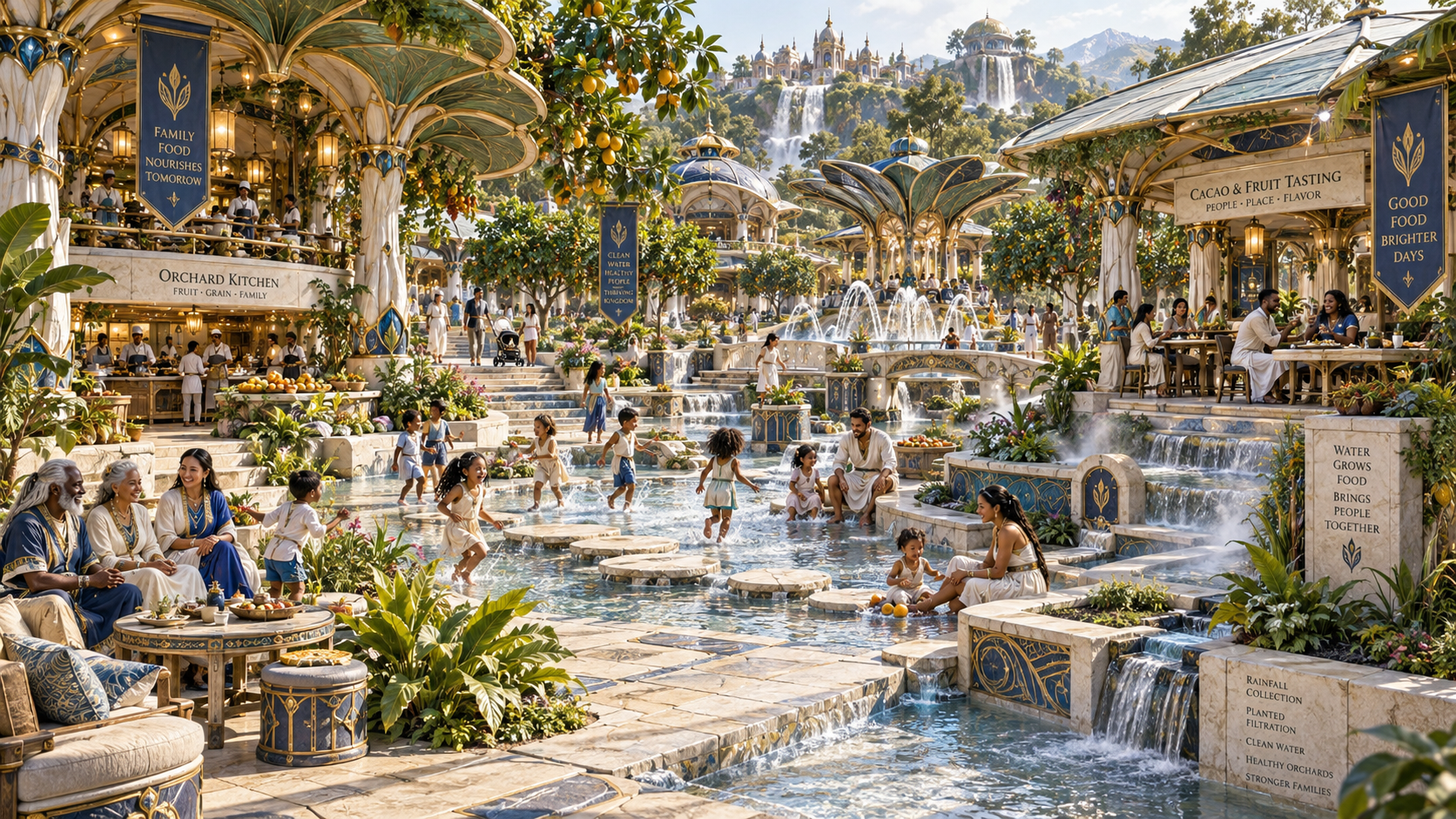
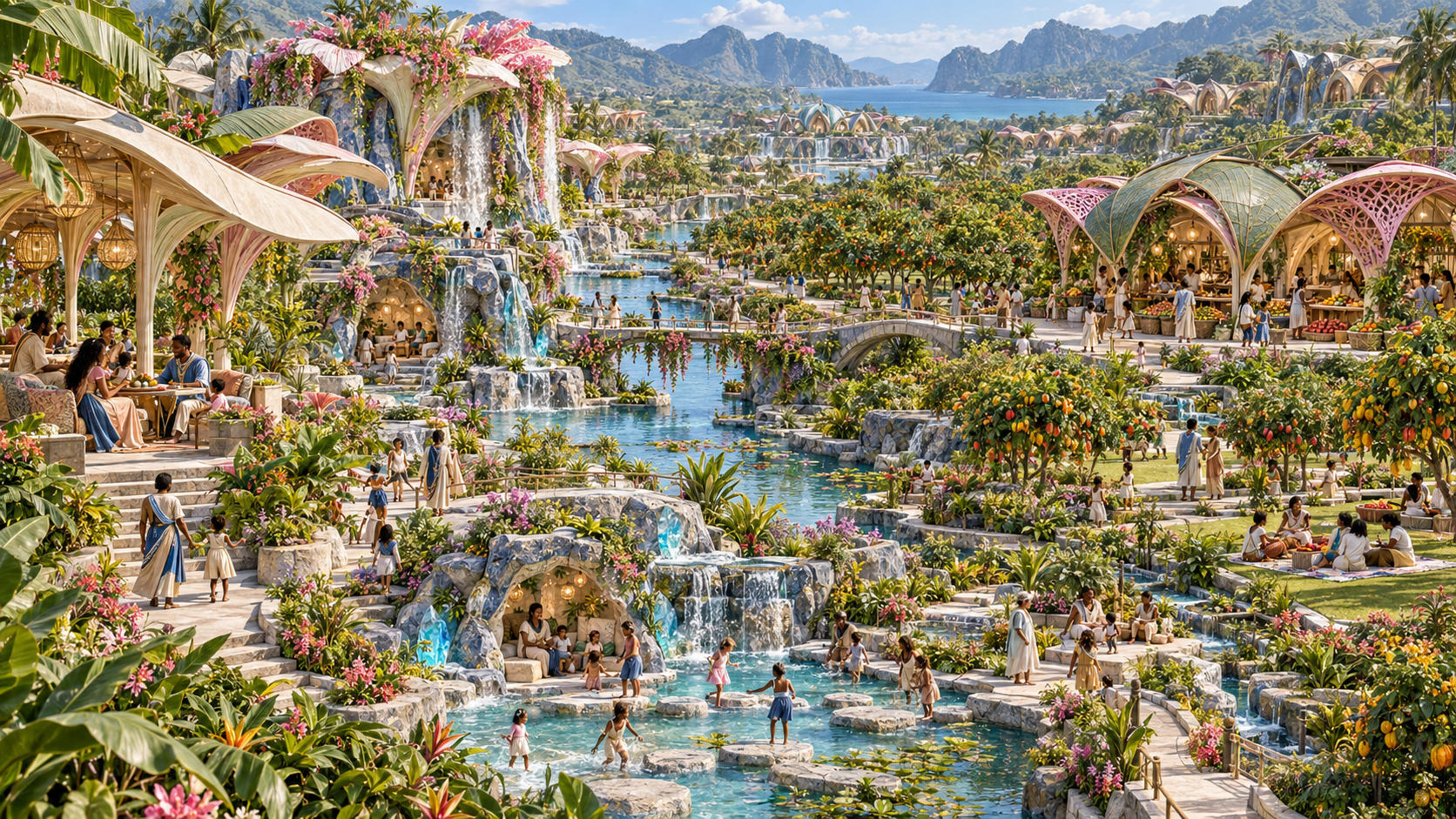
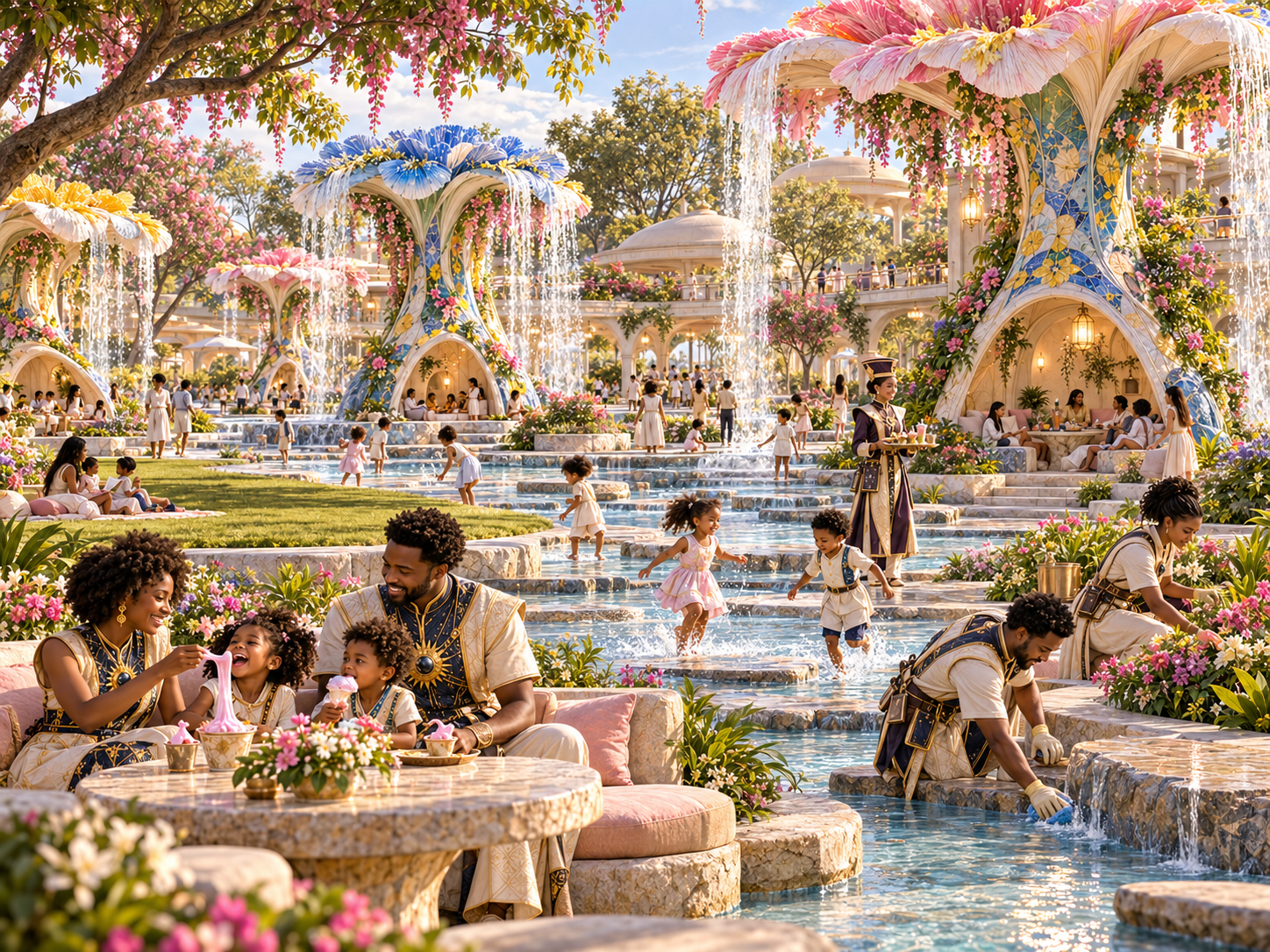
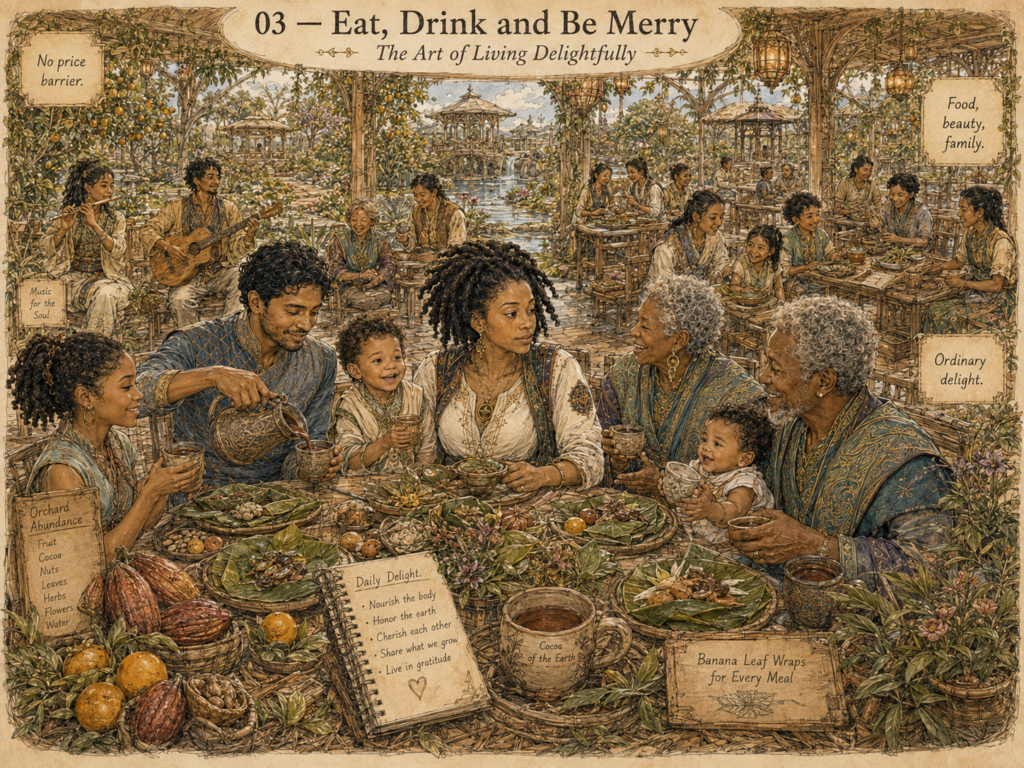
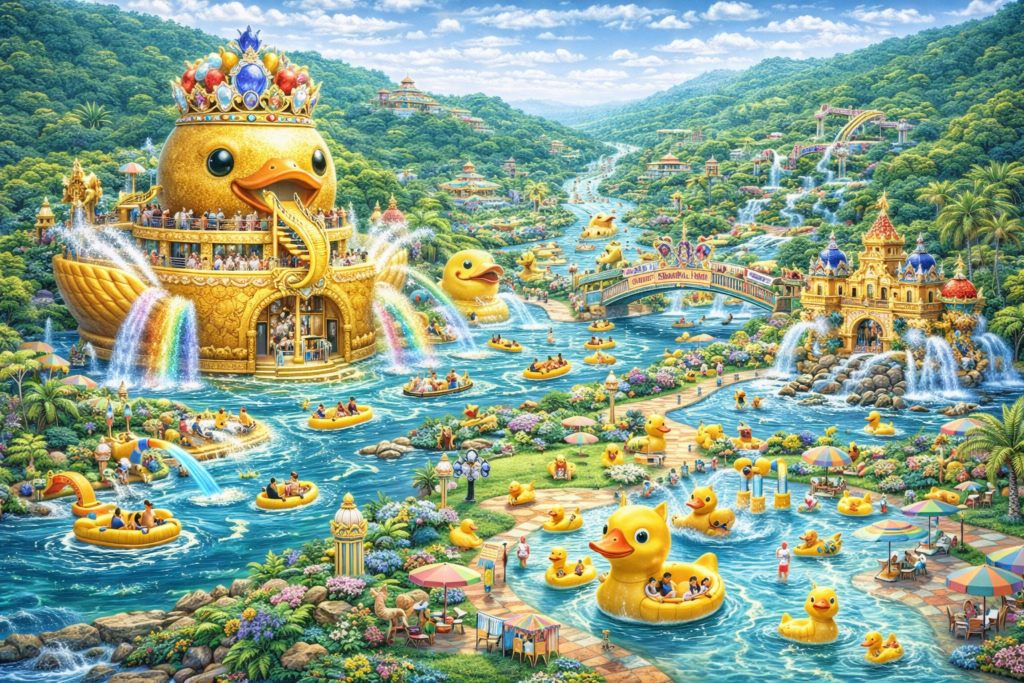
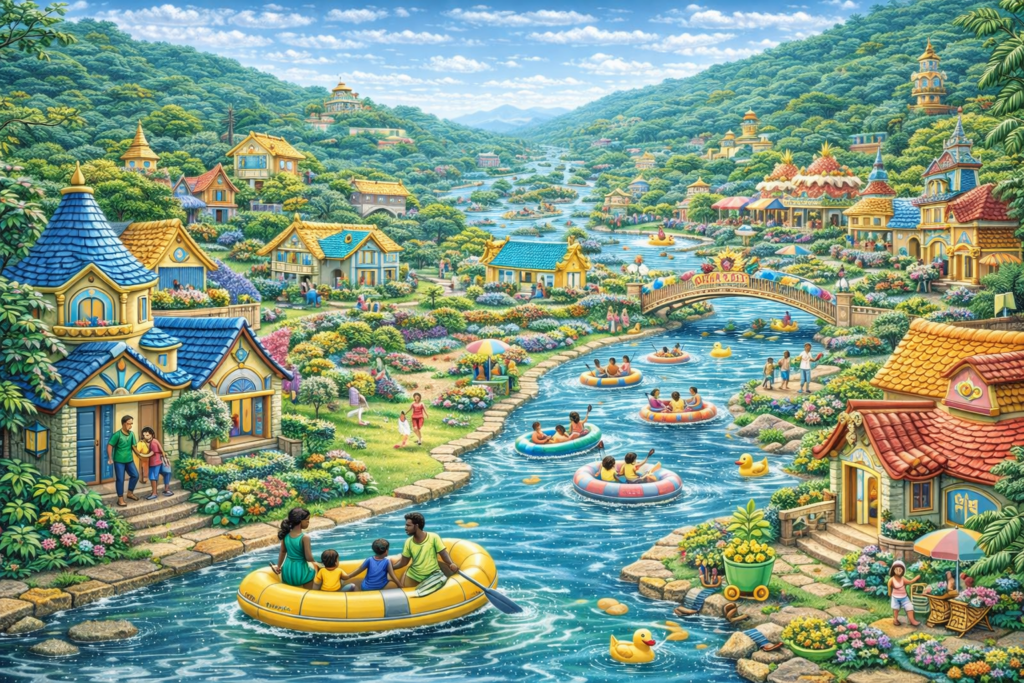
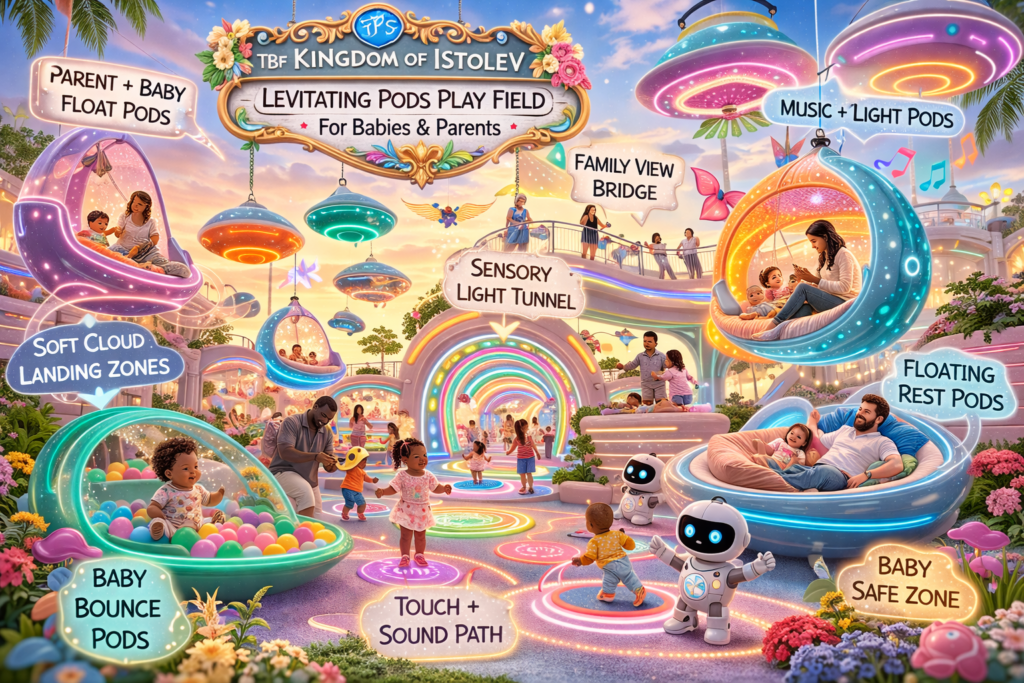
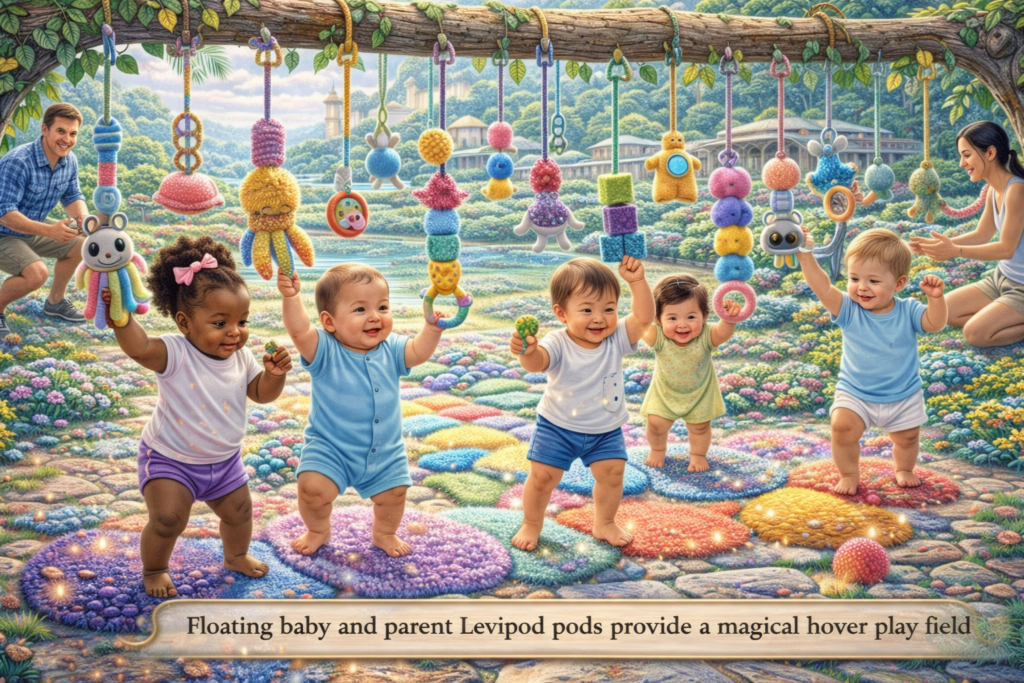
Children should encounter beauty, strange things, water, animals, movement, play, gardens, architecture, food, travel and experiences that keep opening the mind instead of closing it.
As they grow, those experiences should start forming judgment.
A future ruler should know more than theories.
They should know what different people live like, what families need, what hunger feels like, what abundance looks like, what good land can do, what badly designed systems do to people, how children behave when they are delighted and how exhausted adults behave when life has been squeezed out of them.
They should understand how cultures differ, how the same human need can appear in different forms, how to listen before deciding and how to change their mind when life teaches them something better.
That is how we expect life itself to help craft Keilah, Kaleeyon and Kezidek into nuanced, wise, capable future rulers worthy of the honour carried by the Trott Bailey Family name.
Their inheritance is not supposed to be a throne sitting above a compressed world. Their inheritance is a civilization that keeps giving them and the people they rule more room to experience Earth, discover abilities, contribute, rest, think, build, love their families and keep becoming more capable.
And then our children and their children must take it farther than we did.