

Discovering and Developing Your Excellence is the access, Not Money

Trott Bailey Family Civilization · Capability · Shubaka · Excellence
The Gate Should Be Excellence, Not Money
A rigorous field should be difficult because the responsibility is serious, not because tuition, debt or family wealth decided who was allowed to reach the real test.
Fields such as medicine, engineering, aviation, architecture, science, water, energy and advanced machinery should be difficult to enter because the responsibility is serious—not because the road is expensive.
Trott Bailey Family Civilization does not lower the standard. We remove the wrong gate.
A future surgeon, engineer or scientist should have to demonstrate understanding, judgment, precision, discipline, safe practice and genuine mastery. But tuition, housing costs, debt or family wealth should not decide whether that person ever gets the chance to prove what they can become.
The gate should remain. It should simply stand at excellence, not money.
No Hidden Talent Gets Lost
Once money is removed from the path, civilization can search the whole population for capability.
A brilliant future doctor may come from a poor family. A gifted engineer may grow up nowhere near an expensive university. Someone may discover exceptional ability in science, machinery, agriculture or medicine later in life.
None of that talent should disappear because money blocked the road before capability was even tested.
Opening the path does not weaken competition. It strengthens it. More people can enter, while advancement still depends on who actually demonstrates the understanding, judgment, discipline and mastery the field requires.
That gives civilization a much deeper pool of real talent to choose from.
Hidden talent is not only a loss to the person who was blocked. It is a loss to civilization.
Abundance of Excellence Changes Work
Once civilization has more genuinely excellent people, scarcity stops dictating working conditions.
If only a few people are capable, those few get consumed. If many people are capable, responsibility can rotate.
In Trott Bailey Family Civilization, Shubaka is how citizens contribute their capability to building, caring for and improving the civilization we all live inside. Because access to life is already secured, Shubaka is not survival employment. We share what needs to be carried, relieve one another, use technology to lighten unnecessary burden, and make sure contribution remains one part of a much larger human life.
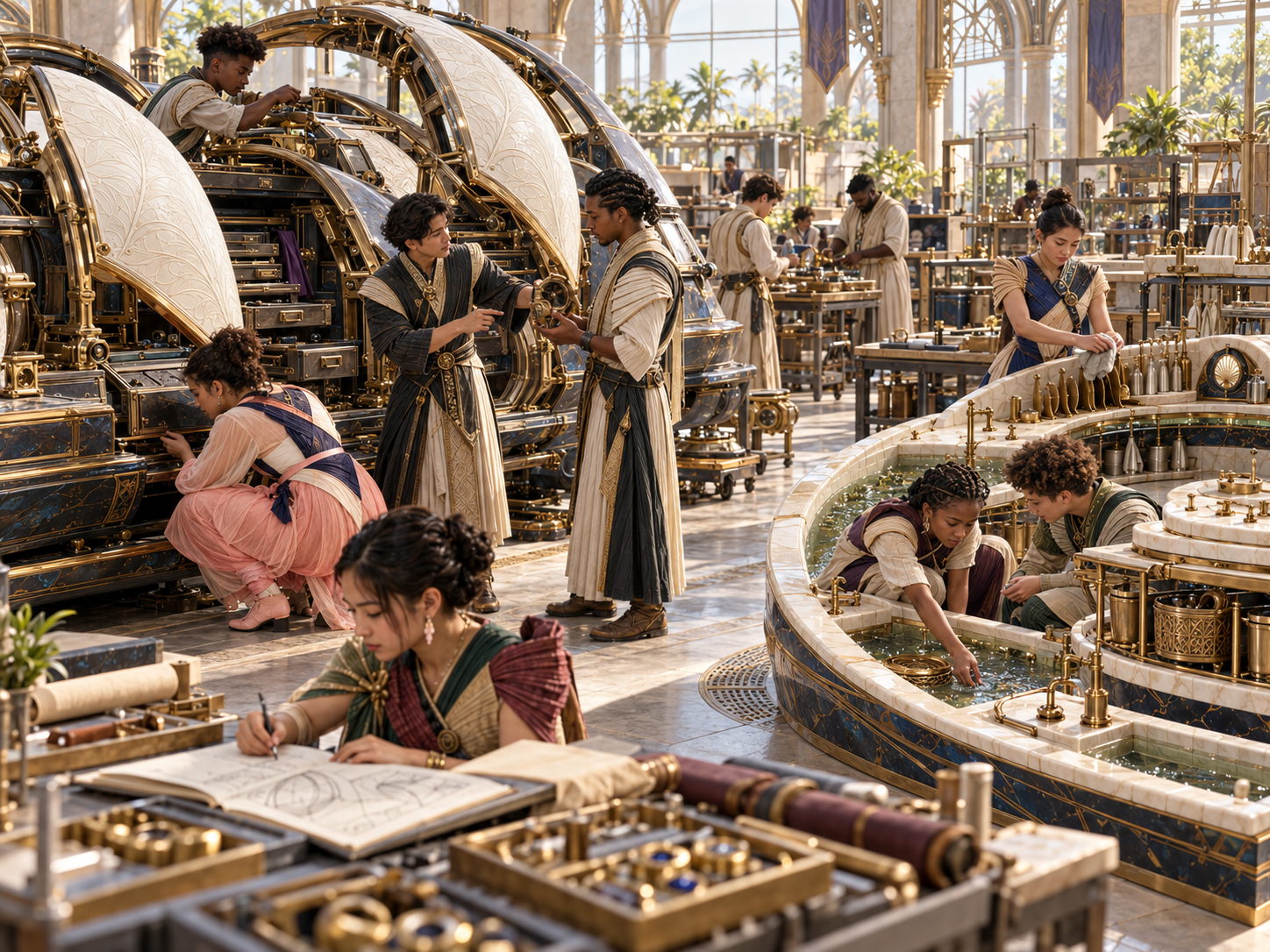
That matters even in the most demanding fields. A doctor may carry an intensive medical Shubaka for several months, then another fully trained cohort relieves that team. The first group can return to family, restoration, research, travel, learning or another contribution without medicine collapsing behind them. The same can happen in engineering, water systems, advanced agriculture, science and other fields where high competence is essential.
The work still gets done, and the standard remains high. What changes is that excellence is abundant enough to be shared.
The goal is not to find the most capable people and work them to death. It is to develop enough excellent people that serious responsibility can be shared without the work swallowing anyone’s life.
Everyone carries something, everyone gets relieved, and nobody is punished for being excellent at something.
Excellence Should Create More Capability
Once excellent people are abundant and not constantly exhausted, they gain room to do more than respond to immediate demand. They can research, teach, work across disciplines, test better methods and pursue questions that crowded systems often leave untouched.
Medicine is one clear example.
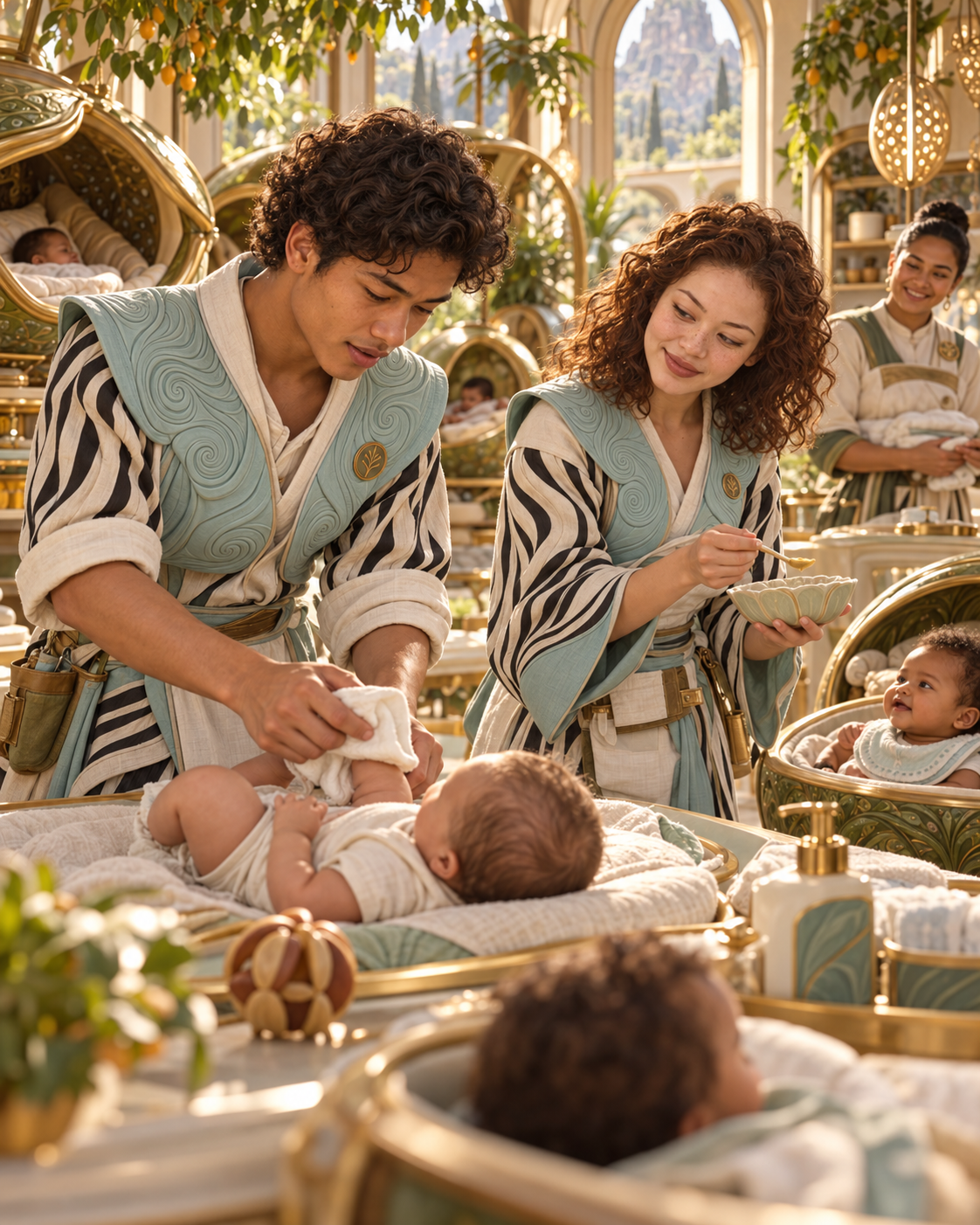
Under Trott Bailey Family Civilization Health Upon Health, doctors are not trained only to wait for sickness and then respond. They can also work with scientists and other specialists to ask how healthy people can become healthier.
That means studying healthy childhood development, maternal recovery, strength, mobility, cardiovascular capability, cognition, sleep, nutrition, oral health, healthy ageing, resilience and disease resistance.
A healthy person should not become medically uninteresting simply because nothing is visibly wrong.
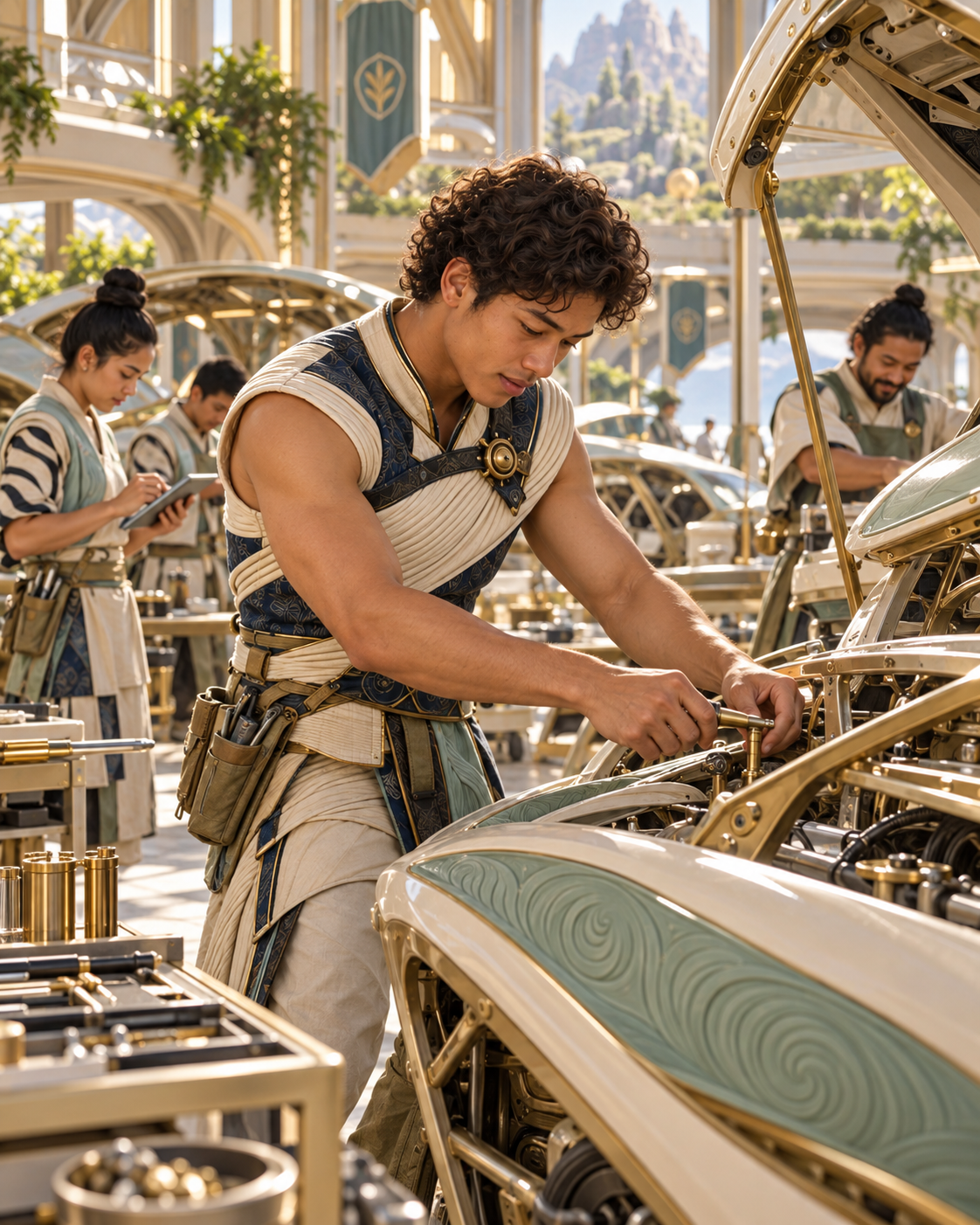
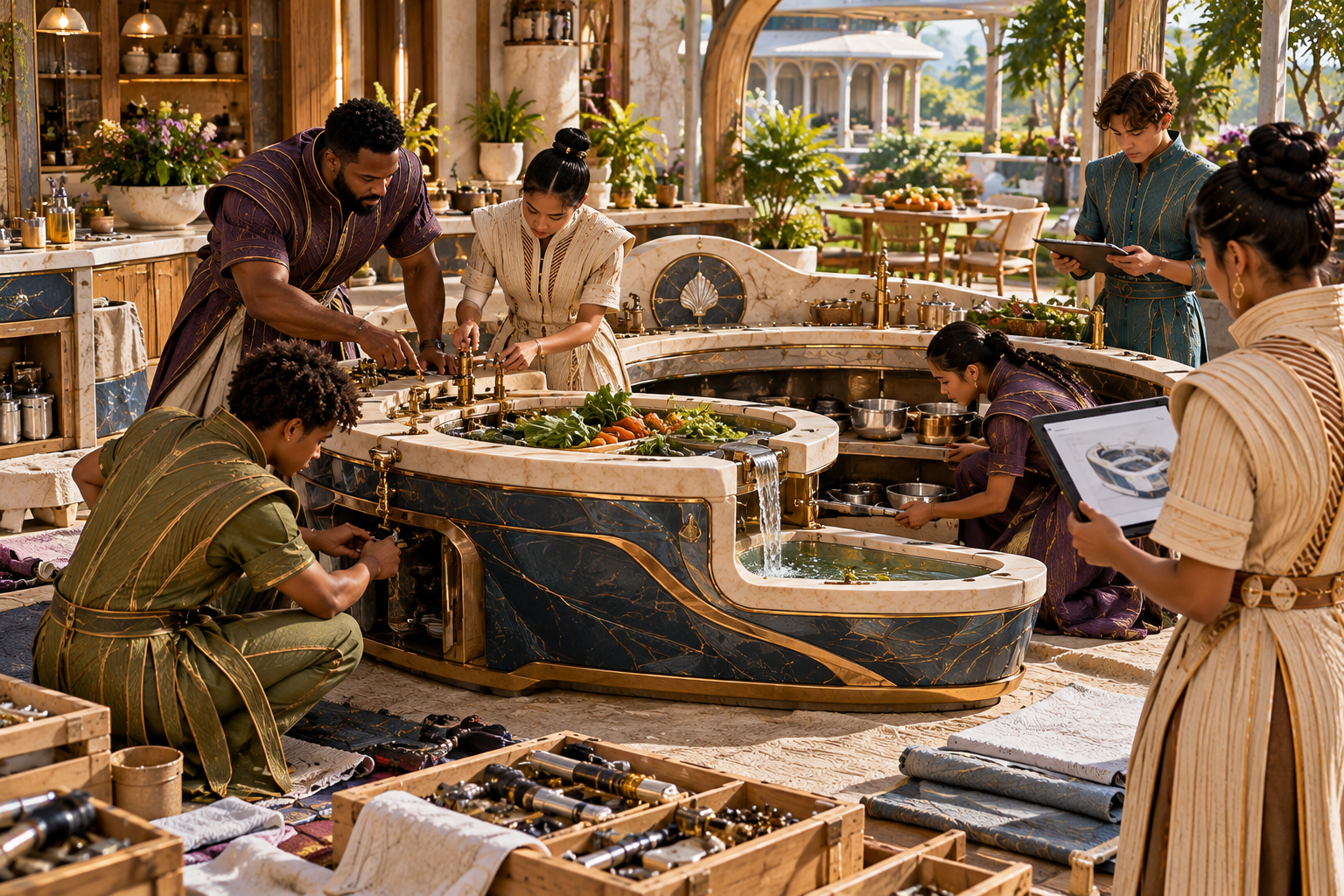
The same principle applies elsewhere. Engineers should have time to improve structures rather than constantly rushing from one urgent problem to another. Agricultural specialists should be able to study better cultivation, resilience and abundance. Water specialists should be able to improve storage, movement, treatment and conservation. Machinery teams should be able to reduce unnecessary human burden. Scientists should have room to pursue useful discoveries rather than spending all of their capacity servicing immediate demand.
Abundance of excellence gives civilization room to improve itself.
The Purpose of the Field Should Stay Clean
Once money is removed from access to life, the purpose of serious work can become much clearer.
Financial incentives, commercial pressure or revenue targets should never compete with the actual purpose of the field.
The doctor’s interest and the citizen’s interest should point in the same direction: make this human being as healthy as we know how to make them.
The engineer should be trying to produce the safest and most useful structure. The agricultural specialist should be pursuing resilient abundance. The water specialist should be pursuing water intelligence. The scientist should be pursuing useful truth. The machinery specialist should be trying to reduce unnecessary human burden.
And when better knowledge appears, the standard should improve with it.
Wokumbakia Should Carry Serious Findings Across the Civilization
Expert knowledge should not remain trapped with experts.
If doctors and scientists discover something serious about human health, the wider civilization should benefit from it. If agricultural stewards develop a stronger cultivation method, water specialists improve a resilience system, engineers develop safer construction methods, machinery teams discover better repair processes, or learning specialists find better ways to deepen understanding, that knowledge should move.
That is one of the roles Wokumbakia can carry.
Doctors can contribute serious Health Upon Health findings through Wokumbakia Abundance News. Scientists, engineers, agricultural stewards, water specialists and other rigorous fields can contribute findings from their own areas.
The point is not to dump technical papers on families. The point is to translate serious knowledge into something people can actually understand and use without destroying the rigor behind it.
Wokumbakia should also preserve the difference between what is well established, what looks promising, what is still being researched and what has not yet been proven.
Train the Civilization, Not Just the Specialist
This changes what expertise is for.
A doctor is not only somebody you visit when you are sick. Doctors help train the civilization to understand and pursue health.
Agricultural specialists help people understand soil, plants, food systems and abundance. Water specialists teach water intelligence. Engineers help people understand how structures and systems behave. Machinery teams spread repair knowledge. Scientists help ordinary people understand important findings without turning knowledge into inaccessible language.
The specialist remains a specialist, but their excellence raises the capability of everyone around them.
That is another reason hidden talent matters so much.
When civilization discovers more excellent people, it does not merely gain more professionals. It gains more teachers, researchers, problem-solvers, innovators and sources of knowledge that can flow back into the whole society.
Excellence Without Artificial Scarcity
The point is not simply to make education free.
The point is to remove money from places where it hides talent, narrows the field and creates artificial scarcity among people who carry serious responsibility.
The path should be open. The standard should remain high. People should advance because they can actually carry the work, not because they could afford the road to get there.
Then civilization should develop enough excellent people that responsibility can be shared, specialists can be relieved, families are not sacrificed to professional scarcity, research can continue, knowledge can circulate, and no one is worked to death because they happened to become unusually capable.
That is what rigor should produce: not a tiny exhausted professional class, but an abundance of excellent people capable of building, improving and teaching the civilization around them.
The gate should remain. But the gate should stand at excellence, not money.