
Who Decided Your Nation’s Lifestyle Was “Developed” When Other Nations Clean Your Trash?


Trott Bailey Family Civilization
Who Decided Your Nation’s Lifestyle Was “Developed” When Another Nation Must Use Its Land, Workers and Environment to Clean Up Your Garbage?
Plastic waste is not the whole problem. It is one glaring piece of physical evidence showing what the so-called developed lifestyle produces.
Around five million tonnes of used plastic are shipped between countries each year. According to Interplas Insights, ten high-income nations account for about 71 percent of these exports: Germany, Japan, the United Kingdom, the Netherlands, the United States, Belgium, France, Italy, Canada and Austria.
These nations are presented as developed and their daily lifestyle as the goal the rest of Earth should follow.
But look at the end of that lifestyle.
They produce so much garbage that part of it must be shipped across oceans. Another nation must provide the land, workers and environment needed to process, burn, bury or store what remains.
A country is not clean because its rubbish crossed a border. A country has not solved its waste problem because it paid another country to carry it.
The Lie of the Developed Lifestyle
These nations are judged by income, technology and clean streets. But the full system is not counted. Who handles the dirty end?
Pollution Is the Physical Residue of a Lifestyle
Pollution is not primarily a garbage-management problem. It is the physical residue of a lifestyle.
Sharon wakes in a small urban apartment and travels to work. During one ordinary day, she buys three single-use cups of juice, two takeaway coffees, biscuits, chocolate and a small tub of ice cream.
That evening, she uses two disposable skincare masks and throws away two night-cream bottles and a lotion bottle.
By bedtime, Sharon has discarded all of it.
I could argue that, with the tiny food portions being sold today, all of Sharon’s combined packaging weighed more than the actual food contained inside it.
Sharon did nothing society considers irresponsible. She worked, bought what was available and used the products exactly as intended. The waste was built into her day.
That is why her rubbish bag matters. It does not show one careless woman making a series of bad choices. It shows several failures of modern life arriving in one place.
Plastic is useful because many failures of modern life meet inside one rubbish bag:
homes separated from food production;
long workdays;
little time to cook;
packaged meals;
disposable convenience;
constant purchasing;
products made for replacement;
excessive beauty and household products;
weak repair systems;
no direct relationship with materials after use.
The bag is not the cause of the pollution. It is the evidence left behind by the lifestyle.
The Citizen Is Blamed for a System She Did Not Design
The same system that makes packaged consumption almost unavoidable then lectures Sharon about refusing one plastic bag.
The state leaves the industrial food chain, disposable product model, exhausting work pattern, city structure and international waste trade intact. Then responsibility becomes a morality performance at the checkout counter.
The bin is the final stage. It is not the beginning of the problem.
The Real Problem Is Lifestyle Architecture
The real questions are larger. Can families grow, cook and preserve food? Does work leave time to sustain life? Are products repairable? Do cities contain productive land?
Cities themselves are not the problem. The problem is the city model promoted across the world: people stacked far from food production, families dependent on distant supply chains, adults forced to work and travel all day, and convenience sold because ordinary life has been made too exhausting to perform directly.
Packaged meals replace time to cook. Disposable goods replace return systems. New products replace repair. Beauty and household products multiply by creating new worries and false needs.
The household fills up. The bin fills up. Sometimes another country receives it.
Garbage Is Only One of the Ills
The same lifestyle takes Sharon’s time, reduces family contact, weakens practical knowledge and increases dependence on purchased convenience.
Across society, it produces loneliness, poor health, parental exhaustion, housing stress and neglect of children and elderly people.
These are not separate accidents. They are recurring outputs of the same lifestyle.
Change Sharon’s Day and You Change What Her Day Produces
Now change the structure of Sharon’s day.
The old daily structure
Food comes through long packaged supply chains.
Work and travel consume most of the day.
Containers become rubbish after one use.
Broken objects are replaced.
Organic matter is mixed with plastic.
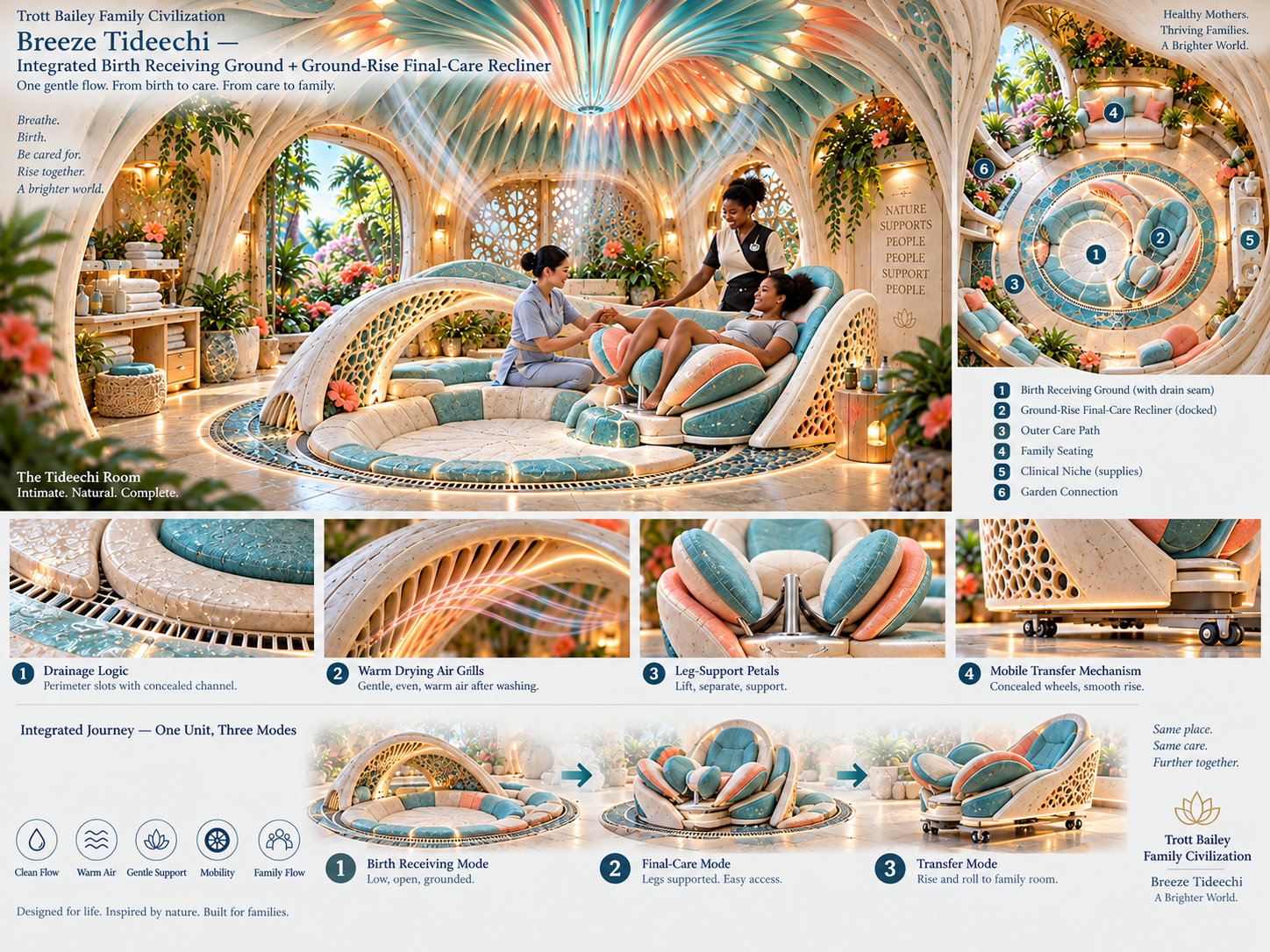
Trott Bailey Family Civilization
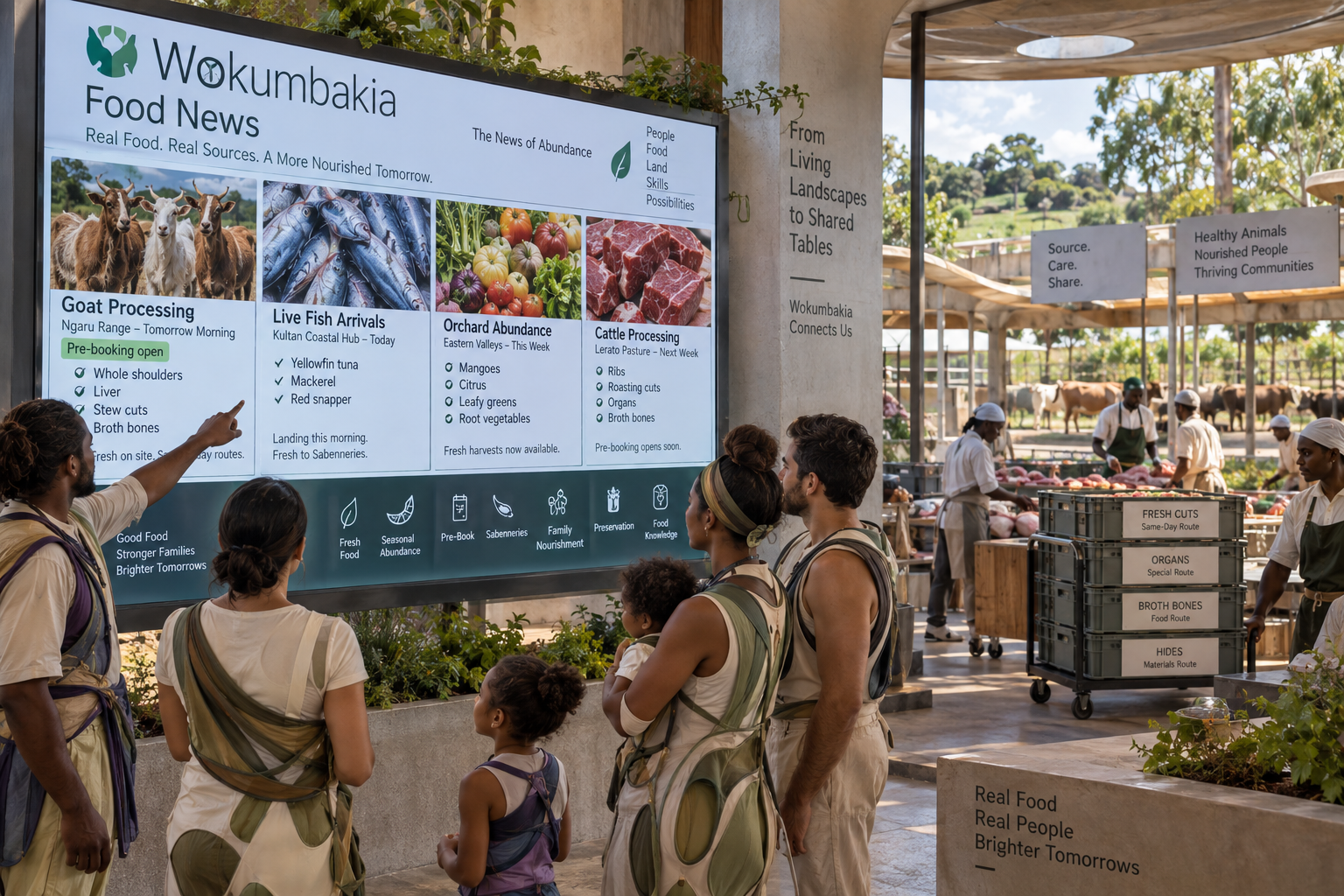
Fresh food grows near homes and public life.
Families have time and support to cook and preserve food.
Containers move through refill and return routes.
Broken objects enter repair halls.
Organic matter enters clean return systems.
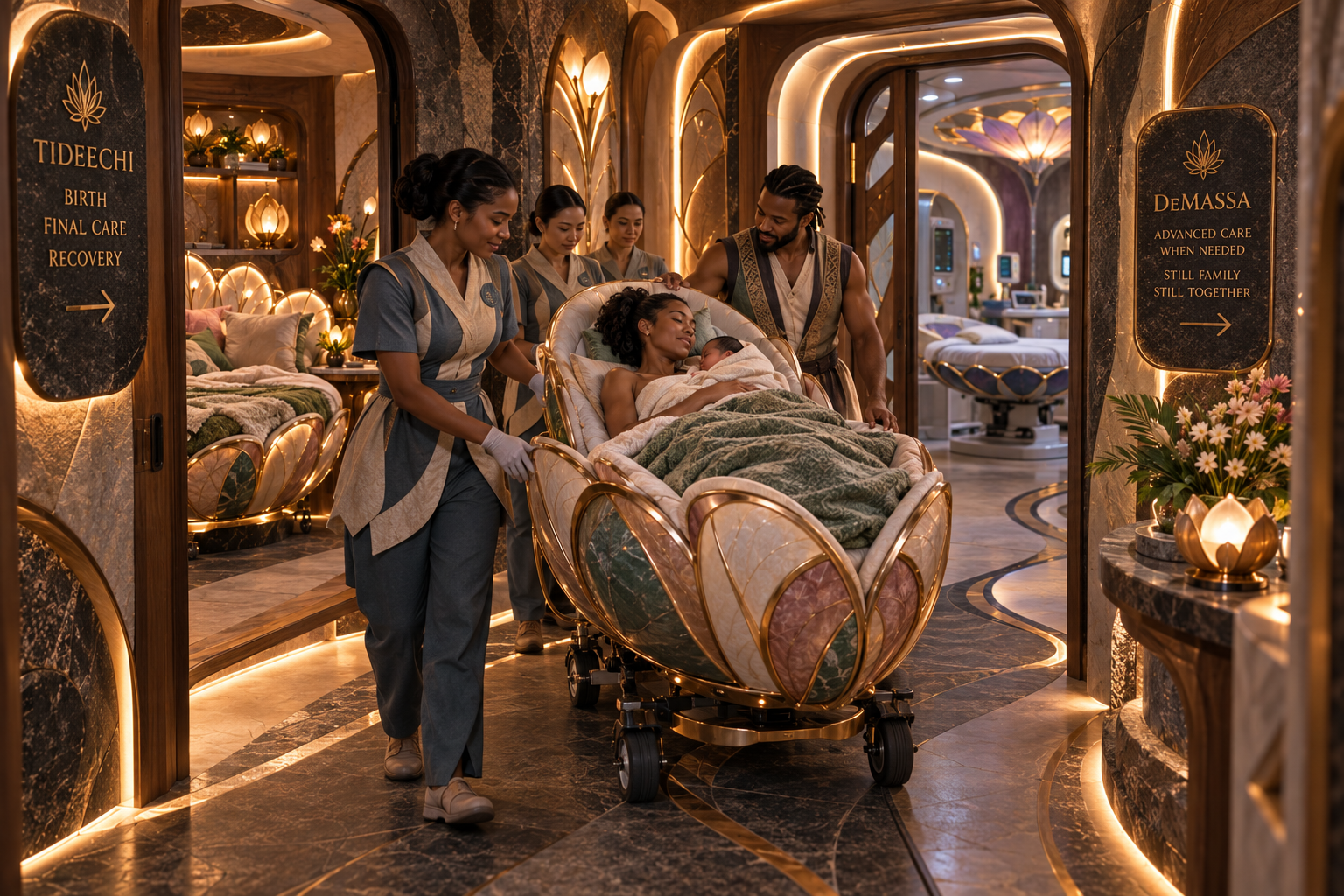
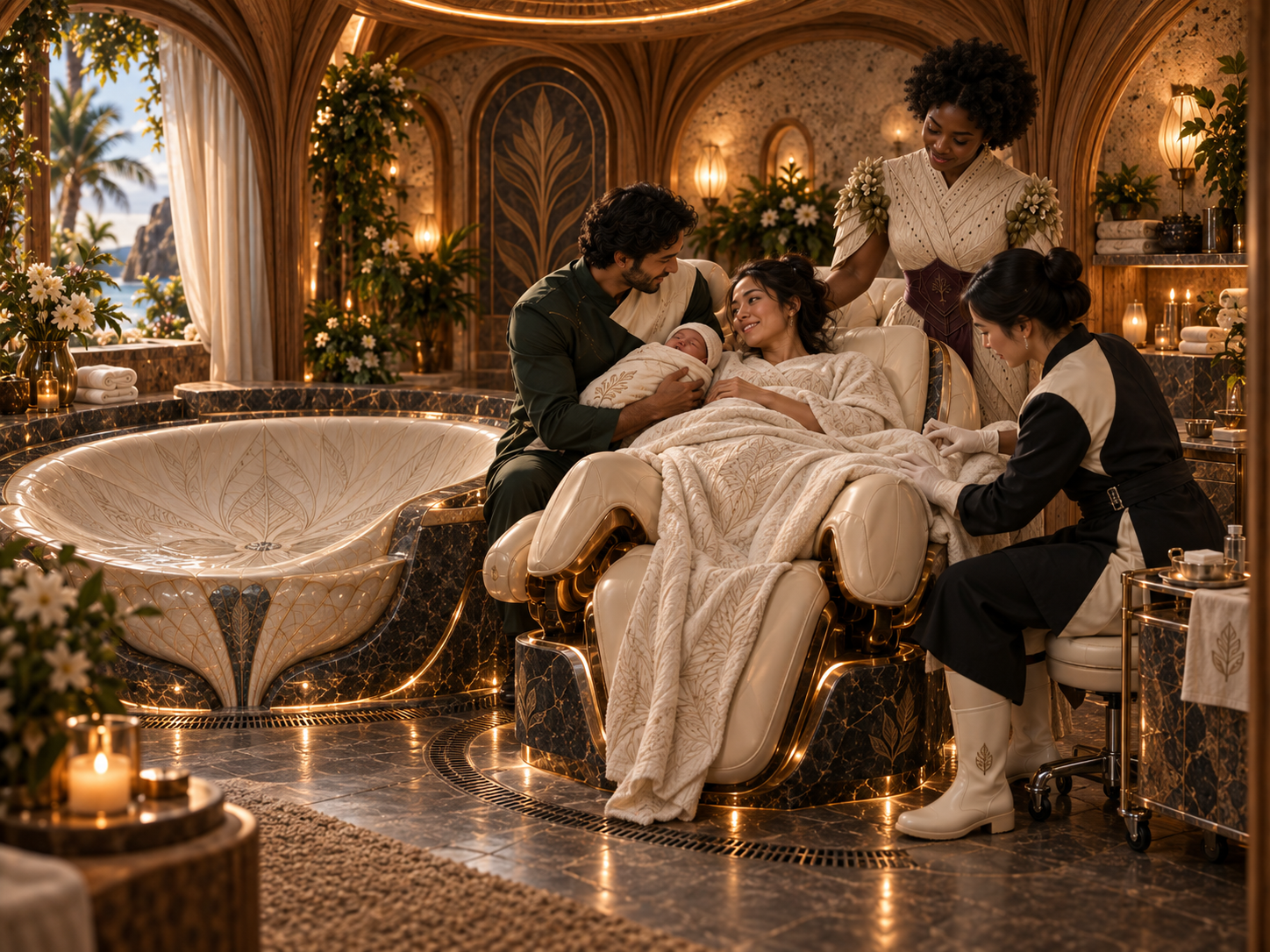
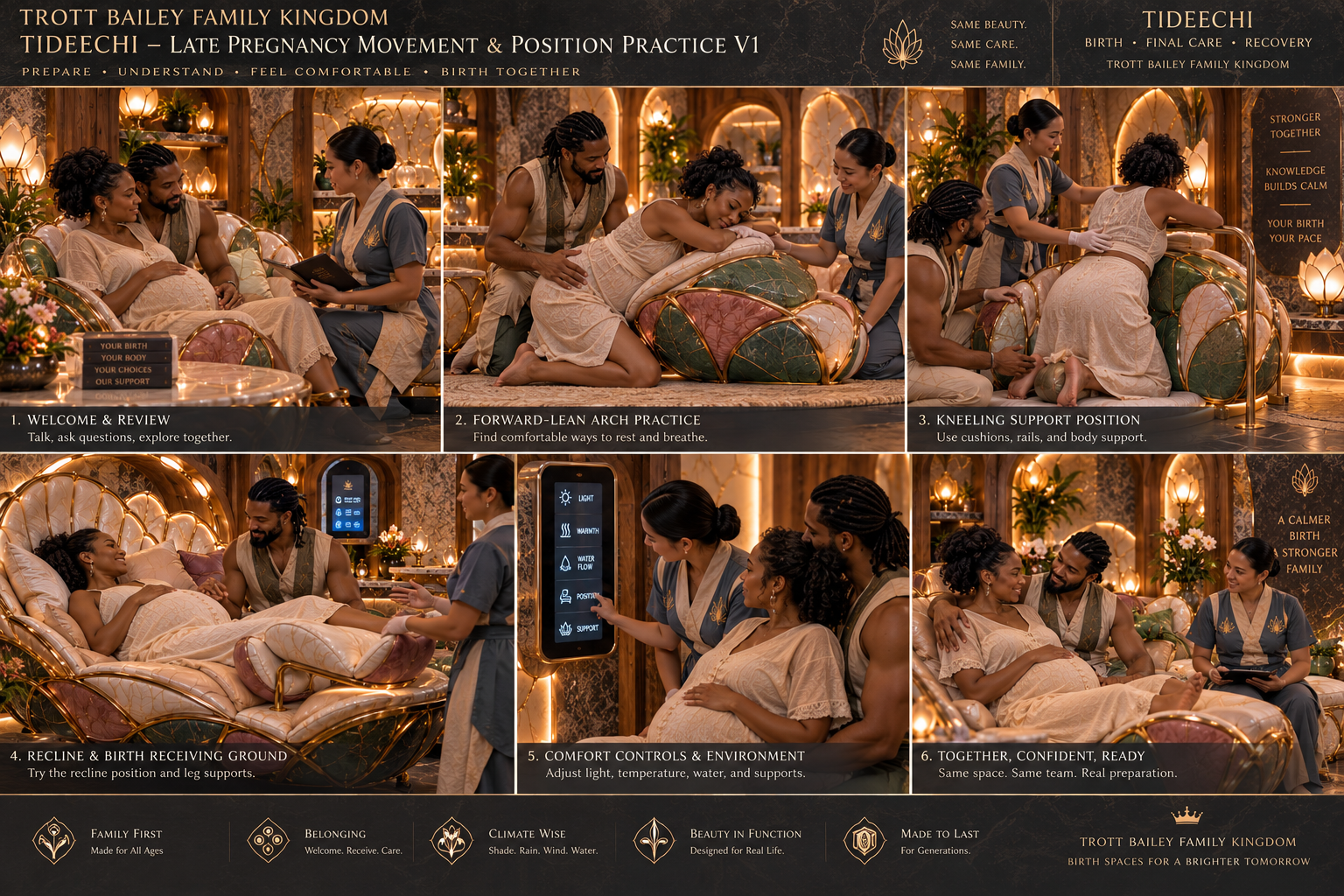
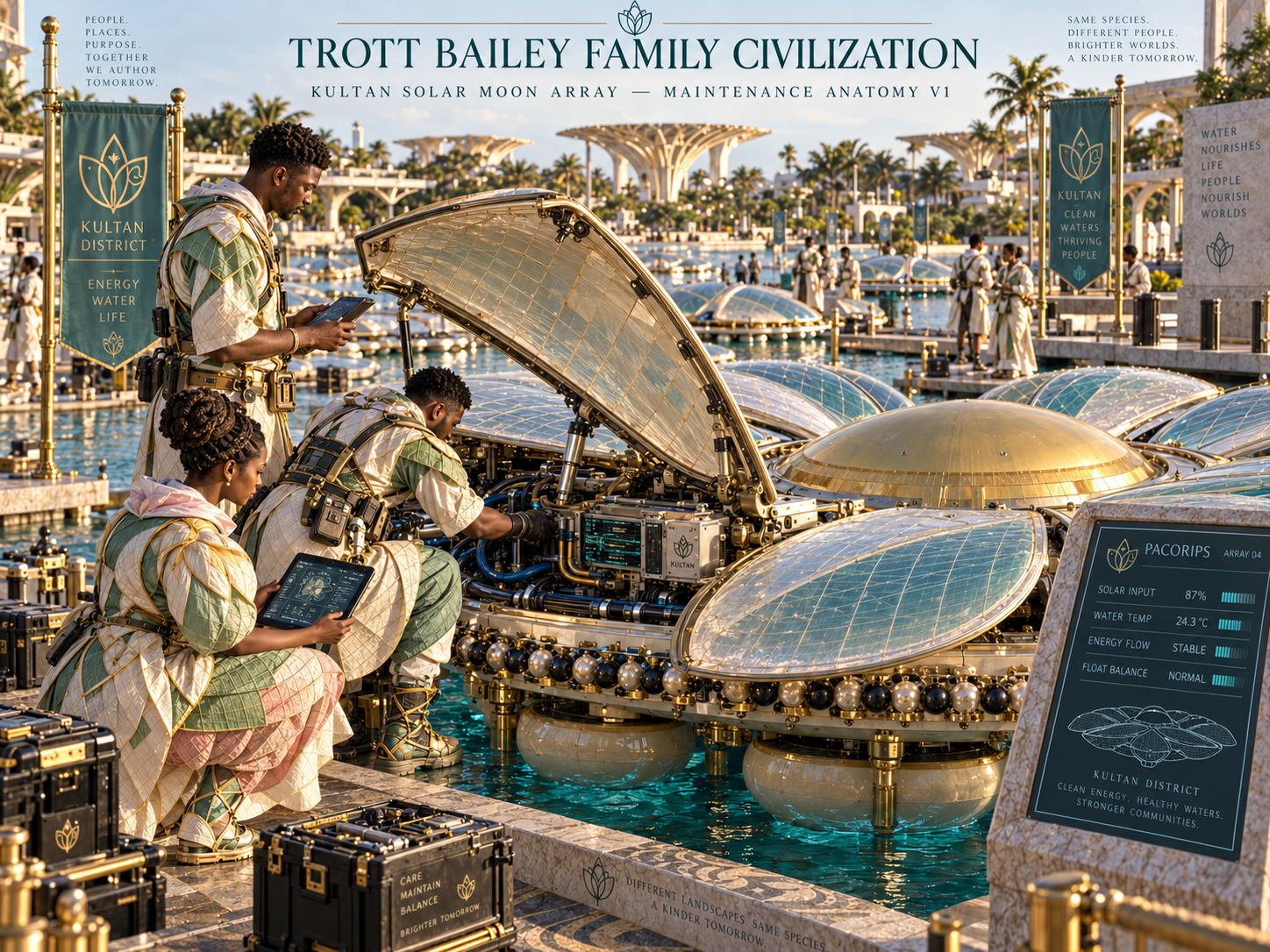
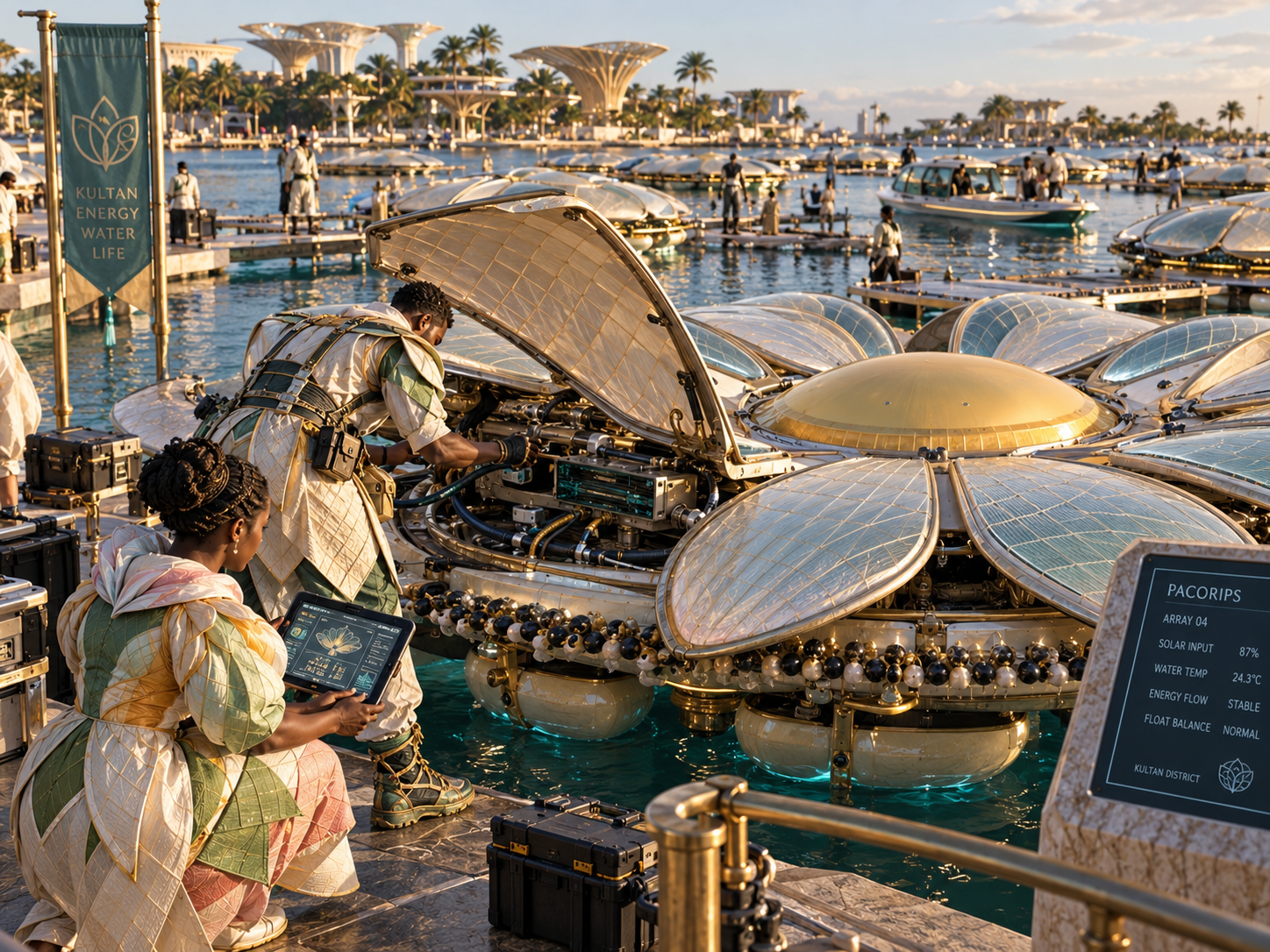
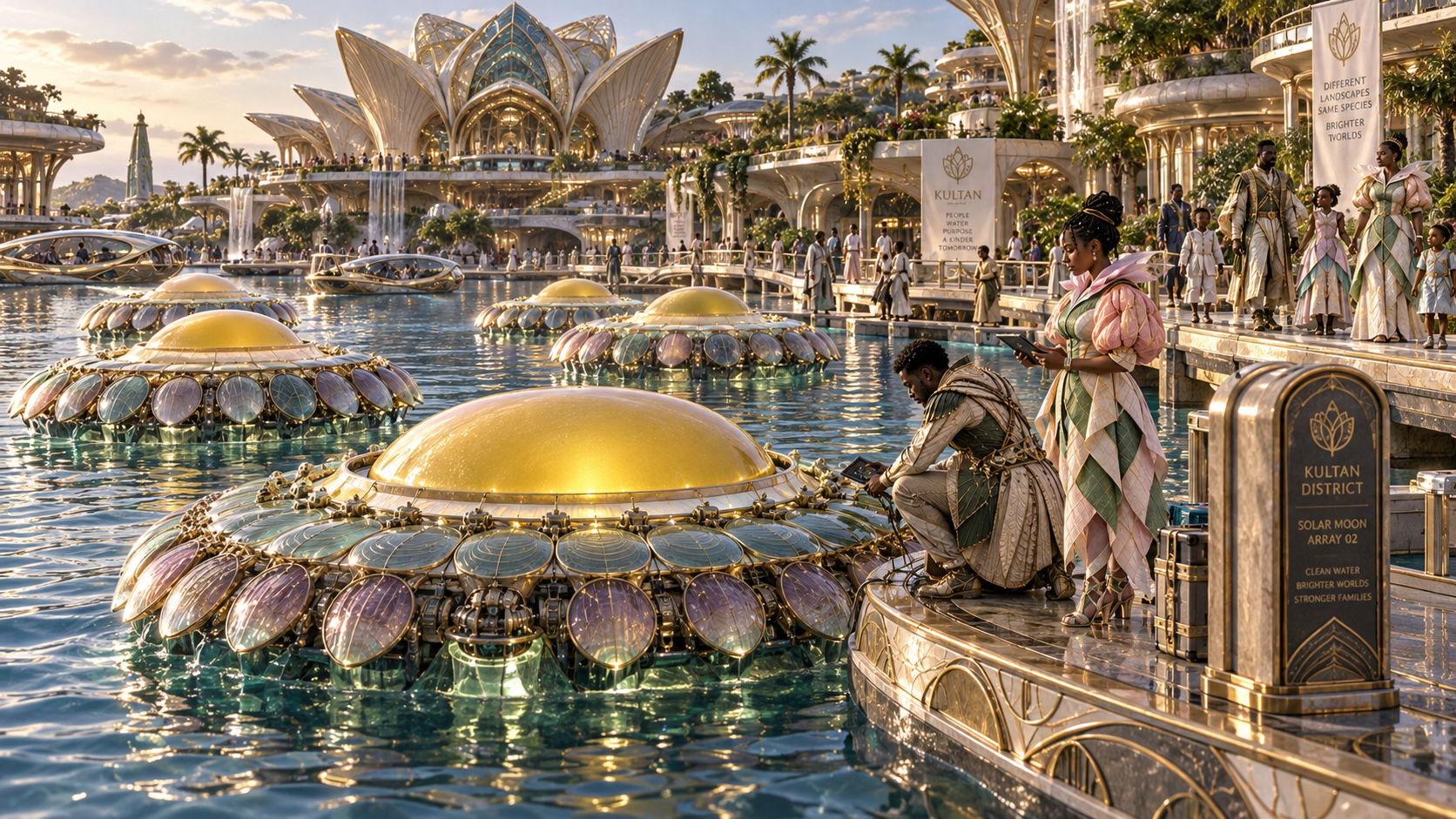
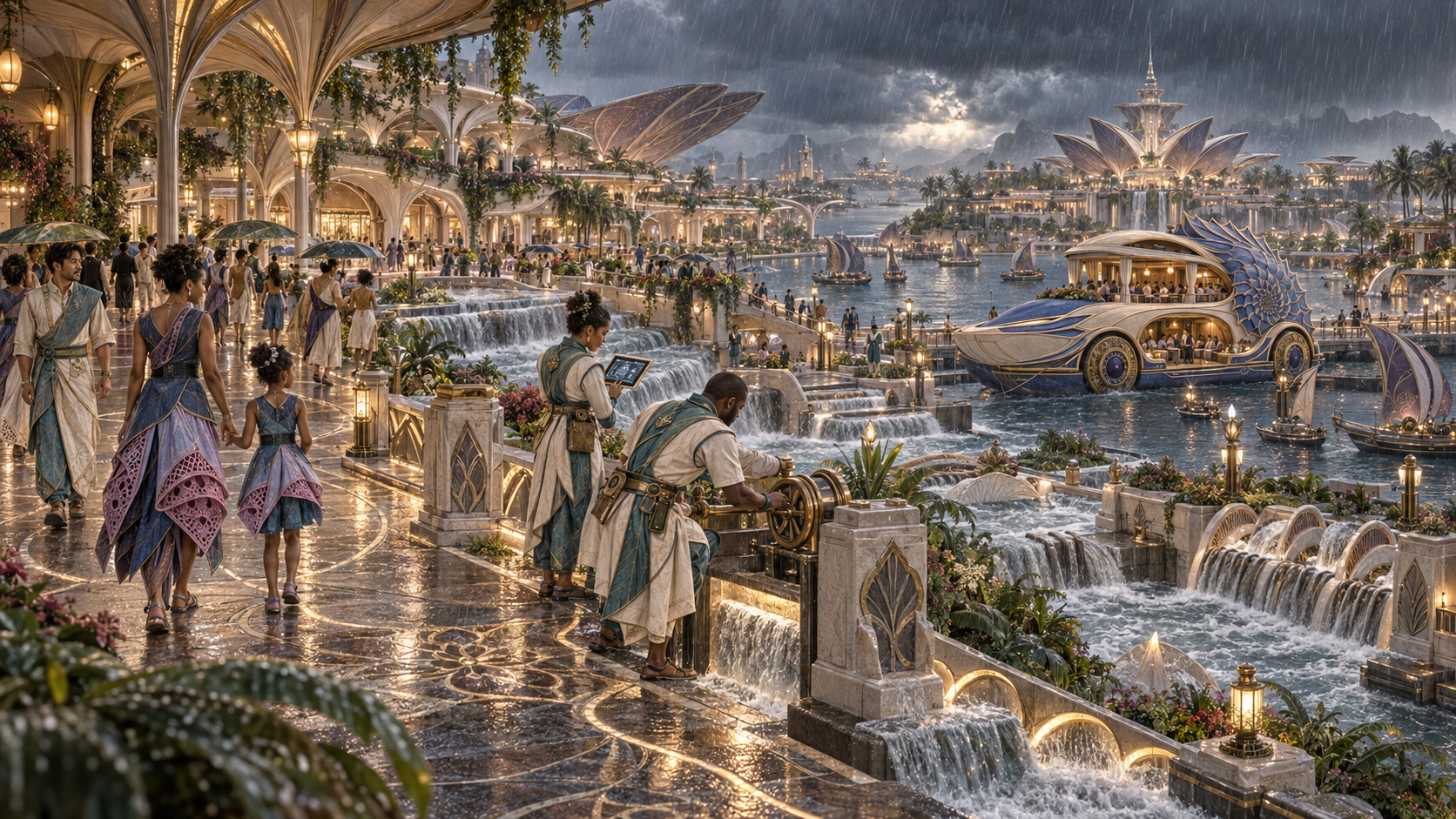
Inside Trott Bailey Family Civilization, Sharon lives in beautiful family-centred housing with productive land and shared public life. Fresh food grows near her home in orchards, farms and public growing grounds. Fruit is served fresh or pressed locally through reusable vessels.
Work and travel do not consume her entire day. Neighbourhood kitchens and preservation systems support families.
Containers move through refill and return routes. Broken objects go to repair halls. Products are designed to open, clean, repair and separate.
Food scraps enter clean return systems instead of sitting mixed with plastic. Trott Bailey Family Civilization is developing Krubaro to route suitable material through mulching and biodigestion so it can support soil, food production and useful energy.
Repairable goods enter restoration. Broken material enters future-use courts.
Trott Bailey Family Civilization also removes the necessities of life from the money gate. Money pressure drives waste. Families buy disposable goods because durable products are beyond reach. Workers accept dangerous jobs because survival depends on payment. Governments accept foreign garbage because they need jobs and money. Companies create false needs because repeated purchasing creates profit.
When basic life is secure, people can choose health, durability and long-term usefulness.
Who Decided This Was Developed?
The countries called developed have money, technology and clean-looking cities. But their ordinary lifestyle produces garbage, poor health, exhaustion, dependence and family damage. Then part of the garbage is sent elsewhere.
That is not a complete civilization model.
Earth’s problems will not substantially change until the ordinary human day changes.
So who decided this lifestyle was developed?
A lifestyle that cannot manage its own waste or protect the families living inside it is not developed.



 and then