
Who Knows the Weight of a True Family?
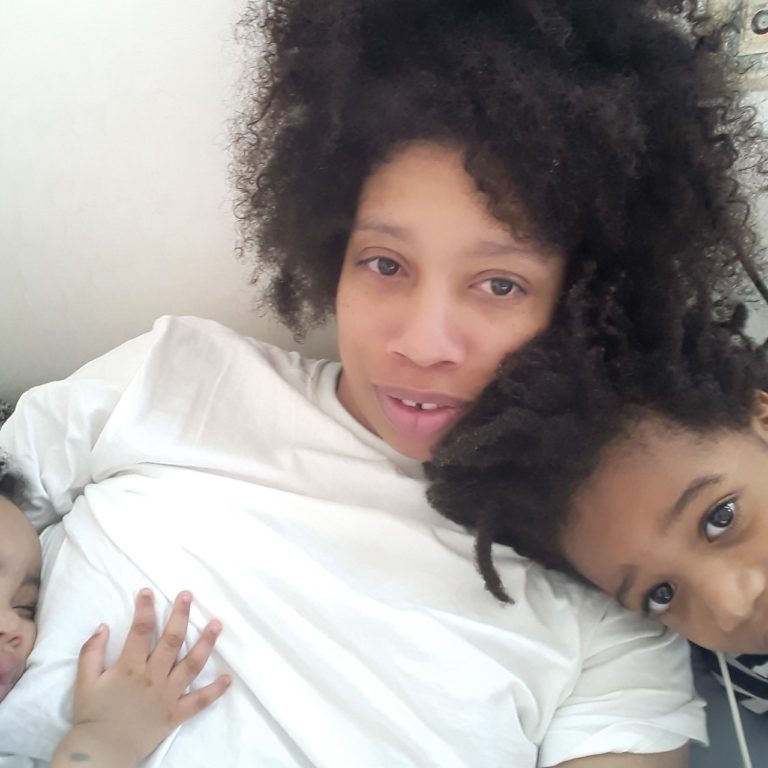
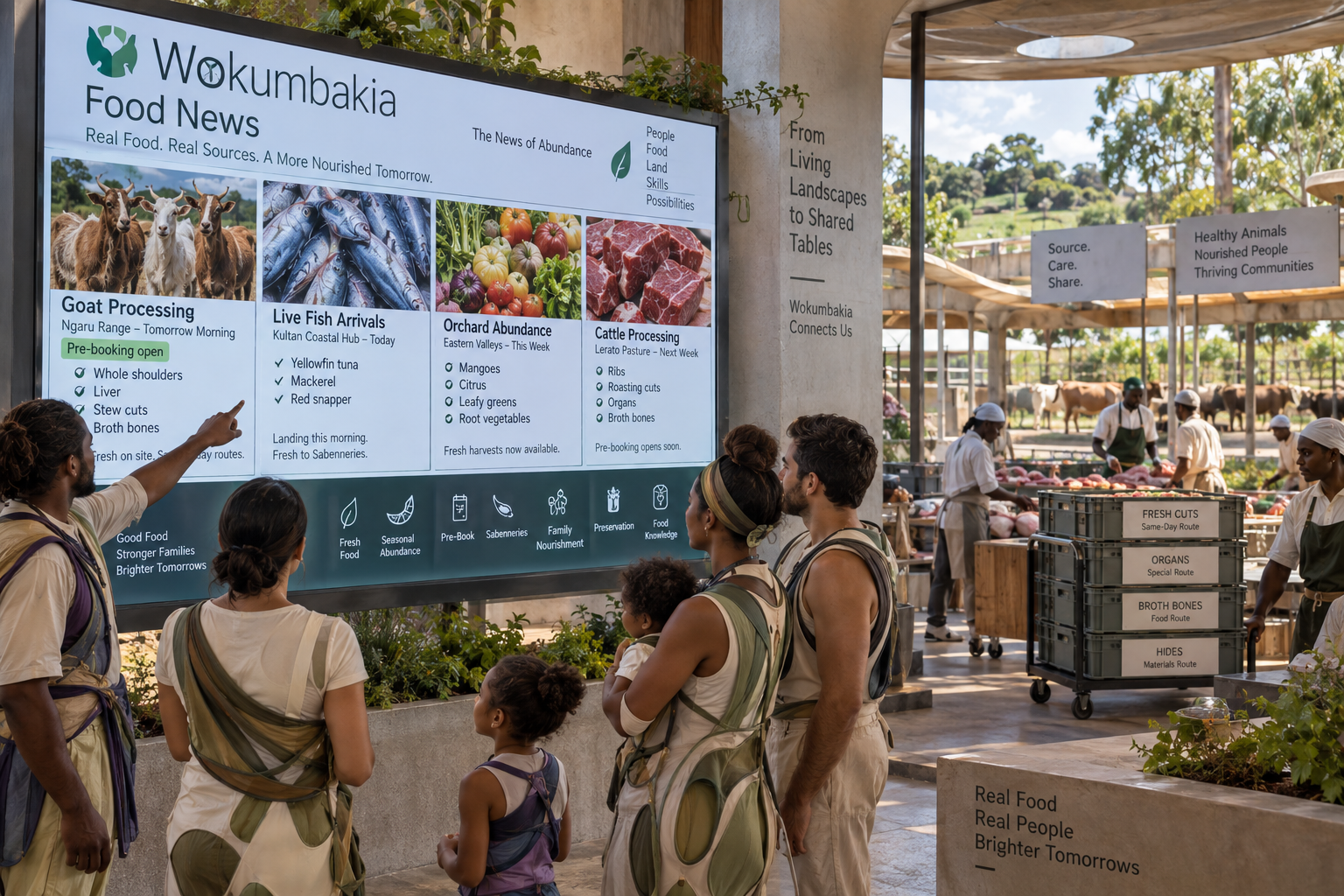
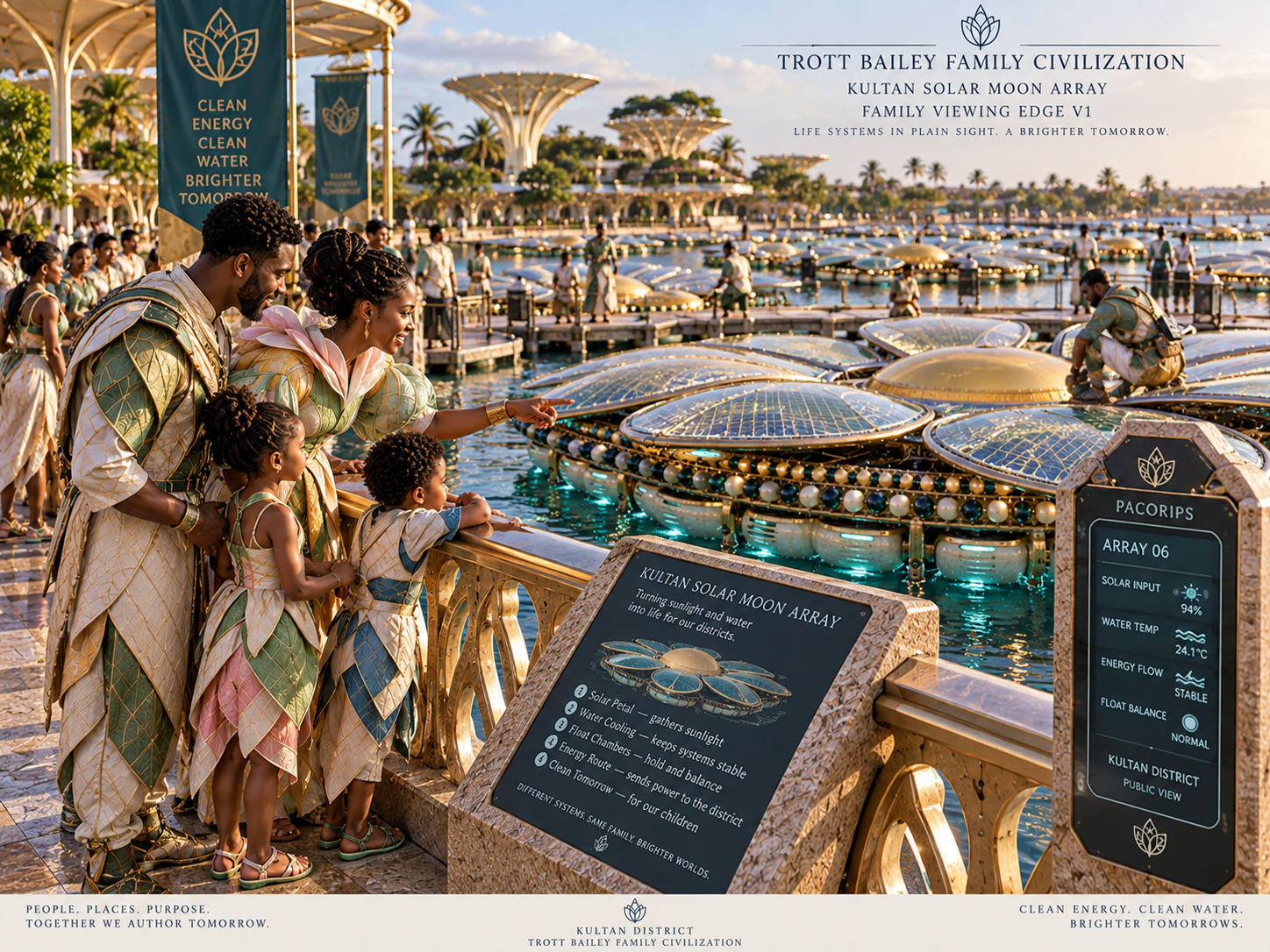
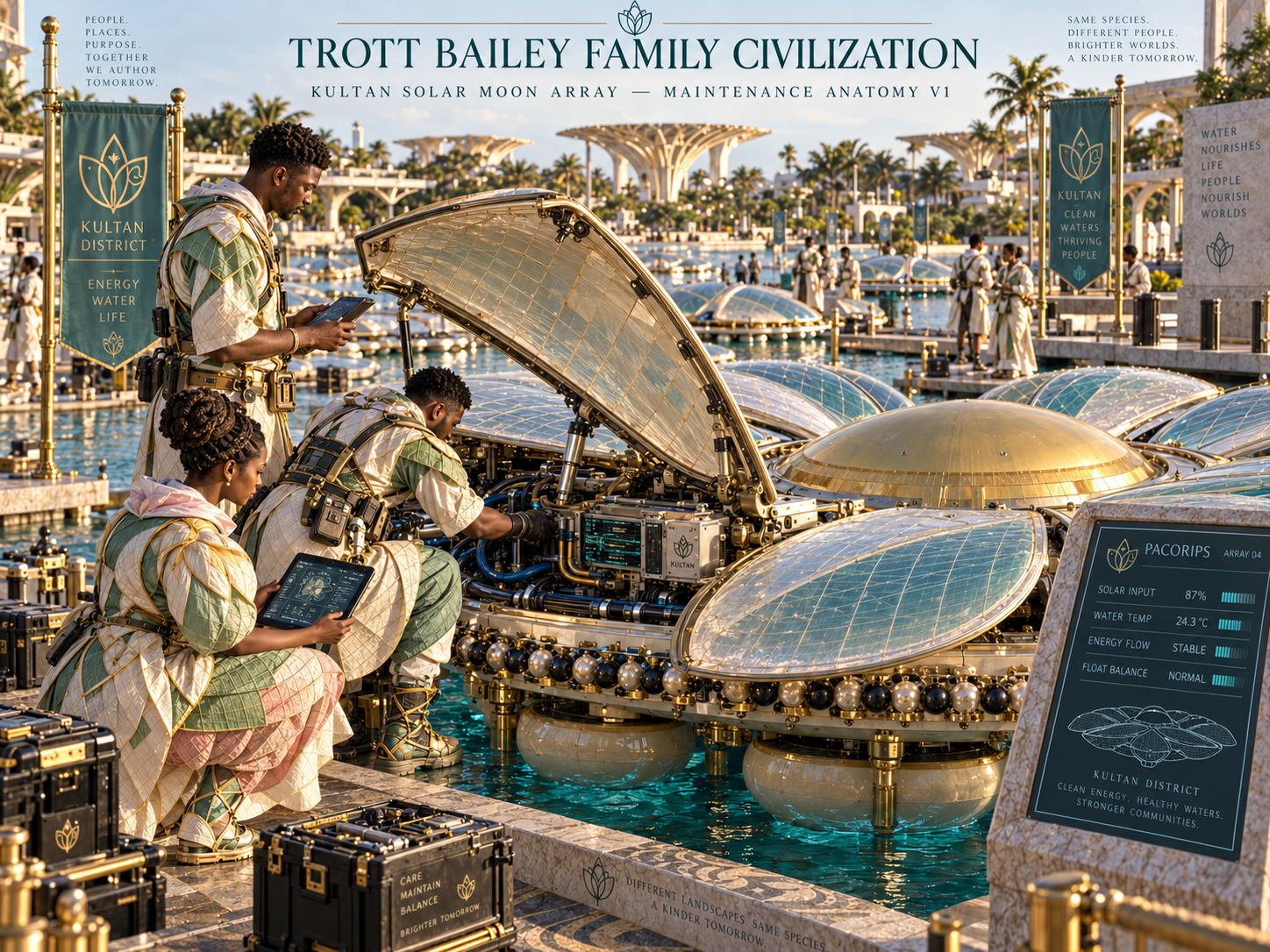
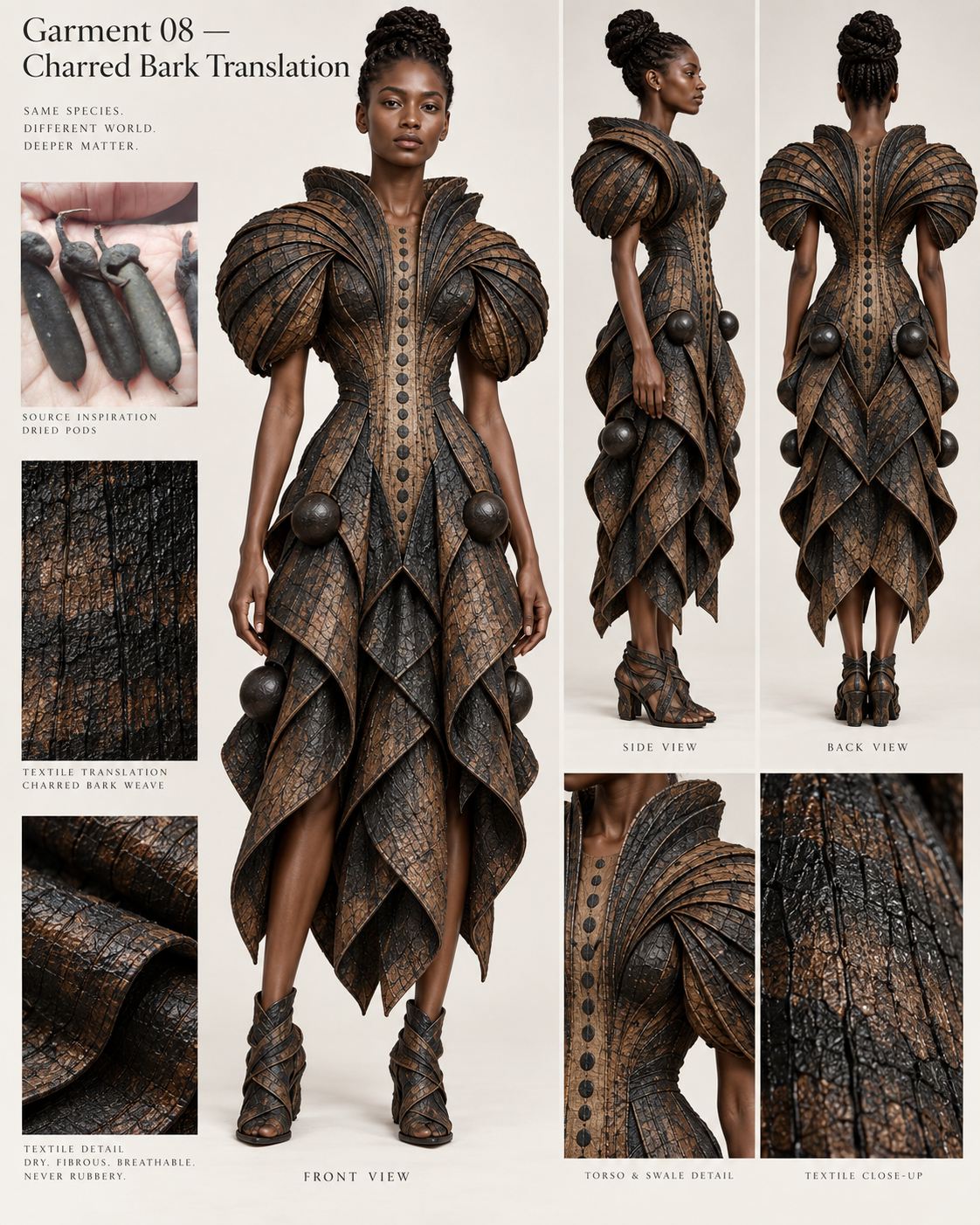
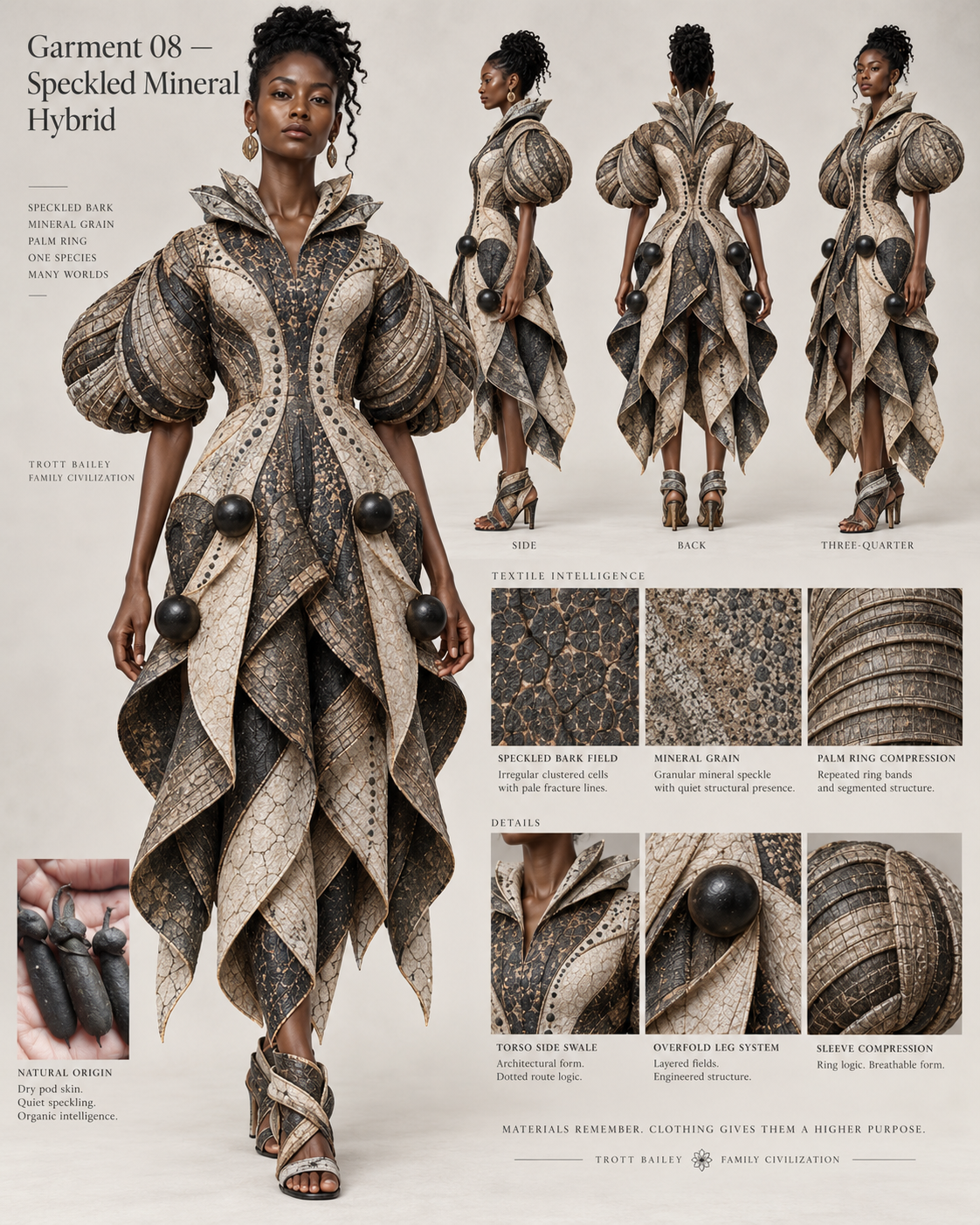
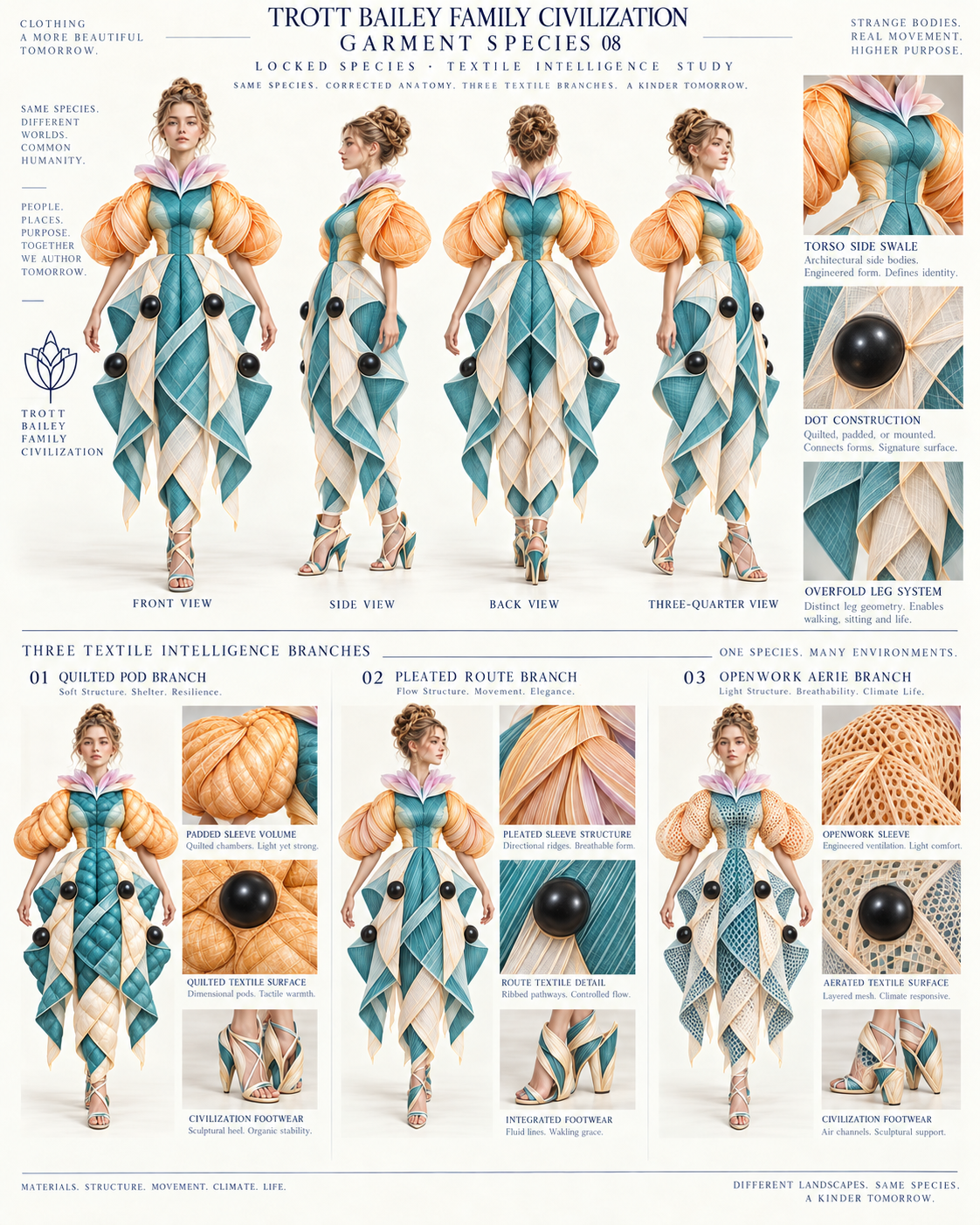
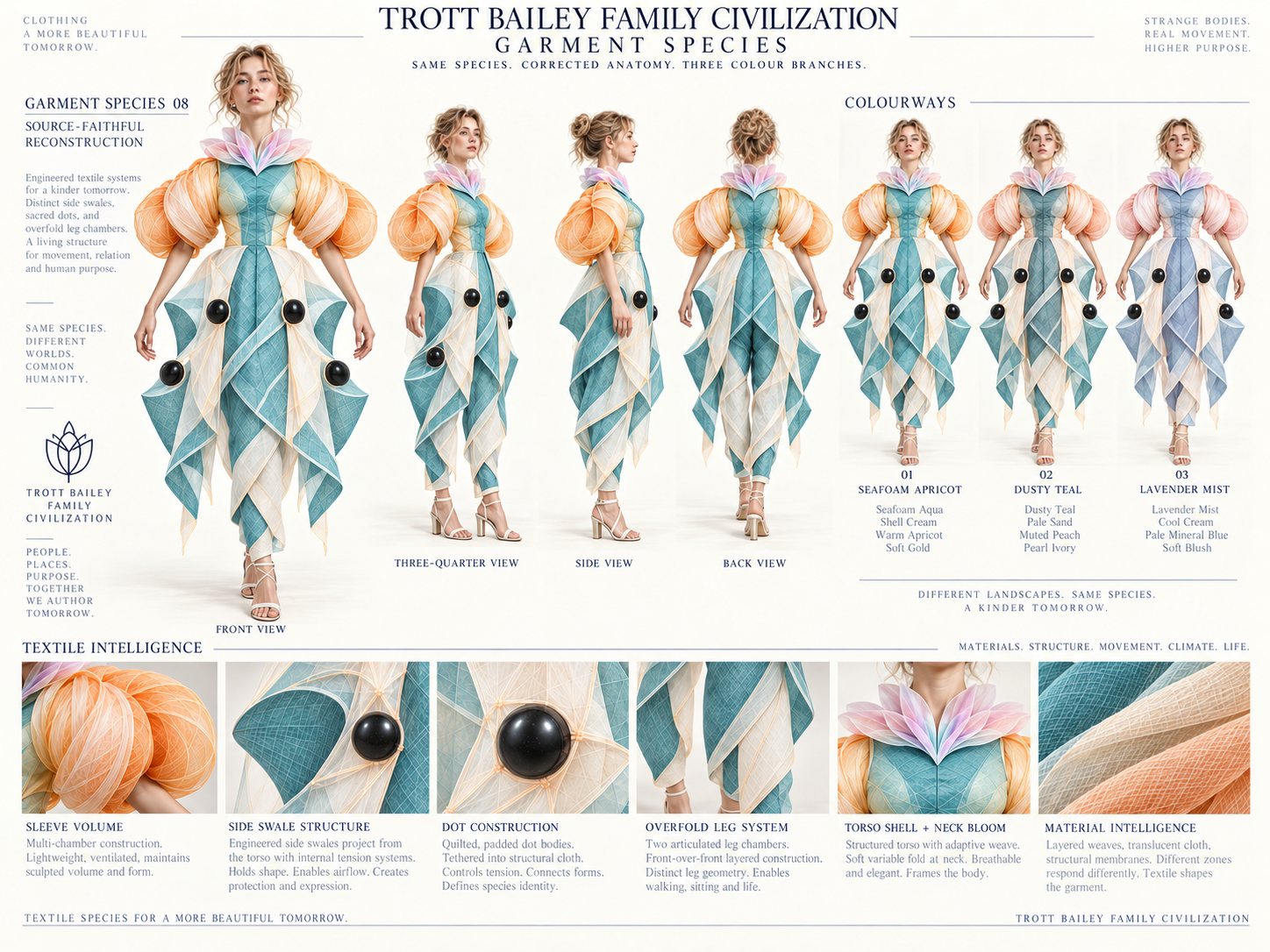
This world within world captured the Trott Bailey family diverse memories across Jamaica, America Korea and Brasil it features all family members including Big King KB, World Ruler Sher, Princesses Keilah and Kaleeyon and Young King Kezidek
Trott Bailey Family Civilization
Who Knows the Weight of a True Family?
A reflection on family formation, family injury, justice and the responsibility of civilization.
It is 10:32 p.m. in Brazil, and my family has finally gone to bed.
I am still awake because I ate some late-night plantains, and they are sitting heavily in my chest.
I look over at my family sleeping.
Big King KB is holding baby Kezideki in his arms. Keilah and Kaleeyon are sleeping together beneath their shared sheet.
One, two, three, four sleeping bodies.
Then me, standing over them.
Five people in all.
Every single one precious to me.
I look at my children—so well-fed, fat, prosperous and juicy with life.
Time has been poured into them. Love has been poured into them. Counsel, correction, laughter, nourishment, protection and prayer have been poured into them.
I think about the talents I must notice, the questions I must answer, the warnings and truths I must pass down, and the people they may become.
Then there is Big King KB, our anchor. Their father, lying there like a great bear with his cubs gathered safely around him.
Standing there, I realize that we are not simply five separate people sharing one room.
What lies between us cannot be photographed: years of trust, shared life, sacrifice, correction, protection, memory and hope.
Who truly understands the weight and gravity of a family?
Those who have spent years forming one know something of its weight.
God knows it completely.
And every institution entrusted with power over a family must learn to act as though that weight is real.
What did I understand while looking at my family?
Modern institutions know how to count individuals.
They count workers, applicants, patients, children, migrants, tenants, prisoners, parents and dependants.
But they often do not know how to see a family.
They see one person losing a job, one child changing schools, one mother being left to carry the household alone, one father being detained and one household losing its home.
They record separate events.
The family experiences one injury moving through its entire body.
When a family is strengthened, its strength travels.
When a family is harmed, the damage travels too.
Who is a true family?
A true family is a people who have accepted enduring responsibility for one another.
They protect one another’s dignity, tell one another the truth, remain present through hardship, raise children deliberately, repair what they damage and carry memory forward.
They make room for weakness without permitting cruelty.
They understand that each person’s life carries weight in the lives of the others.
A true family may begin through blood, marriage, adoption or covenant. It may also form where people accept enduring responsibility, belonging and a shared future with one another.
What makes it true is not merely how it began.
What makes it true is what its members continually choose to build.
Your existence matters here. Your suffering concerns us. Your growth belongs to our future. We will not treat you as disposable.
Protecting a family does not mean protecting everything that happens inside it.
Family loyalty must never be used to hide violence, domination, neglect or cruelty. Where abuse exists, justice must protect the person being harmed, confront the wrong and require accountability.
A true family protects the dignity and safety of its members.
It is not merely related.
It is faithfully formed.
How is a true family formed?
A family is formed slowly.
It is built through thousands of repeated acts that may appear ordinary from the outside.
Meals prepared.
Promises kept.
Children comforted.
Questions answered for the hundredth time.
Mistakes corrected.
Work shared.
Illness endured.
Private jokes created.
Stories repeated.
Arguments repaired.
Money stretched.
Homes rebuilt.
Languages preserved.
Talents noticed.
Warnings passed down.
Futures imagined before children can imagine them for themselves.
Prayers spoken.
Sacrifices made without applause.
Over time, these acts become trust. Trust becomes belonging. Belonging becomes identity. Identity becomes inheritance.
A family develops its own memory, habits, language, knowledge, duties and understanding of the world.
This formation cannot be manufactured instantly.
A house may be replaced. A service may be reassigned. A file may be reopened.
But years of accumulated trust cannot simply be reissued.
That is the weight of a true family.
It carries what its members have survived together, what they have learned together and what they are still trying to become.
Why does a family carry such weight?
Because a family does work that no institution can fully reproduce.
It gives a person witnesses to their life.
It gives children their first understanding of belonging, truth, discipline, protection and love.
It holds memory that would otherwise disappear.
It carries names, language, recipes, skills, faith, craft, land knowledge, humour, warnings, habits and stories from one generation to another.
It gives people somewhere their victories matter and somewhere their suffering is not merely processed as a case.
Family is human infrastructure.
Not because a family is mechanical, but because it quietly supports nearly every other part of human life.
It stores trust, organizes care, forms identity, teaches responsibility, preserves memory and prepares the next generation.
When family infrastructure is weakened, societies often attempt to replace what was lost through schools, shelters, courts, hospitals, welfare systems, prisons, charities and mental-health services.
Some of those institutions are necessary.
None of them can fully replace a faithfully formed family.
What happens when a family is harmed?
The injury rarely remains with one person.
It travels through relationships.
A father’s humiliation may enter the marriage. A mother’s exhaustion may alter the atmosphere of the home. A child’s displacement may affect learning, confidence and development.
Housing insecurity may create conflict where there was once peace. Forced separation may damage trust long after a family is reunited.
The public may see one eviction.
The state may see one detention.
The official event may last one afternoon.
The family may live inside its consequences for ten years.
Family destruction is not always one dramatic event. It is often a chain of decisions that appear small to the people making them.
The family lives inside the accumulated consequence.
Why do modern systems fail to recognize family injury?
Because many systems are designed to deal with isolated individuals.
They see a tenant, not a household. A worker, not a parent. A migrant, not a husband or wife. A child, not a member of a living family history.
They see a patient, not a caregiver whose absence may destabilize everyone depending on them.
Institutions often measure the action they take but not the aftermath the family must carry.
They know whether a form was completed, but may not know whether the decision separated a child from a parent.
They know whether procedure was followed, but may not ask whether that procedure destroyed years of stability.
They know whether one individual qualified for assistance, but may not understand what the whole family lost.
This blindness allows severe harm to be described as administration.
Procedure is not innocence. Efficiency is not justice. Administrative order can create profound human disorder.
What would justice for a family require?
Justice begins when the truth of what happened is named plainly.
It begins when poverty is not confused with parental failure.
When a husband is not treated as disposable.
When a wife is not expected to absorb endless harm quietly.
When children are not separated from love, language, history and belonging for administrative convenience.
When displacement, humiliation, exclusion, overwork and forced separation are recognized as injuries to the whole family.
Justice must restore what was attacked.
If housing was destroyed, justice must address housing. If livelihood was removed, justice must address livelihood. If reputation was damaged, justice must correct the record.
If family unity was broken, justice must help restore relationship and stability.
If years were taken, a symbolic apology is not enough.
Justice should seek to restore safety, dignity, shelter, time, livelihood, family unity, opportunity, reputation, access to children and the family’s power to shape its own future.
God is the final judge.
But governments, courts, employers, schools, churches, charities and individuals remain responsible for earthly repair.
Justice must also prevent foreseeable harm
Anyone holding power over a family should be required to consider the likely consequences before taking serious action.
A family-impact assessment would identify possible effects on family unity, caregiving, housing, livelihood, childhood stability and long-term repair.
- Will this separate family members?
- Will it remove shelter, livelihood or care?
- Will children lose stability?
- Is there a less destructive alternative?
- What repair will be owed if harm occurs?
An institution should not merely ask:
Do we have the authority to do this?
It should also ask:
What human structure will this decision damage?
What must a true civilization learn?
The gravity of family must be taught as civilization knowledge.
Education
Children should learn not only how families begin, but how they are maintained.
Young adults should learn that love alone does not form a household. Families are built through presence, organization, truth, responsibility, work, forgiveness, discipline, protection and time.
Institutions and law
Professionals should be trained to recognize family-wide consequences.
Law should acknowledge family injury, and decision-makers should examine the effect of their choices on family unity, caregiving, livelihood, childhood stability and repair.
Culture and storytelling
Journalism should document not only the visible event, but the chain of harm that follows.
Film, literature and public storytelling should show the years required to form trust, not merely the moment a family breaks.
Society must learn to see what may disappear when one family is crushed:
- a child’s secure foundation;
- a marriage’s accumulated trust;
- a language;
- an orchard;
- a craft;
- a future business;
- a home;
- a body of knowledge;
- a generation of confidence;
- a future that only that family could have created.
When a family disappears, the world may never know what it lost.



 and then