




Nature as the Kingdom’s Design Teacher


Trott Bailey Family Kingdom
Nature as the Kingdom’s Design Teacher
How leaves, nests, mushrooms, seed pods, dew, dry grasses, hedges, bark, flowers, and rough ground become architecture, gardens, textiles, water systems, baby worlds, public spaces, and kingdom identity.
The Kingdom Does Not Waste Nature Ideas
The Trott Bailey Family Kingdom studies nature as a living design archive. A small seed pod, a mushroom underside, a vine path, a pink-green hedge, a dry meadow, a dew-covered leaf, or a rough patch of grass can all become usable design intelligence.
The kingdom does not only look at nature for decoration. It looks for form, structure, texture, color, movement, shelter logic, water behavior, softness, resilience, food systems, child delight, and spatial organization.
Nature sighting → design traits → Trott Bailey application → named design seed → future lock.
This is the foundation of the Trott Bailey Nature Mimicry Archive. The archive exists so no useful idea is wasted.
Nature Is Not Copied Literally
Trott Bailey design does not simply copy a flower, mushroom, leaf, or nest and paste it onto a building. That would become shallow decoration. Instead, the kingdom asks what the natural object is teaching.
A mushroom may teach radial structure, underside shading, soft seating, clustered placement, or child-scale discovery. A hedge may teach privacy, softness, color, topiary mass, and garden-room formation. A dry grass field may teach seasonal beauty, restoration, shadow, and resilience. A dew-covered leaf may teach water holding, cooling edges, and safe sensory sparkle.
The design goal is not nature costume. The goal is nature intelligence translated into civilization form.
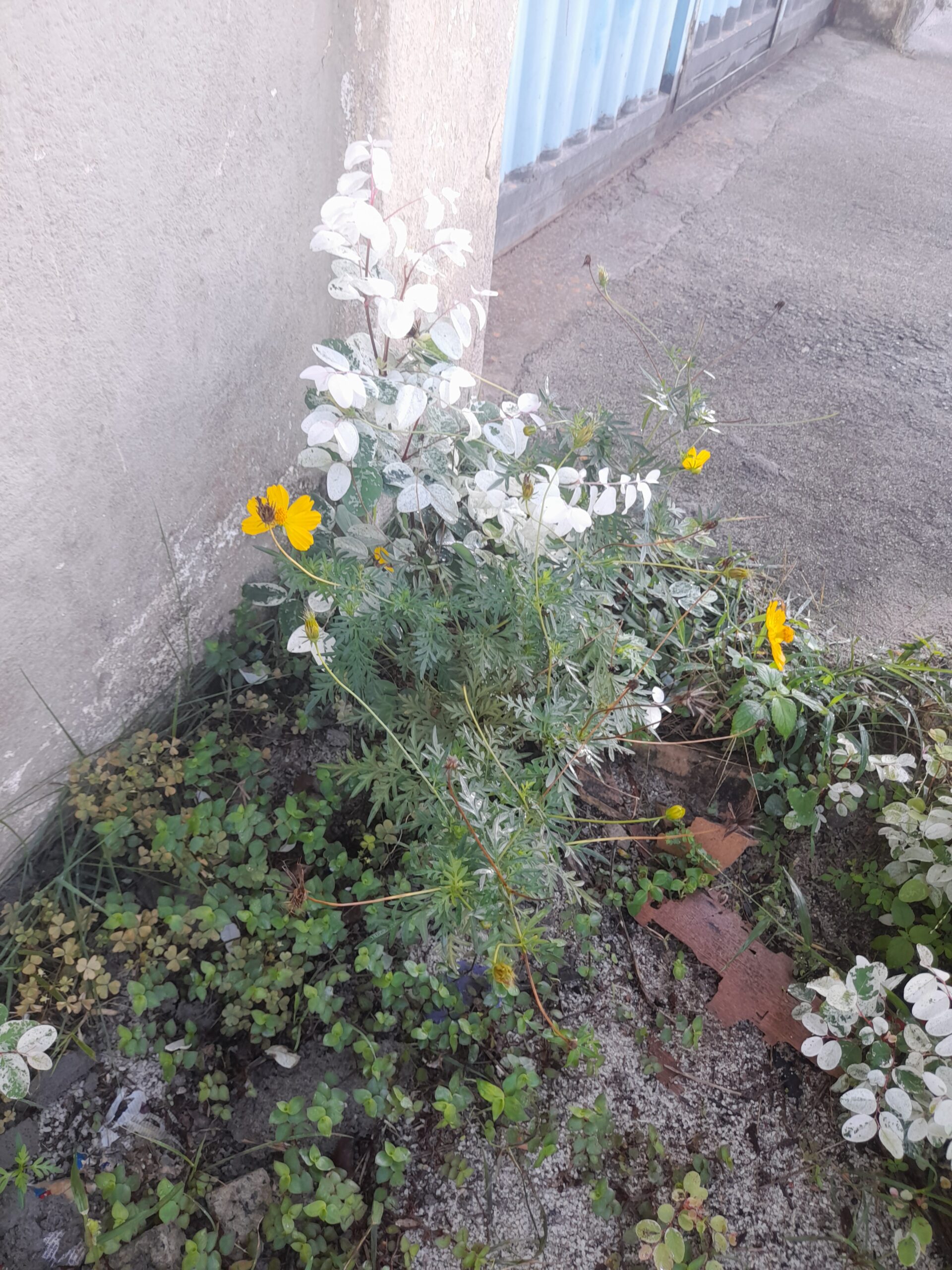
The Pink-Mottle Snowleaf Veil
One of the strongest nature seeds is the Pink-Mottle Snowleaf Veil, inspired by the variegated green-and-pink hedge with pale pink leaves, white-green speckling, deeper green shadow, and red stem routing.
This plant becomes a signature living surface for the kingdom. It is not just a pretty hedge. It can form privacy screens, baby garden rooms, topiary animals, soft borders, cloud-maze edges, stroller route buffers, orchard ring boundaries, Balushu Release Commons perimeters, and Kultan promenade planting.
Its strength is that it works at several scales. Up close, it gives delicate speckles and red route lines. As a hedge, it becomes a soft pink-white-green cloud. At landscape scale, it can shape rooms, paths, thresholds, and living walls.
Grass-Bore Nest Chamber
The Grass-Bore Nest Chamber comes from small woven grass and straw tunnel structures. These natural forms suggest protection, airflow, multiple openings, rough fiber texture, and child-scale secrecy.
In the kingdom, this becomes a design seed for Baby World crawl pods, toddler hide-and-peek chambers, woven rest nests, Balushu family viewing pods, massage cocoon lounges, and irregular nest-bore window openings.
The most important lesson is that shelter does not have to be hard and sealed. It can be breathable, woven, protective, soft-edged, and full of discovery.
Dew-Bead Serrated Edge
The Dew-Bead Serrated Edge comes from leaves that hold droplets along their serrated edges and textured surfaces. This is one of the kingdom’s strongest water-design seeds.
It can inspire cooling pathways, rain-catching roof lips, droplet-holding water channels, baby-safe splash edges, Kultan water-edge systems, garden irrigation borders, and sensory water play.
The lesson is simple but powerful: water does not always need to be drained away instantly. It can be held, beaded, guided, cooled, displayed, and made beautiful while still remaining practical.
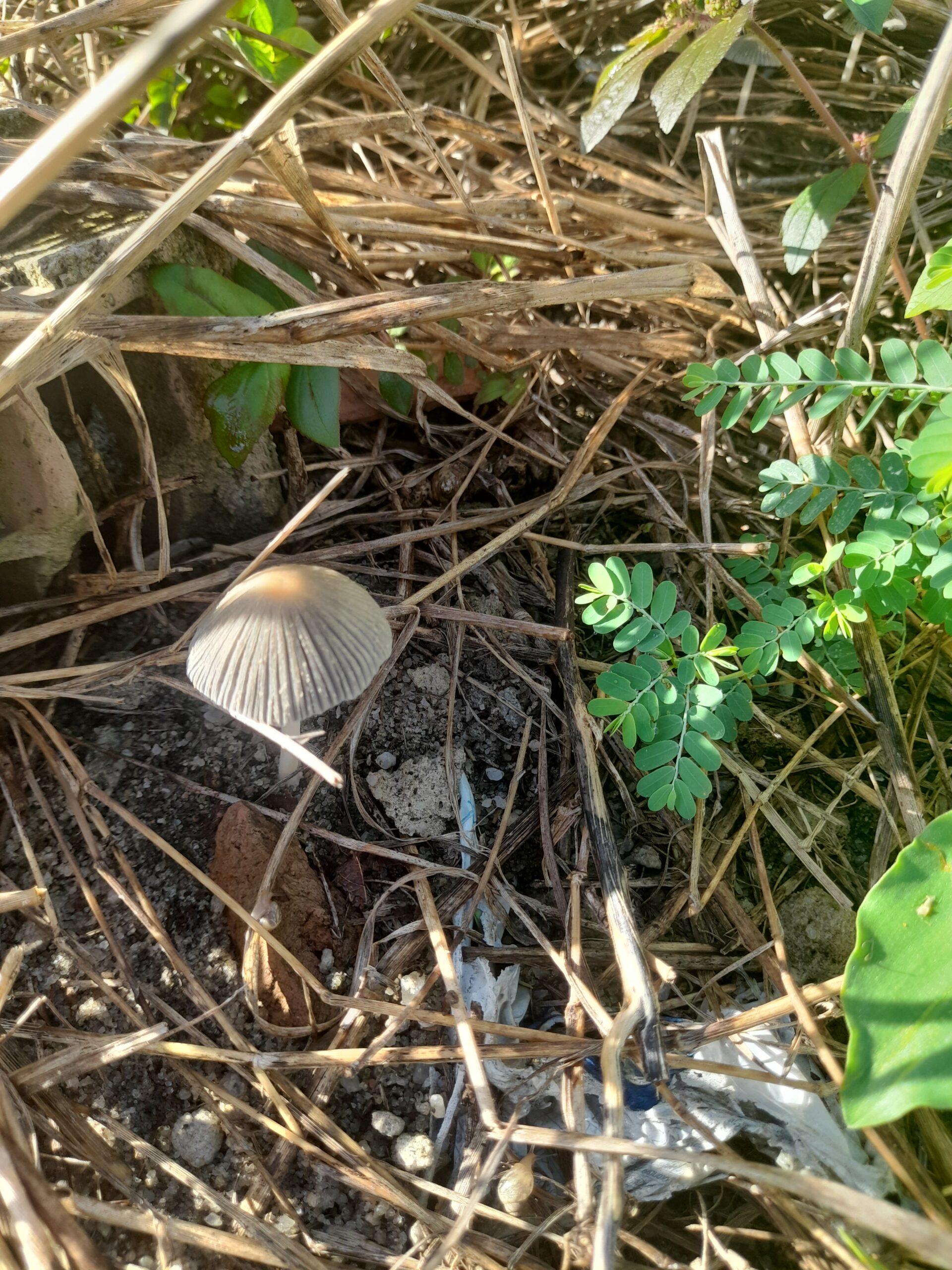
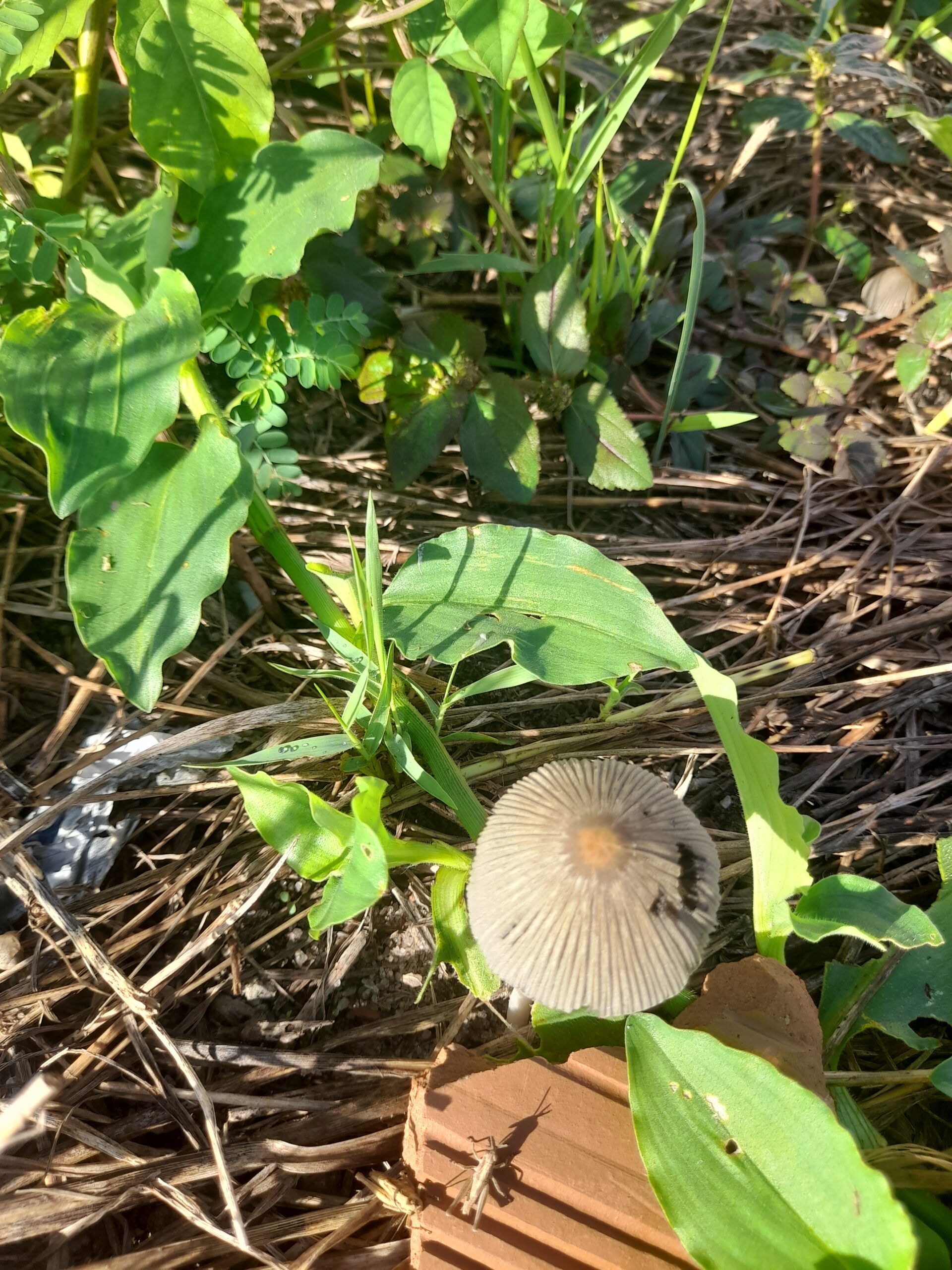
Ribbed Cap Mushroom Court
Small mushroom clusters with ribbed undersides become the Ribbed Cap Mushroom Court. These forms are gentle, low, clustered, and full of secret-world feeling.
In Baby World, they can become soft stools, shade caps, baby-scale discovery markers, tiny picnic forms, and garden furniture. In Balushu, they can support ground-level family seating around larger viewing structures. In gardens, they can create mushroom courts where children feel like they have entered a miniature world.
The mushroom teaches scale. Not every kingdom form must be monumental. Some of the most memorable forms can be small, low, and discovered close to the ground.
White-Tip Bud Constellation
The White-Tip Bud Constellation comes from delicate branching stems with tiny green buds and pale white tips. It feels like a natural string of small lanterns.
This seed is ideal for soft lighting: garden paths, orchard night routes, Baby World evening glow, Kultan promenade edges, ceiling installations, queenly hair adornment, and gentle Release Commons safety lighting.
The lesson is that safety lighting does not have to be harsh. It can glow softly, rhythmically, and botanically.
Vein-Map Gourd Leaf Field
Broad vine leaves with pale vein networks become the Vein-Map Gourd Leaf Field. These leaves teach mapping, shade, edible groundcover, surface pattern, and food-landscape logic.
This seed can support Keslev agriculture, Baby World shade mats, orchard groundcover, leaf-shaped canopies, textile vein graphics, paving patterns, and child-friendly food-system diagrams.
The visible veins are especially useful. They can become route maps, seam logic, irrigation diagrams, floor patterns, and teaching graphics that show how life moves through a system.
Crawling Leaf Route Spine
A vine running across the ground with leaves placed along its stem becomes the Crawling Leaf Route Spine. It is a living pathway.
In the kingdom, this can inspire child discovery routes, edible garden corridors, vine-like wayfinding, stitched garment routes, landscape planning lines, and food paths that feel grown rather than drawn.
The lesson is that circulation can feel alive. A path does not always need to be a straight line imposed on the land. It can crawl, branch, pause, and place moments of discovery along the way.
Charred Stripe Palm Trunk
The Charred Stripe Palm Trunk comes from a palm trunk marked with dark horizontal bands and vertical drip-like textures over warm bark.
This is useful for column bands, gateway markings, bark-skin material studies, Shubaka textile punctuation, pavilion posts, footwear details, and authority accents in fashion and architecture.
The lesson is controlled boldness. Natural bark can teach pattern discipline: dark bands, warm ground, irregular rhythm, and vertical trace.
Hinged White Seed Shell with Red Beads
An opened seed pod with cream-white shell pieces, dark inner chambers, and red seeds becomes the Hinged White Seed Shell with Red Beads.
This is a powerful Jubo and treasure-chamber seed. It can inspire reveal pods, children’s story objects, ceremonial containers, jewelry, gates with hinged shell panels, food displays, and seed-bank details.
The lesson is reveal. Nature often hides treasure inside a protective shell. The kingdom can use that same logic for gifts, learning, ceremony, storage, and wonder.
Underside Gill Disc Rosette
The underside of a mushroom with dense radial gills, a central golden node, and an irregular broken rim becomes the Underside Gill Disc Rosette.
This seed connects to many existing Trott Bailey design languages. It can become pavilion undersides, ceiling rosettes, acoustic panels, seating backs, footwear sole geometry, mushroom court roofs, and radial material language.
The lesson is that the underside matters. Beauty is not only on the top surface. Ceilings, shade undersides, soles, overhangs, and hidden structural faces can carry major kingdom authorship.
Purple Puff Stamen Sphere and Blue-Purple Dew Crown Ring
The Purple Puff Stamen Sphere and Blue-Purple Dew Crown Ring teach spherical softness, radial filaments, bead tips, crown geometry, and jewel-like micro-light behavior.
These seeds can feed Flower Orb railings, Baby World sensory spheres, Balushu night-buzz lighting, topiary balls, hair ornaments, crown lamps, Jubo micro-worlds, Kultan bioluminescent details, and water-sparkle topiary.
They are especially useful because they combine plant softness with royal geometry. They feel playful enough for children and refined enough for ceremony.
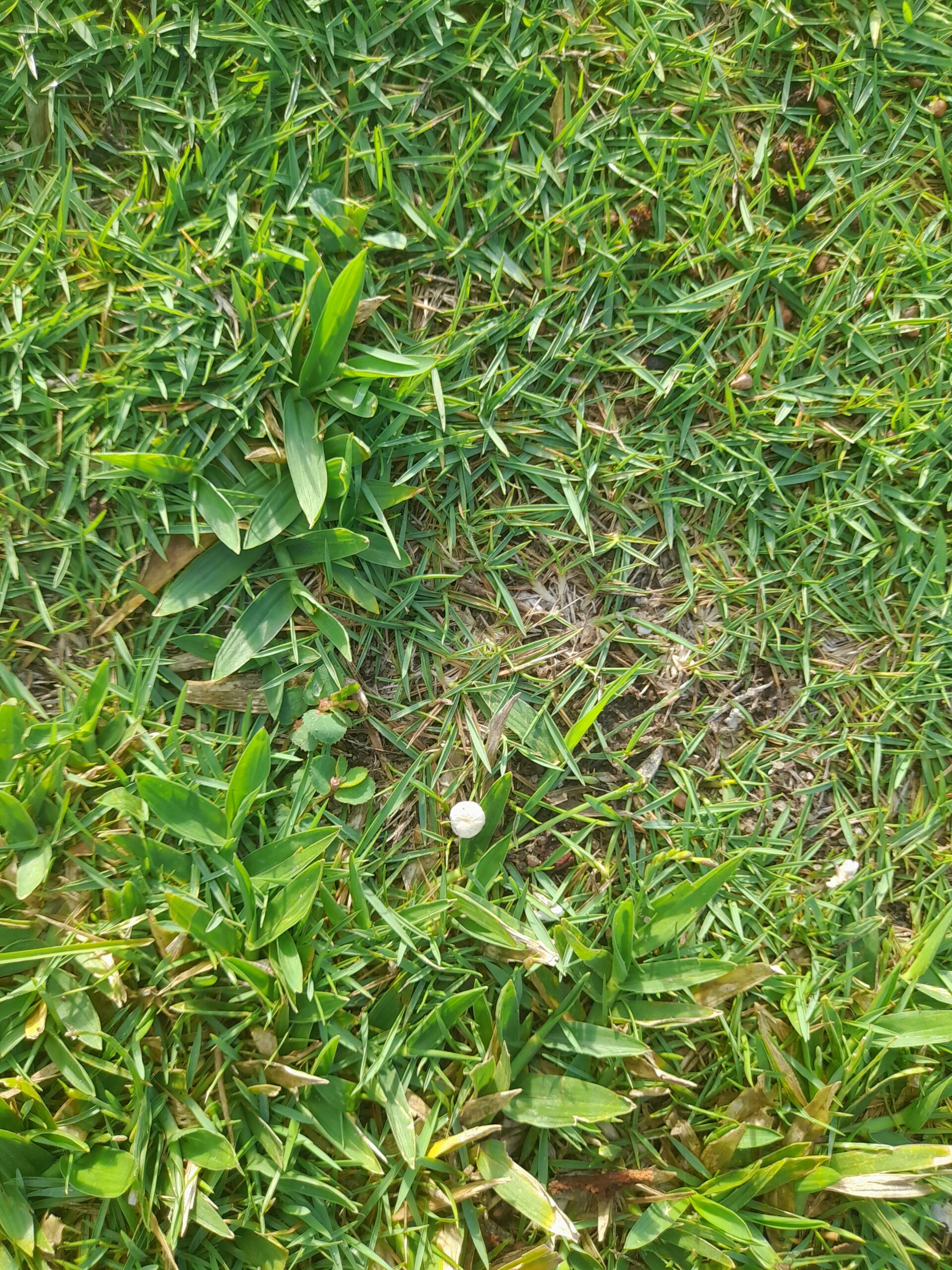
Dry Fields, Rough Ground, and Recovery States Matter Too
The Nature Mimicry Archive does not only preserve lush beauty. It also records dry grass, cracked ground, recovery patches, rough mineral surfaces, wall creepers, bare stems, shadow fields, and transitional landscapes.
These states are valuable because they teach resilience. They show how life returns, how ground repairs, how shade changes growth, how small plants survive in cracks, and how dry-season beauty can have its own dignity.
The kingdom needs this because not every landscape should look freshly polished. Restoration fields, dry-season gardens, service-shadow courts, Keslev transition zones, and rough mineral paths all need authored texture.
Children’s Crafts and Diagrams Also Belong in the Archive
The archive is not limited to wild nature photographs. A child-made folded cowprint object, a companion-planting diagram, a screenshot of a strange flower, or a rough found object can also reveal design logic.
The Child-Made Cowprint Folded House/Object teaches playful modular geometry, hand-drawn irregularity, Cuddles/Pacorips memory, cowprint paver accents, and kid-generated architectural thinking.
The Orchard Guild Ring Diagram Logic teaches food planning, companion planting, ecological rings, child learning, and district food management. This became a foundational agriculture system for the kingdom.
Anything that carries form, texture, ecology, structure, child logic, or spatial behavior can become design material.
How the Archive Feeds the Kingdom
The Nature Mimicry Archive supports many kingdom systems at once. It is not a decorative mood board. It is a design engine.
- Baby World uses nest chambers, pink-mottle hedges, cloud mounds, shallow water edges, and soft sensory forms.
- Keslev uses orchard guild rings, vine routes, gourd leaf fields, pollinator strips, seed pods, and dry-season resilience.
- Kultan uses dew edges, water-cooling paths, promenade planting, bioluminescent details, and water-edge forms.
- Balushu uses release gardens, night-buzz lighting, topiary, child wonder edges, and public beauty from natural forms.
- Fashion uses bark stripes, leaf veins, speckled surfaces, gill pleats, seed shells, and organic color systems.
- Architecture uses nest openings, flower canopies, mushroom undersides, sky portals, water lips, and living hedge rooms.
- Jubo systems use seed capsules, hinged pods, mushroom caps, treasure chambers, and micro-world interiors.
The Final Vision
Nature is one of the kingdom’s greatest teachers because it does not separate beauty from function. A leaf can shade, feed, route water, display veins, and become a map. A nest can shelter, breathe, hide, and reveal. A mushroom can shade, cluster, rib, and teach scale. A seed pod can protect, open, surprise, and store treasure.
The Trott Bailey Family Kingdom studies these lessons and turns them into gardens, buildings, clothing, food systems, paths, water edges, baby worlds, lighting, pavilions, furniture, and public spaces.
The kingdom does not copy nature as decoration. It learns from nature as civilization intelligence.
This is how small sightings become large systems. This is how no idea is wasted. This is how the kingdom grows its own design language from the living world.



 and then






































