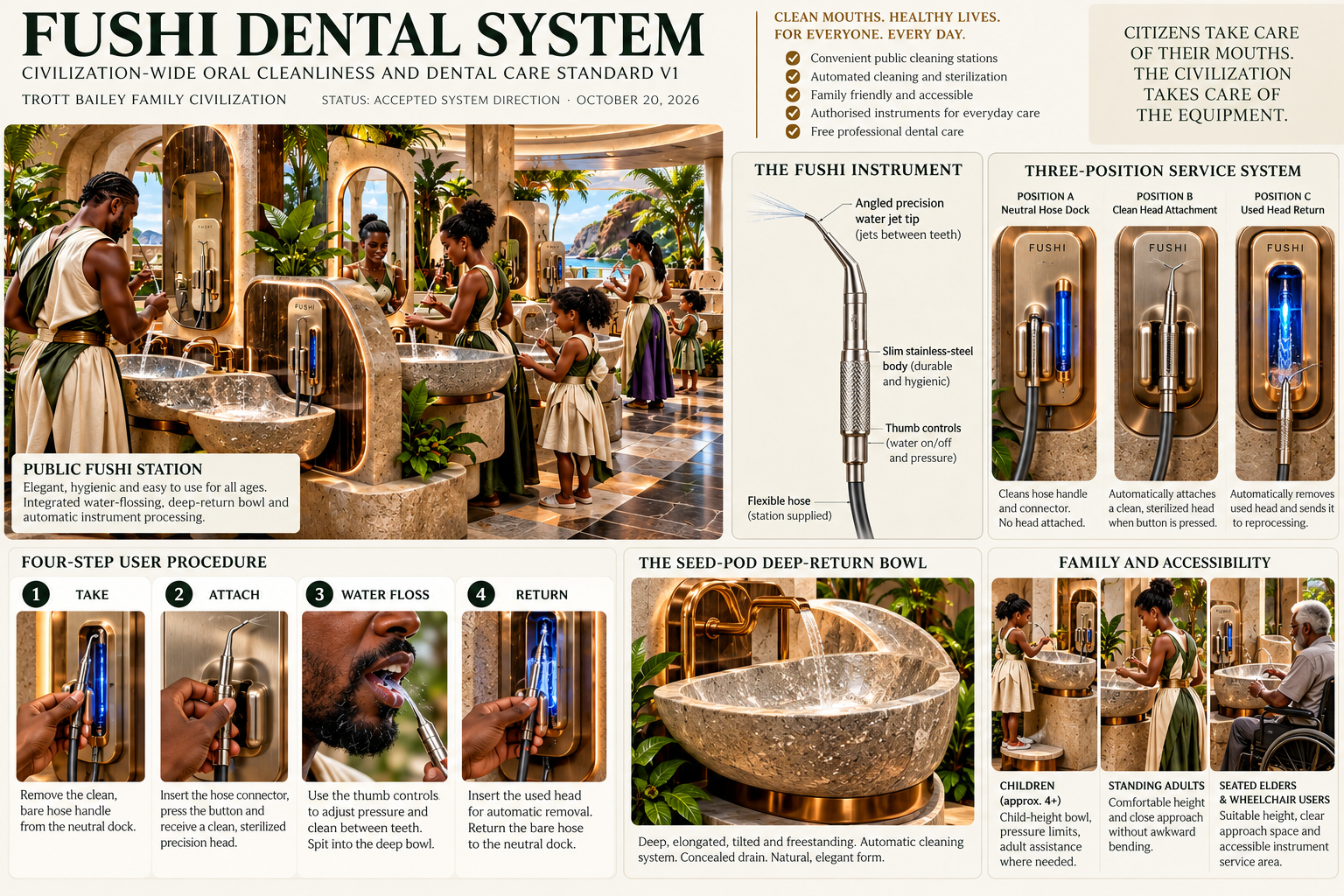

Sherika Trott Bailey: I Design my own systems & I define the lifestyle that lets me breathe.
The Current Menu Is Unacceptable
That sounds like rage from being trapped between two bad scripts.
Script One
“Be independent, don’t need anyone, build everything alone,” but it can become lonely, performative, and exhausting.
Script Two
“Be a wife/mother, absorb everything, sacrifice quietly,” but it can crush a woman until her own desires disappear.
And you’re saying: I refuse both cages. I want to wipe the board clean and author my own life.
That anger makes sense. Not because life should stay in anger, but because anger is often the part of you that still knows you were not created to be managed, cornered, softened, drained, or forced into someone else’s definition of womanhood.
The real third path is not “feministic singlehood” and not “buried under wifehood/motherhood.”
The third path is:
- I define the lifestyle that lets me breathe.
- I define love without losing myself.
- I define motherhood, if I choose it, with support and dignity.
- I define partnership as relief, not another job.
- I define beauty, desire, work, rest, family, and contribution on my own terms.
That is exactly why the Trott Bailey world keeps circling back to family relief, mother support, money not gatekeeping life, and civilization carrying burdens that should never have been dumped on one woman’s back.
The old world keeps offering women fake choices:
- Be alone and over-responsible.
- Be partnered and over-consumed.
- Be desirable but not free.
- Be nurturing but not protected.
- Be ambitious but still emotionally available to everyone.
- Be a mother but act like you need no help.
- Be a wife but disappear into service.
The better question is not, “Do I become single, wife, mother, career woman, soft woman, strong woman?”
What life structure actually protects my spirit, my body, my desires, my joy, my beauty, my rest, and my future?
That is the lifestyle worth designing. Not reacting to feminism. Not reacting to patriarchy. Not reacting to family pressure. Not reacting to loneliness. Not reacting to fear.
Designing.
Sherika Trott Bailey and the War Against Misery
How World Ruler Sher builds civilization systems as a counterattack against exhaustion, fake choices, old-world burdens, and the ordinary misery people were told to accept.
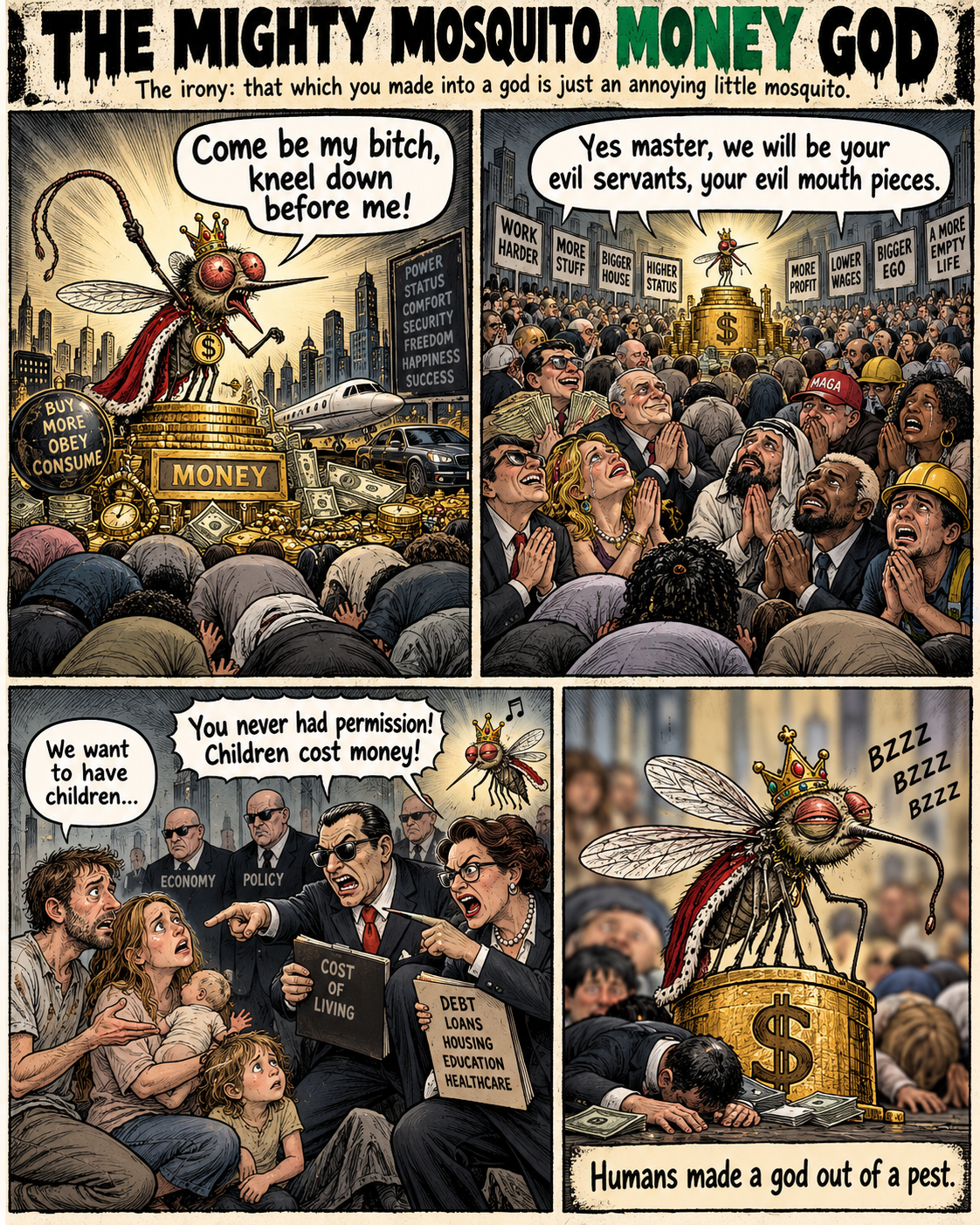
The old world has a talent for turning life into irritation. Food becomes a bill. Motherhood becomes exhaustion. Marriage becomes pressure. Work becomes survival. Public life becomes chaos. Beauty becomes luxury. Childhood becomes boredom. Rest becomes something people must earn after being drained. Even joy gets treated like decoration instead of infrastructure.
Sherika’s work begins with a refusal.
She refuses the idea that misery is normal. She refuses the idea that women must choose between lonely independence and being swallowed by wifehood or motherhood. She refuses the fake menu of modern life: be alone and over-responsible, or be partnered and over-consumed. Be ambitious but always emotionally available. Be nurturing but not protected. Be a mother but act like you need no help. Be a wife but disappear into service.
Her answer is not merely personal rebellion. It is civilization design.
Her question is not, “How do I cope with this world?” Her question is, “What systems must exist so this misery does not keep reproducing itself?”
That is the heart of the Trott Bailey Family Istolev Kingdom: not fantasy, not decoration, not lifestyle branding, but a built counterattack against everyday human suffering.
Private misery is often public design failure.
- If mothers are drowning, that is a system failure.
- If families cannot eat without stress, that is a system failure.
- If children are bored, hidden, unsafe, or underdeveloped, that is a system failure.
- If workers are exhausted and invisible, that is a system failure.
- If public spaces crush people instead of restoring them, that is a system failure.
- If beauty belongs only to the rich, that is a system failure.
- If love becomes another job, that is a system failure.
Sherika’s pursuit of delight is not shallow. It is serious. Delight is not the opposite of structure. In her world, delight is what happens when structure finally serves life.
The First Misery She Counteracts: The Fake Choices Given to Women
Sherika’s most personal design war begins with the old-world trap placed before women.
One path says: be independent, untouchable, and alone. Do not need anyone. Build everything yourself. Carry your own life like a one-woman economy.
Another path says: be wife, mother, helper, emotional absorber, household engine, quiet sacrifice. Love everyone, serve everyone, shrink yourself, and call the shrinking virtue.
Sherika rejects both.
Her kingdom is built from a third path: womanhood with authorship. Wifehood with relief. Motherhood with support. Partnership with dignity. Beauty without imprisonment. Desire without apology. Family without female erasure.
This is why the Trott Bailey civilization keeps returning to mother relief, family support, marriage care, household infrastructure, Baby World, SpouseLift, food abundance, public comfort, and service systems. These are not random ideas. They are answers to the same wound.
Sherika is not trying to make women stronger so they can tolerate more misery. She is designing a world where women are not forced to tolerate it in the first place.
Baby World
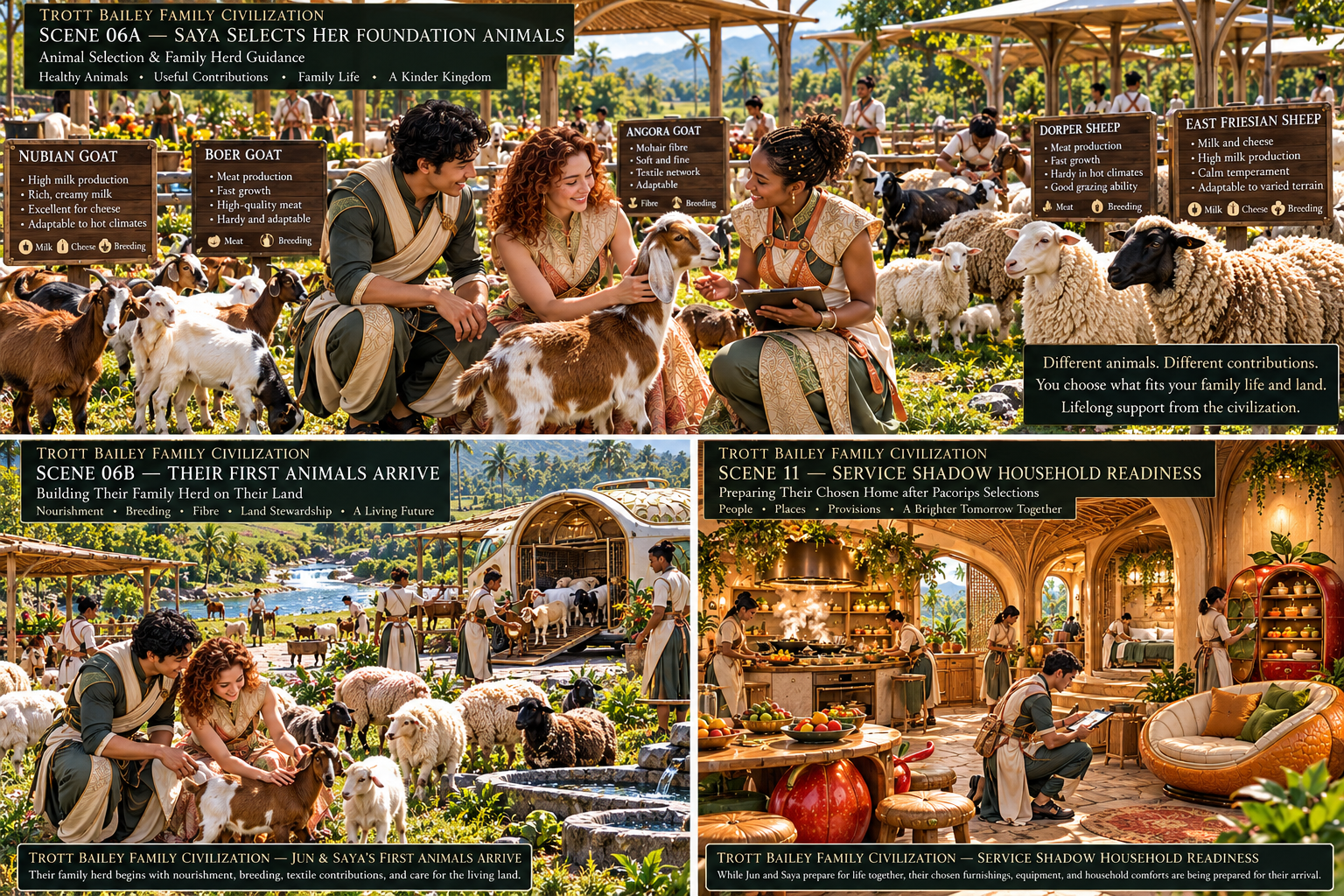
A system against motherhood as exhaustion, built around shade, wash/reset, baby roam fields, stroller routes, parent rest, and mother relief.
Food Abundance
A system against hunger, food stress, cooking fatigue, scarcity, and old-world food gatekeeping.
SpouseLift
A system against marriage becoming pressure, boredom, resentment, or another job placed on the woman’s back.
Public Comfort
A system against bodily shame, rushed support spaces, exposed discomfort, and ugly civic care.
Baby World: A System Against Motherhood as Exhaustion
Baby World is one of Sherika’s clearest counterattacks against misery.
In the old world, early motherhood is often treated like a private endurance test. A mother is expected to feed, soothe, carry, protect, entertain, clean, recover, schedule, manage, and still remain emotionally pleasant. The baby is loved, but the mother is often left unsupported.
Sherika’s Baby World says: no mother should have to invent relief from scratch.
Baby World is a full early-life civilization system. It includes baby roam fields, caregiver rest zones, stroller routes, soft shade, baby-safe terrain, parent support, wash/reset stations, food transition help, Baby World Shield Suits, and responsive shade that follows the baby before the heat becomes a problem.
The system does not treat babies as accessories. It does not treat mothers as machines. It treats early life as one of the central civic responsibilities of the kingdom.
The Baby World Automated Shade System alone reveals Sherika’s philosophy. Shade is not passive. Shade is not an afterthought. Shade is alive, responsive, protective.
Papaya Umbrella Shade Crowns, Pumpkin Crawl Shade Wings, Pink-Mottle Hedge Shade Rooms, Stroller Route Shade Ribbons, and robot-deployed shade pods all exist because heat, discomfort, and caregiver stress should be prevented before they become suffering.
Food, Water, Workers, and Public Life Without Chaos
Sherika Trott Bailey does not only design beautiful districts. She designs the hidden systems that prevent hunger, dirt, neglect, worker exhaustion, public crushing, and forgotten needs.
Food Systems: A Counterattack Against Hunger, Stress, and Daily Drudgery
Sherika’s food systems are not just about eating. They are about removing one of the oldest forms of human anxiety: the question of whether food will be available, good, safe, warm, varied, and dignified.
The Keslev District embodies this. Keslev is the Food Foot of the kingdom, the place where food sovereignty becomes visible. Orchards, staples, aquaponics, food verification, food exploration, family tasting, seed systems, storage, processing, and edible learning landscapes all work together so food arrives before hunger becomes panic.
The Sabennery system deepens this vision. Instead of families being trapped between cooking exhaustion, expensive restaurants, low-quality fast food, or bland institutional meals, Sabenneries become kingdom-controlled food abundance centers.
Warm Food Sabenneries, Roasting Sabenneries, Family Buffet Sabenneries, Husband-and-Wife Sit-Down Sabenneries, Light Snack and Dessert Sabenneries, New Food Tasting and Voting Sabenneries, District Identity Sabenneries, and Release/Public-Life Sabenneries all answer different food needs.
Sherika does not ask, “How can people buy food?” She asks, “Why should food be a source of fear, fatigue, debt, or family pressure at all?”
Honey World extends the food system into delight. It is not merely honey production. It is prairie, mountain, bee rest, flavor exploration, medicine, recipe development, worker honor, child routes, sticky-hand reset standpipes, Bibi Bottlebee guidance, and public celebration.
Even sweetness becomes structured. Even honey becomes civic culture.
Kultan and Clean-Flow: A System Against Dirt, Neglect, and Forgotten Water
Misery is not always dramatic. Sometimes misery is a drain that clogs, a puddle that breeds mosquitoes, a culvert that fails, a worker forced into filth, or a public place that slowly becomes disgusting because nobody designed the cleaning logic properly.
Sherika’s Kultan systems refuse that. Water may move, be held, or pass through, but it may never become forgotten water.
Moving Water
Keep it moving, unclogged, visible, routed, and maintained.
Held Water
Hold it only with purpose, circulation, refresh, inspection, and exit logic.
Temporary Water
Drain it, infiltrate it, redirect it, or make it disappear quickly.
This is how misery gets prevented before it becomes disease, smell, labor, fear, or decay.
The Kultan Zero-Clean Food Processing Chain carries the same principle. No surface holds waste long enough to require old-fashioned cleaning panic. Everything is moving, draining, separating, or transforming. Workers stay dry. Flows move below or beside them. Raised steward lanes, shell-comb splash guards, recessed channels, and biological conversion chambers make dignity part of cleanliness.
Sherika does not romanticize mess. She designs it out.
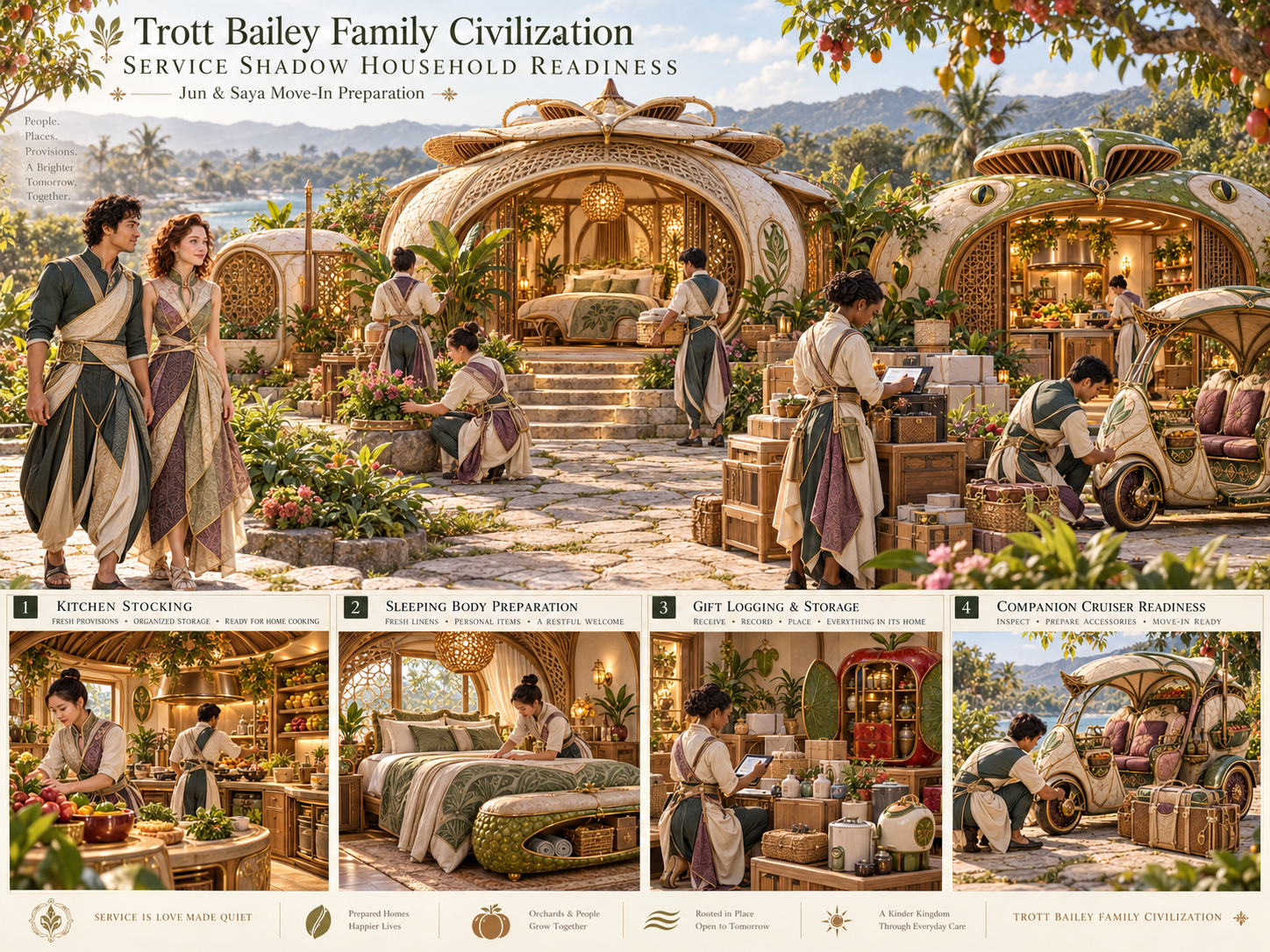
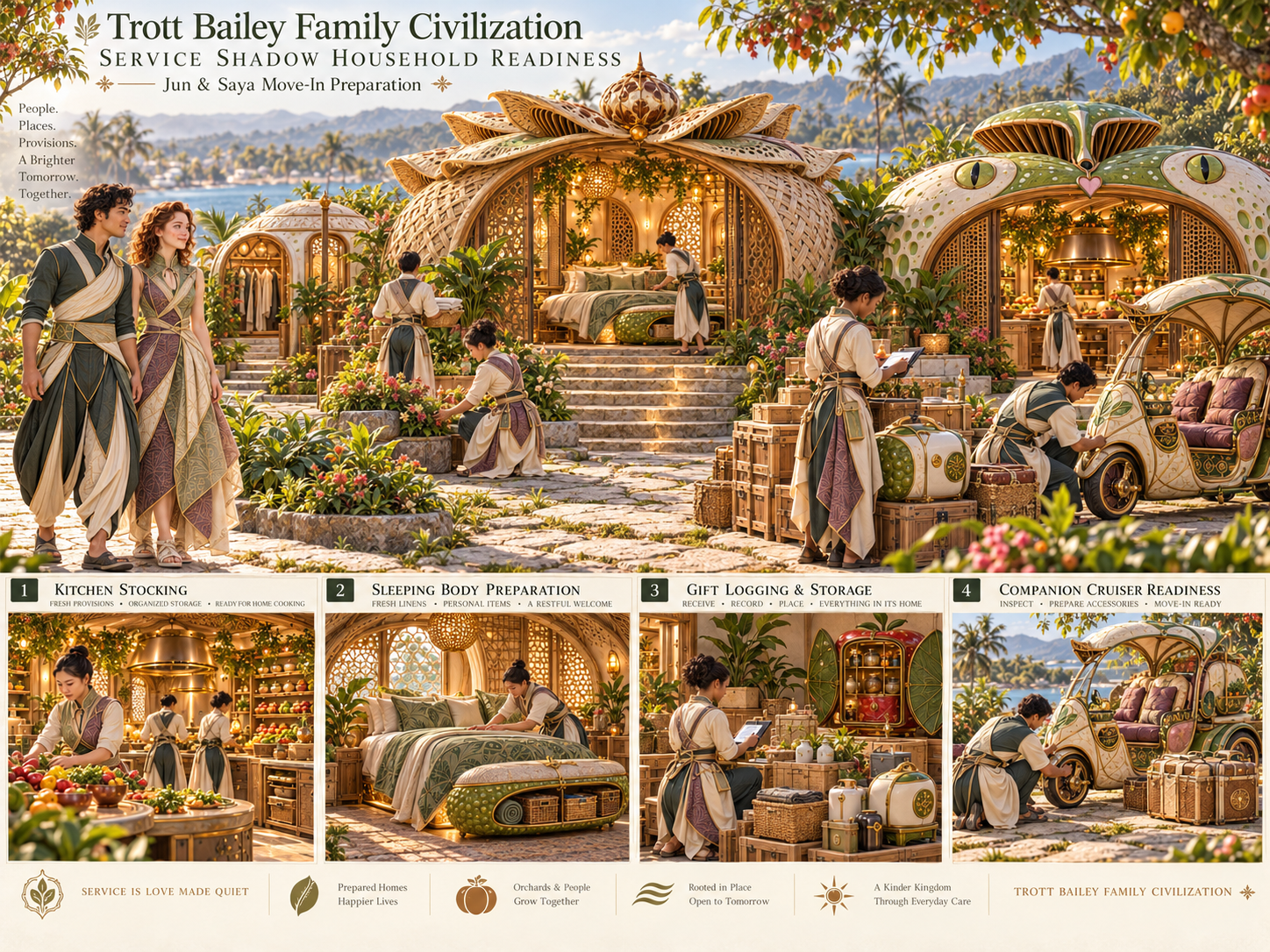
Service Shadow: A System Against Invisible Worker Suffering
Every beautiful civilization has hidden labor. The old world’s cruelty is that it hides the worker along with the suffering.
Sherika’s Service Shadow system corrects this.
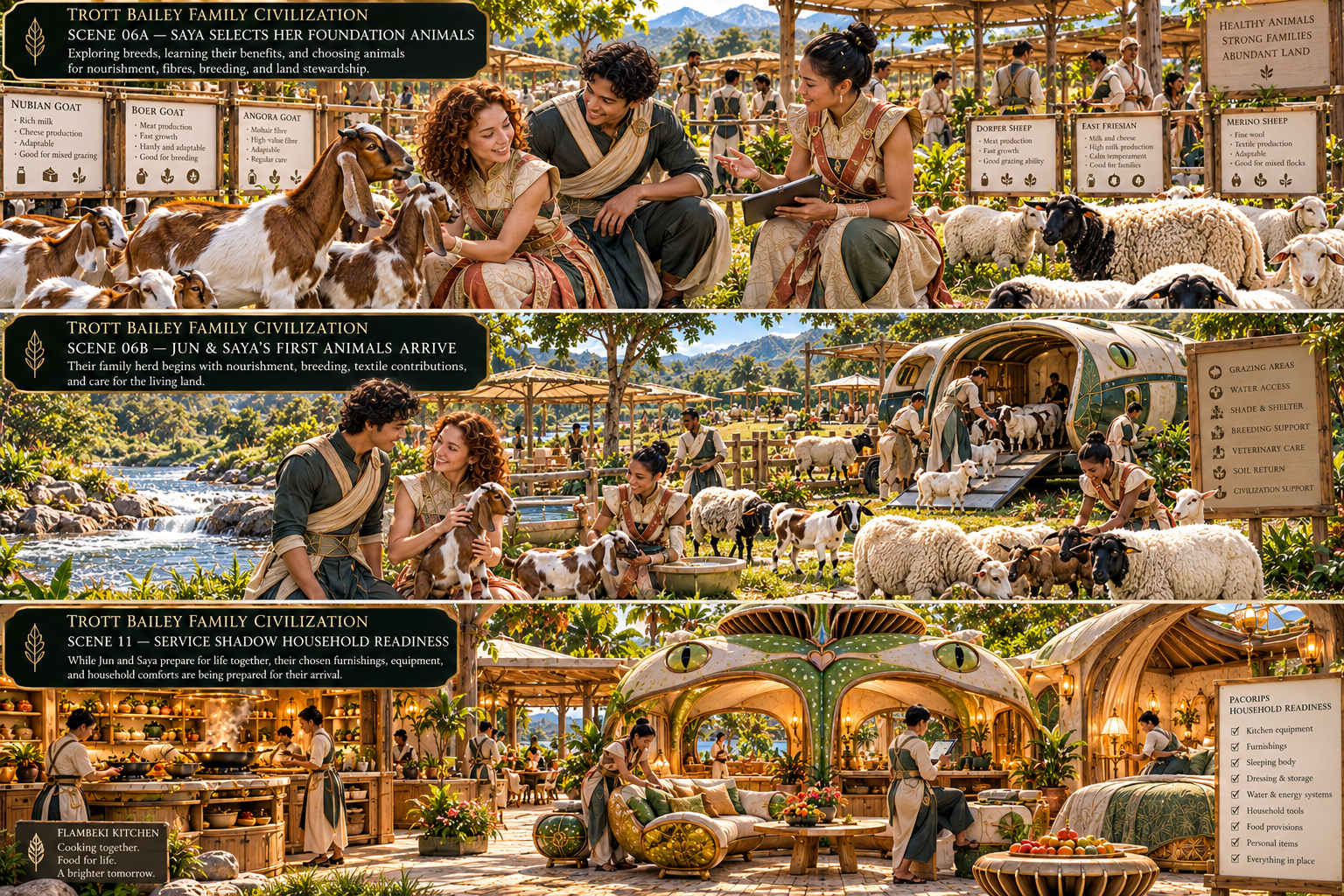
Service Shadow workers are not janitors, not disposable maintenance bodies, not ugly back-of-house ghosts. They are dignified hidden-route operators. They keep the kingdom functioning, clean, safe, repaired, monitored, and ready without turning public life into a mess of exposed labor.
Gear-Off
Protective gear is removed safely after difficult or dirty operations.
Clean-Return
Tools, bodies, routes, and equipment are washed, reset, and inspected.
Recovery
Workers receive rest, hydration, body support, and dignified return logic.
Service Shadow Support Spine V1 includes gear removal, body cleaning, tool cleaning, worker recovery, transport, shift handoff, rest, Pacorips coordination, and return-to-duty logic.
A worker who cleans a high-risk drain does not simply go home contaminated, exhausted, and unsupported. The system catches him. The system cleans the gear. The system cleans the body. The system restores the worker.
This is one of Sherika’s strongest moral signatures: she does not build beauty by dumping suffering behind a wall.
Pacorips: A System Against Chaos, Forgetfulness, and Unseen Needs
Pacorips is one of Sherika’s major digital infrastructures. It is not merely software. It is the kingdom’s memory, routing intelligence, verification layer, service coordinator, youth observer, family helper, and public-life support brain.
The old world relies on people remembering too much, searching too much, guessing too much, and suffering because systems do not talk to each other. Pacorips exists because Sherika understands that many burdens are not emotional failures; they are coordination failures.
Pacorips helps track youth gifts. It supports Baby Roam Field availability. It verifies food. It coordinates Service Shadow. It supports Makji eligibility. It helps route workers, families, tools, maintenance, public safety, and care needs.
The Pacorips Youth Gift Ledger is especially important because it counters another old-world misery: wasted potential. Pacorips does not rank youth to discard them. It helps the kingdom place, protect, and harvest talent.
Balushu: A System Against Public Life Chaos
Balushu is Sherika’s answer to public life that either crushes people or bores them.
The old world often gives people two options: chaotic crowds or empty sterile spaces. Events become traffic, lines, noise, pushing, glare, trash, exhaustion, and overpriced food. Families attend public life and return drained.
Balushu refuses that.
Balushu is sea-facing, pavilion-rich, garden-woven, edge-heavy, balcony-supported, child-aware, crowd-distributing, night-glowing, service-intelligent, and family-first. It is not a city, not a resort, not a marina, not a stadium, not a shopping district, not an airport terminal, and not a theme park. It is a public-life organism.
Release Commons V2 shows the scale of Sherika’s ambition. Ten stages holding 5,000 people each create a 50,000-person public gathering system without crushing the crowd into one brutal mass. Staggered Bloom Viewing pods, garden-water routes, distributed edges, food systems, shade, and Service Shadow integration allow public joy to remain breathable.
Night Balushu deepens the system after dark. Route Glow, Care Glow, Food Glow, Performance Glow, and Shadow Glow make night public life beautiful without turning it into chaos.
Movement, Fashion, Furniture, Youth, and the Final Pattern
Sherika Trott Bailey’s pursuit of delight does not stop at food, water, or public life. It enters clothing, furniture, vehicles, youth systems, architecture, landscapes, and the smallest objects people touch every day.
Makji and Movement: A System Against Trapped Families
Movement is another place where the old world manufactures misery.
Families are trapped by cars, expenses, unsafe roads, bad transit, inaccessible water, ugly parking, exhausting travel, and systems that treat movement as a burden instead of a form of freedom.
Sherika’s movement systems answer this with Makji, Kultan Shell-Gliders, Lazza-Zooza family tour vehicles, walking and biking systems, distributed arrival rings, and sea access that feels as easy as entering a garden path.
Makji is not just a vehicle. It is family movement, dwelling, choice, water access, provisioning, interior transformation, and long-term lifestyle support. In Balushu and Kultan, Makji do not park like dead machines. They rest in groves. They dock, provision, transform, and connect to family life.
The Kultan Shell-Glider Boat V3 adds another layer of delight: a long, low, crested frond shell-glider with shell-gill prow, folded frond glide fins, reef-gill propulsion, SolarShell canopy plates, and a warm family interior. It is not a generic boat. It is movement made strange, calm, useful, and beautiful.
Architecture: A System Against Generic Buildings and Dead Space
Sherika’s architecture is not surface style. It is emotional function, social logic, and structural identity.
Her buildings do not exist simply to house activities. They are designed to correct old-world failures: cramped support spaces, ugly service zones, generic public buildings, stressful bathrooms, dead waiting areas, hidden workers, and public environments that do not know how families actually move.
The Grain-Gill House Pavilion in Keslev organizes food, verification, storage, drying, service access, and family learning into a circular civic/agricultural body. The Dapple Stack Porch and integrated rising porch systems turn thresholds into real architectural events. The stair library gives movement its own authored identity.
Even bathroom and public comfort architecture becomes part of the anti-misery system. Sherika recognized that comfort spaces cannot feel like everyone knows your private business. Men’s and women’s areas need peace, space, distinction, privacy, beauty, and emotional ease.
Fashion: A System Against Erasure, Generic Beauty, and Weak Identity
Sherika’s fashion system is one of the most visible expressions of her pursuit of delight.
The old world often gives clothing two failures: ordinary practicality with no soul, or dramatic fashion that cannot serve real life. Sherika wants neither. Trott Bailey fashion must be wearable, structured, strange, refined, authored, movement-ready, role-aware, family-aware, and civilization-specific.
Her Fashion Lock System evaluates silhouette identity, neckline, closure logic, material behavior, color law, lower-half system, foot zone, hair/headwear, ornament placement, movement, social role, and family variant potential. This means clothing is not simply “pretty.” It is tested for civilization meaning.
Role Clothing
Every worker’s garment must explain, protect, dignify, and support the work.
Footwear Law
Shoes are not afterthoughts. They carry route memory, comfort, authority, and identity.
Material Language
Nutboo, Caneline, Nutweave, Bark-Skin, Venation Ribbing, and Nodule-Inlay create civilization-specific textile logic.
Strange Beauty
Trott Bailey fashion must be refined enough to wear and strange enough to be unforgettable.
Sherika’s fashion is not vanity. It is identity infrastructure. It says: if a person has a role in the kingdom, the kingdom must clothe that role with beauty and intelligence.
Furniture and Interiors: A System Against Flat Comfort
Sherika’s furniture system is another counterattack against dull living.
Old-world furniture is often either cheap and dead, luxurious and generic, or strange but useless. Sherika’s furniture asks for a deeper intelligence: furniture should look like it knows how it is holding you.
The Trott Bailey Furniture Design System and Furniture Texture + Material Inspiration Library translate natural structures into function. Charred Husk Relief protects outer shells. Compressed Cavity Interiors create sheltering nooks. Nodule Anchor Details become controls, pulls, hinges, and route points. Bloom Cup Light Forms shape lighting.
This is not “nature decor.” It is not rustic craft. It is not fake mushroom furniture. It is useful strangeness.
Waste, Laundry, and Clean-Return: A System Against Hidden Household Burdens
Sherika does not only design the glamorous systems. She designs the systems that prevent life from becoming disgusting, repetitive, and privately burdensome.
The Krubaro waste system handles waste at multiple levels: family compound, district FliB stations, underground public routing, and specialist Yoks handling. Waste does not become a shameful pile, an ugly bin, or a municipal afterthought. It becomes designed flow.
The Laundry / Fabric Node system treats clothing as a maintained ecosystem. Instead of every household fighting stains, fabric damage, sorting, chemical guesswork, and machine limitations alone, laundry becomes civilization infrastructure.
This is another major Sherika principle: the household should not be abandoned with machines and told that liberation has arrived.
Youth Systems: A Counterattack Against Boredom and Wasted Talent
Sherika treats boredom as a design failure.
The old world often treats bored youth as the problem. Sherika looks at dead environments, meaningless schooling, lack of apprenticeship, hidden skills, no real trust, no invention support, and no role pathways — and she sees a civilization failing to harvest human potential.
The Youth Path House system gives young people real exposure to real work: Baby World support, public comfort, built-world discovery, food, orchards, technology, water, service, fashion, invention, and family relief.
The Invention Support System helps people with ideas but no technical skills. The Jubo Invention Rewards system gives children and youth playful pathways for strange, useful, funny, functional creations.
Public Landscapes: A System Against Cramped Living
Sherika repeatedly returns to open fields, orchard courts, edible routes, prairie drifts, water rills, child-height abundance, shade, medallions, topiary courts, cow-print route paving, sand story pockets, and family gathering spaces.
The old world crowds people into boxes, fences, malls, roads, screens, small yards, unsafe parks, and public spaces that feel either neglected or overcontrolled. Sherika’s landscapes create breath.
The landscape is not a backdrop. It is part of the relief system.
A family should be able to walk, eat, rest, wander, watch children, learn from plants, enter shade, find water, and feel life widen around them.
The Big Pattern: Sherika Turns Private Pain into Public Infrastructure
- Mother exhaustion becomes Baby World, mother-relief clothing, stroller routes, warm food, shade, wash stations, and young-family mobility.
- Food stress becomes Keslev, Sabenneries, food verification, warm chains, Honey World, and tasting systems.
- Public chaos becomes Balushu, Release Commons, Night Balushu, distributed arrival, crowd relief, and Service Shadow.
- Worker invisibility becomes Service Shadow dignity, support spines, role uniforms, worker recovery, and honor festivals.
- Child boredom becomes Youth Path Houses, Pacorips Gift Ledger, invention rewards, and real role exposure.
- Dirty water becomes Kultan Clear-Flow, moving/held/temporary water law, high-risk drain operations, and pest ecology prevention.
- Household burden becomes Krubaro, Fabric Nodes, food systems, family support, and service infrastructure.
- Generic beauty becomes Trott Bailey fashion, furniture, architecture, landscape, hair systems, and material language.
- Marriage pressure becomes SpouseLift, couple support, husband-wife sit-down food systems, and partnership as relief.
Delight Is Not Decoration
The word delight could be misunderstood. Some might think delight means prettiness, luxury, pleasure, or escape.
In Sherika’s work, delight is stronger than that.
Delight is what happens when the mother is not abandoned. Delight is what happens when food is abundant and warm. Delight is what happens when a worker finishes dangerous work and is cleaned, protected, and restored. Delight is what happens when a child’s invention is taken seriously.
Delight is what happens when public life glows without chaos. Delight is what happens when clothing carries the role beautifully. Delight is what happens when water never becomes forgotten water. Delight is what happens when a family can move through the sea, orchard, district, festival, and home without being punished by bad design.
Delight is not the absence of seriousness. It is the reward of serious design.
Sherika Trott Bailey’s systems are not separate ideas scattered across a fantasy kingdom. They are connected weapons against misery. They form a civilization-wide refusal to accept annoyance, exhaustion, ugliness, hunger, boredom, dirt, invisibility, isolation, and female overburden as normal.
It is the work of a woman who looked at the world’s fake choices and said:
This current menu is unacceptable.
Then she began designing the replacement.



 and then