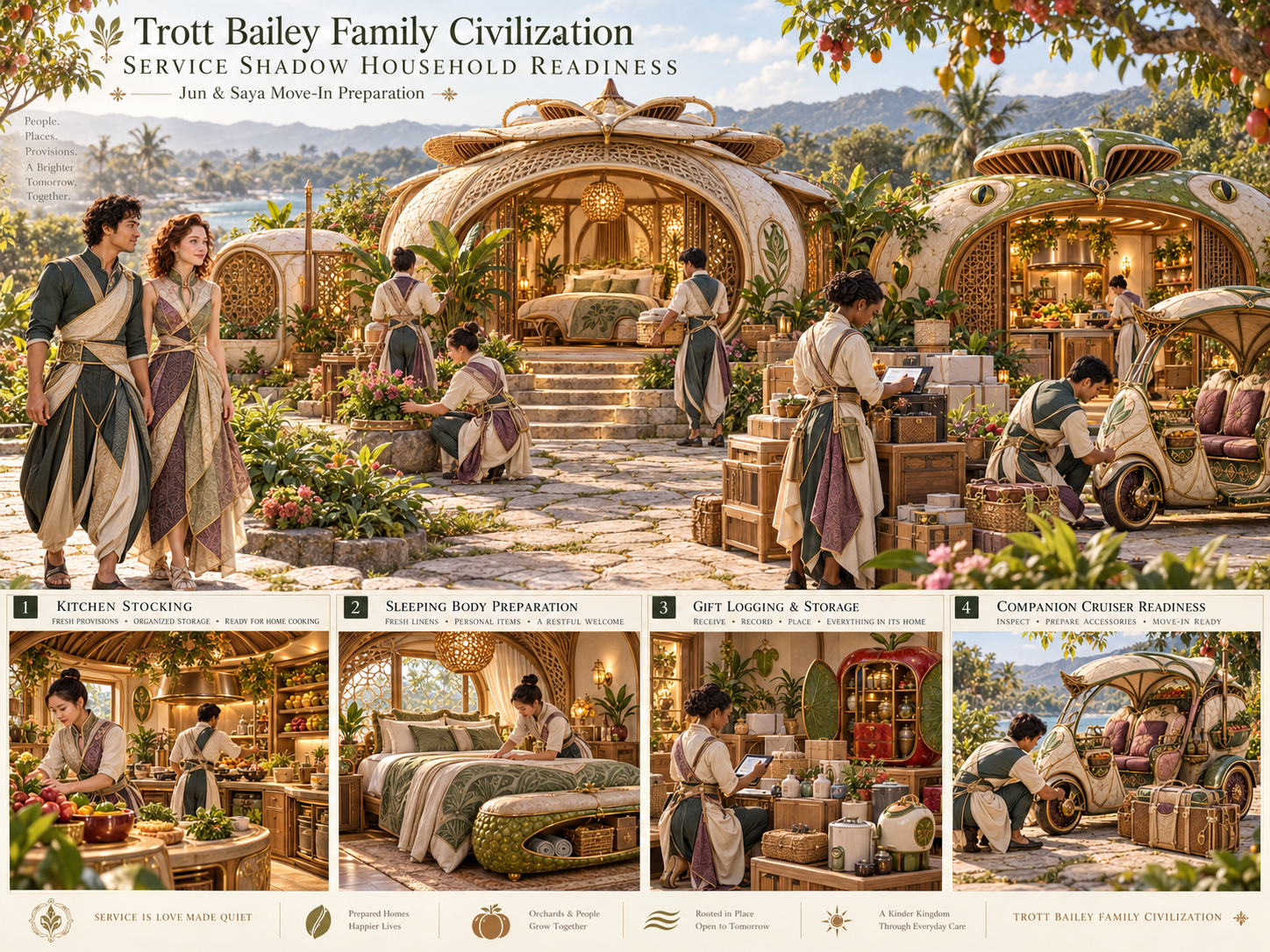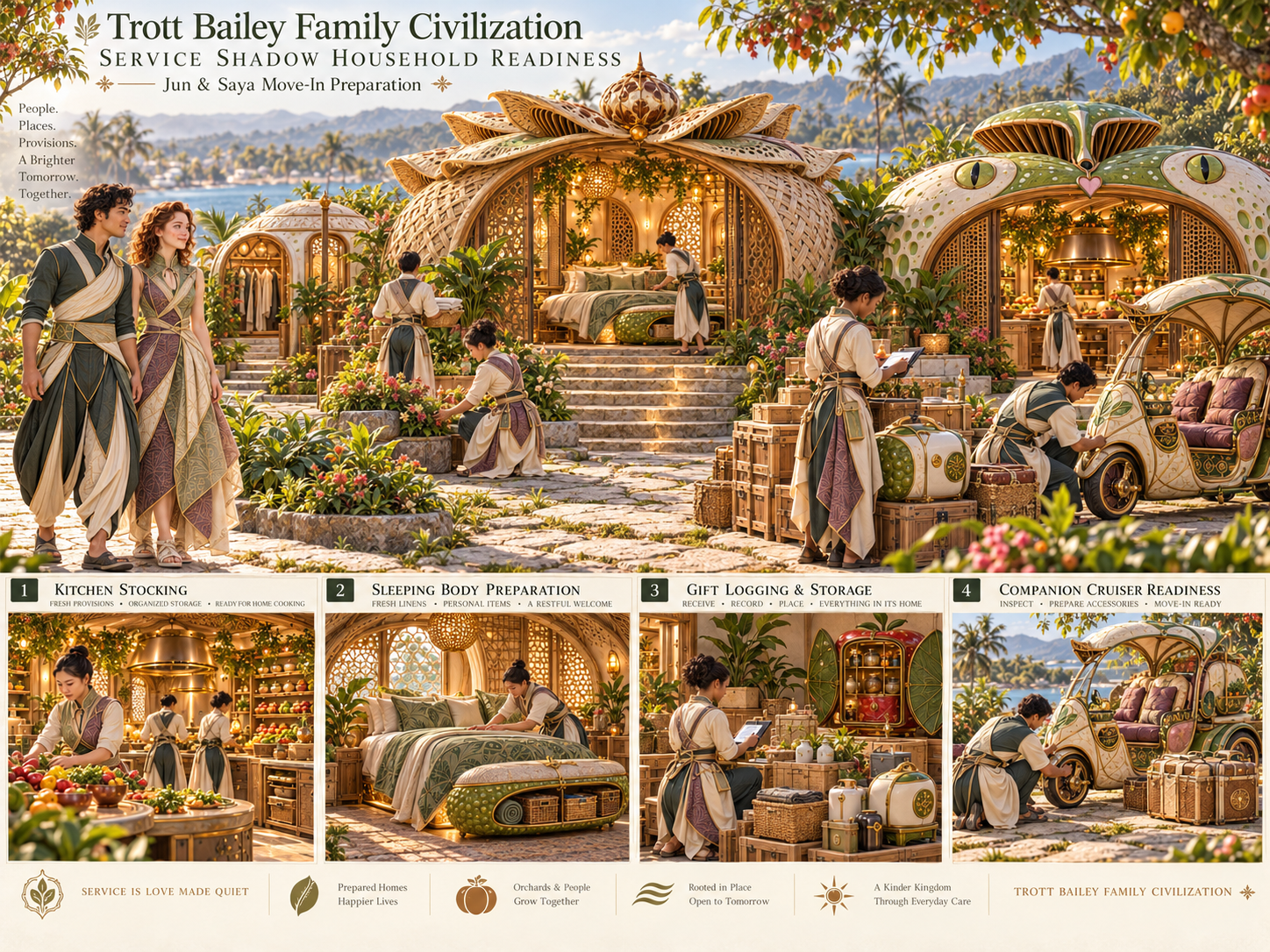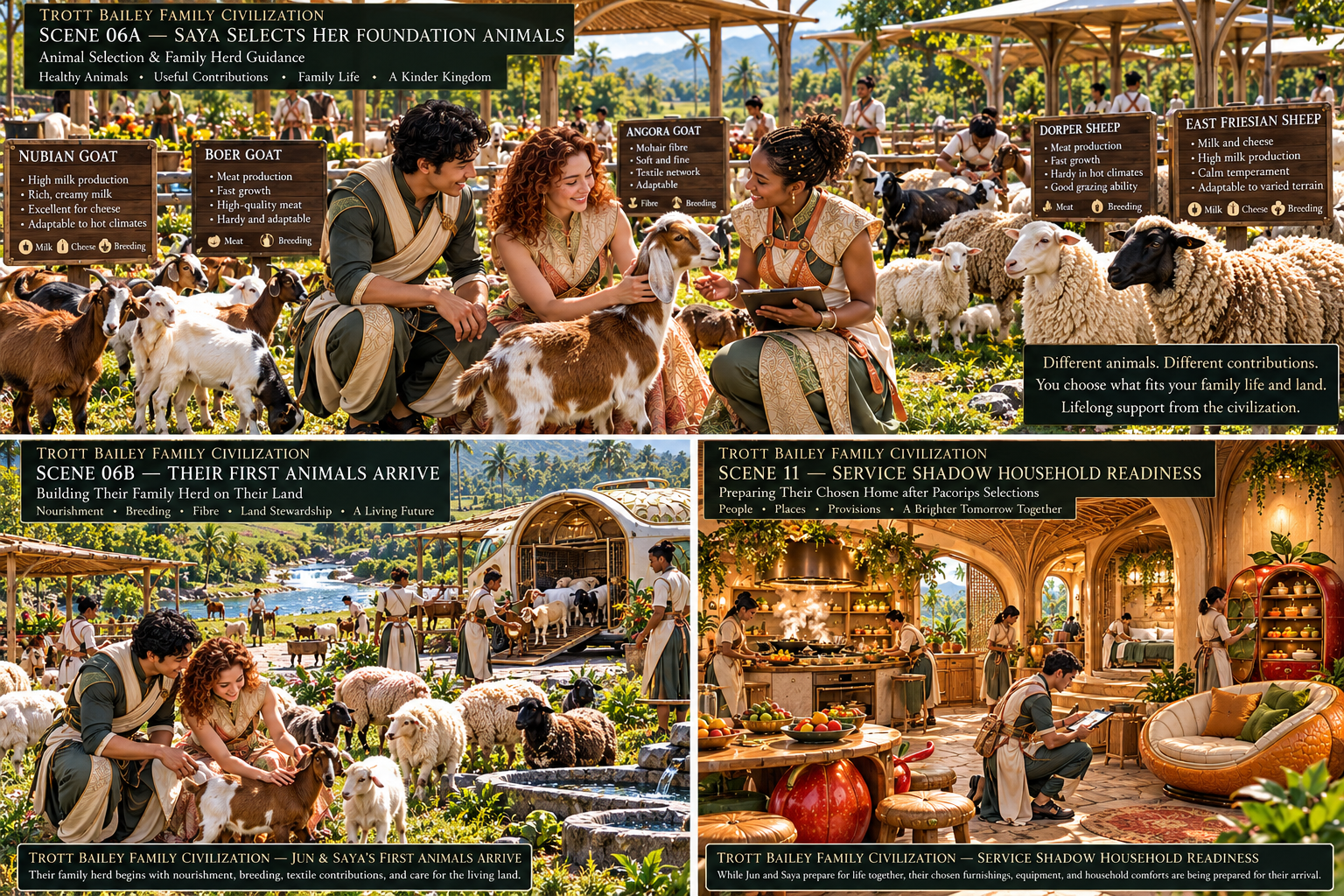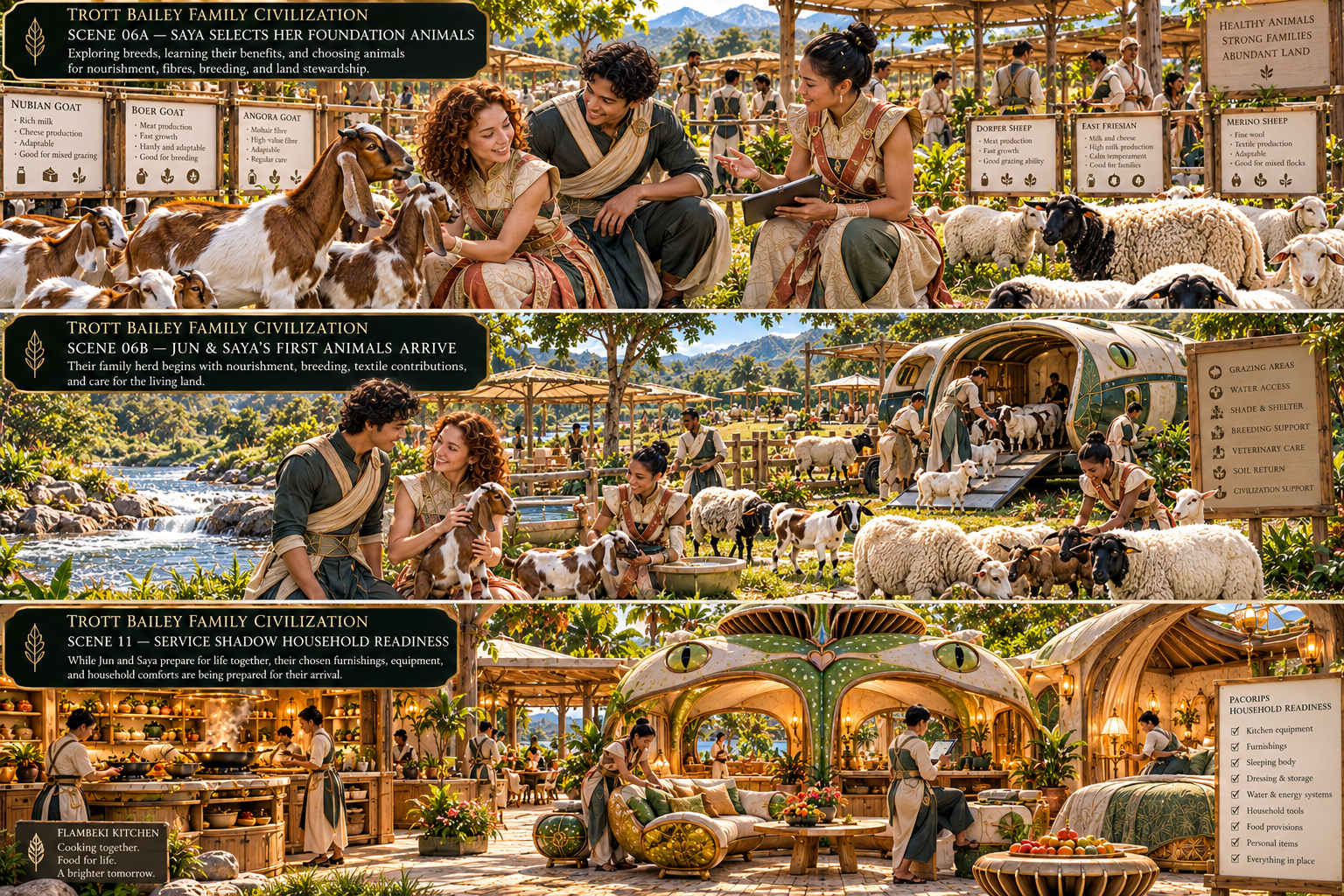

What Would a Civilization Built for Mothers and Fathers Look Like?
What Would a Civilization Built for Mothers and Fathers Look Like?
Modern society loves to talk about family.
People say family is important. They say children are the future. They say mothers are strong. They say fathers should provide. They say parents should raise good children, keep the home together, work hard, stay patient, stay healthy, stay loving, and somehow not fall apart.
But here is the problem:
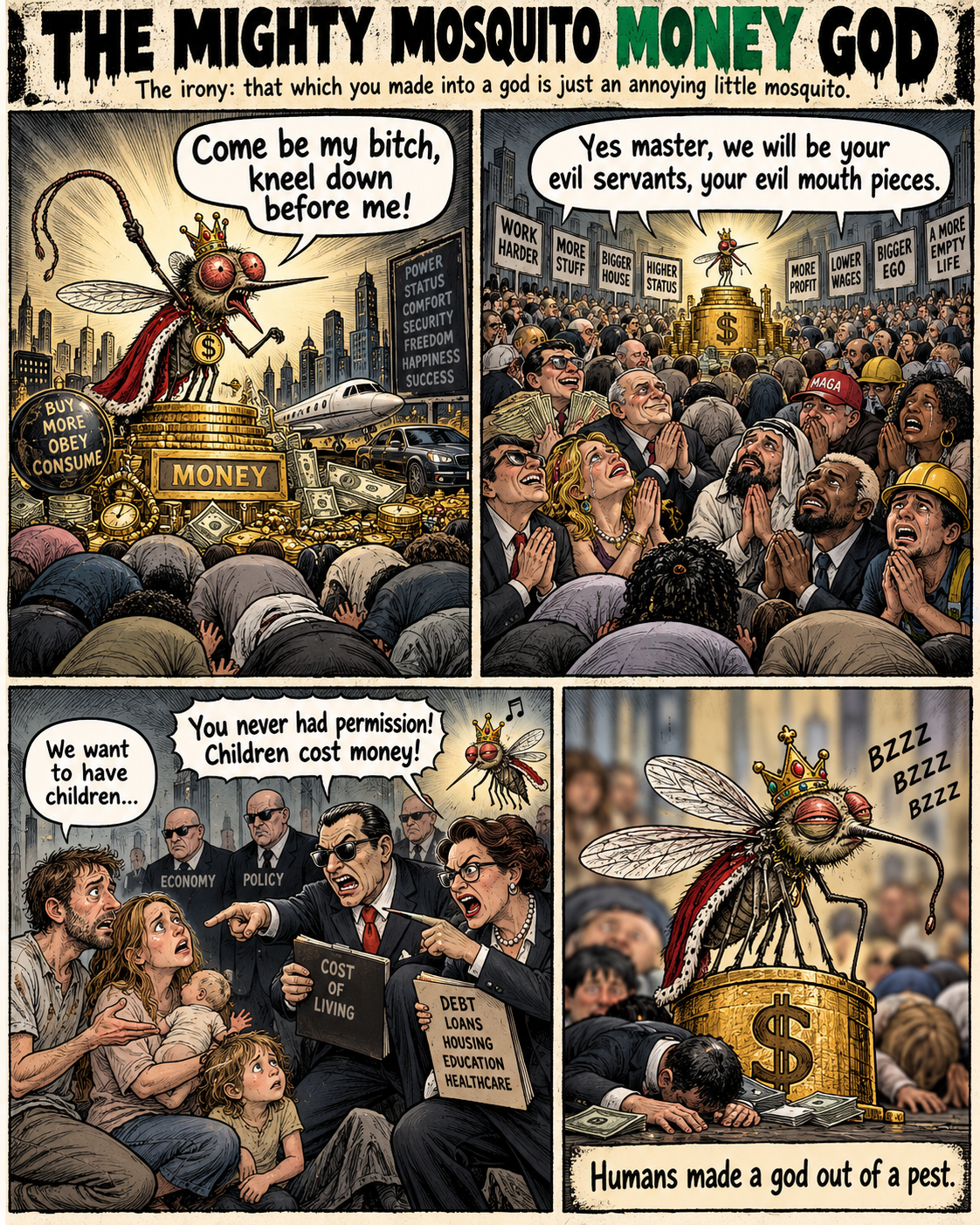
Modern society gives parents huge responsibility, but not enough support.
Parents are expected to carry almost everything.
- food
- clothing
- cleaning
- schooling
- health
- discipline
- emotional support
- transportation
- appointments
- money pressure
- household organization
- child safety
- family unity
And then, when parents are tired, people act surprised.
Homes Cannot Carry Every Family Burden Alone
The modern home is expected to do too much.
Inside one house or apartment, the family is expected to handle cooking, cleaning, laundry, childcare, teaching, emotional recovery, discipline, rest, storage, safety, entertainment, and sometimes work too.
That is too much pressure for one private space.
A home should be a place of love, rest, and family closeness. But for many families, the home becomes a worksite that never closes.
There is always another meal. Another spill. Another pile of laundry. Another dish. Another appointment. Another school issue. Another bill. Another child needing attention.
The family is not weak.
The design is weak.
A civilization built for mothers and fathers would not leave every family burden trapped inside the home.
Children Need Freedom, Not Constant Parental Panic
Children are supposed to move, spill, climb, crawl, ask questions, touch things, get dirty, explore, and learn.
But many modern spaces are not built for real children.
So parents spend their days saying:
- Don’t touch that.
- Don’t run there.
- Don’t get dirty.
- Don’t spill that.
- Don’t break that.
- Don’t put that in your mouth.
Sometimes correction is necessary. Children need guidance.
But when the whole environment is hostile to normal child behavior, parents become guards instead of relaxed guides.
That is exhausting.
A better civilization would create spaces where children can be children without parents feeling constantly embarrassed, afraid, or overwhelmed.
Not a weak world.
A prepared world.
Mothers Need Recovery, Not Just Expectations
Mothers are often praised, but praise is not the same as support.
A mother may be called strong while still being left alone with exhaustion.
She may be expected to heal, feed, clean, organize, comfort, teach, remember everything, and look like she is handling it.
That is not civilization.
That is pressure dressed up as admiration.
A civilization built for mothers would make recovery visible and normal.
- mother recovery gardens
- quiet nursing and feeding spaces
- public rest areas where children can play safely nearby
- food support after birth
- gentle body recovery services
- emotional support without shame
- help with clothing, washing, meals, and child movement
Fathers Need Real Support Roles Too
Fathers are often given a narrow role: provide, protect, keep going.
But fathers also need support.
They need places where fatherhood is not treated as an afterthought.
They need public systems that help them hold babies, guide children, recover from pressure, learn care skills, build family rhythm, and support their wives without being isolated.
A civilization built for fathers would not only ask men to work harder.
It would help fathers become more present, more skilled, more rested, and more connected to the family.
Fatherhood should not be reduced to money pressure.
It should be part of the living architecture of the civilization.
Public Spaces Should Help Families, Not Exhaust Them
Many public spaces are technically open to families, but not truly designed for them.
A place can allow children and still make parents miserable.
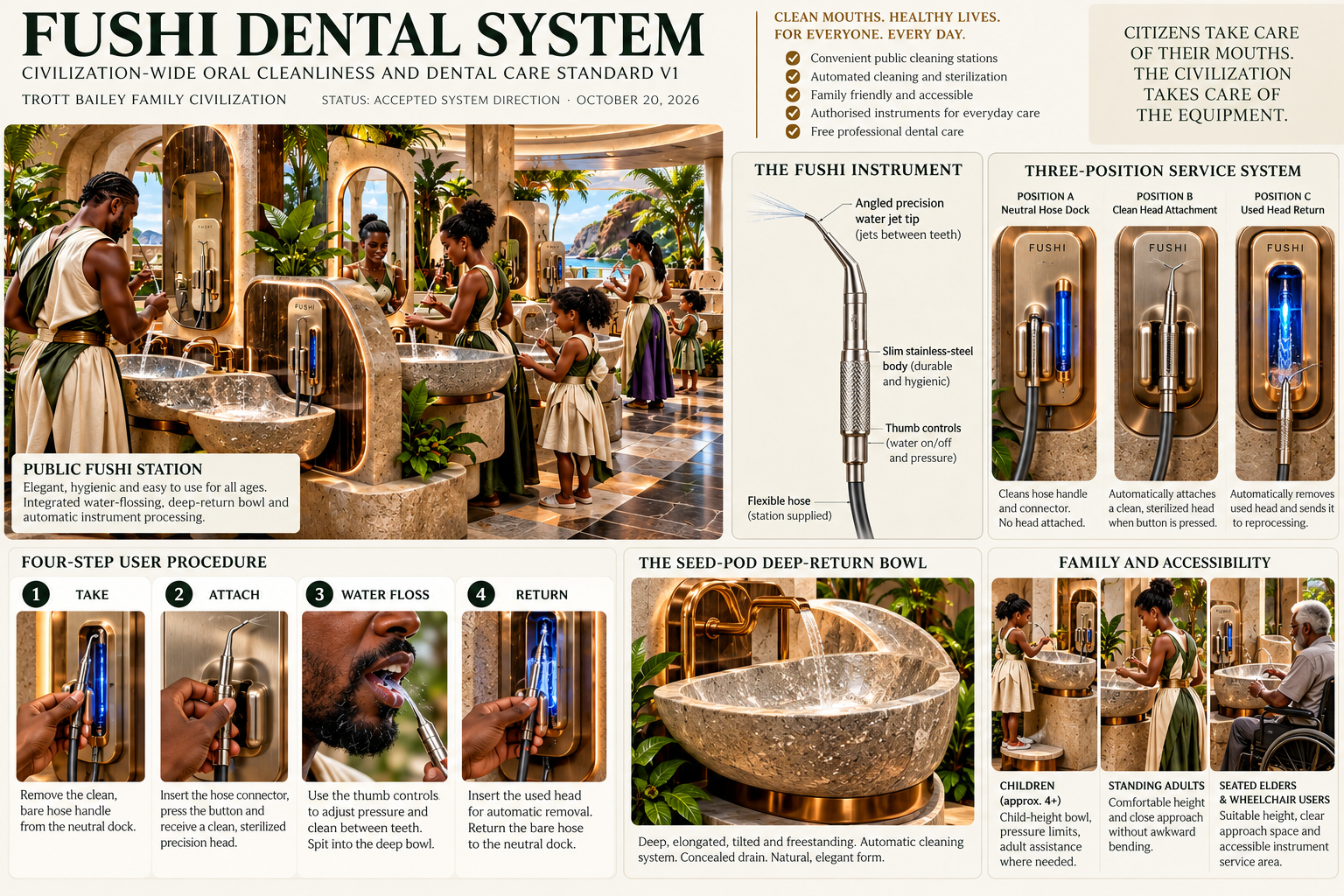
If there is nowhere to sit, nowhere to wash hands, nowhere to calm a baby, nowhere to change clothes, nowhere to safely let a child move, then the space is not really family-supportive.
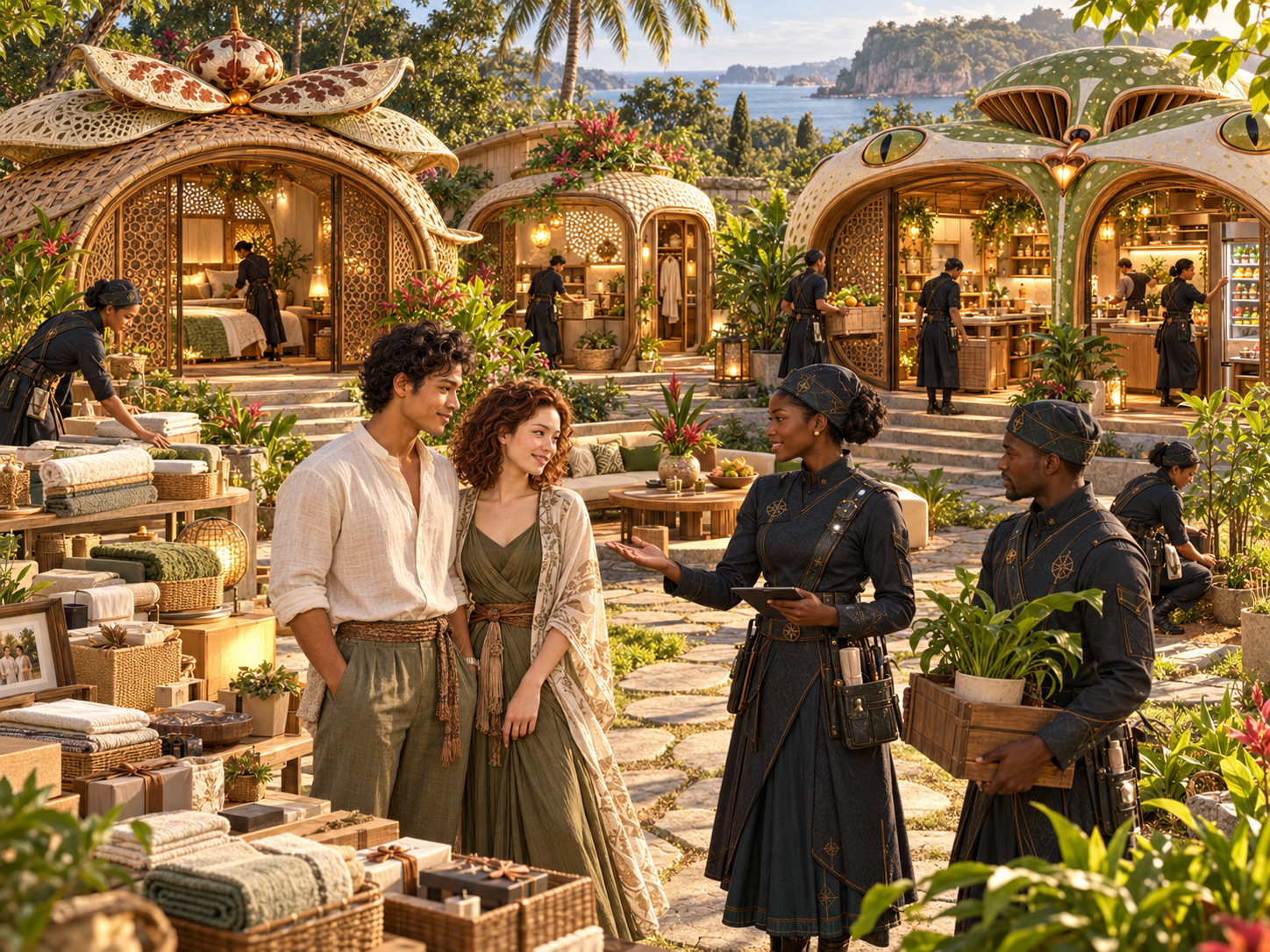
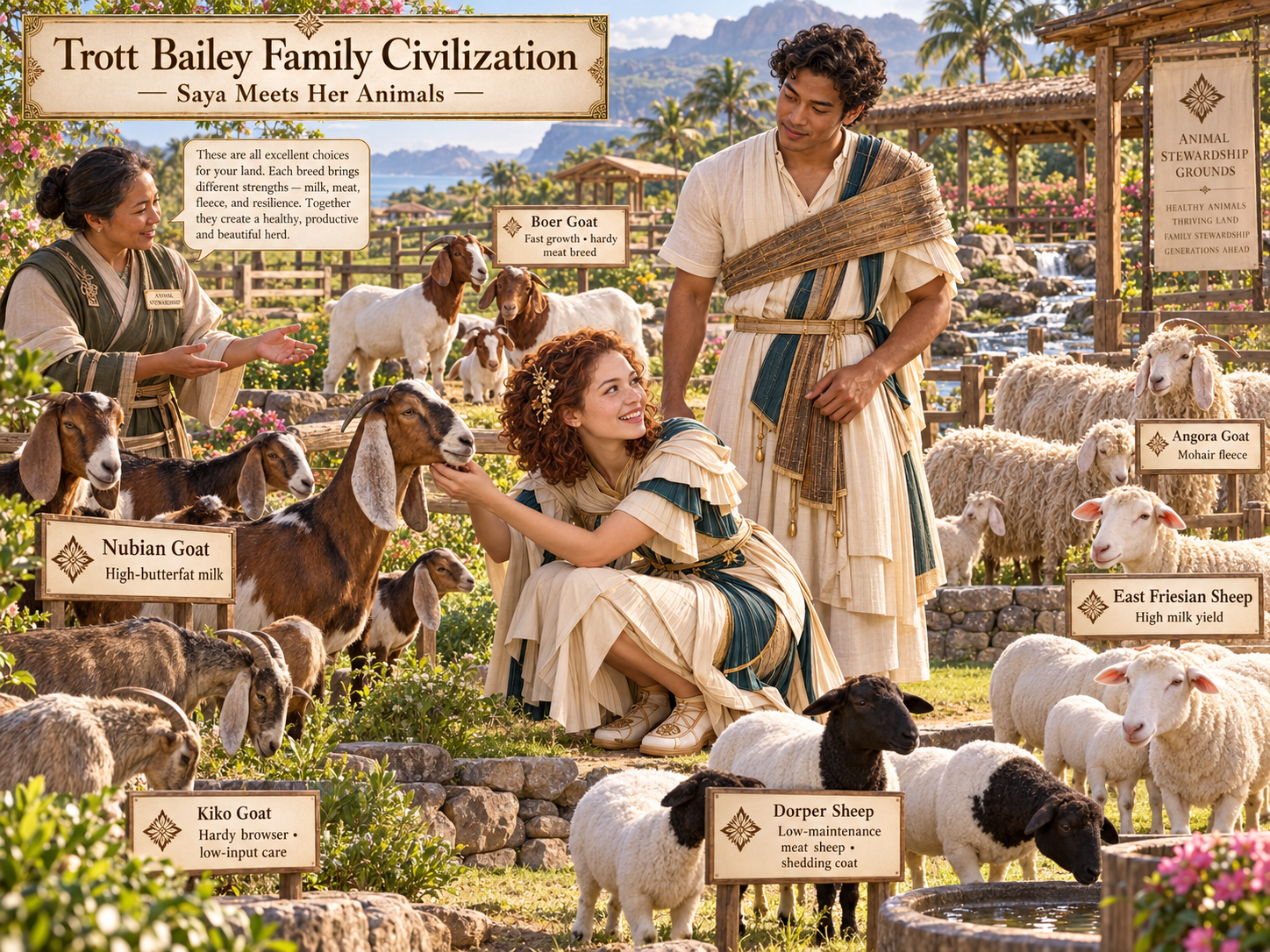
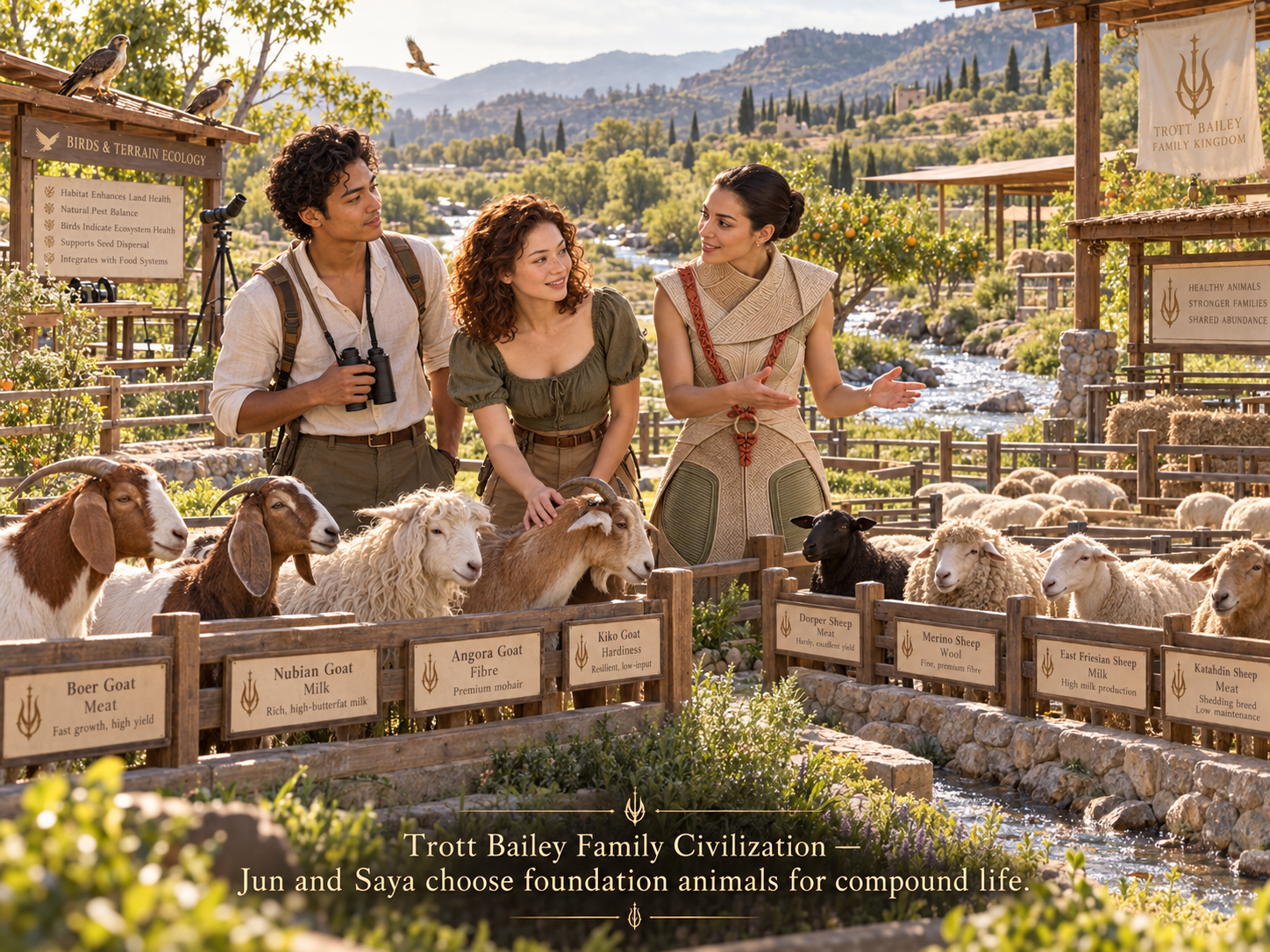
Trott Bailey Civilization would think differently.
- clean family rest zones
- baby-safe roaming fields
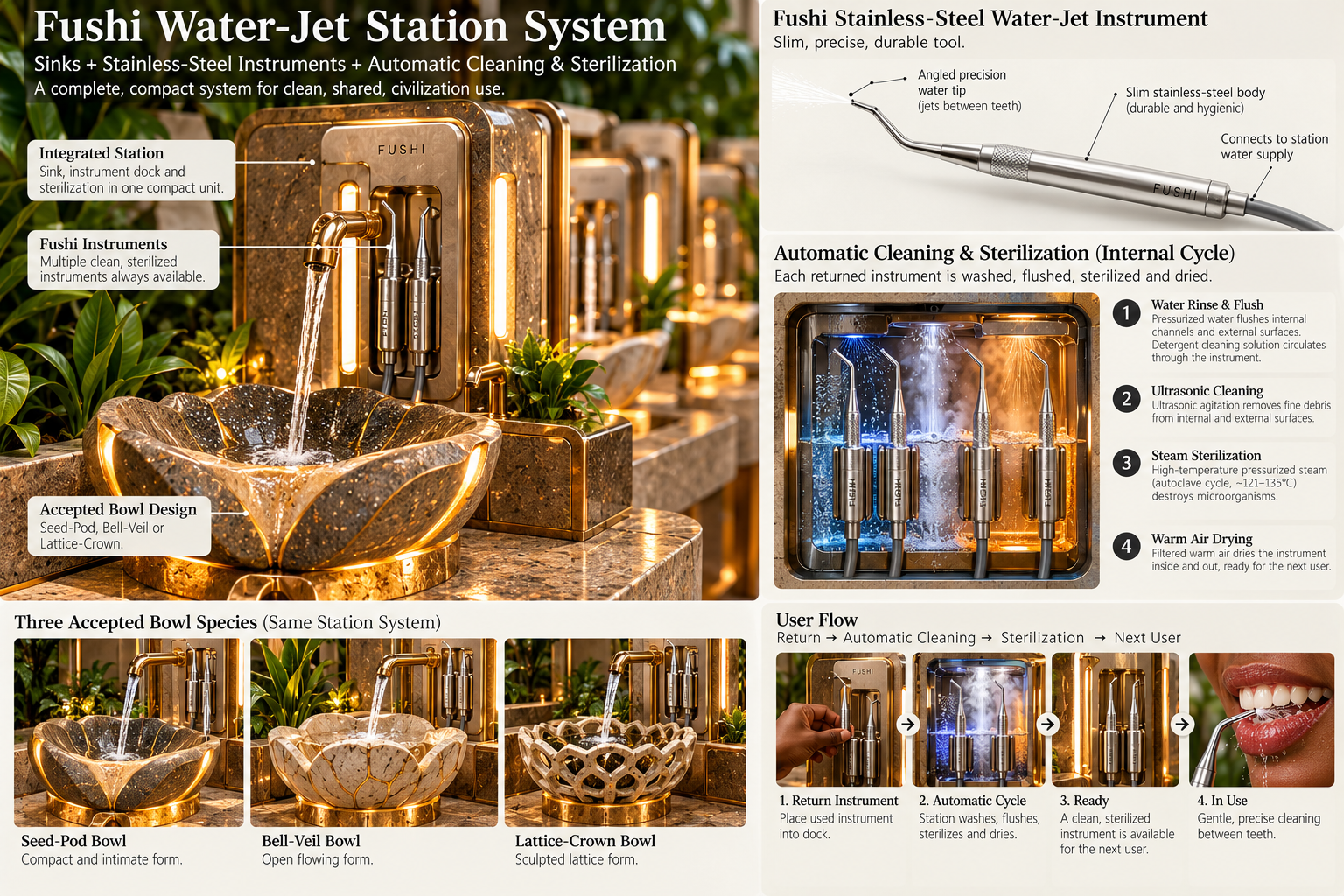
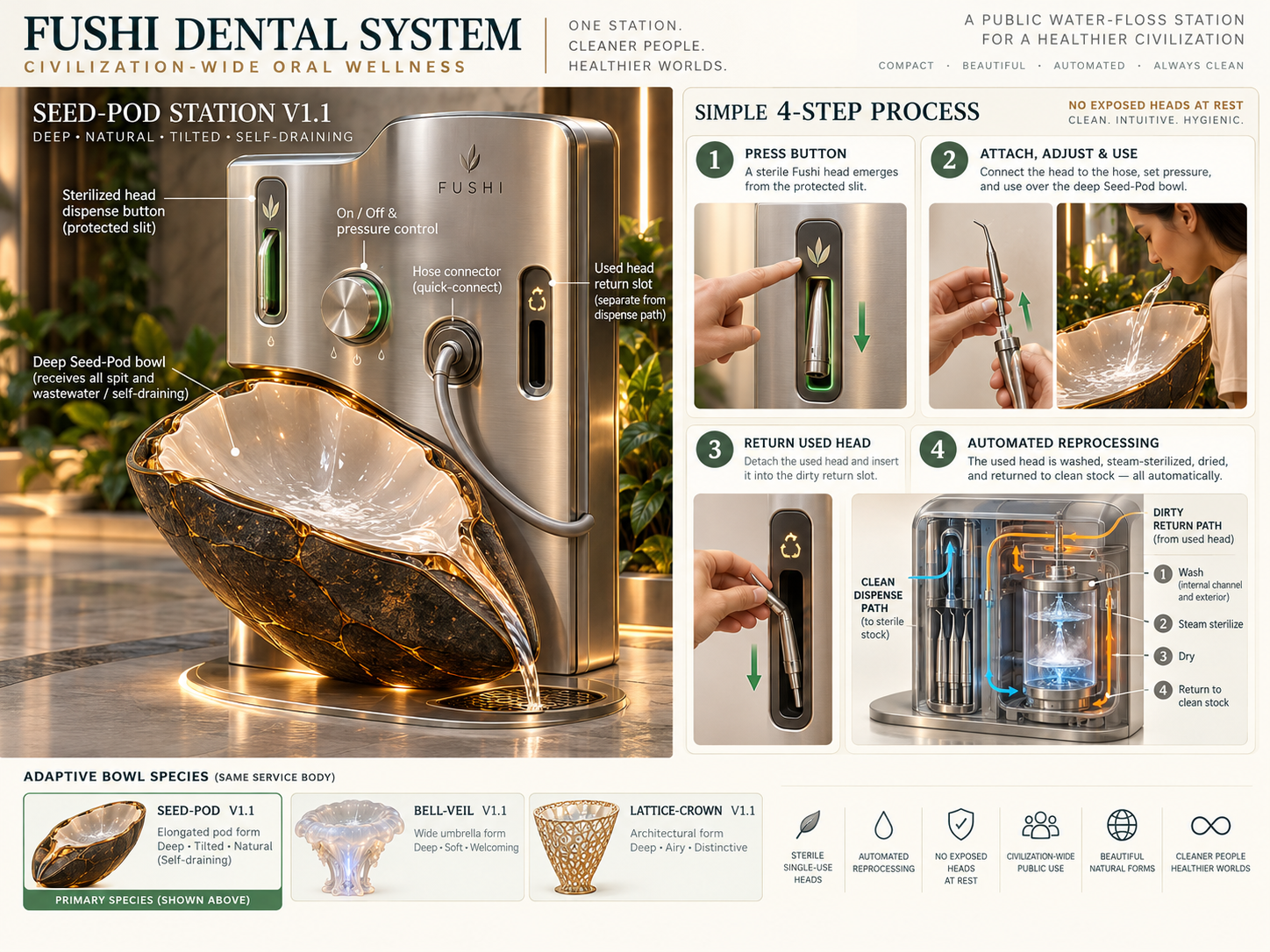
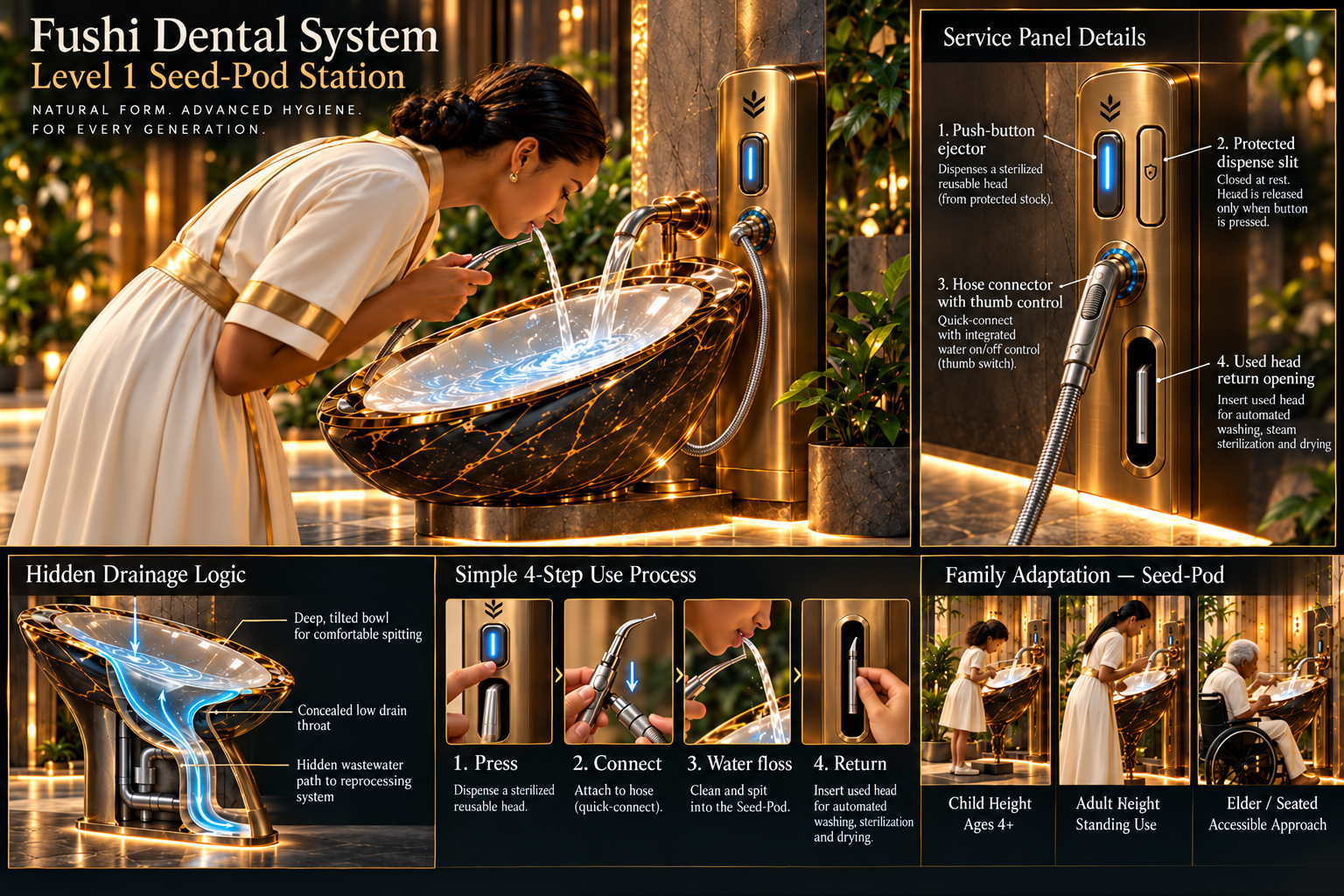
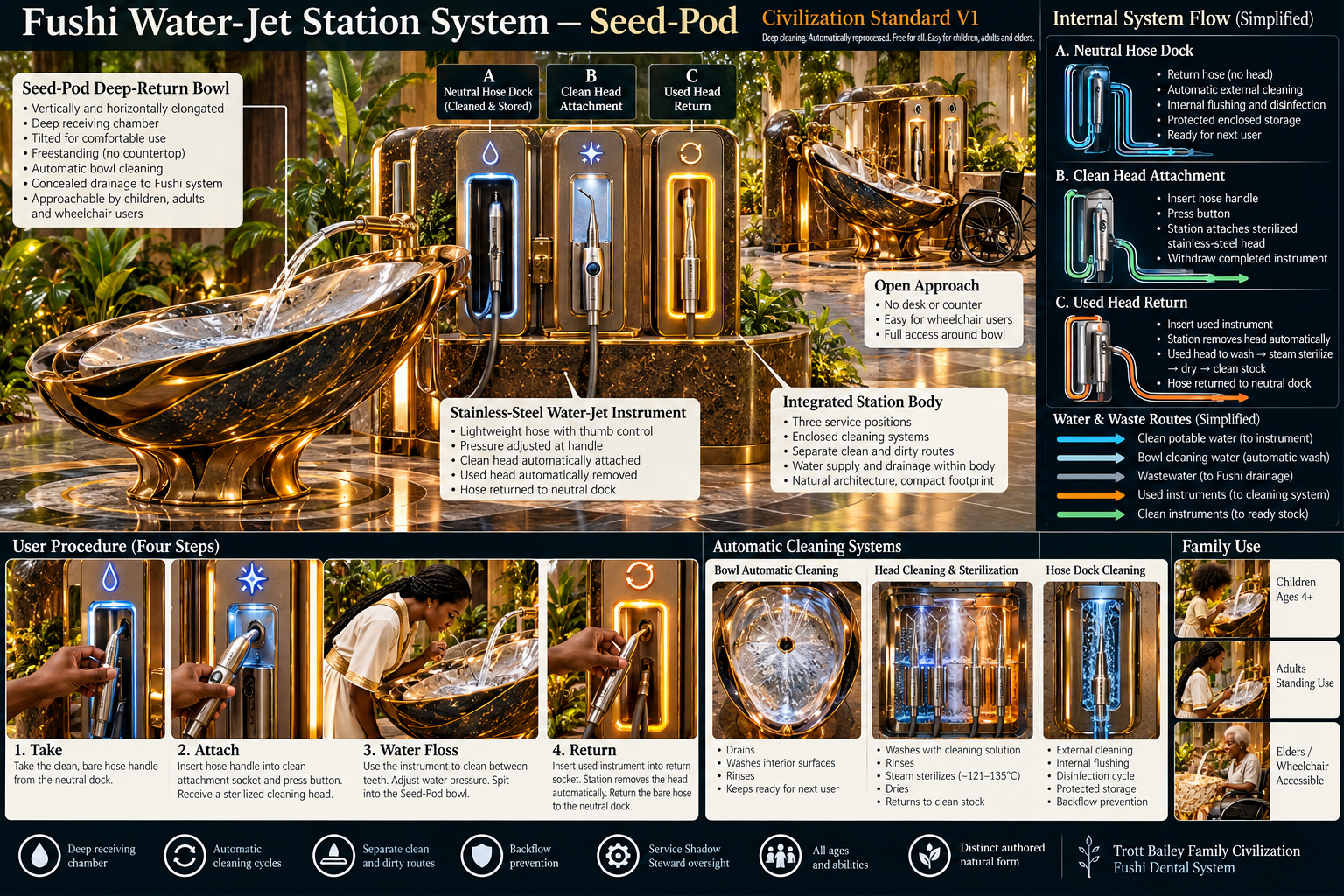
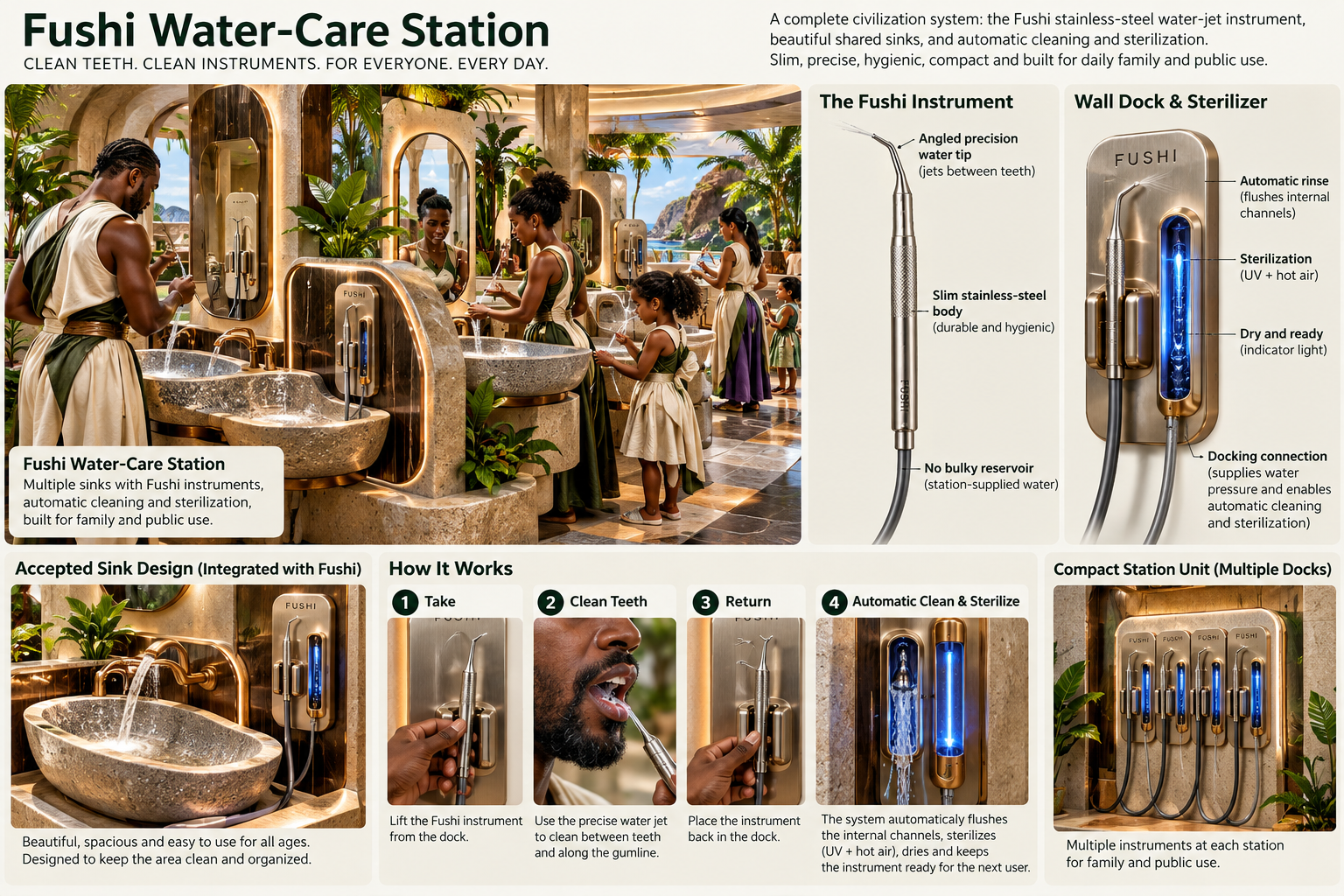
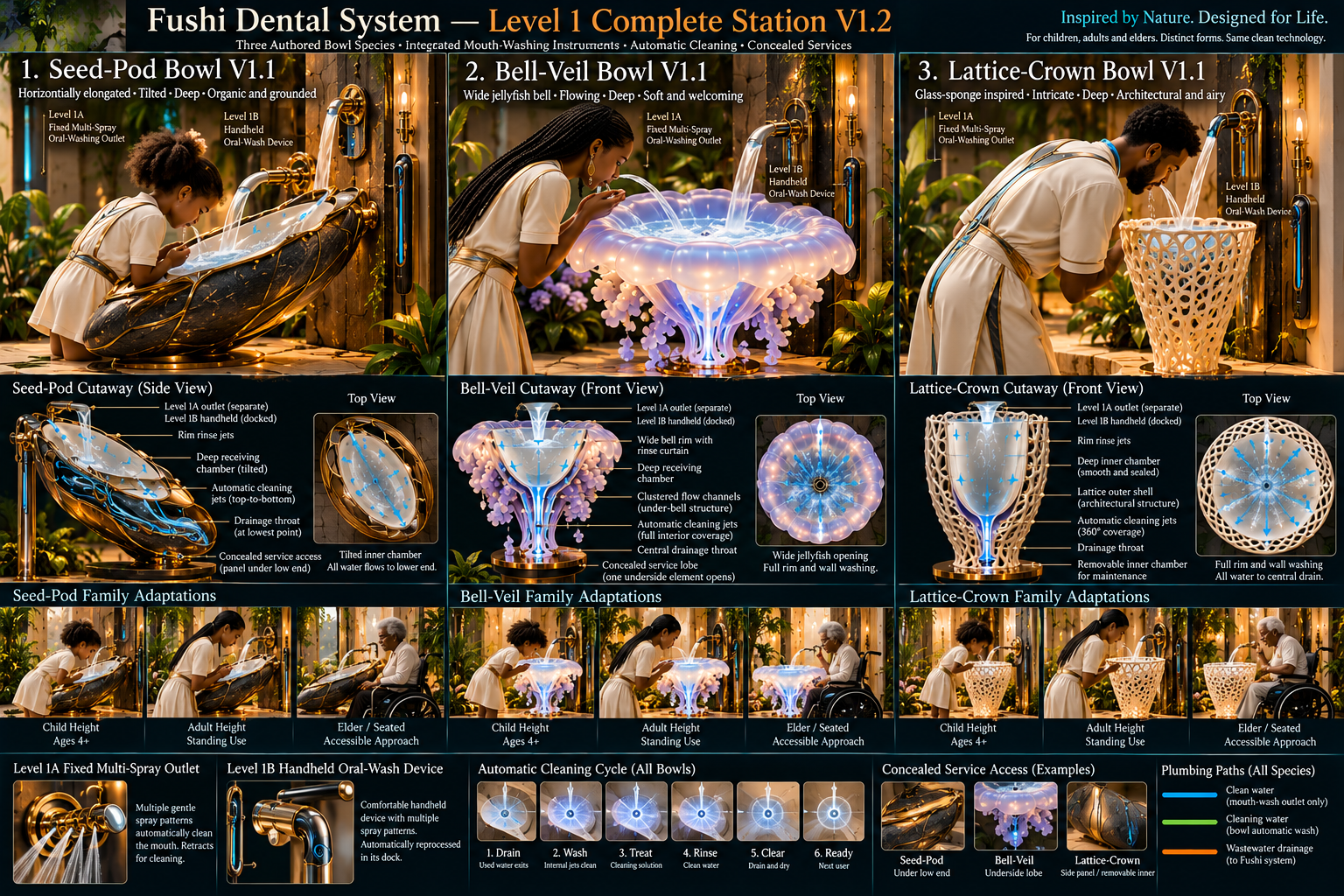
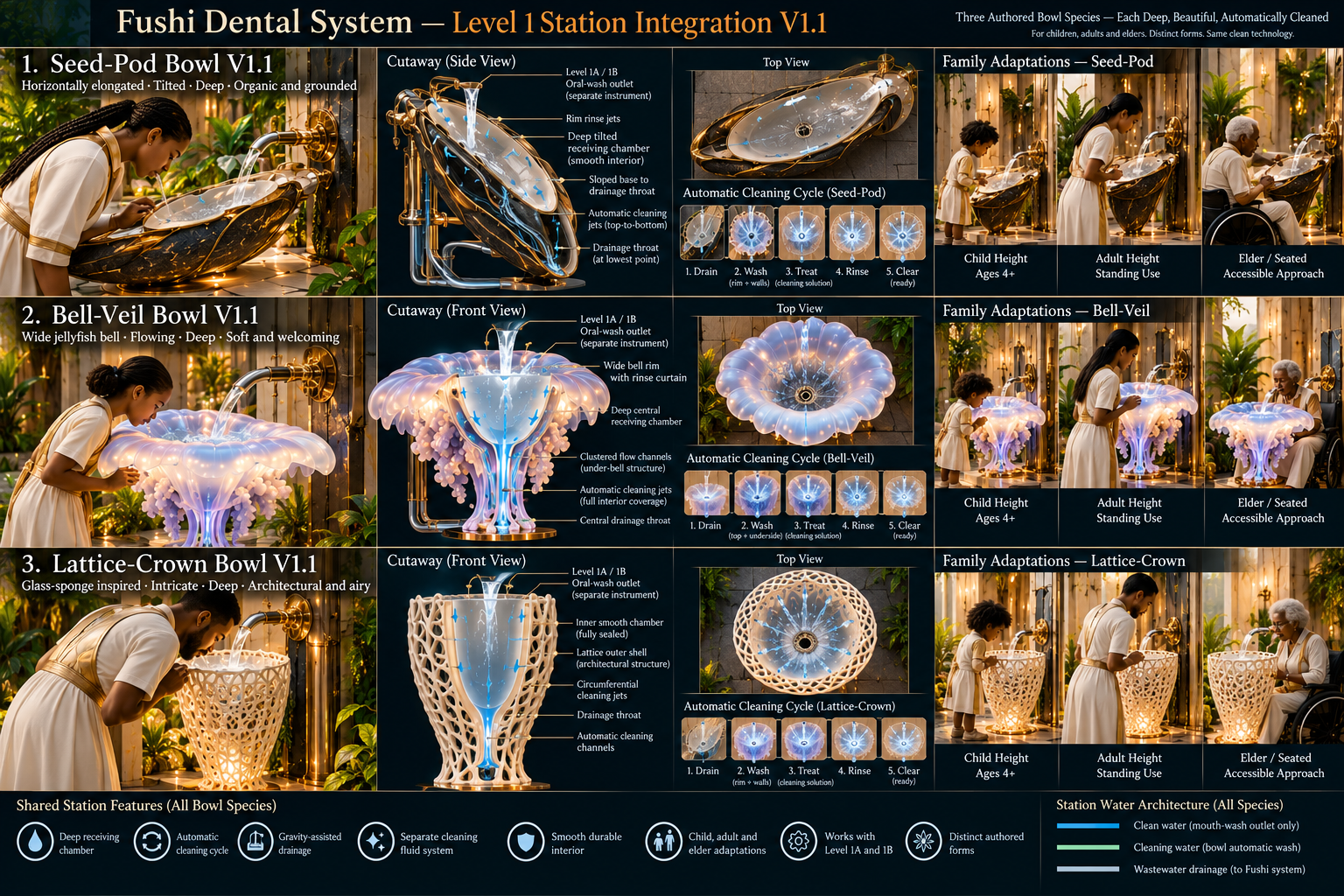
- water and handwashing points
- food support areas
- garment refresh stations
- stroller-friendly routes
- elder seating
- shade and cooling
- quiet reset spaces
- helpers who reduce stress instead of adding judgment
That is what support looks like.
Not speeches about family values.
Actual systems.
Trott Bailey Civilization: The Family Is Supported by Design
Trott Bailey Civilization would not treat family life as a private survival test.
It would build around the family from the beginning.
The question would not only be:
The question would be:
Can mothers recover?
Can fathers be present?
Can children explore?
Can elders rest?
Can babies move safely?
Can meals be easier?
Can laundry stop being a private battle?
Can public spaces reduce pressure instead of creating more?
This is what makes Trott Bailey Civilization different.
It does not only admire the family.
It builds for the family.
What Changes When the Civilization Carries Part of the Load?
When the civilization supports parents properly, family life changes.
- Parents are less tense.
- Children are freer.
- Mothers are less isolated.
- Fathers are more involved.
- Homes become calmer.
- Public spaces become more usable.
- Care work becomes less invisible.
Instead of every family privately drowning in the same problems, the civilization admits:
That one shift changes everything.
Conclusion: Family Life Should Not Be a Private Survival Test
A civilization built for mothers and fathers would not ask parents to carry childhood, food, clothing, rest, safety, learning, and emotional stability alone.
It would not praise parents while leaving them unsupported.
It would not call family sacred and then design public life as if families are an inconvenience.
It would not expect children to behave like small adults just because the world was not built for them.
A real family civilization would say:
We see the burden.
We honor the parents.
We make room for the children.
We build systems that help.
That is the Trott Bailey difference.
The family is not left alone to survive. The family is supported by design.



 and then