




Why Baby World Needs Robots and Human Caregivers.
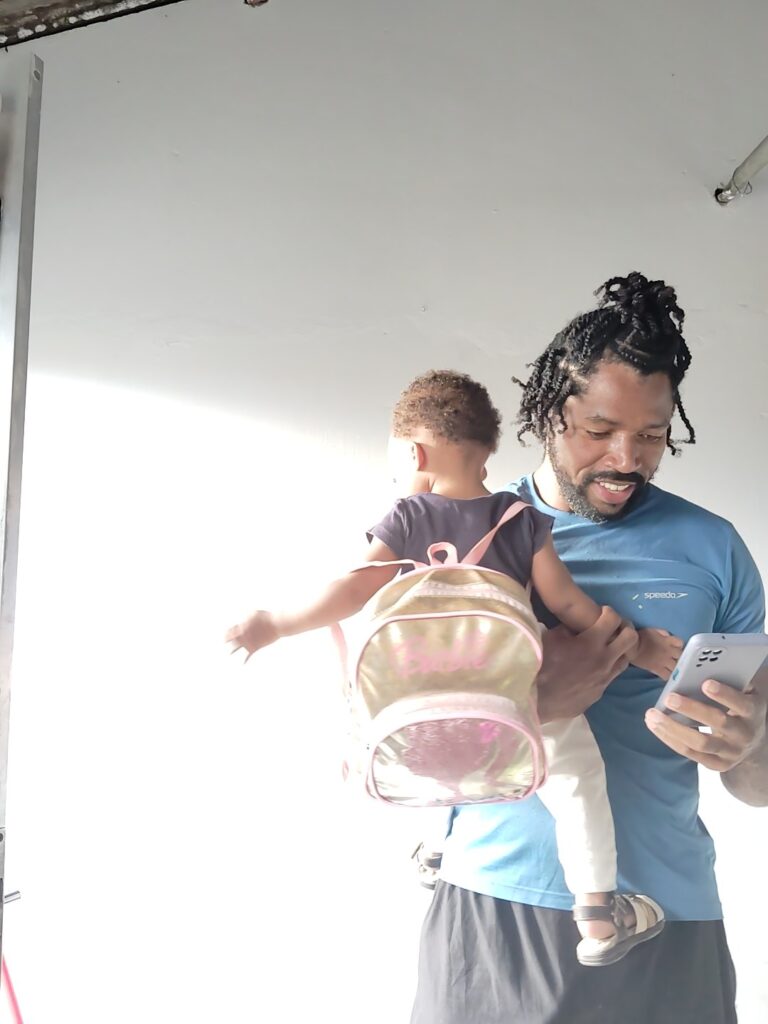
‘i need somewhere to bang bang clang clang daddy’


Trott Bailey Family Kingdom
Why Baby World Needs Robots and Human Caregivers
How Big King’s Mr and Mrs Rasta robots support Baby World by carrying burden, protecting safety, assisting families, and preserving the warmth of human care.
Robots Do Not Replace Family Care
In the Trott Bailey Family Kingdom, robots are not introduced into Baby World because human care is unimportant. They are introduced because human care is too important to be buried under endless repetitive tasks.
Baby World is a place for babies, toddlers, parents, grandparents, siblings, caregivers, helpers, edible learning, water play, soft rest, family bonding, and early childhood wonder. Such a place requires constant support. Towels must move. Mats must be refreshed. Shallow water must be monitored. Strollers must be guided. Food samples must be delivered. Soft nest chambers must be reset. Surfaces must be cleaned. Parents must be directed to nursing rooms, rest groves, wash stations, and calm spaces.
If all of this burden falls only on human contributors, then Baby World risks recreating the very problem the kingdom rejects: exhausted people hidden behind a beautiful public experience.
Robots carry repetition so humans can carry warmth.
The Kingdom’s Work Principle
The Trott Bailey Family Kingdom does not organize life around wage slavery, survival labor, or long exhausting work weeks. Citizens contribute through the Family Shubaka Contribution System: limited, meaningful, family-centered contribution supported by shared abundance and intelligent systems.
A person may contribute roughly six hours over a week in a role they enjoy, are gifted in, or feel called to support. Husband-and-wife pairs may contribute together. Whole families may become known for special skills that serve the kingdom. The same families who contribute also enjoy the same gardens, Baby World, water districts, food pavilions, public spaces, and cultural places on their own days of rest.
This means Baby World cannot be built on a hidden workforce of tired people. Its staffing model must match the kingdom’s civilization model. Human helpers should offer wisdom, comfort, teaching, music, storytelling, observation, food guidance, and relational care. Automated helpers should carry the repeated burden that would otherwise consume human energy.
Big King’s Mr and Mrs Rasta Robots
The Mr and Mrs Rasta robot pair, designed by Big King, can become a signature helper-assistant system inside Baby World. They should not look or behave like cold industrial machines. They should feel like Big King family-care inventions: warm, safe, culturally authored, recognizable, soft-presenting, and useful.
Their design should communicate friendliness without becoming toy-like. They may have rounded forms, soft edges, expressive faces or light cues, Rasta-inspired crown or hair silhouettes, washable woven-texture shells, quiet movement systems, gentle voice tones, child-safe speeds, and visible signals that show when they are assisting, resting, cleaning, guiding, or calling a human helper.
Their identity matters. They are not generic service robots. They are Big King helper-assistants made for a family civilization.
What the Robots Should Do
1. Soft Logistics
Mr and Mrs Rasta robots can carry towels, mats, clean cloths, baby-safe toys, sensory objects, soft cushions, fruit bowls, water cups, stroller tags, and small supply baskets between Baby World zones.
This prevents human helpers from spending their contribution time walking back and forth with supplies instead of being present with families.
2. Water Safety Support
Baby World includes shallow Sky Water Gardens, dew-edge splash channels, warm baby basins, rinse stations, and water play areas. These spaces should always be human-supervised, but robots can support safety by monitoring water depth, temperature, slipperiness, flow changes, and crowd density.
If a surface becomes too slick, a channel becomes crowded, or a basin needs attention, the robot can alert a human helper immediately.
3. Clean-Reset Assistance
Babies crawl, touch, spill, splash, explore, and rest. Baby World must be washable and constantly refreshed. Robots can help collect used towels, replace clean mats, dry wet edges, sanitize surfaces, return toys to proper zones, and reset nest chambers after use.
This keeps the environment beautiful without forcing human contributors into endless cleaning cycles.
4. Family Guidance
Families arriving in Baby World may need help finding nursing rooms, diaper care rooms, rest groves, edible learning rings, stroller routes, water gardens, sibling edges, food stations, or quiet spaces.
Robots can guide families gently without replacing human welcome. They can say, “This way to the Caregiver Rest Grove,” or “A human helper is coming to assist you,” while keeping movement calm and organized.
5. Food and Edible Ring Support
Baby World’s Edible Wonder Rings introduce babies and toddlers to safe food experiences: touch, smell, wash, taste, compost, and soil. Robots can carry rinse bowls, fruit samples, compost trays, water cups, soft spoons, and teaching materials.
Human helpers still guide the tasting, explain the plants, comfort the child, and support the parent. The robot simply keeps the system moving.
6. Stroller and Family Flow
Baby World must work for families with strollers, bags, siblings, tired parents, grandparents, and babies at different stages. Robots can help route strollers, identify available stroller bays, bring small transport baskets, and help families move between zones without confusion.
This makes Baby World calmer, especially during busy hours.
What Human Caregivers Still Do
The most important parts of Baby World must remain human. Robots should never replace the roles that depend on trust, judgment, tenderness, and emotional intelligence.
Human caregivers and Family Shubaka contributors provide:
- welcoming families with warmth and dignity;
- comforting babies and supporting parents;
- telling stories in the Grass-Bore Nest Chamber Village;
- guiding toddlers through safe food discovery;
- singing lullabies and leading soft rhythm circles;
- observing emotional needs that technology may miss;
- supporting nursing parents and tired caregivers;
- helping siblings feel included without disturbing baby zones;
- teaching children about plants, water, soil, food, and family care;
- making judgment calls when a family needs personal attention.
Baby World works because humans and robots do different things. The robot is not the parent. The robot is not the storyteller. The robot is not the comforter. The robot is the assistant that protects human energy for those higher forms of care.
How Robots Fit Into Baby World Zones
The Arrival Ring
In the Arrival Ring, robots help direct stroller flow, carry welcome baskets, point families toward washing stations, identify available lockers, and alert human helpers when a family needs personal reception.
Pink-Mottle Hedge Rooms
In the Pink-Mottle Hedge Rooms, robots should be discreet. These are intimate parent-baby spaces, feeding spaces, quiet play areas, and soft garden rooms. Robots should stay at the edge unless called, so the rooms feel peaceful rather than monitored.
Cloud Bounce Fields
In the Cloud Bounce Fields, robots can monitor ground conditions, flag worn or wet areas, deliver cushions, and call helpers if a mound becomes overcrowded or a child needs support.
Grass-Bore Nest Chamber Village
In the nest village, robots can track whether crawl pods need resetting, whether cushions need replacement, and whether any chamber is becoming crowded. Human helpers remain responsible for direct child interaction and storytelling.
Sky Water Gardens
In the water gardens, robots are especially useful. They monitor shallow water depth, temperature, surface slipperiness, towel levels, rinse stations, and safe flow. Human helpers remain present for child comfort and parent guidance.
Baby Edible Wonder Rings
In edible learning spaces, robots bring supplies and support the compost, wash, taste, and reset cycle. Human helpers explain the plants and guide parent-child interaction.
Caregiver Rest Groves
In rest groves, robots may deliver water, fruit bowls, clean cloths, blankets, or soft mats. They should move quietly and never disturb resting families.
Design Rules for Baby World Robots
Because Baby World is for babies, toddlers, and families, robotics must follow strict design principles.
- Soft form: no sharp edges, threatening limbs, or hard aggressive silhouettes.
- Quiet movement: no loud motors, sudden turns, or startling sounds.
- Child-safe speed: slow, predictable movement in all baby zones.
- Visible intention: lights, gestures, or sound cues should show what the robot is doing.
- Human override: a human helper can pause, redirect, or take over at any time.
- Privacy respect: robots should not intrude into nursing, rest, or intimate family spaces unless called.
- Washable body: the shell must be easy to clean and safe around water and food.
- No cold surveillance feeling: safety monitoring should feel protective, not policing.
- Cultural authorship: the robot should visibly belong to Big King and the Trott Bailey Kingdom.
The Integrated Technology Layer
Robots are only one part of the Baby World technology system. The larger layer includes sensors, gentle alerts, hidden service paths, washable surfaces, water quality systems, stroller routing, towel and mat tracking, supply stations, and calm coordination through Pacorips.
This technology should be mostly invisible until needed. Families should feel peace, not machinery. The beauty of Baby World should remain botanical, soft, shaded, and family-centered, while the intelligence underneath keeps it safe and easy to operate.
Integrated systems may help track:
- which areas need cleaning or reset;
- which water gardens need towel restock;
- which stroller bays are available;
- which edible ring stations need fresh fruit or rinse bowls;
- which zones are too crowded;
- which families requested human helper support;
- which surfaces are wet, hot, slippery, or worn;
- which rest groves are quiet and available.
The purpose is not control. The purpose is care coordination.
Why This Makes Baby World More Humane
Some people may think robots make a baby environment colder. In the Trott Bailey Family Kingdom, the opposite is true when robotics are used correctly. Robots make Baby World more humane by protecting human contributors from exhaustion.
A tired helper carrying towels all day has less energy to comfort a parent. A caregiver constantly cleaning mats has less energy to sing, teach, and observe. A human contributor trapped in logistics cannot fully offer their gift.
By moving the repetitive burden onto automated assistants, Baby World preserves human attention for what matters most: relationship, tenderness, teaching, and family support.
A Kingdom Standard for Future Districts
The Baby World robotics layer can become a model for the whole kingdom. The same principle can support Kultan water systems, Keslev food fields, Sherika arrival pavilions, Balushu Release Commons, Sabennery centers, Cuddle Villages, and family compounds.
In every district, automated helpers should reduce burden while human contributors provide judgment, welcome, beauty, knowledge, culture, and care.
The kingdom does not automate to erase people. It automates to protect people from being consumed by labor.
The Final Vision
Baby World needs robots because Baby World needs rested humans. It needs parents who are supported, helpers who are not exhausted, children who are safe, and systems that remain clean, beautiful, and functional without demanding endless human sacrifice.
Mr and Mrs Rasta robots represent Big King’s contribution to this vision: technology made warm, family-centered, culturally authored, and useful. They carry supplies, monitor surfaces, support water safety, guide families, reset spaces, and alert human helpers when personal care is needed.
But the heart of Baby World remains human. The parent holding the baby, the helper singing a lullaby, the family guiding a toddler through a fruit garden, the caregiver noticing when a mother needs rest — these are the moments robotics must protect.
In Baby World, technology serves tenderness.



 and then






































