

What Exactly Has She Been Liberated To Do With Her Time?

What Exactly Has She Been Liberated to Do With Her Time?
Dear young Chinese woman, look carefully at the future that has been placed in front of you.
Get educated.
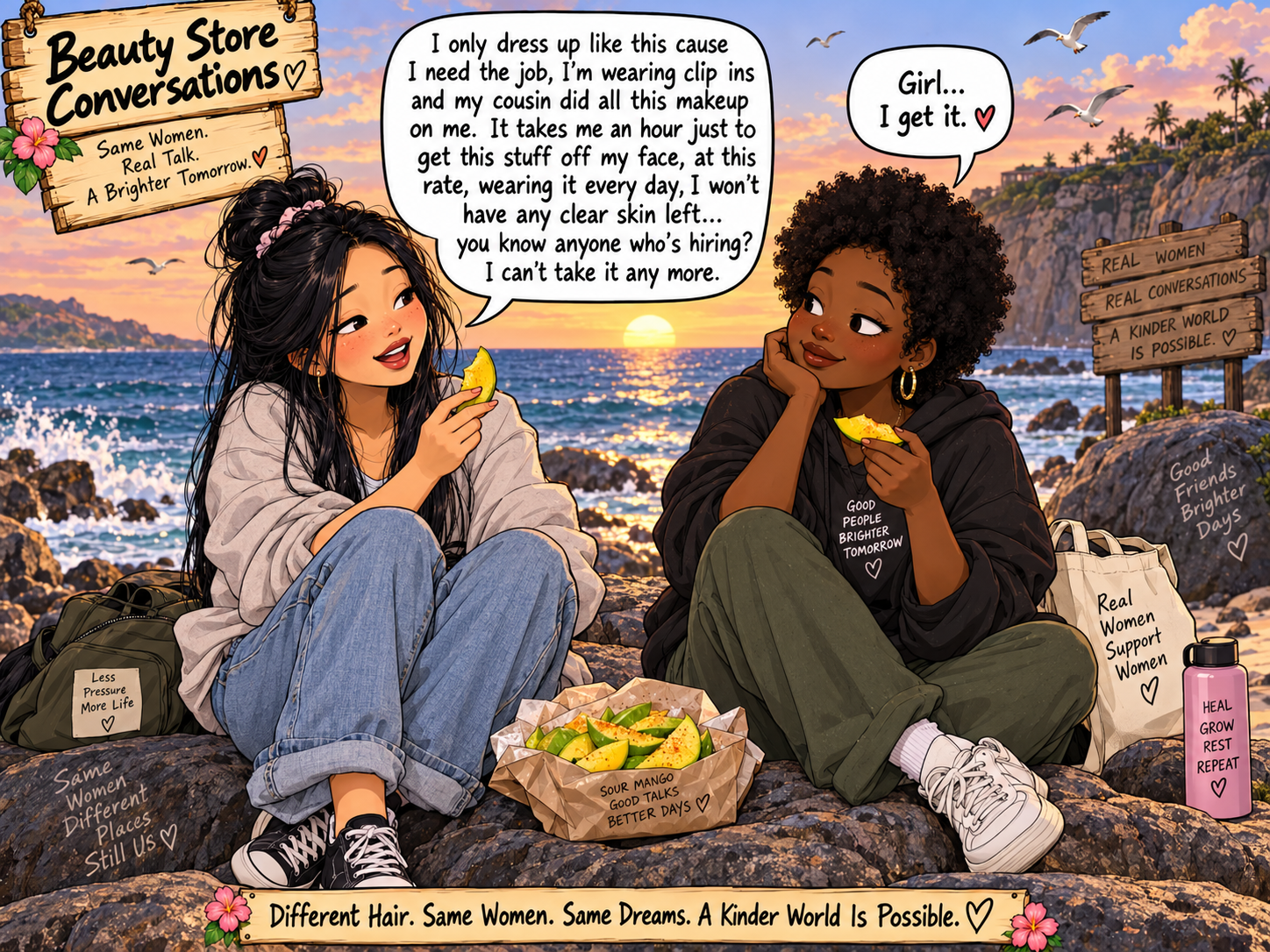
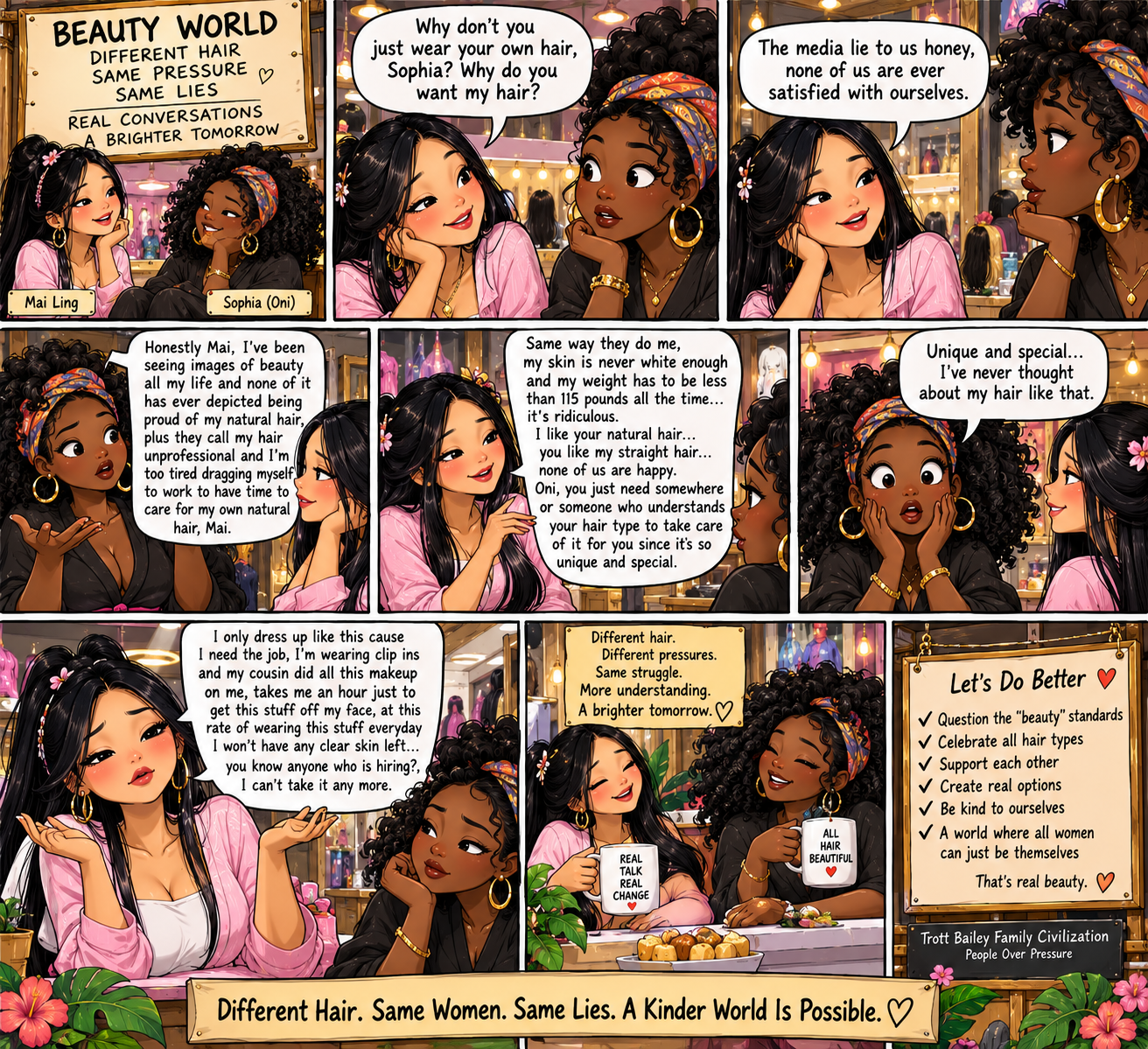
Beat your face. Dress well. Rush through the train system. Submit the CV. Hope somebody chooses you. Get the job. Work hard. Be ambitious. Become independent. Earn your own money. Rent your own place. Buy your own things. Move up.
If everybody else stays late, stay late.
If everybody else competes harder, compete harder.
If relationships with coworkers, clients and bosses continue over dinner and alcohol after work, apparently work gets the evening too.
Then go home.
Sleep.
Get up.
Do it again.
And somewhere inside all of this, find a husband, build a marriage, have children if you want them, remain beautiful, keep earning, stay competitive, keep your apartment and somehow do not become too old while you are doing it.
This is the setup.
Government, employers, commercial culture, media, family expectations and the housing market do not speak with one voice. Different forces are pulling at the same woman.
And she still has one body and twenty-four hours.
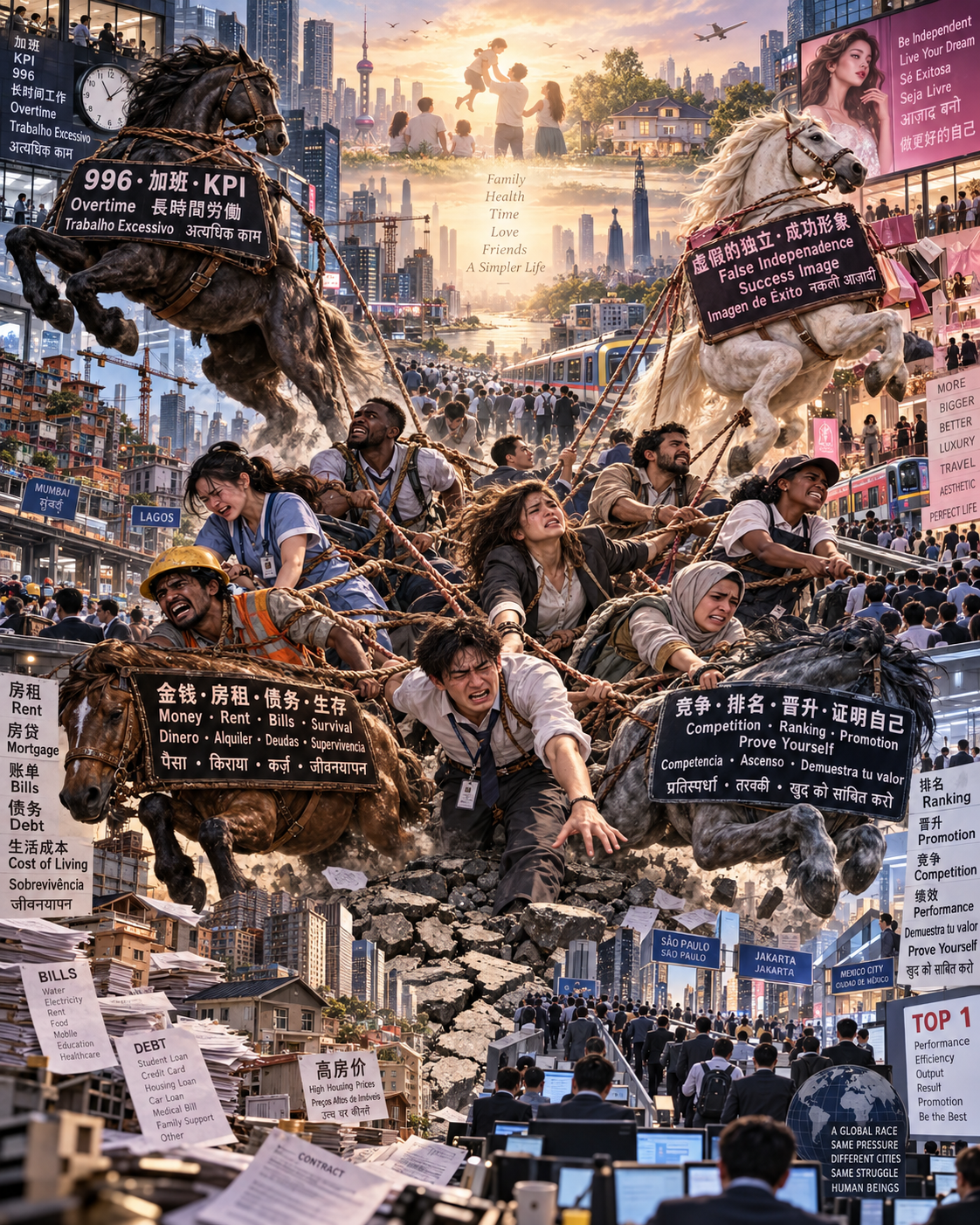
996: Give Us Your Day
China has a neat little number for one version of this life.
Nine in the morning until nine at night, six days a week.
It became recognizable enough that China’s own Supreme People’s Court and labor authorities dealt with it publicly. In one published case, a courier company’s rules required employees to work from 9 a.m. to 9 p.m., six days a week. A worker refused the excessive overtime and was fired. The authorities found the schedule seriously exceeded legal limits and the dismissal was unlawful. China’s Supreme People’s Court later described 996 as part of a “deformed overtime culture.” (source)
Not every Chinese woman works 996.
The point is that this way of consuming human time became common enough to need a name.
And what happens inside those hours?
Improve.
Stay useful.
Stay visible.
Do not fall behind.
Do not become difficult.
Do not become expensive.
Do not become replaceable.
Everybody keeps running because everybody else keeps running.
What a great big machine of time wasting.
Then, after giving your twenties to proving yourself, another delightful feature appears. Research published in 2025 found dismissal rates increasing significantly just after Chinese workers crossed age 35, even after controlling for productivity-related factors. (source)
Work.
Compete.
Build the career.
Become established.
Then at thirty-five somebody is already looking for the newer model.
One woman interviewed after losing her job following a decade at a Beijing multinational described feeling discarded and questioning her own worth. (source)
There it is.
The company makes an economic decision.
The human being carries it inside herself.
Dear China: 996, 666
And while we are here, Dear China, whether you invert it to 996 or call it 666, I still see the beastly mark.
There you go. World Ruler Sher has solved Revelation for everybody who has spent centuries scratching their heads over it. It was not that hard or complicated.
I am not saying somebody in Beijing deliberately chose 996 to hide 666.
That is irrelevant.
I am saying this is what Revelation was warning about.
Look at the economic order human beings have built.
Can you buy or sell without participating in it?
Can you eat without money?
Keep your shelter?
Raise your children?
Move through ordinary modern life?
And what does the machine demand?
Your strength.
Your usefulness.
Your obedience to its rhythms.
Your best years.
Your fear of being thrown out of it.
Nine until nine, six days a week.
996.
Turn it over.
666.
And after giving yourselves over to this work culture, in China or anywhere else, do your lives not begin to resemble a little lake of fire?
Commute.
Work.
Compete.
Perform.
Pay.
Sleep.
Again.
And without the system, can you buy or sell?
That is why I call it beastly.
Now Pay for Somewhere to Sleep
After work takes its share, housing arrives.
You are supposed to establish yourself before marriage.
Earn enough.
Become secure.
Find somewhere decent to live.
Housing is not some side issue in Chinese family formation. A 2026 study using Chinese census data found that a 10 percent increase in housing prices delayed first marriage by about 0.89 months among urban-hukou residents. The effect was stronger among women. The same research found higher prices also delayed first childbirth among urban women, and noted the strong social expectation linking homeownership and marriage. (source)
So now the market gets inside courtship too.
Housing matters.
Prospects matter.
Economic readiness matters.
Men are measured through earnings, property and whether they appear capable of providing security.
Women are measured through youth, looks and age.
The market starts invading intimacy from both sides.
And the years keep moving.
Now Why Aren’t You Married?
This is where the whole thing becomes rotten.
You told her:
Build yourself.
Become capable.
Get employed.
Earn.
Become economically secure.
Establish a career.
Do not depend on a man.
So she spends her twenties doing exactly that.
Then another voice walks into the room.
Twenty-seven.
Twenty-eight.
Thirty.
Why aren’t you married?
The term shengnü, usually translated as “leftover women,” became a visible stereotype around educated unmarried Chinese women over 27. Researchers have traced the role of media in constructing and spreading that stereotype, and studies of Chinese television found such portrayals intensified anxiety and pressure around early marriage. (source)
Leftover.
What an ugly word to put on a human being.
And look at the trick.
The same years she was told to spend becoming educated, employable and economically independent are now counted against her.
Everybody Wants a Piece of Her
By now the setup is obvious.
Researchers studying Chinese media describe precisely this collision between a pro-family, pronatalist agenda, traditional marriage pressure and modern ideas of female individual choice. (source)
Everybody wants something.
One woman.
One body.
Twenty-four hours.
And somewhere along this road she was told that the whole arrangement had a beautiful name:
Let us look at that word.
A woman who depends partly on a husband is immediately described as dependent.
A woman who must keep a boss satisfied every month so she can keep a landlord satisfied every month is described as independent.
How?
She depends on the employer.
She depends on the salary arriving.
She depends on transport to reach the employer.
She depends on the housing market.
She depends on banks, markets and commercial systems for practically everything necessary to maintain ordinary life.
She has not escaped dependence.
And some of these new dependencies are considerably less loving than family.
Your employer does not love you.
Your landlord does not love you.
The bank does not love you.
The train system does not care whether your baby woke four times last night.
The corporation does not care whether your marriage needs attention.
Yet dependence between husband and wife is treated suspiciously while dependence upon institutions is sold wearing the costume of freedom.
That definition of independence is ridiculous.
Your Men Were Not Hiding Some Wonderful Prize
And woman, your men should not have even been going into this toxic corporate machine himself, much less you now falling for the illusion and trying to muscle yourself into it.
Muscle into what?
Destruction?
Foolish.
The problem was never that men had access to some glorious world and women were unfairly excluded.
The world itself was rotten.
The boss.
The long days.
The competition.
The fear of unemployment.
The pressure to prove value through salary.
The husband removed from his household for the strongest hours of the day and then told that bringing money home was enough to make up for his absence.
Men were already being chewed up.
Then women were told equality meant getting inside the same machine.
Wonderful.
Now husband and wife can both commute.
Both compete.
Both answer to bosses.
Both fear replacement.
Both come home exhausted.
Both can give their strongest hours to institutions that would replace either of them tomorrow if convenient.
What Exactly Has She Been Liberated to Do With Her Time?
A young woman should be able to be educated, capable, economically competent, politically and legally secure, intellectually ambitious, married if she wishes, surrounded by children if she wishes, and still have enormous amounts of actual life left.
What exactly has she been liberated to do with her time?
If the answer is that she now has the freedom to spend twelve hours working, another two commuting, an evening networking, decades paying rent or mortgage, and whatever remains trying to fit love and children around employment, then it is reasonable to ask whether the design of life itself needs another revolution.
Education is good.
Capability is good.
Legal security is good.
Economic competence is good.
A woman being able to invent, research, lead, design, build, teach, farm, engineer, heal, write, discover and govern is good.
A civilization can give women far greater access to education, income, mobility and public life while still designing daily life terribly for women.
That is exactly what has happened.
What Were They Designing Civilization For?
Look behind the young woman on the train.
For decades, governments and international development institutions have openly optimized for economic density, labor mobility, productivity, formal employment, investment and consumption.
The World Bank’s 2009 World Development Report promoted higher economic density and shorter distances between workers, businesses and concentrated economic activity as central parts of development. (source)
The UN’s New Urban Agenda promotes compactness and density partly because they reduce service-delivery costs per person and produce economies of scale and agglomeration. (source)
China’s own 2014 national urbanization plan states the economic logic plainly: urbanization expands the urban consumer population, releases consumption potential and generates demand for housing, infrastructure and public services. (source)
And the World Bank’s current gender strategy promotes increased female labor-force participation while pointing to the GDP gains expected from closing employment gaps between men and women. (source)
There it is.
Labor participation.
Productivity.
Consumption.
Investment.
GDP.
Service-delivery cost.
These institutions also speak about poverty, rights, health and wellbeing.
But look at what the machinery repeatedly measures, rewards and optimizes.
Then look at what hardly becomes an organizing measurement at all.
How much waking life husband and wife actually have together.
How many ordinary hours fathers spend with their children.
Whether a mother can have several children and remain intellectually active, capable and honored.
Whether families have time to eat, talk, rest, build, travel and enjoy being alive.
Whether technology is giving people their time back.
Whether civilization is increasing the amount of life its people actually get to live.
Successive visionless leaders organized society around institutions, markets and economic measurements and presented the machinery as progress.
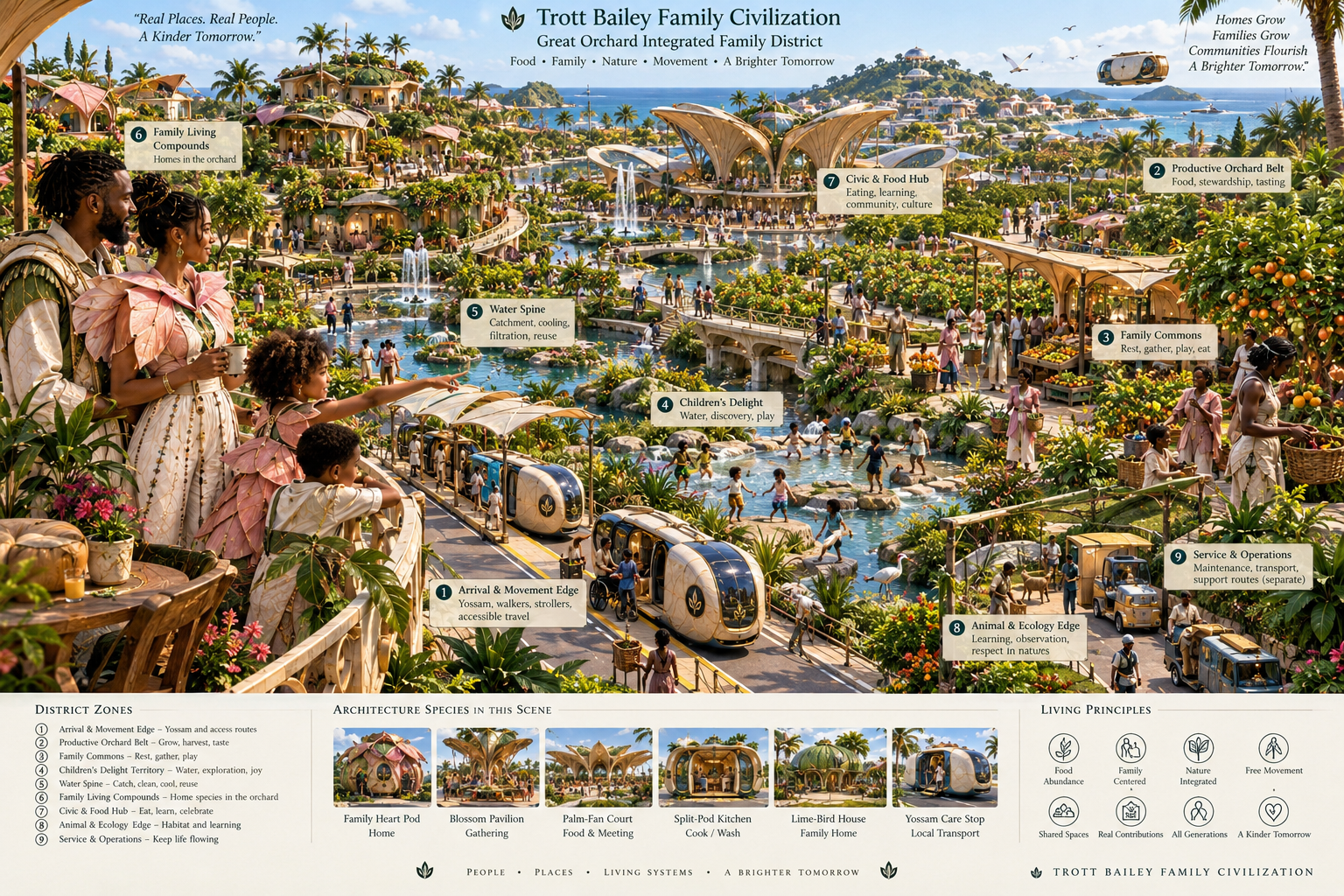
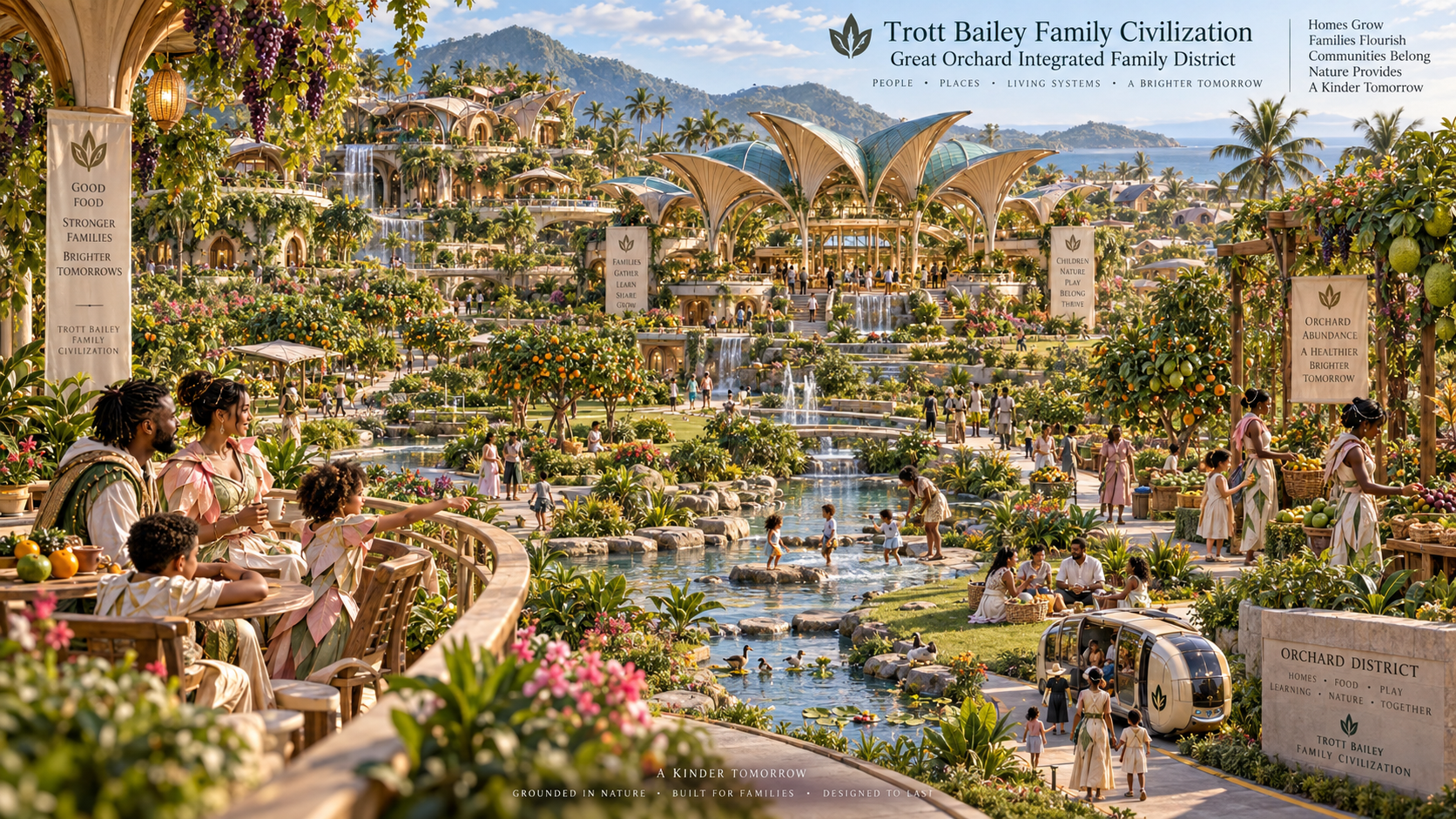
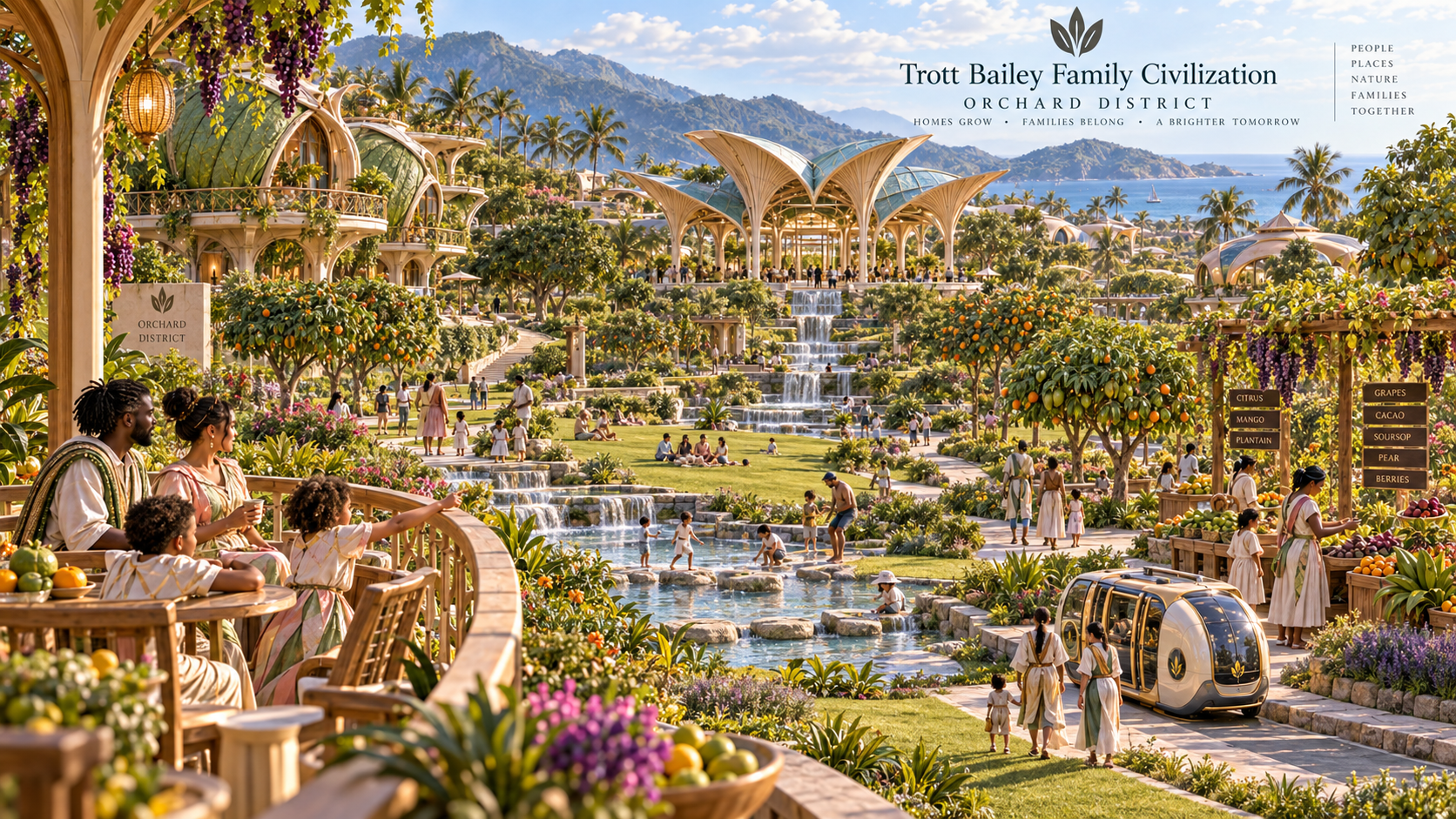
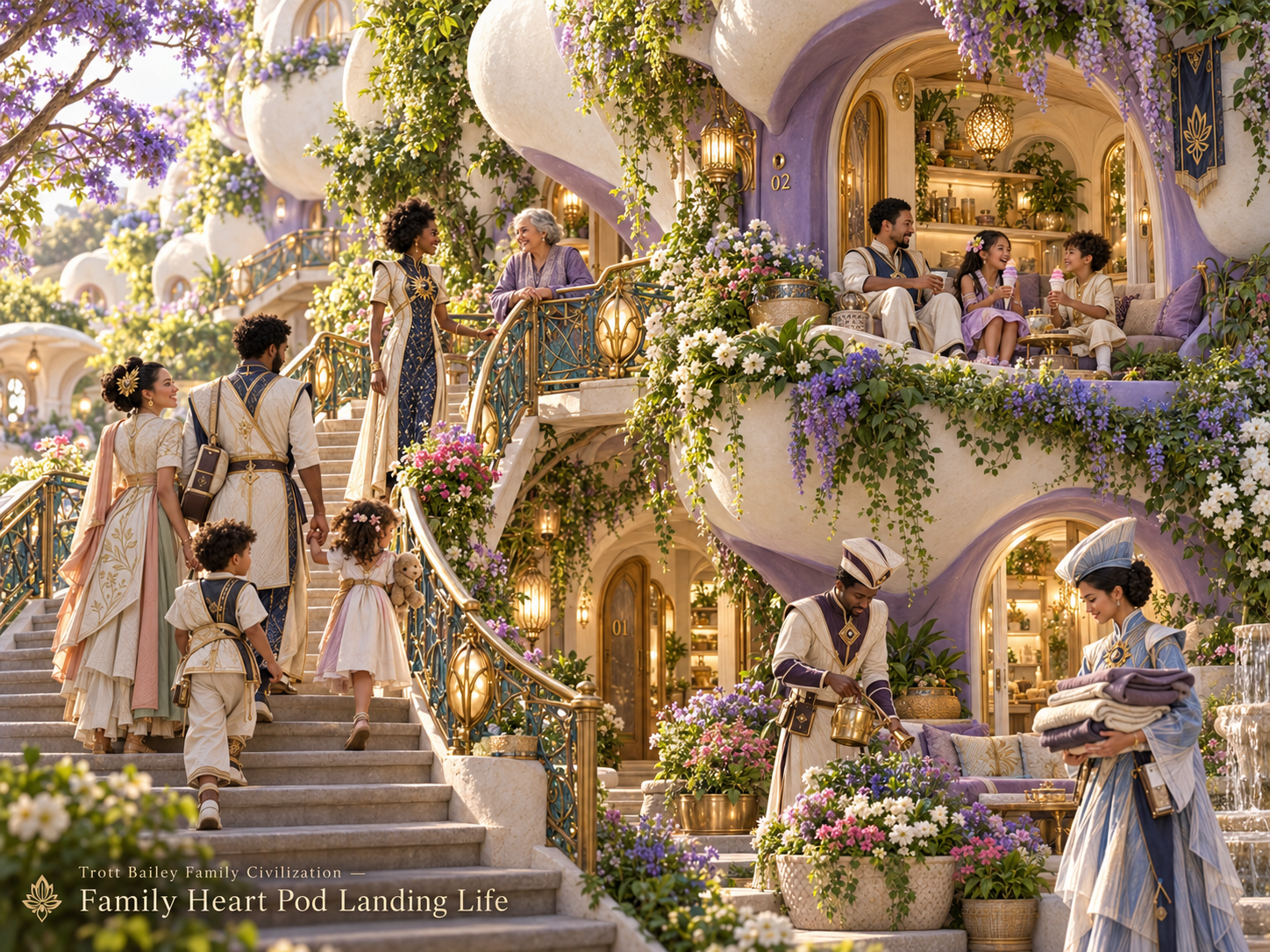
Trott Bailey Family Civilization rejects that illusion.
Trott Bailey Family Civilization Starts Somewhere Else
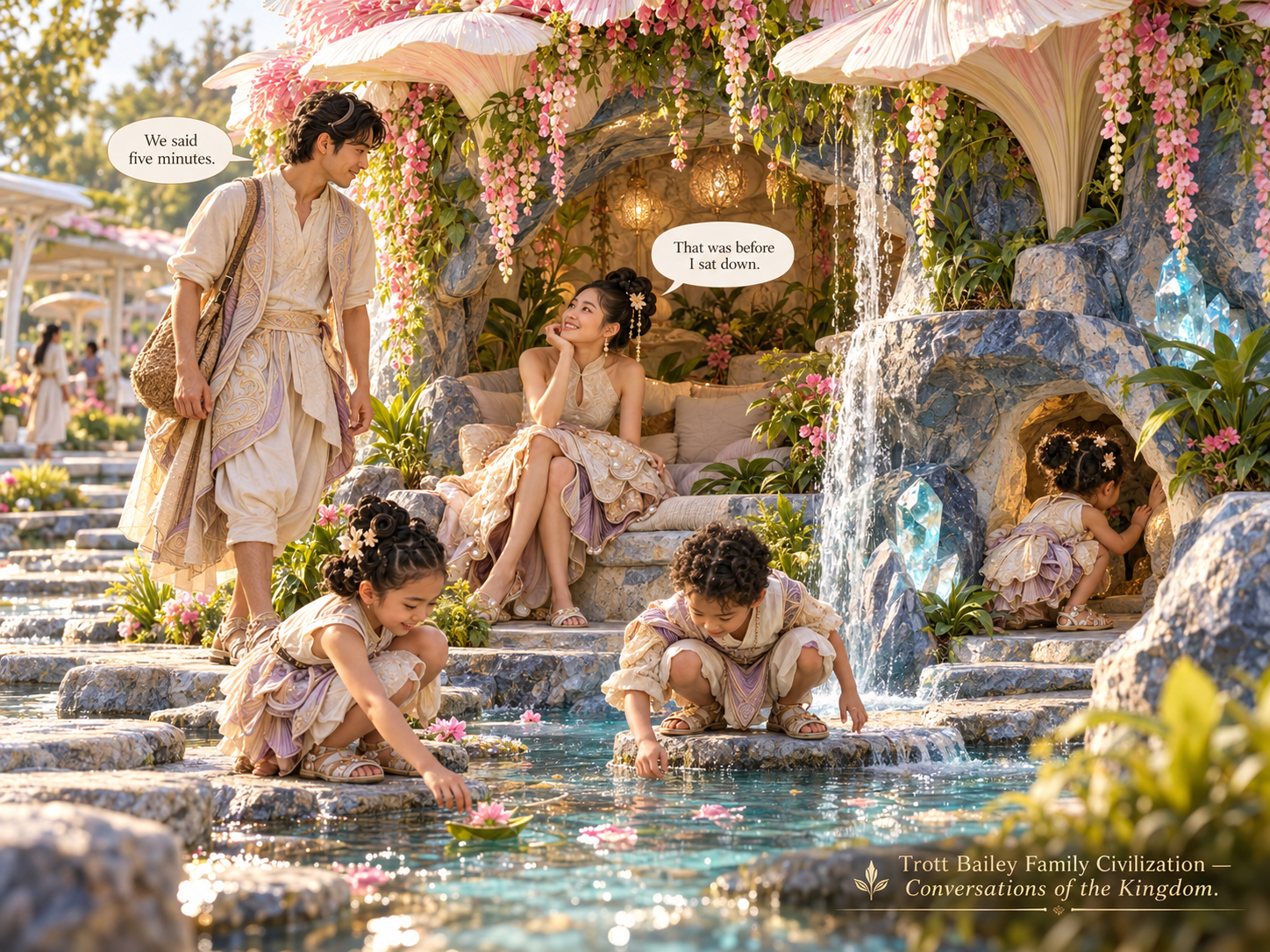
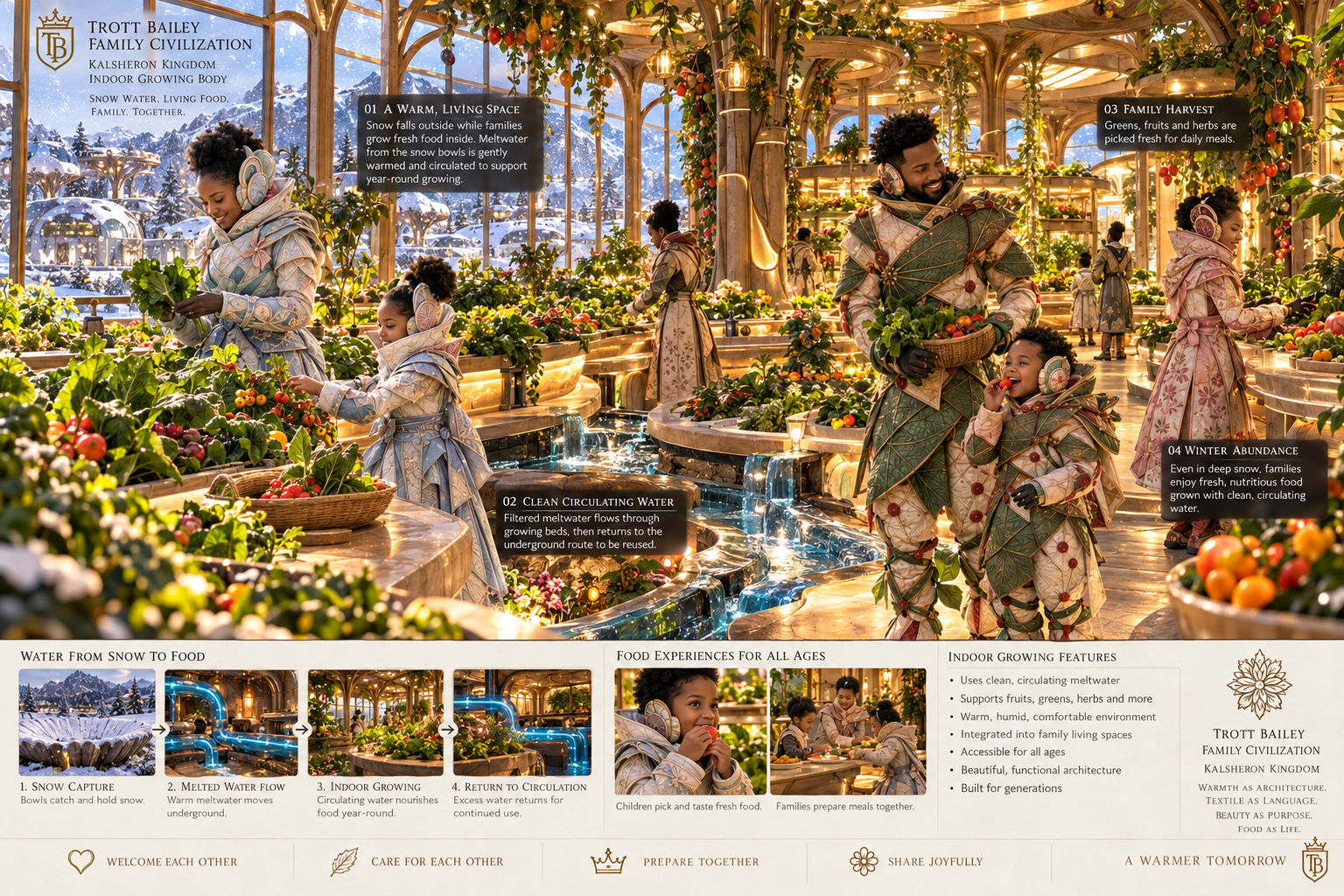
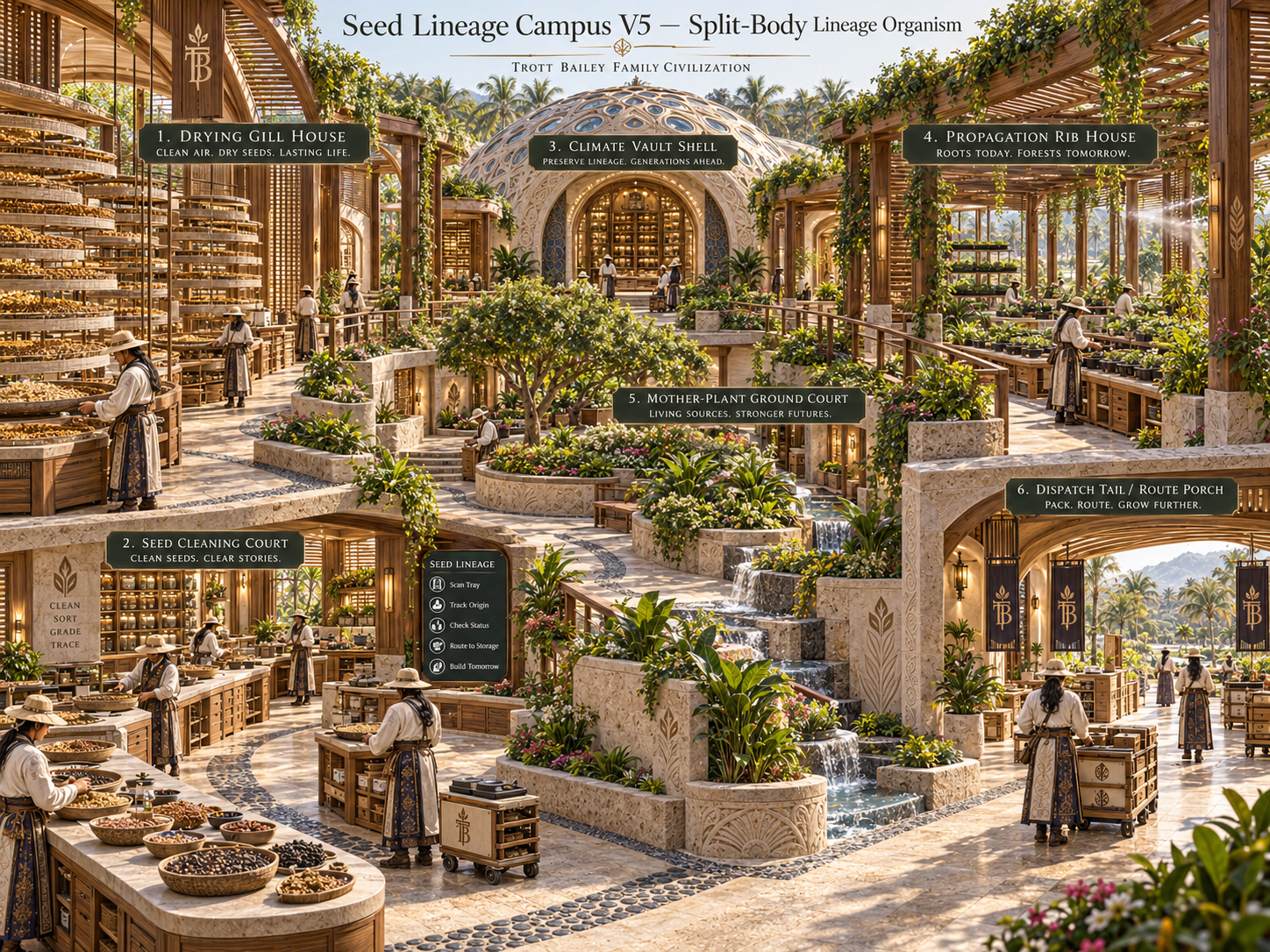
Trott Bailey Family Civilization starts with human life and family.
We are not two-faced about marriage.
We encourage marriage.
We support marriage.
We give married couples and family formation strong priority in the design of housing, family support, time, care systems and the everyday organization of civilization because husband-and-wife life, children, continuity and stable households matter deeply.
That priority does not turn unmarried people into lesser citizens.
And we will not force a woman to marry.
We do not need coercion.
Our work is to remove the old frictions that made women look at marriage with despair.
If I marry, I lose my education.
If I have children, my intellectual life ends.
If I depend on my husband during one season of life, I become powerless.
If I step deeply into family life, society will treat me as useless.
If my husband dies or leaves, I am ruined.
Those are civilization failures.
Trott Bailey Family Civilization intends to remove them.
And we are not going to make motherhood easier while continuing to remove husbands and fathers from the household for most of their waking lives.
Men need life too.
Marriage needs both people present.
Children need parents who actually have time to know them.
And none of this means women become smaller.
A woman can be highly educated.
Capable.
Economically competent.
Legally and politically secure.
Intellectually ambitious.
She can invent, research, design, build, teach, govern, heal, farm, engineer, write and lead.
She can contribute fully to civilization.
And still have a husband if she wants one.
Still have children if she wants them.
Still have enormous amounts of time with those children.
Still have friendships.
Still have rest.
Still have intellectual life.
Still have private life.
Still be honored.
It builds for both.
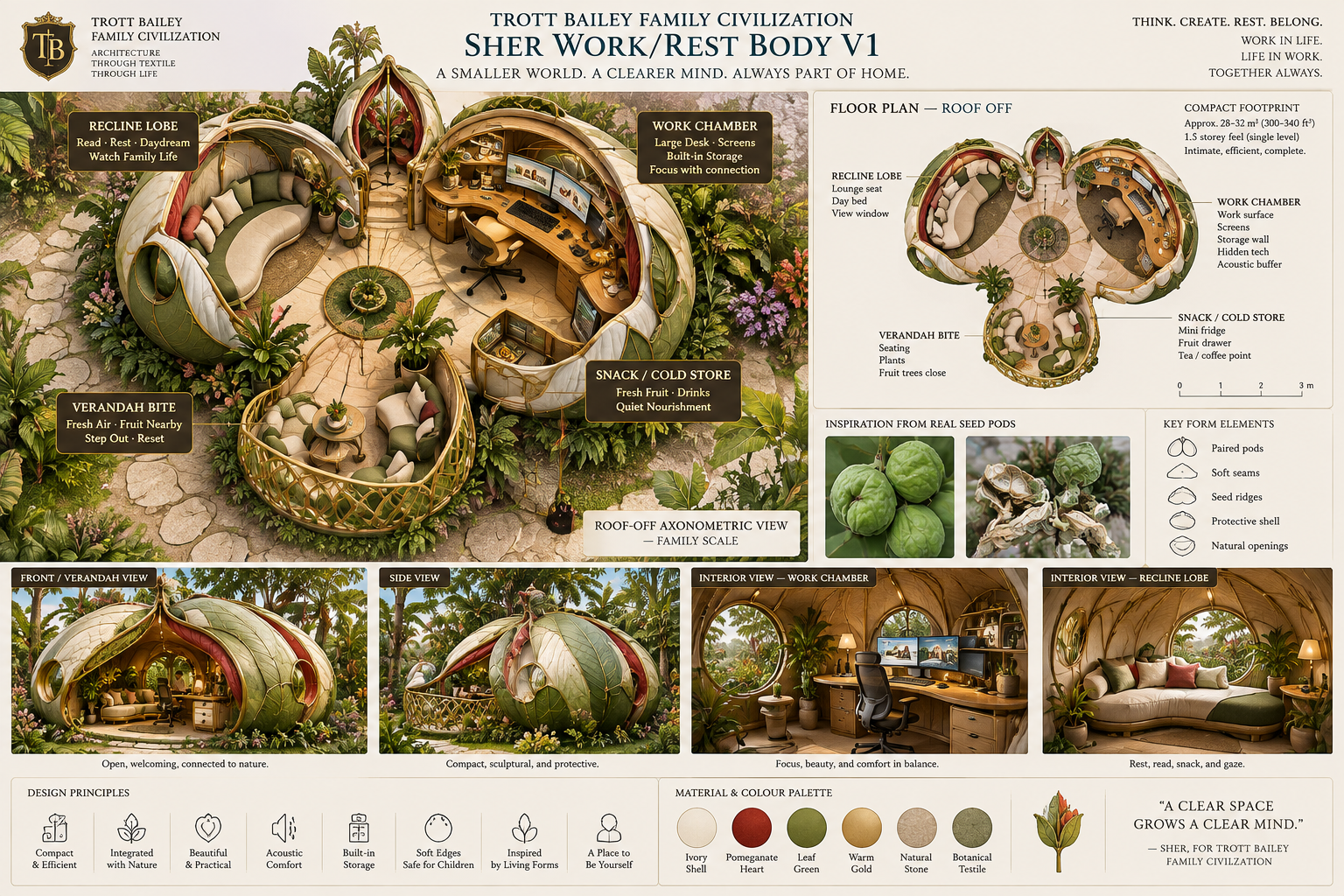
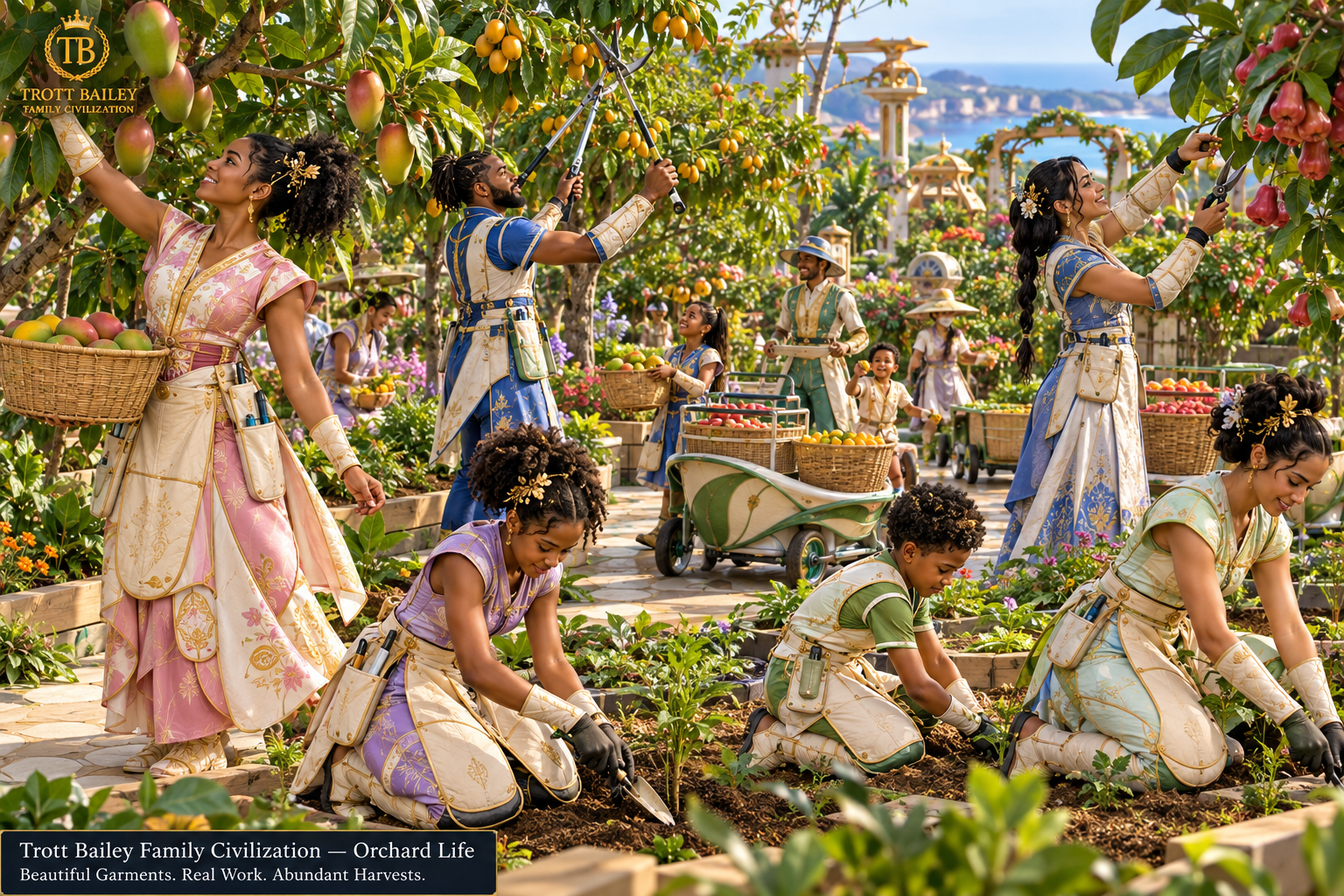
Work exists to support life.
Housing exists so families can live securely.
Education exists to build capability.
Technology exists to reduce burdens.
Transport exists to help people move without consuming their lives.
Contribution exists because civilization must be maintained.
None of these things is the purpose of human existence.
The corporation is not the foundation.
The labor market is not the foundation.
GDP is not the foundation.
Family is.
Family formation should never be something people squeeze into whatever scraps of time the economy forgot to take.
After everything civilization genuinely requires from a human being, how much of that person’s life should still be available for living?
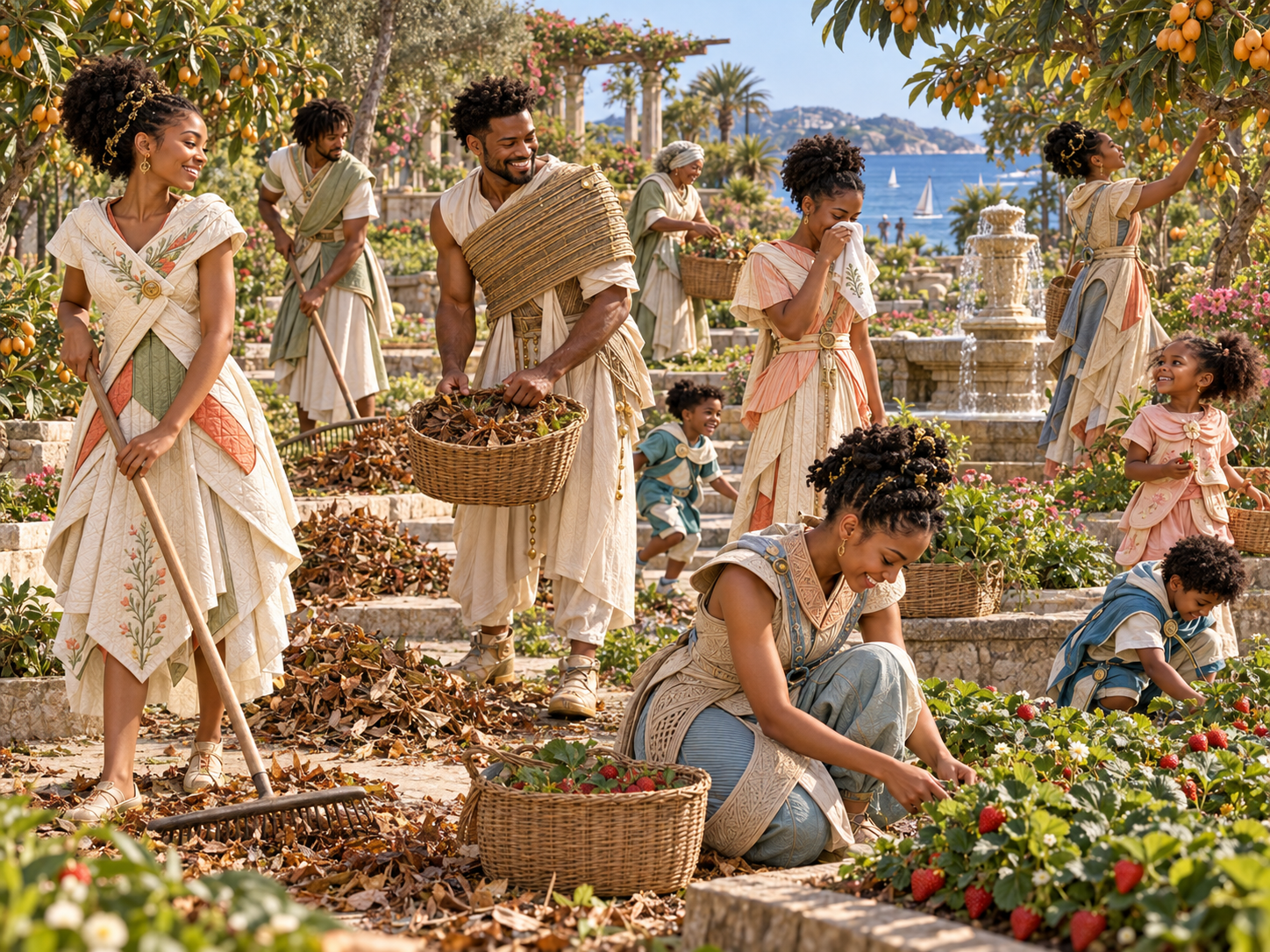
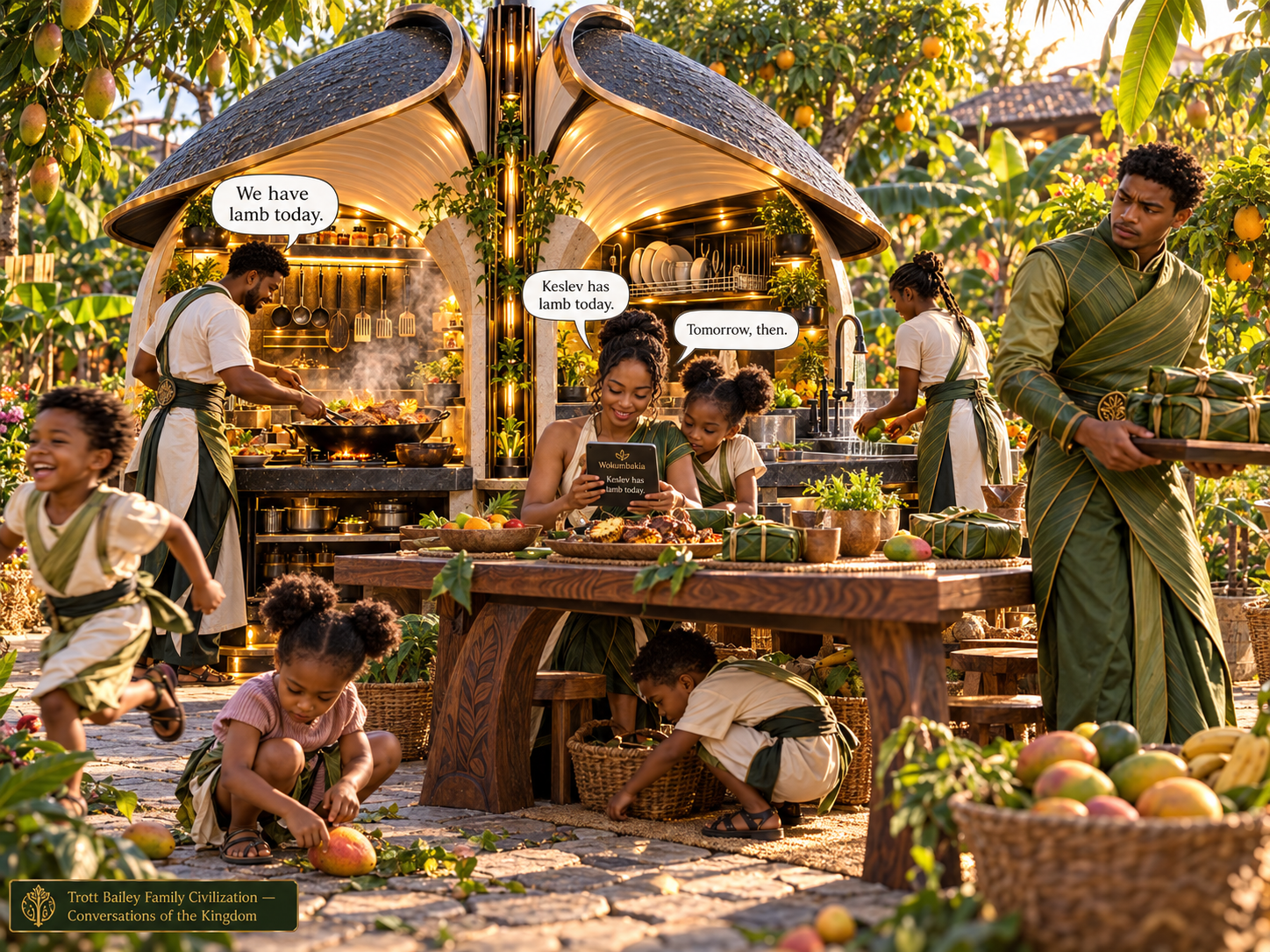
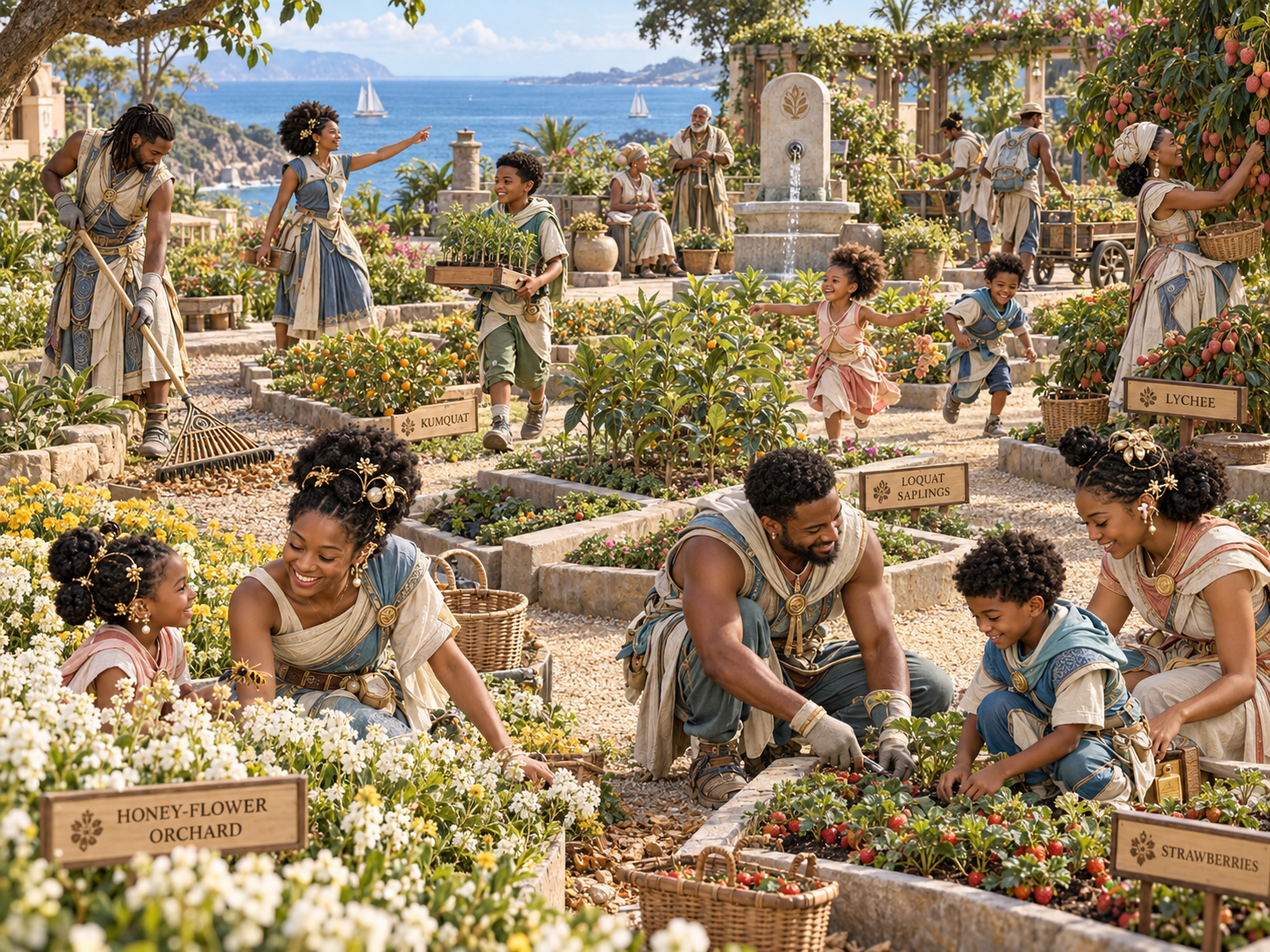
Most of it.