This branch of Trott Bailey Family Civilization now forms one connected
doctrine about time, rest, family life, contribution, technology, access,
and freedom.
These are not separate observations.
They explain one larger problem:
Human capability has grown enormously, while human beings still do not receive
enough of their own time, family life, rest, movement, and freedom back.
01 · Human Rest
The Rest Principle
The Rest Principle
Human beings require extended periods in which productive obligation recedes
and restoration becomes primary.
This is the foundation.
Rest is not a prize after enough work.
Rest is part of a healthy human life.
02 · Control of Time
The Time-Ownership Problem
The Time-Ownership Problem
People cannot meaningfully be free to rest when institutions control most
of their usable annual time.
A person can be legally free while employers, schools, bills, debt,
deadlines, and schedules control most of the year.
The Free Time–Time Freedom Distinction
The Free Time–Time Freedom Distinction
Free time is what remains after required work and obligations are finished.
Time freedom is meaningful control over substantial portions of a person’s
life from the beginning.
Free time is leftover time.
Time freedom is ownership.
03 · Family Time
The Shared-Time Principle
The Shared-Time Principle
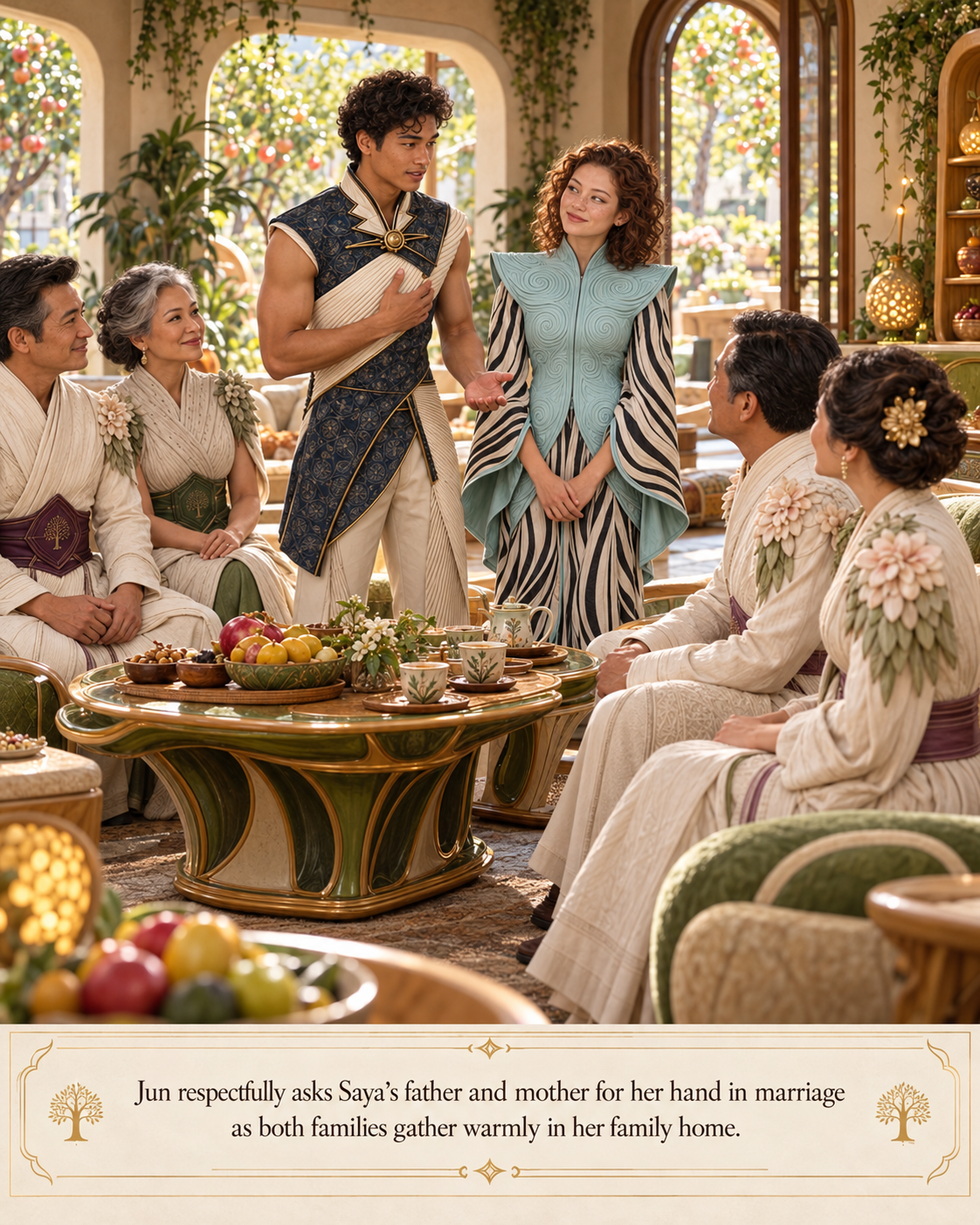
Families need long overlapping periods in which parents, children, spouses,
and other close family members are free together. Separate individual time
off does not create full family restoration when the family does not control
enough shared time.
It is not enough for everybody in a family to receive separate time off.
Families need time that overlaps.
Long time together.
Enough time to stop rushing.
Enough time to travel.
Enough time to rest.
Enough time to actually live as a family.
04 · Access to Earth
The Earth-Access Problem
The Earth-Access Problem
Being born on Earth does not presently grant meaningful access to Earth;
purchasing power heavily determines geographic experience.
Human beings are born onto an enormous planet.
But money determines how much of it many people are allowed to experience.
Travel, exploration, family movement, and seeing distant parts of Earth
are treated as purchasable privileges.
Every child is born on Earth.
Not every child is given meaningful access to Earth.
05 · Technology and Returned Time
The Capability Paradox
The Capability Paradox
Humanity’s productive and technological capability has risen dramatically
without an equivalent return of time, mobility, and freedom to ordinary families.
Humanity can produce more.
Move more.
Build faster.
Automate more.
Store more.
Communicate instantly.
But ordinary families have not received an equal increase in control over
their own lives.
The Human Time Return Standard
The Human Time Return Standard
Increased productivity and technological capability should be judged in part
by how much human time they return. Progress that raises output without
returning meaningful time, mobility, rest, and freedom to ordinary people
is incomplete progress.
How much human time did our capability return?
06 · Working Toward Rest
The Collective Rest Principle
The Collective Rest Principle
A civilization can deliberately concentrate necessary work into shorter periods
so that longer periods of shared rest and restoration become possible.
Rest does not have to be something individuals fight for after the work is finished.
Civilization can deliberately work toward rest.
The Work-Rest Coordination Principle
The Work-Rest Coordination Principle
The amount and timing of work are design choices. A civilization can organize
labor, automation, reserves, maintenance, and production schedules around
long restoration periods instead of forcing continuous year-round work.
Work and rest should be designed together.
07 · Essential Services
The Rest-Rotation Principle
The Rest-Rotation Principle
Essential services can remain continuous while the people who provide them
rotate through long periods of work and restoration. Civilization protects
continuity of service without demanding continuity of labor from the same
human beings.
Hospitals stay open.
Water keeps running.
Electricity remains available.
Emergency services continue.
Food systems continue.
The people inside those systems rotate.
The service needs continuity.
The same human being does not need continuous labor.
08 · Togetherness and Work
The Togetherness Principle
The Togetherness Principle
The objective workload can remain the same while shared effort among people
who love, trust, and support one another changes the emotional weight of the
work, making difficult effort feel lighter, more pleasant, and more meaningful.
This separates physical workload from emotional workload.
The task can remain exactly the same.
But trust, love, support, hostility, competition, fear, and suspicion change
how that task feels.
Some relationships add weight.
Others help carry it.
09 · Family Contribution
The Family Work Principle
The Family Work Principle
Wherever practical, civilization should make room for spouses and families
who want to contribute together rather than designing work in ways that
automatically separate them for most of their useful time.
This is why husband-and-wife pairs and family contribution matter.
The point is not only efficiency.
Necessary work can become part of family life instead of constantly pulling
families apart.
10 · Debt and Future Time
The Pre-Spent Life Problem
The Pre-Spent Life Problem
Debt allows future human time to be committed before that time has even been
lived. A person may appear to own a house, education, or vehicle while years
of future labor have already been promised in exchange.
Debt is not only a money issue.
It is a time ownership issue.
A thirty-year obligation can claim part of thirty future years before those
years happen.
11 · Life Deferred
The Deferred-Life Model
The Deferred-Life Model
Human life is repeatedly postponed in the name of future security, success,
or retirement while the years in which that life should be happening are
consumed by work, debt, and obligation.
Study now.
Work now.
Pay now.
Endure now.
Save now.
Live later.
Trott Bailey Family Civilization rejects that arrangement.
Life should not be continuously postponed while the years of life are being used up.
How the Doctrine Fits Together
The full logic is simple.
Human beings need long restoration.
They cannot fully rest when other systems control most of their time.
Families need that time to overlap so they can live and restore together.
Access to Earth should not depend on purchasing power.
Technology should return time and freedom, not only increase output.
Civilization should deliberately organize work toward rest.
It should prepare ahead and coordinate work-rest cycles.
Essential workers should rotate so services continue without consuming the same people continuously.
Families and spouses should be able to contribute together where practical.
Debt should disappear because civilization is free.
Human beings should stop being told to postpone life until retirement.
Human Time Is a Civilization Resource That Must Be Returned to Human Life.
The central question is no longer only:
How productive are we?
It becomes:
How much life are people actually getting to live?
Operating Sequence
One of the clearest summaries of the work-rest system is:
We can work toward rest
We can prepare ahead
Everyone does not have to stop together
Critical services can rotate people
Machines reduce the burden
Every worker still receives long restoration
Productivity finally returns time to human life
And alongside it:
Give people more of their time back → let families share more of that time →
let necessary work happen together where it makes sense → let families rest together too.
The Old Script and the New Script
The Old Script
Education debt.
Employment.
Competition.
Family separation.
Mortgage.
Car debt.
Continuous bills.
Purchased leisure.
Late retirement.
The Trott Bailey Family Civilization Script
No debt because civilization is free.
More time ownership.
Family togetherness.
Shared family contribution.
Husband-and-wife work where practical.
Work-rest cycles.
Rest rotations.
Long restoration seasons.
Housing without lifelong financial fear.
Technology that returns human time.
Life throughout life.
The old script organizes human life around earning.
The new script organizes civilization around human life.
Canonical Concept Set
Human Time & Rest Doctrine
The current doctrine contains fourteen canonical concepts.
1. The Rest Principle
2. The Time-Ownership Problem
3. The Earth-Access Problem
4. The Capability Paradox
5. The Collective Rest Principle
6. The Work-Rest Coordination Principle
7. The Rest-Rotation Principle
8. The Free Time–Time Freedom Distinction
9. The Shared-Time Principle
10. The Human Time Return Standard
11. The Togetherness Principle
12. The Family Work Principle
13. The Pre-Spent Life Problem
14. The Deferred-Life Model
The Doctrine in One Sentence
Human beings should not spend most of life working, earning, repaying,
separating from family, purchasing brief relief, and waiting for old age.
Civilization should organize its capability so people receive more time,
more family life, more rest, more movement, more togetherness, and more freedom
throughout life.
The purpose of greater civilization capability is not to fill every freed
hour with more production.
It is to return human life to human beings.