

The Point of Automation Is to Stop Doing Some of the Work

The Point of Automation Is to Stop Doing Some of the Work
If a machine removes four hours of necessary human labor, civilization should not automatically invent four more hours of work to fill the space.
If a machine removes four hours of necessary human labor, civilization should not automatically invent four more hours of work to fill the space.
That defeats one of the greatest promises of technology.
For generations, human beings have built machines to reduce labor.
Yet there is a strange pattern.
The machine saves time.
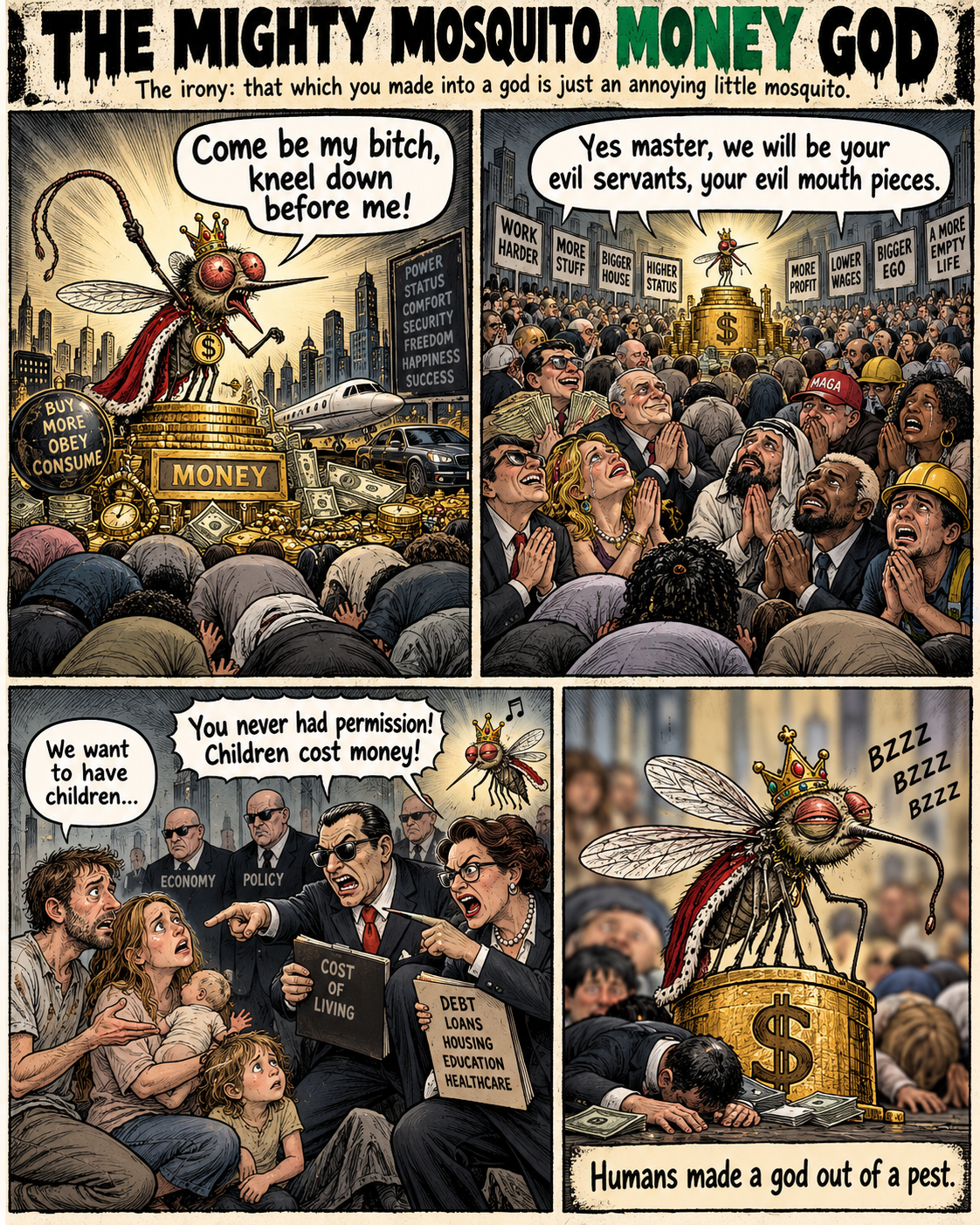
Then the system fills the time again.
A worker becomes twice as productive, but does not necessarily work half as long.
A company automates several tasks, but the people are given more tasks.
Communication becomes instant, so people receive more communication.
Computers make paperwork faster, so organizations produce more paperwork.
Machines increase production, so production targets rise.
Efficiency grows.
The human workday survives.
We Keep Taking the Wrong Reward
Imagine ten people need eight hours to complete an important piece of work.
Then better machinery allows them to complete exactly the same necessary work in four hours.
Something extraordinary has happened.
Those four hours are a technological dividend.
There are several things civilization can do with that dividend.
It can demand twice as much production.
Or it can say:
The machine did not fail because the person stopped working.
We Have Confused Productivity With an Obligation to Produce More
This is one of the central mistakes in modern thinking.
If a machine allows one person to produce what previously required five people, the first question is usually:
Trott Bailey Family Civilization asks another question:
That does not mean production never increases.
Sometimes more is needed.
There may be more houses to build.
More food to prepare.
More infrastructure to create.
More people to care for.
More inventions worth pursuing.
But increased capability does not create an automatic requirement to keep every human being occupied for the same number of hours.
A Washing Machine Is Easy to Understand
The principle becomes obvious inside a home.
Imagine washing clothes by hand takes four hours.
Then the family receives a machine that completes most of that work with fifteen minutes of human attention.
Nobody says:
The family accepts the benefit.
The work disappeared.
That is considered progress.
Why should civilization behave differently?
If automation removes unnecessary human labor from farming, manufacturing, administration, transport, food preparation, cleaning, maintenance, or countless other systems, some of that labor should simply remain removed.
We Should Not Invent More Work Just to Keep People Working
When machines remove work, we do not need to invent new compulsory work just to keep everybody busy.
If a machine can safely do a repetitive task that once required ten people, that is a success.
It means less human labor is now necessary.
The response should not automatically be:
The first response should be:
Those people can still contribute to things that are necessary, useful, interesting, beautiful, or important.
But civilization should not create unnecessary work simply because it feels uncomfortable allowing people to have more free time.
The goal is to get necessary things done without wasting human life on work that no longer needs to be done.
There Will Always Be Things Worth Doing
Removing unnecessary work does not mean human beings become useless.
This idea badly misunderstands people.
Human possibility is much larger than employment.
Human civilization will never run out of meaningful things people can choose to do.
But there is an enormous difference between:
and:
Those are not the same life.
Automation Should Shorten Necessary Labor
This gives us a straightforward design rule.
When technology reduces the labor required to provide something, civilization should ask whether the human work requirement can also be reduced.
Suppose a food-production system once needs 1,000 human hours each week.
New machinery reduces that requirement to 600 hours.
The system should not automatically search for another 400 hours of activity to preserve the old labor total.
It should first recognize:
Those hours can return to the people.
And when that happens across thousands of systems, something much larger becomes possible.
That is how technological progress begins changing the structure of human life.
This Connects Directly to Work-Rest Cycles
Automation makes long restoration seasons easier to organize.
The point is not to eliminate human contribution.
The point is to stop requiring unnecessary human contribution when the capability already exists to remove it.
The Human Time Return Standard
This is exactly why Trott Bailey Family Civilization uses the Human Time Return Standard.
When a new technology is introduced, we should not only ask:
We should also ask:
And then:
That second question is crucial.
A technology can theoretically save millions of human hours while the people themselves experience almost no increase in time freedom.
In that case, the technological gain occurred.
But the human gain was never fully delivered.
Automation Creates a Human-Time Dividend
There is a useful idea inside this.
When automation permanently removes necessary human labor, it creates something we can call a:
The Human-Time Dividend is the human time released when machinery, automation, improved organization, or other capability reduces the amount of human labor required to meet a real need.
The dividend should not automatically be converted back into additional compulsory labor.
Some of it should be returned directly to human life.
That means automation can produce something more valuable than additional goods.
And time is life.
Stop Filling Every Empty Space
Modern systems often seem uncomfortable with unused human time.
A free hour becomes a productivity opportunity.
A faster process becomes a higher target.
An empty calendar becomes something to fill.
A labor-saving tool becomes an opportunity to increase workload.
But civilization does not become better simply because every hour has been occupied.
That is the purpose of productivity.
We Built the Machine So the Human Would Not Have To Do It
This may be the simplest way to state the entire argument.
If human beings spend years inventing a machine so that a difficult task no longer requires ten hours of human labor, and then immediately find ten other hours of compulsory work for the person, we have misunderstood our own invention.
We built the machine because we wanted less human labor to be necessary.
So when it works:
Do not panic.
Do not fill the gap simply because a gap appeared.
Do not treat returned human time as a defect.
Because the point of automation is not simply to make civilization produce more.
And when the work disappears, the time should not disappear with it.