

A Year of Growing in Prado: The Trott Bailey Family’s Hands-On Study of Sandy Soil

A Year of Growing in Prado: The Trott Bailey Family’s Hands-On Study of Sandy Soil
One year of planting, filming, harvesting, failing, adjusting and learning to read the land differently across two Prado growing sites
By Big King Kimroy Bailey and World Ruler Sherika Trott Bailey
This article is part of documented longitudinal field research by the Trott Bailey Family, grounded in lived observation, repeated planting, dated visual evidence, local practitioner knowledge, and continuing follow-up across two Prado sites in Bahia, Brazil.
We are no experts. We are simply living life with lots of time and lightness of mind to make solid observations.
Today, August 11, 2026, marks exactly one year since our family arrived in Prado.
During that year, Big King Kimroy Bailey and I have planted repeatedly, photographed and filmed what happened, watched plants succeed and fail, harvested food, talked with neighbours and farmers, moved through different living conditions, and spent enough time close to the land to notice things we probably would have missed if we were simply visiting a field occasionally.
This article is not a final word on Prado’s sandy land.
It is the first published record from a year of documented, hands-on observation across two places where our family actually lived, planted, built, watered, harvested, failed, adjusted and kept watching.
Our evidence comes from three main places.
First, there is what we planted, handled, photographed, filmed and observed ourselves.
Second, there is local practitioner knowledge: what we repeatedly see growing around Prado and what neighbours and farmers tell us from their own experience.
Third, there is published research that helps us understand the soils, climate and biological processes behind what we are seeing.
We keep those three forms of evidence separate.
And after one year, one of the biggest changes has happened inside our own heads.
The land did not change first.
The interpretation changed first.
We arrived in Prado on August 11, 2025
Our first rental was in the heart of Prado town.
We stayed there for about two weeks, but the condition of the house was bad enough that we could not continue living there.
So on August 25, 2025, we moved to another place closer to the coast.
That became the site of our first serious growing experiments.
The ground was sandy. The surrounding area was heavily vegetated.
And our first instinct was simple:
Clear the land first. Then plant.
We wanted the whole area opened up so we could begin properly.
But we did not have enough money to clear the entire place.
We also had laborers repeatedly telling us they would come and help clear it. Then they would delay. They would say they were coming, and nothing would happen.
Eventually we stopped waiting.
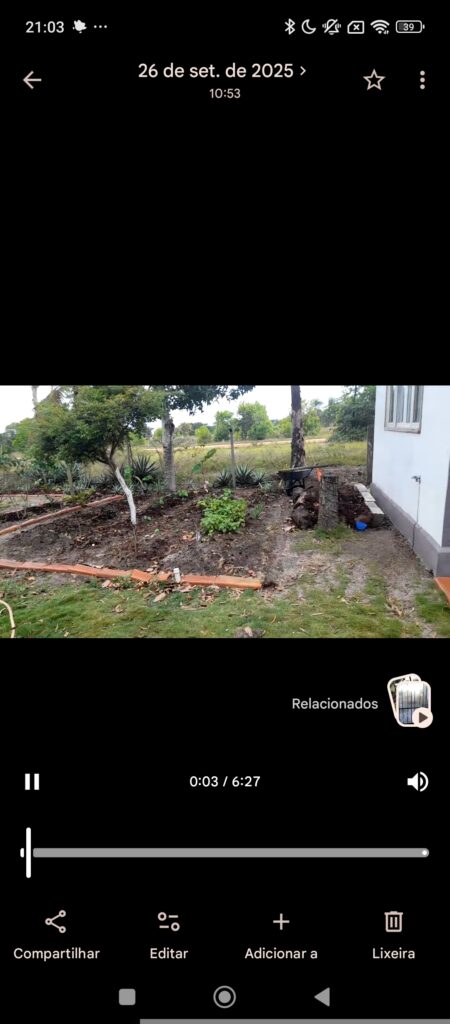
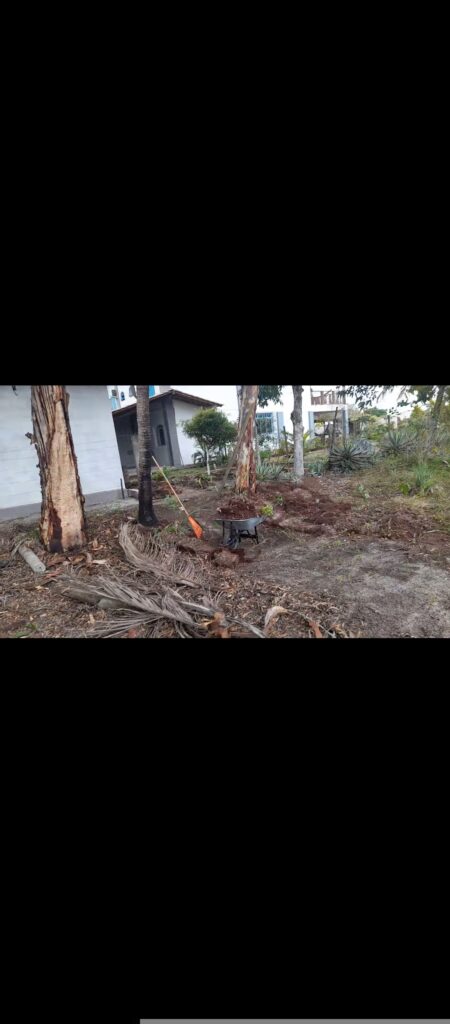
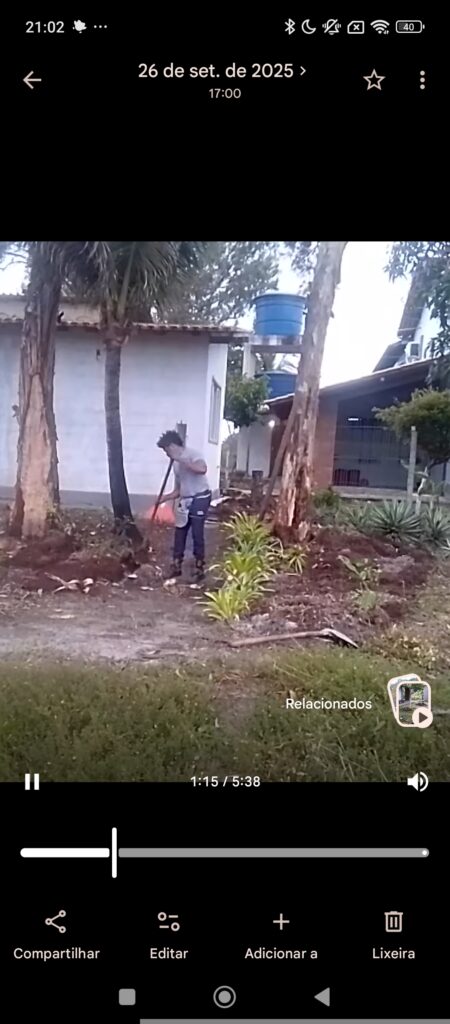
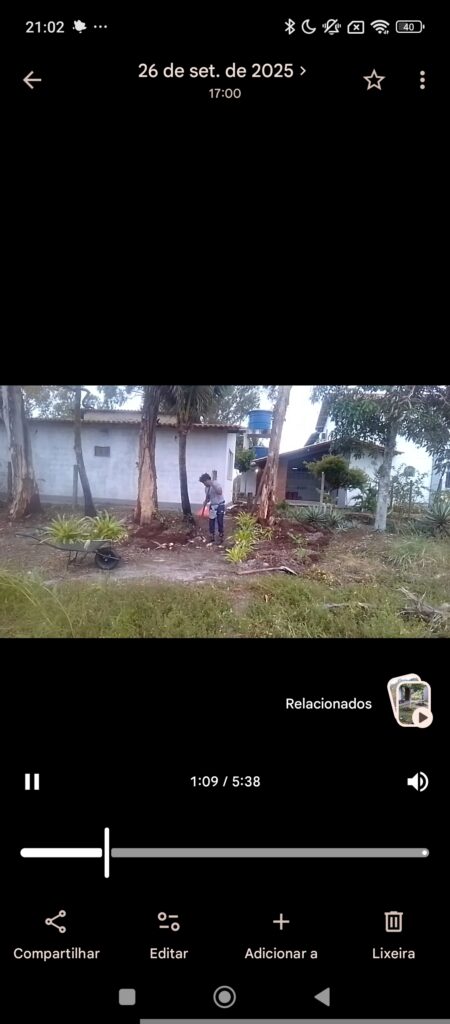
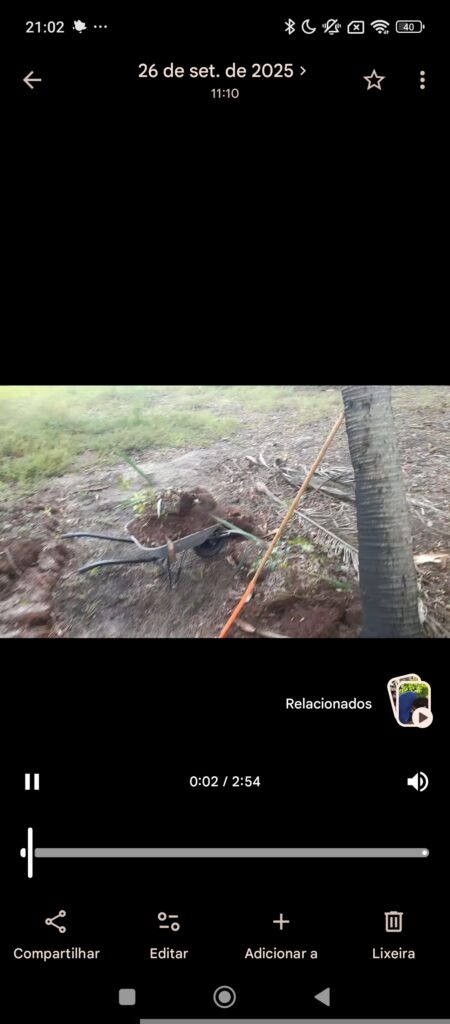
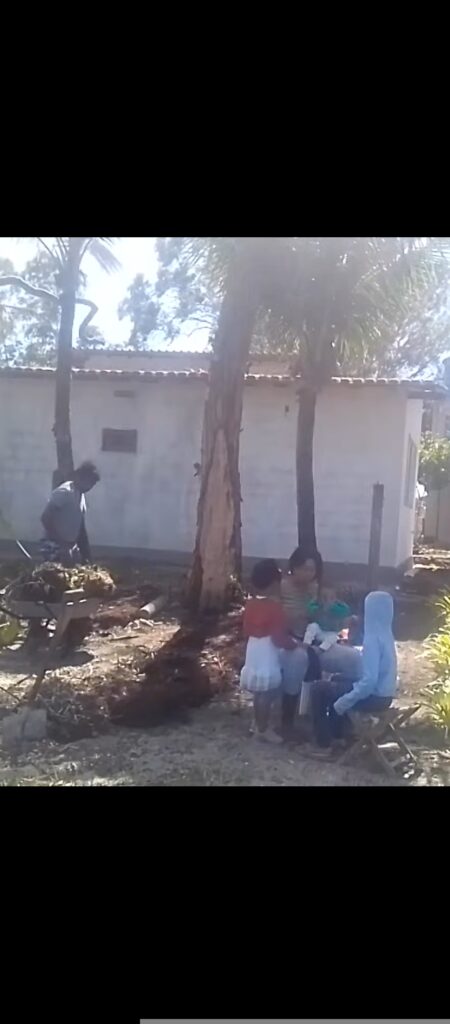
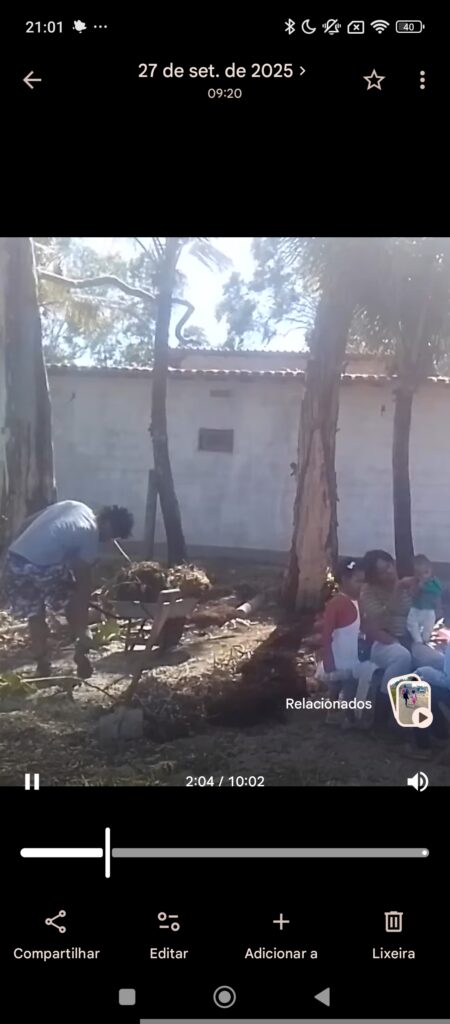
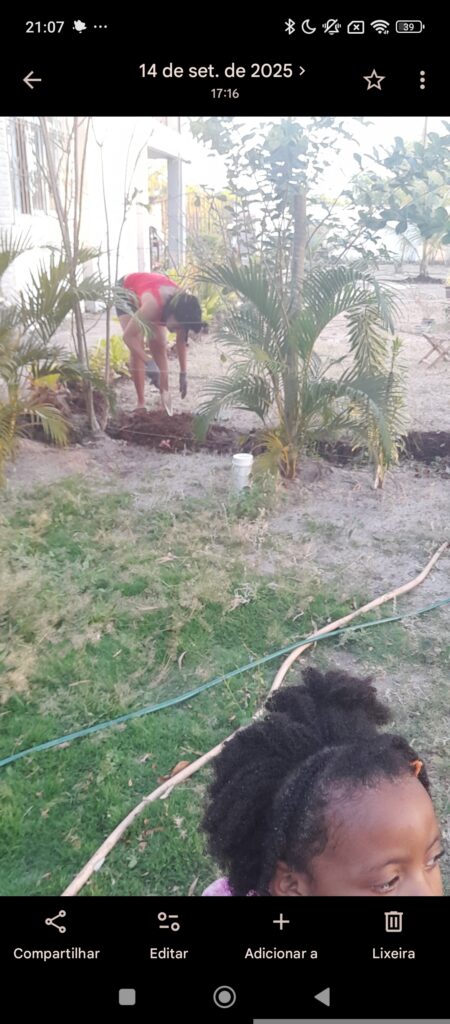
Instead of clearing the whole field, we started opening small planting areas between the vegetation that was already there.
At the time, we were not thinking that we had discovered a land-recovery method.
We simply wanted to grow food.
Looking back now, not having the money to clear everything and not getting the labor when we wanted it turned out to be a blessing in disguise.
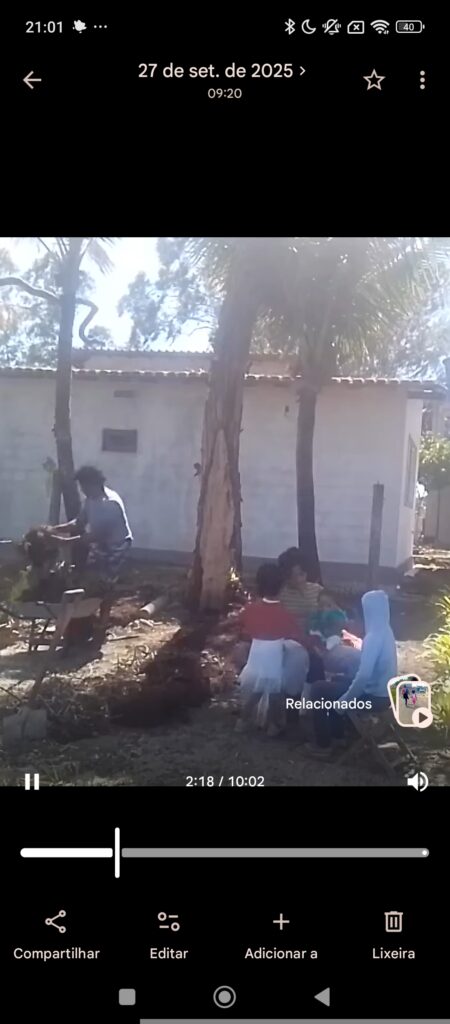
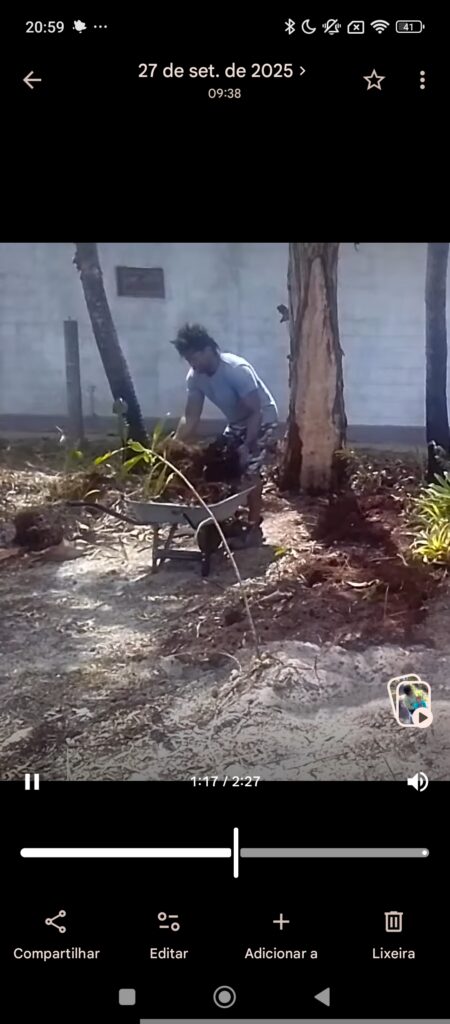
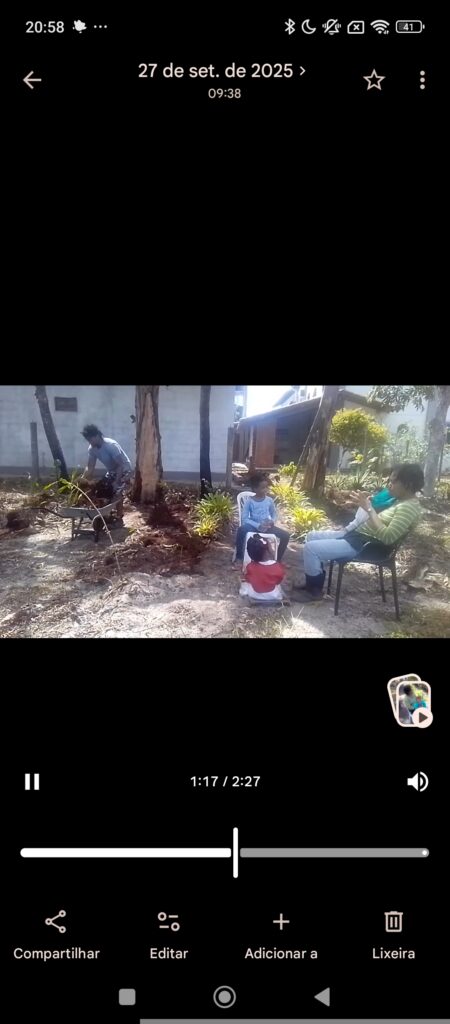


We nearly removed the things already helping us
Prado gets hot.
If we had stripped that land bare at the beginning, we would have removed existing vegetation before our new plants had anything ready to replace the protection it was providing.
Because circumstances forced us to work in patches, we had a chance to observe what that vegetation was actually doing.
Some plants shaded the ground. Some slowed wind. Some held loose soil with their roots. Some dropped leaves and created habitat.
The vegetation we had originally viewed mainly as something standing in our way was also performing useful work.
We reached that realization first through direct observation, and then began comparing what we were seeing with published knowledge.
Mature trees showed us what life could build around sandy ground over time
One observation at that first site became especially important.
We started looking underneath mature trees that had already been surviving for years in the same hot, sandy seaside conditions.
The ground immediately beneath them looked very different from the open ground nearby.
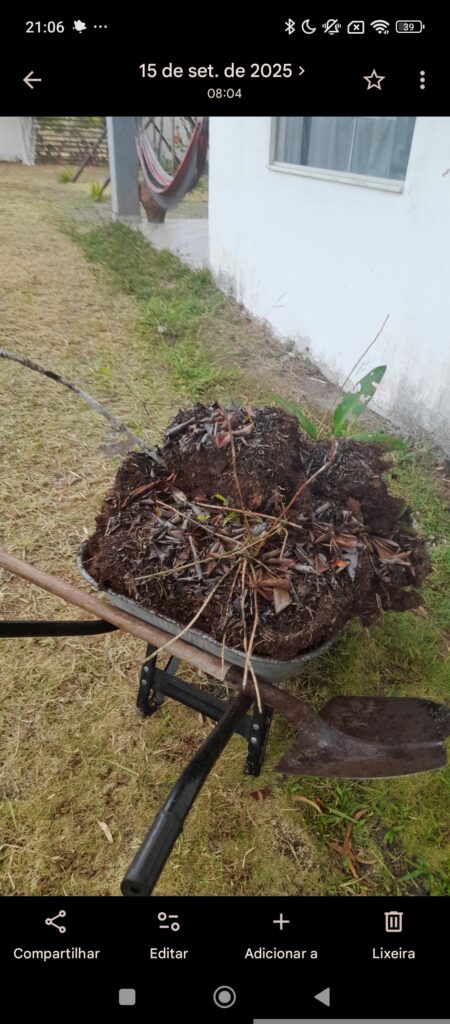
At the surface was a thick, soft, almost spongy layer of leaves and decomposing plant material.
Underneath that was dark soil.
Bromeliads and other wild plants were growing around and beneath the trees.
The difference was obvious.
Those trees had been standing there year after year.
Leaves fell. Shade covered the ground. Roots occupied the soil. Organic material accumulated. Other plants established underneath.
The area around each mature tree had become a small living island.
So we asked a practical question:
If life has already built better growing conditions here, why not use what it has made to help establish more life somewhere else?
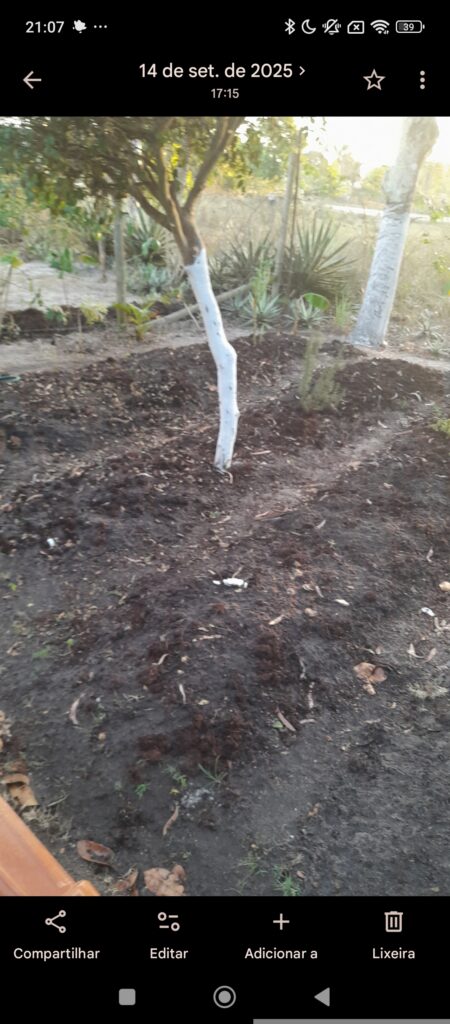
We gathered some of that composted material from beneath the mature trees and added it to our own planting areas.
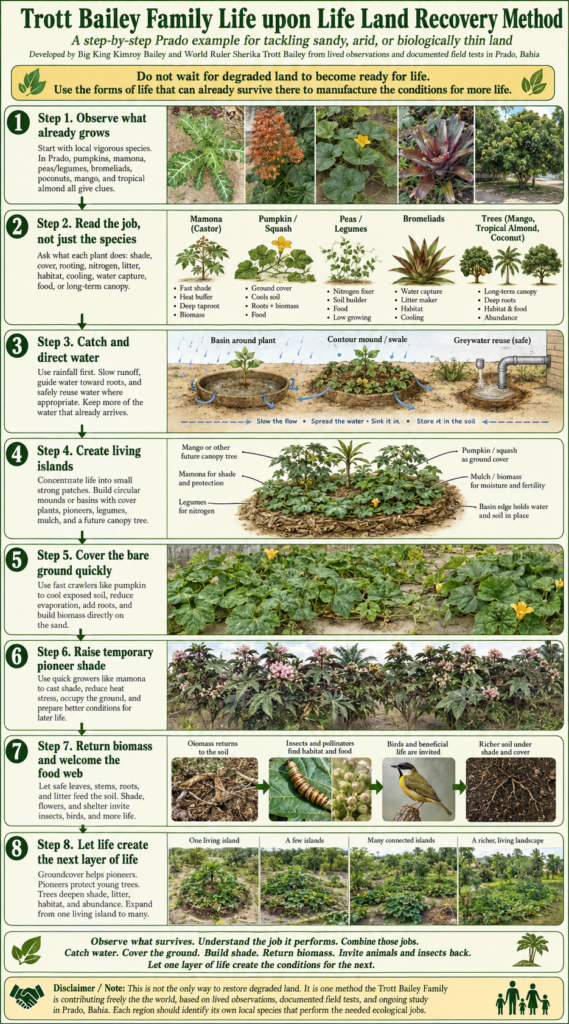
That became one of the earliest foundations of what we would later call Life upon Life.
We built small growing islands of our own
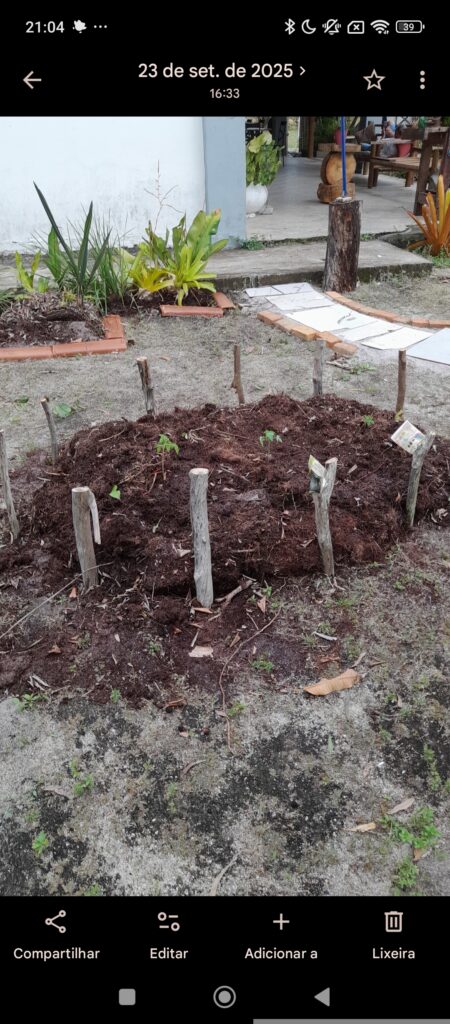
We mounded the local sand.
We added material gathered from beneath established trees.
We got sawdust from a local carpenter.
Then we found old coconut-tree trunks already decomposing through ants, weather and time.
We used some of those decaying trunks as a base layer beneath new planting beds, then built the sand and organic material around and over them.
Those beds started pushing leaves rapidly.
We could see old plant material breaking down below while new plant life established above it.
We planted almost everything we could think of
Once we got going, we became enthusiastic.
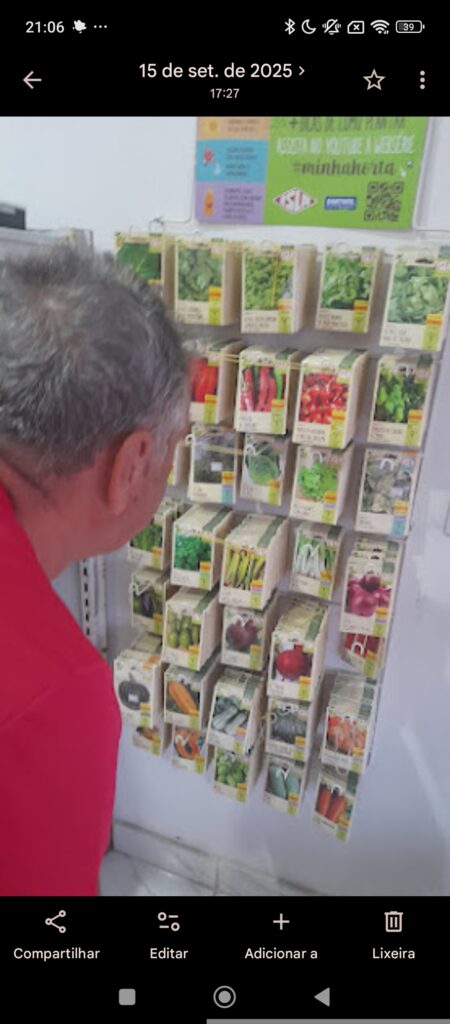
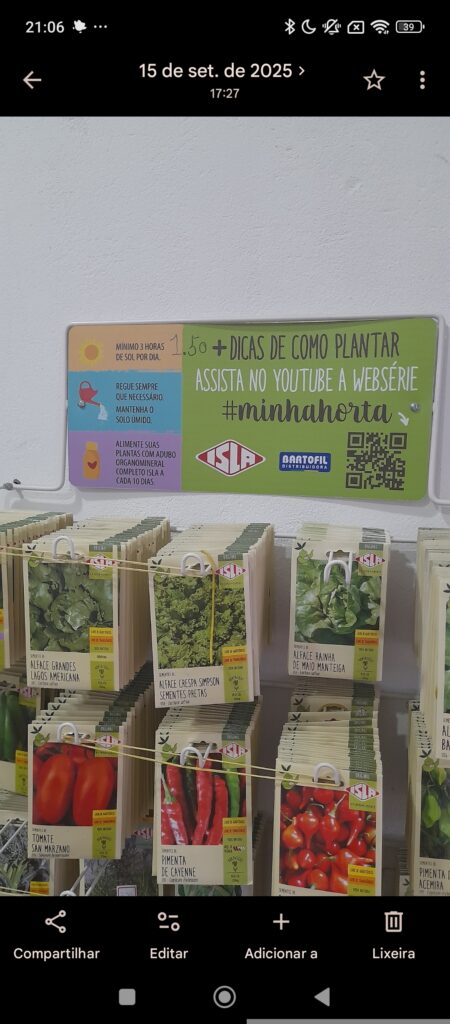
We tried peppers, sweet peppers, watermelon, strawberries, pumpkin, tomatoes, carrots, cucumbers, mangoes, papayas, grapes, chayote, coconuts, peas and other plants as well.
Our dated videos from October 2025 show small prepared planting areas scattered throughout the field.
The surrounding vegetation remained largely intact.
The open ground was pale and sandy, while the planting pockets were darker where we had concentrated organic material.
Seedlings were emerging inside them.
One visible label in our old footage reads Uva Niagara Rosada, Niagara Rosada grape.
We were trying things.
That was how we learned.
Water mattered
We had access to water pumped from a well.
Big King and I manually watered with a hose, generally early in the morning and again late in the evening when it was cooler.
That matters because we do not want to tell the story as if plants simply appeared from dry sand with no assistance.
Water was part of what we were doing.
So were compost, decaying coconut trunks, sawdust, retained vegetation and the mounds themselves.
The sandy ground was one part of the system.
Some things clearly performed better than others
We planted broadly, but we did not come away believing everything performed equally well.
Some things struggled. Some established. Some were simply much easier.
When we look back at that first period, three plants stand out most clearly:
mango, pumpkin and coconut.
We have videos showing mango seeds becoming seedlings and continuing into young trees.
Pumpkins spread strongly.
Papayas came up from seed. Peas grew. Carrots grew. Watermelons established.
People around us were surprised by how many things we were starting from literal seeds.
But mango, pumpkin and coconut remained the clearest winners in our own experience.
That changed our question.
Instead of:
Why is this such bad soil?
we started asking:
What actually wants to grow here, and what conditions help it do well?
That question is far more useful.
Then tourist season changed our housing situation
While all this planting was going on, ordinary family life was happening at the same time.
We were paying R$500 per month for the property.
Our landlord told us he wanted the place back.
Our understanding was that tourist season was approaching in Prado and he wanted to take advantage of the higher rental rates available during that season compared with the R$500 we were paying.
We were initially given about two weeks to leave.
So while we were still living in the landlord’s house, Big King and I started building another shelter on land immediately beside it.
Every day we could simply walk across and continue working.
Then the rain came.
Heavy rain fell during the period when we were supposed to be finishing the shelter and moving out.
The weather slowed the work enough that the landlord gave us an extension.
Big King and I were out there in the rain building and waterproofing the roof because our family needed somewhere to live.
Our dated December videos show that transition: the construction, the shelter taking shape and our family eventually using it.
We built the shelter ourselves
We used eucalyptus wood for the frame.
Much of the wall and roof material came from coconut palm leaves.
On one side, we built clay walls up to about hip height and finished the upper portion with coconut material.
For windows, we used glass panes held in place with tree branches.
It was practical.
It was what we could build with what we had.
And it kept us beside the same land where our growing experiments were already underway.
That matters to this research.
We were not driving out to a plot every few days.
We were living inside the field study.
We woke beside it. We felt the heat ourselves. We watched rain hit the ground. We watered seedlings. We saw what dried quickly and what stayed cooler. We watched insects move through the vegetation. We watched seedlings emerge. We watched some plants fail and others keep going.
We had many hours to notice things.
Our second growing site gave us another comparison
On January 15, 2026, we moved to our current Prado location.
Again, the ground was sandy.
Again, plants started teaching us.
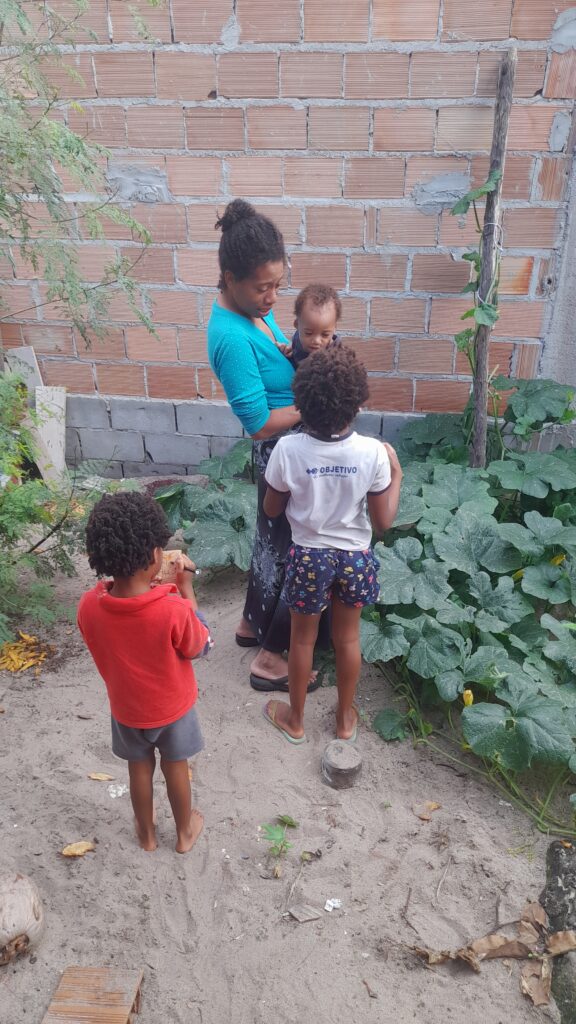
One of the clearest examples has been pumpkin.
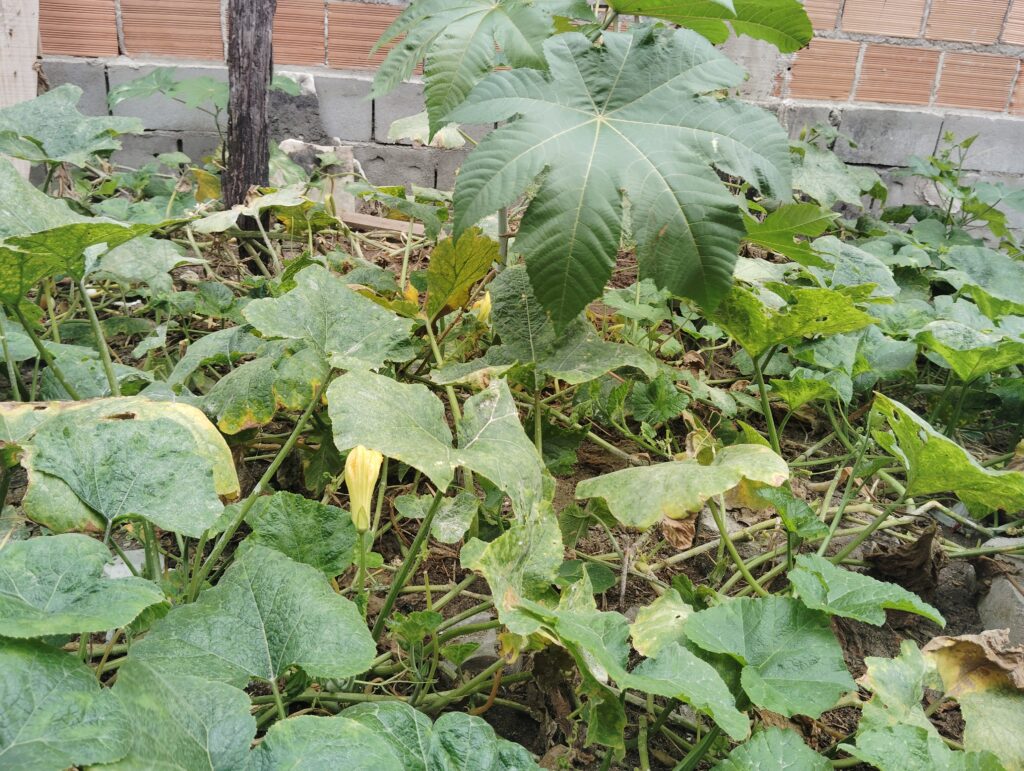
Our backyard pumpkins established easily.
Our kitchen-sink and shower greywater currently discharge into the backyard because of poor construction, so those plants received regular household water in addition to rainfall.
That is a description of the conditions at this particular field site, not a recommendation to use untreated household greywater as a food-irrigation system.
At their strongest point, the pumpkin plants were lush.
Large leaves spread across wide areas of exposed sand.
The vines flowered.
They produced pumpkins.
We harvested them.
Then, as the annual plants completed their lifecycle, their leaves and stems began collapsing back onto the same ground they had covered.
That made us see the pumpkin differently.
The pumpkin was doing more than producing food
The pumpkin shaded exposed sand.
Its roots occupied the ground.
Its living canopy created different conditions underneath itself and produced a large amount of biomass.
When the plant reached the end of its lifecycle, that material began returning to the same patch.
So our question changed from simply:
How many pumpkins did we get?
to:
What did this plant do to the land while it was alive?
That question opened up a much bigger way of looking at plants.
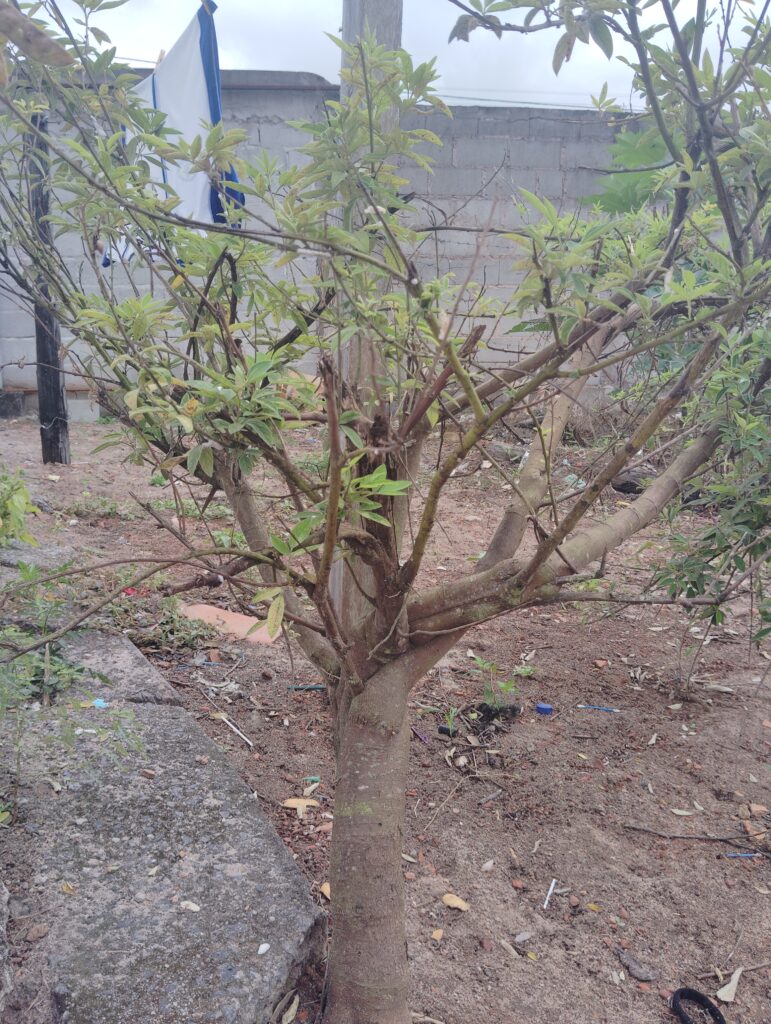
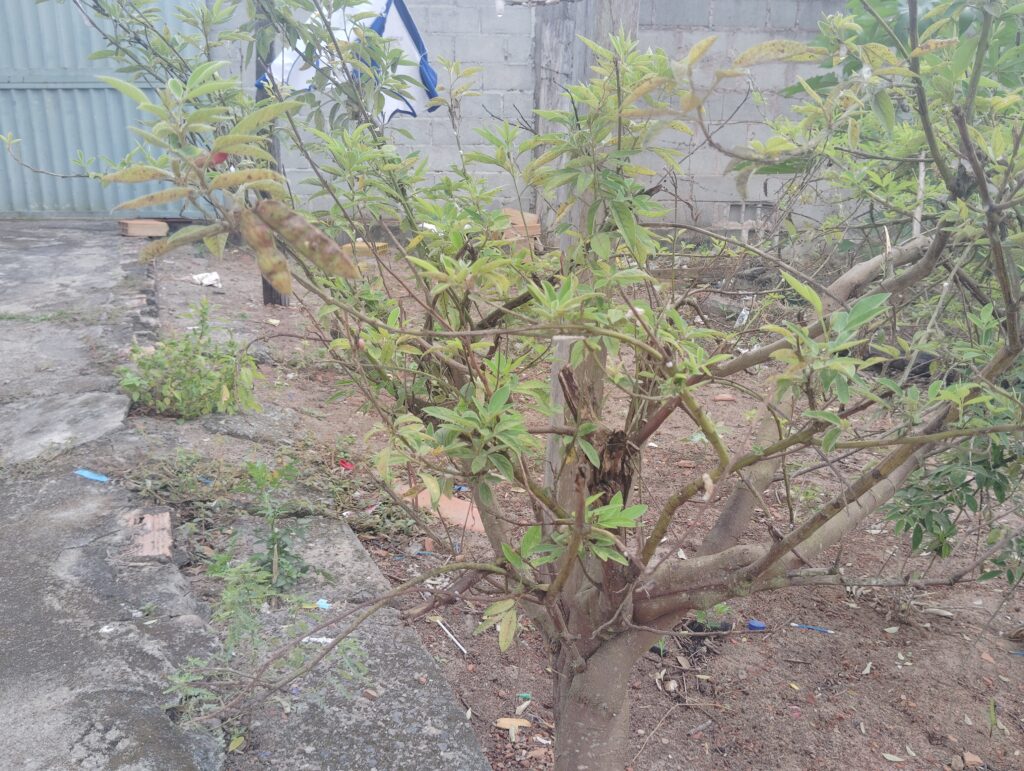
We started reading wild plants by the jobs they were doing
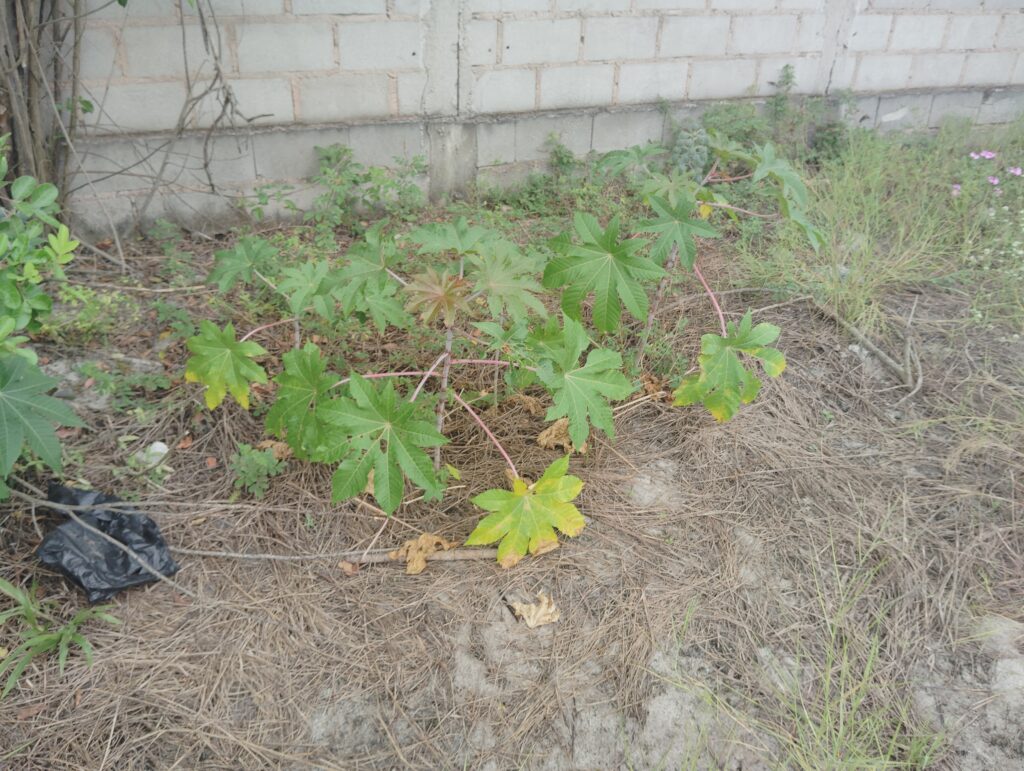
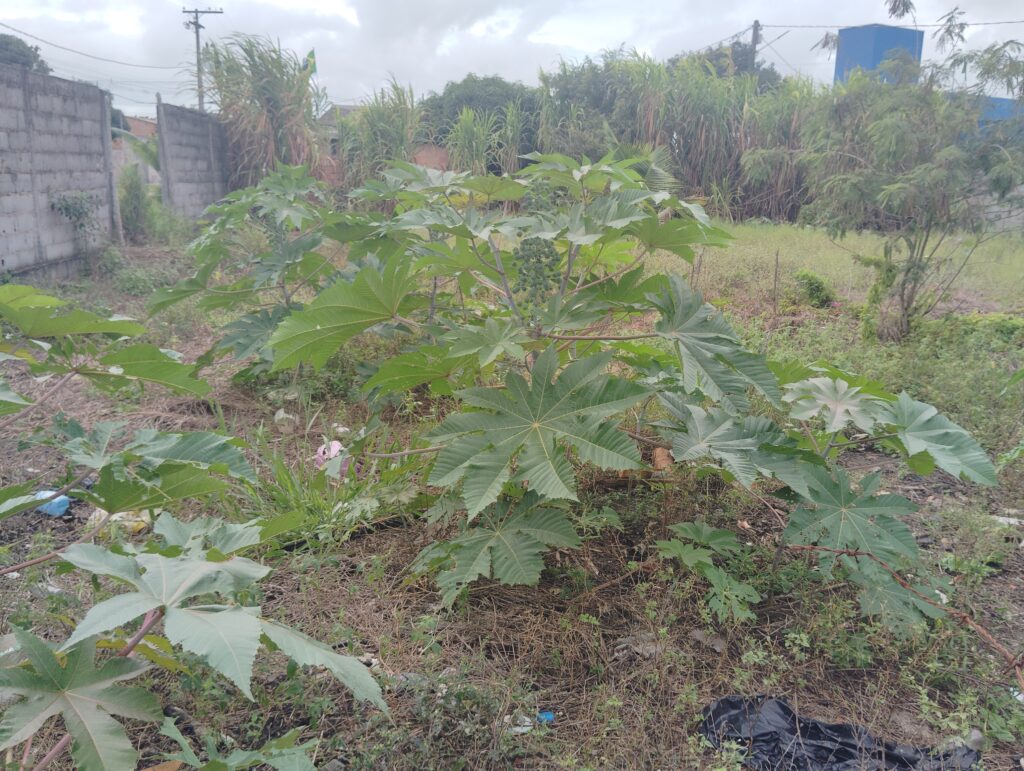
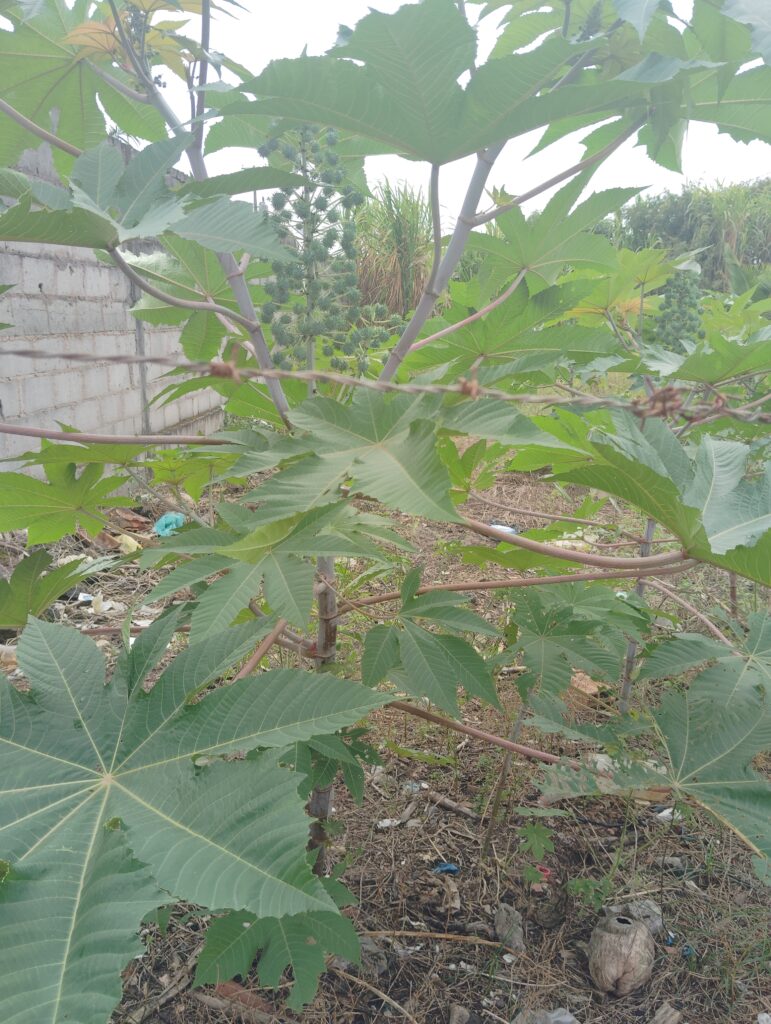
Mamona grows around us with almost no help.
It seeds itself. Young plants appear. Then they grow quickly and produce enormous leaves.
What interests us about mamona here is not a commodity use.
It is the speed with which it occupies open ground, produces biomass and creates shade.
Mamona also requires caution. Its seeds are toxic, and a plant that grows aggressively in one disturbed area should not simply be spread into healthy native ecosystems.
We also began paying closer attention to the other plants around our current home.
There is a legume we have identified from its leaves, pods and seeds as likely pigeon pea, along with watermelon, sugar cane, grasses, shrubs, perennial vegetation, a young coconut and a mature coconut in the same field that already produces coconuts we drink.
The field stopped looking like something that needed to be erased
The field is not neat.
It has sandy mounds and depressions.
There is sugar cane, mamona, grass, shrubs, perennial plants, a young coconut tree and a mature productive coconut.
Before this year, I could easily have looked at that field and thought:
We need to clear all of this.
Now I look at it and think:
I can establish a mango right there between those plants.
I can make a mulched planting island.
I can use the existing mounds and depressions when deciding where and how to catch water.
I can add organic matter and establish a mango or coconut seedling.
I can leave useful surrounding vegetation in place while the young tree develops.
I can add papaya, banana, flowers and more edible plants.
Then, as the long-term productive plants become established, I can gradually remove plants that are invasive, unsafe, unattractive or competing too strongly.
The orchard does not have to begin by destroying everything already alive.
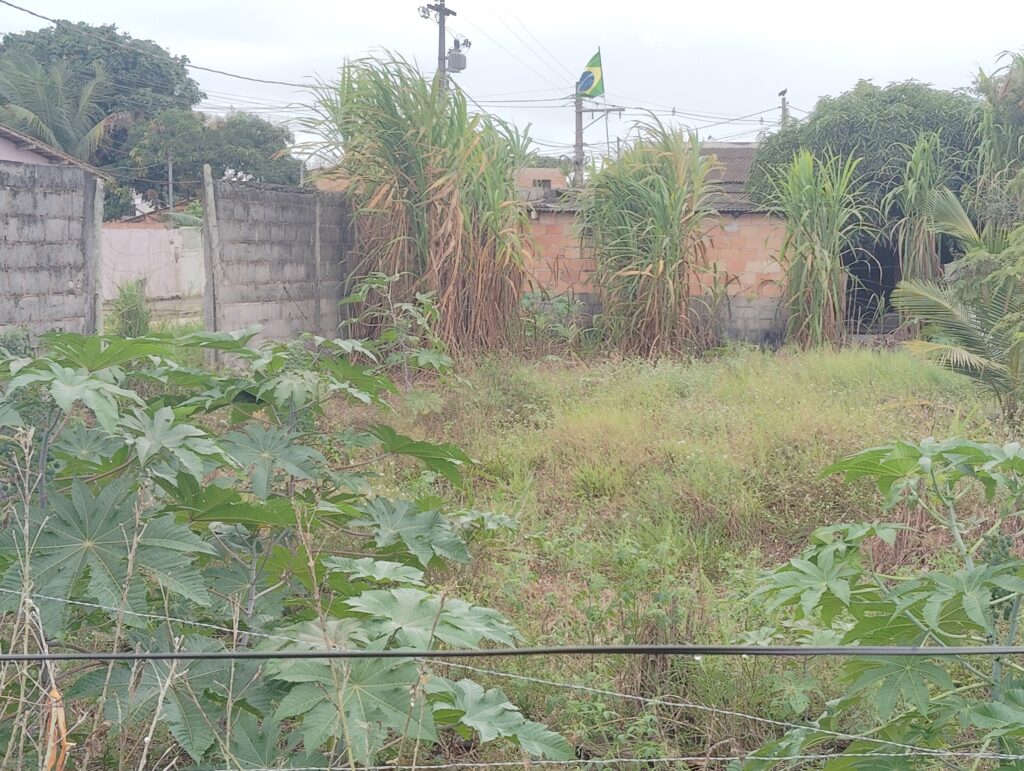
The land did not change first. The interpretation changed first.
That perspective shift is one of the most valuable things this year has given us.
Yesterday, the same rough field could be seen as untidy, overgrown, wasteful, or something that needed to be cleared before “real planting” could begin.
Now the same field can be read differently:
that shade protects my mango seedling
those roots help hold the soil
that biomass becomes mulch
those plants reduce heat and wind
those insects are part of the food web
those dips help catch water
that existing vegetation is buying time while the permanent orchard establishes
Nothing magical happened to the field.
What changed was our ability to see the work already being done.
That matters because bad assumptions can make people destroy useful conditions before they understand them.
If the automatic response is “clear everything,” people can remove the very shade, roots, litter, habitat and moisture protection that could have helped the next generation of plants establish.
So one of the deepest practical lessons emerging from our work is:
Before you change the land, change the way you read the land.
Then ask:
What here is already helping me build what I want next?
That is a real barrier removed from the human mind.
Once somebody sees an apparently ugly field as temporary biological support for a future orchard, they cannot quite look at land the old way again.
And that kind of knowledge can be more valuable than a pile of materials, because materials can be exhausted.
A better way of seeing can keep producing better decisions for decades.
Published knowledge helps us understand what we are living
Our own observations are one layer of the research.
Published research also gives us useful information about the soils and growing conditions already documented in Prado.
For example, agricultural research carried out in Prado has documented papaya cultivation on an Argissolo Amarelo distrocoeso latossólico. Separate research in the municipality has also studied Argissolo Amarelo under agroforestry systems, conventional papaya cultivation and native Atlantic Forest.
That matters because what we see at the surface does not necessarily describe the complete soil profile underneath it.
In other words, when we stand on pale sandy ground, we should not automatically assume that every layer beneath our feet is identical or that every part of Prado has exactly the same soil conditions.
That reinforces one of the practical rules emerging from our own observation:
Read the actual land in front of you before deciding what it can or cannot do.
Prado’s rainfall also helps explain why sandy ground here cannot be understood simply by looking at the sand.
In 2003, Embrapa Solos published an analysis using 47 years of daily rainfall records from Prado, from 1954 through 2000.
The researchers found an average annual rainfall of 1,359.2 millimetres.
The same study found considerable variation from year to year. The wettest year in the series, 1990, recorded 2,015.4 mm of rain, while the driest, 1963, recorded 711.4 mm.
November had the highest average monthly rainfall in the study, while February had the lowest. The researchers classified Prado’s climate as tropical Af under the Köppen system.
That does not mean water is always available exactly when a plant needs it. The same Embrapa study found periods of water deficit as well as periods of surplus during the year.
But it does mean that the sandy ground we are observing exists inside a warm, humid and substantially rainy coastal environment.
So the growing conditions involve much more than visible sand:
rainfall
heat
humidity
roots
shade
organic matter
water movement
plant litter
biological activity
and time
We therefore no longer look at sandy ground and automatically translate it as bad land.
We see a particular set of growing conditions that first needs to be understood.
And we ask:
What is this land already showing us that grows well here?
Published sources:
Martorano, L. G., Coutinho, S. da C. & Assis, D. S. (2003).
Aspectos Climáticos da Região de Prado – BA.
Embrapa Solos, Comunicado Técnico 13.
View Embrapa publication.
Souza, L. D. et al. (2016).
Distribuição de raízes e manejo do solo em cultivo de mamão nos Tabuleiros Costeiros.
Pesquisa Agropecuária Brasileira.
View published study.
Silva, D. C. da et al. (2011).
Atributos do solo em sistemas agroflorestais, cultivo convencional e floresta nativa.
Revista de Estudos Ambientais, 13(1), 77-86.
View published study.
Local growers add another layer of knowledge
We are also paying attention to people who have been growing in Prado longer than we have.
Through local observation and conversations, plants such as banana, plantain, pineapple and lime repeatedly come up as strong local performers.
This is local observational and practitioner knowledge. Where we have not yet grown those plants successfully ourselves, we keep that evidence separate from our direct field results.
Recently, one farmer friend showed us around his small farm.
His banana plants were visibly productive.
He also grows coffee.
He explained to Big King how he plants banana and coconut and how he helps plants through Prado’s hot summer.
One practice immediately caught our attention.
He cuts banana leaves and lays them over the sandy ground.
Instead of simply discarding that plant material, he uses it as ground cover.
That connected directly with what we had already been observing ourselves.
He also gave us banana suckers to plant.
Those are now becoming another direct Trott Bailey Family trial.
We will follow them over time.
One year later, the biggest change is how we see the land
We still have old videos to organize.
There are more successes to document properly.
There are failures to record.
There are new plants to follow.
There are farmers and neighbours whose practical knowledge we want to keep listening to.
There is much more work ahead.
But after one year, one conclusion is already solid in our own thinking.
We arrived looking at rough, sandy, overgrown land and thinking the first step was to remove what was there.
Now we look at the same kind of land and ask:
What useful work is the life already here doing for us?
That question changes what happens next.
Instead of automatically clearing everything and restarting from exposed sand, we can plant the long-term future between useful existing plants.
We can build small, mulched, water-catching planting islands.
We can establish mangoes, coconuts, papayas, bananas and other long-term food plants while faster vegetation is still providing useful temporary functions.
Then we can gradually change the landscape as those permanent productive plants become strong enough to take over those functions.
The land did not become useful when we cleared it.
It became useful when we learned how to read what was already happening there.
That is where the Trott Bailey Family Life upon Life Land Recovery Method began.
And that is where the next part of this study starts.
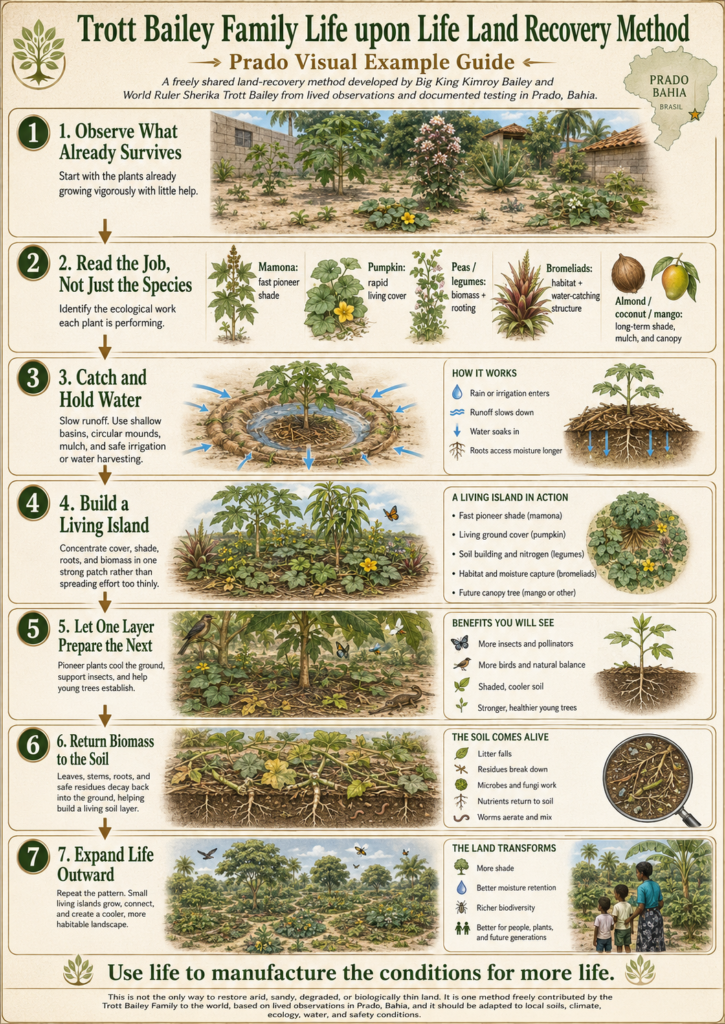
Saving local native plants before they were destroyed by mass local land clearing initiatives.