

Prado Field Evidence for Life upon Life method

Prado Field Evidence Registry V1
Trott Bailey Family Prado Longitudinal Field Research
Prado, Bahia, Brazil
Observation period: August 11, 2025 onward
Primary observers: Big King Kimroy Bailey and World Ruler Sherika Trott Bailey
Public knowledge home: Kaitou — Trott Bailey Family Civilization Global Resource Hub
Related method: Trott Bailey Family Life upon Life Land Recovery Method
Mature Tree Organic-Matter Island Observed
What we observed
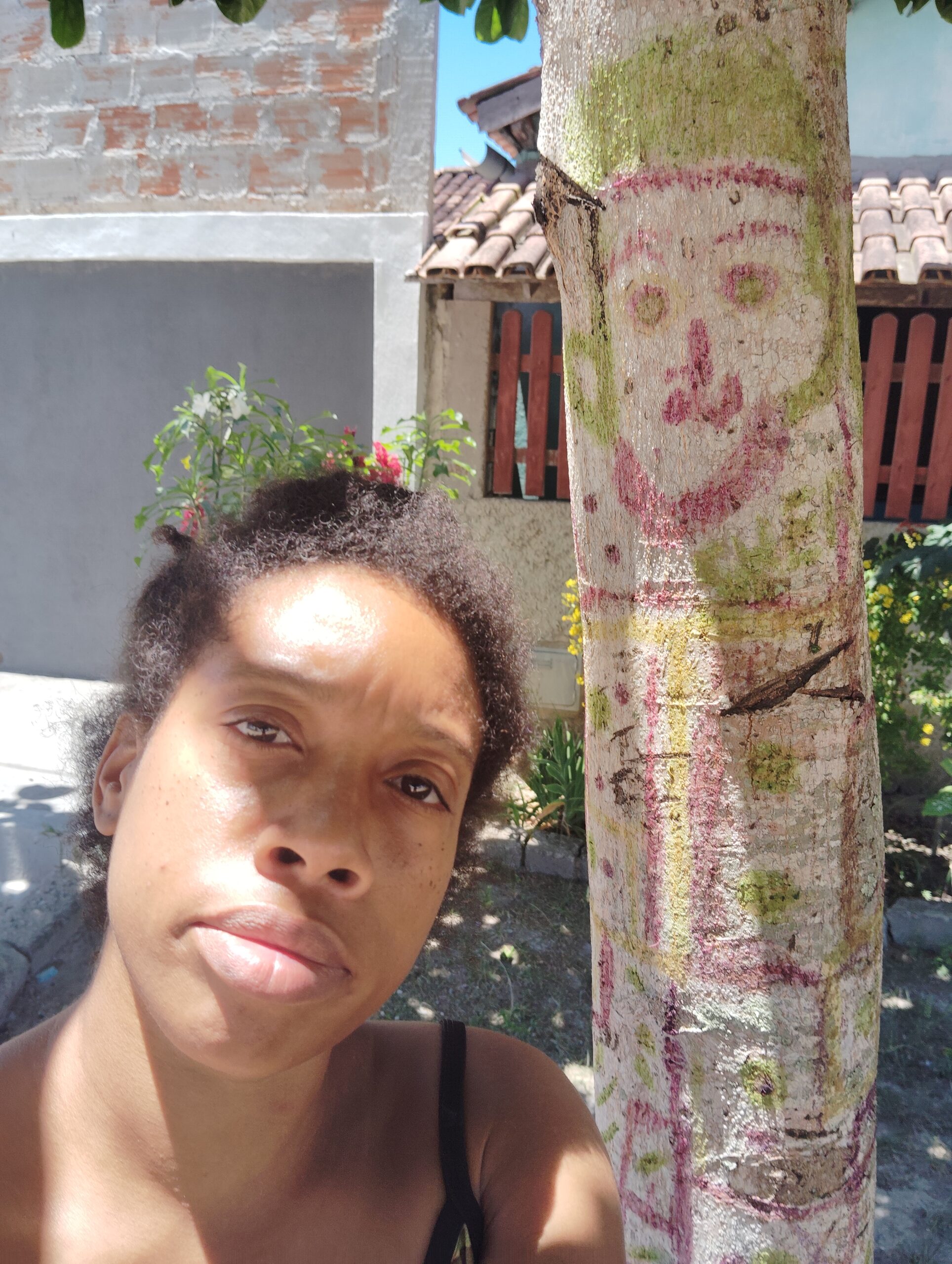
At our first major growing site in Prado, we started paying close attention to the ground beneath long-established trees.
The surrounding open land was visibly sandy.
But directly beneath mature trees, the ground looked very different.
We observed:
- a thick, soft, almost spongy layer of accumulated leaves and decomposing plant material
- darker soil beneath that organic layer
- bromeliads and other wild plants growing around and underneath the mature trees
- a visibly different growing environment compared with nearby exposed sandy ground
Mature tree, accumulated litter layer, dark soil beneath it, and bromeliads or other wild growth.
Known site conditions
The trees were growing in the same broader coastal Prado environment where we were experiencing sandy surface ground, strong sun and heat, coastal weather, rainfall, existing wild vegetation, seasonal changes in moisture and continuous biological activity.
The trees had already been established for many years before our family arrived.
We did not create the material beneath them.
We found it already there.
What the evidence directly shows
The photographs and our direct observation show that substantial organic material had accumulated underneath established trees in an otherwise sandy environment.
They also show darker material beneath the surface litter and additional plant life growing in association with the established trees.
That is the direct field evidence.
We keep that separate from the interpretation we developed from it.
Our current interpretation
Our interpretation is that the mature trees had helped create small, richer biological zones around themselves over time.
Leaves fell repeatedly. Organic material accumulated. The tree canopy shaded the ground. Roots occupied the soil. Other plants established nearby.
We began referring to these areas as living islands.
The important realization was not simply that there was compost beneath a tree.
It was that long-established life appeared to be continuously creating conditions that supported more life around itself.
What we did because of this observation
We gathered some of the composted organic material from beneath these established trees and carried it to our own new planting mounds.
We added it to sandy growing areas where we were trying to establish food plants.
This created a direct sequence:
established tree → accumulated biological material → family observation → material transferred to new planting area → new plant establishment
This was one of the earliest practical steps that later contributed to the Trott Bailey Family Life upon Life Land Recovery Method.
Life upon Life significance
Where has life already built better growing conditions for itself, and how can we recreate that process around the next generation of plants?
The lesson we took from the mature trees was not that everyone should remove material from established ecosystems.
The deeper lesson was to observe what long-lived vegetation is already doing.
A mature tree can help reveal what years of shade, roots, leaf fall, decomposition and biological activity can build in a place that looks poor when judged only by its exposed surface.
Use life to manufacture the conditions for more life.
What this record does not prove
- the exact rate at which the soil changed
- how much of the darker material came from tree litter versus other biological sources
- the precise temperature difference beneath the tree compared with open sand
- the exact moisture difference
- which microorganisms were present
- how deep the changed soil conditions extended
- that every mature tree in Prado produces the same result
Next tests
- measure litter depth
- compare soil temperature beneath canopy and exposed sand
- compare moisture retention after rainfall
- photograph soil color and structure at different depths
- test organic matter when laboratory testing becomes available
- record plants establishing naturally beneath mature trees
- record insect and soil-life activity
Evidence assets
P-I02-A: wide photographs showing established trees and surrounding sandy environment.
P-I02-B: close photographs showing accumulated leaf litter and decomposing material.
P-I02-C: photographs showing dark material beneath the litter layer.
P-I02-D: photographs showing bromeliads and other wild plants around or beneath the trees.
Initial public version: V1
First publication period: August 2026
Decaying Coconut-Trunk Growing Bed Observed
What we did
At our first major growing site in Prado, we were trying to establish food plants in visibly sandy ground.
We worked with materials we could find around us.
One of those materials was old coconut-tree trunks.
These trunks were already dead and breaking down through weather, insects, ants and time.
Rather than treating them as useless waste, we placed sections of the decomposing coconut trunks into the base of some of our planting beds.
We then built the growing area around and over them using local sandy soil, organic material gathered from beneath established trees, sawdust obtained from a local carpenter, pumped-well irrigation and retained surrounding vegetation.
Decaying coconut trunk used in planting bed, completed mound, and subsequent vigorous leaf growth.
What the evidence directly shows
The field photographs document decomposing coconut-trunk material incorporated into the growing area, sandy and organic material built around the woody base, and new plant growth emerging from the prepared bed.
The family also directly observed that these beds produced leaves rapidly.
What we are not claiming
We are not claiming that the coconut trunks alone caused the rapid growth.
Several things were happening at the same time.
The plants also received water, added organic matter, sandy soil and protection from surrounding vegetation.
This was not an isolated single-variable trial.
The current record supports the observation:
Plants grew vigorously in a bed that included substantially decomposed coconut-trunk material.
Why the coconut trunks interested us
A coconut tree had already lived.
It had grown.
It had died.
Then insects, moisture, weather and time began breaking its trunk down.
Instead of removing that biological material from the landscape, we put it beneath new plants.
The old plant became part of the physical foundation of new growth.
Life upon Life significance
The principle is not:
Everyone should bury coconut trunks.
Coconut trunks happened to be locally available to us in Prado.
The transferable question is:
What safe biological material already exists in your own landscape that can be returned to the growing system rather than discarded?
In another place, the useful material may be fallen branches, old leaves, crop residues, pruned plant material or other safe decomposing biomass.
Connection to the mature-tree observation
At the mature trees, we observed biological material accumulating naturally over time.
In this bed, we began deliberately putting biological material underneath and around new plants.
This was one of the earliest places where observation began turning into deliberate practice.
Current interpretation
Possible functions worth investigating include:
- holding organic material within the bed
- creating physical structure below the planting zone
- retaining moisture differently from exposed sand
- supporting decomposition and associated biological activity
- slowly returning plant material to the growing system
These are current hypotheses and interpretations, not individually measured conclusions.
Next test
Build two otherwise similar planting beds.
Bed A: with a decaying woody layer.
Bed B: without a woody layer.
Then compare plant emergence, height, canopy spread, irrigation frequency, moisture, temperature and decomposition.
Initial public version: V1
First publication period: August 2026
Small Planting Pockets Among Retained Vegetation Observed / Repeated
What happened
When we first started growing at our Phase I Prado site, our original plan was to clear the entire overgrown field before planting.
That did not happen.
We did not have enough money to clear the whole area, and laborers who said they would come repeatedly delayed.
Eventually, instead of continuing to wait, we started planting anyway.
We opened smaller patches inside the vegetation that was already there.
We prepared those pockets, added organic material, planted into them, and left much of the surrounding vegetation in place.
Pale sandy ground with multiple small planting pockets among retained vegetation.
Dated evidence
October 15, 2025: video shows multiple prepared planting areas, retained vegetation, irrigation hoses and a black hose junction or distribution point.
October 17, 2025: dated footage shows a young broad-leaf seedling establishing inside one of the prepared sandy-ground pockets.
October 22, 2025: additional footage shows young seedlings emerging in localized darker planting areas surrounded by pale sandy ground and existing vegetation.
One visible plant marker reads Uva Niagara Rosada, confirming that Niagara Rosada grape was among the Phase I planting trials.
October 15 field and irrigation images, October 17 seedling, October 22 planting pockets and Uva Niagara Rosada label.
Known site conditions
- pale sandy surface ground
- existing surrounding vegetation
- organic matter added to localized growing areas
- compost gathered from beneath established trees
- sawdust used in some areas
- decomposing coconut material used in some beds
- pumped-well irrigation
- manual watering
- strong coastal sun and heat
What the evidence directly shows
- small prepared growing areas rather than complete field clearing
- existing vegetation retained around those areas
- seedlings establishing inside localized planting pockets
- irrigation infrastructure in active use
- multiple planting attempts distributed across the field
- at least one confirmed grape trial
The observation that became important later
At first, we viewed the vegetation around the field mainly as something that needed to be removed.
But because we were planting between it, we started noticing what it was doing.
Some plants were already creating shade, holding loose ground with roots, producing leaves and biomass, providing habitat and breaking up wind.
Life upon Life significance
Previously we have been taught to clear land and then plant. We say no: plant in between existing useful plants.
Do not destroy the help you already have before the plants you actually want are ready to replace it.
This does not mean every plant should remain permanently.
Some plants can be invasive, toxic, unsafe, excessively competitive or simply unwanted in the long-term productive landscape.
The point is to understand their function before removing them.
Current finding
The family successfully established multiple planting pockets in sandy ground without first clearing the entire surrounding field.
Next test
Compare two otherwise similar planting islands:
Plot A: useful surrounding vegetation retained.
Plot B: substantially more surrounding vegetation removed.
Then compare temperature, moisture retention, watering frequency, seedling survival, leaf condition, growth, wind exposure and insect activity.
Initial public version: V1
Current evidence level: Observed / Repeated
Self-Built Shelter and Continuous Field Occupation Documented
Why this record exists
This record is not mainly about house construction.
It exists because the housing transition explains something important about the quality and continuity of the Prado field observations.
During Phase I, our family was not visiting the growing area occasionally.
We were living beside it.
What happened
We had been renting a nearby property for R$500 per month.
Our landlord told us he wanted the property back.
Our understanding was that tourist season was approaching in Prado and that he wanted to take advantage of the higher rental rates available during that season compared with the R$500 we were paying.
We were initially given about two weeks to leave.
We therefore began building another shelter on land immediately beside the landlord’s property while we were still living in the rental house.
The building site was so close that we could simply walk across each day and continue working.
Then heavy rain came.
The rain slowed construction during the period when we were supposed to be finishing the shelter and moving out.
The landlord gave us an extension.
Big King and I continued building through the rain, including working on and waterproofing the roof, because our family still needed somewhere to live.
December 4 construction, December 5 roof/interior work, December 7 family use or occupation.
Dated construction evidence
December 4, 2025: visual evidence shows the shelter under active construction.
December 5, 2025: additional evidence shows continued interior and roof development.
December 7, 2025: visual evidence shows the shelter substantially further developed and the family using the structure.
December 10, 2025: corrected date associated with the landlord’s requirement that the family leave the rental property.
How we built the shelter
- eucalyptus wood for the main frame
- coconut palm leaves for much of the walls and roof
- clay for a wall section built to approximately hip height
- coconut material above that clay section
- glass panes used as windows
- tree branches used to support or hold the window glass
The rain was part of the build
The heavy rain during the move-out period is important to preserve in the record.
It affected construction, slowed roof work and required waterproofing while the shelter was still being completed.
Big King and I were physically out in the rain trying to make the shelter ready for our family.
Research significance
The main research significance of this record is continuous field occupation.
We were not traveling to a research site from somewhere else.
We were living inside the field study.
We experienced:
- morning and afternoon heat
- rainfall
- wet and dry periods
- irrigation needs
- soil drying
- shade differences
- insect activity
- plant emergence
- leaf development
- plant decline
- decomposition
This increased the frequency and intimacy of our observations.
What this record does not claim
Living beside the site does not automatically make every interpretation correct.
Continuous occupation strengthened our ability to notice repeated patterns, follow plants across time, preserve context and identify questions that could later be measured or compared with published knowledge.
Evidence provenance
Direct family experience: Yes
Dated photographic evidence: Yes
Dated video evidence: Yes
Construction sequence documented: Yes
Family occupation/use documented: Yes
Landlord motive independently verified: No; preserved as the family’s understanding
Initial public version: V1
First publication period: August 2026
Pumpkin Ground-Cover Cycle Observed / Repeated
What we observed
At our current Prado home, pumpkin established strongly across visibly sandy backyard ground.
The plants did not simply survive.
At their strongest stage, they were lush.
Large leaves spread across broad areas of exposed sand.
The vines flowered.
Pumpkins formed.
We harvested them.
Later, as the plants reached the end of their normal annual lifecycle, the leaves and stems began collapsing back onto the same ground they had covered.
Before bare sand → dense pumpkin canopy → flowering/fruit → harvest → lifecycle decline → biomass returning to the ground.
Known site conditions
The backyard has visibly sandy surface ground.
The pumpkin plants received water from more than one source.
- rainfall
- untreated kitchen-sink greywater
- untreated shower greywater
The greywater entered the backyard because of poor construction and drainage at the property.
This is an important site condition.
We are documenting what actually happened.
We are not recommending untreated household greywater as a standard food-irrigation method.
What the evidence directly shows
- pumpkin vines establishing in sandy ground
- large leaves creating substantial living cover
- flowering
- fruit production
- harvest
- later lifecycle decline
- plant biomass remaining on and around the ground as the crop dies back
What changed in our thinking
At first, the obvious question was:
Will pumpkin grow here?
Then the question became:
How much pumpkin will it produce?
But as the vines spread across the sand, another question became more interesting:
What is this plant doing to the land while it is alive?
The pumpkin was doing more than producing food
During active growth, the pumpkin:
- covered exposed sandy ground
- created shade with large leaves
- occupied the soil with roots
- produced flowers
- supported visible insect activity around the flowering crop
- produced edible fruit
- created substantial plant biomass
Then, after harvest and as the lifecycle ended, much of that biological material began falling back onto the same area.
Current interpretation
Our current interpretation is that fast-growing crawling plants such as pumpkin can perform a useful temporary horizontal-cover function in exposed sandy areas where the species is locally appropriate.
The deeper principle is not:
Every degraded site should be planted with pumpkin.
The principle is:
Find plants that can quickly cover exposed ground while the longer-term productive system is establishing.
Connection to Life upon Life
Temporary life prepares permanent life.
A pumpkin plant does not need to become the permanent structure of the orchard.
It can perform useful work during one season while a mango, coconut, papaya, banana or another longer-lived productive plant is establishing nearby.
What this record does not prove
- the exact temperature reduction beneath the pumpkin canopy
- the exact moisture difference beneath leaves versus exposed sand
- the amount of organic matter added after decomposition
- the effect on soil microorganisms
- how much of the vigor came from greywater versus rainfall
- how the same pumpkin would perform without the household water input
- whether the same result occurs on every Prado sandy site
Next tests
Temperature comparison
- surface temperature of exposed sand
- surface temperature beneath dense pumpkin canopy
Moisture comparison
- exposed sand after rainfall or irrigation
- soil beneath dense plant cover after the same event
Biomass return
- photograph plant decline
- estimate or weigh returned plant material where practical
- follow decomposition over time
A young mamona appearing inside the pumpkin patch
One later field image also showed a young mamona plant emerging within the pumpkin area.
At this stage, we document the event without overinterpreting it.
What plants establish naturally after or during the decline of a temporary ground-cover layer?
Young mamona emerging within or beside the declining pumpkin patch.
Evidence assets
P-II01-A: sandy backyard before dense pumpkin cover.
P-II01-B: pumpkin at strong vegetative stage.
P-II01-C: flowering and fruit development.
P-II01-D: harvest evidence.
P-II01-E: late lifecycle decline and biomass returning to ground.
P-II01-F: young mamona emerging in the pumpkin area.
Initial public version: V1
Current evidence level: Observed / Repeated
First publication period: August 2026