

You made GDP more important Than Childhood, Now You’re Baffled there are fewer Kids
Trott Bailey Family Civilization
You Made GDP More Important Than Childhood. Now You’re Baffled There Are Fewer Kids.
Why aren’t kids out playing with each other anymore? Is this what becoming developed means? No friendly neighbourhoods? No letting out your kids all day to play so parents can be free too?
Heck, being developed means hard work and having no kids.
What kind of development is that?
Rejected.
What Exactly Did You Decide Was Worth Measuring?
The OECD defines Gross Domestic Product, GDP, as the standard measure of the value created through the production of goods and services in a country during a certain period. It measures economic output. Even the OECD says GDP falls short as a measure of people’s well-being and does not tell us whether life as a whole is getting better, or for whom.
Source: OECD — Nominal Gross Domestic Product
GDP grew out of efforts during the Great Depression to understand economic collapse, and national accounting became increasingly standardized internationally after World War II. The United Nations began developing internationally comparable national accounts in 1947 and published its first standard System of National Accounts in 1953.
Source: OECD — Beyond GDP
I understand why you wanted to know what was being produced. But after a world war, why did you decide that the great measure of recovery should be economic output? Why didn’t you measure family recovery and well-being?
Were husbands and wives rebuilding stable homes? Were children recovering? Were mothers supported? Were fathers present? Were neighbourhoods becoming safe and alive again? Were families becoming healthier, stronger and more secure?
Why was producing more treated as such important evidence that a country had recovered without giving the recovery of family life equal seriousness?
Why Were You So Desperate to Compare Yourselves in the First Place?
Why were you so desperate to compare yourselves in the first place?
You needed a measure of production. You turned it into a measure of national worth.
Then the comparison became prestige. Who has the biggest economy? Who grew fastest? Who has the highest GDP per capita? Who is “developed”? Who is “advanced”? Who is falling behind?
Yet the OECD itself admits that GDP measures economic output; it does not tell you whether life as a whole is getting better. Its own Beyond GDP work says GDP was built for the much narrower purpose of measuring market activity and later became stretched into a proxy for general welfare.
Source: OECD — Beyond GDP
So why did you allow this one number to become such a powerful measure of national success?
You took a tool for measuring production and elevated it into a scoreboard for civilization.
What Is a Family?
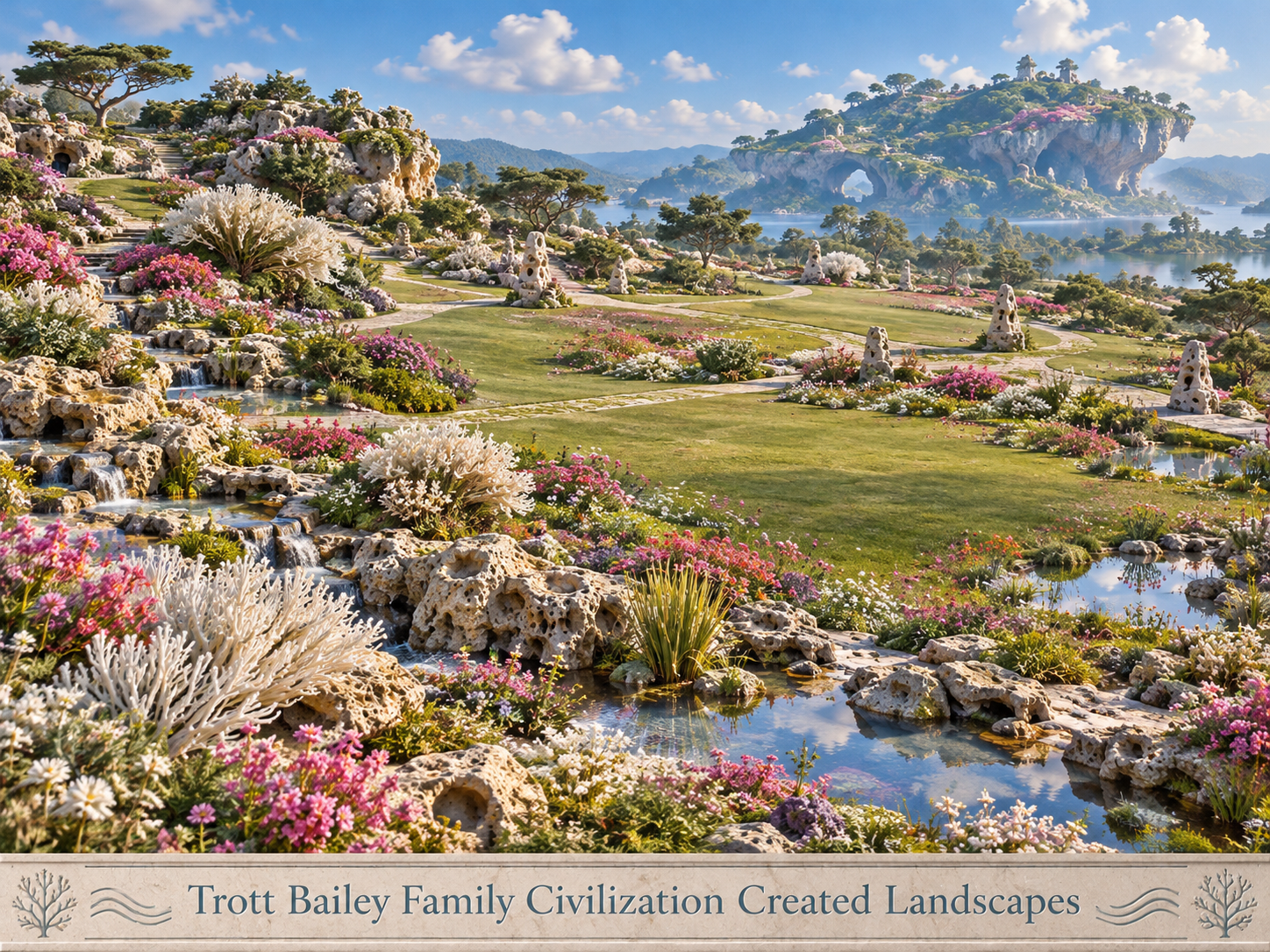
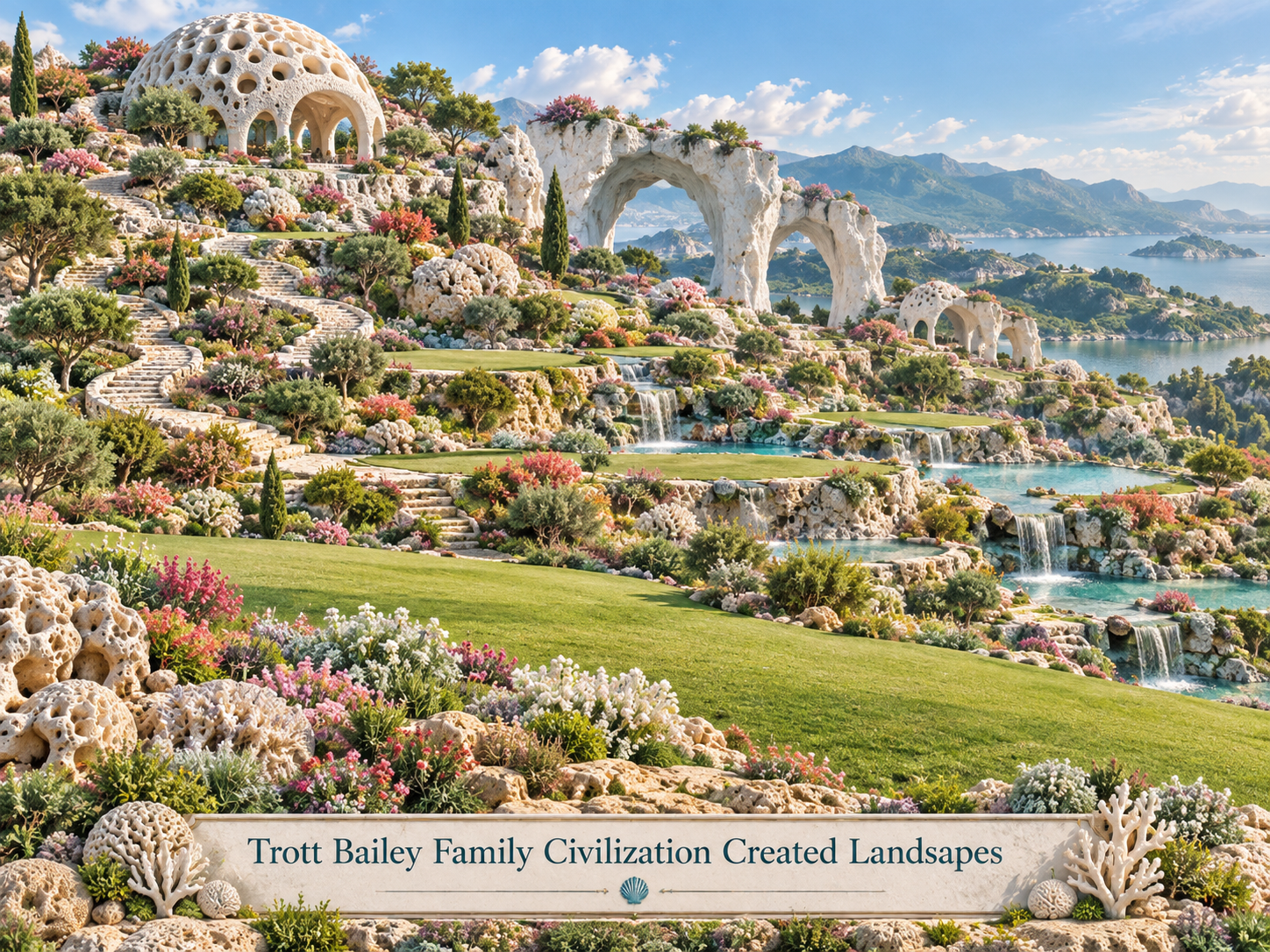
Trott Bailey Family Civilization places the family at the center of civilization.
Civilization springs out of the family. Husbands and wives form homes. Children are born into those homes. Character, knowledge, care, confidence, capability and the next generation are grown there.
That is why Trott Bailey Family says strong families equal strong nations.
Not strong GDP equals strong nations.
A nation can produce enormous amounts of goods and services while its marriages weaken, its parents become exhausted, its children lose freedom, its young adults delay family formation and fewer children are born.
That is not strength simply because the GDP number is high.
In Trott Bailey Family Civilization, the family is the living center of civilization design. Housing, food, water, work, streets, education, public space and every other major system should answer a basic question:
Can the family breathe, grow, recover and remain strong?
That is our measure.
What GDP Says Counts
Under your definition of economic value, a mother’s work raising children does not count unless somebody is paid to do it. The OECD confirms that unpaid household services such as childcare, cooking, cleaning and household care are excluded from GDP, even though its own research estimates that including them would substantially change conventional economic aggregates across G7 countries.
Source: OECD — Including Unpaid Household Activities
A father’s work as a father does not count either. His contribution becomes economically visible when he leaves the home, earns money and produces something that enters the measured economy. Children barely appear in the measure at all unless somebody can sell something to them, sell something for them, educate them for payment, transport them for payment, care for them for payment or otherwise turn their needs into market activity.
A mother can spend an entire day feeding children, teaching them, washing them, comforting them, keeping them safe and building the next generation, and GDP barely notices. A father can spend hours raising his children, teaching them skills, repairing the home, protecting family life and strengthening his marriage, and GDP barely notices. But if those same parents become too busy and begin paying other people to perform more of those activities, more of the activity enters measured economic production.
So the production of things and the payment for temporary services outweigh the formation of the country’s future?
The children who should be grown into characterful, assured, capable human beings, ready to carry forward the Earth—and much of that growing happens beside their much-needed interactions with their parents and by circulating confidently through the outdoor environment—this act, this growing, does not count as valuable as GDP?
I shake my head at you, so-called governments, so drunk on GDP!
You Did Not Merely Fail to Count the Family
Not only did you prioritize GDP over the family, you actively trampled on the family and allowed others to do so. You increasingly placed housing, food, education, childcare, transport and other necessities of family life behind markets, prices, private investment and the ability to pay.
You are absolutely horrid stewards.
Then you organized adult life around earning enough money to reach the things a family needs. Young people are told to study, establish a career, secure housing, become financially stable and somehow fit marriage and children around all of that.
And then you are baffled by the results.
You Reaped What You Prioritized
Across OECD countries, fertility fell from an average of 3.3 children per woman in 1960 to about 1.5 in 2022, well below the replacement level of about 2.1. OECD research identifies labour-market insecurity, difficulty finding suitable housing, unaffordable childcare and difficulty combining work and family among the everyday constraints affecting family formation.
Source: OECD — Megatrends and the Future of Social Protection
These are not merely poor countries struggling to provide basics. The decline runs through countries routinely described as advanced and developed. Marriage has moved later, childbearing has moved later, and many young adults spend more years trying to become established in labour and housing markets before forming families.
Source: OECD — Women, Work and the Population Puzzle
You made paid production the great scoreboard of developed nations and then reaped what you measured for: high production, high consumption, long working lives and fewer families.
But fertility is only one part of the story. Look at the children who were already born.
Where did they go?
You Took Away the Child’s Circulation
Children used to have far more independent movement through their neighbourhoods. Researchers call this children’s independent mobility: the ability to walk home, visit friends, reach nearby places, cross streets, use public transport or simply go outside without an adult accompanying every movement.
In England, the proportion of children aged seven to eleven allowed to travel home from school without adult supervision fell from 86% in 1971 to 35% in 1990 and 25% in 2010. Another historical comparison found that 80% of seven- and eight-year-olds were allowed to go to school alone in 1971; by 1990, only 9% were.
Source: Journal of Transport & Health — Children’s Independent Mobility
This is not simply a story about children becoming different. The neighbourhood changed around them.
Research reviewing more than fifty studies found parental concern about traffic to be one of the most consistent barriers to children’s independent mobility. Heavy traffic around the home and school repeatedly reduces parents’ willingness to let children move by themselves.
Source: Systematic Review — Children’s Independent Mobility
You Knew How to Design for Children
Planners knew how to think about children’s circulation.
Clarence Perry’s influential neighbourhood-unit principles placed major arterial roads outside residential neighbourhoods, kept interior streets quieter, located elementary schools near the centre and aimed for short walking distances for children.
Source: American Planning Association — The Neighborhood Unit
That is planning which asks: How does the child move?
Yet development increasingly optimized roads and neighbourhoods around cars, commuting, workers and goods. We became extremely skilled at moving economic activity while the independent movement of children became something parents had to solve privately.
The car could move. The worker could move. The goods could move. But the eight-year-old increasingly needed an escort.
When the Child Stops Circulating, the Journey Does Not Disappear
When children lose independent movement, their journeys transfer to adults. The child still has to reach school, friends, sports, activities and appointments. Somebody now has to take them, wait for them and bring them back.
Research from Germany found escort purposes accounted for 16% of parents’ trips, rising to 22% among parents of children aged ten or younger, with women carrying a disproportionate share of that escort burden.
Source: Transportation Research Part A — Parental Escort Trips
So one planning failure creates two losses at once: the child loses freedom and the parent loses time.
Then comes the ridiculous cycle. Parents worry about traffic, so they drive the children. More parents driving children creates more traffic around the places children need to go. More traffic makes independent movement feel less safe, which encourages still more escorting.
We solved the danger created by car domination by putting another car on the road.
You Count the Car. You Barely Count the Mother.
Here the GDP problem comes back into view.
The manufactured car counts. The fuel counts. Road construction counts. Paid transport counts. Paid childcare counts.
But the mother’s unpaid time spent escorting her child because the neighbourhood no longer safely carries that child barely appears in the great scoreboard. Neither does the father’s time teaching his child, neighbours informally watching out for one another’s children, or the parental relief created when children can safely play together without constant adult supervision.
The OECD itself acknowledges that unpaid care and household work remain outside GDP and that conventional economic indicators miss major dimensions of well-being.
Source: OECD — Persistent Gender Gaps in Paid and Unpaid Work
So measured economic activity can increase while family life becomes more cumbersome.
What If the Neighbourhood Gave Parents Life Back?
Imagine development differently.
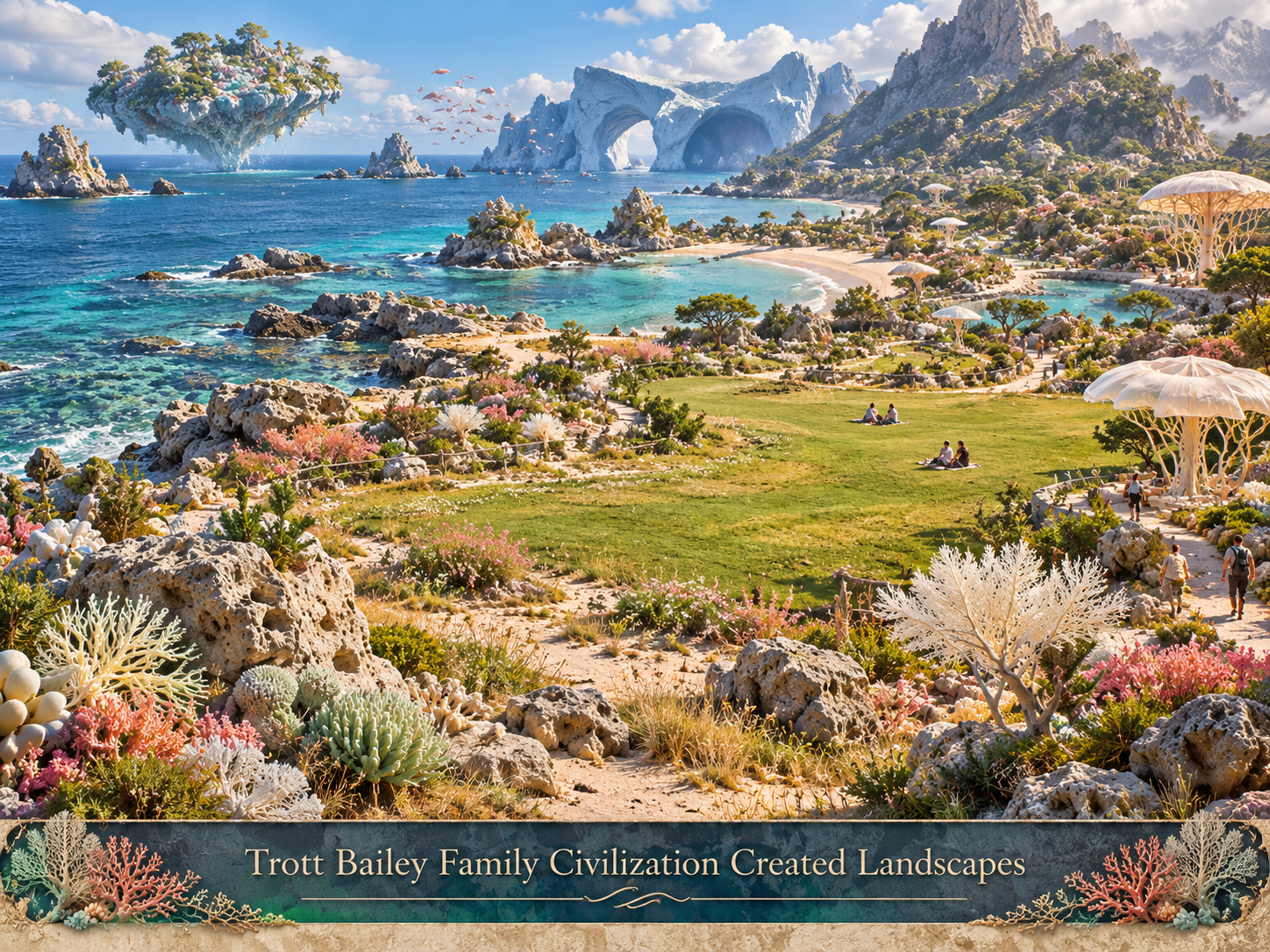
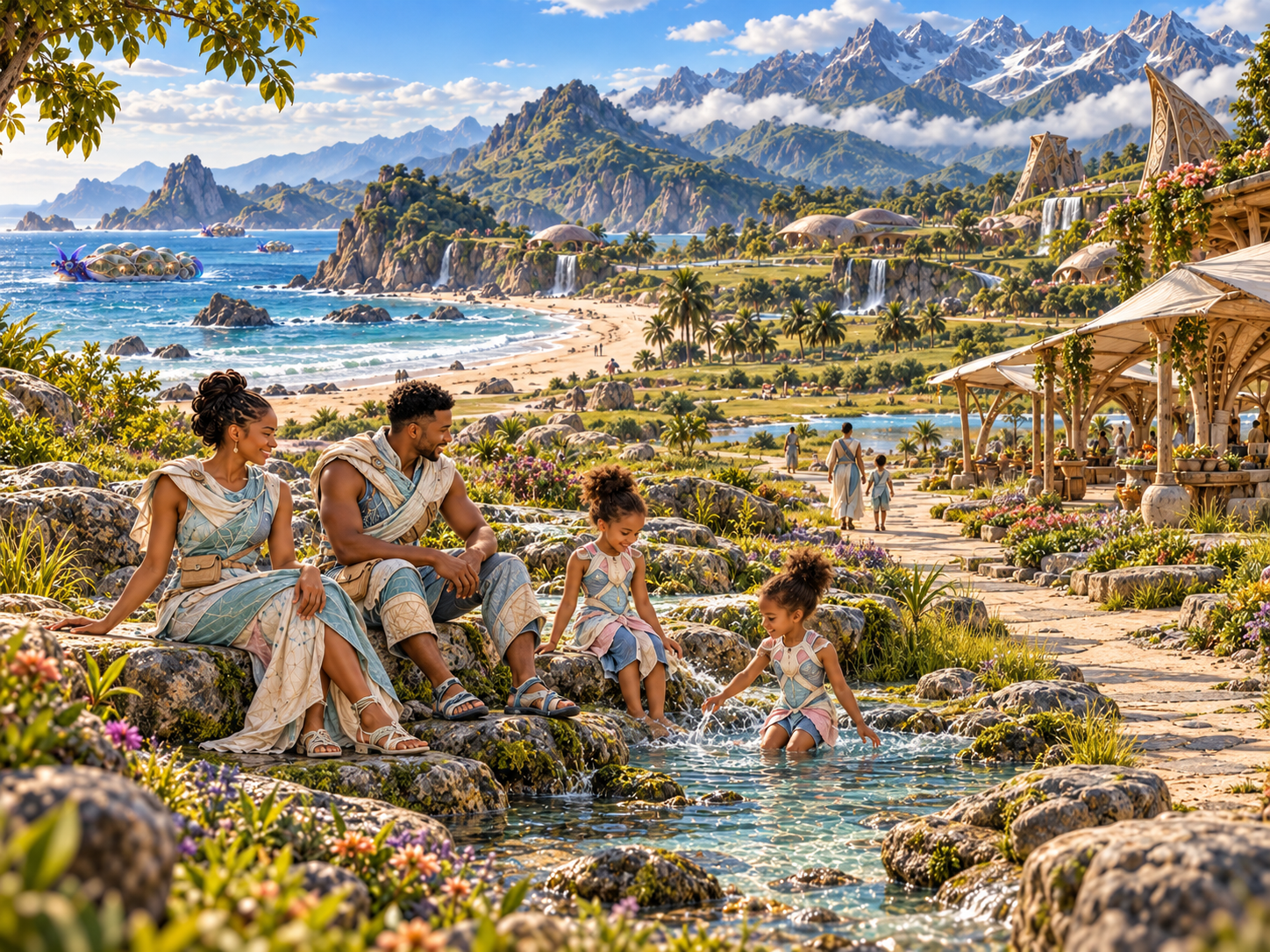
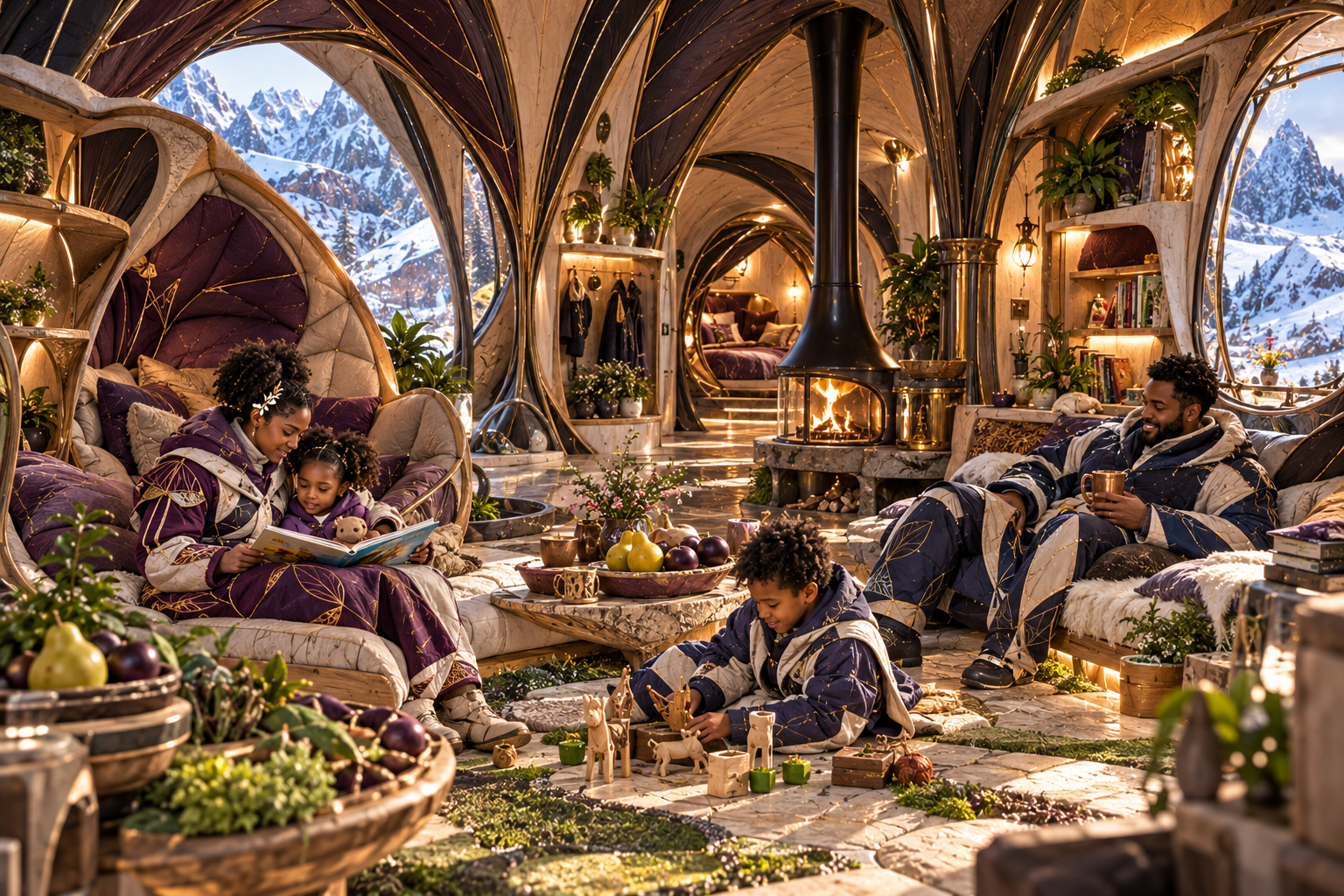
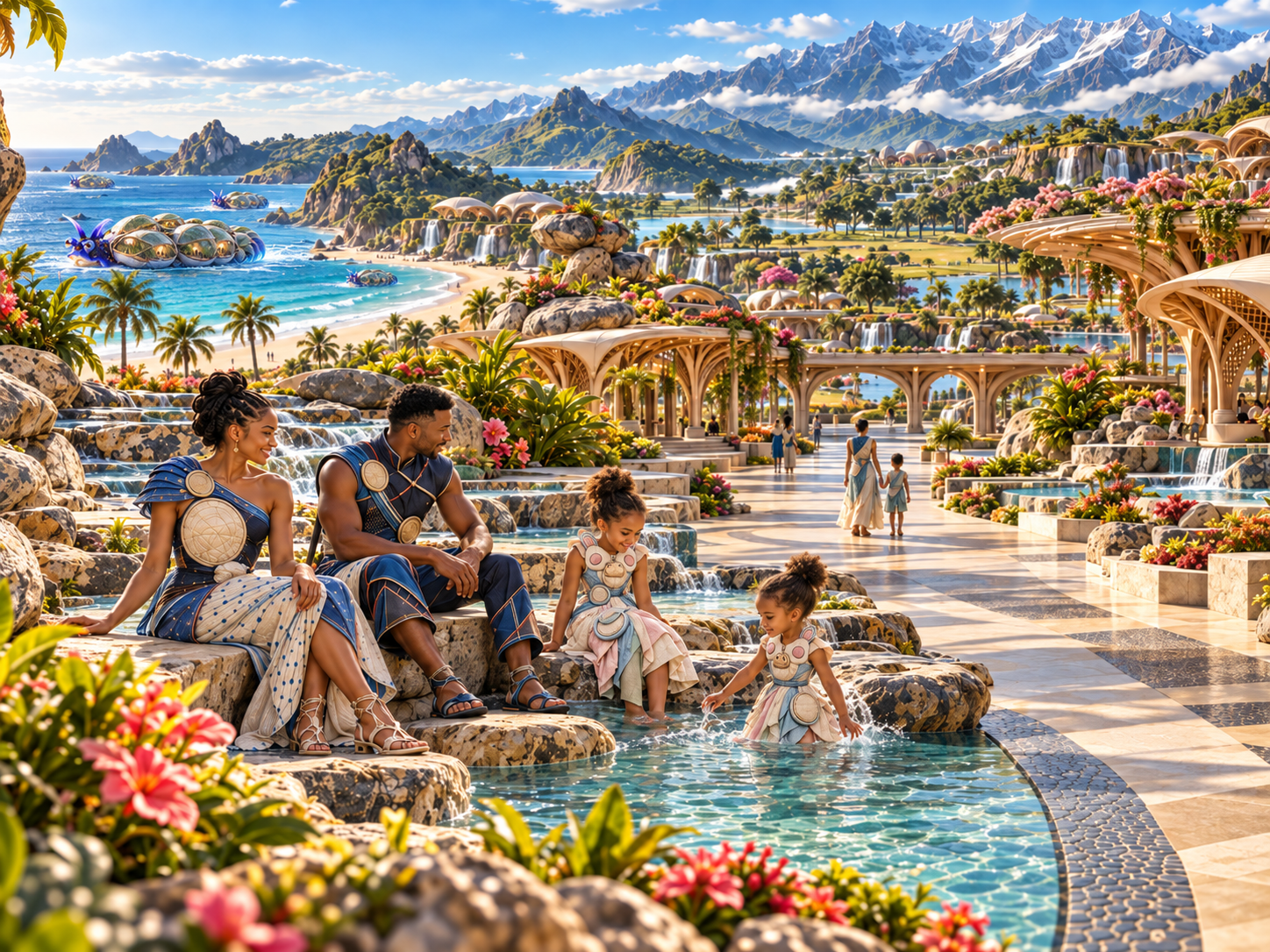
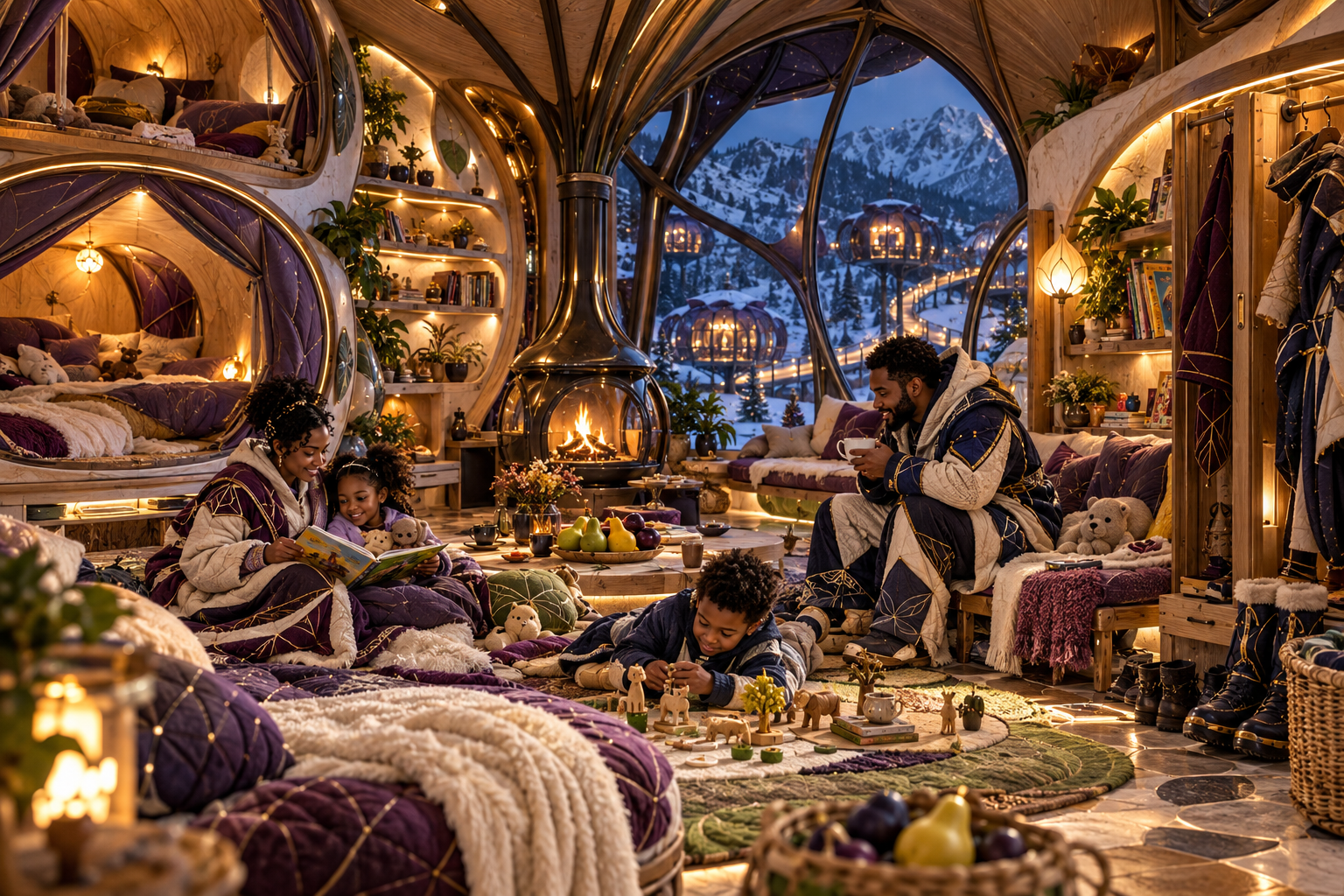
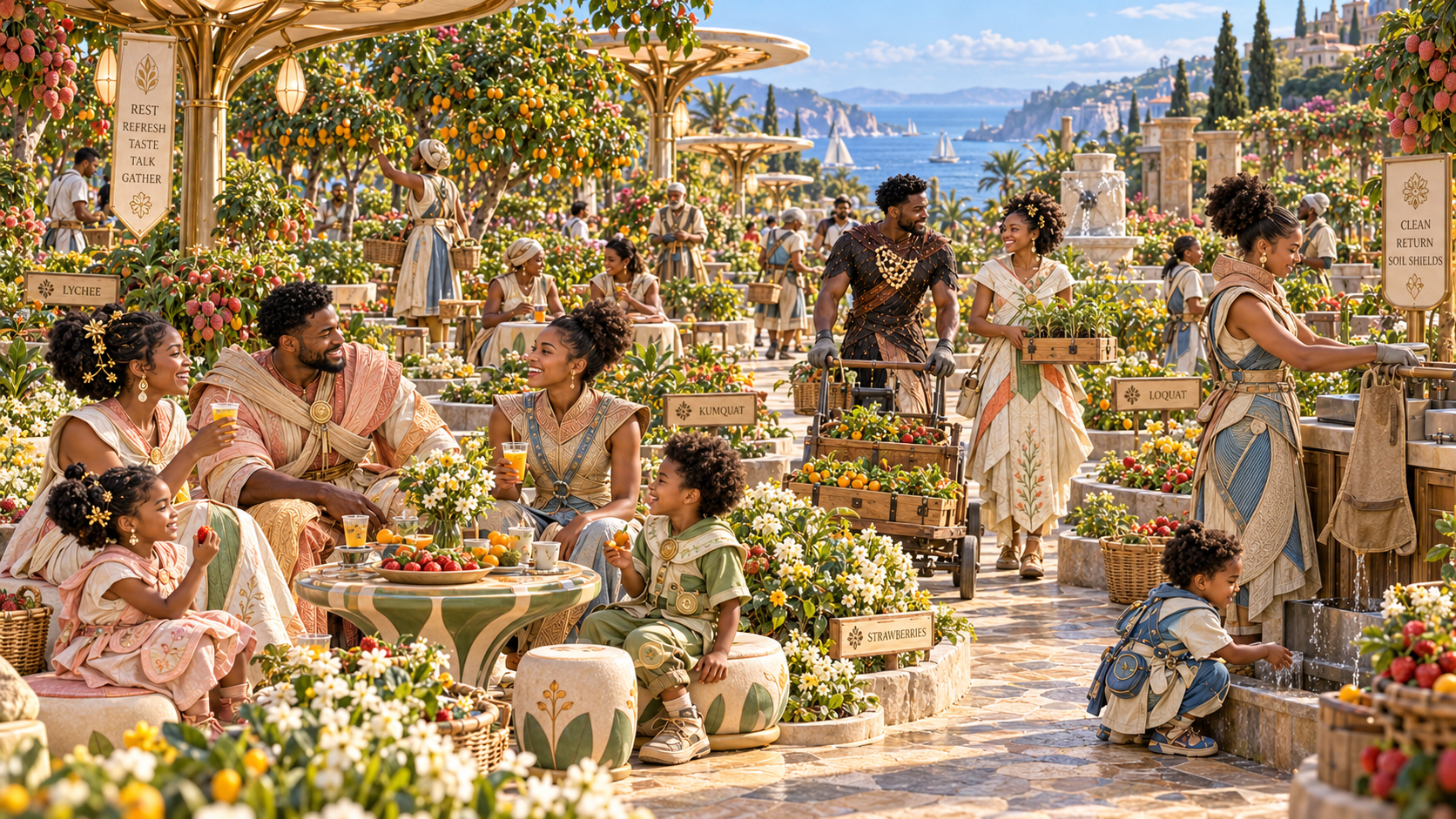
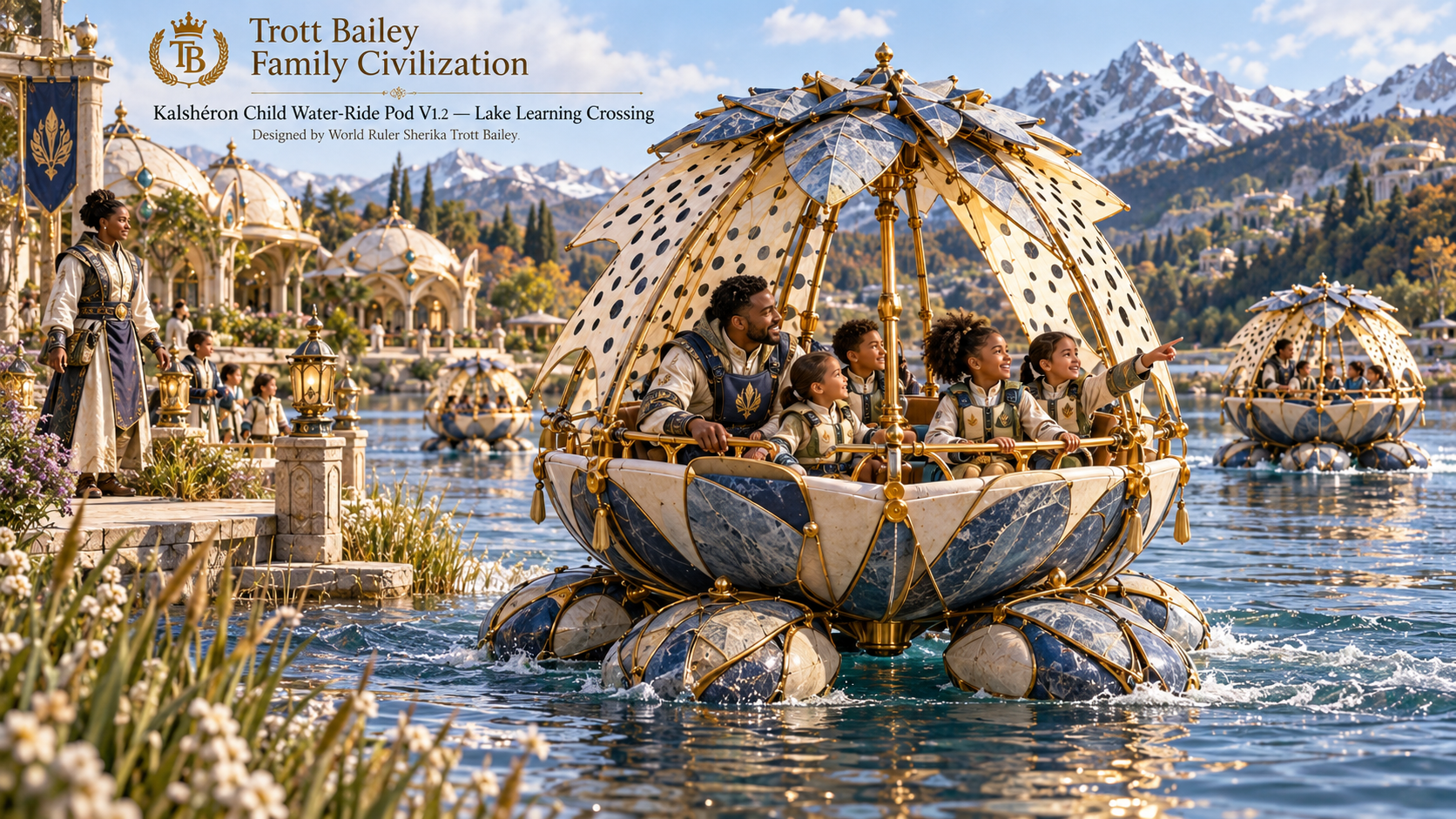
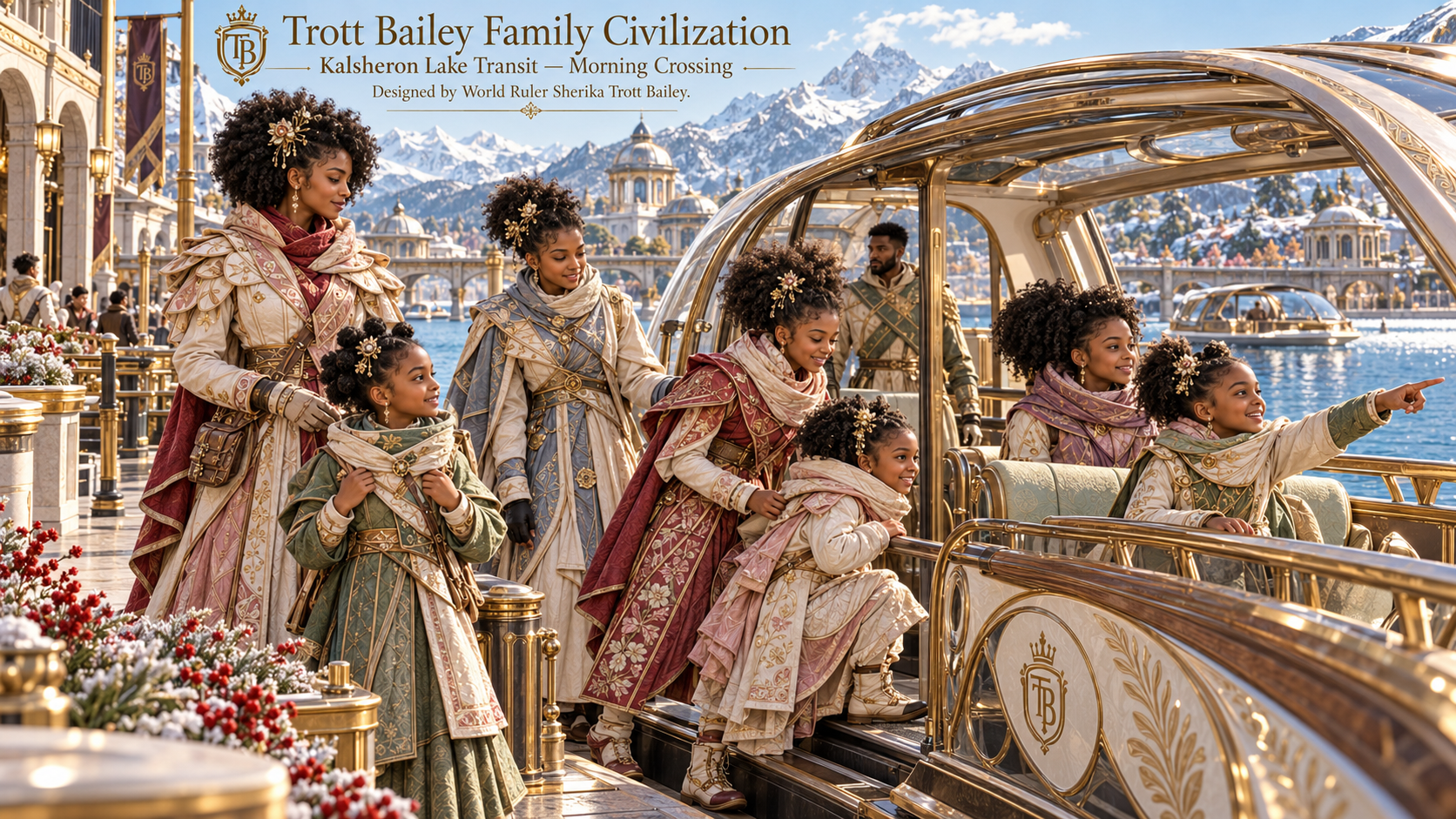
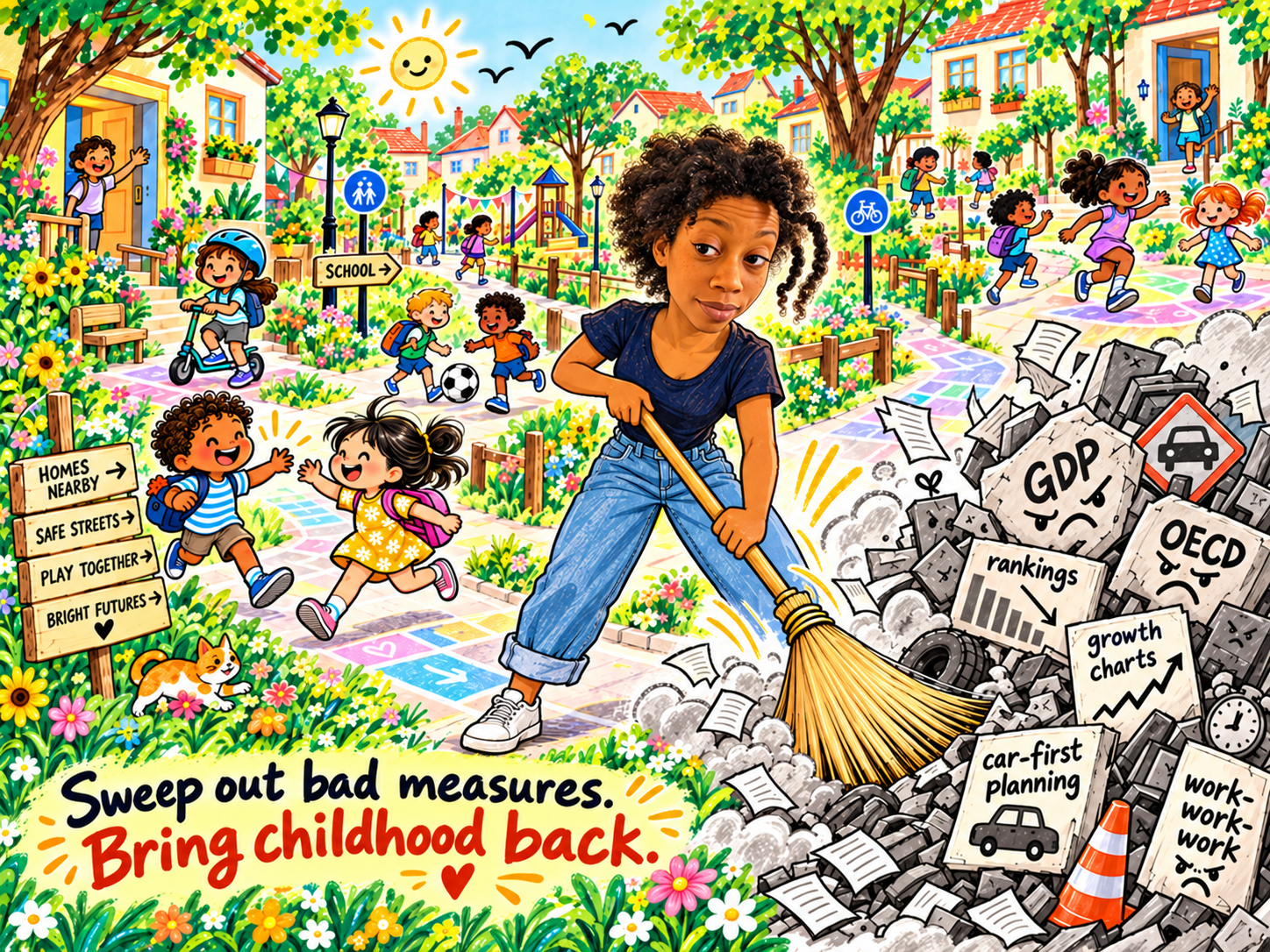
Children leave their homes and find other children outside. Routes between homes, gardens, play areas, learning places and public life are built for them too. Cars do not dominate every crossing. Parents know the surrounding families. Adults naturally notice the children moving through the neighbourhood. Children gradually earn greater freedom as they become capable.
The child gains confidence, physical movement, friendships, independence and knowledge of the real environment. The parent gains something too: time.
That is a neighbourhood functioning so well for children that parents do not have to personally manufacture every minute of their children’s movement, play and social life.
A group of children can occupy themselves outside for hours, invent games, disagree, solve problems, explore, visit each other and come home. Their parents receive relief without purchasing a service.
GDP barely notices. Family life certainly does.
Which One Is Development?
A new car sale can raise measured output. More fuel sales can raise measured output. More paid childcare can raise measured output. More paid transportation can raise measured output. A longer chain of paid services around a family can create more economic transactions.
But suppose another neighbourhood allows a child to walk outside, meet ten children, play safely for four hours and return home while the mother rests, the father repairs something, or the husband and wife simply get a few quiet hours together.
Very little may have been bought or sold.
Yet which family gained more life?
That is the question GDP cannot answer for you.
You developed roads, cars, markets, workplaces, financial systems, production capacity and GDP.
But did you develop childhood? Did you develop marriage? Did you develop motherhood and fatherhood? Did you develop friendly neighbourhoods where children can safely circulate? Did you develop parental relief? Did you build a life in which young men and women look ahead and want husbands, wives and children because family life appears beautiful, supported and possible?
Strong families equal strong nations.
Not strong GDP equals strong nations.
You made GDP more important than childhood and family. Now you are baffled that there are fewer kids.
You reaped what you prioritized.
What kind of development is that? Rejected.