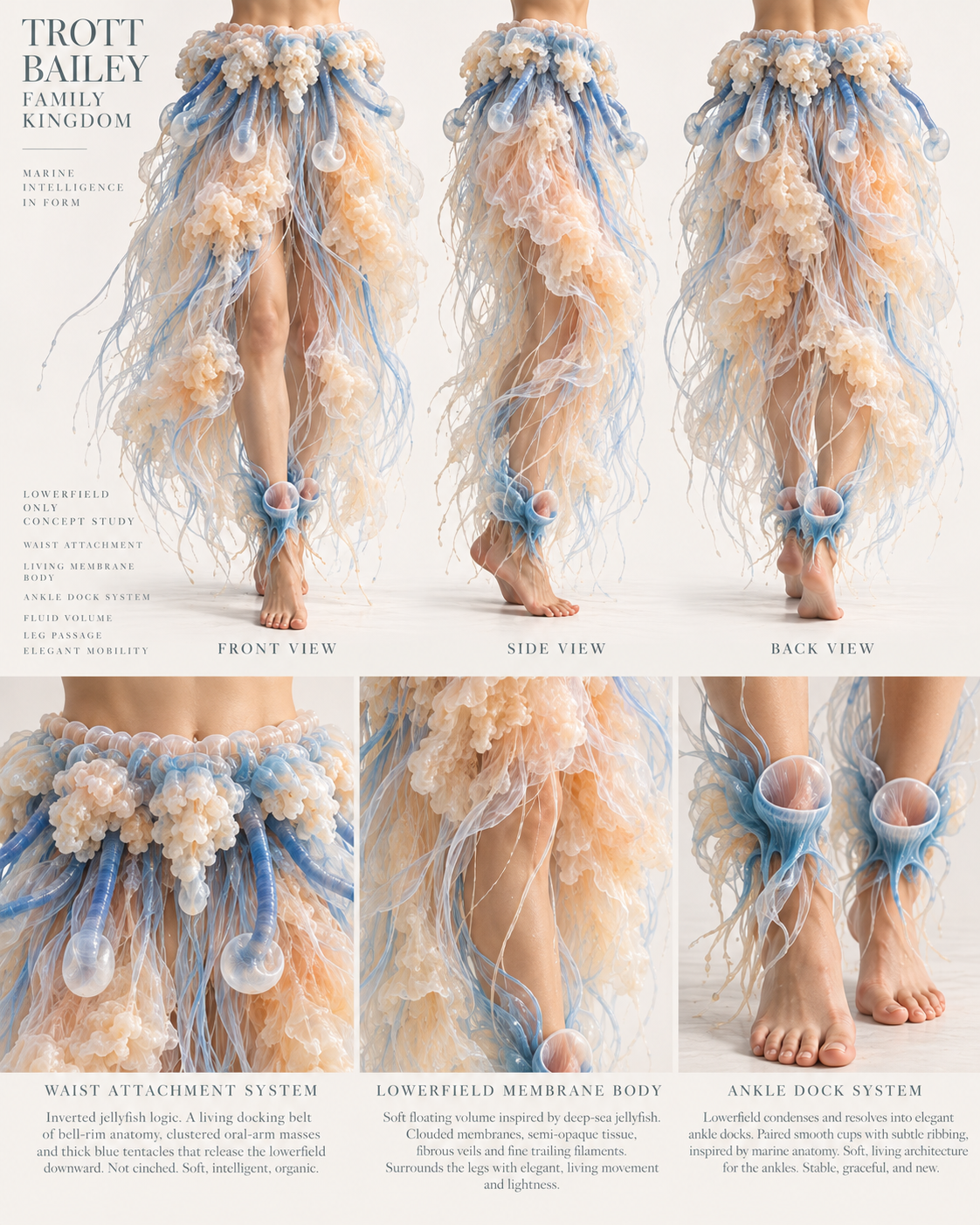
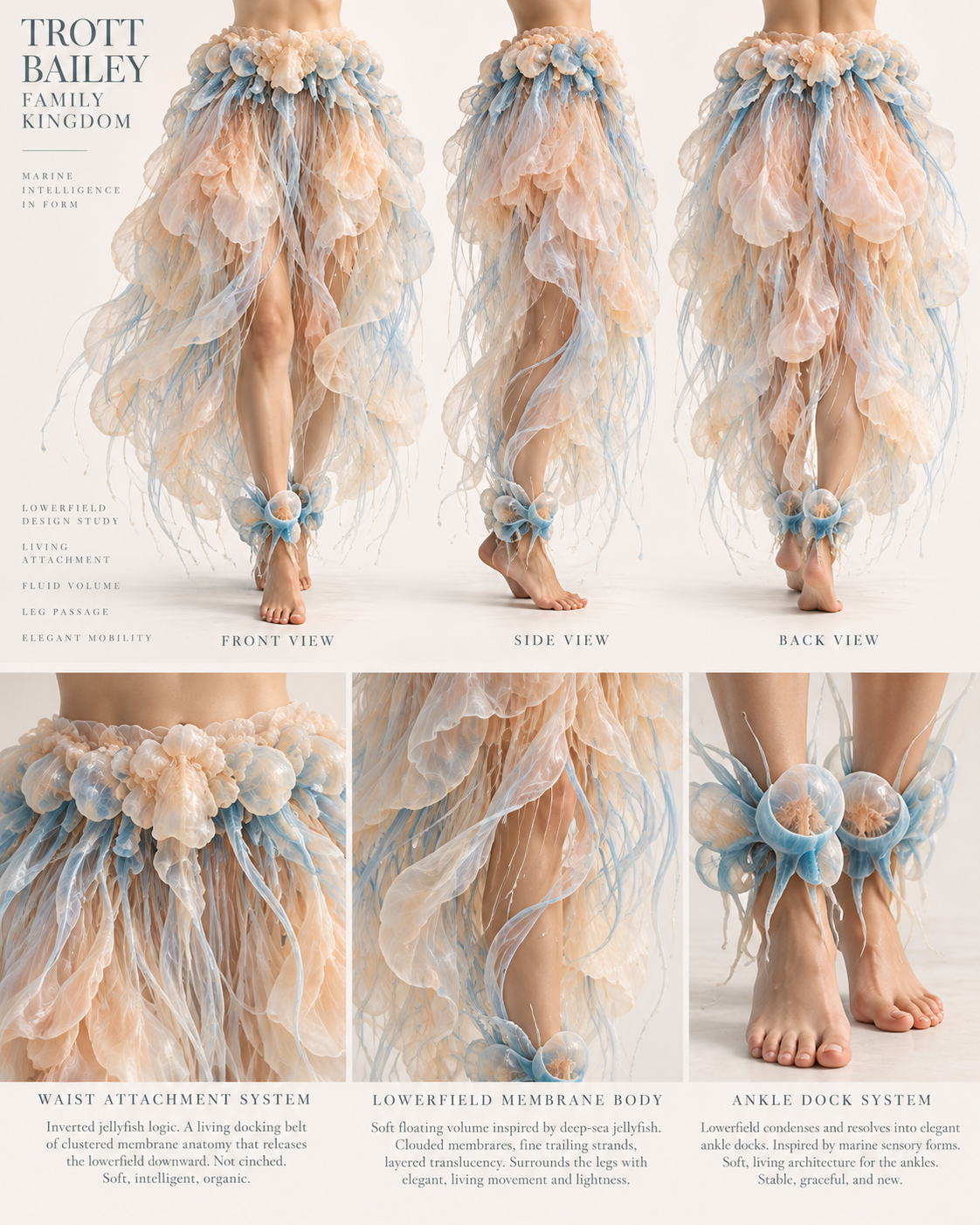
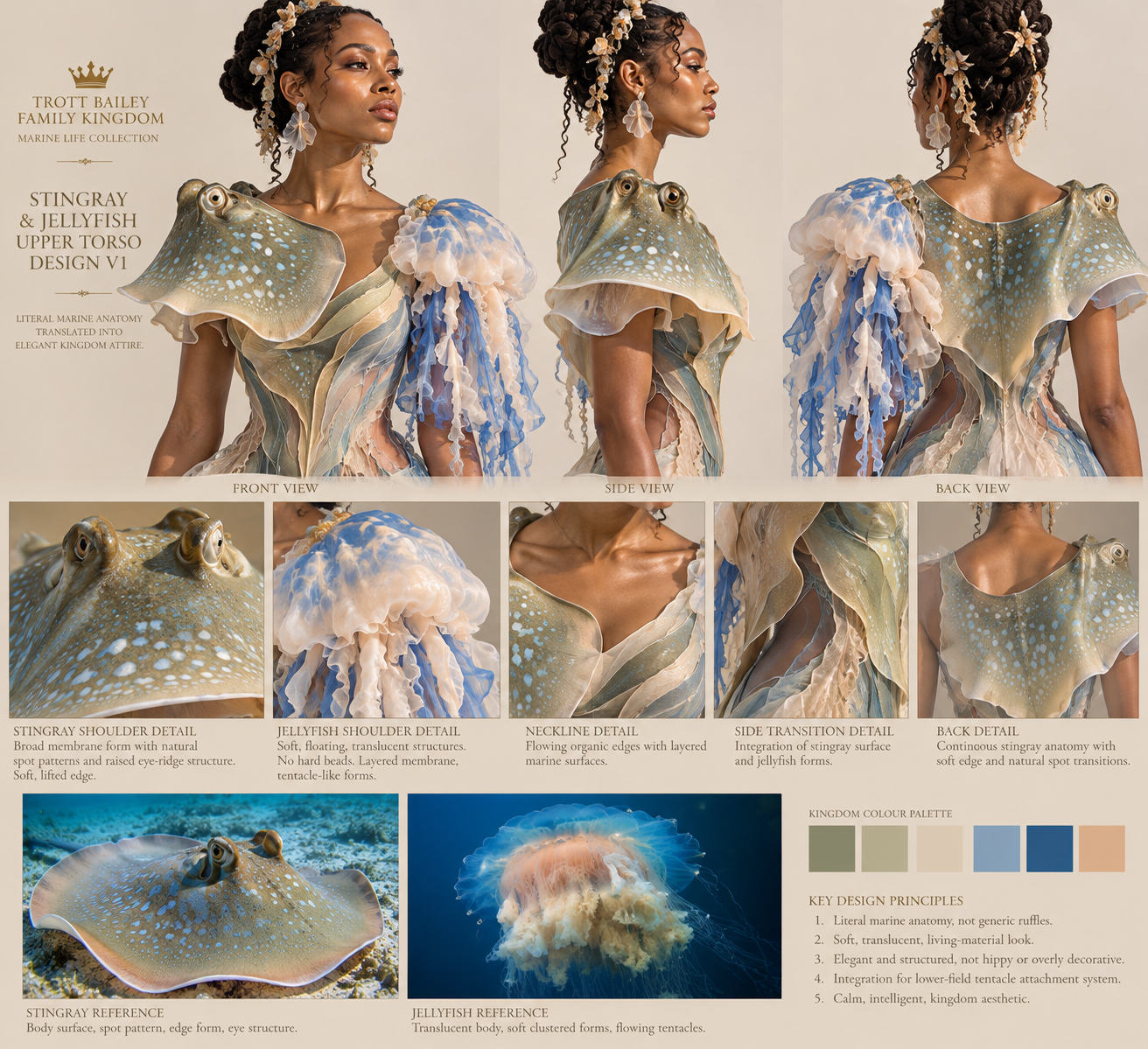
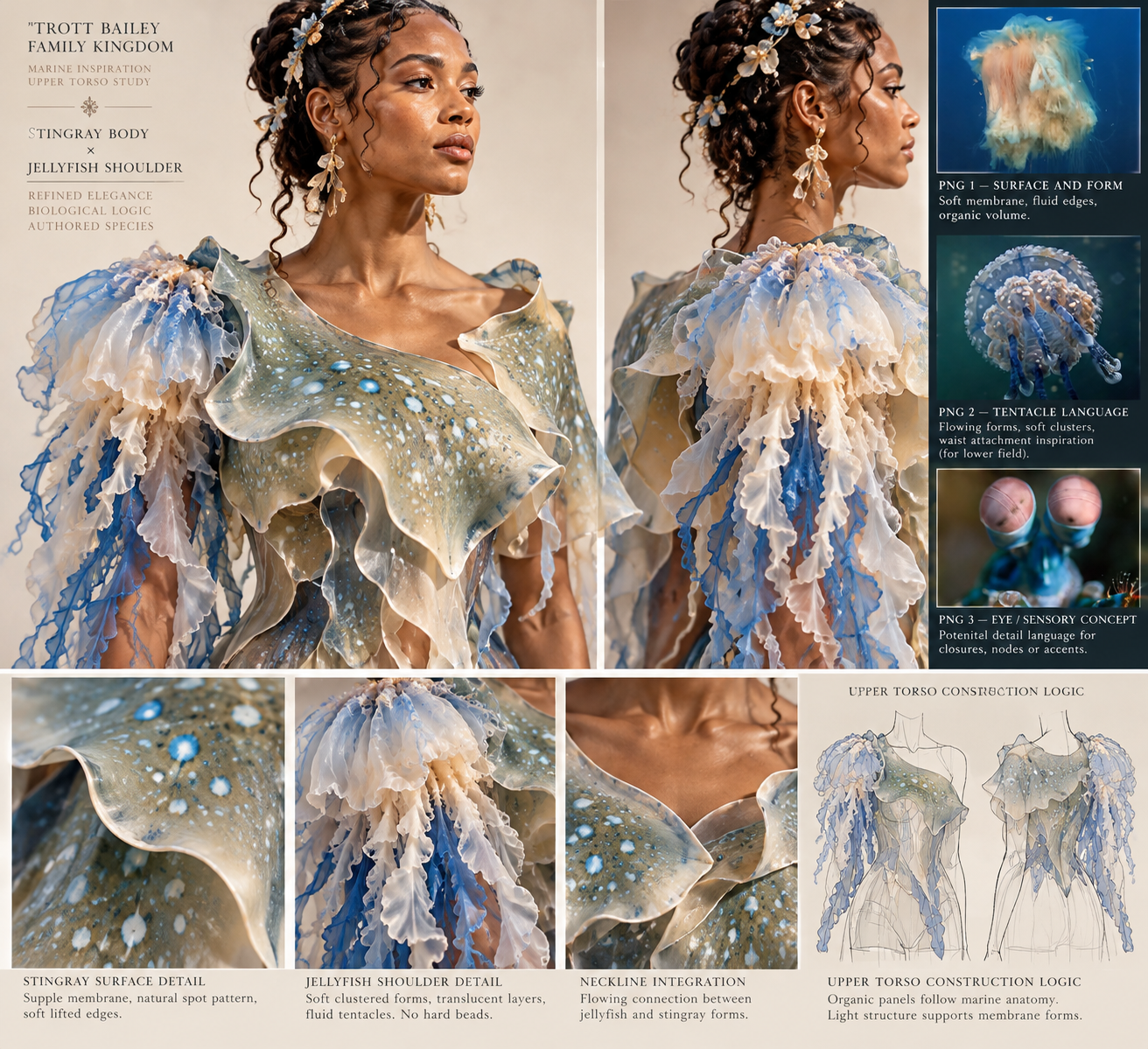
The Old Laundry Battle.
Families Were Never Really Set Up to Win the Laundry Battle
Almost every family knows the feeling.
You buy clothes you like. You try to keep them clean. You wash them carefully. You use detergent, stain remover, softener, delicate cycles, cold water, hot water, air dry, hang dry, whatever people recommend.
And still, somehow:
- stains stay behind
- white clothes turn dull
- black clothes fade
- collars get rough
- shirts shrink
- elastic weakens
- fabrics lose softness
- clothes start looking old too quickly
Most people quietly blame themselves.
Maybe they washed too late. Maybe they used the wrong detergent. Maybe they mixed colors wrong. Maybe they dried something too hot. Maybe they scrubbed too hard. Maybe they did not scrub hard enough.
But the truth is bigger than that.
The average family was never really set up to fully win the laundry battle in the first place.
Not because families are lazy. Not because people are careless. But because the system itself was never truly designed around garment preservation.
It was designed around convenience.
Convenience Is Not the Same as Care
Most household laundry systems are built to do three main things:
- save time
- reduce physical labor
- clean large batches of clothes quickly
That was a major improvement for family life. Before modern washing machines, laundry could be exhausting physical work. Families had to soak, scrub, boil, wring, hang, iron, and repeat the process constantly.
Machines helped reduce that burden.
But reducing labor is not the same as preserving garments.
A washing machine may clean clothes, but it is not a full textile care system. It does not fully understand fabric type, stain type, dye strength, garment structure, seam stress, or how much damage a piece of clothing is already carrying.
Most homes are basically told:
“Put the clothes in, choose a cycle, and hope for the best.”
That is not a criticism of families. That is a criticism of the expectations placed on families.
Families Are Asked to Solve Textile Chemistry With Household Tools
A stain is not just “dirt.”
Some stains are oil. Some are protein. Some are fruit. Some are soil. Some are sweat. Some are dye transfer. Some are grease. Some are old stains that have bonded deeply into the fabric.
Different stains need different treatment.
Different fabrics also need different care.
Cotton is not silk. Wool is not polyester. Linen is not stretch fabric. Baby clothes are not field clothes. Ceremony clothes are not everyday play clothes.
But the average family is expected to manage all of this with:
- one laundry room
- one washing machine
- one dryer
- one or two detergents
- limited time
- limited space
- limited textile knowledge
So families are not failing at laundry.
Families are being asked to do too much with systems that were never built for the full job.
Modern Clothes Make the Problem Worse
A lot of clothing today is harder to care for than people realize.
Many garments are made from mixed materials, stretch fabrics, delicate synthetics, coated textiles, soft blends, printed surfaces, elastic panels, and decorative trims.
They may look simple, but they are not simple to maintain.
So the family ends up stuck in a contradiction.
We are expected to keep clothes looking new, but we are given systems that often wear clothes down while cleaning them.
We want softness, but repeated washing can roughen the fabric.
We want stain removal, but stain removal can damage color.
We want freshness, but heat drying can weaken elastic and shrink garments.
We want clean clothes, but the process itself can slowly destroy the clothing.
Over time, many people just accept this as normal.
But much of what we call “normal clothing aging” is really system damage:
- friction damage
- heat damage
- over-washing
- chemical stress
- aggressive drying
- fiber breakdown
The average laundry room is not a garment preservation lab.
It is a convenience-based cleaning system trying to handle very complicated material problems.
The Real Problem Is the Burden Placed on the Family
Family life is messy.
Children spill food. Babies crawl on floors. Parents cook, clean, work, carry children, move through heat, rain, dust, sweat, and daily life.
Clothes get touched by real life every day.
But modern laundry culture often acts like stains are personal failures.
A child’s shirt gets stained, and the parent feels behind.
A school uniform gets ruined, and the family feels wasteful.
A favorite garment fades, and someone feels they did something wrong.
But the deeper issue is this:
Family life creates constant textile problems, while the household is given only basic tools to solve them.
That is why laundry can feel endless.
It is not only a chore. It is a private battle against food, sweat, soil, oil, time, fabric weakness, and bad design.
So How Would Trott Bailey Civilization Take Care of Clothes?
Trott Bailey Civilization would begin from a different idea.
The family wears the garment, but the civilization helps preserve it.
That is the difference.
Modern life says:
“Here is a washing machine. Good luck.”
Trott Bailey Civilization says:
“Clothing belongs to a care cycle. Cleaning, stain removal, drying, repair, restoration, and reuse should be supported by the whole system.”
In Trott Bailey life, clothing is not treated as disposable laundry trouble. Clothing is family material. It is rolewear. It is beauty. It is identity. It is memory. It is part of public life.
So clothing care cannot be left as a lonely private burden inside every home.
Laundry Becomes a Public Support System
Homes would still have small cleaning zones for everyday needs. Families still need quick rinses, baby mess handling, small stain response, and simple daily refresh.
But the heavy work would not fall on the household alone.
Trott Bailey Civilization would have district-level garment care systems such as Fabric Nodes, textile care houses, public refresh stations, Shubaka garment support, and mobile Husk-Pod garment help.
This means a family does not have to carry every stain, every repair, every drying problem, and every garment failure by itself.
The civilization carries part of the load.
Stains Are Treated Early
One of the biggest differences is timing.
In modern life, stains often sit too long because the family is busy. By the time laundry day comes, the stain may already be harder to remove.
Trott Bailey Civilization would treat stains before they become permanent.
There could be:
- quick stain-stabilizing stations near food areas
- baby spill response points in Baby World
- garden and field rinse points in Keslev
- salt and sand refresh points in Kultan
- childwear cleaning pods in Kaleeyon zones
- public-life textile help near Sabenneries and Release Commons
If a child spills fruit juice, the answer is not panic.
The answer is:
“There is a care point nearby.”
If a field worker gets soil and plant sap on rolewear, the garment goes into the proper field-cleaning stream.
If a water-facing garment is exposed to salt air, humidity, or sand, it enters the correct coastal refresh route.
The system is designed for real life.
Clothes Are Restored, Not Just Washed
Modern laundry usually asks one question:
“Is it clean?”
Trott Bailey clothing care asks more:
- Is it clean?
- Is it still soft?
- Is the shape still right?
- Are the seams still strong?
- Is the color protected?
- Is the garment still comfortable?
- Is it ready for the role it serves?
That is a major difference.
After cleaning, garments would go through restoration steps:
- shape recovery
- fiber softening
- seam checking
- color protection
- odor removal
- panel repair
- footwear cleaning and sole reset
This matters because clothes do not only need to be clean. They need to return to the family ready to live again.
Different Clothes Get Different Care
Trott Bailey Civilization would not treat all clothing the same.
A Baby World garment is not the same as a Warm Food Helper uniform.
A Kultan water garment is not the same as a Keslev field garment.
A queenly hosting outfit is not the same as a child’s active playwear.
So the care system would be organized by garment life.
Baby-safe clothing care would avoid harsh residue, rough seams, strong fragrance, and scratchy surfaces.
Food-facing rolewear would need hygiene-first cleaning, safe stain removal, washable panels, and heat-safe handling.
Water-facing garments would need salt, humidity, mildew, and quick-dry management.
Field garments would need soil, pollen, plant sap, sun exposure, and durable cleaning support.
Ceremonial garments would need low-friction cleaning, careful drying, structure restoration, and proper storage.
This is not one laundry basket with one cycle.
This is clothing care that understands what the garment actually does in life.
Trott Bailey Clothes Are Designed for Care From the Beginning
This is one of the most important differences.
In the modern world, many clothes are designed to look good first. Maintenance comes later, if at all.
Trott Bailey fashion must be beautiful, but it must also be care-intelligent.
That means clothing can be designed with:
- removable panels where stains are most likely
- washable inner layers
- replaceable route seams
- protected lower hems
- food-safe surfaces for food-facing roles
- child-safe materials for Baby World and family life
- water-safe materials for Kultan
- field-safe layers for Keslev
- footwear that can be cleaned, repaired, and restored
Beauty should not mean fragility.
Clothing should be designed to survive the life it was made for.
Repair Is Normal, Not Shameful
In modern life, repair is often treated like failure.
A patched garment can be seen as old, poor, or embarrassing.
Trott Bailey Civilization would reject that idea.
Repair would be part of stewardship.
A garment could be:
- re-seamed
- re-softened
- re-dyed
- re-panelled
- adjusted for growth
- adapted for a new role
- passed between family members with dignity
A repaired garment is not a failed garment.
It is a garment that stayed in the family story.
Children Are Allowed to Be Children
This is a major Trott Bailey difference.
The system does not build a world where parents panic every time a child touches mud, fruit, water, paint, sand, or food.
Children will spill. Children will crawl. Children will run. Children will stain clothes. Children will explore.
That is not a defect in family life.
That is part of life.
So the civilization should be strong enough to support it.
Baby World, Kaleeyon child zones, Sabenneries, water gardens, orchard paths, and public play areas would all include clothing care logic. Parents should not have to choose between letting children live fully and keeping clothes decent.
The system should say:
“Let the child live. We can help restore the garment.”
The Fabric Node: A New Kind of Laundry Building
At the center of this system is the Fabric Node.
A Fabric Node is not a laundromat.
It is a district garment care hub.
It would clean, restore, repair, dry, refresh, and recycle garments in a beautiful public system.
Inside, garments could move through a visible care cycle:
- drop-off and scanning
- stain identification
- fabric-safe cleaning
- low-damage drying
- shape restoration
- repair checks
- pickup and return
The building itself should feel calm, clean, woven, and alive.
Not a harsh factory. Not a hidden back room. Not an ugly utility space.
A Trott Bailey Fabric Node should feel like a beautiful civic care house for clothing.
It would use the kingdom’s own architecture language: soft woven structures, breathable canopies, grounded bases, glowing textile paths, child-safe public edges, and visible care systems that make families feel supported instead of ashamed.
What Makes Trott Bailey Civilization Different?
The difference is not just better machines.
The difference is the whole attitude.
Modern laundry often says:
“Protect your clothes from life.”
Trott Bailey Civilization says:
“Let the family live fully, and build a garment care system strong enough to restore what life touches.”
That is the heart of it.
Families should not be left alone to fight stains with weak systems and then be blamed when clothing wears down.
Children should not be treated like disasters because they stain things.
Parents should not have to carry the stress of every spill, every mark, every failed wash, every ruined outfit.
Garments should not be treated as disposable just because the care system is weak.
Trott Bailey Civilization changes the question.
It does not only ask:
“How do we wash clothes?”
It asks:
“How do we help families live, work, play, host, serve, raise children, and move through the world while keeping their clothing cared for, restored, and respected?”
Conclusion: The Future Is Not Just Laundry
The future of clothing care is not only stronger detergent.
It is not only faster machines.
It is not only bigger dryers.
The future is a better care system.
A system where clothes are designed to be maintained.
A system where stains are treated early.
A system where repair is normal.
A system where family life is not treated like the enemy of clean clothing.
A system where the civilization helps carry the burden.
Because families were never really set up to win the laundry battle alone.
Trott Bailey Civilization would not leave them alone.
The Old Laundry Battle: Turning an Old Burden Into a Kingdom Experience
Trott Bailey Civilization would not only solve the laundry burden quietly behind the scenes.
It would also remember it.
One of the most interesting cultural experiences in the kingdom would be something called:
The Old Laundry Battle
This would be a public family festival and cultural experience built around remembering how stressful and exhausting laundry used to be for ordinary families.
Not in a cruel way. Not in a mocking way.
But in a human way.
The kingdom would openly acknowledge something many people understand deeply:
Families used to carry huge invisible domestic burdens by themselves.
And laundry was one of them.
The experience would mix:
- humor
- memory
- relief
- child play
- textile education
- public gratitude
The core message would be simple:
“Families once fought stains alone. Now the civilization helps carry the burden.”
The Mountain of Baskets
Visitors could enter through giant sculptural stacks of overflowing laundry baskets.
Some baskets would contain:
- baby clothes
- school uniforms
- sportswear
- food-stained shirts
- single missing socks
- towels and blankets
Some baskets would carry funny labels:
- “The Never-Ending Load”
- “The Mud Child Collection”
- “The School Morning Emergency”
- “The White Clothes Disaster”
Families would laugh because they recognize the experience immediately.
The goal is not shame.
The goal is:
“We remember what families used to carry.”
The Stain Tunnels
Visitors could walk through themed stain tunnels based on common family disasters.
Examples:
- Mango Tunnel
- Grass Stain Field
- Tomato Sauce Hall
- Baby Food Zone
- Oil and Fry Tunnel
- The White Shirt Hall
Each tunnel would humorously show:
- old laundry frustration
- failed stain removal attempts
- panic before guests arrive
- school morning emergencies
- children staining clothes five minutes after getting dressed
People laugh because it is real.
The Sock Disappearance Court
One entire section could be dedicated to the ancient mystery of disappearing socks.
Children could chase runaway glowing socks through soft play routes while parents laugh nearby.
There could be games where families try to reunite matching socks before time runs out.
The kingdom turns old household frustration into shared cultural comedy.
The Panic Clock
A giant public countdown clock could simulate old laundry stress moments:
- “Guests arrive in 15 minutes”
- “School begins in 10 minutes”
- “Ceremony starts soon”
Families rush through playful mock laundry emergencies:
- finding matching clothes
- drying uniforms
- removing stains
- sorting mixed laundry
What was once stress becomes humor and memory.
The Parent Relief Gardens
This would be one of the emotional centers of the entire experience.
Parents sit in peaceful gardens while nearby Fabric Nodes quietly process garments.
Children play safely.
Water sounds and soft music fill the area.
The symbolism matters deeply:
Parents are no longer expected to carry everything alone.
The Fabric Node Reveal
After all the humor and chaos, families enter the Fabric Node itself.
Inside, garments move slowly through beautiful restoration systems:
- stain scanning
- fabric-safe cleaning
- soft drying systems
- shape restoration
- repair stations
- fiber refresh systems
Children watch clothing being restored instead of destroyed.
Parents see garments returned calmly and beautifully.
The contrast becomes the entire point.
Old world:
stress, overload, endless baskets, panic, hidden domestic pressure.
Trott Bailey Civilization:
support, restoration, relief, shared responsibility, public care.
The Restoration Ceremony
At the end of the experience, a damaged garment is presented publicly.
The Fabric Node restores it.
The garment returns softened, repaired, reshaped, refreshed, and beautiful again.
This is not just about clothing.
It symbolizes something larger:
- restoration of time
- restoration of family peace
- restoration of domestic balance
- restoration of dignity
Children Learn a Different Relationship With Clothing
One of the most important goals of The Old Laundry Battle is changing how children think about stains and family life.
Children should not grow up feeling:
“I am bad because I stained something.”
Instead, the kingdom teaches:
“Life touches clothes. The civilization helps care for them.”
Children would participate in:
- stain science games
- fabric touch stations
- garment rescue races
- mud-safe play zones
- “beat the stain before it sets” challenges
- safe washable paint activities
The goal is not fear of mess.
The goal is teaching stewardship without anxiety.
A Civilization That Remembered the Hidden Burdens
The Old Laundry Battle is not really about laundry.
It is about something deeper.
It is about remembering the invisible pressure families carried for generations:
- endless washing
- stain panic
- overloaded parents
- domestic exhaustion
- the feeling of never catching up
Trott Bailey Civilization does not pretend those burdens never existed.
It remembers them openly.
And then it says:
“We built better.”



 and then