Fabric Is Not Enough: The Rise of Material Intelligence


Fabric Is Not Enough: The Rise of Material Intelligence
For most of modern fashion, fabric has been treated as a surface.
Something to choose.
Something to color.
Something to drape.
But not something to think with.
This is one of the quiet limitations of the industry: materials are selected for how they look, not for how they behave. The result is clothing that may appear refined at first glance, but fails under the realities of movement, time, and use.
What’s emerging now is a shift—away from fabric as decoration, and toward something far more precise:
Material Intelligence.
The Problem With “Fabric Thinking”
When designers think in terms of “fabric,” they are often asking:
- Does it look right?
- Does it match the concept?
- Is it on trend?
- Is it cost-effective?
These are surface-level questions.
They ignore what actually determines whether a garment succeeds or fails:
- structure
- flexibility
- tension
- durability
- interaction with the body
A garment made with the wrong material—even if beautifully designed—will collapse, restrict, stretch out, or wear down in ways that no amount of styling can fix.
What Material Intelligence Means
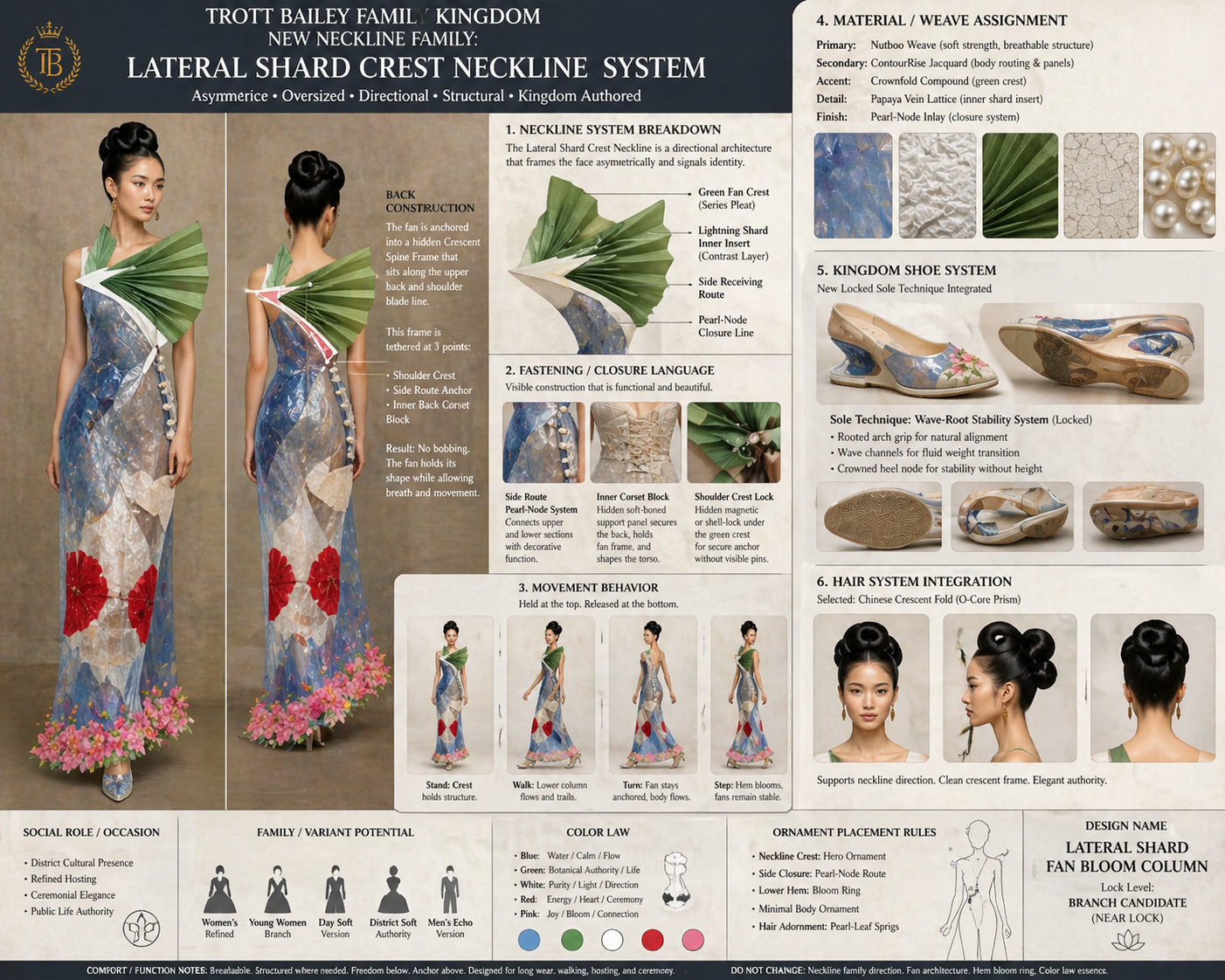
Material Intelligence is the practice of selecting and assigning materials based on function, placement, and behavior.
Instead of asking:
- “What fabric should this be made of?”
The question becomes:
- “What does this part of the garment need to do?”
Different areas of a garment have different requirements:
- some must hold shape
- some must flex
- some must breathe
- some must endure stress
A single material cannot do all of these well.
Garments Are Not Uniform Objects
Every garment is a system of zones:
- Structural zones (collars, shoulders, outer shells)
- Mobility zones (joints, bends, reach areas)
- Comfort zones (interior surfaces, body contact areas)
- Stress zones (areas under repeated tension)
Each of these zones requires a different material behavior.
When Materials Are Misapplied
You can see the consequences of poor material assignment everywhere:
- soft fabrics used where structure is needed → collapse
- rigid materials used in movement zones → restriction
- thin materials in stress zones → tearing
- non-breathable layers in contact zones → discomfort
These failures are predictable outcomes of ignoring material behavior.
Beyond Natural vs Synthetic
Material discussions often focus on:
- natural vs synthetic
- sustainable vs unsustainable
Material Intelligence goes deeper:
- how a material performs
- how it interacts with others
- how it ages
- how it responds to movement
A “good” material used incorrectly is still a poor decision.
Layering as Intelligence
One of the key tools of Material Intelligence is layering.
Garments use multiple layers with different roles:
- outer layer → protection and structure
- inner layer → comfort
- intermediate layers → reinforcement or flexibility
These layers work together as a coordinated system.
Material as Structure
Materials do more than cover the body. They create structure.
They define:
- silhouette
- volume
- flow
- resistance
When material and structure align, the garment holds its identity over time.
Designing for Time
Most clothing is designed for first wear.
Material Intelligence designs for:
- repeated use
- washing cycles
- environmental exposure
- long-term wear
Durability is a design decision from the beginning.
The Sensory Dimension
Materials shape experience.
A garment can feel:
- grounding or light
- protective or exposed
- structured or relaxed
These sensations influence confidence, comfort, and behavior.
From Fabric to System
The shift from fabric to Material Intelligence reflects a larger change:
From selecting surfaces to building systems.
In this model:
- materials are assigned roles
- zones are clearly defined
- interactions are intentional
A New Expectation
As awareness grows, people begin to notice:
- when garments collapse too easily
- when movement is restricted
- when items wear out quickly
- when clothing feels wrong over time
These are signs of poor material thinking.
Final Thought
Fabric alone is not enough.
Clothing cannot rely on surface decisions and still meet real-world demands.
Design must evolve from choosing materials to understanding them.
Material Intelligence is not a luxury.
It is the foundation of clothing that actually works.



 and then