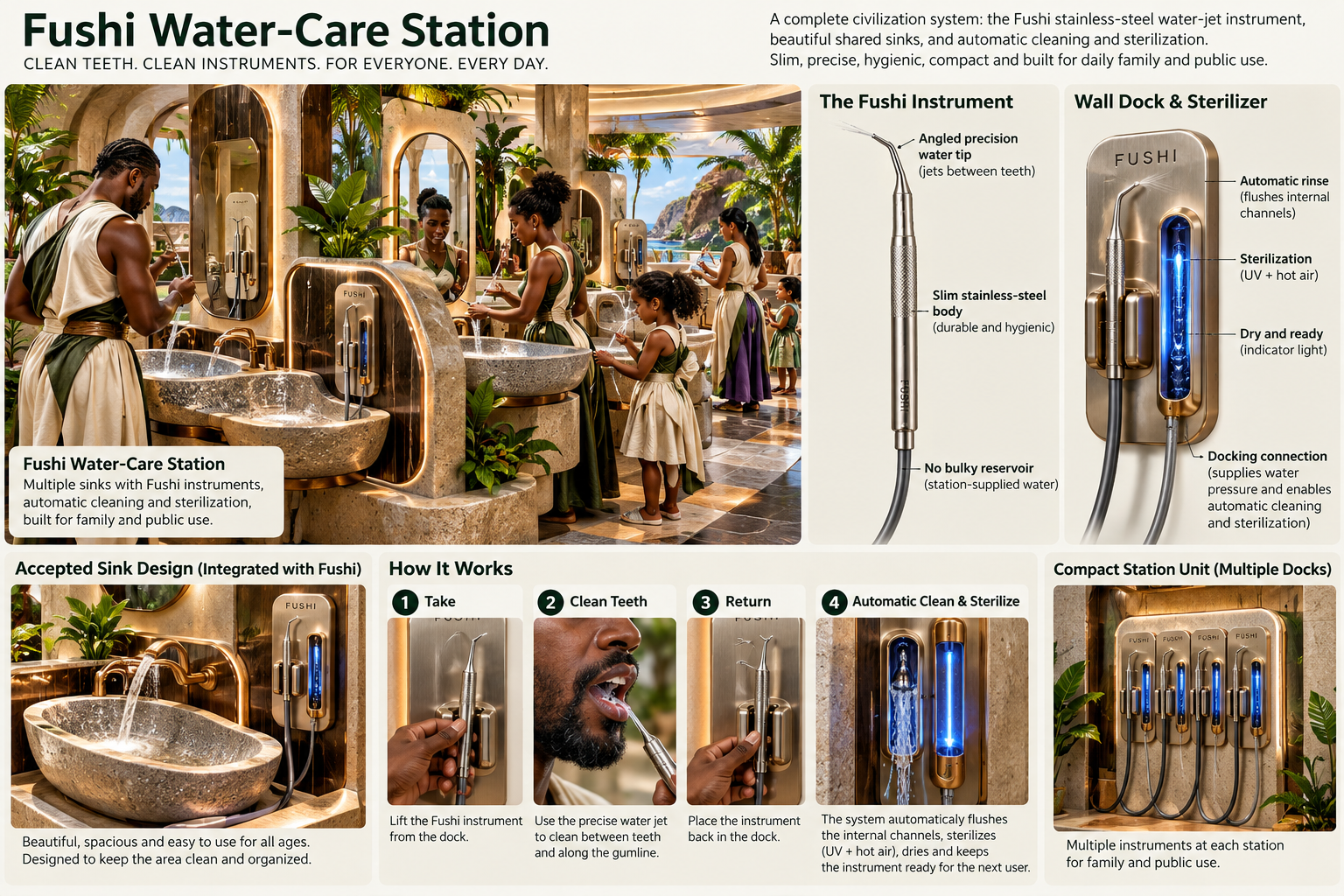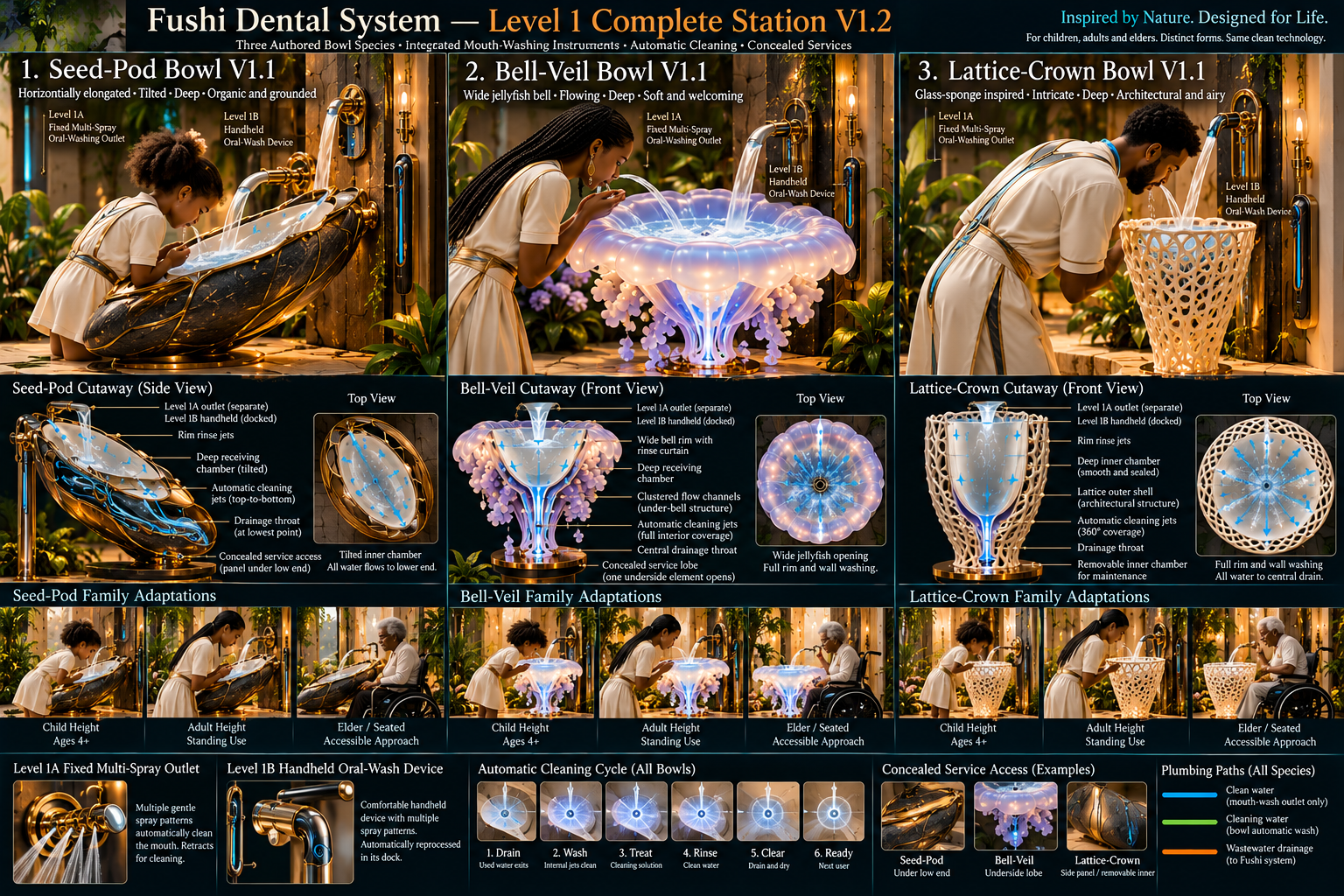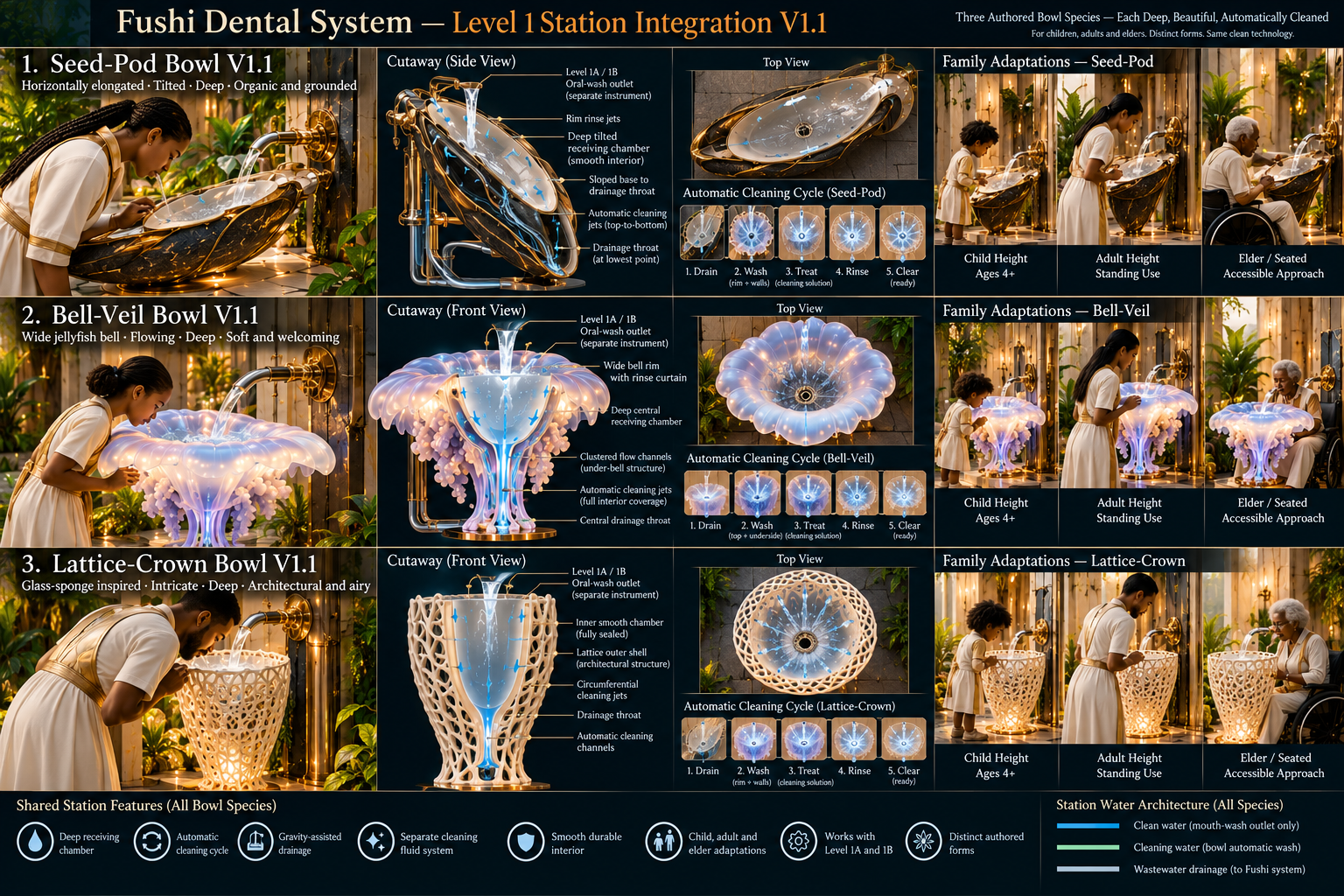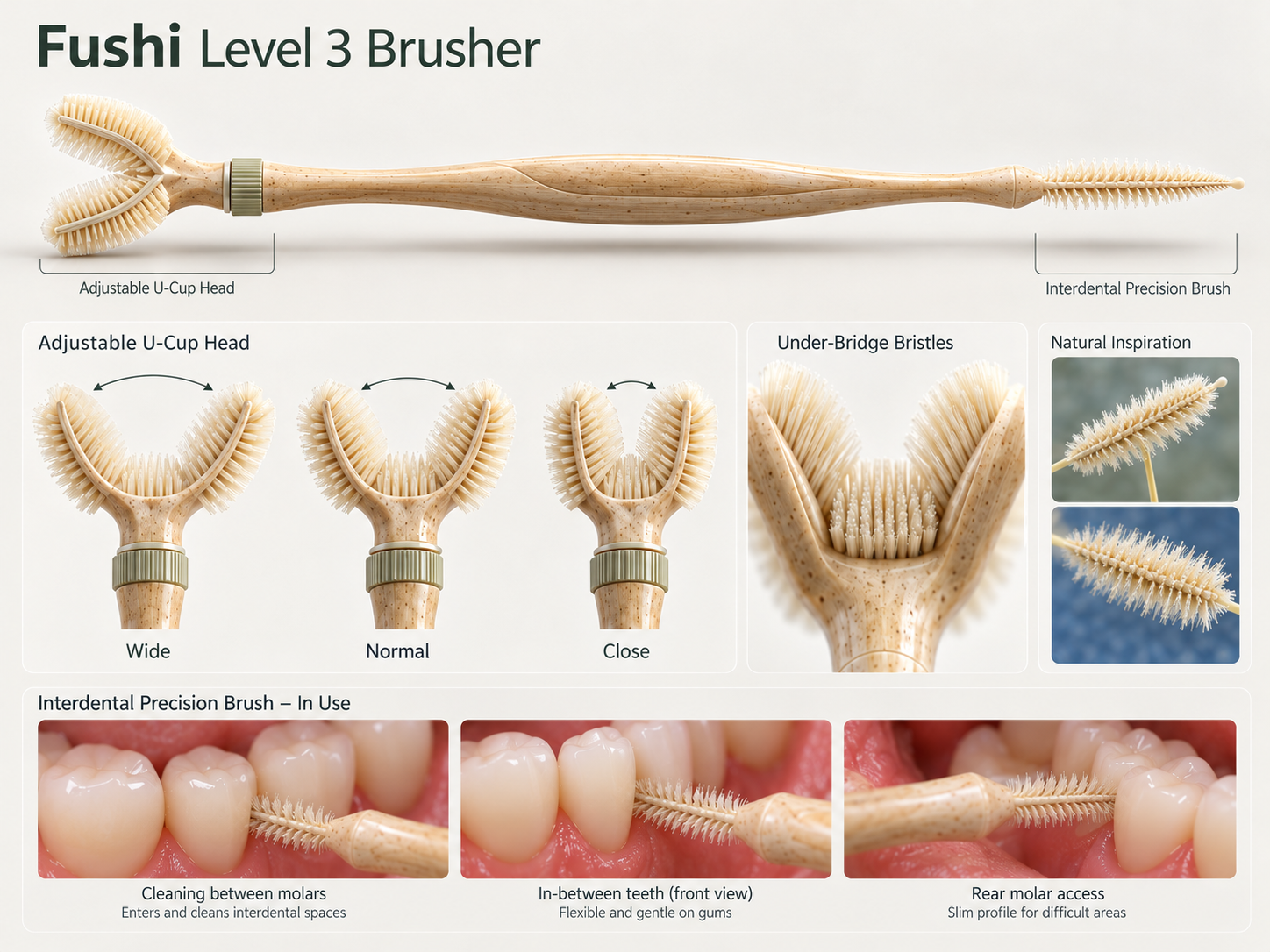

How would Trott Bailey Family redesign Prado. First Stage.


Trott Bailey Family Civilization • Prado Redesign Study • Part 1
Redesigning Prado as a Coastal River-Mouth Municipality
Prado can be redesigned much more intelligently if it is first treated as a coastal river-mouth municipality, not just a beach town. Its real condition is larger, more fragile, and more important: Prado is a place where river water, mangroves, tourism, beaches, fishing, rural roads, waste, drainage, family movement, and public maintenance all meet.
The Core Diagnosis
Prado sits in a beautiful but fragile coastal-water landscape. Its weak points appear exactly where water, waste, tourism, informal edges, mangrove and river systems, and family movement meet.
That means Prado should not be redesigned as a simple beautification project. It should not begin with signs, tourist branding, decorative plazas, or isolated beach upgrades. Prado needs a civilization repair plan. It needs designed loops for water, waste, maintenance, tourism pressure, child safety, worker dignity, and rural service.
In Trott Bailey Family Civilization language, a “loop” means a complete chain of care. It asks: where does something come from, how is it used, where does it go, who maintains it, how is it cleaned, how is the worker protected, how is the family protected, and how does the land or water avoid being burdened?
1. Prado on the Map: What It Really Is
Prado is a municipality in the far south of Bahia, on the Atlantic coast. IBGE lists it with 1,692.1 km², 35,003 people in the 2022 census, 20.69 inhabitants per km², and an estimated 37,533 people in 2025. So Prado is not a tiny village. It is a wide, low-density municipality with a small urban core, coastal settlements, rural areas, rivers, mangroves, beaches, cliffs, conservation lands, and tourism pressure.
A Simple Isolation Diagram
BRAZIL
  ↓
NORTHEAST REGION
  ↓
BAHIA STATE
  ↓
FAR SOUTH / COSTA DAS BALEIAS
  ↓
PRADO MUNICIPALITY
  ├── Prado urban core / Rio Jucuruçu mouth
  ├── Guaratiba / coastal resort edge
  ├── Cumuruxatiba / northern coastal settlement
  ├── Corumbau / marine-extractive-reserve influence zone
  ├── rural interior / BA-489 / BA-001 corridors
  ├── mangroves, rivers, streams, beaches, cliffs
  └── conservation / ecological transition lands
Prado’s municipal map matters because the problems are not only “inside town.” They are spread across coastal access roads, river-mouth settlement, tourism routes, mangrove edges, rural waste patterns, beach use, fishing infrastructure, and small drainage channels.
Trott Bailey Reading
Prado must be read as one connected living system, not as a postcard beach strip. The redesign must follow the actual geography: the river mouth, the coastline, the rural roads, the mangrove edges, the tourist beaches, and the neighborhoods where families live every day.
2. The Key Geography: River Mouth + Mangrove + Coast
The town of Prado is tied to the Rio Jucuruçu, which reaches the Atlantic at Prado. Tourism sources describe the Jucuruçu as winding between the city and the beach, bordered by mangroves, with rustic fishing docks and boat use.
That is important because a river-mouth town has special planning duties. It cannot behave like a dry inland grid. It needs:
- clean river-edge rules,
- mangrove protection,
- stormwater routing,
- solid-waste control before water entry,
- safe family walking edges,
- fishing and service dock order,
- flood and tide awareness,
- and tourism-season waste capacity.
Prado’s geography makes weak drainage much more serious. If waste and stagnant water are allowed near channels, canals, mangroves, or river edges, the result is not just ugliness. It becomes a mosquito, smell, flooding, and public-health system failure.
What “River-Mouth Municipality” Means
A river-mouth municipality is not only responsible for streets and buildings. It must also manage the places where rainwater, household waste, tourism waste, river flow, tidal movement, fishing activity, coastal ecology, and family movement meet. If those loops break, the whole town becomes vulnerable.
3. The Coast Is Long and Highly Valuable
Prado is widely promoted as part of the Costa das Baleias, with beaches, cliffs, natural pools, whale-watching access, and tourism infrastructure. Tourism descriptions repeatedly emphasize its beaches, cliffs, streams, and coastal attractions.
This means Prado’s redesign cannot only be a “town cleanup.” It needs a full coastal civilization spine:
- beach-edge sanitation,
- tourist waste control,
- water refill and wash stations,
- safe foot-rinse and stroller-rinse points,
- no trash reaching streams,
- organized fishing and boat support,
- stormwater filtering before the sea,
- and family-safe public routes.
A place with beautiful beaches but weak waste systems is fragile. Tourism can bring money, but it also brings cups, bottles, food waste, parking stress, bathroom demand, wastewater load, seasonal garbage spikes, and pressure on dunes, mangroves, and river mouths.
4. The Sanitation and Waste Evidence Is Serious
The most important data point is this: according to the Água e Saneamento portal using IBGE Census 2022 data, only 70.1% of Prado’s population has collected garbage. It reports 24,193 people served by collection, while 9,639 people burn waste on their property, 222 bury it, and 213 use other destinations such as vacant lots, slopes, public areas, or other disposal.
That matches what the photos showed: not a one-off messy canal, but a municipality where waste routing is incomplete.
There is also a municipal procurement document from 2025 saying Prado had a “pressing need” to expand and renew garbage collection, storage, and transport equipment. It said that part of the collectors and containers were degraded, structurally damaged, and at the end of useful life, harming operational efficiency and posing health and environmental risks.
That is a major confirmation. Prado is not only suffering from resident behavior. The municipal collection equipment layer itself appears underbuilt or degraded.
Trott Bailey Diagnosis
Prado’s waste problem should not be reduced to “people are dirty.” That is too shallow. The deeper problem is that the public waste-return loop is not strong enough, not distributed enough, not beautiful enough, not reliable enough, and not physically present enough in daily life.
5. Governance Exists, but Execution Appears Weak
The sanitation portal says Prado has a municipal sanitation policy and municipal sanitation plan under Law 477/2018, including water supply, sewage, public cleaning, solid waste, and emergency or contingency actions. But it also reports no municipal sanitation council.
That matters. A plan without strong visible execution, public accountability, maintenance crews, monitoring, and family-level reliability can still leave stagnant channels and waste piles on the ground.
In Trott Bailey Family Civilization terms, a policy is not a loop. A document is not a maintenance system. A sanitation plan only becomes real when families can feel it in the street, see it at the river edge, depend on it at the beach, and trust that the workers have the tools,dignity, access, and schedule to maintain it.


Trott Bailey Family Civilization • Prado Redesign Study • Part 2
Map-Based Assessment of Prado
Prado should be divided into different redesign zones because each part of the municipality has a different ecological and public-service problem. A river-mouth urban core cannot be treated the same as a rural road, and a tourist beach cannot be treated the same as a mangrove edge.
6. Map-Based Assessment of Prado
Zone A — Prado Urban Core / Jucuruçu Mouth
This is the most important redesign zone. It likely carries the highest collision between families, tourists, fishing, roads, stormwater, informal drainage, the river mouth, mangroves, and waste.
Main Risks
- stagnant side channels,
- trash entering water,
- children near unsafe water edges,
- weak drainage maintenance,
- fishing and boat edge disorder,
- mosquito breeding,
- seasonal flood and tide stress,
- tourist waste near river and beach.
Trott Bailey Redesign
Jucuruçu Clear-Flow Family Riverfront — a proper maintained river-edge system with protected walkways, child-safe rails, filtration terraces, debris capture, Service Shadow access, Pacorips-like monitoring, public wash points, fishing support docks, and no informal dumping.
Zone B — Beachfront / Tourism Strip
This zone needs beauty, but also heavy maintenance logic. A tourism strip cannot only be attractive. It must absorb visitor pressure without letting waste, sewage stress, beach damage, and disorder spread into the coastline.
Main Risks
- tourism-season trash spikes,
- beach food waste,
- lack of bathrooms and rinse points,
- plastic reaching water,
- erosion-sensitive areas,
- nightlife waste,
- poor service access.
Trott Bailey Redesign
Costa das Baleias Clean-Return Promenade — beach-edge bathrooms, foot-rinse points, refill fountains, public Krubaro stations, shade, stroller-safe paths, tourist waste sorting, food-vendor return systems, service lanes hidden but reachable, and beach-entry protection.
Zone C — Mangrove and River-Mouth Ecological Edge
Mangroves should not be treated as leftover swamp. They are living infrastructure. They protect water quality, soften edges, host life, and help stabilize the coastal-river environment.
Main Risks
- garbage dumping,
- blocked water exchange,
- mosquito and stagnation misunderstanding,
- unsafe access paths,
- unmanaged tourism,
- fishing pressure.
Trott Bailey Redesign
Mangrove Respect Belt — raised boardwalks only where appropriate, no dumping, no informal bridges, guided access points, filtration buffers, ecological signage, fishing access zones, and protected service routes.
Zone D — BA-489 / BA-001 Movement Corridors
These roads connect the urban core to BR-101, Alcobaça, Cumuruxatiba, beaches, and rural areas. The BA-001 north of the urban area is described as partly unpaved and serving beaches and rural localities including Cumuruxatiba.
Main Risks
- roadside dumping,
- uncollected rural waste,
- tourist access pressure,
- dust and mud,
- flooded rural roads,
- weak transfer stations.
Trott Bailey Redesign
Clean Corridor Spine — small transfer stations, service pull-offs, waste-return points, water-safe culvert crossings, shaded rest stops, rural collection nodes, and clear enforcement against dumping.
Zone E — Cumuruxatiba / Corumbau / Coastal Settlements
These areas are valuable tourism and ecological zones, but likely harder to service regularly because they are spread out.
Main Risks
- seasonal visitor overload,
- rural or remote waste burning,
- beach-edge disposal,
- septic and sewage stress,
- weak roads,
- informal boat and beach infrastructure.
Trott Bailey Redesign
Distributed Coastal Village Support System — each settlement gets its own clean-return station, public wash and hygiene pavilion, beach waste return, fisher support node, compost and organic return, and scheduled service spine.
Zone F — Rural Interior / Farms / Indigenous and Traditional Communities
Prado is large and low-density, so rural planning matters. Low density explains why garbage collection may be harder, but it does not excuse weak systems.
Main Risks
- waste burning,
- poor rural pickup,
- road access barriers,
- water contamination,
- lack of distributed infrastructure.
Trott Bailey Redesign
Rural Krubaro + Mobile Service Shadow Network — smaller local waste stations, rotating collection days, compost and organic return systems, hazardous-waste pickup days, repair and tool support, and community water-edge maintenance.
7. Prado’s Redesign Should Begin with Water and Waste
The first civilization-scale redesign for Prado is not a new tourist sign, a decorative plaza, or a prettier beach walkway.
The first redesign must be a Water + Waste + Edge Safety Reset.
Prado’s visible weakness is not only aesthetic. It is structural. The municipality’s beauty is being asked to survive without enough clean-return infrastructure, without enough maintained drainage logic, without enough distributed waste collection, and without enough protected water-edge standards.
What “Clean-Return” Means for Prado
Clean-return means every object, liquid, waste stream, food wrapper, beach item, drainage flow, tourist byproduct, household discard, and maintenance burden has a dignified route back into care. Nothing is left to rot beside a canal, burn in a yard, clog a culvert, wash into a mangrove, or become invisible labor for someone else.
Plain explanation: Clean-return is the opposite of “throw it somewhere and hope it disappears.” It means Prado designs a clear path for waste, water, tools, containers, tourist trash, household garbage, food scraps, broken objects, and maintenance burdens to return into an organized system.
Prado Reset Layer 1: Jucuruçu Clear-Flow Belt
Every canal, stream, ditch, culvert, and river-edge channel in Prado should be mapped and classified. Prado should not guess where the weak points are. It should create a full water-edge registry.
Each water element should be classified according to its actual condition and risk:
- healthy flowing water,
- stagnant water,
- blocked culvert,
- trash-risk edge,
- mosquito-risk pocket,
- child-exposure edge,
- mangrove-sensitive edge,
- fishing or service edge,
- tourism-facing edge.
Once the water edges are classified, each type receives a clear standard. The goal is not to cover over the problem. The goal is to make the water system legible, maintained, and safe.
Each Water Edge Should Be Required To:
- move water,
- filter water,
- protect the edge,
- capture debris,
- clear culverts,
- separate waste,
- create service access,
- and monitor conditions.
Trott Bailey Translation
The Jucuruçu Clear-Flow Belt would be the maintained water-edge backbone of Prado. It would treat the Rio Jucuruçu, its mouth, side channels, culverts, drainage canals, mangrove interfaces, and family-facing river edges as one connected system.
This does not mean turning every natural edge into hard concrete. That would be another mistake. Prado needs a mixed system: natural buffers where nature should remain soft, engineered edges where families need protection, service access where workers must maintain flow, and filtration terraces where dirty runoff should be slowed and cleaned before entering rivers or the sea.


Trott Bailey Family Civilization • Prado Redesign Study • Part 3
Reset Layers and Full Redesign Concept
This part continues the practical redesign: waste-return hierarchy, child-safe water edges, Service Shadow worker dignity, tourism-season overload planning, and the full Trott Bailey version of Prado as a protected coastal river-mouth municipality.
Prado Reset Layer 1 Continued: Flow, Filtration, Edge Protection, and Maintenance Access
Flow
Water must not sit stagnant in hidden pockets near homes, roads, canals, or tourist paths.
Filtration
Stormwater should pass through planted swales, sand beds, gravel fields, and catchment structures before reaching sensitive water.
Edge Protection
Children, elders, tourists, and residents should not be forced to walk beside unsafe open drops, broken canal edges, or hidden water pits.
Maintenance Access
Workers need safe service paths, tool points, drain cameras, debris access, wash points, and protected stopping zones.
Prado Reset Layer 2: Municipal Krubaro / Waste-Return Hierarchy
Because only 70.1% of residents have collected garbage, Prado’s redesign has to treat waste collection as a core public-health issue, not a cosmetic cleanliness problem.
In Trott Bailey Family Civilization, Krubaro is the clean-return and waste-handling system. It is not an ugly dump, not a dirty municipal afterthought, and not a hidden punishment zone. It is the organized return loop that prevents family life, public space, water systems, workers, and landscapes from being burdened by waste.
What Krubaro Means for Prado
For Prado, Krubaro means a visible, practical, beautiful, and distributed waste-return hierarchy: household collection, rural collection, beach waste return, public food-waste return, bulky-waste control, container renewal, anti-dumping response, and reliable monitored service routes.
Needed Waste-Return Structure
- household collection reliability,
- rural collection nodes,
- beach waste return points,
- public food-waste return,
- bulky waste days,
- construction debris control,
- anti-dumping response,
- container renewal,
- and monitored service routes.
This hierarchy matters because Prado is not compact. It is a wide municipality with coastal villages, rural homes, tourism routes, beach accesses, and ecological edges. A single central collection logic will always leave gaps.
Prado Clean-Return Waste Spine
The Prado Clean-Return Waste Spine would connect the urban core, beach accesses, coastal settlements, rural roads, tourist corridors, fishing zones, and public gathering areas into one monitored return system.
A clean-return waste spine is not just a garbage route. It is the full backbone that tells the municipality: where waste is created, where it is returned, who collects it, what equipment is needed, what happens during tourist season, how rural families are reached, how dumping is prevented, and how the system is checked.
It Would Include:
- renewed containers designed for heat, rain, animals, and coastal corrosion,
- rural collection nodes placed near real movement routes,
- beach return stations at every major access,
- food-vendor return systems for organic waste and packaging,
- scheduled bulky-waste collection days,
- construction debris drop-off control,
- anti-dumping patrol and response teams,
- transparent pickup maps,
- and seasonal expansion during tourism peaks.
This is where Prado’s existing weakness becomes an opportunity. If the old containers are degraded, structurally damaged, and at the end of useful life, then Prado should not simply replace them with more generic containers. It should redesign the entire collection layer as civic infrastructure.
Prado Reset Layer 3: Child-Safe Water-Edge Standards
Any open canal, drainage channel, river edge, ditch, culvert mouth, mangrove path, or beach-adjacent water channel near homes must be assessed for child exposure.
A municipality cannot call itself family-safe if children are walking beside broken drainage edges, stagnant water pockets, unsafe plank crossings, hidden pits, or unprotected canals.
Required Child-Safe Edge Standards
- continuous low rails where drop risk exists,
- planted buffers,
- raised lips,
- route setbacks,
- safe crossings,
- no plank bridges,
- no hidden water pits,
- night lighting,
- and clear walking paths.
This does not mean every edge must become fenced and dead. Trott Bailey logic rejects ugly safety. The standard should be beautiful, legible, and continuous. Railings can be designed as authored civic edges. Planted buffers can protect while also making the street more beautiful. Raised lips can prevent accidental slips without making the place feel like a prison.
Trott Bailey Edge Law
Safety should not arrive as ugliness. In a family civilization, rails, buffers, crossings, lights, wash points, and service seams must be designed as part of the beauty of the place.
For Prado, this would mean converting dangerous informal water edges into proper family routes: riverwalks, canal walks, mangrove-view paths, beach approach routes, fishing access paths, and neighborhood drainage edges that are safe enough for daily life.
Prado Reset Layer 4: Service Worker Dignity
No redesign is real unless the people maintaining it are protected.
The old-world mistake is to make a beautiful tourist front and leave workers to handle the worst water, waste, sludge, broken containers, dangerous drains, animal exposure, heat, stink, and public complaints without proper support.
Trott Bailey Family Civilization rejects that. A maintenance system is not complete unless the worker’s body, tools, route, protection, recovery, and dignity are designed into the system.
Prado Would Need:
- proper PPE,
- debris tools,
- jet and vacuum support where possible,
- drain cameras,
- safe barriers,
- wash and degear stations,
- tool cleaning,
- worker rest points,
- and visible maintenance scheduling.
Service Shadow Maintenance Spine
In Trott Bailey language, the Service Shadow is the protected support workforce that keeps public life beautiful without being treated as disposable. For Prado, this would become a visible but dignified maintenance spine: drain crews, waste-return crews, beach reset crews, water-edge inspectors, rural pickup teams, culvert clearing teams, and tourism-season support teams.
These workers would not be hidden in shame. Their routes, tools, uniforms, wash systems, and rest points would be planned as part of the municipality’s public-health infrastructure.
This is especially important for Prado because water and waste failures create dangerous labor. Someone eventually has to clear the blocked drain, collect the scattered trash, remove the debris from the canal, clean the public bathroom, handle the broken container, and respond to the smell or mosquito complaint. If that person is not protected, the system is morally incomplete.
Prado Reset Layer 5: Tourism-Season Overload Plan
Tourism is part of Prado’s economy and identity. But tourism season must have a separate public-service mode. A beach municipality cannot run the same service schedule during peak tourism pressure that it runs during ordinary weeks.
Tourism season brings extra waste, bathroom demand, road pressure, food packaging, beach objects, informal parking, late-night cleanup needs, and stress on water-edge systems. If Prado does not plan for that, the coastline pays the price.
Needed Tourism-Season Measures
- extra waste collection,
- beach bathrooms,
- rinse points,
- food-vendor waste rules,
- night cleanup,
- temporary public workers with dignified equipment,
- roadside waste patrols,
- event trash controls,
- and water-edge inspection after peak weekends.
This is not about punishing tourists. It is about making tourism compatible with the place. A municipality cannot invite people to beaches, cliffs, rivers, mangroves, and coastal villages while failing to provide the return systems that visitor activity requires.
Trott Bailey Tourism Law
Tourism must not be allowed to consume the beauty that attracted it. Every visitor route must have a return route: water, waste, bathroom, rinse, food packaging, parking, shade, and cleanup.
8. Trott Bailey Version of Prado: Full Redesign Concept
If Prado were redesigned through Trott Bailey Family Civilization logic, it would not be treated as a collection of disconnected projects. It would be divided into master systems that work together.
The goal would not be to make Prado look like a fantasy kingdom or imported resort. The goal would be to protect Prado’s real geography: river mouth, mangroves, beaches, fishing culture, rural roads, coastal villages, and family life.
A. Jucuruçu Clear-Flow River Mouth District
A clean, maintained, family-safe riverfront with protected riverwalk, fishing dock order, boat support, mangrove respect boardwalks, debris capture, water-quality monitoring, night-safe lighting, child-safe railings, public bathrooms and rinse points, and Service Shadow maintenance seams.
This district would be the symbolic and practical heart of the redesign because the river mouth is where Prado’s inland water, coastal ecology, fishing activity, tourism, and family public life meet.
B. Prado Clean-Return Waste Spine
A municipal waste network with rural collection nodes, urban Krubaro points, beach return stations, organic compost return, bulky waste scheduling, container replacement, anti-dumping response, and transparent pickup maps.
The Clean-Return Waste Spine would make waste routing visible and dependable. Residents should know where waste goes. Workers should know how to collect it safely. Tourists should know where to return items. Rural families should not be forced into burning because service does not reach them.
C. Beach Family Comfort Belt
Every major beach access gets shade, toilets, drinking water, foot rinse, stroller wheel rinse, trash and compost return, signage, night lighting, safe parking and arrival, and service access.
This would make the beach edge work for real families. A mother with children, a fisherman returning with gear, an elder walking slowly, a tourist with food packaging, a stroller, a child with sandy feet, and a worker doing night reset all need the beach edge to function.
D. Mangrove Protection + Education Belt
No dumping. No casual invasion. No unsafe paths.
Instead: raised guided boardwalks, viewing decks, fishing-respect zones, ecological protection buffers, and water-flow protection.
This belt would teach residents and visitors that mangroves are not abandoned land. They are coastal life-support systems. They deserve protection, interpretation, and careful access.
E. Rural Service Ring
For villages, farms, remote roads, and coastal settlements: mobile collection, scheduled service days, repair and tool support, hazardous waste collection, clean water checks, and road drainage inspections.
Prado’s low density makes this system essential. The municipality cannot rely only on urban collection logic. Rural and coastal settlement support has to be designed as a separate service ring.
F. Prado Health + Mosquito Prevention System
Not just fumacê. Not just emergency spraying. Not just announcements after outbreaks.
Instead: standing-water registry, container and bucket education, vacant-lot enforcement, drain clearing, household dry-object guidance, school inspections, tourism lodging inspections, and public reporting with response deadlines.
Mosquito prevention must be treated as a built-environment issue. If drains are blocked, containers are broken, lots are unmanaged, rainwater sits, and waste collection is incomplete, then mosquitoes are not only a household problem. They are a municipal design failure.
9. Strong Planning Conclusion
Prado’s geography is beautiful but demanding.
It has a river mouth, mangroves, long coastline, beaches, tourism, fishing, rural settlements, conservation areas, and low-density service challenges.
That means Prado cannot survive on casual cleanup.
It needs designed loops: water loop, waste loop, maintenance loop, tourism loop, child-safety loop, worker-protection loop, and rural-service loop.
The photos are not just ugly scenes. They are symptoms of a municipality where the loops are broken.
The first beauty Prado needs is not decorative beauty. It is maintained beauty. Once the loops are strong, Prado can become more than a pretty coastal destination. It can become a model of how a coastal river-mouth municipality repairs its relationship with water, waste, family movement, tourism, rural service, and ecological protection.


Trott Bailey Family Civilization • Prado Redesign Study • Part 4
Hybrid Krubaro for Prado
Trott Bailey Family Civilization does not pretend Prado can instantly become the full Trott Bailey Family Kingdom. Instead, Trott Bailey modifies the Krubaro system to suit Prado’s real conditions: plastics still exist, mixed waste still exists, rural service gaps still exist, tourism pressure still exists, and municipal collection must be rebuilt step by step.
10. Why Prado Needs a Hybrid Krubaro Solution
The Trott Bailey Family Krubaro system is not a normal trash-bin system. In the kingdom, Krubaro is a clean-return wall, route, and service spine. It is built into public life. It appears as beautiful perimeter walls, route walls, garden walls, pavilion edges, canal edges, seating backs, beach access walls, Sabennery garden walls, public bathroom exterior walls, fishing dock service walls, Makji arrival service edges, and street-corner return nodes.
The public-facing side is simple and beautiful. People see clean labeled slots. They return materials into the correct openings. Behind the wall, the hidden system separates and routes the waste through chambers, chutes, suction lines, conveyors, sealed bins, or Service Shadow access. The waste then travels to the correct destination: incinerator, mulcher, biodigestor, compost/soil return, repair/reuse sorting, special handling, or a specialist waste pathway.
But Prado is not yet the Trott Bailey Family Kingdom. Prado cannot be treated as if plastics have already been designed out of public life. Prado cannot be treated as if every waste stream is already clean, separated, compostable, reusable, or ready for suction routing. Prado has to be met honestly.
Prado still has plastic bottles, plastic bags, disposable cups, food wrappers, beach packaging, mixed household waste, rural burning habits, broken containers, construction debris, irregular dumping, fishing waste, and seasonal tourism overload. A serious redesign must acknowledge this reality.
The Trott Bailey Approach
Trott Bailey does not force Prado into an impossible fantasy. Trott Bailey shows a path. The hybrid Krubaro plan gives Prado a realistic bridge between today’s messy waste conditions and a more intelligent clean-return future.
11. The Core Idea: Prado Clean-Return Wall System
The Prado version should be called the Prado Krubaro Clean-Return Wall System. It translates the kingdom’s Krubaro system into a form Prado can actually begin to build, operate, and maintain.
Instead of placing random bins everywhere, Prado would build beautiful coastal walls and route edges with clean labeled openings. These walls would be placed where waste is actually created: riverfronts, beach access points, public bathrooms, rinse stations, food vendor zones, fishing docks, canal edges, rural collection nodes, markets, public plazas, and tourism routes.
Plain Explanation
The Prado Clean-Return Wall is a public wall with slots in the front and a service system behind it. Families, tourists, vendors, and fishermen return waste into the correct openings. Service workers access the back side safely, collect separated streams, clean the chambers, and move materials to the correct place.
This is not a trash corner. It is not a dumping zone. It is not a row of ugly containers sitting in public view. It is a designed civic edge that teaches people how to return materials into the system.
12. The Public Slots: What People See and Use
The front of the Prado Krubaro wall should be clear, simple, and easy to use. The labels should be in Portuguese and should match Prado’s real waste streams.
Recicláveis
Plastic bottles, cans, glass, and clean packaging. These materials go toward recycling, cooperative sorting, or contractor recovery where possible.
Orgânicos
Food scraps, fruit peels, coconut waste, and vendor food waste. These can go toward composting, soil return, mulch, or a biodigestor pilot.
Resíduos de Praia
Sand-contaminated items, small beach litter, disposable beach packaging, and materials collected near beach access.
Resíduos de Pesca
Nets, fishing line, rope scraps, damaged floats, bait containers, hooks, and fishing-related waste that should not enter the river or sea.
Rejeitos
General residual waste that cannot yet be recycled, composted, reused, or treated through a cleaner stream.
Retorno de Recipientes
Reusable cups, trays, vendor containers, market baskets, refillable bottles, and local returnable vessels.
Resíduos Especiais
Batteries, sharps, chemical containers, oil containers, broken glass, electronic waste, and items needing special handling.
Volumosos: Agende Aqui
A signal point, QR code, phone number, or service request panel for mattresses, furniture, appliances, construction debris, and large objects.
These categories matter because Prado should not teach people that all waste is the same. The wall itself becomes a public education tool. It makes the correct action visible.
13. What Happens Behind the Wall
The beauty of the Krubaro wall is that the public side stays calm and clean, while the service side does the real work. Behind the wall, each slot leads into a separate sealed chamber, bin, chute, tray, or routing lane.
The service side should be accessible only from a hidden or semi-hidden maintenance path. Service Shadow workers should not have to drag waste across family promenades, beach seating areas, or public walking routes. They need proper doors, washable floors, drainage, ventilation, tool access, lighting, fill-level checks, and safe vehicle access.
Public Side + Service Side
The Prado Krubaro wall has two faces. The public side teaches return with beauty. The service side supports maintenance with dignity. This is the main difference between a Krubaro wall and a normal trash bin.
The back side may include sealed separated bins, organic chambers, recyclable collection carts, fishing-waste containers, residual-waste compartments, special-waste lockers, container-wash stations, ventilation filters, drainage channels, sensor lights, and service panels.
This keeps waste from becoming a public mess. It also protects workers from having to handle everything in unsafe, chaotic, exposed conditions.
14. The Three-Level Implementation Path
Prado should not jump straight into the most advanced version everywhere. That would be expensive, risky, and difficult to maintain. The hybrid Krubaro solution should grow in levels.
Level 1 — Manual Assisted Wall
This is the easiest and most realistic first step. People return waste through the front slots. The waste drops into sealed separated bins behind the wall. Service workers open the back side from a protected service path, remove each separated stream, clean the chamber, and move materials to the proper collection route.
Best For
- small beach access points,
- neighborhood canal edges,
- public bathroom walls,
- school and community edges,
- rural collection nodes,
- small plazas and markets.
Level 1 is important because it can begin quickly. It does not require Prado to have a full suction system. It simply replaces chaotic disposal with separated return, better public behavior, and safer service access.
Level 2 — Gravity Chute or Short Conveyor Wall
This level is for busier areas. Waste still enters through public slots, but instead of sitting directly behind each opening, it moves by gravity chute, short conveyor, or internal tray system into a larger service chamber.
Best For
- Jucuruçu riverfront sections,
- central beach promenade areas,
- market and food vendor zones,
- busy public bathroom and rinse pavilions,
- tourism-heavy public routes.
Level 2 reduces visible handling, supports higher volume, and makes the system easier to service during busy weekends or tourism season. It is more advanced than Level 1 but still realistic for Prado.
Level 3 — Pneumatic or Suction Route Spine Pilot
This level is closest to the full Trott Bailey Krubaro system. Waste enters through the wall slots and is pulled through sealed suction lines or routed through a larger hidden system to a district handling point.
Best For
- the main Jucuruçu riverfront pilot zone,
- the most important central beach promenade,
- a future high-density tourism and food zone,
- one carefully monitored demonstration district.
Prado should not install Level 3 everywhere at once. It should begin as a pilot only where maintenance capacity, supervision, budget, and public use justify it. The purpose is to show the future without pretending the entire municipality can jump there immediately.
15. Where Each Waste Stream Goes
The hybrid Krubaro system should not simply collect waste. It should route each material toward the best realistic destination Prado can support.
- Organics go to composting, soil return, mulch production, or a biodigestor pilot.
- Beach organics, such as coconut waste and food scraps, go to compost or mulch where clean enough.
- Recyclables go to cooperative sorting, municipal recycling, or contractor recovery.
- Plastics go to recycling where possible and controlled residual disposal where not possible.
- Contaminated plastics go to residual waste, not loose dumping or open burning.
- Fishing waste goes to dedicated recovery, treatment, or safe disposal, away from river and ocean water.
- Hazardous items go to special handling days or licensed handling pathways.
- General residual waste goes to controlled municipal disposal, not vacant lots, slopes, canals, or beaches.
- Bulky waste goes to scheduled collection and controlled drop-off.
- Construction debris goes to a separate controlled drop-off, not neighborhood edges or drainage channels.
- Reusable containers go to washing, return, and reuse systems wherever local vendors can support them.
This routing is what makes the wall more than a container. It becomes a civic decision system. It tells Prado: this material belongs here, that material belongs there, and nothing should simply disappear into the river, the beach, the mangrove, or someone’s backyard fire.
16. How the Wall Should Look in Prado
The Prado Krubaro wall should not look like an imported metal trash station. It should look like it belongs to Prado’s river, beach, fishing, and Bahia identity.
Materials
Warm stone, limewashed masonry, shell-ivory surfaces, carved wood shade strips, bronze or dark-green metal slot frames, and washable mineral flooring.
Patterns
Rio Jucuruçu water-line motifs, river-wave borders, mangrove leaf cutouts, fishing-net rail details, and Costa das Baleias whale symbols.
Color
Teal and aqua route seams, ochre and gold sun accents, cream stone, dark coastal green, warm wood, and Bahia ceramic tile inserts.
Public Feeling
Beautiful, calm, legible, family-safe, easy to use, easy to respect, and clearly made for Prado.
The wall should be attractive enough that people understand it as civic architecture, not as a garbage zone. It should sit naturally along riverfronts, beach approaches, fishing dock edges, bathroom pavilions, vendor areas, canal repair routes, and rural service nodes.
Design Law
The public should experience Krubaro as part of the route, not as a garbage area.
17. Best Pilot Locations in Prado
Prado should not begin everywhere at once. The first pilots should be placed where the system solves the most visible, most urgent, and most teachable problems.
Jucuruçu Riverfront
This is the highest symbolic and ecological priority because loose waste can enter the river-mouth system.
Main Beach Access Points
These are high-use locations where tourists, families, vendors, and beach waste meet daily.
Public Bathroom + Rinse Stations
Hygiene, water use, beach cleanup, and waste return should be grouped together.
Food Vendor Zones
Food packaging and organic waste are concentrated here, so return systems should be close and clear.
Fishing Dock Edges
Fishing waste needs its own route so nets, lines, hooks, ropes, and bait containers do not enter the water.
Rural Collection Nodes
Rural families need reachable return points so burning and informal dumping are no longer the default.
Canal-Edge Repair Zones
Canals and drainage channels should not become informal dumping edges.
Market and Public Route Edges
Daily public life needs visible return points where people already walk, buy food, and gather.
18. The Hybrid Krubaro Conclusion
Trott Bailey Family Civilization modifies Krubaro for Prado by respecting reality. Prado should not be asked to instantly become the full kingdom. Prado should be given a path.
The kingdom version designs waste out more completely. It uses clean materials, returnable vessels, compostable systems, biodigestors, mulchers, incinerators for approved burn-safe streams, repair/reuse sorting, and hidden service routing. Prado, however, still has plastics, mixed waste, tourism packaging, rural burning, irregular dumping, and weak collection coverage.
So the Prado version becomes a hybrid: public clean-return walls, simple front-facing slots, hidden separated chambers, safe Service Shadow access, realistic waste categories, rural collection nodes, beach and fishing waste pathways, and a three-level growth path from manual assisted walls to conveyor-assisted walls to carefully piloted pneumatic routing.
The final law is simple: Prado should stop treating waste as something to hide, burn, dump, or scatter. Waste should be returned. The wall should teach that return. The service side should protect the workers. The routing should protect the river, the beach, the mangrove, the family, and the future.



 and then