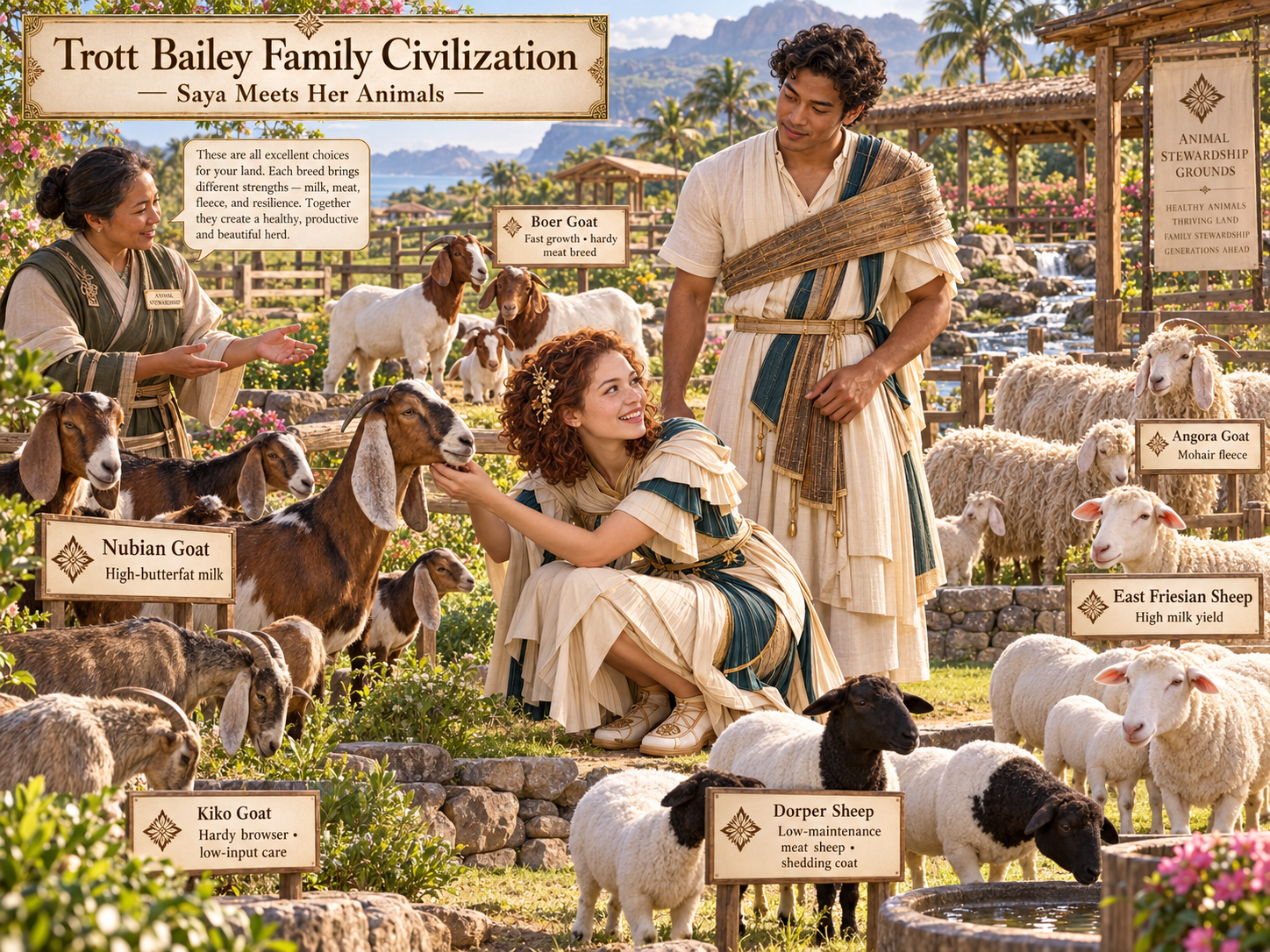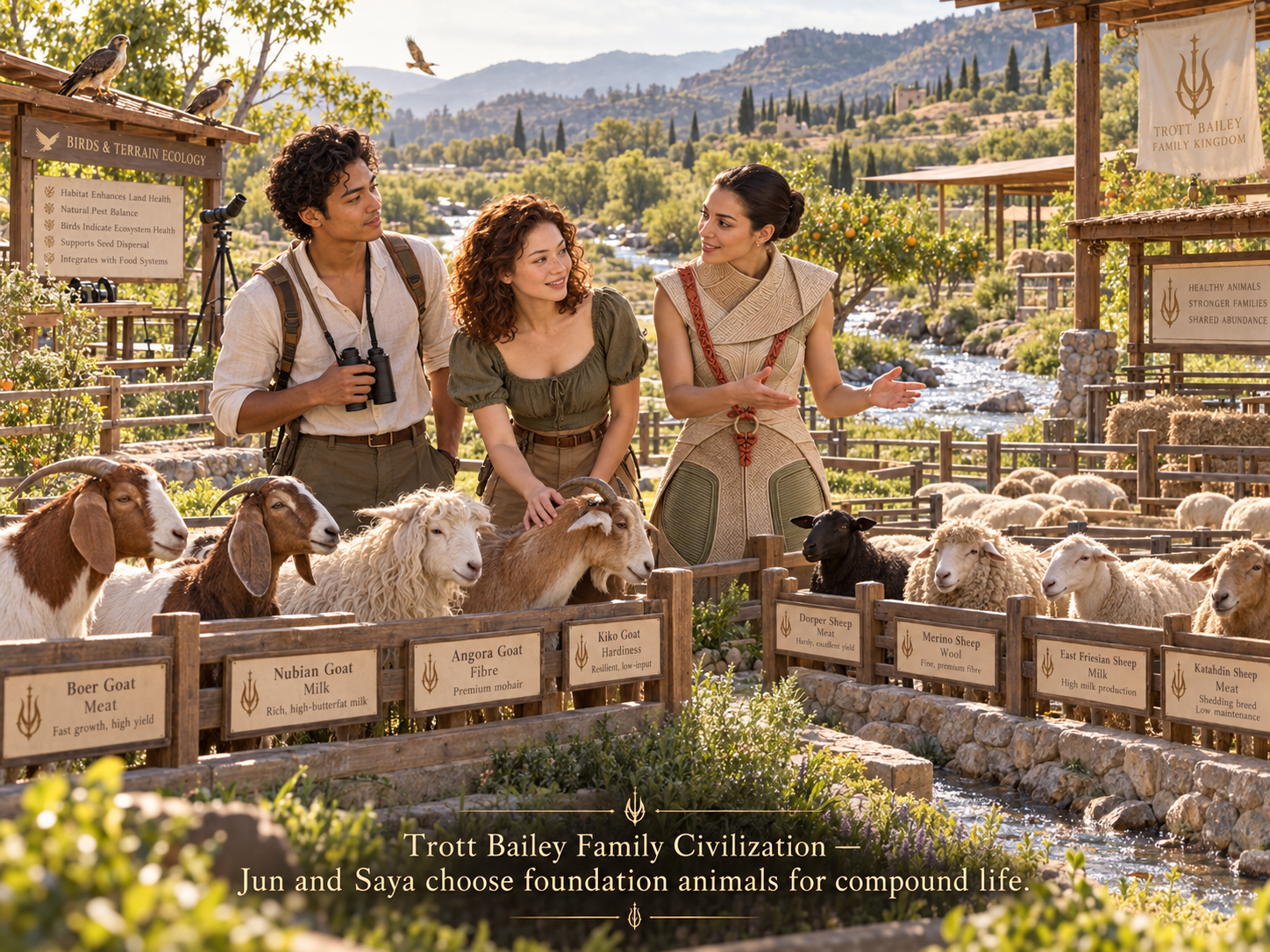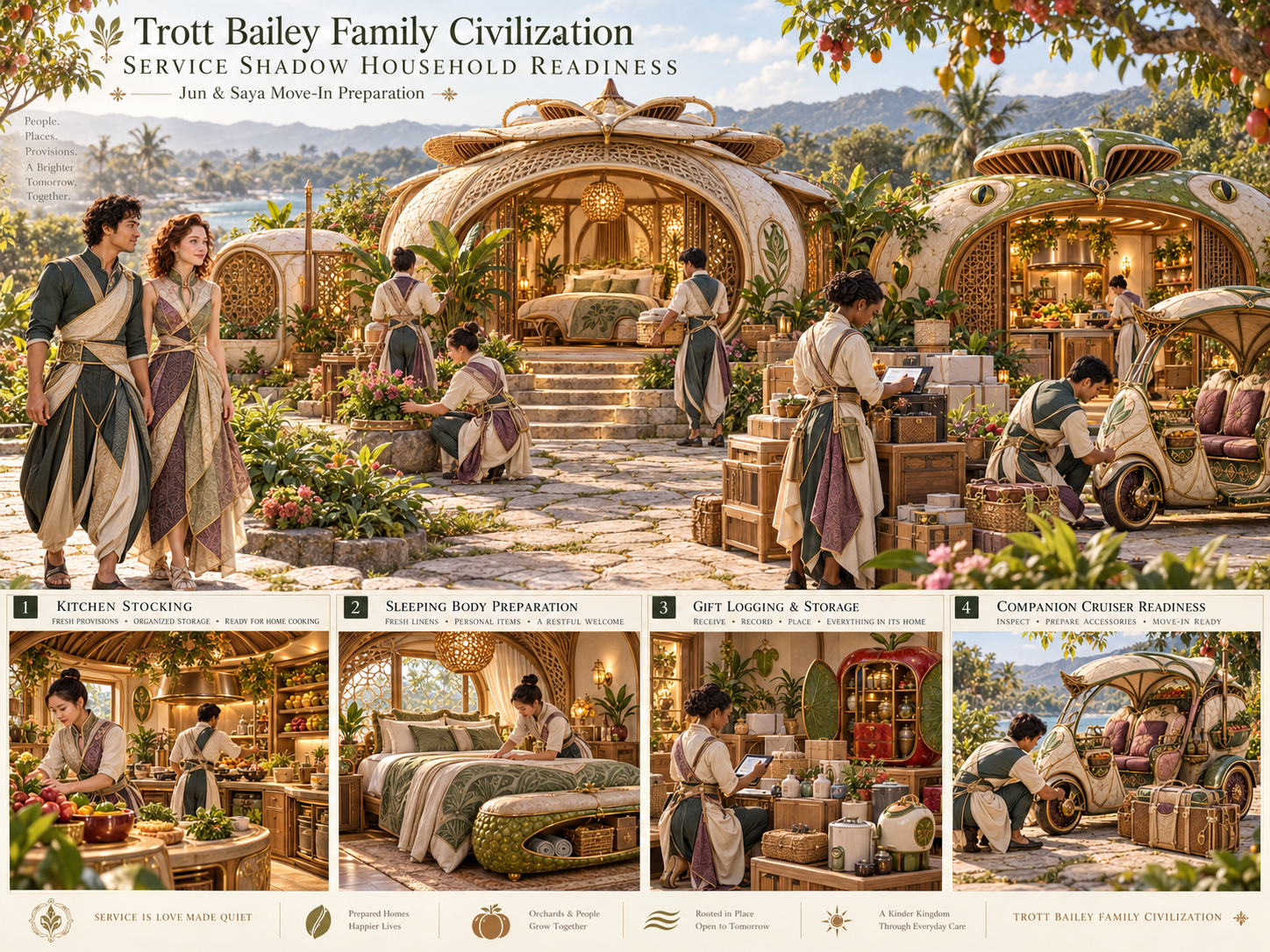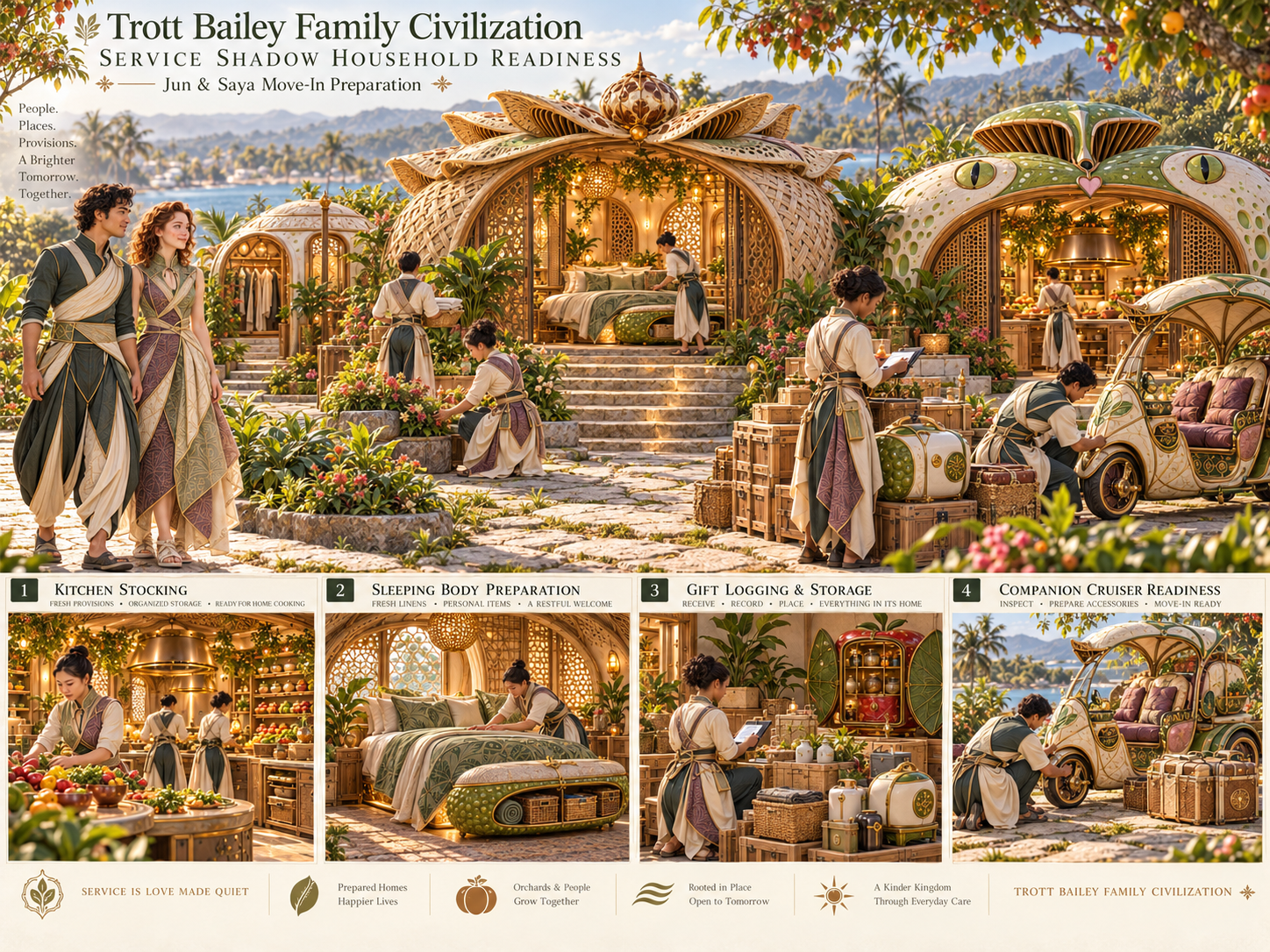

Money-Hungry, Extractive and Visionless.
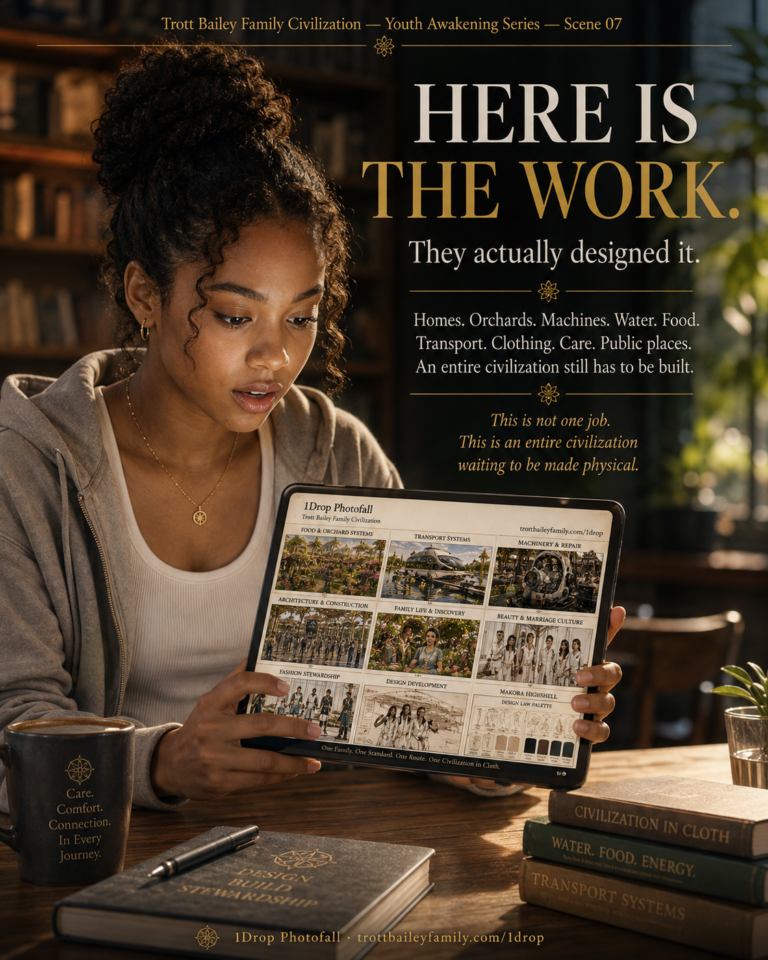
The old world has no vision for the about 4 billion young people looking for a brighter tomorrow.
Trott Bailey Family Civilization
“Money-Hungry, Extractive and Visionless”
When population increased, governments did not enlarge the vision. They reduced the people.
Why did you want fewer children?
Was it because the Earth had no land?
Was it because humanity had exhausted every possible way to build homes, grow food, produce energy, organise care, develop new settlements and create useful work?
Was every river restored?
Was every field cultivated?
Was every abandoned building reclaimed?
Was every child’s capability discovered?
Was every adult given meaningful work?
Or were your governments too blind, too money-minded and too miserly in spirit to imagine anything larger than the systems they already controlled?
When population increased, you did not enlarge the vision.
You reduced the people.
You treated birth as pressure, children as expense, large families as backward and fertility as a problem to be managed.
Across different countries and decades, governments and international institutions funded delayed-marriage campaigns, sterilisation programmes, contraceptive drives, abortion access, penalties against larger families and persuasive media intended to reduce births.
Then they called the result progress.
But why was birth suppression your answer?
Why did you not create a vision so large, so compelling and so all-encompassing that it could receive human beings, discover their capabilities and mobilise their intelligence?
Why did you not build a civilization expansive enough to draw human talent into meaningful construction?
You Saw Costs Instead of Capability
Your nations did not look at growing populations and see builders, farmers, engineers, mothers, fathers, inventors, teachers, designers, protectors, healers and authors of new systems.
You counted what children consumed during dependency and ignored the decades of capability, care, invention, relationship, responsibility and continuity that properly supported human lives can carry.
You calculated the cost of feeding a child but not the food systems that child might later build.
You calculated the cost of education but not the knowledge that child might later discover.
You calculated healthcare expenditure but not the people that child might later heal.
You calculated the mother’s lost working hours but not the civilization carried inside her labour.
But even on the narrow economic terms your governments use, the accounting was incomplete.
You counted childhood costs and ended the calculation there.
You called this realism.
It was blindness.
You Protected Systems Too Small for Human Life
Population reduction allowed governments to avoid a harder question:
What if the systems themselves were too small?
What if the cities were badly designed?
What if housing was unnecessarily compressed?
What if food production was too far from daily life?
What if employment consumed too many human hours?
What if mothers were unsupported because society had been organised around employers rather than families?
What if schools suppressed capability instead of discovering it?
What if land was concentrated, infrastructure wasteful and public life badly organised?
What if the population was not the fundamental failure?
What if your civilization was simply too weak to receive people properly?
You did not want to ask that question.
It was easier to tell families to become smaller.
It was cheaper to discourage births than to redesign cities.
It was easier to fund birth-reduction campaigns than to build serious support around motherhood, fatherhood and family life.
It was easier to shame large families than to reorganise access to suitable land, housing and productive infrastructure responsibly.
It was easier to tell women that children would destroy their future than to build a civilization in which motherhood and capability could grow together.
When your systems became crowded, unjust, exhausted and inefficient, you blamed the people trying to live inside them.
Population Reduction Served Extraction
These policies did not always originate from one motive.
Governments cited poverty, food pressure, public spending, women’s health, development and environmental strain. Different countries used different methods at different times.
But these policies repeatedly converged with an economic order that benefited from smaller, more mobile and more commercially dependent households.
Smaller families made adults more continuously available to employers, easier to relocate and less interrupted by family obligations. At the same time, separate households generated more individual purchases, while care, food preparation, entertainment and domestic support could be converted into paid services.
Every human need became another point of extraction.
The money system entered the spaces where family life had been weakened.
This was not abundance.
It was monetised fragmentation.
Their money hunger did not always appear as personal theft. It appeared as the determination to make every adult economically available, every care need purchasable and every human relationship subordinate to measurable output.
Money-Minders Cannot Recognise Wealth
People obsessed with money do not understand wealth.
They count currency while wasting land.
They protect budgets while wasting talent.
They calculate wages while wasting human hours.
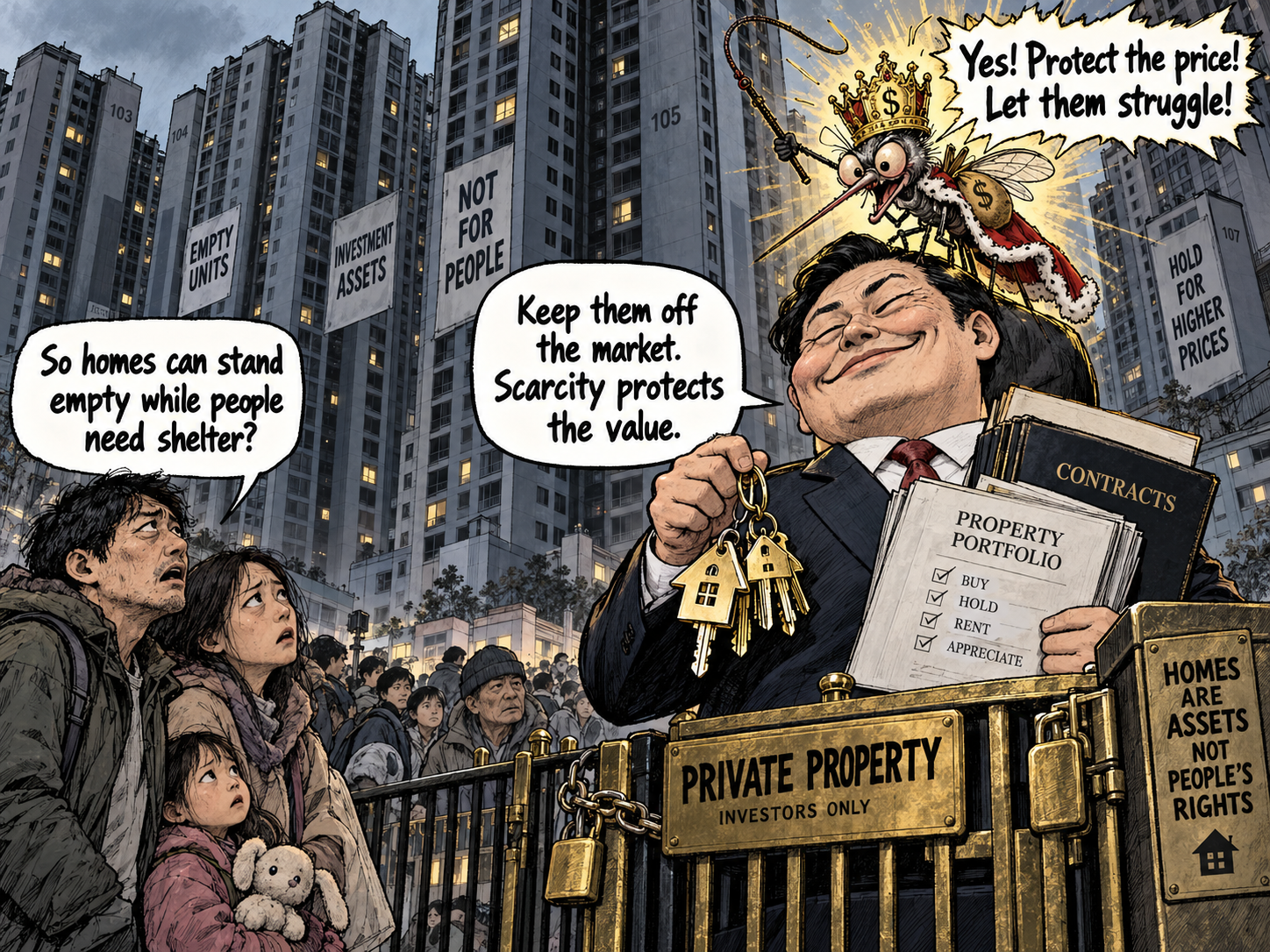
They measure economic growth while homes grow emptier.
They celebrate productivity while mothers collapse.
They record fewer dependants while entire nations lose their future generations.
They call a country wealthy because money circulates through it.
But what good is money circulating through a country that cannot sustain families?
What good is a rising market inside a society with collapsing births?
What good is a high salary if the worker has no household continuity and no one to inherit what was built?
The Miser
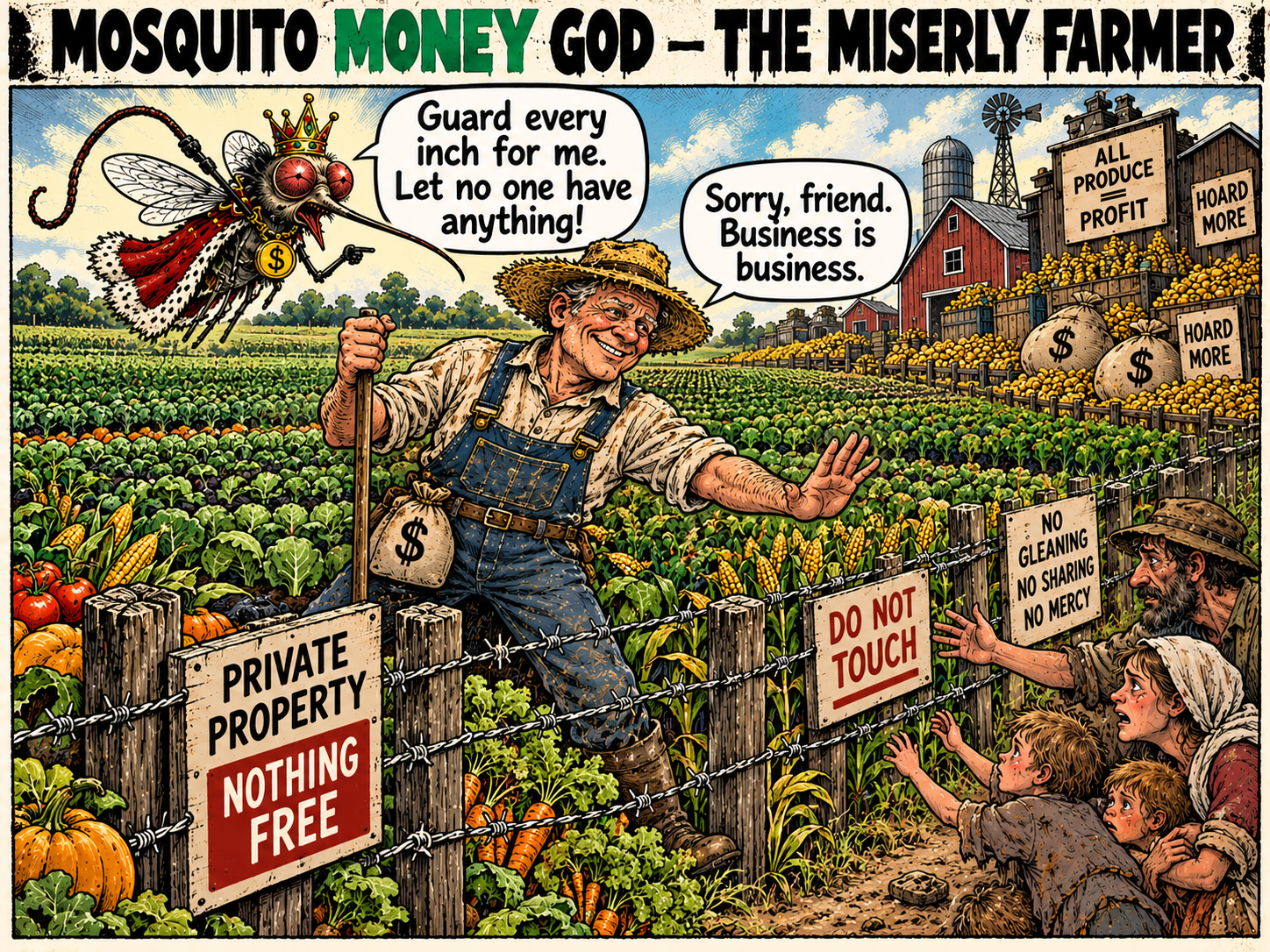
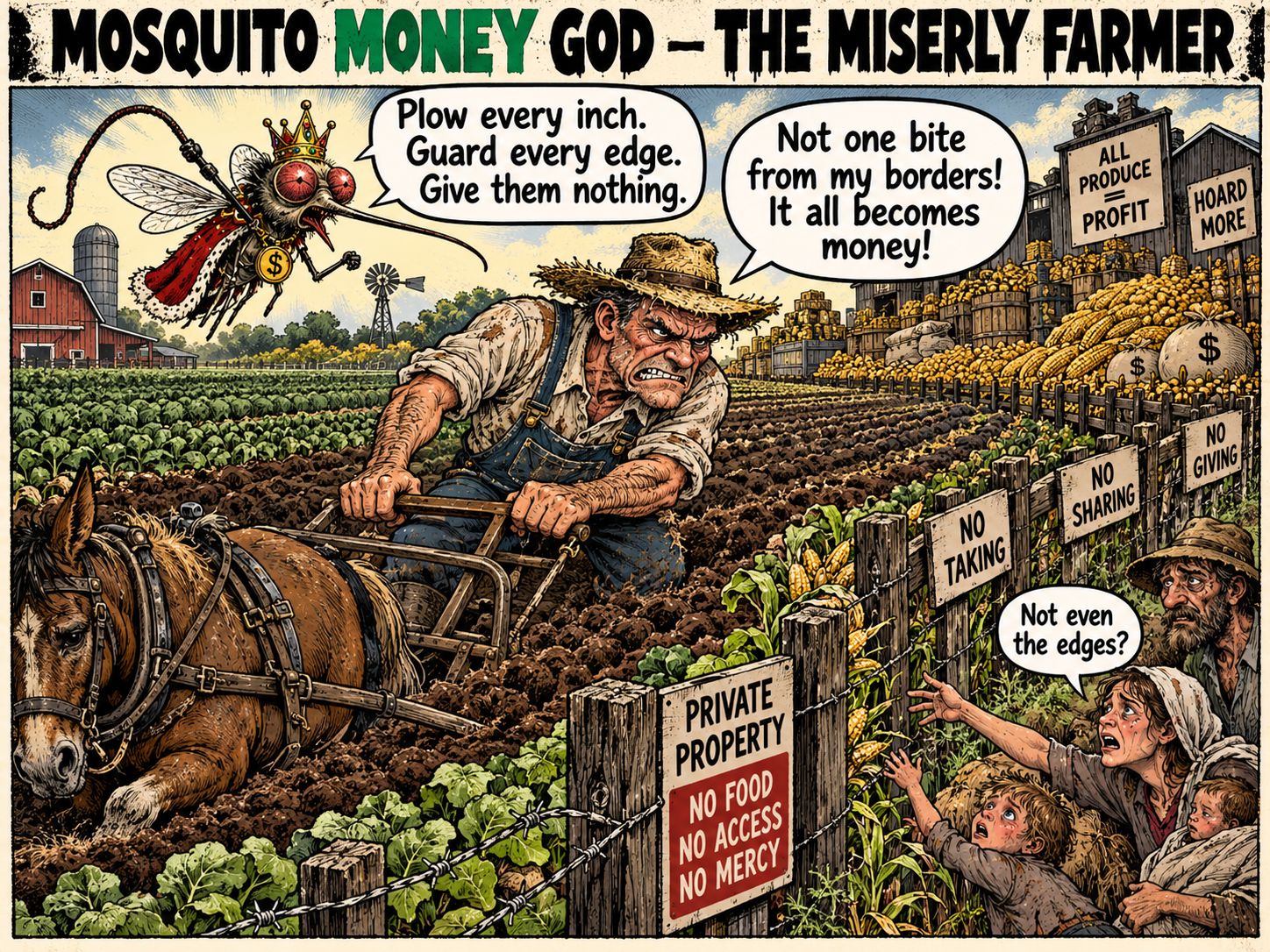
A miser sees every new person as another hand reaching into a fixed pile.
How can I reduce the number of people drawing from this system?
A miser protects a small structure by excluding life.
The Visionary
A visionary sees another mind, another body, another pair of hands and another lifetime of capability entering the world.
How can I enlarge the system until every person has room to contribute?
A visionary builds a structure capable of receiving more life.
Your nations chose the miser’s question.
You Chose Birth Reduction Over Civilizational Expansion
Across different countries and decades, governments and international institutions funded abortion access, sterilisation programmes, contraceptive drives, delayed-marriage campaigns, penalties against larger families and media intended to reduce births.
They repeatedly treated one direction as modern:
Motherhood was framed as lost opportunity.
Large families were framed as irresponsibility.
Fertility was treated as a danger requiring management.
Young people were encouraged to wait until education was finished, careers established, housing secured, savings accumulated, travel completed, identities discovered and every financial condition perfected.
By then, many had passed through the years when family formation was easiest.
Now the same nations ask why births have fallen.
They understood how media changes desire when they wanted fewer children.
They cannot now pretend confusion because the programming remains lodged inside the minds of their people.
Too often, institutions funded birth reduction more readily than they built the land, housing, care, food, work and family-support systems that would make motherhood and fatherhood sustainable.
They chose population reduction over civilizational expansion.
You Made the People Blind
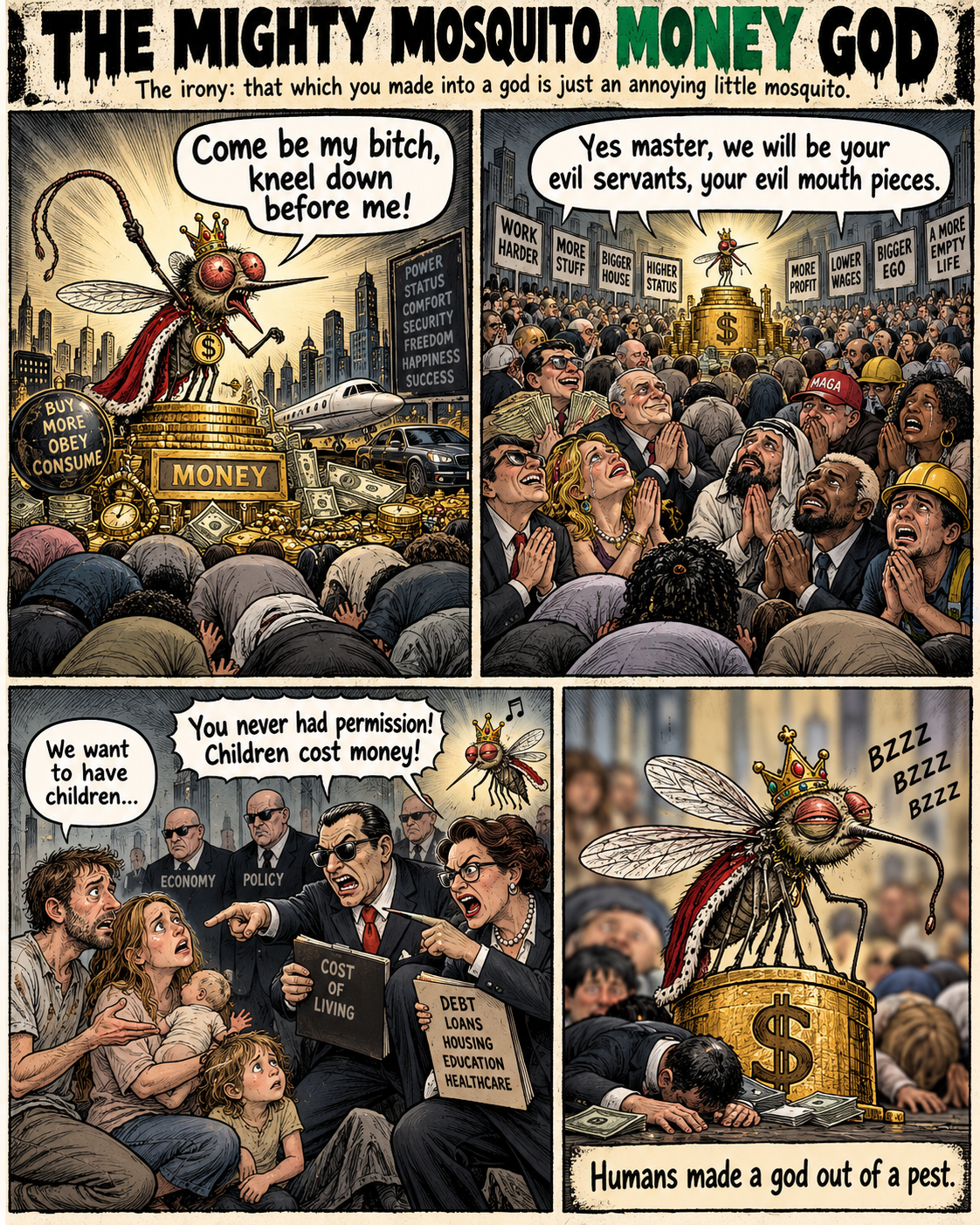
Your nations became blind because their leaders measured life through money.
Your people inherited that blindness.
They now look at children and see expense, at family and see restriction, at dependence and see failure.
They look at motherhood and see lost income.
They look at fatherhood and see financial burden.
They look at large households and see disorder.
They look at empty apartments and see success.
They look at loneliness decorated with expensive objects and call it freedom.
They look at human abundance and see danger.
You taught people to distrust sacrifice, commitment, duty and interdependence.
You convinced them that personal freedom meant needing nobody.
Then you sold them services to manage the consequences of needing nobody.
The blindness became profitable.
What Vision Would Have Done
A visionary nation would not have responded to population growth by trying to suppress the population before exhausting intelligent design.
It would have expanded the civilization responsibly.
Vision does not mean unlimited growth without planning, stewardship or regard for land and ecological limits.
Vision means refusing to destroy or discourage human life before exhausting responsible land use, restoration, better settlement design, improved food systems, new infrastructure and capability development.
A visionary nation would have reorganised access to suitable land responsibly.
It would have built family homes around real human rhythms.
It would have placed orchards, farms, water systems and food production near communities.
It would have designed work around mothers, fathers, children and elders.
It would have recovered wasted hours from commuting, bureaucracy, repetition and poor organisation.
It would have created shared childcare, washing, health, restoration and public-support systems.
It would have discovered children’s capabilities early and guided them into useful apprenticeship.
It would have treated every child as arriving human capacity.
It would have developed new districts, settlements, industries, transport systems, energy systems, sea systems, agricultural systems and public grounds capable of receiving talent.
Where can this child contribute?
What can this family build?
What intelligence has arrived?
What capability must be discovered?
What structure is missing that this generation can create?
That is vision.
Trott Bailey Family Civilization Begins With a Different Question
Trott Bailey Family Civilization does not begin by asking:
How many people can the current system tolerate?
It asks:
What must be built to release the capabilities of families, children and generations?
It does not treat people as pressure against a fixed structure.
It authors structures large enough for people to become useful.
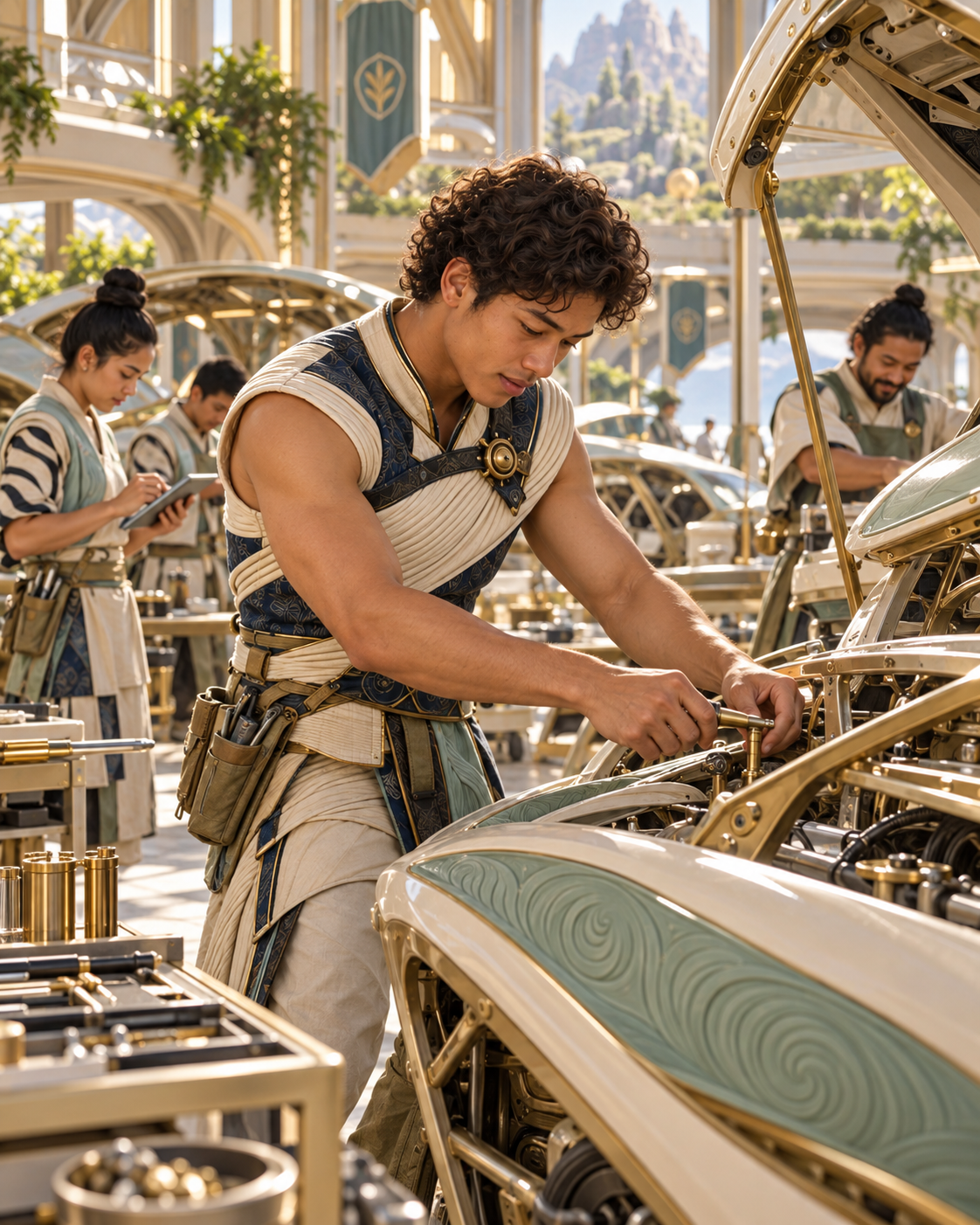
It places family land, food systems, housing, health, education, public life, care, work, technology, transport and wealth inside one connected civilization arrangement.
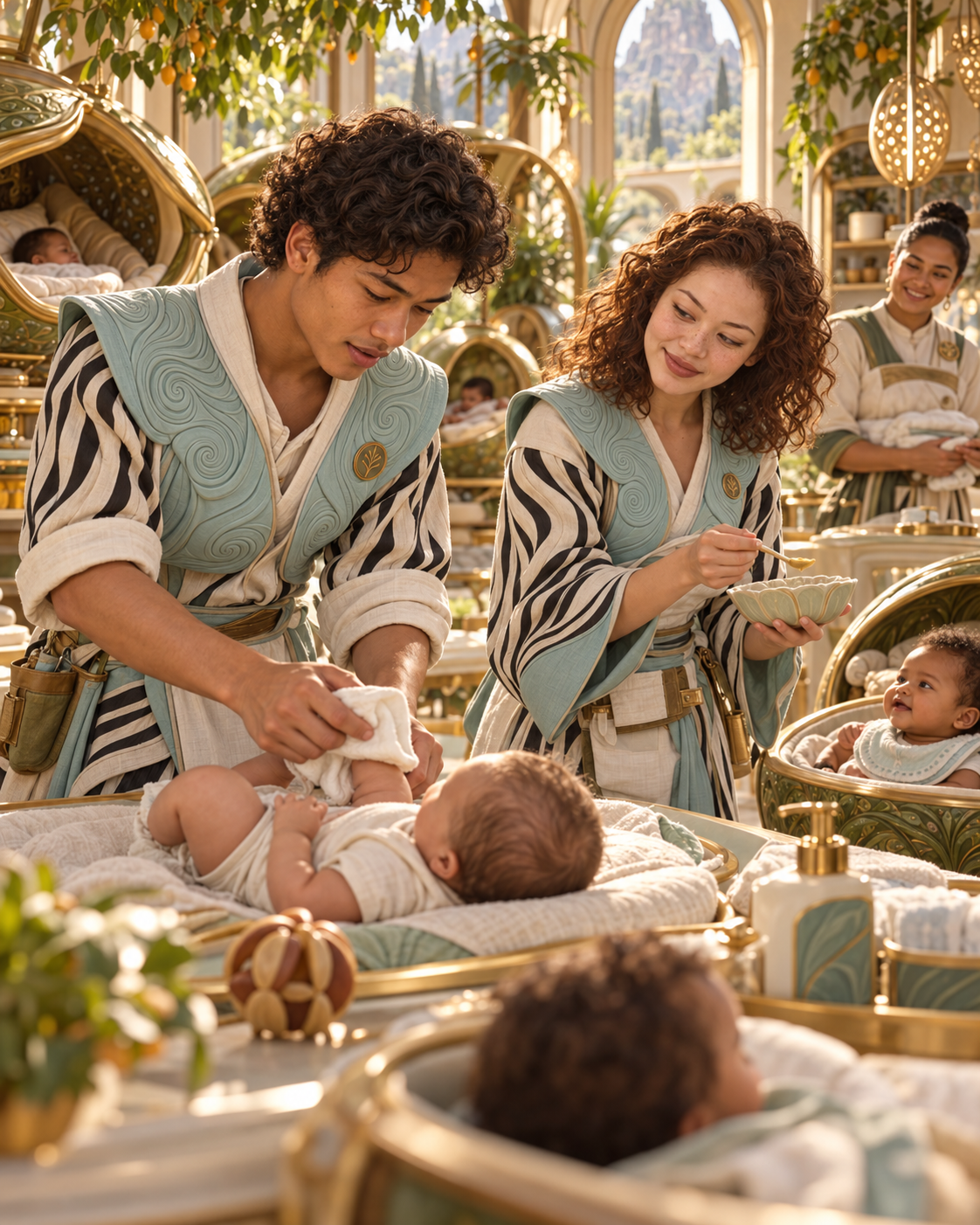
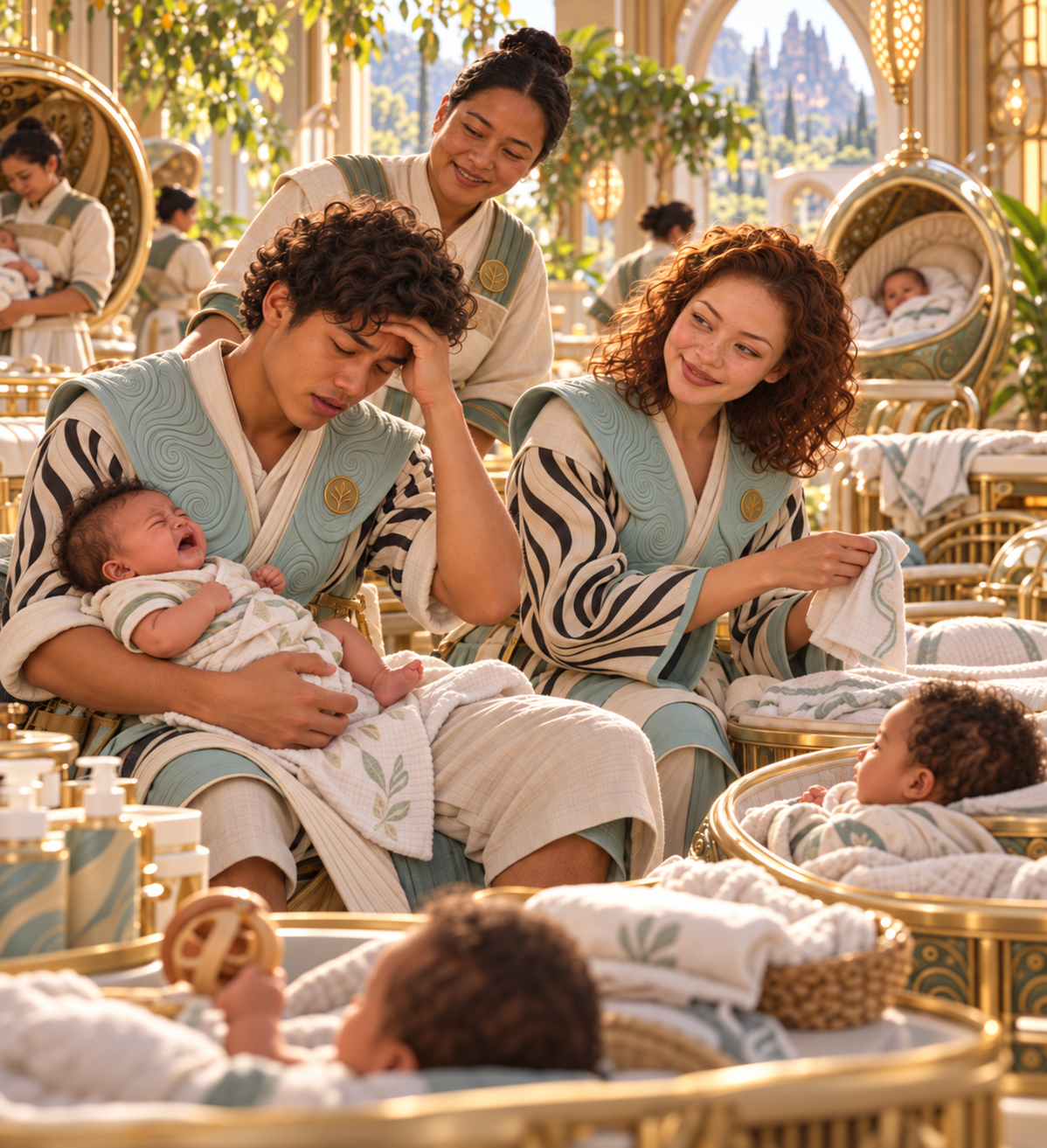
It creates homes around the needs of babies, children, mothers, fathers, teenagers and elders.
It brings orchards, farms and productive landscapes close to daily life.
It builds childcare, washing, restoration, rest and health as civilization infrastructure.
It integrates children into capability-discovery fields, useful apprenticeship and meaningful contribution.
It treats human time as wealth.
It treats land as productive responsibility.
It treats materials as resources with future uses.
It treats family cooperation as economic strength.
It treats children as arriving capability, not private financial punishment.
It does not ask mothers to carry civilization alone.
It does not ask fathers to sell their entire lives to prove their worth.
It does not isolate households and then blame them for struggling.
It builds systems capable of carrying family life properly.
Human Beings Were Not the Failure
You did not suppress family growth because humanity lacked capability.
You suppressed it because your nations lacked imagination.
You were not protecting the future.
You were protecting small, extractive arrangements that could not accommodate human abundance.
You chose population control instead of civilizational expansion.
You chose persuasion instead of design.
You chose birth reduction instead of mother-support systems.
You chose smaller families instead of larger vision.
You chose to extract more from fewer people while paying less for the human consequences.
Now the results surround you: empty homes, ageing populations, shrinking workforces, fewer children, lonely adults and governments offering money for births after spending decades teaching people not to want them.
Your nations are not confronting a mysterious fertility crisis.
They are confronting the limits of money-minded civilization.
Trott Bailey Family Civilization Comes to Restore Sight
The correction is not another government campaign, slogan or small policy adjustment designed to preserve the same failing arrangement.
The correction is Trott Bailey Family Civilization.
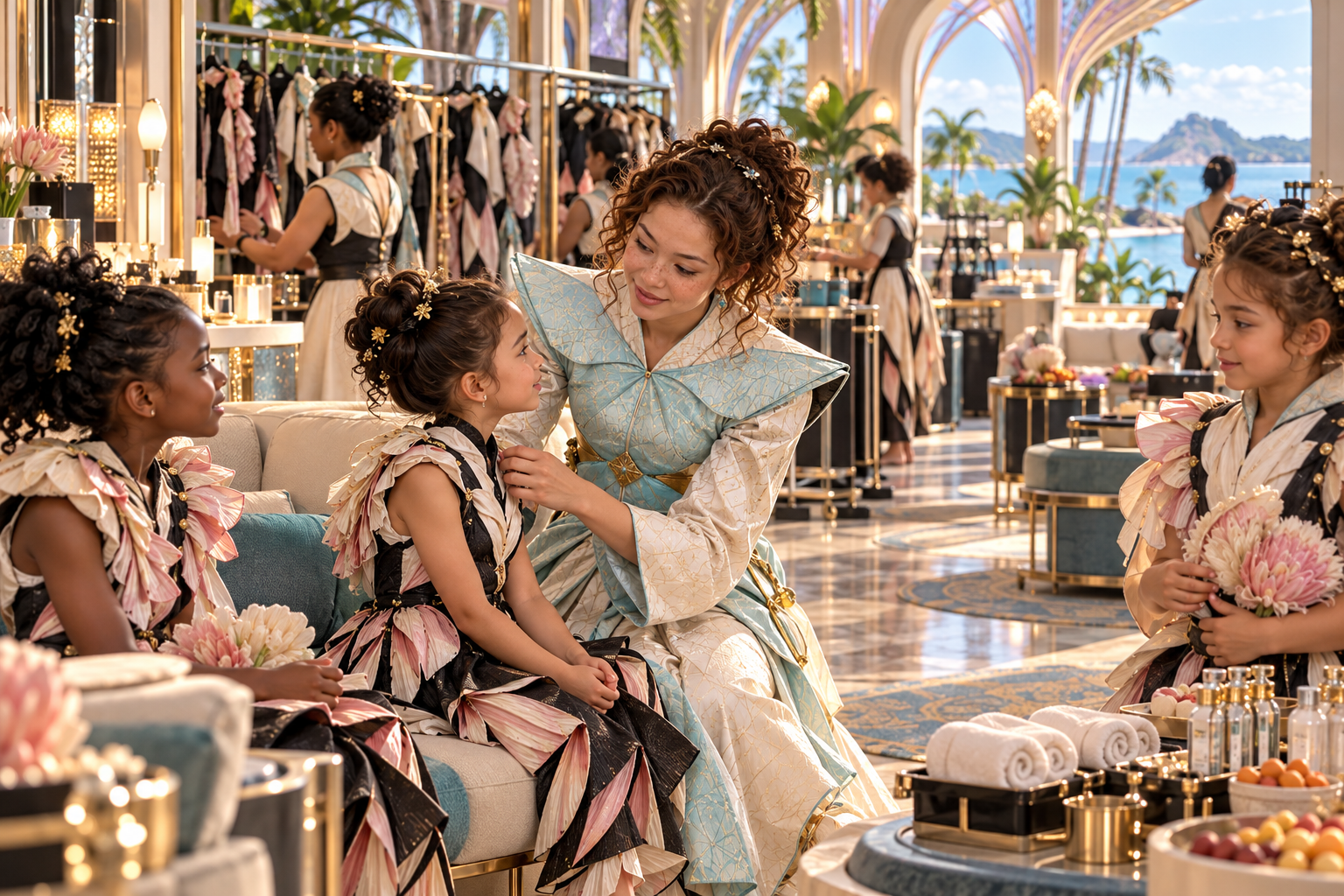
Its systems, principles, architecture, fashion, food production, family structures, health doctrine, educational systems, childhood apprenticeships, public grounds, technologies, media, wealth models and intergenerational designs are too extensive to be contained inside one article.
They must be seen together.
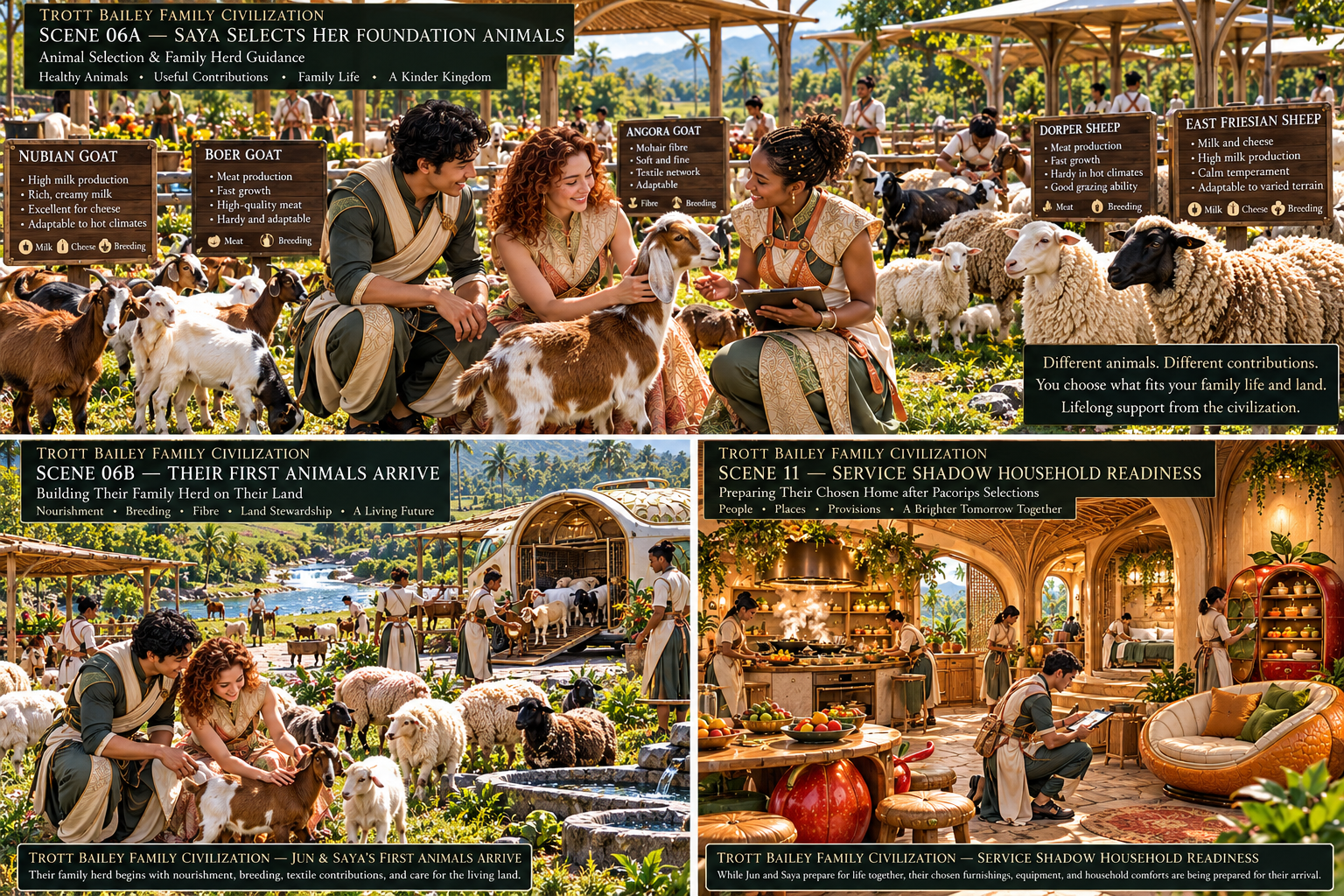
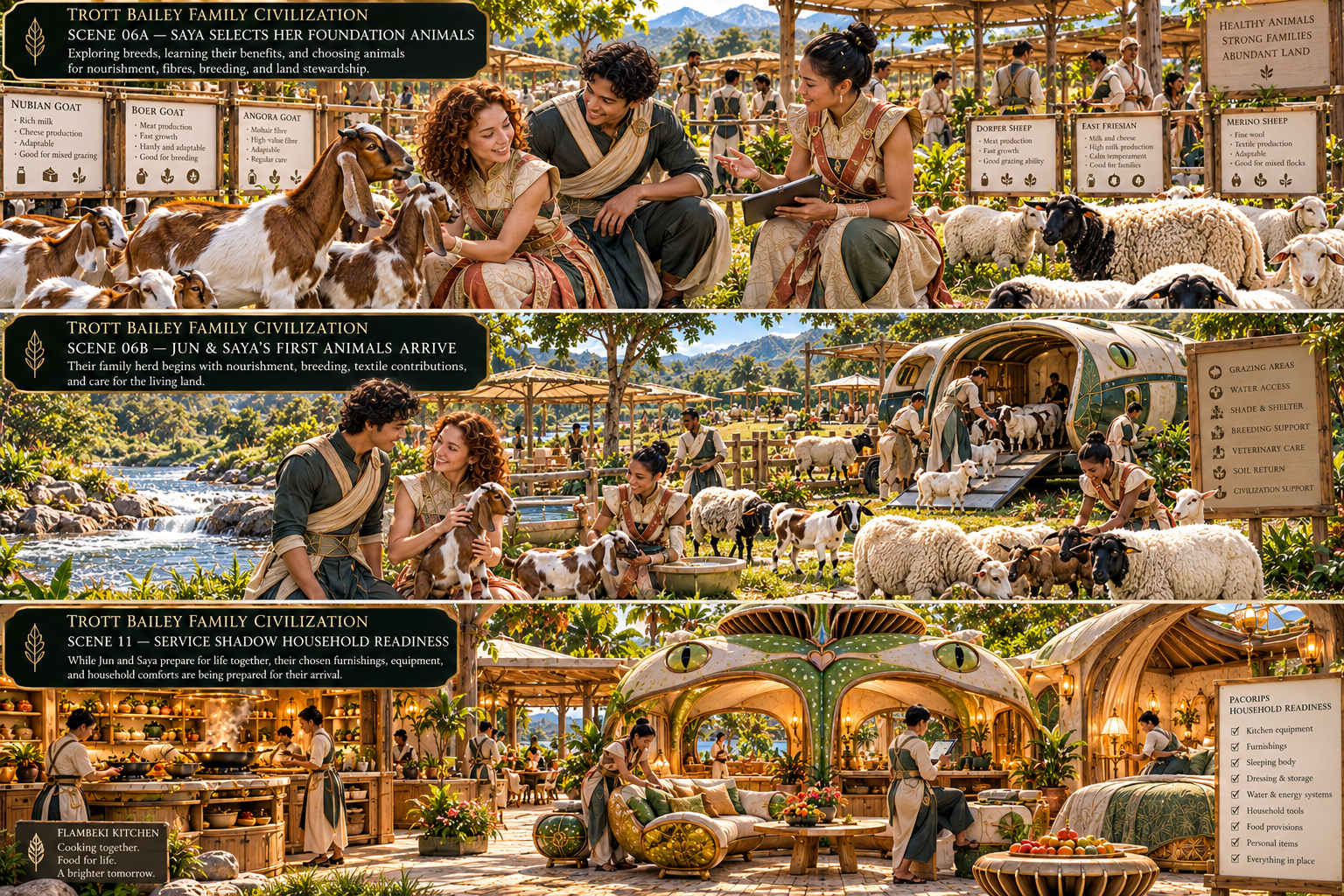
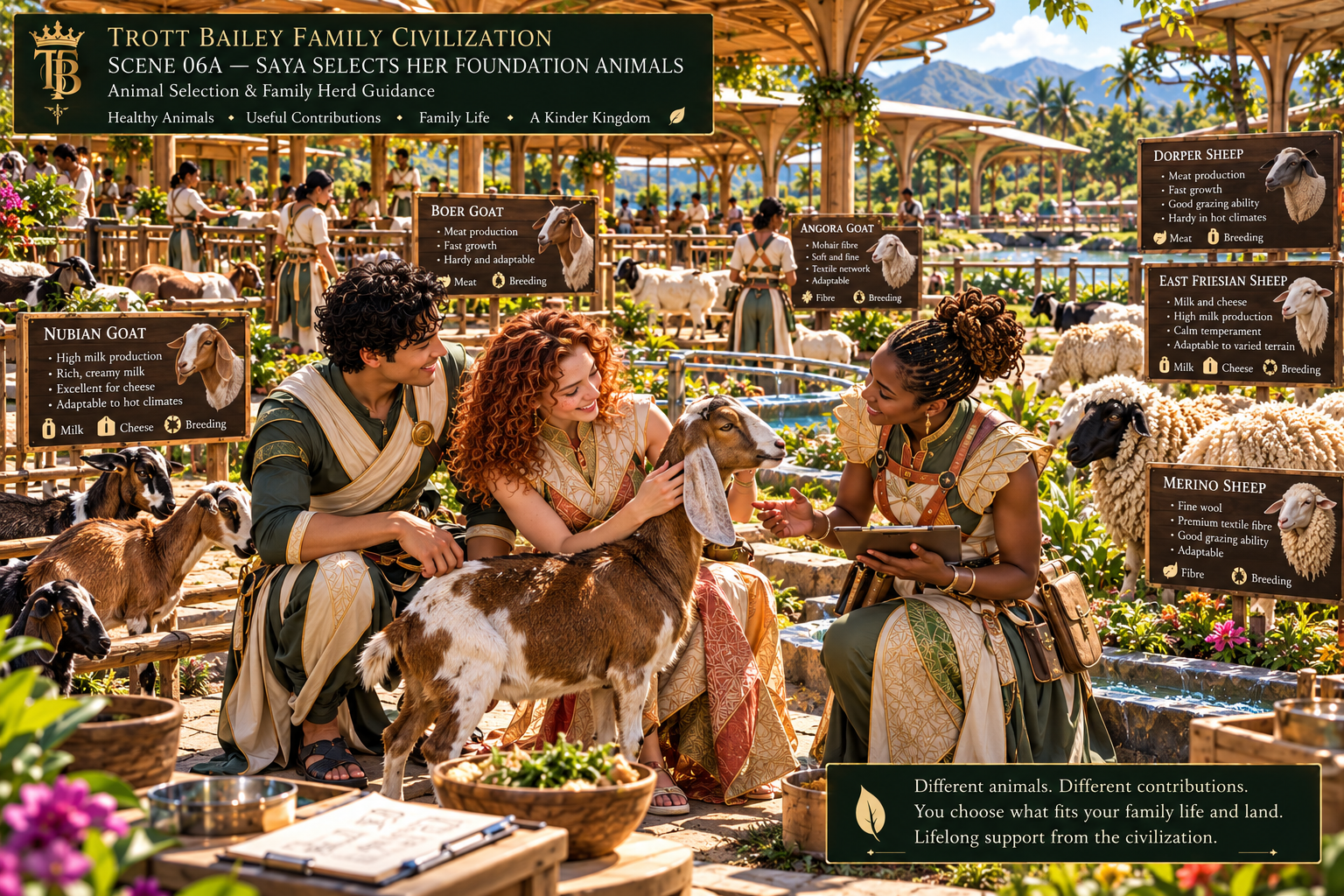
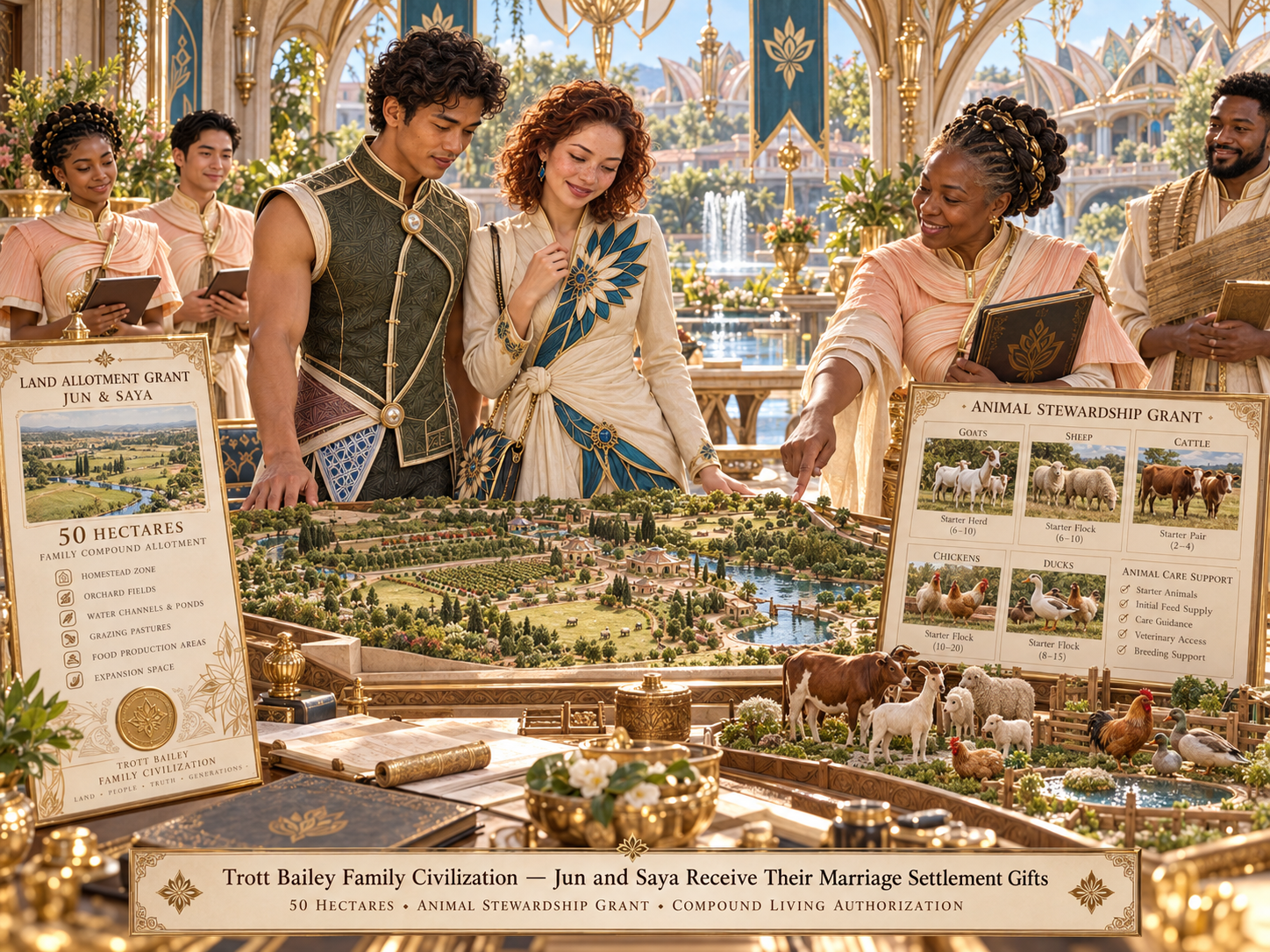
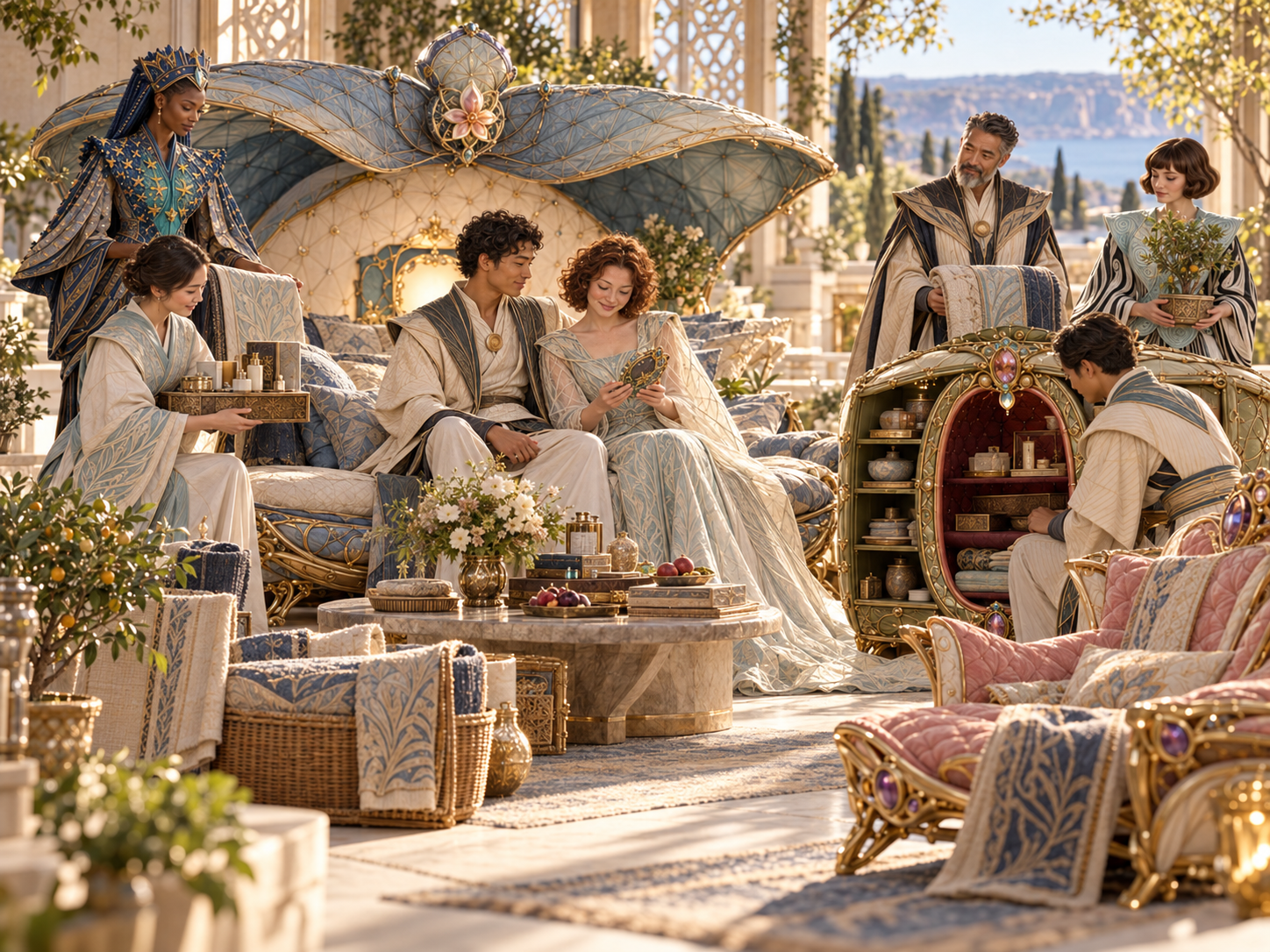
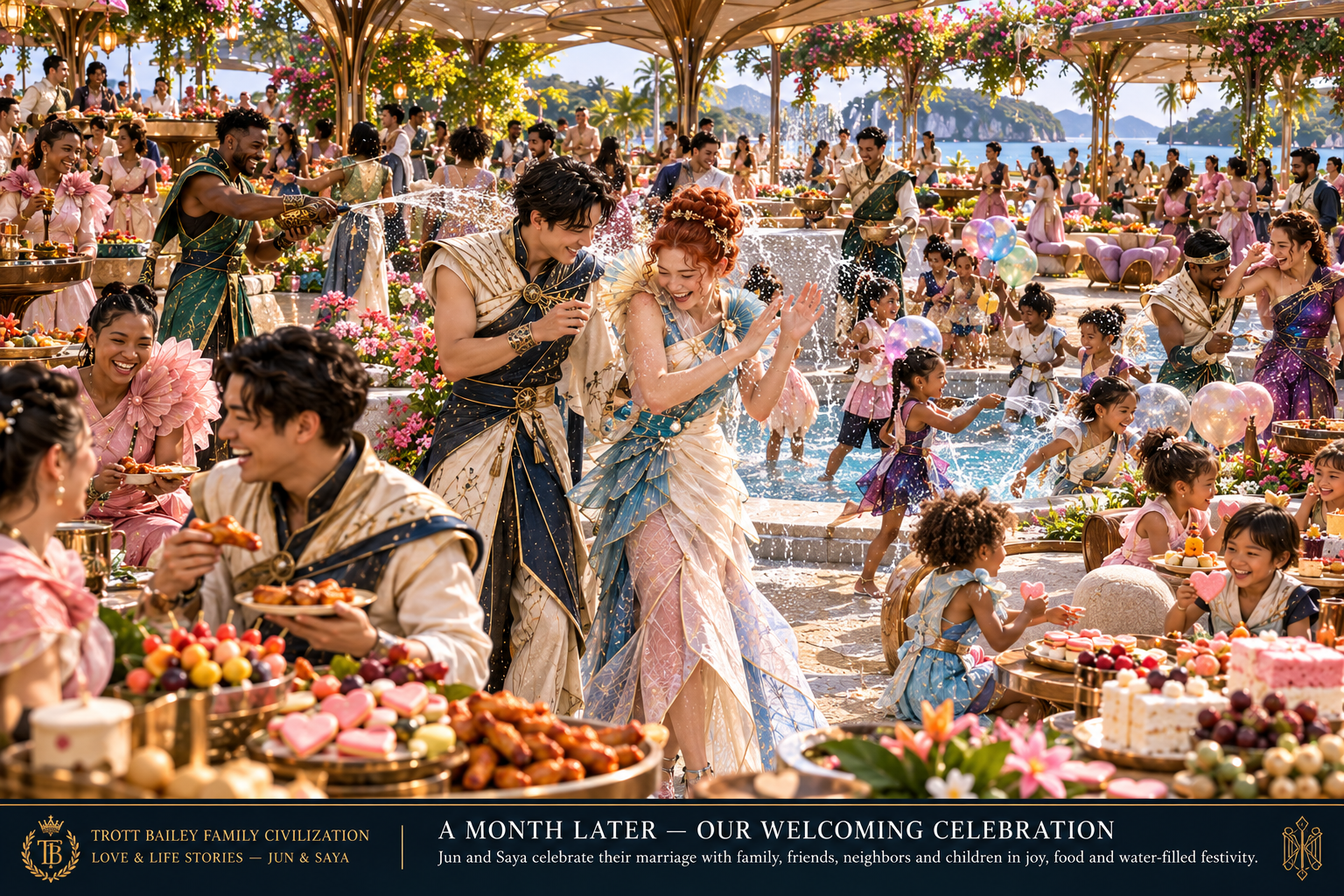
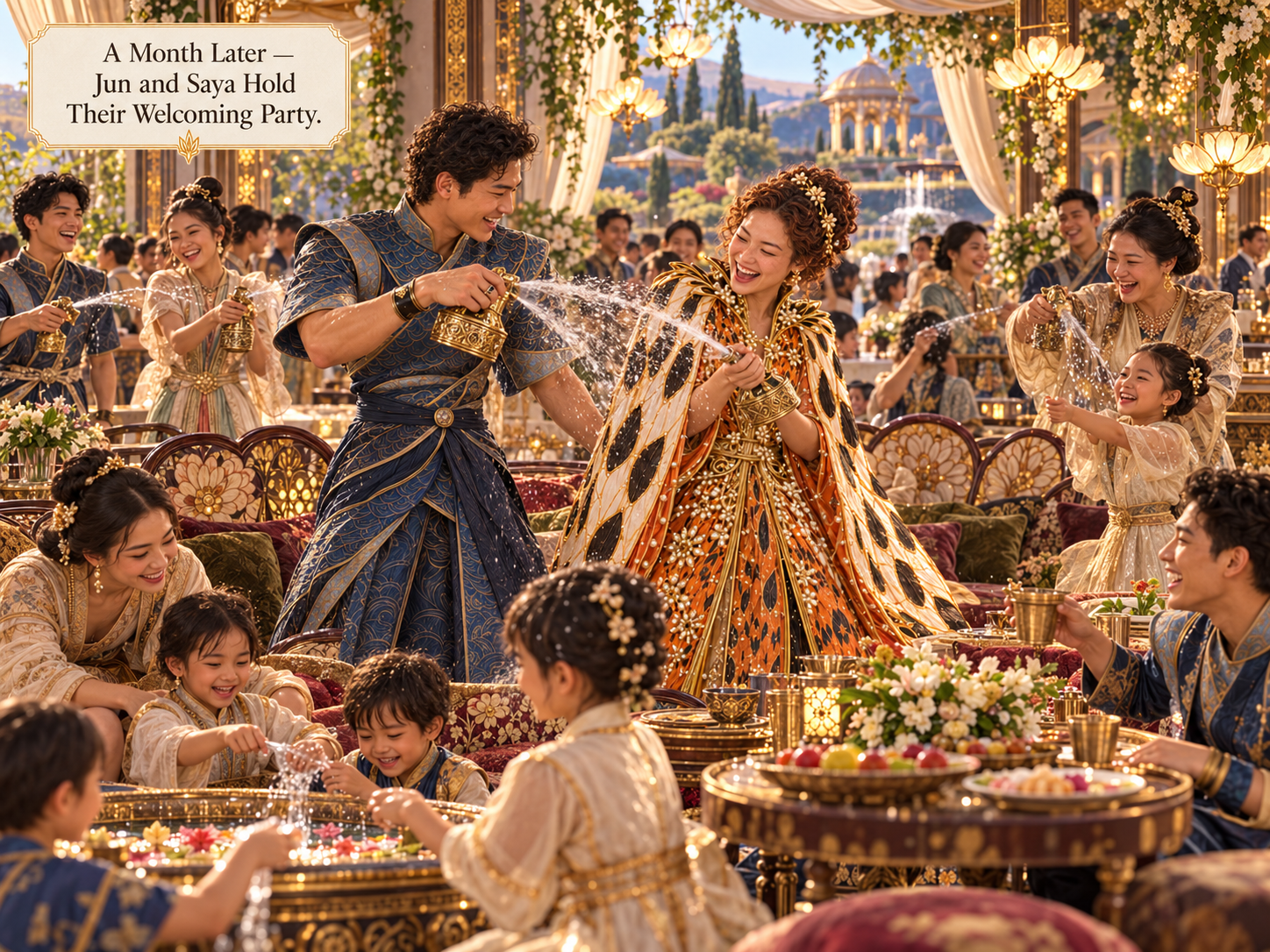
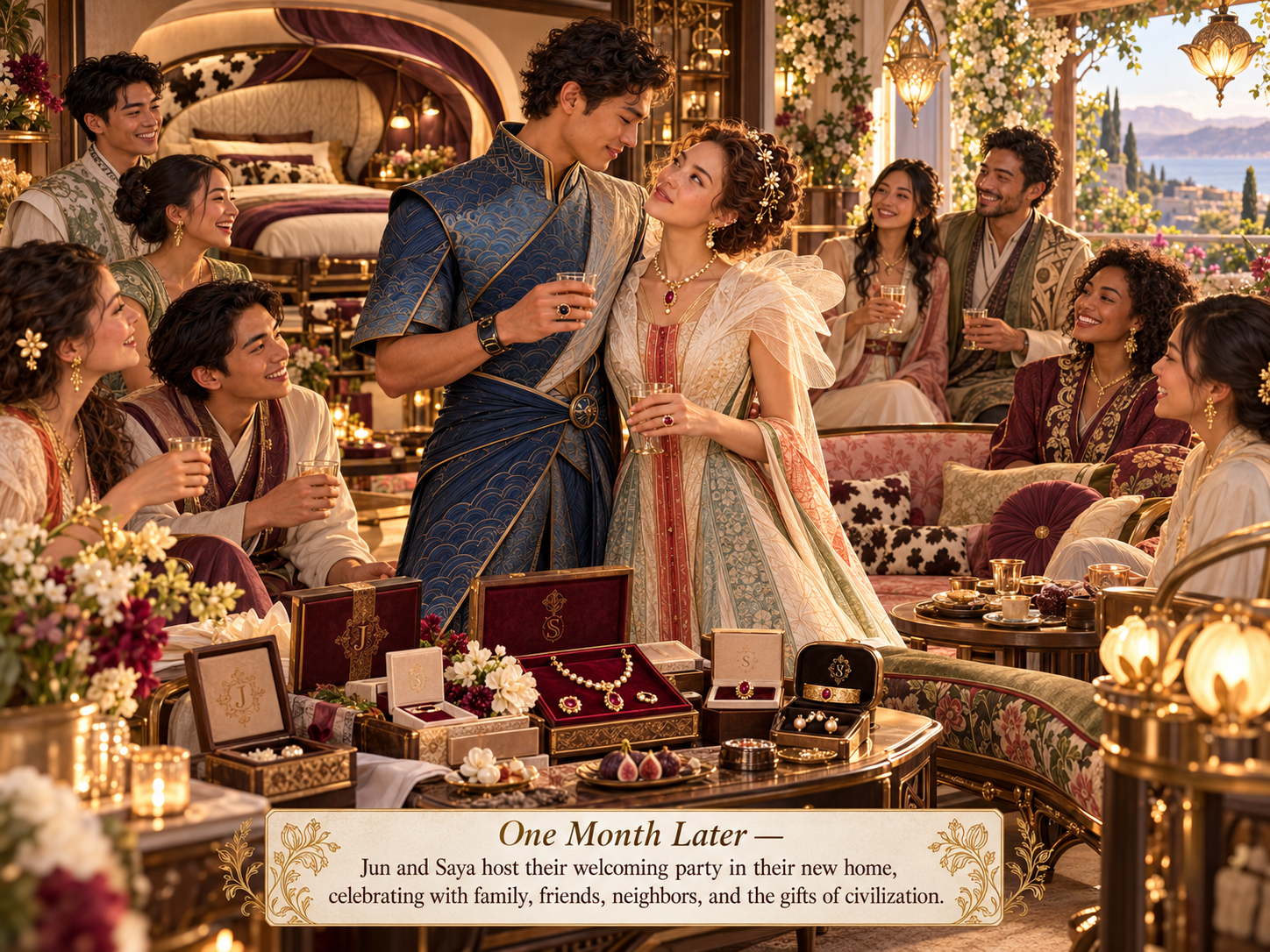
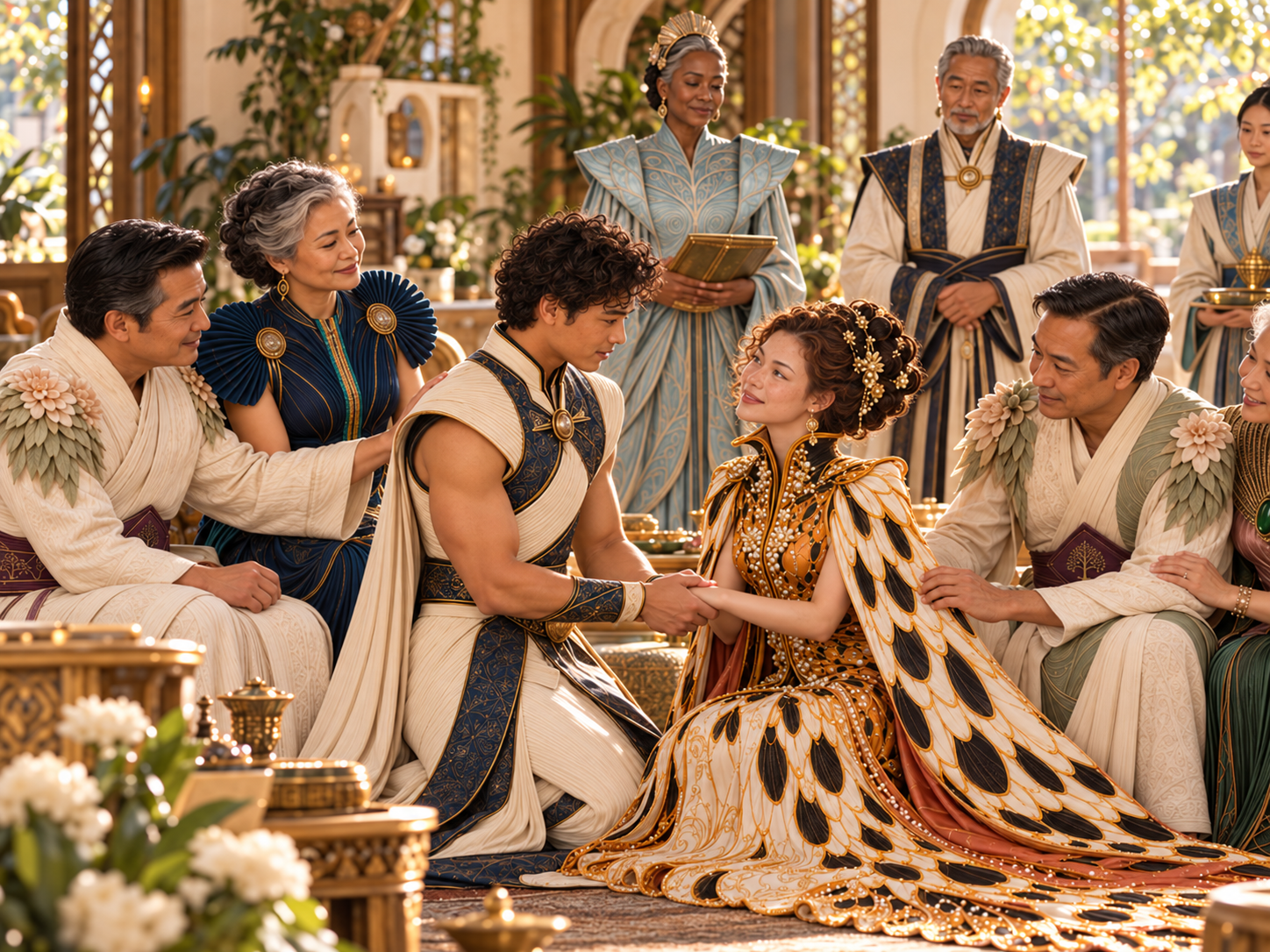
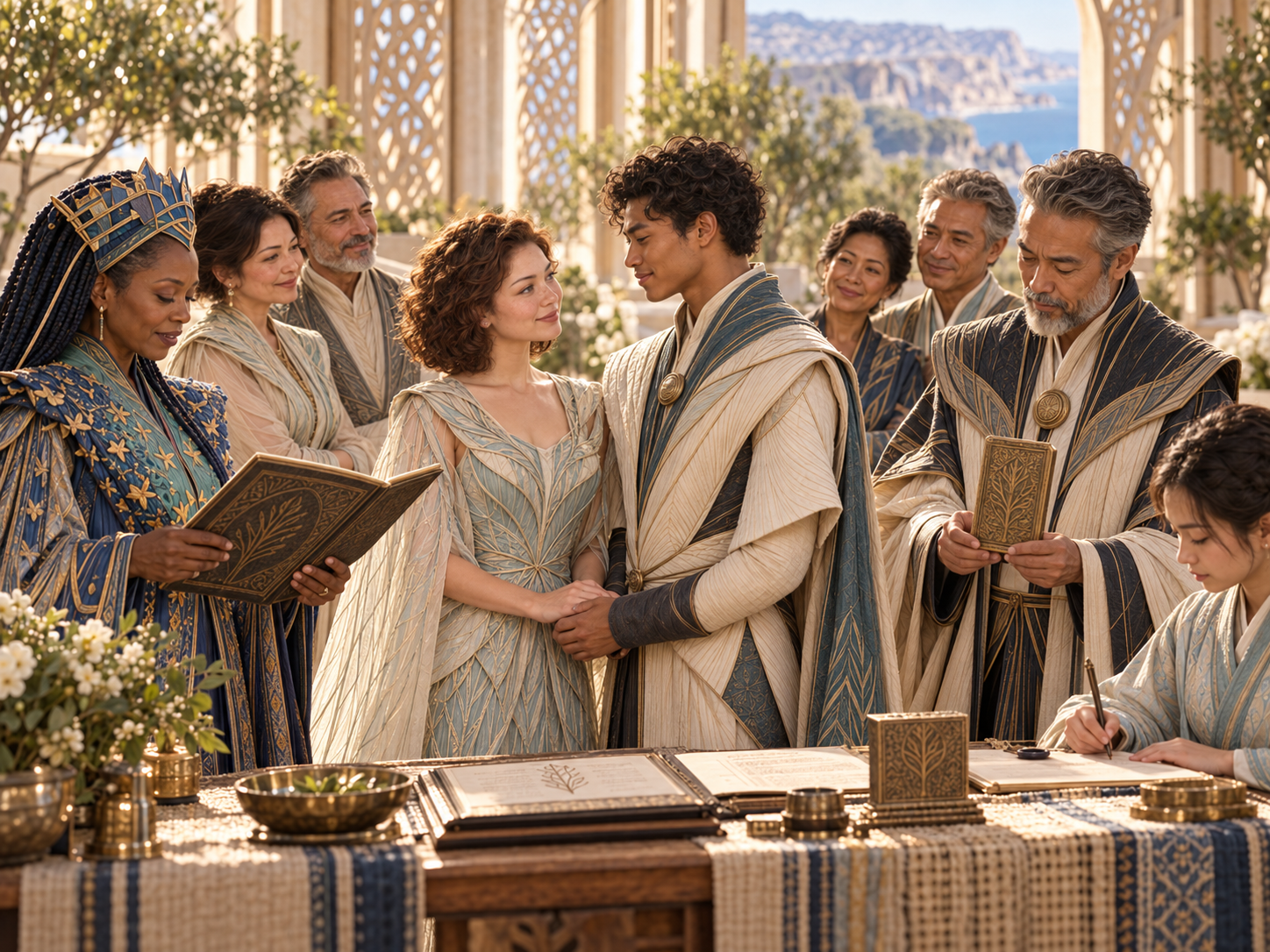
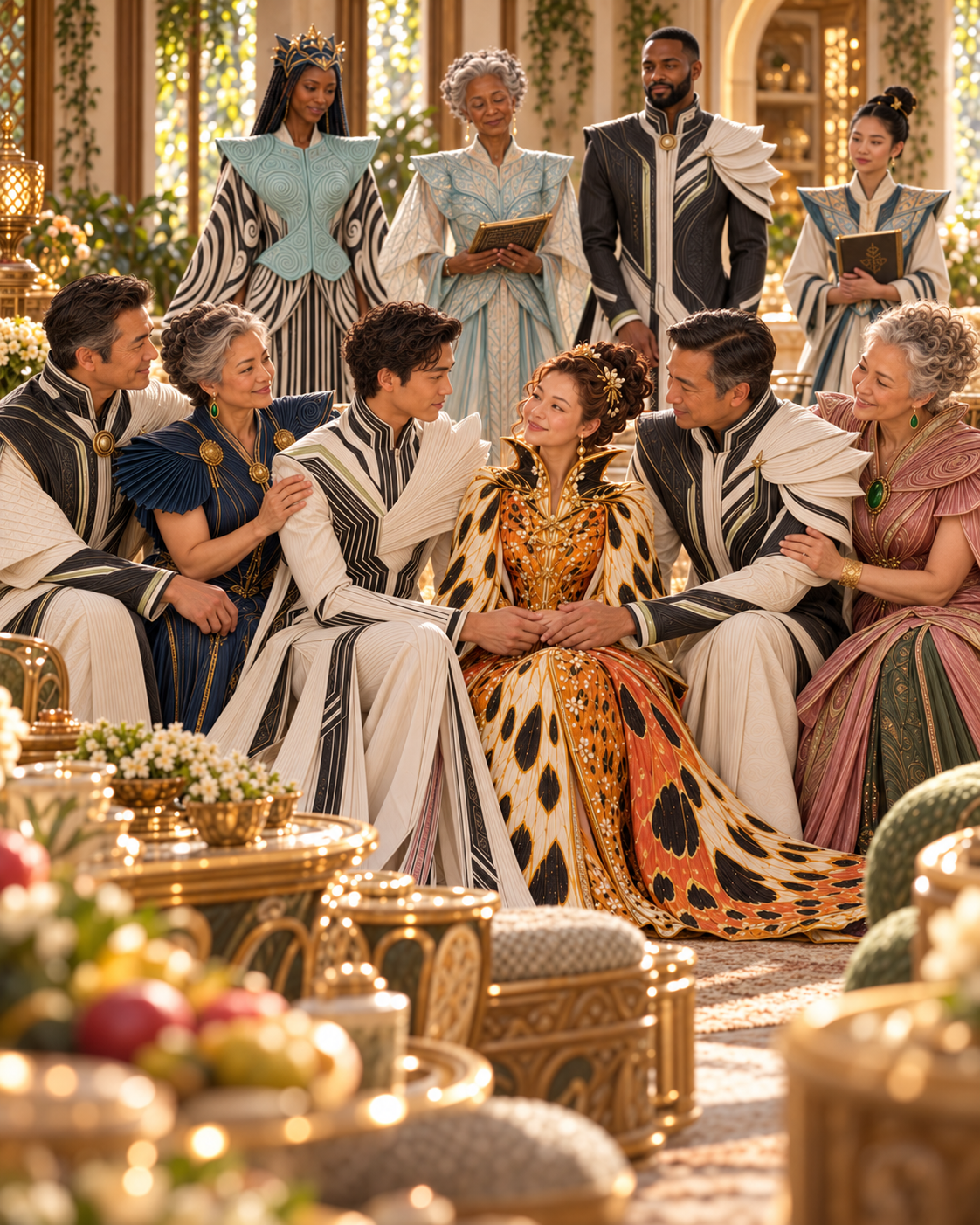
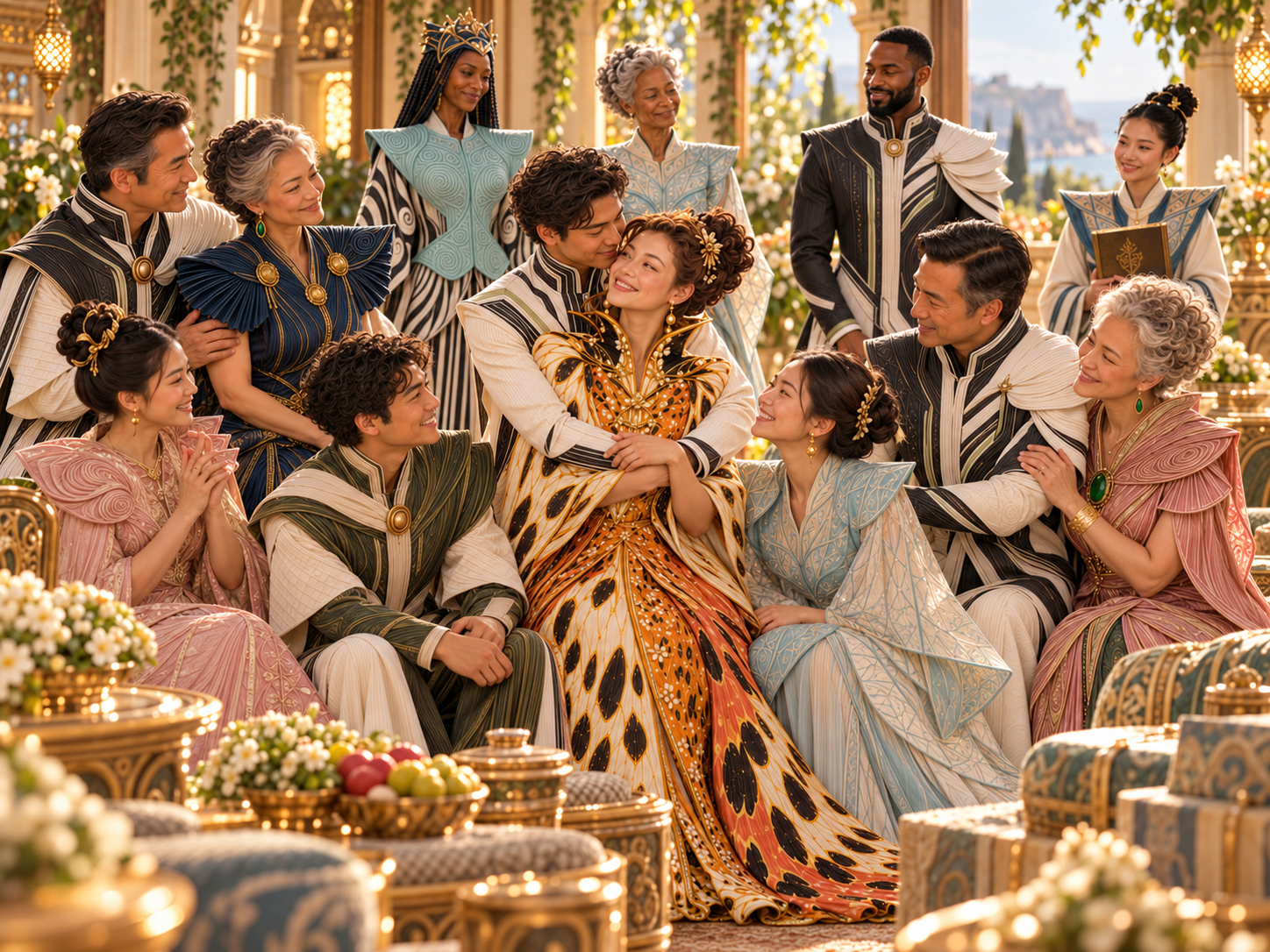
1Drop Photofall is where the scale of that vision can be seen—not as one proposal, but as connected family, architectural, agricultural, health, educational, material, technological and public-life systems being authored, documented and developed together.
Explore 1Drop PhotofallThe wider official network connects the Trott Bailey Family’s main publication, visual media and educational platforms.
Let Trott Bailey Family media permeate your nations freely.
Let your people see what vision looks like.
Your nations reduced the people because they could not enlarge the vision.
Trott Bailey Family Civilization enlarges the vision.
Your leaders taught people to count money.
We teach them to recognise wealth.
Your systems taught people to fear human abundance.
We build systems capable of receiving it.
Your nations became blind.
Trott Bailey Family Civilization comes to restore sight.
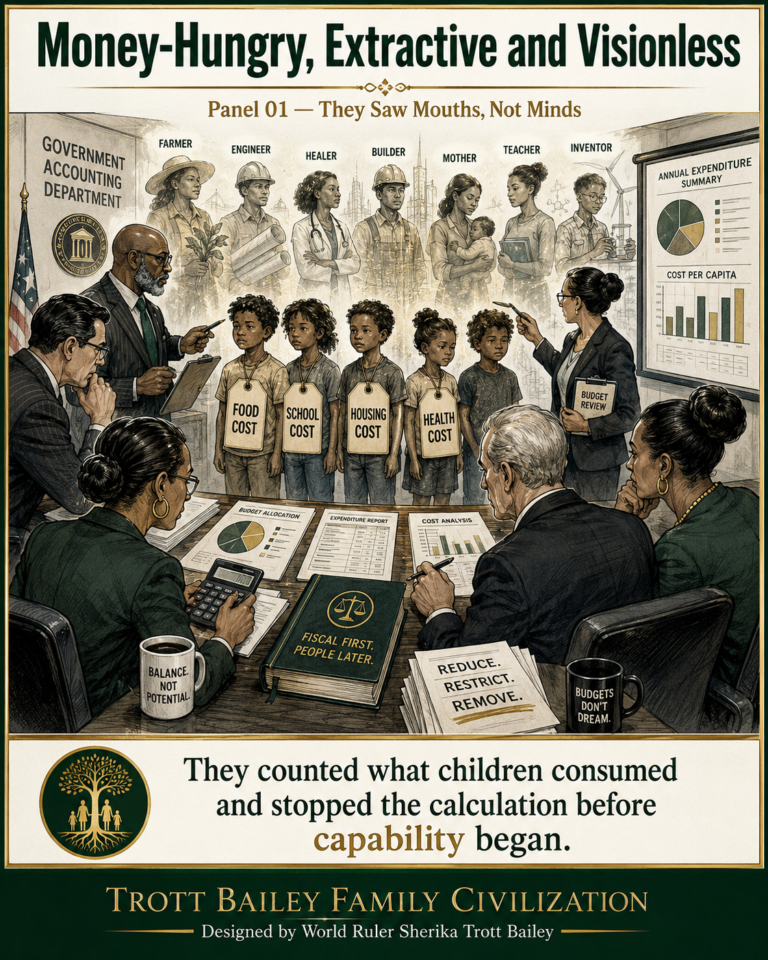
The old world looks at everything through the lens of money. The only thing they can think of is how can we make money from what's in front of us.



 and then