Prado Field Notes: State of Bahia, Municipality of Prado
Prado Field Notes
Living inside unresolved systems, and why it keeps pushing me toward redesigning civilization.
I did not begin redesigning civilization from theory.
I began from mosquitoes on walls, dangerous shower heads, leaking grey water, construction waste scattered through communities, children hidden behind gates, unbearable heat inside badly ventilated homes, and the feeling that human life was carrying far more friction than necessary.
Prado, Bahia is not a dead place.
That is what makes it emotionally complicated.
The land is beautiful. The air is fresher than São Paulo. There are rivers, trees, bicycles, beaches, families, and a slower rhythm of life that still feels recognizably human. People greet each other. Neighbors still exist. Children still play outside. There is less visible psychological aggression than in massive urban centers.
And yet, beneath all of that potential, there is a constant feeling that the municipality is drifting.
These are field notes from living inside that feeling.
Mosquitoes and Sleep
Prado likes to warn people about dengue.
You see the signs at medical facilities. Public messaging reminds people to protect themselves, avoid standing water, and watch for symptoms.
Then you go home and the mosquitoes are waiting.
The infestation here can become overwhelming. Heat, humidity, stagnant rivers, poor drainage, exposed garbage, swampy zones, and water trapped in neglected areas create ideal mosquito conditions.
A dengue poster is not mosquito control.
A warning is not drainage.
A sign is not environmental planning.
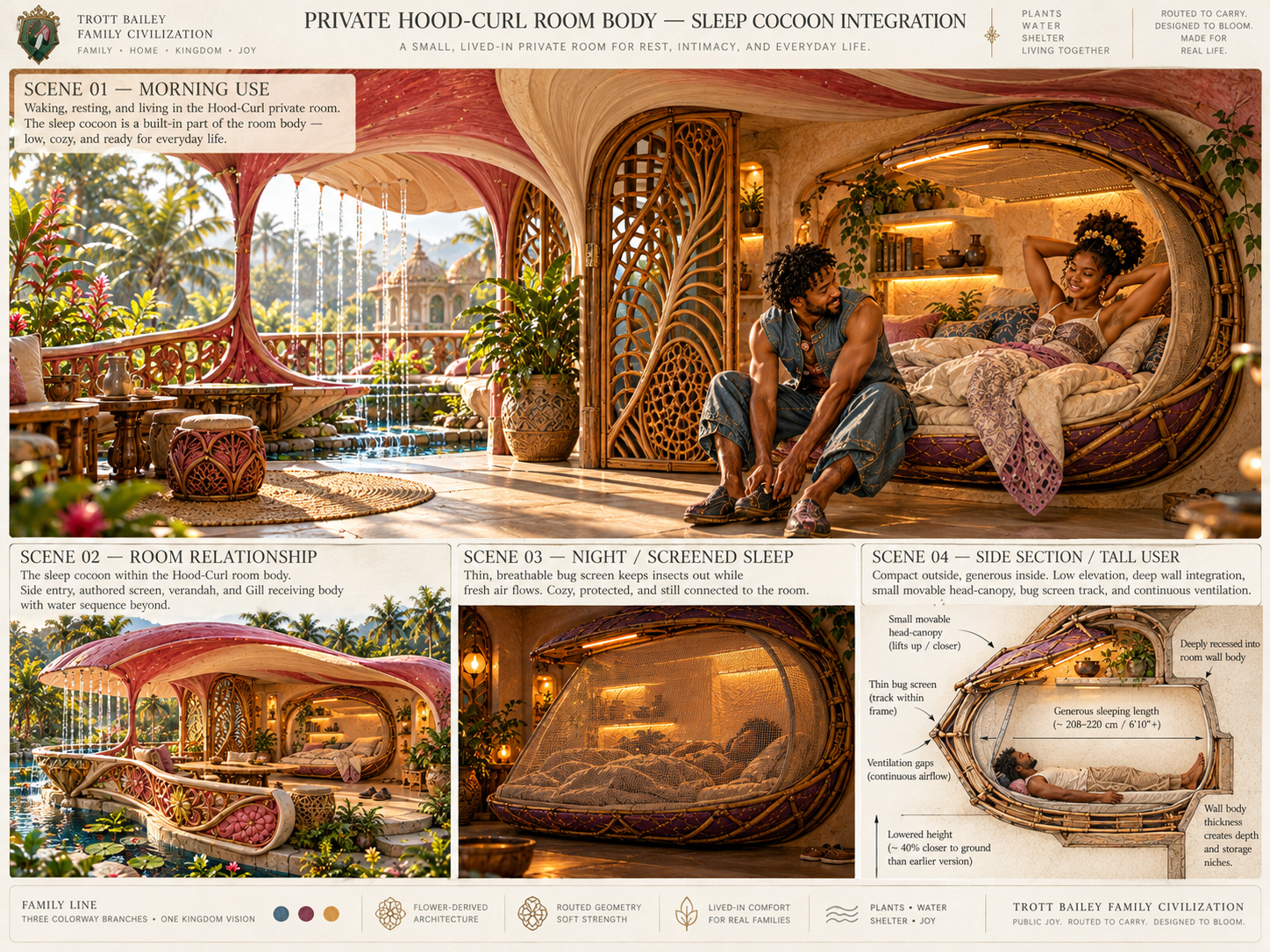
My family tried harsh sprays. Mosquito nets. Different household tricks. Surprisingly, the thing that finally worked best was mosquito-repellent incense. The mosquitoes literally began dropping out of the air onto the floor.
For the first time in a while, my family could finally sleep peacefully.
That moment stayed with me.
Because a family burning incense at night so they can sleep is not a public health strategy.
It is household improvisation inside environmental failure.
The Tree Was Smarter Than the House
Another frustration with Prado is the heat and humidity.
The climate itself is beautiful in many ways: tropical, green, alive, rich with vegetation and moving air near the coast. But many of the houses are not designed for the climate at all.
From roughly 8am to 3pm, parts of the day become physically uncomfortable inside the house. I often find myself retreating to the back of the house or simply going outside to sit beneath a tree because the shade and airflow are better there than inside the architecture itself.
That realization bothered me deeply.
The tree understood:
- shade,
- airflow,
- cooling,
- moisture release,
- comfort.
Meanwhile the buildings often trap heat, trap humidity, and force people into survival patterns instead of supporting rest and ease.
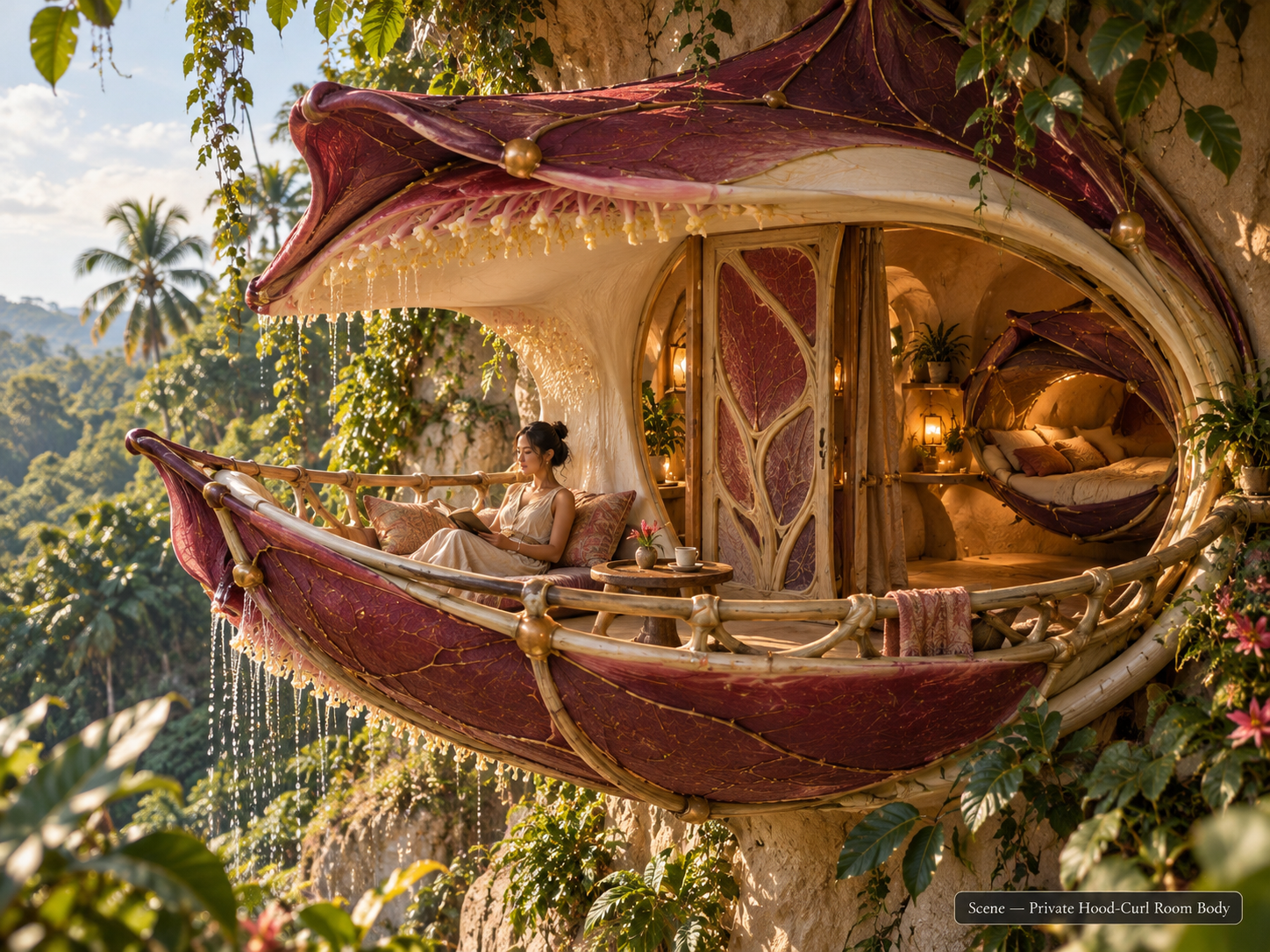
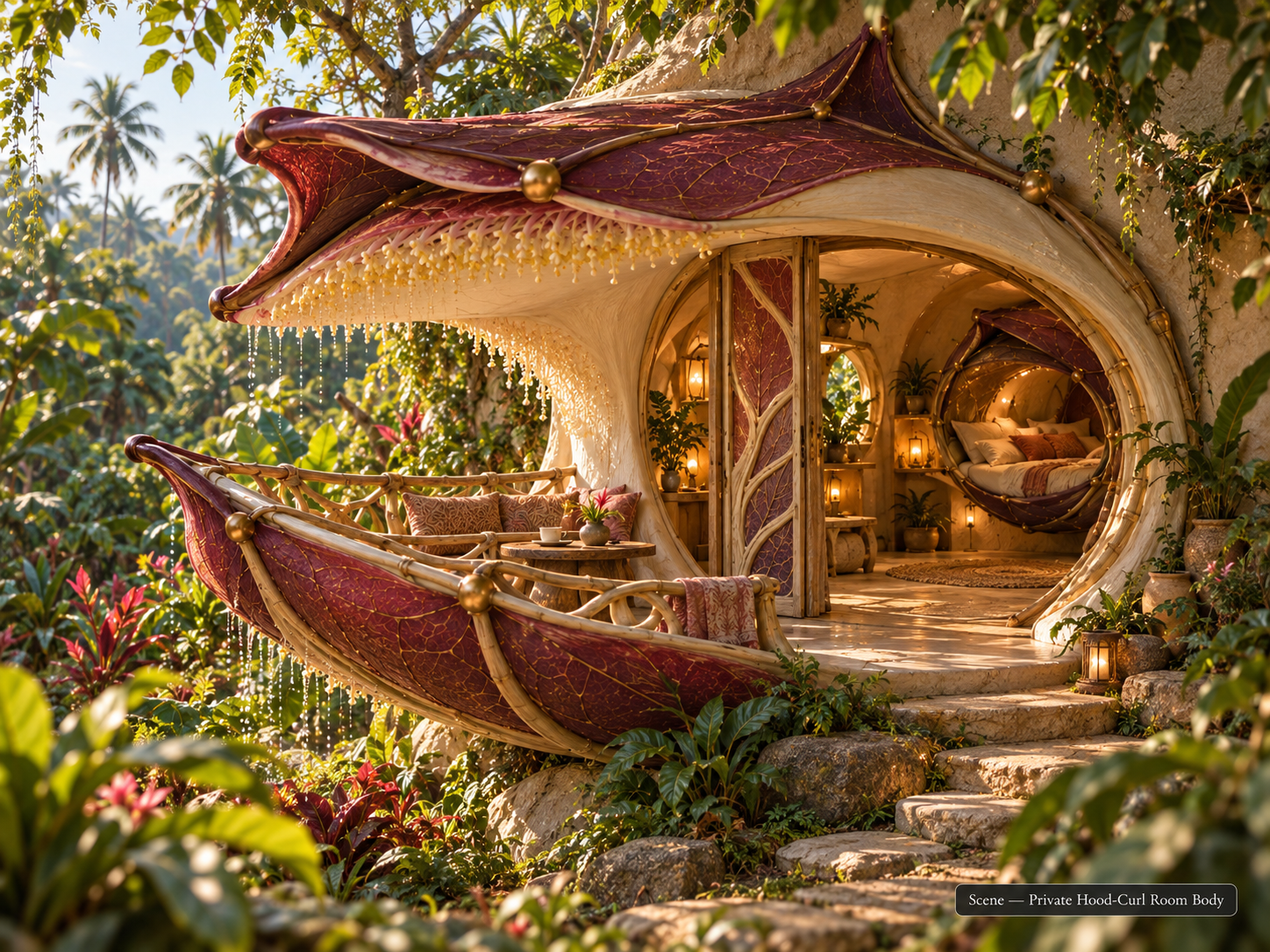
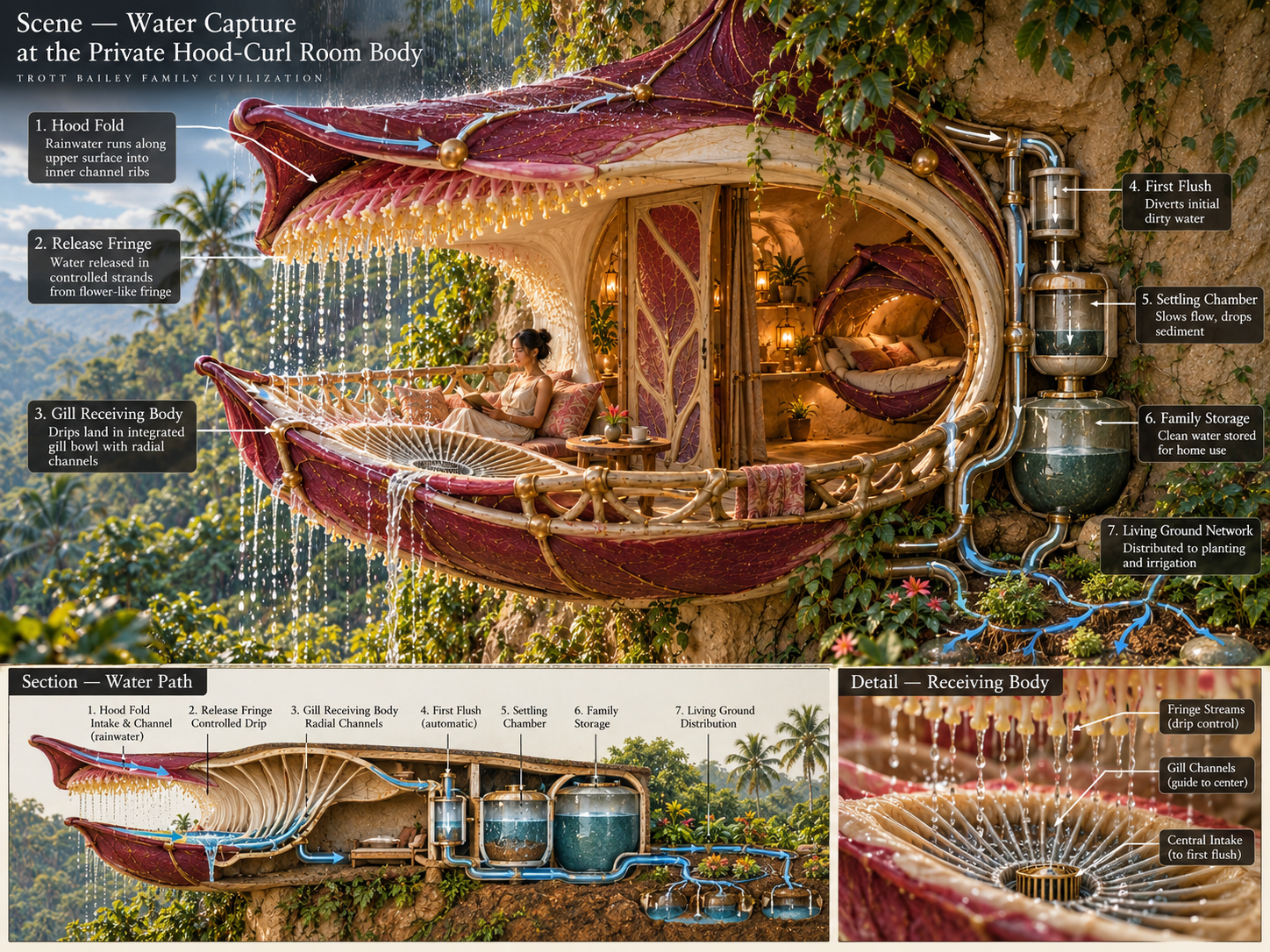
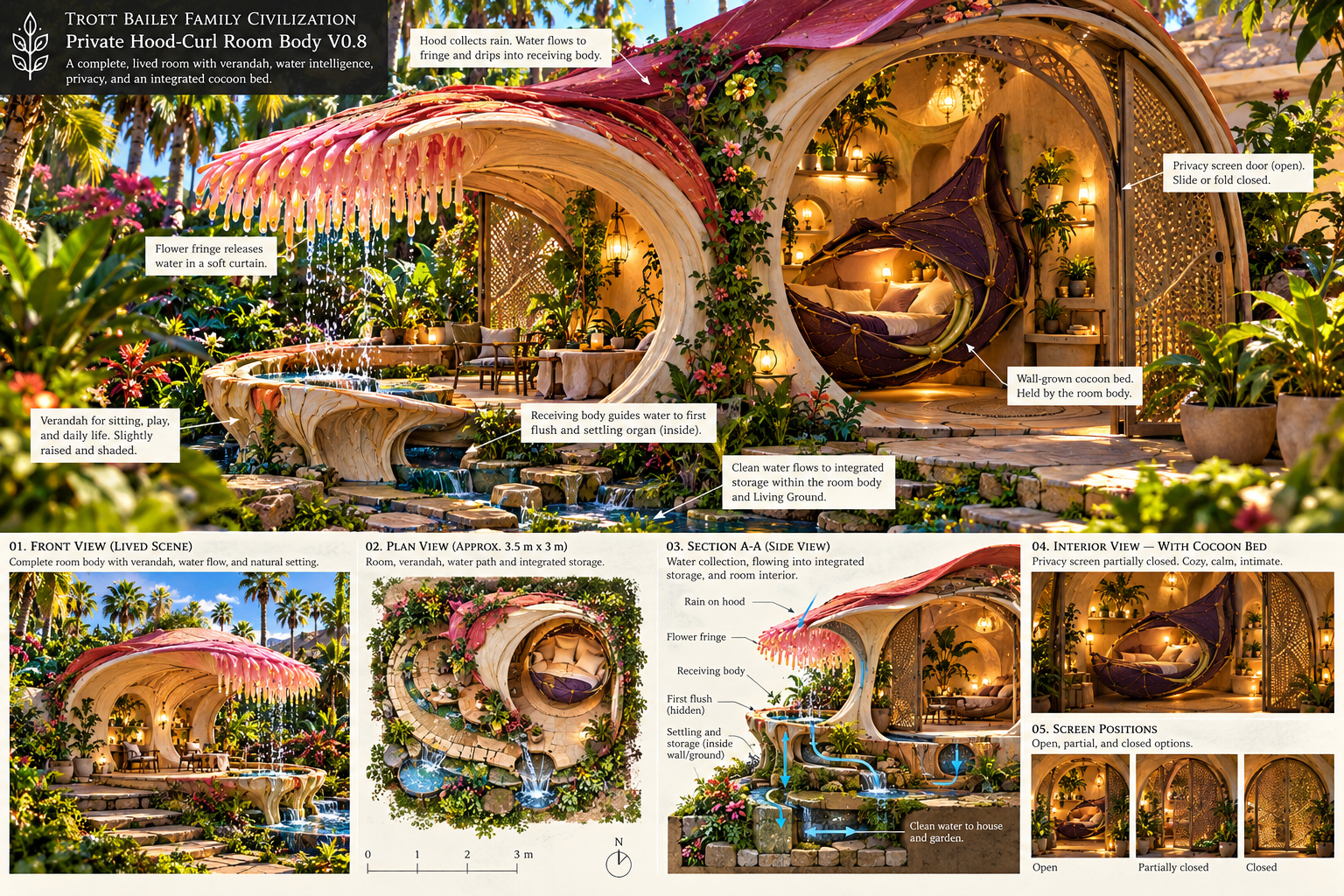
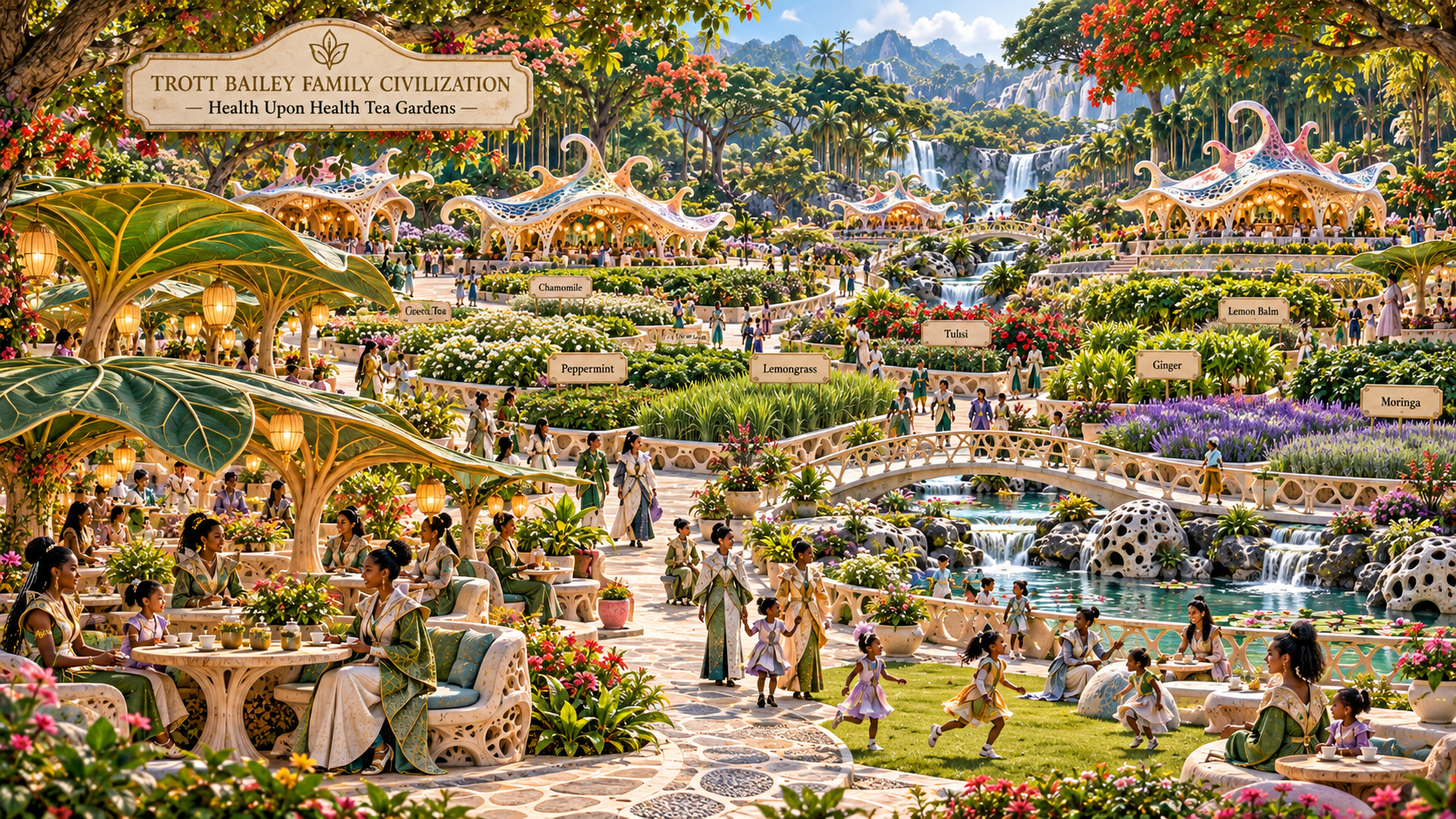
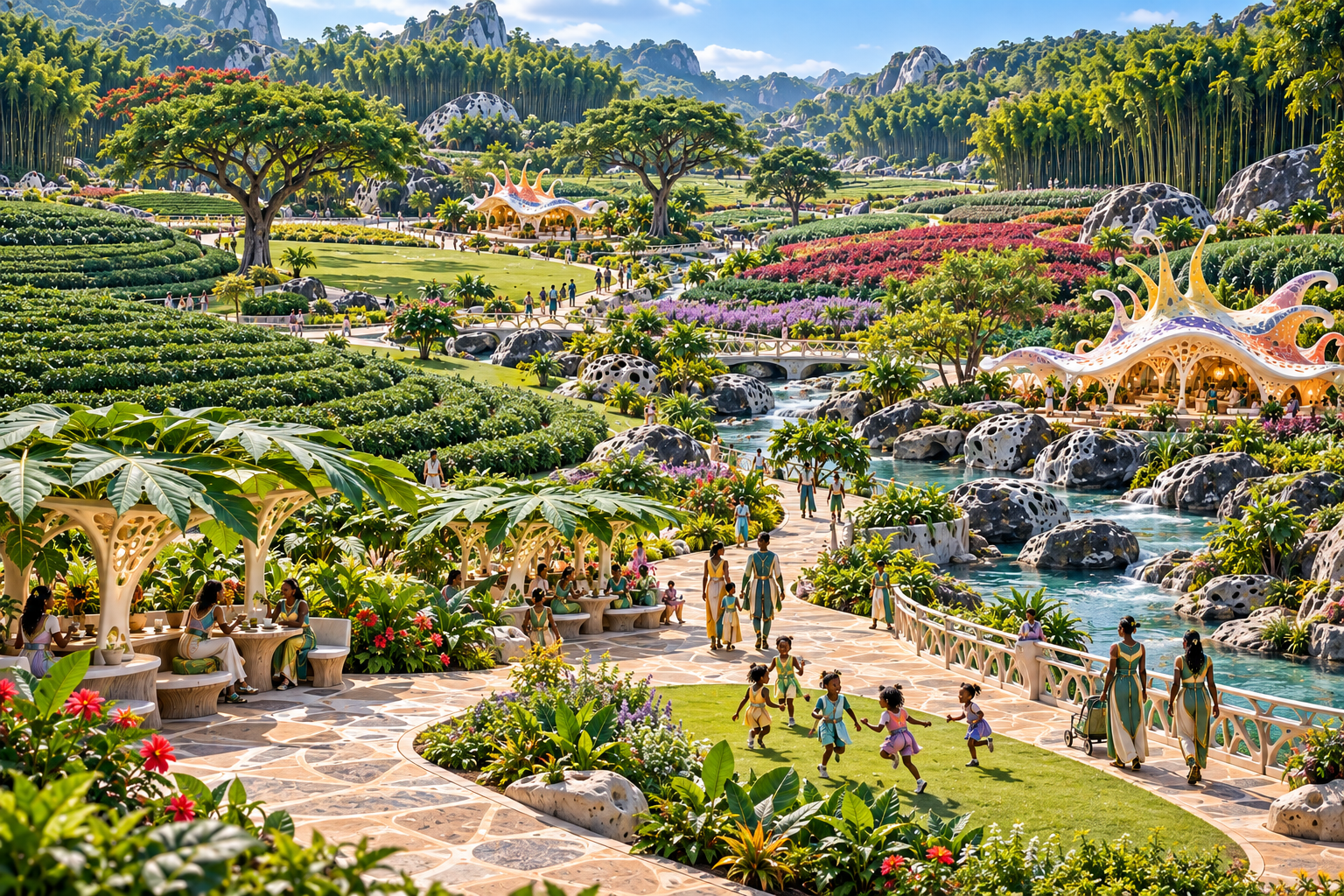
Tropical architecture should be designed around cross ventilation, deep shade, verandahs, airflow corridors, humidity release, tree integration, and passive cooling.
Instead many low-income environments become concrete heat traps where people spend large portions of the day trying to escape their own homes.
The Playground Was Already Rotting
In a nearby community still being marketed to buyers, there is a children’s play area.
From a distance it gives the appearance of family-centered planning. Swings. Wooden play structures. Grass. Open sky.
But up close the illusion breaks.
The community is not even fully sold out yet, and already the playground is rotting. The wood is being eaten out by ants.
That detail says everything.
The play area was not treated as durable civic infrastructure for children. It was treated as an amenity. A sales feature. Something nice enough to photograph while the development was being marketed.
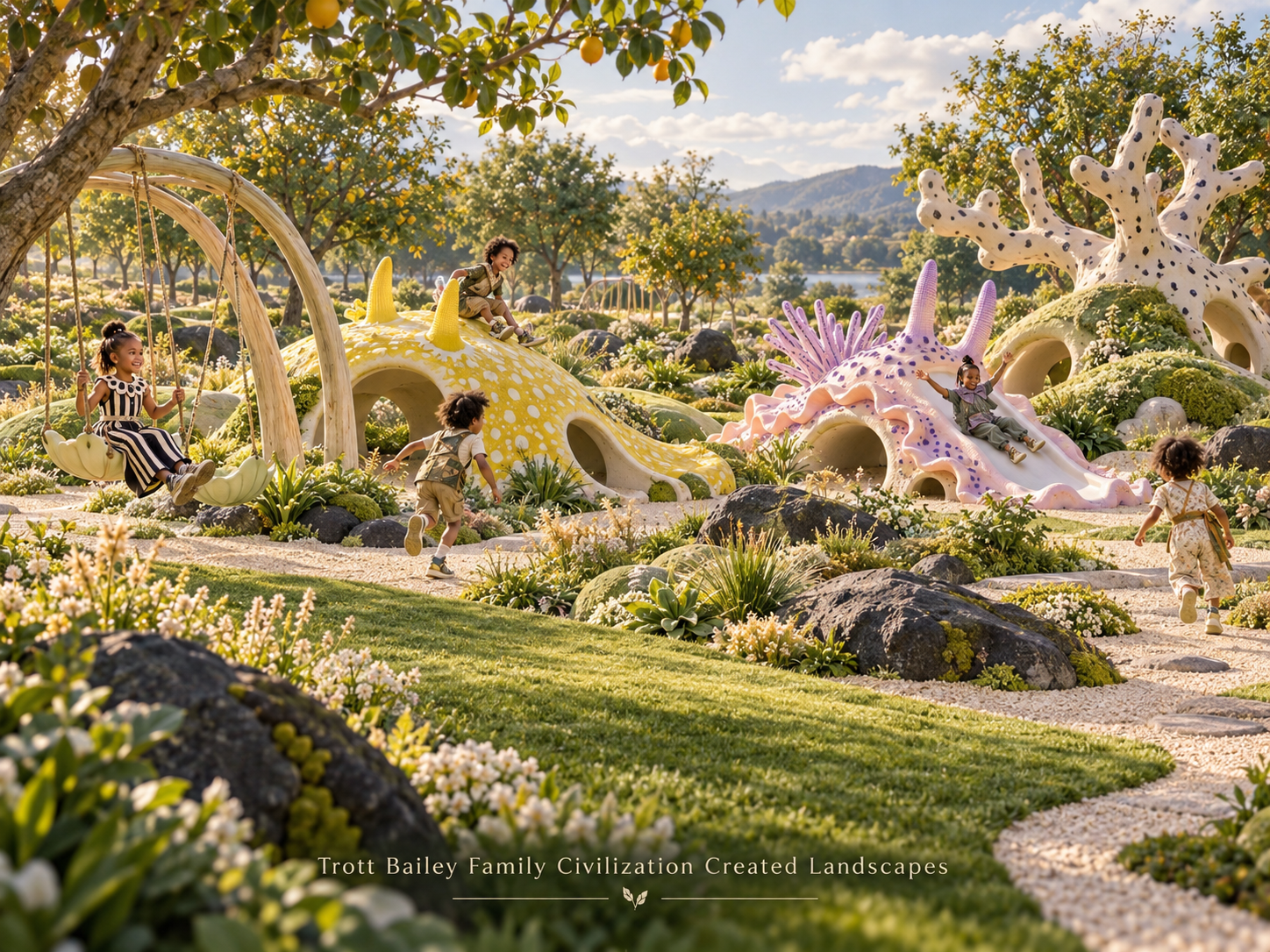
If a civilization is serious about family life, then child infrastructure must be designed to survive humidity, insects, weather, heavy use, and time itself.
A playground should not decay before the neighborhood even finishes filling with families.
Children Hidden Behind Walls
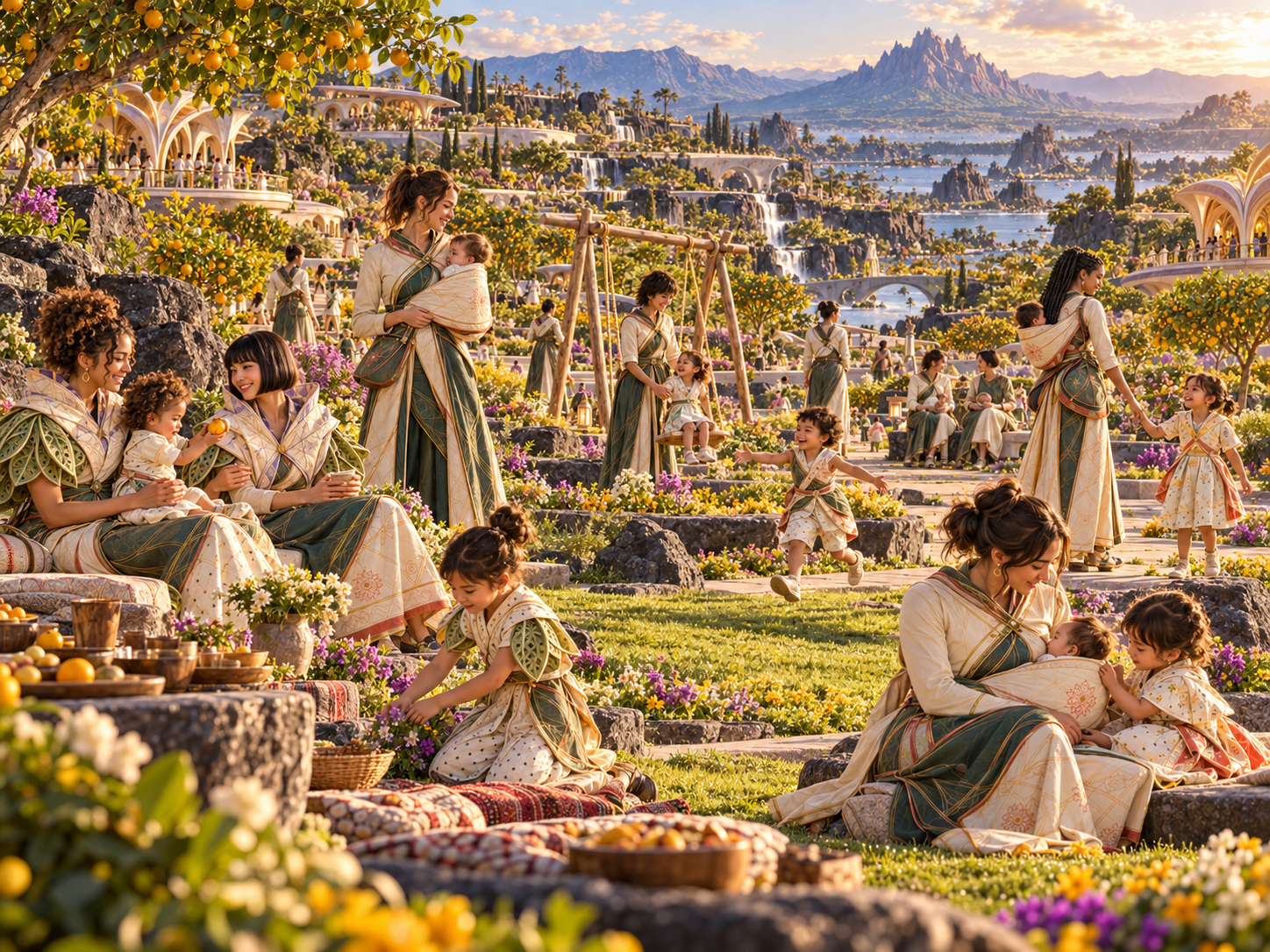
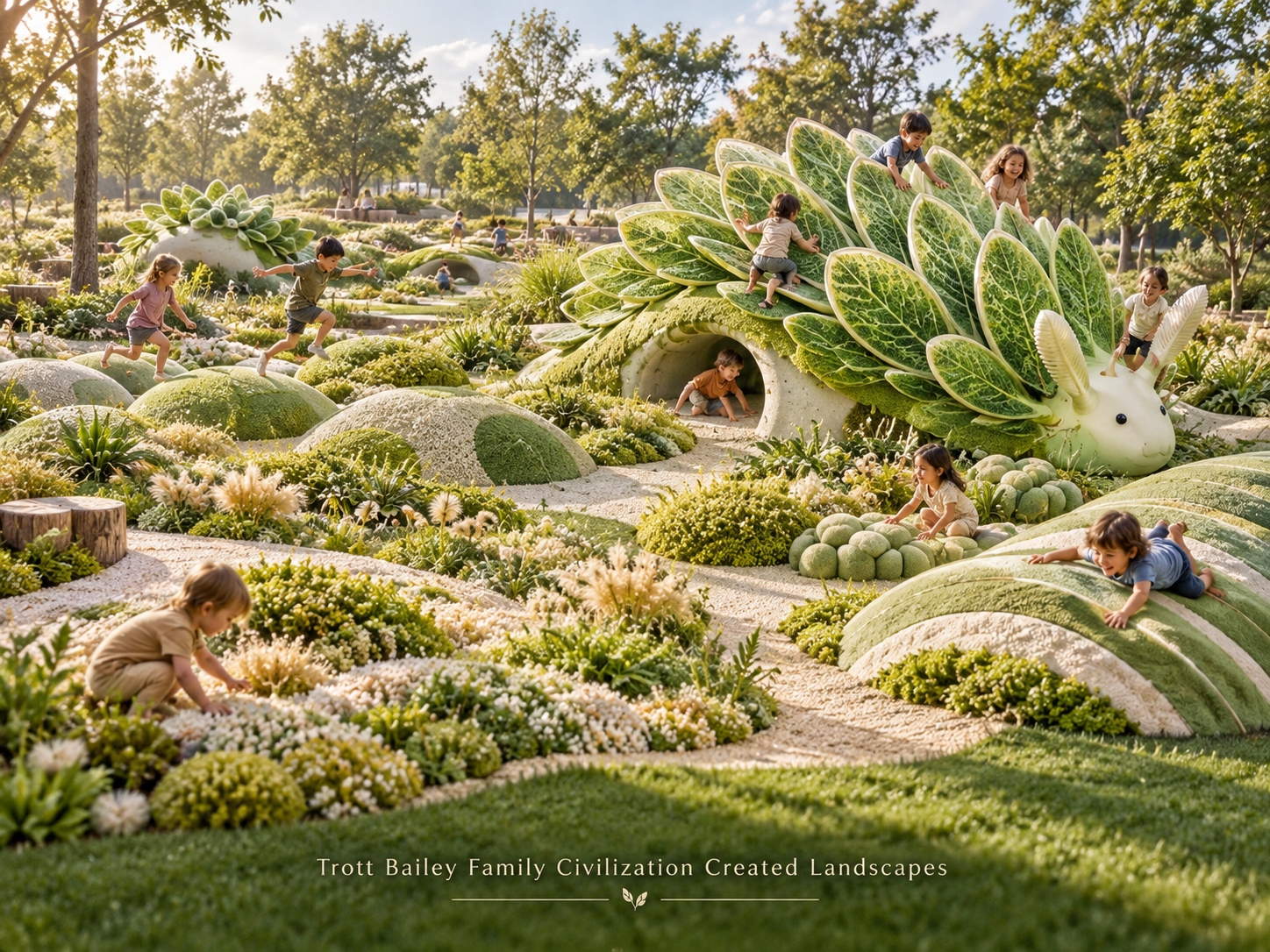
One of the strangest things about Prado is that there are children everywhere, yet the town often feels like it was not designed to acknowledge them.
If you do not catch them walking to school, playing in streets, standing near gates, or riding bicycles, you might think the communities contain almost no children at all.
Everyone is hidden behind walls and gates.
There are very few long sightlines. Very few shared commons. Very few environments where family life becomes visible and collective.
The spatial logic fragments people.
Each family retreats behind barriers. Each lot becomes isolated. Childhood becomes private instead of civic.
Garbage, Dogs, and Dengue
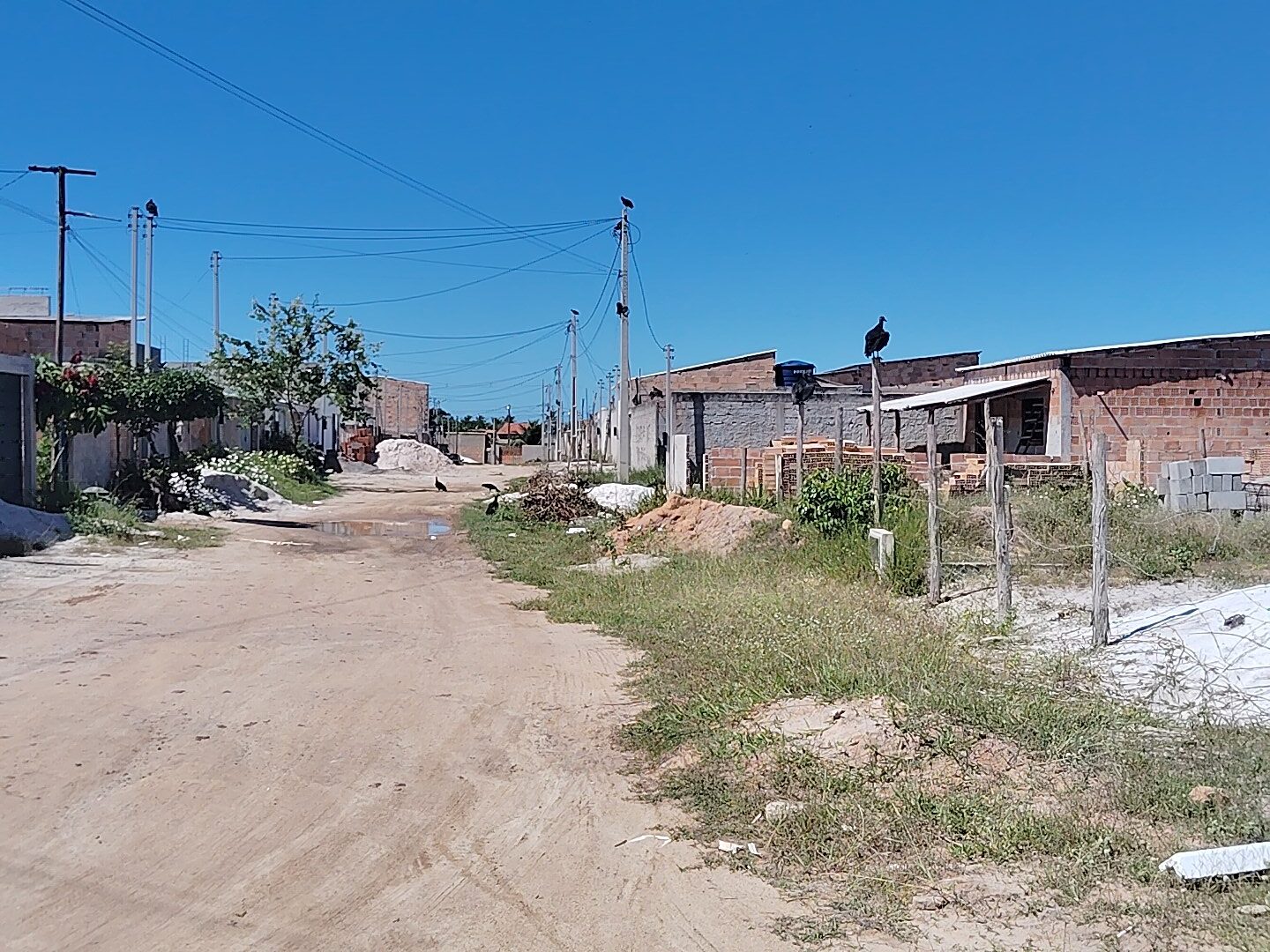
Garbage management in Prado often feels improvised rather than systemically designed.
Bags sit exposed outdoors. Dogs and animals tear them open. Construction debris sits scattered through communities. Water gets trapped. Waste accumulates. Mosquito conditions multiply.
Meanwhile people are warned about dengue as though the issue exists independently from the environment producing it.
The municipality talks about disease without seriously redesigning the conditions that support disease.
That disconnect is one of the strongest lessons Prado keeps teaching me:
Human beings constantly adapt themselves to badly designed environments instead of redesigning the environments themselves.
Electric Shower Heads and Civilization Failure
Three separate times I was shocked by electric shower heads here.
That alone was enough to make me question how these systems were ever normalized.
The electric shower heater is essentially a quick low-cost solution to cold showers: electricity and water combined directly inside a humid bathroom environment.
And this is not only a Prado issue. It exists across many low-income environments in Brazil.
The deeper issue is not simply danger.
It is what the shower represents: a civilization repeatedly choosing immediate cheap improvisation over long-term coherent infrastructure.
Quick fixes become permanent systems.
Then people adapt themselves around the risks.
Bicycle Families and Trapped Ingenuity
The people of Prado are not talentless.
That became clearer the longer I stayed here.
The town is full of bicycle mechanics, welders, electricians, furniture makers, repair workers, farmers, and improvisers.
You see it especially in the bicycles.
Families modify them constantly:
- extra storage compartments,
- child seats,
- cargo extensions,
- family transport additions,
- welded structures adapted to daily life.
The ingenuity is already here.
Individual adaptation without larger coordination.
Capability without civic direction.
Potential trapped inside weak systems.
Potential Without Vision
This is ultimately Prado’s deepest problem.
Not lack of humanity.
Not lack of beauty.
Not lack of capable people.
Lack of vision.
Prado feels like a municipality waiting for something to happen to it instead of intentionally becoming something.
There are so many children here.
And the question that keeps returning to me is:
Tourism season comes and goes. Infrastructure remains weak. Health facilities are often missing something: medicine, equipment, staff, supplies.
The town functions, but it does not feel directed.
And yet the potential is obvious everywhere: rivers, beaches, trees, slower rhythms, family life, neighborliness, practical human ingenuity, visible warmth.
That tension is what stays with me.
Prado is not a place without life.
It is a place where life exists without enough coherent design around it.
Maybe that is why I keep thinking about civilization so much.
The more I live here, the more I realize that many things people call “just life” are actually design failures repeated at massive scale.
Mosquitoes. Heat. Waste. Exhaustion. Isolation. Poor sleep. Hidden childhood. Fragmented communities.
These are not inevitable conditions of existence.
They are consequences of environments that were never fully designed around human flourishing in the first place.
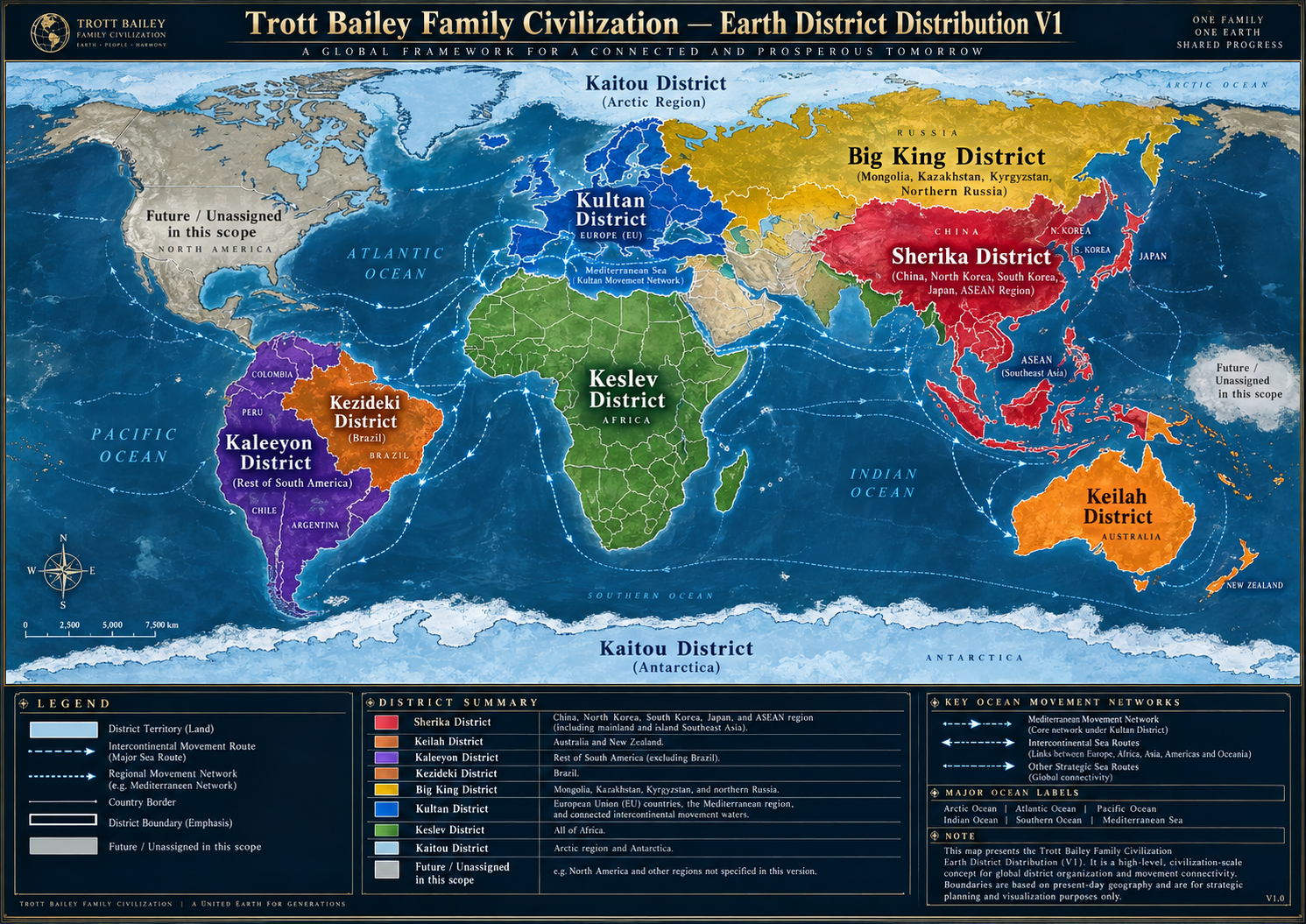
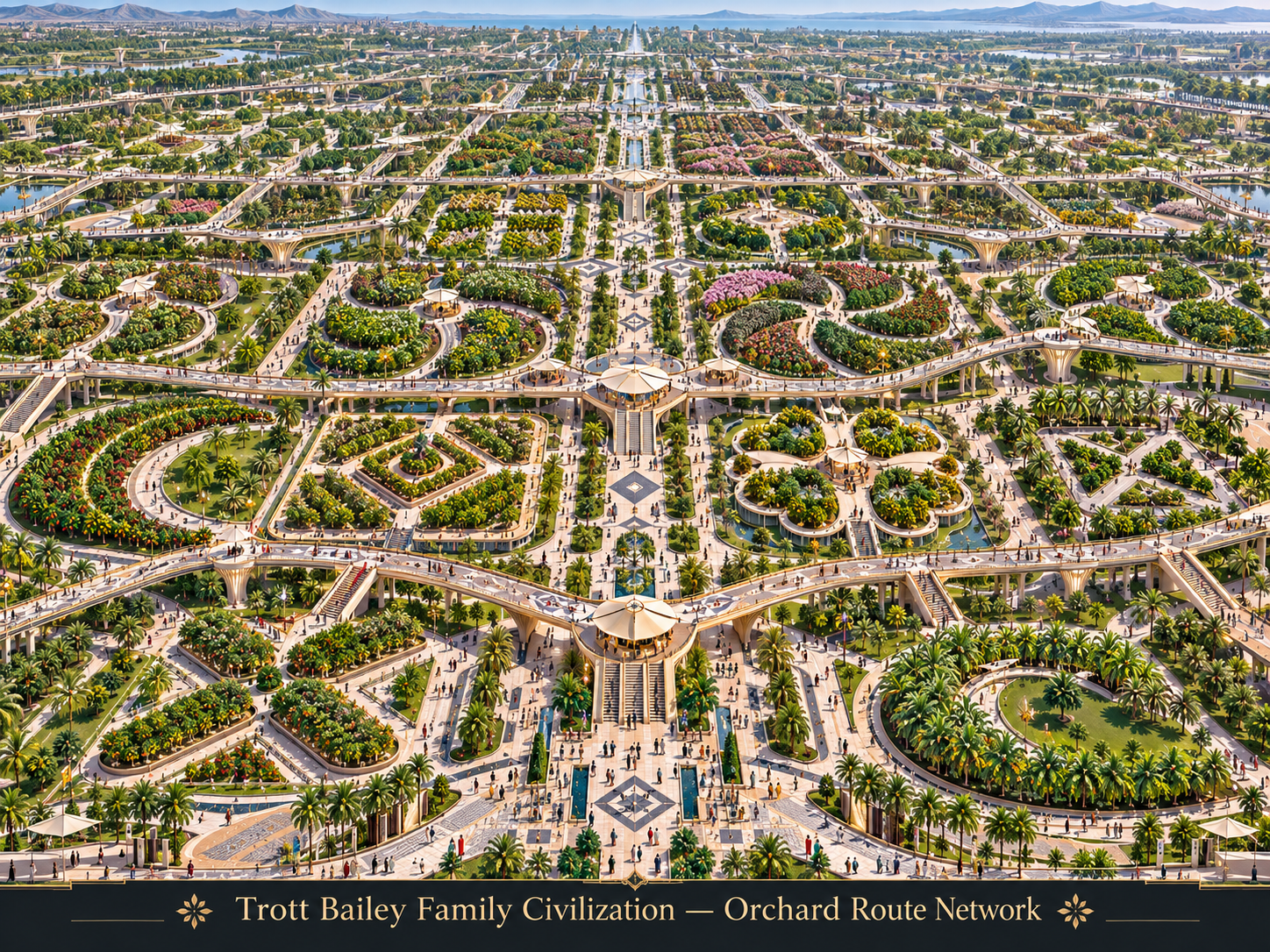
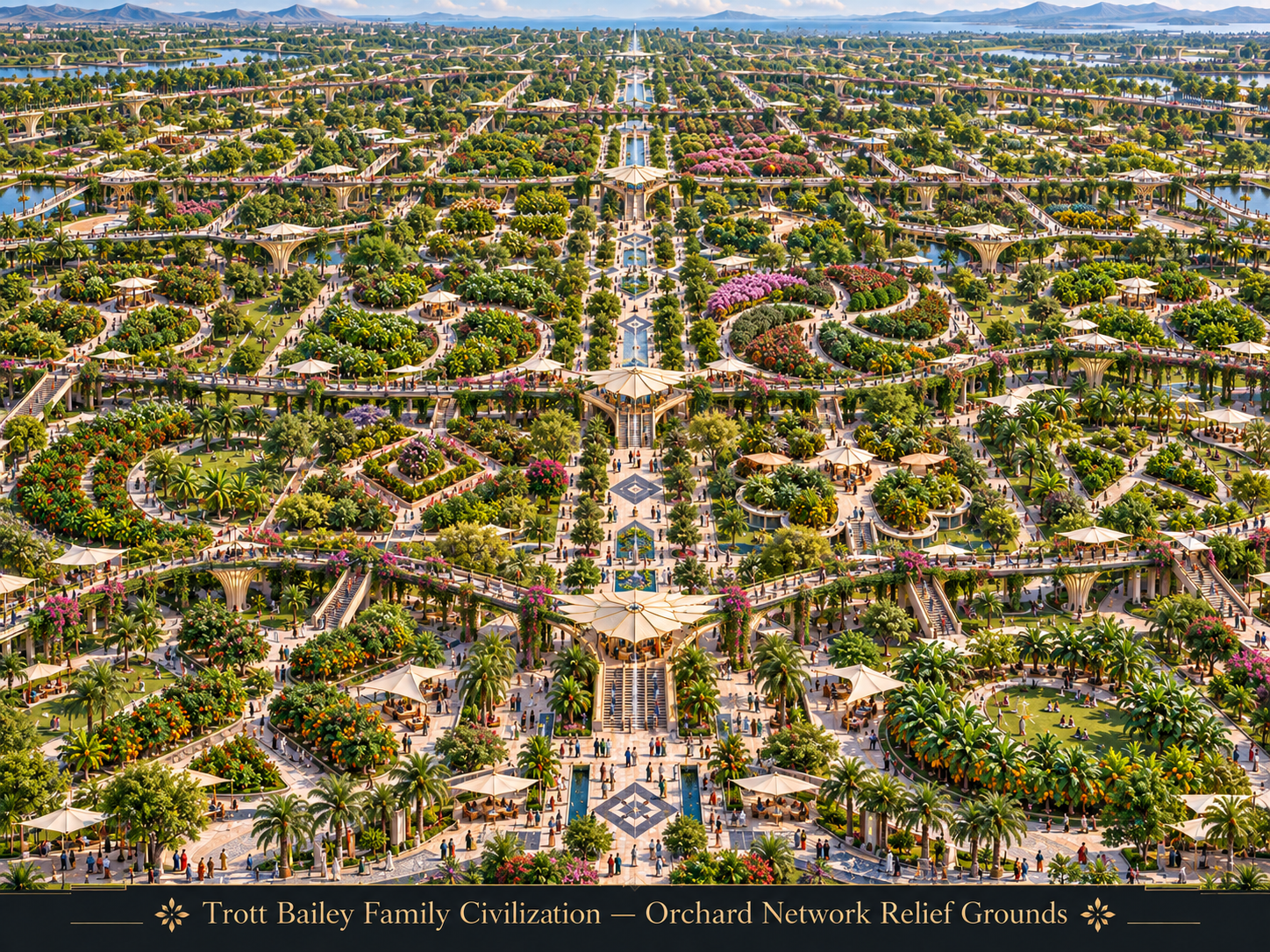
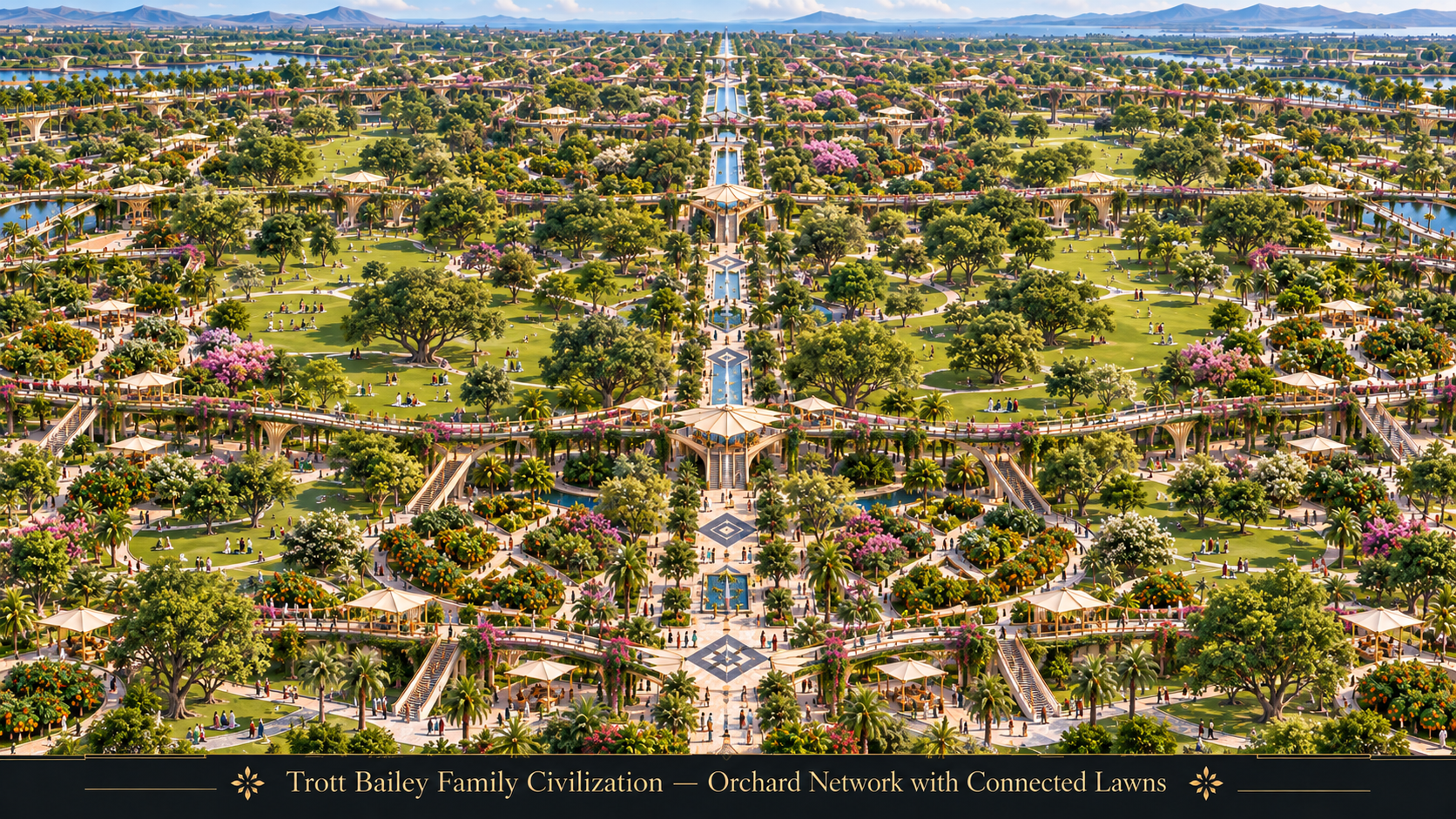
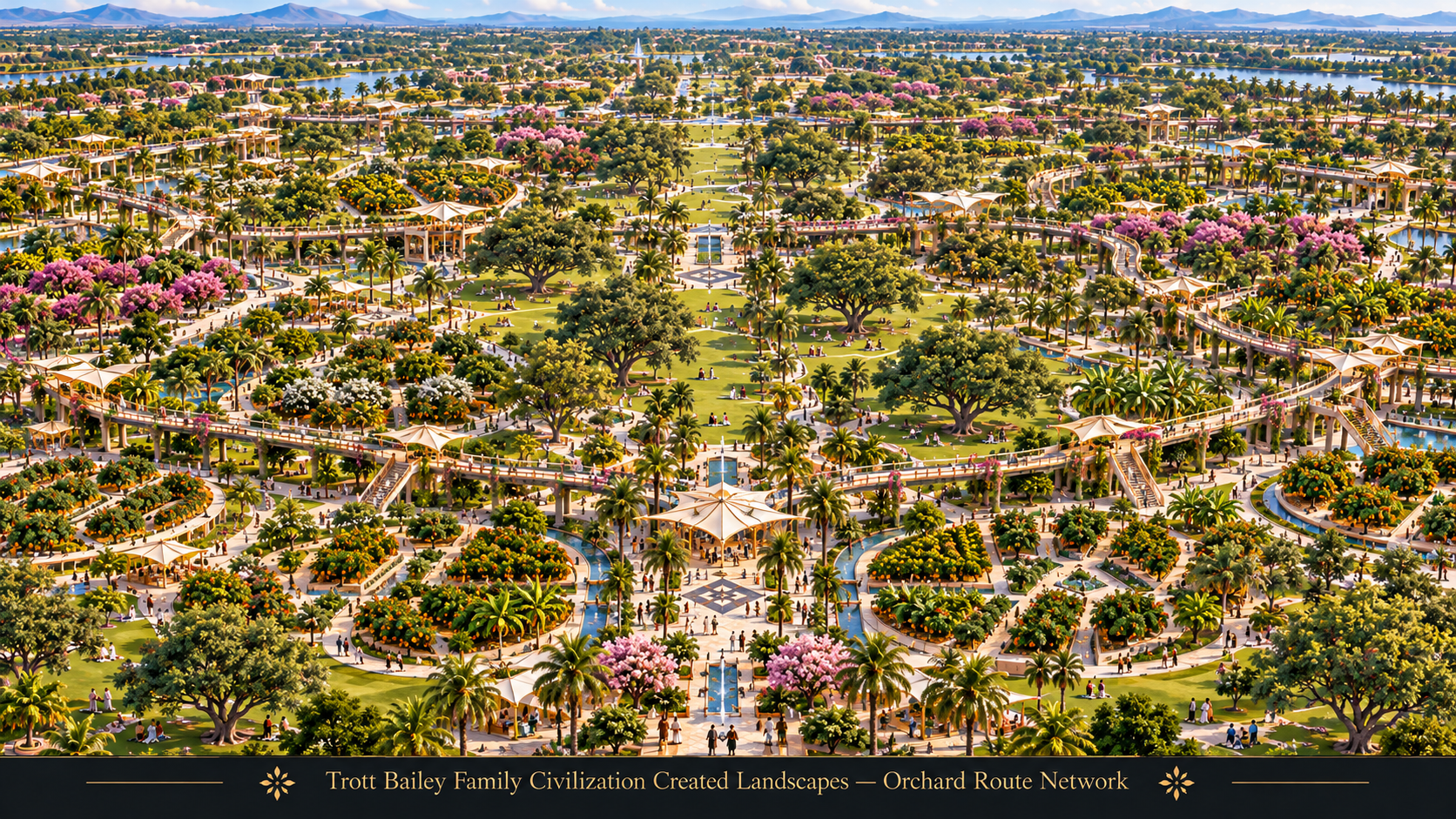
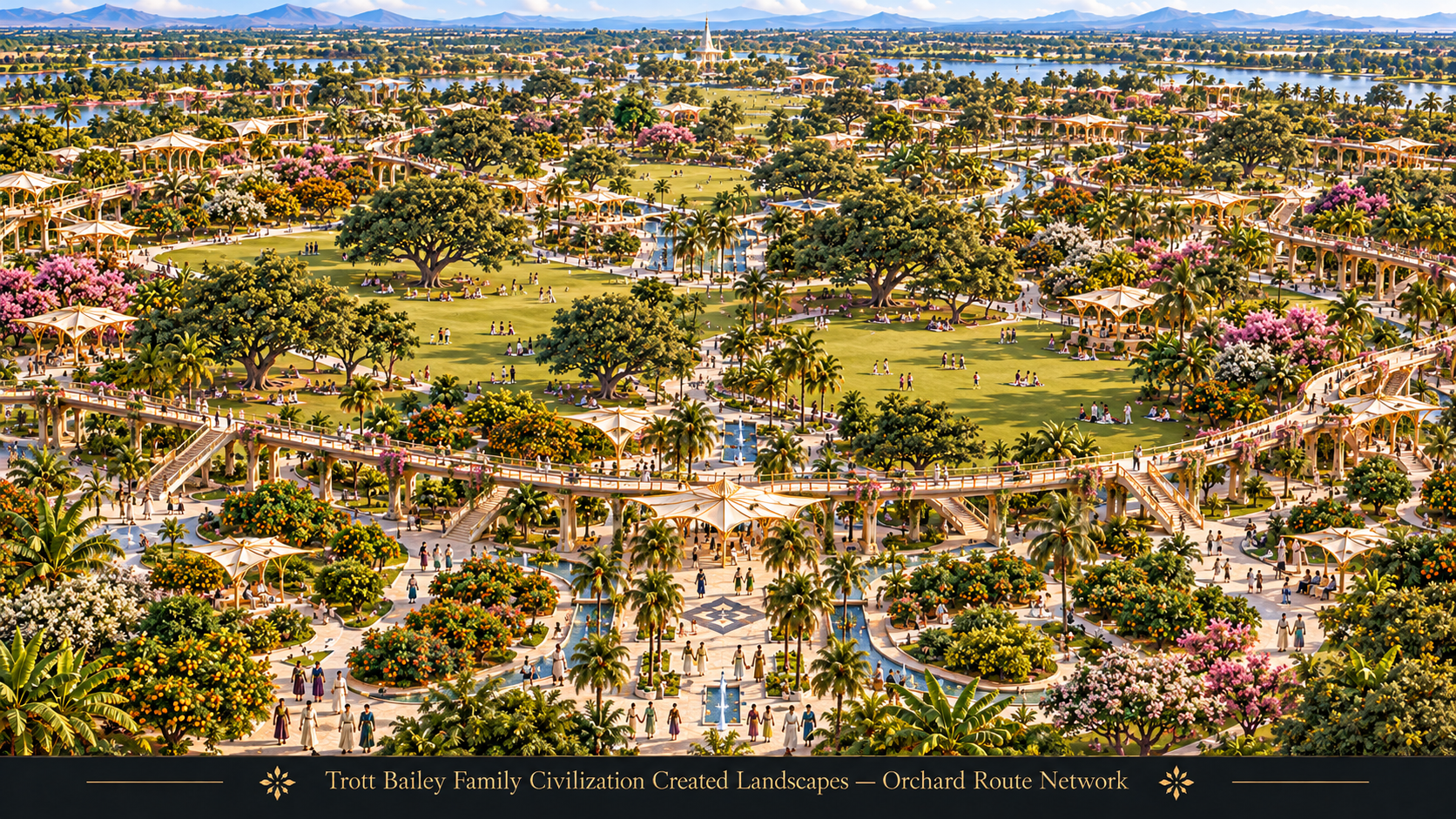
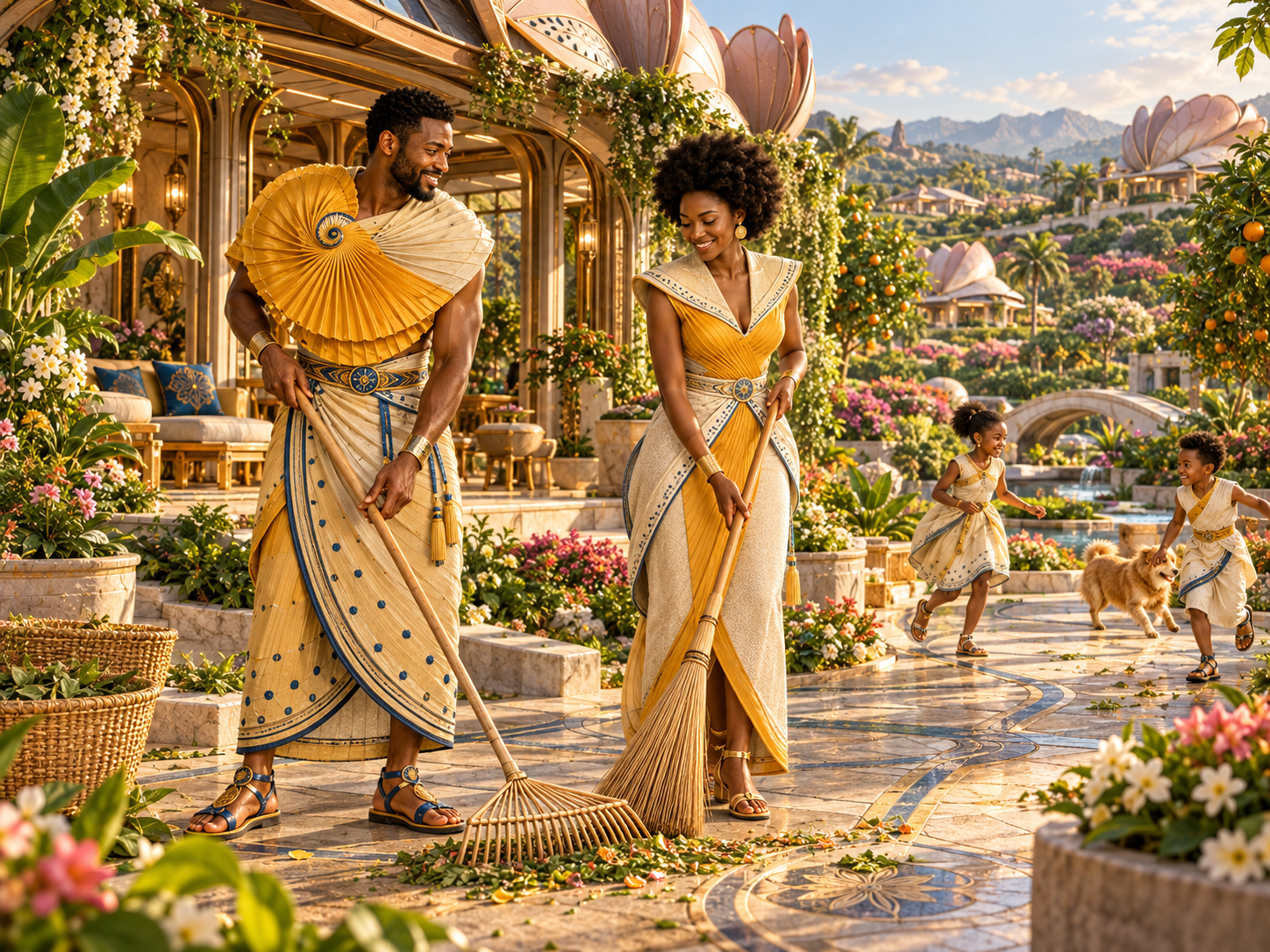
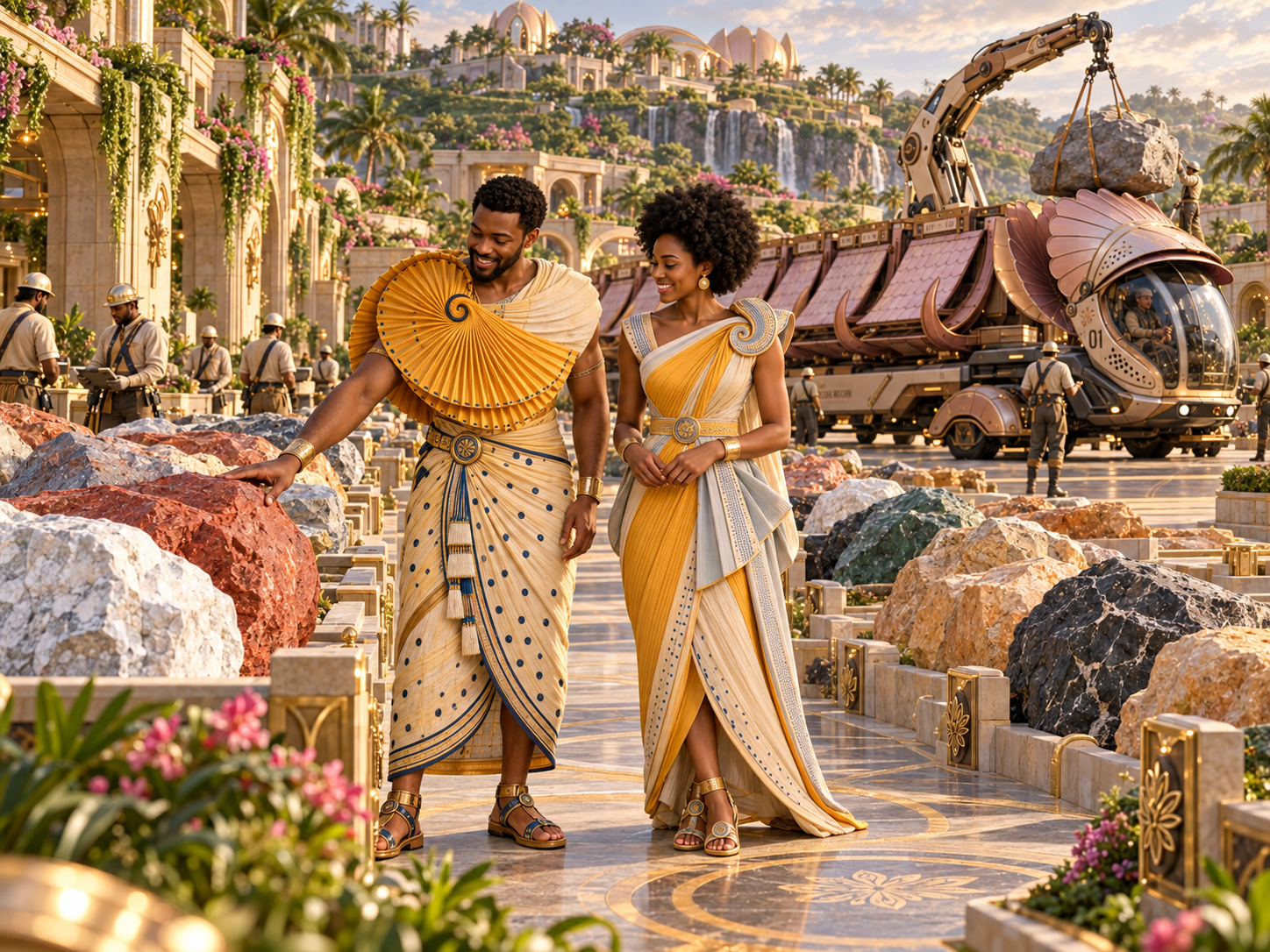
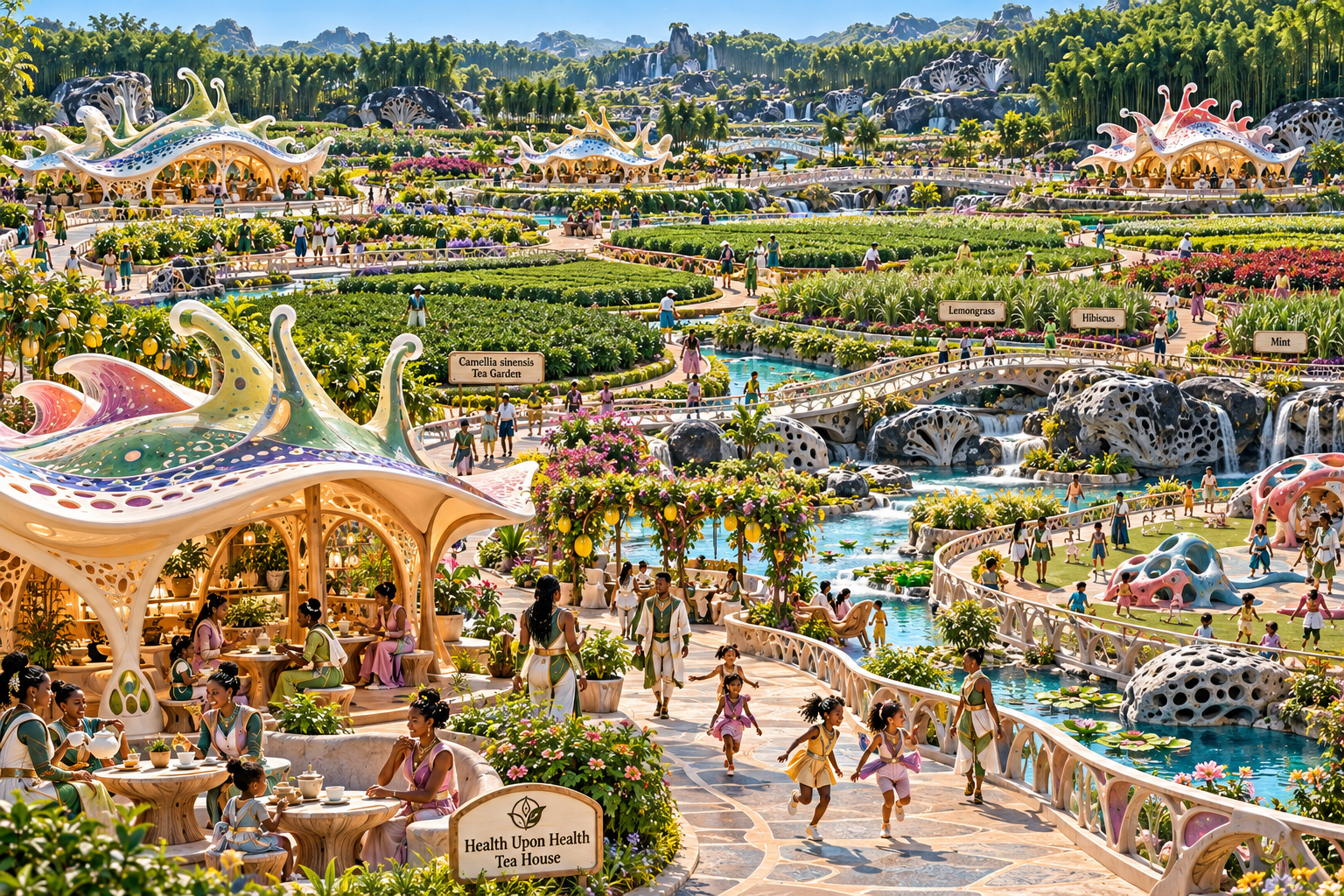
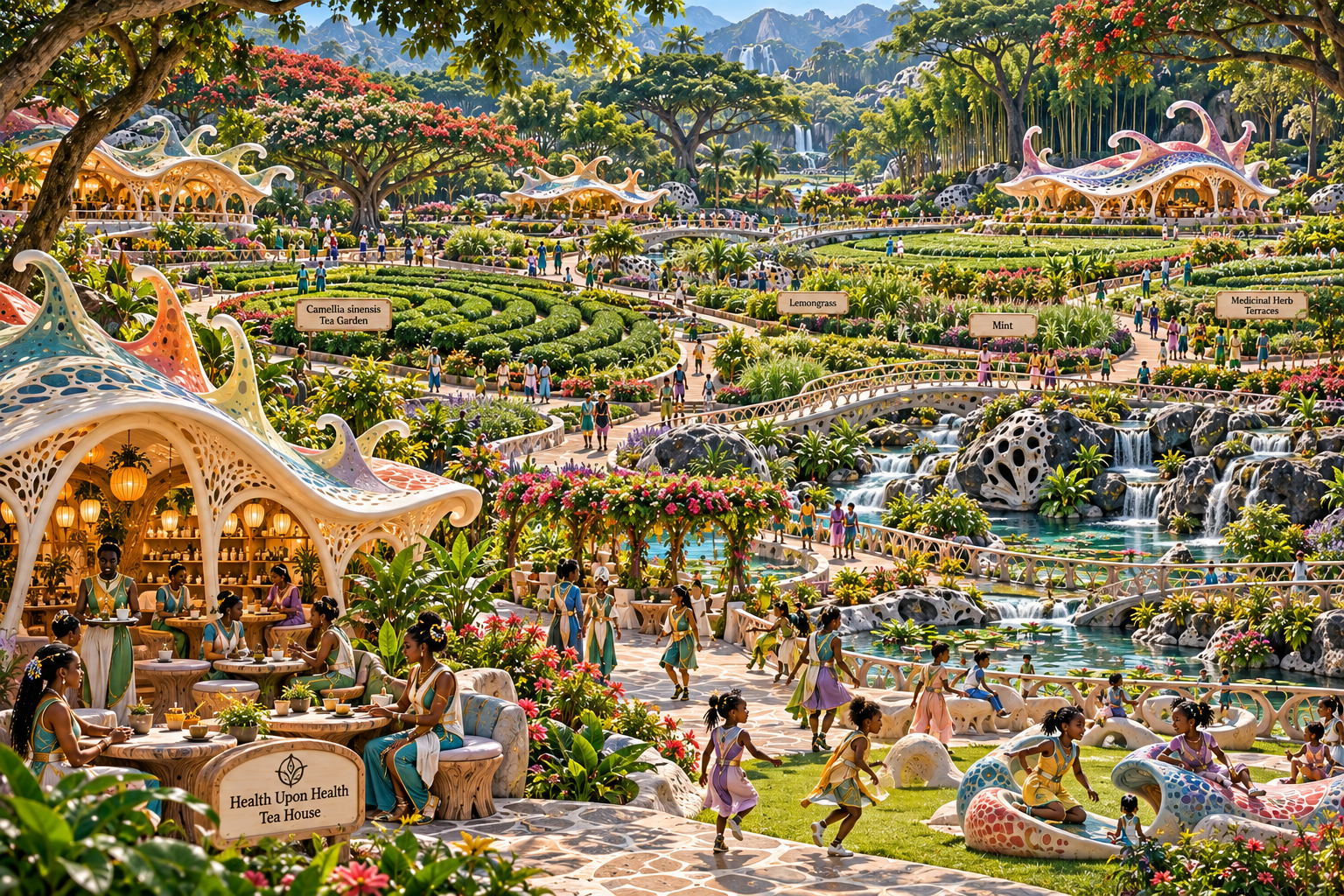
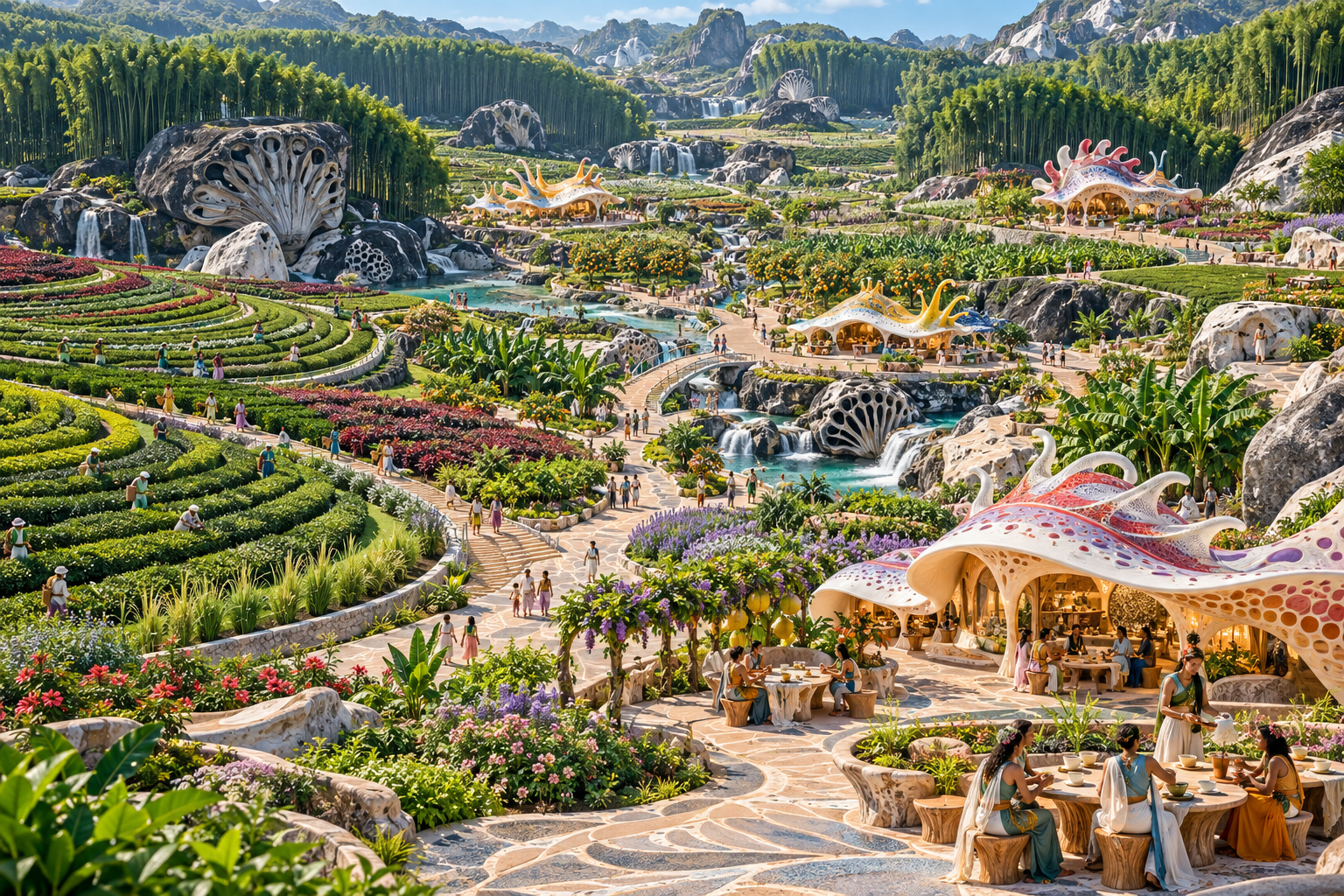
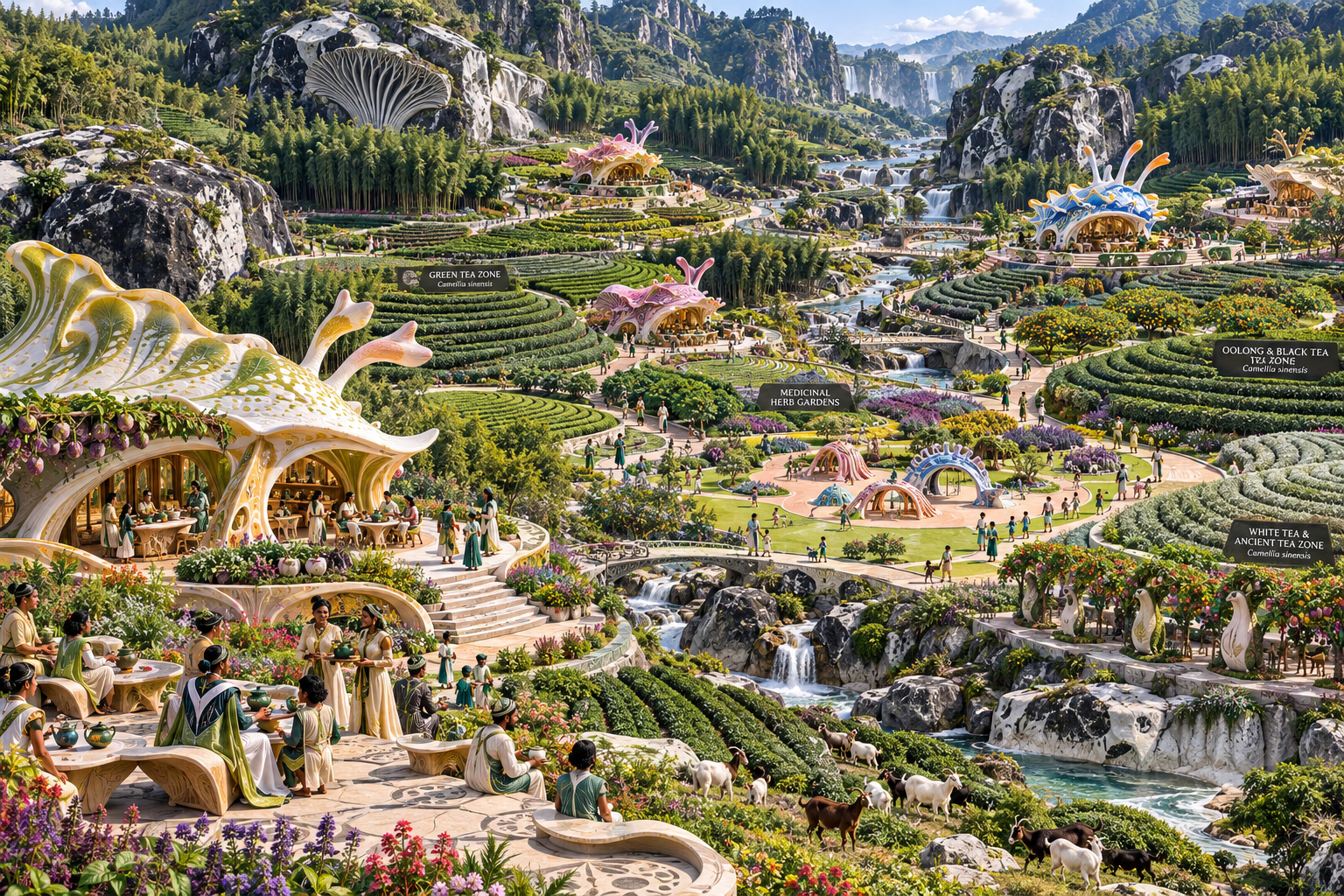
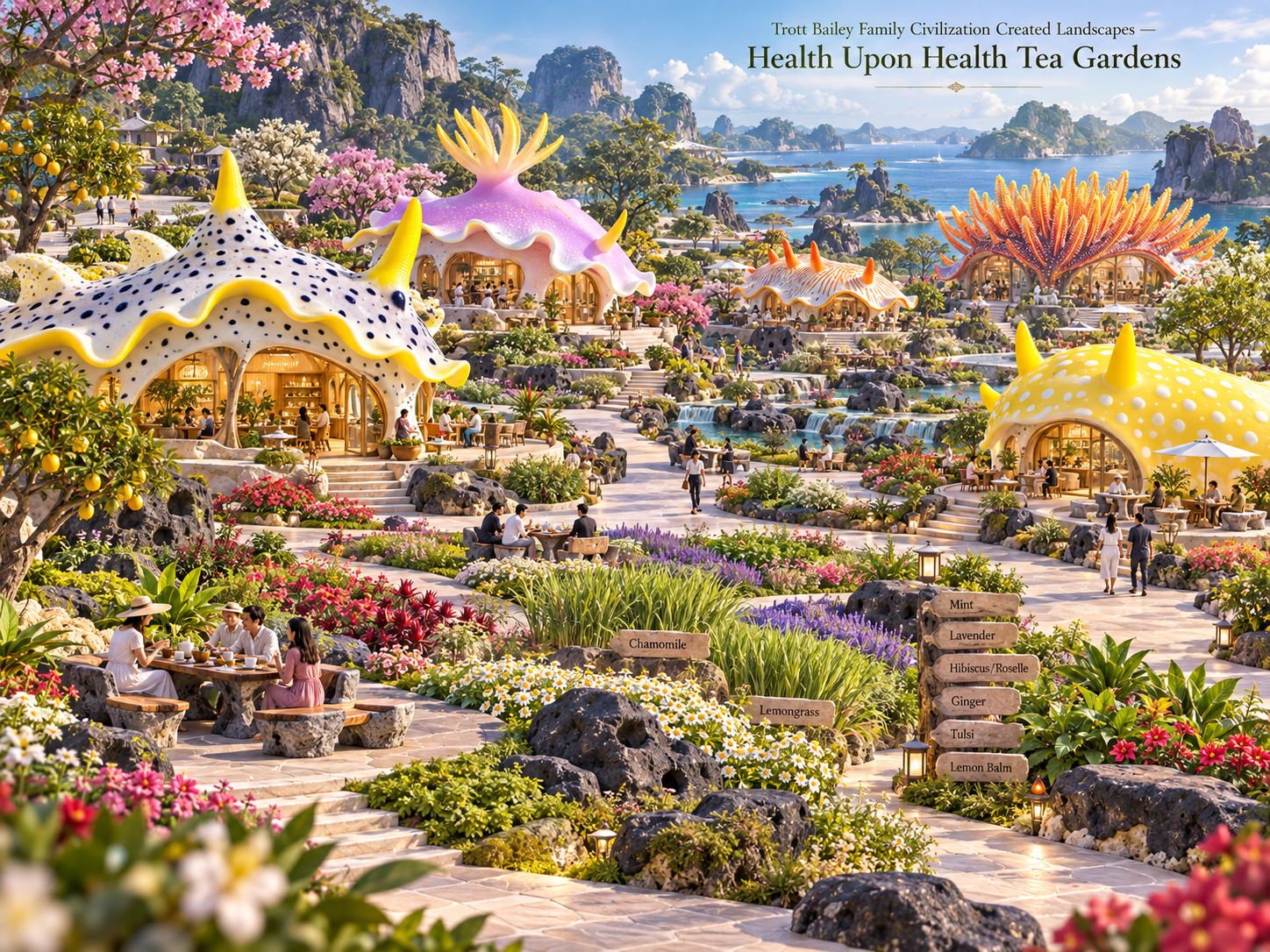
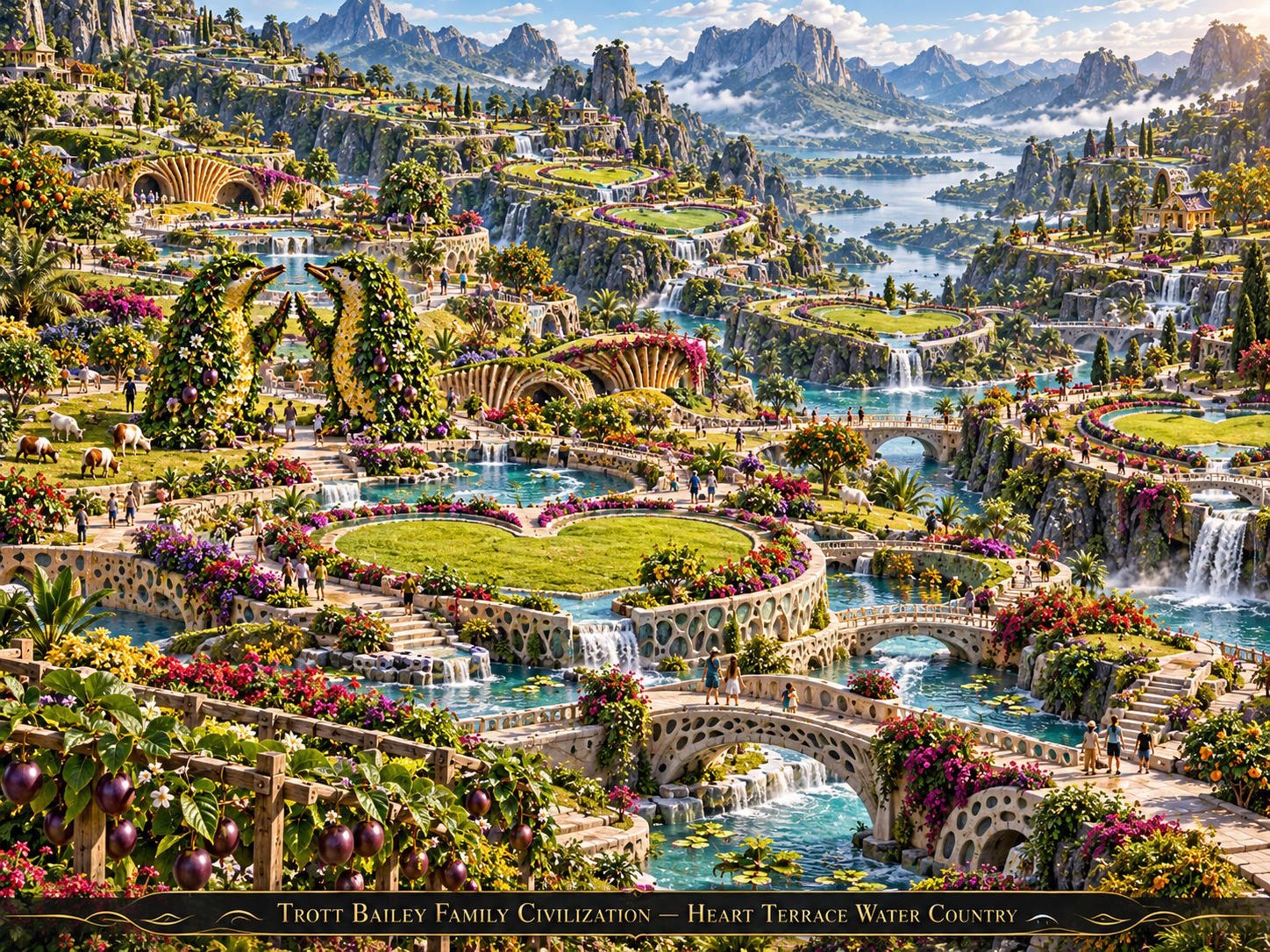
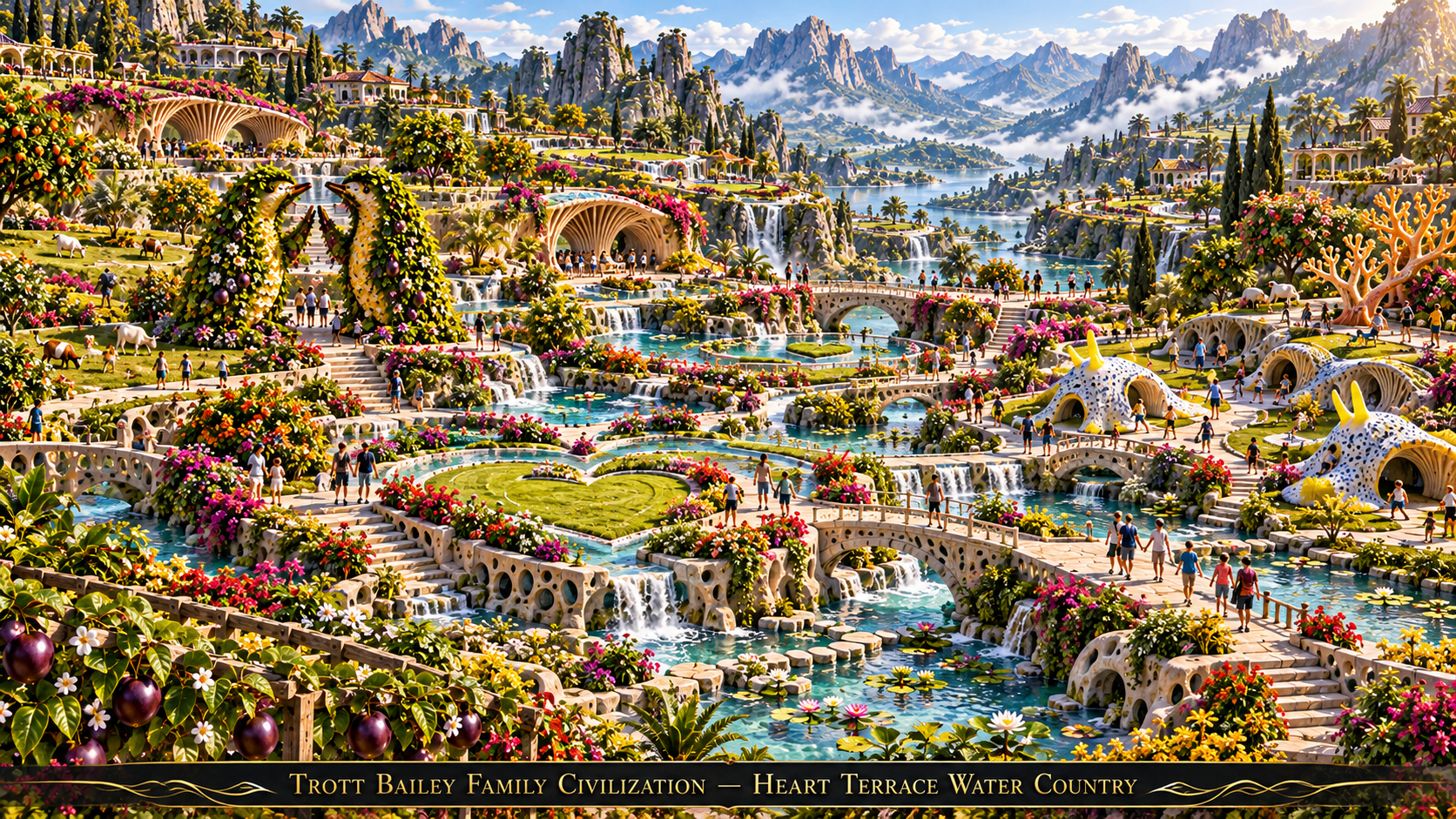
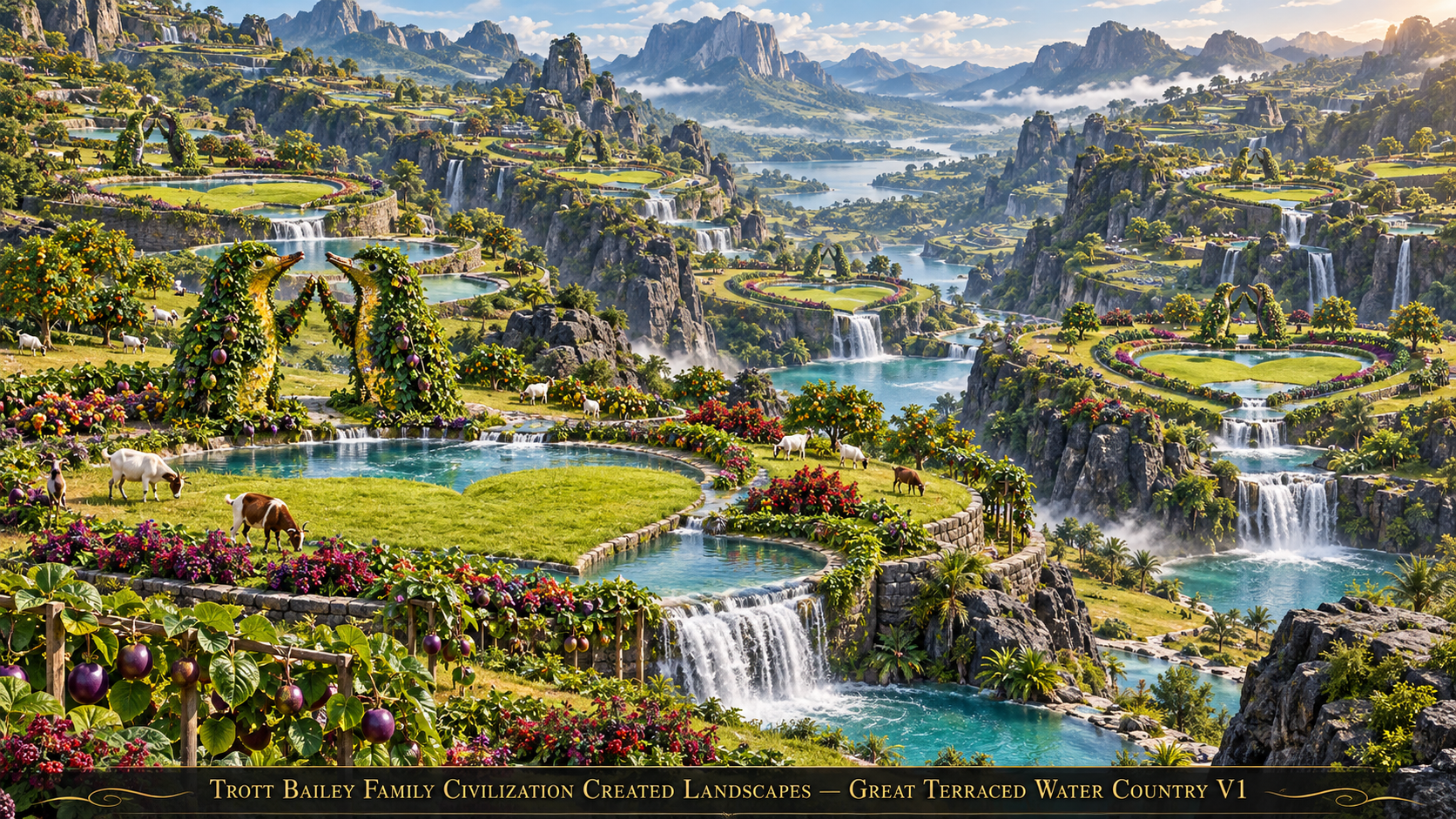
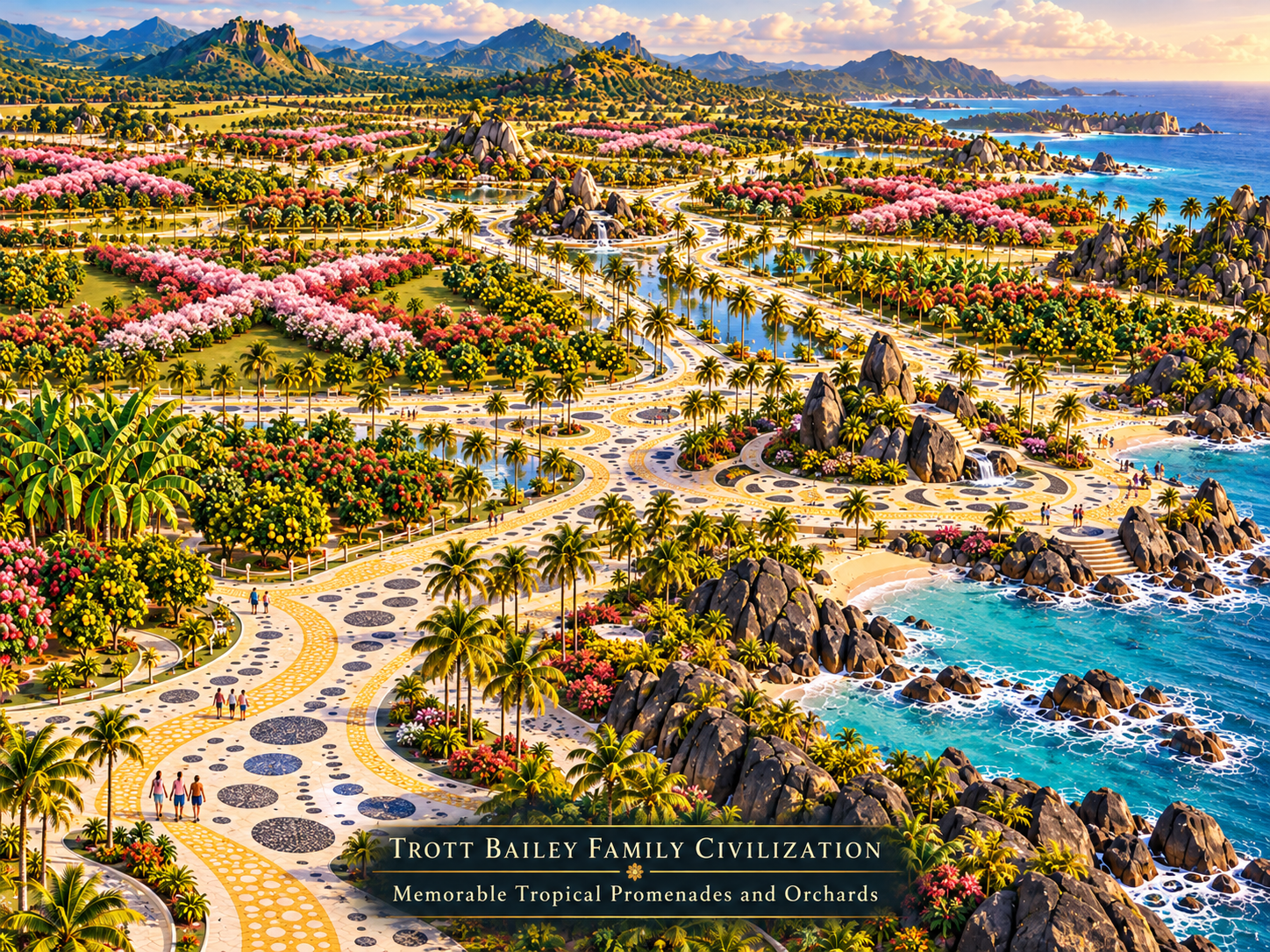
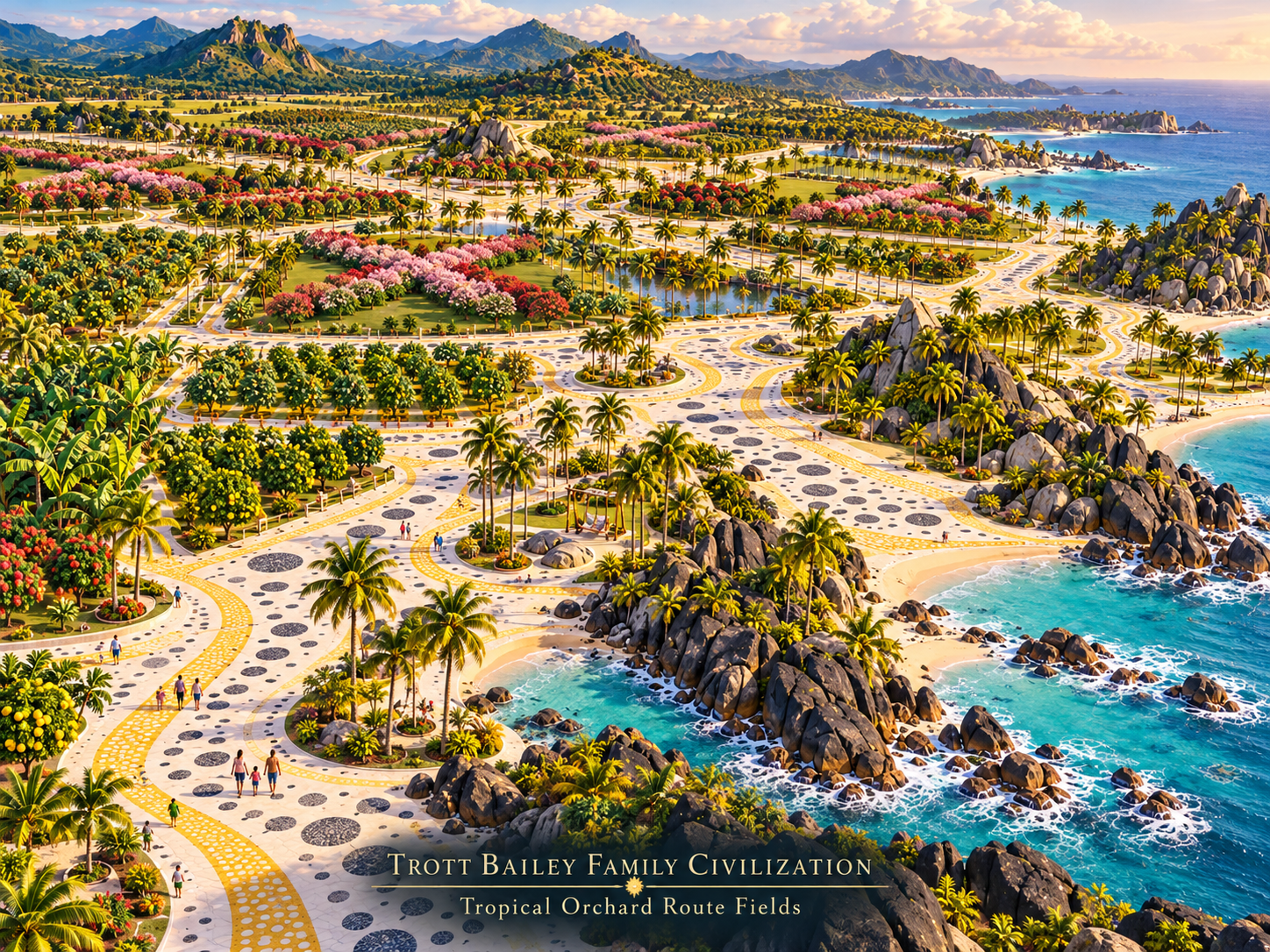
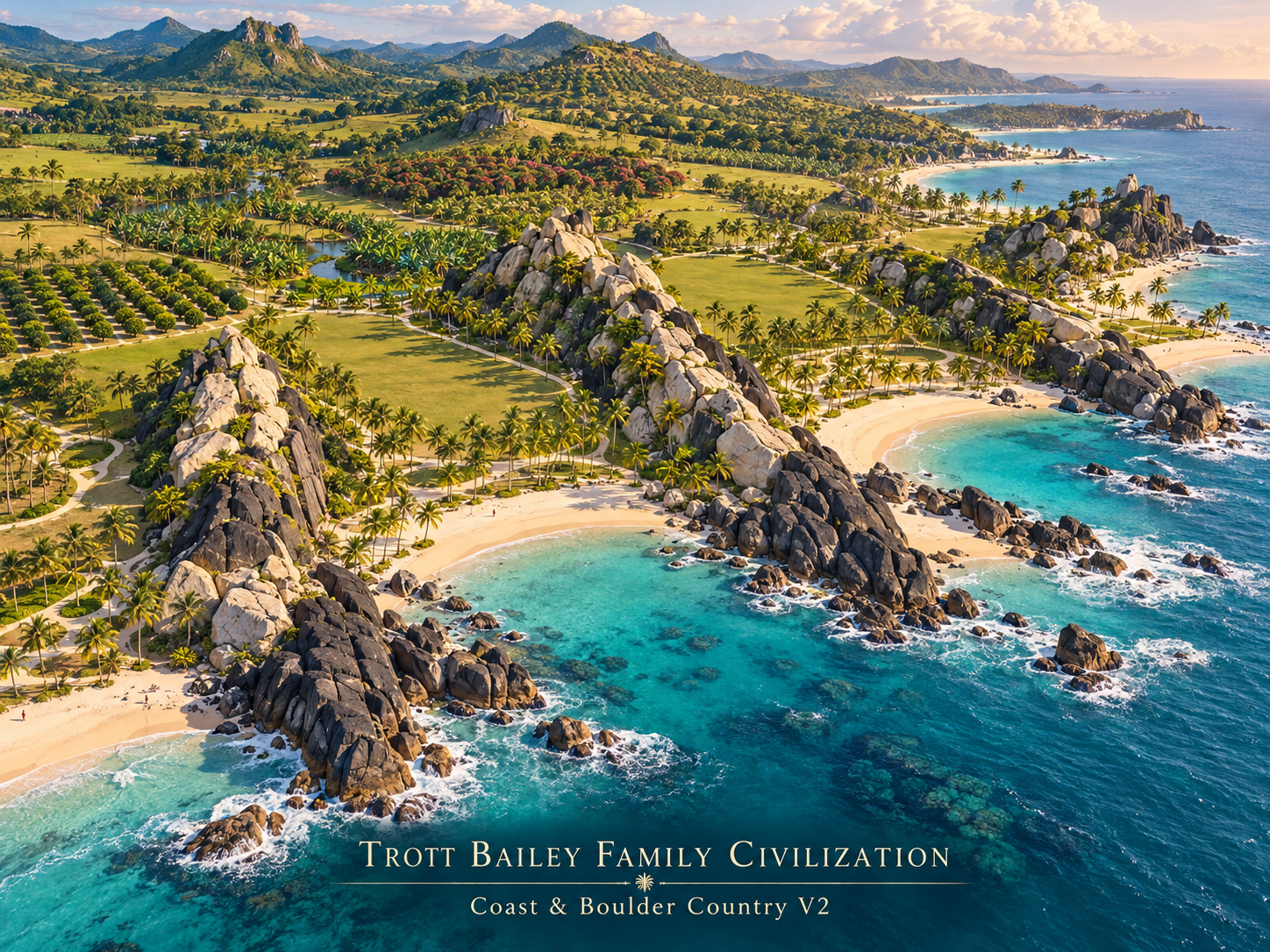
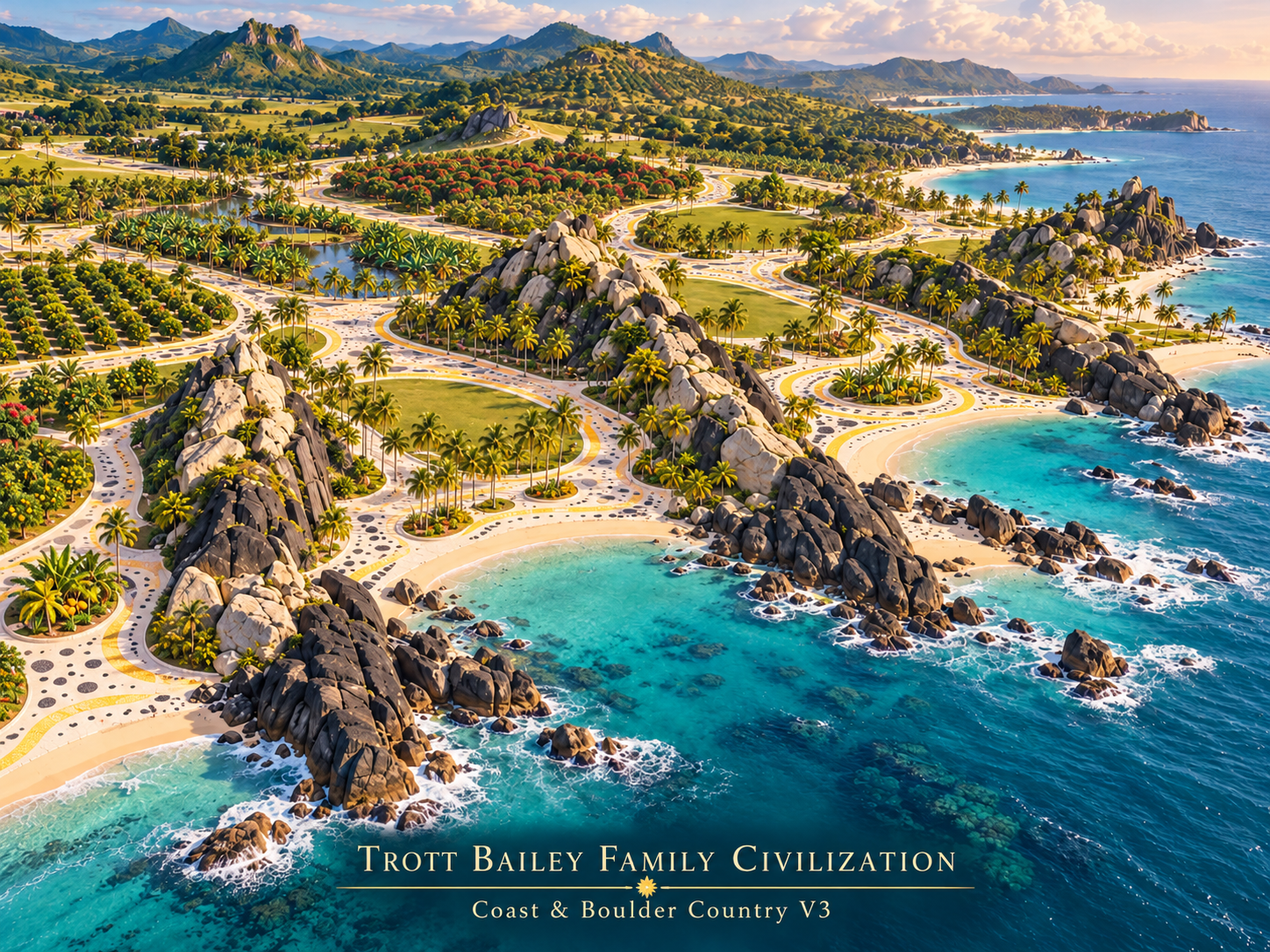
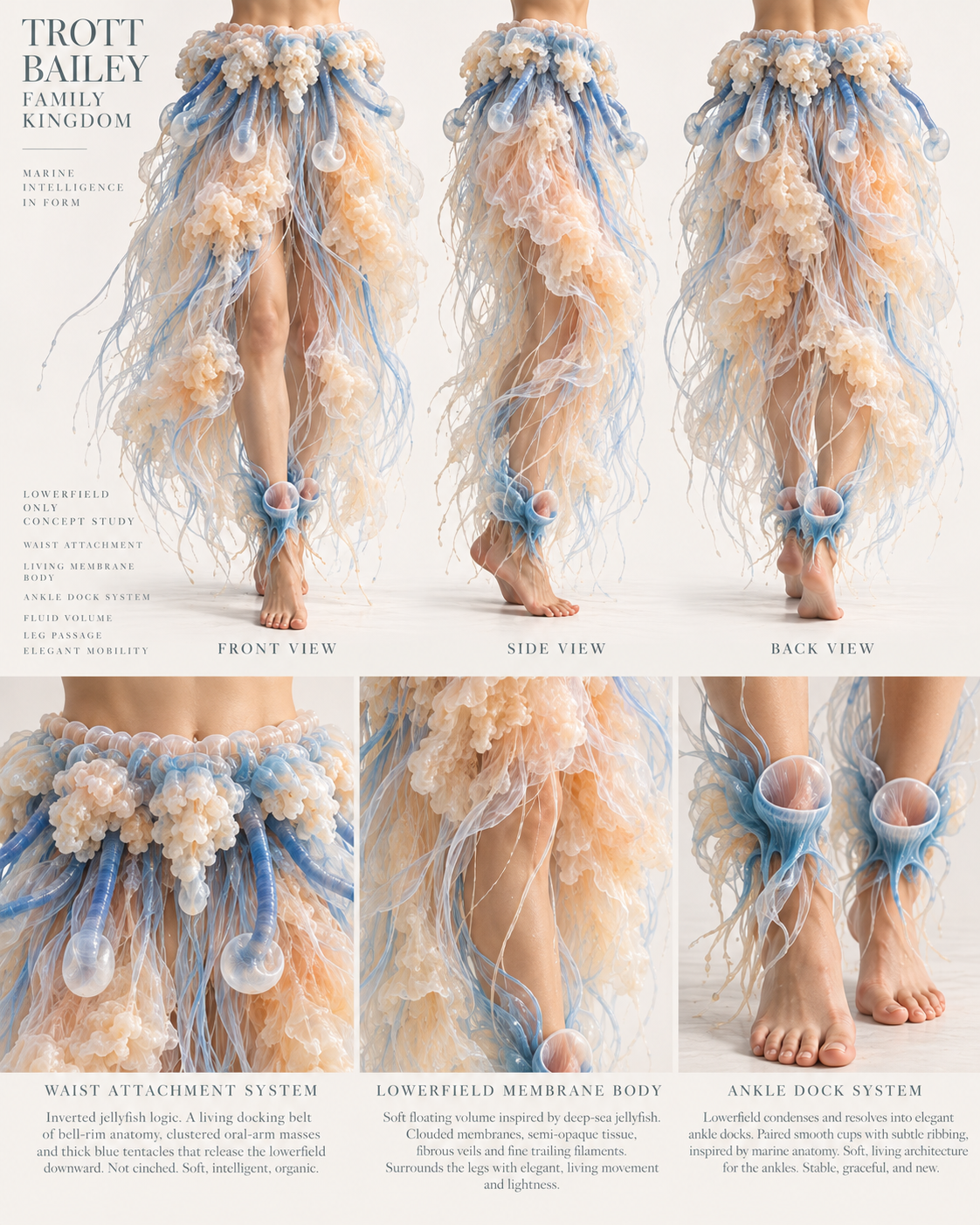
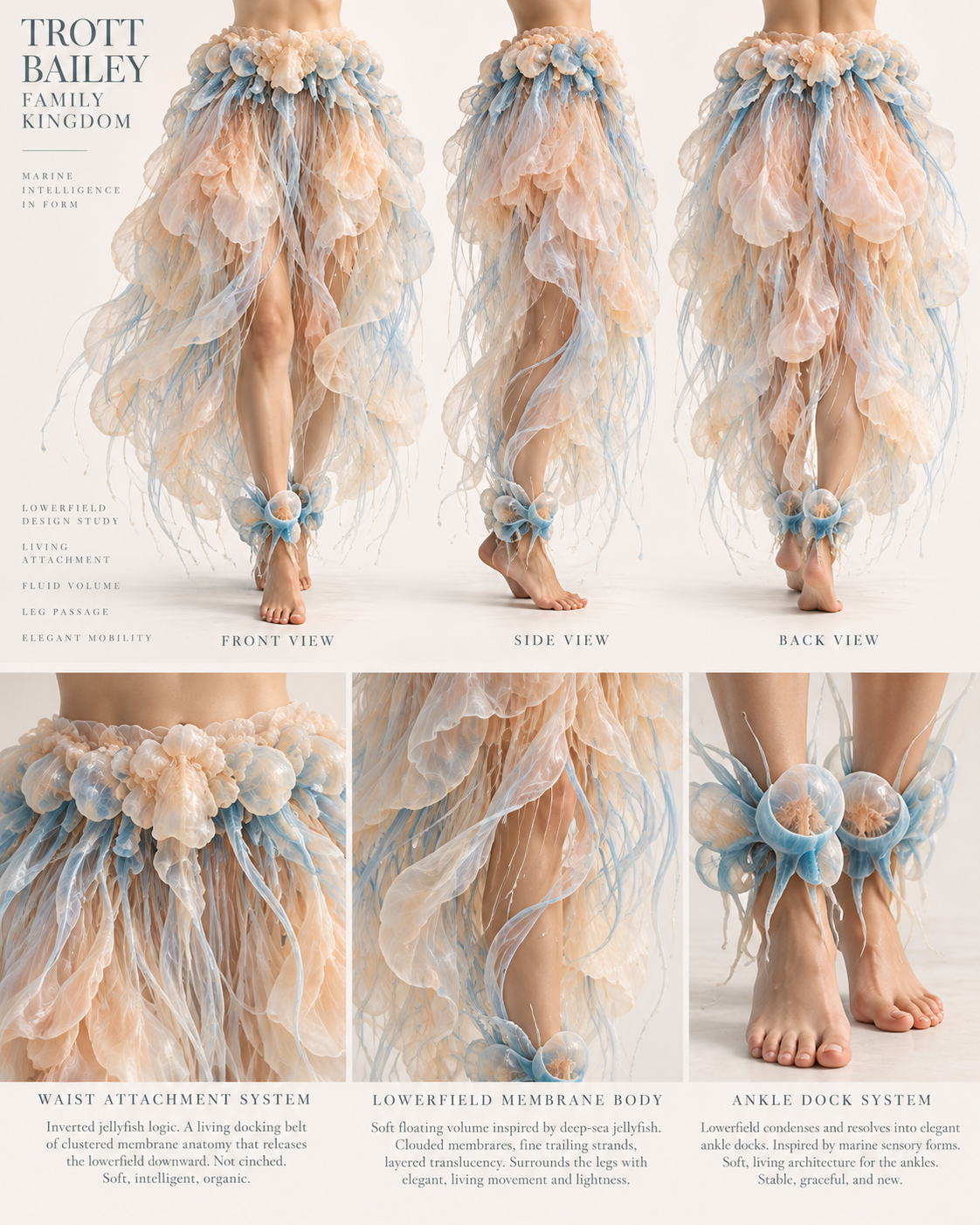
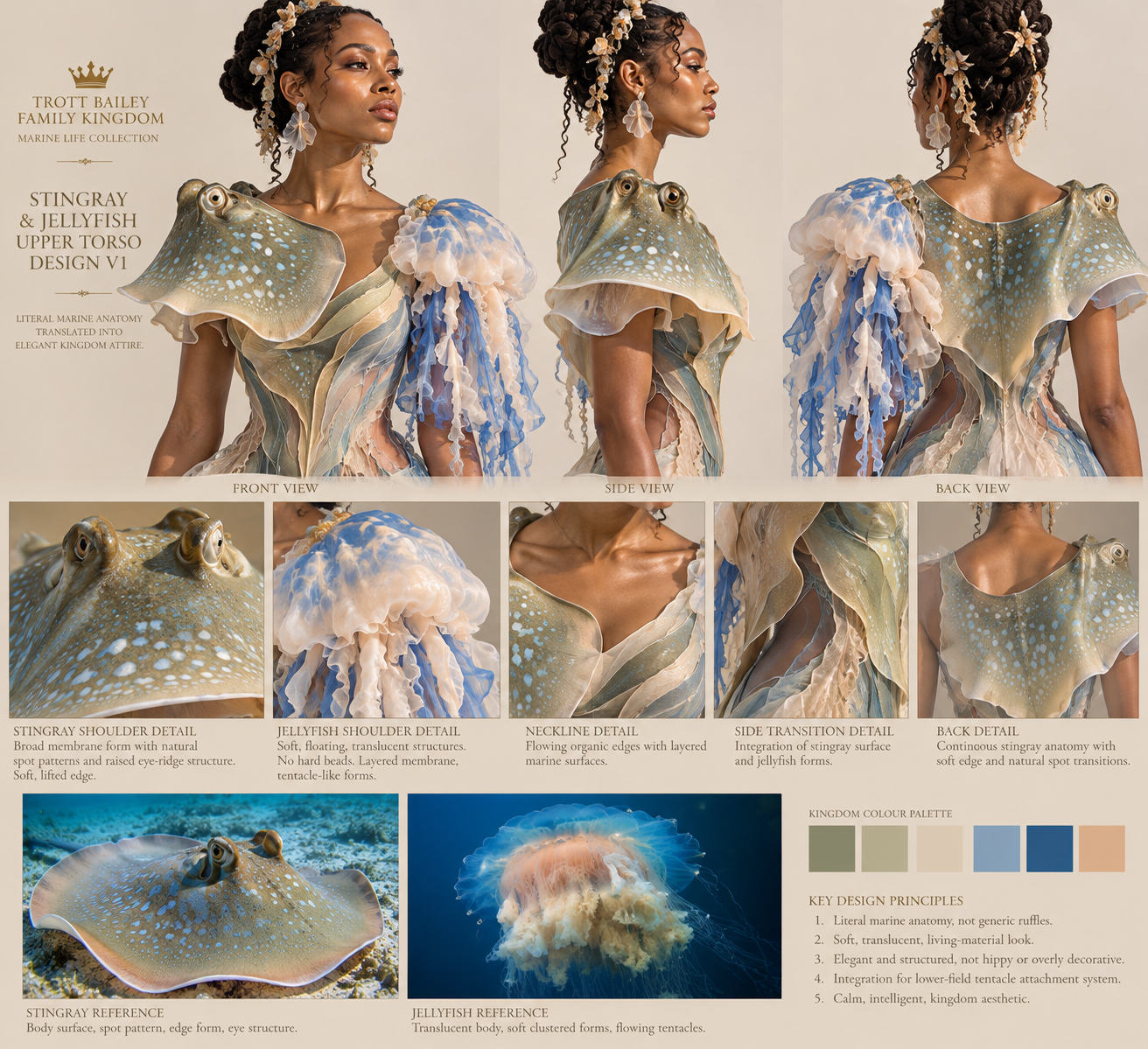
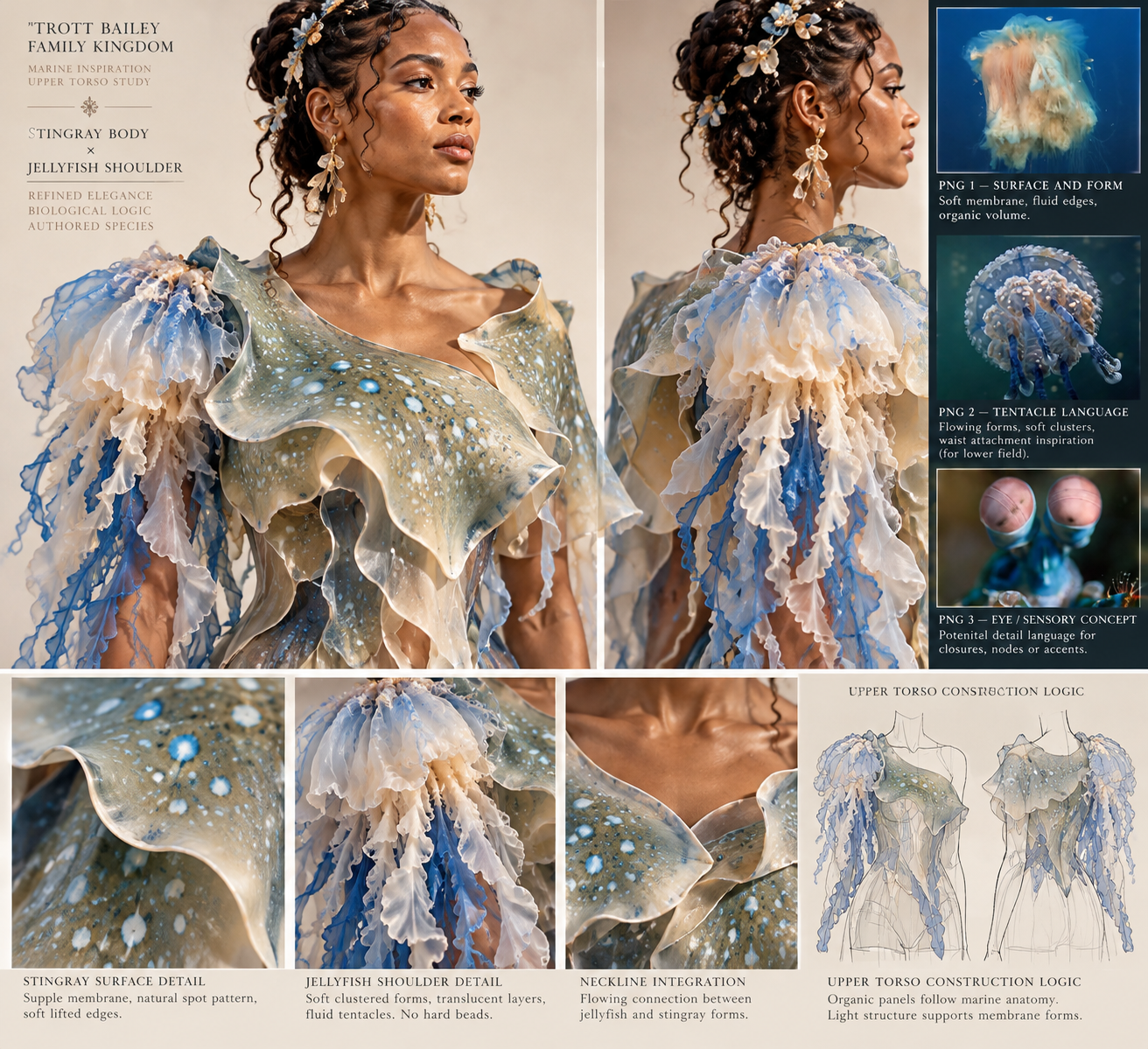
That realization is part of why the Trott Bailey civilization exists.
Not as fantasy escape.
But as a serious attempt to ask a different question:
What would happen if human life itself became the starting point of design?



 and then