
Prado Was the Pressure Chamber
Prado Was the Pressure Chamber
The Trott Bailey Family did not merely survive Prado. Prado became the pressure chamber where the philosophy of the Trott Bailey civilization was forged.
Some places do not become important because they are perfect.
They become important because they pressure you until you finally understand what you believe.
Prado did that to us.
It did not give us comfort first.
It gave us mosquitoes, heat, unstable housing, leaking roofs, weak infrastructure, strange rentals, improvised survival, and the daily pressure of raising children while trying not to lose our minds.
But it also gave us river swims, church events, birthday invitations, neighborliness, fresher air, trees, beaches, land, people with real skills, and enough beauty to make the frustration more complicated.
That is why Prado mattered.
It was not simply bad.
It was unresolved.
Not Detached Comfort
The Trott Bailey civilization was not developed from detached comfort.
It was not imagined from a clean office, a luxury apartment, a funded think tank, or a protected academic environment.
It was pressure-tested.
Pressure-tested against:
- heat,
- insects,
- weak infrastructure,
- family strain,
- unstable housing,
- food realities,
- waste realities,
- parenting realities,
- climate realities,
- and money realities.
That is why the systems feel interconnected.
They did not emerge as disconnected fantasy concepts.
They emerged from direct confrontation with unresolved life.
Balushu Came From Starved Public Life
Balushu is not random fantasy.
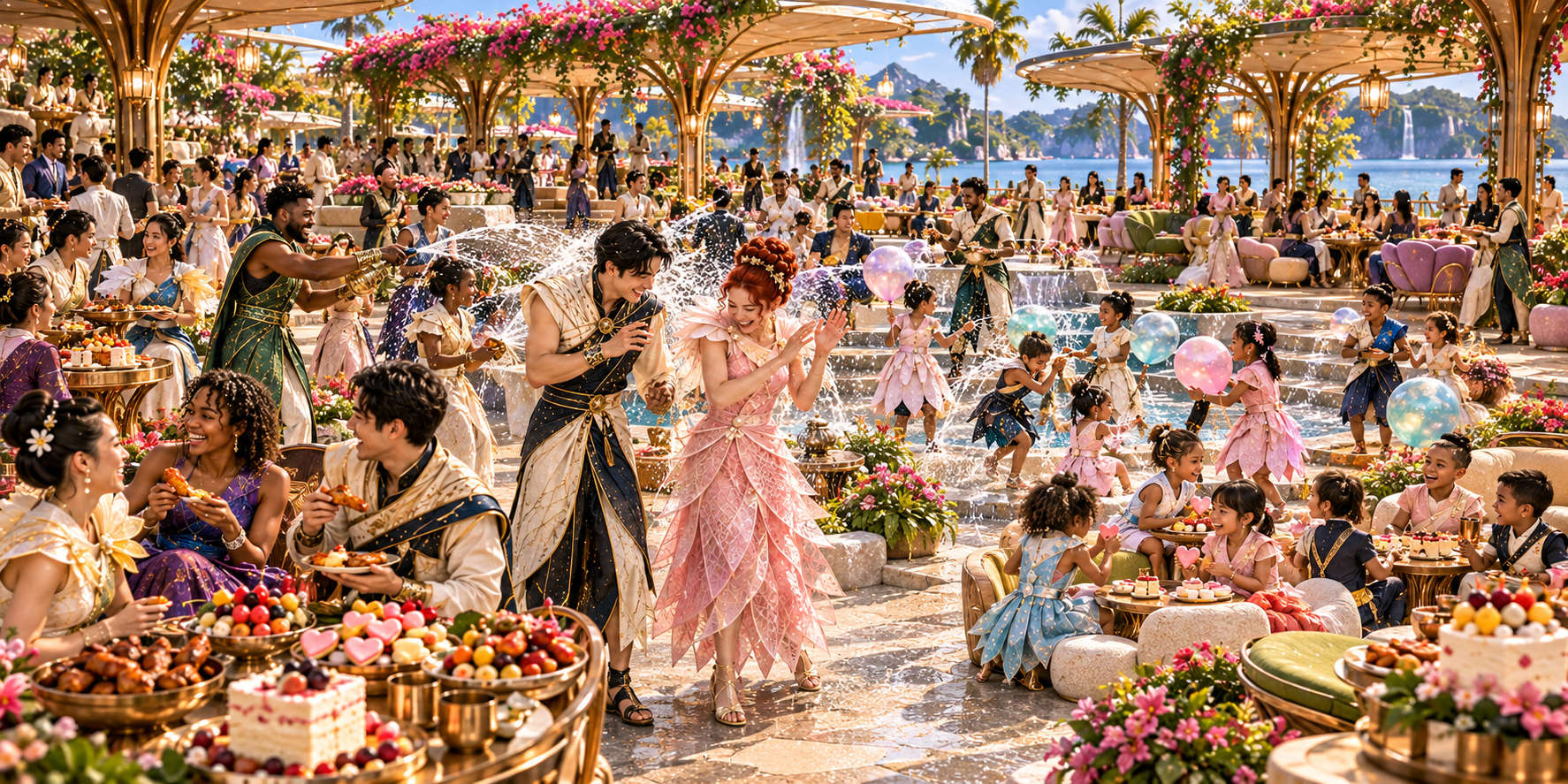
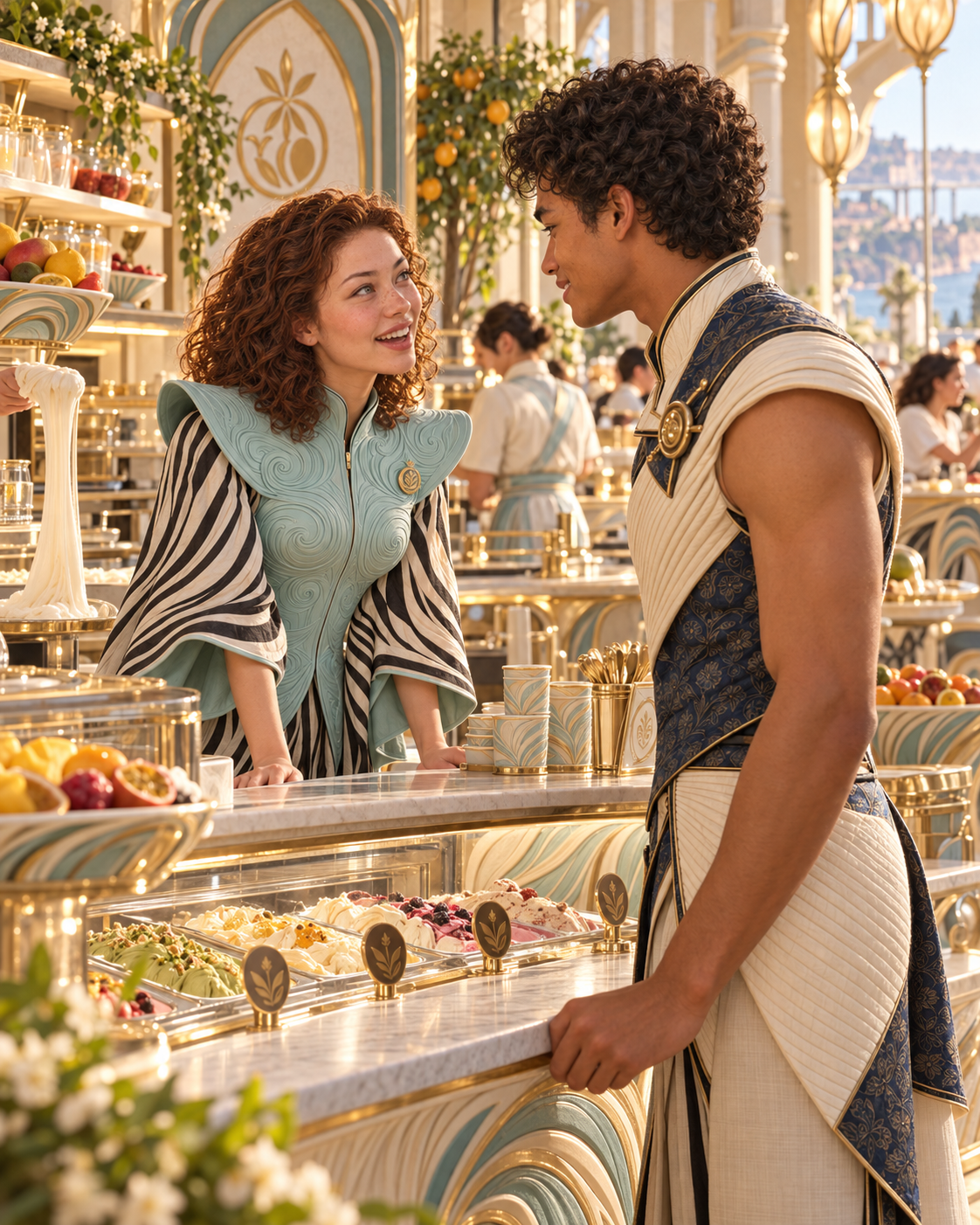
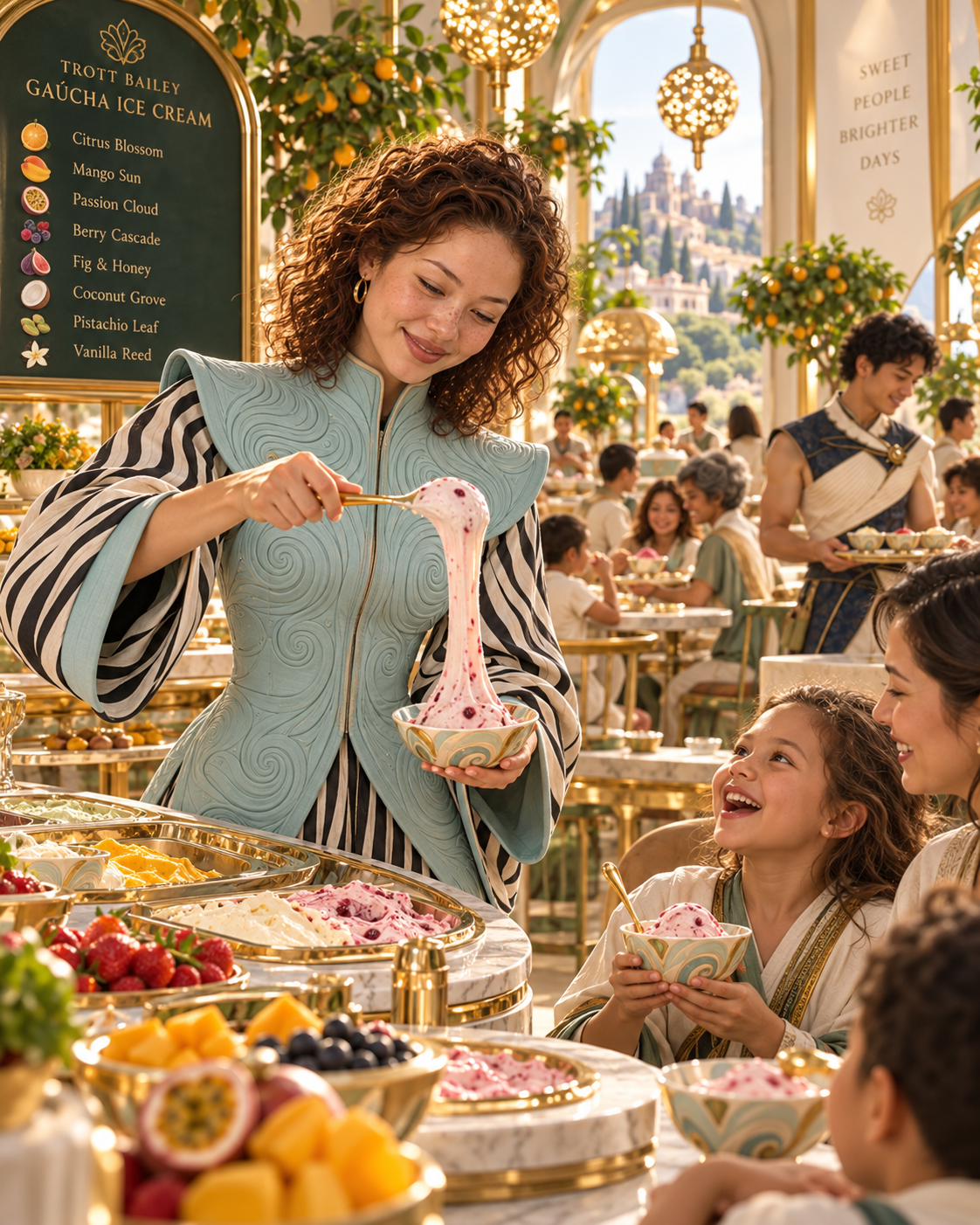
It emerges from seeing how starved public life can become when communities are not designed around families, beauty, movement, entertainment, relief, and shared joy.
When children are hidden behind walls and gates, when families have nowhere excellent to gather, when public spaces are weak or afterthoughts, the mind begins asking a different question:
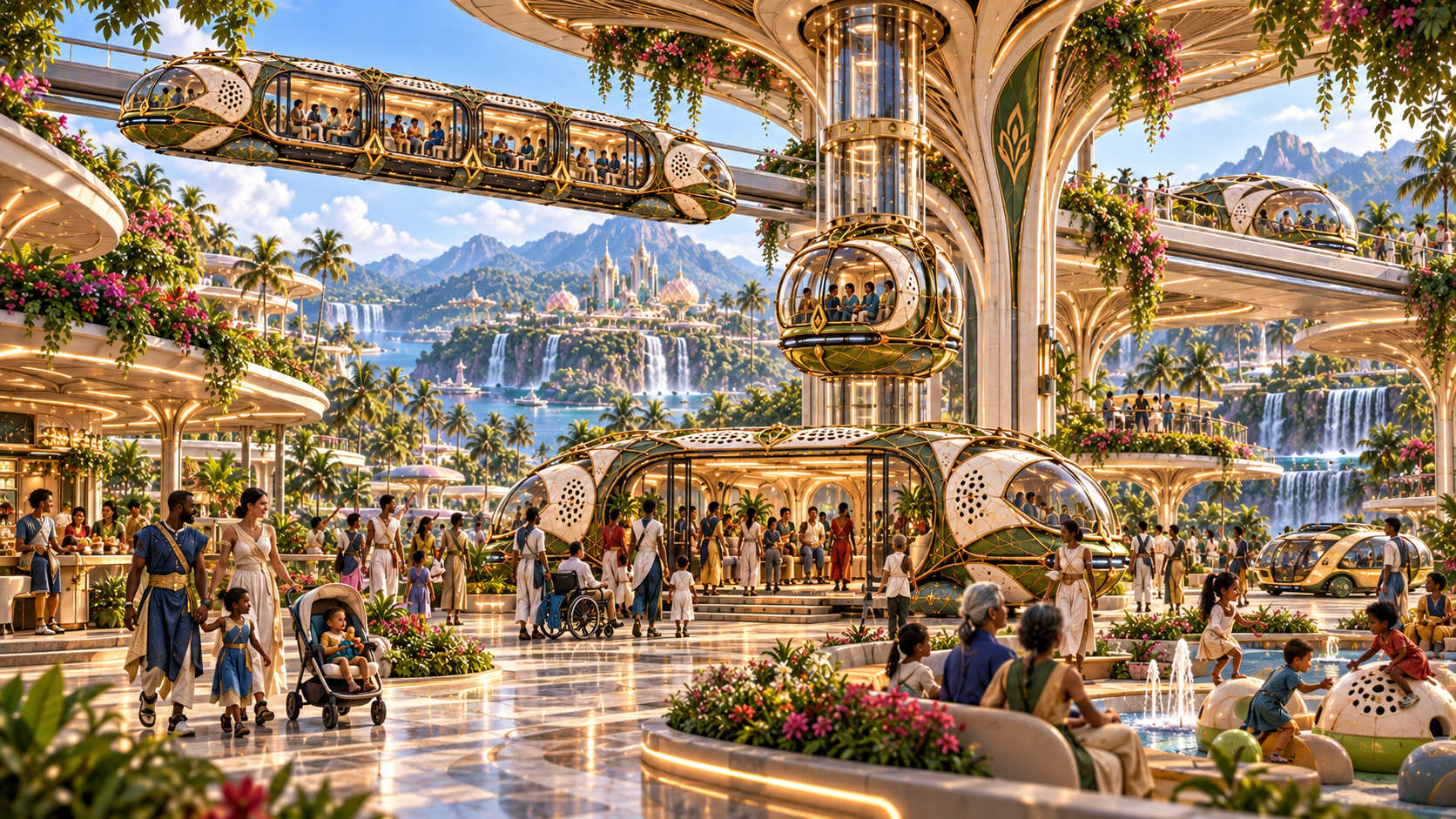
What would public life look like if it was designed with abundance?
Not crowding.
Not chaos.
Not one tired playground rotting before the community is even fully sold.
But living public worlds where families can move, eat, watch, rest, play, celebrate, and feel that civilization expected them.
That is part of where Balushu comes from.
Krubaro Came From Garbage, Waste, and Broken Routing
Krubaro emerges from seeing garbage not as an isolated mess, but as a design failure.
Exposed bags.
Animals tearing into waste.
Construction scraps sitting around communities.
Food being discarded while families still need food.
Water collecting where it should not collect.
Mosquitoes multiplying because the environment itself keeps helping them.
That teaches you something.
Waste is not only about trash.
Waste is about broken routing.
That is why Krubaro matters.
It is not merely a waste system.
It is a refusal to let useful material rot inside bad coordination.
The Child Delight Systems Came From Seeing Children Hidden
The child delight systems emerge from seeing children everywhere and yet barely seeing them in the structure of the town.
You can live in a place full of children and still feel like childhood has not been planned for.
You see children walking to school.
You see them at gates.
You see them playing in streets.
But the environment itself does not seem to say, clearly and proudly:
Children belong here.
That absence becomes loud.
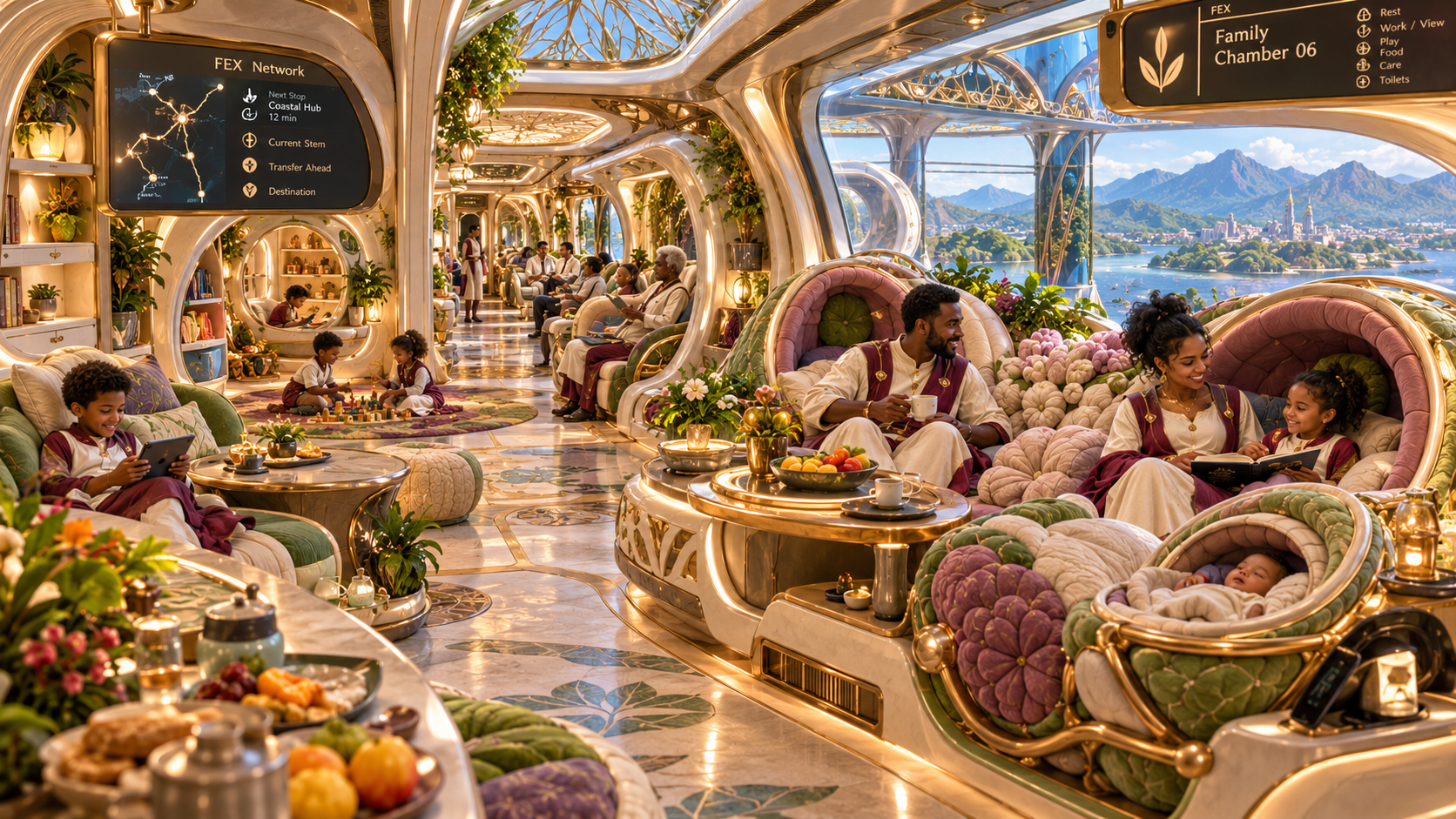
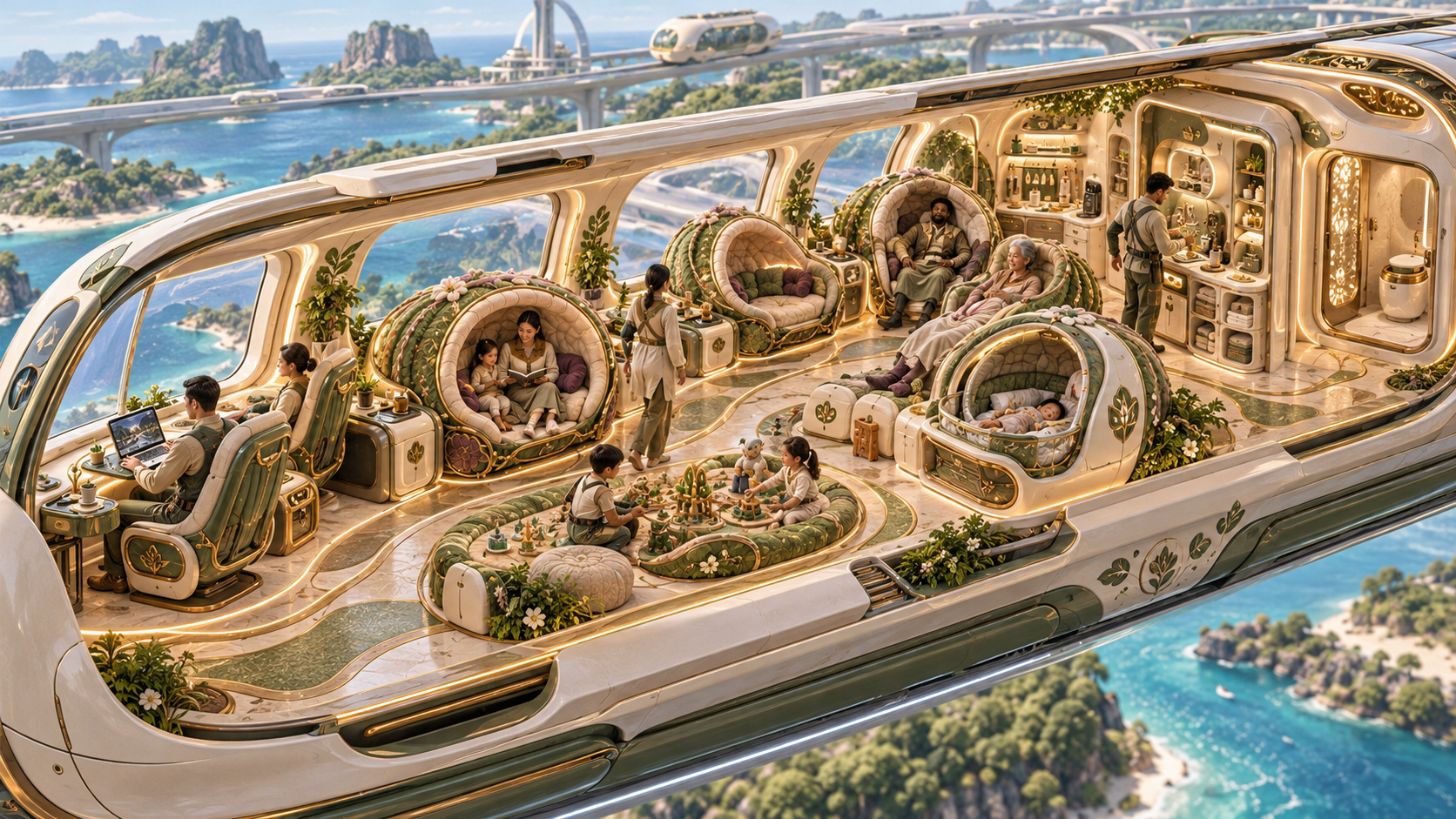
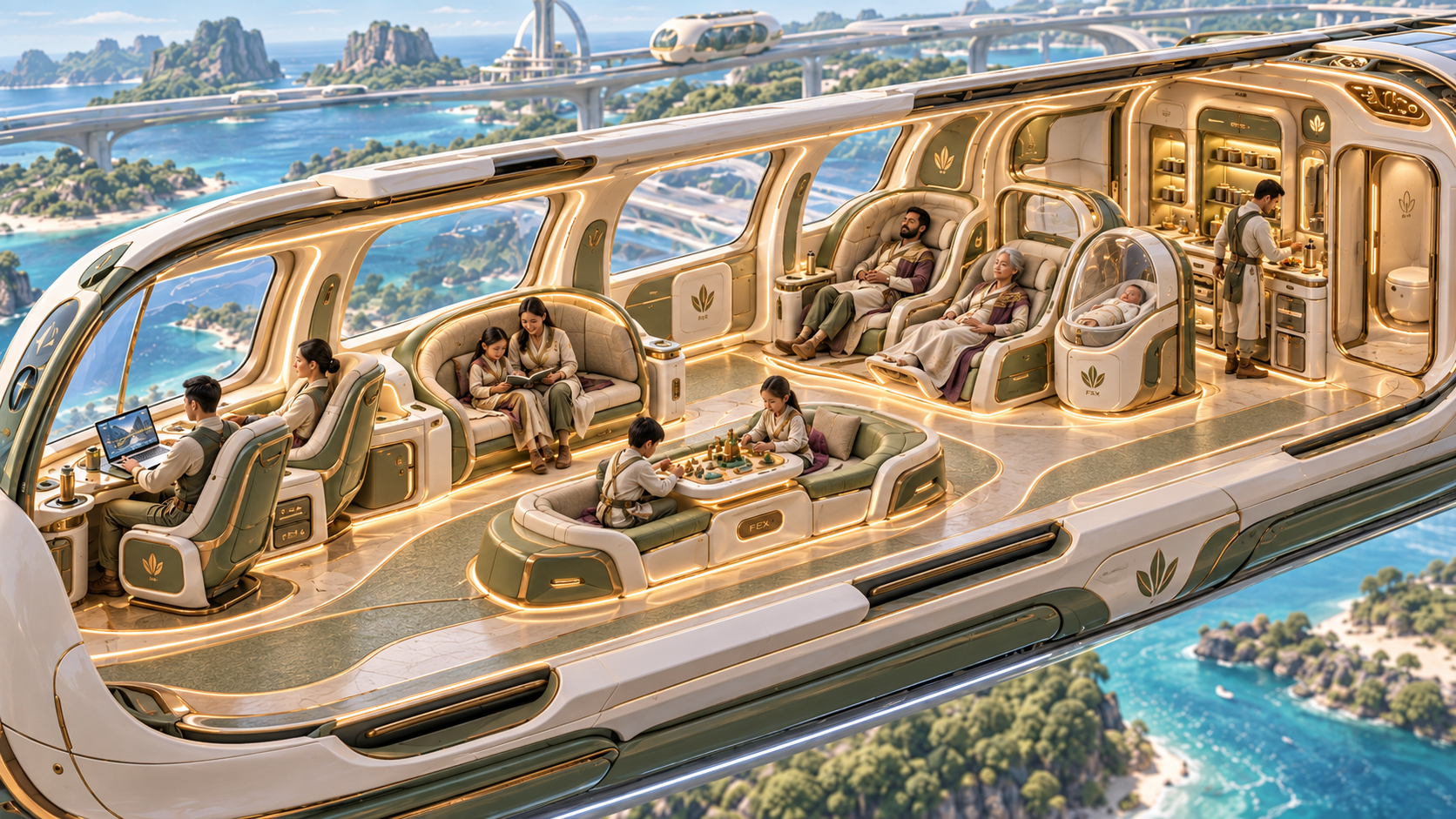
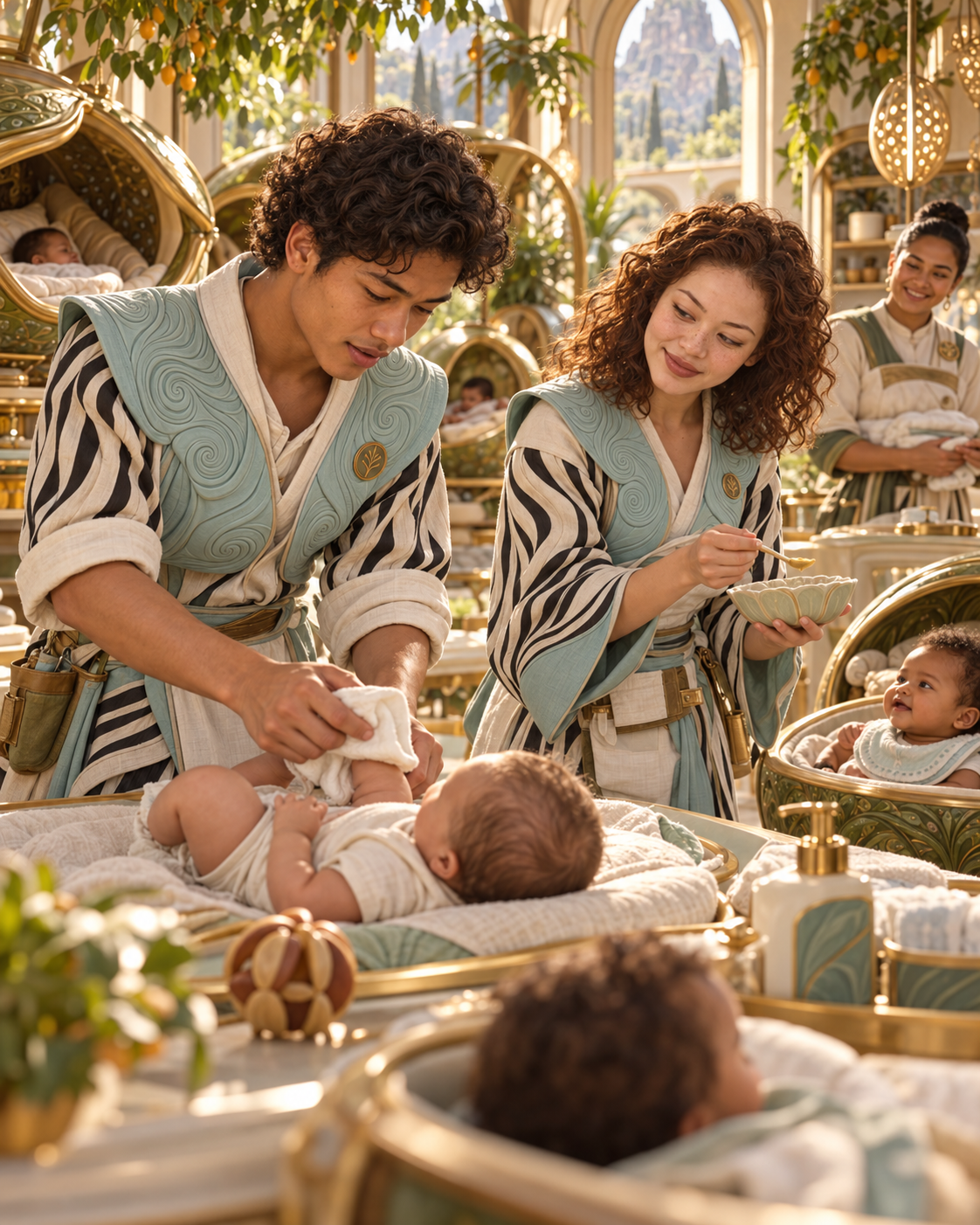
It makes you think about Baby Worlds, edible play, child-safe washing systems, family transport, shaded routes, public delight, learning landscapes, and environments where children are not treated as private burdens hidden behind walls.
The Architecture Came From Heat
The cooling and architecture systems emerge from sitting beneath a tree because the house itself failed to cool properly.
That experience changes how you think about design.
When a tree is more intelligent than a house, something is wrong.
The tree understands shade.
The tree understands airflow.
The tree understands relief.
Meanwhile many houses trap heat, trap humidity, and force families to rearrange their lives around discomfort.
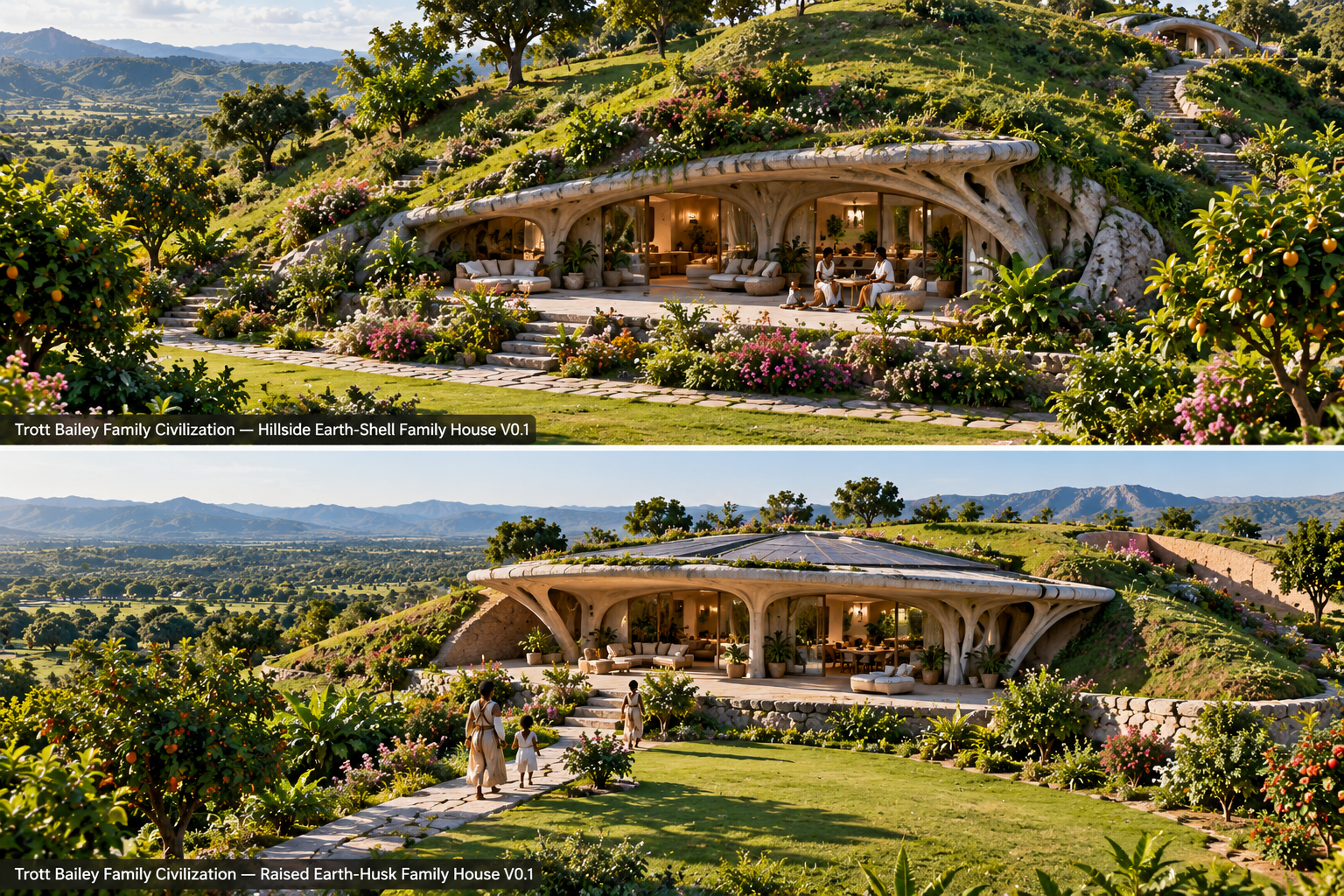
So Trott Bailey architecture does not begin with exterior appearance alone.
It begins with the body.
Can the body rest?
Can children breathe?
Can heat leave?
Can airflow move?
Can shade become infrastructure?
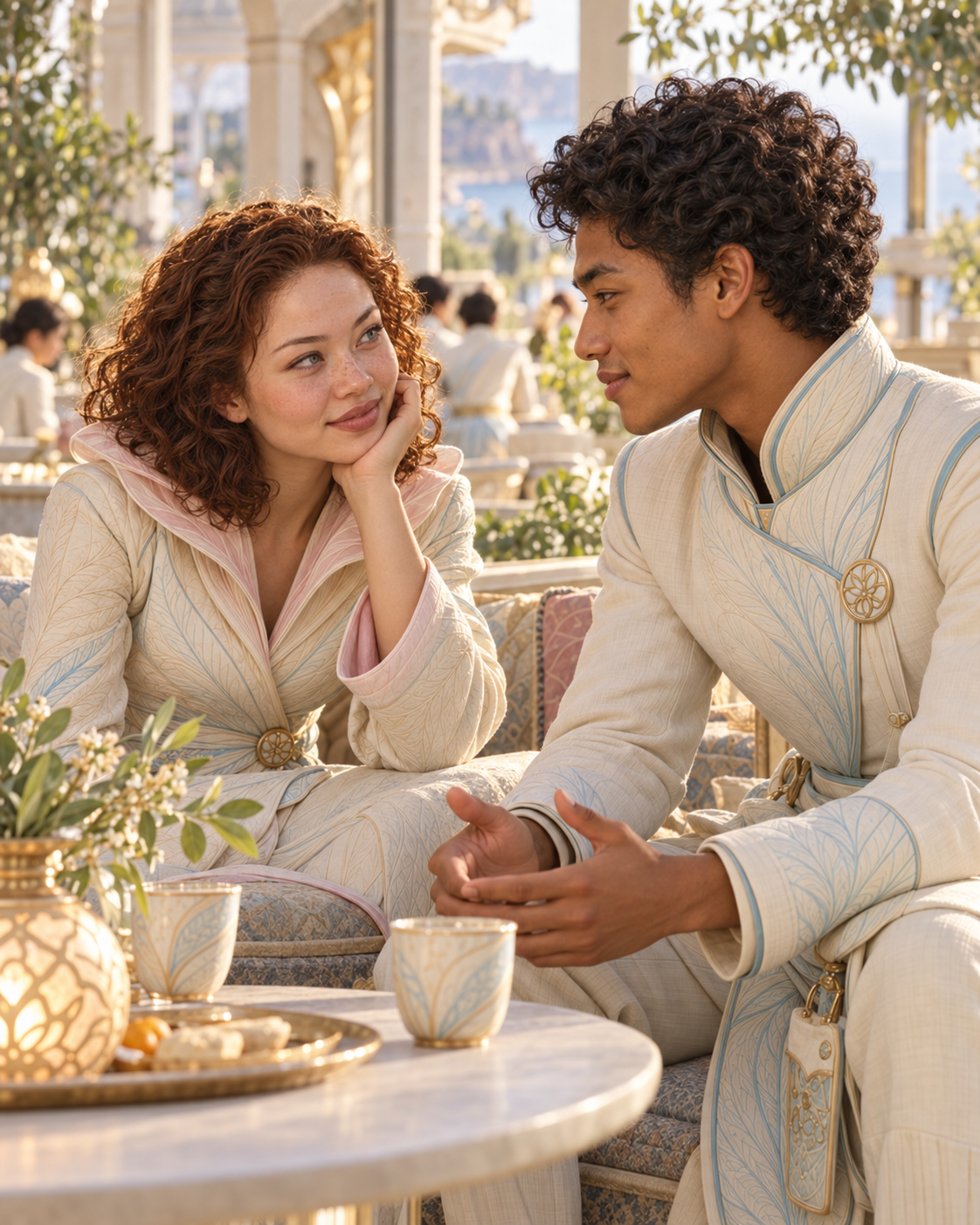
Can beauty and comfort work together?
That is why the architecture carries emotional force.
It is not just style.
It is an answer to lived discomfort.
Money-Free Systems Came From Seeing Human Potential Trapped
The money-free systems emerge from seeing how much human potential gets trapped behind money dependency.
People have skills.
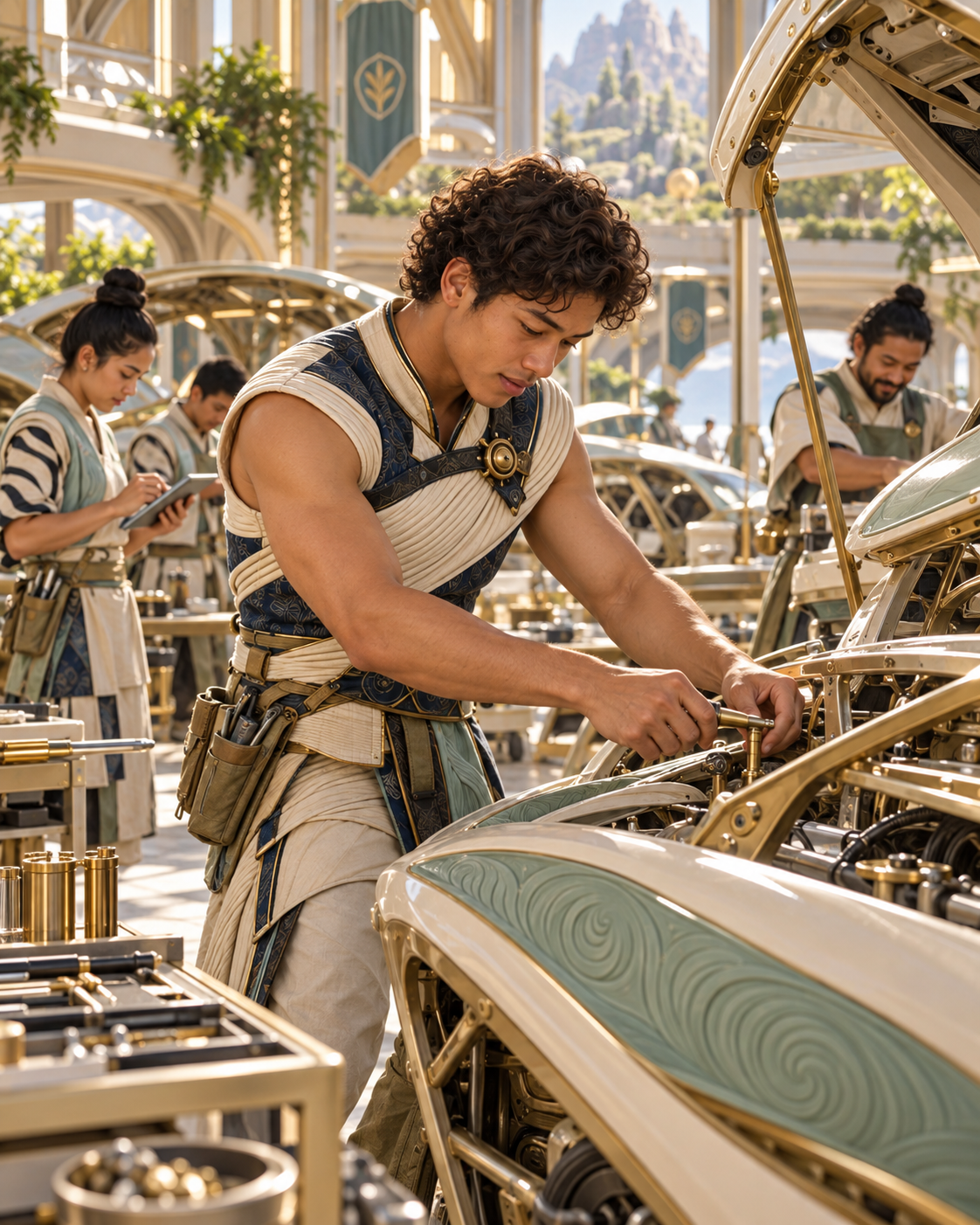
People can build.
People can repair.
People can weld, farm, cook, modify bicycles, raise children, make furniture, fix machines, grow food, and adapt.
But money becomes a gate.
A gate in front of shelter.
A gate in front of food.
A gate in front of land.
A gate in front of tools.
A gate in front of participation.
And once you have lived close enough to that pressure, money-free existence stops sounding like fantasy.
It starts sounding like a serious redesign question:
Not because humans are lazy.
But because humans are capable, and capability should not be strangled at the gate of survival.
The Food Systems Came From Salvaged Bread and Produce
The food systems emerge from salvaging still-usable bread and produce.
Plantains that looked old on the outside were still good once peeled.
Bread slightly burnt or imperfect was still bread.
Produce that could not be sold could still become food, compost, animal feed, fertilizer, soil life.
That teaches you something modern systems often hide:
The line between waste and resource is thinner than people think.
Modern life throws away usable life because it no longer fits presentation standards.
That is why Trott Bailey food systems do not only ask how food is produced.
They ask how food moves.
How food returns.
How food becomes soil.
How excess reaches families.
How nothing useful is casually discarded while need still exists.
The Family Systems Came From Raising Children Inside Friction
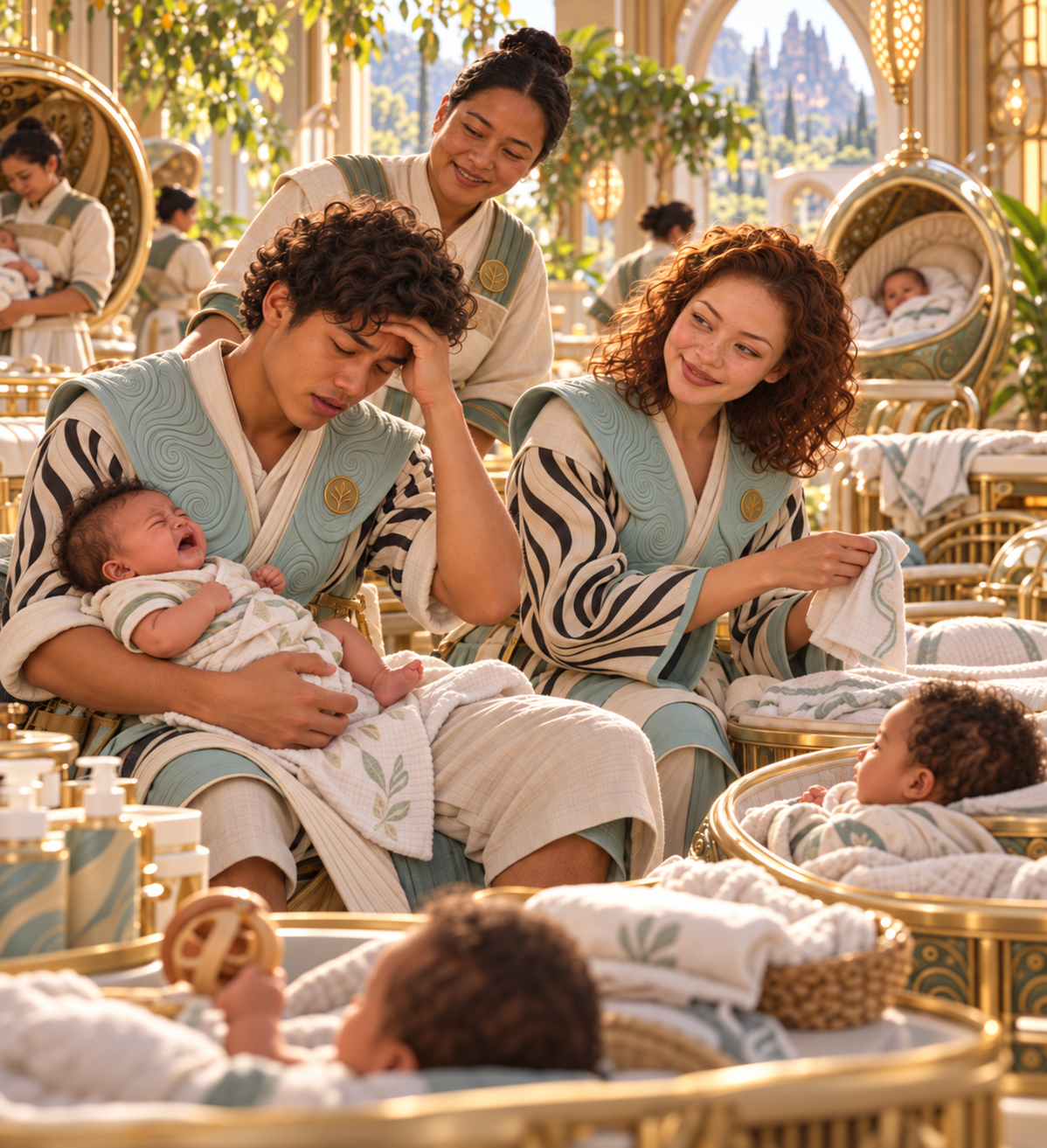
The family systems emerge from living the strain of trying to raise children inside unresolved environments.
Children do not pause their needs because adults are stressed.
Babies still need holding.
Children still need play.
Families still need food, rest, washing, shade, patience, stories, movement, and moments of delight.
That is why family infrastructure matters so much.
Not as decoration.
Not as a sentimental idea.
But as the basic structure that determines whether family life becomes supported or constantly strained.
Prado made that obvious.
When systems are weak, the family absorbs the shock.
Trott Bailey civilization asks a different question:
The Fashion Systems Came From Wanting Dignity Under Burden
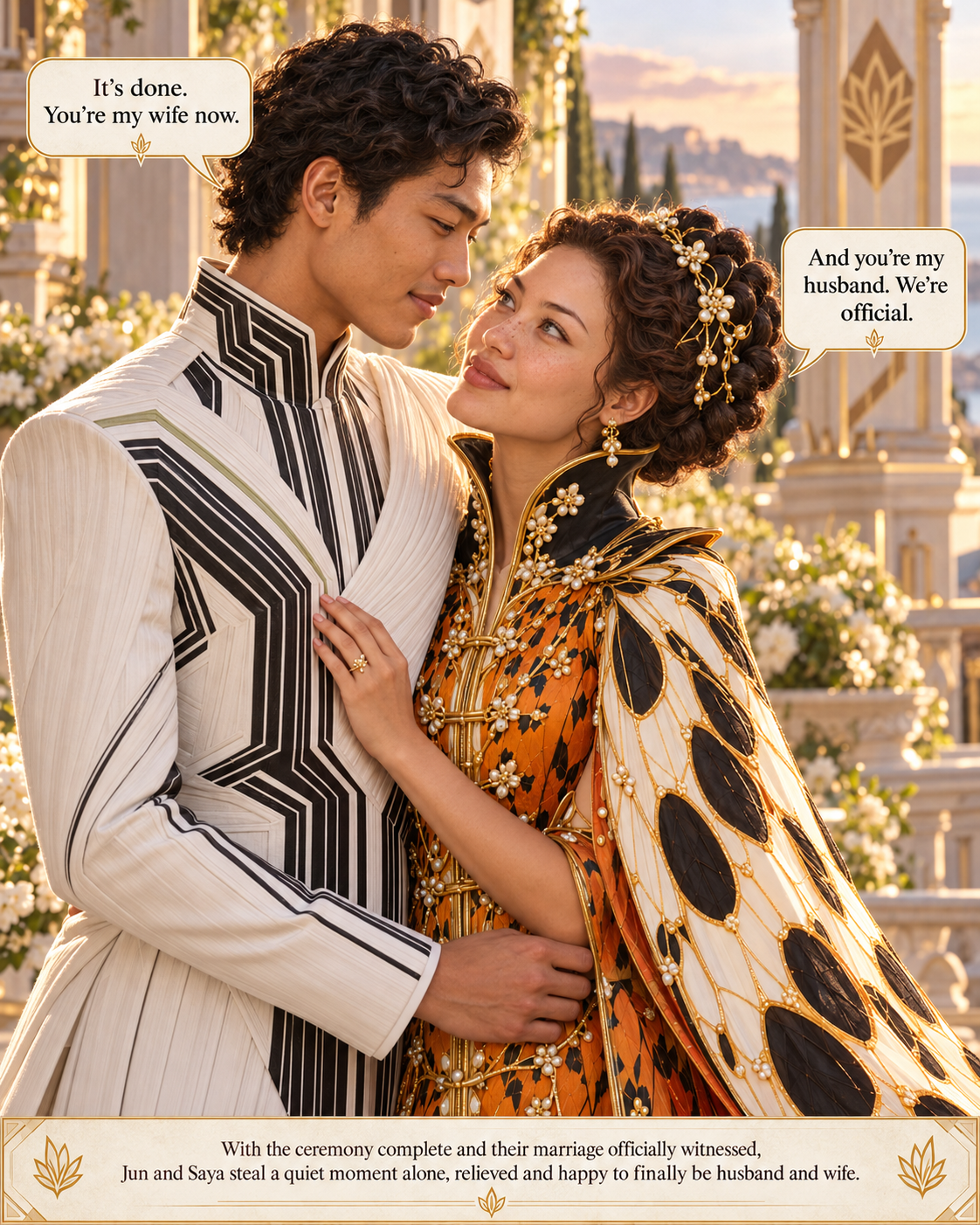
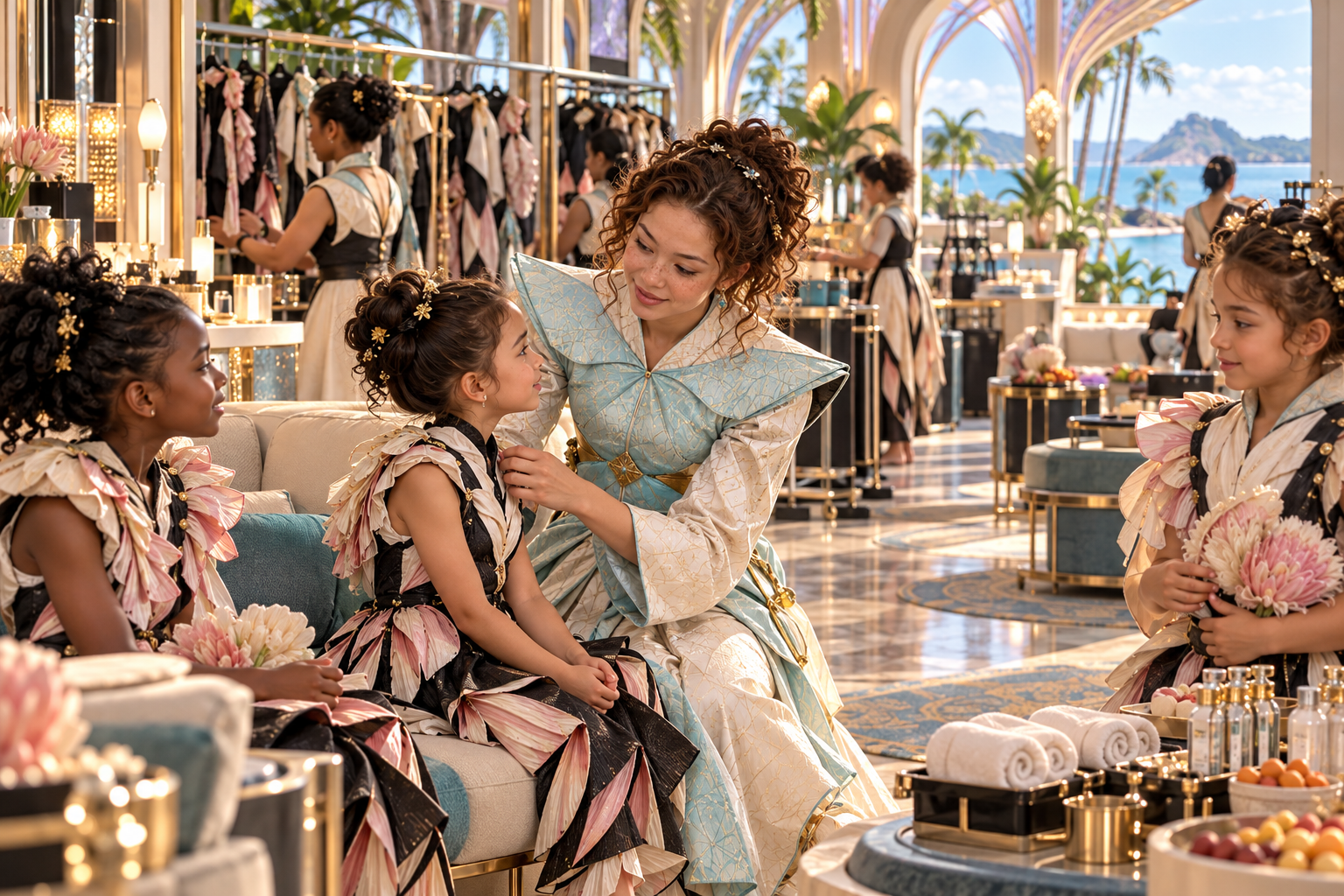
The fashion systems emerge from wanting dignity and beauty even under burden.
Hardship can try to make people visually disappear.
It can make life feel dusty, improvised, reduced, practical only.
But dignity matters.
Beauty matters.
Clothing is not only covering.
It is signal.
It tells the body and the world that life still has meaning beyond survival.
That is why Trott Bailey fashion is not random decoration.
It is part of the refusal to let burden erase identity.
Even service uniforms must carry civilization.
Even practical clothing must carry dignity.
Even under pressure, human beings should not be reduced to drab survival forms.
Big King Media and 1Drop Came From Refusal
Big King Media and 1Drop emerge from refusing to let material hardship stop world-scale creation.
Big King K.B., Kimroy Bailey, built media systems while we were still living through pressure.
He built Big King Media.
He built the 1Drop unified website.
He built the World Within World feature.
Even now, the song player on 1Drop entertains the world with more than 130 hit songs.
That matters.
Because it shows that hardship did not shrink our output.
We were not waiting for perfect conditions.
We were creating anyway.
We give freely because we know burden.
We ease burdens because we have been burdened.
We have lived it down to the bones.
Why It All Connects
This is why the Trott Bailey civilization carries so much emotional intensity.
Because each system answers something real.
Balushu answers starved public life.
Krubaro answers broken material routing.
Child delight systems answer hidden childhood.
Architecture answers heat, humidity, poor airflow, and failed shelter.
Money-free existence answers trapped human potential.
Food systems answer waste, hunger, abundance, and routing.
Family systems answer the strain of parenting inside weak environments.
Fashion answers the need for dignity under burden.
Big King Media and 1Drop answer the refusal to stop creating because conditions are hard.
That is the connective tissue.
The Trott Bailey civilization is not a pile of unrelated ideas.
It is a system of answers.
Answers forged from lived friction.
Prado was the pressure chamber.
It pressed the family.
It pressed the body.
It pressed the marriage.
It pressed the children.
It pressed the imagination.
It pressed every idea until the weak ones fell away and the stronger ones became clearer.
The Trott Bailey Family did not merely survive Prado.
Prado became the place where the philosophy hardened.
And from that pressure, the civilization became more real.



 and then