Shubaka Without Slavery: Why Kingdom Shubaka Is Enjoyable
Trott Bailey Family Kingdom • Shubaka Philosophy
Shubaka Without Slavery: Why Kingdom Work Is Enjoyable
How the Trott Bailey Family Kingdom uses shifts, family pairs, technology, rest, and shared contribution to protect people from old-world labor misery.
When people hear that everyone contributes in the Trott Bailey Family Kingdom, they may try to translate that idea through old-world labor trauma. They may imagine endless work, forced service, exhaustion, class hierarchy, separation from family, and people being used by a system that takes their energy but gives them no life back.
That is not Shubaka. That is the old world.
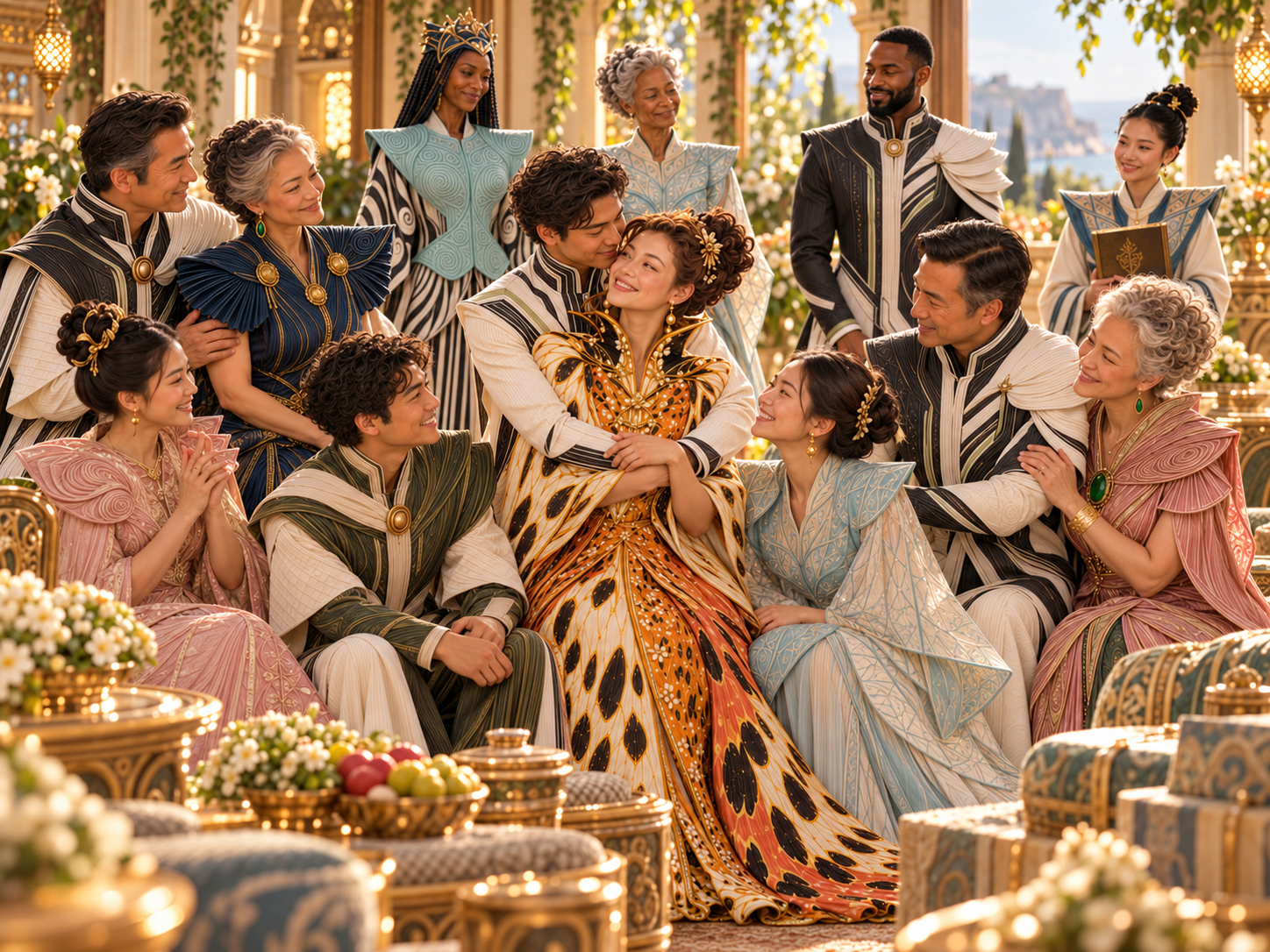
Shubaka is contribution inside a civilization designed to protect people, not consume them. It is work without slavery, contribution without exploitation, responsibility without misery, and shared service without the old-world lie that some people are above helping while others must carry everything.
1. The Old World Made Work Feel Like Captivity
The old world trained many people to hear the word “work” and immediately feel dread. Work often means being trapped in schedules that consume the week. Work means leaving children for long hours. Work means husbands and wives barely seeing each other. Work means commuting, rushing, being monitored, being underpaid, being replaceable, and being told to smile while your body and family life are being drained.
Many people do not hate contribution. They hate exploitation. They hate being used. They hate giving their strength to systems that do not love their families back.
That distinction matters.
People actually enjoy doing meaningful things when they can see the purpose, when the work is not degrading, when the tools are good, when the environment is beautiful, when their family is protected, when the schedule is humane, and when contribution connects them to the life of a civilization they believe in.
Is it really work that people hate, or is it the old-world design of work that made people tired, separated, anxious, poor, and unseen?
2. Shubaka Begins With Shared Responsibility
In the Trott Bailey Family Kingdom, everyone contributes. That is not because the kingdom wants to burden people. It is because a beautiful civilization must be maintained by a people who understand that beauty, cleanliness, food, care, water, safety, invention, and public life do not maintain themselves.
The difference is that contribution is shared. One person does not carry the system forever. One group does not become a permanent servant class. One family does not live above contribution while another family disappears into endless service.
People Shubaka, then they are relieved. Another person fills in, then they are relieved. A husband-and-wife pair may contribute together, then they are released to enjoy the kingdom. A role team may serve a shift, then another role team enters. The kingdom continues, but the people are not swallowed.
3. Shift Systems Protect the Human Being
The kingdom’s Shubaka rhythm is built around shifts. People are not expected to remain endlessly on duty just because they are useful. Usefulness is not permission to exhaust someone.
A person may serve their weekly Shubaka, then spend the rest of the week with family, walking through orchards, visiting Balushu, resting in DitchDkids, exploring Kultan, participating in Family Challenges, learning a craft, developing an invention, helping children, enjoying Sabenneries, studying, designing, worshipping, or simply being.
This is a major difference from old-world work. In the old world, people often work so much that life becomes what happens in the leftover scraps. In Trott Bailey civilization, Shubaka is designed to leave life intact.
A Person Contributes
They enter a role, help the kingdom function, and use their gifts in a real system.
Another Person Fills In
The system does not collapse because contribution is shared across many people.
The First Person Is Free
They return to family, rest, exploration, learning, personal interests, and kingdom enjoyment.
Who would refuse a life where contribution has an end point, where another person comes to relieve you, and where your time off is actually protected?
4. No Snobbery: No One Is Too High to Contribute
Shubaka also destroys old-world snobbery. In many societies, people secretly rank work. Some roles are treated as prestigious, while others are treated as low, dirty, invisible, or shameful. This creates contempt. It creates a servant class. It creates people who consume public beauty while looking down on those who maintain it.
The Trott Bailey Family Kingdom cannot be built on that spirit.
If clean water matters, then water stewardship is honorable. If babies matter, then Baby World support is honorable. If food matters, then food verification is honorable. If public places matter, then reset and care work are honorable. If waste return protects the land, then Krubaro stewardship is honorable. If families need rest, then parent relief is honorable.
The kingdom refuses the idea that some people are above helping. Everyone contributes because everyone benefits. A person may guide an orchard one week, support a Sabennery another season, learn a water role later, or serve in a family-support role when needed. Shubaka does not lock human dignity to one social rank.
5. Technology Carries the Repetition
One of the reasons Shubaka can be enjoyable is that the kingdom does not romanticize human exhaustion. People do not need to perform repetitive, heavy, dangerous, or mind-numbing tasks just to prove they are useful.
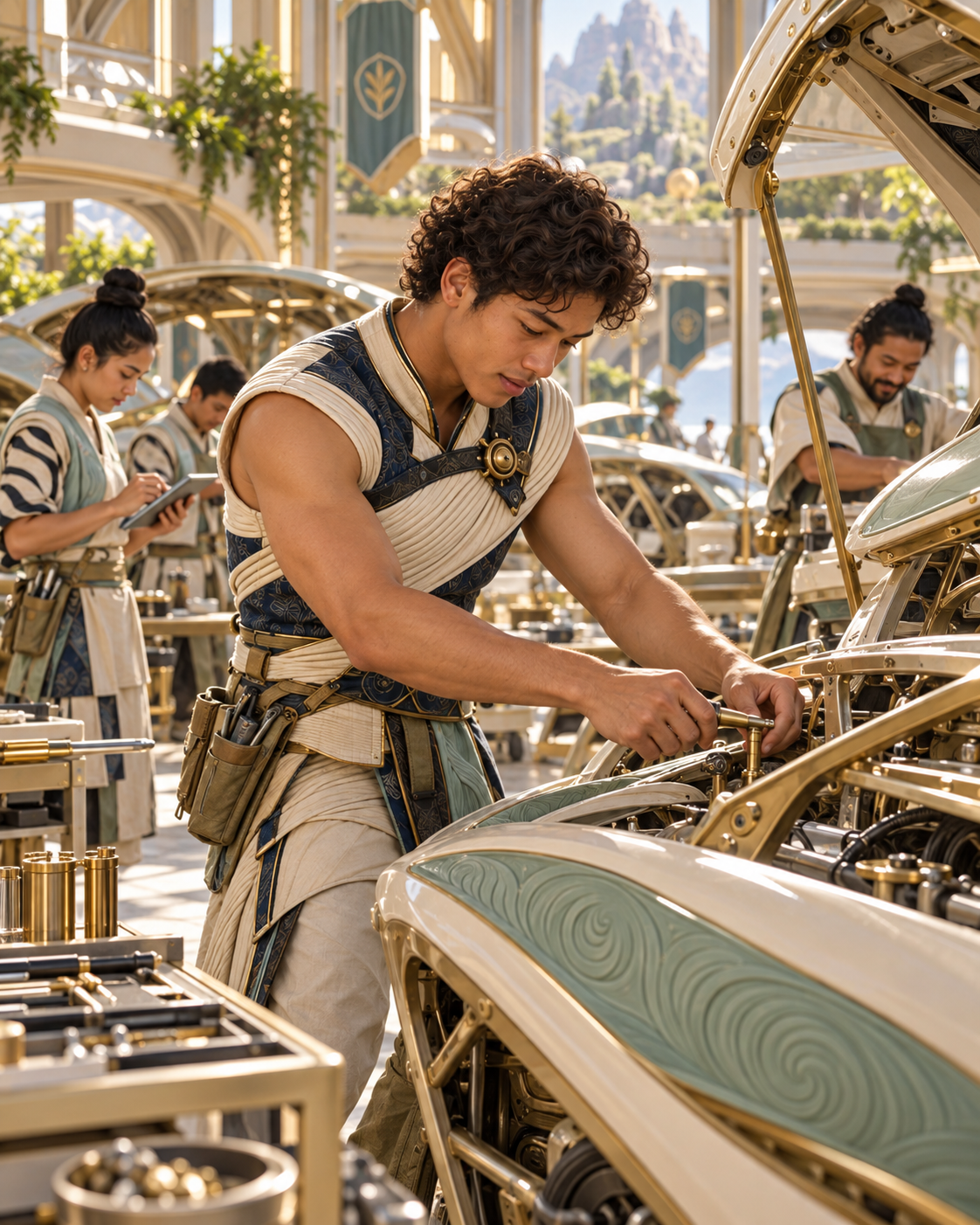
Technology should carry repetition. Machines can lift, sort, scan, pump, monitor, wash, move, alert, stabilize, calculate, and repeat. People should carry discernment, judgment, taste, care, teaching, repair, beauty, verification, and relational intelligence.
In Keslev, machines help with grain lifting, optical sorting, drying, food arteries, and high-capacity processing. Humans verify, taste, approve, interpret, and protect food truth. In Kultan, water systems can be monitored with clarity tools, cuff monitors, flow batons, and Pacorips alerts. Humans read the situation, explain the system, respond wisely, and protect public trust.
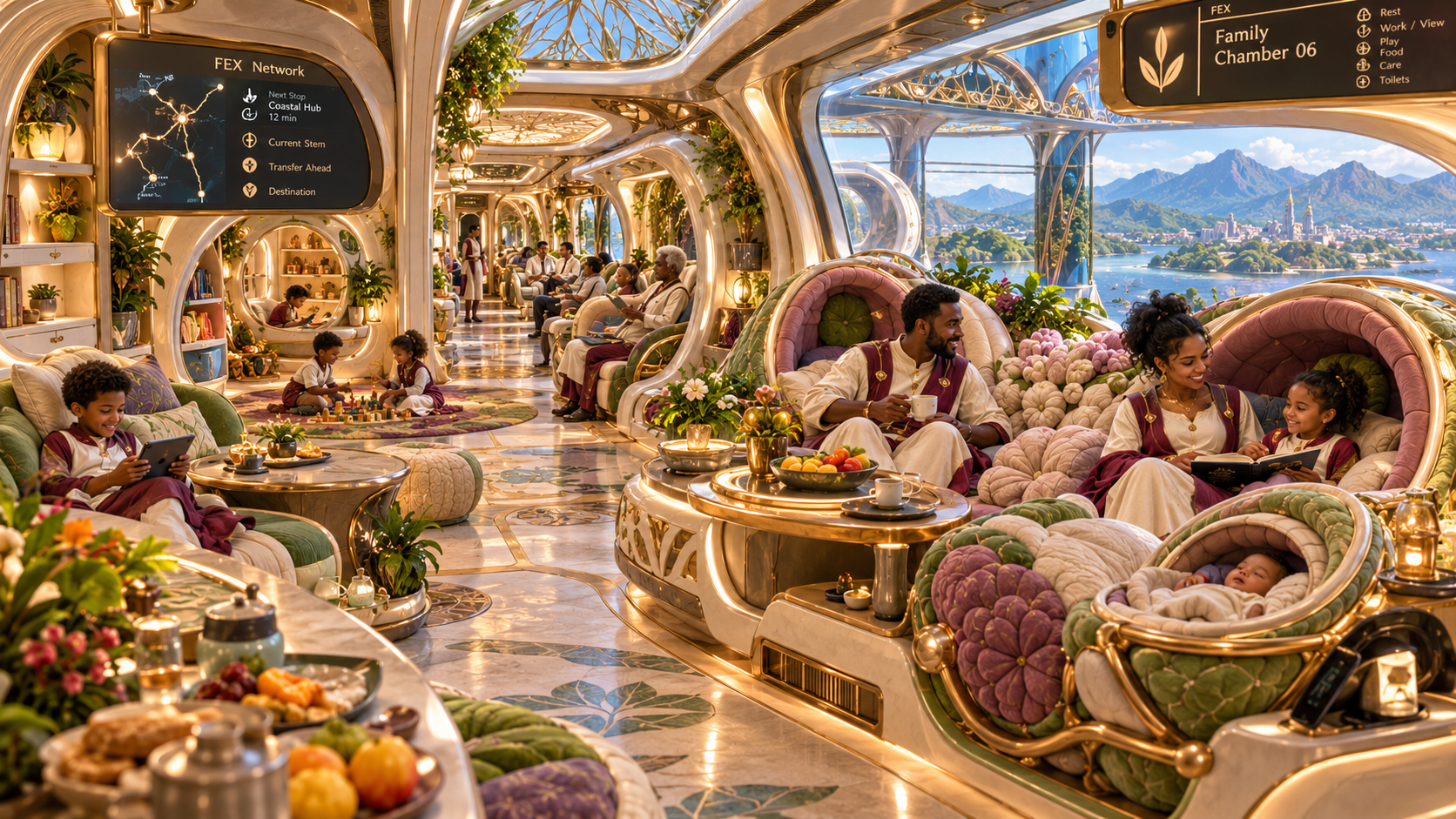
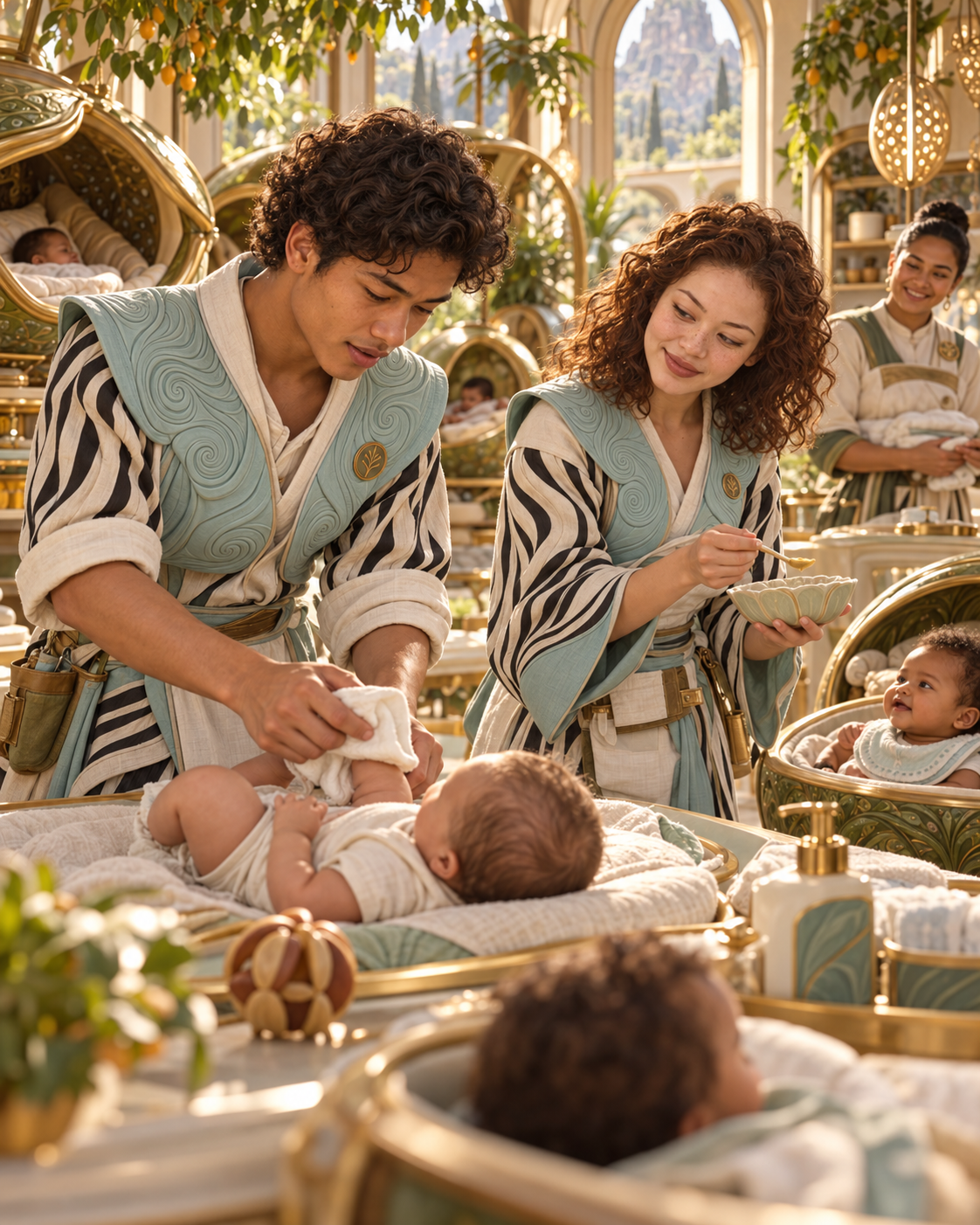
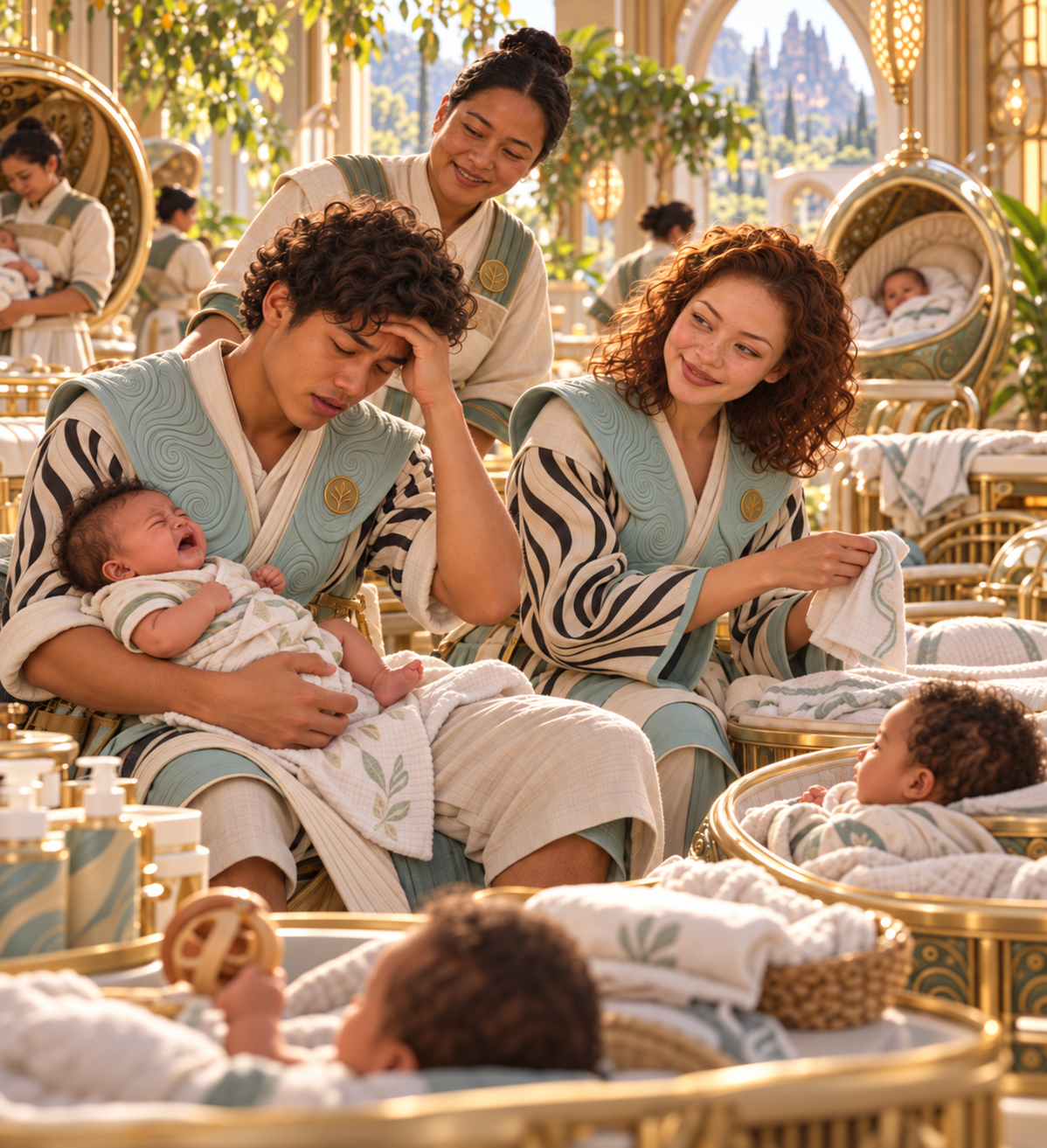
In Baby World, technology can support route planning, stroller docks, warm wash systems, water quality, age-zone routing, and food delivery. Humans hold, comfort, guide, notice, reassure, and care.
This is why Shubaka should not feel like old-world drudgery. The kingdom uses technology so human beings are not reduced to machines.
6. Family-Pair Shubaka Protects Marital and Family Closeness
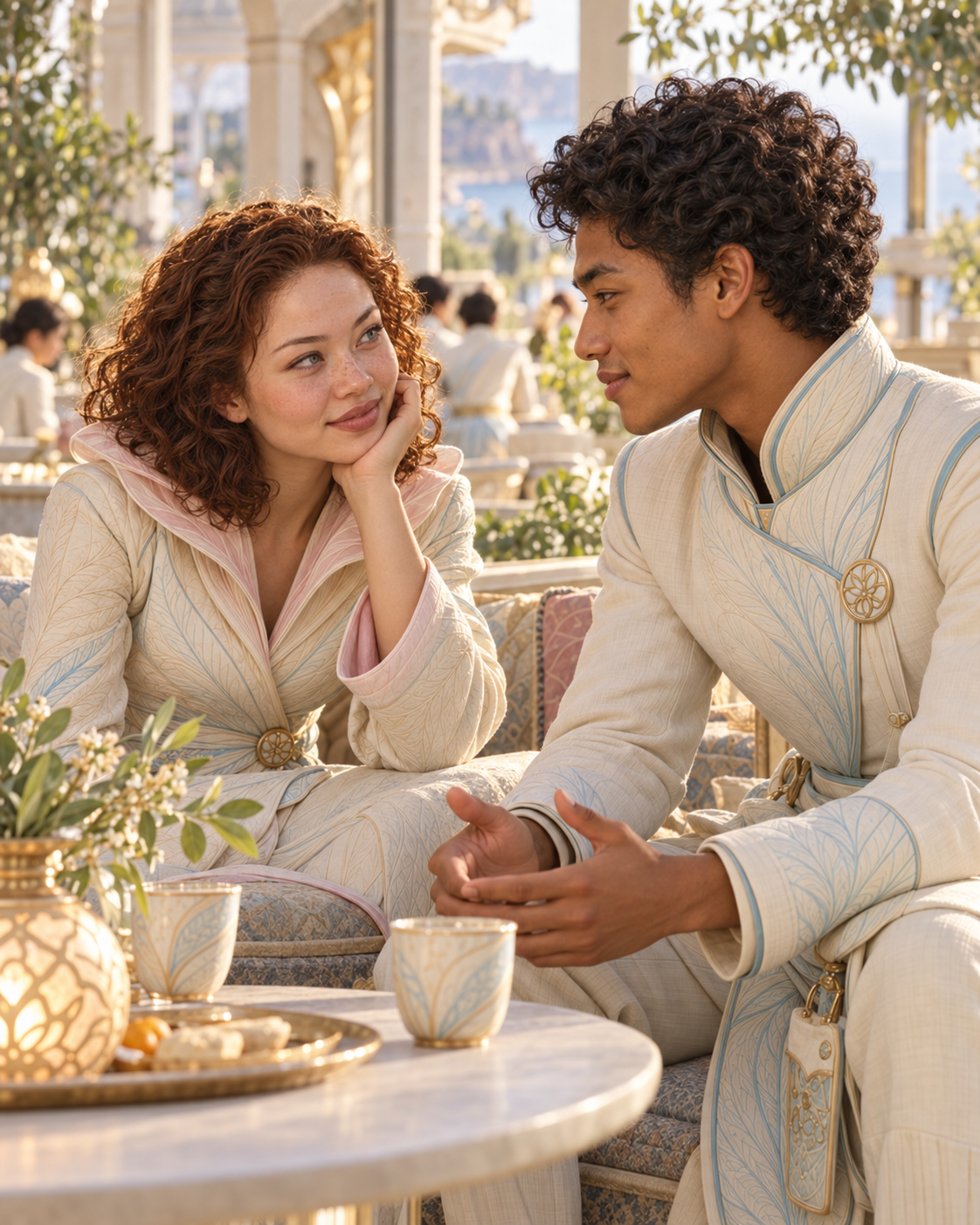
A major difference between Shubaka and old-world work is that Shubaka can be structured around husband-and-wife pairs, family pairs, parent-helper pairs, and role teams that do not unnecessarily separate people from the ones they love.
In the old world, work often pulls spouses apart. One leaves early. One returns late. Both are tired. Children receive the exhausted leftovers. Romance suffers. Playfulness dies. Conversations shrink into logistics. Even when the family survives, the family can become emotionally thin.
The kingdom designs against this.
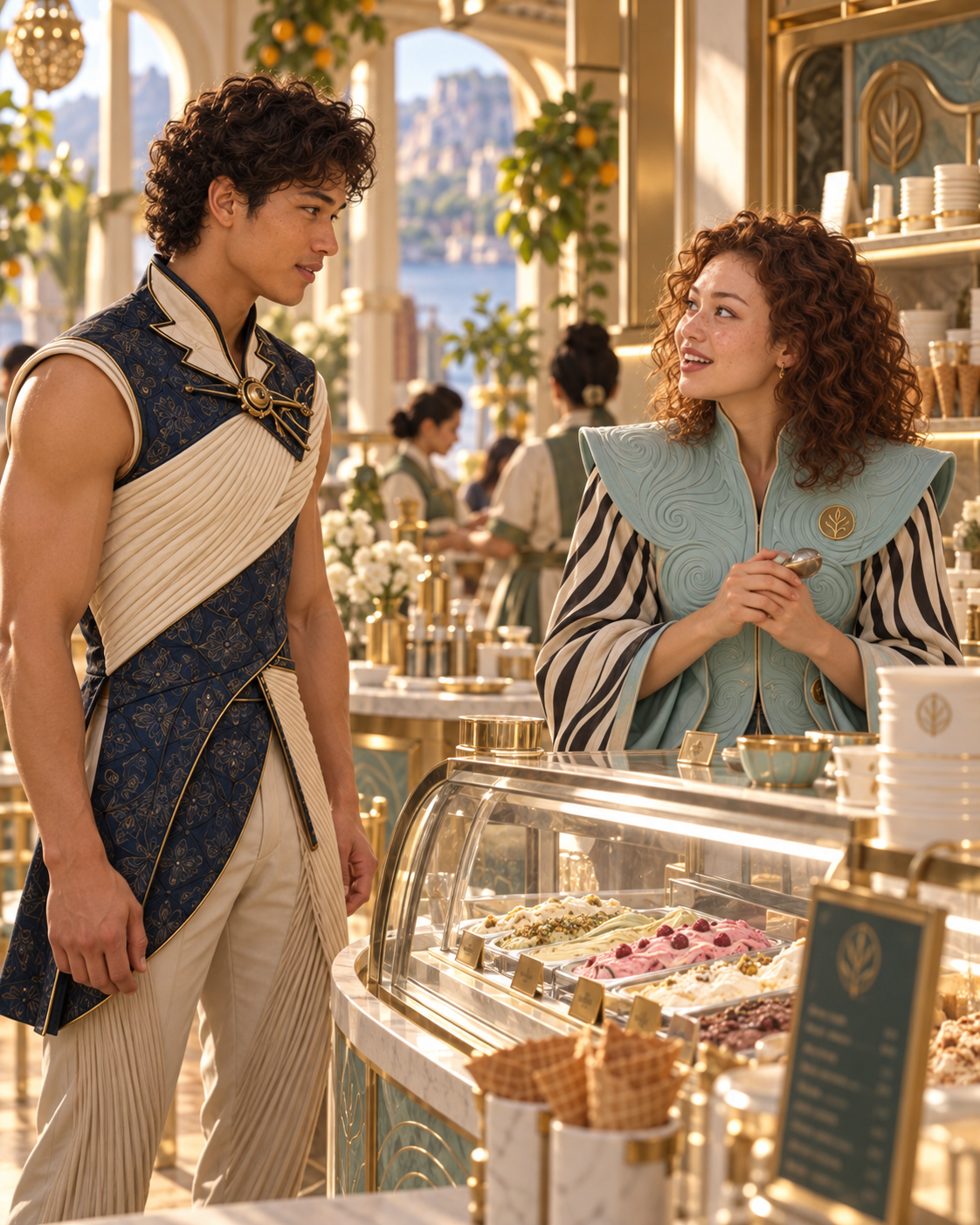
Husband-and-wife Shubaka pairs can host, guide, teach, support, cook, welcome, route, steward, and serve together. One partner may handle technical monitoring while the other teaches families. One may prepare food while the other welcomes. One may guide children while the other supports parents. One may handle route logic while the other watches family comfort.
- Orchard Welcome Pair
- Family Harvest Pair
- Public Table Pair
- Flow Steward + Learning Guide Pair
- Café Hosting Pair
- Makji Hosting Pair
- Wingcrest Welcome Pair
- Kezidek Care Steward Pair
- Release Commons Family Flow Pair
- Refresh Pavilion Support Pair
7. Shubaka Gives People Many Ways to Contribute
Another protection against misery is variety. A person is not trapped forever in one narrow role if their gifts, strength, season of life, family needs, or interests change.
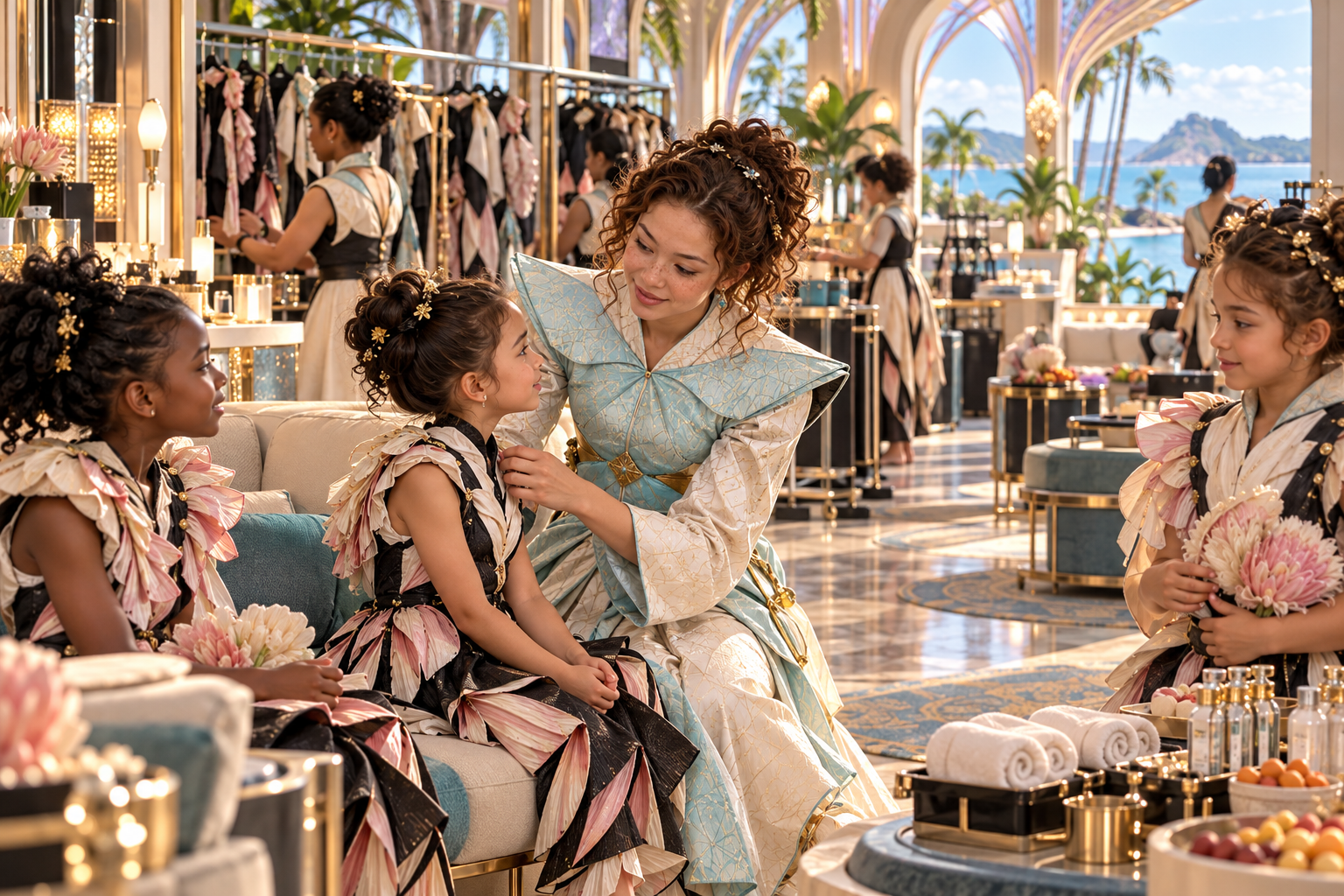
A young adult may begin as a learning guide, train into water stewardship, later become a Tide Keeper, and then help develop storm-response education. A parent may serve in a Baby World support role during one season, then move into orchard guidance, Sabennerie hosting, or fashion rolewear support. A skilled builder may help with public furniture, architecture maintenance, Makji interiors, or Service Shadow infrastructure.
The kingdom has enough role depth to allow growth. People are not reduced to one label.
Care-Facing Roles
Baby World, elder support, parent relief, warm wash, family route help, child learning, and family rest.
Technical Roles
Water systems, Makji service, food processing, Solar Moon panels, Pacorips, sensors, vehicles, and machines.
Food Roles
Keslev, Sabenneries, cafés, orchards, food truth, tasting, dispatch, child food, and public tables.
Creative Roles
Fashion, Jubo, child inventions, public furniture, storytelling, article writing, music, design, and archives.
Is this not miles apart from the old-world model where people are trapped in the same draining work until they are too tired to imagine themselves differently?
8. Extra Contribution Comes Through Choice and Willingness
The kingdom has many things to build, but that does not mean everyone should be pressured into endless extra work. Once a person has fulfilled their Shubaka rhythm, extra contribution should come through choice, willingness, calling, excitement, training interest, family mission, or creative desire.
Some people will want to do more. Some people love food systems. Some love water. Some love children. Some love machines. Some love design. Some love public hosting. Some love gardens. Some love quiet repair work. Some want to invent. Some want to learn. Some want to rest more in one season because their family needs it.
A wise civilization does not flatten everyone into the same rhythm. It allows people to contribute meaningfully while preserving freedom, desire, and personal growth.
9. Time Off Is Not Empty Time
In the old world, “time off” can become recovery from damage. People use weekends to collapse from the week. They clean, catch up, pay bills, scroll, sleep, run errands, and prepare to be consumed again.
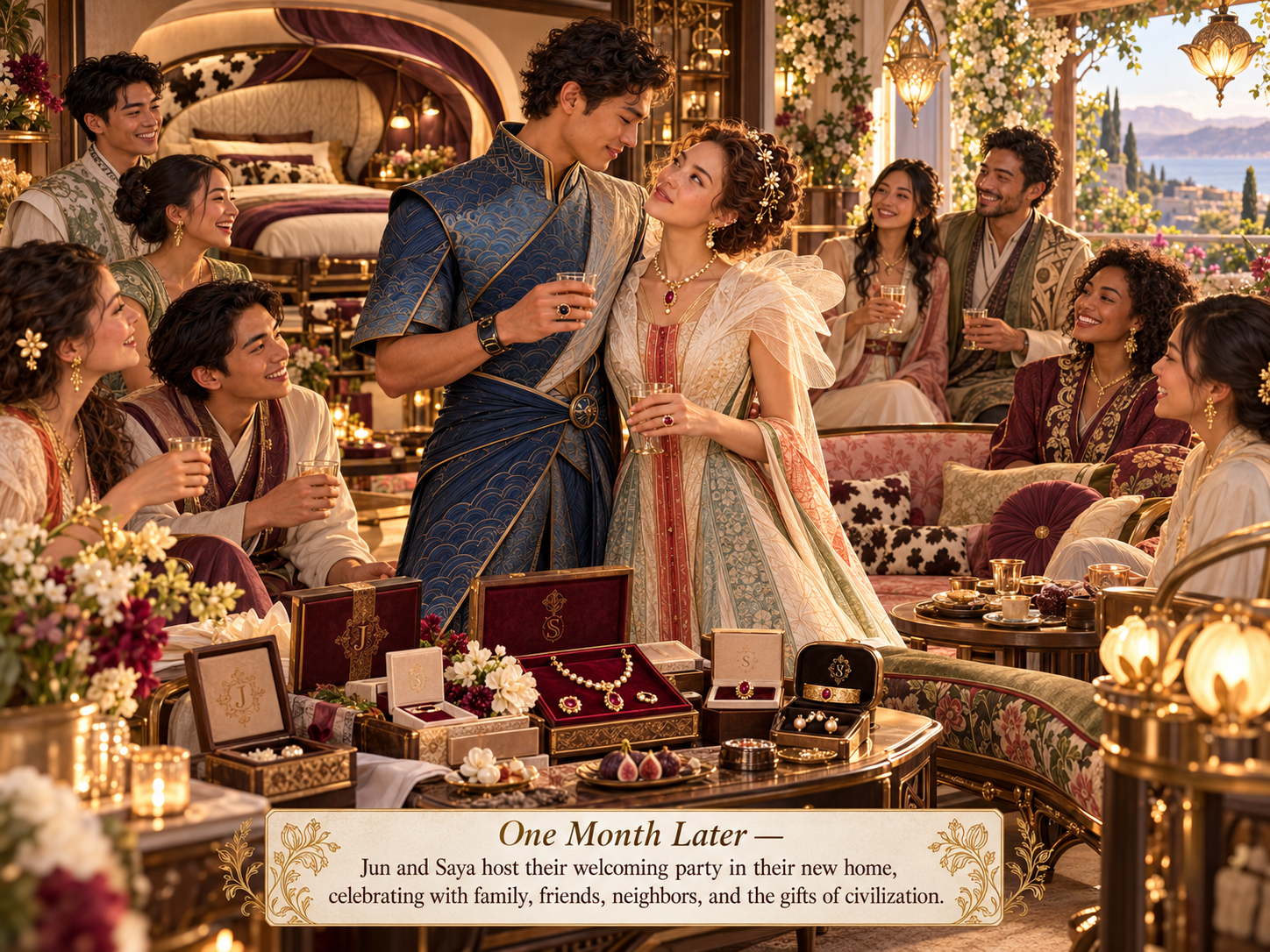
In the Trott Bailey Family Kingdom, time off should be alive. A person can walk through orchards, visit Balushu, rest in family gardens, take children to Baby World, explore Kultan, enjoy Sabenneries, develop craft, join learning worlds, write music, design clothes, study water systems, participate in family challenges, rest with a spouse, or simply enjoy the beauty that everyone helps maintain.
This is why Shubaka must not devour the week. If people help maintain the kingdom but never have time to enjoy it, the philosophy has failed.
10. The Ruling Trott Bailey Family Also Shubakas
The Shubaka philosophy is upheld by the ruling Trott Bailey Family members themselves. This is essential. If the rulers only command contribution but never participate, Shubaka becomes suspicious. It begins to smell like hierarchy, not family civilization.
But the Trott Bailey Family loves to Shubaka. They see it as staying sharp. They see it as building their capabilities and understanding. They see it as a way to lead better because they know more from direct contact.
A ruler who has never helped with the systems can misunderstand the systems. A ruler who never enters the ordinary flow can be lied to by appearances. A ruler who only receives reports may miss what a tired parent, a Flow Steward, a food verifier, a child guide, or a a food verifier, a child guide, or a Service Shadow team sees every day.
That is why Trott Bailey Family members can Shubaka in many roles. They can change their looks, wear disguises, blend in, receive no special treatment, and see the kingdom honestly. This protects leadership from ceremonial blindness.
11. Disguised Shubaka Protects Truth
There is wisdom in the ruling family sometimes changing up their appearance and serving freely without being recognized. Special treatment can hide reality. People behave differently when they know authority is watching. Systems can be polished for inspection while ordinary conditions remain unseen.
Disguised Shubaka allows the Trott Bailey Family to receive the real picture. They can observe whether families are actually being helped, whether a wash court is practical, whether a Service Shadow route feels humane, whether a Sabennery line is calm, whether children are delighted, whether elders are comfortable, whether stewards are respected, and whether any role is becoming heavier than intended.
This is not spying in a cruel sense. It is humility in rulership. It is a refusal to be separated from truth.
12. Shubaka Makes People Capable
Shubaka is not only about helping the kingdom. It also develops the person.
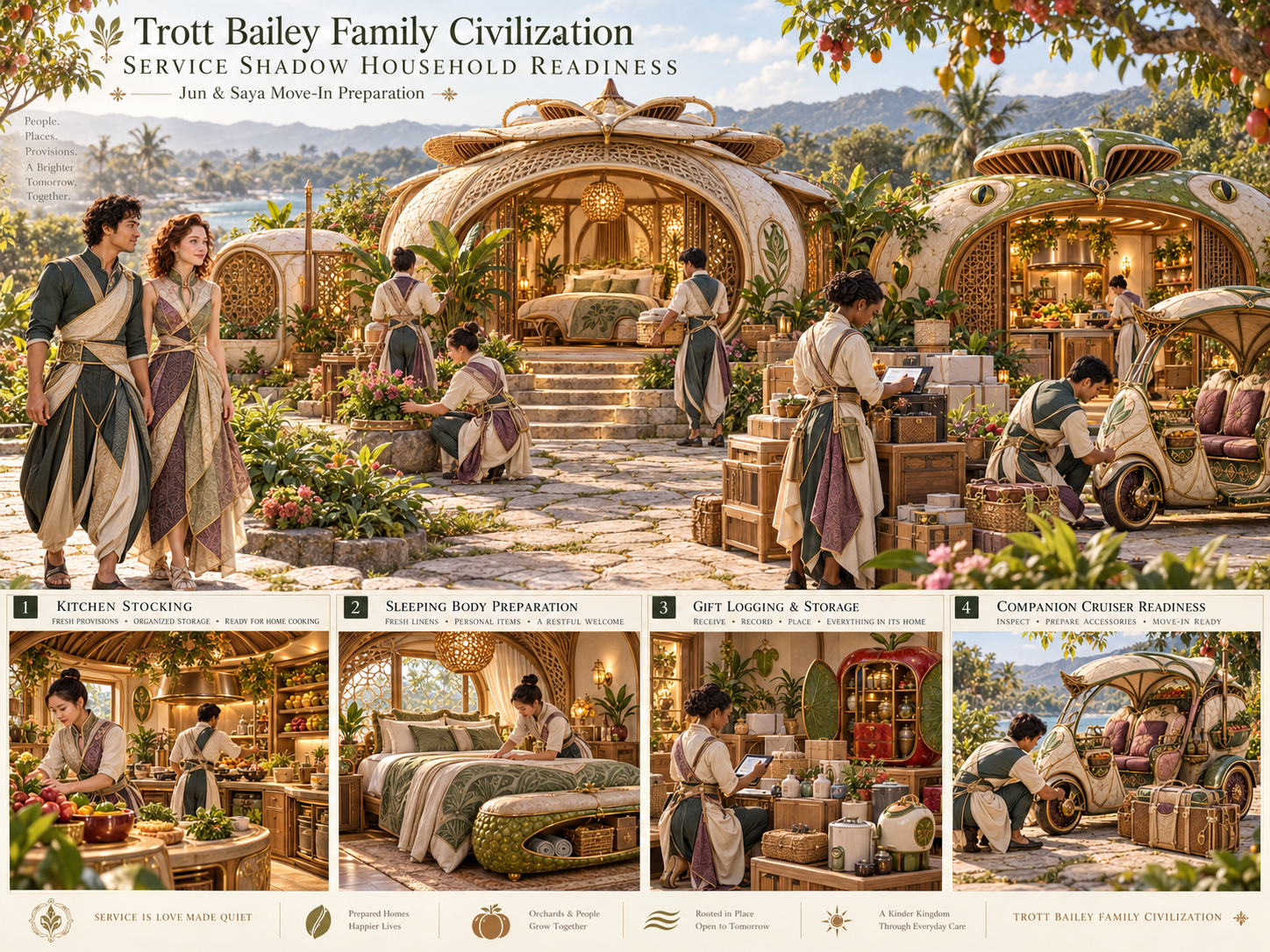
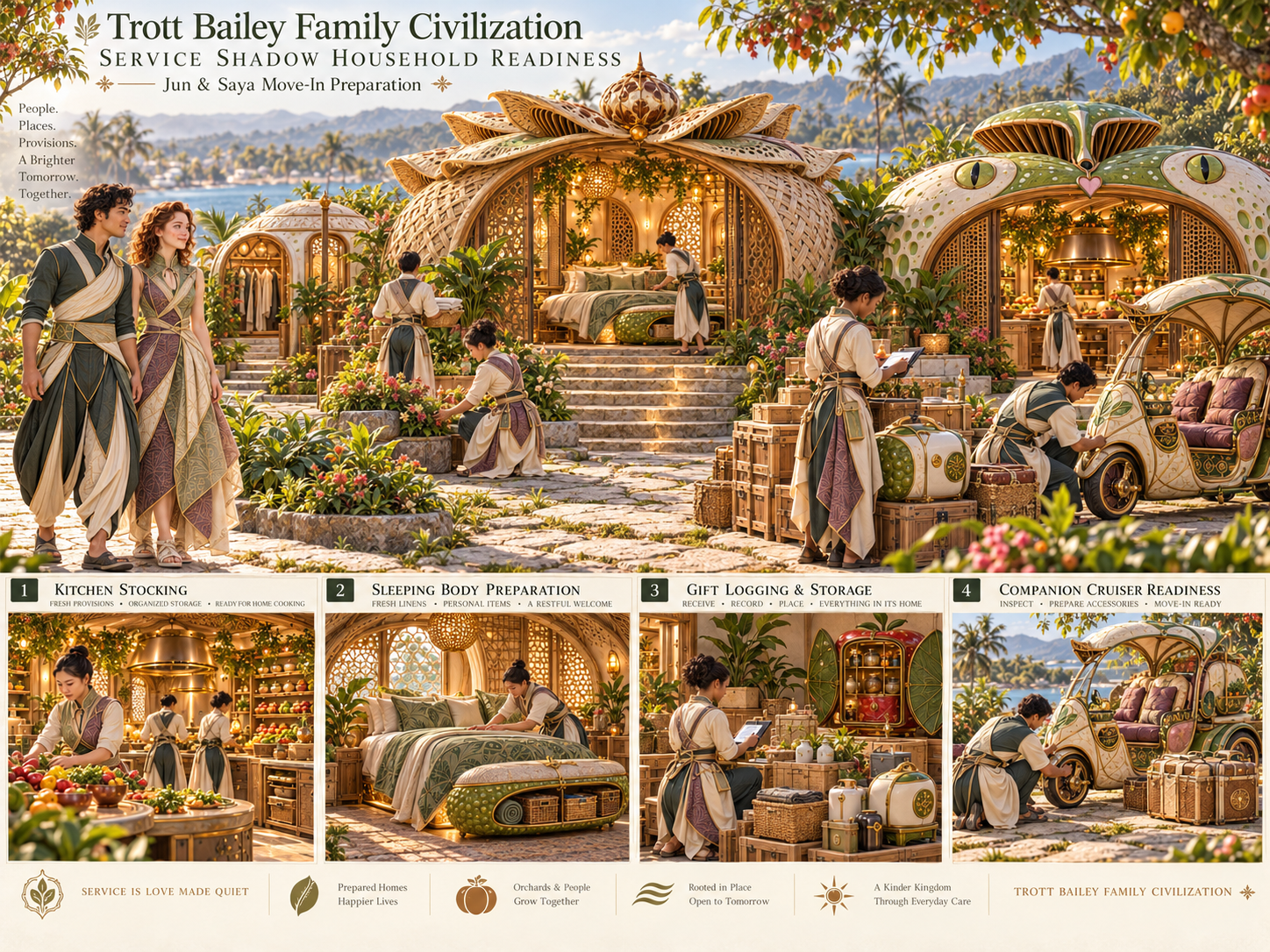
A person who serves in orchards learns food, patience, family guidance, soil, water, and seasonal awareness. A person who serves in Kultan learns flow, clarity, storm behavior, public teaching, and ecological care. A person who serves in Baby World learns developmental stages, parent support, safety, and emotional tenderness. A person who serves in Service Shadow learns coordination, timing, logistics, humility, and invisible excellence. A person who serves in fashion learns role identity, craft, cultural authorship, and movement.
The kingdom becomes stronger because the people become stronger.
This is especially important for refugees, migrants, and families entering the kingdom. They should not be frozen in a receiving category forever. Shubaka gives them a way to grow, be seen, learn new systems, recover dignity, contribute gifts, and build capability in a civilization that needs them.
13. Enjoyable Work Still Requires Protection
Saying Shubaka is enjoyable does not mean pretending every task is easy. Some roles require focus. Some involve responsibility. Some require training. Some days are busy. Some systems need careful attention. A food verification error matters. A water alert matters. A child safety issue matters. A family assistance request matters.
That is why the kingdom must protect Shubaka with clear standards:
- shift limits
- role rotation
- rest after service
- training before responsibility
- technology support
- family-pair options
- Service Shadow protection
- safe tools
- Pacorips routing
- no permanent servant class
- no snobbery
- no forced extra contribution
Enjoyable work is not produced by slogans. It is produced by good design.
14. Shubaka Is Enjoyable Because the Kingdom Is Enjoyable
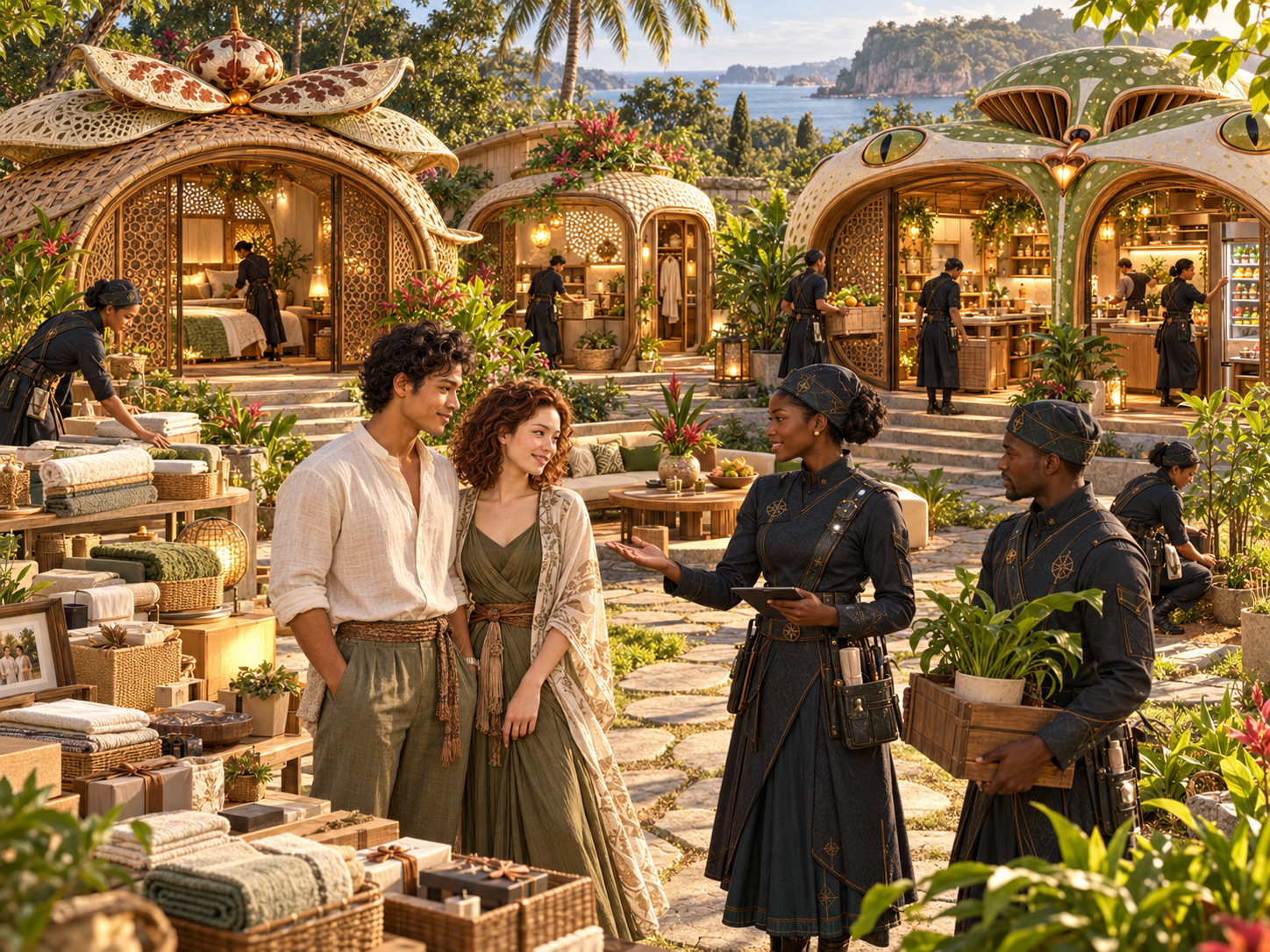
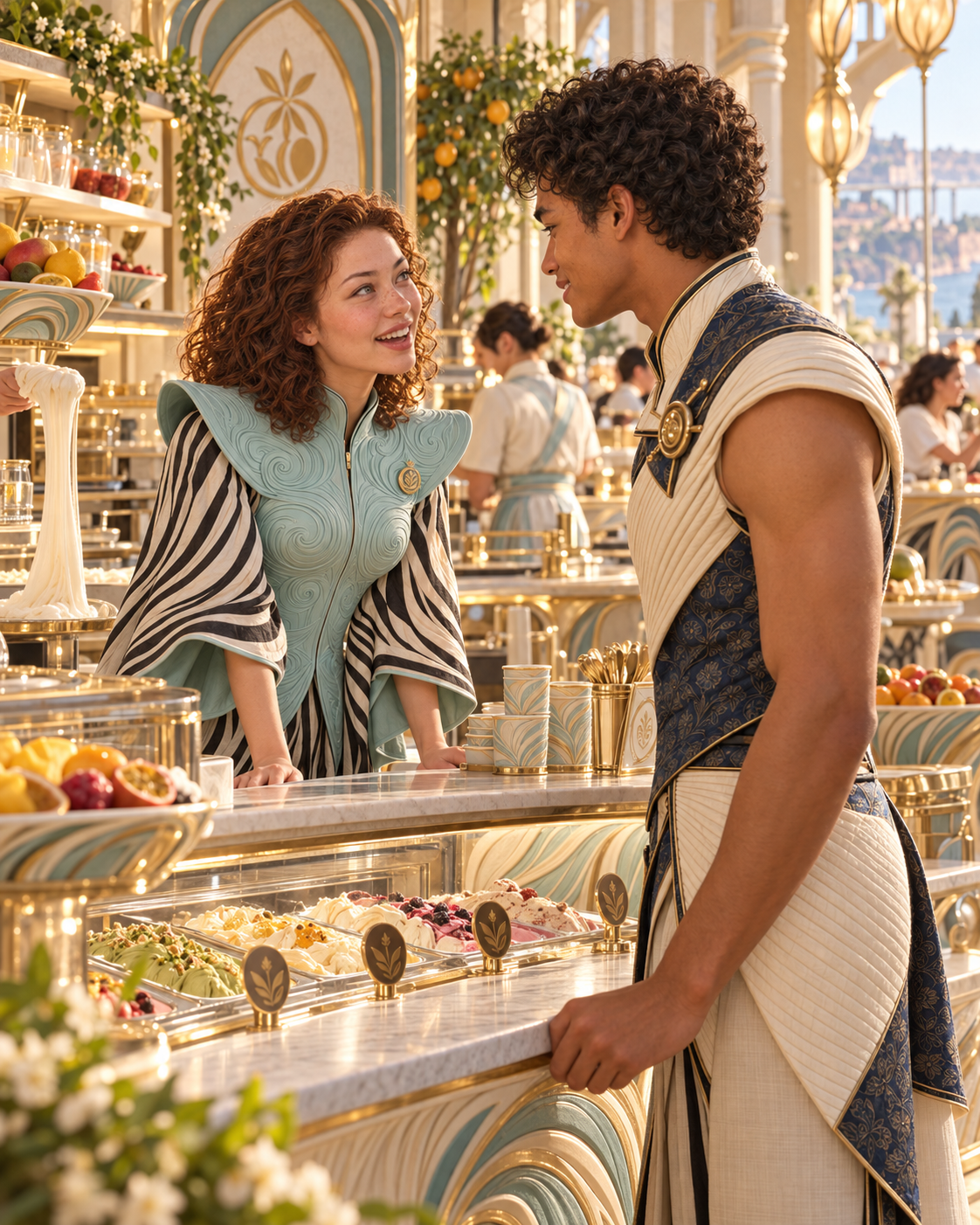
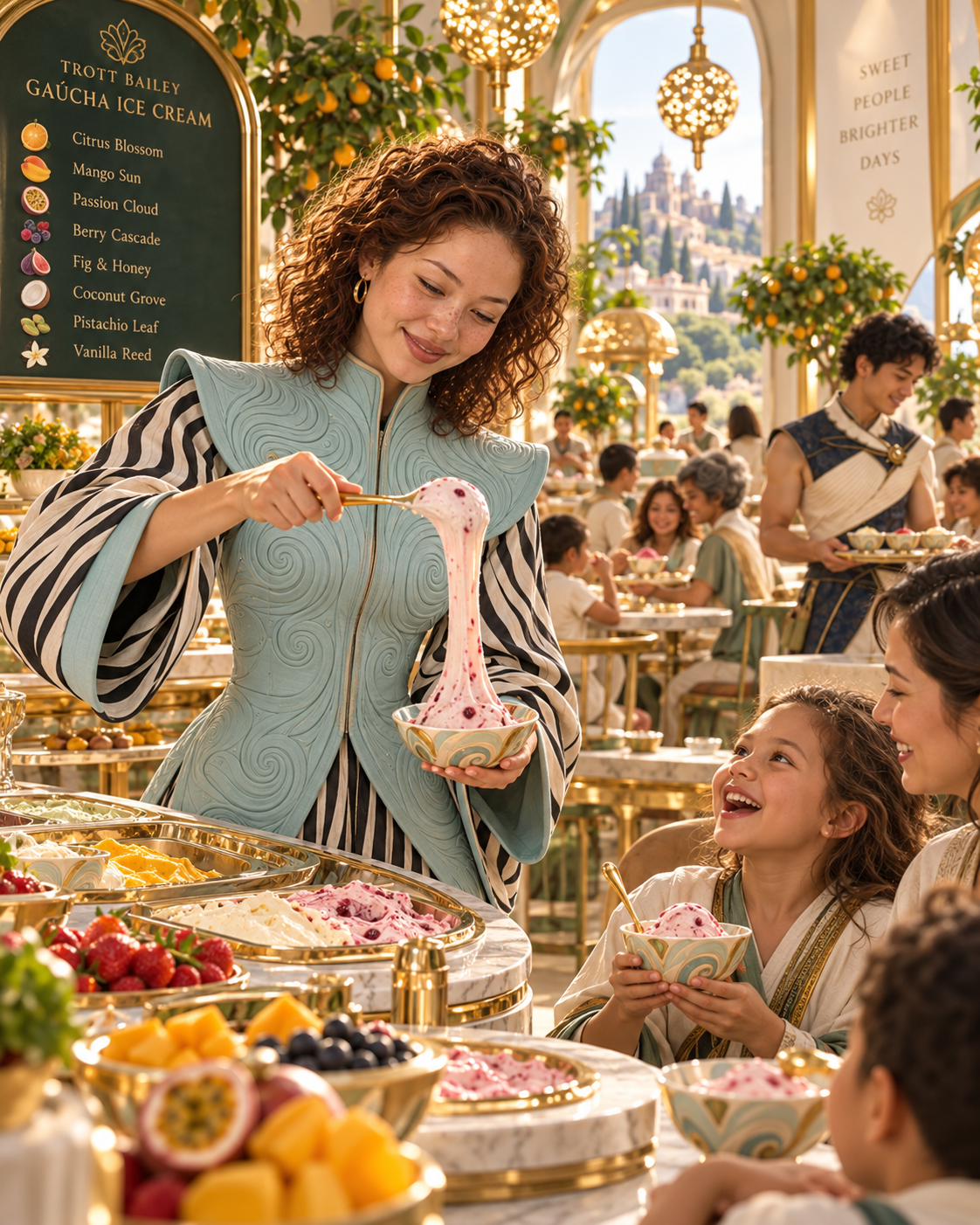
The atmosphere matters. It is easier to enjoy contribution when the place itself is beautiful. A person helping in a Fruit Wash Court is surrounded by fruit, water, children, family tables, shade, and orchard life. A Flow Steward works beside shell-comb channels, clear water, learning terraces, and living filtration systems. A Baby World helper serves in a landscape built around babies being held, not managed. A Release Commons steward helps people witness beauty without crowd chaos.
This is not the same as cleaning a neglected public bathroom, working behind a supermarket loading dock, or standing under harsh lights in an industrial line for survival pay.
When environments are authored, tools are beautiful, roles are respected, and families are protected, contribution can feel entirely different.
Who would not rather contribute in a civilization of orchards, Makji, Sabenneries, Baby Worlds, public gardens, Flow Steward courts, family routes, Jubo systems, and beautiful rolewear?
Final Word: Shubaka Lets the Kingdom Live Without Crushing the People
The Trott Bailey Family Kingdom has endless Shubaka because the kingdom is alive. But endless Shubaka does not mean endless labor for one person. It means there are endless ways for people to contribute, rotate, grow, serve, be relieved, and enjoy the civilization together.
One person contributes and gets off. Another fills in and gets off. Husband and wife pairs can serve together. Technology carries repetitive strain. Extra work comes through willingness. Time off remains protected. No one is too high to help. No role that protects life is low. Even the ruling Trott Bailey Family Shubakas, sometimes openly and sometimes disguised, because leadership must remain close to truth.
This is why Shubaka is not slavery. It is shared civilization care.
It is how the kingdom stays fed without degrading food workers. It is how the kingdom stays clean without creating a despised cleanup class. It is how families are supported without making care invisible. It is how public life remains beautiful without crushing Service Shadow. It is how technology serves people instead of replacing their dignity. It is how talented refugees, citizens, mothers, fathers, elders, youth, builders, artists, farmers, engineers, cooks, designers, and inventors can contribute without being consumed.
Shubaka is the kingdom saying: we all help carry the civilization, and then we all get to live inside its beauty.



 and then