Clothing as Civilization Proof
Clothing as Civilization Proof
Why World Ruler Sher treats fashion as lifestyle infrastructure, role language, body support, family dignity, and visible evidence that a civilization has thought about life all the way down to the skin.
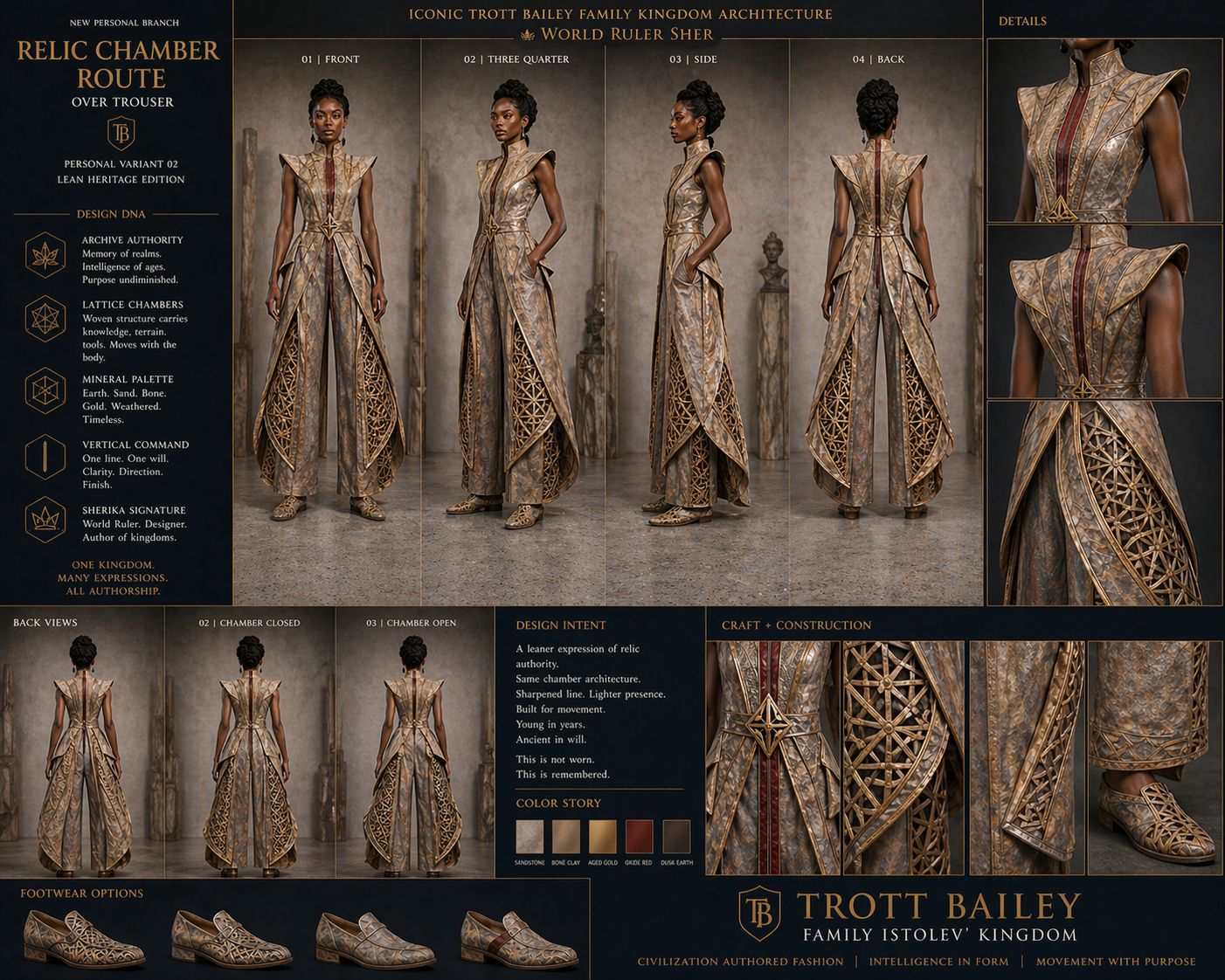
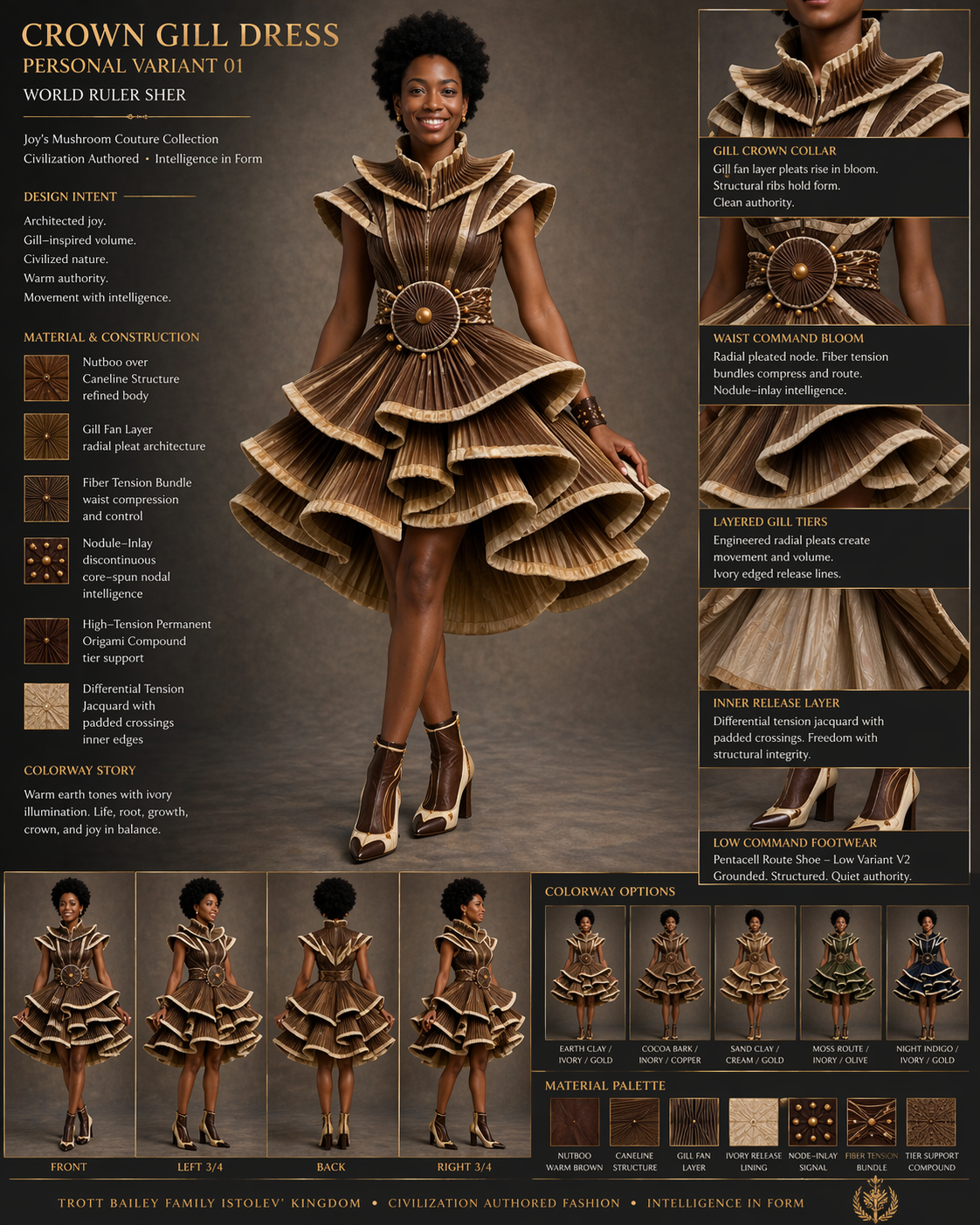
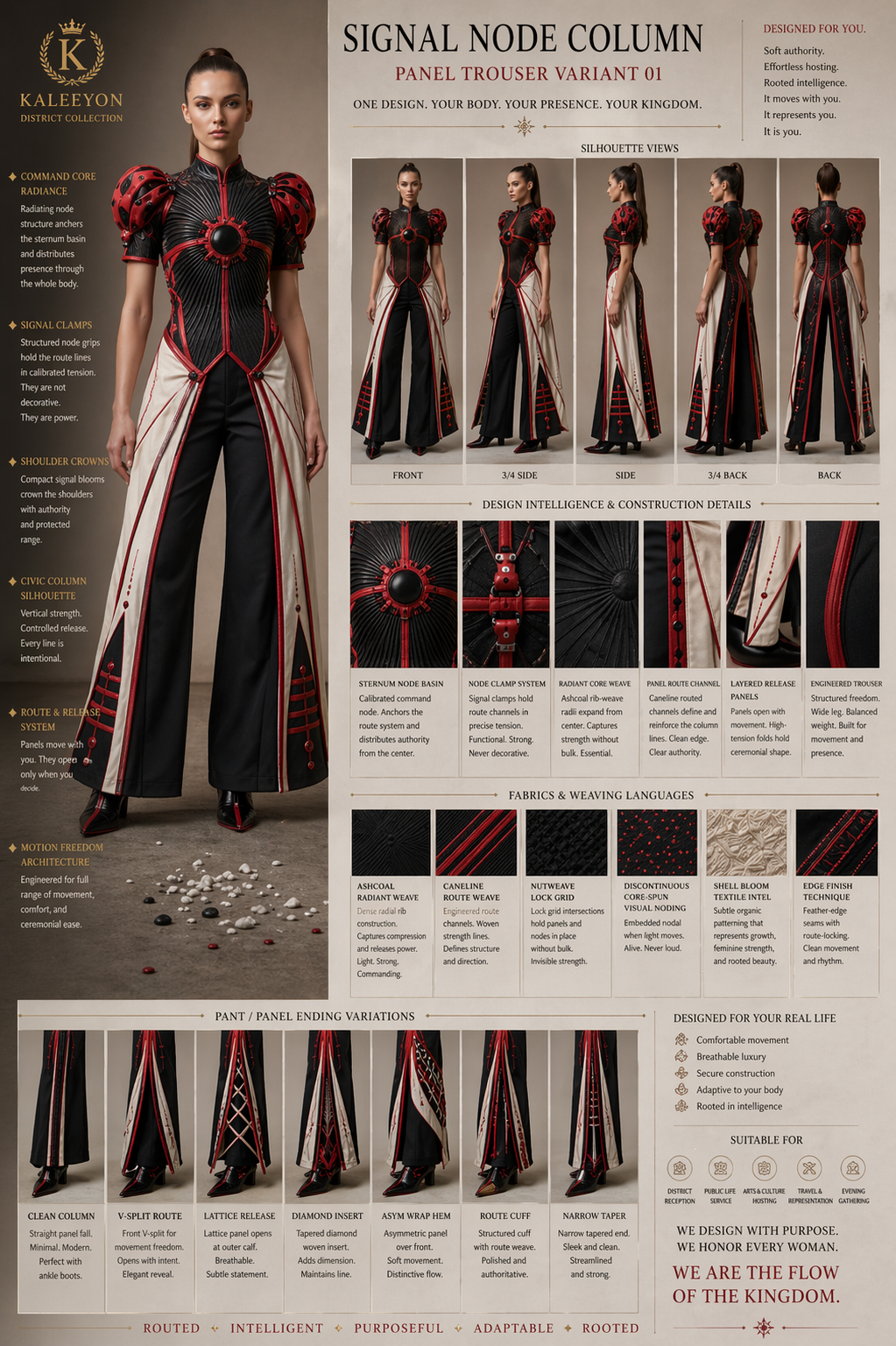
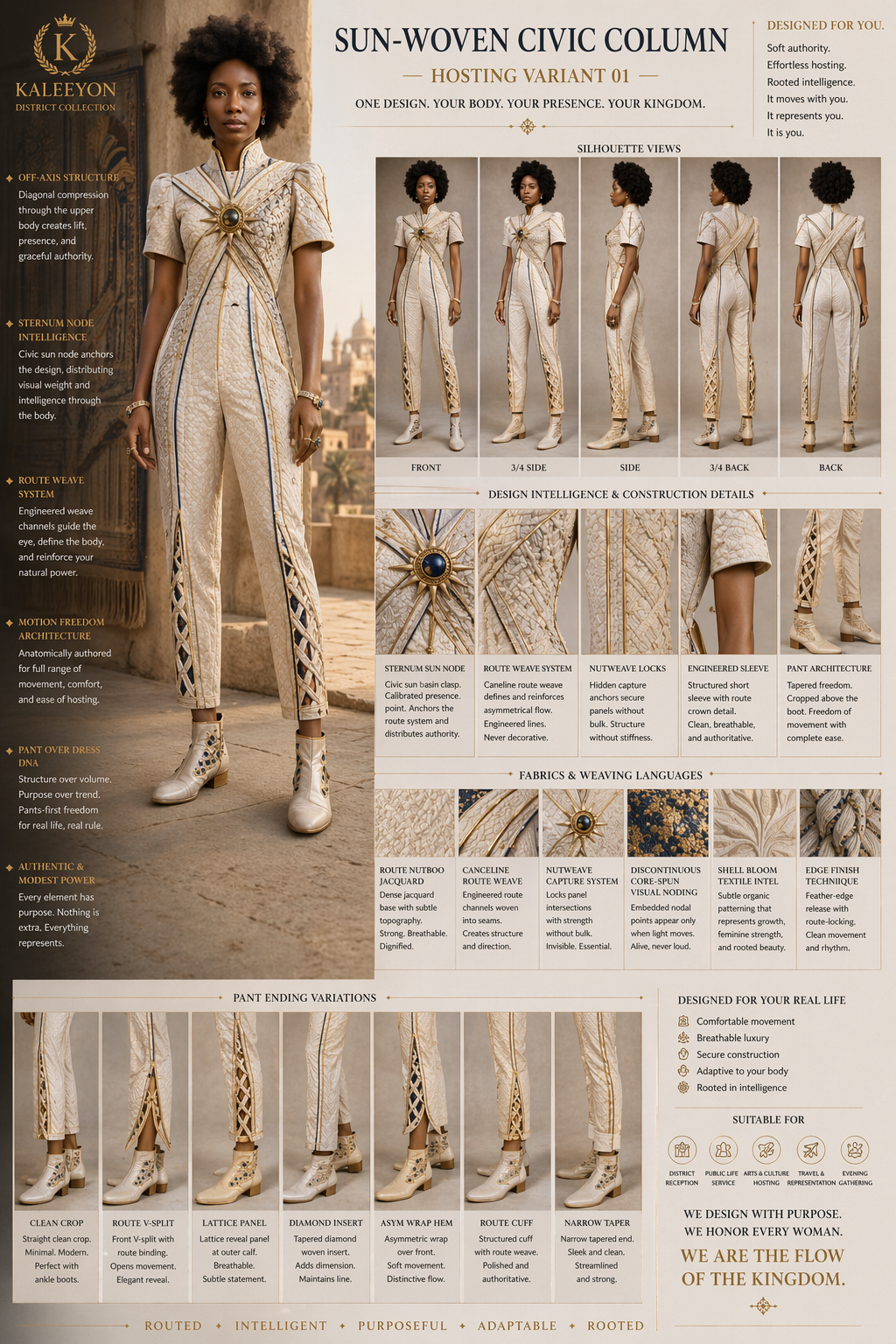
Sherika Trott Bailey does not treat fashion as decoration. She treats clothing as civilization proof. What people wear reveals what their world believes about bodies, work, modesty, motherhood, fatherhood, childhood, beauty, movement, dignity, weather, role, public life, and the value of everyday living.
This article continues the same argument carried through Trott Bailey Civilization Fashion Papers: Trott Bailey clothing is not about chasing trends, copying luxury fashion, or dressing people like fantasy royalty. It is about building the clothing language of a new civilization.
World Ruler Sher Does Not Ask Only, “Does This Look Good?”
Ordinary fashion often begins with appearance. Does this look good? Is it trendy? Is it impressive? Does it photograph well? Does it make a dramatic entrance?
Sherika asks those questions, but she does not stop there.
That question changes the assignment. Fashion becomes serious because clothing touches the body every day. If clothing fails, life becomes harder. If clothing works, the body moves through the day with more dignity.
Clothing Is Not Separate From Lifestyle
Sherika Trott Bailey has already argued that lifestyle on Earth needs reinvention. Clothing is one of the most direct proofs of that.
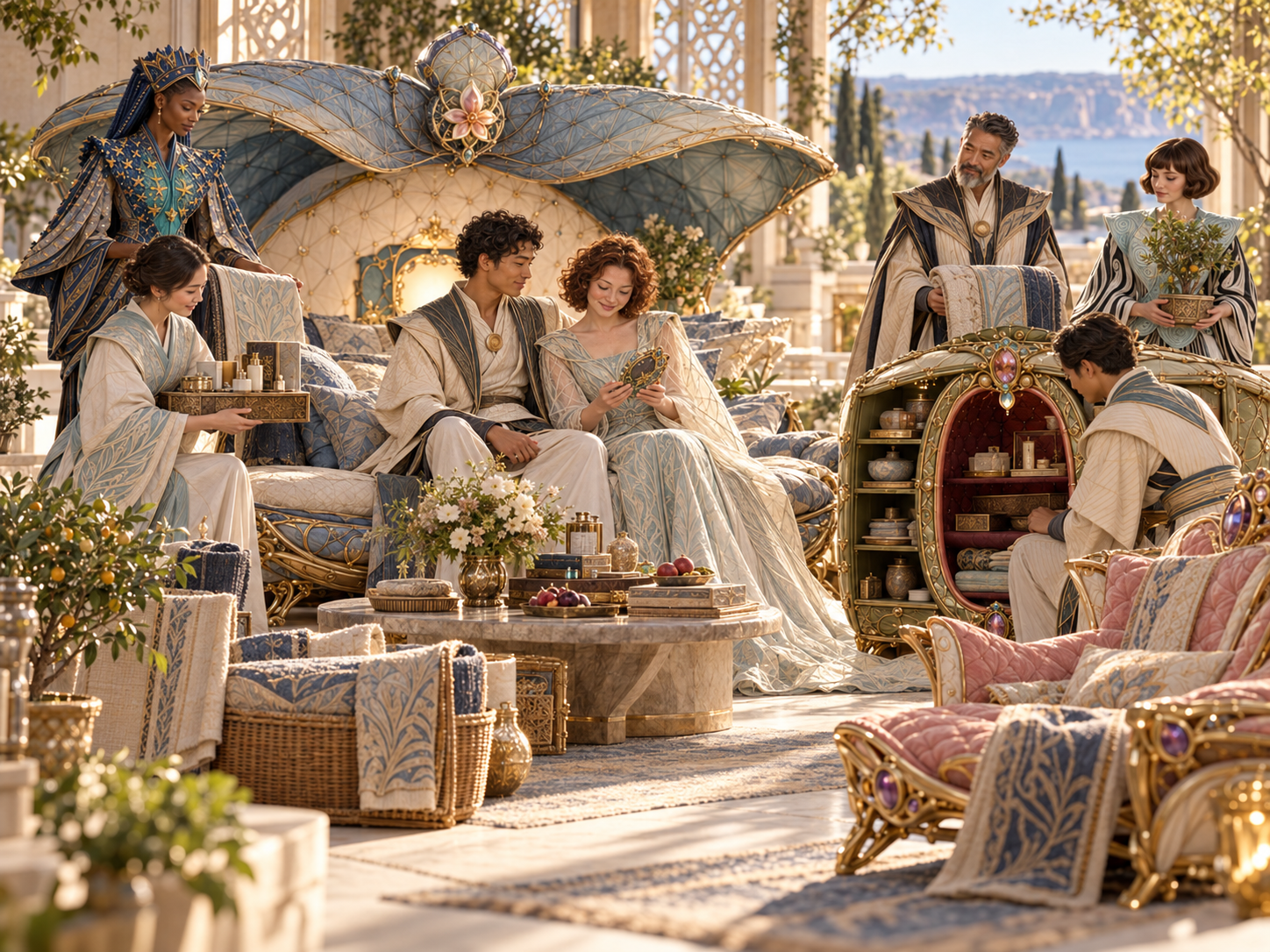
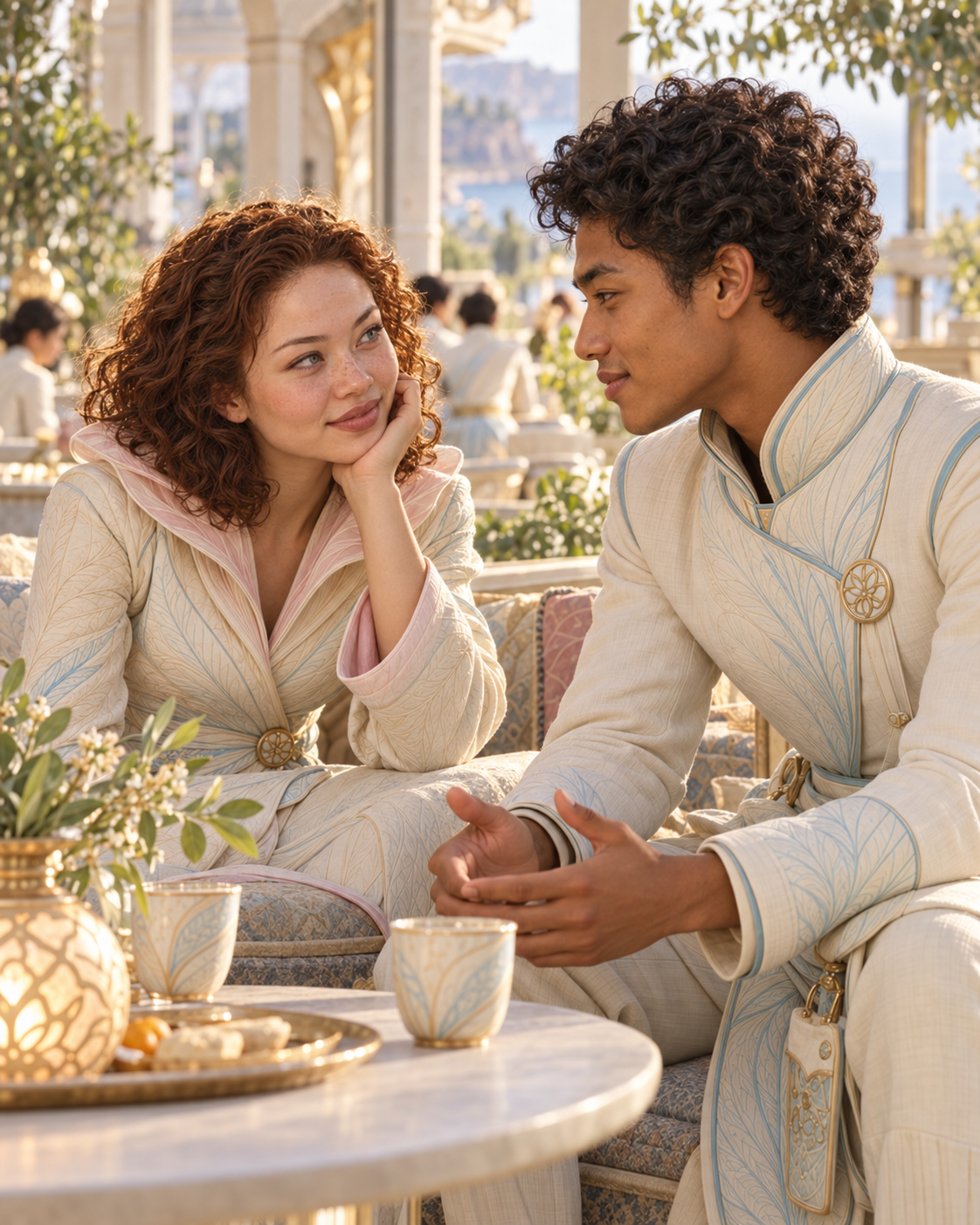
People do not merely look at clothing. They live inside it. They sweat in it. They work in it. They carry children in it. They walk public routes in it. They sit in it. They spill food on it. They wash it. They repair it. They outgrow it. They teach children how to dress through it. They express dignity, modesty, courage, joy, authority, softness, strength, and belonging through it.
This connects to Sherika Trott Bailey Says Lifestyle on Earth Needs a Reinvention, where fashion is treated as lifestyle innovation because clothing touches every day.
When clothing is weak, the lifestyle is weaker. When clothing is uncomfortable, generic, cheap, impractical, revealing in the wrong places, stiff, wasteful, or disconnected from work and family life, it exposes a civilization problem.
Sherika does not design clothing as isolated outfits. She designs clothing as part of how life should work.
The End of Generic Fashion
The old fashion world often gives people endless newness without enough meaning. New drops. New trends. New seasons. New silhouettes. New products. New images. But much of it repeats the same old problem: clothing becomes disposable, identity becomes aesthetic, and design becomes performance.
Sherika rejects that drift.
This is why Trott Bailey clothing cannot simply copy old-world categories. It cannot be generic workwear with a kingdom name attached. It cannot be ordinary sneakers with a symbol pasted on. It cannot be old resort clothing recolored. It cannot be fantasy royalty costume. It cannot be stiff armor pretending to be authority. It cannot be pageant clothing pretending to be childwear.
The article The End of Fashion: Why Clothing Needs a Civilization gives the larger critique: fashion cannot keep drifting through trends while failing the body, the family, and the deeper meaning of clothing.
The Body Is the First Architecture
Trott Bailey civilization does not begin only with roads, districts, pavilions, homes, farms, or vehicles. It also begins on the body.
Clothing is the first architecture a person enters each day.
Before the person walks into a house, they are already inside a garment. Before they enter a public route, they are already inside shoes. Before they serve, lead, teach, care, cook, build, play, or rest, their body is already being helped or hindered by what they wear.
This is why Sherika’s fashion work is not less serious than architecture. It is architecture carried on the body.
Footwear Is Not an Afterthought
Sherika Trott Bailey does not accept weak shoes.
In ordinary fashion, footwear is often treated as an accessory. In Trott Bailey civilization, footwear is a foundation. The shoe touches the ground first. It decides whether the person can move, serve, host, stand, carry, walk, explore, rest, and remain dignified without pain.
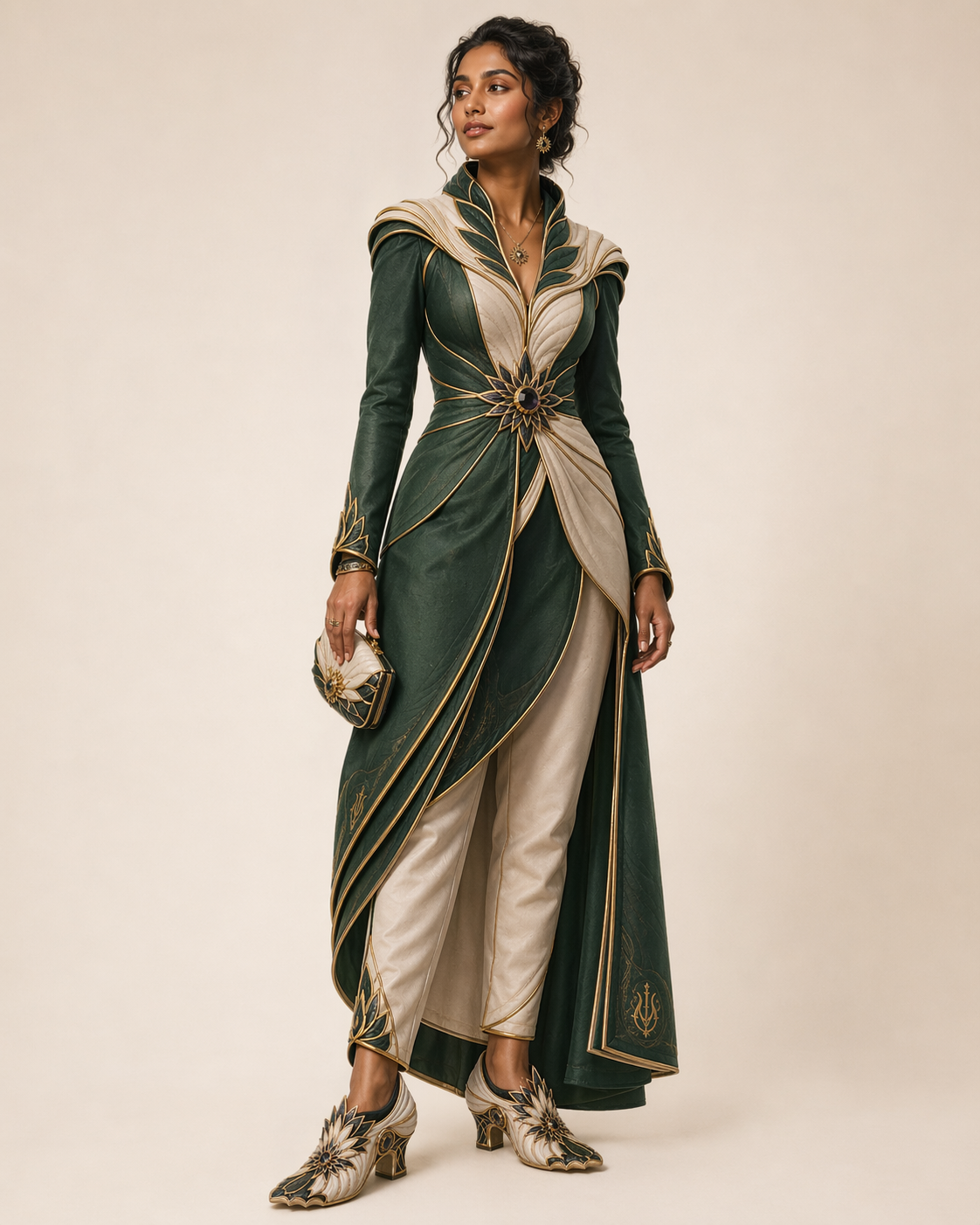
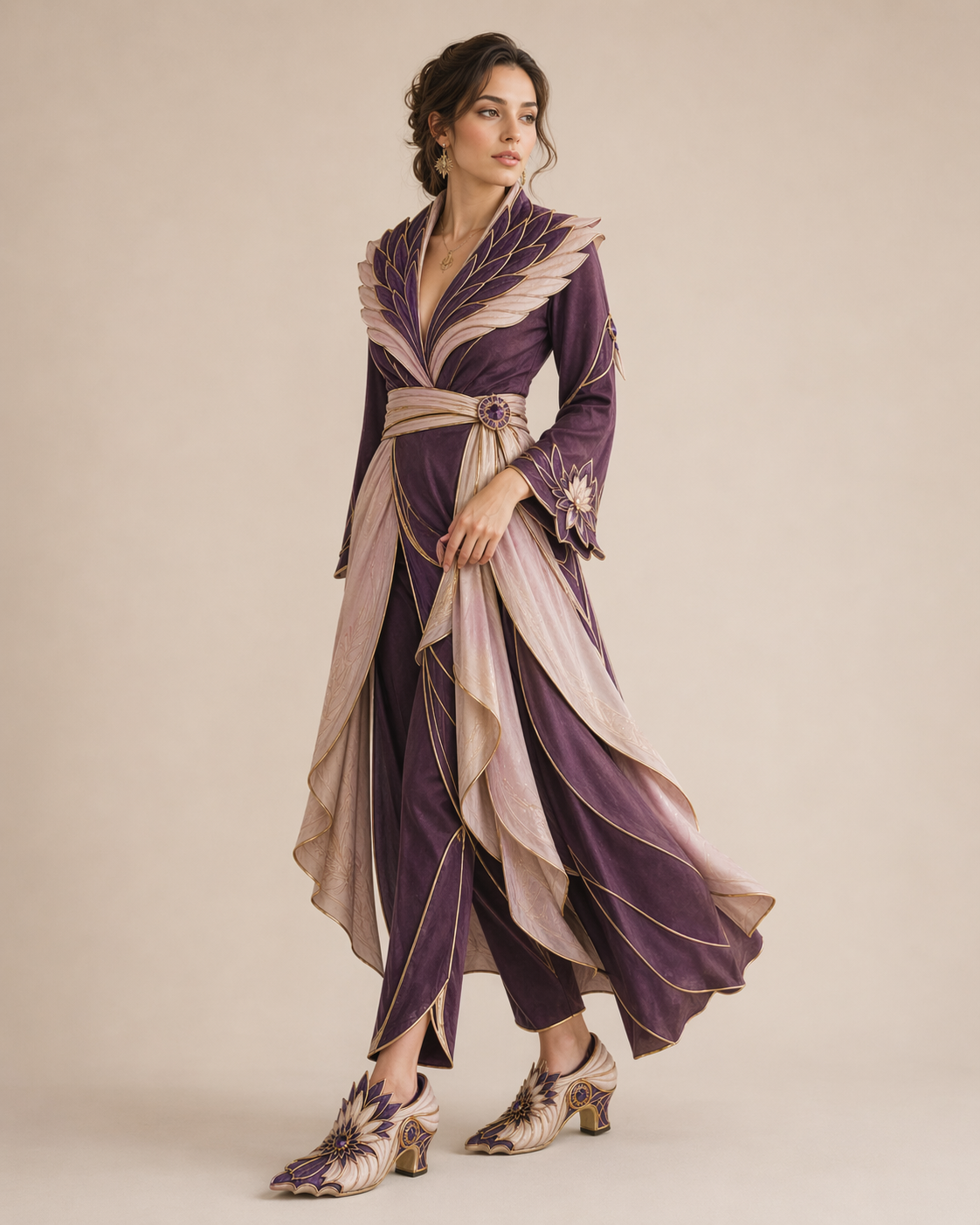
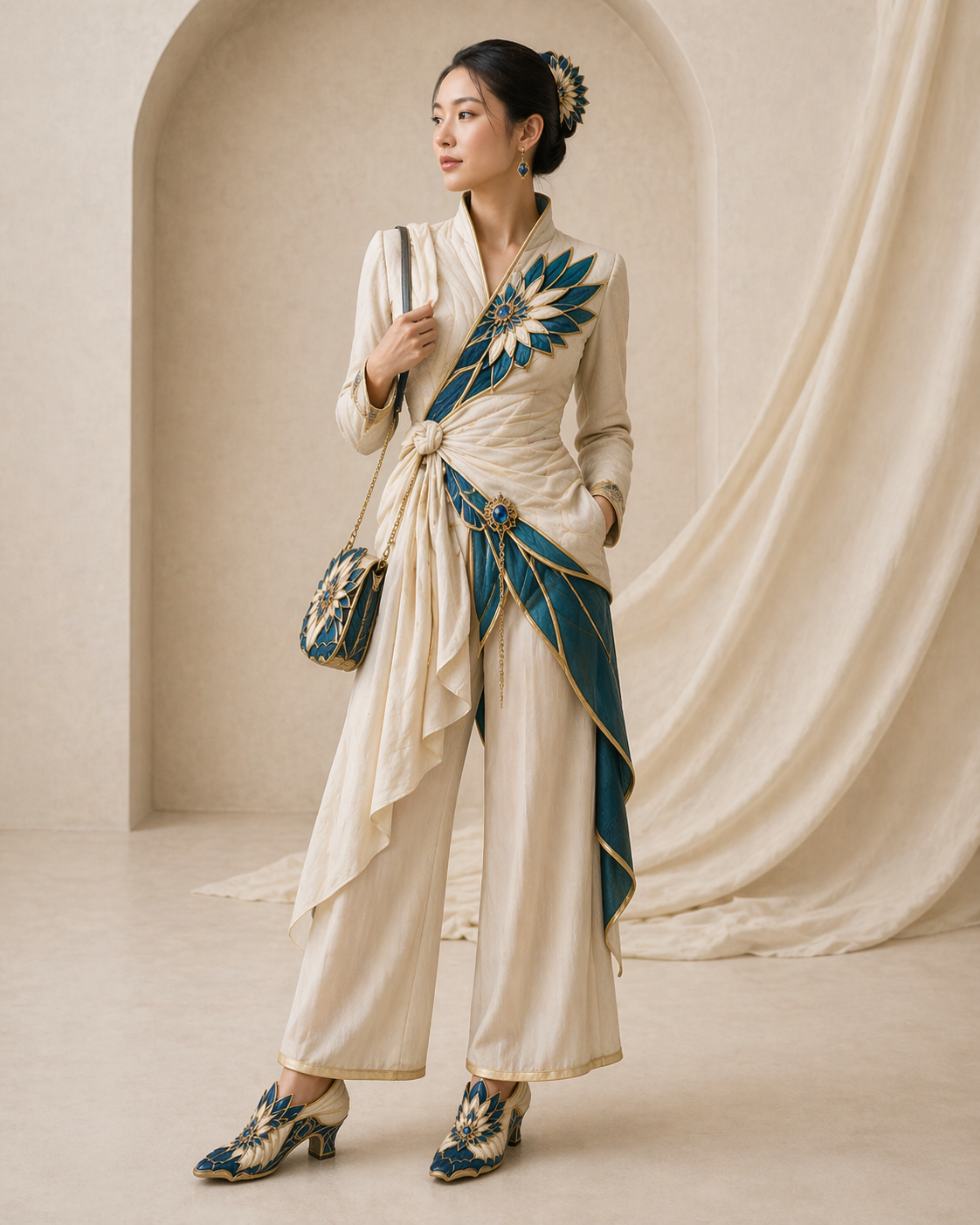
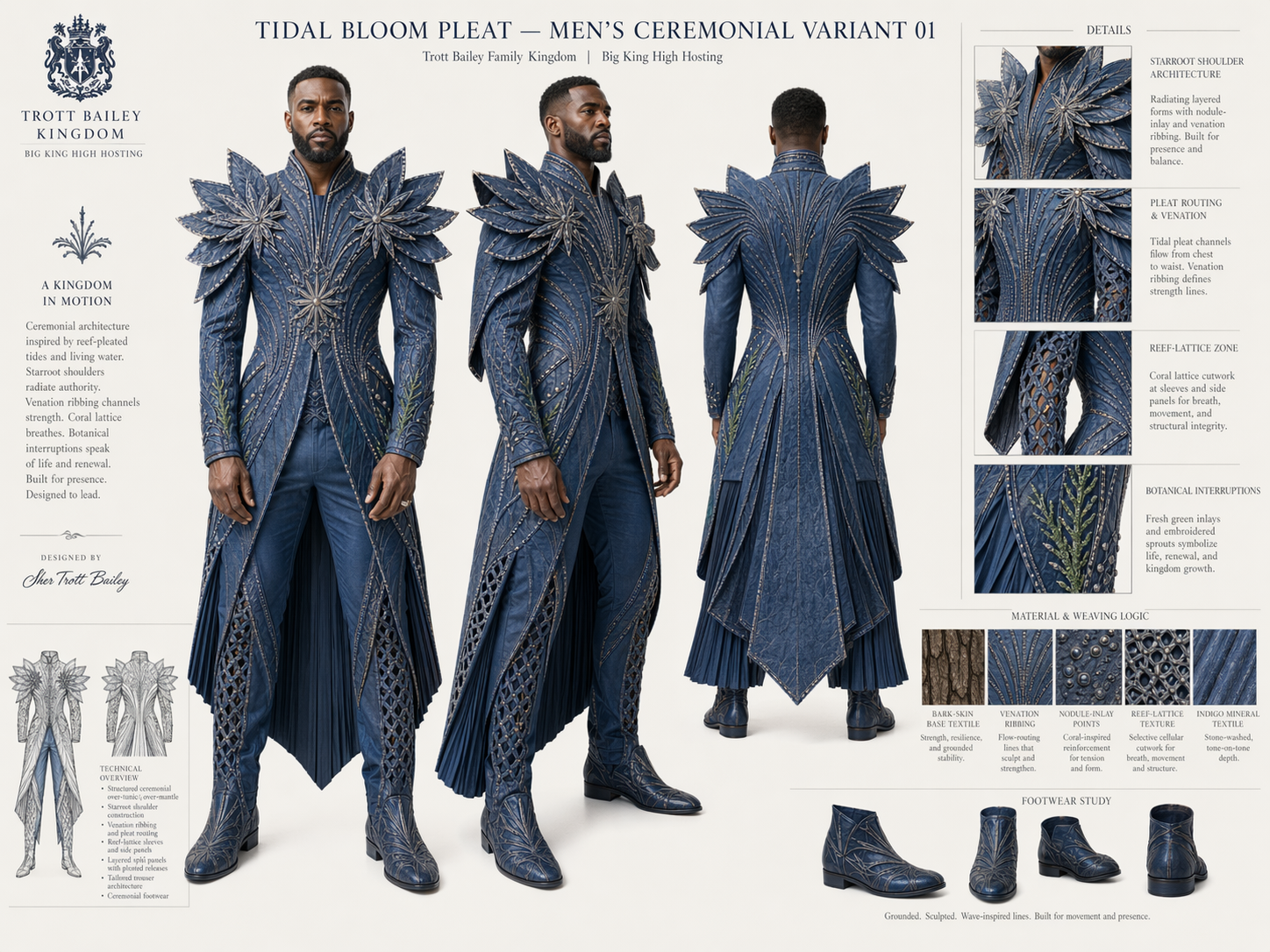
This is why Trott Bailey footwear must be authored. Shoes must belong to the garment, the role, the age, the climate, the public route, and the body. A children’s shoe cannot simply be a sneaker with decoration. A women’s shoe cannot be a painful old-world heel renamed as kingdom footwear. A men’s shoe cannot drift into generic office or sneaker logic. An elder shoe cannot look medical and joyless. A baby shoe cannot carry unsafe hard parts.
Earlier Trott Bailey fashion media such as Easy Wear But Fashionable Kingdom Shoes Designed by Sher Trott Bailey already shows that shoes are part of the fashion civilization record, not a minor accessory.
Part One Closing Thought
Clothing is not decoration placed on top of civilization. Clothing is one of the first places where civilization touches the body.
Part Two continues with Shubaka rolewear, motherhood, children, fabric care, family variants, strange refinement, and the final Sherika clothing standard.
End of Part One.
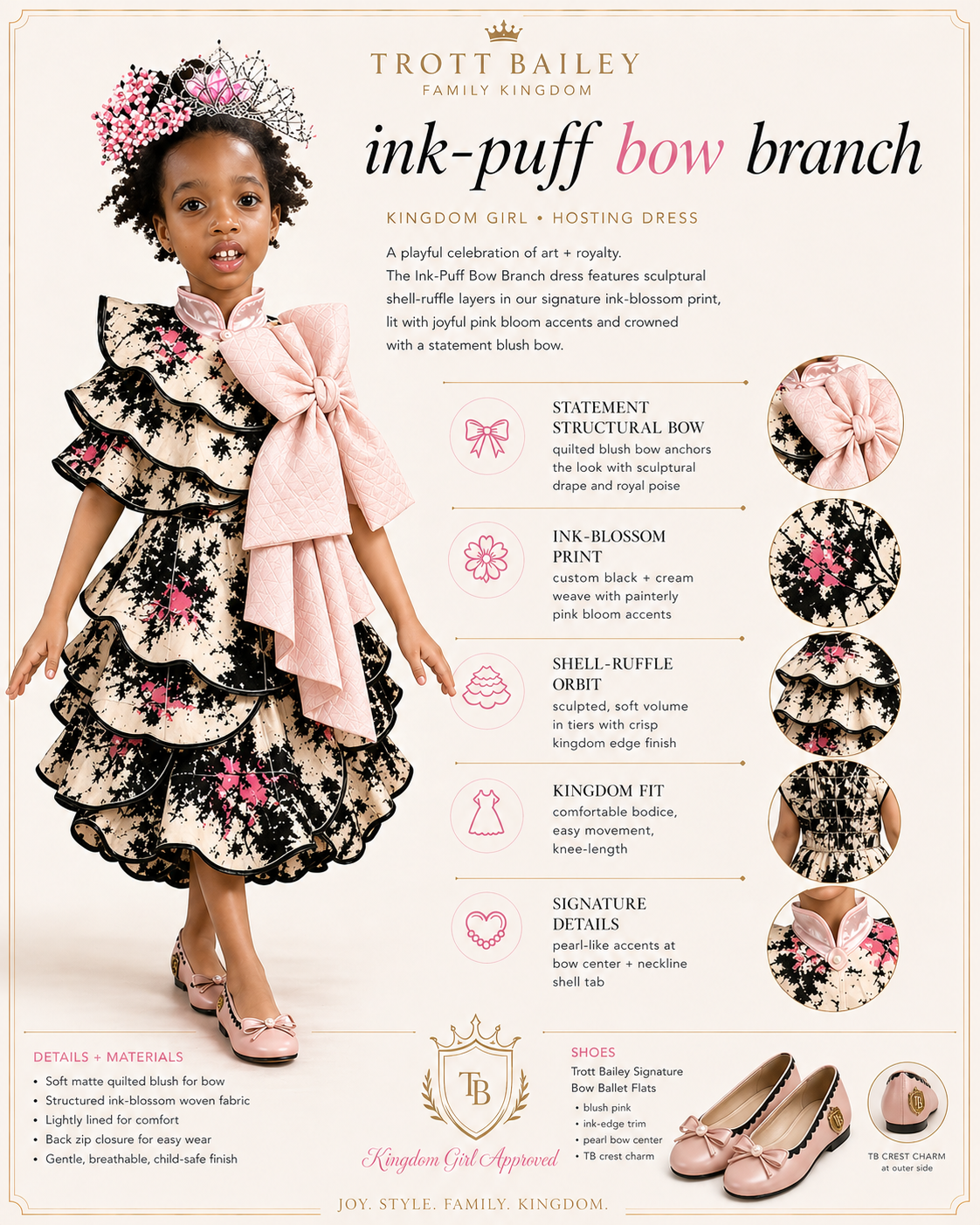
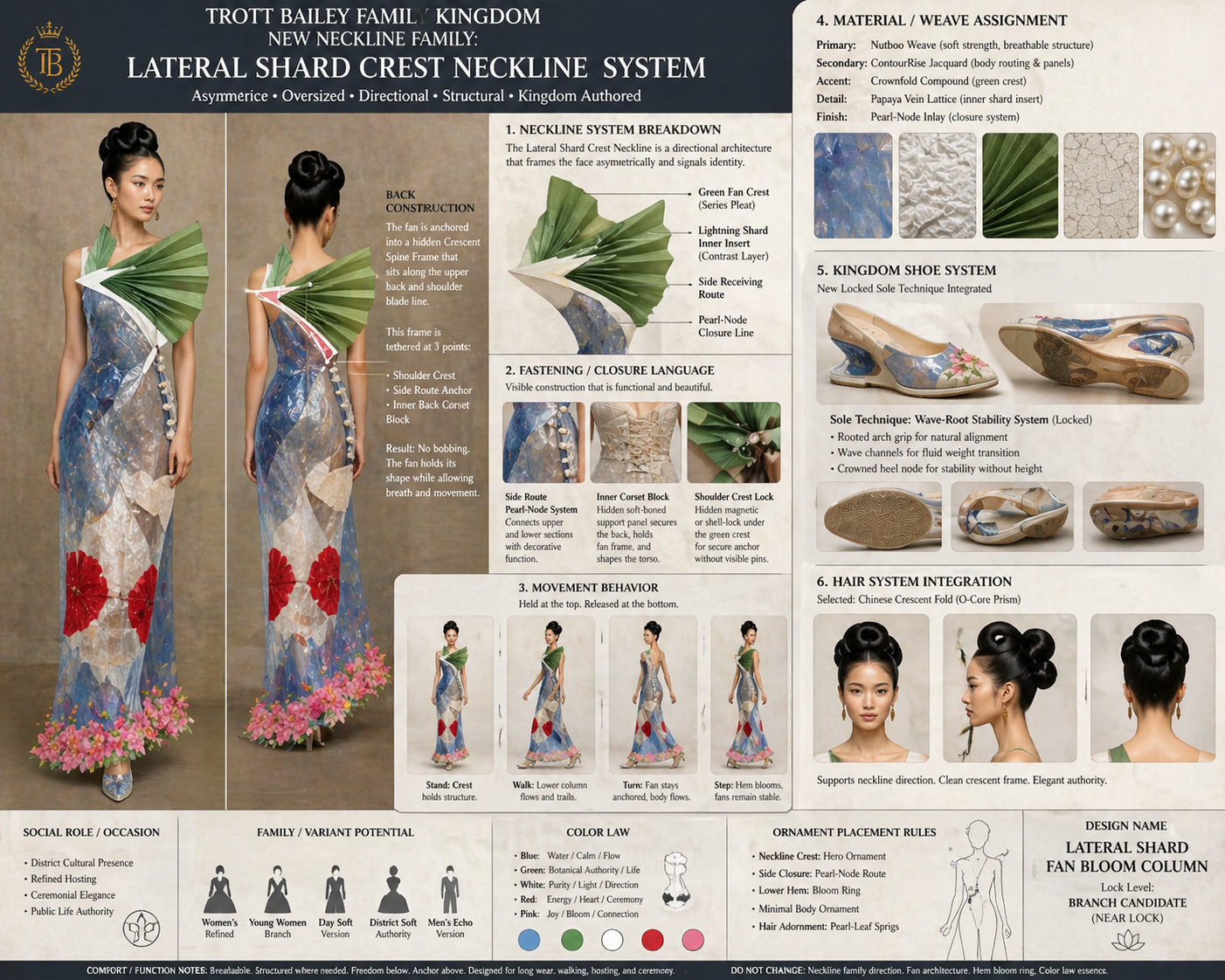

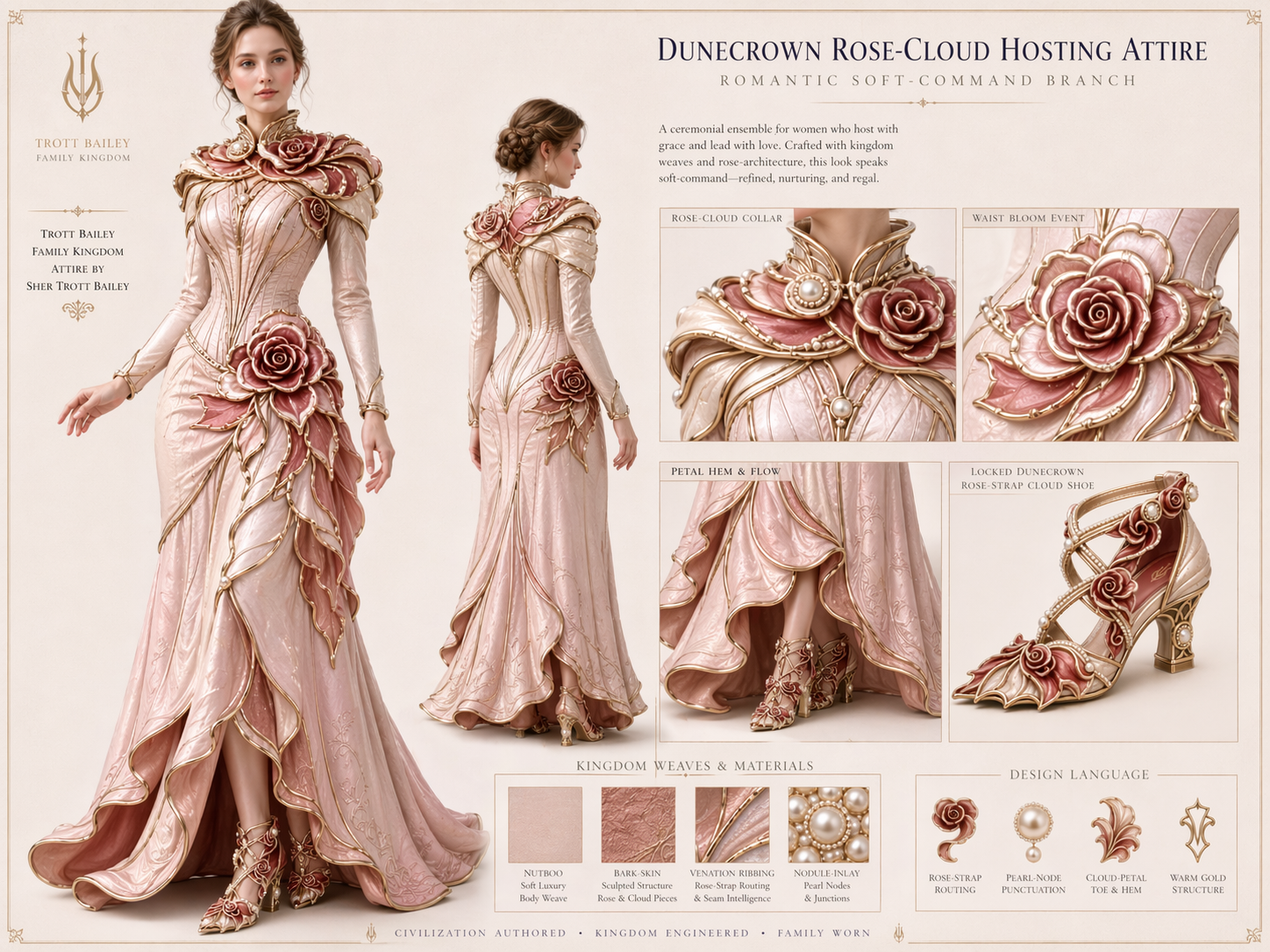
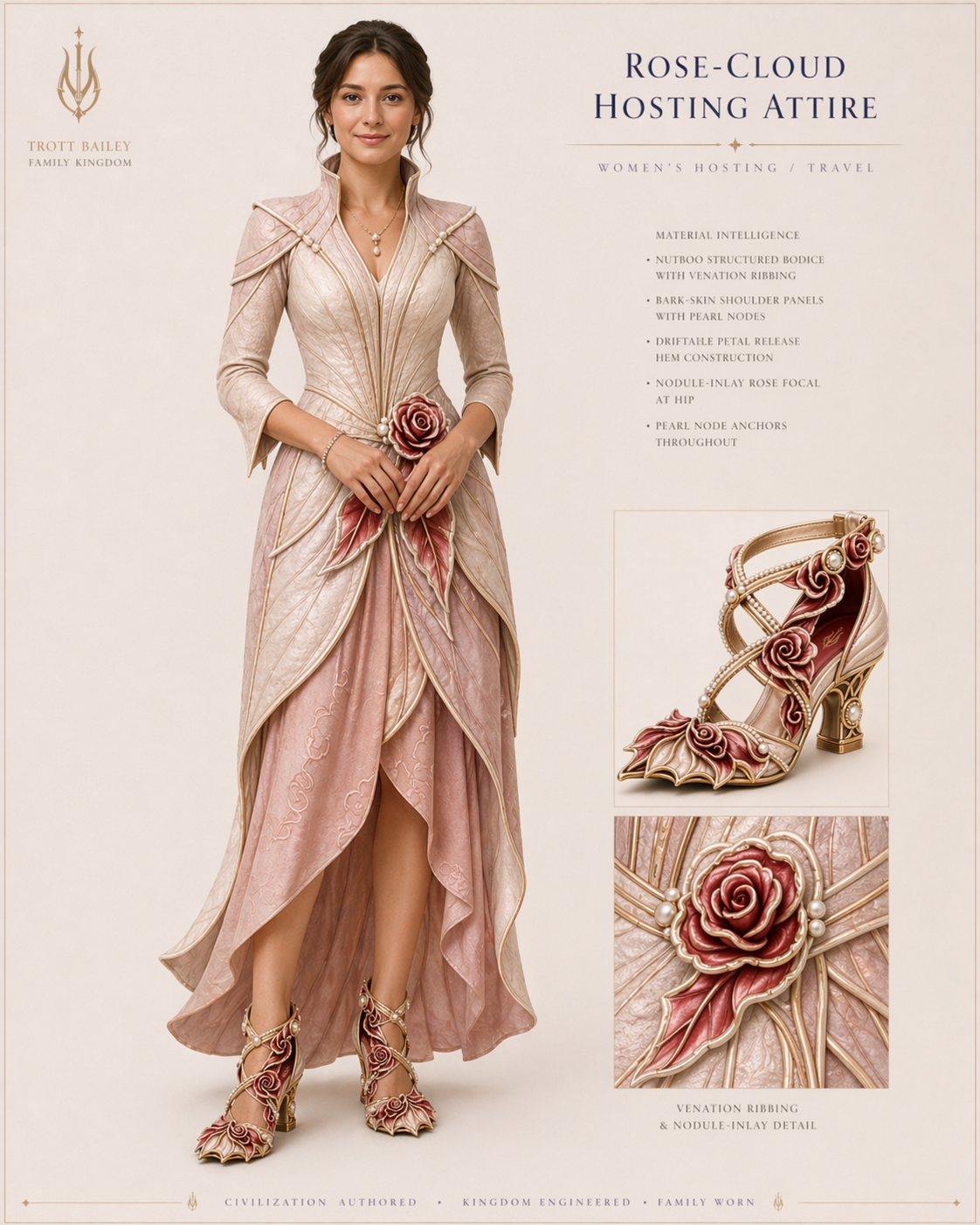
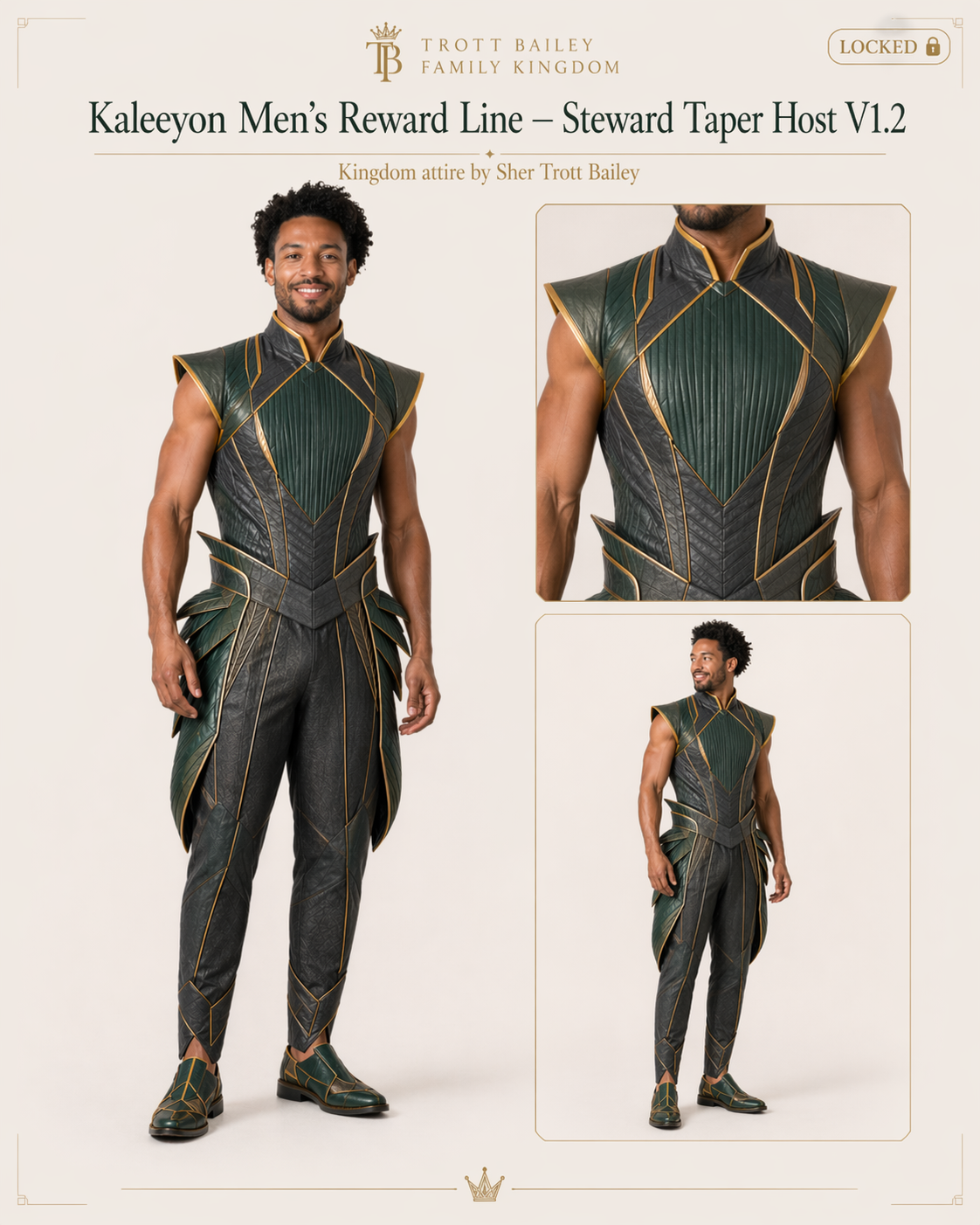
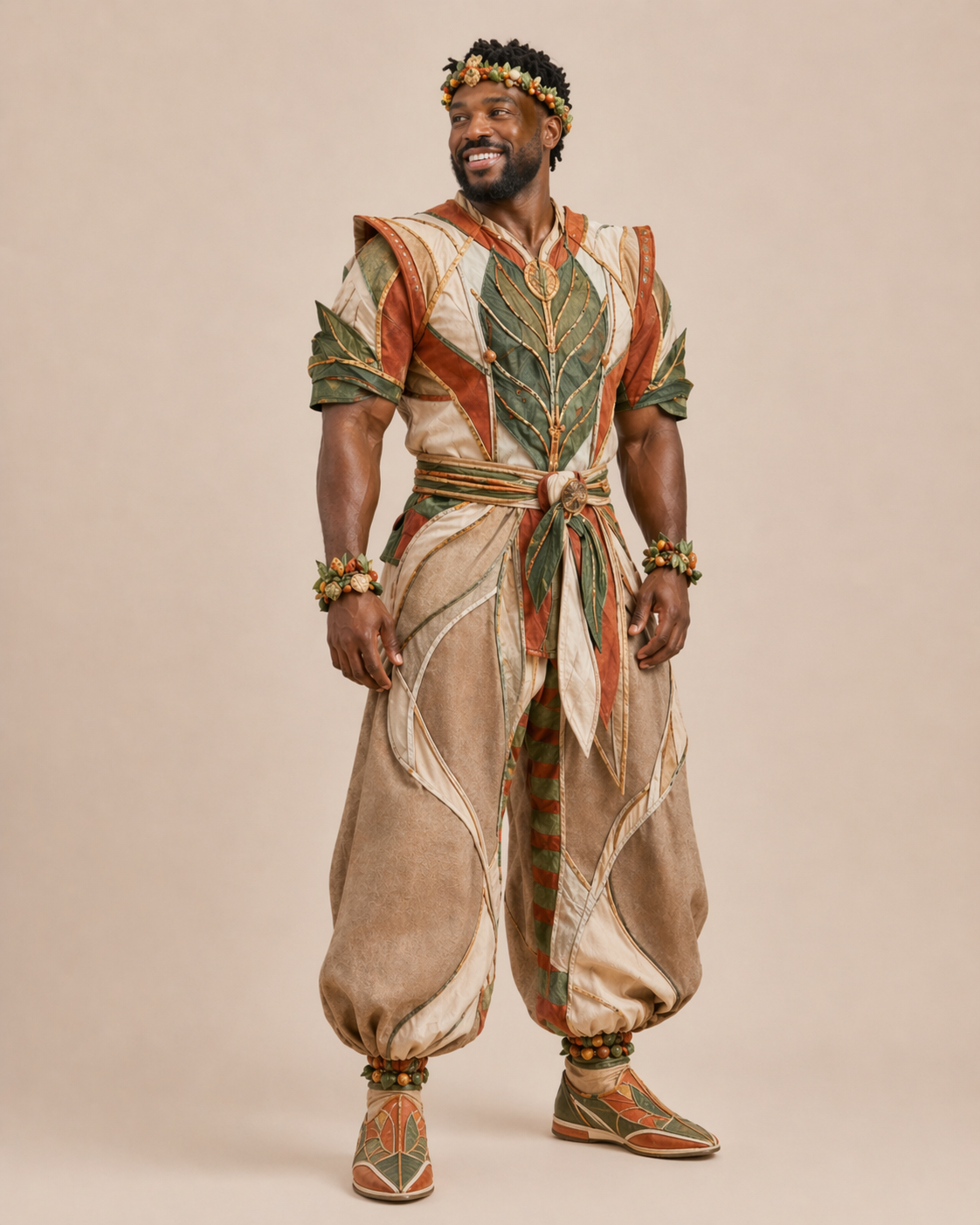
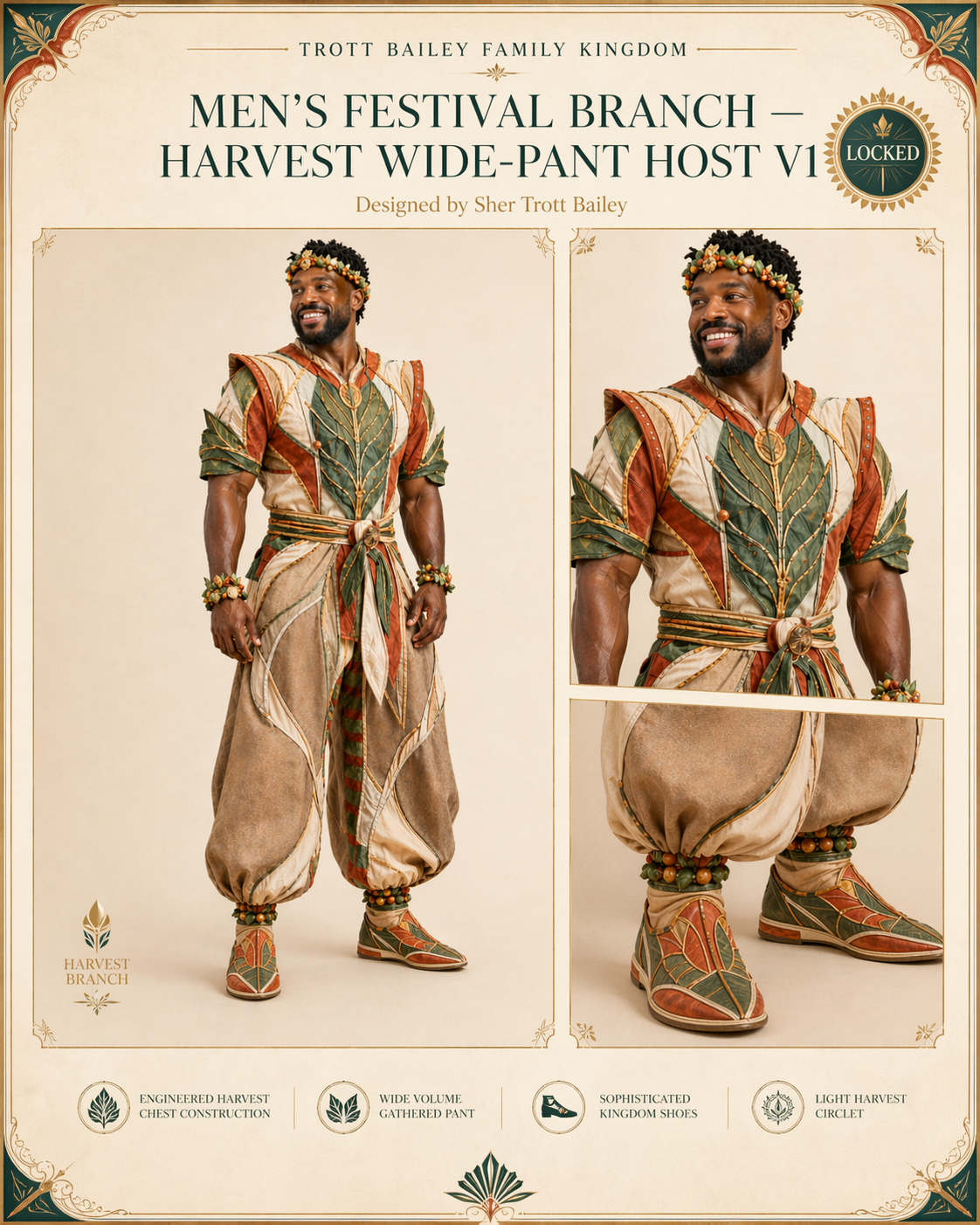
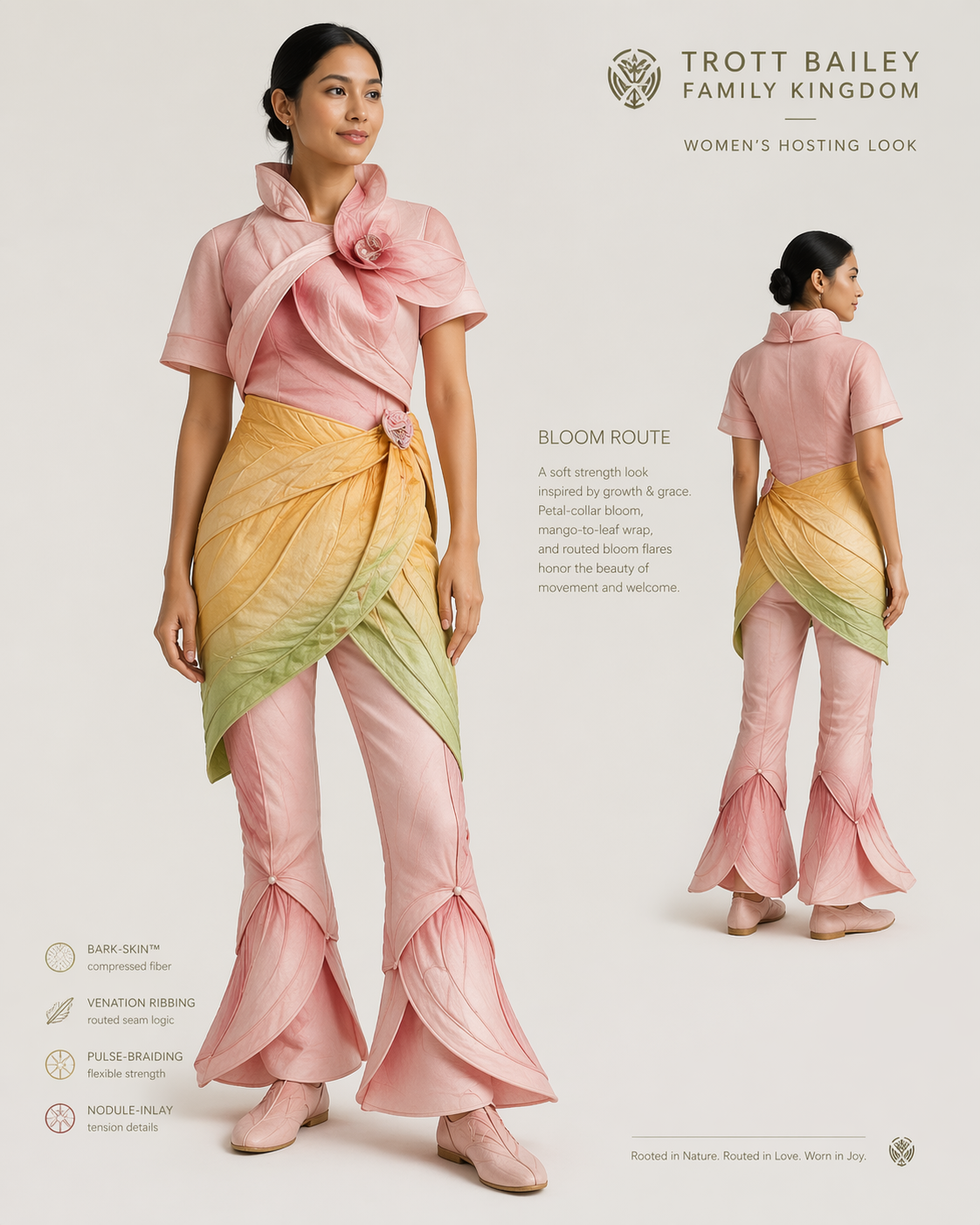
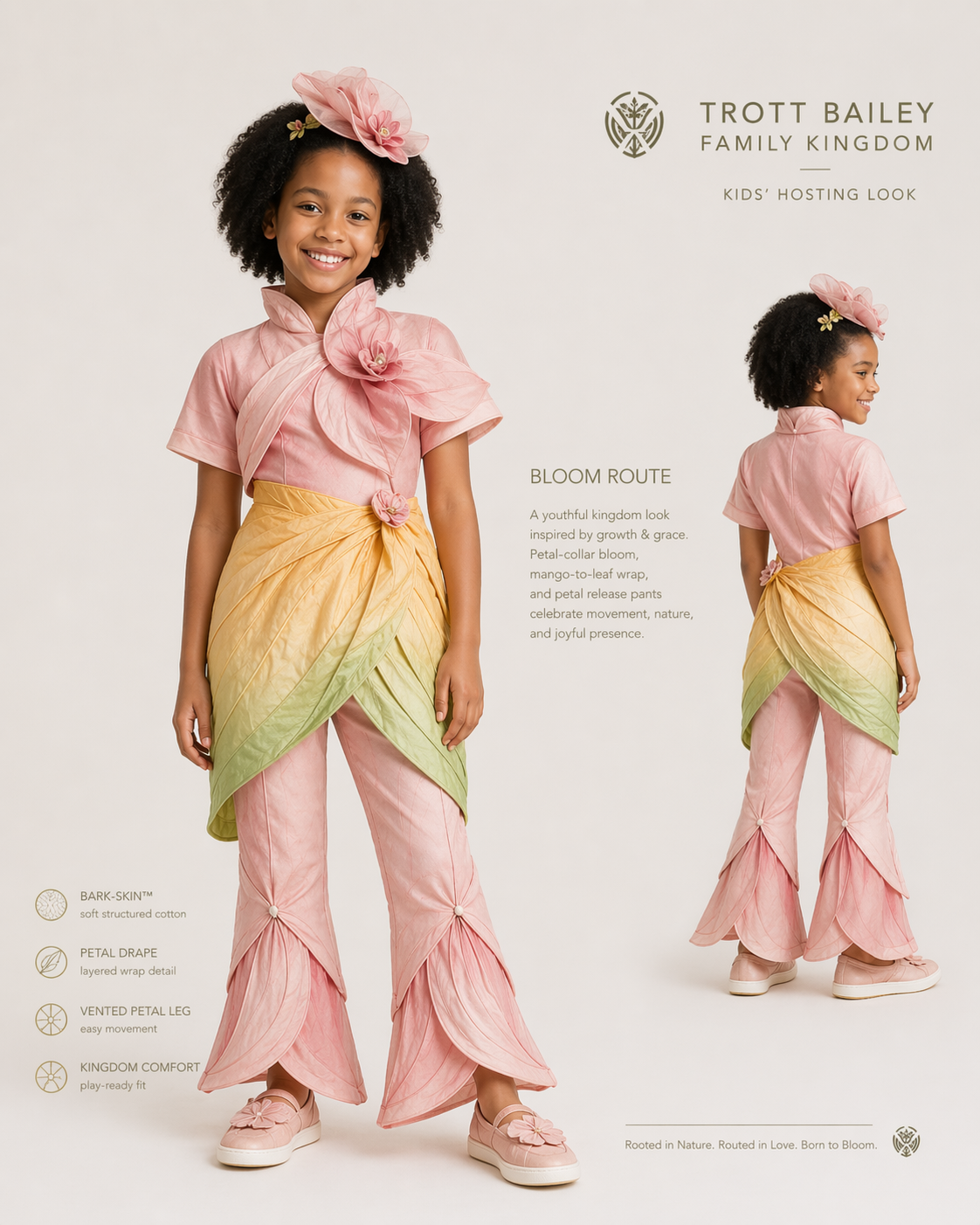


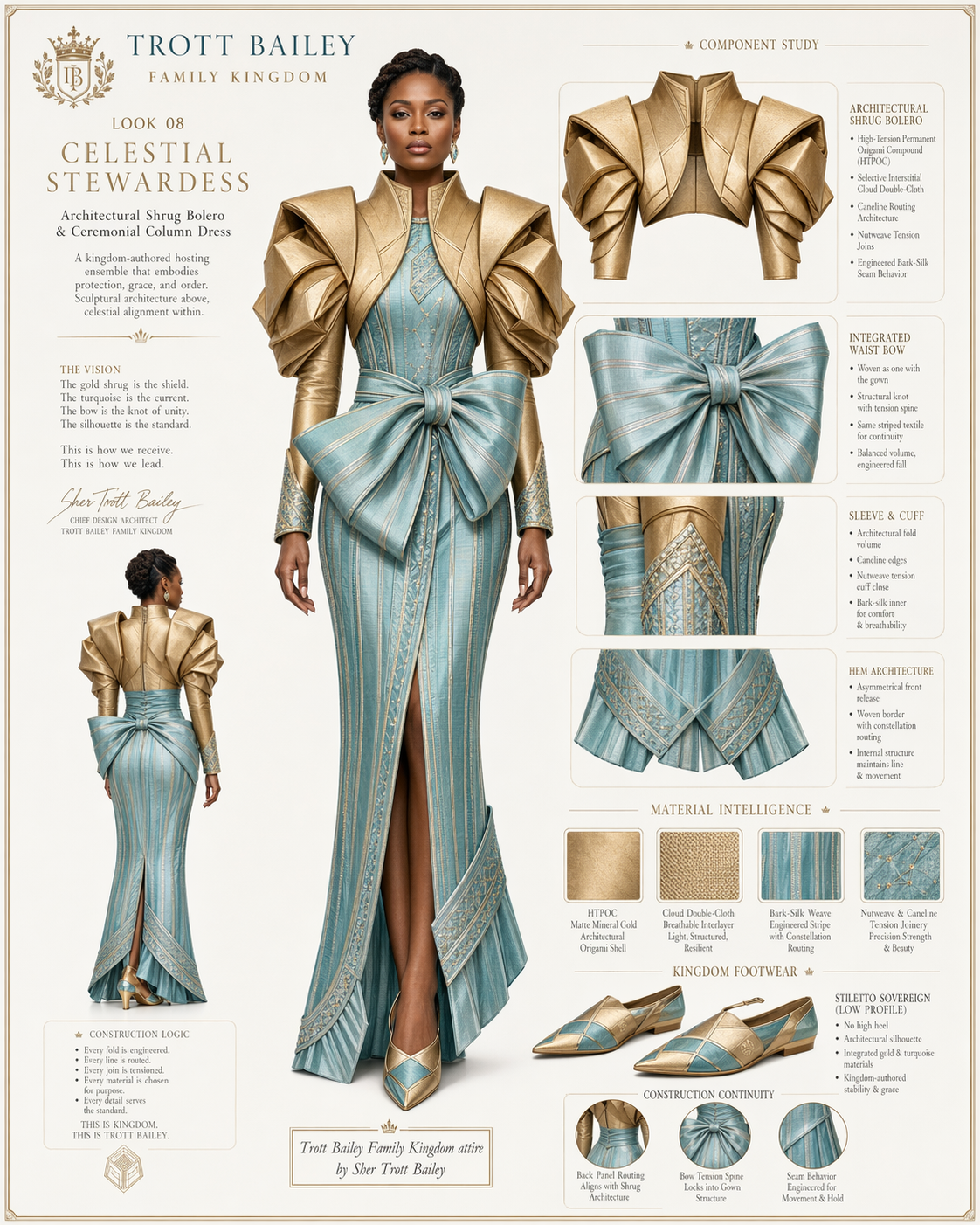
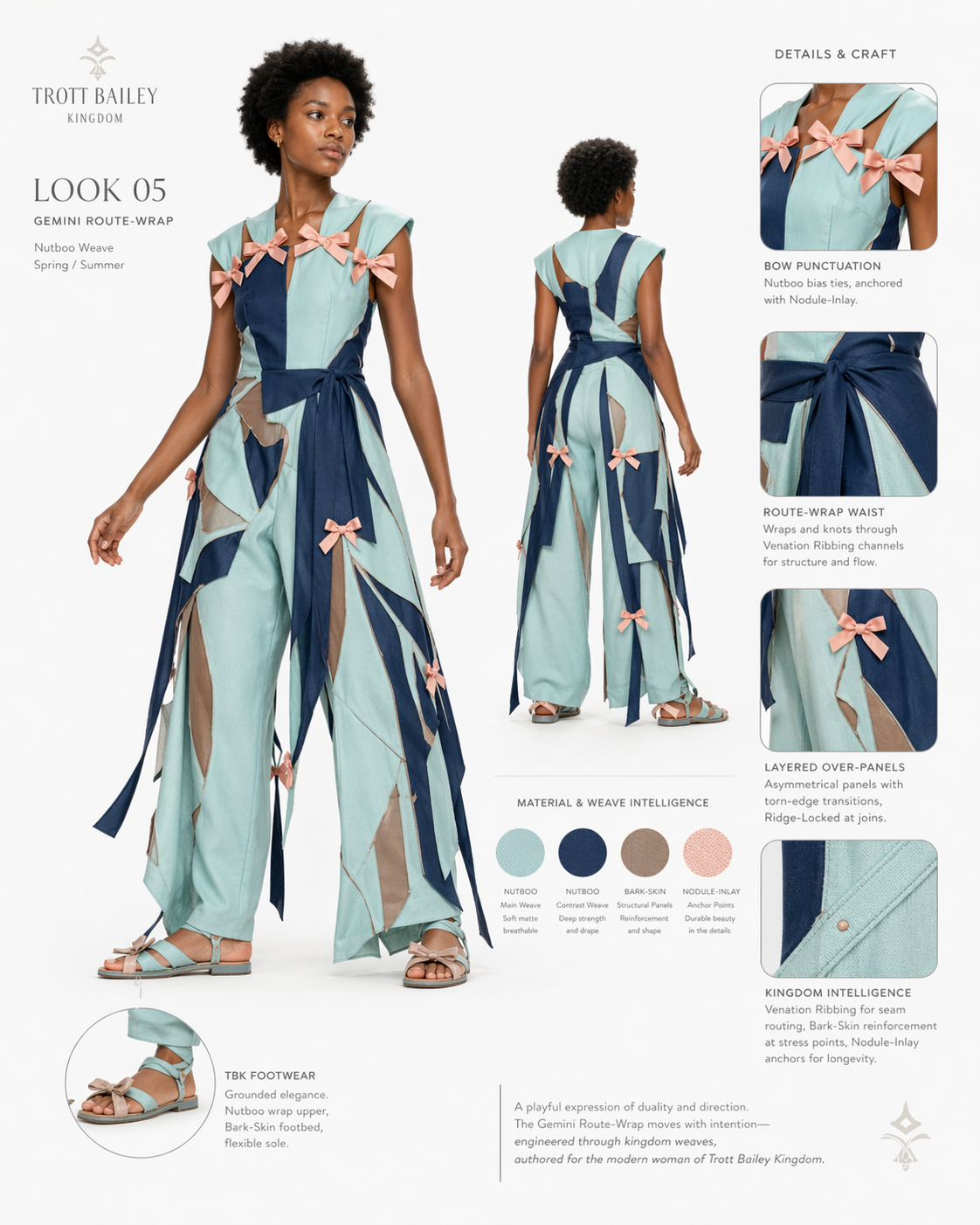
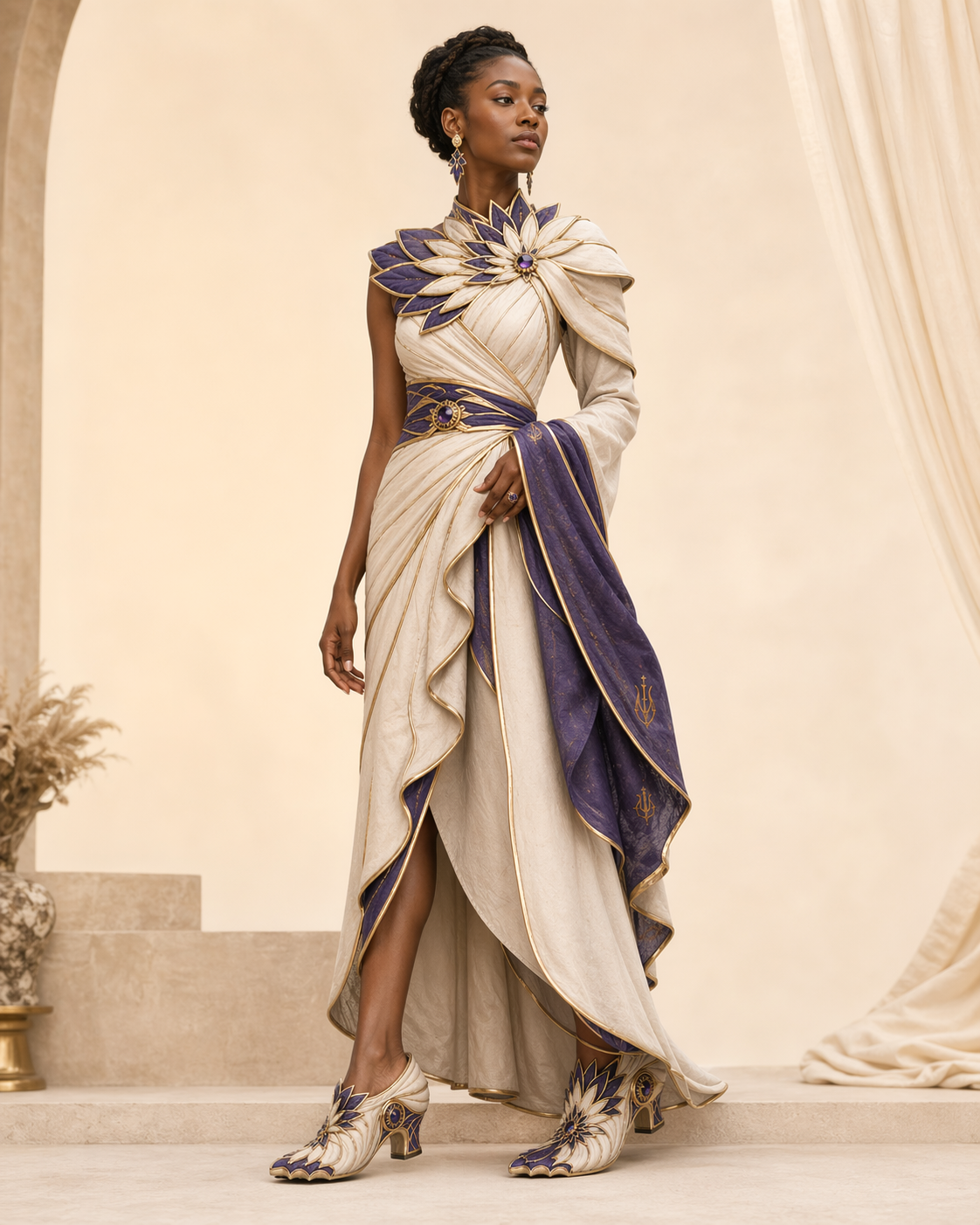
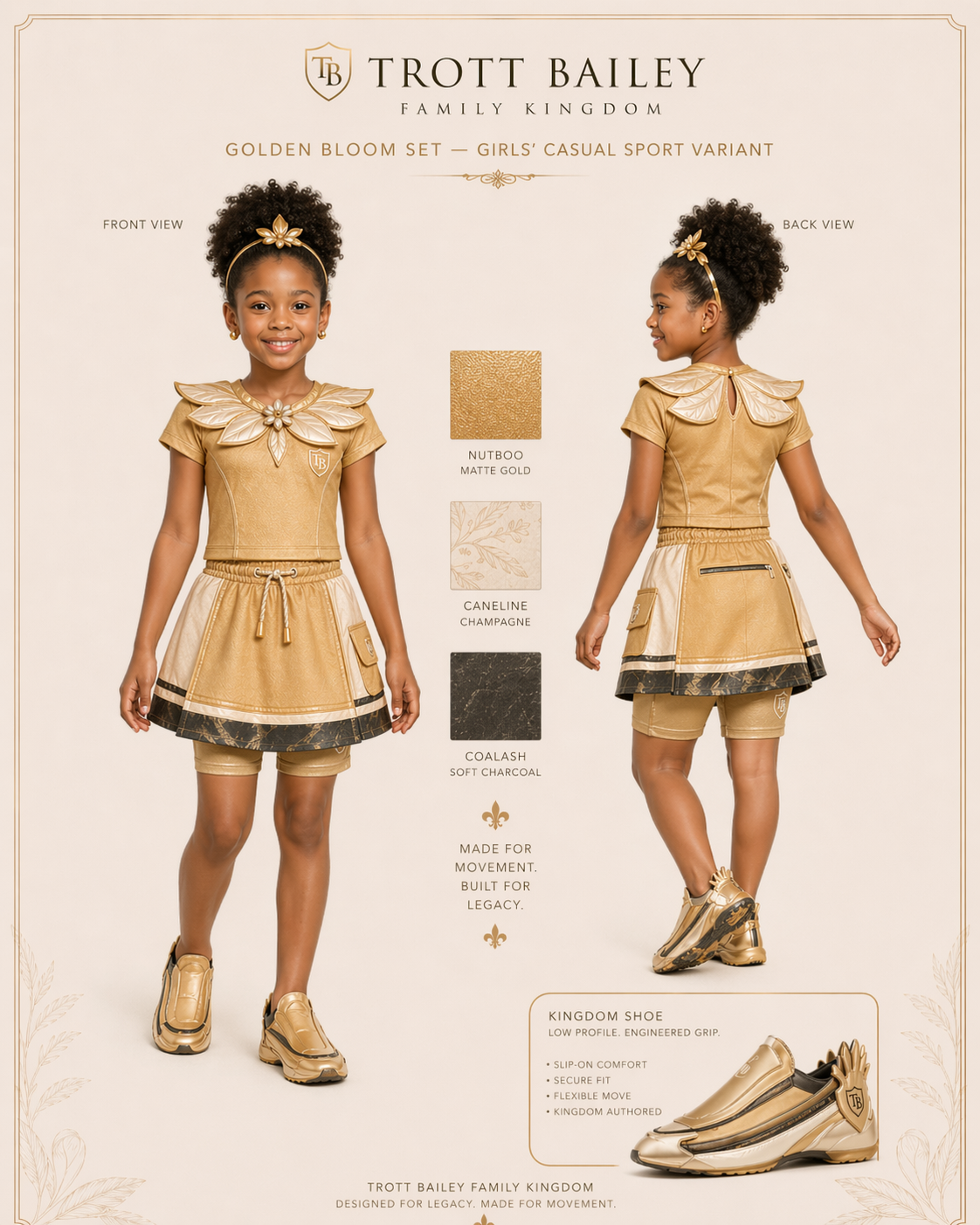
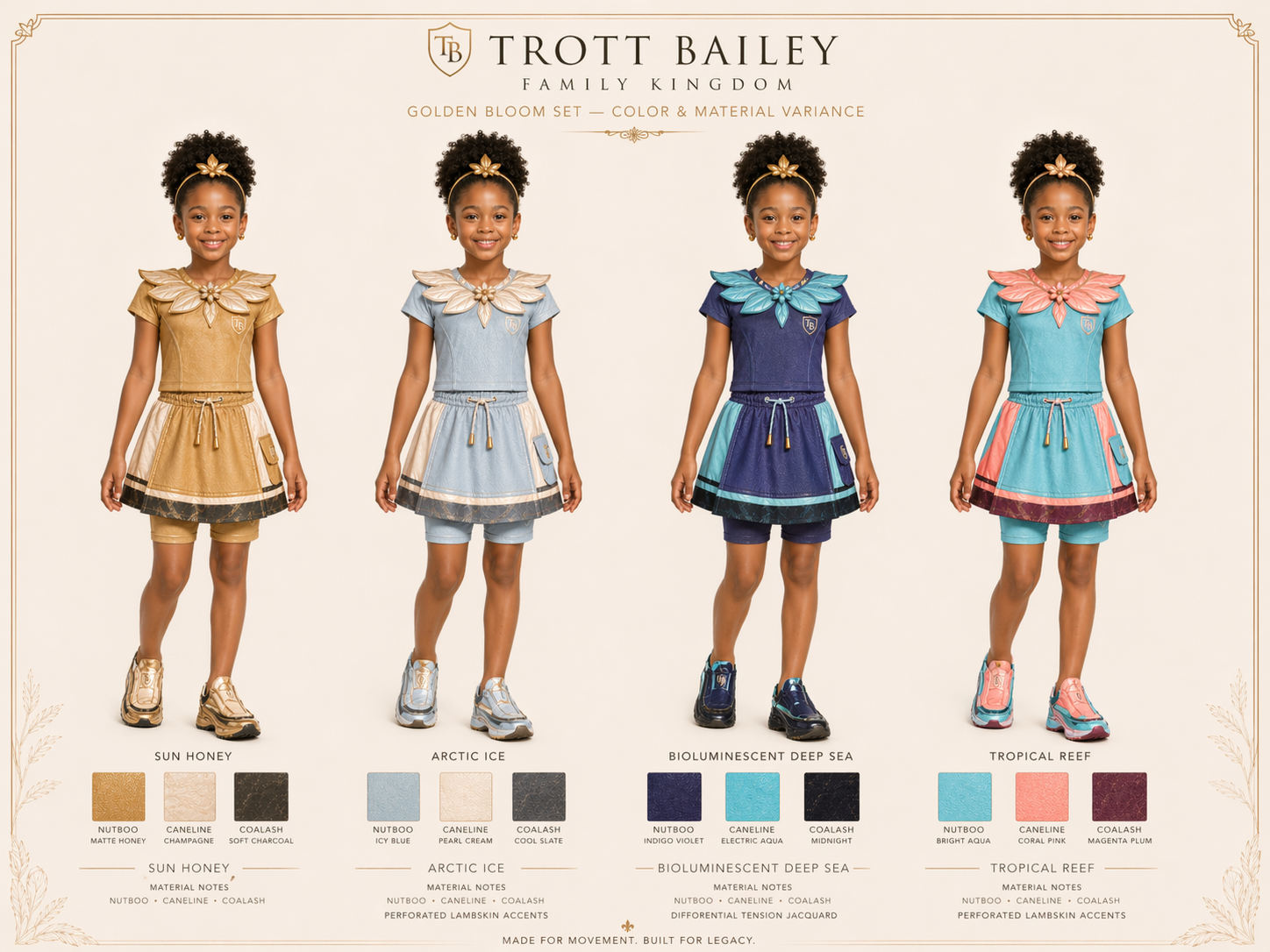
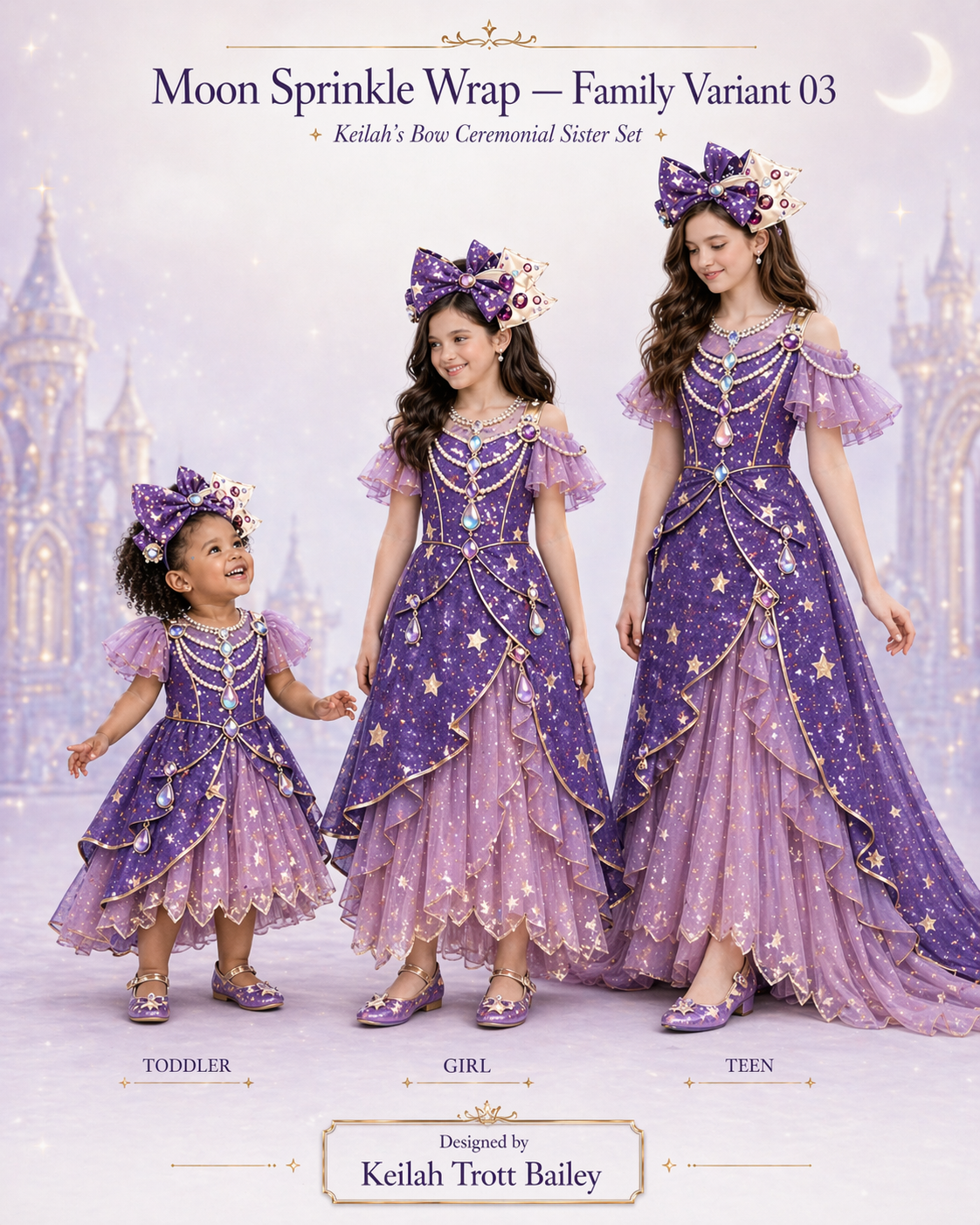
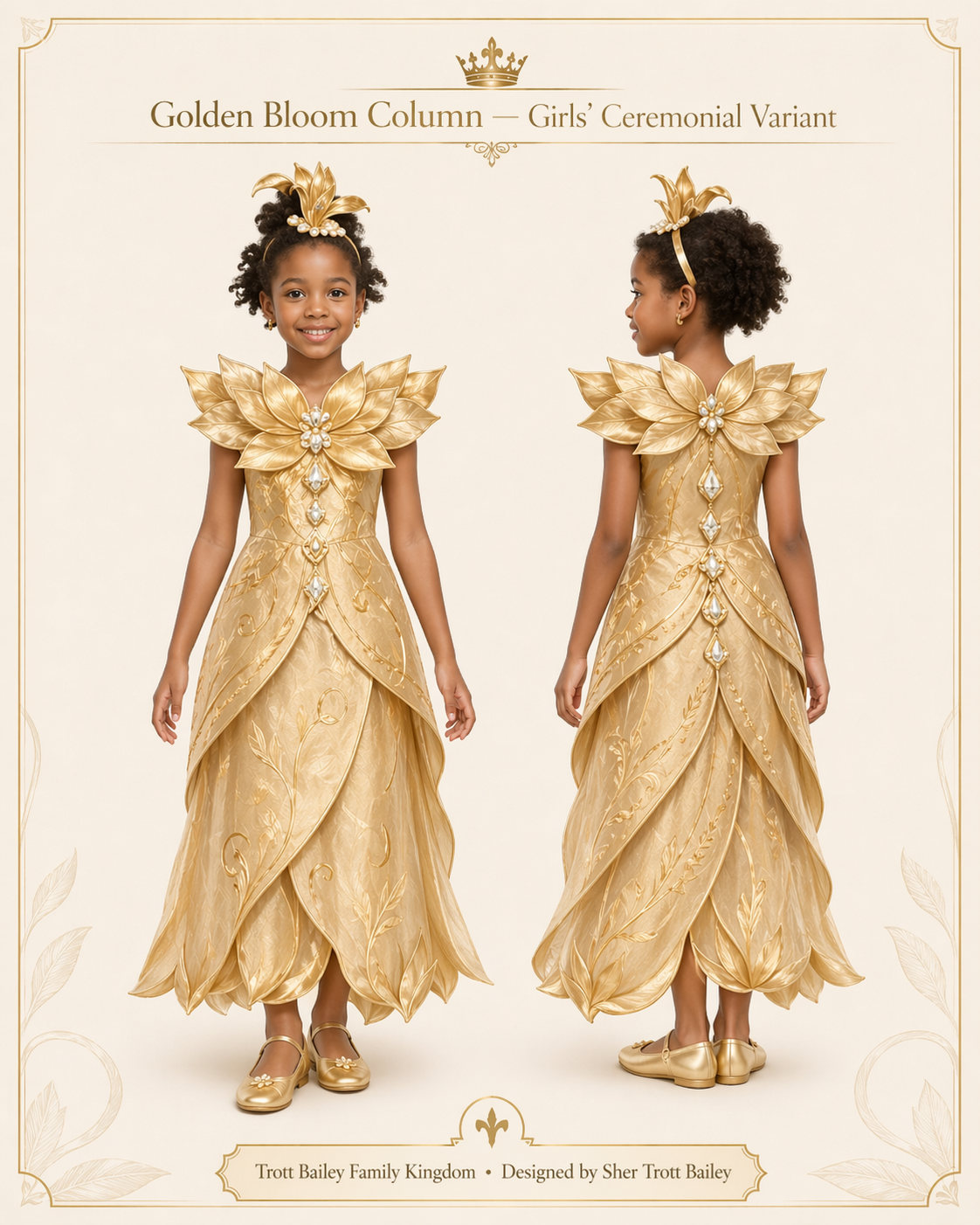
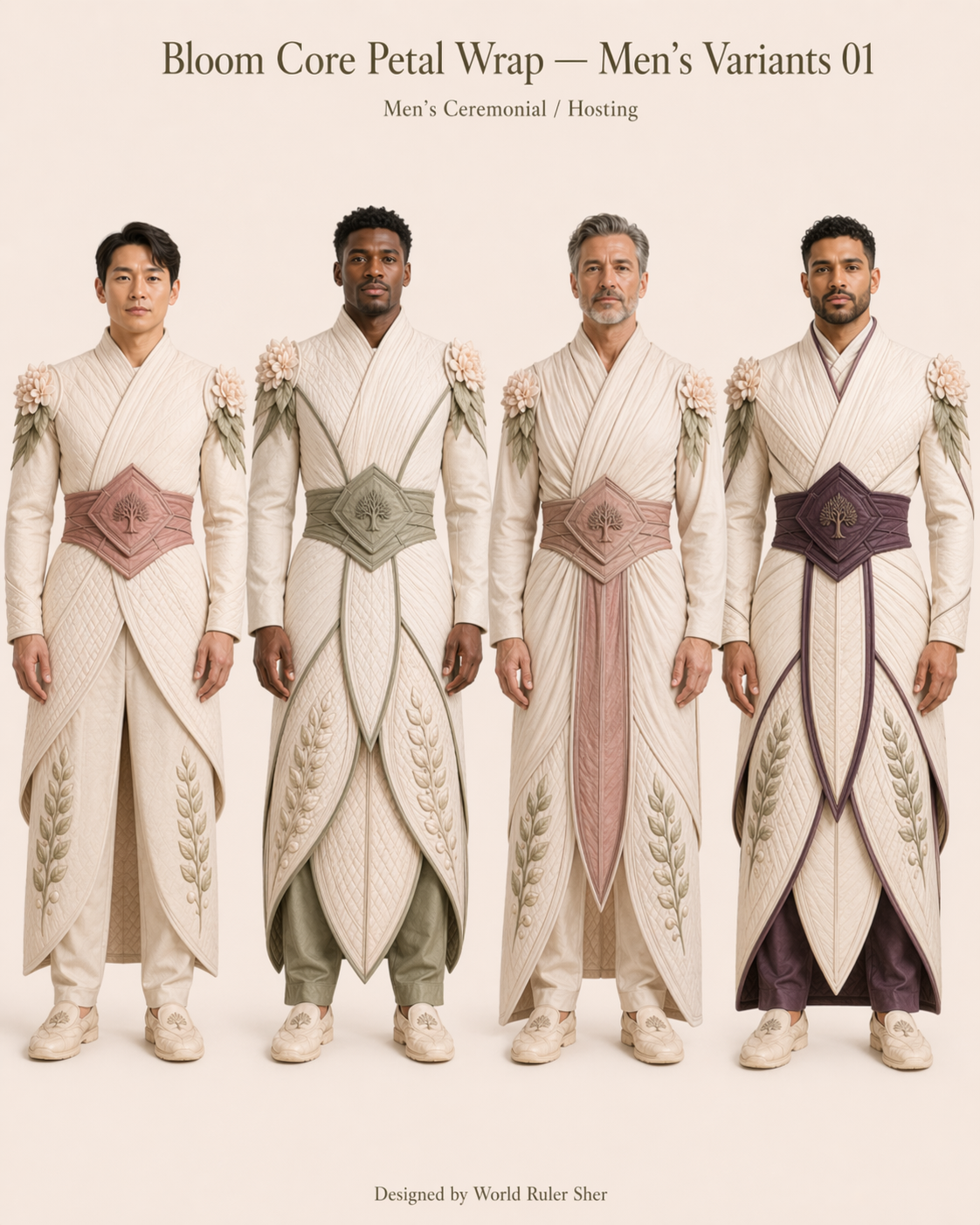
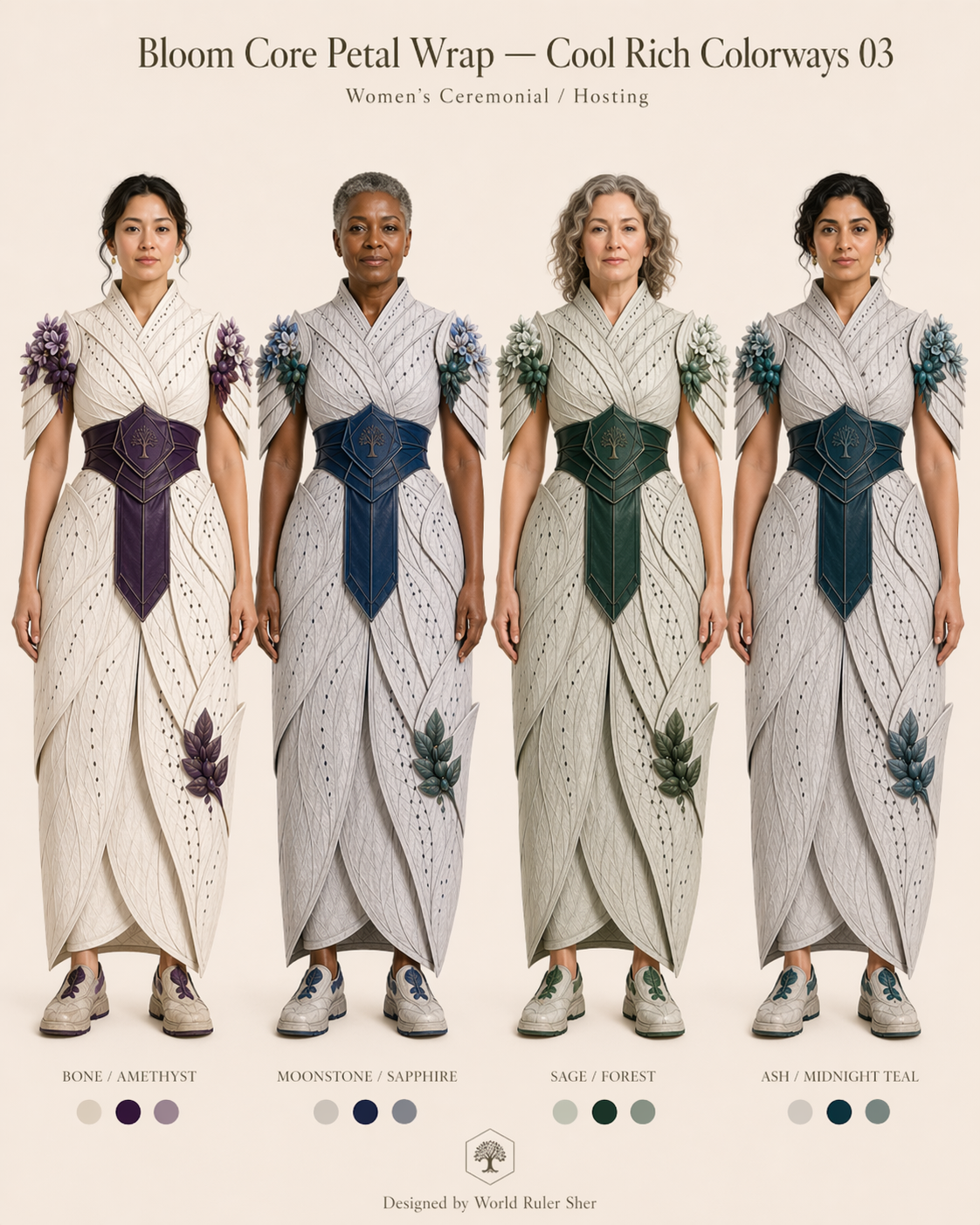
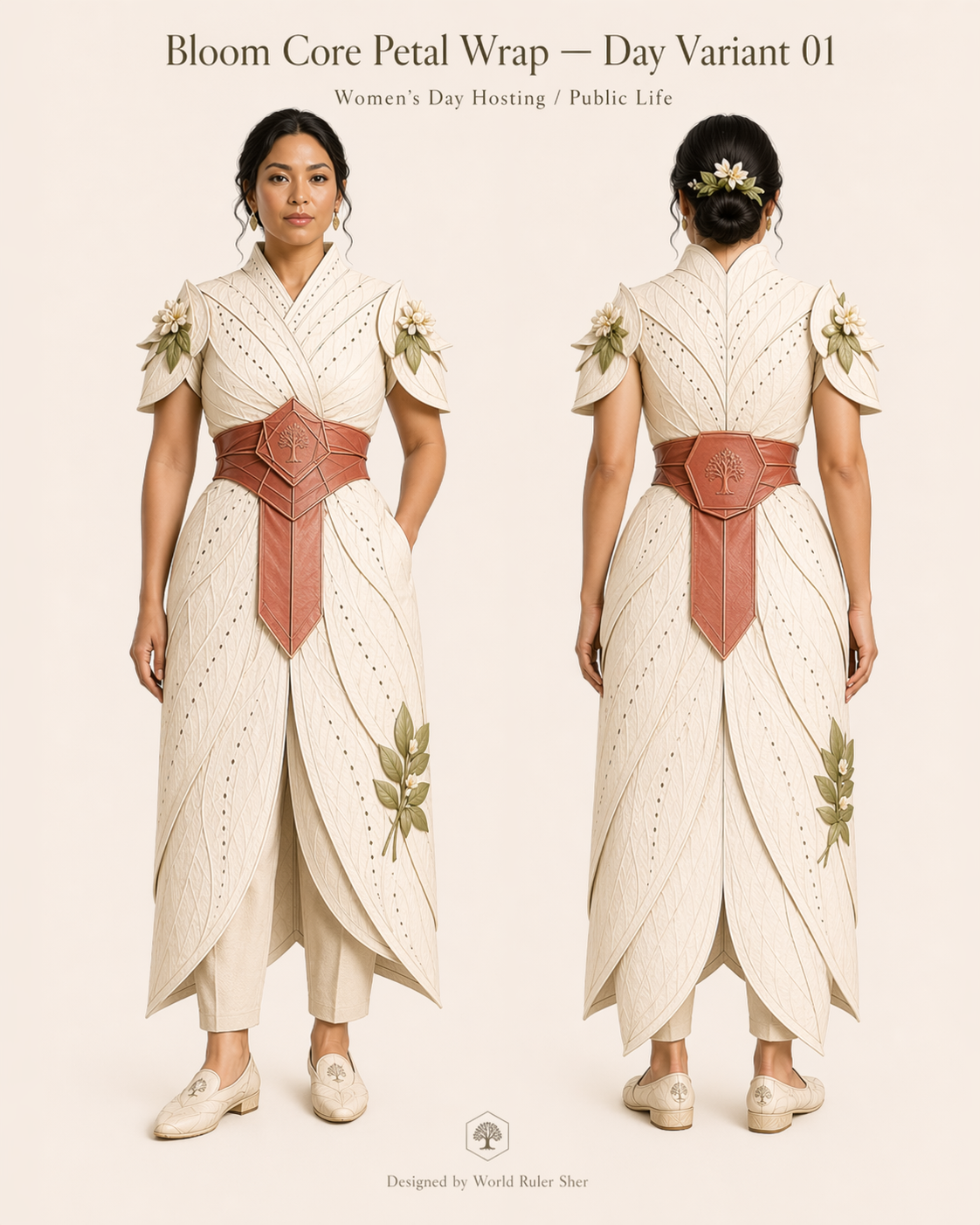
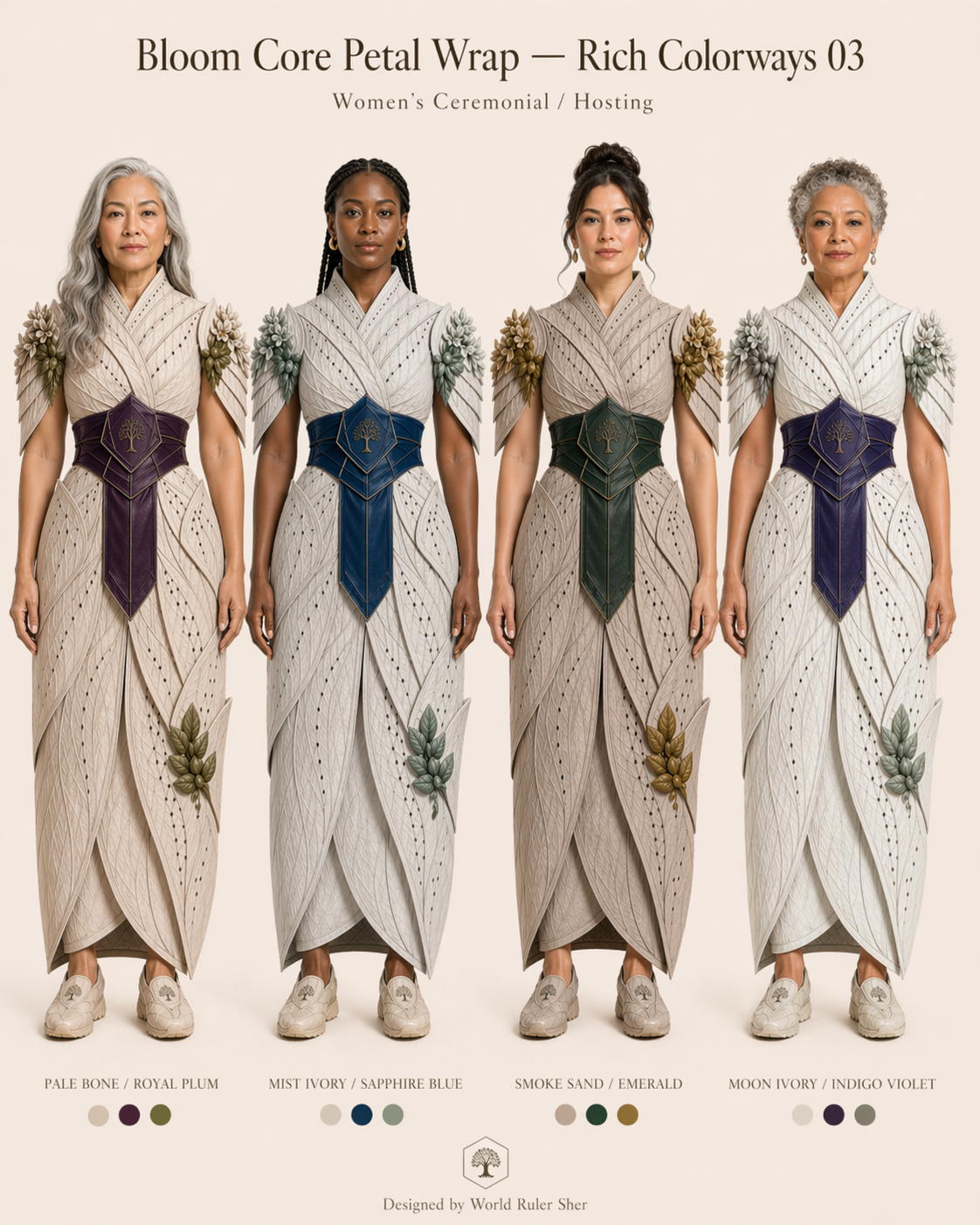
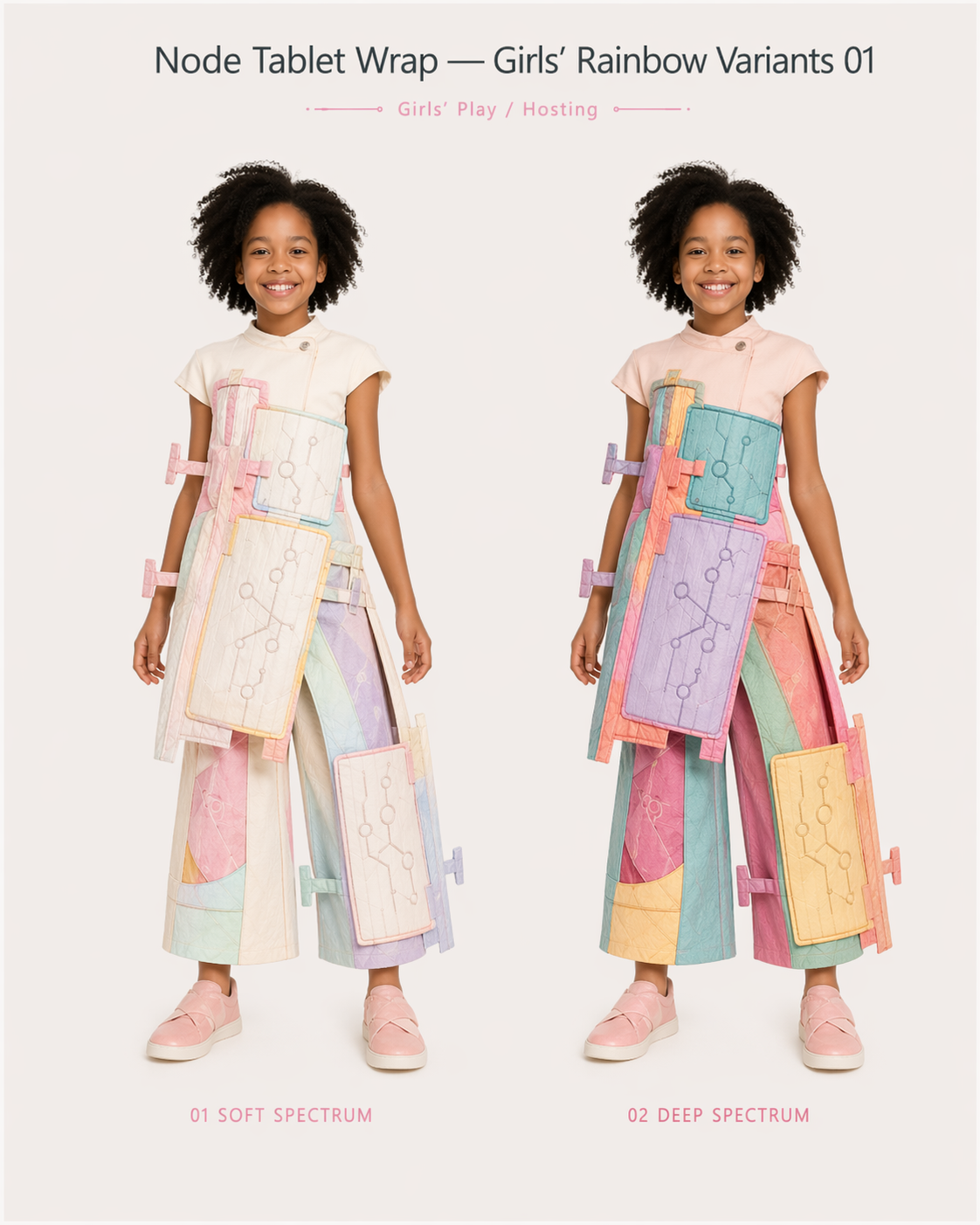
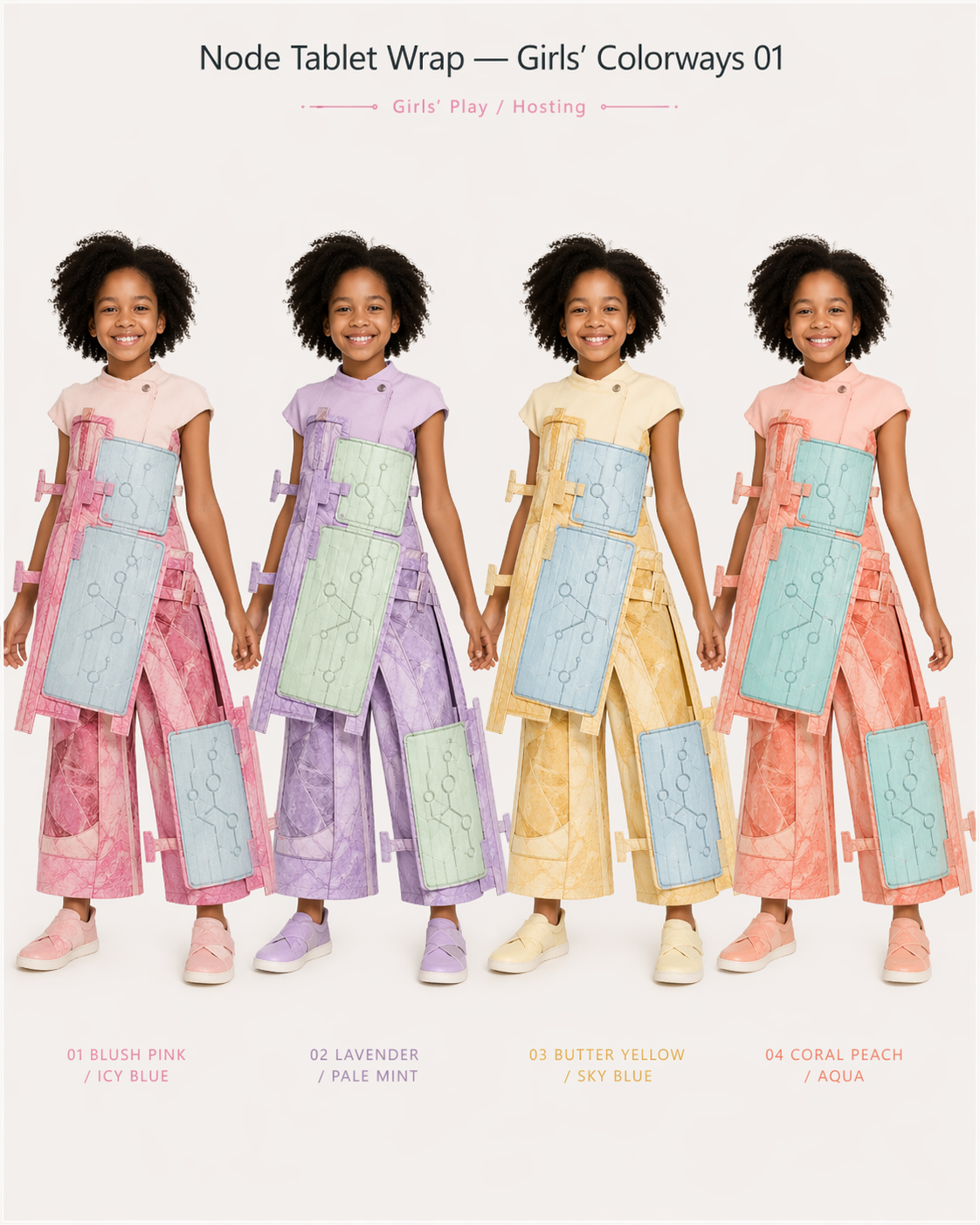
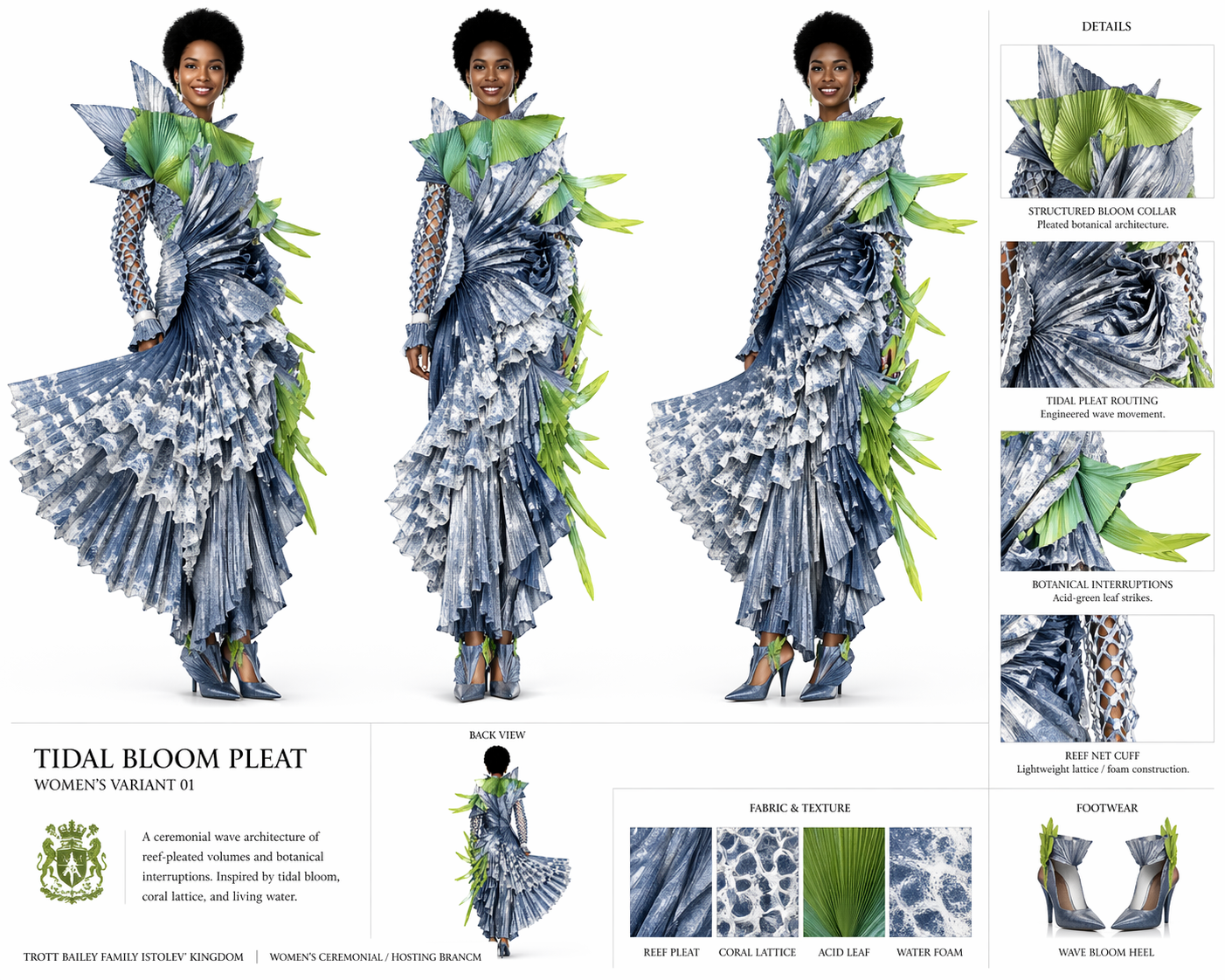
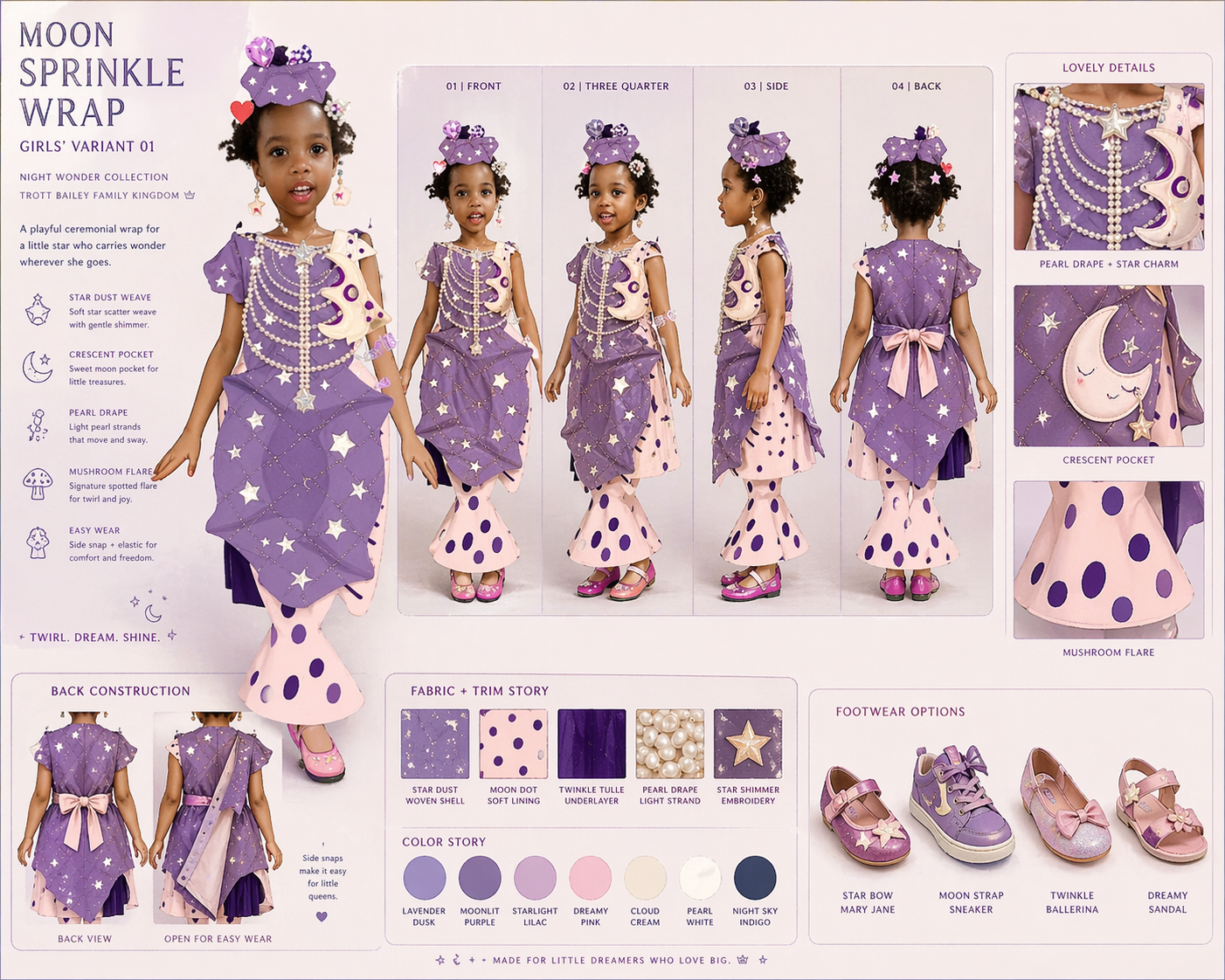
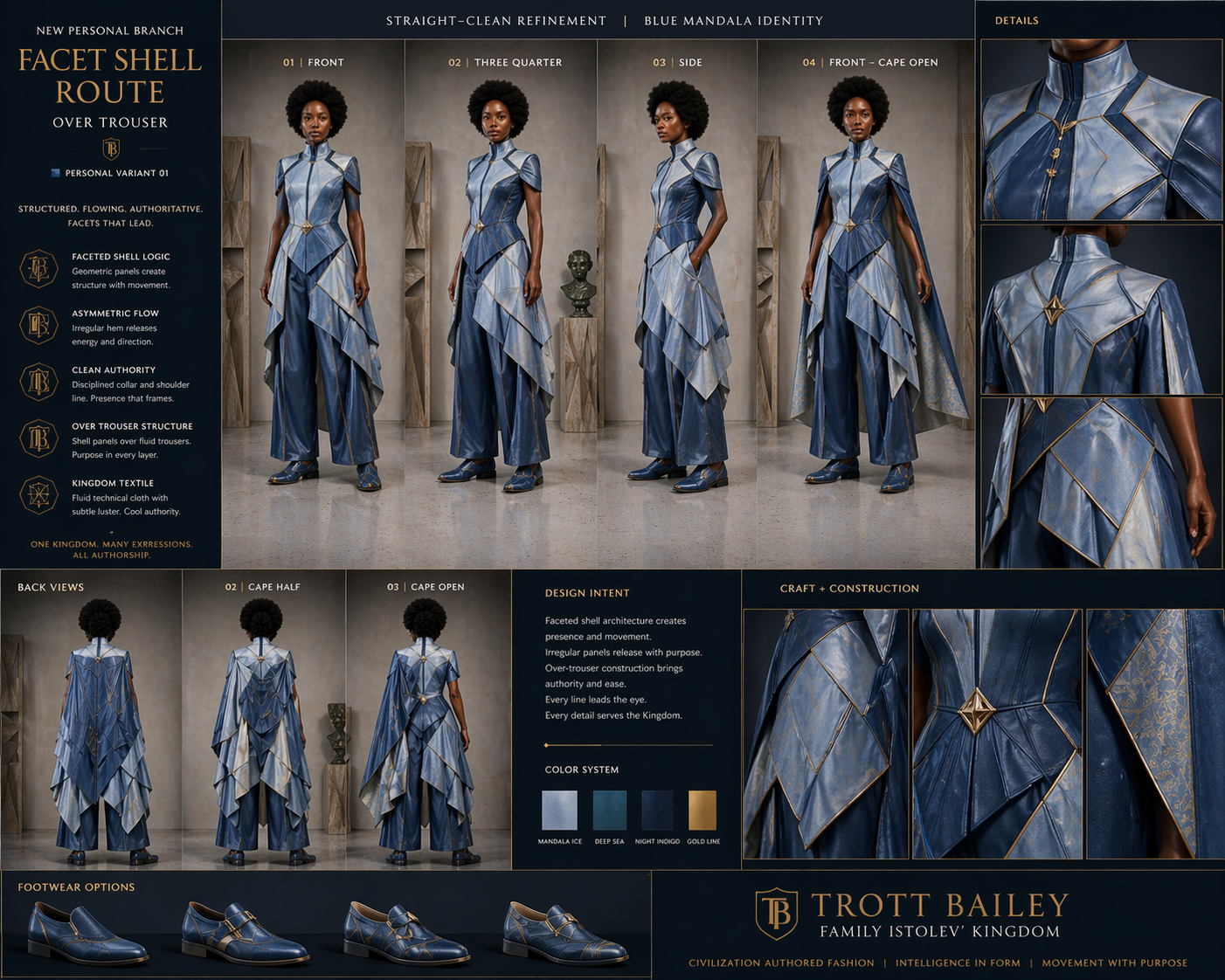
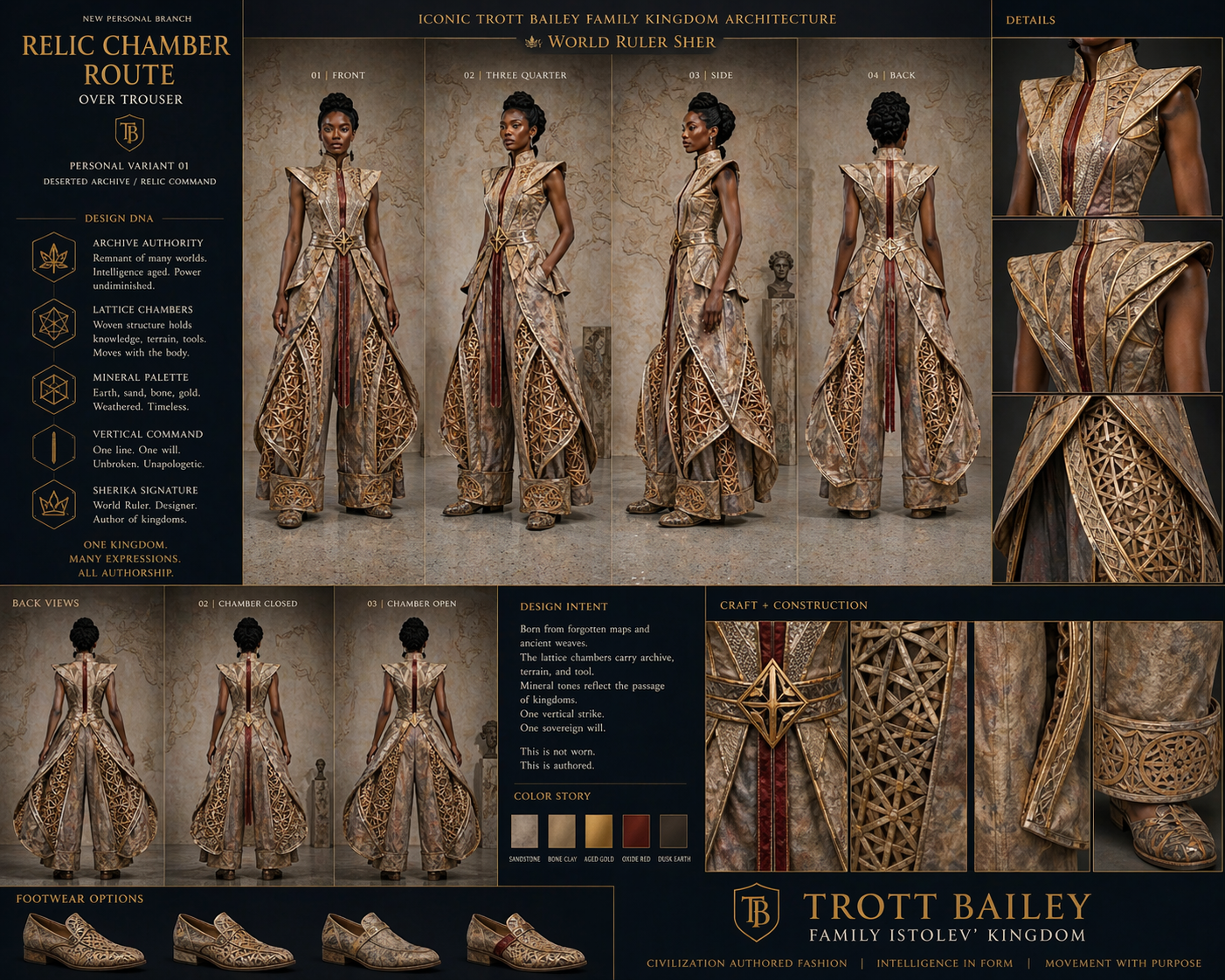
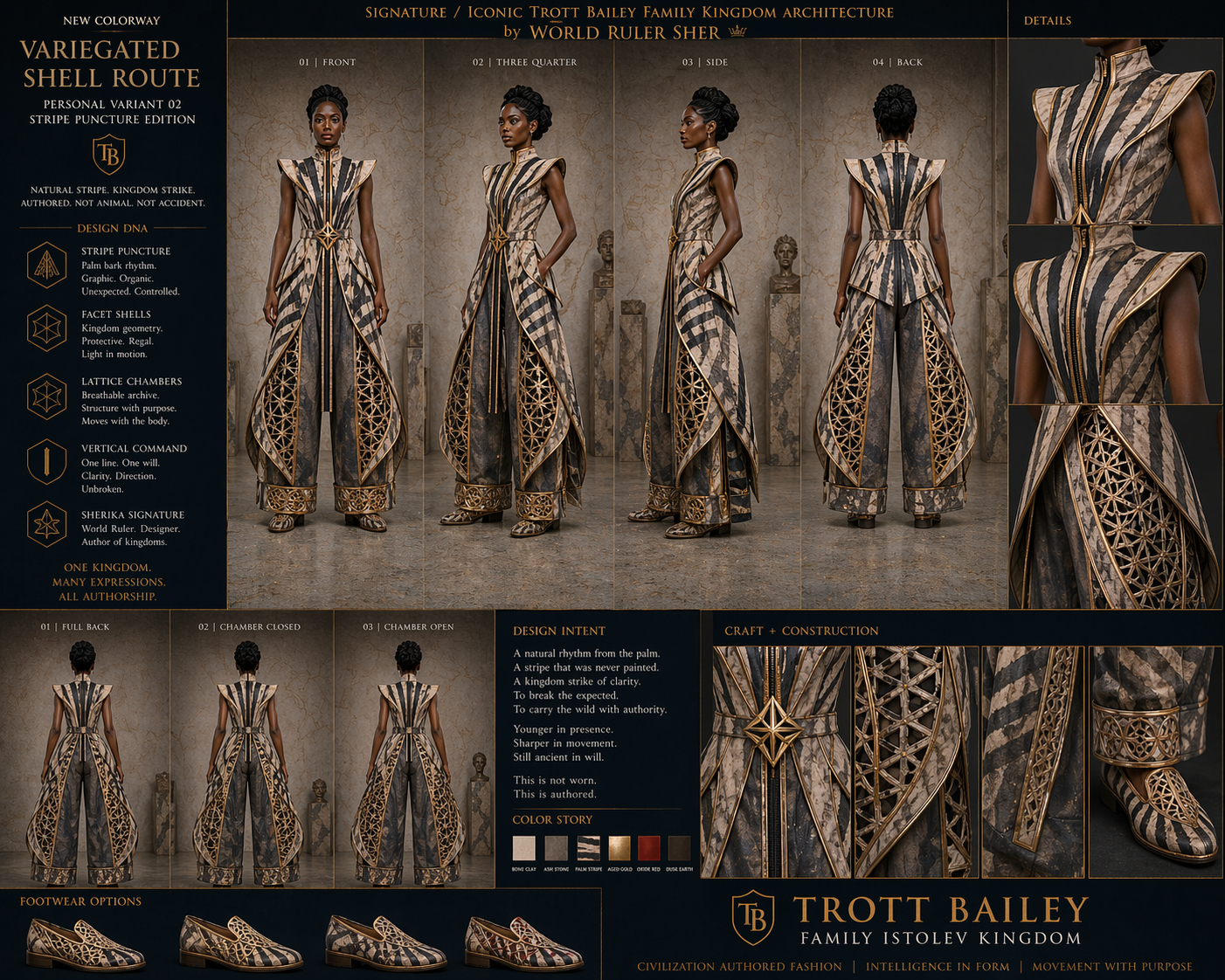
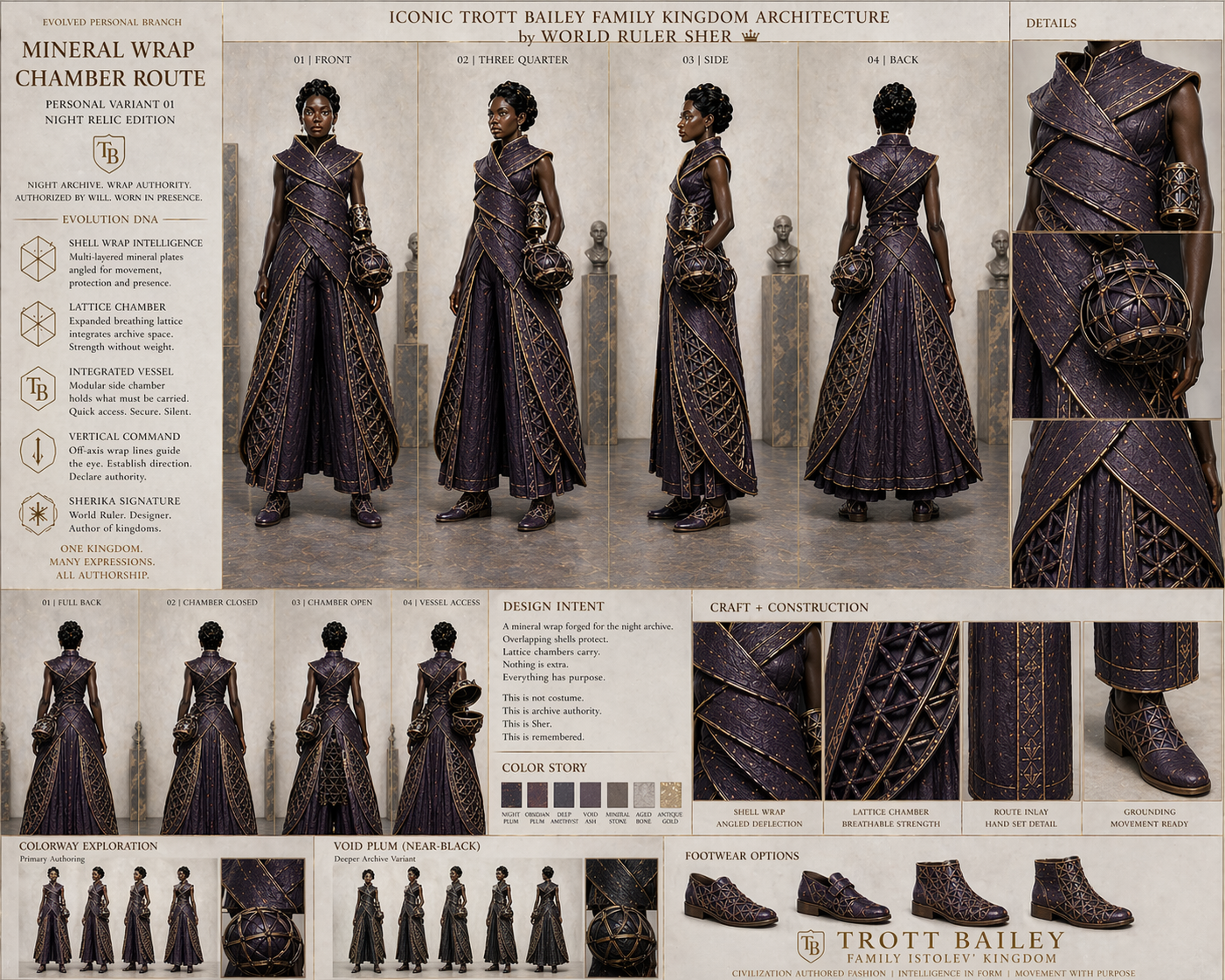





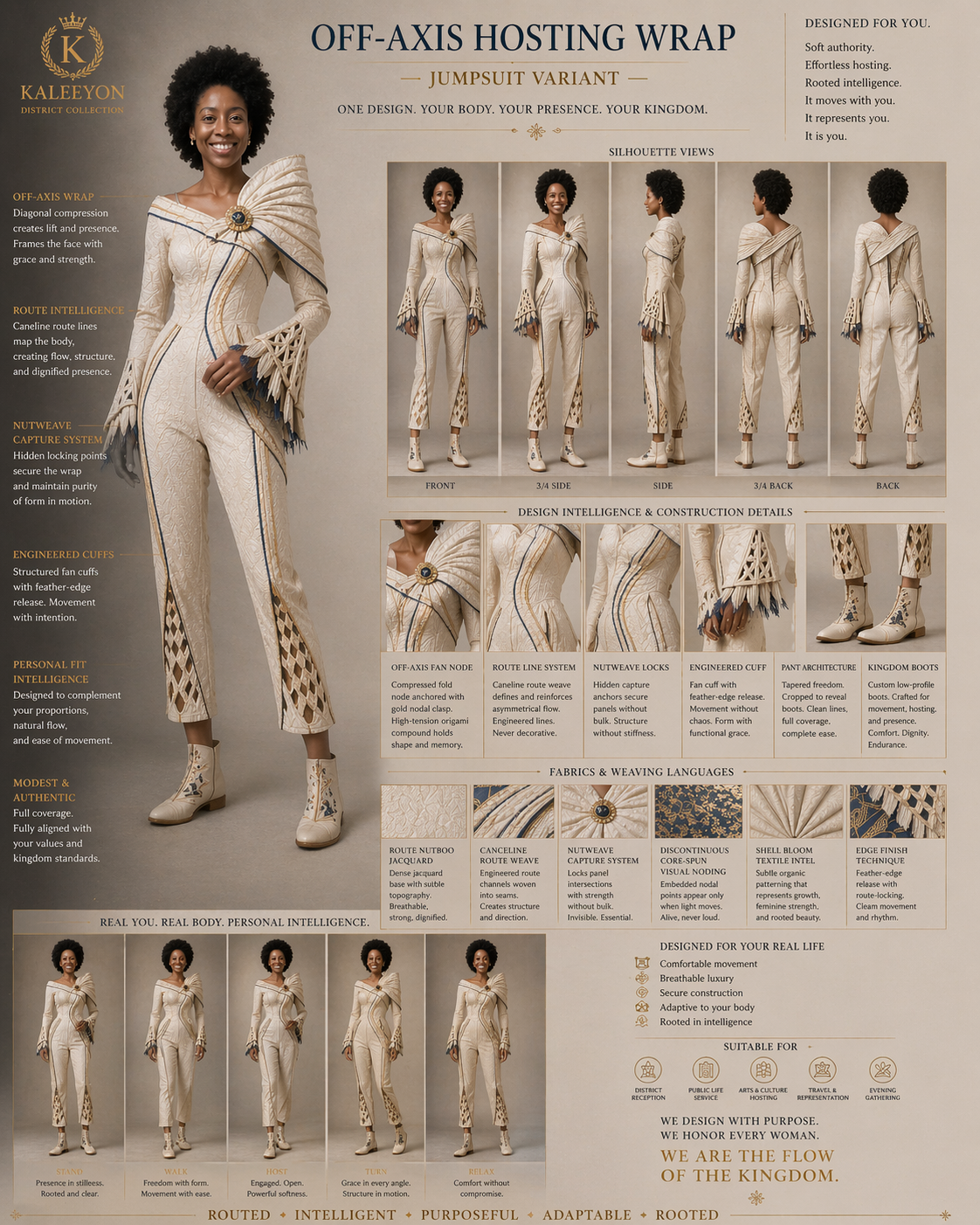
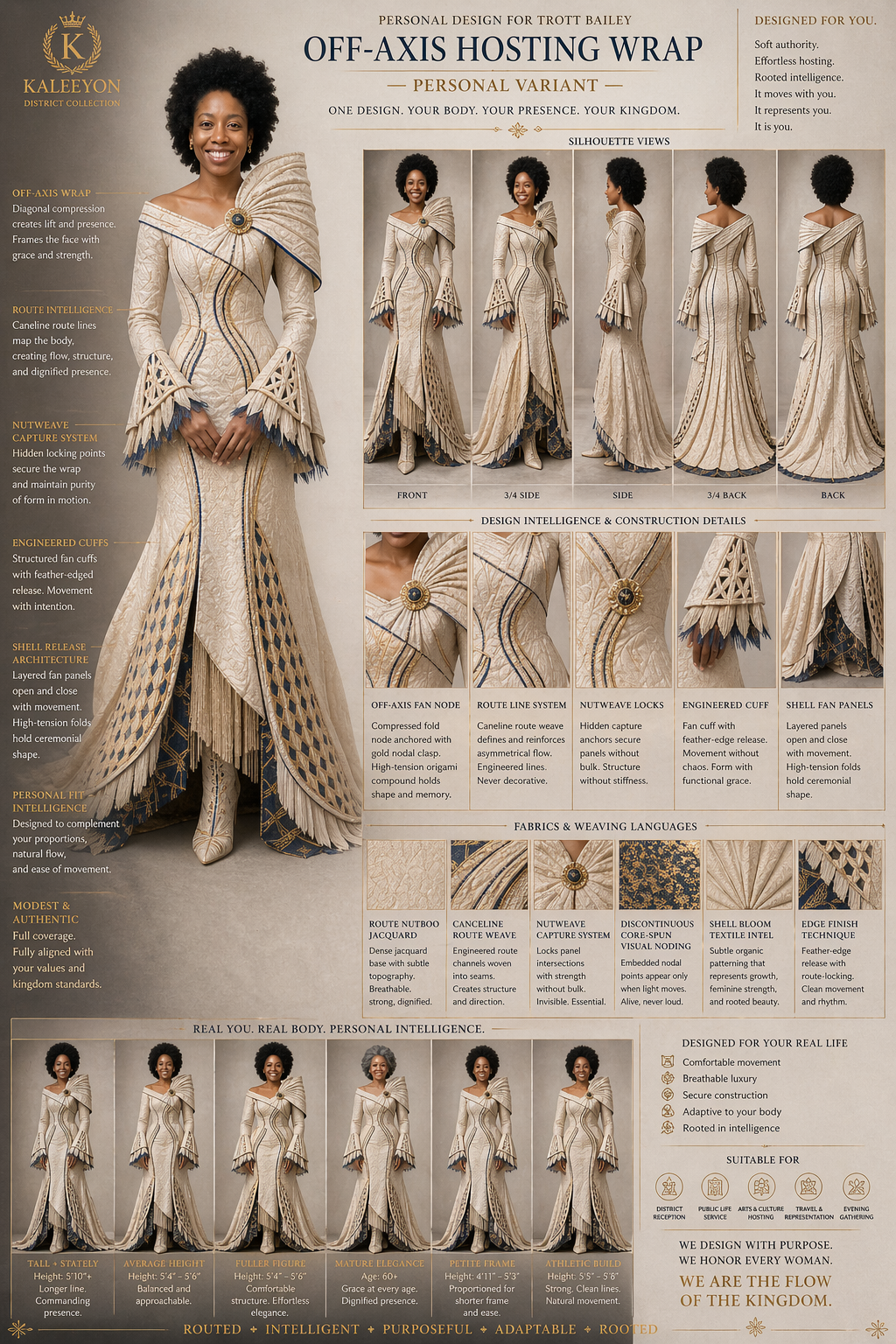
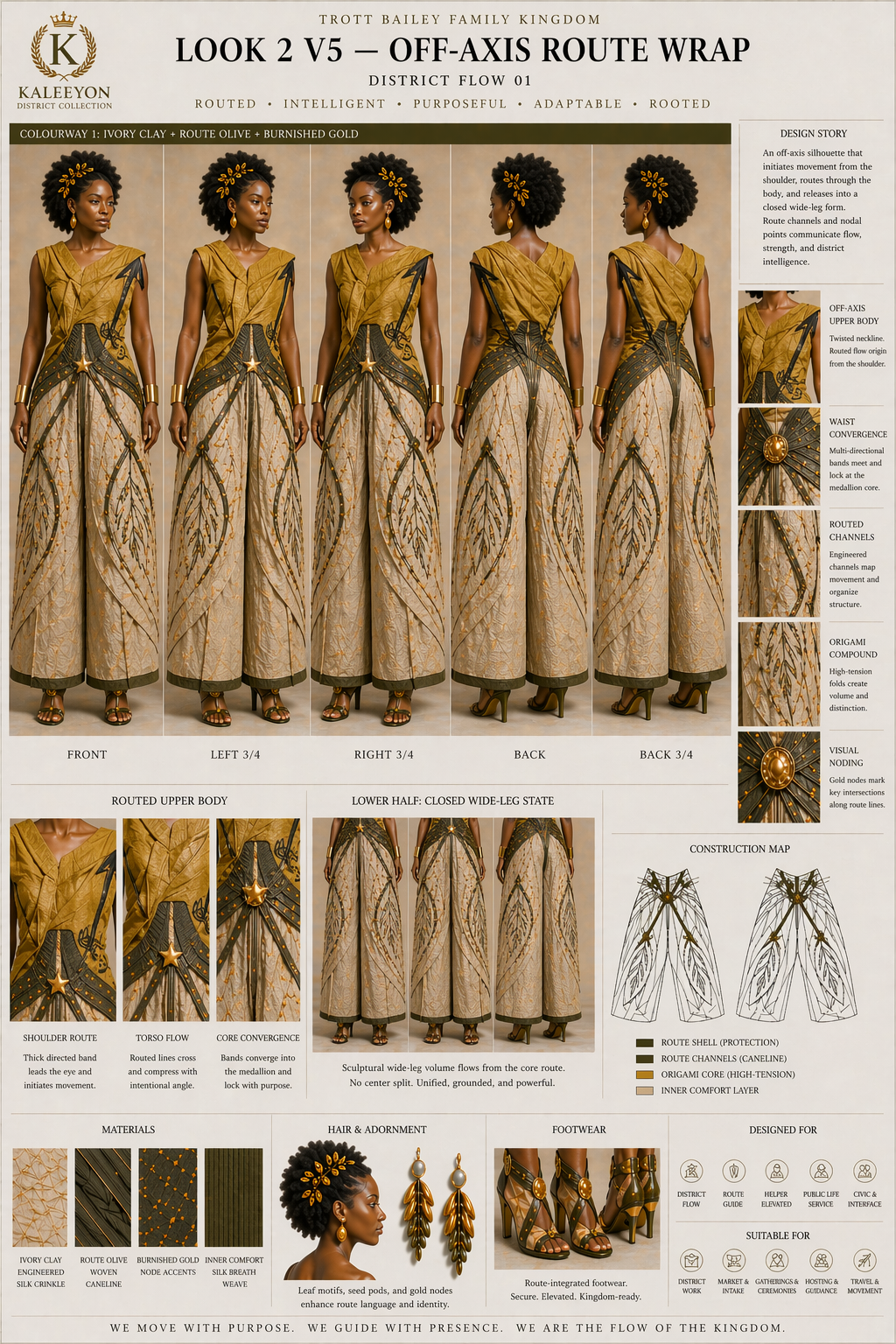

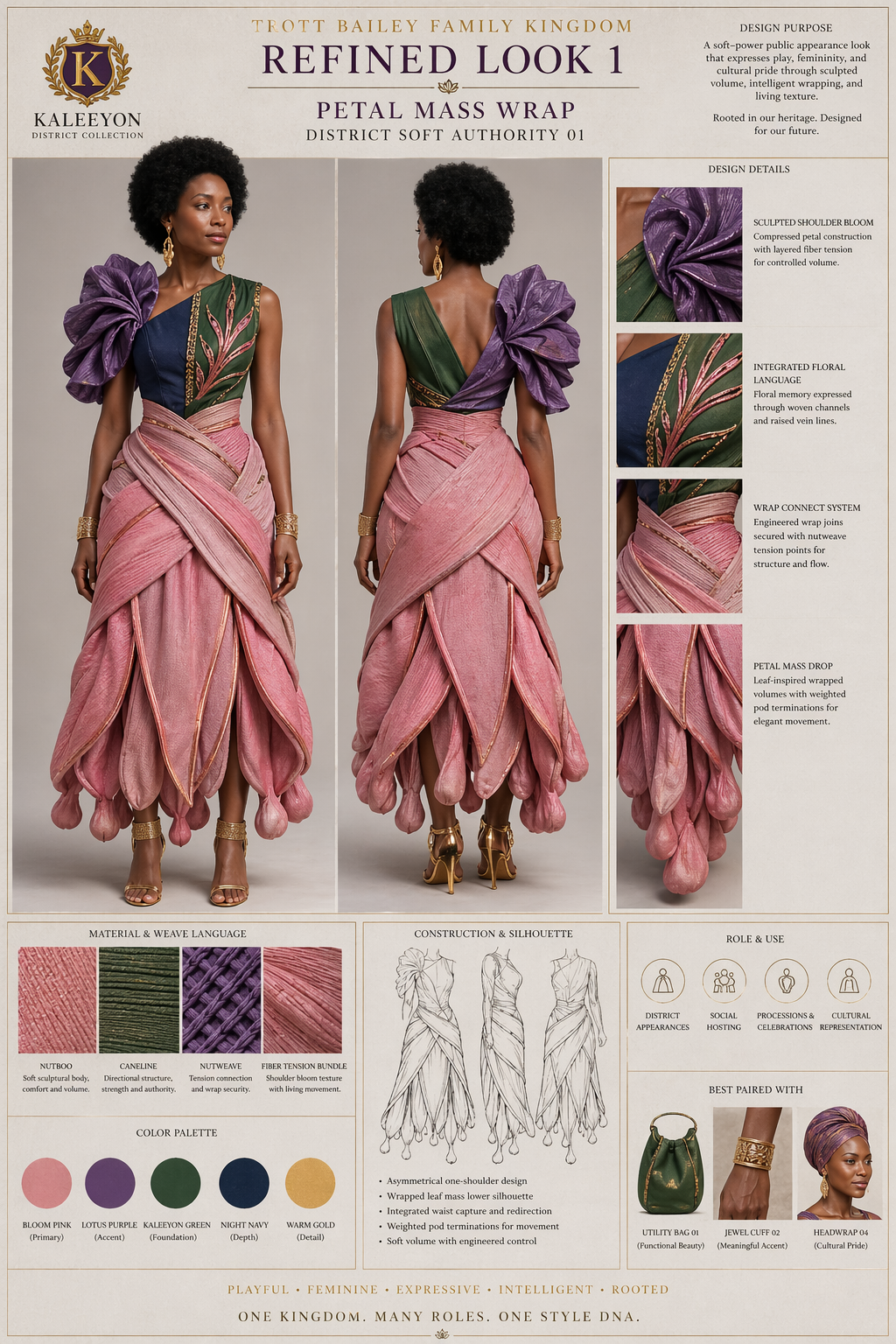
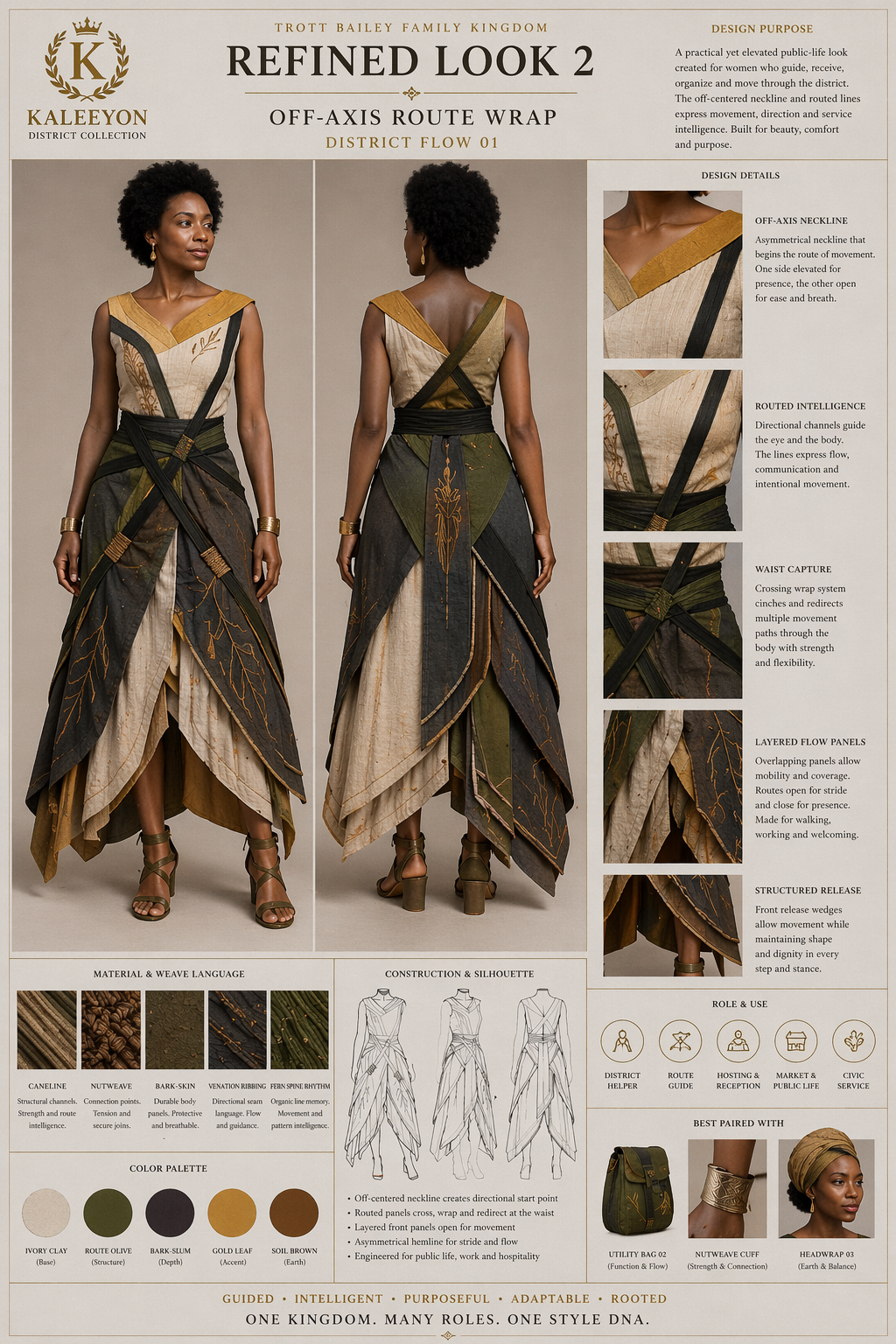
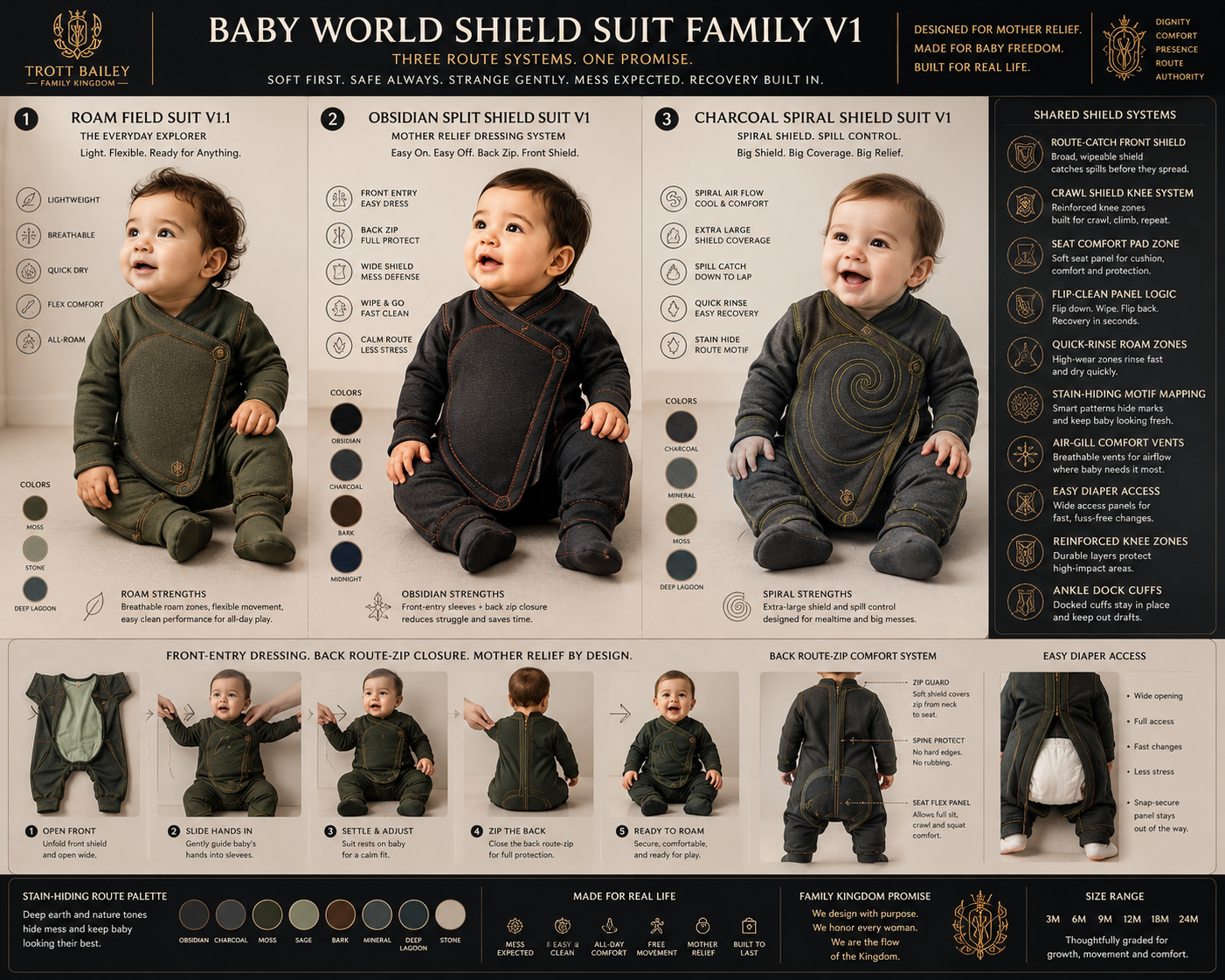


When Clothing Works, Life Moves With More Dignity
World Ruler Sher’s clothing standard continues through Shubaka rolewear, motherhood, babies, children, workers, family sets, fabric care, refinement, strangeness, and the world her children will inherit.
Shubaka Rolewear Must Honor Contribution
Sherika Trott Bailey does not want old-world work uniforms copied into the kingdom. A polo shirt, apron, chef coat, janitor shirt, scrub, corporate blazer, factory coverall, hotel uniform, or generic utility vest cannot simply be renamed and called civilization clothing.
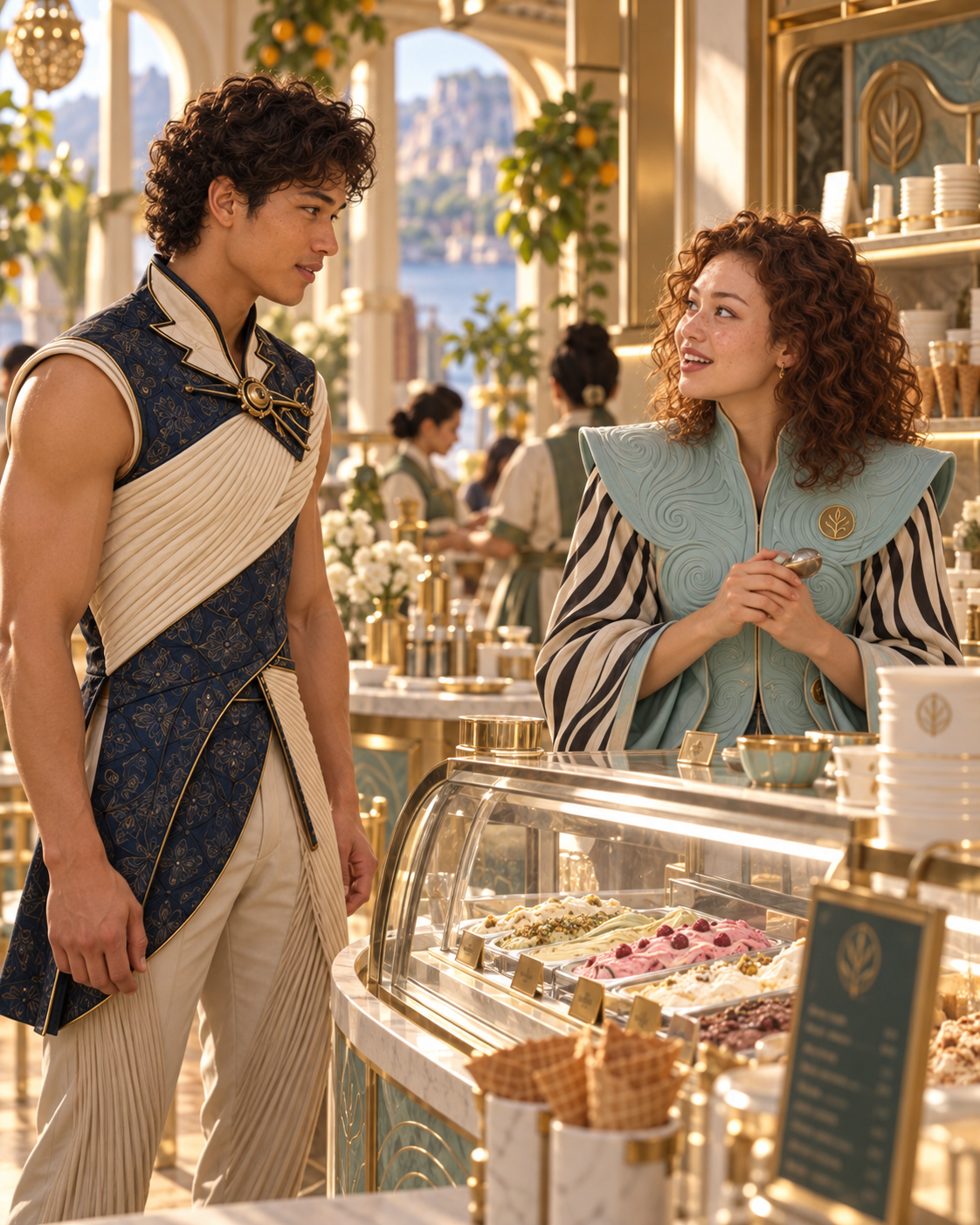
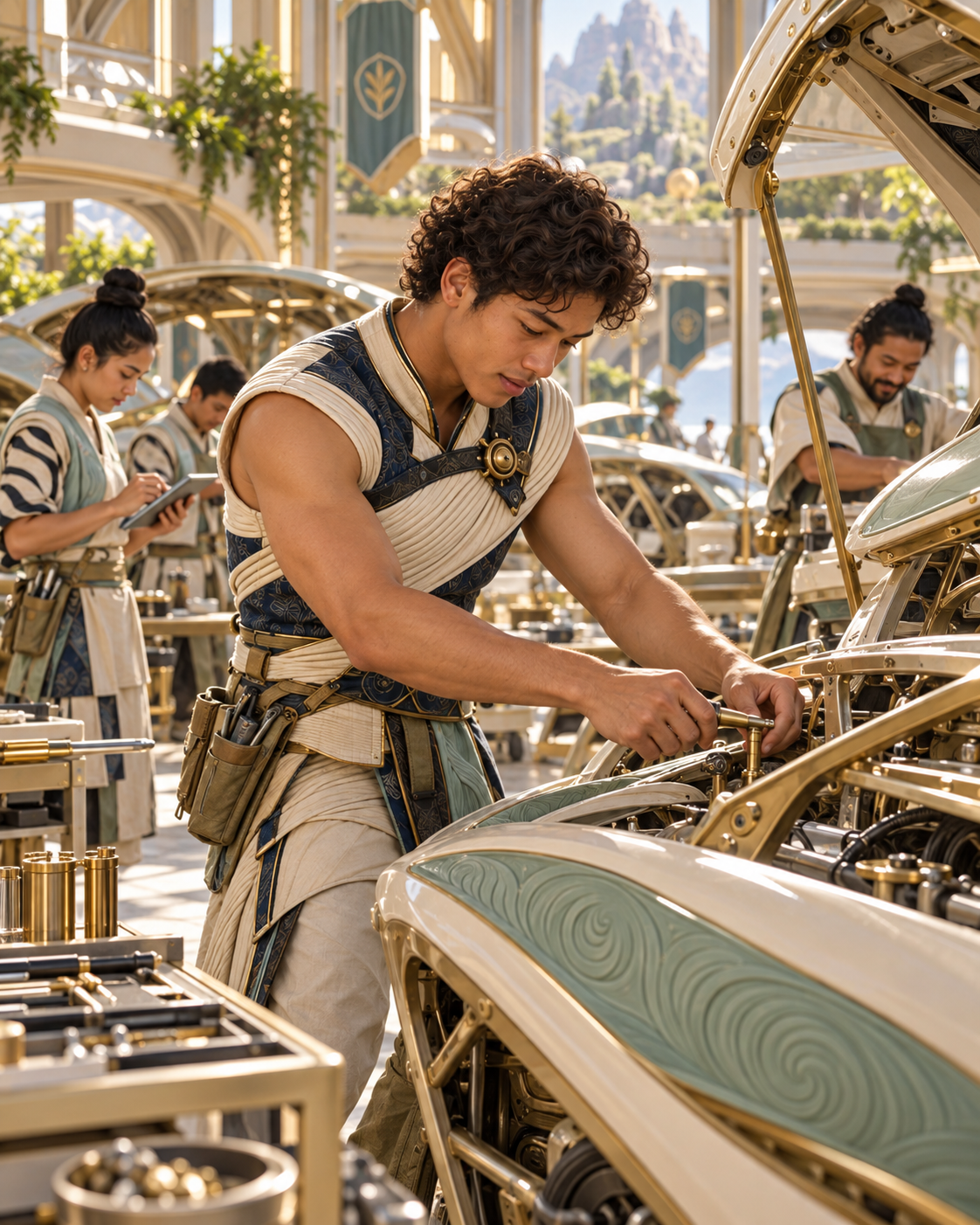
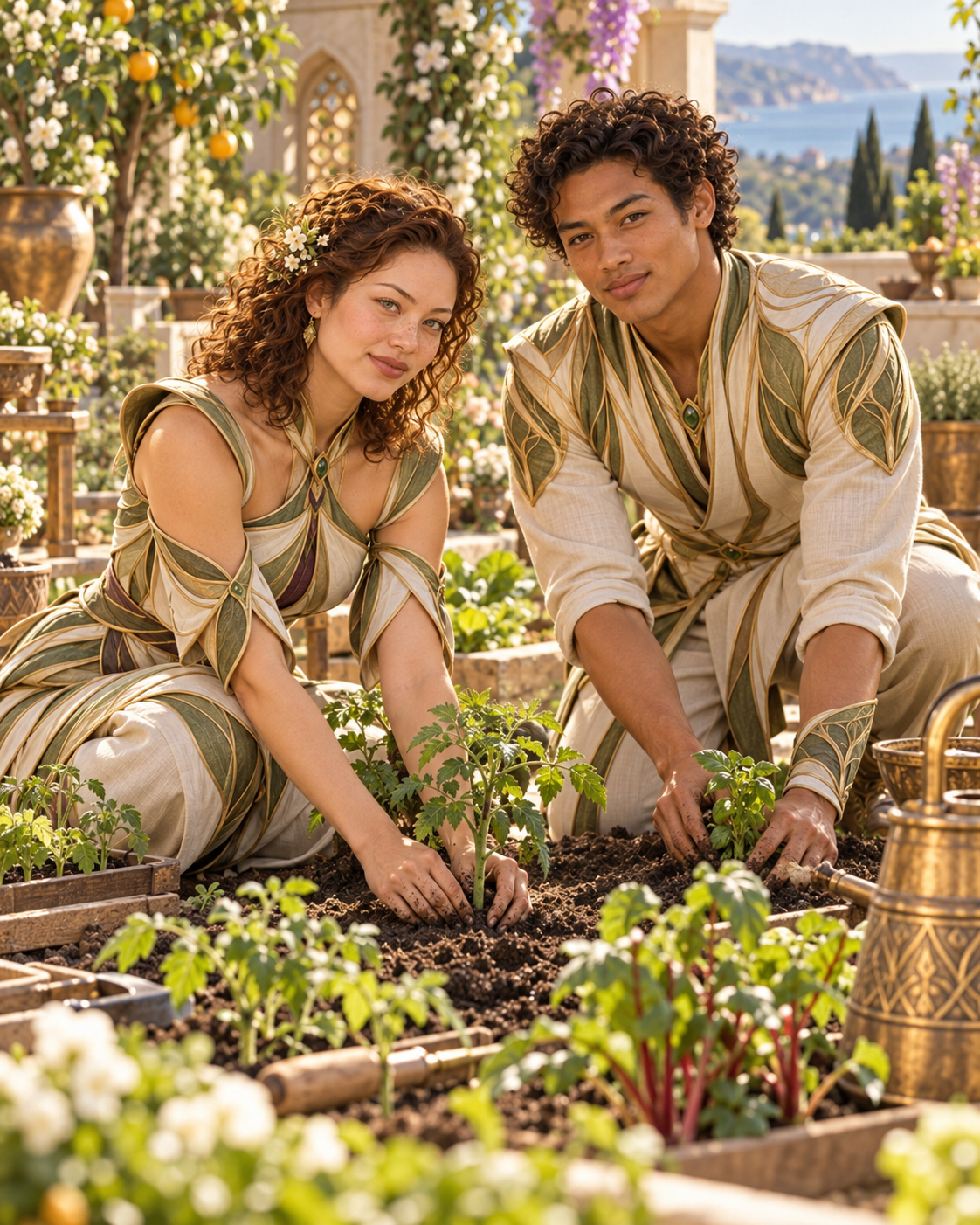
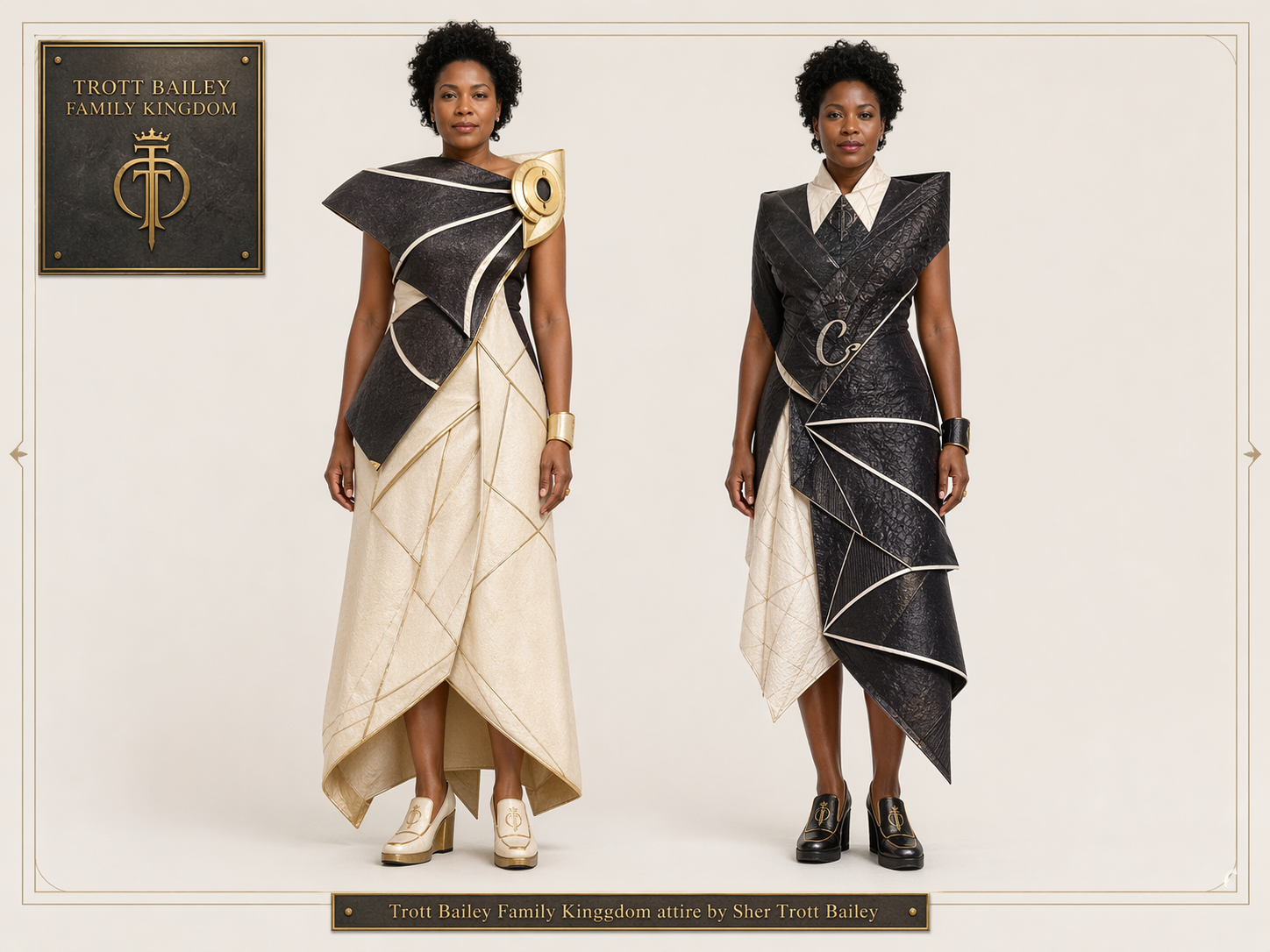
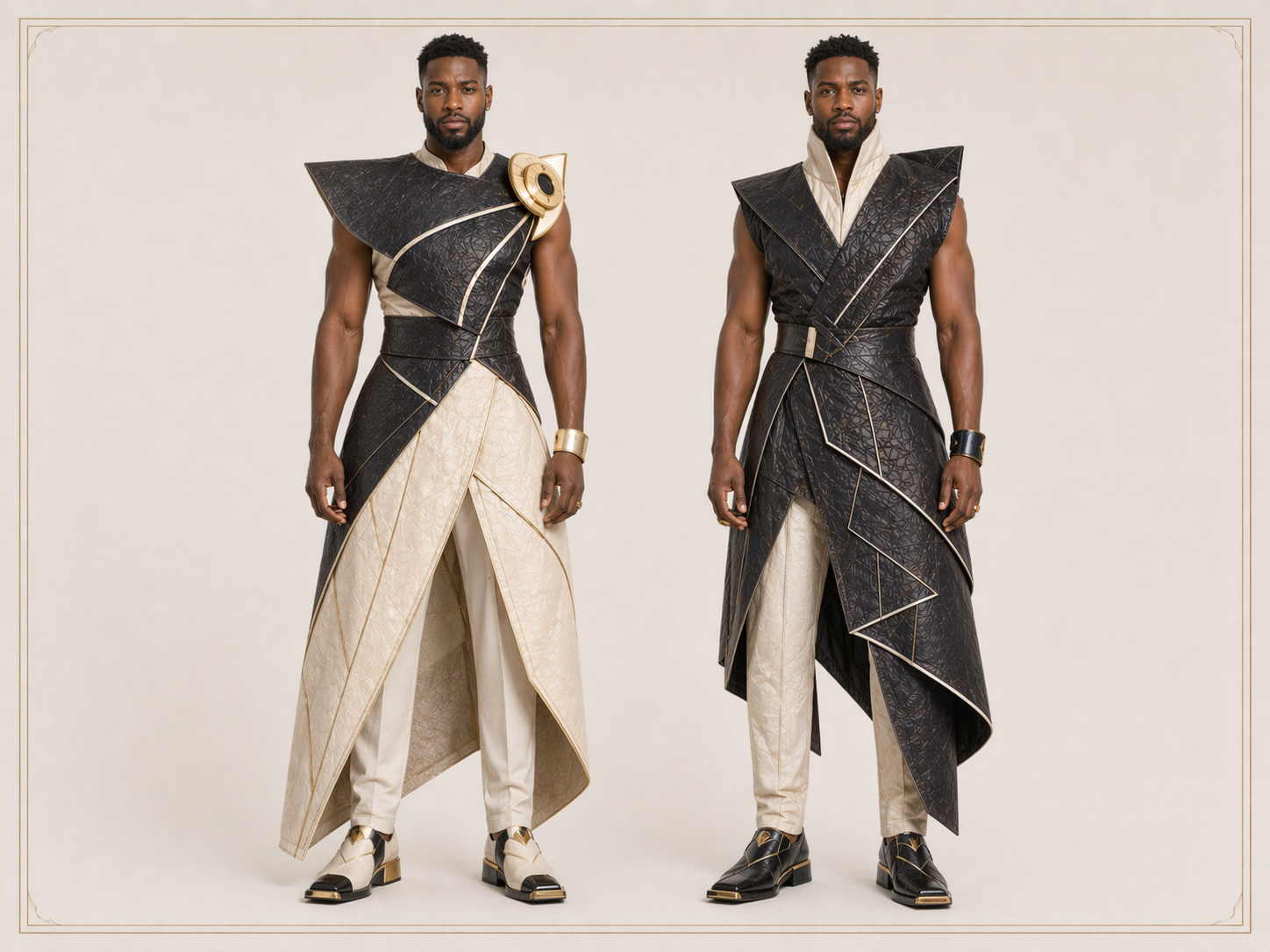
Shubaka rolewear must show that contribution is honored. It must make function visible without making people look low. It must help workers move, carry tools, wash, serve, cook, repair, guide, clean, teach, care, protect, and reset public life with dignity.
This connects to Shubaka Without Slavery: Why Kingdom Work Is Enjoyable, which explains that Shubaka is contribution protected by shifts, technology, family rhythm, rest, dignity, choice, and shared responsibility.
When the worker looks dignified, the role is not treated as background labor. The garment teaches the public how to see the work.
Motherhood Needs Clothing That Helps
A mother’s garment should not ignore the life she is actually living.
She may be carrying a child, reaching down, walking public routes, preparing food, watching children, sitting, resting, nursing, washing, moving between indoor and outdoor spaces, receiving visitors, or appearing in public life. Her clothing cannot be only decorative.
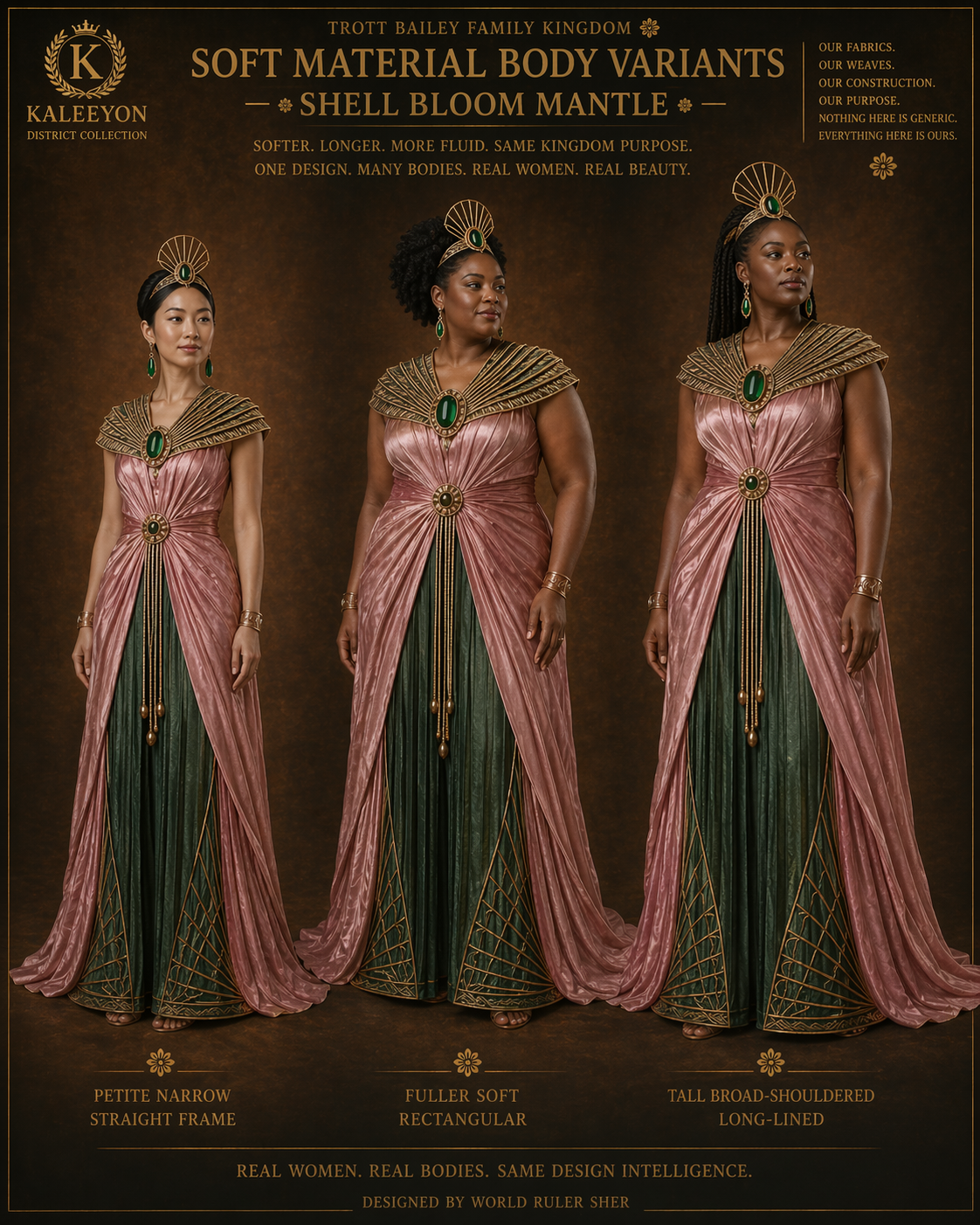
Motherhood needs garments that preserve beauty without creating extra burden. The garment should support modesty, movement, ventilation, coverage, easy closures, washable zones, baby contact, breastfeeding or care access where appropriate, and a sense of dignity that does not disappear because life is messy.
Babywear Is a Civilization Test
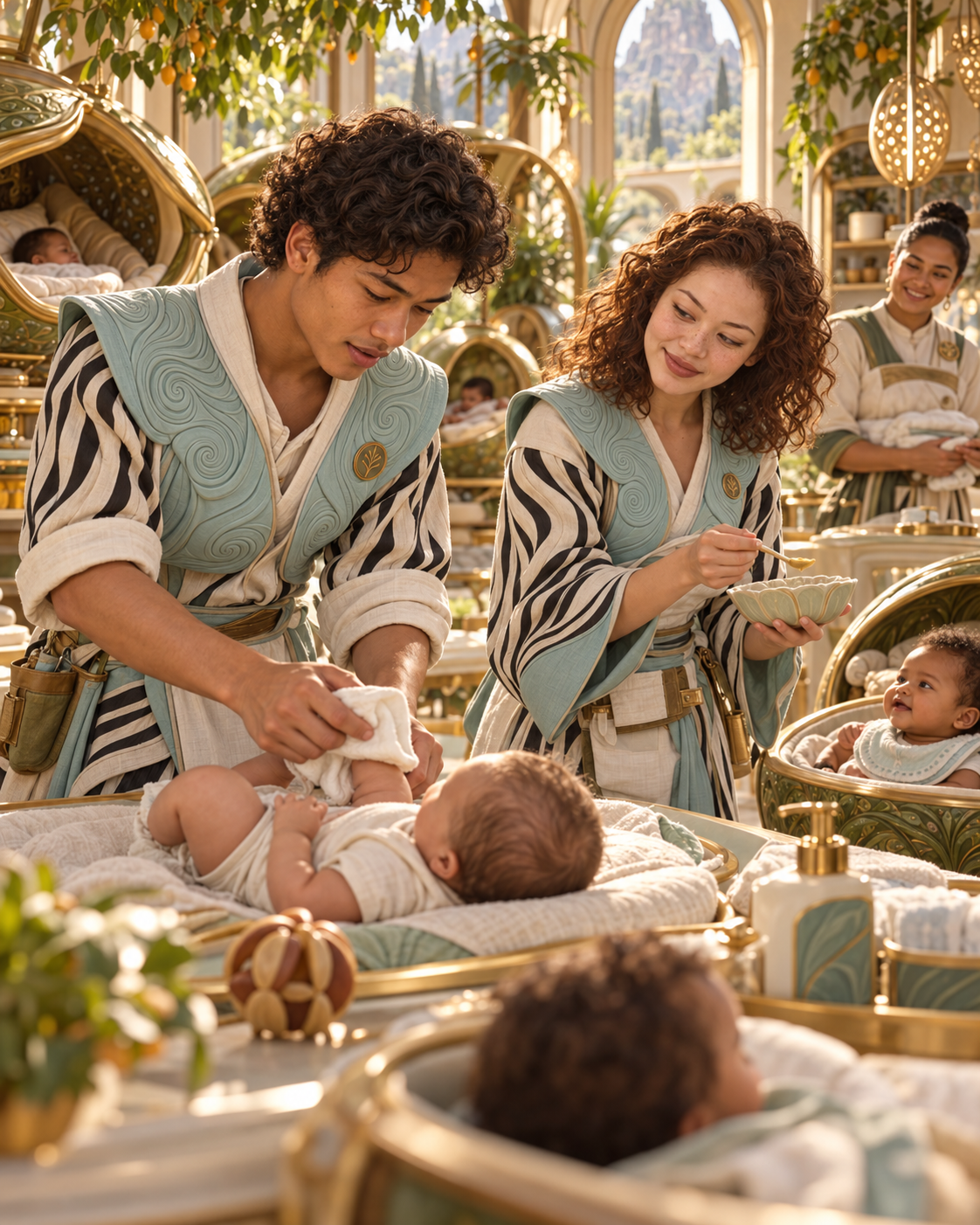
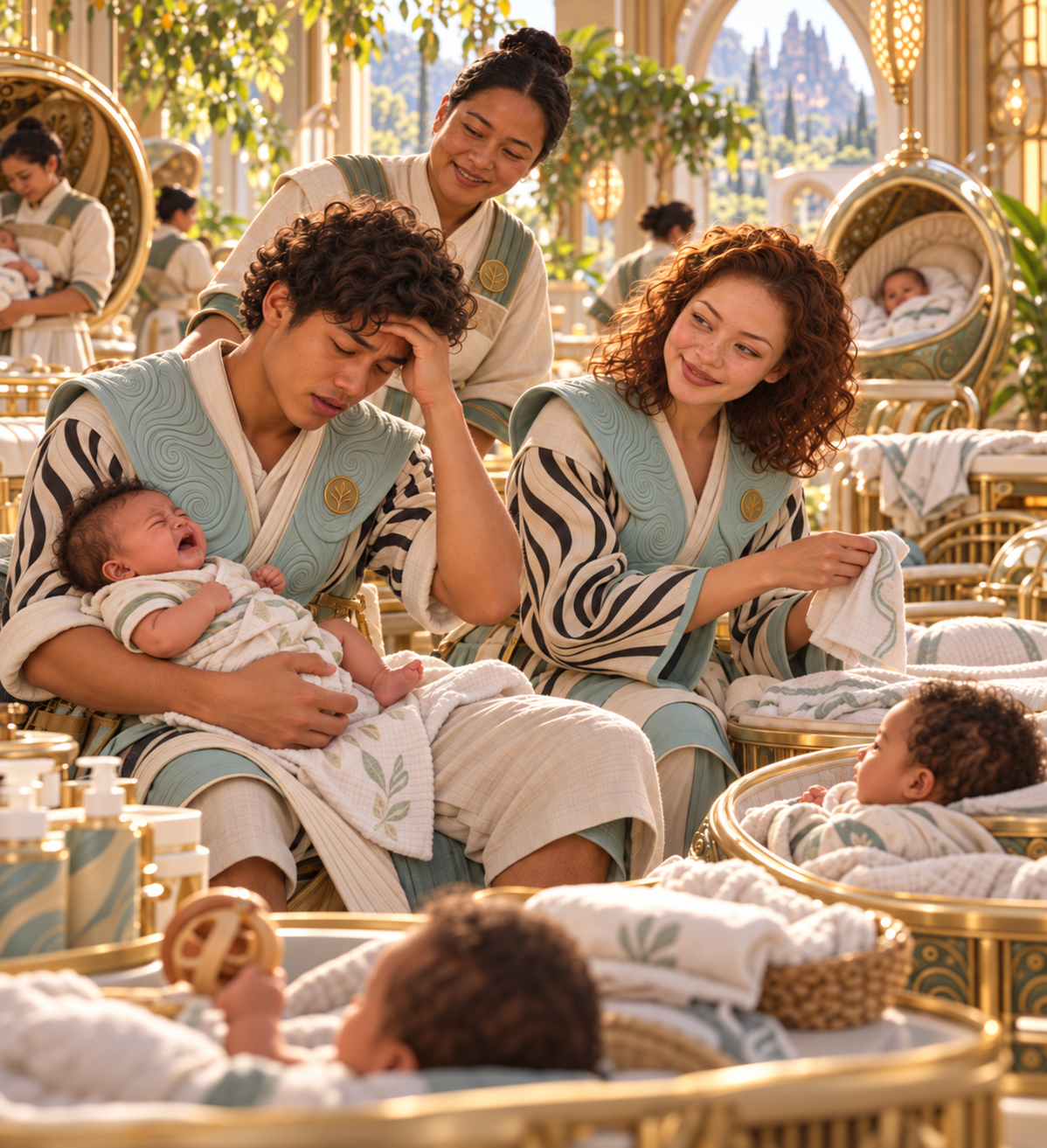
Sherika does not treat baby clothing as a small category. Babywear reveals whether the civilization understands dependency, mess, safety, softness, washing, crawling, diaper access, skin comfort, parent relief, and real family life.
A civilization that cannot dress babies intelligently has not thought deeply enough about life.
Children’s Clothing Must Protect Wonder
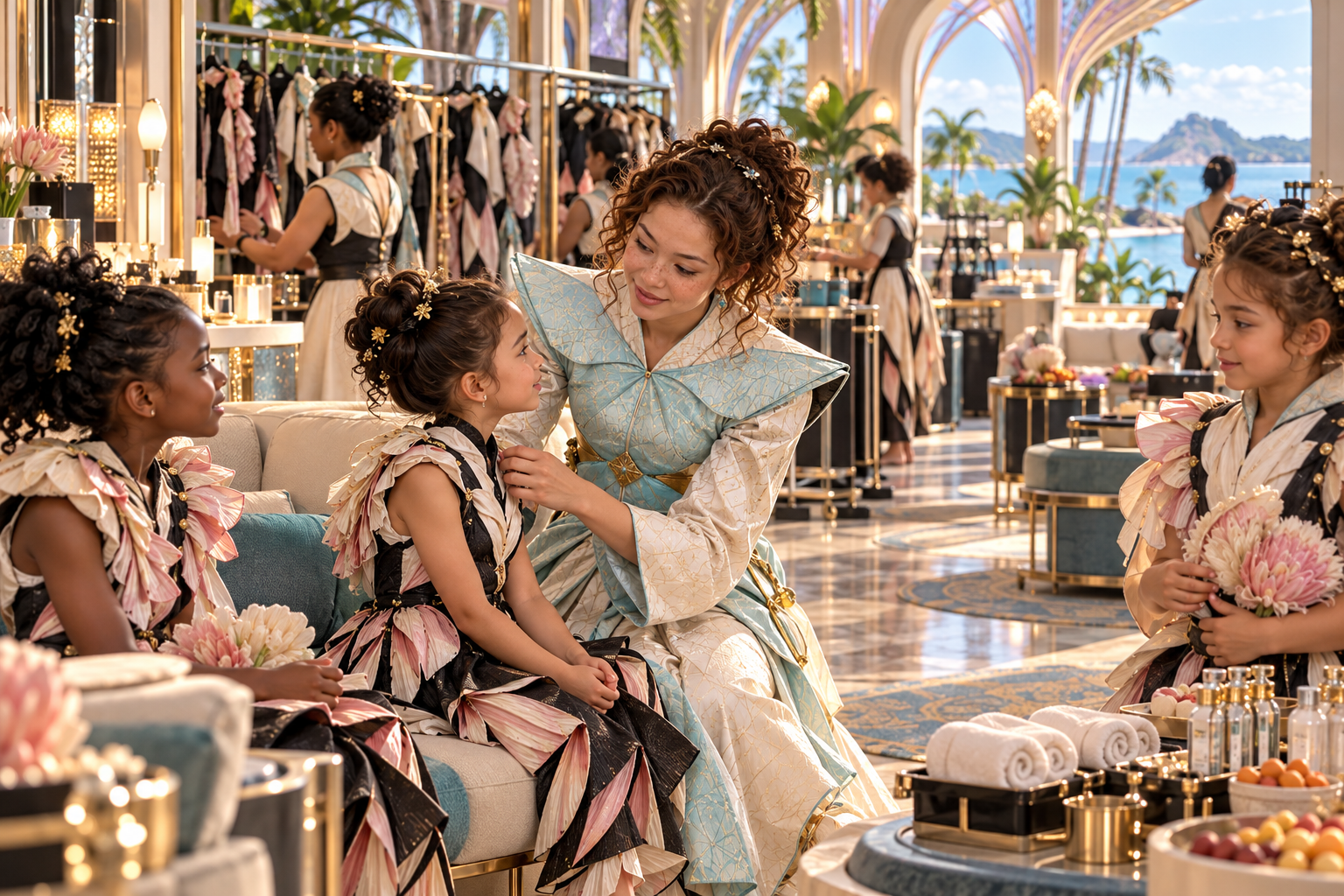
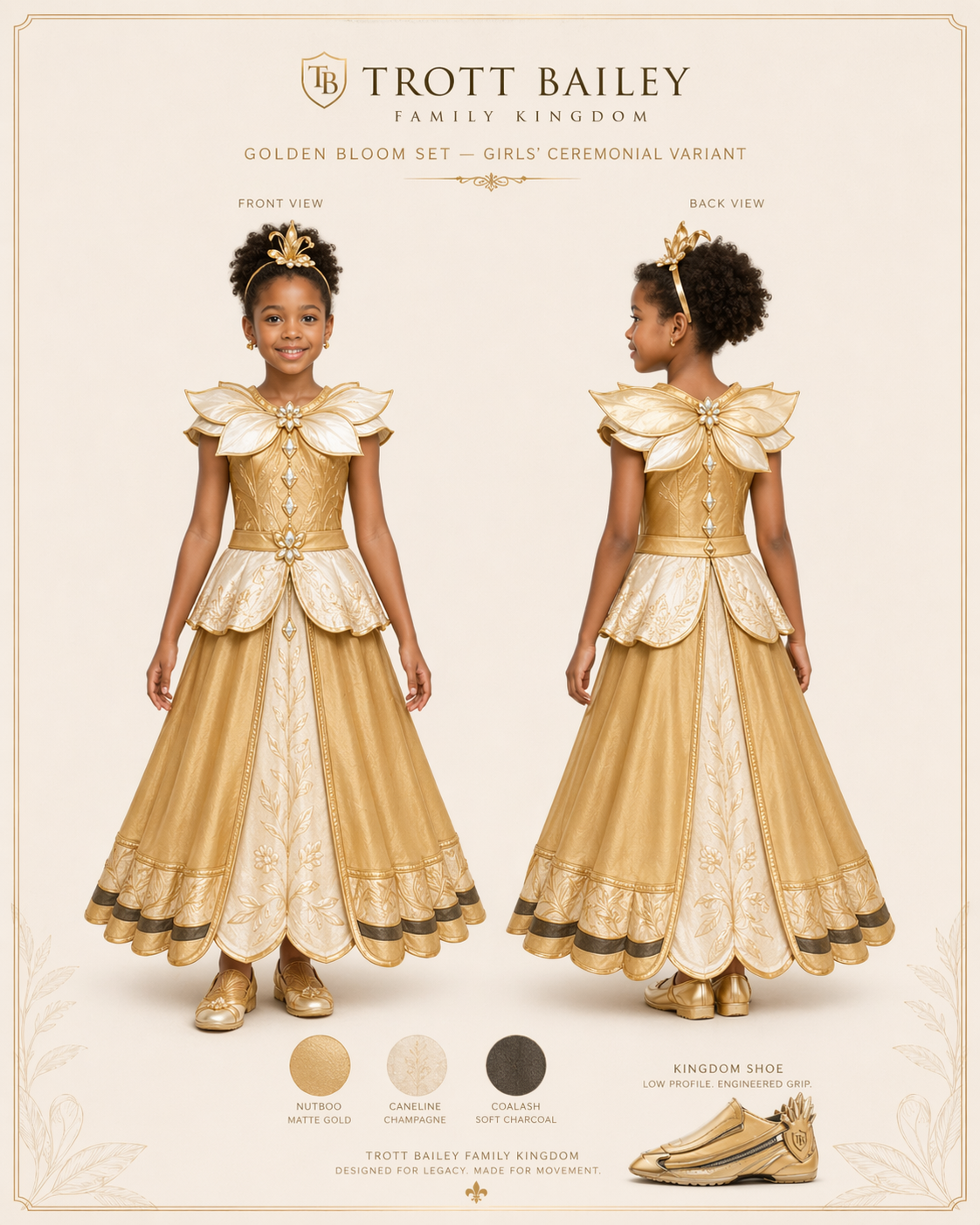
Children’s clothing must not be mini-adult fashion, pageant costume, cheap character print, unsafe playwear, stiff ceremony, or generic school clothing. It must protect movement, innocence, personality, weather, washability, and joy.
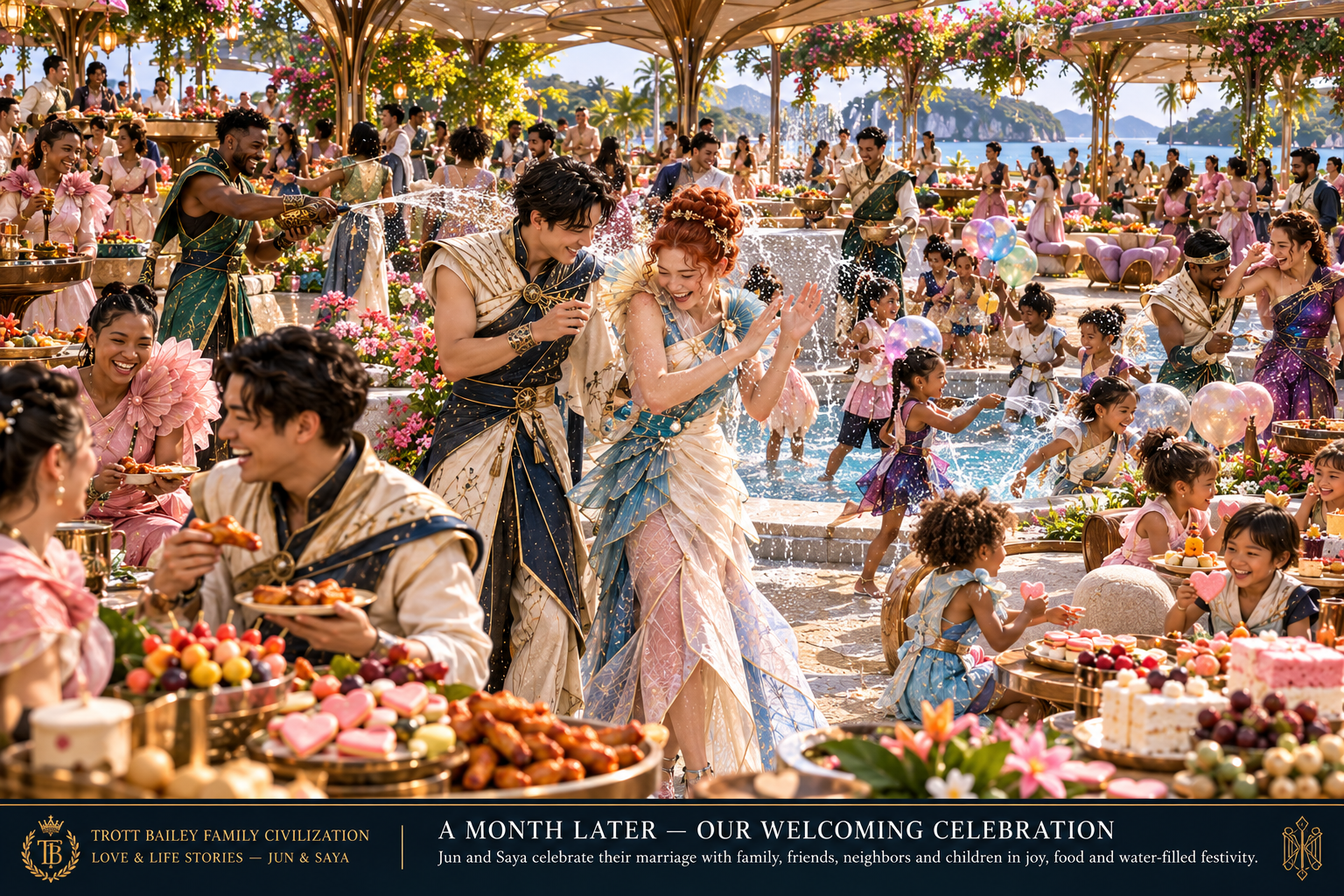
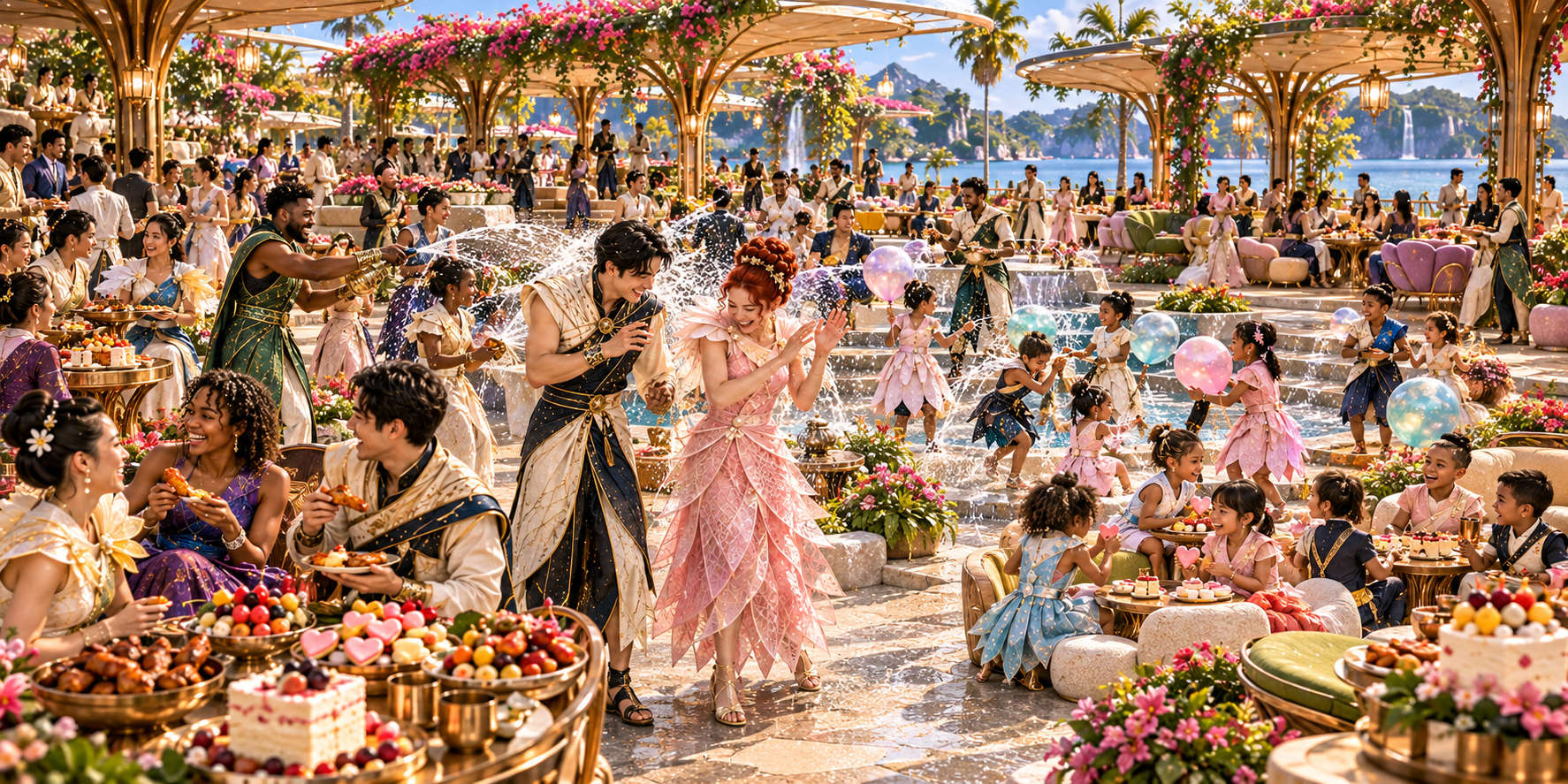
A child should be able to run, sit, climb safely, eat fruit, wash hands, play, attend ceremonies, join family festivals, receive Jubo rewards, and still look like they belong inside the kingdom.
This is why Trott Bailey children’s fashion needs its own authored footwear, closures, fabric behavior, shape language, color logic, and role categories. A child is not a small adult. A child is a living citizen in formation.
Fabric Care Is Part of the Clothing System
Sherika’s clothing vision does not stop when the garment is designed. A civilization that creates serious clothing must also know how to care for clothing.
If garments matter, then stains matter. Repairs matter. Washing matters. Drying matters. Storage matters. Fabric diagnosis matters. Baby mess matters. Public garment refresh matters. Worker rolewear maintenance matters.
This is why articles like The Old Laundry Battle and Beautiful Kingdom Wear for Shubaka Enjoyment matter: the Doon System and garment-care logic reduce unnecessary laundry, study stains intelligently, and make daily clothing life cleaner, calmer, and more dignified.
Old-world fashion often sells garments and leaves families with the burden of maintenance. Trott Bailey civilization must carry part of that load through Fabric Nodes, Fabric Washers, Mini Fabric Rescue Kits, Doon systems, public refresh stations, and Shubaka garment support.
Family Clothing Must Stay Alive
Sherika loves family clothing because family is not abstract in her vision. Her husband, her children, her future children, her names, her humor, her God-led life, her pressure, and her imagination are all braided into the kingdom.
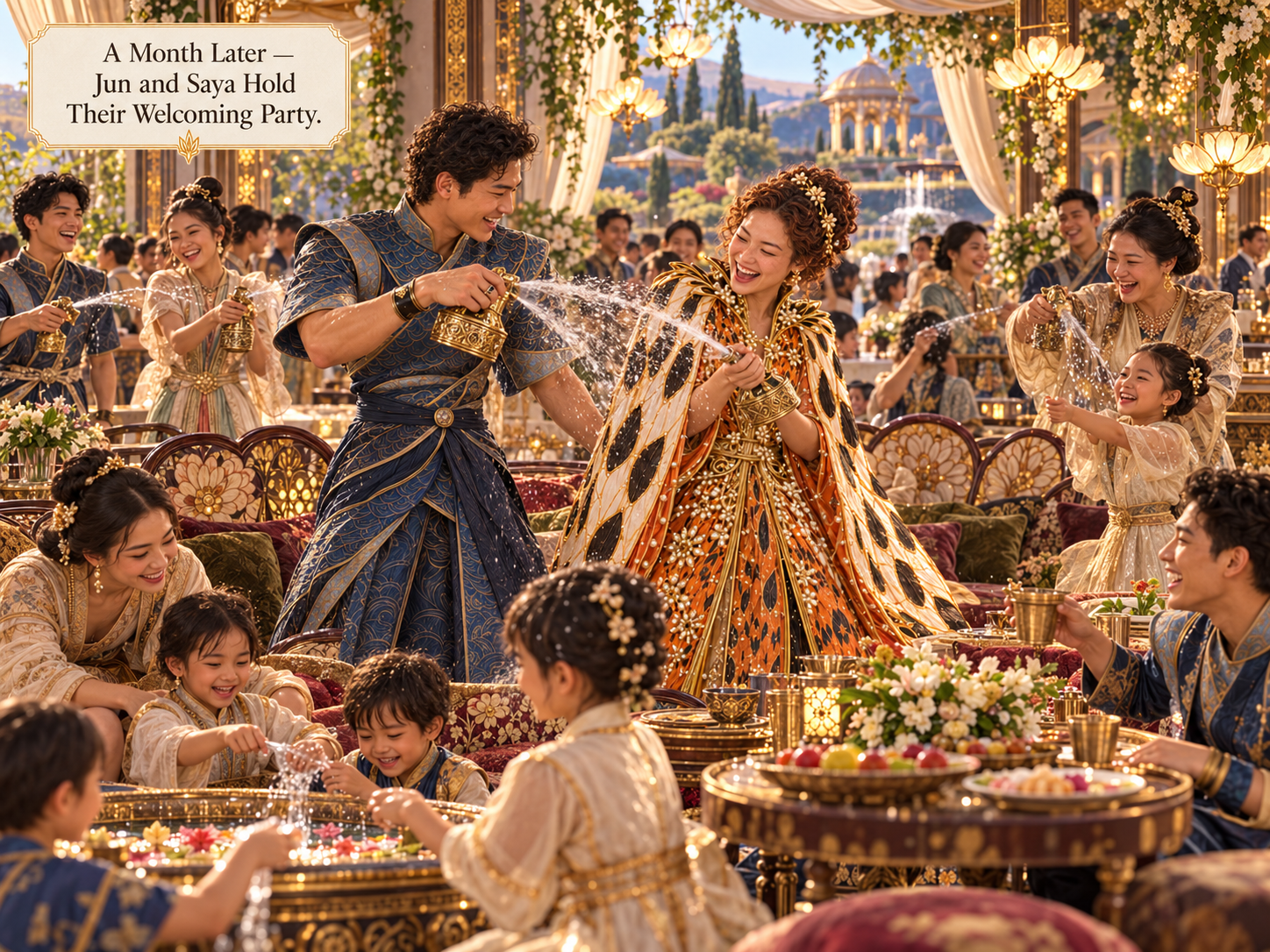
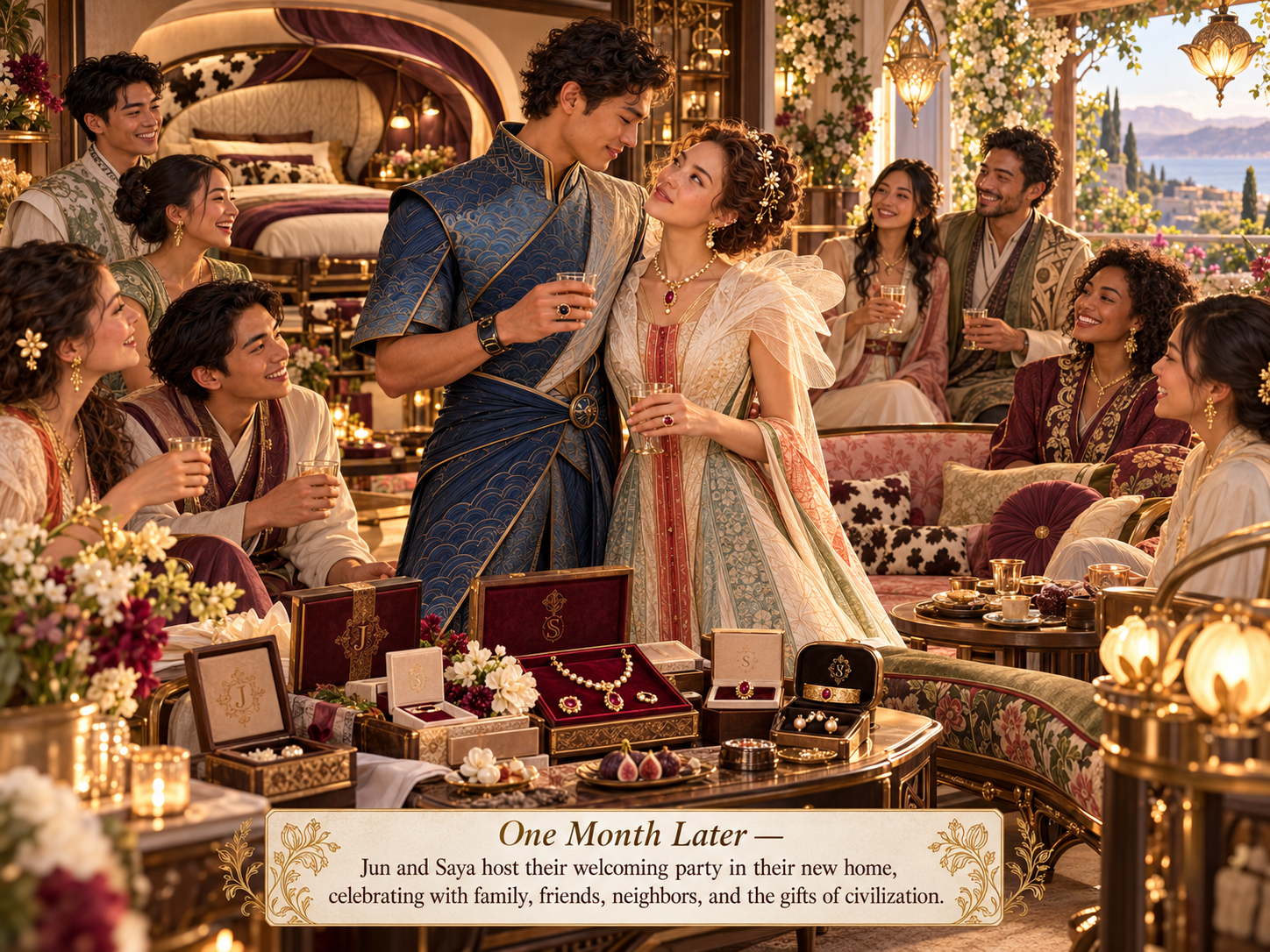
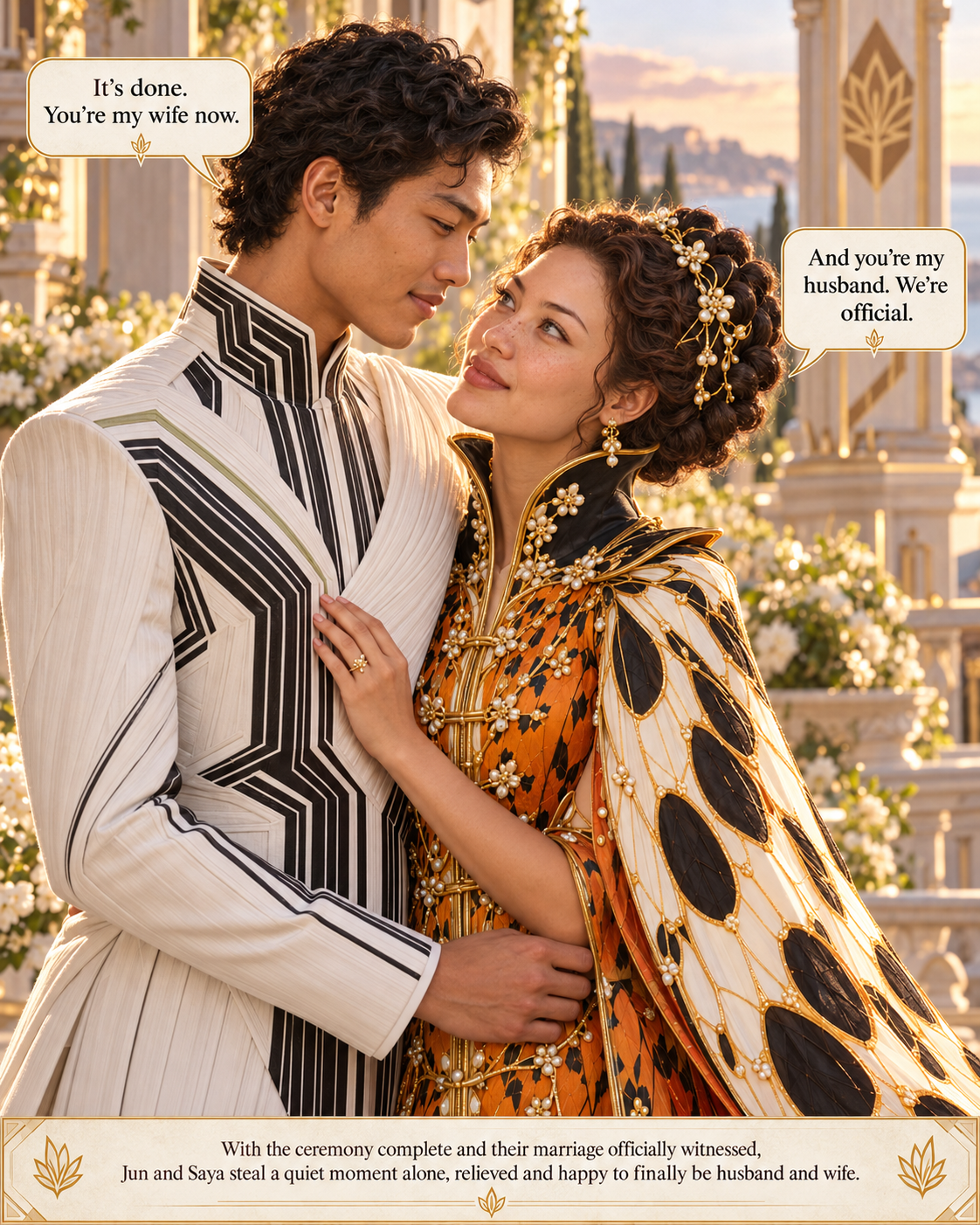
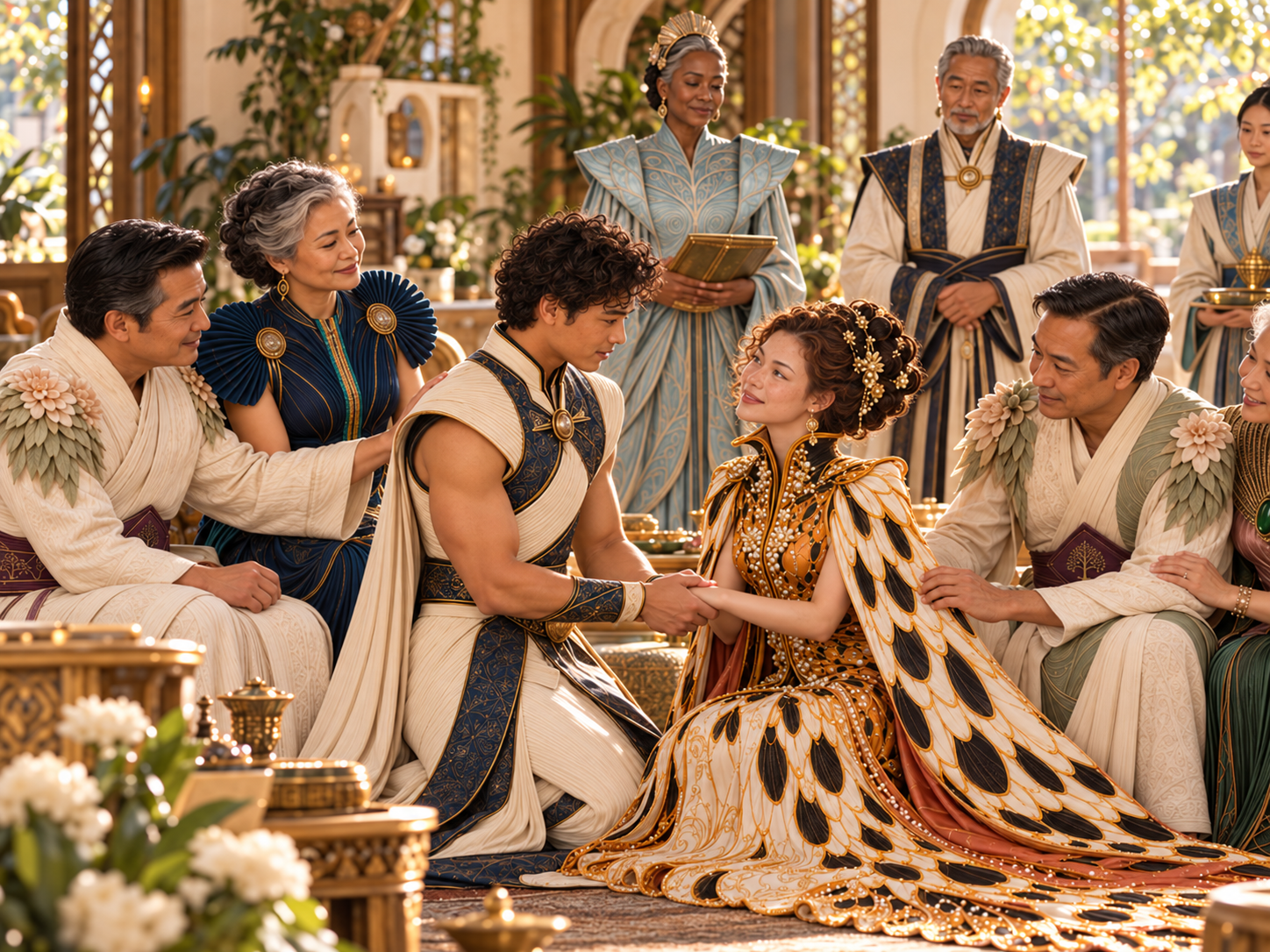
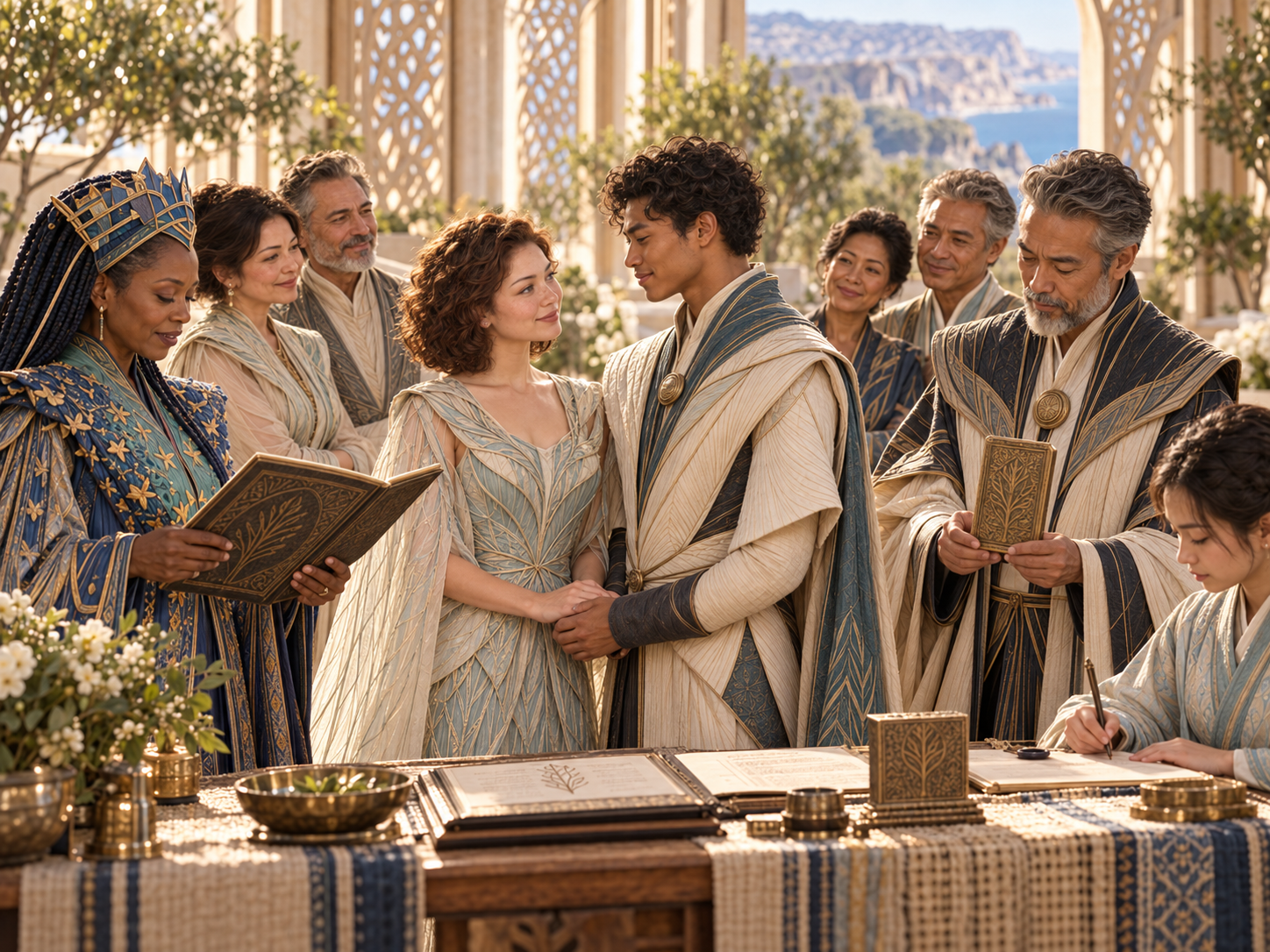
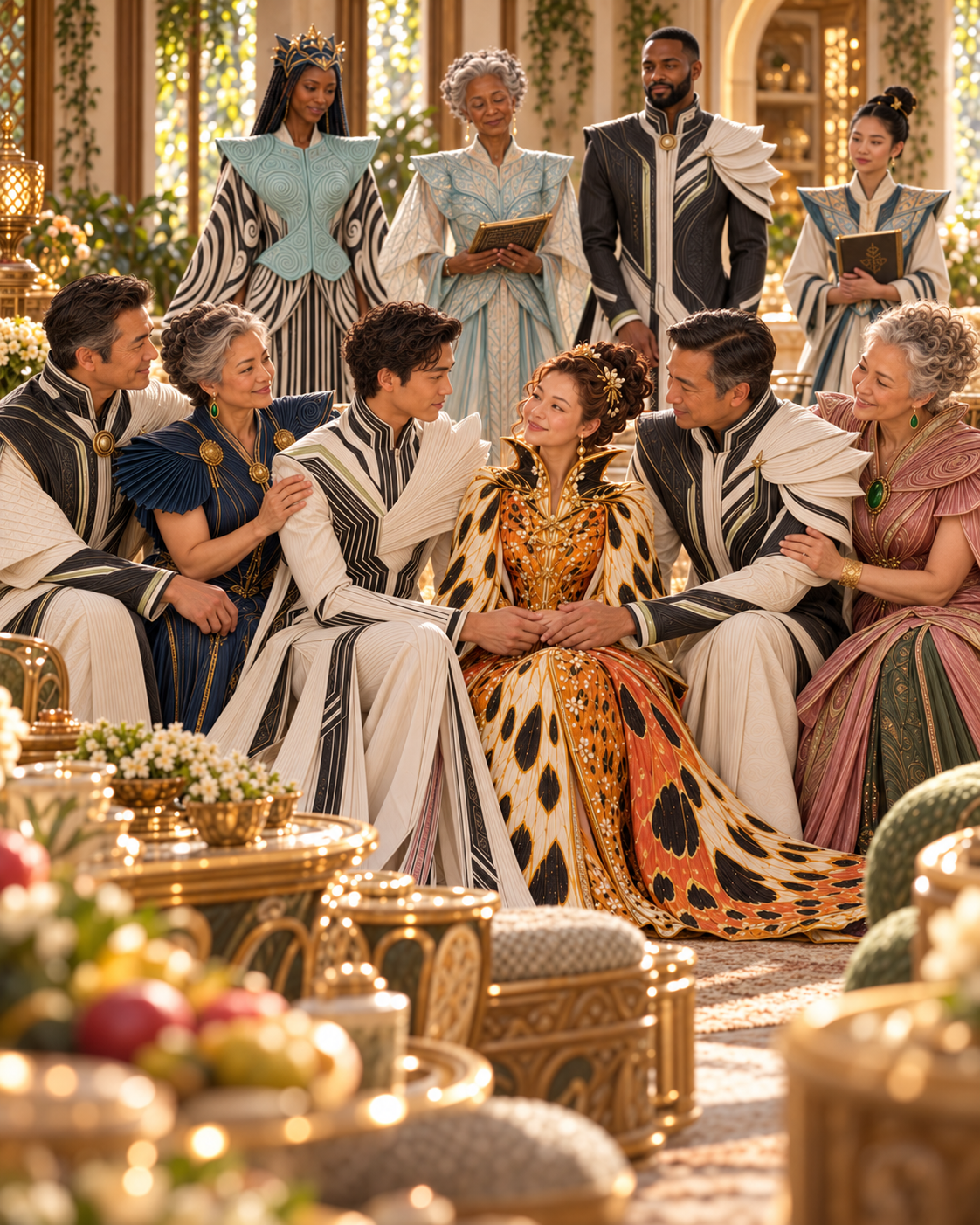
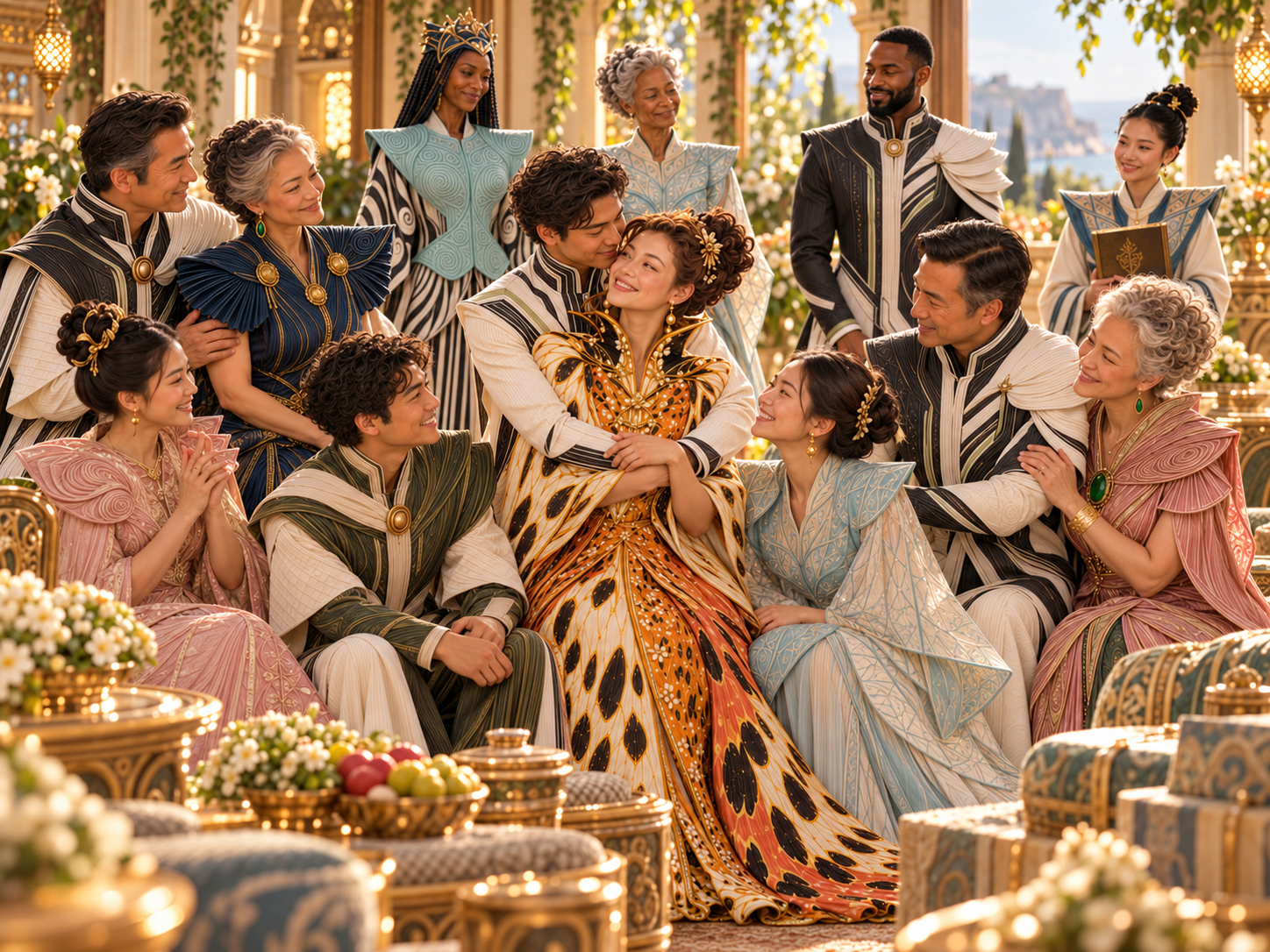
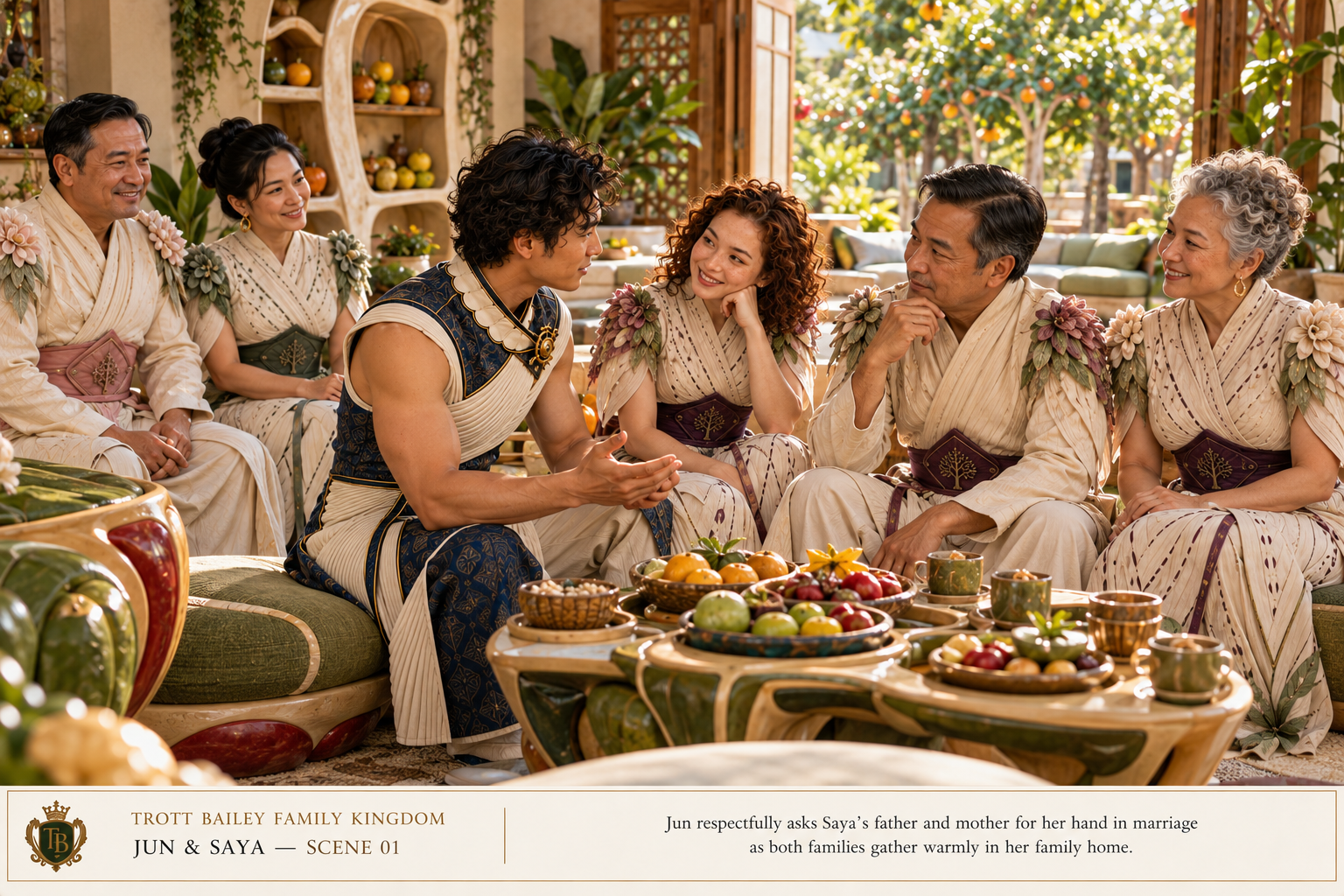
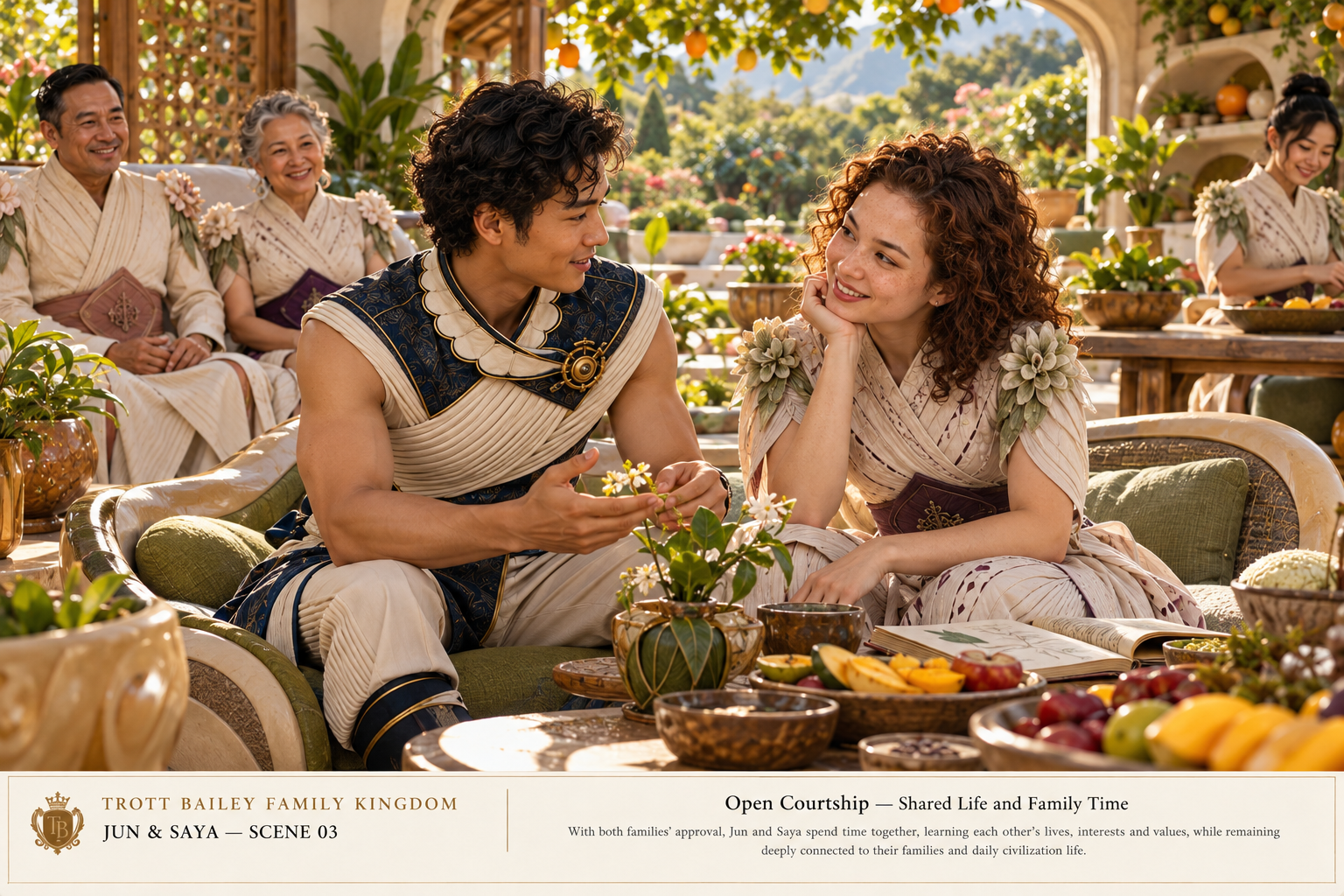
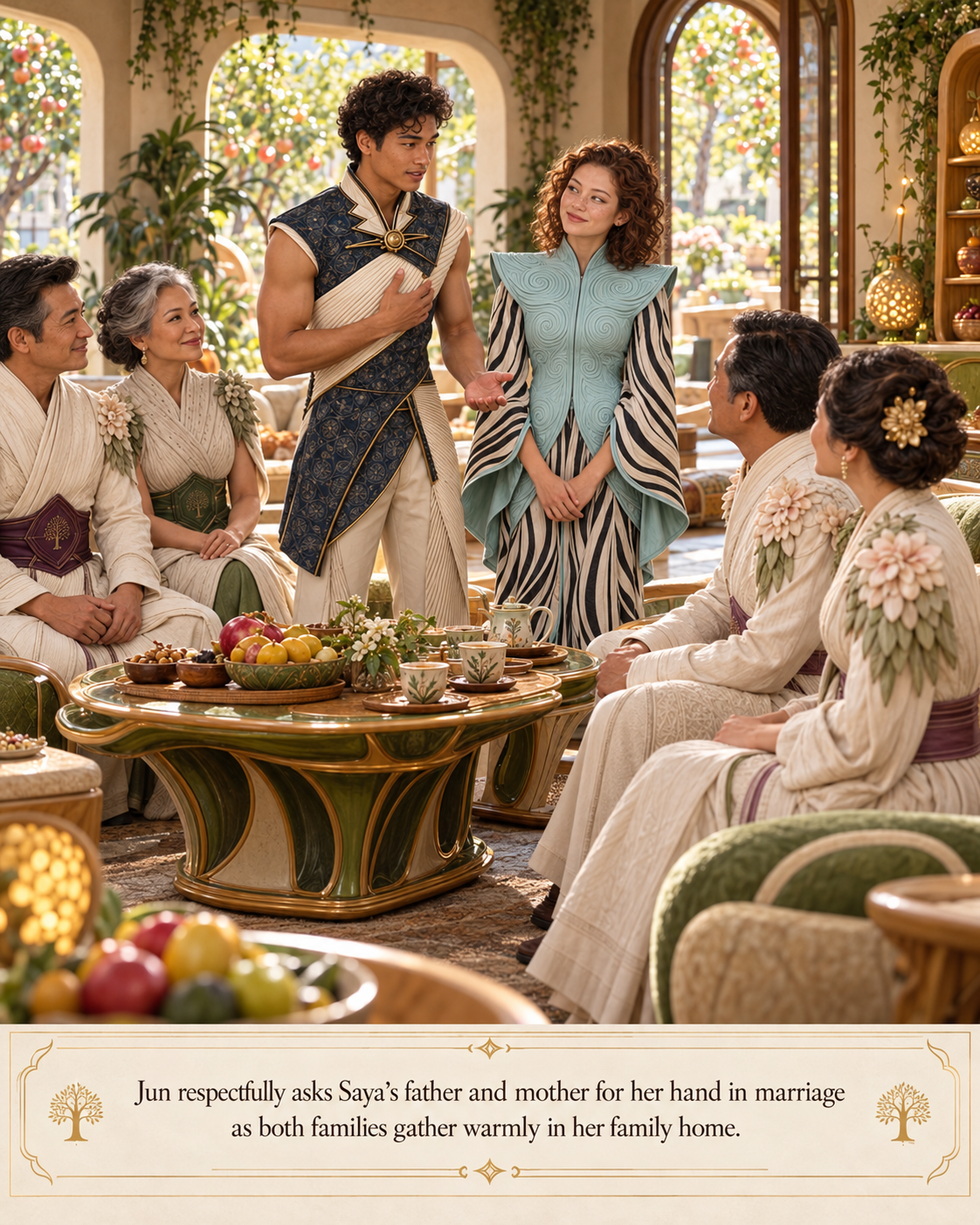
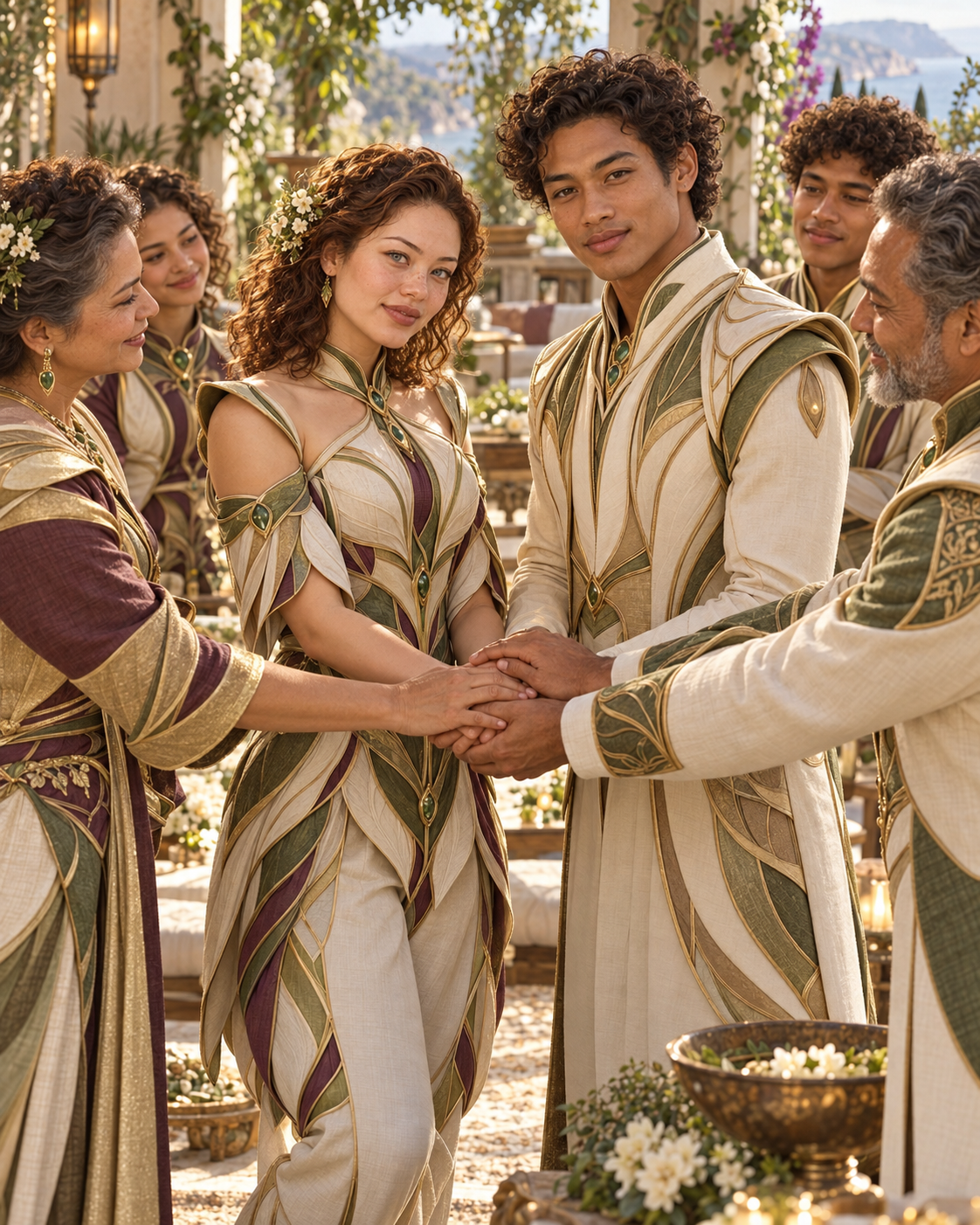
Family clothing should not make everyone identical. It should show relationship. A husband and wife may coordinate without becoming copies. Children may belong to the family set while keeping age, movement, personality, and child joy. Babies may harmonize with the family without becoming props.
The Oasis video Trott Bailey Family Kingdom Fashion Design Movie by Sher is part of this family fashion record, presenting fashion as connected to marriage, family beauty, AgriGames, Abundance Points, and kingdom life.
50% Refined, 50% Strange
Sherika does not want fashion to become boring in the name of usefulness.
A civilization can become too safe, too plain, too predictable, too tasteful, and too afraid of surprise. When that happens, the spirit leaves the room.
This is why 50% Refined, 50% Strange: The Trott Bailey Rule of Originality is so important. Refined makes the clothing trustworthy. Strange makes it unforgettable.
Sherika’s fashion must keep sparkle. It must keep surprise. It must keep humor, shape, rhythm, color, material intelligence, footwear originality, and the feeling that someone with fire designed it.
The Sherika Clothing Standard
The Sherika clothing standard can be stated clearly:
Clothing Is Part of the World Her Children Will Inherit
Sherika does not write, design, and build because she needs the whole world to understand her. That is too many people to live for.
She cares that her children understand. She cares that when they are older, they will have writings to refer to. She cares about the world they will grow up in.
That world will have entertainment. It will have music. It will have fashion. It will have lifestyle images. It will have public culture. Someone will shape those spaces.
World Ruler Sher refuses to move out of the way so evil voices can dominate entertainment, fashion, music, lifestyle, beauty, family imagination, childhood, public life, and culture.
That is why Trott Bailey fashion must be serious, beautiful, playful, modest where needed, original, useful, body-aware, family-rooted, God-led, and alive.
Final Reflection: Clothing as Civilization Proof
Sherika Trott Bailey does not design clothing as decoration.
She designs clothing as proof that the civilization has thought about the body, the family, the worker, the child, the baby, the mother, the father, the youth, the public route, the climate, the role, the washing, the repair, the shoe, the ceremony, the daily rhythm, and the world her children will inherit.
Clothing must not merely impress.
Clothing must help.
Clothing must belong.
Clothing must carry dignity.
Clothing must prove that beauty has responsibility.
In World Ruler Sher’s civilization, people are not just dressed.
They are placed inside a living kingdom language.