
What Prado Builds for the Young Will Decide What Prado Becomes.

The future of the Municipality of Prado, State of Bahia in Brazil


What Prado Builds for the Young Will Decide What Prado Becomes
A resident-first reform vision for a coastal town that must choose dignity, youth preparation, food security, clean-return systems, beautiful architecture, and useful belonging over transaction-only development.
Part 1 of 2 — The Mindset Reform
The question is not only, “What should Prado build?”
The deeper question is:
That question matters because buildings are not neutral. Streets are not neutral. Public bathrooms are not neutral. Food spaces are not neutral. Youth spaces are not neutral. Water edges are not neutral. A town shows its values through what it makes visible, what it repairs, what it ignores, what it beautifies, what it hides, and what it keeps forcing families to carry alone.
Prado, Bahia is not a tiny village that can pretend its future will somehow organize itself. IBGE recorded Prado with more than 35,000 residents in the 2022 census and an estimated population above 37,000 in 2025. That means Prado is already responsible for the life of a real municipality: children, teenagers, mothers, fathers, elders, workers, builders, cooks, fishers, visitors, wetlands, beaches, streets, homes, food systems, waste systems, and future generations.
So the issue is not whether Prado is beautiful. Prado has beauty. The issue is whether Prado will build with enough vision to protect that beauty, dignify its residents, prepare its young, and stop letting daily life collapse into loose systems.
This article continues the Prado reform direction already opened in Prado Is Not Lacking Beauty. Prado Is Lacking Vision. That earlier article named the problem clearly: natural beauty is not enough when civilization loops are weak. A beautiful town can still fail its residents if food, waste, youth support, water, public bathrooms, clean-return, service dignity, and architecture are treated as afterthoughts.
The Reform Is Not Just Buildings. The Reform Is a Change of Mindset.
The most important reform Prado needs is not only a new building, a new attraction, a new tourism brochure, or another private development.
The most important reform is a change of civic mindset.
Prado must stop asking only:
- What can make money here?
- What can attract tourists?
- What is the cheapest structure we can put up?
- How do we keep teenagers out of the way?
- How do we push waste somewhere else?
- How do we make the town look active during tourism season?
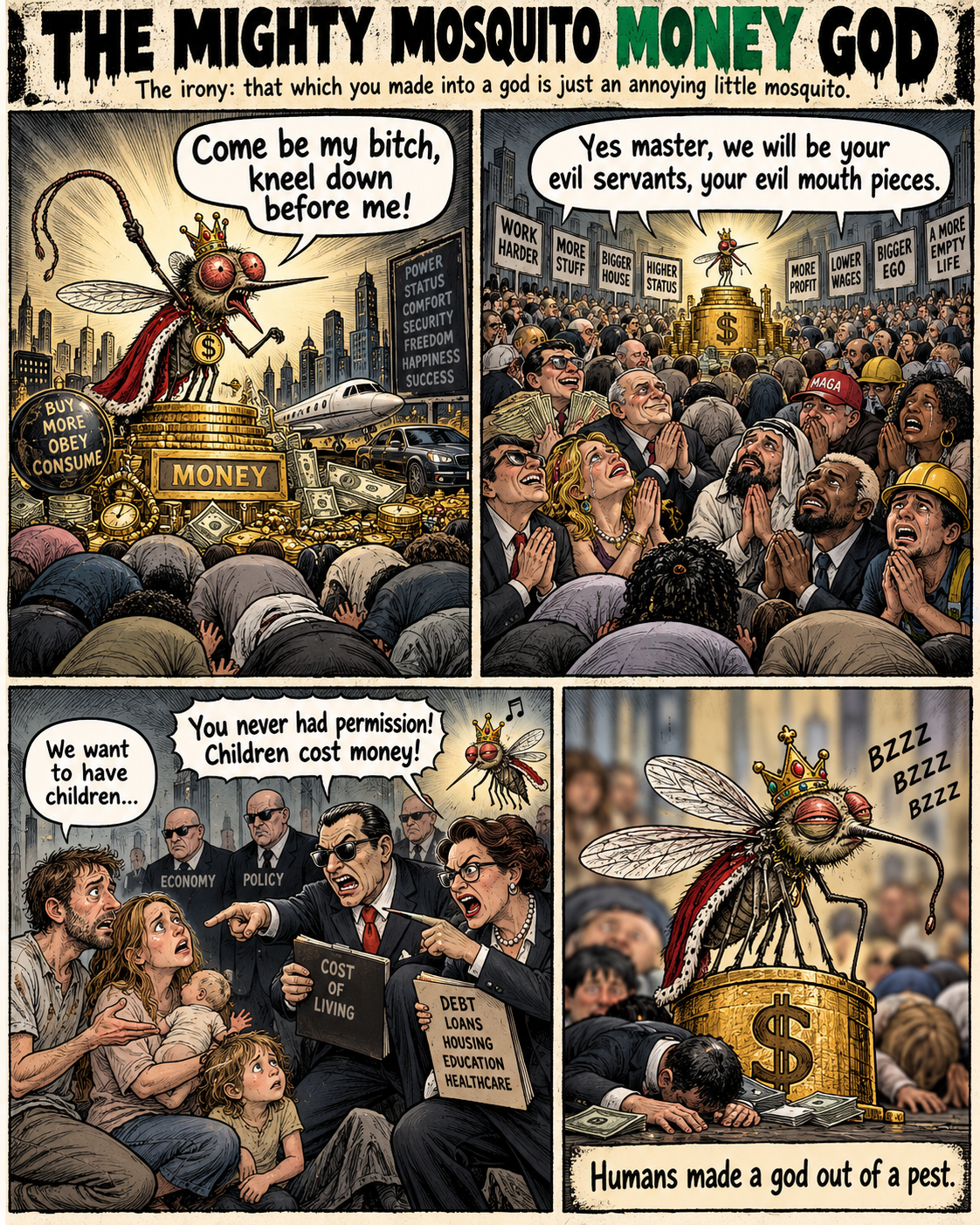
Those are not future-building questions. Those are transaction questions. They may produce movement, noise, sales, and surface improvement, but they do not automatically produce dignity.
A resident-first Prado must ask better questions:
- What helps families live with dignity here?
- What strengthens residents first, while still welcoming visitors properly?
- What building will still be shaded, washable, repairable, beautiful, useful, and loved years from now?
- Where can teenagers belong without being treated like trouble?
- How do young people gain access to tools, mentors, discipline, standards, and real responsibility?
- How does food move from land and sea into cooked meals, preserved products, family support, clean-return, compost, and soil?
- How does public service become dignified instead of hidden, dirty, disrespected, and exhausted?
- How does Prado build people who can build Prado?
If Prado builds mainly for transactions, then Prado will become another coastal town that sells its beauty while neglecting the people who live inside it.
But if Prado builds for children, teenagers, food, clean water, municipal service, compost, public meals, family relief, building skills, cuisine development, and youth contribution, Prado can become something far more serious: a resident-first coastal town where beauty does work.
Prado Cannot Treat the Young as an Afterthought
A city that claims to care about its future must prove that care in how it treats the young.
Babies do not grow up by accident. Teenagers do not become capable by accident. Young builders do not become excellent by accident. Young cooks do not develop standards by accident. Young people do not become useful, trusted, disciplined, skilled, and publicly responsible by accident.
They need places.
They need access.
They need adults who will teach them.
They need tools.
They need safe challenge.
They need somewhere to practice.
They need public proof that their lives matter to the town before they are already in crisis.
Brazil’s child and adolescent rights framework recognizes that children and adolescents have the right to play, practice sports, and have fun. That matters. But a serious town should go further than the minimum. Prado should not only allow children and teenagers to play. Prado should build places where children are supported, teenagers are welcomed, youth gifts are noticed, and young people are trained into meaningful contribution.
Too many towns build as if youth are a problem to manage. They build for cars, tourists, shops, rentals, parties, and transactions, then act shocked when teenagers drift, waste time, disappear into screens, hang around without purpose, or become visible only when adults are annoyed by them.
That is not a youth failure first. That is a civic design failure.
Teenagers should be allowed to exist somewhere without being treated like trouble. Older children and teenagers need places to connect, create, compete, record, repair, study, charge, print, design, build, cook, learn, test ideas, and be seen by adults who are not only policing them.
The goal is not merely entertainment.
The goal is not wage-chasing.
The goal is useful belonging.
In the old world, young people are often told to prepare for work so they can afford to live. But the deeper Trott Bailey Family Civilization principle is different: young people should be prepared for contribution because life itself should already be supported. Food, housing, care, learning, tools, leisure, health, recovery, and public belonging should not be locked behind constant fear.
That does not make contribution smaller. It makes contribution cleaner. Instead of training youth to survive scarcity, Prado can train youth to carry responsibility inside systems that support life.
From Transaction Town to Dignity Town
A transaction town asks:
“How much can this place earn?”
A dignity town asks:
“What kind of life can this place support?”
That is the difference.
Prado can welcome visitors without becoming a place designed only around visitor spending. Tourism must not swallow the town. Visitors should be welcomed into a resident-first Prado, not allowed to reshape Prado around their temporary appetite.
A resident-first town asks whether the local child can play safely. Whether the teenager can access tools. Whether the young mother can rest. Whether the father can find useful support. Whether the elder can sit in shade. Whether the worker has a dignified route. Whether public bathrooms are clean. Whether food scraps return to soil. Whether public meals exist for families. Whether architecture handles rain, heat, humidity, salt air, sand, water, and daily use. Whether youth can become skilled before frustration hardens inside them.
This is why architecture matters. Not because buildings are the whole reform, but because buildings make mindset visible.
Mindset Shift
Prado should not ask, “What can we build to look developed?”
Prado should ask, “What can we build that proves we know how to care for residents, prepare youth, protect land and water, feed families, and welcome visitors without losing ourselves?”
Definitions for New Readers
Some Trott Bailey terms appear throughout this Prado reform vision. They are not decorative phrases. They name systems that help a town function with dignity.
Clean-Return Wall
A clean-return wall is a beautiful public return point where used cups, food containers, bottles, compostable scraps, towels, tools, or other items are sorted and routed back into cleaning, reuse, compost, or service systems instead of becoming loose trash.
Krubaro
Krubaro is the Trott Bailey clean-return and waste-routing system that treats waste as material needing sorting, reuse, composting, safe handling, or proper return, not as ugly garbage pushed out of sight.
Service Shadow
Service Shadow is the hidden, semi-visible, above-ground, or underground support layer that keeps public life clean, supplied, repaired, reset, and maintained while giving workers dignified routes, rest spaces, and beautiful service architecture.
Sabennerie
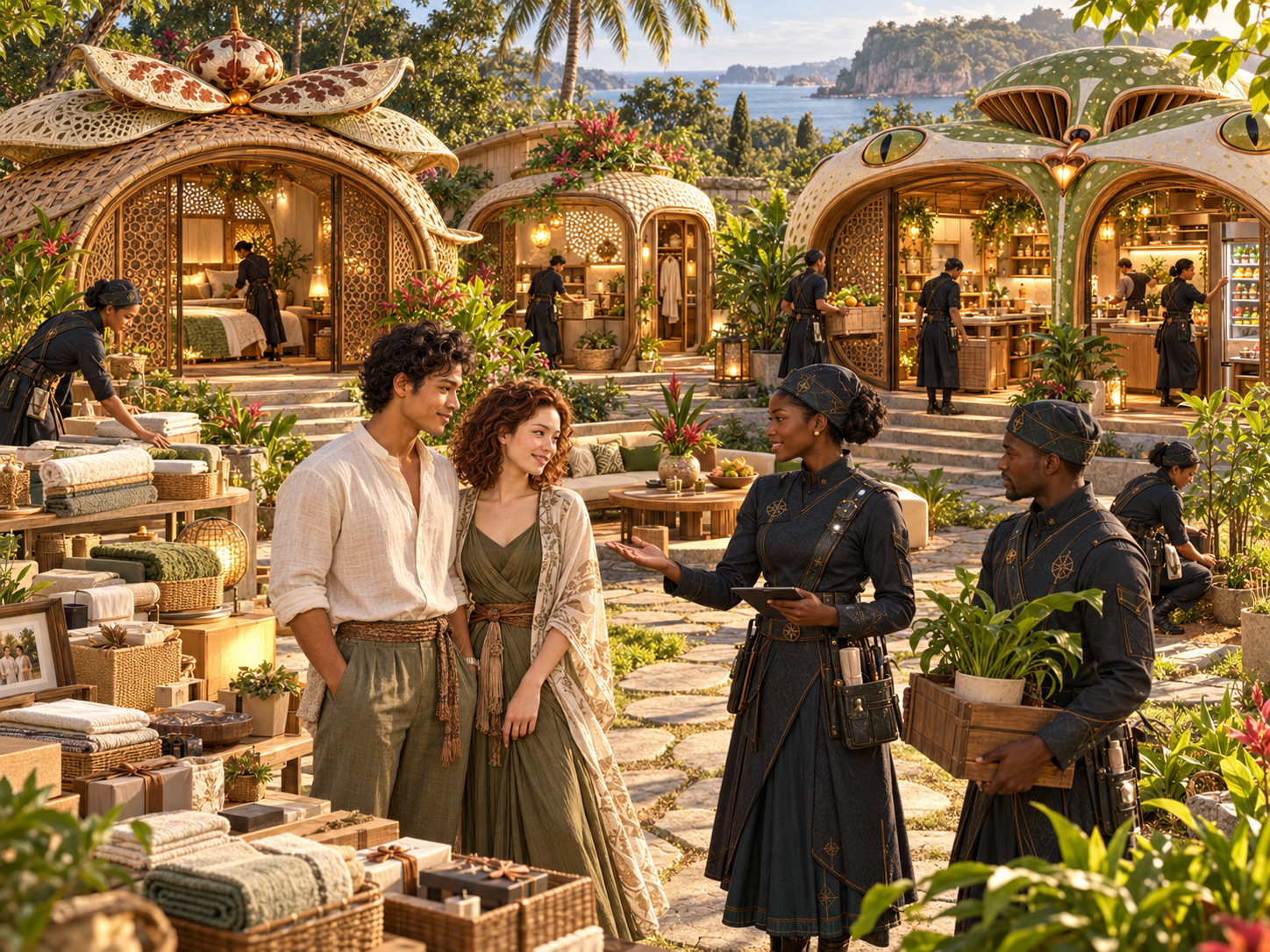
A Sabennerie is a Trott Bailey public food abundance center where cooked meals, tasting, family food support, warm food, drinks, clean water, seating, child portions, elder-friendly food, and clean-return systems are organized beautifully.
Kultan Water Hearth
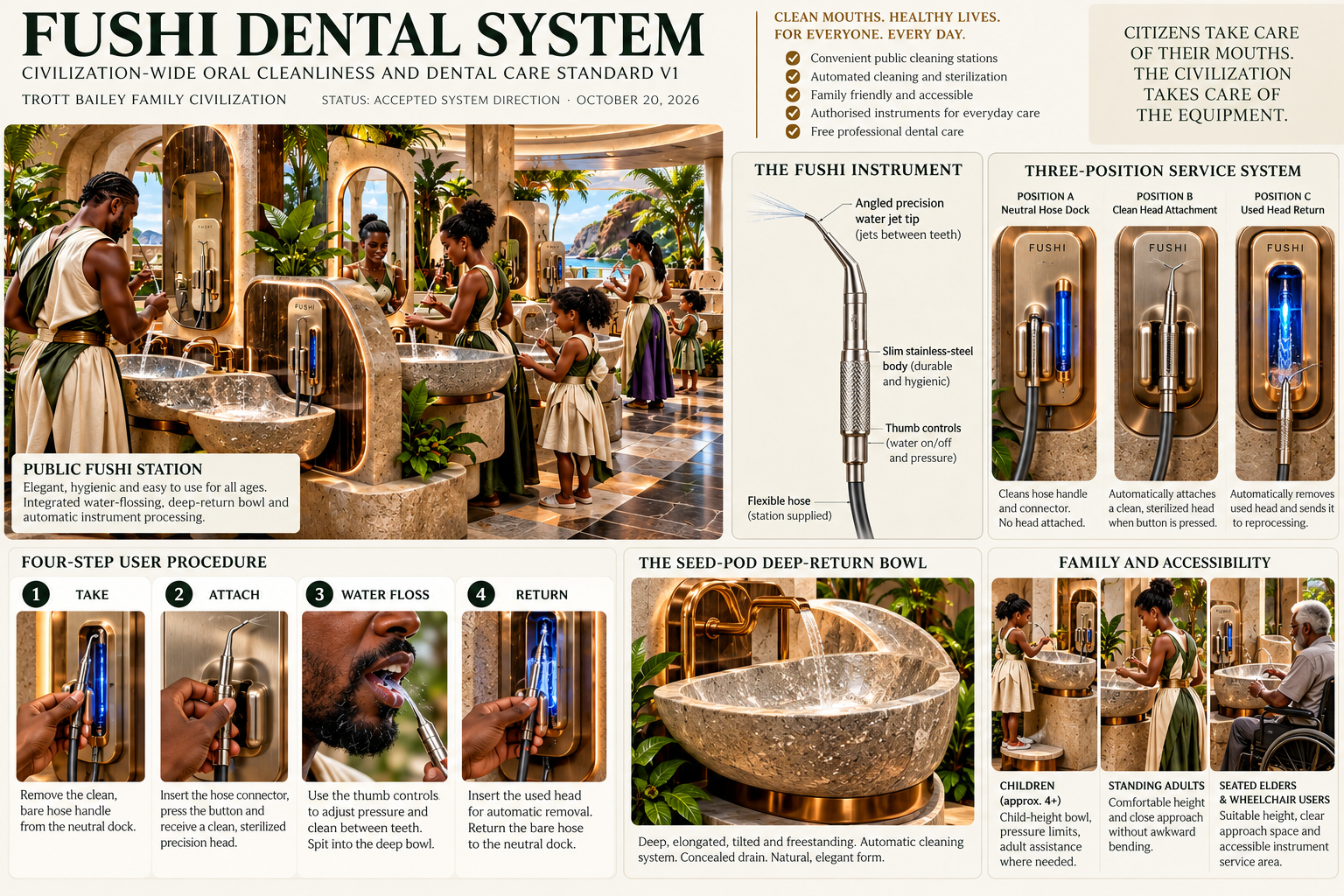
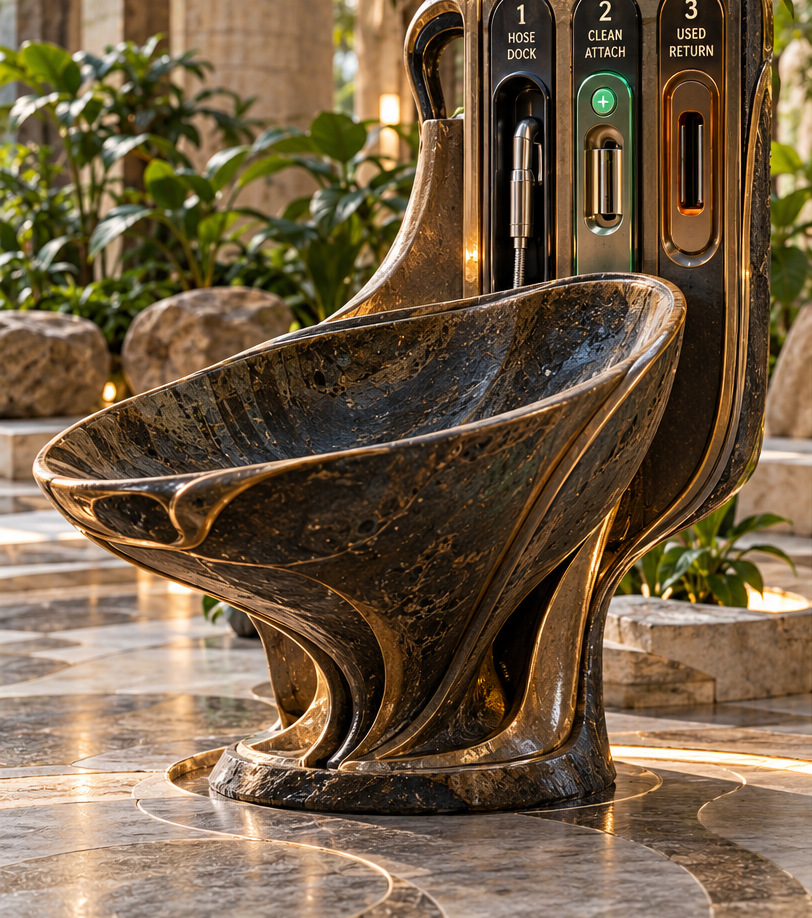
A Kultan Water Hearth is a water-work body that handles washing, rinsing, draining, drying, and routing water better than an ordinary sink.
Quick-Dry Walks
Quick-Dry Walks are interior or semi-interior paths designed to recover quickly from wet feet, spills, sand, and daily family movement.
The Reform Framework Prado Needs
If Prado is serious about its future, the reform cannot be scattered. It needs a framework. It needs a new civic habit of thought.
1. Reform the Civic Imagination
Prado must stop imagining development as a series of money opportunities and start imagining development as a network of dignity loops.
A dignity loop asks how a system returns value to family life. Does it feed people? Cool people? Teach people? Clean the town? Protect workers? Train youth? Restore soil? Support parents? Improve public space? Handle rain? Reduce waste? Preserve local identity? Build local capacity?
If the answer is no, then it may be activity, but it is not yet reform.
2. Reform Youth Infrastructure
Babies, children, teenagers, and young adults need visible houses of support, skill, and belonging. Prado should build for the entire growth path: small children, older children, teenagers, young culinists, young builders, young municipal service contributors, and youth who do not yet know what they are good at.
A town should not wait until youth are lost before it starts caring about them.
3. Reform Food Systems
Raw abundance is not food security.
Food security needs a loop:
Grow it → cook it → preserve it → store it → feed families → return the waste to soil.
Prado has the potential to become a food haven within Bahia, not by pretending to feed everyone everywhere, but by becoming a resident-first model where fruit, crops, seafood, public meals, preservation, breakfast products, compost, clean-return, edible landscapes, and youth culinary training are joined.
Prado should grow breakfast, make breakfast, feed breakfast, and return breakfast waste back to the soil.
4. Reform Municipal Service
Cleaning, composting, public bathrooms, water points, repair, public reset, waste sorting, and maintenance should not be treated as ugly background work. They are civilization work.
The worker who keeps a public place clean is not beneath the visitor who enjoys it. The young person who learns compost routing is not doing “dirty work.” They are learning soil, sanitation, equipment, public discipline, and civic responsibility.
5. Reform Building Culture
Prado should build climate-smart, shaded, washable, breathable, durable, locally rooted architecture. Beauty should not be pasted onto buildings as decoration. Beauty must help the wall breathe, the roof shed, the plinth protect, the light guide, the water move, and the family live better.
6. Reform Tourism
Tourism should not be allowed to turn Prado into a money-grabbing beach town that uses beauty but does not protect residents. Visitors can be welcomed generously, but Prado must remain resident-first.
A town that loses itself for visitors has not become more developed. It has become easier to consume.
7. Reform Youth Contribution
Prado’s young people need more than advice. They need access, tools, mentors, standards, and real projects.
The youth contribution path should move from discovery to practice, from practice to proof, from proof to trusted contribution.
That is how Prado can begin to mine talent with dignity instead of wasting it through neglect.


What Prado Builds for the Young Will Decide What Prado Becomes
Part 2: The youth houses, skill systems, food houses, compost systems, and hospitality-for-knowledge covenant that can turn reform from talk into visible civic infrastructure.
Part 2 of 2 — The Houses Prado Should Build for the Young
The mindset reform must become visible.
A town cannot say it values children and then build no serious child-family support. It cannot say it values teenagers and give them nowhere to belong. It cannot say it wants better buildings and fail to train young builders. It cannot say it wants food security and leave cooking, preservation, compost, and public meals scattered. It cannot say it wants clean public life and treat municipal service as low-status work.
If Prado wants a different future, it needs different houses.
1. Prado Friendship House
A lovable child-family support house for babies, small children, parents, and older siblings
The Prado Friendship House is for the earliest stage of civic care. It is a child-family support building where babies and small children can crawl, play, rest, touch safe materials, move through shaded verandahs, and remain visible to parents and caregivers.
Its purpose is not to become a fantasy cottage, daycare cliché, toy attraction, or decorative photo stop. It should be serious architecture with charm: climate-smart, shaded, washable, ventilated, child-safe, and deeply useful.
The Friendship House says small children and tired parents are not private inconveniences. They are civic priorities.
This house should include a Great Verandah Child Ring, Mother-Sight Verandah Roam Court, grand gentle ramp arrival, child-safe guard rails, Quick-Dry Walks, Kultan Water Hearths, dry-return walls, and an inner baby roam court.
The verandah is not decoration. It is a child-life platform. Babies can crawl there. Toddlers can move there. Older siblings can sit nearby. Parents can breathe without hovering every second.
2. Prado Youth Signal House
A signal house for teenagers to connect, create, compete, print, repair, record, study, charge, and belong
Prado needs a place where teenagers are not treated like a nuisance waiting to happen.
The Prado Youth Signal House should not look like a school, mall gaming lounge, internet café, library, childish clubhouse, or police-managed youth center. It should feel like a civic signal: Prado sees its teenagers. Prado expects gifts from them. Prado gives them tools before frustration takes them.
Its social law is simple:
Teenagers should be allowed to exist somewhere without being treated like trouble.
The Youth Signal House should include print and access porches, media lantern pods, maker bay doors, game and strategy galleries, mission rooms, outdoor signal steps, shaded group benches, charging rails, table pods, music/performance corners, Wi-Fi spillout, snack and drink edges, and safe night lighting.
This is where youth can discover what keeps pulling their attention: media, repair, strategy, design, building, food, music, public service, water, machines, animals, coding, fabrication, performance, or leadership.
Discovery matters because a young person cannot offer a gift they have never been given the chance to notice.
3. Prado Skill House
A municipal usefulness house for service dignity, composting, clean-return, repair, tools, and public reset
The Prado Skill House is where youth begin learning the systems that keep a town alive.
This is not a punishment space. It is not a low-status training room. It is not a place where youth are handed dirty work because adults do not want it.
It is a civic skill house where municipal usefulness becomes visible and respected.
The Skill House should train young people in clean-return wall maintenance, sorting, compost routing, equipment cleaning, tool care, basic repairs, public bathroom reset, rinse pavilion support, water-point care, edible landscape maintenance, simple fabrication, safe lifting, sanitation standards, and public service discipline.
This is especially important for municipal composting.
Prado’s compost and fertility future cannot work if food scraps are treated as loose garbage. Youth can be trained to understand the full journey from kitchen scraps to sorted organics, sealed collection, composting, biodigestion support, soil testing, orchard distribution, edible landscape support, and public education.
Brazil’s broader fertilizer vulnerability makes local soil health more important, even though compost should not be carelessly described as replacing all mineral fertilizer needs. A wise Prado does not exaggerate. It builds resilience where it can: compost, organic return, soil care, orchards, edible landscapes, local fertility knowledge, and youth trained to support the loop.
Food scraps are not garbage. They are soil returning home.
4. Prado Builder Guild House
A serious house for young adult men, skilled older men, builders, rammed-earth crews, roof makers, drainage workers, plasterers, carpenters, stoneworkers, and clay/kaolin material learning
Prado cannot complain about weak buildings while failing to build strong builders.
A city that wants better buildings must first build the people who can build them.
The Prado Builder Guild House should be a serious space where young adults, especially young men who need meaningful skill pathways, can learn beside skilled older men and women who know how to build, repair, measure, mix, cut, shape, drain, plaster, roof, carve, lay stone, work clay, understand soil, and respect local climate.
This house should support rammed-earth wall training, clay and lime plaster practice, drainage channels, shaded roofing systems, verandah construction, raised plinth logic, short-stilt and undercroft systems, humidity-smart details, salt-air material protection, kaolin and clay material studies, carpentry, railing fabrication, clean-return wall construction, and public furniture building.
The Builder Guild House should not be merely classroom training. It should lead to real projects in Prado: shade benches, family wash points, clean-return walls, compost receiving stations, verandah repairs, public bathroom upgrades, edible landscape borders, drainage improvements, child-safe railings, and eventually full civic buildings.
5. Prado Cuisine Development House
A culinary exchange and food invention house where Prado’s young culinists learn technique, standards, preservation, and public-meal thinking
Prado should not only grow food and sell food. Prado should develop cuisine.
The Prado Cuisine Development House is not a restaurant. It is not a private chef retreat. It is not a tourism gimmick. It is not an ordinary cooking school.
It is a public food-culture house where local abundance becomes recipes, preserved foods, breakfast foods, Sabennerie meals, family food reserves, child portions, elder-friendly meals, sauces, juices, dried fruit, jams, flours, and Prado food identity.
This house should train young culinists through local food keepers, Brazilian cooks, and invited culinary people from around the world. Visiting culinary people can stay in Prado with generous hosting: lodging, food, rest, beauty, welcome, ingredient access, cultural exchange, and public honor.
But this is not tourism extraction.
It is not celebrity visiting.
It is not outsiders coming to admire Prado and leave.
It is a hospitality-for-knowledge covenant.
The guest mentor is honored, but Prado’s youth are the future.
In exchange for generous hosting, the guest must leave demonstrable knowledge behind: young people trained, techniques practiced, standards taught, recipes tested, preservation methods demonstrated, kitchen cleanliness strengthened, public-meal thinking improved, and evidence recorded.
The Cuisine Development House should include a teaching kitchen hall, Prado Ingredient Library, recipe testing bays, breakfast development room, preservation studio, guest mentor residency wing, tasting verandah, Sabennerie menu lab, clean-return kitchen wall, compost link court, and youth honor wall.
This is where Prado can develop Prado Cornflakes, Plantain Breakfast Flakes, Banana Crunch Flakes, Sweet Potato Morning Flakes, Mango-Citrus Crunch, dried fruit, jams, sauces, juices, flours, family food reserve mixes, and public meal recipes built from local abundance.
The food loop becomes:
Farm, orchard, fishing, and market abundance → Cuisine Development House → tested recipes → Sabennerie meals → family nourishment → clean-return wall → compost and fertility campus → soil → more food.
6. Prado Cooked Meal Commons / Sabennerie
A public food abundance center where families are fed, not merely sold products
Prado’s food heart should not only be a place where things are bought. It should be a place where families are fed.
The Prado Cooked Meal Commons, or Sabennerie, should offer cooked meals, warm food, drinks, clean water, child portions, elder-friendly foods, shaded seating, public rinse and refill, orchard-gill produce walls, family table courts, twilight glow, edible landscaping, clean-return support, and lawns where children can play.
This is not a generic eating facility. Architecture must shine through: verandahs, shade, railings, color, nature-inspired details, coastal-earth materials, and Prado beauty-made-function.
The Sabennerie connects directly to the Cuisine Development House. The Cuisine Development House develops and tests the recipes. The Sabennerie feeds them back to families.
7. Prado Compost + Fertility Campus
A dignified municipal soil-return campus for composting, biodigestion support, organic return, soil testing, worker dignity, and family education
Food scraps are not garbage. They are soil returning home.
The Compost + Fertility Campus should be placed on a logical productive or service edge, not in the middle of prime civic family life. It should be clean, dignified, sealed where necessary, beautiful enough for education, and serious enough for real municipal function.
It should include organic return receiving, composting zones, biodigestion support where appropriate, soil labs, compost curing areas, equipment wash, distribution points for farms and edible landscapes, worker dignity stations, Service Shadow access, and a family viewing path that teaches without exposing ugliness.
The Skill House feeds youth into this system. The Sabennerie and Cuisine Development House send clean organic return into it. The farms, orchards, edible landscapes, and public plantings receive fertility back from it.
That is how a town stops treating waste as disappearance and starts treating material as responsibility.
The Hospitality-for-Knowledge Covenant
The Prado Cuisine Development House reveals a wider reform principle that should run across the whole Prado youth future.
Prado can invite people with real knowledge from Bahia, Brazil, and the world: chefs, bakers, builders, rammed-earth experts, roof makers, carpenters, farmers, soil scientists, compost specialists, irrigation workers, water stewards, wetland experts, artists, toolmakers, health and safety people, engineers, craftspeople, and skilled elders.
But the invitation should not be shallow.
The point is not to bring outsiders to Prado so they can consume Prado, photograph Prado, praise Prado, and leave.
The point is to host knowledge in a way that multiplies Prado’s capacity.
This is the covenant:
- Prado gives lodging, food, rest, beauty, welcome, and honor.
- The guest gives demonstrable knowledge, training, standards, mentorship, and youth development.
- The exchange leaves proof behind.
Proof matters.
Not vague inspiration.
Not a talk.
Not a photo opportunity.
Not “awareness.”
Proof means young people trained, techniques demonstrated, standards taught, tools introduced, recipes tested, build methods practiced, maintenance systems improved, portfolios built, civic projects completed, and contribution pathways opened.
The Youth-to-Contribution Pipeline
The houses work because they connect.
They should not become isolated buildings.
The pipeline should move like this:
Prado Friendship House → Prado Youth Signal House → Prado Skill House → Real Project → Mentor Review → Evidence Recorded → Contribution Placement → Full Civic Belonging.
For food-gifted youth, the path can move into the Cuisine Development House and Sabennerie.
For building-gifted youth, the path can move into the Builder Guild House.
For service-minded youth, the path can move into the Compost + Fertility Campus, clean-return systems, water points, public reset, and municipal support.
For media, design, repair, and tool-oriented youth, the path can begin in the Youth Signal House and branch into real civic projects.
This is how Prado can stop wasting youth energy.
A young person’s interest becomes discovery. Discovery becomes practice. Practice becomes proof. Proof becomes trust. Trust becomes contribution.
What This Would Change in Prado
This reform would change more than buildings.
It would change what Prado expects from itself.
It would say that babies matter enough to receive architecture.
It would say that parents matter enough to receive relief.
It would say teenagers matter enough to receive public belonging.
It would say young men matter enough to receive serious building pathways.
It would say young culinists matter enough to receive kitchens, mentors, standards, and ingredient knowledge.
It would say municipal service matters enough to become dignified.
It would say food scraps matter enough to return to soil.
It would say visiting experts matter, but not more than the youth they must help train.
It would say tourism is welcome, but resident life comes first.
It would say beauty must work.
Related Trott Bailey Reform Reading
This article belongs beside other Trott Bailey Family reform and civilization writings, including Prado Is Not Lacking Beauty. Prado Is Lacking Vision, Clean Return Is Not Trash, Money Is a Weak Civilization Engine, and When the Family Is Crushed, Vision Leaves the Earth.
Closing: What Kind of City Is Prado Becoming?
The question returns:
What kind of city is Prado becoming through what it builds?
If Prado builds only for transactions, it will become another coastal town that sells its beauty while neglecting the people who live there.
If Prado builds only for visitors, it will train itself to perform instead of care.
If Prado builds cheap, generic, unshaded, unrooted buildings, it will keep weakening its own identity.
If Prado leaves teenagers with nowhere to go, young builders with nowhere to train, young cooks with nowhere to develop, and municipal service workers with no dignity, then Prado should not be surprised when gifts go unused.
But if Prado builds for children, teenagers, families, food, service, skill, clean-return, compost, water, youth contribution, and hospitality-for-knowledge, then Prado can become something far more serious.
A resident-first coastal town.
A food-secure town.
A youth-preparing town.
A clean-return town.
A town where beauty does work.
A town where beauty does work.
A town where young people are not left to drift until they become someone else’s problem.
A town where the future is not merely hoped for, but built into public life.



 and then