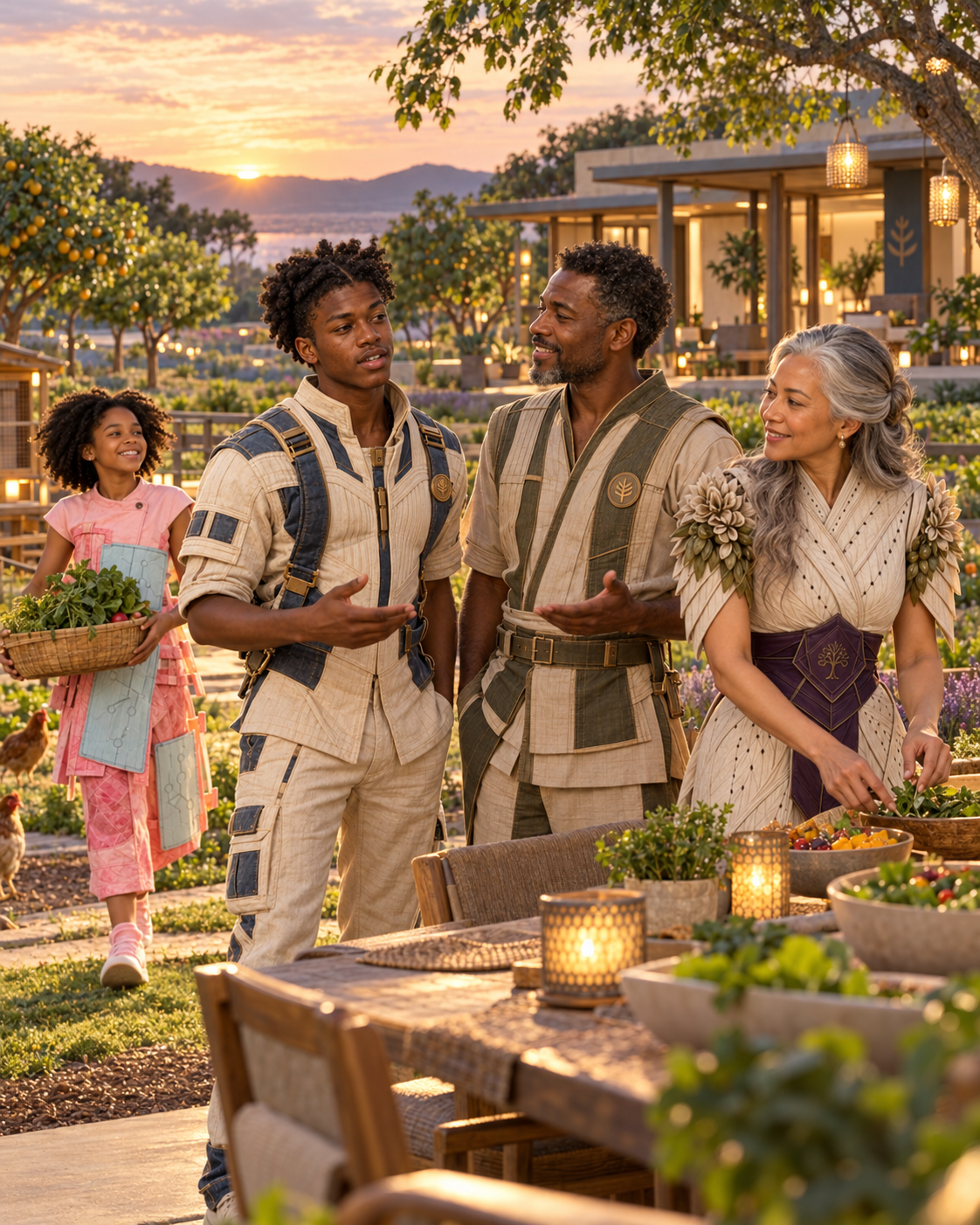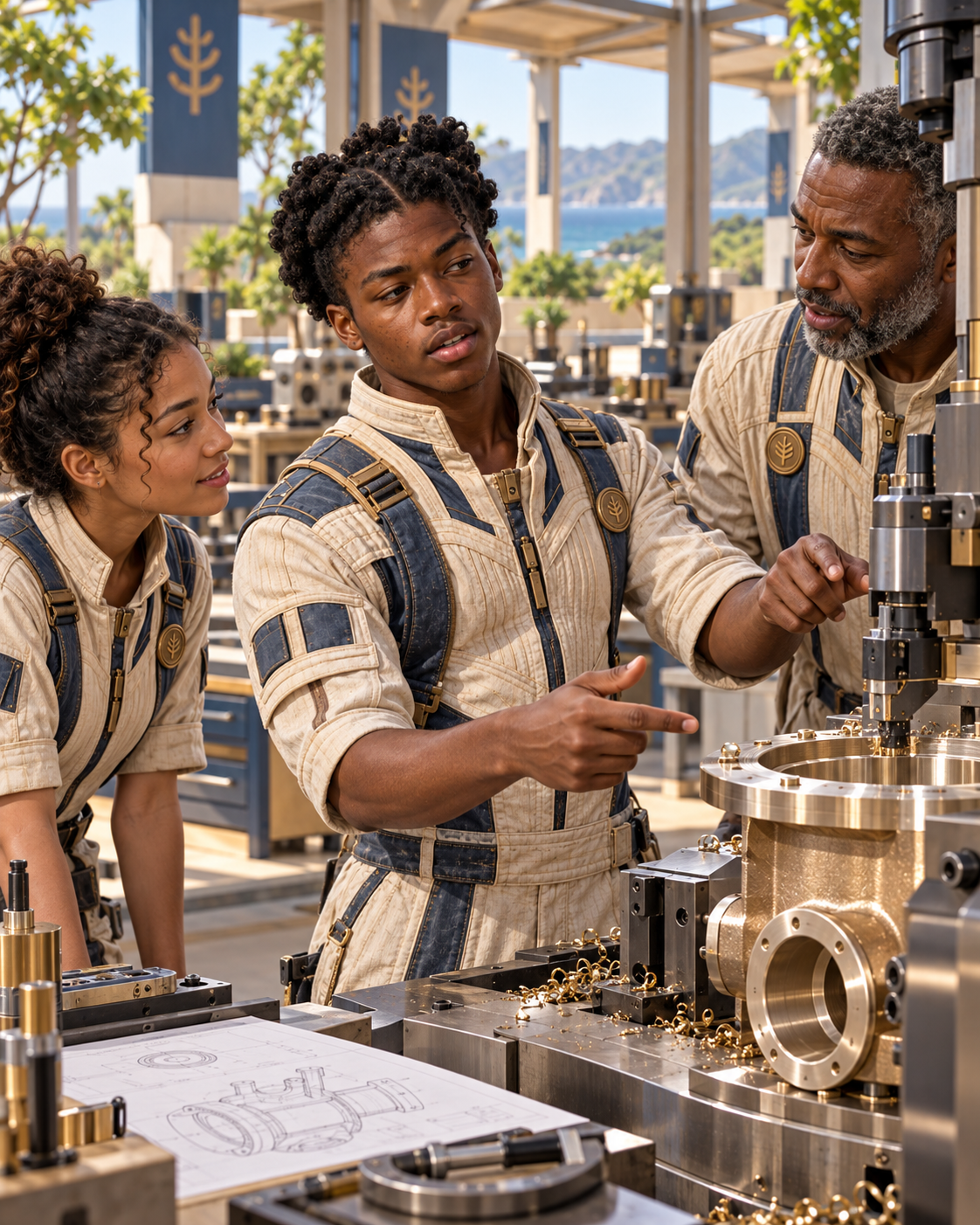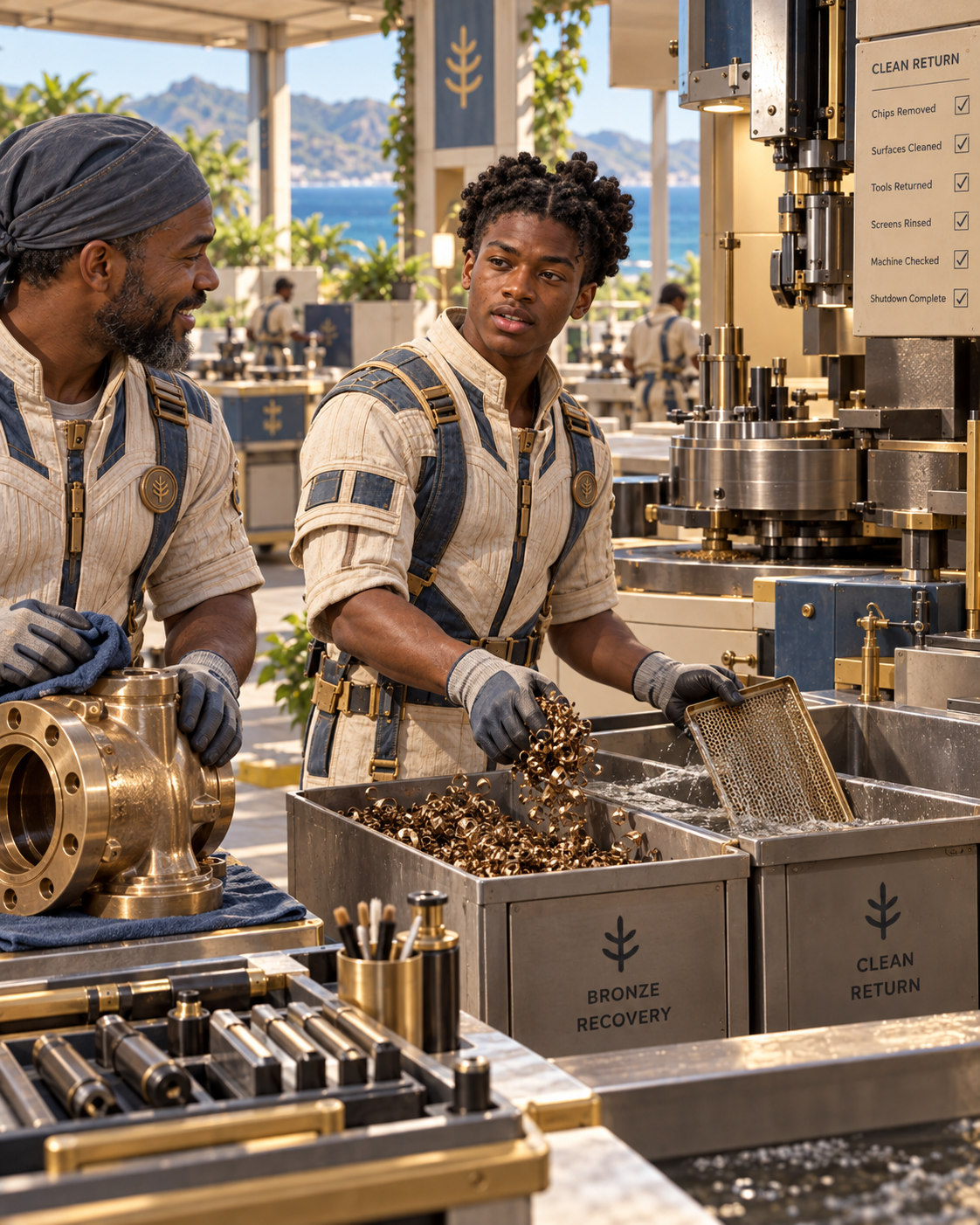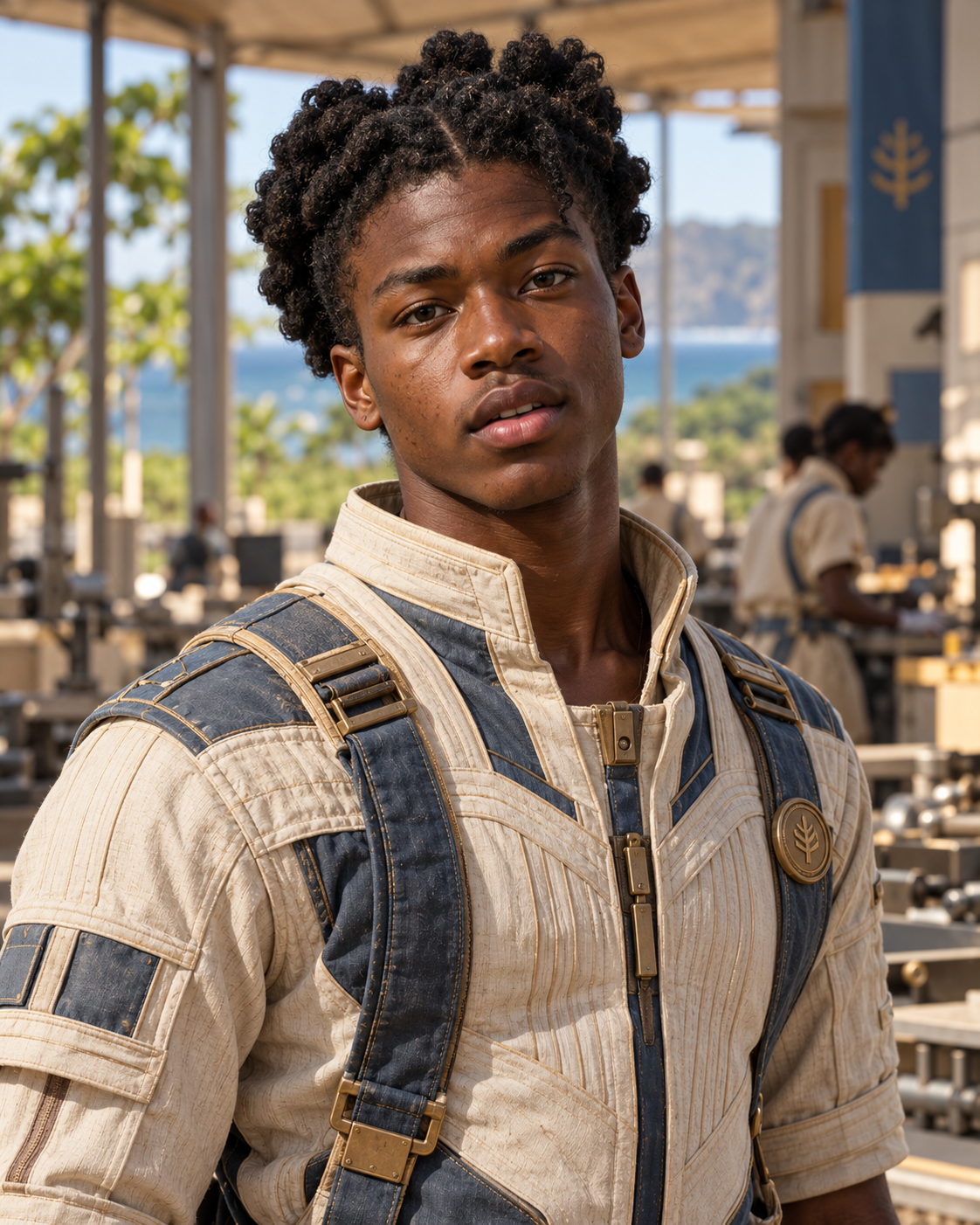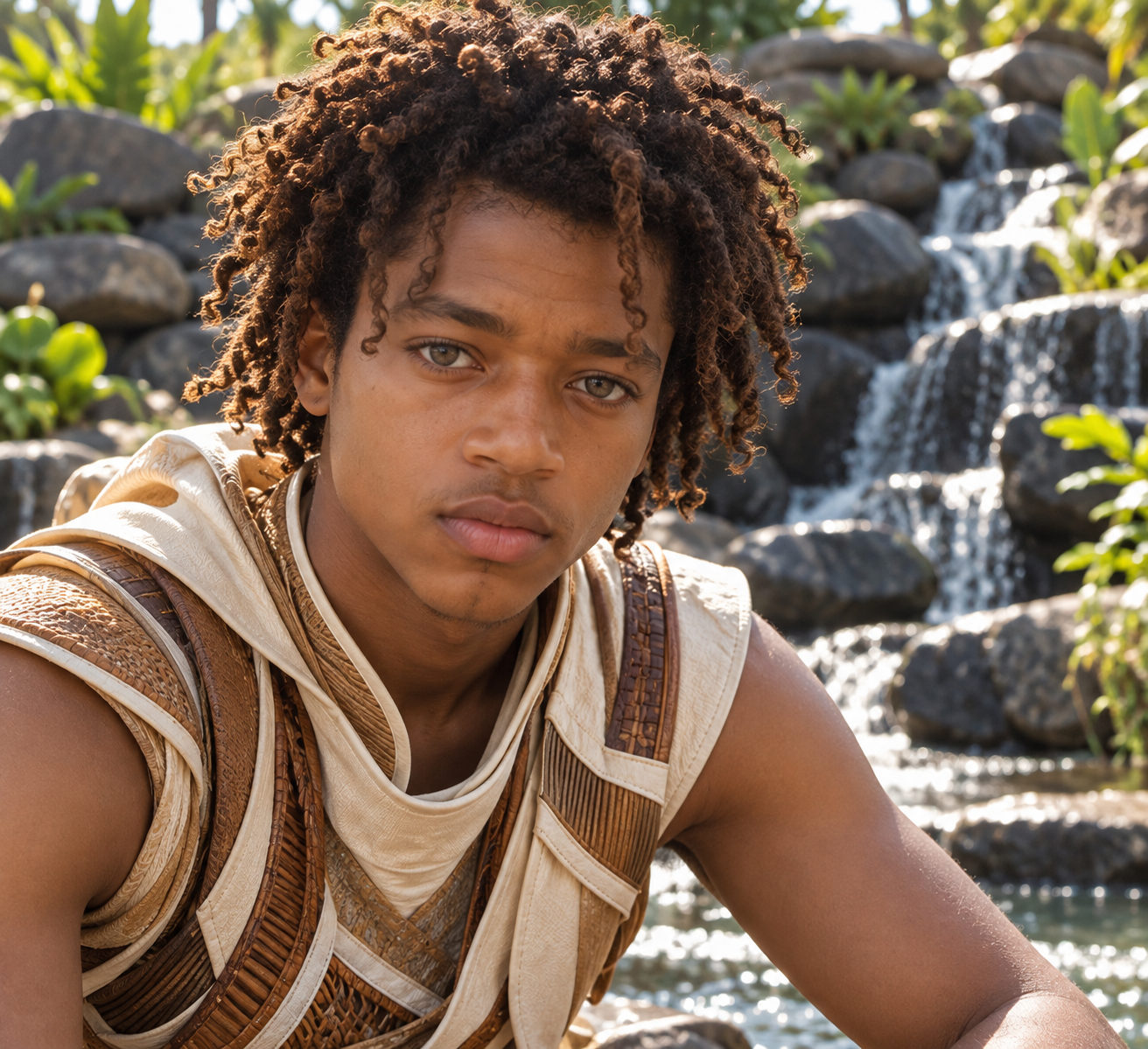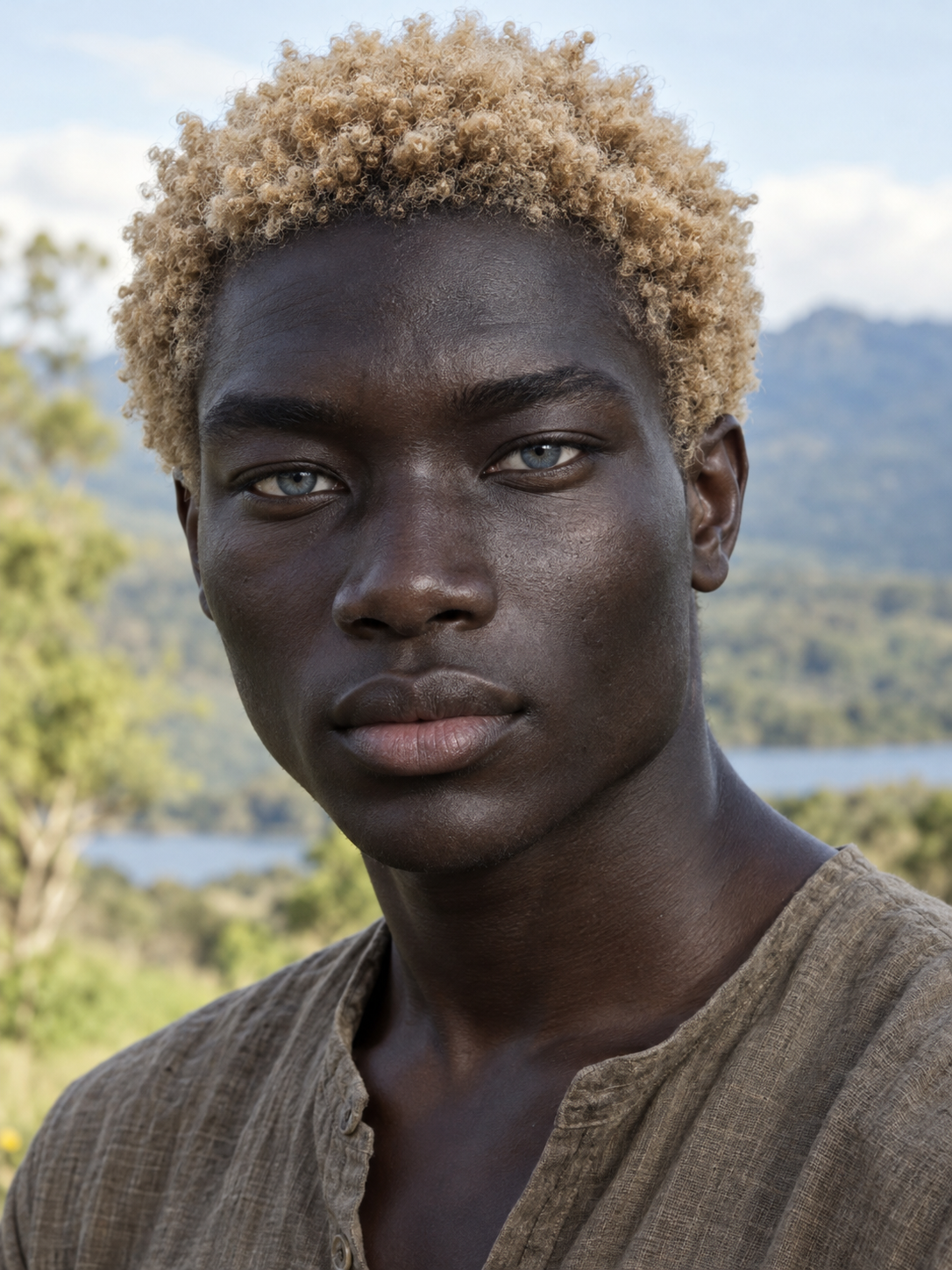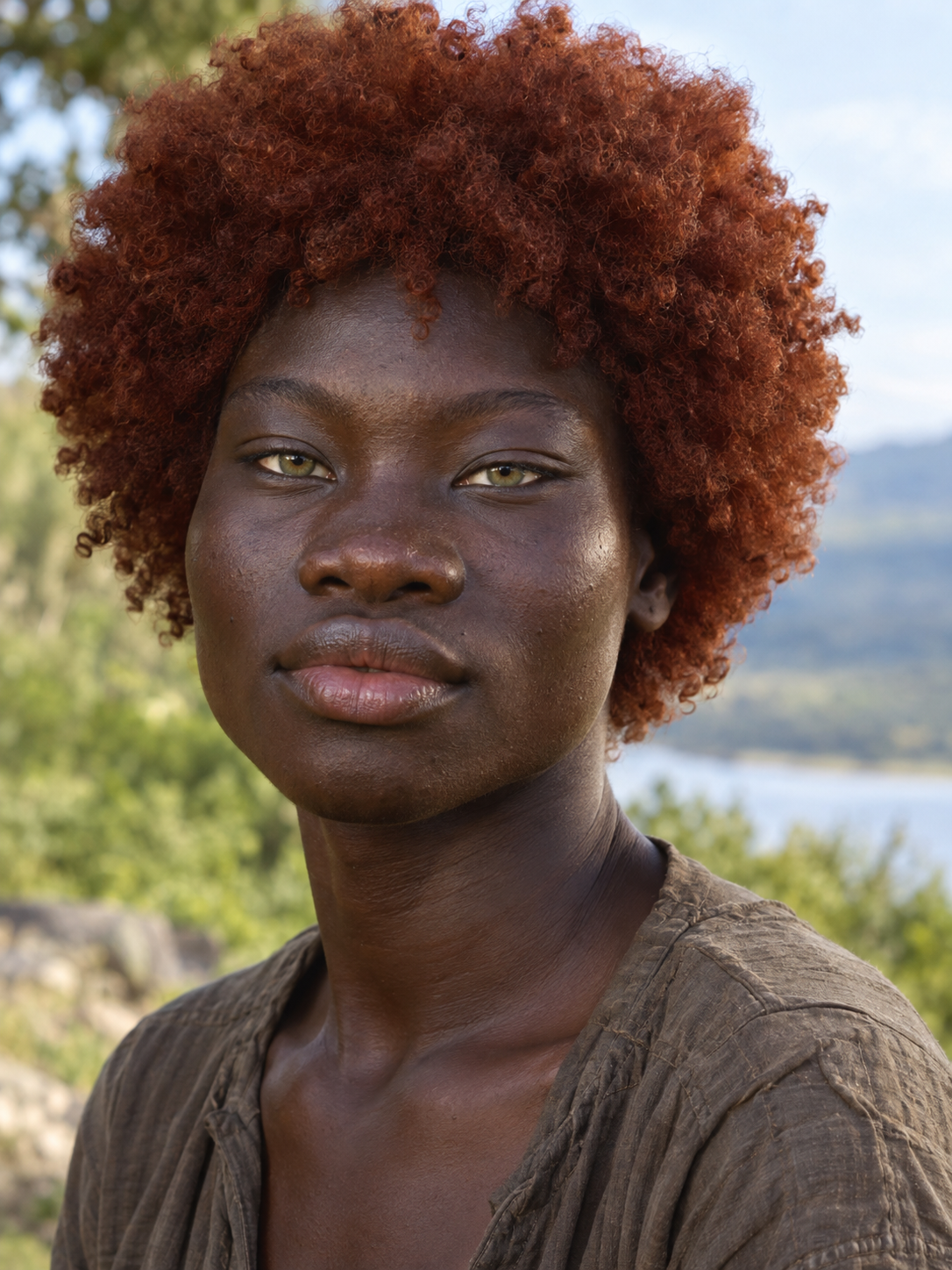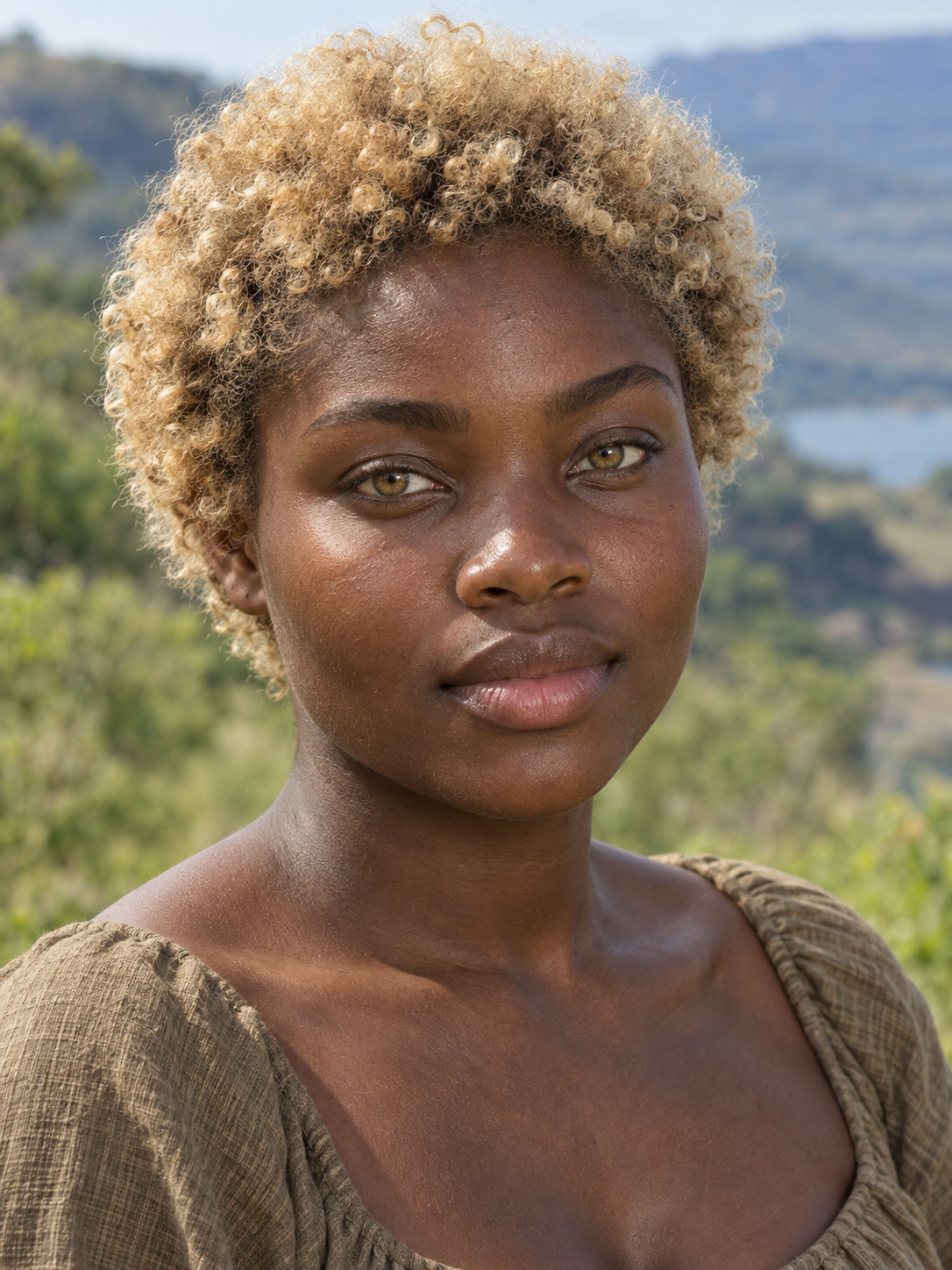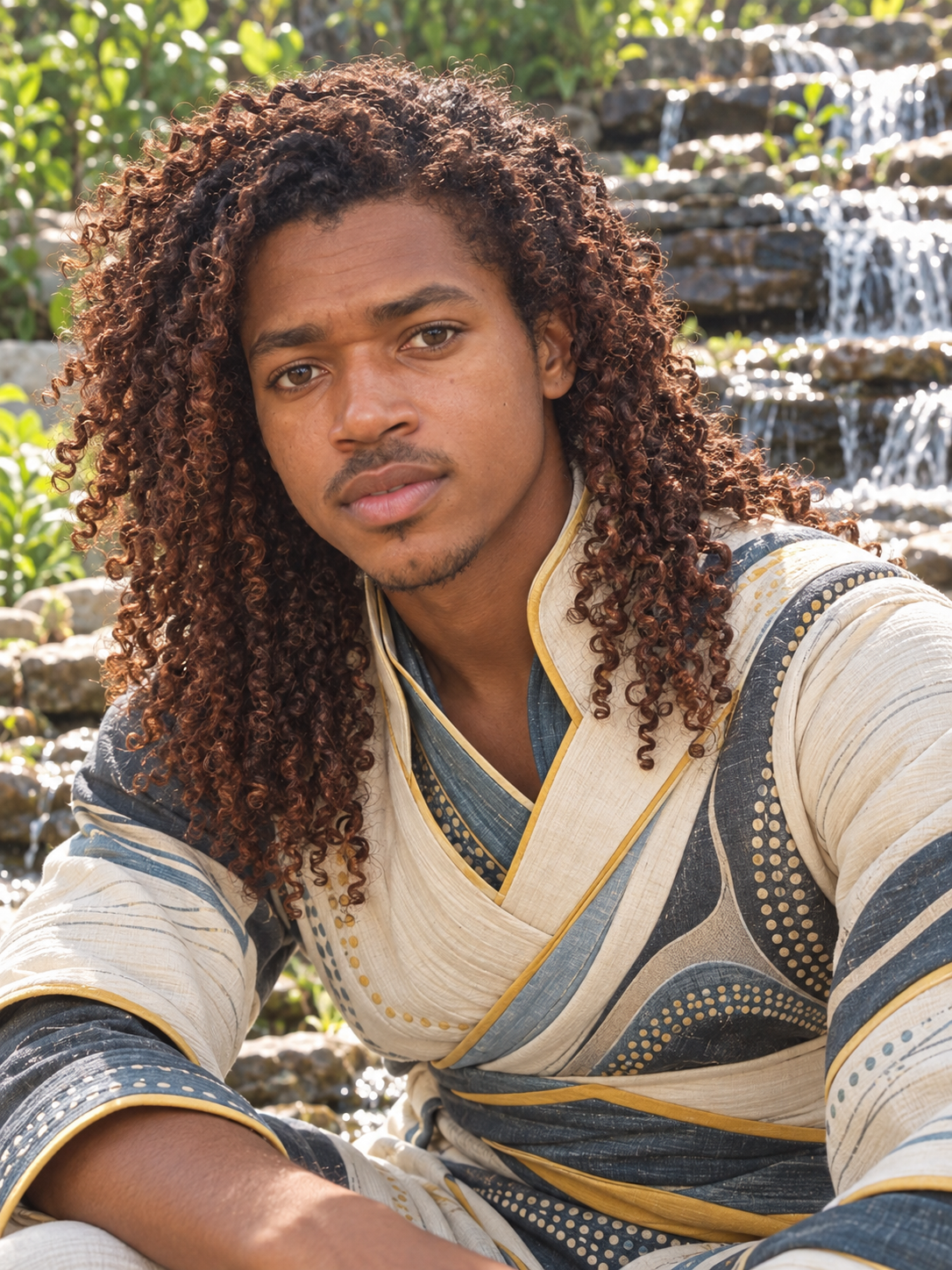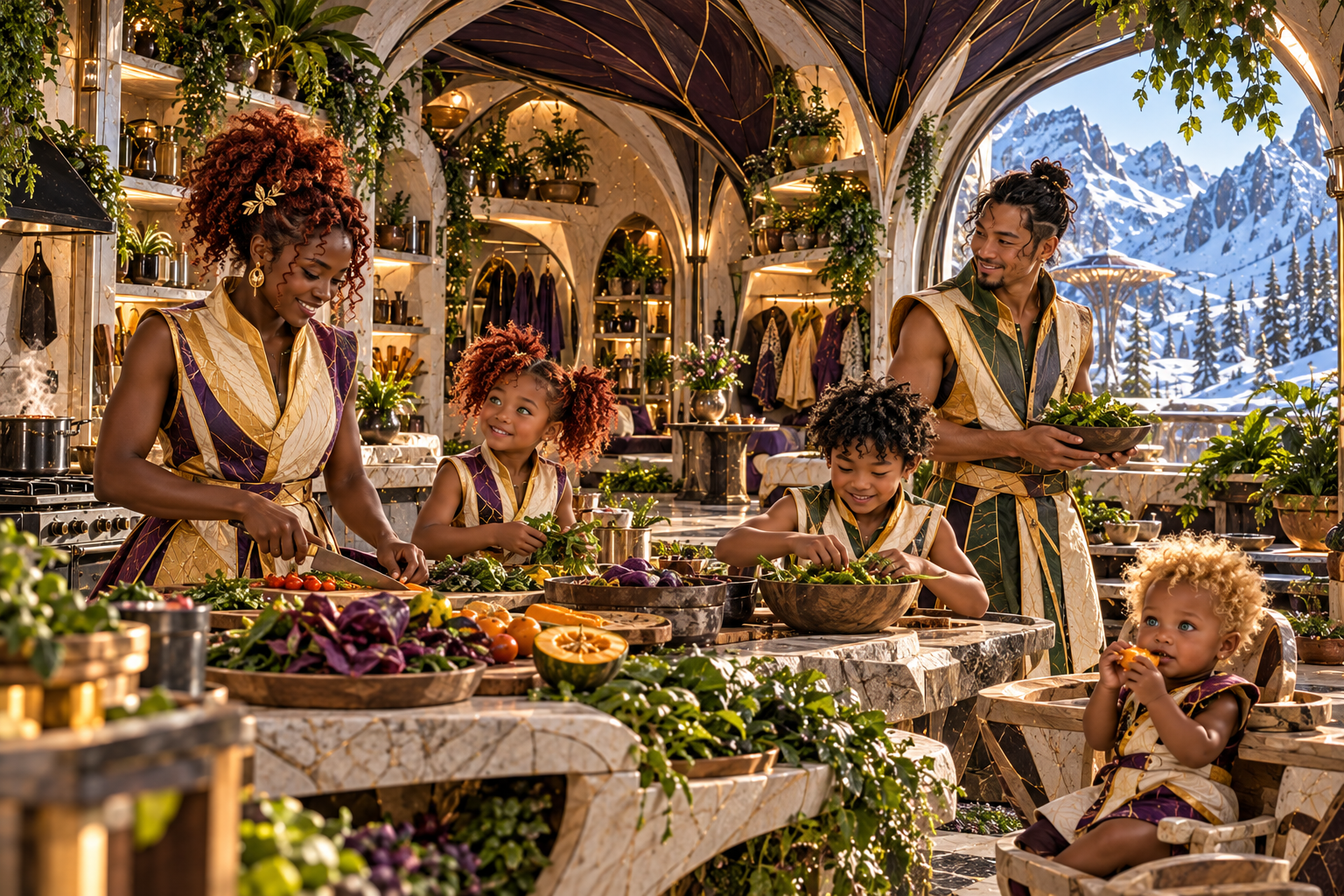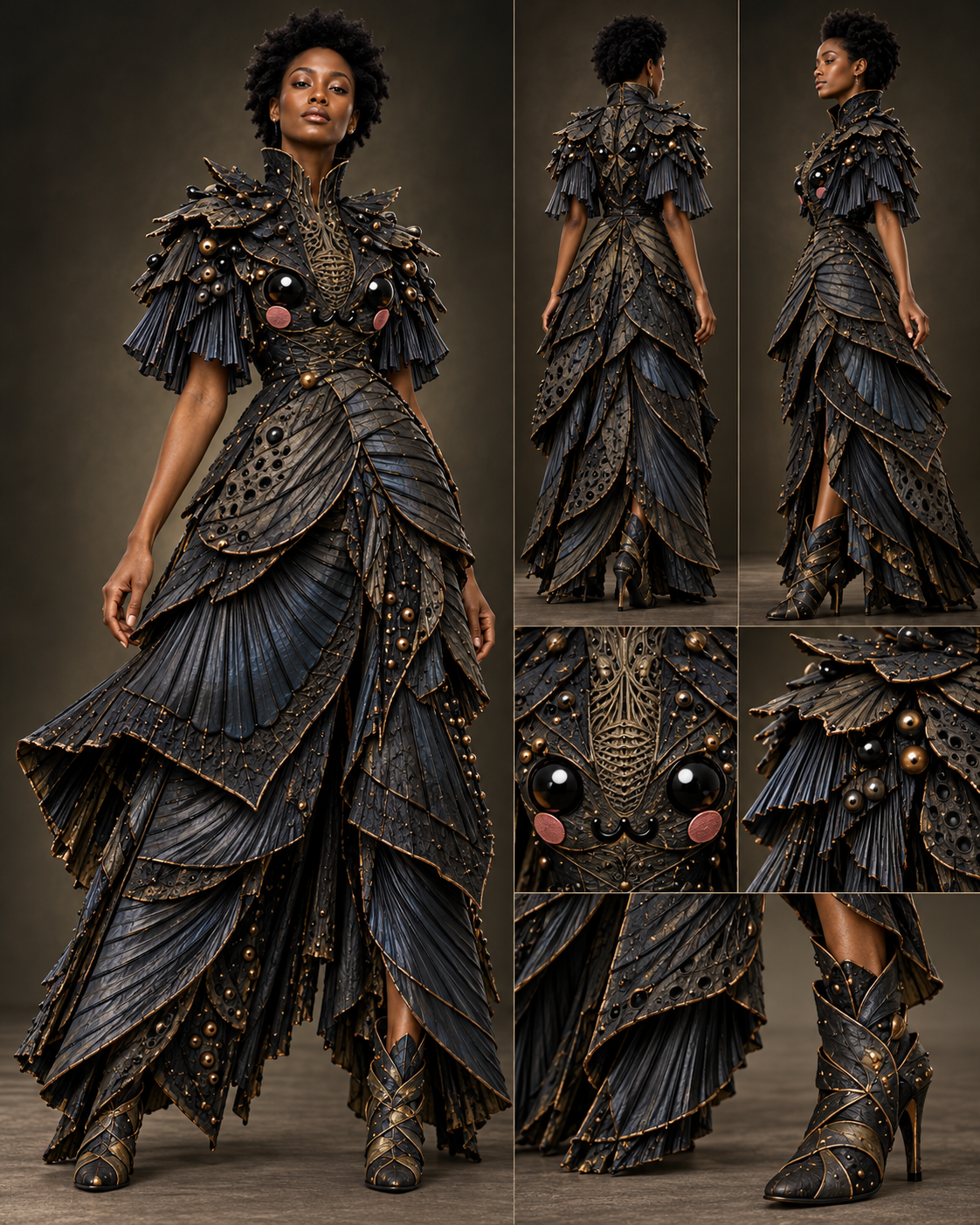


Follow Amara during a day of Fabric Node Apprenticeship
A Day with Amara Tesfaye
I thought the Fabric Node would be the least interesting part of fashion. I was wrong.
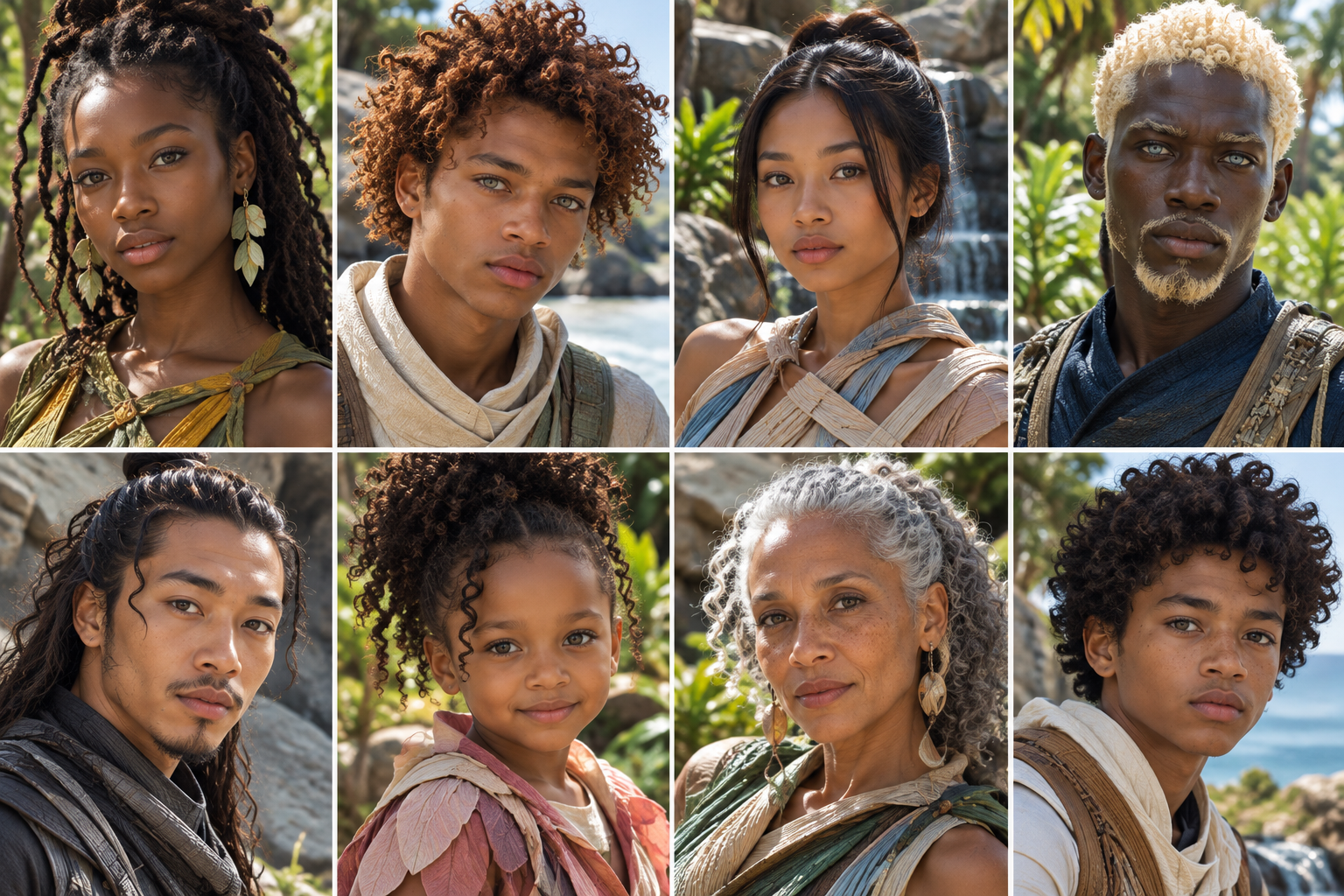
My name is Amara Tesfaye. I’m 20 years old, and right now I’m rotating through the Fashion Network.
I did not choose the Fabric Node because I love laundry.
Actually, before coming here, I thought this would be the least interesting part of fashion.
I wanted construction. Garment architecture. Textile species. The places where you can see something being made.
But I also decided early that I did not want to become one of those people who understands clothing only when it is new.
If I am going to understand a garment, I want to understand its whole life.
How it is designed. How it is made. How somebody moves in it. What happens when a child wipes mango fingers across it. What sweat does to a textile after six hours. What happens to a pleat after washing. Why one structure keeps its shape for years and another begins to collapse.
That is why I chose Fabric Node for this Shubaka rotation.
I wanted to see what clothes tell us after people actually live in them.
Morning: The garment arrives with evidence
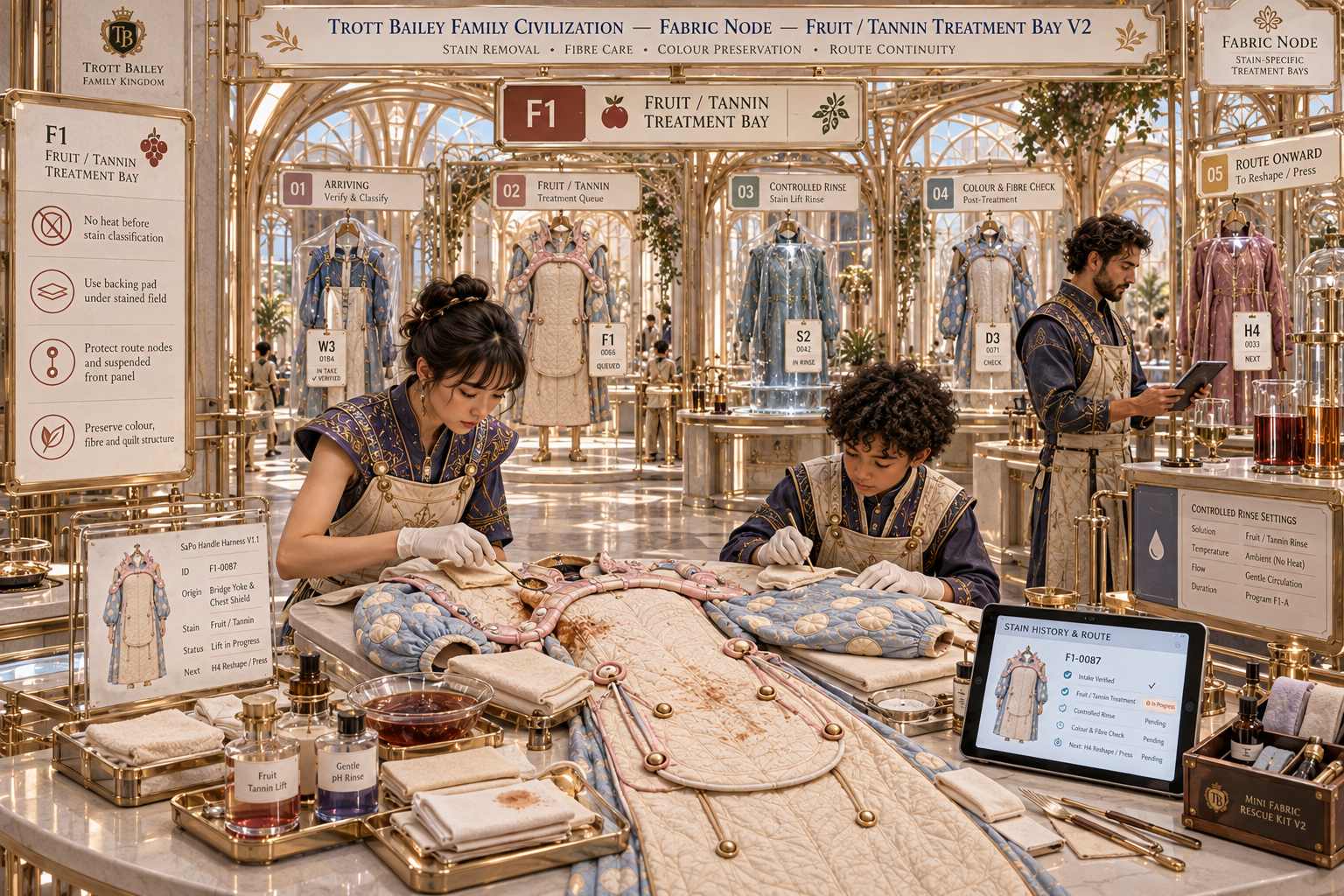
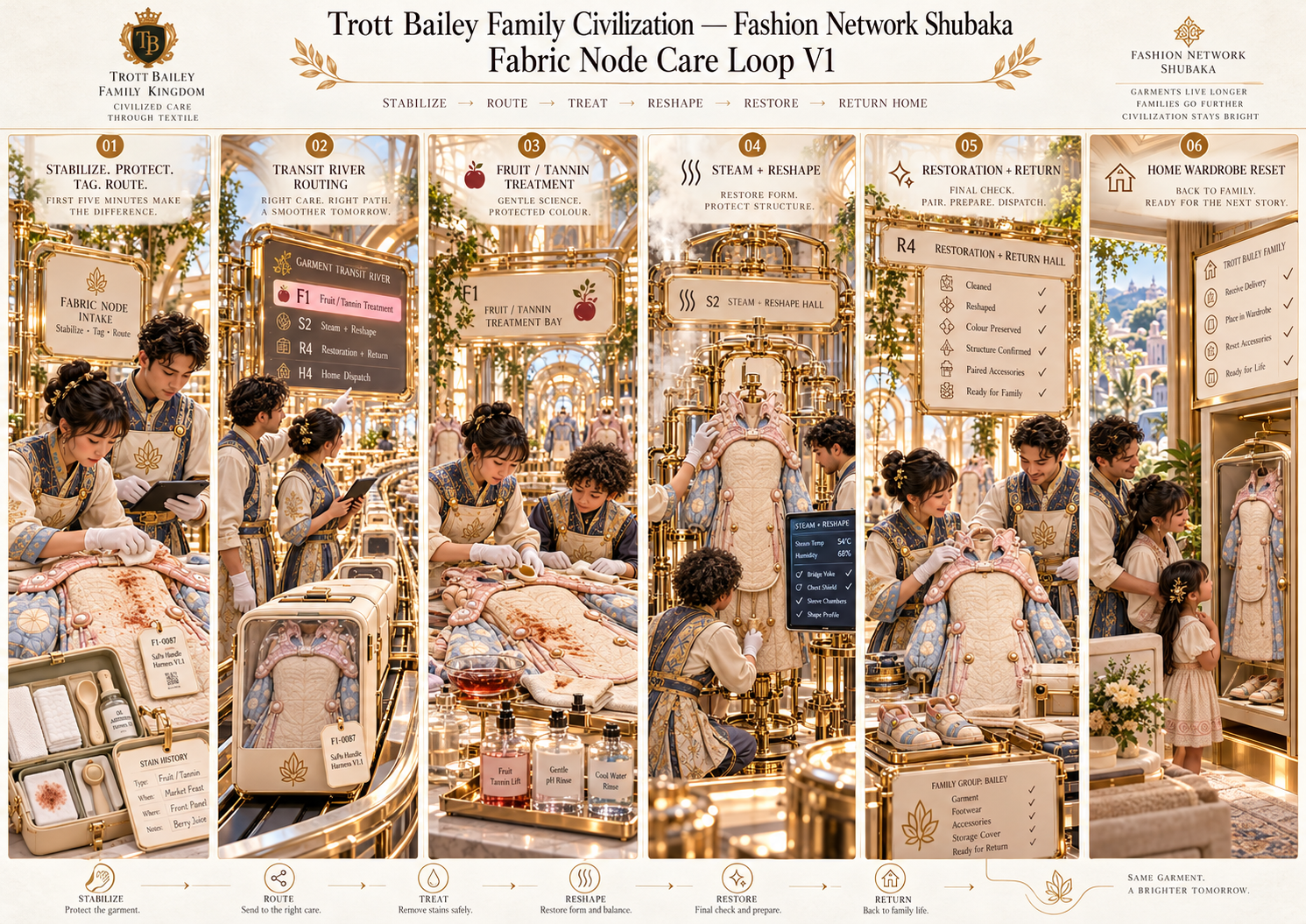
The first garment I worked on today was a SaPo Handle Harness V1.1.
Ivory chest shield. Powder-blue sleeve chambers. Dusty pink bridge yoke. Gold route nodes.
Beautiful garment.
Also covered in berry juice.
It had already been stabilized using a Mini Fabric Rescue Kit, so whoever handled it first had done the right thing. The stain had been blotted rather than rubbed. No heat. A backing pad had been placed behind it. The route tag told us fruit/tannin.
That sounds small, but I am beginning to understand how much damage happens in the first five minutes.
People panic.
They scrub.
They throw hot water on something.
They reach for whatever chemical is nearby.
Then the stain becomes harder than it was in the beginning.
One of the senior stewards told me that this morning. I laughed, but she was serious.
I am becoming interested in the chemistry
This is the part I did not expect.
The chemistry is getting me.
Different stains behave differently because they are different things.
Fruit tannins do not behave like body oils.
Protein stains do not behave like soil.
Salt left after sweat or seawater has its own problems.
Then the textile itself changes the answer again.
You are never just asking: “How do I remove this stain?”
You are asking: “What is this stain, what is this textile, what is this structure, and what can I safely do without damaging any of them?”
I spent part of the morning comparing two pieces of shell cloth that looked almost identical. One tolerated a controlled rinse beautifully. The other began relaxing much faster.
That difference matters once the fabric is part of a structured garment.
If I only knew sewing, I would not know that.
The Transit River makes more sense after working treatment
After intake, the SaPo garment went into the Garment Transit River.
I had seen the Transit River before and mostly thought it looked cool.
Now I understand why it exists.
It is not moving laundry around for fun.
It is carrying decisions.
F1 means the garment has already been read and routed for fruit/tannin care.
P2 has a different problem.
D3 needs delicate handling.
R4 means something has gone wrong structurally and the garment needs restoration.
Once you understand what happens inside each bay, the route above your head stops looking decorative.
It becomes a map of garment health.
The stain disappeared. The garment still was not ready.
By midday, we had lifted most of the berry stain.
That felt like success.
Then I learned another thing.
A clean garment can still be unfinished.
The SaPo had relaxed during treatment. Nothing dramatic, but the sleeve chambers had lost some body. The bridge yoke was sitting differently. The suspended front panel was not falling exactly where it should.
So it moved into Steam + Reshape.
This is where Fabric Node changed in my head completely.
We were not washing anymore.
We were restoring architecture.
The bridge yoke had its own support.
The chest shield had to be cradled.
The sleeve chambers needed enough structure to recover their volume without becoming stiff.
Steam, air, tension and support all had to work together.
I kept thinking about the person who originally constructed it.
If I am ever working in garment construction full-time, I want to know what happens here, because this room exposes every lazy decision a maker could hide when the garment was new.
Fabric Node teaches backwards
That might be my biggest lesson so far.
Most of the Fashion Network teaches you forward.
Design. Translate. Pattern. Cut. Construct. Fit. Release.
Fabric Node teaches backwards.
The garment comes back and tells you what happened after release.
A route node keeps loosening in the same location?
That is information.
A particular lowerfield traps dirt along one edge?
Information.
A sleeve chamber always collapses after repeated care?
Information.
One textile holds color beautifully but takes too long to dry?
Information.
This place should be feeding knowledge back into the rest of the Fashion Network all the time.
Do I want to stay here?
Maybe.
That is the answer I would not have given three weeks ago.
I still want to rotate through the whole network.
I want Route Translation.
I want textile development.
I want construction.
I definitely want some time with Foot Architecture because footwear seems to have its own universe of problems.
But I do not want to leave the Fabric Node without understanding it properly.
Right now, I am especially interested in material behavior and stain chemistry.
I want to understand why one treatment lifts a stain without disturbing color, why another ruins the surface, how water temperature changes protein stains, what repeated cleaning does to woven supports, and how we can design textiles that recover more easily.
Eventually I may specialize there.
But I do not want specialization before I understand the whole garment.
I want to know what Sher authored, how the translation stewards interpreted it, how the textile was made, how the construction team built it, how citizens actually use it, and what comes back to us months later.
Then maybe I will know where I am most useful.
Afternoon: Restoration + Return
By late afternoon, the SaPo garment had made it through reshape.
We checked its route nodes again.
One needed tightening.
Its matching footwear had already been cleaned, reset and paired.
Artifacts were returned to their correct docking points.
Then the garment was grouped for return.
That part seems simple until you watch how much organization sits behind it.
Garment.
Shoes.
Artifacts.
Family grouping.
Care record.
Return route.
Nothing should arrive home missing half of itself.
The return vehicle was already being loaded when our garment joined the next family group.
I watched it leave.
This morning it arrived stained and slightly worn.
By the afternoon it was going home looking like itself again.
Not new.
I think that is important.
Restored.
It still belongs to the life that happened in it.
The bigger picture
I used to think fashion ended when someone put the garment on.
Now I think that is almost where the real test begins.
Anybody can make something beautiful once.
Civilization has to know how to keep beautiful things alive while people actually use them.
Children spill things.
People sweat.
Bodies change.
Fabric stretches.
Shoes wear.
Threads loosen.
Life happens.
If every one of those things means throwing something away, replacing it, buying another one, or dumping hours of private labor onto a mother at home, then the clothing system was never complete.
That is what the Fabric Node fixes.
It takes something that families normally handle privately, endlessly, and often badly equipped, and turns it into shared civilization capability.
And for somebody like me, it does something else.
It lets me see the truth about garments after the fashion board is gone.
That may be why I stay longer than I planned.
We are not trying to keep clothing away from life so it stays beautiful. We keep it beautiful enough to keep going through life.
Follow the daily experiences of apprentices throughout World Ruler Sher Fashions Network from Garment Construction to Fabric Node, Fabric Preservation etc